JF Ptak Science Books LLC Post 635 Blog Bookstore
 In my imaginary History of Lines there is a subsection for
humans-in-line(s). In the history of the
world, the fourth and fifth decades of the twentieth century—the 1930’s and ‘40’s—were
big ones for human lines. Big does not imply
good, because as we all know lots of humans lined up for all manner of
unspeakable nastiness during this time and well more than 100 million didn’t
make it out alive (considering all of the wars, purges, revolutions and
stupidity).
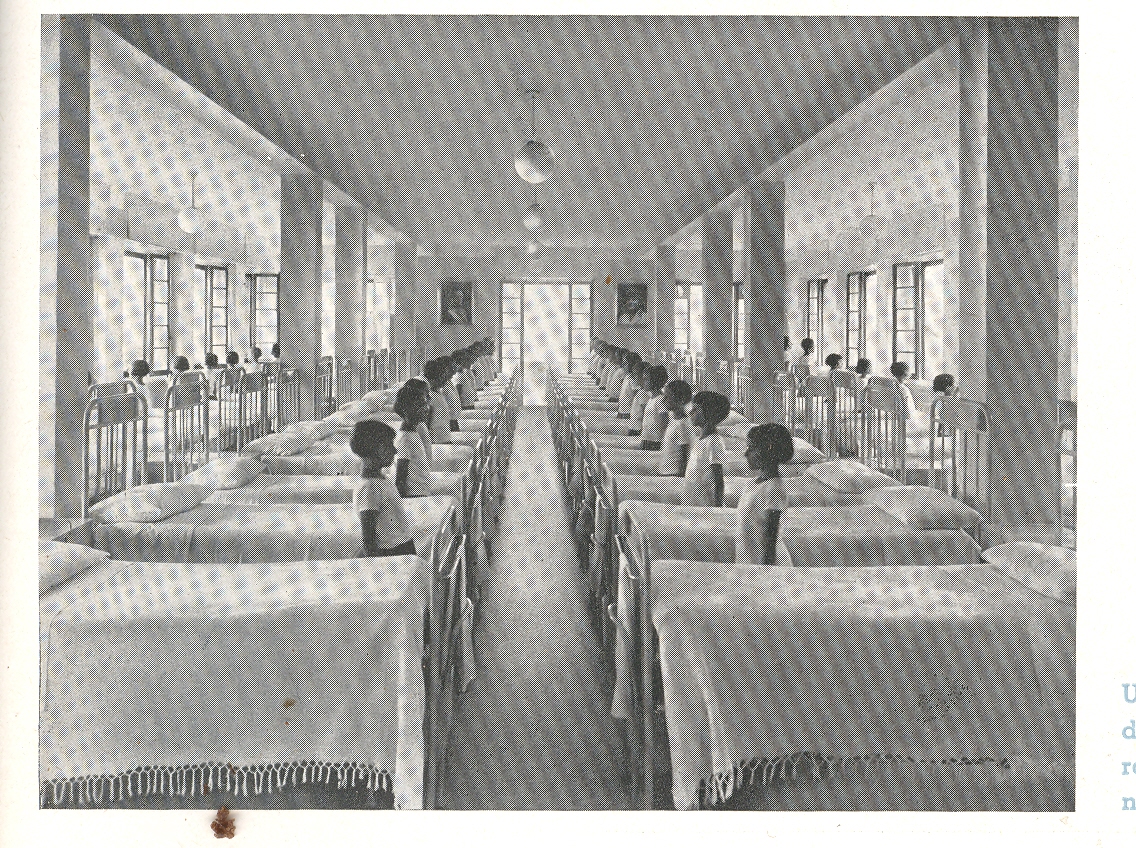
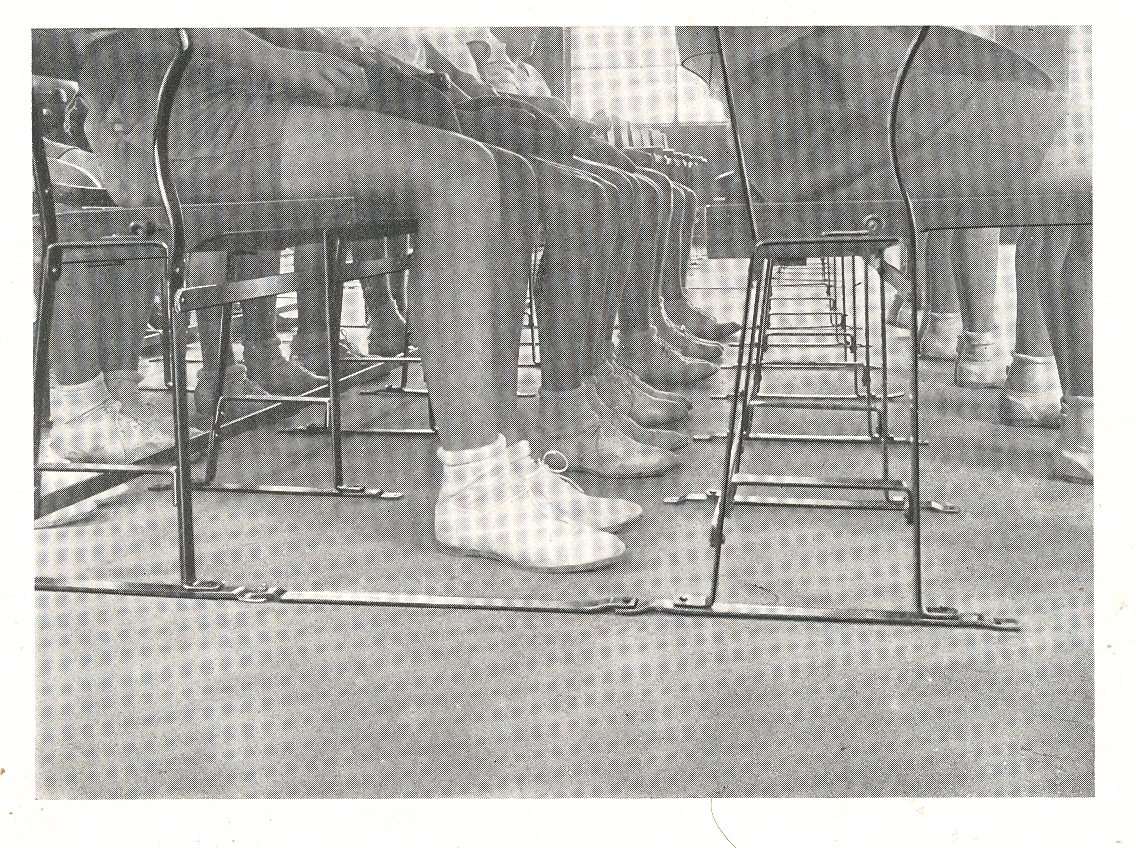
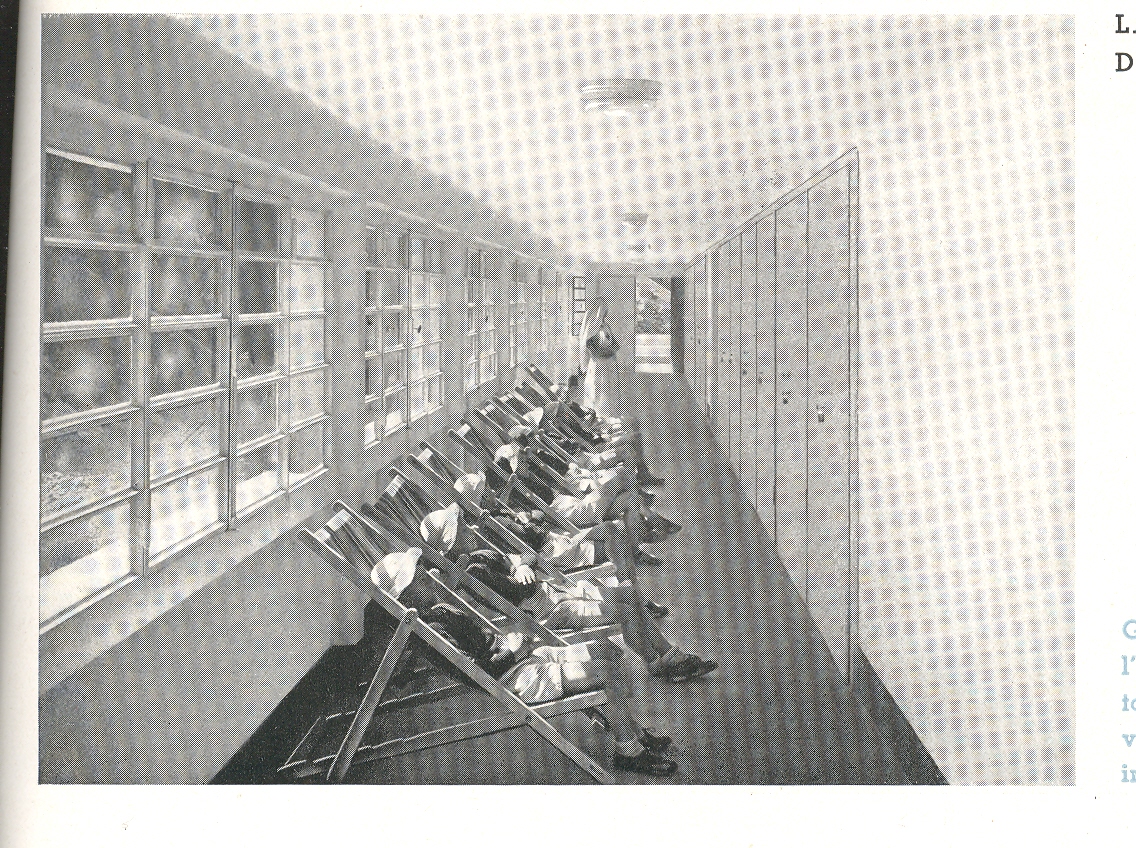
The lines here are a little more benign, though with
shriveled overtones of corrected respect.
like dressing your ear-infected 14-year-old St. Bernard/Jack Russell (?!) mixed
breed in baby booties—its just not right, and these images attest to this simpy comparison. All of these photographs
come from a delightful manufacturer’s catalog for linoleum products (Il
Linoleim nelle Costruzioni Scolastiche), which was printed in Umbria
 I’ll undoubtedly write a post on this stylistic
beauty later on, but suffice to say for right now that it really is a lovely
thing. If only we could forget the
Mussolini part. Now I’m no fan,
necessarily, of linoleum, but if I had
to live on a linoleum island far removed from civilization and I had to choose
a design for my world, I would choose the designs from this catalog, without
hesitation. They’re spare, well-proportioned, beautifully design utilitarian designs;
they are also very shiney and cold with a dispirited order, but so it
goes. The catalog seems to speak for its
times, the inspired design bowing to the weighty needs of the flatulent state.
structured environments, they still look as though they really don’t believe in
whatever it was was happening.