JF Ptak Science Books LLC Post 366
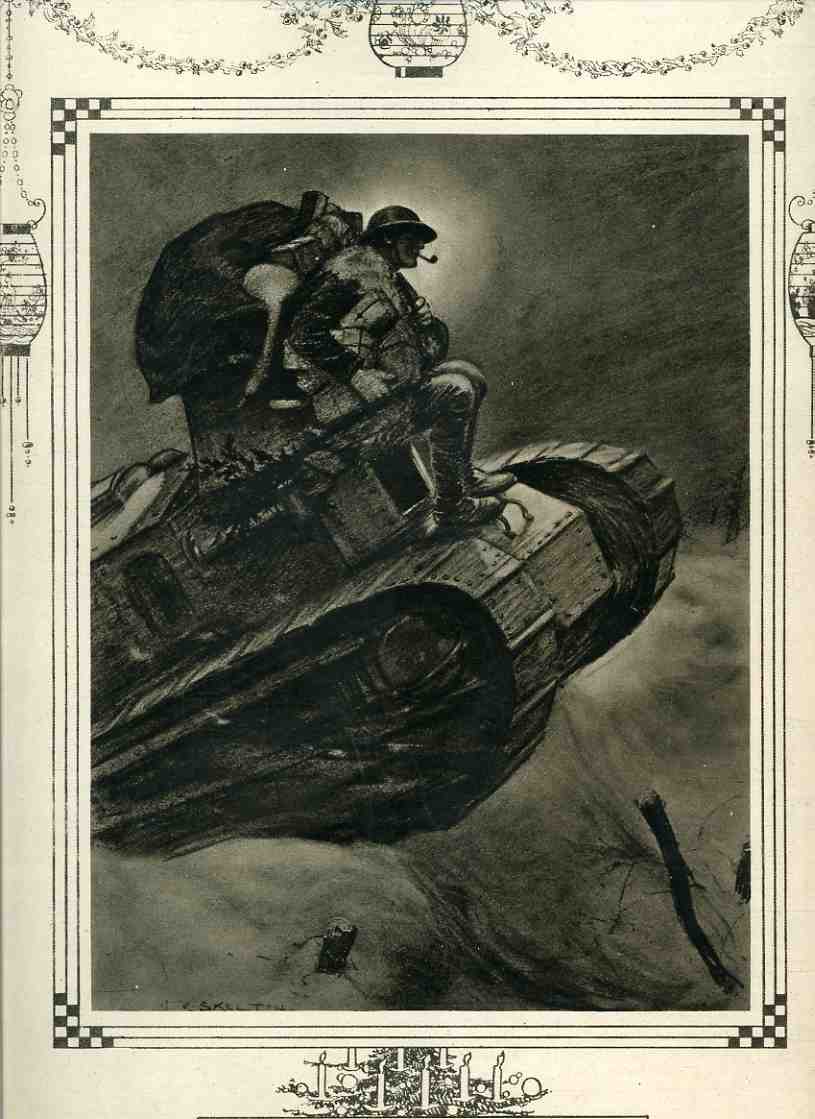
November 11, 1918 marked the end of World War I. There were approximately 40 million casualties, including 20 million deaths and 21 million wounded, half of the deaths being civilians. The dead and wounded were about equally distributed to the Allied and Central powers, 6 million dead and wound for Germany and 5 million for France. The U.S., coming late into the war, lost about 170,000 killed and wounded. There was plenty to go around.
There were numerous and major battles fought right to the end by the exhausted combatants: St Mihiel (September, 1918), Meuse-Argonne (September – November, 1918), Canal du Nord (September, 1918) Vittorio Veneto (October, 1918), Second Battle of the Marne (July–August), and the British offensive in Palestine (September 1918) to name a few.
The end finally did come, the peace signed between Germany and the Allies at Compiegne, France, at the eleventh hour of the eleventh day of the eleventh month of 1918. Or at least the end came to the Western Front—fighting continued across the Russian Empire and also in parts of the Ottoman Empire.
This image of a British Tommy on a tank–in the form of Father Christmas, racing across the cold, backlit by a cold Moon—seems particularly ambidextrous to me. Hopeful, celebratory, and mindful too of all those men who would not be returning, mindful of those who would; a curious display of what the coming holiday could mean to a hundred million people, joyful and crushing. The tank’s canon, I see, has been removed.
The poet Laurence Binyon (who seems to have done everything and been everywhere) wrote one of the most often quoted poems for the remembrance of the dead of WWI:
They shall grow not old, as we that are left grow old:
Age shall not weary them, nor the years condemn.
At the going down of the sun and in the morning
We will remember them. We will remember them.
–from “The Fallen” published with “The Fourth of August” and “To Women” collectively as “The Winnowing Fan”. These works were set to music by Edward Elgar as The spirit of England: op. 80, for tenor or soprano solo, chorus and orchestra (1917).
I remember driving past the organization for the WWI veterans, on Duke Street, in Alexandria, Virginia, and watching its building, and sign, get smaller and smaller over the years, until one day, the building was vacant, an old coat of paint being the outline of the organization’s removed sign. Armistice Day had disappeared in the U.S., morphed into a general day of observation for all war veterans, in 1954, and called Memorial Day. Honestly, I think that Veterans in general should have their own day, but a different one, and leave 11 November to commemorate the lost of WWI.