JF Ptak Science Books LLC Post 329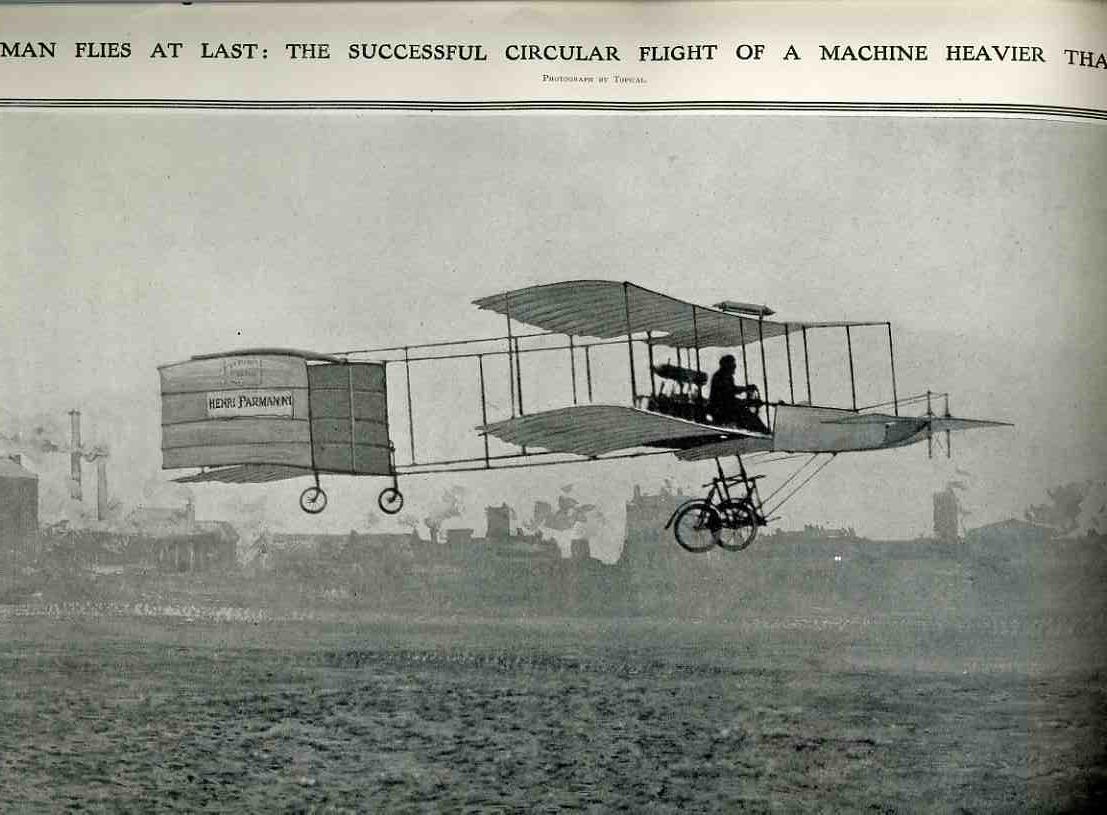
In early 1908 the future of aviation in
Europe was tucked away in a crate in
France
. The hommes oiseaux, the Wright Brothers, were
about to show the Europeans what flying was—and flying was definitely not what
the Europeans had been doing. The
difference between the Wrights and everyone else was obvious: the Wrights were flying; they were elegant,
crafted, flexible, viable, and their movements in their craft were convincing
that they really did belong there. The
European efforts in the air to 1908 were heavy, big and box-y, forced; they
made things try to fly, rather than fly.
early European aviators, owning several of the continental flight duration
records, though no one in
Europe
had been in
the air for more than one minute prior to 1908.
But Farman achieved a major success in January 1908 that was of a sort of
monumental stature that is difficult to understand today. And what he did was this: for the first time in
Europe
he flew an aeroplane in a circle. On 15
January he was the only one top complete a one-kilometer circular course,
taking with him the vaunted Deutsch-Archdeacon prize. What this meant though
was a huge jump in the control of the flying machine; it became right there no
longer a flying car, but an aeroplane with more
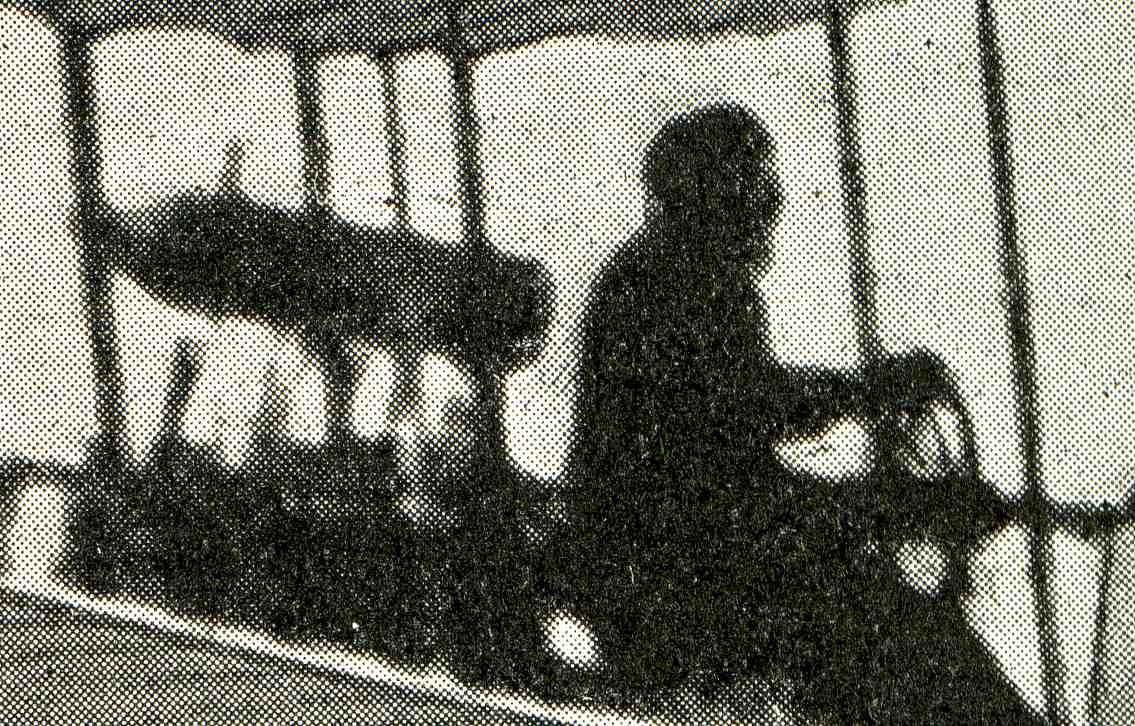
delicate controls. [The image above shows Farman in a photo from The Illustrated London News for 18 January 1908, just taking off. I get the very definite sense of him leaning forward, feeling the tension of the moment.]
But the Americans were masters of the air,
having by far the most successes, and traveled further and faster and with
more élan and capacity than anyone else anywhere—and by wide margins. But to this point the Europeans had only
read of their accomplishments, and had seen only still photos. There was no way for them to appreciate the
magnitude of the Wrights’ accomplishments via those media. Their frustration could be seen in this image
from The Illustrated London News of 15 June 1908, which screamed “Wright’s
Secret of Flying revealed at Last: Photographs of the Mysterious Aeroplane”.
The big page showed an artist’s representation of the two-person flyer along
with a smaller, smudgy photo of the great machine in flight.
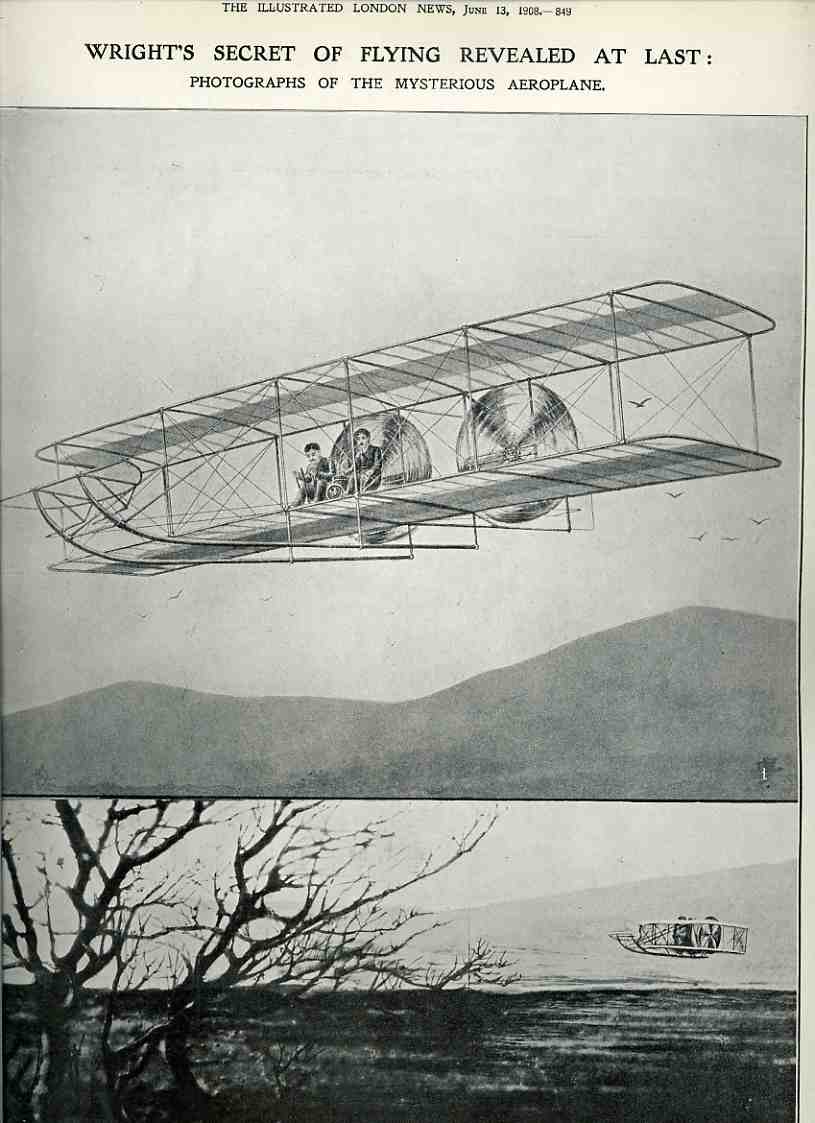
moment, as Wilbur Wright was busy trying to repair his crated plane, which was,
incredibly, damaged by customs inspectors.
The plane was finally ready and on 8 August Wilbur flew—he made tight,
effortless turns, demonstrated exceptionally able control, flew low and high,
fast and slow, and made lovely landings.
His crowd included the most celebrated flyers on the continent—they were
all uniformly astonished, leading some to say, for the record, that compared to
the Wrights, the Europeans had done absolutely nothing. Wilbur Wright was an enormous hero, feted far
and wide, making some 200 flights over the next year. The Wright Brothers’ plane was finally seen
and inspected,. And all of the claims of greatness seemed to be surpassed by
their physical demonstrations.
The most interesting part for me is that, even five years following their first successful heavier-than-air flight in Kill Devil, North Carolina, the astonishing correctness of their accomplishment could not be fully appreciated without their flyer being seen in operation, and in person.