JF Ptak Science Books LLC Post 878
I’ve been reading Nuremberg
Interviews (Knopf, 2004) by the American Leon Goldensohn, a psychiatrist who conducted interviews with
19 of the 24 “premier” Nazis brought to trial at
approach to dealing with his subjects, leaving many dangling questions and
comments not pursued. On the other hand,
he may not have been the type of psychiatrist who asked any questions at all of
his patients, so at the very least we do have an interesting insight into these
failed people that we would not have had otherwise.
understatements made by Hermann Goering (Field Marshal and once second in line
to Hitler as a hand-picked successor) regarding the extermination camps.
Goering maintained that he really didn’t know anything about them, at all, but
found them offensive to his “chivalric” (if not moral) code. He felt that the
killing of the Jews in this manner would “give
of warfare it turned out “not to have been worth much”. But Goering continues: “If killing the Jews meant anything, such as
that it meant the winning of the war, I would not have been bothered by it”.
result of “Goebbels’ hysterical propaganda” and “is not the way of a gentleman”
.Also, the gassing women and children just wouldn’t do. He found gassing women to be “ungentlemanly,
and thus would not have been able to authorize such a thing. Killing children, he said, would not have
been “sportsmanlike”.
but he “knew that it would be useless” to investigate the rumors “even though
it would have been easy” to be do so.
His reasoning: he wouldn’t have been able to do anything about it; and
faced with that, he concluded, “it would make me feel bad”.
say something like this, that there was an error in translation, or some
difficulty, or something. With Goering,
I’d say that this was an accurate statement. Sportsmanship. He didn’t mention men in the gas chambers,
but since he had defined his limits of gentlemanly and sportsman-like conduct,
it stands to reason that the men were fair game in his mind. Only monsters think like this.
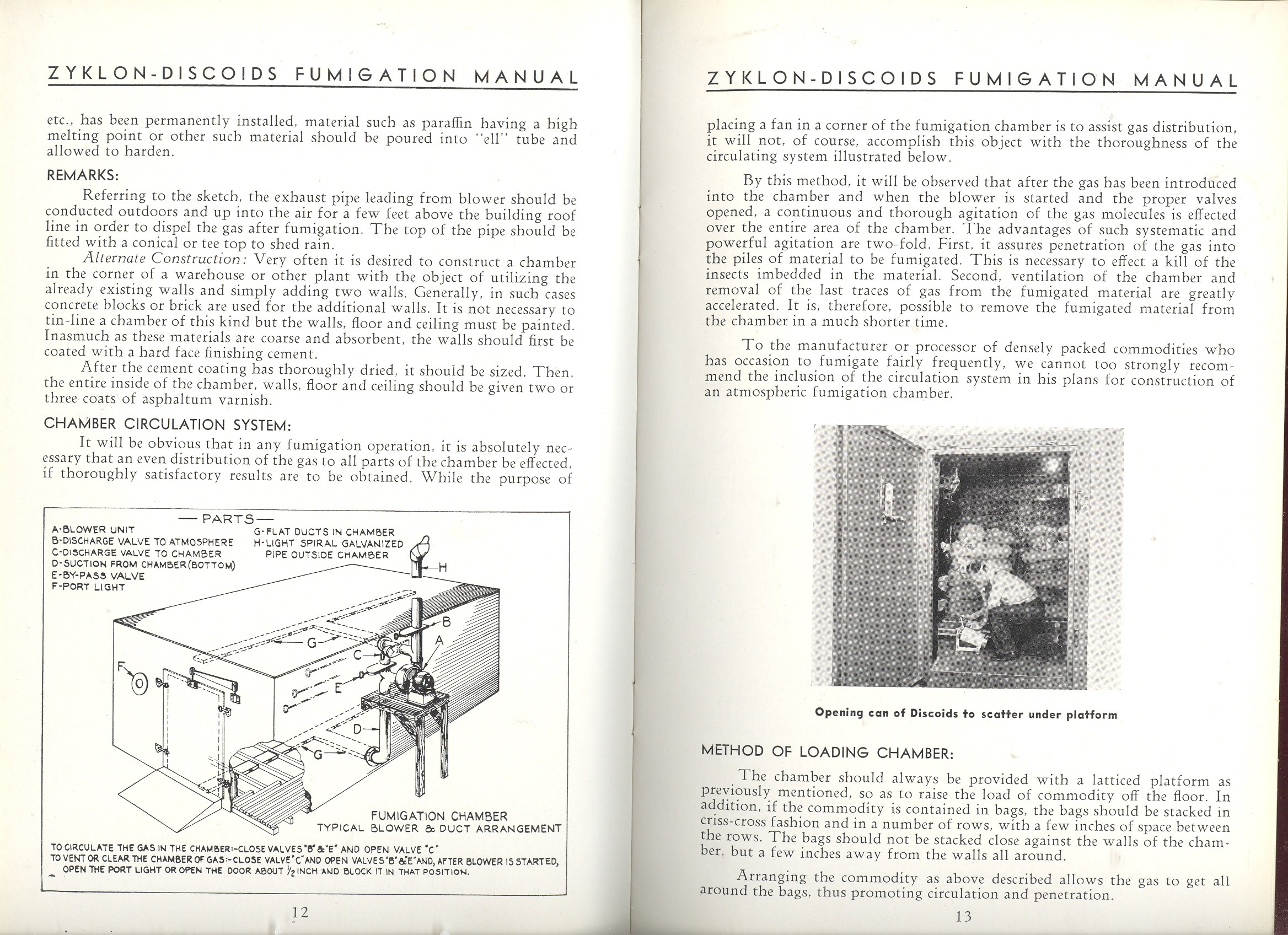
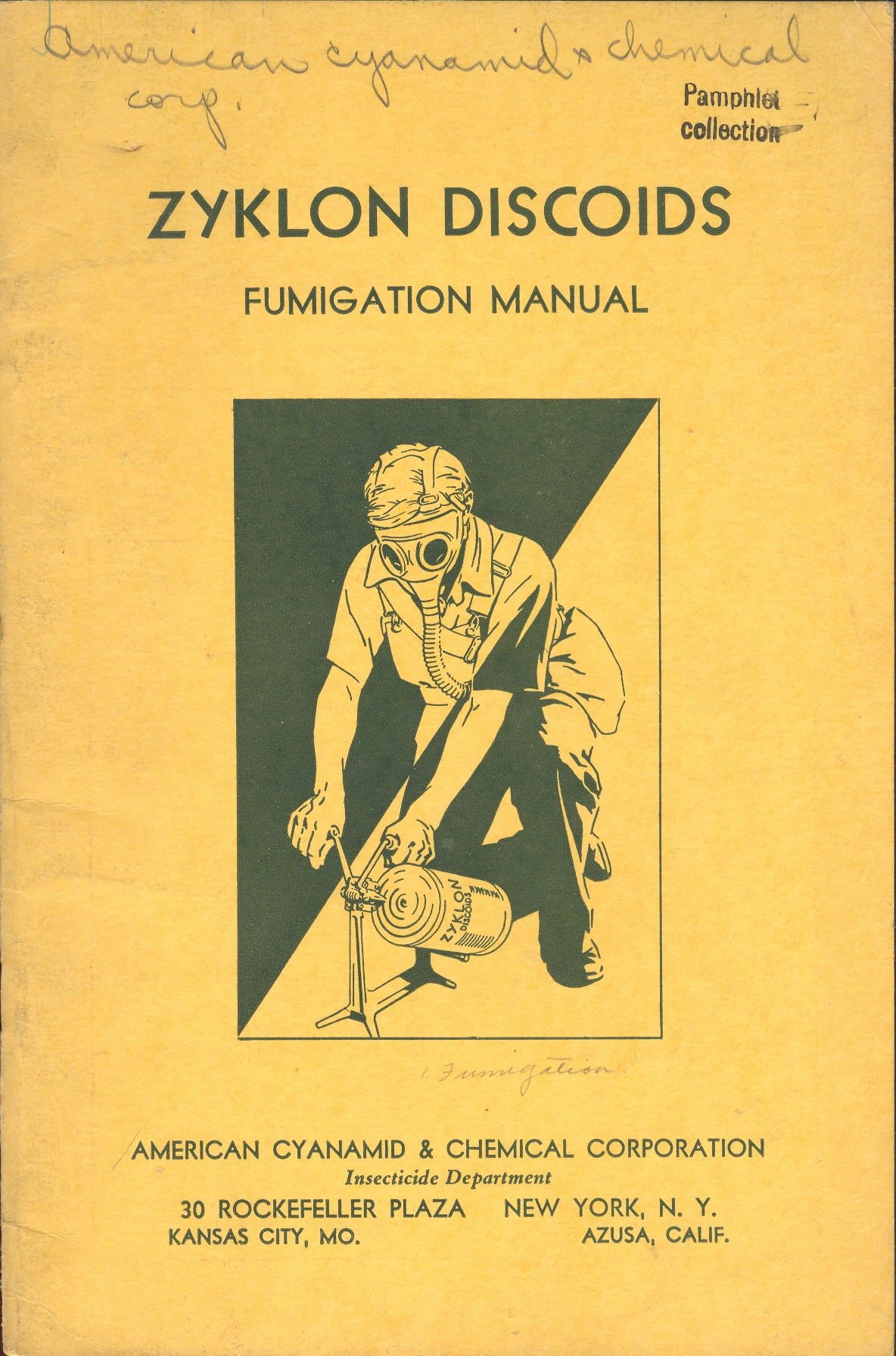
American industrialists in the pre-1945, deep connections to Ford and Standard
Oil, and thus from Standard to IG Farben, and then to Zyklon-B (and also HERE) and back again
to the gas chamber. These connections
are long and arduous, complex—but they really are there, the American support
for the Nazi government, developed mainly for money but also for ideology. One
of significant front man for the Nazi government is also one of Cornell’s 100
most illustrious alumni, Walter Teagle. Teagle was president of Standard Oil
and partnered with the Nazis in 1938, one result being shared research and
patents, some of which were crucial war materials like tetraethyl lead
and synthetic rubber.
(Tetraethyl lead was a fuel additive that in some respects made it possible for
the Luftwaffe to attack and bomb
I use the term “front man” because of Teagle’s blatant lies to the Securities
and Exchange Commission concerning true ownership and control of I.G. Farben’s
American subsidiary, American I.G. Chemical Corporation. (It was happily believed that a Swiss
subsidiary controlled the company rather than its Nazi owners. Teagle of course
knew the truth.)
This is just one of a geographical dictionary of stories on
the American/Nazi business connection and the financing of Hitler. It is a long
and winding mass of roads, none of which is particularly pretty, many of which
lead straight home, again. Henry Ford
was impossibly ugly in all of this, a moral stain. But there were many like him
as well.
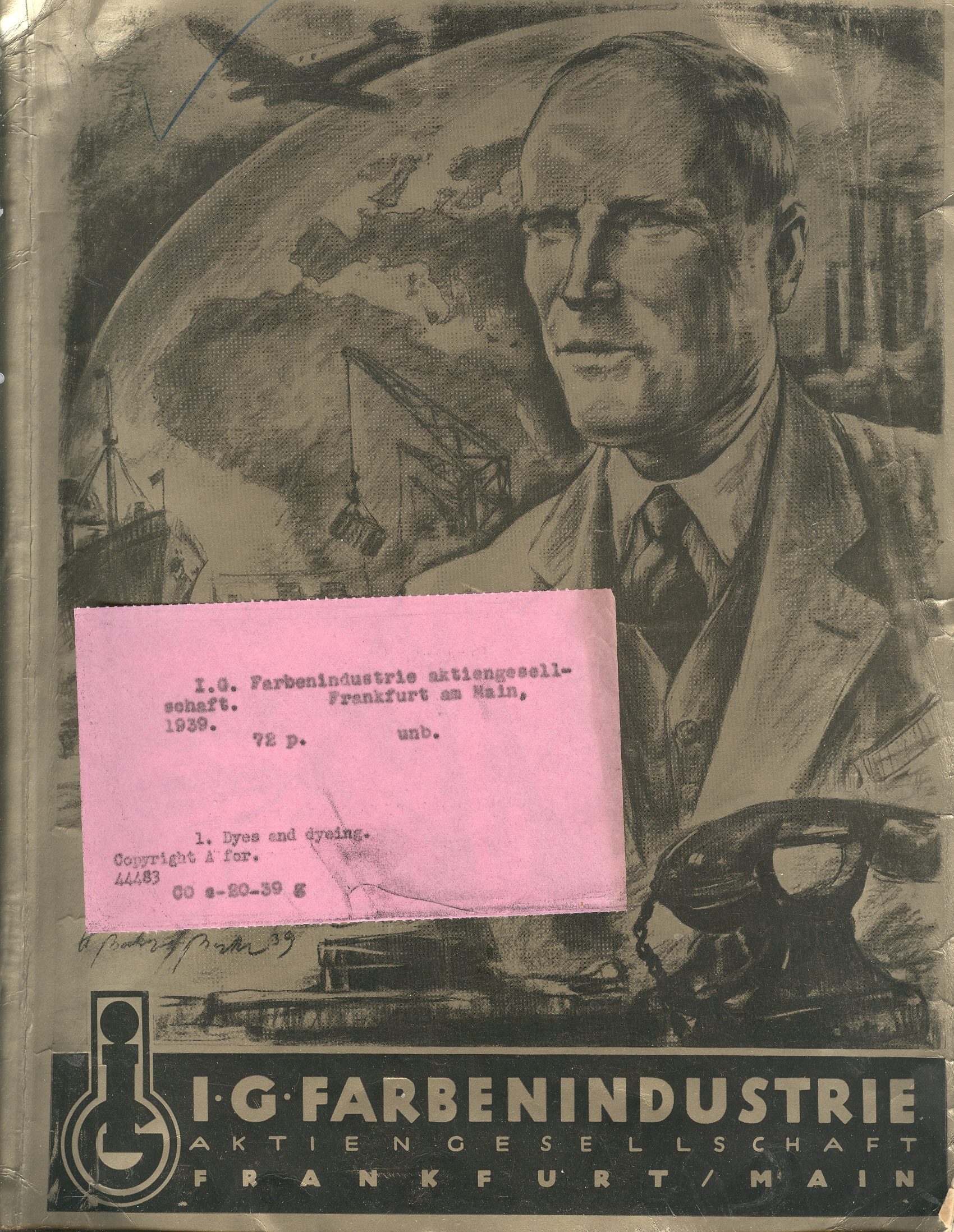
many levels, in particular with explosives, where the company produced nearly
all of the explosives used by the German army. Farben also swept into countries
freshly occupied by the Wehrmacht to take over the industrial complexes, using
and discarding indigenous workers as they saw fit and necessary. I
think what most people think of when they think of I.G. Farben is their
sustained involvement and investment in the extermination camps. For example, Auschwitz IG (and Buna-Werke) was
a direct subsidiary of IG Farben which ran the Auschwitz III (or Monowitz,
Monowice) labor camp, using and consuming some 50,000 slave laborers at a time
at its various installments around the vast
complex. These workers would be weeded
out from time to time, with those too weak to work sent to the gas chambers at Birkenau.(Zyklon-B was used at Majdanek, Sachsenhausen and Operation Reinhard .)
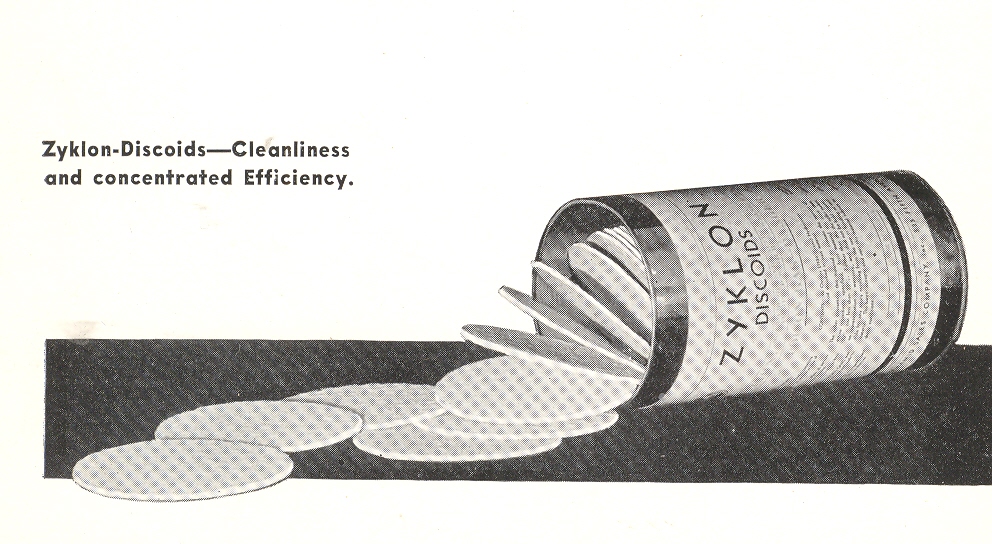
In the appalling history of the gas chambers, it was almost
by accident that Zyklon-B came to be used to exterminate human beings. Its function to that time was to exterminate
bug pests, but experimentation showed that it worked lethally upon humans. Monumental amounts of Zyklon-B were sent to
the extermination camps, all without question. Dr. Fritz ter Meer, one of the
directors of Farben and who knew exactly what the vast amounts of Zyklon-B was
being used for, was tried at Nuremberg and sentenced to seven years in prison
for genocide and crimes against humanity, though he was released after four
years after the intervention of U.S. High Commissioner for Germany J.J. McCloy.
(It was McCloy again, working with Standard Oil and the Rockefellers, who
ensured that the massive Farben works at Frankfurt was taken off lists of
American bombing targets in 1943 and 1944.)
ter Meer returned to work for Farben after his imprisonment—though it
wasn’t the old Farben anymore, the company having been slightly effaced, broken into
several constituent elements. Ter Meer’s
section of Farben was Bayer, as in Bayer aspirin, where he served as Chairman
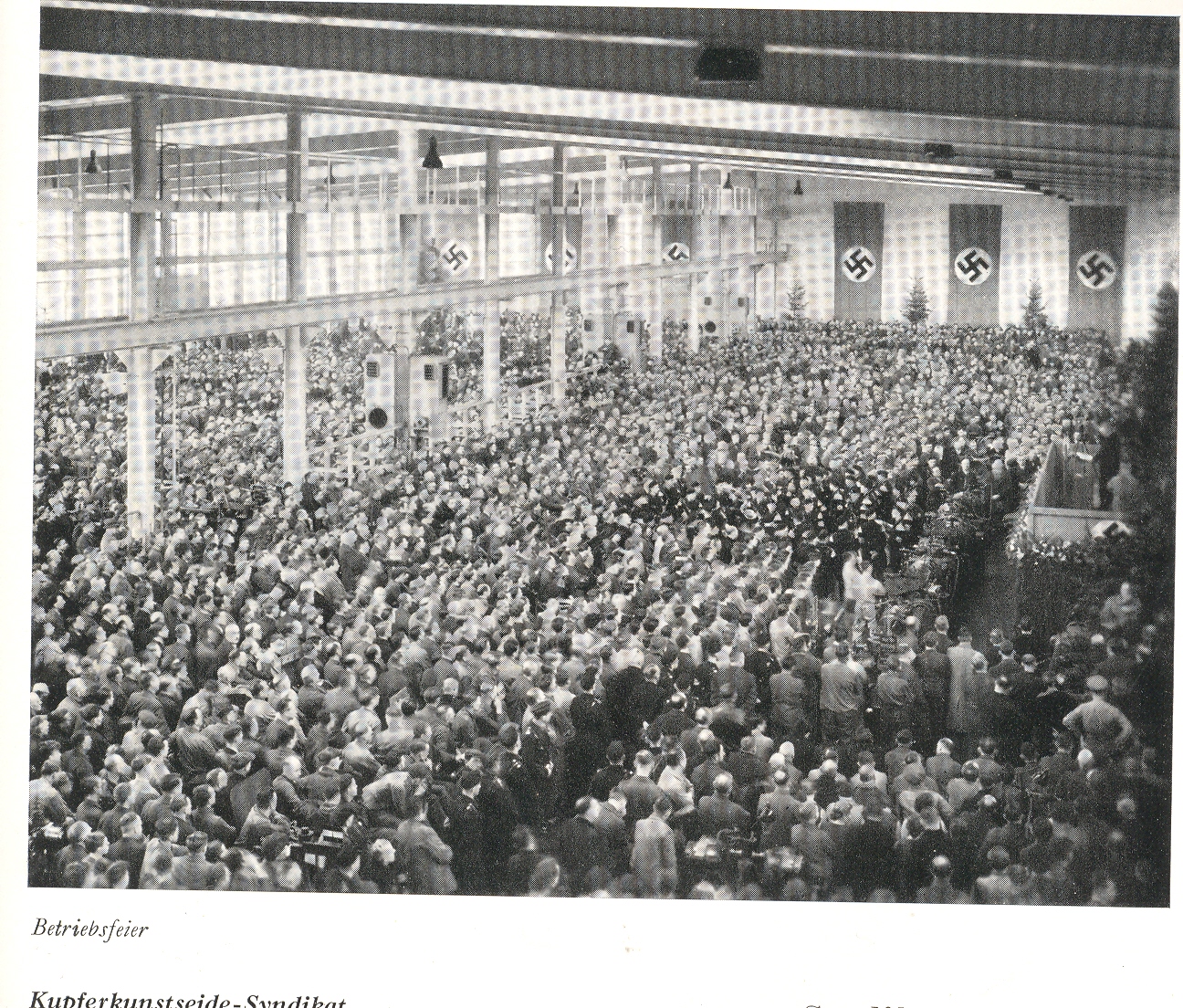
from 1952 to 1961. {Image below: political meeting at IG Farben.]
Dr. Fritz ter Meer, a director of IG Farben who was directly involved in
developing the nerve gas, Zyklon-B, which killed millions of Jews, was
sentenced to seven years in prison but was released after four years through
the intervention of Rockefeller and J.J. McCloy, then U.S. High Commissioner
for Germany. An unrepentant Fritz ter Meer, guilty of genocide and crimes
against humanity, returned to work in Bayer where he served as Chairman for
more than 10 years, until 1961.
of the Zyklon-B-producing subsidiary, Degesch ((Deutsche Gesellschaft für Schädlingsbekämpfung mbH, or German Corporation for Pest Control), was acquitted of all war crime
charges brought against him. He took
charge of another part of the disbanded Farben empire, serving as CEO of BASF
from 1962 to 1974. The directors of Testa, another Farben subsidiary producing Zyklon-B–Bruno Tesch and Karl Weinbacher – met with a different end in a British Military court, and were executed.
undeserved redemptions. For example, in
the coming fight against the Soviets, the
government developed a convenient amnesia regarding the atrocities committed by
Wernher von Braun et alia, paperclipping them away to the
missile and rocket capacities.
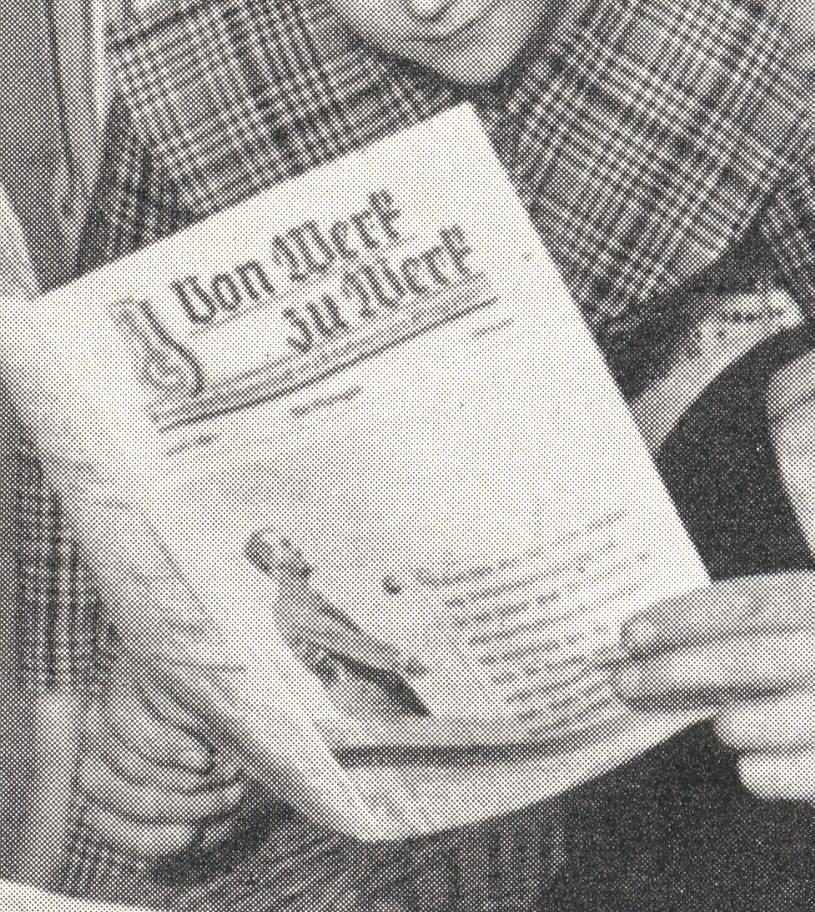 [Above: one of the many appearances of Hitler on the front page of Farben’s newspaper, Von werk zu Werk.]
supposing to be an hour’s effort—there is simply too much to put into a tiny
synopsis like this. I just got stuck on
Goering and Farben. Seeing these images
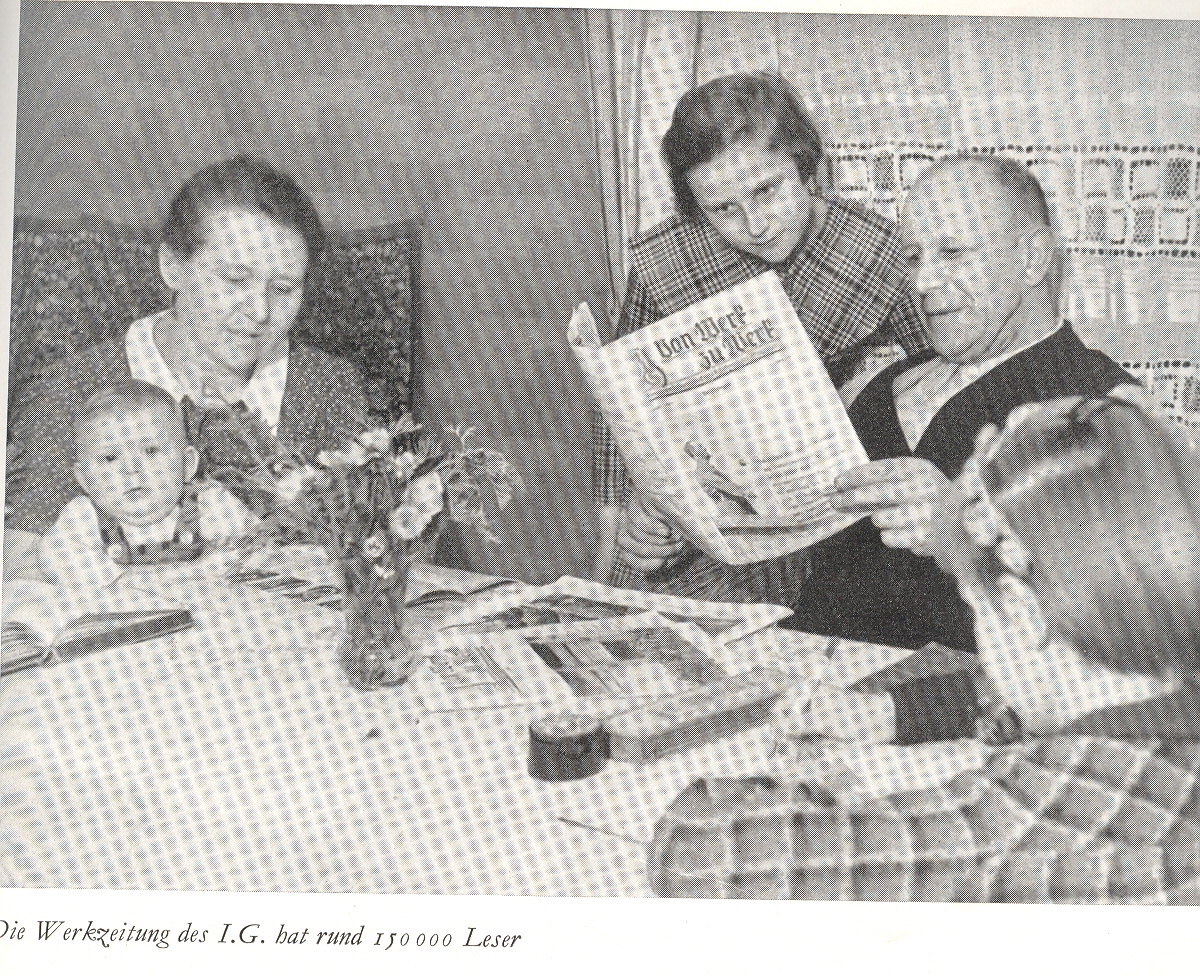
from one of the many Farben publications with so many swastikas and so much Nazi symbolism made me terrifically sad…Yes, Farben was the largest backer of Hitler in his rise to power in 1931/32 and supplied even more after the election, and of course Farben received the most benefit than any other company in Germany as a result of the victory, but still, there is just so much of it… [See HERE for an interesting short item on the adaptation of Farben to nazism.]
In all of this the survivor has been Zyklon-B itself: it is still in production in the Czech Republic by Draslovka Kolin (Kolin), and is now known as Uragan D2.
[Some vintage footage from the trials at Nuremberg.]