A Daily History of Holes, Dots, Lines, Science, History, Math, Physics, Art, the Unintentional Absurd, Architecture, Maps, Data Visualization, Blank and Missing Things, and so on. |1.6 million words, 7500 images, 4.9 million hits| Press & appearances in The Times, Le Figaro, Mensa, The Economist, The Guardian, Discovery News, Slate, Le Monde, Sci American Blogs, Le Pont, and many other places… 5000+ total posts since 2008.

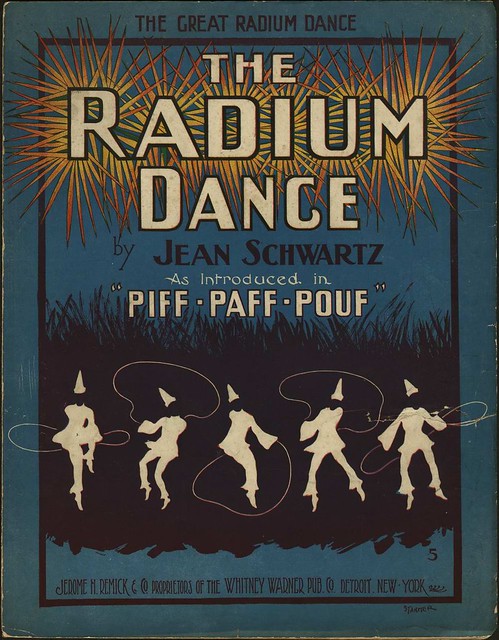
  • The Radium Dance, 1898 and 1904

    JF Ptak Science Books   Post 1595

    photo
    Jean Schwartz (b. 1878) , composed this number for his (with the collaboration of William Jerome) Broadway (hit!) musical comedy Piff! Paff! Poof!  in 1904,  which sounded like this.
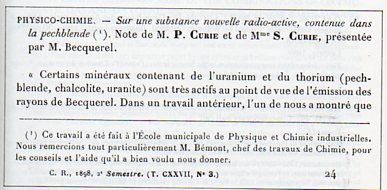
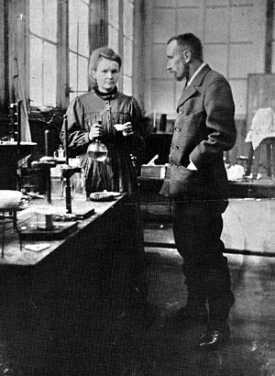
    But the real story–that we’ll deal with later–occurs a few years earlier, in 1898, with a married couple of scientists who made an epochal discovery:
    Curie712
    What was easier for folks to understand was the application of the discovery, just six years after the Curie effort–though it did take a little longer to take hold in the public creative imagination than, say, the discovery of the X-ray, which entered the public mind almost instantly following its discovery in 1895. 

    72dpi JPEG image of: The radium dance; Piff-paff-pouf

    [Source:  Duke University]

    [Source]

    Perhaps the real Radium Dance occurred for the first time by the people who found the thing, radium, back there in 1898–Marie Sklodowska Curie and Pierre Curie.  They were a happily married couple, beginning their joined life in 1895, vacationing on wedding present money on bikes through the French countryside.  They were soon back to their primary love in physics and chemistry, and inspired by the work of Henri Becquerel, began their assault on radioactivity in the next year.  After several years of effort and laboriously extracting a gram of  pure radium (by 1902) from a ton of pitchblende, they published their efforts in the volume of the great French scientific journal, Comptes rendus…Academie des Sciences (volume 127, in three short articles), announcing their discovery of polonium (after Marie’s country of origin) and radium. 

    The really big Radium Dance would occur the year before the Broadway hit, in 1903, when the Curies and Henri Becquerel were awarded the Nobel Prize in physics1. 

    Notes:

    1. The Nobel Prize in Physics 1903 was divided, one half awarded to Antoine Henri Becquerel “in recognition of the extraordinary services he has rendered by his discovery of spontaneous radioactivity”,the other half jointly to Pierre Curie and Marie Curie, née Sklodowska “in recognition of the extraordinary services they have rendered by their joint researches on the radiation phenomena discovered by Professor Henri Becquerel”.

  • Looking Backwards: How Far Back in Time is 1949 (in Computer Years)?

    JF Ptak Science Books  Quick Post

    The history of computing, in its inception, could be measured in decades, beginning, say with Babbage; by the time of the earliest large machines (1945-1950), computer time could be measured in a decade.  Come the deacade of 1960, the computer year could be measured finally in years.  After that, after microminiaturization, and the personal computer, the year started to be measured in months.  And then, of course, the year really sped up–I’m not sure if there is only a week or two in the year, now; maybe its measured in days. [This piece of computer history ephemera is available at our blog bookstore, here.]

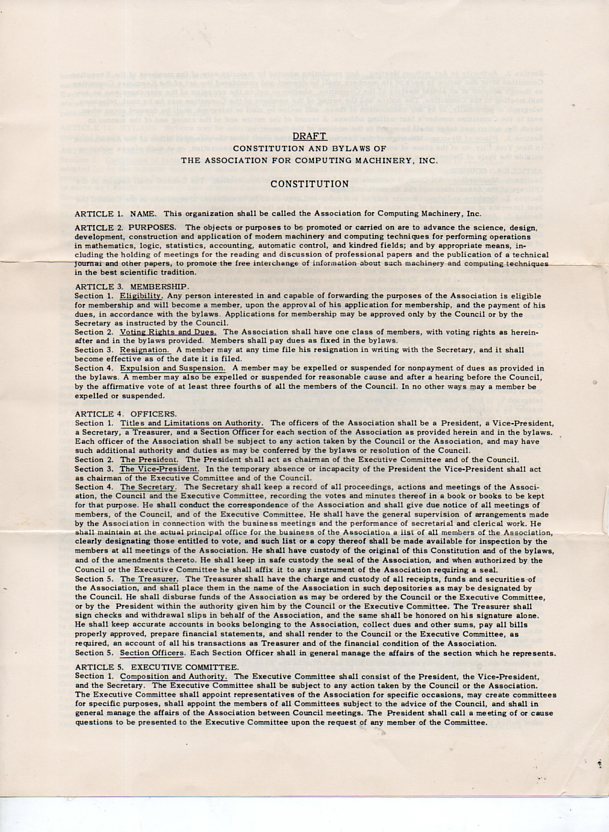
    Acm draft713 [Click to expand]

    Looking at this document from the beginning of the first tweeks of mass professionalism in the development of the computer emphasizes this business of time.  This draft of the constitution and bylaws of the Association for Computing Machinery (the ACM) was complete in four pages, including the establishment of its members, officers, executive committee, meetings, bylaws, meetings–the whole deal, in four pages. 

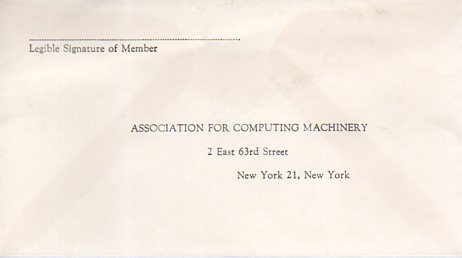
    Acm draft717

    The document is undated, but as far as I can determine, I believe that this document was printed in late 1949, soon after the ACM dropped the “Eastern” that used to appear as the first word in the title of the organization.   

    Its quite a spectacular thing, seeing what would become a vast organization be summed up in its infancy on one sheet of folded paper.   

    The rest of the document follows:

    ·Posted by :

    ·in:

  • A Forty-Year Precursor to Modernism–Found Cubism in 1870

    JF Ptak Science Books  Quick Post     [History of Lines #18]

    I was very surprised to come across this illustration while browsing the (3 April)  1870  volume of Punch, or the London Charivari .

    I cannot think of any particular peculiar or unusual edition of Euclid that was published at about this time to demand such an unusual illustration. (The only newish edition that comes into any possible play here is Oliver Byrne’s semi-insane First Six Books of Euclid, published by the Chiswick Press in 1849 and one of the most unusual and beautiful books of any sort printed in the 19th century–but then again that was 21 years before this volume of Punch.) And by “unusual” what I really mean to say is “highly unexpected” , as this all-angular depiction of a woman appears for all the world to be a Cubist- or Expressionist-like image, predating those movements by four decades. 

    But the Angular Woman just seems to be happenstance, a happy precursor to a revolution-in-the-making, an accident forty+ years too early.  She is extraordinary–and for some reason she is smoking a cigarette. 

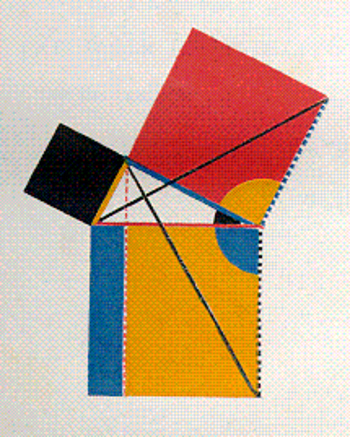
    [Below–an illustration from Oliver Byrne, illustrating the propositions of Euclid via the use of color rather than words, a beautiful but non-functioning work.]

    Blogrealbyrne

  • The History of Aerial Bombing, Advertising and Laxatives

    JF Ptak Science Books  Post 1534

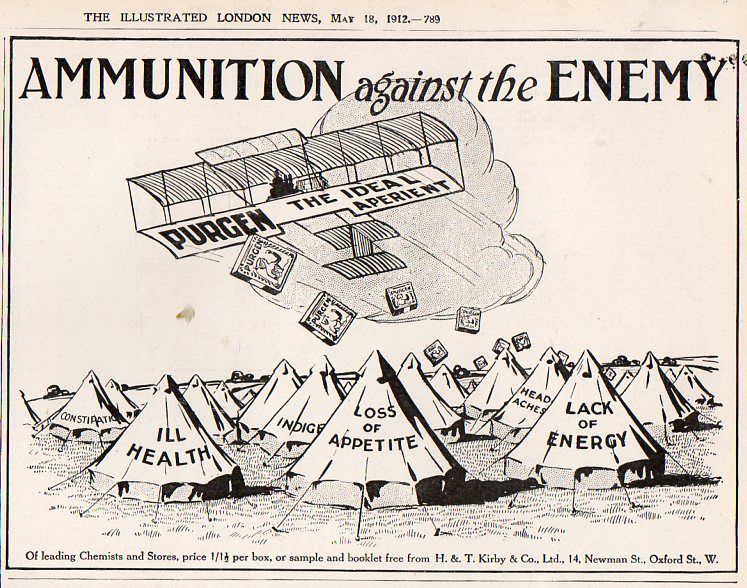
    The business of bombing people and places from airplanes/aeroplanes was fresh in the history of invention when this advertisement appeared in The Illustrated London News on 18 May 1912. 

    Bomb554
    Superweapons have been used against cities for quite some time in the new world of speculative fiction, and there had been real-life aerial bombings from hot-air balloons, but the first time that a bomb was dropped from a heavier-than-air airplane on anything happened just months earlier, on 1 November 1911, when Lt. Giulio Cavotti dropped a hand grenade from his Etrich Taube on the oasis of Tagiura, in North Africa during the Italo-Turkish War.  He dropped four parcels of hand grenades on the not-necessarily-military population at the oasis, injuring no one.  The attack was one of attempted vengeance, a payback by the Italians against the Arabs of Tripoli, in general, for having joined forces with the Turks to fight against them. 

    This air attack was fresh on the heels of a devastating slaughter of the Arabs at Tripoli on 25 October 1911–the Tripoli War would not come to an end until October of 1912. A complaint was lodged that the Italians had broken international law, as bombing from balloons had been outlawed by the Hague Conference of 1899–but the Italians argued that the spirit of the agreement did not apply to bombing from airplanes because airplanes were not balloons. The issue of the legitimacy of bombing from airplanes and then for bombing civilian populations would be a debated issue if not recognized as a restricted practice for decades to come.  As the cogs and wheels of the international court ground out its miniscule progress, people got blown up.  The people-blown-up part trumped international law almost every time. 

    In the meantime came this image of an airplane dropping boxes of Purgen, “the Ideal Aperient” on military-style tents  of “Ill Health”, “Loss of Appetite”, Lack of Energy”, and so on, all within the possibility of cure by this Purgen product.

    So, among the very first advertisements using the idea of aerial bombing as its own delivery system, was this one for Purgen.  A laxative.

  • How to Ditch a B-17, 1944

    JF Ptak Science Books   Quick Post

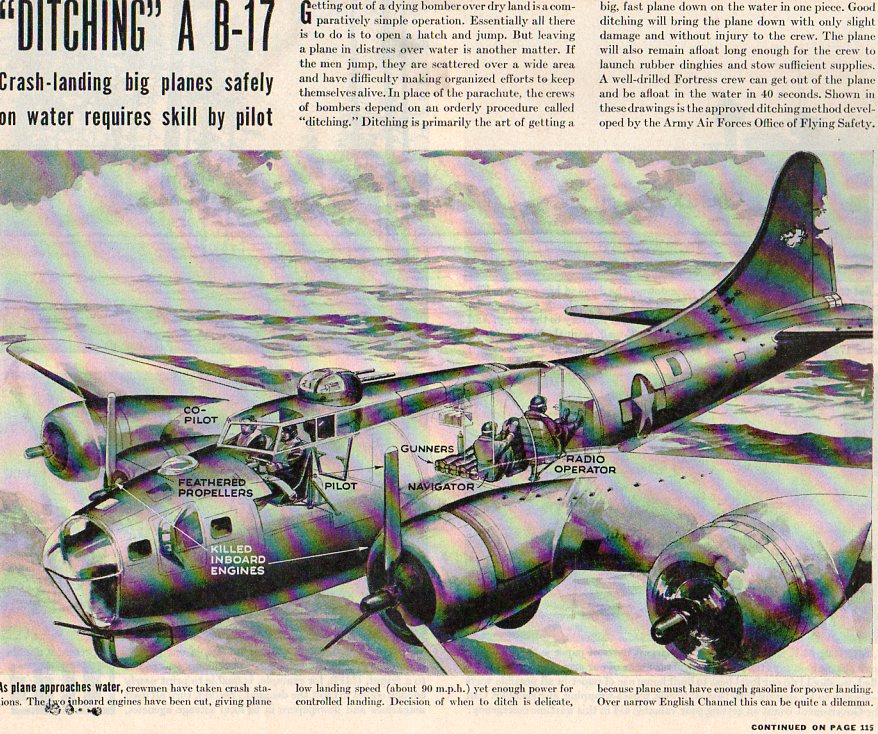
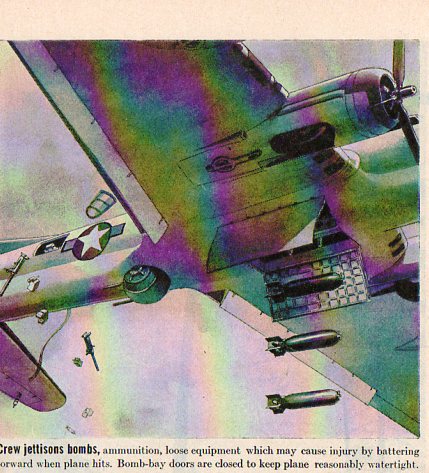
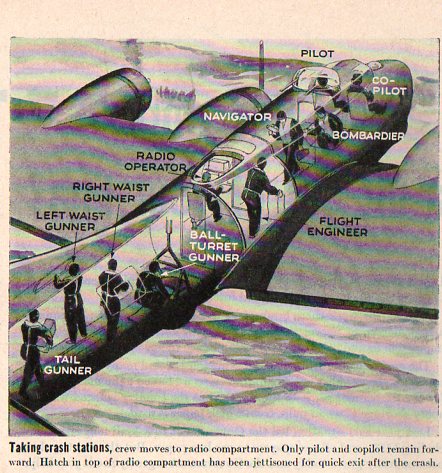
    This interesting article appeared in Life magazine on 1 May 1944 and addressed something I’ve not though about before with the magnificent Boeing B-17.

    Aviation--ditching B-17555

    Aviation--ditching B-17556

    Aviation--ditching B-17557
    Aviation--ditching B-17558

    ·Posted by :

    ·in:

    —
  • Design Bits from Germany, 1920

    JF Ptak Science Books   Quick Post

    (I should point out an earlier post on this blog on radium suppositories and toothpaste, here.)

    German--radium560

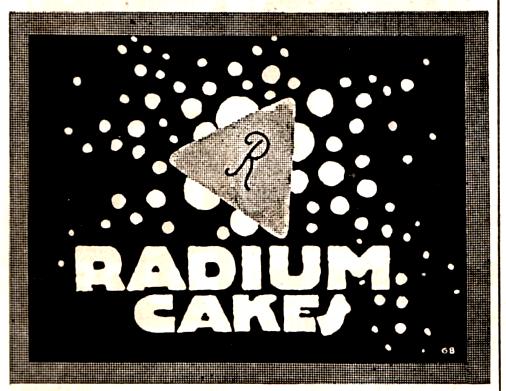
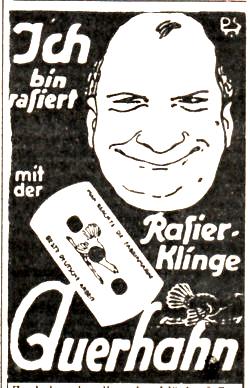
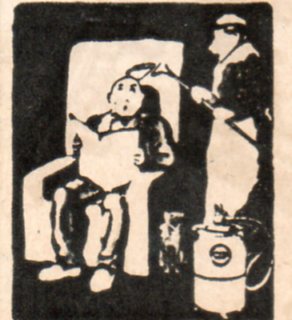
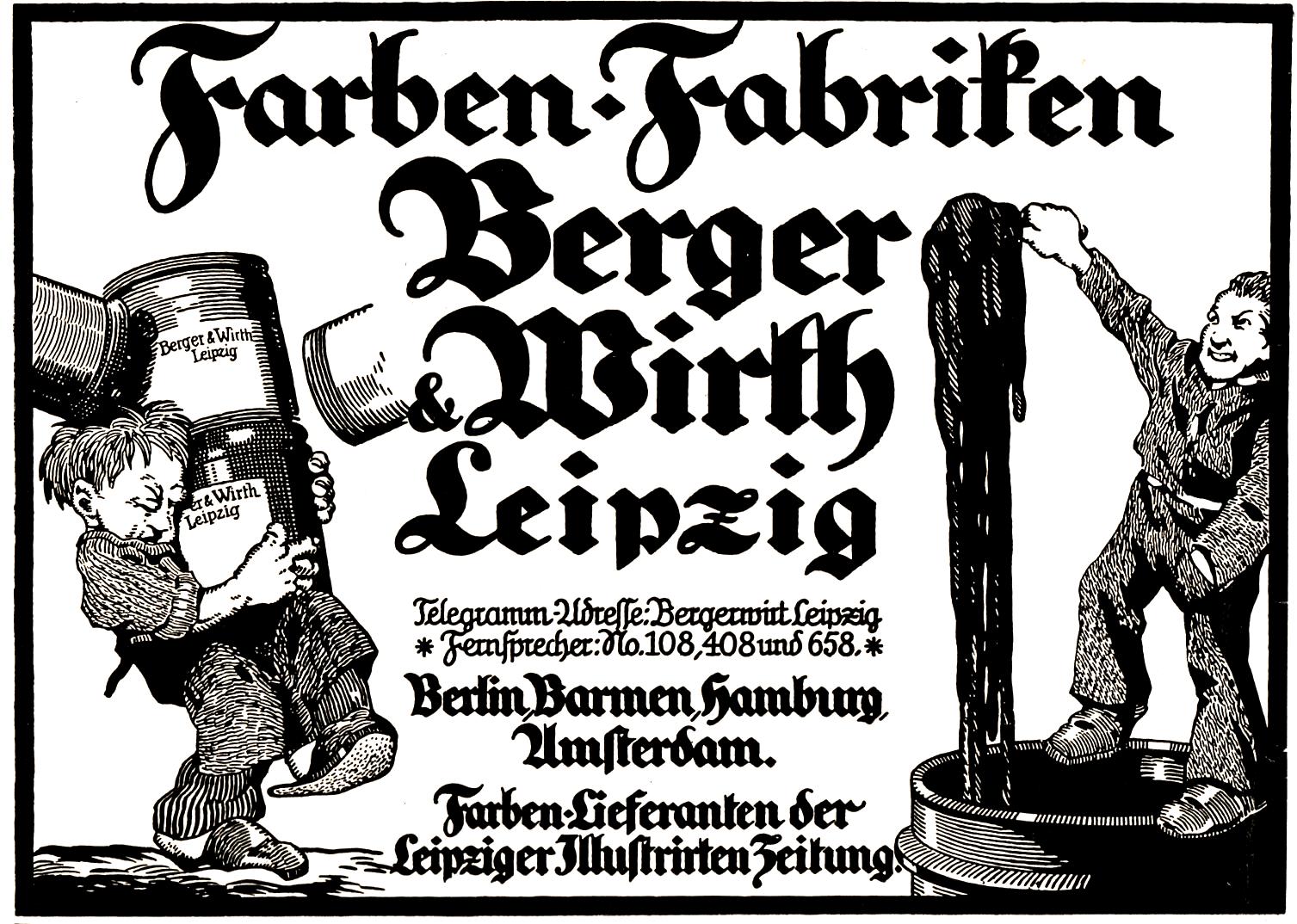
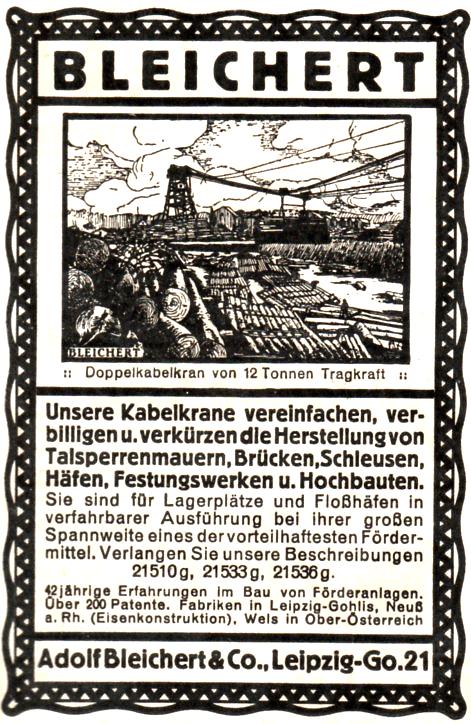
    These images come from one page of advertisements for issue 3991 of the Illustrirte Zeitung (Leipzig), for 1920. The page itself is about 15×10 inches, and is covered with a dozen or so ads, most of them pretty small.  There’s a lot of design going on in those small places, and a lot of it seems pretty “heavy” to me–that in spite of their size, they have a certain weight to them.  Perhaps its the big thick lines, or the very free use of deep black, or the obese typeface.  I’m not sure.  But I like them.

    The ad above is for the mystery product “Radium Cakes” that seems to be a quack something-or-other produced by Radium-Cakes-Werke of Berlin, and was recommended  for hte sick and convalescent, and highly approved by doctors, pharmacists and chemists.  I don’t have any idea if there was radium being ingested or not–and this 22 years after Mme. Curie discovered it.  The colors seem right, though…

    Ich bin Rafiert! 

    German--razor561

    An interesting and tiny (less than one inch tall in the original) illustration for an electrical vacuum “Waku”, sold from Chenmitz.

    German--razor562
      German--razor564


    German--razor565
      German--razor563

    ·Posted by :

    ·in:

  • “China, Glass, Auction & Negro Sales”: Photography of the Sherman Atlanta Campaign, 1864.

    JF Ptak Science Books     Post 1535

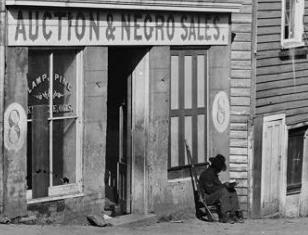
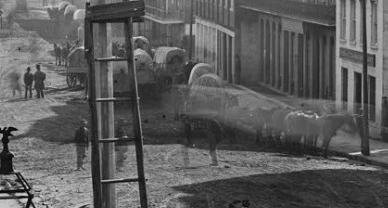
    Atlanta, Georgia.  Whitehall Street:  ” China, Glass, Auction & Negro Sales.” 1864. Photo by George N. Gardner.

    The first name people associate with photography and the American Civil War is Matthew Brady.  Brady did of course come up with the idea for photographically documenting the conflict and made images of his own, but the truth of the matter is that he had a lot of help making his record–other great names from the early period of American photography were employed by him, sent out into the field to record what they saw.  Alexander Gardner, Timothy Sullivan, James Gardner, William Pywell and eighteen others recorded the great events in addition to Brady, though for the most part it was Brady’s name on the finished work.

    One of these men was George Gardner (1819-1902), who at one point owned his own studio in Oswego, New York in 1847, working for himself until he joined the Brady force in 1861.  He left Brady in 1863, but he didn’t leave the war, becoming an official photographer for the United States Army, Chief Engineer’s Office and joining General William T. Sherman and the  Military Department of the Mississippi in 1864, at which point he documented Sherman’s Atlanta Campaign.  (One of the results of this effort was his 61-photograph work, Photographic Views of Sherman’s Campaign (1), published in a sumptuous leather bind in 1866, a big, heavy work with original albumen photographs.)  The images below, however, were not published in this work–all 61 images can be view here, at the collections of the Hargrett Library at the University of Georgia.

    Detail of the first image, above–the three other businesses that I can identify are tobacconists of one form or another.  It looks like a Union private is sitting quietly (reading?)  in front of the auction house, his rifle leaning against the wall.  There were a lot of people going into this place, if grime on the doorway is a testament to a legacy of busy-ness. 

    I wonder if you were coming here as a slave, without the ability to read or distinguish any sort of written character, I wonder what you would think of those two enormous “8” characters painted on the side of the building.  That symbol is an old one for infinity, continuing–I wonder how many cultures would have used that line as its own?

    Barnard negro sales detail

    Atlanta, Georgia, 1864.

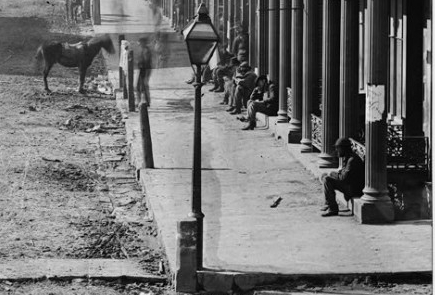
    The only reason that the private in the photograph above is captured so clearly is that he was probably reading, which means he was sitting still for the minute or so that it would take to make the exposure.  That’s what gives this image above its qualities of clarity and ghostliness–there are as many suggestions of people as there are imaged folks in this photo.  What we see plainly are the men sitting on the business stoops–look more closely and you’ll see many more moving along the sidewalk, the briefest bits of them being captured by the long exposure. (There is just a hint of someone leaning against the gas light fixture in the foreground.)

    Barnard atlanta street ghosts--detail

    Nashville, Tennessee.  1864


    Atlanta, Georgia.  View on Marietta Street, 1864.

     Detail:

    Barnard atlanta ladder detail

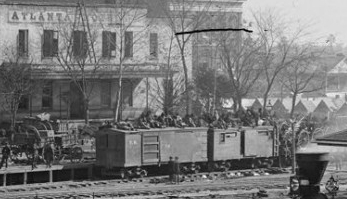
    Atlanta, Georgia.  1864. “Soldiers on boxcars at the depot.”  There was no date that I could find offhand on this image, so I don’t know if the soldiers were coming, or going, or already there and just trying to catch a breeze on top of the cars. It had to be after the end of the campaign, after Atlanta’s mayor James Calhoun surrendered the city following  the entry of Henry Slocum’s XX Corps on 2 September 1864, and sufficiently after that for the men to climb on top of the boxcar and not get fried by a scorching Georgia late summer sun.  They certainly weren’t busy pulling up the rails like they did in so many other locations in the city and vicinity, ensuring a de-mobilization of what had to this point been a primary center for Confederate munitions supply and manufacture. 

     Detail:

    Barnard atlanta boxcars detail
     

    Notes:

    1.  The full title of the book is Photographic Views of Sherman’s Campaign, Embracing Scenes of the Occupation of Nashville, the Great Battles around Chattanooga and Lookout Mountain, the Campaign of Atlanta, March to the Sea, and the Great Raid through the Carolinas.

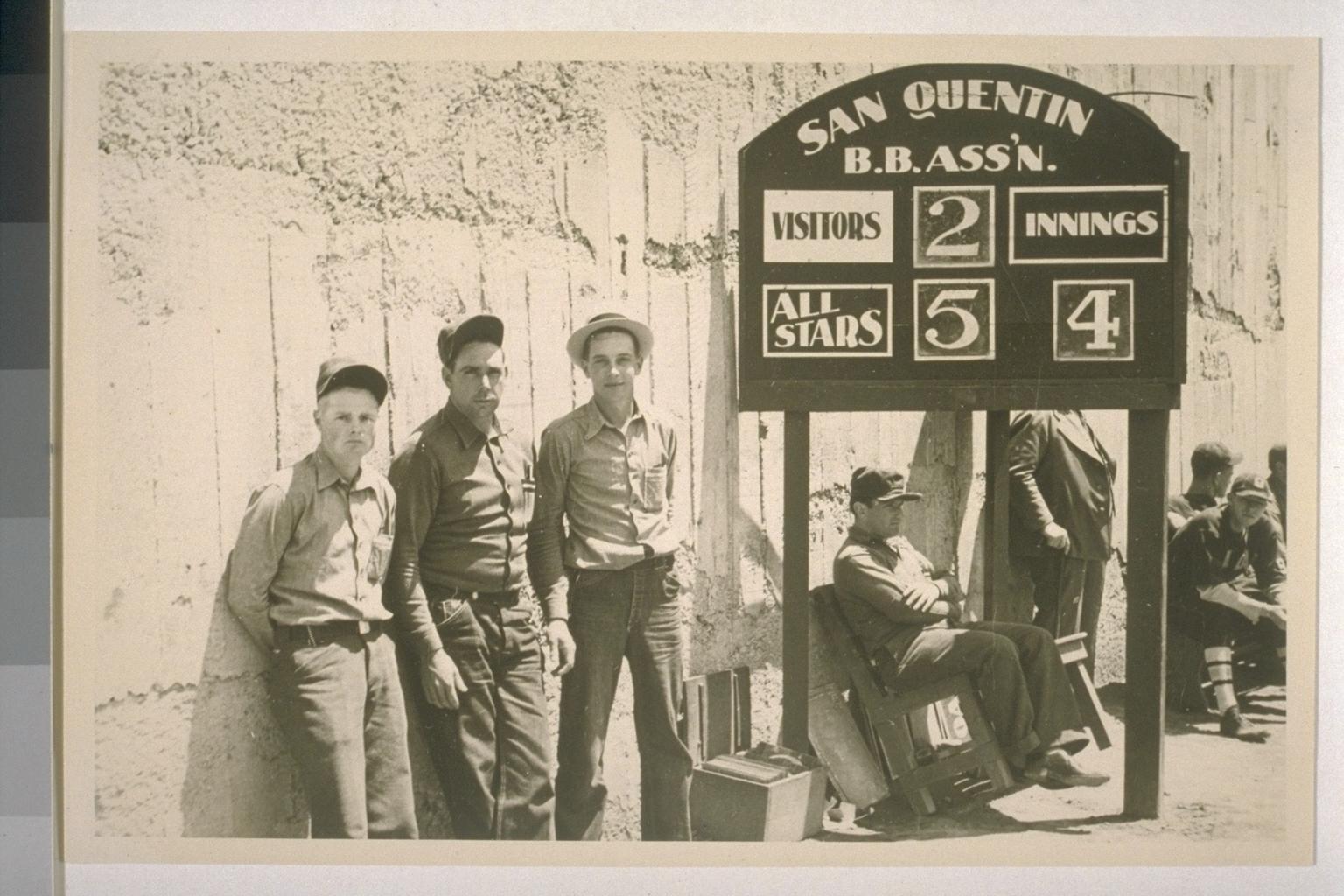
  • San Quentin Prison Photographs: Baseball, 1920’s

    JF Ptak Science Books   Quick Post

    From the collections of University of California, Berkeley, the Bancroft Library:  “Views of San Quentin Prison and Events, ca. 1925-1935”.

    All images are expandable.

    http://sunsite.berkeley.edu/FindingAids/dynaweb/calher/sanquentin/figures/I0016102A.jpg

    ·Posted by :

    ·in:

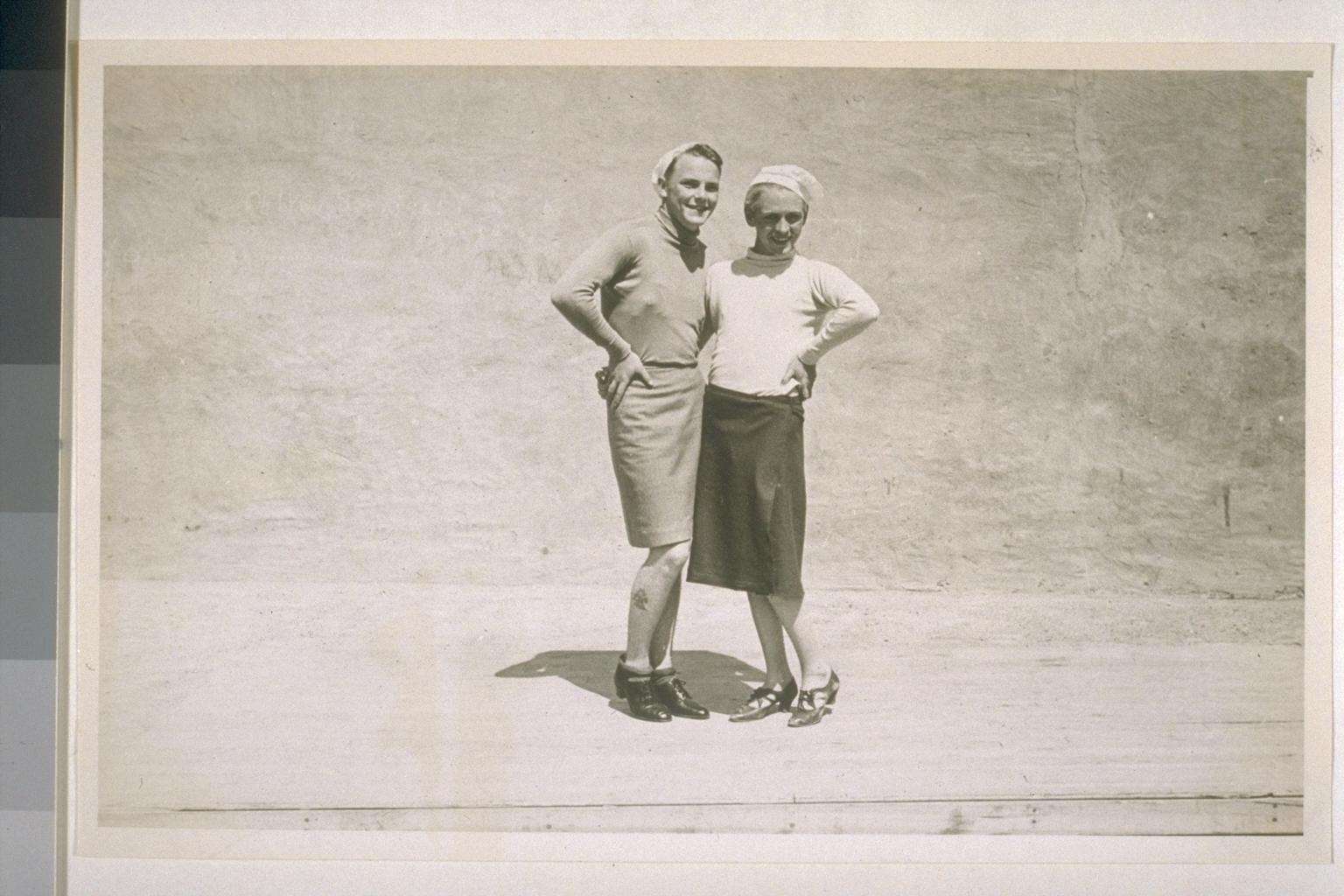
  • San Quentin Prison, Female Impersonators, 1920’s

    JF Ptak Science Books   Quick Post

    Another series sculpted out of the collection of San Quentin Prison photographs at the Bancroft Library, University of California, Berkeley–all are ca, 1925-1935.


    San quentin female impersonators

    ·Posted by :

    ·in:

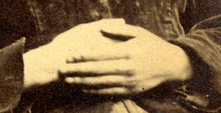
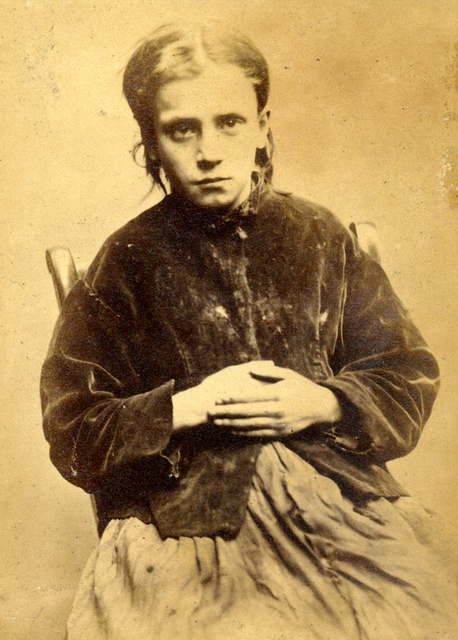
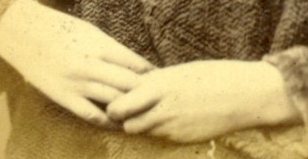
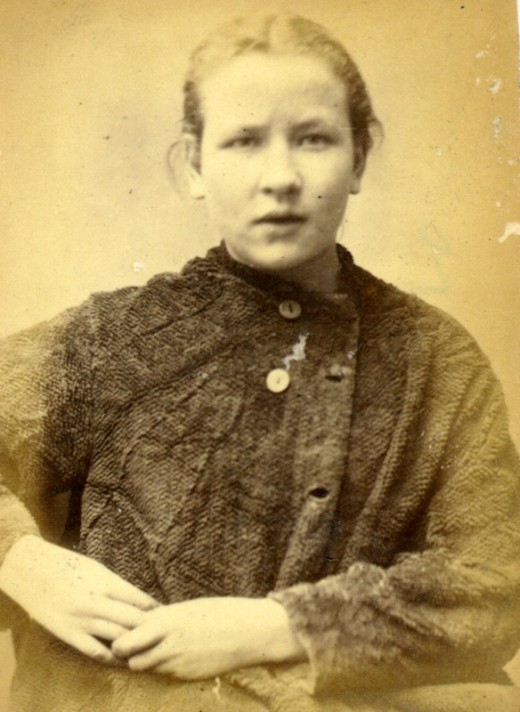
  • The Leonardo Hands of Girl Convicts, Newcastle Prison, 1871.

    JF Ptak Science Books     Post 1538     [Original source photos from Retronaut.]

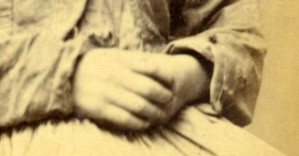
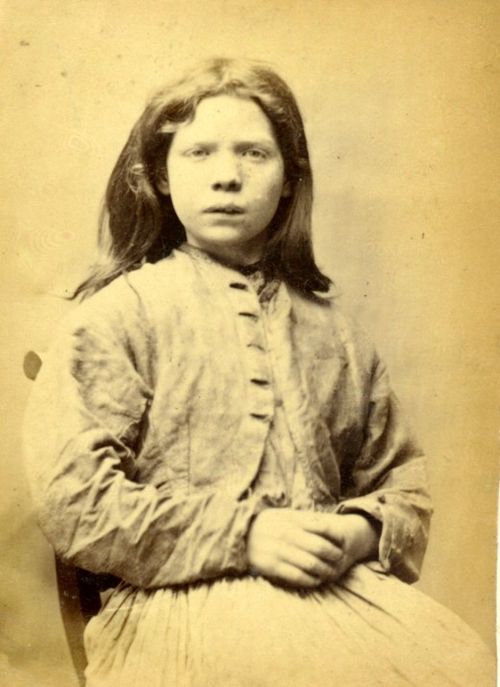
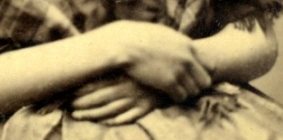
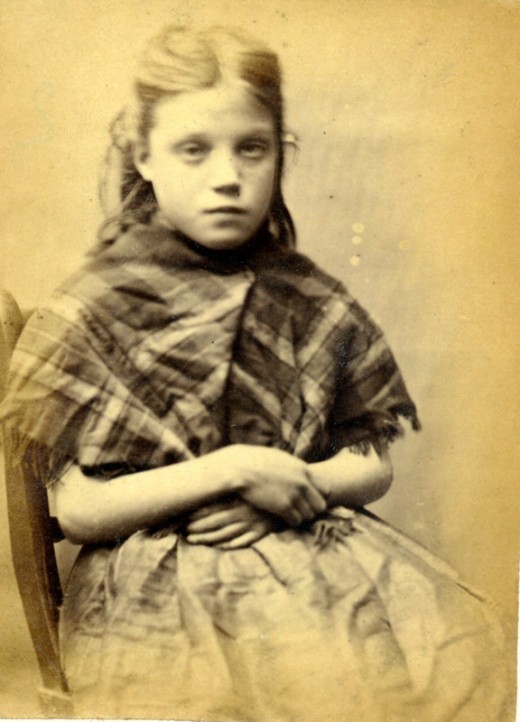
    Undoubtedly the Industrial Revolution passed many by in Newcastle upon Tyne, a metropolitan borough of Tyne and Wear, in North East England.  Its an ancient place, and at one time enjoyed a high Victorian economic mission for production and shipping.  And just as in any time, many were left behind by progress.  These are photographs–mug shots–of children arrested and convicted of petty crimes, sent packing to Newcastle Prison, in 1871.   It seems to me that their hands could do little mischief, their crimes coming I suspect from hunger or need.  

    The hands of Mary Catherine Docherty, serving seven days hard labor for the theft of  iron.  Age:  14.

    Newcastle--Mary-Catherine-Docherty-14- detail

    Newcastle--Mary-Catherine-Docherty-14-

    Newcastle--Mary-Catherine-Docherty-14- face

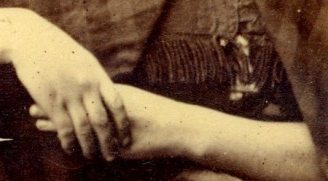
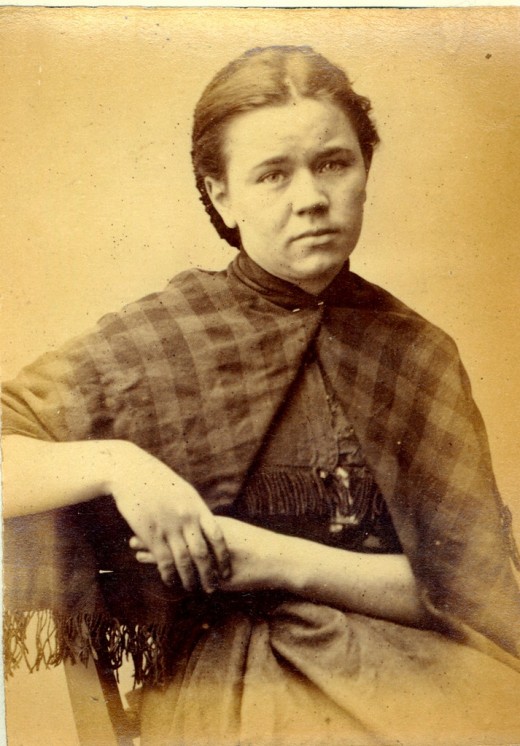
    These hands belonged to Ann Burns, serving 1 month,  convicted of stealing a waistcoat. Age:  18.

    Convict--Ann-Burns-18-convicted-of-stealing-a-waistcoat-sentenced-to-1-month-520x746

    Newcastle--ann burns full
    The hands of Jane Farrell, serving ten days hard labor for the theft of two boots.  Age:  12.

    Newcastle Jane-Farrelll hands

    Newcastle Jane-Farrelll
    The hands of Catherine Kelly, sentenced to three months in prison for the theft of bed linens.  Age:  17.

    Newcastle Catherine-Kelly hands
      Newcastle Catherine-Kelly
    The hands of Ellen Woodman, sentenced to seven days of hard labor for stealing iron.  Age:  11

    Newcastle  Ellen-Woodman hnads
    Newcastle  Ellen-Woodman

    Alice Mullholland, sentenced to three months in Newcastle prison for the theft of boots.  Age:  18.

    I suspect that these girls were told to hold their hands together to steady their body for the long exposure by the camera–or perhaps they were just told to hold onto anything, like the chair, or their clothing, or whatever.  These girls chose to hold their own hands, each one of them a Mona Lisa.  The emotions of these young people seem staggering to me, their bodies communicating the realization of the very hard and impossible end to minor crimes committed as a function of desperation.  

    ·Posted by :

    ·in:

  • The History of Lines, an Introduction: Barbed Wire, Telegraphs, Treaties and Railroad Rails

    JF Ptak Science Books   Post 1539
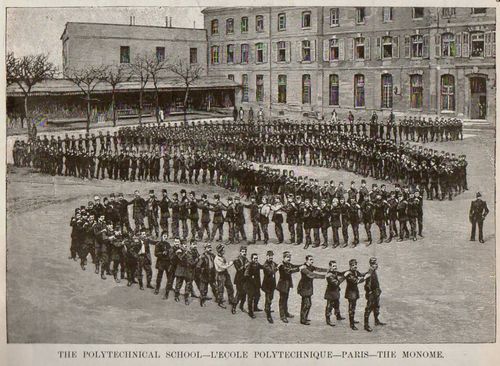
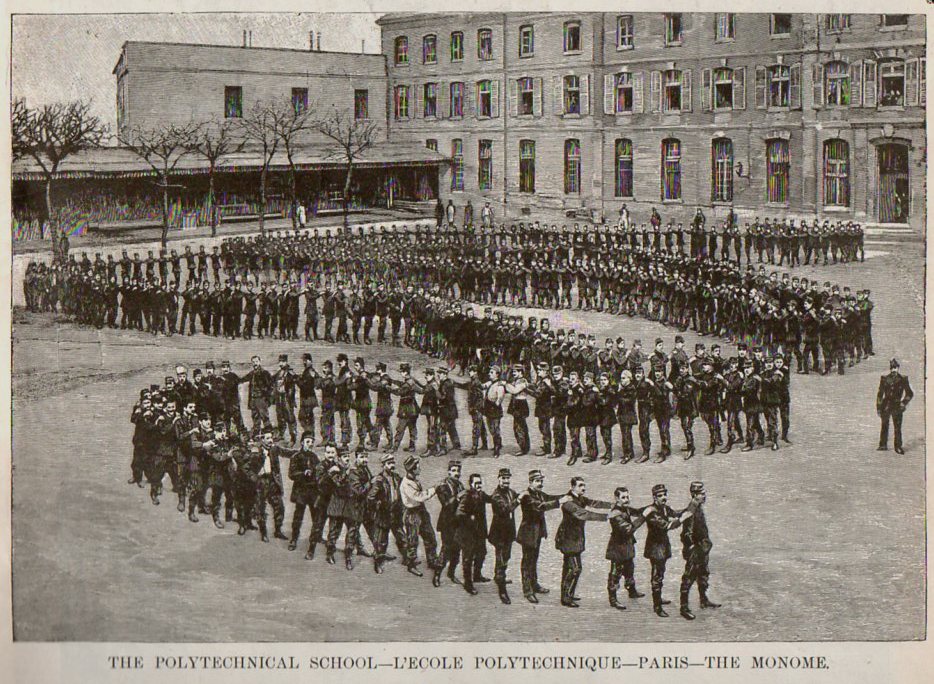
    LINES--POLYTECHNIQUE566
    I’m about to start a series on this blog on a great constituent part of the concerns here of two other series: the History of Lines.  This new bit will sit along next to the History of Dots and the History of Holes, and will begin to mention just some of those things that will bridge the gap among the three categories. 
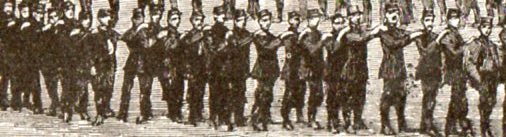
    LINES--POLYTECHNIQUE DET567

    A lot of that–the History of Lines business–has to do with the interpretation of things on paper:  heart rate, “brain waves”, the motion of a bumble bee, navigation, and of course, words.  (The great Kickapoo tracker Famous Shoes  in Larry McMurtry’s Streets of Laredo, one of the Lonesome Dove tetralogy, found that the one thing he couldn’t track in this world were the marks on the pages of a book.)

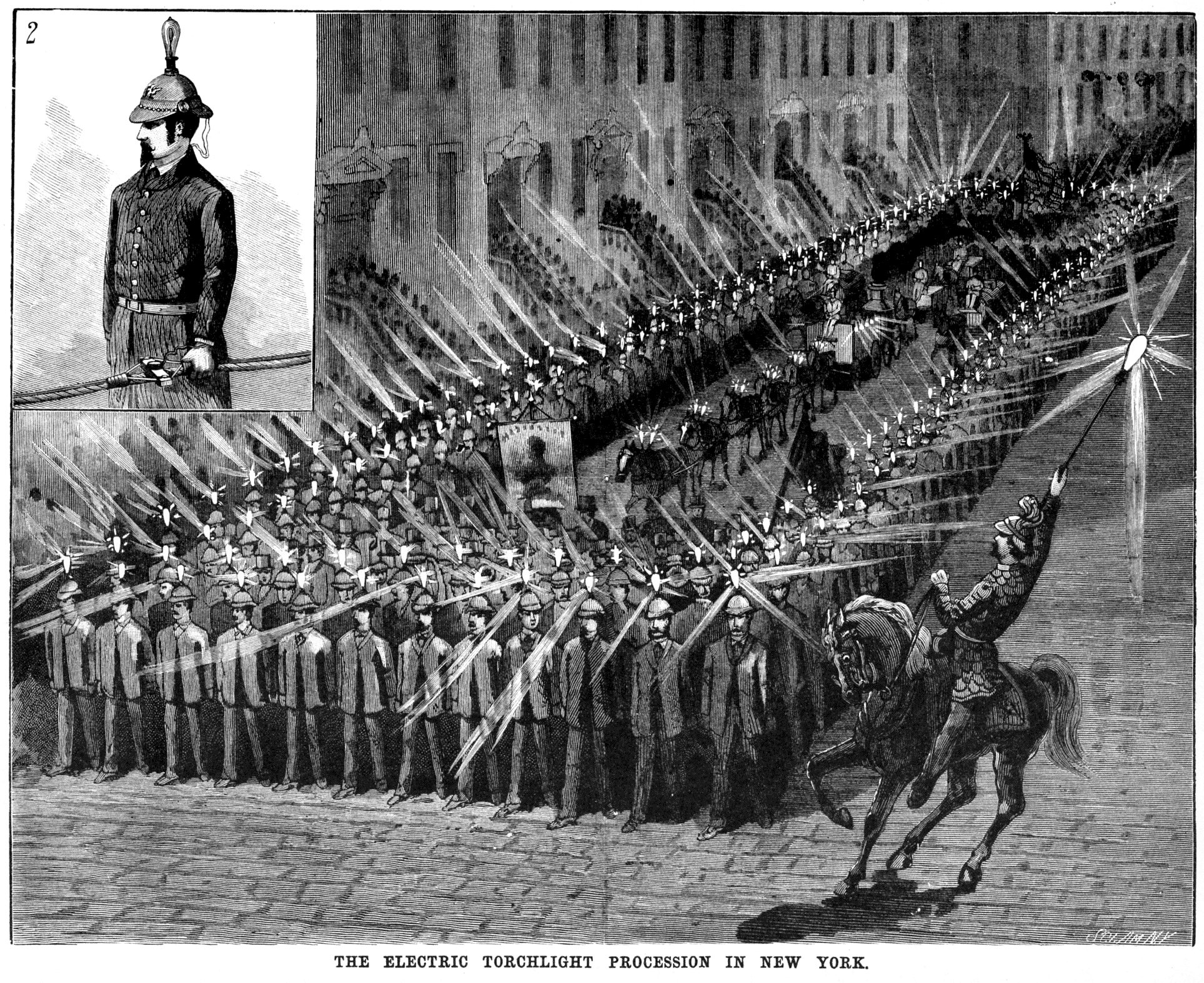
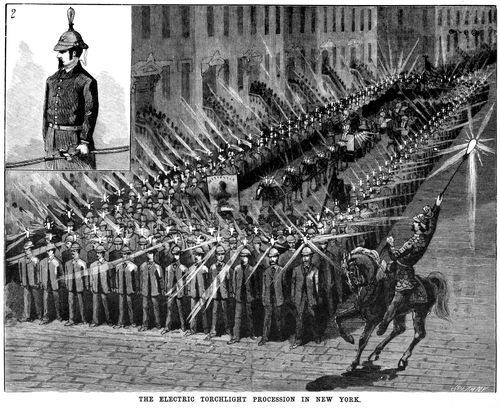
    The business of lines is like that of dots and circles, together describing much of the physical world.  For “lines” alone there’s just so much, an  entire encyclopedia waiting to be written. There are unique lines, such as we see below from The Scientific American for 28 March 1885, in a line of workers for the Edison Electric Company holding an (electric) torchlight parade, the men attached by electrical wires that were in turn attached to the electric light bulbs on their helmets.
    LINES-eLECTRIC TORCH568 There are lines of succession, code and graphs; Battle Lines, the Maginot Line; fishing lines, units of poetry, lines of a play; there’s waiting on lines, breaking the line, party lines; lines of fortifications, the lines on which music is written, and the foundations of geometry, and much more. 

     There were lines that occupied only a minute percentage of the landscape in which they were found, but were among its major controlling influences–such was the case in controlling the American West, except that one of the greatest of these lines, once completed and seemingly impenetrable, was briefly destroyed by its builders. 
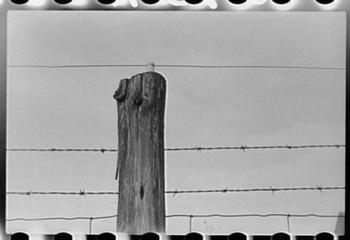
    Barbed_wire The story of the West getting filled up in the 1870s is a story of lines—railroad track, telegraph wires, barbed wire fences, and words on a page; big changes from disparate but related areas in technology and legislation, but when you looked at them from a distance and in the proper perspective, they all looked exactly  the same.

    The greatest of these lines may have been the invention of barbed wire in 1873, with Joseph Glidden, Jacob Haish and Isaac Elwood all managing to independently come upon the idea at about the same time.  What barbed wire brought to the West was control and settlement.  Prior to barbed wire there was open range grazing of cattle and extensive cattle drives, mainly because there was no fencing. There were also few farms due to this sort of grazing—the only thing a farm was here was in the way, and there was no recourse for the farmer to protect his
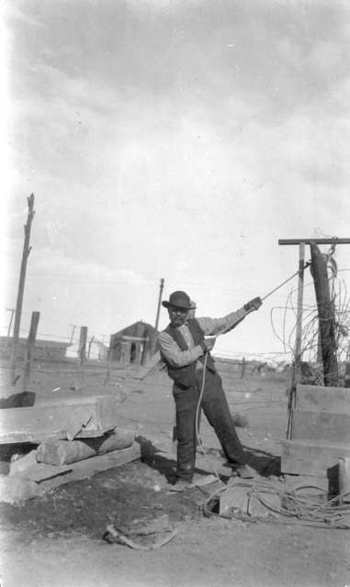
    Blogludlowlands from a grazing herd.  There was no fencing because there were no materials for the fence.  Fencing was made almost entirely with lumber and stone, and on the treeless plains and the vast non-New England tracts of land, it was simply an impossible task.  The introduction of barbed wire changed all of this very quickly, with thousands of miles of new fencing strung in the 1870’s alone.  Fencing meant control, restriction of the use of land, of access to water, and to a way of life.  It also meant that the farmer was now free to make a claim at a way of life on the plains, beginning a torrent of settlement and farms.

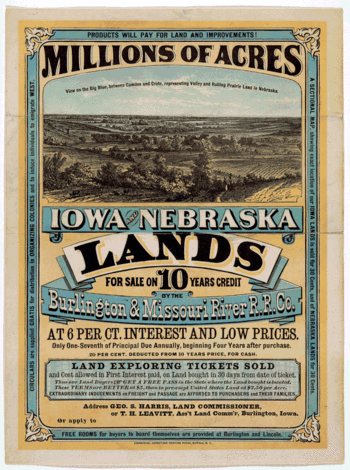
    Another big line element of settlement were the texts (lines-on-paper)  of three major acts of legislation which, over a period of just sixteen years, were responsible for moving more people than just about anything else in American history. The first of these was the Homestead Act of 1862. This was a revolutionary concept, legislated in 1358 words, effectively turning over 270 million acres, or about 8 percent of the country, of public lands to private citizens (“actual settlers of the public domain”).  A claim could be made for a farm of 160 acres, for free, provided a structure was built on the land and it was maintained for five years.  One could buy the parcel outright for $1.25 an acre as well.   Next was the Desert Land Act of 1877 which opened drier lands, selling 640 acres at $1.25 an acre with three years to pay, so long as the land was irrigated by the end of the three years.  Land that was deemed “unfit for farming” was sold to those who might want to “timber and stone” (logging and mining) upon the land with the third major piece of legislation, the Timber and Land Act of 1878. The act was used by speculators who were able to get great expanses declared “unfit for farming” allowing them to increase their land holdings at minimal expense.  The Homestead Act alone accounted for the creation of almost 400,000 farms in the West by 1890.  Farms meant parceling out land, “settling” it, having people on it, waiting when they weren’t working. 
    Blogpeopling_upmillions_acres

    Settlement was dramatically increased by the written and published promises and speculations of mineral wealth—not necessarily just by the introduction of miners, but by securing the lands from and removing its Indian owners.  The Custer expedition into the Black Hills in 1873, for example, reported some hope for finding gold in the sacred mountains of the Sioux. Thousands of miners responded to possibility of wealth, and Custer was again dispatched to secure safety for them in the restricted lands.  This in turn lead to more settlers and coincidentally to the debacle of the Little Big Horn, which was the beginning of the end of the Siouian control over vast amounts of land.  From prospectors to protection to conflict, ultimately making land more available for more people. 

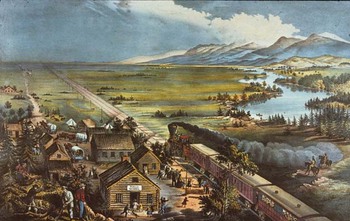
    The spread of the railroads was also an enormous settlement factor, with the number of miles of track being laid in Texas and the Great Plains doubling in just 5 years.  Not only could you get West more easily, and quickly, and with less pain and suffering, but you could also be much more easily re-supplied.
    Blogwestward_the_course_2


    Telegraph wires tripled, making it easier to control events:  and this means from being able to respond to Indian attacks more quickly to ordering boxes of nails, or beer, or shipments of newly-invented canned food. 

    One of the greatest and most infamous of these lines-controlling-the-West concept were the pieces of legislation and agreements and other legal and binding documents, between the U.S. government and every Indian tribe in the U.S. Promises were made to the Indians and of course not one of these treaties were ever actually realized.  It was these written lines that even the greatest of Indian intentions could not penetrate, and that in the end, after everything was said and done and written, after hundreds of treaties, not one was ever followed. 

    And at the end of tying the first metal ribbon across the country, the meeting of the Central Pacific and the Union Pacific railroads at Promontory Point (Utah) in 1869, after the locomotives  Jupiter and No. 119 touched cowcatchers, after the driving of the golden spike, after the completion of the massive effort to complete the railroad line, some men of the 21 U.S. Infantry (and others) hammered away at the rail to chip away some souvenir pieces of the occasion.  So, the moment the great undertaking was finished, it was put out of commission, possibly by a coronet player from the regimental band, or whomever.  Of course the line was only very briefly pu tout of service, and the damaged rails quickly replaced, but the folks celebrating the completion of the uniting of the rail line were the only ones who were really able to also prevent its completion. 

    Of course in the end all of the lines applied and enabling  the closing of the West were personified by smaller and more precise lines:  maps.

    NOTES

    The full text of the “Millions of Acres” (seen above) broadside is as follows:
Recent Posts

Archives

Categories