A Daily History of Holes, Dots, Lines, Science, History, Math, Physics, Art, the Unintentional Absurd, Architecture, Maps, Data Visualization, Blank and Missing Things, and so on. |1.6 million words, 7500 images, 4.9 million hits| Press & appearances in The Times, Le Figaro, Mensa, The Economist, The Guardian, Discovery News, Slate, Le Monde, Sci American Blogs, Le Pont, and many other places… 5000+ total posts since 2008.

  • The Biggest Big Wheels (1896)

    JF Ptak Science Books  Quick Post

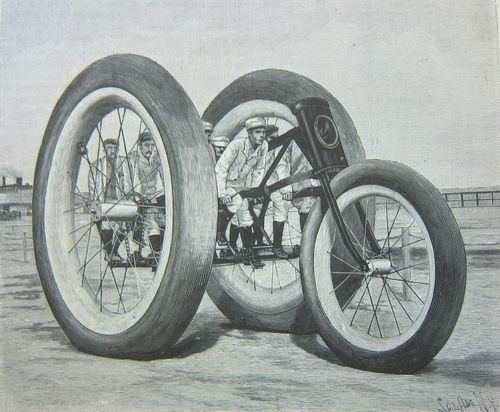
    Even Scientific American–the 1896 source of this small article on this big bike–was impressed with the virtuoso nature of bigness in this invention, stating in the open paragraph that “in this age of big things one is always prepared for the construction of a mammoth engines, ships, buildings…” but this practice was “invaded by the bicycle world”. The trike was “colossal–no other word can describer it–” at 17′ long, powered by eight people (four per rear wheel), with a 6′-diameter front wheel and 11′-diameter (!) rear wheels (with 1/2-inch diameter spokes)  and weighed in at 3000 pounds. It was a beast. The function evidently did not follow form, as there was no discernible use for it except to be displayed during parades and other social events. 

    Sci Am 1896 giant trike

    ·Posted by :

    ·in:

  • A Note on Graphical Display and a Mechanical Heart, 1876

    JF Ptak Science Books  (Expanded version of an earlier post)

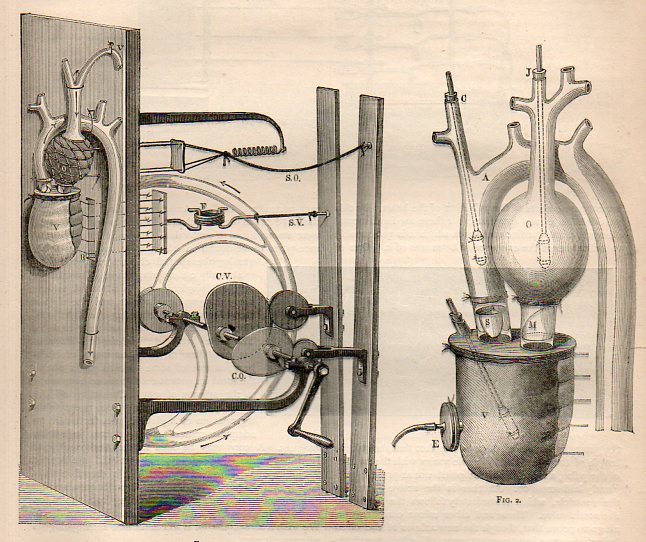
    Marey heart _2_This quick note comes as the result of a short chase on the detection of the pulse and the ability to determine death–as far back and even before Pliny life was determined by the audible heartbeat, which is where the trouble began, because one can still be very alive with a faint heartbeat. This was a major concern when dealing with folks who were thought to have expired, because in the mid-19th century and before the instruments necessary to make a careful and accurate appraisal of whether the heart was still working were yet finely developed.  Laennec’s stethoscope appeared around 1816, but as much of an improvement as it was this instrument awaited considerable refinements before a truly solid identification of a non-working heart could be established. The gaps in the determination of the arrival of death led to mortuaries where the supposed-dead were left to themselves at room temperature for three days, awaiting the ultimate determination of death which was putrefaction (as in the Munich and Frankfurt Leichenhaus and the Vienna  Zentralfriedhof). Earlier in the history of the determination of death methods were quicker and more brutal (if the patient was still alive) involving bellows-driven tobacco-smoke enema,  as well as tongue pulling and nipple twisting. 


    Marey heart _3_This led to Etienne Marey (1830-1904), a versatile experimenter and premier instrumentalist who was a scientist, physiologist, and motion-picture/chronographer pioneer, who in the 1880’s created what was essentially the world’s first moving-photographic “slow motion” device. One iteration of Marey’s apparatus was basically a long series of ganged cameras recording a motion for a  simple task at a given time frame and presented on a continuous strip of photographic paper, sort of like a motion picture with the camera speed set at three frames per second. The resulting images were phenomenal and showed people for the first time the exactness of all manners of simple motions–motions that no longer looked so “simple” once all of its aspects could be studied from captured photographic evidence.  Even the act of hopping over a small stool or bending to pick up a bucket of water were enormously revealing in a way like Robert Hooke’s Micrographia displayed the great detail and complexity of the seemingly simple fly.

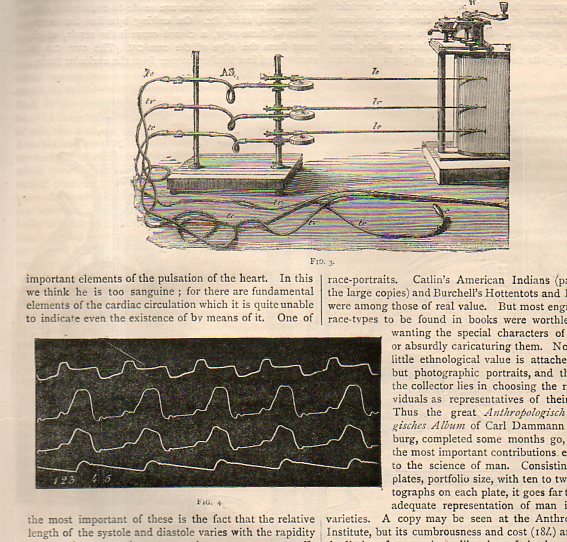
    Aside from being one of the founders of cinematography, the other aspect of Marey’s interest in capturing and manipulating time was in medicine, where by the time this article of interest in this post was published in 1876 he had already established himself as one of the greatest cardiovascular physiologists.  What we find in this review in Nature (Thursday, January 6, 1876) of Marey’s Physiologie Experimentale  (Paris, 1876) was the editor’s keen interest in the mechanical heart Marey had constructed to show the actions and functions of the heart–the first time, the article notes, that all aspects of the action of the heart were exhibited correctly in one model. 

      Of particular interest was the recording device for the pulse of the heart, which was one in a series of devices such as that improved upon, something Marey himself had done with the first-introduced sphygmograph (“pulse wrtier”) of Karl von Vierdodt in 1854.  The 1875/6 Marey instrument made major advancements in continuous graphical registration in instruments of continuous noninvasive arterial responses.

  • Internal Document Proposing an Organization to Establish Post-Nuclear Exchange Damage Assessment (1956)

    JF Ptak Science Books  Post 2885
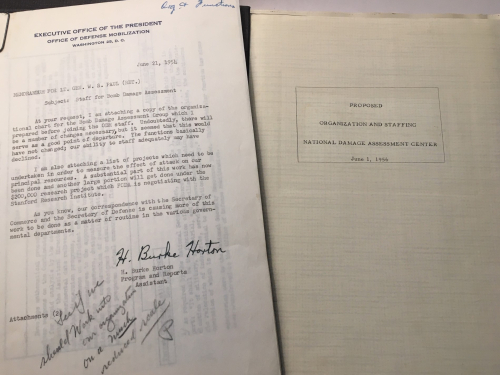
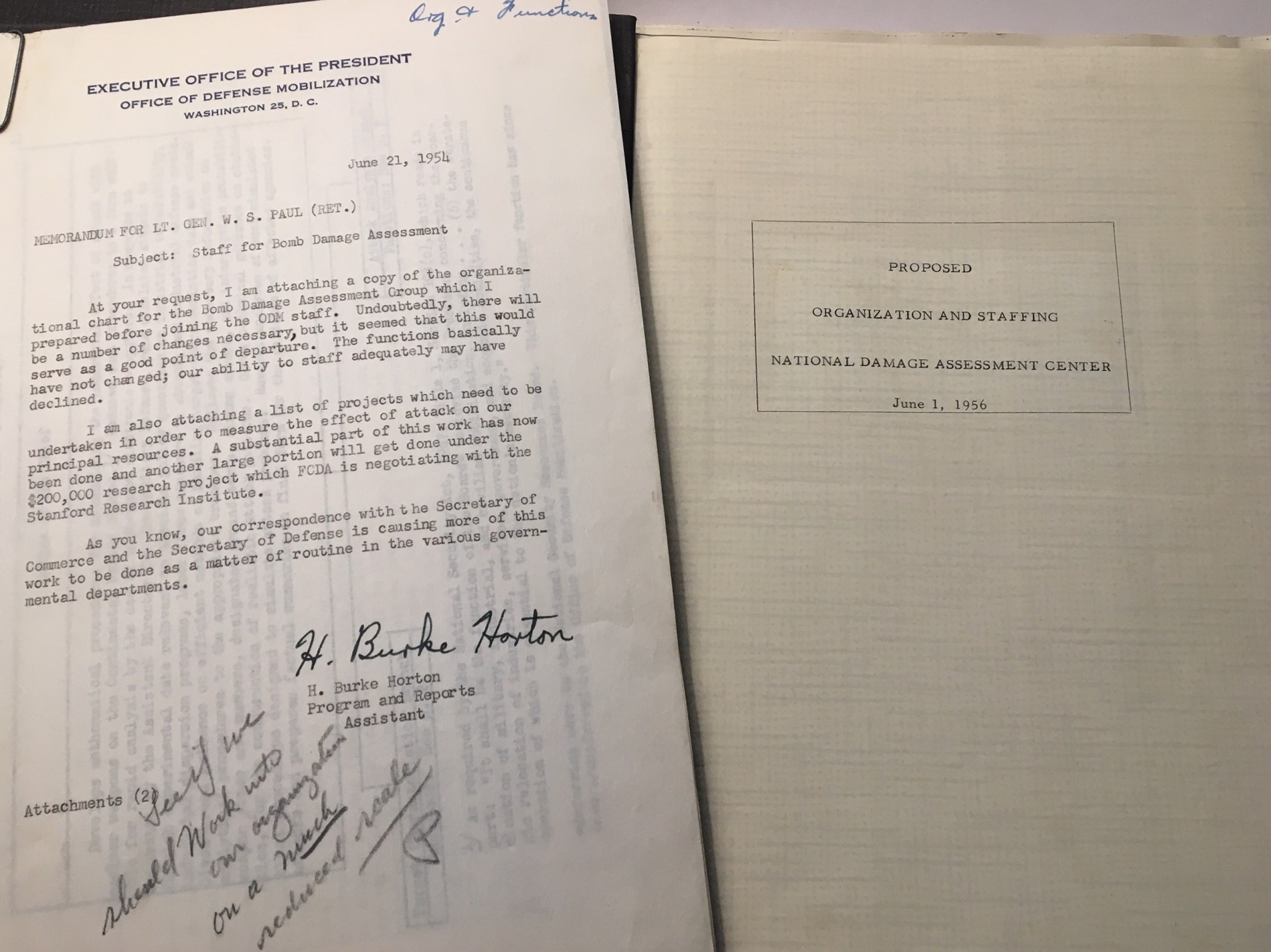
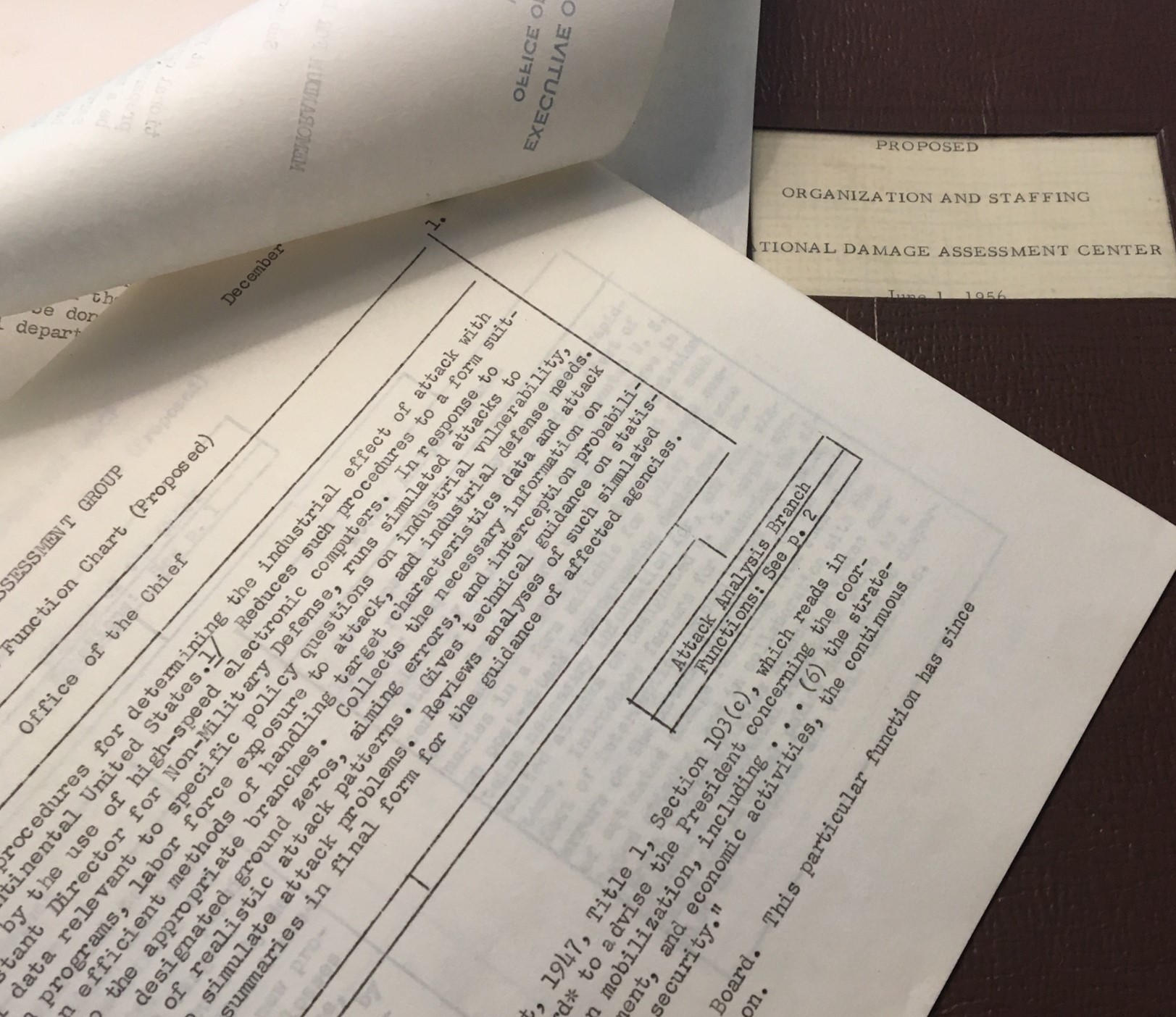
    Proposed organ _2_I’ve written many times on the technical and political end of the creation and deployment of the atomic bomb, along with some posts on the use and manipulation of language in controlling the sense impressions of nuclear war and survivability.  What I have found so extraordinary about this second part is the creation of ordinariness, or mechanization, or acceptance, of the aftermath of nuclear warfare–and what we’re talking about here is the
    “exchange” of not just a few 20 kiloton Hiroshima-type weapons, but thousands of megatons of explosives and massive amounts of radiation. But this is the function of familiarity, I guess–given the situation it was essential to plan for eventualities A-Z, and for that you need structure, and vocabulary. 

    All things being equal, such things as an Terrestrial Afterlife in the United States needed to be contemplated because that is what we do–we make the situation possible for end-of-the-world stuff to happen, and so we have to plan for building things up again with radioactive detritus once all of the keys get turned and buttons pushed, as  it is just a natural course of that historical river. That the bomb would be built was a given; that the Soviets would develop the a bomb and delivery capacities was just a matter of time, and that they would be our sworn death-enemies was also a fait accompli. To develop a way to somehow survive a nuclear war may have been a major deterrent to not launching an attack, especially when linked with a Mutually Assured Destruction (MAD) arms build up (where everyone and everything would be obliterated if there was a nuclear war, or at least so by 1965 (and probably earlier than that). All this insane stuff may have worked, and somehow we managed not to ignite the world, because (to paraphrase Frank Zappa) there would be no real estate left.
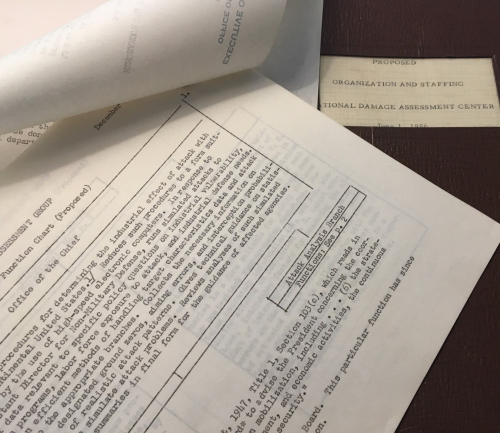
    Proposed organ _1_On the other hand, building all of these weapon systems and planning for attack and the post attack world could have pushed us into a final confrontation, making all of this sound “winable”, “doable” somehow, that once the bombs had all exploded and nothing worked anymore, that there would be enough to pull together of our civilization to declare that we had indeed “won’”. 

    And the only way to declare a winner was to have something to stand on besides pieces of green glass and Earth, and so  plans for communications and a military, police force, fire brigades, medical care, food distribution, banking, and all the rest–the pieces of a recognizable backbone of American society–would have to be undertaken.  All of this could very well accomplish the creation of an illusion in the mind of the adversary that you are capable of surviving a nuclear war, and so there would be no great gain in attacking; or it could send the message that by doing this preparation that you were preparing a first strike scenario, and so the adversary would attack while the odds were still not horribly out of balance.  And on and–it all looks like a lose-lose endgame to me, which is hardly a “game” at all when all players are losers.

    But still there was a need to staff the thousands of positions that went into the theoretical end of figuring out the non-weapon-end world after nuclear war, and the above “position description” is an example of that, a necessarily pro forma form, just another job in a ea of jobs.  This one’s job descriptions read like any other, except of course that the content was much different.  Form the same, sentence structure the same, vocabulary basically invariable. 

    One aspect of this planning for the Afterlife was the planning part itself, planning to plan, how to make sense of the answers and the questions, a form into which the parts of a process are poured before they become the process itself.
  • The Towering Magnificence of the Porcupine

    JF Ptak Science Books   Quick Post                                    

    000-ebay--Nov 4--porcupine995

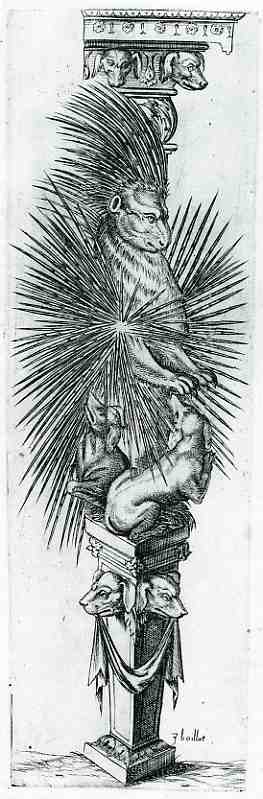
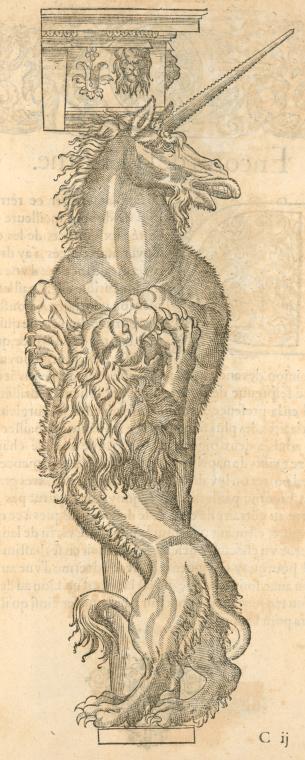
    This is perhaps the greatest monument ever erected to the porcupine–of course it may be the only monument ever erected to the porcupine, but it is undeniably monumental.  This unusual image was published in Strassburg in 1604  in Joseph Boillot’s (1546-1603) sumptuous New Termis Buch (first printed in 1592 as a Nouveaux pourtraits et figures de termes).  It is a bestiary of sorts, a very curious book, offering real and imaginary animals together in alabastered, marblized, memorialized, architectural form, with the  great hope of offering them to fellow engineers and builders for incorporation into the real world.  Or perhaps not, perhaps it was all just done in fun, an exercise, an experience, an artistic creation wrapped inside  the fundus of a great Baroque eyeball.  Unicorn


    The end result is the Boillot produced some extraordinary beasts, wrapping them in extraordinary garments, surrounded by other wonderful animals real and not, and elevated to extraordinary heights.  The powerful unicorn, draped with the vicious but subdued lion; the ass, regal, judicious, pensive, thoughtful, kept in place, or warm, by a dragon. Then of course there is the porcupine, absolutely magnificently appointed with spikes  kept by by dogs, supported at all levels by the creatures.

    ·Posted by :

    ·in:

  • “Castration vs. Vasectomy in the Feebleminded as a Surgical Problem” (1941)

    JF Ptak Science Books  Post 2886

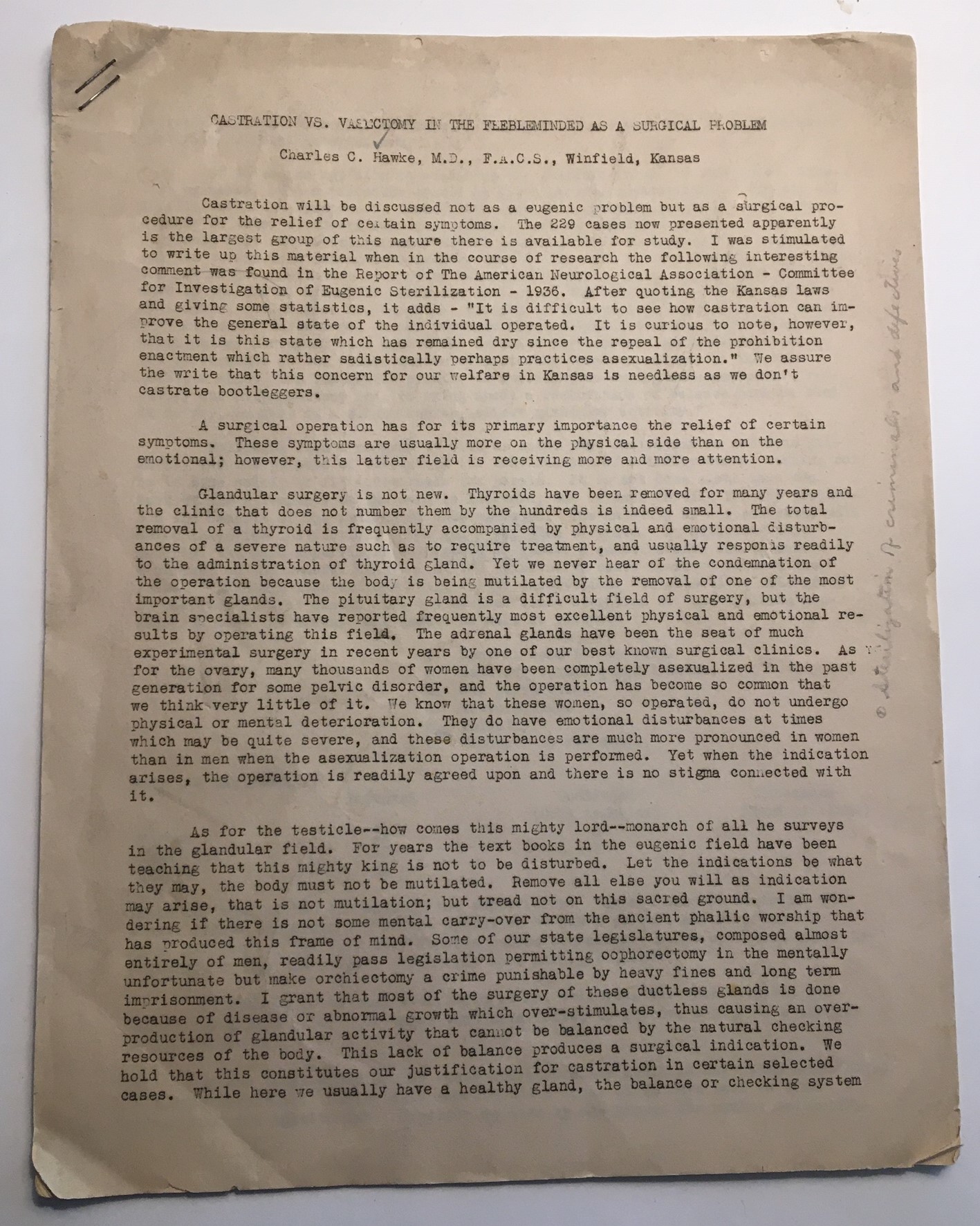
    This is an issue that you don’t hear every day…and offhand it seems to be a little late in the asking by 1941. But it wasn’t too late, unfortunately, and the question was a debated one in some halls of practicing eugenic and mental health academe. This is the title to a paper1 written by Dr. Charles C. Hawke (M.D., F.A.C.S.) while superintendent of the Kansas State Asylum in 1941, and it entailed a discussion of the efficacy of the enforced sterilization practice–a procedure under law that was basically discontinued as a medical/surgical response to mental issues in 1950 (in Kansas). 

    Castration Hawke _1_Dr. Hawke wonders—somewhat facetiously to my reading—about the reluctance of including testicles in the field of “glandular surgery”, noting that “text books in the eugenic field” teach that “this mighty king is not to be disturbed”, along with a few other purplely examples. He quickly establishes the castration (and ovariectomy) as well as vasectomy and salpingectomy may be the way to stabilize “the unstable group” (in institutions), “be they idiot, imbecile or moron” and that the procedure should “be given serious consideration”.

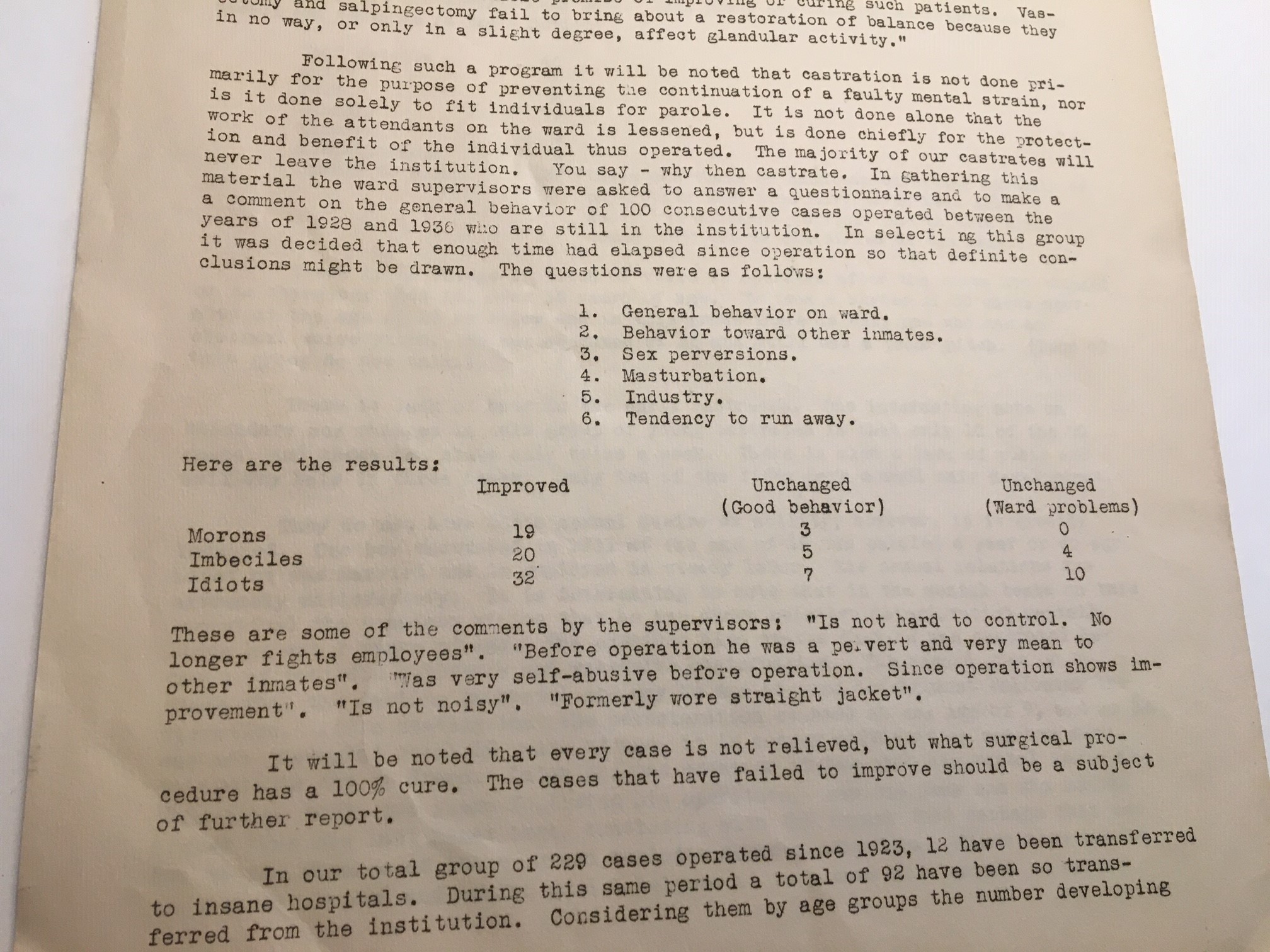
    He states that “the majority of our castrates will never leaves the institution. You ask—why then castrate[?]” He doesn’t seem to answer this directly, but does provide some evidence (below) that the behavior of 71% those castrated and confined does improve. It is not 100%, Dr. Hawke notes, and adds the corollary “…but what surgical procedure has a 100% cure [sic]”.

    There are other reports of successes in castration, including a long paragraph of Dr. (F. Hoyt) Pilcher, (Superintendent of the Kansas State Asylum for Idiotic and Imbecile Children) who began his work in the early 1890s. There is also a review of the 1917 (and 1928) laws passed by the Kansas legislature on “asexualization”. It seems that the state can uphold recommendations from medical officials recommending castration; the person in question can register a “protest” (“which are rare”). These laws extended its reach into “state penitentiaries, the boys’ reformatories, state hospitals for the insane, and the state hospital for epileptics, the state home for the feebleminded and the state industrial school for girls…”

    Castration Hawke _2_

    It is quite a document of those eugenical times.

    Notes:

    1. Charles C. Hawke (M.D., F.A.C.S., Winfield, Kansas).  Castration vs. Vasectomy in the Feebleminded as a Surgical Problem. 12 leaves (including a 17-item bibliography. Mimeographed. Stapled. GOOD+ copy. This copy’s provenance: “Gift from the author, 1941” in pencil notation on the back of the first leaf, with the LC rubber stamp on the rear leaf.  WorldCat records only ONE copy (Tozzer Libray, Harvard), so as a single-issue “offprint” it is a rare thing.

    2. For a deep review see: Cean T. Collins, “CHILDREN OF SORROW: A History of the Mentally Retarded in Kansas”, in Bulletin of the History of Medicine, Vol. 39, No. 1 , 1965, pp. 53-78

    ·Posted by :

    ·in:

    —
  • A Hole in the Ground vs. a Hole in the Sky

    JF Ptak Science Books  Quick Post

    Tunnel collage


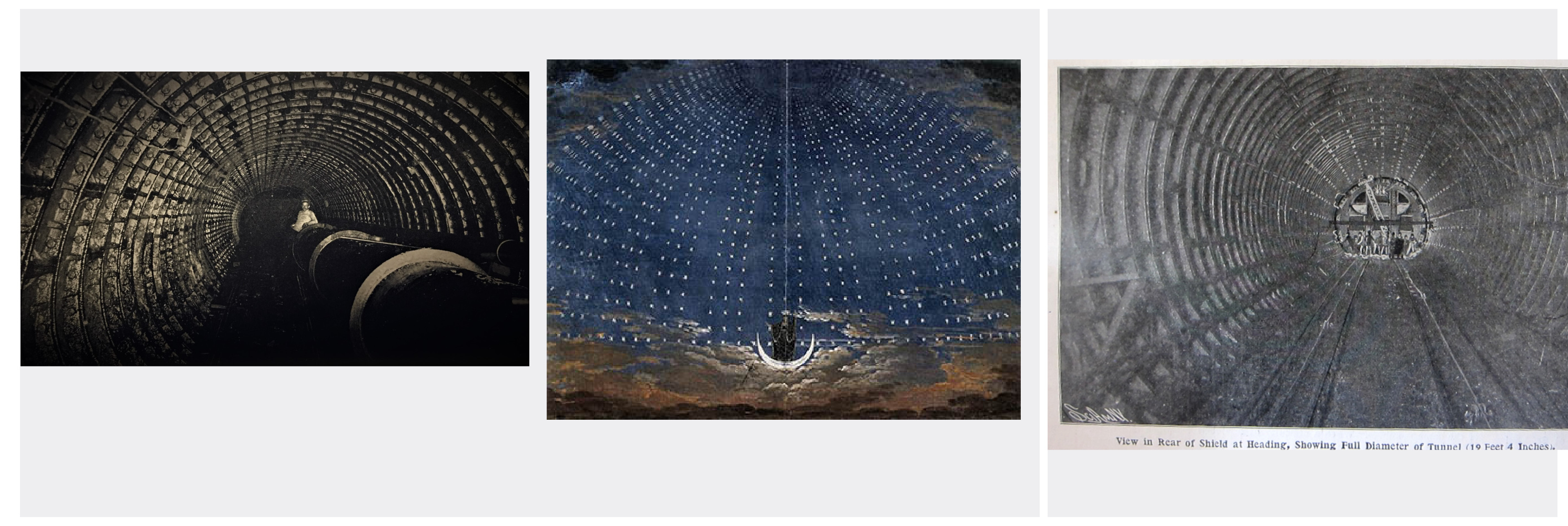
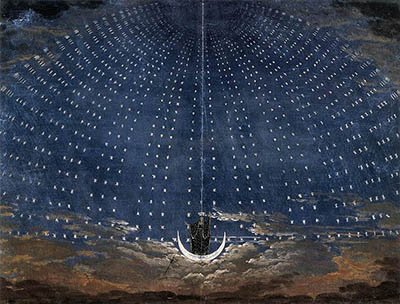
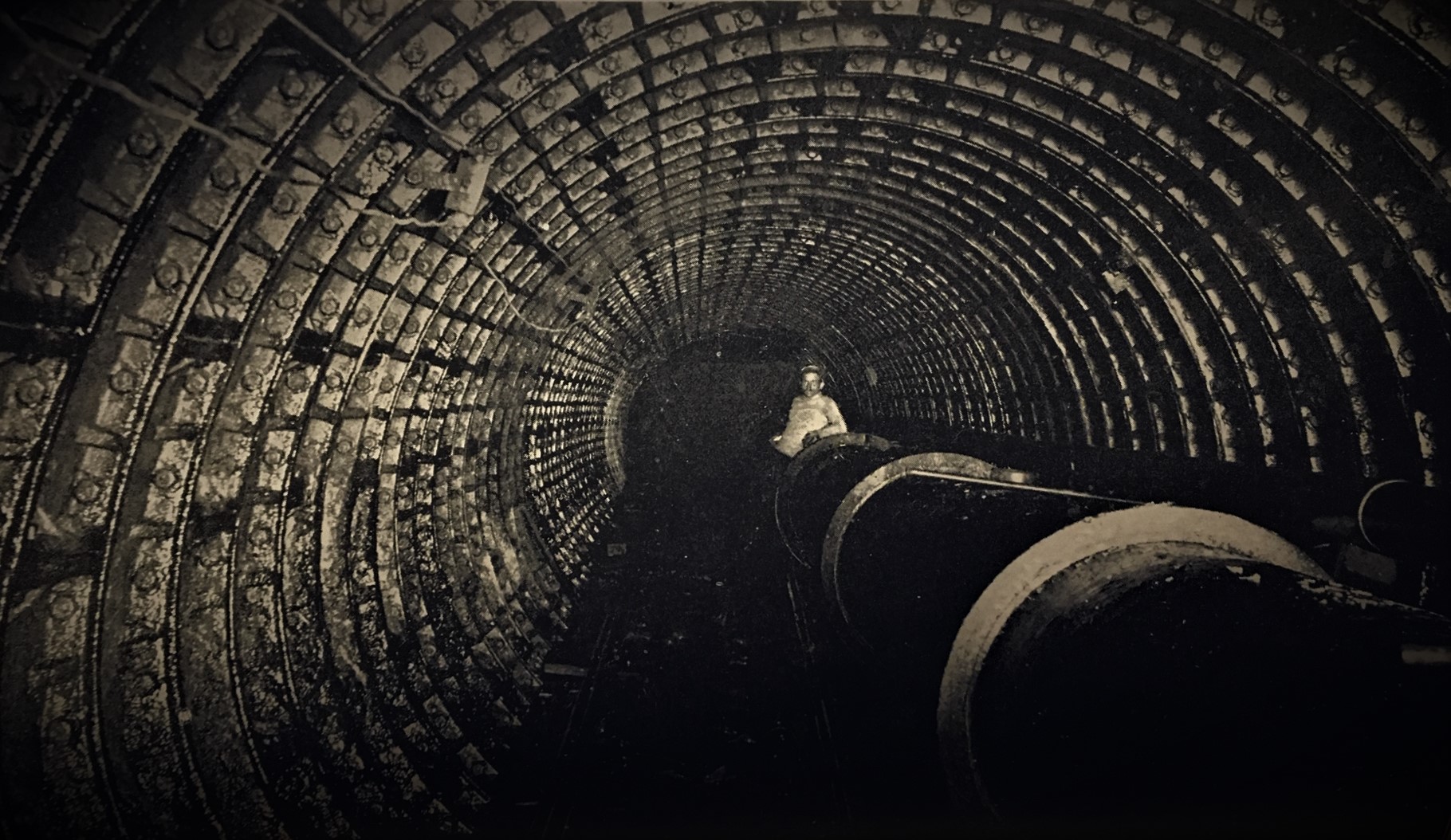
    Mozart tunnel _2_A while ago I wrote about a brief connection that I saw in a  photographic view of the 19′ tunnel section of the Hudson River tunnel with  the 1815 stage set by Karl Friedrich Schinkel (1781-1841) for Mozart’s Magic Flute1. Its just the initial reaction to the perspective pulled up the Schinkel more than anything else, except maybe for a non-existent underground image from Jan Vredeman de Vries’ book on perspective. That said, the set design I’m thinking of features the arrival of the Queen of the Night/Königin der Nacht, so perhaps this association isn’t too meshuga…excepting the ripped-to-shreds lust for revenge that the Queen of the Night sings about, which hasn’t much to do with digging a tunnel. 


    Perhaps this is an association that can be made for any tunnel being dug and illuminated in the 19th century, as I stumbled upon another example of this association, a photograph2 in another NYC tunnel–this one the tunnel under construction under the East River for the East River Gas Company, 1894. It is a little antithetical that these similarities are seen between an image of starry vault surrounding the Earth while the photos depict a lighted tube surrounded by Earth, a sort of alpha and omega of endless light…a contraction of environment filled with light compared to a contraction of the limitless night sky as seen as a theatrical set.  (I understand that there aren’t a long series of lights in the tunnels, just that it looks so because of the no-doubt heavy-duty light source and its reflections on the odd surfaces/bolts/etc. the metal tubing surfaces…and that is a riff in itself.)

    In any event, I like these images, and so I’ll share the newest of my finds here this morning.  

    Tunnel lights mozart

  • In Living Black & White: T.V., 1944

    JF Ptak Science Books   Post 2887

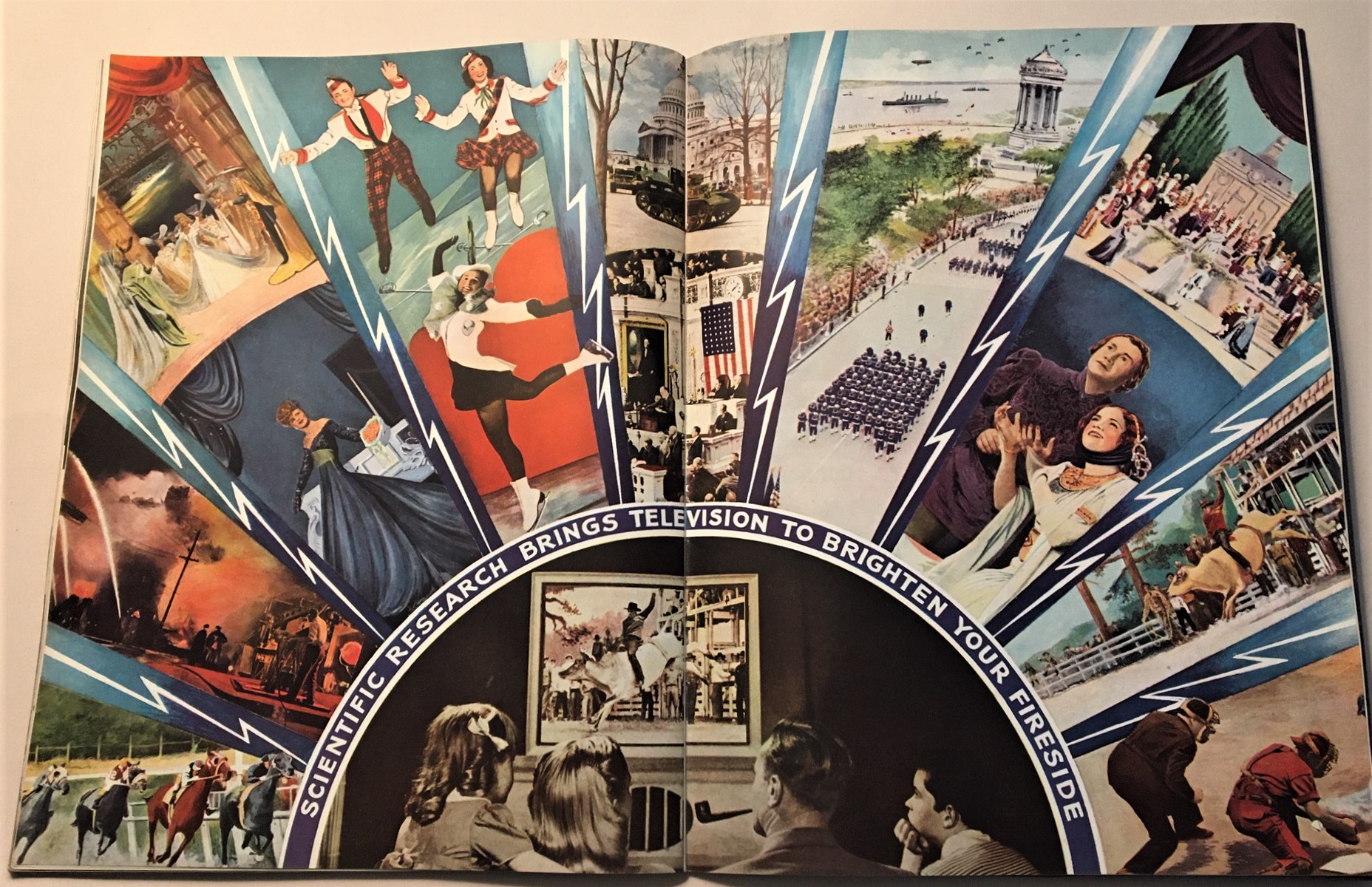
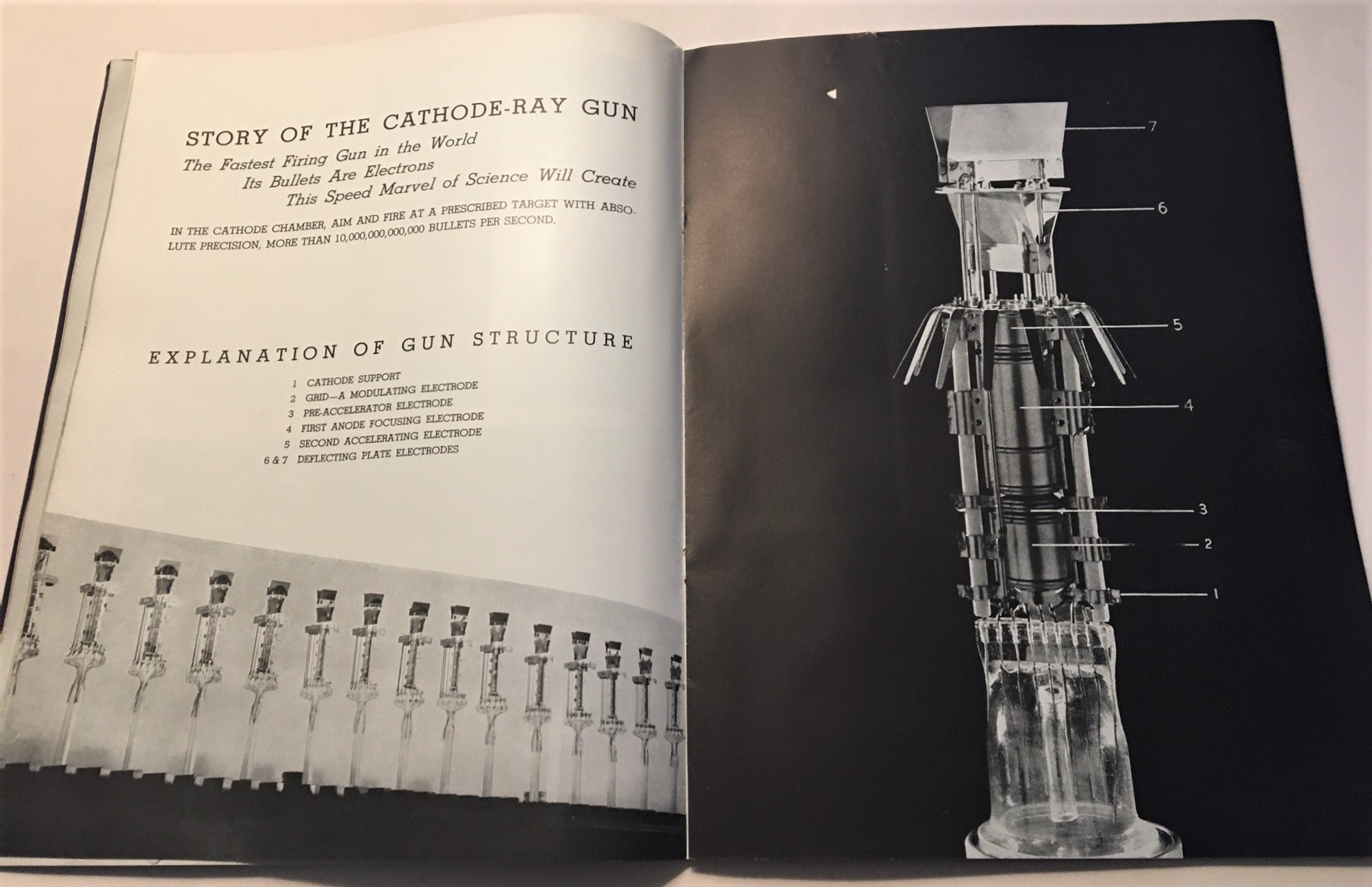
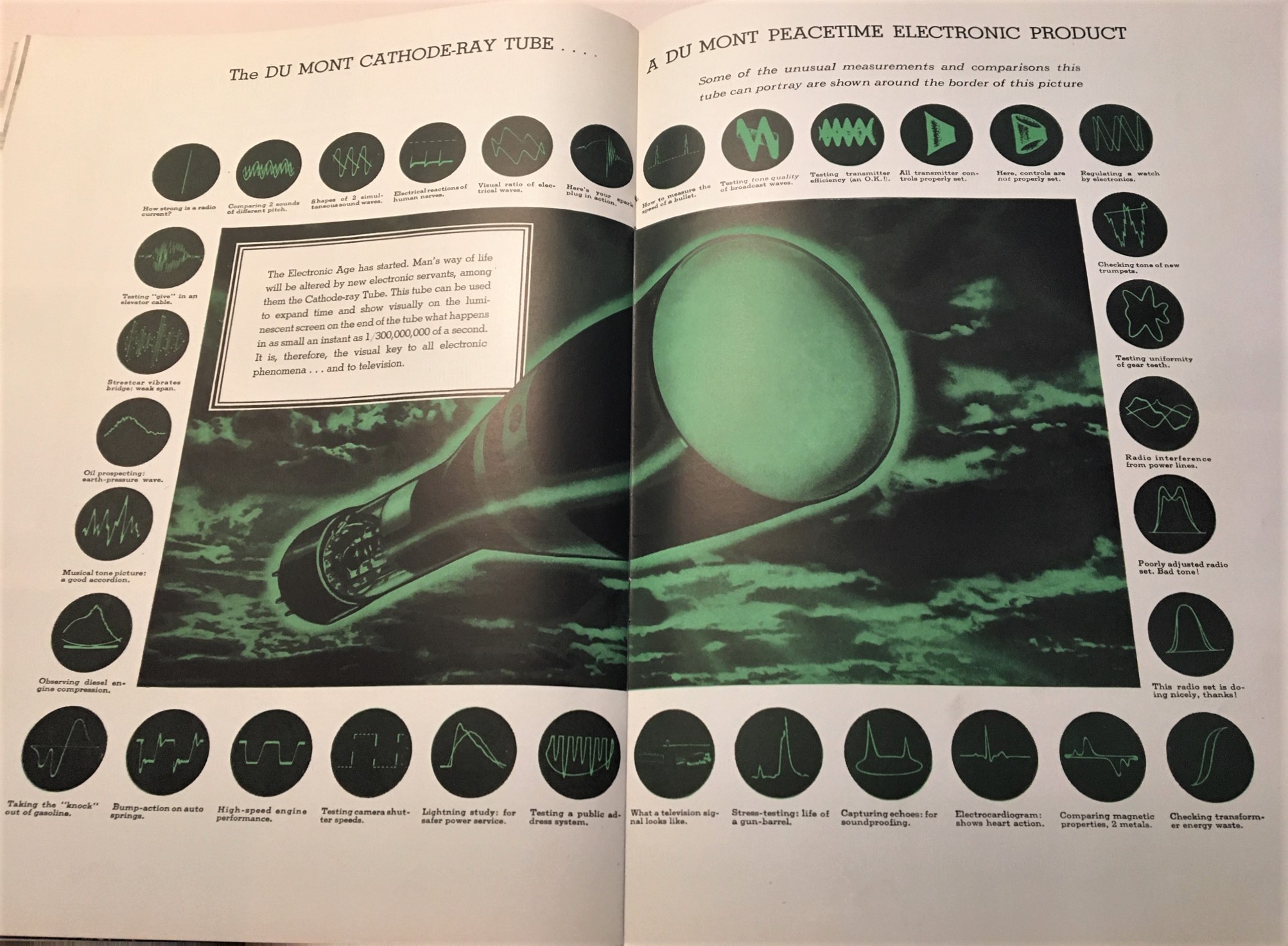
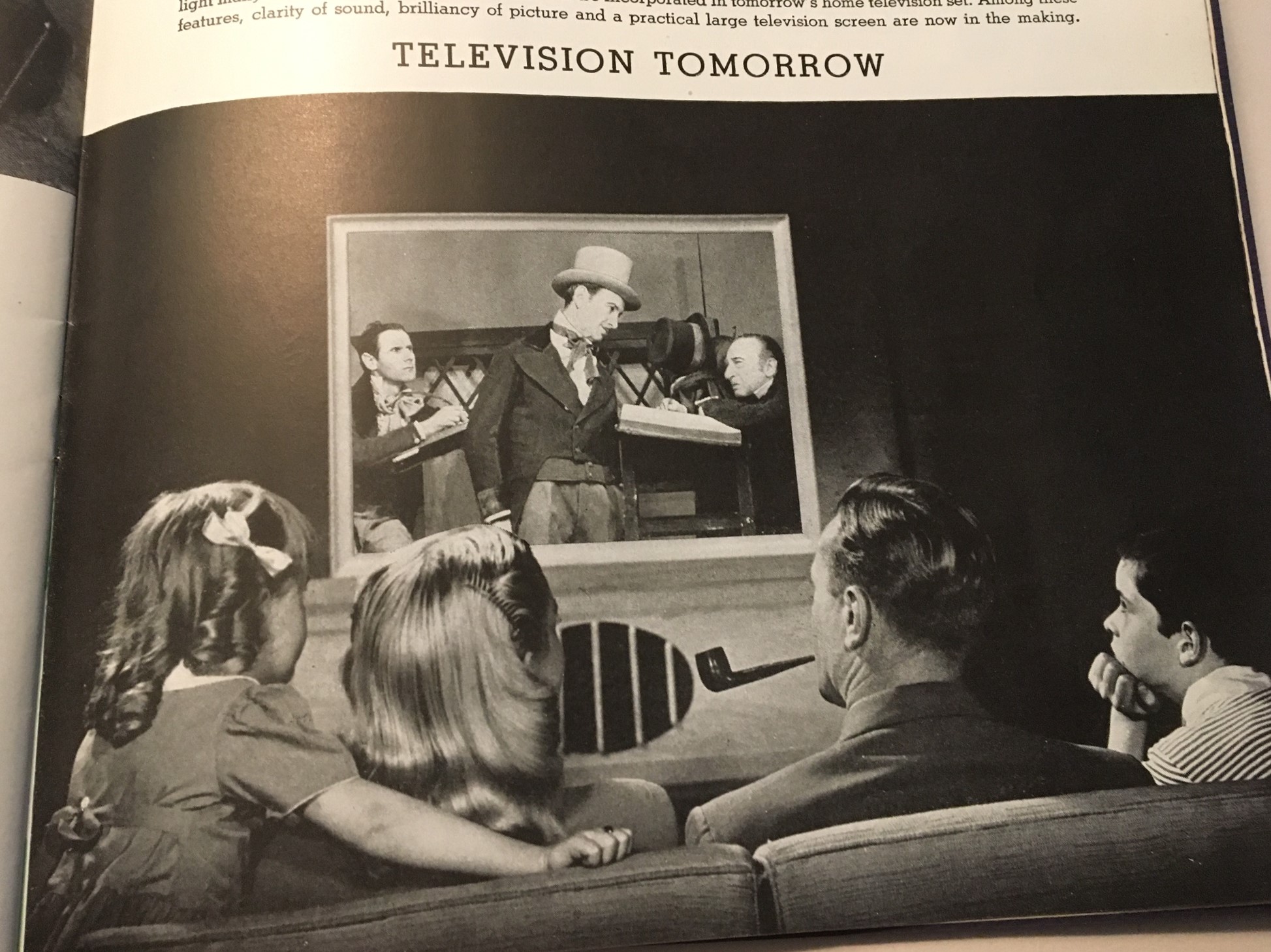
    I didn’t expect such a good photo-essay of the Du Mont labs and assembly facilities after the very odd first few pages of the manufacturer’s 1944 brochure. It started the history of the cathode ray tube at Genesis and then had a couple of pages of cartoonish timelines, but then settled into the turf and surf of their business. Well, nearly so, anyway–there were a few odd bits with the introduction of a sort of scary-looking “Alex Electron” showing how television images were made, otherwise this was an engaging assembly-line view of television manufacturing.  

    It did have this gloriously colorful display, including a look at the television of the future:

    Dumont _2_

    It did prompt me to check out the history of the word “television” for its first and early appearances in the OED,  and there I found the following:

    • 1900   Cent. Mag. June   Through television and telephone we shall see and hear one another as perfectly as though we were face to face.
    • 1900   Electrician 31 Sept. 822/2   At the afternoon sitting on Friday, M. C. Perskyi read a communication on ‘Television’, describing a number of apparatus based on the magnetic properties of selenium.

    Dumont _5_

    • 1926   Glasgow Herald 20 Dec. 11/8   Mr. John L. Baird, a native of Helensburgh,..recently invented an apparatus which makes television possible.

    • 1930   J. Buckingham Matter & Radiation 122   We have heard so much about Television lately that we are apt to forget that no portion of the apparatus used is novel to scientists.
      Dumont _4_

    • 1948   N. Wiener Cybernetics 10   Television was destined to be more useful to engineering by the introduction of such new techniques than as an independent industry.

    • 1957   Technology Mar. 9/2   The solution of the major problems in colour television, the public introduction of which is now more a question of economics than of technical difficulty.

    Dumont _3_

  • Electric/Electronic Brains, Part X (1948)

    JF Ptak Science Books   Quick Post

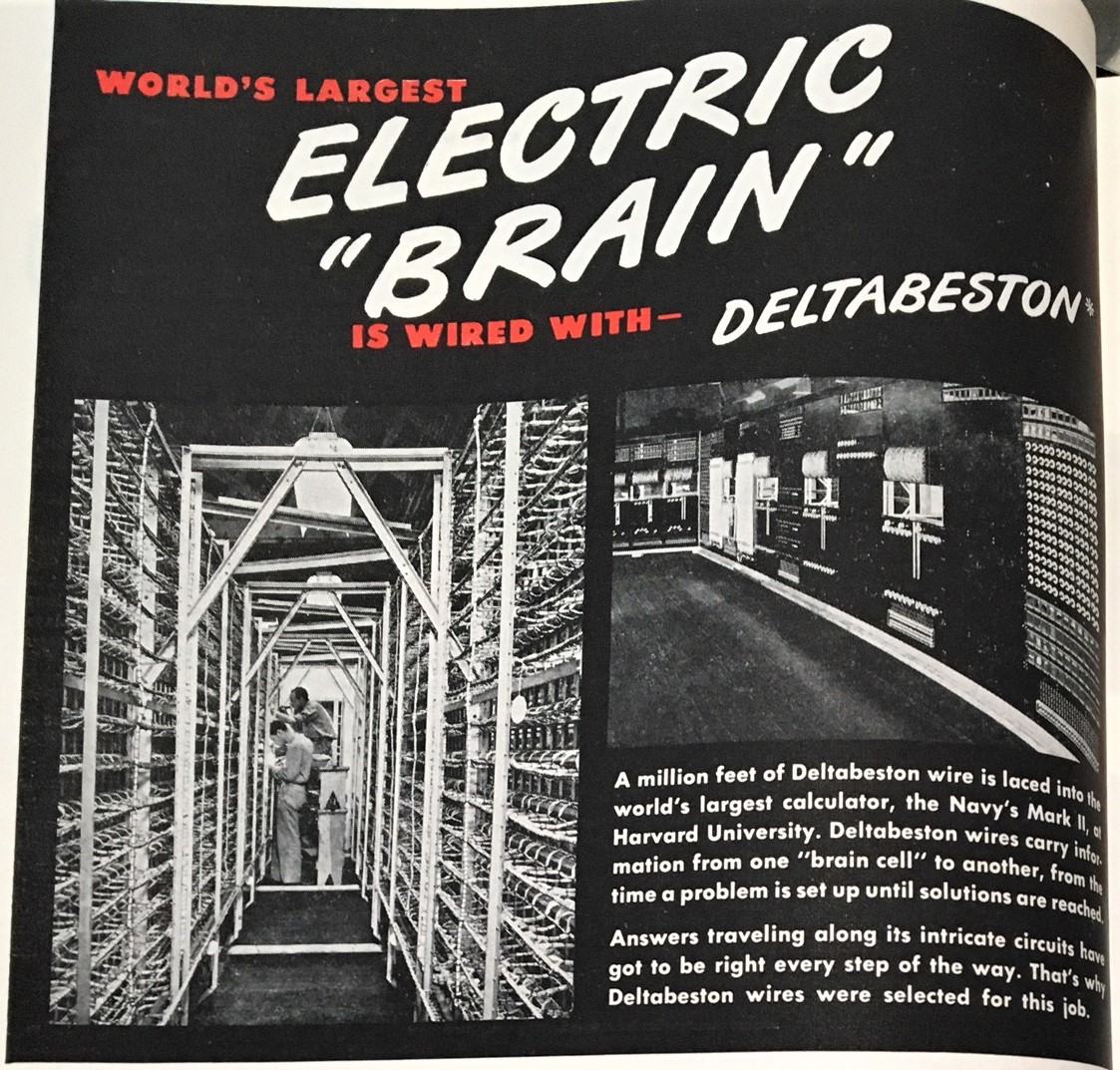
    Here we have a lovely full-page ad from Electrical Engineering, February 1948, extolling the use of Deltabeston power cables and wiring…over a million feet (5,200 miles) of it. It was produced by GE and was covered (and layered?) with asbestos. In any event I’ve paid attention to electronic/electric/analog/digital/electrical/mechanical description of the human brain, either described so or pictured with gears and tubes and such. This image from 1948 is relatively late for the early period of this sort of imagery.

    This is the Mark II at Harvard, also known as the Aiken Relay Calculator, and was programmed by Aiken and Grace Hopper at the beginning of operations in 1947. It followed the Mark I, the famous wartime machine (the IBM ASCC, operational 1944), and preceded the Mark III (the ADEC, operational in 1951) and Mark IV (1952). 

    Mark II computer

    ·Posted by :

    ·in:

  • The Domestic Front, WWI (1918)

    JF Ptak Science Books  Quick Post

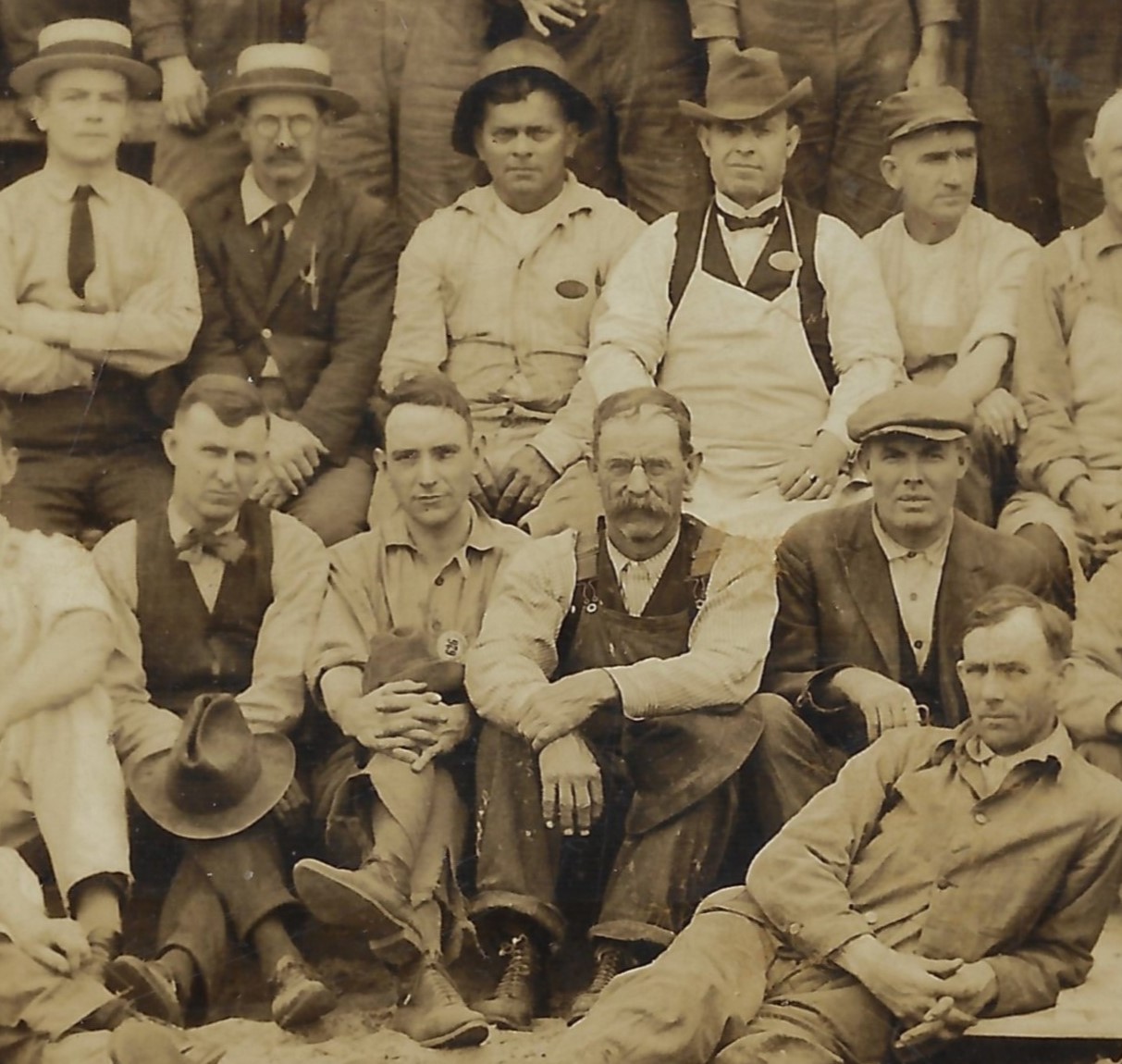
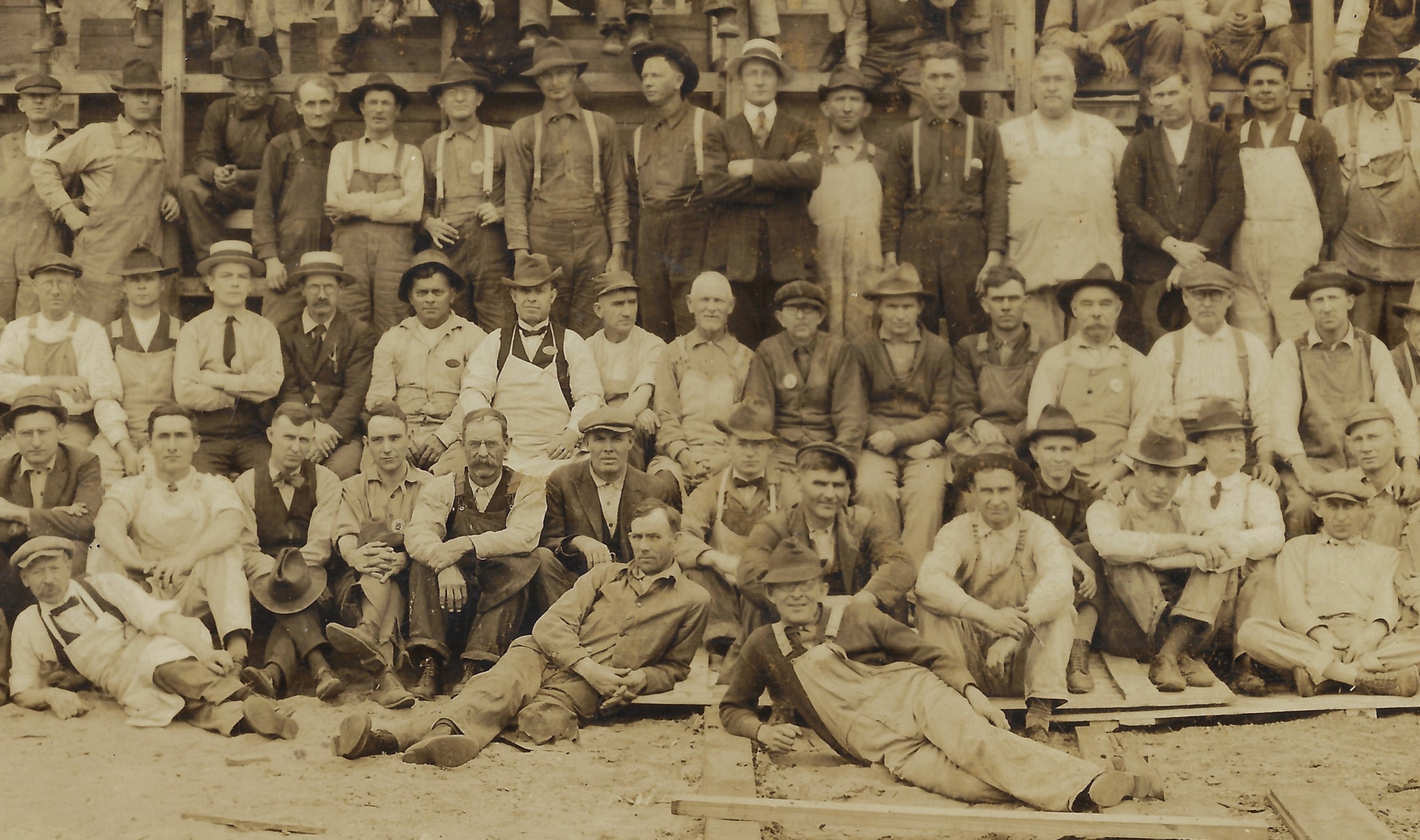
    This is yet another fantastic image from the small (800-item) News Photo Service archive here.  I’d say only 15% of it focused on the domestic end of the war, and there were very few posed images of them–this was an entirely unusual image, so far as this archive is concerned.  Every face a story, here, and I don’t have any doubt that someone could dive into this photograph and make up a character for each one of these men, none of whom are identified. Id like to say that this was a woodshop for aeroplanes, as that is how the image struck me on first exposure, but I have no proof of that. That said, identified or not, this is a terrific photo.  

    WWI Photos Group Large Aero _1_


    WWI Photos group large aero 3

    ·Posted by :

    ·in:

    —
  • Roosevelt as Hiding in Hitler’s Shadows (1940 anti-Roosevelt campaign literature)

    JF Ptak Science Books  Quick Post

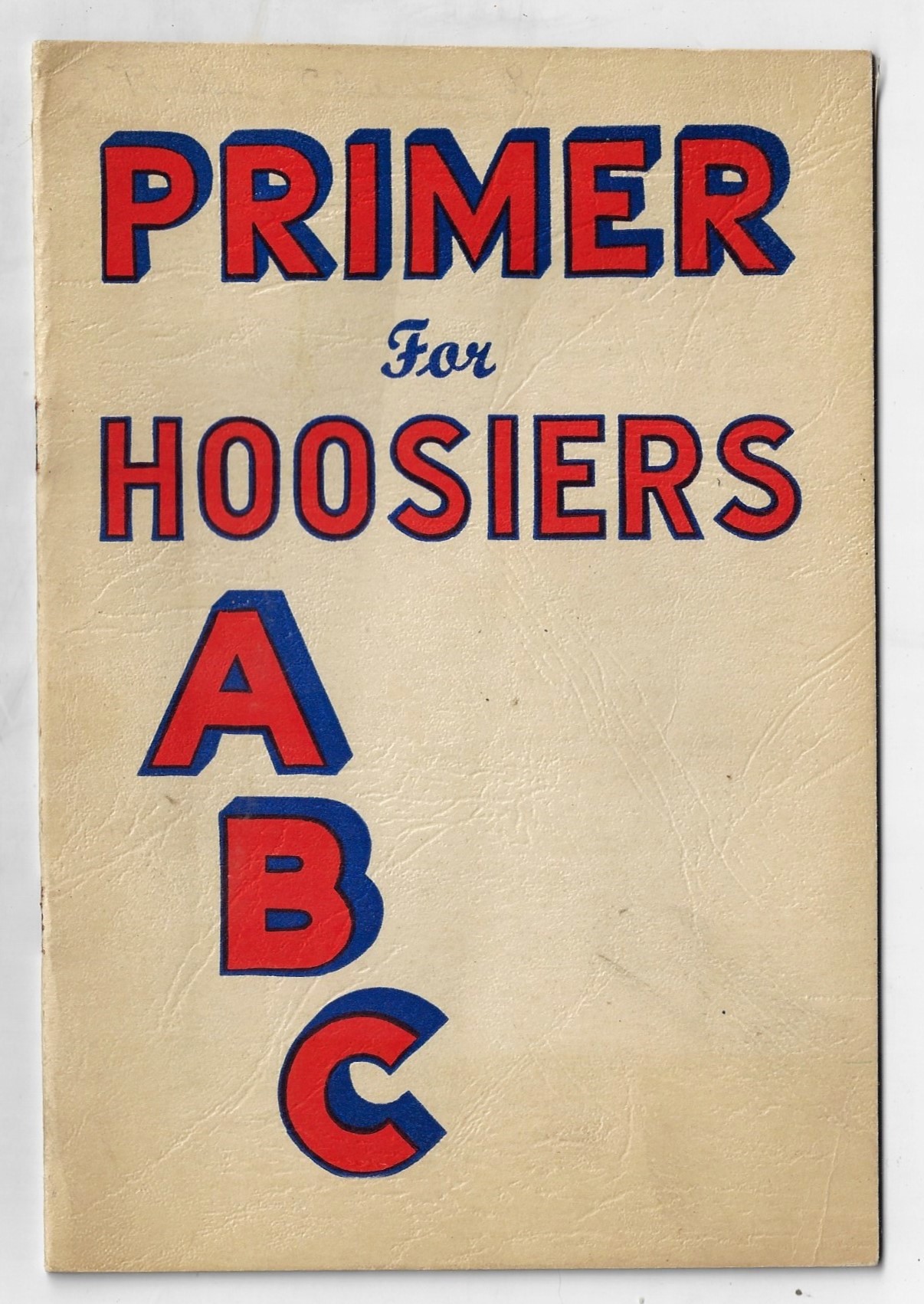
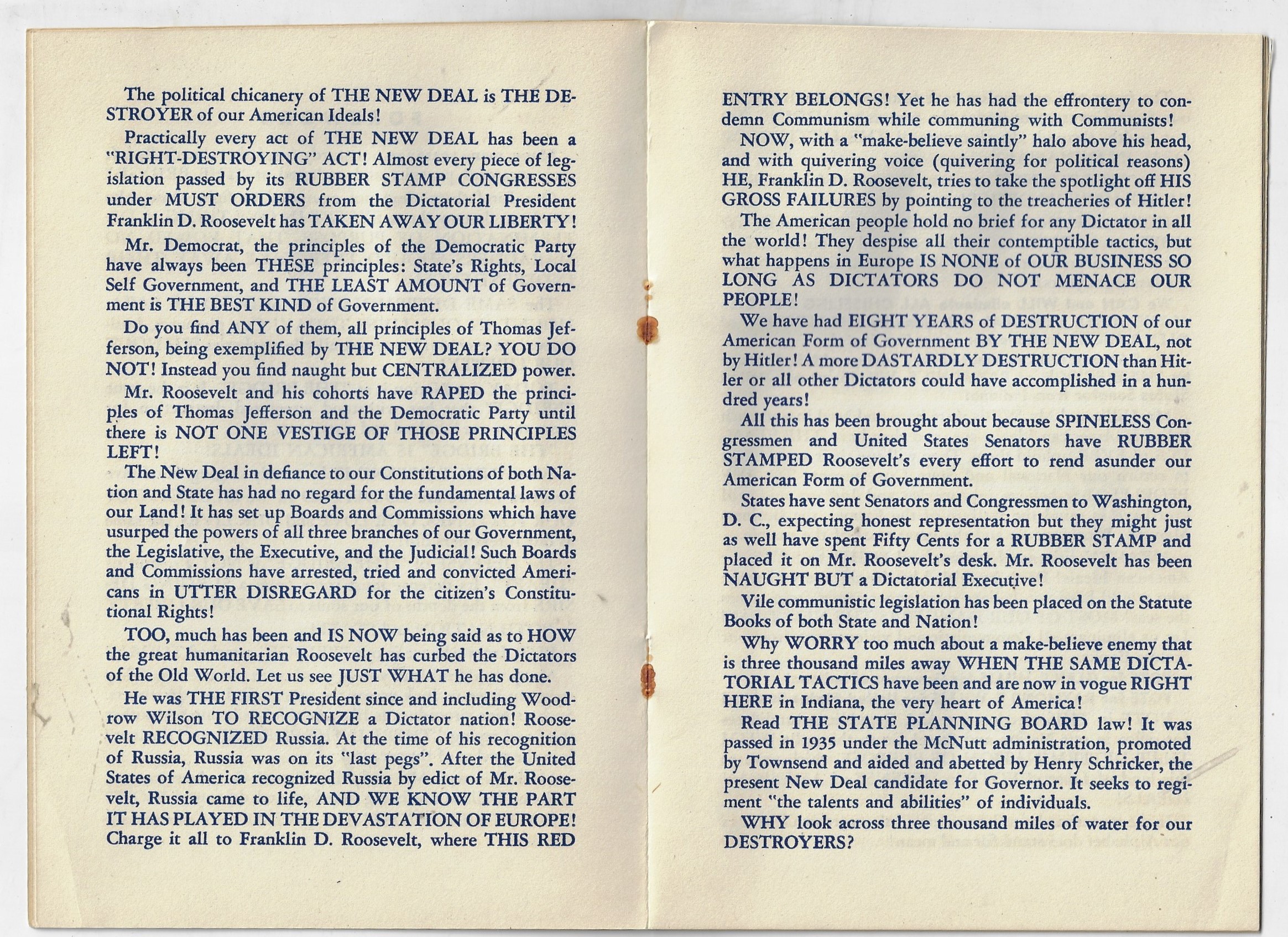
    FDR diatribe _2_I’ve together a little collection of 75 or so anti-FDR pamphlets from 1936-1944, though “anti-” is probably a little too temperate to describe the vast majority of them. Most are ripping, tearing, rending, insulting, vicious, accusatory…you get the picture. This one is special as it has FDR hiding behind Hitler. The author, Charles R. Parker, writes in his Republican-backing pamphlet on the campaign of 1940 that “Roosevelt tries to take the spotlight off HIS GROSS FAILURES by pointing out the treacheries of Hitler!…what happens in Europe is none of our business”.

    He continues: “We have eight years of destruction of our American form of government by the New Deal, not by Hitler! A more dastardly destruction than Hitler or all other Dictators could have accomplished in a hundred years!”

    It goes on like this for the length of this short, stubby, and not-well-written piece, until it falls off its own cliff.

    Roosevelt’s win in 1940 was his “weakest”, taking 85% of the electoral votes and 55% of the popular vote over Wendell Wilkie (who would be dead before the end of the war. I can’t find much about Mr. Parker, though for me he has written one of the best (where “best” equals “worst”) of the worst appraisals of Roosevelt. He finishes off the pamphlet stating “We can only vote one of two ways! We can either Vote American and choose Life, or anti-Amreican and reap Death.”

    FDR diatribe_1_

    ·Posted by :

    ·in:

  • Rare First-Hand Account of the Japanese Surrender in Japan and the Philippines

    JF Ptak Science Books  

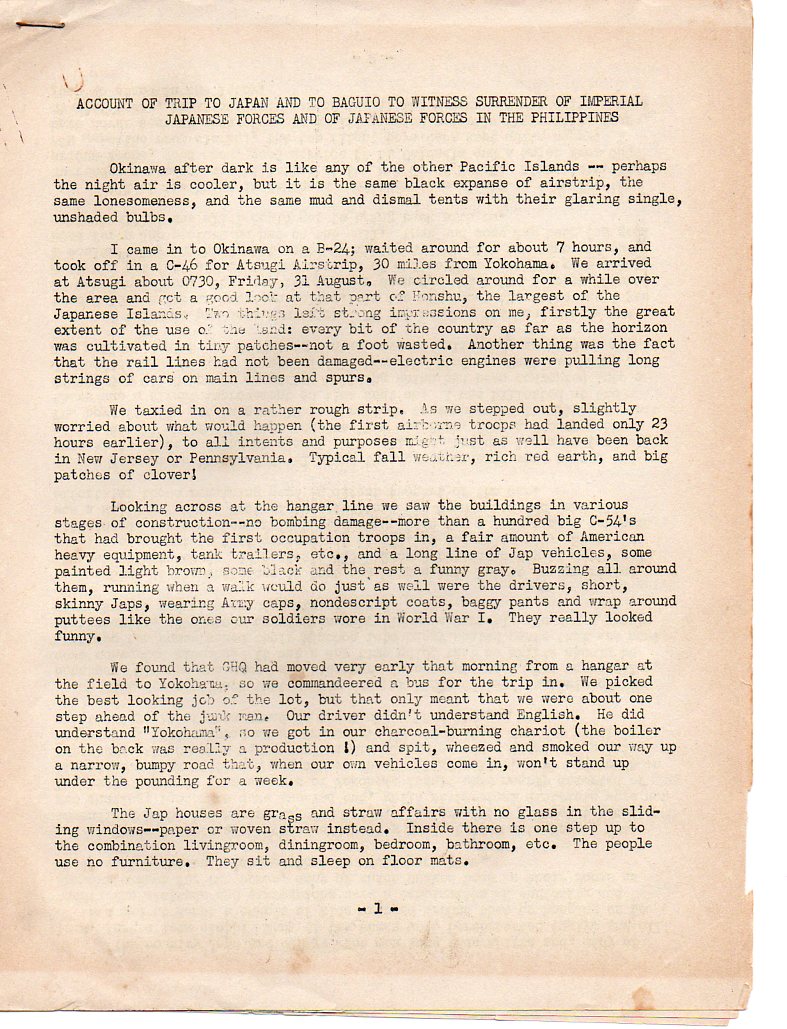
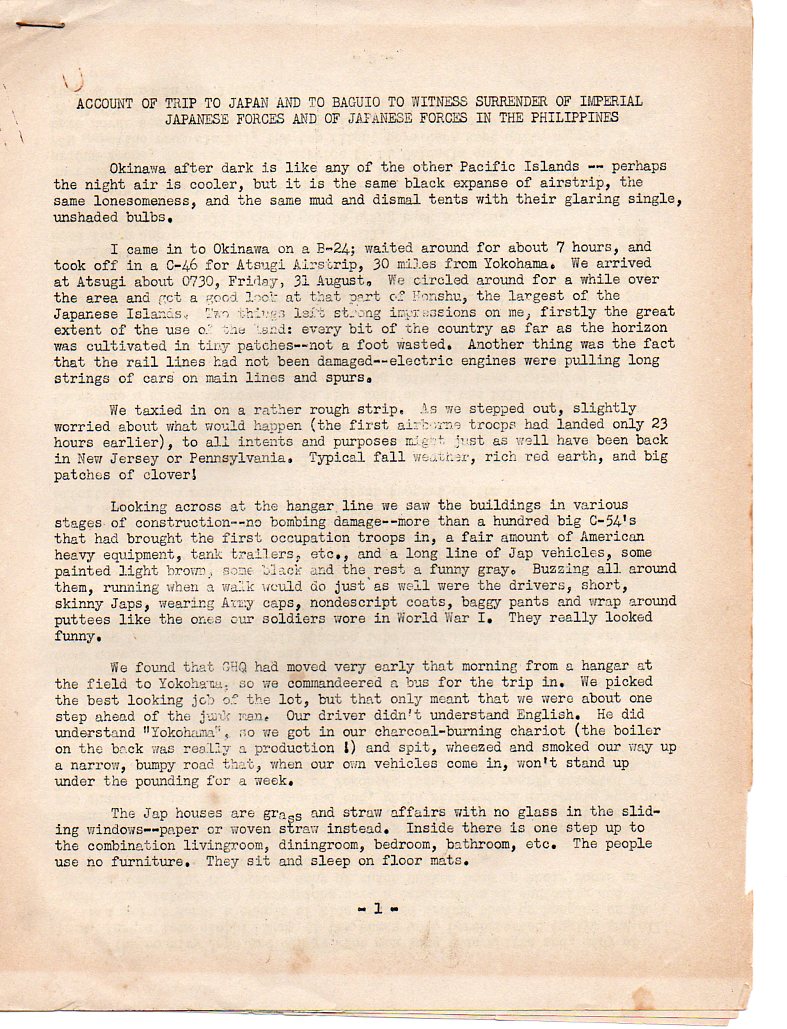
    Deglin _1_I’m doing a quick-share of this five-page document written by Lt. Col. Theodore Deglin (“PRO AFWESPAC”, Public Relations Officer, Armed Fores Western Pacific, Philippines), called “Account of a Trip to Japan and to Baguio to Witness Surrender of Imperial Japanese Forces and of Japanese Forces in the Philippines”. Its an interesting perspective coming from a PR guy who settled into the role of a public relations officer for the commanding officer of U.S. forces in the Philippines.  After serving as public relations director for Madison Square Garden (1935-1942), T.L. Deglin became a Lt. Col. in the U.S. Army (and later a full colonel) in a public relations capacity, finding himself a witness on 2 September 1945 to the Japanese surrender on the U.S.S. Missouri. He and his party then leaves immediately for Baguio (in the Philippines) to bear witness and report on the surrender of Japanese forces in the Philippines, including the arrest of the Beast of Manila, General Yamashita. What follows below is his full five-page (1750 word) description of those events.  The report is an offset-printed production, so it did see some sort of distribution, but I can find no mention of it anywhere. 

    An example of Deglin’s reporting from the desk of the USS Missouri:

    • “General MacArthur is a terrific showman. Every move of his is dramatic and beautifully timed. He spoke briefly, then instructed the Jap foreign minister to sign for the emperor of Japan and the Japanese government. The skinny, bespectacled, top-hatted minister, Shigemitsu, limped forward, pulling his game leg after him. He sat down, facing MacArthur, and had trouble getting the leg under the table. He fiddled around, picked up a pen, put it down, looked at his watch, looked around, looked at his watch again until everyone was slightly nervous, and the general looked quite irritated. Frankly, I could think of only one thing: that a kamikaze plane was going to dive out of the clouds at this time and blow us all over Tokyo Bay. No such excitement, however; the old boy signed both copies of the surrender document and limped back to his position. Then General Umezu, chief of staff for the Imperial Japanese Army, signed quickly.”

    Here’s an example of Deglin’s reporting from Baguio:

    • “The conference room was set up with a long table. On one side were a dozen high, hand-carved chairs. On the other side were four wooden folding chairs. The newsreel cameras, still photographers, and radio broadcasters were all set up in their places. Then the Japs were brought in. They were led to the side of the table where the small chairs were and started to sit down but were instructed to remain standing. They were kept standing for nearly 10 minutes; then the top generals came in and sat down. After them came a group of 15 brigadier and major generals. Then the correspondents were herded in—about 35 of them.
      The ceremony was partially designed for the radio broadcast. The surrender document was read, Yamashita was asked if he understood the terms (an interpreter stood behind him), he answered “yes,” the documents (four copies) were signed, the generals filed out, and Yamashita was turned over to the MPs for delivery to New Bilibid Prison near Manila. Incidentally, when he left Baguio he wore a string of ribbons. Guess who has them now!

    The rest of the document appears below:

    ·Posted by :

    ·in:

Recent Posts

Archives

Categories