A Daily History of Holes, Dots, Lines, Science, History, Math, Physics, Art, the Unintentional Absurd, Architecture, Maps, Data Visualization, Blank and Missing Things, and so on. |1.6 million words, 7500 images, 4.9 million hits| Press & appearances in The Times, Le Figaro, Mensa, The Economist, The Guardian, Discovery News, Slate, Le Monde, Sci American Blogs, Le Pont, and many other places… 5000+ total posts since 2008.

  • The Atomic Bomb and Satan’s Release, 1947

    JF Ptak Science Books    Quick Post   The series on Atomic and Nuclear Weapons
    • [There have been 99 posts to this blog since June 1–check out other work via the “Archive” at left]

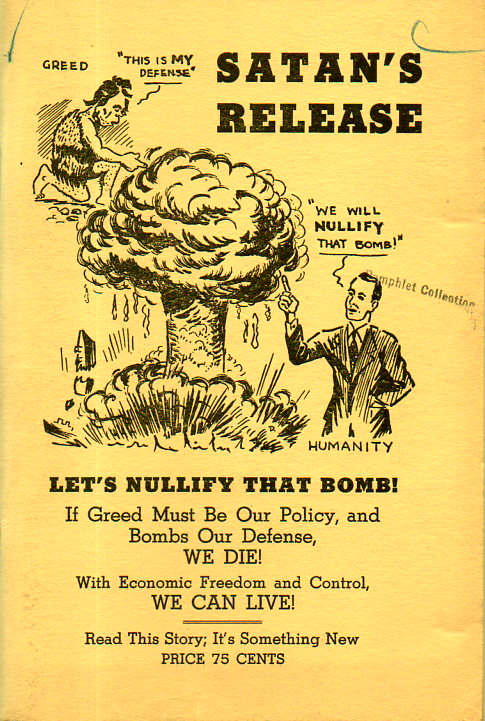
    In the 100+ or so posts in the Atomic/Nuclear Weapons history thread there are a number that address somewhat Outsider-y notions and imaginary insights into the weapons.  There are some that prophesy the advent of the bomb, and some that initiate the creator in its creation.  The pamphlet below (published in DeRidder, Louisiana, in 1947, a town of 4,000) is one such example–the atomic bomb so far as I can tell exists only allegorically, as in the greed bomb, that would destroy us all.  Still, it has a mushroom cloud on the cover, and so it qualifies as an atomic-bomb-in-popular-culture item.  

    Atomic bomb Satan's release202

  • Colossus in the Colosseum (1820)

    JF Ptak Science Books   Quick Post

    Wimshurst machine205

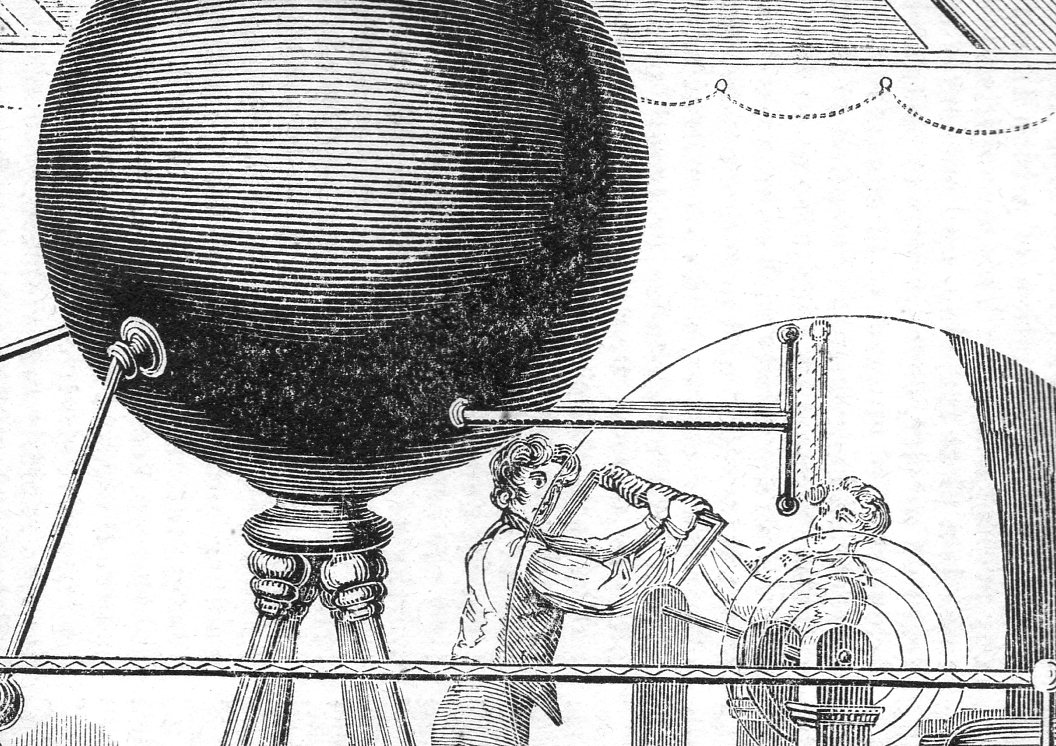
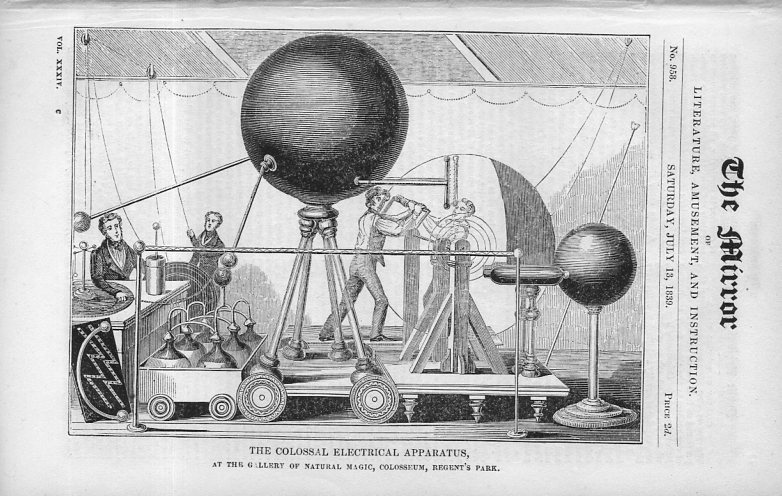
    Here’s an interesting combination of sweat and electricity–an enormous electrical device that was on display in an exhibit of “natural magic” at the Colosseum in Regent’s Park in 1839.  The large disk that the two guys are turning is actually larger in real life, being 7′ in diameter, the conductor being varnished copper, and the conducting balls being gilded–it must have been a very shiny experience, especially when they generated their electric spark.  In 1839 this was the largest electrical generating device in the world.  (I have a tiny version of that device here, something made out of old records coated with copper and found ball glasses acting as Leyden jars, all painted and varnished, the work of an 8 year old in 1925 who went on to a career in astronomy and became the most celebrated eclipse follower in the mid 20th century.)

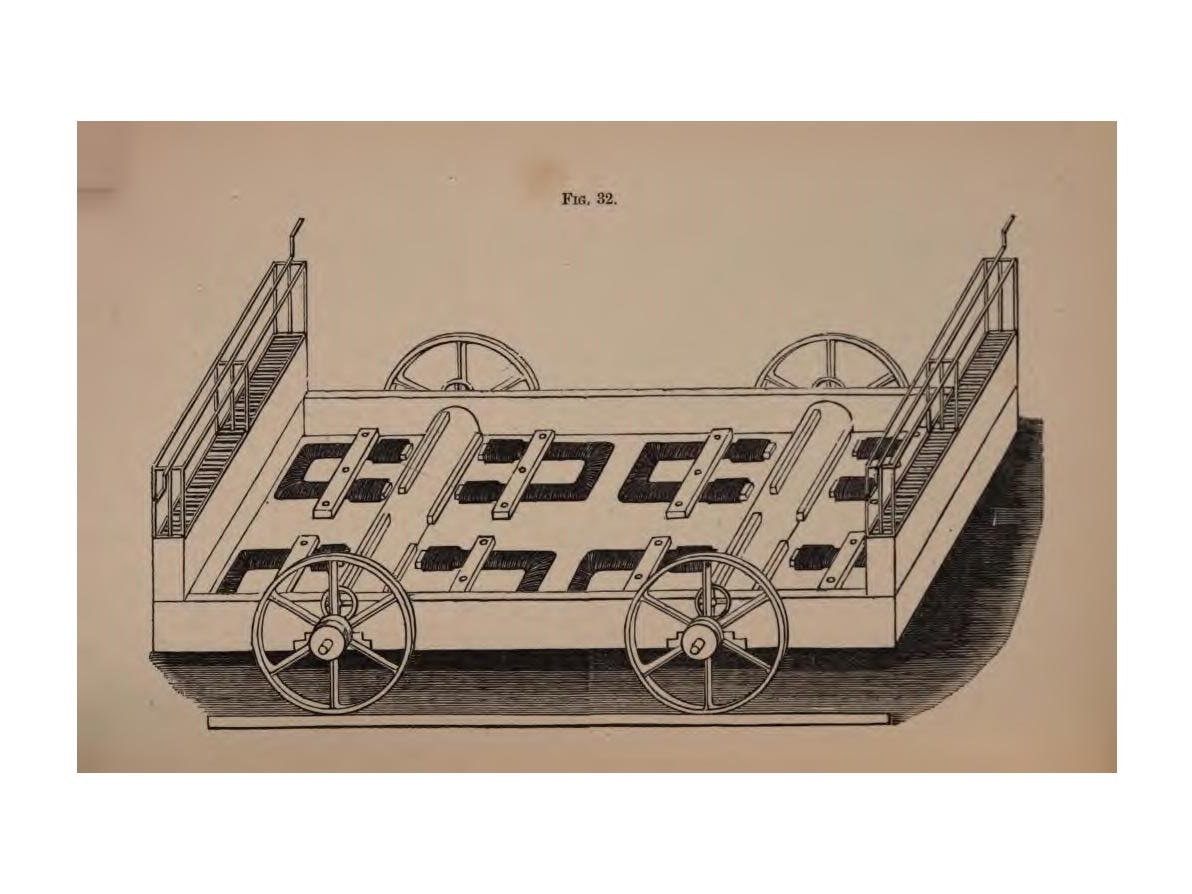
    This monster is made just 39 years after Volta’s first battery was made,  and not long after Oersted generated the first magnetic field from an electric current in 1820, the same year as Ampere’s solenoid. There were many quick and brilliant development from then to 1839 (also the year in which Daguerre perfected his collaborative work with Niepce to produce the photographic camera), not the least of which was the  Davidson’s creation of the first electric motor car/land locomotive, again in that same full year of 1839:

    Electric car

    [Image source: A. du Moncel Electricity as a Motive Power, 1883, page 55, full text from the Internet Archive, here.]


    Wimshurst machine204

    ·Posted by :

    ·in:

  • The French Blue Devils at West Point, 1918

    JF Ptak Science Books   Quick Post

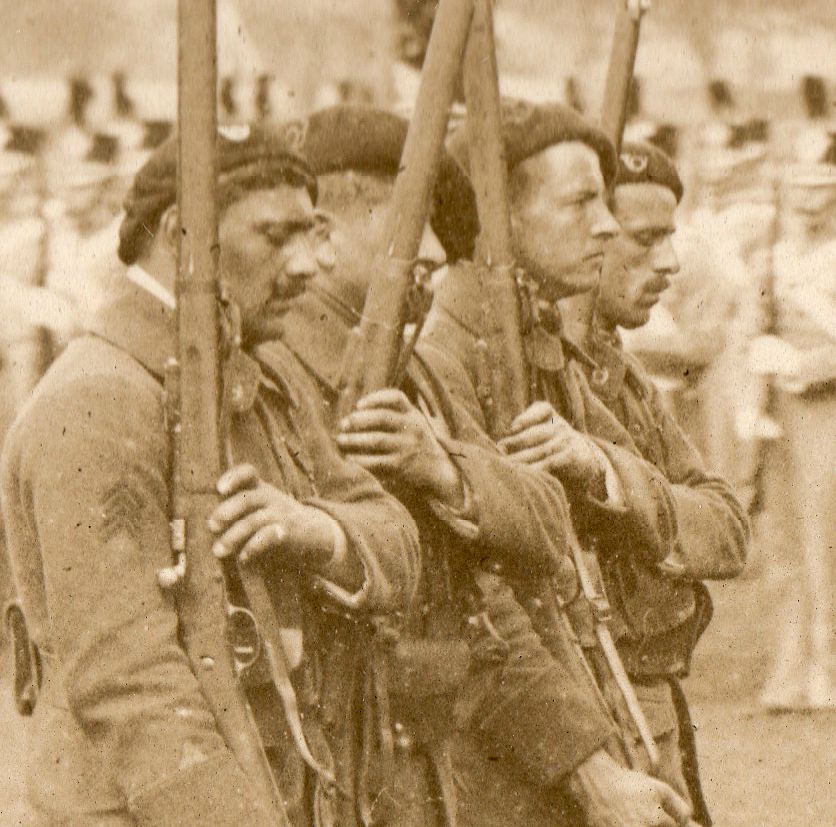
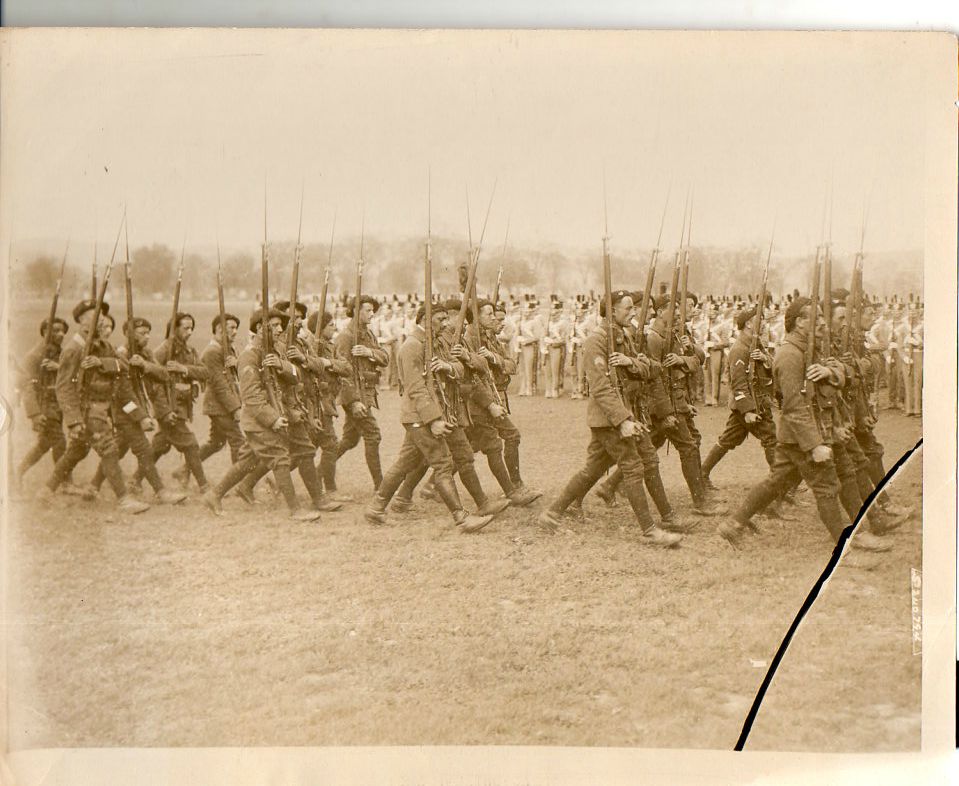
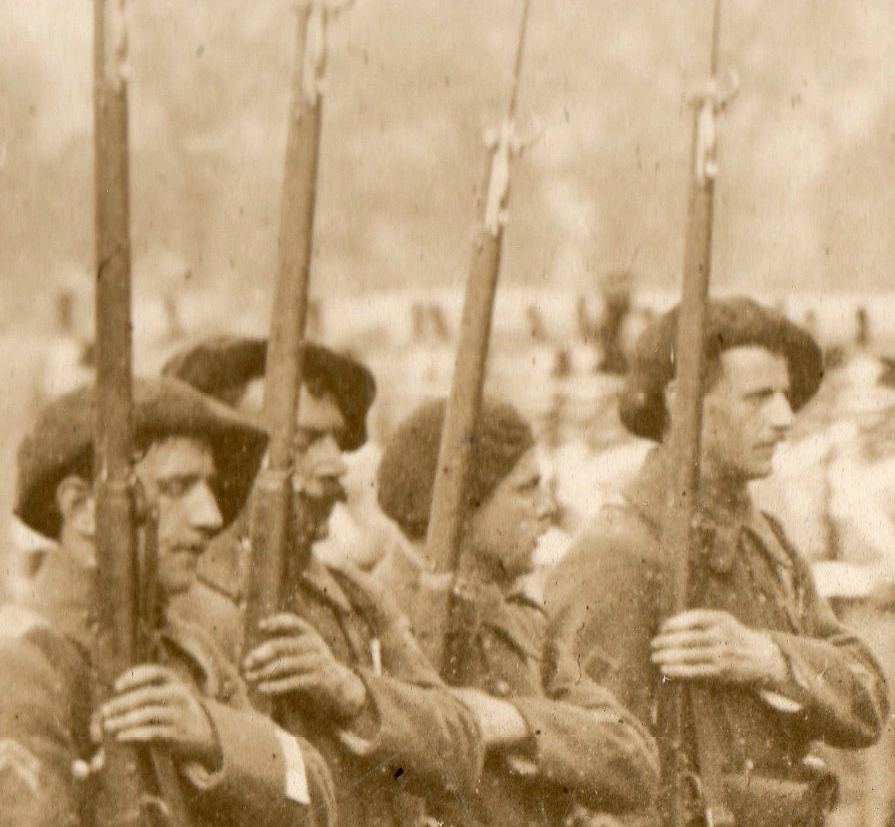
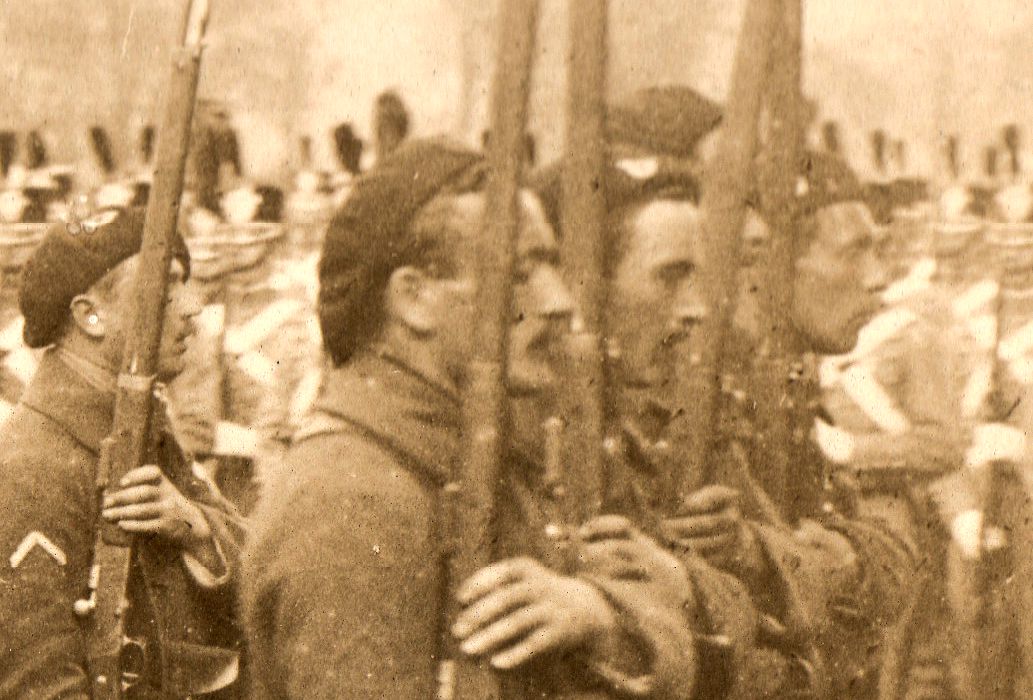
    I really enjoy looking at old photos with a magnifying glass, finding the pictures within the picture, until it is micro-images all the way down. It is odd “coming out” of them, sometimes, and then looking at the full image, and in some sense feeling utterly at a loss to try and find where you had just been in great detail.  

    Here’s an example with this great photo of the French Blue Devils on parade at the U.S. Military Academy at West Point.  These soldiers were and are elite mountain infantry, the Chassons Alpins, “Alpine Hunters”, and nicknamed “the Blue Devils”, and who saw their fair share of combat during WWI.  They made a tour of the U.S.at the beginning of the War in a fund raising drive, and evidently did so again, at least in this instance, showing up in New York in May 1918.  

    WWI--Photos--Blue Devils207

    WWI--Photos--Blue Devils206

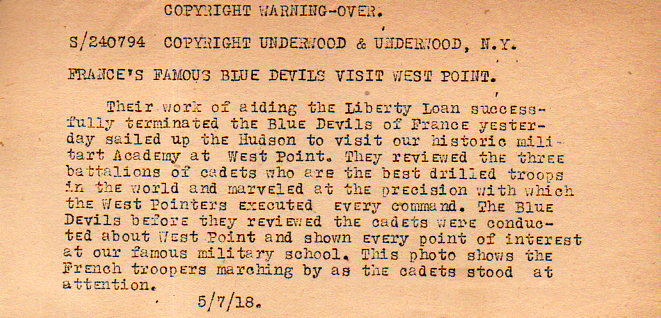
    This is a news photo service photograph (see here for the story) and is accompanied by this text which was supposed to be used along with the image when purchased for publication in a newspaper or magazine.  

    • The original photo is available for sale at the blog bookstore, here.                  

    WWI--Photos--Blue Devils210

    WWI--Photos--Blue Devils208

    WWI--Photos--Blue Devils209

  • Eyewitness Account “Atomic Bomb on Hiroshima” April 1946

    JF Ptak Science Books   Quick Post   Series on Atomic and Nuclear Weapons 

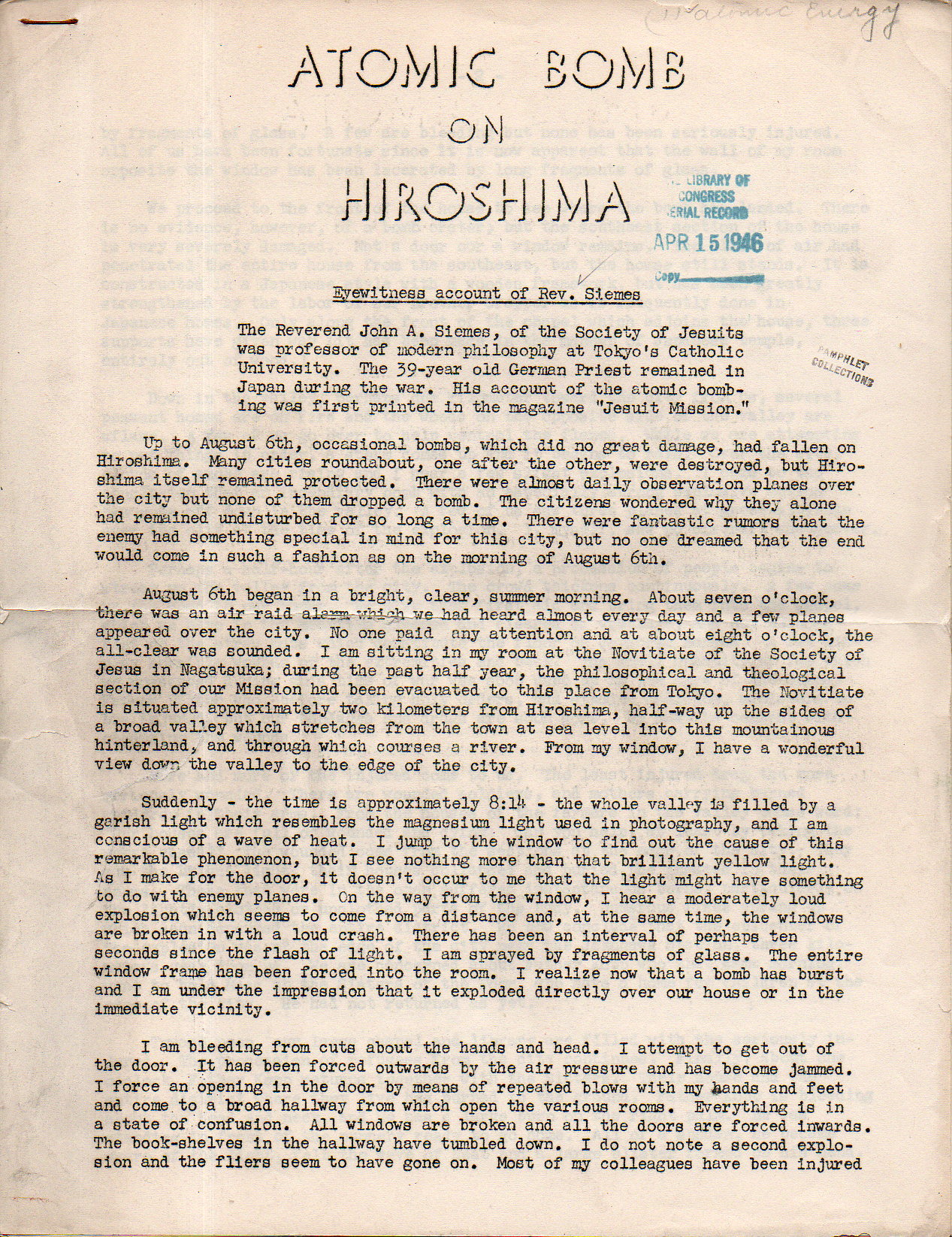
    About eight months after the atomic bomb was detonated over Hiroshima the Jesuit Rev. John A.Siemes contributed his well-known first-hand account of the devastation that he found there hours after the event.  Siemes also published his story in the Irish Monthly, volume 74 (#873, pp 93-104) in 1946.   This 10-page account in this version evidently is not very widely kept in libraries worldwide, as WorldCat locates only two copies (one at “New York State Library” and another at the Peace Collection of Swarthmore).  There are full-text versions of it online, though there are differences in the telling of the story–Yale University has this as a full-text version posted at their Avalon Project here:  http://avalon.law.yale.edu/20th_century/mp25.asp    It is well worth a read.

    • The original publication is available for purchase via the blog’s bookstore, here. 

    Atomic bomb on hiroshima211

    ·Posted by :

    ·in:

  • A Relaxed Time on Sentry Duty, 1918

    JF Ptak Science Books

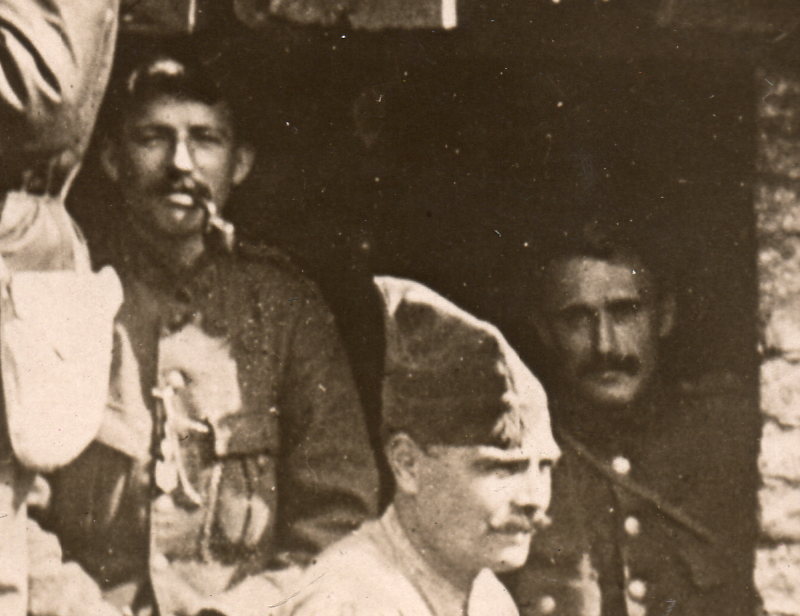
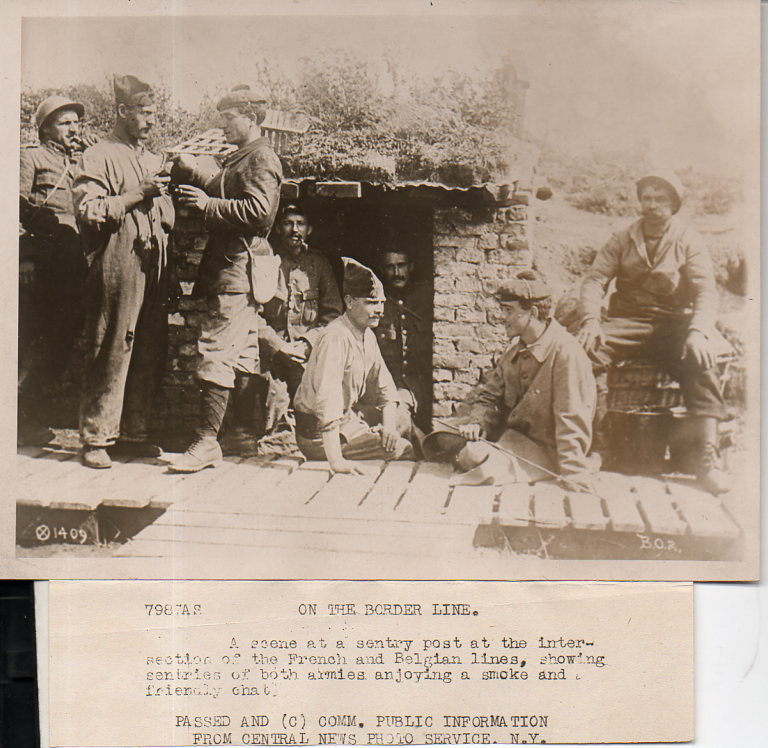
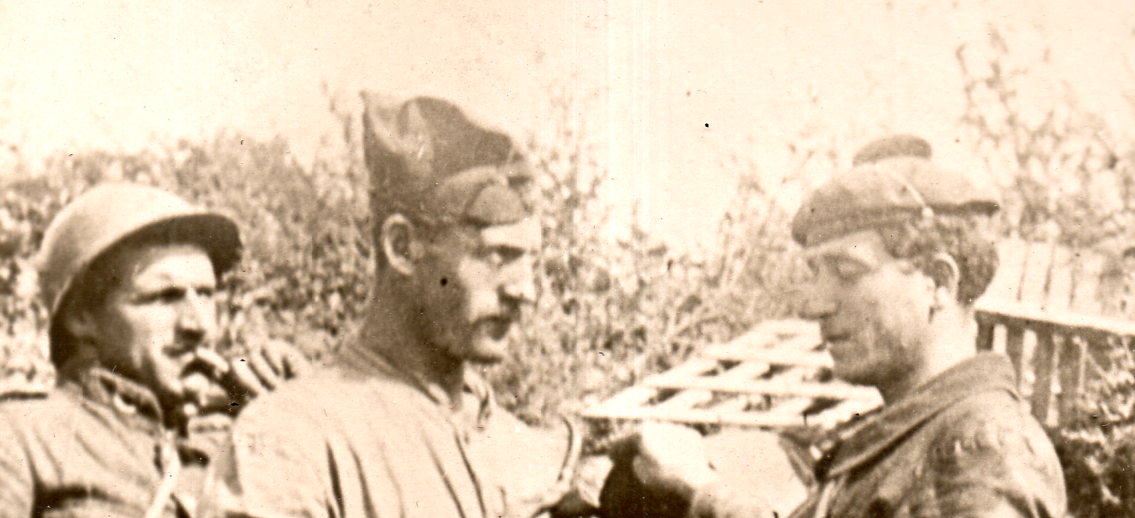
    Another interesting portrait within a photograph–this is one in a long series of images from the blog’s WWI News Photo Service Photography section, which can be found here and which will explain the purpose of pool photography during the War.  This image (explained in the original paper caption below) was made somewhere along the front at the intersection of French and Belgian lines.  The soldiers are gathered around a sentry post, enjoying some light time.  

    WWI--Photos--Border Line214


    WWI--Photos--Border Line212

    • This image is available for purchase via the blog’s bookstore, here.   

    Another detail:

    WWI--Photos--Border Line213


    ·Posted by :

    ·in:

  • The Unstoppable Mawson (1914)

    JF Ptak Science Books   Post 2495

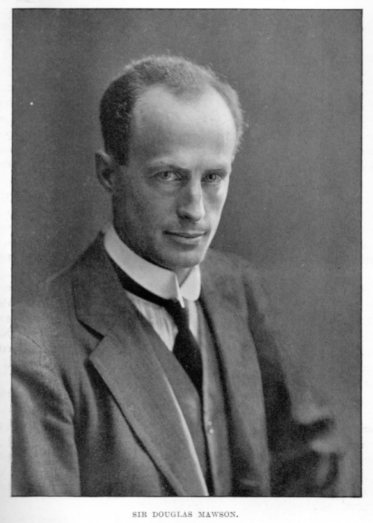
    Mawson scan portrait216

     Oh bloody hell–was there anyone as tough as Douglas Mawson?  The impossible situations he survived for months on end are just, well, impossible. He just kept going in the most extreme environment in the Antarctic in the face of long and endless perdition–and won. And to be honest I’m not sure who claims him–the Brits because he was born there, or the Aussies because he emigrated with his folks when he was two years old–but I’d fight for him being mine whatever the position on the globe I was in.  I’ve read Mawson’s Will  by Lennard Bickel and also parts of his own The Home of the Blizzard (available at Project Gutenberg but it reads much better with an older print version, so you can feel its big chunkiness in your hands). The books are both about his 1911-1914 Australasian Antarctic Expedition, which Sir Edmund Hilary calls “the most outstanding solo journey ever recorded in Antarctic history”, and which is no overstatement.

    Mawson scan portrait215

    So when I discovered  that I had a small publication from the Geographical Journal (September 1914)  by Sir Douglas called  “The Australasian Antarctic Expedition, 1911-1914” I was pretty excited. It is short (29pp) but it seems to be the first time that he addressed the expedition in any detail; it is first-person and very concise, nearly so to the point of brittleness. And it has a couple of killer folding maps (large folding ones for King George V Land and Adelie Land) to illustrate the trek.  There’s also a do-not-stand-in-my-way portrait of Mawson, who recounts the trek and what was supposed to be the charting and geological/glaciological reconnaissance of the 1500-mile Antarctic coast southward of Australia. Then there was the tragedy, and his 160km 30-day solo march through The Bad Stuff. 

    You can read the article online via Wiley and JSTOR by following this link http://www.jstor.org/stable/1778688?seq=1#page_scan_tab_contents and getting a JSTOR permit. If you don’t have an account that includes JSTOR, it is well worth the effort of signing up for the free stuff that it offers.  

    • There are three film clips in existence for the expedition, found at Australian Screen: http://aso.gov.au/titles/documentaries/home-blizzard/
  • Heavy Electricity, 1879

    JF Ptak Science Books  Post 2496

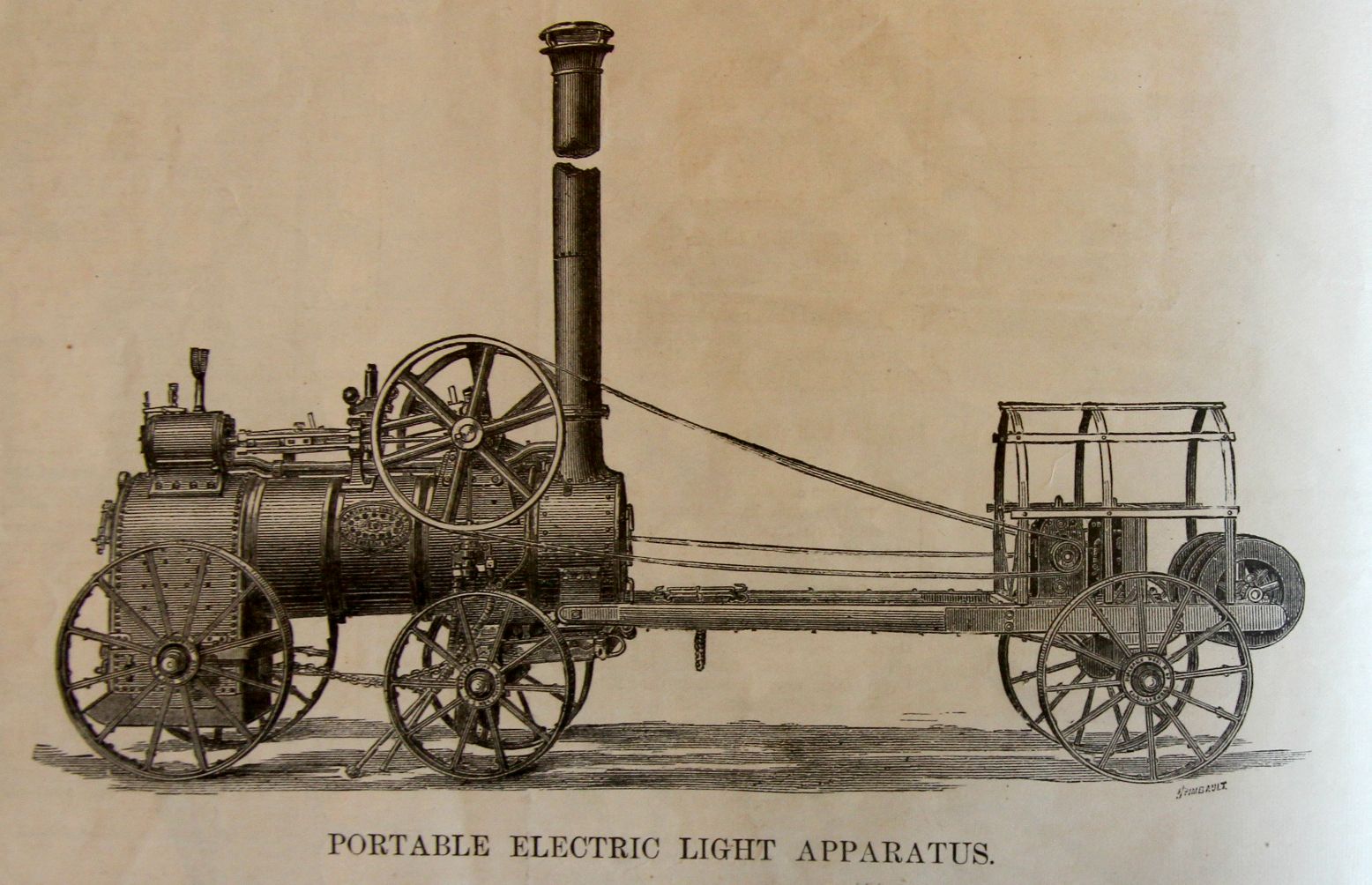
    Inventors had been experimenting with the electric light for decades before Thomas Edison patented his ever since it in the same year that this engraving appeared (1879).  Ever since is became possible to believe in the practicality of the power source of electricity (rather than the very problematic gas) with the demonstrate of Humphrey Davy’s electric arc lamp in 1809, people like Lindsay (1835) and Geisler (1856) and Becquerel (1867) and Woodward (1875) and many others tried to perfect the form of electrical lighting.  Edison of course came up with the best idea, and the rest is history (and adjudication).  

    It is really no that long ago–in my great-great grandfather’s time–that the possibility of the expansion of lighting by electricity was new and very exciting (as well as the delivery of electricity for other stuff, but that is another story). It is also a time of tremendous achievement in delivering the power, which really only extends backwards to 1820 with Oersted (and his electromagnetic motor, and the thought of seeing a land locomotive for providing portable electricity must have been an enormous intellectual treat.  And here it is:

    Electric light apparatus portable 1879[Source: Scientific American, Supplement, June 7, 1879; apologies for the uneven lighting, but the book was big and thick and making the surface flat was out of the question.]

    As stated in the short article, this is a “very convenient arrangement” for delivering lighting remotely (“to contractors”), and was produced by Gainborough’s Marhsall, Sons & Co. for the electrical engineering firm of Crompton & Fawkes of London.  The dynamo-electric machines are on the small two-wheeled carriage and is connected to the steam-powered source on the four-wheeled carriage; it was a 6hp engine that could produce 6,000 candle power illumination. To the right of the electric engines are spools with 300 yards of cable which would connect everything to the electric lamps–evidently from arrival to light would take one hour.  For the time this was a magical thing.  

  • More Woolwich Heavy Stuff (1879)

    JF Ptak Science Books   Quick Post

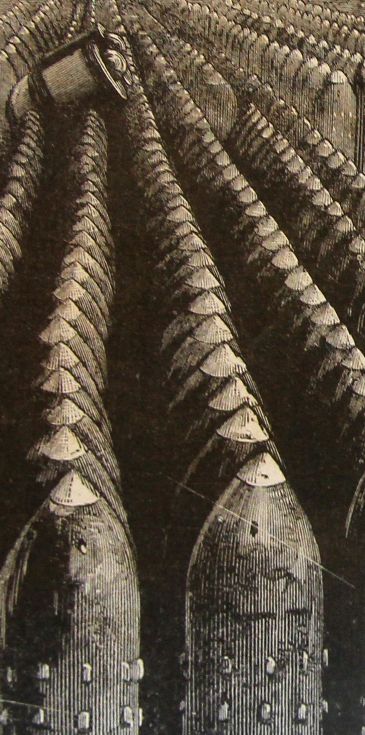
    Woolich shells detail

    [Detail of image below: “War Manufactures at Woolwich Arsenal:  700-lb Palliser Shells for the 38-ton Gun“.  Source: Scientific American Supplement, June 1879.]

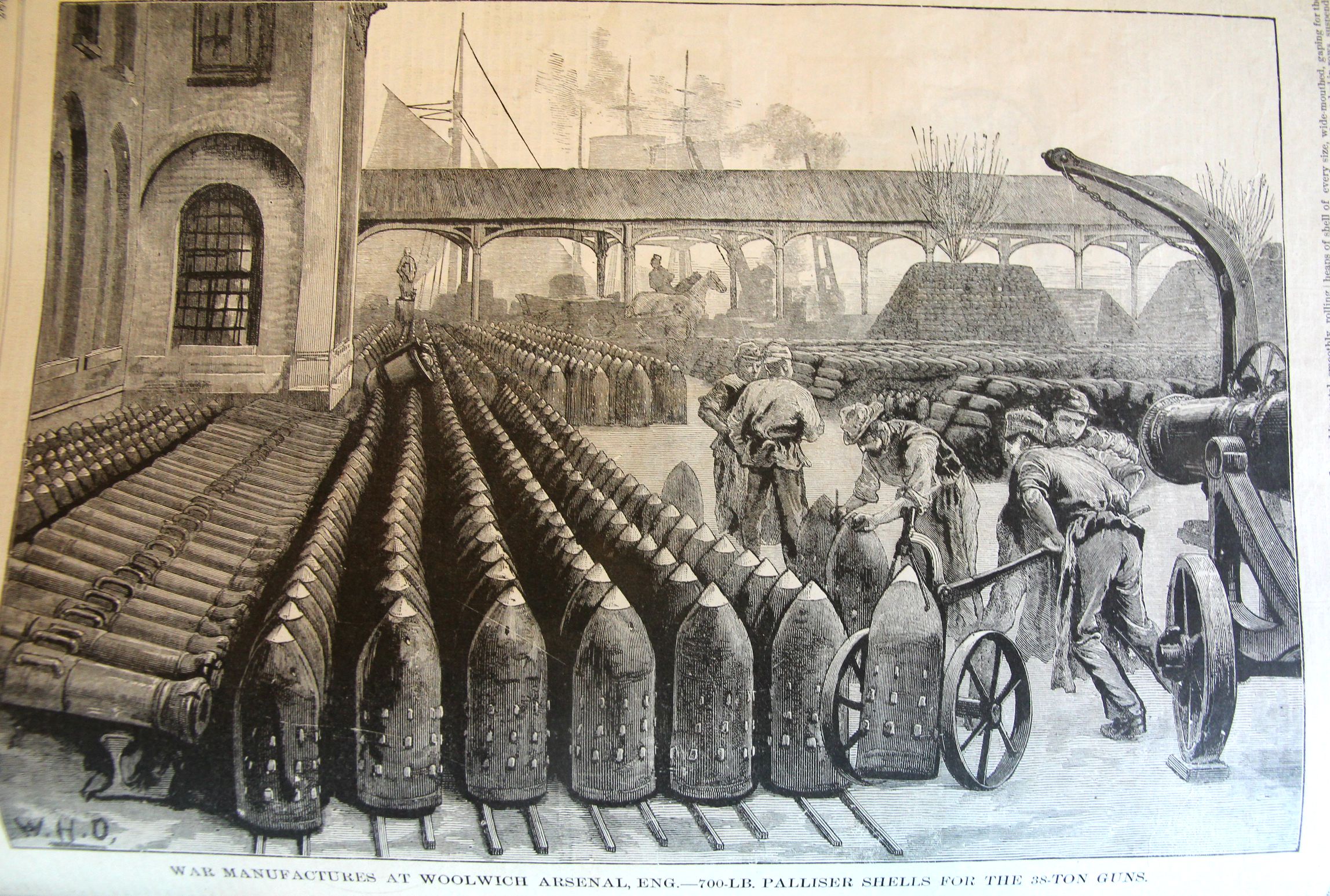
    I’ve written earlier on this blog on the Woolwich works (“Very, Very Heavy Metal–the Woolich Infant, 1876″) that touches on some very heavy artillery, superior monsters all, with the “Infant” in question being an 80-ton gun. That came to mind seeing this big full-page engraving in Scientific American of Woolwich in 1879 and this stationary parade of potential of  death and destruction (and we’re glad to have them on our side) 700-lb shells.  That’s Sir William Palliser shells, which were manufactured as armor-piercing, and intended to do major damage to armor-plated warships–hyper-damage, actually, considering the 410-pounder in this variety was very highly effective.  This shell was just an absolute brute. 

    This is a detail from:

    Woolwich arsenal 700


    [Apologies for  the waviness–the book is very large and getting it to lay flat was not really a consideration.]

  • The Power of Humble Newsstands, 1938-1943

    JF Ptak Science Books   Quick Post 

    Follow Me on Pinterest

    In reading Paul Rabinowitz’s American Pulp, How Paperbacks Brought Modernism to Main Street (Princeton, 2014) I found several good images of newsstands that form a subcategory at the Library of Congress Prints and Photographs Division’s collection of Depression-era masterworks in the Farms Security Administration (FSA) effort.  I checked out the LC’s FSA holdings online (fantastic) and found some other wonderful examples of exceptional and modest newsstands. 

    This first, by John Vachon, is particularly powerful:

    Newsstand--LC--Russell Lee detail[Detail]

    There are some other posts on this blog concerning the FSA, including:

    ·Posted by :

    ·in:

  • A Cuirous Display of What-is-It?

    JF Ptak Science Books   Quick Post

    Curious print219

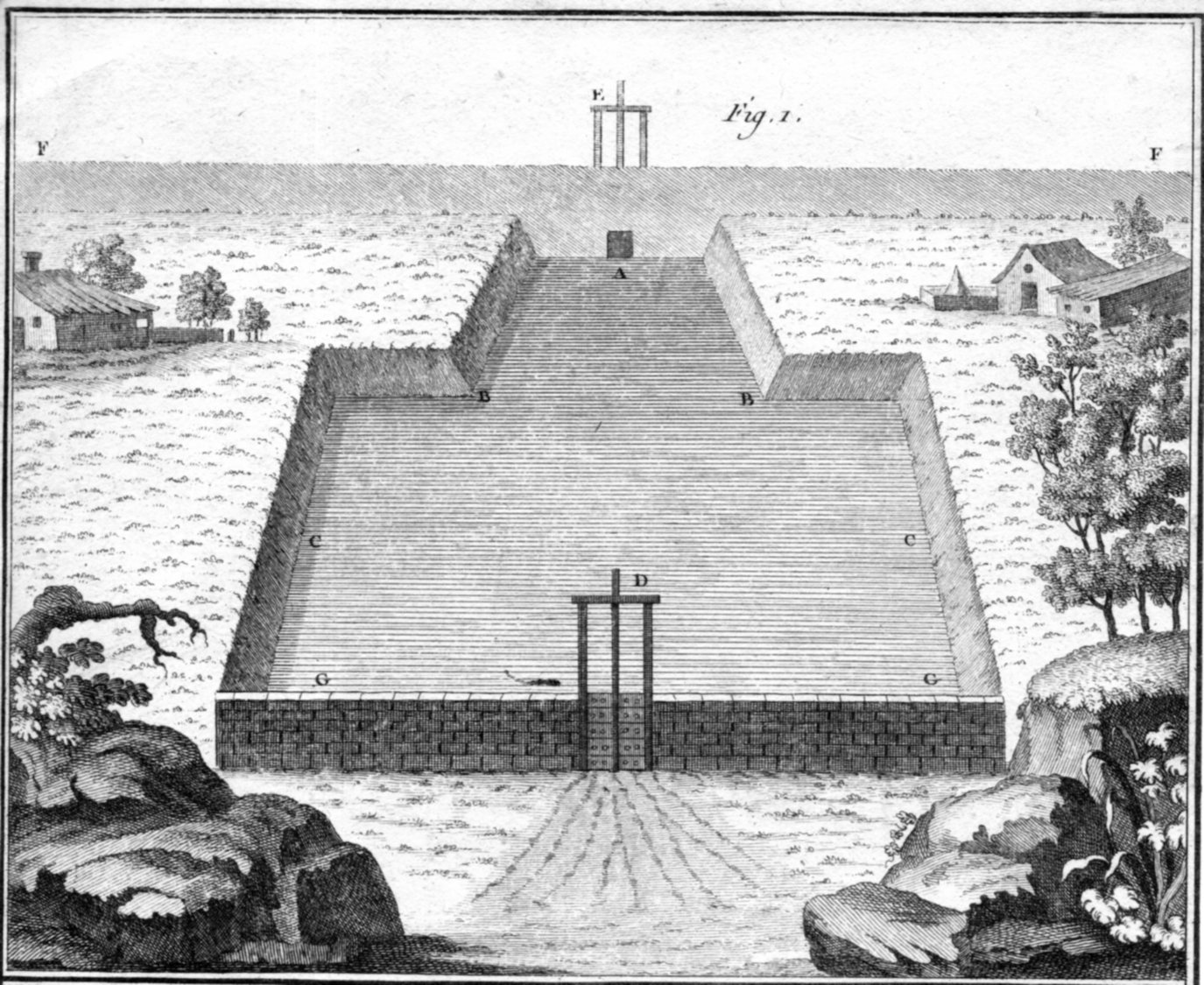
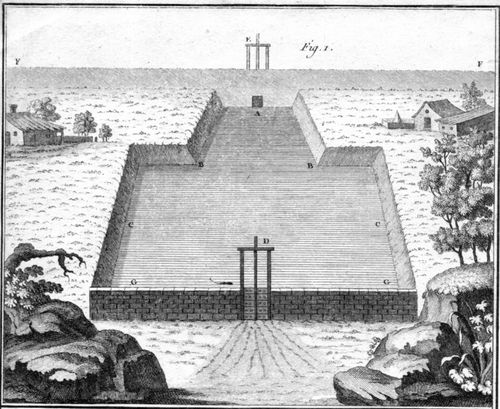
    There haven’t been many entries in the “Tech Quiz” category for this bl, and today’s addition really isn’t all that techy, though it may be–it is definitely a what-is-going-on-here image, though.

    I saved this a long time, and it has been mostly lost in archives more so than found, but here it is–except that I do not have a good hold on the “is” part of that statement. I suspect it is French and late 18th c, which puts it at about the time of the Diderot encyclopedia.  It seems as though this may be a design for some sort of fishing operation–the wall in the background may be a dyke with a sluice (?), or it may be a part of another irrigation system. Most of the structure seems anti-structural per se, the thing being mostly a dug-out, though it does look like there is a wall in the foreground. 

    I am not sure.

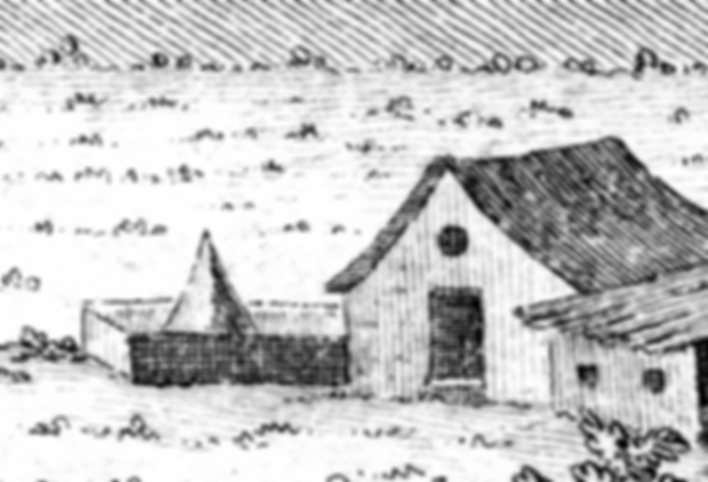
    Also, what is the pyramidal thing in the yard of the building at the upper right?  Everything beyond the drawing of the structure is filler material, and a house would have been as much filler as a house with a pyramid, so why is that pyramid there? 
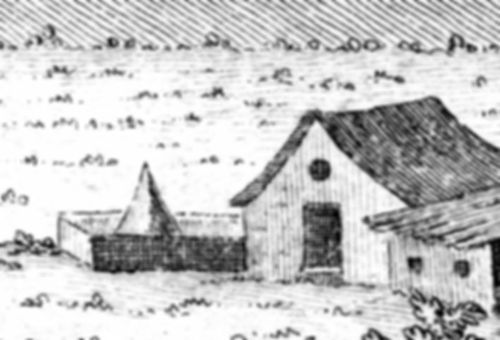
    Curious print220

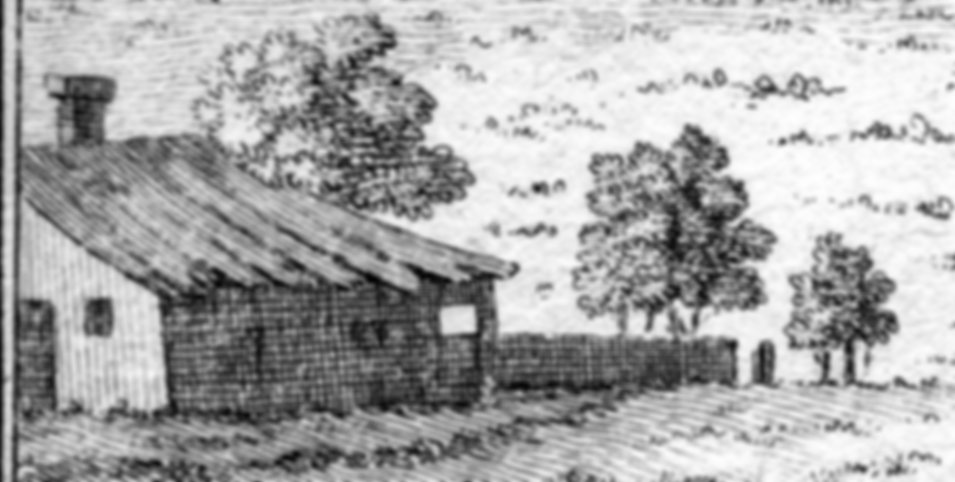
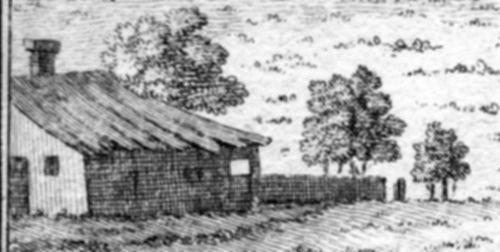
    And what about the other house?  What’s going on with that roof? And what about that post at the end of the fence? It is an open gate, or a solitary post?  What?  These are tiny (1-3mm) details that could easily have been excluded, but they were included for a reason beyond what I can probably know–perhaps it was as simple as the engraver indulging himself with some late night doodles to make the work a little more interesting and to invest it with some personality.
    Curious print221

    Anyway, if the ghost of the anonymous engraver is listening, I would like it to know that we see your “stuff”. 
    ·Posted by :

    ·in:

  • A “What Is THIS?” Map of Manhattan (1938)

    JF Ptak Science Books   Quick Post

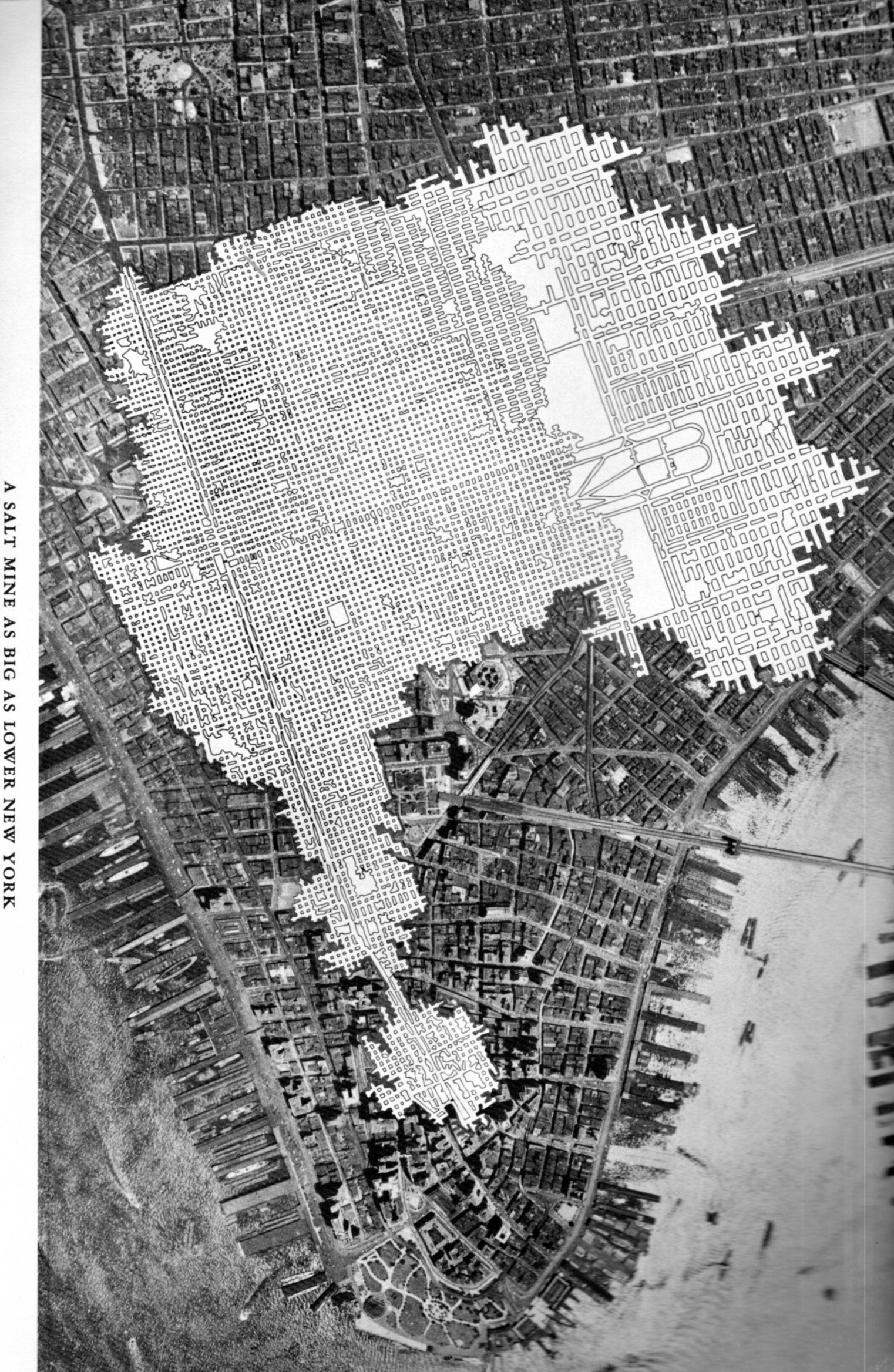
    The Chaco-like overlay in this map of midtown/lower Manhattan has a lot of creative opportunities in it–like showing a map of an enormous and  mysteriously removed Manhattan, or just-discovered earthworks that were somehow dug into bedrock, and so on.

    SALT map218

    But it isn’t. It is a salt mine comparative overlap using Manhattan as a unit if measurement.

    Talk about the “Great White Way”– this elaborate footprint of salt works, with its wide and short-ceilinged rectangular tunnels that are all illuminated white surfaces would challenge anything that Broadway (ca. 1948) offered. “A Salt Mine as Big as Lower New York” is an unusual map to my experience–of course there must be many of these maps available through the years by the companies that mined salt (and coal, and so on) but to my experience they are not often published for public consumption.  The map below is an exception, and simply depicts the rock salt mine at Retsof, NY, (“the largest in the world”).It appears in the unevenly-titled  Salt Empire of the Largest Producer of Salt in the World, and was published by the International Salt Company in 1935.


Recent Posts

Archives

Categories