A Daily History of Holes, Dots, Lines, Science, History, Math, Physics, Art, the Unintentional Absurd, Architecture, Maps, Data Visualization, Blank and Missing Things, and so on. |1.6 million words, 7500 images, 4.9 million hits| Press & appearances in The Times, Le Figaro, Mensa, The Economist, The Guardian, Discovery News, Slate, Le Monde, Sci American Blogs, Le Pont, and many other places… 5000+ total posts since 2008.

  • A Coy Zeno, sans Paradox

    JF Ptak Science Books  Quick Post

    Zeno detail 2


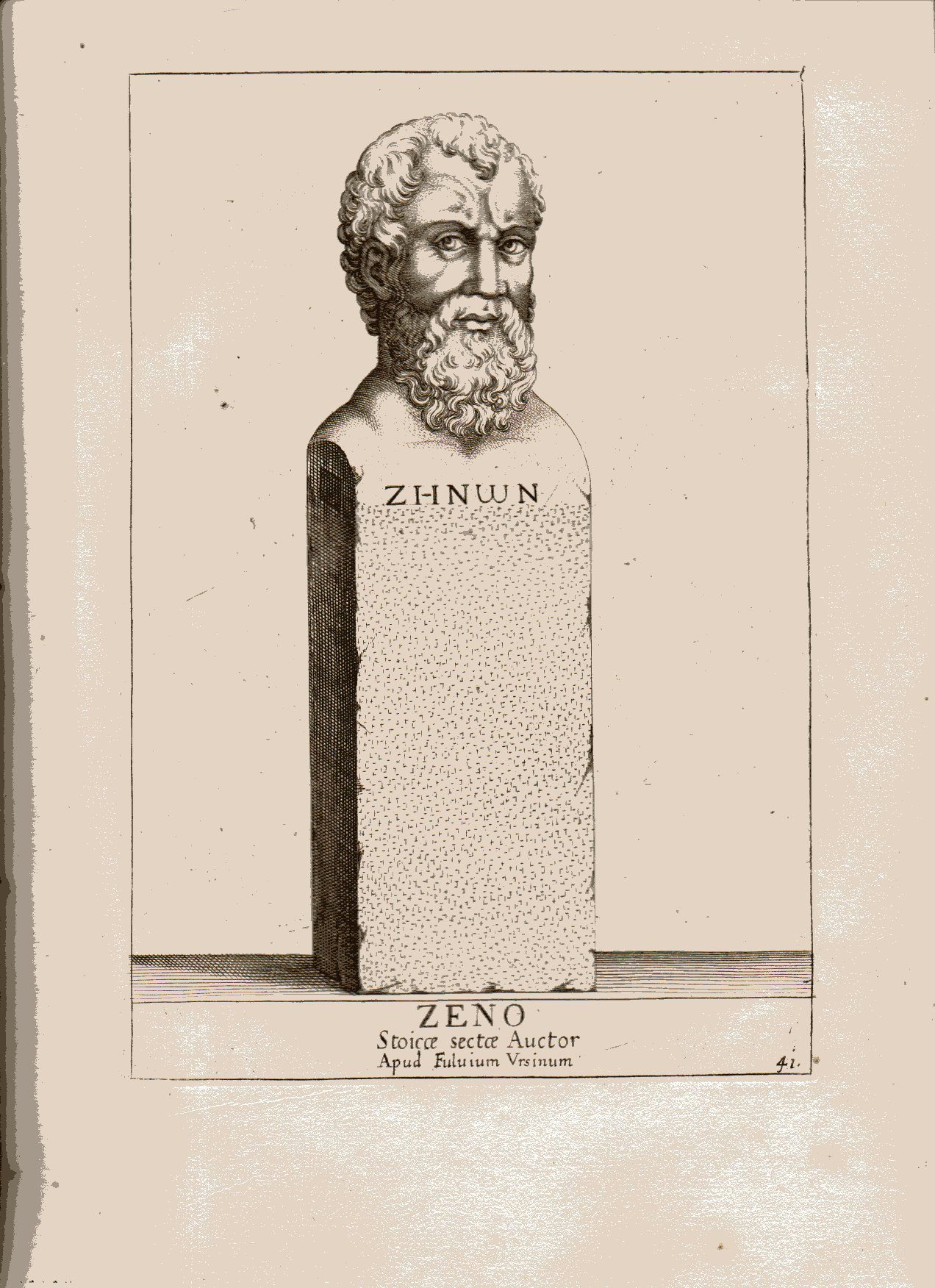
    Zeno189This fine engraving of Zeno of Elea (490-430 BCE) was printed in 1739  and appeared in Veterum Illustrium Philosophorum, Poetarum, Rhetorim et Oratorum Imagines…by Jo. Petri Bellorii, and published in Rome.  It is a fairly large image for a portrait like this, measuring 8.5×5″inches on a sheet 13×9″, engraved on a very heavy and thick paper.  

    From the Stanford Encyclopedia of Philosophy:

    “Zeno of Elea, 5th c. B.C.E. thinker, is known exclusively for propounding a number of ingenious paradoxes. The most famous of these purport to show that motion is impossible by bringing to light apparent or latent contradictions in ordinary assumptions regarding its occurrence. Zeno also argued against the commonsense assumption that there are many things by showing in various ways how it, too, leads to contradiction…” More here: http://plato.stanford.edu/entries/zeno-elea/

    It is a little curious to me that in Augustus de Morgan’s wonderful A Budget of Paradoxes that there isn’t a single hit for Zeno in the 150 mentions of “paradox” in the work. Full text for that here at Project Gutenberg: http://www.gutenberg.org/files/23100/23100-h/23100-h.htm

    If you’d like to own the original, check out “Zeno” in the blog’s bookstore:https://historyofideasblog.com/books/2014/05/catalog-1-2014-physics-math.html


    ·Posted by :

    ·in:

  • On the Affordability of the Pleasures of Science

    JF Ptak Science Books  Quick Post

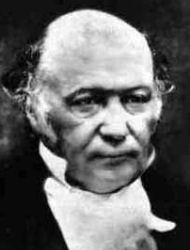
    I don’t know how many of you have carried the collected works of physicists or mathematicians–it seems to be a special moment, having someone’s output for their working lives right there in your hands. Some formats of some collected works are just too big and cumbersome (the many small volumes for an early edition of Galileo or the massive 20+ volumes for Huygens), but the Sir William Rowan Hamilton (1805-1865) volumes seem to be perfect, and finely representative somehow of a fine man and excellent mathematician.  So I was saddened to see this about him and his not being able to afford his F.R.S. in a stumbled-upon section of August de Morgan’s  (1806-1871) A Budget of Paradoxes (David Eugene Smith’s second edition of Sophia de Morgan’s edited first of 1872):
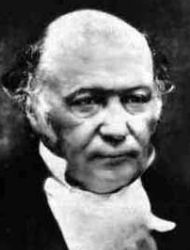
    Hamilton1“This distinction, this mark set by science upon successful investigation, is of necessity a class-distinction. Rowan Hamilton, one of the greatest names of our day in mathematical science, never could attach F.R.S. to his name—he could not afford it. There is a condition precedent—Four Red Sovereigns. It is four pounds a year, or—to those who have contributed to the Transactions—forty pounds down. This is as it should be: the Society must be supported. But it is not as it should be that a kind of title of honor should be forged, that a body should take upon itself to confer distinctions for science, when it is in the background—and kept there when the distinction is trumpeted—that the wearer is a man who can spare four pounds a year. I am well aware that in England a person who is not gifted either by nature or art, with this amount of money power, [30]is, with the mass, a very second-rate sort of Newton, whatever he may be in the field of investigation. Even men of science, so called, have this feeling. I know that the scientific advisers of the Admiralty, who, years ago, received 100 pounds a year each for his trouble, were sneered at by a wealthy pretender as “fellows to whom a hundred a year is an object.” Dr. Thomas Young was one of them. To a bookish man—I mean a man who can manage to collect books—there is no tax. To myself, for example, 40 pounds worth of books deducted from my shelves, and the life-use of the Society’s splendid library instead, would have been a capital exchange. But there may be, and are, men who want books, and cannot pay the Society’s price. The Council would be very liberal in allowing books to be consulted. I have no doubt that if a known investigator were to call and ask to look at certain books, the Assistant-Secretary would forthwith seat him with the books before him, absence of F.R.S. not in any wise withstanding. But this is not like having the right to consult any book on any day, and to take it away, if farther wanted.” –Page 30 (with the italics in the original), from the full text via Project Gutenberg: http://www.gutenberg.org/files/23100/23100-h/23100-h.htm

    [Hamilton portrait source: http://www.hamilton2005.ie/]

    ·Posted by :

    ·in:

  • The Aurora Borealis in the 19th Century

    JF Ptak Science Books  Quick Post

    Aurora borealis


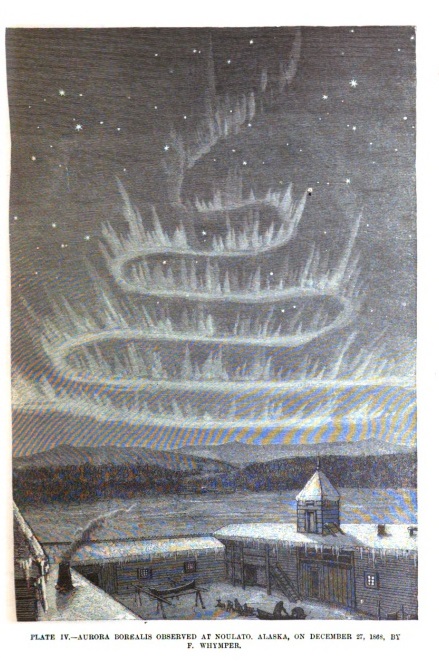
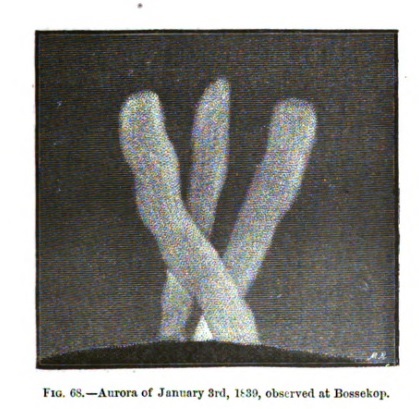
    These wonderful images of the aurora borealis  occurs as plate 4 and a text illustration on page 113 in  Amedee Guillemin (1826-1893) and edited by Silvanus P. Thompson (1851-1916), the lovely Electricity and Magnetism, published in London, 1891. The aurora is about the most impressive displays in the Earth’s atmosphere, and little understood, really, until the 20th century–and it wasn’t until the 19th century that it was shown that there was a relationship between the Earth’s magnetic field and the aurora.  And remember, it wasn’t until the early 19th c that even the clouds were given scientific designations (by Luke Howard)–the aurora borealis was a more difficult matter. 

    [Sources for the images as well as the full text of the book: http://onlinebooks.library.upenn.edu/webbin/book/lookupid?key=ha001481470]


    Aurora borealis b

  • British Jackies and Bruegel in Russia (1918)

    JF Ptak Science Books  Quick Post 

    “Complexity” is an interesting word with far-ranging roots and applications, and even though the may be a long trail of definitions for it, a person can generally recognize it when they see it. That word can certainly be used to describe the situation in Russia at the end of WWI, and in a way the least of it may have been when the Allies intervened there (with a large physical presence in an action was known as the North Russia Intervention/Northern Russian Expedition/Archangel Campaign) in support of the White Army/Guard in their struggle and fight against the Communist Red Army during the period when Alexander Kerensky’s Russian Provincial Government fought the Germans on the Eastern Front during the Russian Civil War (1917-1923). The Allies stayed from 1918 until 1920, mostly fighting in defensive roles for White Army pullbacks.

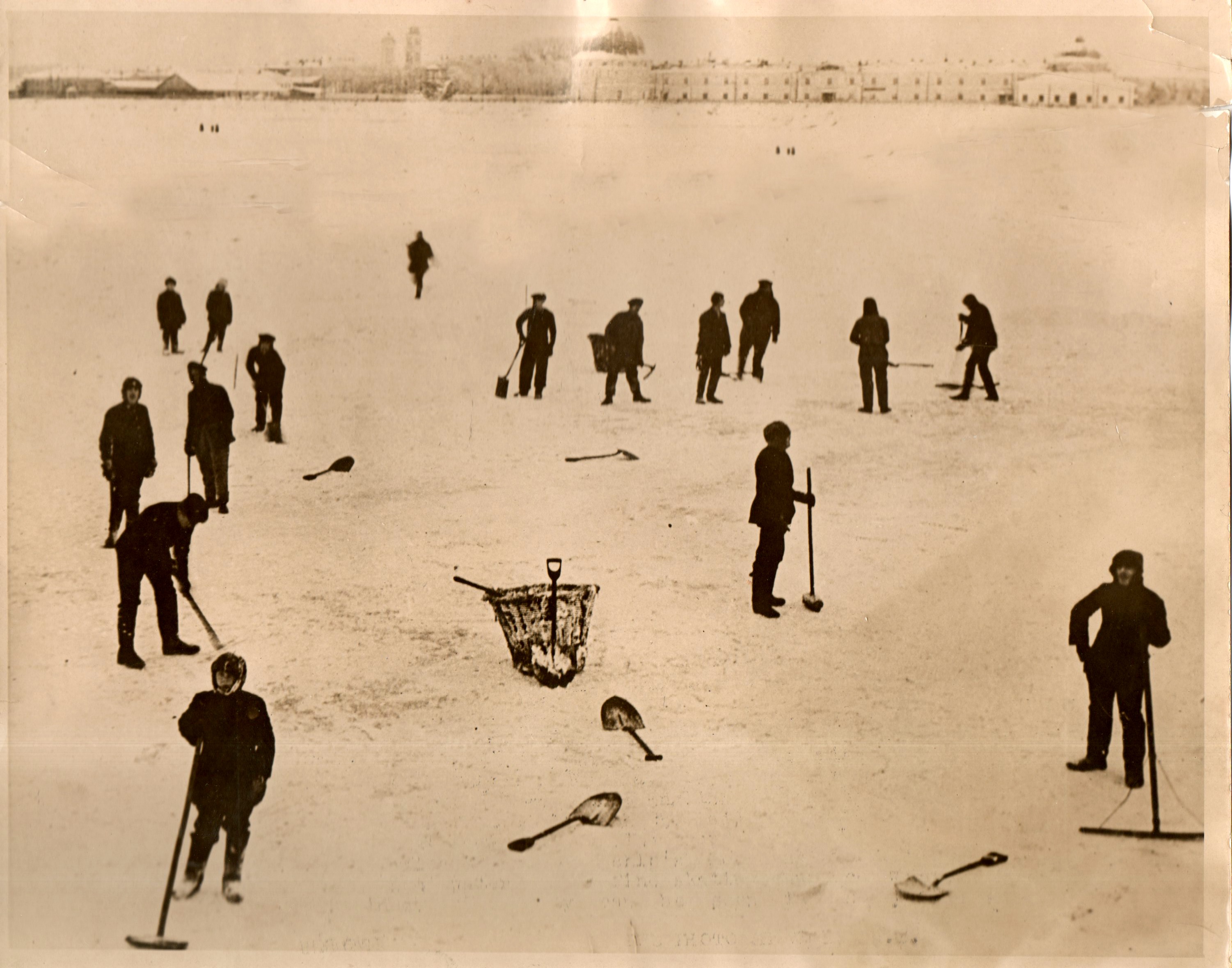
    And somewhere in that mix of complexities came moments captured by this image below–it comes from the closing weeks of WWI and shows a group of “British Jackies” readying a portion of the River Dwina at Archangel (Archangelsk) as a skating rink. Evidently there was scraping and sweeping and the use of hot water from the British ship to help smooth the ice.  

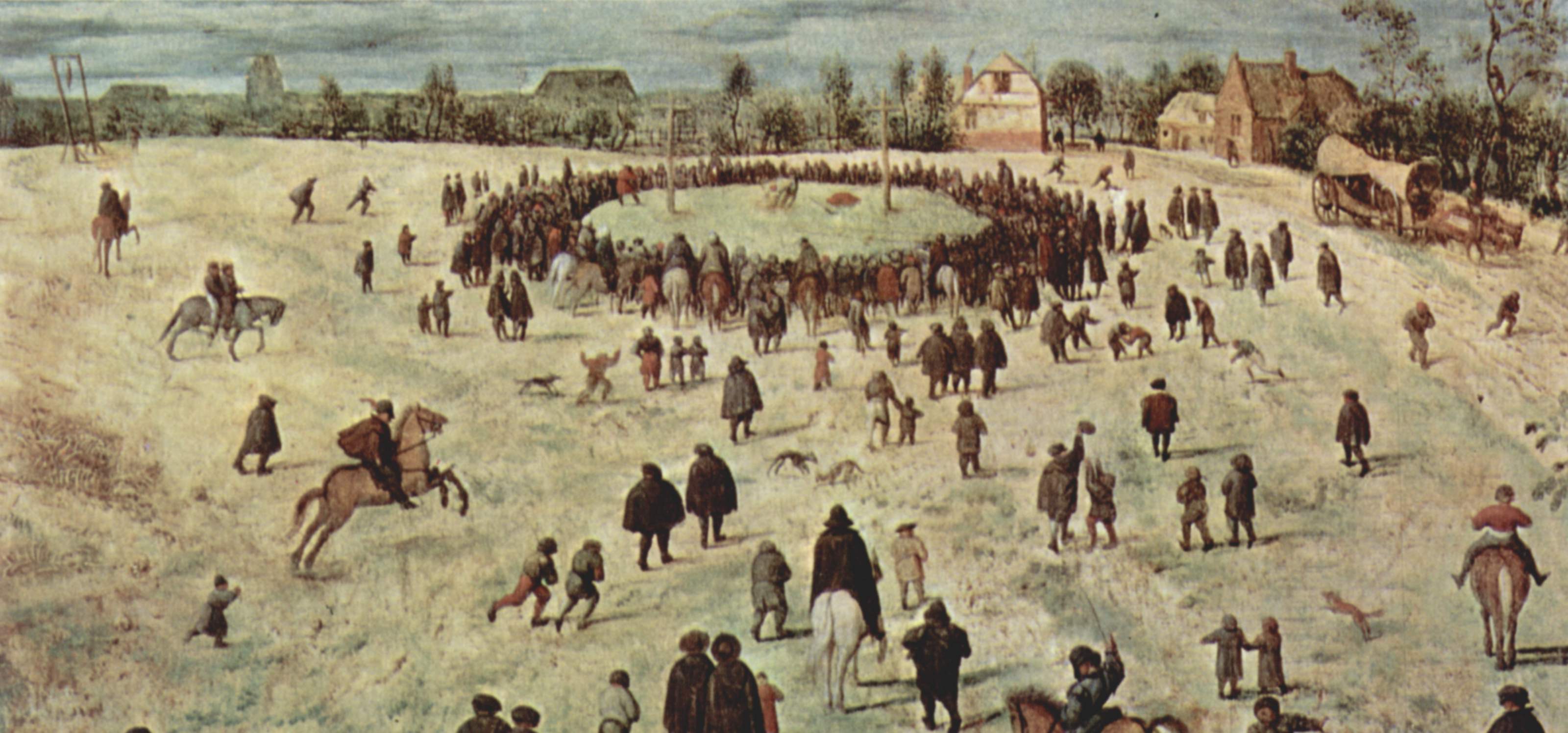
    The contrast in the many figures against the wide river reminded me of the very-populated scenes created by Peter Bruegel (1525-1569) the Elder, the Brabant-born master of the social scene of the Northern Renaissance.  Bruegel painted the lives of common folks at work, children playing, and in general portrayed people at all manner of activities and celebrations, including dozens or hundreds in his social-scapes. That is what immediately came to mind seeing this photograph:

    WWI  Skating Brits087

    One of the many long-perspective, highly-populated scenes by Bruegel–it might take a little squinting, but this is what that photograph reminded me of:

    Bruegel populations


    [298 images by Bruegel are available at Pieter Bruegel the Elder.org:  http://www.pieter-bruegel-the-elder.org/the-complete-works.html]


    ·Posted by :

    ·in:

  • A Beautiful Saw, 1877

    JF Ptak Science Books    Quick Post

    I found this ad on the back page of the last issue of the Scientific American before that of December 29, 1877, which carries the announcement and description of the invention by Thomas Edison of the groundbreaking  “talking phonograph”.  In any event, the saw image is beautiful:  

    Saw Sci American 1877 detail

    And the full ad:

    Saw Sci American 1877

  • Earth Squared and Halved and Shrunken and Invisible and Doubled and Miniaturized

    JF Ptak Science Books   Post 1936 (expanded)

    This post is a part of overlapping categories, including:

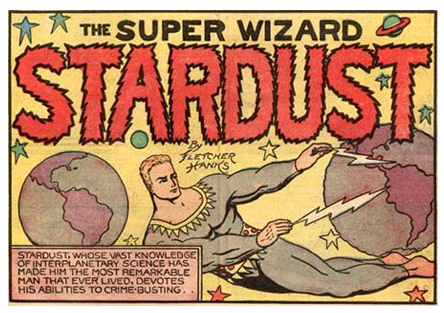
    Comics Hanks' double earthI don’t know if this is an actual Extra Earth that makes an appearance in a Stardust episode, or if it is just a repeated element of design–from what I have seen from Hanks, it could easily be either. 

    And now on the the rest:


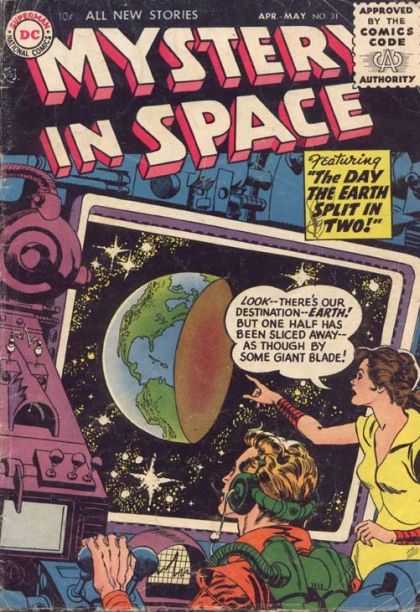
    Earth strange half earth

    In the eight years or so of collecting information and stories for the odd-bits section of this blog  I have never encountered so many choice visual examples in one place for strange/weirdly-imagined/impossible/high-SciFi of the Earth than with the comic book, Mystery in Space. The very dedicated keepers of Coverbrowse.com website have reproduced thousands (?) of covers of pulpily-published science fiction and exotic-thinking comics books, including the home base in which all sixteen-plus years of Mystery in Space live.

  • The Pre-History of Imaginary Robots: Electric Deer, 1892

    JF Ptak Science Books    Post 2566

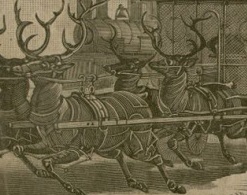
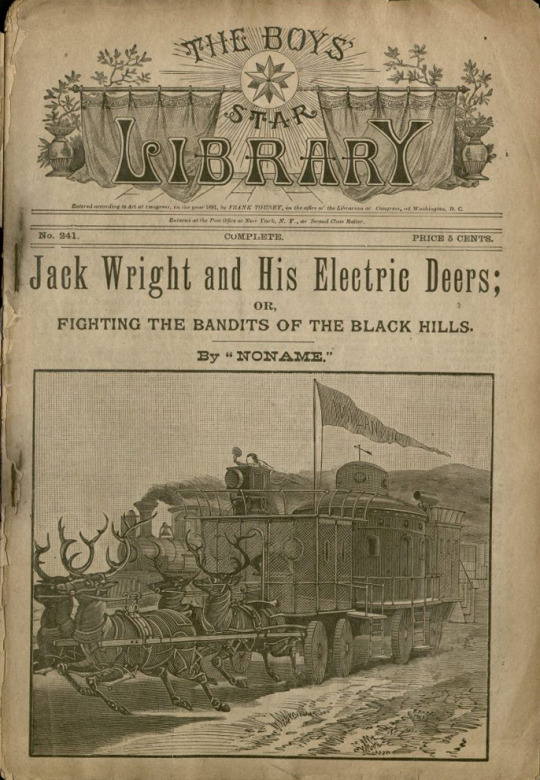
    Rebecca Onion at Slate Vault surfaced this very interesting image of electric breath on her twitter account (@Slate Vault), showing early robotic creatures alive and well and living in the minds of thousands of young kids, placed their partially by stories like this found in the pulpy pages of Frank Tousey’s Pluck and Luck in 1892. The image  (from the special collections library at the University of South Florida (here)) shows yet another work of genius/ingenuity by the endlessly adventurous “Jack Wright” a boy inventor, who seemingly went everywhere, did everything, and had the stuff to make it all happen.

    I’ve posted1 many times on this blog about 19th century imaginary robotics, and had not seen this Wright story and his fabulous “electric deers”. 

    Robot deer detail

    This Jack Wright adventure was written by “Noname”, who turns out to be by Luis Senarens (1863-1939)2, a very prolific and early sci-fi writer, a Brooklyn boy, who had been referred to as an American version of Jules Verne.  Senarens wrote beginning in the 1880’s and was no doubt much taken by the new applications of electricity, and Senarens applied it quite liberally. In a quick browse, he introduced electricity inventively, sprinkling it liberally over powered machinery and introducing his own electric ocean liners, submarines, sledge boats, canoes, air-schooners, locomotives, balloon ships, torpedo rams, horses, and no doubt much else. I’m glad to have caught up to Mr. Senarens’ robots.

    Robot deer

     Notes:

    1. Just search “robot” in the google search box at upper right.
    2. See the Edward T. LeBlanc Memorial Dime Novel Collection for very much expanded info on this and other series:  https://dimenovels.org/Series/734/Show
  • Fistfights and Beggars: Found Street Life in Old Prints (1757)

    JF Ptak Science Books   Post 2570    Zoomology Series

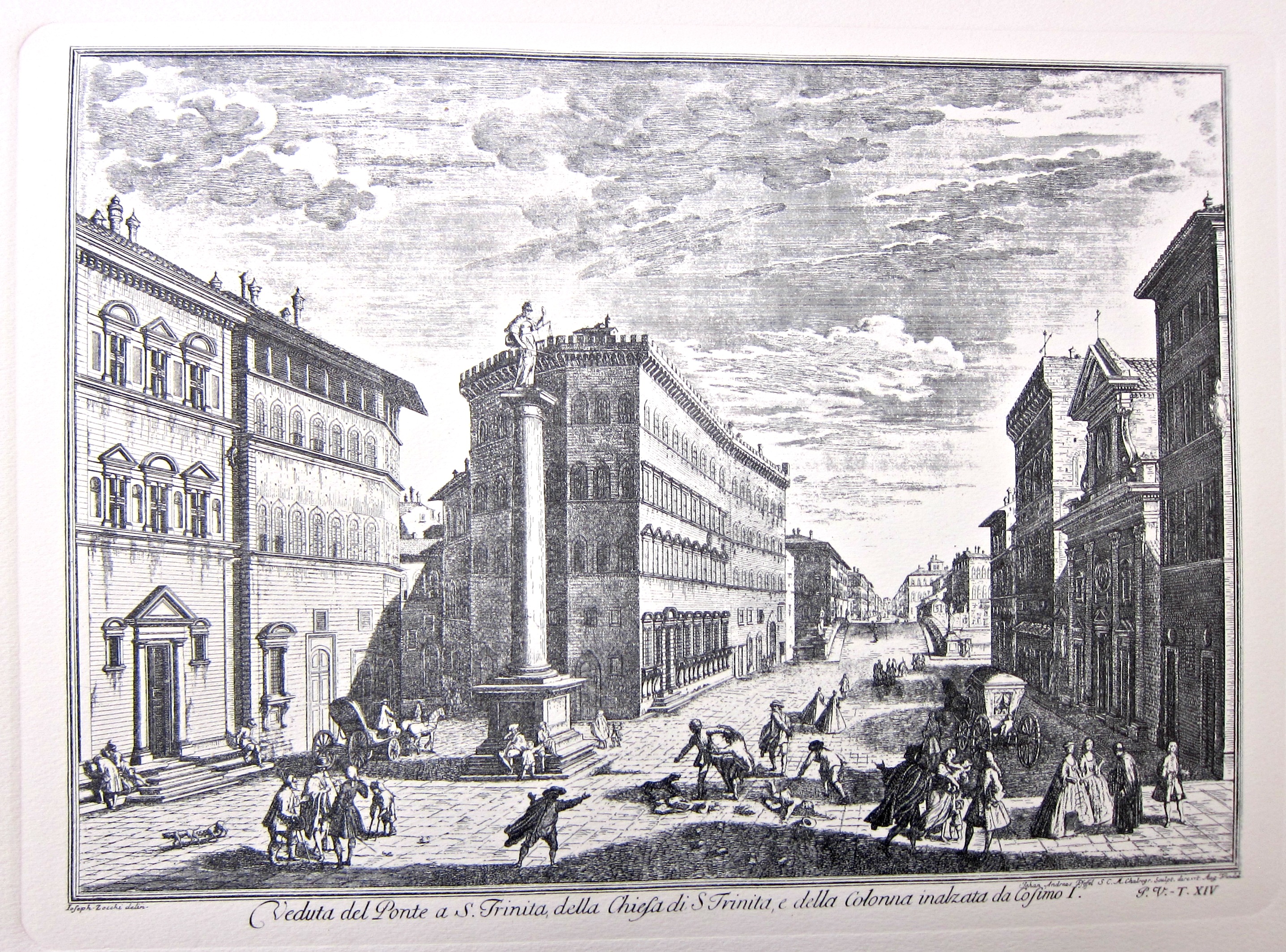
    I’ve written a number of times on this blog on using the “paper microscope” on finding small images hidden in plain sight within larger images in antiquarian prints. The image below is by Giuseppe Zocchi (1711-1767) (commissioned by the Marchise Andre Gerini at mid century to record the greatest of Florentine landmarks) and is entitled  “Veduta del Ponte a S. Trinita, della Chiesa di S. Trinita e della colonna inalzata da Cosimo I..” and appears in his Scelta di XXIV Vedute delle principali contrade, piazze, chiese, e palazzi della Città di Firenze in 1757.  The print displays the buildings and obelisk just down the way from the bridge whose name occupies the beginning of the image’s description, the ponte Santa Trinita, a fabulous renaissance structure built a hundred years earlier.  All we see of teh bridge though is is decking, though we do see a huge rise, which gives us a hint of teh bridge’s nature–it turns out that this is the oldest elliptic arch bridge in the world.  While the architecture is beautiful and teh perspective intersting, teh characters populzting the foreground are sometimes even more interesting. In general figures like this were used to take up empty bits of space and to provide perspective, and were depicted in the standard ways in which walking/riding humans are represented. In this case, however, there is a lot of social drama going on amidst the simple space fillers. 

    Zocchi d

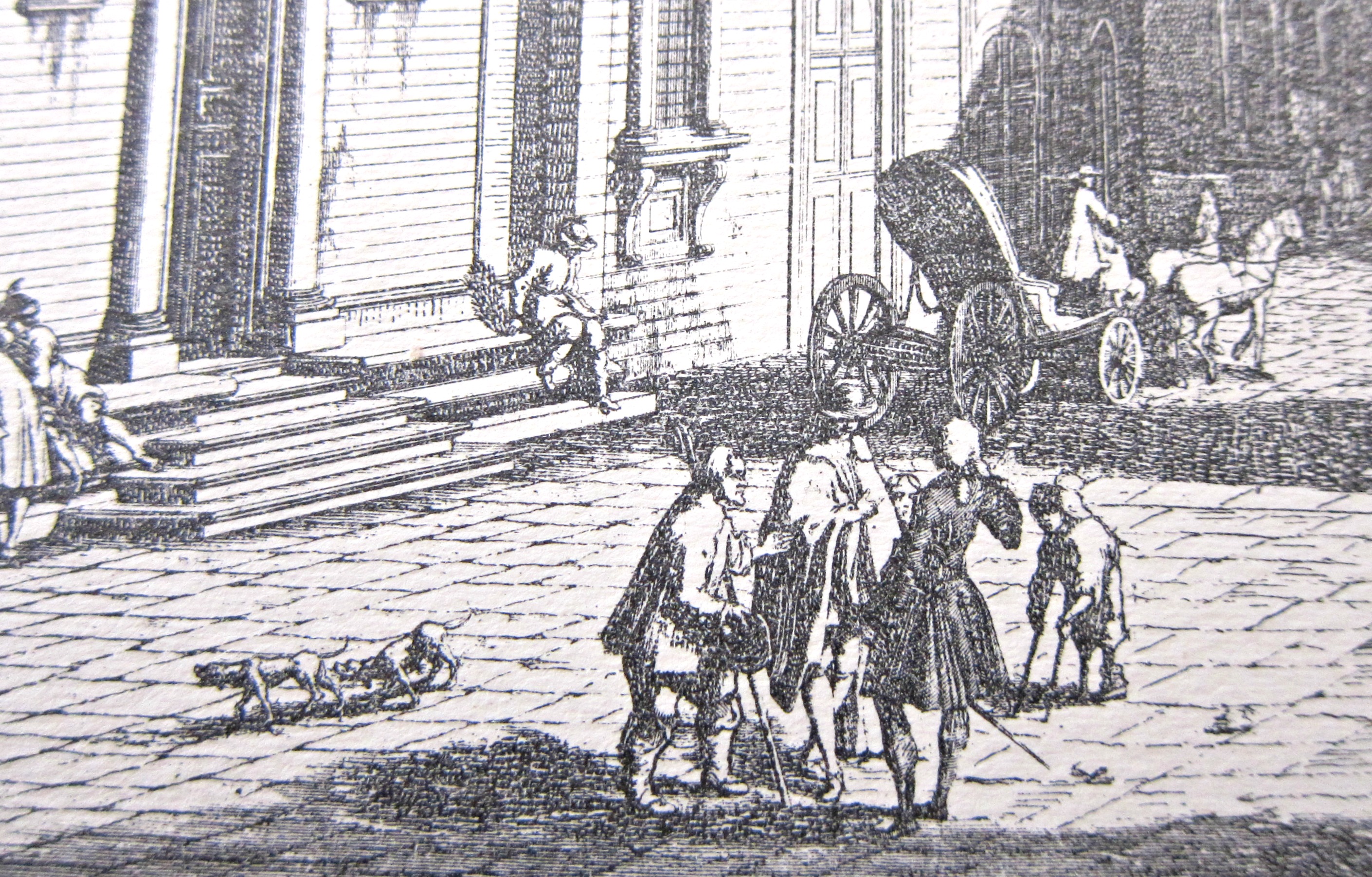
     For example, in the bottom-left corner, we see doggies doing what doggies do, and also a disabled short person approaching a group of gentlemen in conversation:

    Zocchi c

    ·Posted by :

    ·in:

    —
  • Captain Marvel and the V-1

    JF Ptak Science Books  Quick Post

    Captain Marvel was once upon a time in the 1940’s a superhero more popular than Superman, though Superman is the obvious victor over time (and a long time at that). I don’t know what Captain Marvel is doing here hawking a paper punch-out flying “buzz bomb”, particularly since it seems to have been produced during WWII.1 It does seem unlikely to me that a flying toy modeled on the buzz bomb would be sold to kids during the war. After all, the “buzz bomb” was the German advanced weapon called the V-1, or Vergeltungswaffe 1, (“retaliation”, or “vengeance” weapon), or Fieseler Fi 103,  or Doodlebug, and was a flying bomb (on the order of a very primitive cruise missile guided by a gyroscope autopilot) launched against population centers in England by the Nazis during the June 1944-January 1945 period.  The bomb was about 27’ long and 17’ wide, weighed 4,700 pounds, and reached 400 mph with an 1,800 pound warhead.  Thousands of people were killed in the 8,000+ sorties of this foul-sounding beast–there was only a general sense of where it was going and where it might land, so the death and destruction it caused was indiscriminate.  Given all of this I’m assuming that the guesses on the year of production of this are wrong, and that it is a post-war bit, which would be in less bad taste than had it been actually produced in wartime.  It seems to me that most superhero/action hero types were busy punching Hitler or some such thing, and not selling a toy based on Hitler’s weapons when they were actually killing thousands.  In any event, I’m sharing this unusual image with its unusual story. 


    Buzz Bomb Capt marvel cover

    Notes:

  • Some Vastly Creative Titles by S. Dali (1930’s)

    JF Ptak Science Books  Quick Post

    Love him or not, there seems to be little middle ground with Salvador Dali. What I find probably-peripherally interesting in Dali’s writings are the titles of them…maybe more so than the written piece itself–perhaps that is because I enter such deep shallow pool in them where I become lost or bored or just cleaved up in misunderstanding…it is all a possibility.  One thing that is inarguable I think are the titles of some of his works.  For example, I wanted to share a few that are found in the Surrealist-laden but not-necessarily-Surrealist art magazine, Minotaure (1933-1939):

    • “Non-Euclidean Psychology of a Photograph”
    • “The Spectral Surrealism of Eternal Pre-Raphaelite Femineity”
    • “First Morphological Law relating to Soft Structure”
    • “A Paranoiac-Critical Interpretation  of the Obsessive Image of Millet’s Angelus“
    • “Concerning the Terrifying and Edible Beauty of Art Nouveau”
    • “The New Colouras of Spectral Sex-Appeal”
    • “The Aerodynamic Apparition of Object Beings”

    The Guggenheim notice on the Minotaure: http://blogs.guggenheim.org/findings/minotaure-surrealist-magazine-1930s/

    ·Posted by :

    ·in:

  • An Unusual Chronological-Timeline-World Map (1887)

    JF Ptak Science Books   Quick Post

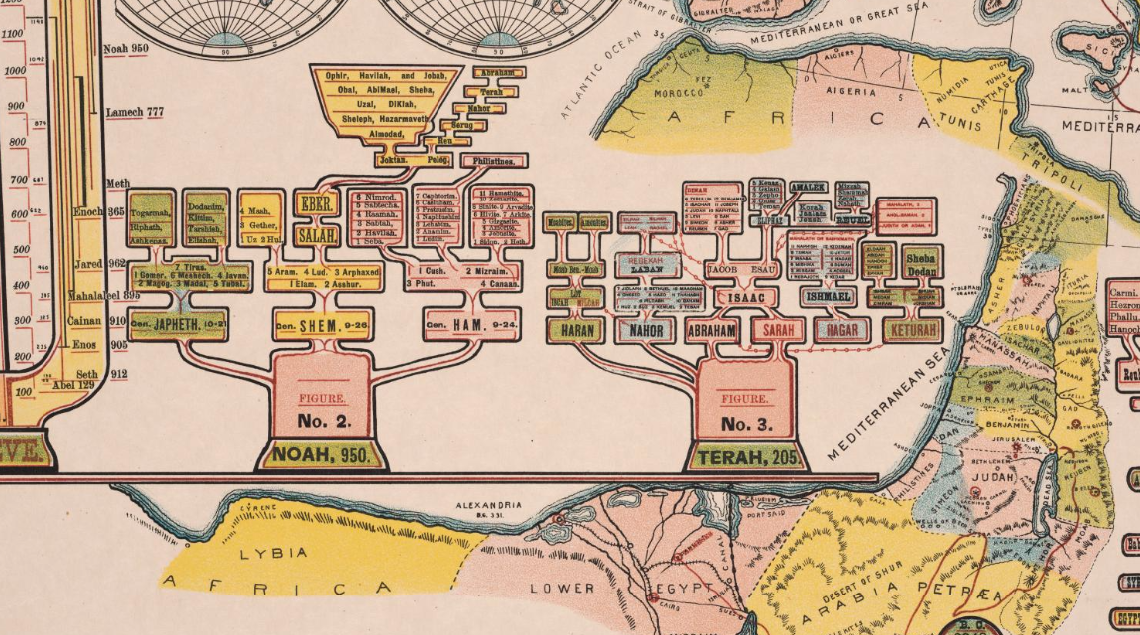
    The details of this chronological chart/map caught my eye–the genealogy trees look to me very out-of-place or -time, speaking in terms of design, and seem to have a definite mid-20th century feel to them:

    Maps dataviz chronology

    They are found in the left section of Jakob Skeen’ s 1887 Genealogical Chronological And Geographical Chart. Embracing Biblical And Profane History Of Ancient Times From Adam To Christ, which is part of my friend P.J. Mode’s wonderful collection of what he refers to as “Persuasive Maps”, now housed at Cornell University. I don’t often see chronologies of this detail with embedded maps, which is another odd bit about this display of information; overall, it is unusual to my experience:  

Recent Posts

Archives

Categories