A Daily History of Holes, Dots, Lines, Science, History, Math, Physics, Art, the Unintentional Absurd, Architecture, Maps, Data Visualization, Blank and Missing Things, and so on. |1.6 million words, 7500 images, 4.9 million hits| Press & appearances in The Times, Le Figaro, Mensa, The Economist, The Guardian, Discovery News, Slate, Le Monde, Sci American Blogs, Le Pont, and many other places… 5000+ total posts since 2008.

  • Industrial Depth: Unexpected Industrial Photographs (ca. 1910)

    JF Ptak Science Books  Quick Post

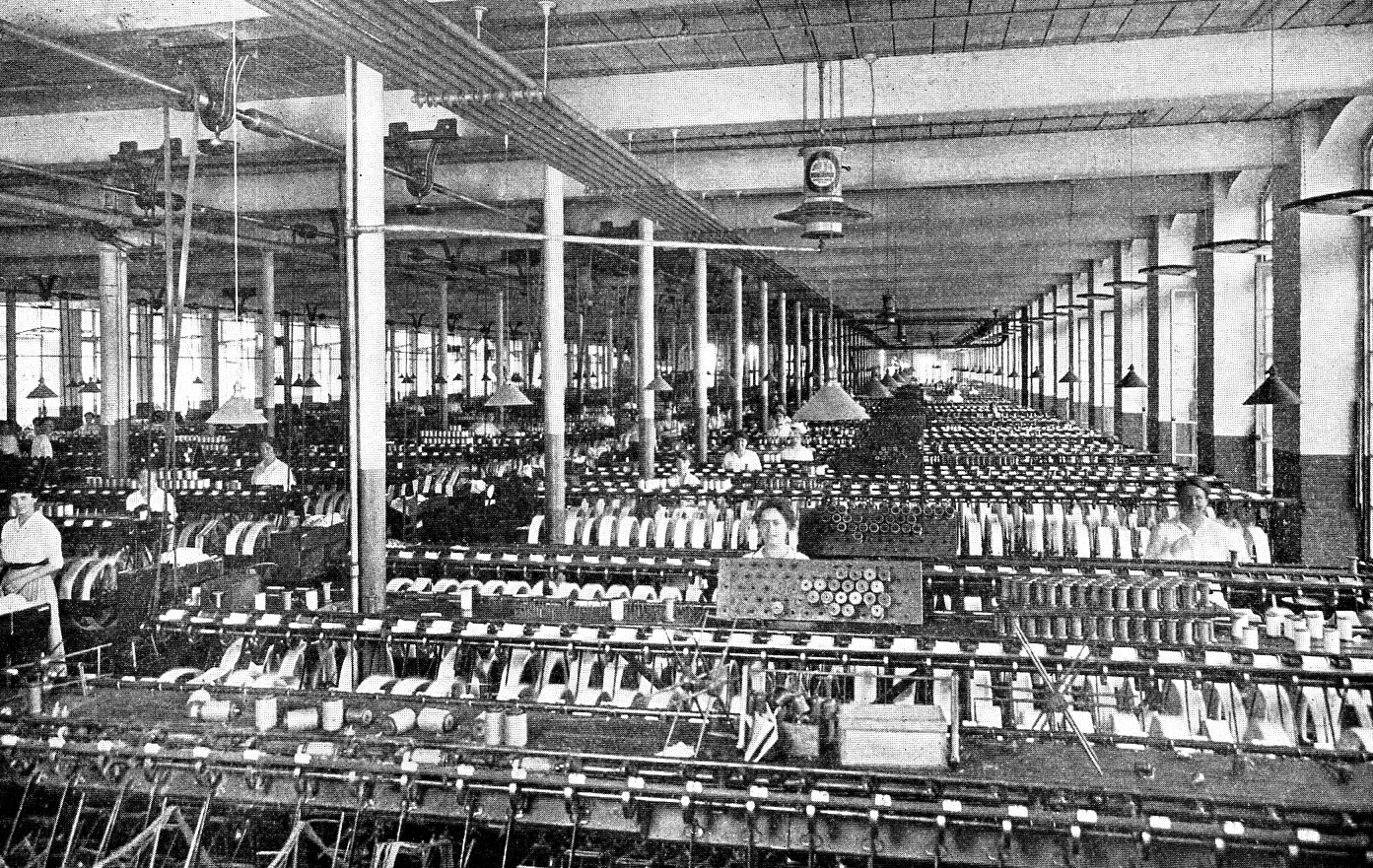
    The following photos are from a pamphlet entitled The Miracle Workers, a product of the Cheney Silk Company, extolling more the virtues of the considerable workforce and their living conditions more so than the product. My guess is that the pamphlet (with no publishing info) was printed around 1910, evidently when the company was coming towards its zenith after having been in business for 40+ years.  I thought it would be worthwhile to share industrial/production images from uncommon sources like this one–especially since the “wrapper” holding the text wouldn’t necessarily invite a reader inside.  In any event, here are the few photos dealing with the interior of the factory, though there are others (like the one showing a worker’s lunch room) that show the school, and church , and other such social buildings that were constructed for the workers by the company.  It seems that the company had an unusual trajectory–getting a boost during the Civil War by producing the famous Spencer Rifle, then concentrating on the silk business, and then after suffering through the Depression and the failure of the silk market selling itself off to a company in teh 1950’s that switched gears from silk to velvet


    Siilk factory364


  • Waiting for the End of the War, September 17, 1918

    JF Ptak Science Books   Quick Post

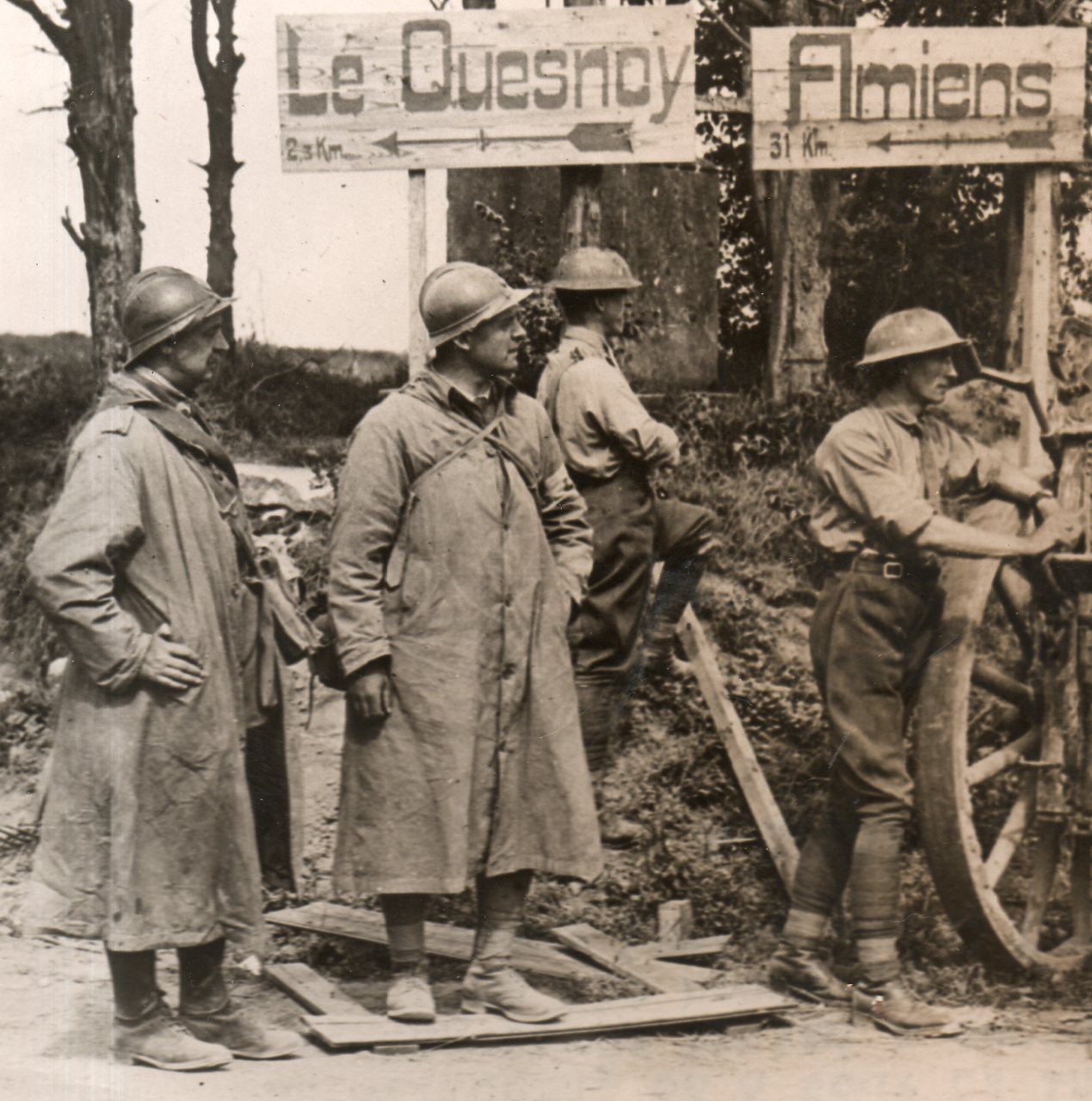
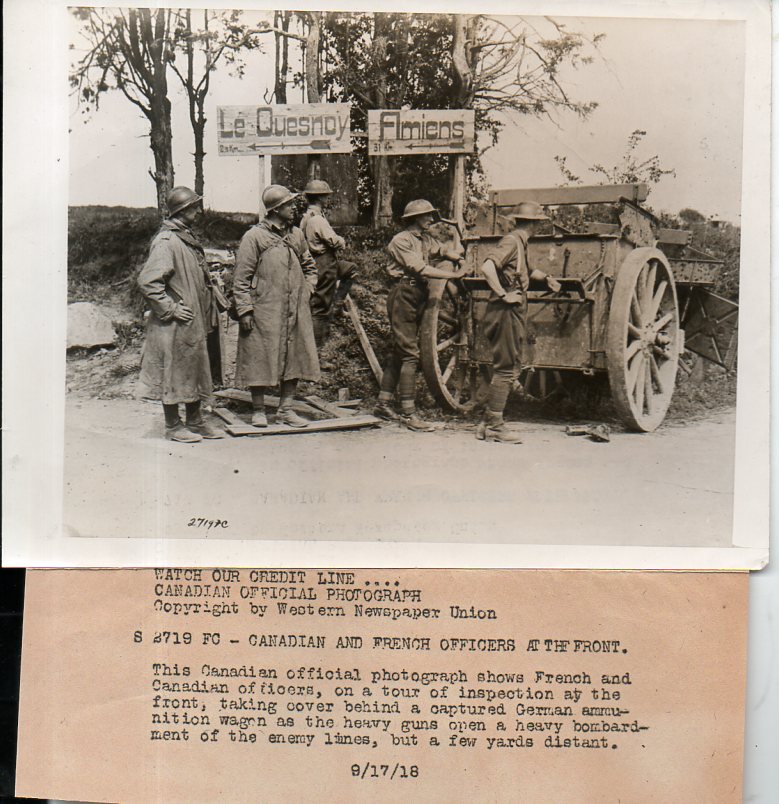
    This photograph, taken about five weeks before the end of the war was declared on 11/11/18, shows a group of French and Canadian officers taking cover behind an abandoned German munitions cart, trying to protect themselves from a near-distant bombardment by German guns.  (In spite of its size it seems as though this may have been a horse-drawn carriage.) They’re on the road leading away from Amiens and Le Quesnoy, and at least one of them seems to have been in the field for a good long time.  I like the composition of this photo–the placement of the soldiers suggests something to me, but I can’t quite figure out what that is…


    WWI Photo Canadian French under fire381


    WWI Photo Canadian French under fire380

    [This is stamped “Canadian Official Photograph…Western Newspaper Union, and printed in 1918. Like all of the other WWI photos on this site that do not have a listed source, this one belongs to me.]

    ·Posted by :

    ·in:

    —
  • Cross-sections: U.S.-Built R.A.F Fighter Aircraft, 1942

    JF Ptak Science Books   Quick Post

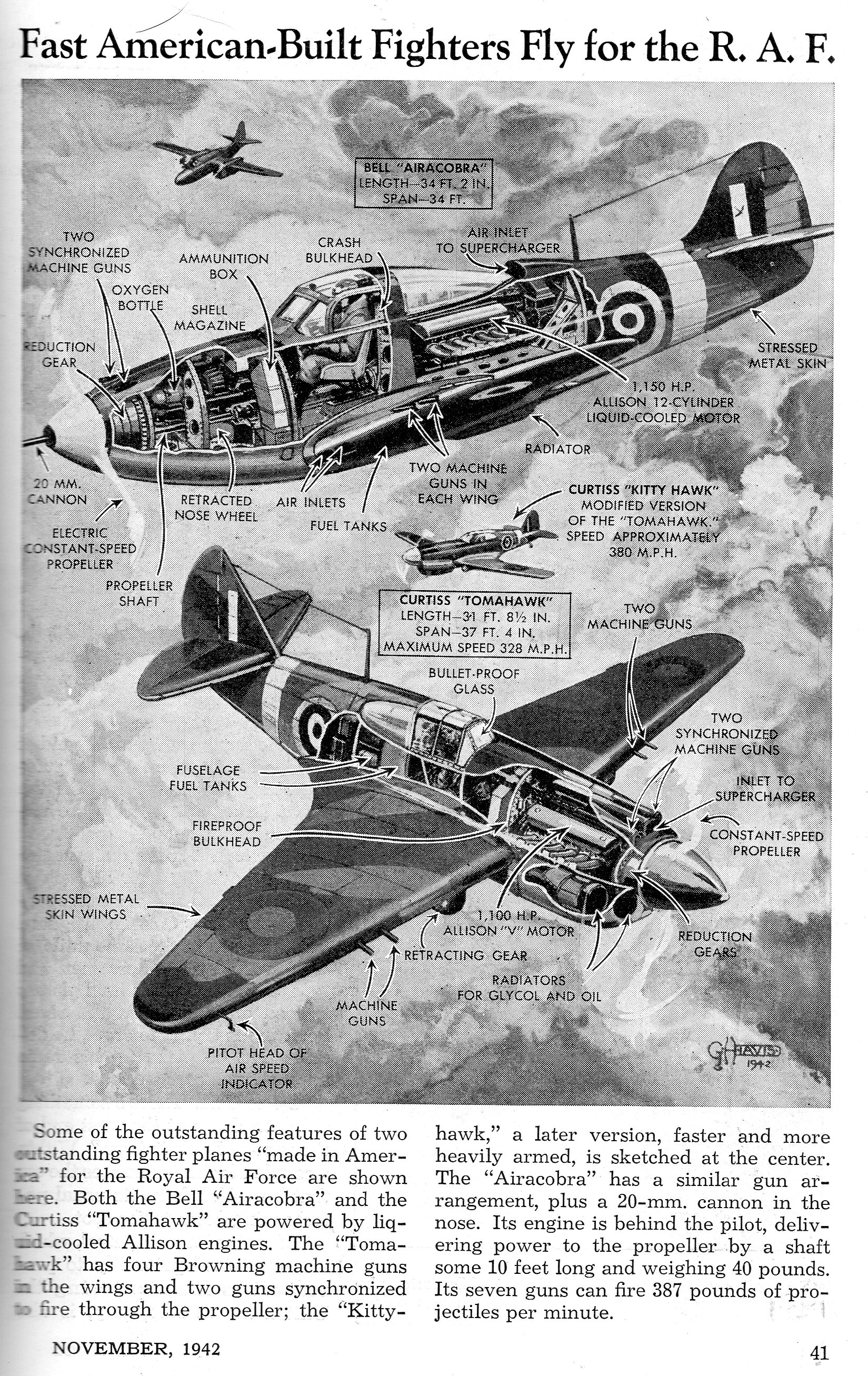
    Here’s an interesting cross section by the great and invaluable George Horace Davis, appearing in the November 1942 issue of Popular Mechanics, page 41.  I’ve noted elsewhere that Davis reminds me of Thomas Nast, in a way–his output was enormous and workmanship wonderful, seemingly publishing drawings like this every few weeks, if not more frequently, reminiscent of the fantastic production of Nast. I can only imagine that Davis was seeing most of the detail in his memory rather than referring endlessly back-and-forth to references–I don’t know that this is so, but it does make good sense.  (For other work by Davis, just enter his name in the google box for his blog appearances.)

    WWII american built fighters384

  • The Cascade of Governments and a Warning About Hitler (1934)

    JF Ptak Science Books   Quick Post

    A La Porte, les Deputes!..

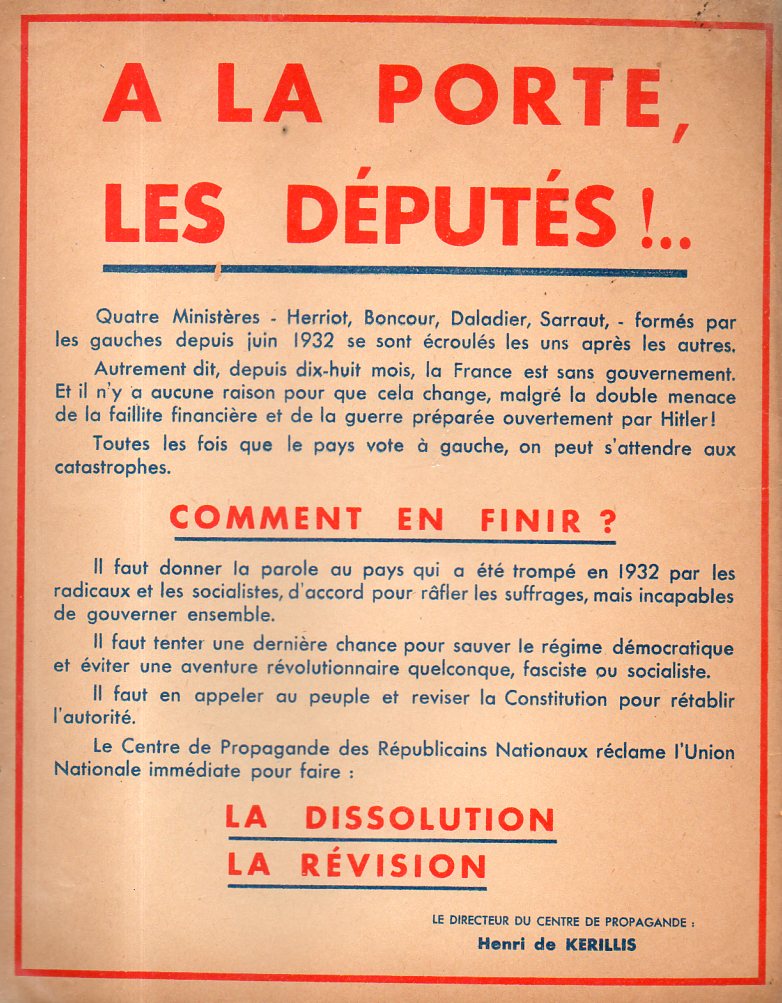
    Henri de Kerillis, a French WWI hero and right-wing/nationalist politician, published this short screed on the failure of the four left-wing/radical/socialist governments that came and went in France over 18 months, beginning in June 1932. (That would be the failed governments of Herriot, Boncour, Daladier, and Sarrault.) de Kerillis states that there has been no government in France over the last 18 months and doesn’t see that there will be any change to that, and given that (as he says) there is a possibility of financial collapse and the open preparations for war by Hitler, that the time was ripe for a different political direction. When the country votes left, he says, you can expect a disaster.

    Kerillis was an ardent and vocal anti-Fascist, opposed to the Munich Agreement and always opposed to Hitler. He was forced to leave France in 1940, and was sentenced to death in abstentia by the Vichy government, which I take is a mark of high honor.

    WWII kerillis383


    ·Posted by :

    ·in:

  • Cars of the Future (1942)

    JF Ptak Science Books   Quick Post

    Your victory car389

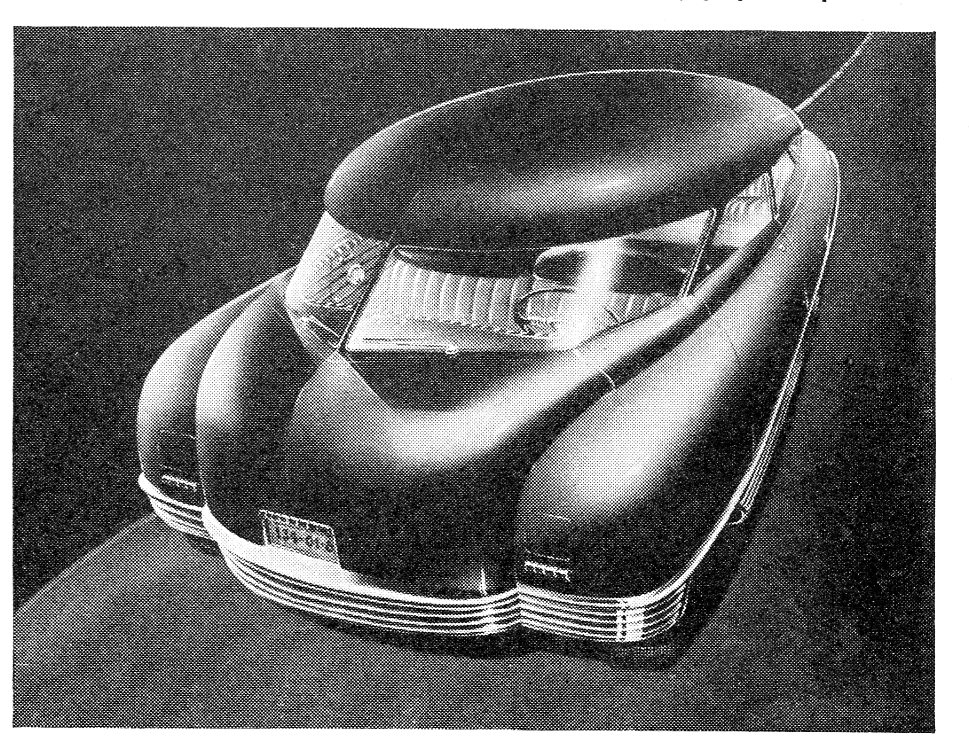
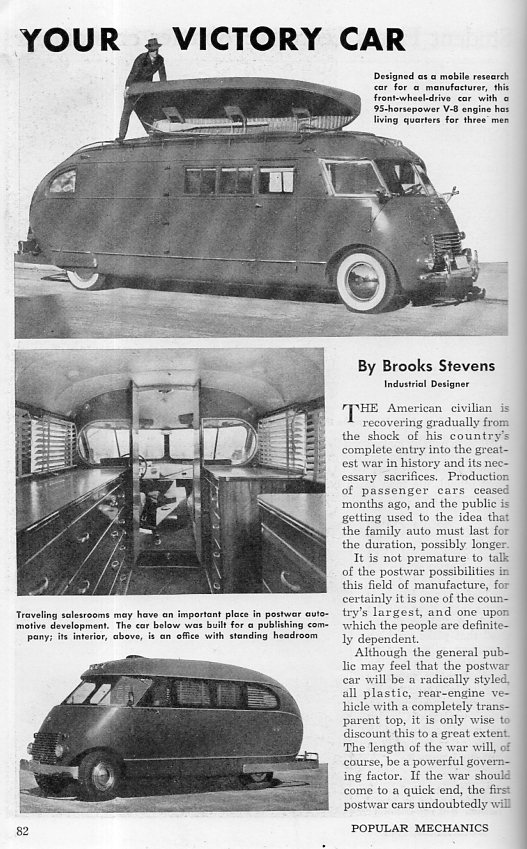
    This article comes from a volume of Popular Mechanics that I have been enjoying for a few days now.  “Your Victory Car”, written by Brooks Stevens for the December 1942 issue, discusses a vision for the future, a nod to “normalcy” at a supremely difficult time in the world history of the 20th century. Car design went off in another direction, of course–a lot of what we see in these pages looks like offshoots of the Fuller Dymaxion car from a decade or so earlier–though some of the ideas present here (more streamlining, lighter design, smaller engines) wound up in cars in the future…it is just that the cars didn’t quite look like these cars.  

    Your victory car385

  • The Fall of the Bolsheviks “In a Matter of Weeks”–Petrograd, 1918

    JF Ptak Science Books  (Expanded version of Post 485 from 2008) 
    WWI Petrograd390

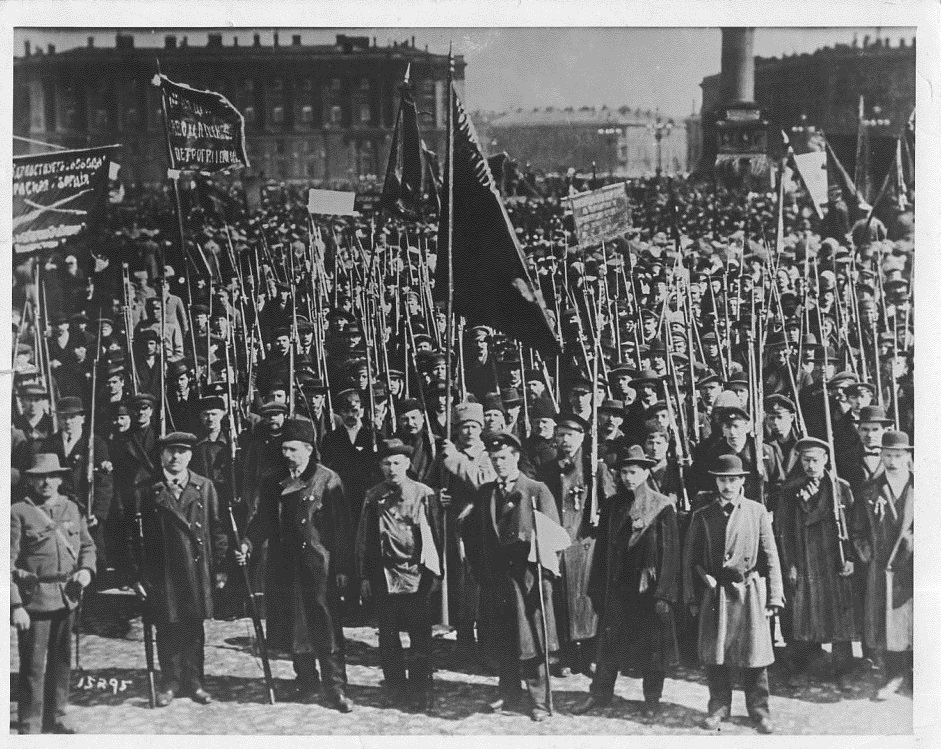
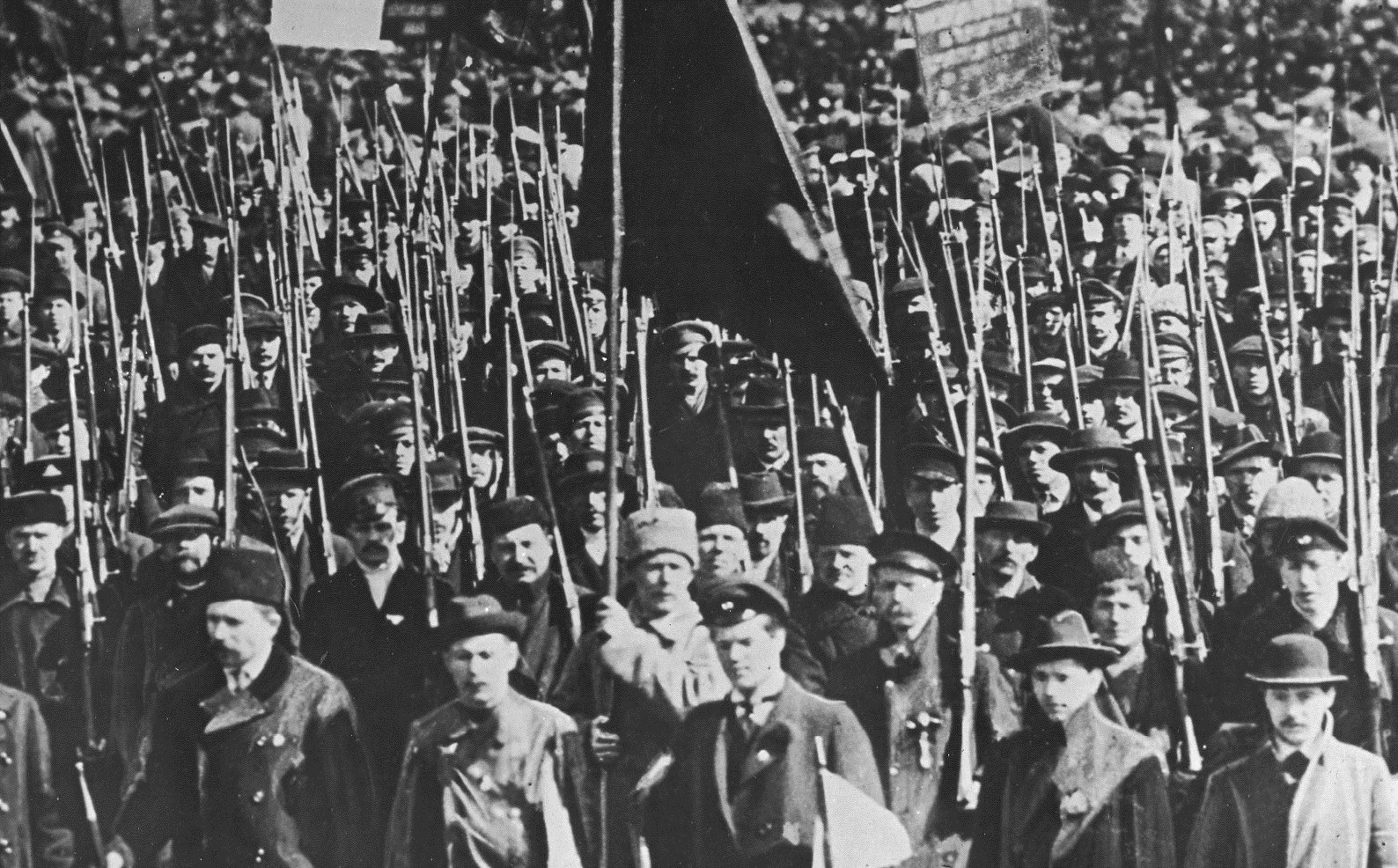
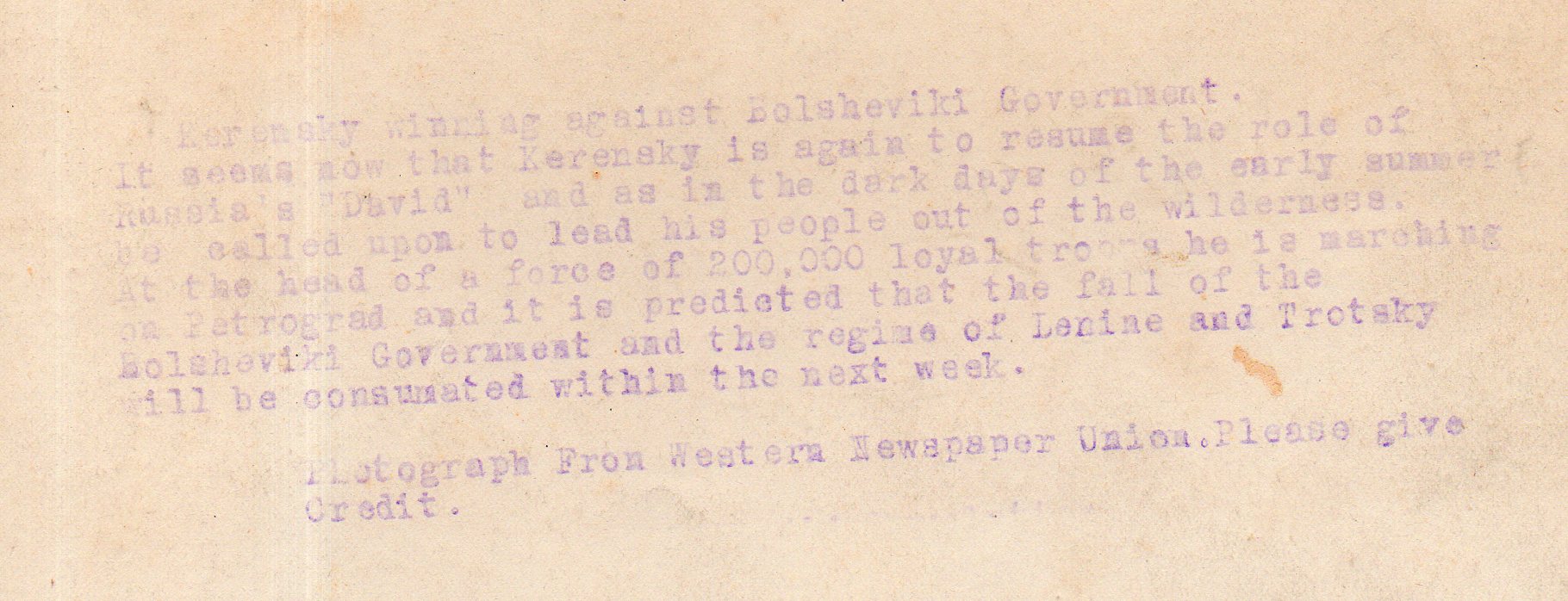
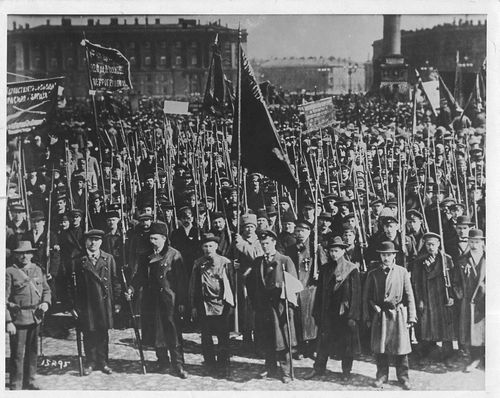
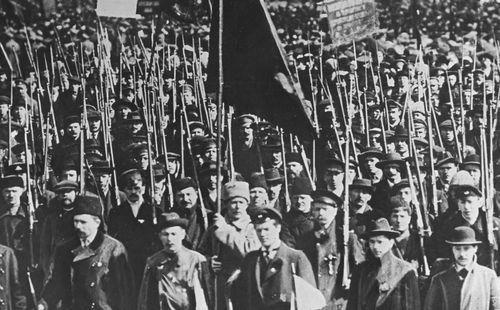
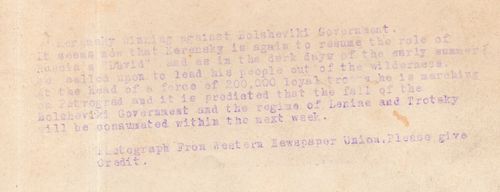
    This photograph–a picture of hope soon dissipated–shows the 1918 portion of the Russian Revolutions of 1917 at just about the time of its, well, “completion”, beginning the period of the Russian Civil War, which would last until the creation of the USSR in 1922.  (The photo is also part of a News Photo Service archive I purchased some years ago in, and was originally released by the Western Newspaper Union.) Alexander Kerensky, who according to the stamped caption of this photograph, was leading an army of “200,000 marching on Petrograd” in order to overthrow “Lenine [sic] and Trotsky” and the “Bolsheiki Revolution”.  Kerensky (1881-1970) was elected second Prime Minister of the Russian Provisional Government under Lenin following the February (1917) Revolution.  A complex of war (WWI) and domestic/social/political directed chaos led Kerensky and Lenin to opposing paths, and, following the October 1917 revolution, the winner was clear.  Kerensky, according to the data on the photo, was a “David” leading an army in opposition deposed to toppling  the Bolsheviks “next week”.  Things did not go as planned, or almost nothing did, and Kerensky’s army drifted, walked and ran, via indifference, fear and belief to the side of the Bolsheviks.  About the only soldiers who stayed loyal to Kerensky was the 1st Petrograd Women’s Battalion, a unit of the 1st Russian Women’s Battalion of Death. (This was the first all-female combat unit in Russia, and although starting out with about a force of 2,000, quickly wasted away under the rigorous and harsh command of its commander, Maria Bochkareva*, down to about a fighting group of 300.)  Kerensky fled the country and began a long series of travels, though ultimately settling in the United States, dying in NYC in 1970 (making him one of the longest surviving principal participants of the Revolutions).
    WWI Petrograd391

    St. Petersburg/Petrograd has a long and important history in the formation of the Russian nation—established in 1703 as the capital of the Russian Empire and remaining so for more than 200 years, it was also the seat of the 1905 Revolution as well as the February and October revolutions of 1917.  Another bit of full-circle was that Kerensky and Vladimir Ilyich Ulyanov (Lenin) were both born in the not-large town of Simbirsk (now called Ulyanovsk).  Kerensky’s father, as it turned out, taught Lenin at the Kazan State University, a great institution of higher learning featuring non-other than the principal founder of non-Euclidean geometry, Nikolai Lobachevsky, as its rector for almost twenty years (1827-1846). 
      WWI Petrograd392

    [The text for the photo stamped on its back]

    *This interesting, severe, passionate woman through intrigue and loss wound up fleeing the Soviet Union in 1918, winding up in NYC and ultimately meeting with Woodrow Wilson, appealing for American support and intervention to halt the Bolsheviks.  She made the same appeal directly to George V, before winding up back in the Soviet Union, where, in 1918, she was captured.  She was ultimately tried and convicted of being an enemy of the people, sentence to death, and then killed by the precursor to the KGB, the Chaka. 
    ·Posted by :

    ·in:

    —
  • Squidward, Stainless Steel, and the Future (1937)

    JF Ptak Science Books   Quick Post

    Squidward Tentacles once had a dream of the future–I mean, a dream with the future in it–in which everything in the sea was chrome plated, except of course for the water.   His vision (which he liked at first for its shineyness and then hated soon afterwards for it shineyness) of the future may have involved a vision of the past as well as someone else’s vision of the future.  Anyway it is my mentality that pulls up Spongebob when looking through this fine 1937 pamphlet1 on architectural/design uses of stainless steel, where there was so much shining and shimering matteness constructed using steel and chromium, which comes a little close to Squidward’s chrome seabed.  But not really. In any event, these are lovely creations, best served up in glorious black & white.  

    Archiectural aluminum a393

    ·Posted by :

    ·in:

  • What Do I Do With 40,000 Dreams?

    JF Ptak Science Books   Quick Post

    Dreams398I have on my desk a carbon copy of a manuscript sent to the copyright office and then on to the Library of Congress, where it went into (I guess) a dead-end collection called the “Pamphlets Collection” (which is not THE pamphlet collection, something that would no doubt contain many millions of items), and then after a number of decades that collection came to me.  In any event, that is why I have it–but now, after having discovered it after owning this material for 17 years, I wonder what it is I do with it.

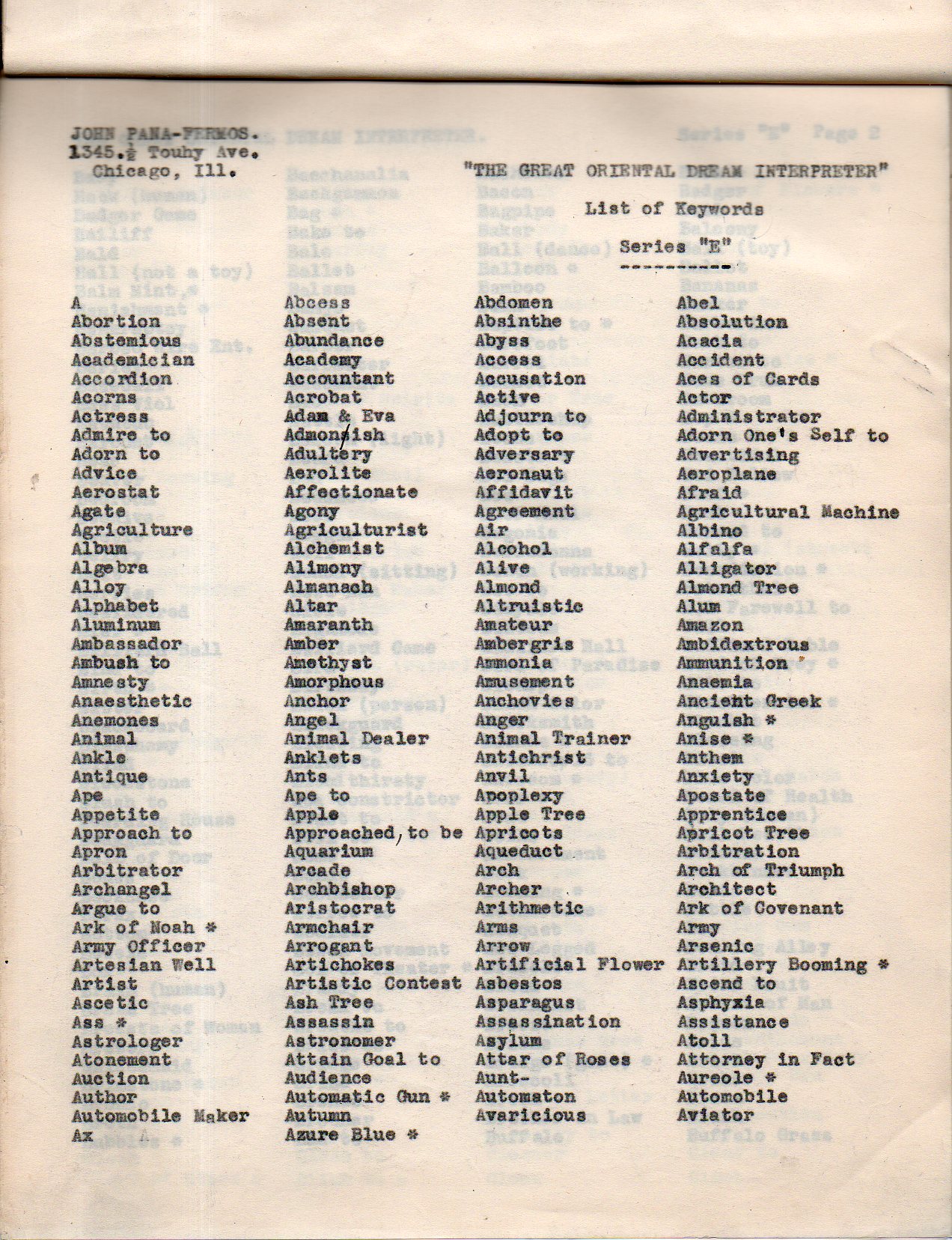
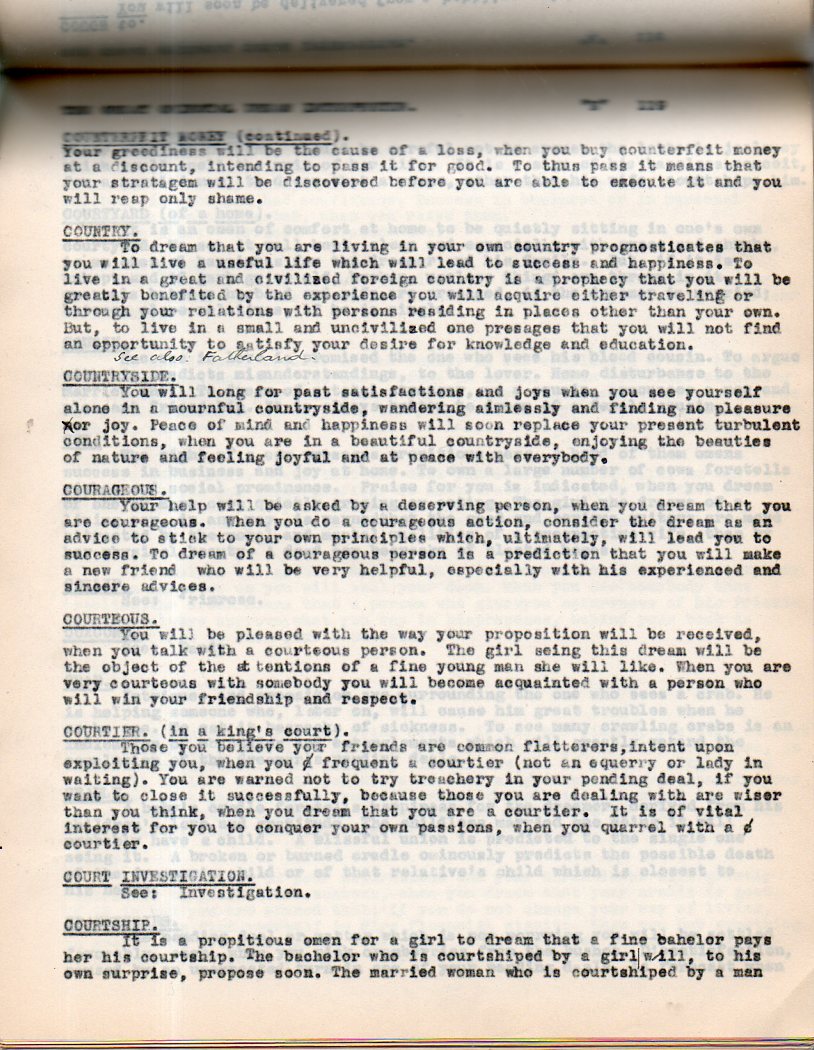
    The work is by Yohanna Ibn al Farmouzi, The Great Oriental Dream Interpreter, a Practical Encyclopedia of Dream Interpretations, and copyrighted in 1936  (by John Pana-Fermos, which is Al Farmouzi, Americanized). The subhead reads: “Based upon the study of over 40,000 dreams, extending over a period of forty-six years” with an index of 2,644 keywords (but then confusingly moves on to say “the interpretations of Eleven Thousand Dreams”).  In any event, whatever it is that is going on in the manuscript is orderly, neat, fairly well-written, and big.  The typescript is 498 pages long, and I estimate contains about 250,000 words, which is a substantial thing.  

    All that said, it is one man’s work on dream interpretation, which means that the reader depends on his insight to lead a conversation on a LOT of different topics.  Perhaps it is of interest simply for its extensive index/categorizer of dream elements, which runs 15 single-space pages of four columns.  

    Mr. Pana-Fermos did publish pieces of this work–one part is a 1000-dream analyzer of 50pp, and another is a love-dream bit.  But there is nothing it seems to match this massive work. 

    I’m just not sure where it should go.  No doubt it would be very interesting to some set of people.  


      Dreams399

  • German Aircraft Losses During WWII

    JF Ptak Science Books  Quick Post1000 Nazi aircraft

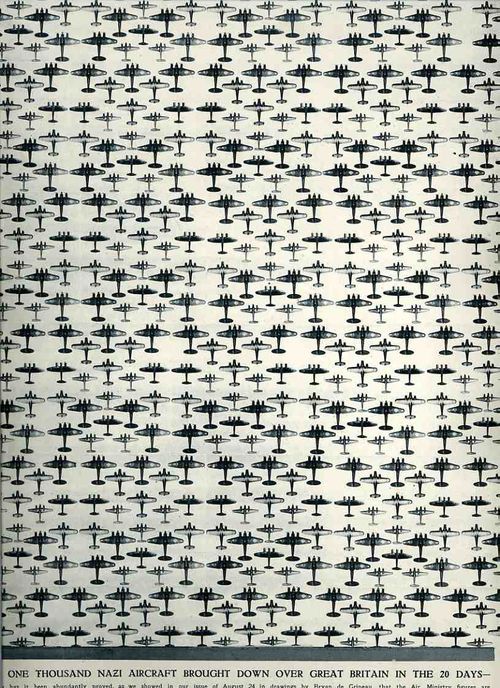
    The marks in each of the squares below represents one aircraft–and as a matter of fact if you click on one of the 25-square squares you will be able to zoom in and see the detail, which is basically missing at this level.   Germany lost (meaning destroyed or damaged beyond repair) “76,875 aircraft, of which 40,000 were total losses and the remainder significantly damaged. By type, losses totaled 21,452 fighters, 12,037 bombers, 15,428 trainers, 10,221 twin-engine fighters, 5,548 ground attack, 6,733 reconnaissance, and 6,141 transports” (According to the “Equipment Losses” for WWII on Wiki.)  The aircraft graphic uses images of German aircraft–I would much rather have display U.S. and/or U.K. aircraft losses, but that could not be done using the German plane images. (The U.K. lost more than 42,000 planes, and the U.S. 95,000.) So for right now, we’ll just have the German graphic, the source of which is the 7 September 1940 issue of the Illustrated London News, which displayed one thousand destroyed German aircraft brought down over Great Britain in 28 days (see here):


    25,000 planes

    25,000 planes

    25,000 planes

  • Symmetry, Detail, Space, and Beauty

    JF Ptak Science Books  Quick Post

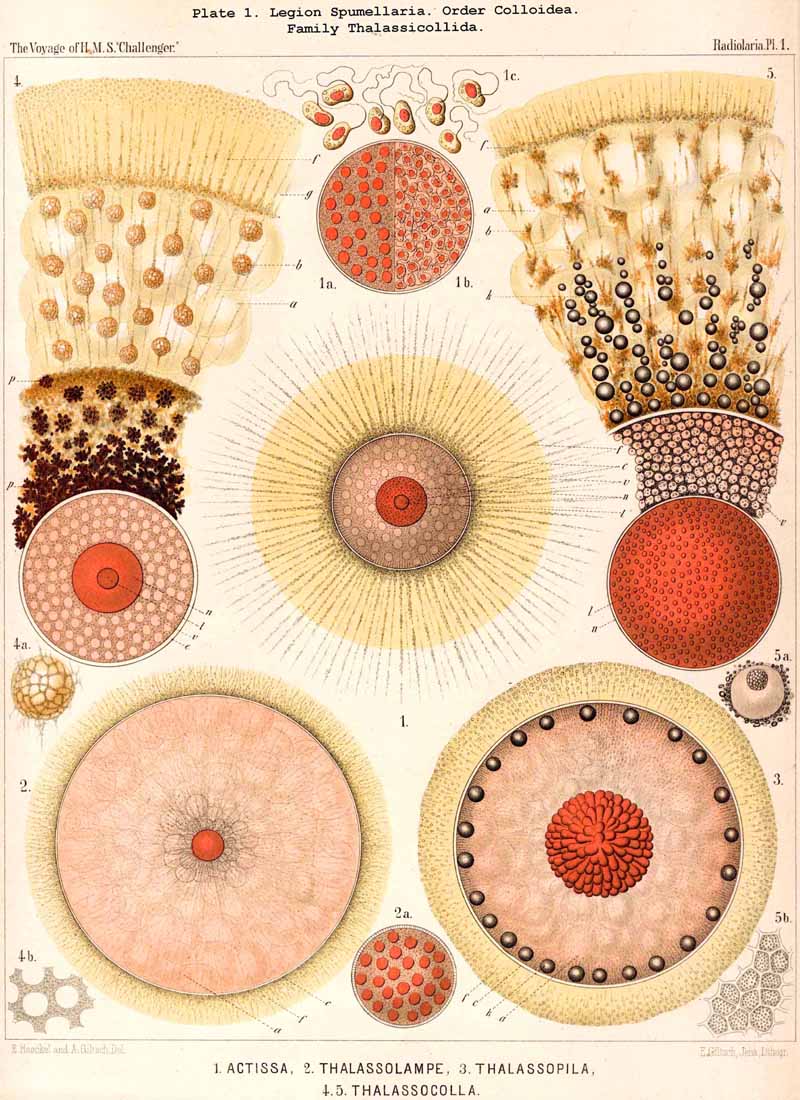
    In his long and vastly productive scientific life, Ernst Haeckel (1834-1919 ) produced extraordinary and beautiful work.  He was a busy man working over a number of specialties, writing more than 40 books and a large number of  contributions to scientific publications.  He is perhaps best remembered early on in his career for a popular defense of Darwinism, writing Natürliche Schöpfungsgeschichte, (1868, nine years after the publication of the Origin, and translated into English as The History of Creation in 1876) which was a successful attempt to get Darwin’s complex ideas into public discussion.  Next to that he is probably best remembered today for his biological work and for describing thousands of new species of life forms.  Today though he came up (again) in reference to the display of scientific images and data, which takes us to his fantastic work in the description of the radiolaria and the display of his results.  I was interested in symmetry and the filling-up-of-page-space without actually crowding the paper–in this, Haeckel was a master, his work is breathtaking.  Here are a couple of examples of his work, along with a link for more images coming from 19thCenturyScience.org:


    Haeckel 01


  • You Are There: Dive-Bombing Pilot, 1935

    JF Ptak Science Books 

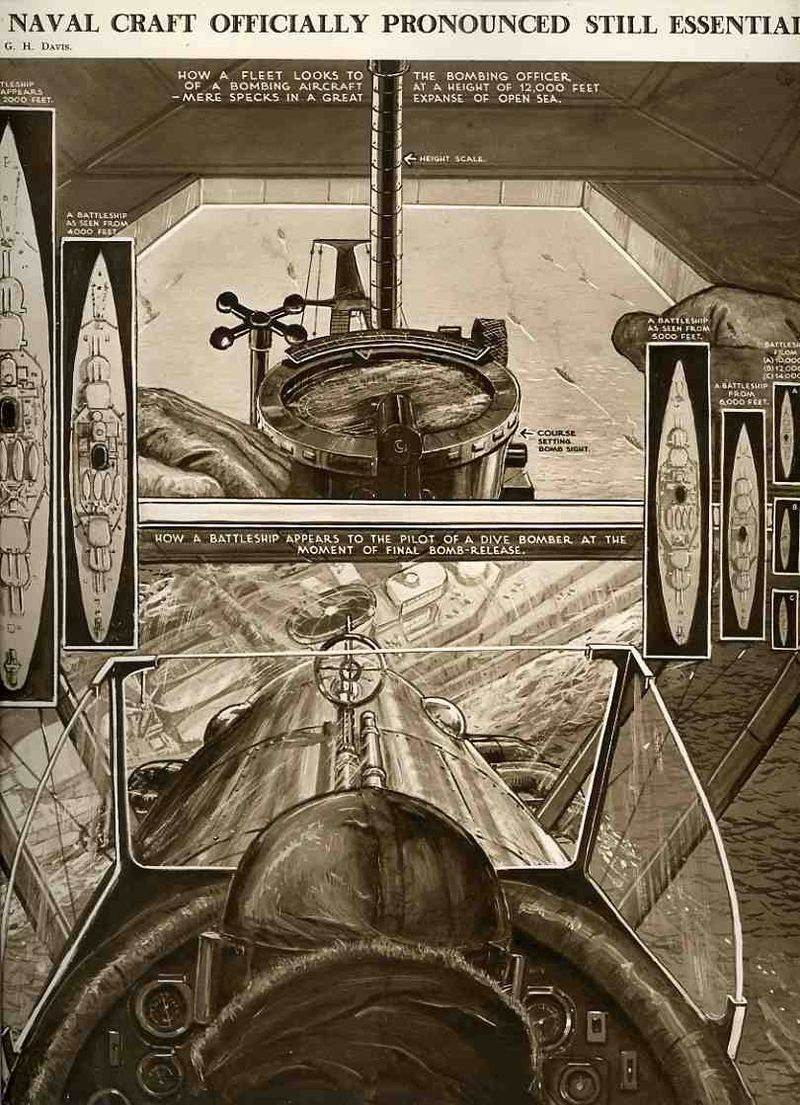
    In my experience popular images prior to WWII that put the reader inside of the picture– giving them the same view as the observing, principle member of the picture–are very uncommon.  Honestly, they just don’t happen very often, and I wish that I had paid more attention to them over the years before I realized they were as rare as they were. Such is the case with this extraordinary and action-packed picture in which the reader is hosted just behind and slightly above the head of the pilot of the aircraft dive-bombing the battleship.  It appears in The Illustrated London News for 7 November 1935, and it must have been captivating for the readers, being given the sense of closing in at great speed on the ship.  There are actually eight other smaller perspective images embedded in the image as well. The largest of these (at top) places the viewer directly inside the subject, giving them the feeling of how it looks like to the bombing officer of the aircraft as it approached the fleet. The other five images shows what the battleship looks like from different height from the inside of the aircraft.  Perhaps this doesn’t look like much to us today, but at the time, I can assure you, these images were exceptionally uncommon offerings of a personal perspective that few readers had ever experienced.

    00-blog-Oct 21--aircarft attack892

Recent Posts

Archives

Categories