JF Ptak Scinece Books LLC Post 591 Blog Bookstore
The Dot and the Sphere—the Depiction of Multiple Dimensions
The
Edwin
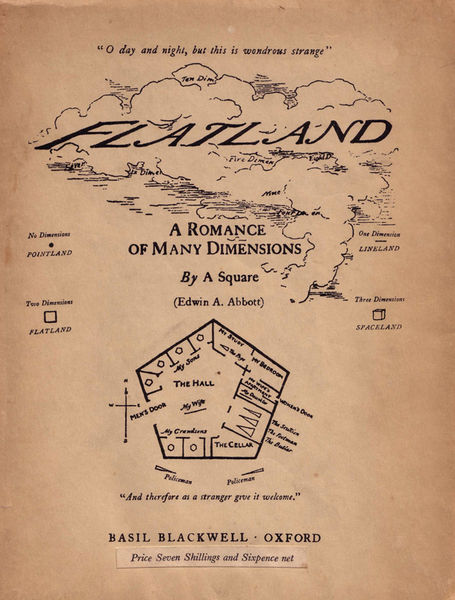
And
It
The
The
Eventually,
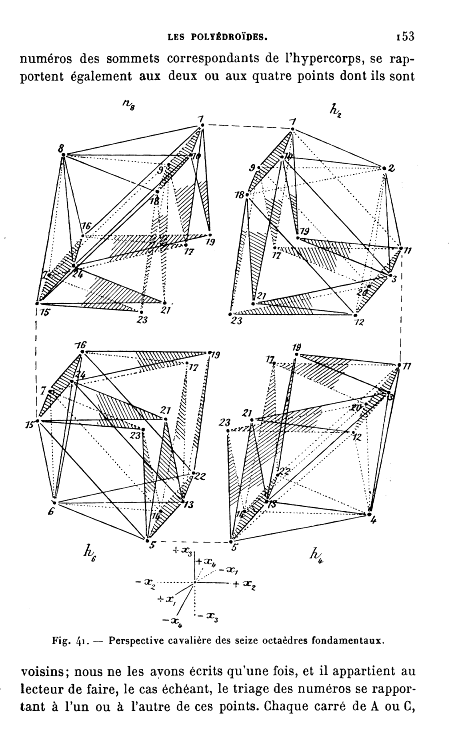
But
19
dimension.
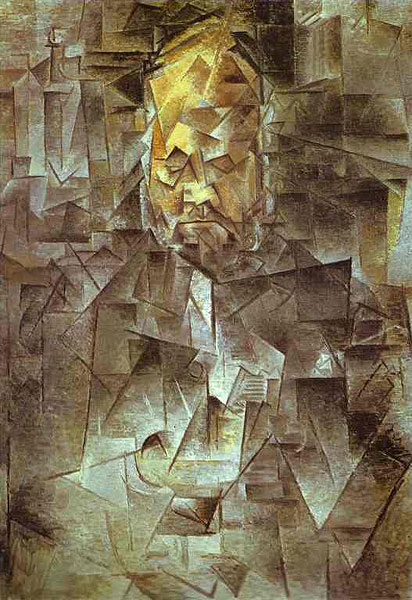
hero of early
And
Recent Posts
Archives
Categories
- Absurdist, Unintentional (1,452)
- Alphabets (136)
- American History: Western Exploration & Native Americans (120)
- Anticipation, History of (812)
- Architecture and Building (478)
- Art (108)
- Art History (684)
- Astronomy (324)
- Atlas of Dead Ideas (72)
- Atomic and Nuclear weapons (362)
- Aviation & flight (294)
- Bad Ideas (1,008)
- Beautiful books (62)
- Biology (24)
- Blank and Empty Things; A History of (726)
- Books–Great Cover Art (114)
- Books–title pages, beautiful (70)
- Books: Great & Lost in the Dust (24)
- Books: Title Pages, Unusual (30)
- Boredom, History of (22)
- Brevity and Complexity (102)
- Calculating (118)
- Chemistry (1)
- Chemistry, history of (32)
- Children's Art (46)
- Circles, Geometry (12)
- Color & its advanced Abuses (62)
- Color Theory (64)
- Computer Tech/History (258)
- Contraries (22)
- Cross-Sections (50)
- Daily Dose from Dr. Odd (168)
- Economics (16)
- Electro-LUXurious (42)
- Exploration (6)
- Fantastic Beasts and Tales (18)
- Fantastic Titles (90)
- Fear, History of (42)
- Future Punk (54)
- Future, History of the (624)
- German Design (28)
- Histories of Smallness (60)
- History (4)
- History of Dots (144)
- History of Goodbye (122)
- History of Holes (67)
- History of Lines (166)
- History of Memory (64)
- History of Nothing (94)
- History of the Future (690)
- How Fast Stuff Is. (6)
- Iconography (160)
- Imaginary and Impossible, Museum of the (28)
- Impossible Books (70)
- Industrial & Technological art (342)
- Information, Quantitative Display of (1,236)
- Inventions (132)
- Lines, History of (72)
- Literature (4)
- Magnifcent Mundane (28)
- Manuscripts (12)
- Maps, Cartography, History of Mapmaking (500)
- Maps/Diagrams of Imagination & Ideas (348)
- mathematics, logic (220)
- Medicine, History of (180)
- Memory, Historry of (24)
- Militaria (950)
- Mistakes, The Importance of (14)
- Music (24)
- Mythology (28)
- Naming Things (294)
- Outsider Logic (196)
- Patents (118)
- Perception (374)
- Perspective (398)
- Photography (290)
- Photography, history (138)
- Physics (117)
- Picture Post/Image Dump (10)
- Piles, History of (2)
- Politics, American (6)
- Poster Series (10)
- Prints–looking HARD/deeply at (558)
- Propaganda (110)
- Psychology (40)
- Quantum Theory (1)
- Questionable Quidity (52)
- Reference Tools (76)
- Science (14)
- Social History (293)
- Sports (10)
- Statistics–Fossil, Found, Odd, Forgotten (58)
- Strange Things in the Sky (82)
- Tech-Quiz (30)
- Technology, History of (835)
- Title Page Art, Beautiful (64)
- Travel (6)
- Uncategorized (309)
- What is It? (28)
- Women, History of (196)
- WORD art (30)
- World War I (496)
- World War II (55)
- Writing Systems (16)
- You Are There (12)
- Zoomology (50)