JF Ptak Science Books LLC Post 675 Blog Bookstore
Blank & Empty Things Department #49
[For another interesting example in this series see: Maps of the Cosmos of Moles, 1671: Astrology, Pseudoscience & Furious Belief]
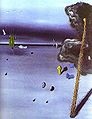 Surrealist, spider-eating, red-ink-drinking, bohemian template
Montparnassian Yves Tanguy (1900-1955) is perhaps the blankest, loneliest,
emptiest painter of the Surrealist movement.
It seems odd to mare that statement, even to me, what with the
tremendously lonesome images of the somewhat-earlier Giorgio de Chirico (1888-1978), but
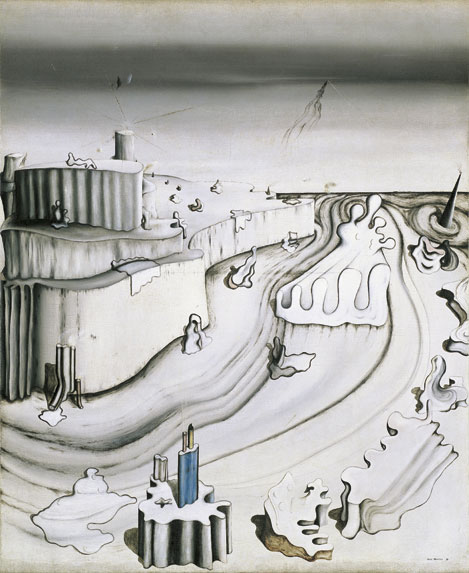
Tanguy has a different lonesomeness/empty quality to him partially because of his very restricted color palette. Whereas de Chirico’s
(pictured just below) paintings are alive with color, Tanguy seems to put the unused
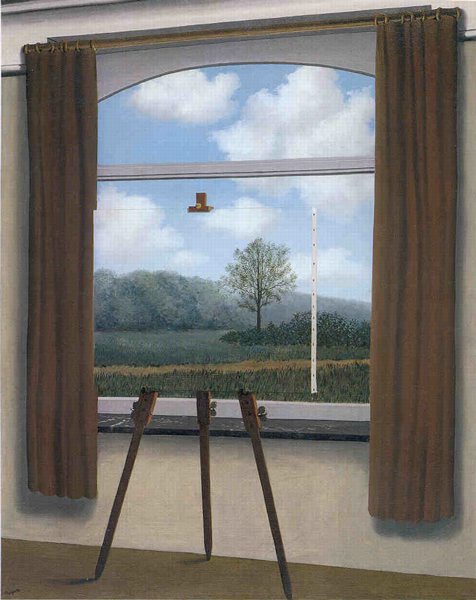 colors back into
their tubes, painting in his all-white and unblemished studio. He gives his paintings an odd quality, milky
somewhat—especially in his skies, which to me look particularly empty, even
though they have substantial texture.(This is differentiated from earlier posts in this blog that deal with blank skies in Renaissance prints, which were truly, completely blank and without any detail whatsoever.) The
play and wash of it all in his paintings gives me the sensation of a taste, and
not a good one—seeing some of his work elicits a metallic, coppery taste, high
in the back of the mouth. I don’t get
any of that sensate confusion form the others like de Chirico, or Magritte, or Francis Picabia, or Marcel Duchamp, or Max Ernst, or Jean Arp, or Man Ray, and etc (though De Chirico does come close).
Tanguy was undoubtedly influenced by de Chirico early on in
his life, even before his painting career began. The standard story is that in 1923 while
riding a bus Tanguy saw an unusual, arresting image in the window of a store—he
jumped form the bus, rushed back to the image and saw that it was a painting by
de Chirico in the window of Paul Guillaume’s gallery. He was much taken by it, and very soon
afterwords began his painting career in earnest, becoming recognized and
semi-established within a few years. (It
is interesting to note that the critic who first gave him positive feedback, F.
Fels, very soon thereafter wrote to Tanguy “You’re finished. You’re going to wind up a surrealist.” ) He
did “wind up” a Surrealist, but he was hardly “finished”.
And what I’m talking about here with the Big Lonely is just limited to the Surrealists–there are plenty of other operating in this millieu (intentional or not), not the least of whom (and painting at about the same time) is the sensationally lonely Edward Hopper, the man who invented shadwos for shadows. But that’s another story.