JF Ptak Science Books LLC Post 827 Blog Bookstore
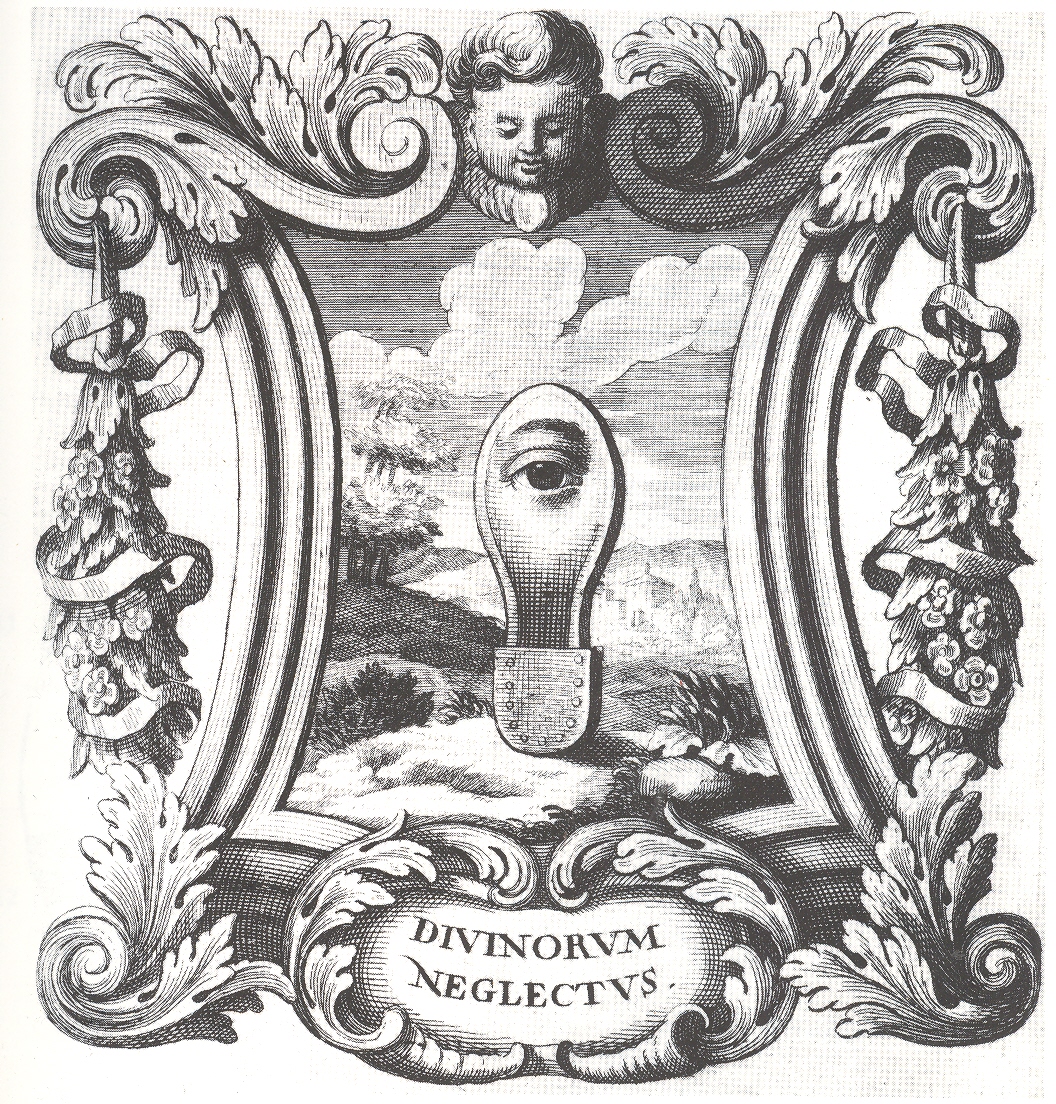
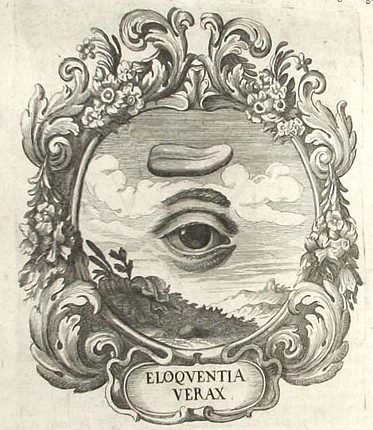
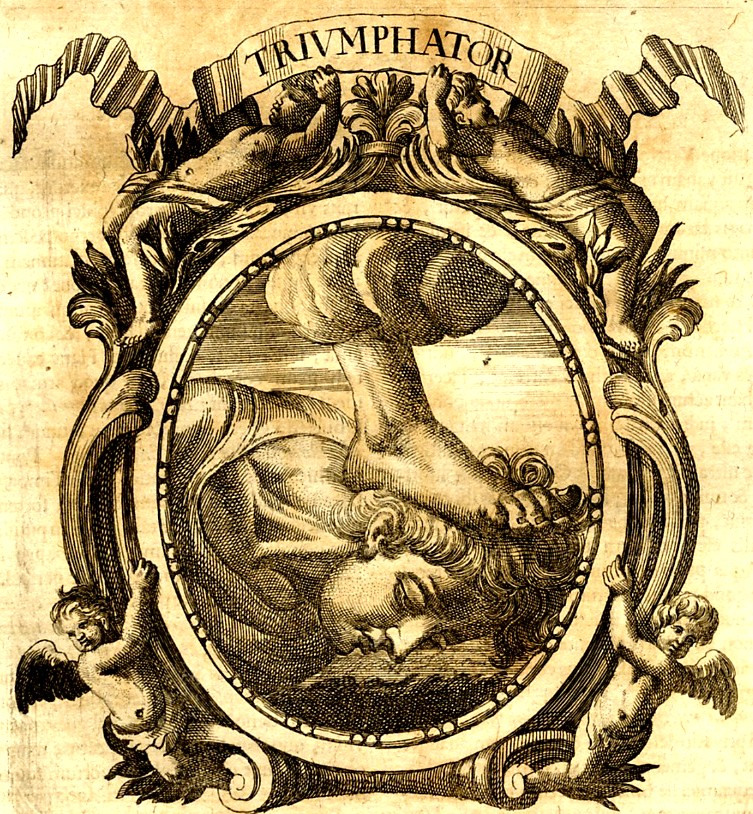
I found these iconographic images by Ottavio Scarlattini1 (1623-1699)
simply irresistible–and even though I really don’t quite understand them (at
least in their correct and original sense and intention), lost to me as they
are to a more classical education and deeper understanding of Baroque
symbolism, I can imagine plenty of re-iconographized (?!) meanings. Not having a more specialized knowledge to
understand their published intentions perhaps allowed them to have a strangely modernistic pull on me, making many
of these Scarlattini designs seem more Dadaist than a 17th century work
displaying visual characterizations of morality tales wrapped around human
anatomy. . If you changed the vocabulary to interpret this
artwork—or just simply removed its intention– it changes its era, and moves
very cleanly into the genre of the surreal.
It feels to me that this sort of transformation is not at all common,
especially when you move the centuries and the genres so crisply and
elegantly.
been produced by more-antiquarian versions of Raoul Haussmann or Hannah Hoech or Paul
Delvaux? It does me. If you made this a three-dimensional piece it
could feel like Ernst or Duchamp, its emblematic/hieroglyphic nature
transforming before your eyes. (I wonder if Duchamp or Dufuy were influenced
by the iconographists from this period?)
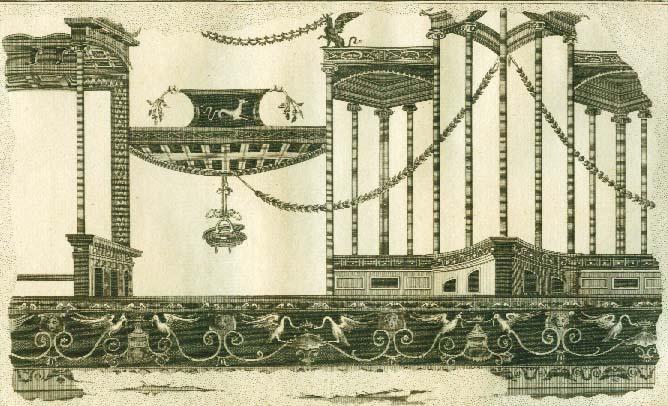
This transference game works nicely with other emblem books, and even with some of the large and spare frescoes from Herculaneum when rendered in black and white as engravings…and also for some of the Framenti of Piranesi, but not too many other places in Western art. Yes?
An engraving of a fresco from Herculaneum (printed ca. 1760):
Notes:
1. SCARLATTINI, Ottavio HOMO ET EJUS PARTES, FIGURATUS ET SYMBOLICUS,
ANATÓMICUS, RATIONALIS, MORALIS, MYSTICUS, POLITICUS, ET LEGALIS, COLLECTUS ET
EXPLICATUS CUM FIGURIS, SYMBOLIS, ANATOMIIS. opera et studio R. D. Octavii
Scarlatini,. nunc primum ex italico idiomate latinitati datum a R. D. Matthia
Honcamp, (.). II volúmenes en un tomo. L. Heckenauer grabador, and printed in
1695.
Scarlattini produced one of the great masterworks of
emblematic knowledge while at the same time writing on human anatomy and
physiology.
The entire book located here http://www.uni-mannheim.de/mateo/camenaref/scarlattini.html