JF Ptak Science Books Part of the Uninentional Absurd/Found-Surreal Department
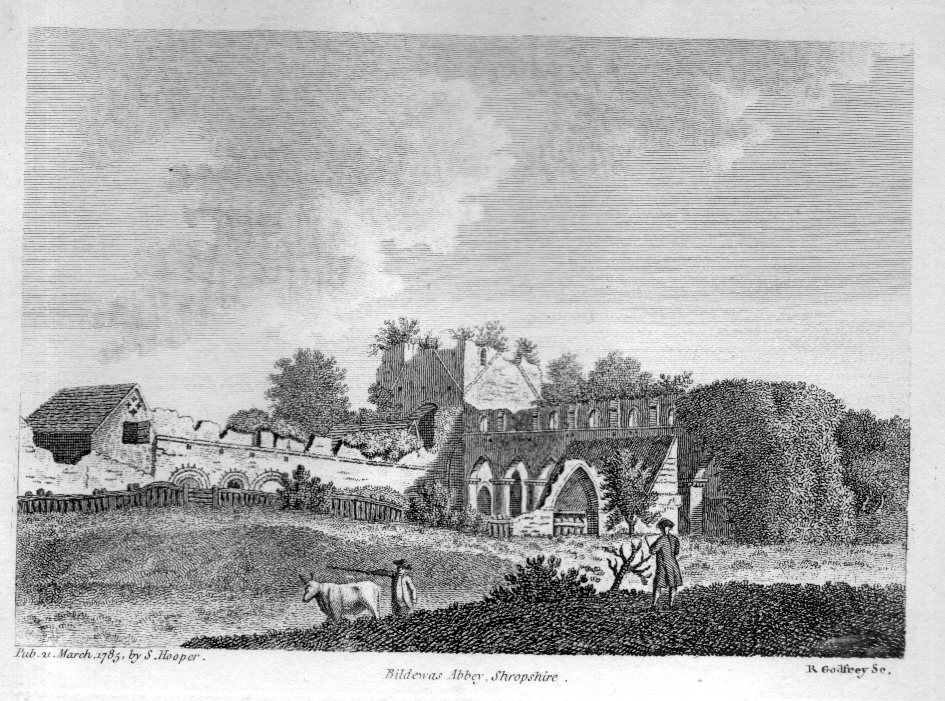
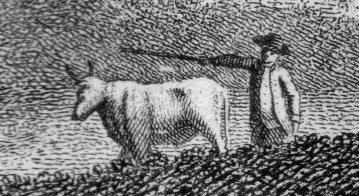
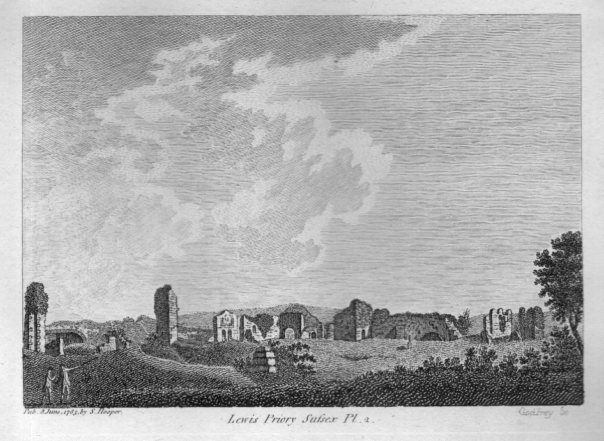
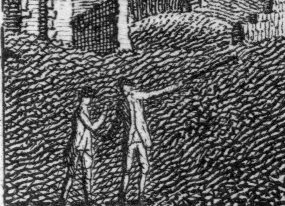
These images become curious only when you begin looking for the curious aspect in them–then, some sort of optical/neuro magic happens, and all one can see in the image is that unexpected curiousness. The following five examples come from a lovely work by Francis Grose, The Antiquities of England and Wales, which was published in the not-so-good-year-for-the-British-Empire, 1785. Grose was recording old structures and ruins, or semi-ruins–in general he gave each one of his views a lot of sky, which to my eye gave many of the scenes a very detached, remote quality–cold, even. The “obvious” part of their nature comes in the filler/perspectival inclusion of human figures in the foregrounds of the subject. For the most part, the figures came in pairs, and accounted for perhaps one percent of the image surface area, or less. They were–or were intended to be–inconsequential; however, given their placement and posture, they become very visible, and entertaining. In this selection below, what most of them were doing was sharing, pointing at things with walking sticks, things that really didn’t need to be pointed-out, especially with a big stick. But there they are, standing there in their quiet but great obviousness, pointing at stuff.
Obvious pointing from the corner:
Obvious pointing to a cow: