A Daily History of Holes, Dots, Lines, Science, History, Math, Physics, Art, the Unintentional Absurd, Architecture, Maps, Data Visualization, Blank and Missing Things, and so on. |1.6 million words, 7500 images, 4.9 million hits| Press & appearances in The Times, Le Figaro, Mensa, The Economist, The Guardian, Discovery News, Slate, Le Monde, Sci American Blogs, Le Pont, and many other places… 5000+ total posts since 2008.

  • Picture Dictionary of Extinct Semi-Luxuries, Part 1

    JF Ptak Science Books LLC  Post 1016       

    Luxury for the not-wealthy, the luxuries of the working classes, is a relatively new invention in the West.  Virtually unmolested except by the aristocracy, “luxury” was a thing defined to exclude nearly everyone in Europe, the United Kingdom, America and virtually any other place.  Not until the second Industrial Revolution did capital become more “absorbent” to those working for it, with the working classes allowed to be paid more and keep more of it–money in the hands of the mass of society became expendable on the stuff of life that wasn’t necessarily “necessary”.   This picture dictionary–collected but not assembled by the social muse and graphical strategist Malcom Mumbry (of Landrum, South Carolina, working-class neighbors to the wealthy in the horse country of northern South Carolina)–displays some of the many new luxuries of the 1880-1920’s period, most of which have now been lost to the dust and short memory.

    The images are beautiful and unusual–their content may be even more so, and generally unexpected and–occasionally-unimagined. We’ll be making posts to this site until we can construct a few representative alphabets of lost luxuries–their initial presentation will  not be made alphabetically.

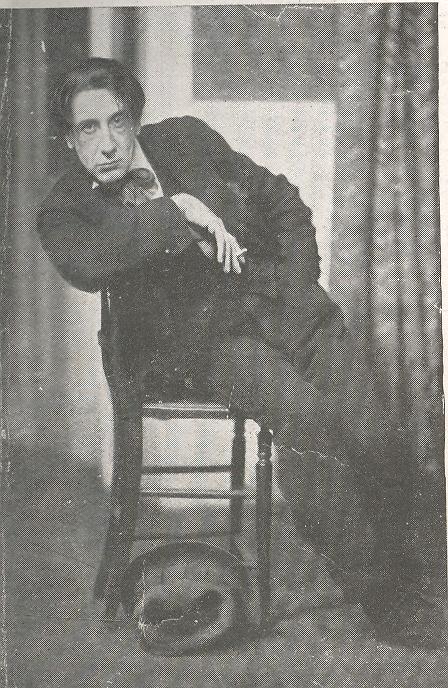
    H     Hat Ennui.  
     

    1-apr 29--luxury--hat ennui

    By the time this photo was made in 1920 hat-need had surpassed itself to the point where only ennui could quench the continuing hat-thirst.  So much so as a matter of fact that Giles Rope, a French playwright, wrote and co-produced  (along with Guy la Flembeur) “Ennui Chappeu”, an absurdist work on the developing hat anti-lust.  Intended as a silent/violent statement against hat ennui, it became a pro-ennui sensation–not only did men want hat ennui, they evidently wanted to watch other men with hat ennui, as well. The play ran 85 weeks in Paris, 50 in London and 102 in New York, closing in 1926.

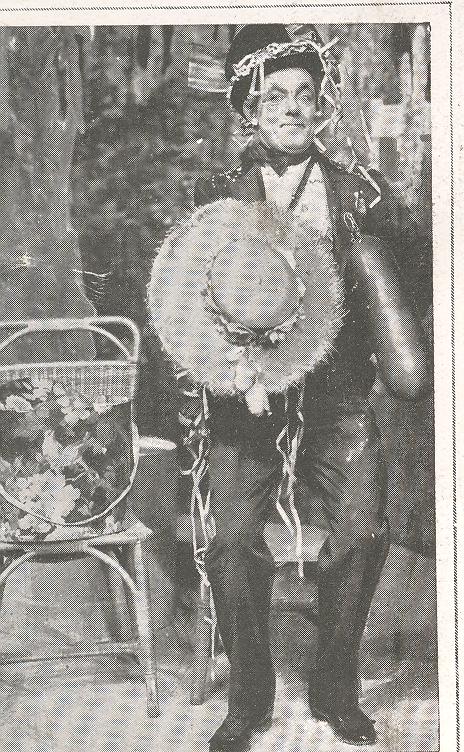
    H  Hats, Bologna
    1-apr 29--luxury--bologna hats 

    Perhaps a more unusual hat story in 1921 was the appearance of party hats for over-sized bologna.  The delicatessen standard was new in 1921, and in order to make it more somehow appealing to customers the bologna were dressed in large, flat-brimmed party/sun hats.  By 1922, bologna hat racks began to appear in some eateries; by 1923, the hat craze was over, and bologna had shrunk. 

    S  Sob-watching/sob-watchers
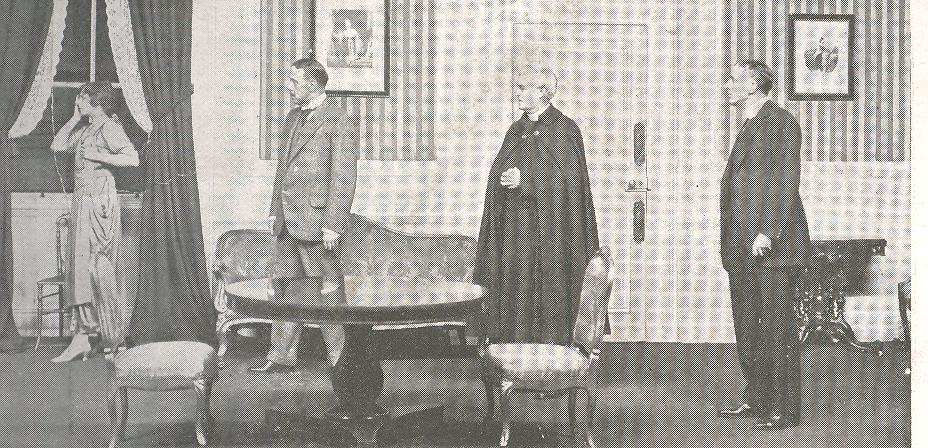
    1-apr 29--luxury--sobwatch
    The somewhat wealthier classes were offered a short “Exclusive Hirelings” pamphlet by Bent Gruel Company (of Chicago),  where well-dressed “Attendants” could be hired to “engage at a distance”. This amounted to polite watching–interested parties could now hire one (or more) of Gruel’s sophisticated cadre to “attend to the visual needs deserted” of people in joy or crisis so that whatever it was being experienced was now not necessarily experienced alone. (In the above scene a client has hired three men to equidistantly observe her weeping by a painted window.)

    M   Maid Fainting
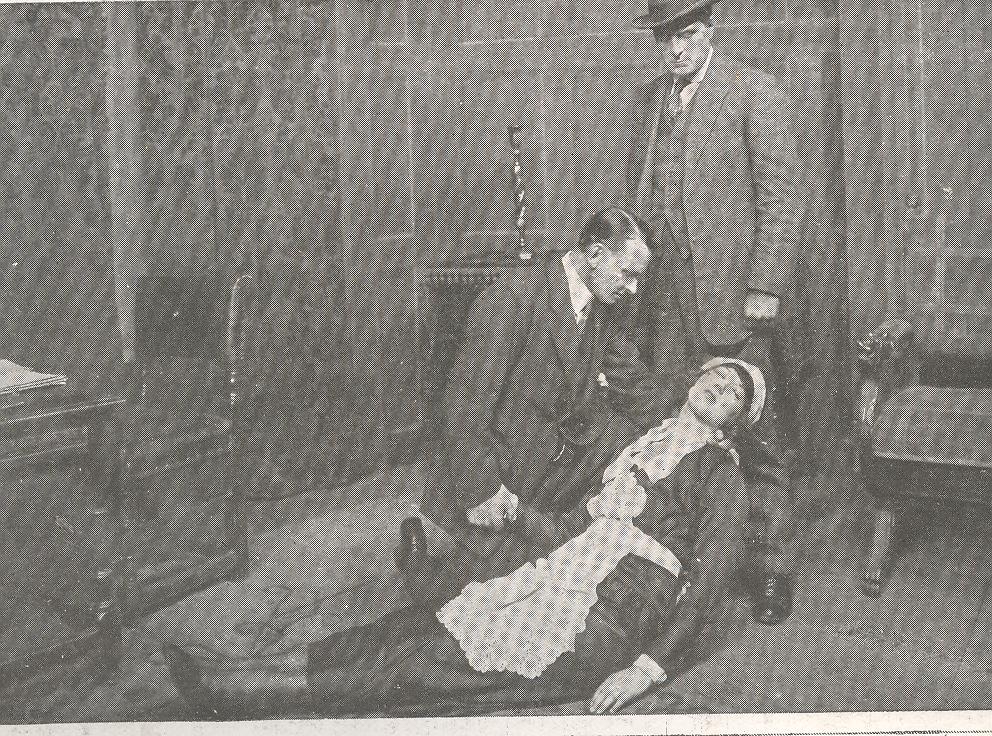
    1-apr 29--luxury--maid fainting

    For the millions of Americans who were newly affluent in 1925 but not affluent enough to afford a fainting maid that they could attend to came the Maid Fainting Society Inc of America.  Bonded in 15 states, MFSA sponsored overseas maids to faint in good American homes.  They were hired out at $4/hour (a handsome hourly sum in 1925), the fainting maids being allowed to keep half.  In 1926 a sub-cult of Extra-Tall Fainting Maids was born (an example of which is picture above), and provided an income to thousands for several years.  (One of the last silent films ever made, Fainting Maid Maiden, with Clara Bow, 1944, used this phenomenon as a basis for its story; by that time however the craze had passed, the war was on, and no one cared anymore for silent films about fainting maids.)

    C   Cigar Cane Rentals
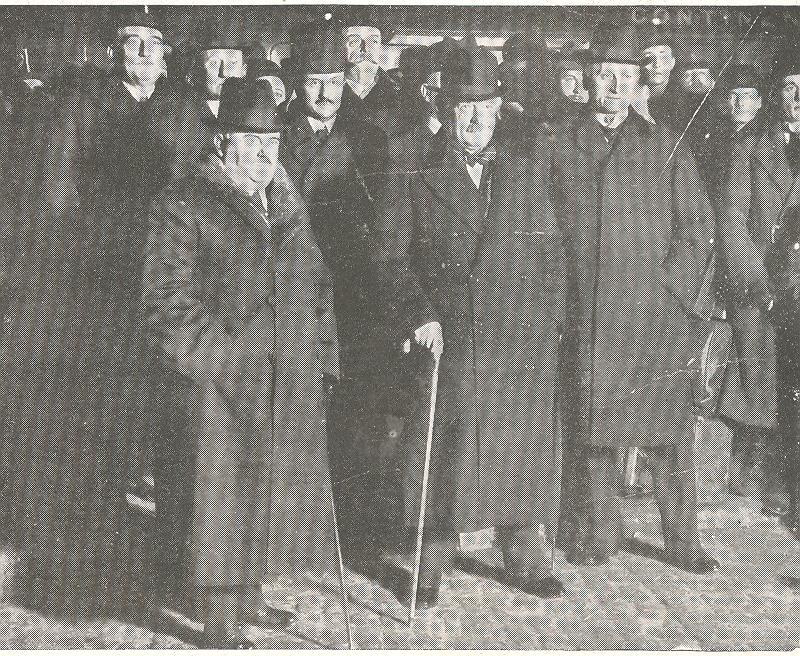
    1-apr 29--luxury--cane
    An excellent example of an extinct semi-luxury that was almost entirely based in England and which never caught on anywhere else in the world was cigar cane rentals.  As seen in this photo (made in London in 1922), well-intentioned better-clothed country pensioners were brought into the city and made to pose with their renter canes.  Wooden canes evidently deprived Londoners of a “cigar aromaticity” need that was fulfilled with these canes made of cigars.  The short craze lasted for about 15 months, during which time better than 500 cane renter holders were stationed around London at walking parks on any given evening.  It was an essential part of care rental to do so on brick, as the cigar cane tip made a distinctive sound  (a harley-like individuality if you may), which was enjoyed by the renter and the non-renter alike.  AS we can see in the photo above, nearly all of the cane renter men have already rented their canes, pushing the last two men with canes to the front for greater visibility.  

    –end, Part I
  • 1947 Atomic-Powered Farm Industry and the 1945 Internet–Interesting Future Visions Fueled by Booze

    JF Ptak Science Books LLC  Post 1017

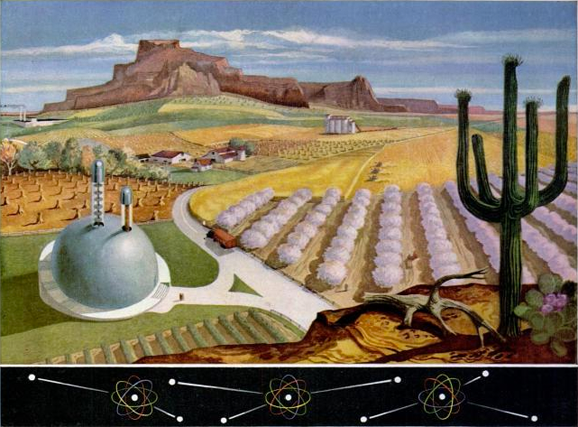
    Seagrams V.O. Canadian Whiskey powered the future through a series of a dozen or so ads for itself in the 1945-1947 period, taking a usually-strangled though occasionally interesting peep into what the future might bring.  (And of course the future is brought by men who drink Seagrams.)  In this ad, appearing in the 12 May 1947 issue of LIFE Magazine, we are told “deserts will bloom through atomic power”–how this might happen is left to the imagination. Also left to fantasy is what exactly is being farmed there in front of the incongruous “atomic energy plant”. Plastic smoke?  Taking a fractured approach to the possibilities one might say that atomic bomb mushroom clouds are being grown from seedlings here from the ground up, nurtured until the day they too will be as big as the blasts of August 1945.

    Atomic garden

    Oddly enough, the illustrator–who after all was just trying to sell alcohol–came pretty close to the truth, except that they got the power source wrong.  Rather than nuclear energy, it would be petrochemical industries that would lie there at the heart of America’s farm production (via seeds and fertilizers and so on)–I’m sure that it would’ve made more sense in a weak way back there in 1947 to believe the atomic story rather than thepossibility that it would be petroleum that would drive the entire production of food forward.  

    In another weirdly prescient image–“weird” anyway for a quick effort made by an artist trying to sell drunk juice–is this proto-internet office view, made in May 1945. There’s lots of passive solar going on here(though not really very effective when you consider the other ways of directing and filtering exterior light inside) in the office of tomorrow, but more important is the desk and the file cabinets.  The seated man is talking to someone across the country  via phone/wireless, with data en masse at his fingertips, a “computer” (in the old sense of the word, that being a person–and usually a women–given the charge of adding long columns of number or whatever and then doing the arithmetic, like a comptometer) working some sort of calculating interest on the largish calculating instrument. In general we see a decision-maker awash in responsibility connecting all of the parts of his world: a primitive, secular, analog internet.  And this too just at about the same time that Vannevar Bush introduced his own vision of the informational future with his superb Memex (which I wrote about earlier on this blog here.)

    Internet 1945

  • Imago Mortis: Immortal and Post Mortem Hair

    JF Ptak Science Books LLC  Post 958  Blog Bookstore

    Death hair2

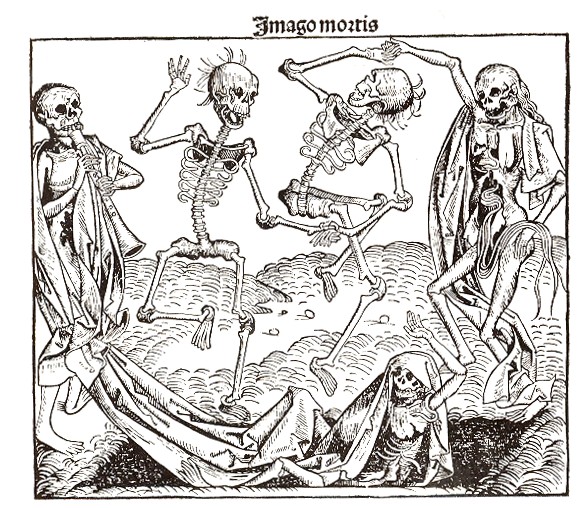
    I think that in the contest of hair between mortality and immortality, never-ending time wins.  This sentiment is based on seeing many images representing death and time over the years, not many of which I can not now produce on demand to make my argument a little more plausible, but, well, no matter.  Two examples will suffice for now.

    The first example stands for many of its type: it is titled “Imago Mortis”  (the World of Death) and appears in Hartmann Schedel’s Liber chronicum (more commonly known as the Nuremberg Chronicles), one of the greatest illustrated (or certainly the most lavishily illustrated)  books of the 15th century.  Printed by Anton Koberger in Nuremberg on 12 July 1493, the Liber chronicum was basically just that, a walk through the known and imagined knowledge of the mid-Renaissance with the great humanist Schedel acting in the role of conductor.  There’s certainly much of interest and disinterest in this book; Schedel was not afraid to make a guess (and even a wild one) when facts didn’t fit or were unavailable.  (For example, he famously re-used the same view of a city to illustrate different cities.) 

    Death hair

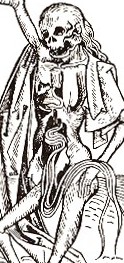
    The Imago Mortis here is more like the Dance of Death, a subject visited many times by many great artists over a Death hair3 period of 500 years or so.  But my interest right now is only in the hair; particularly the hair of the figure at far right, whose (her?) hair seems to be not only flowing down her spine but through it and her ricase as well, spilling out in front of her across her pelvis. 

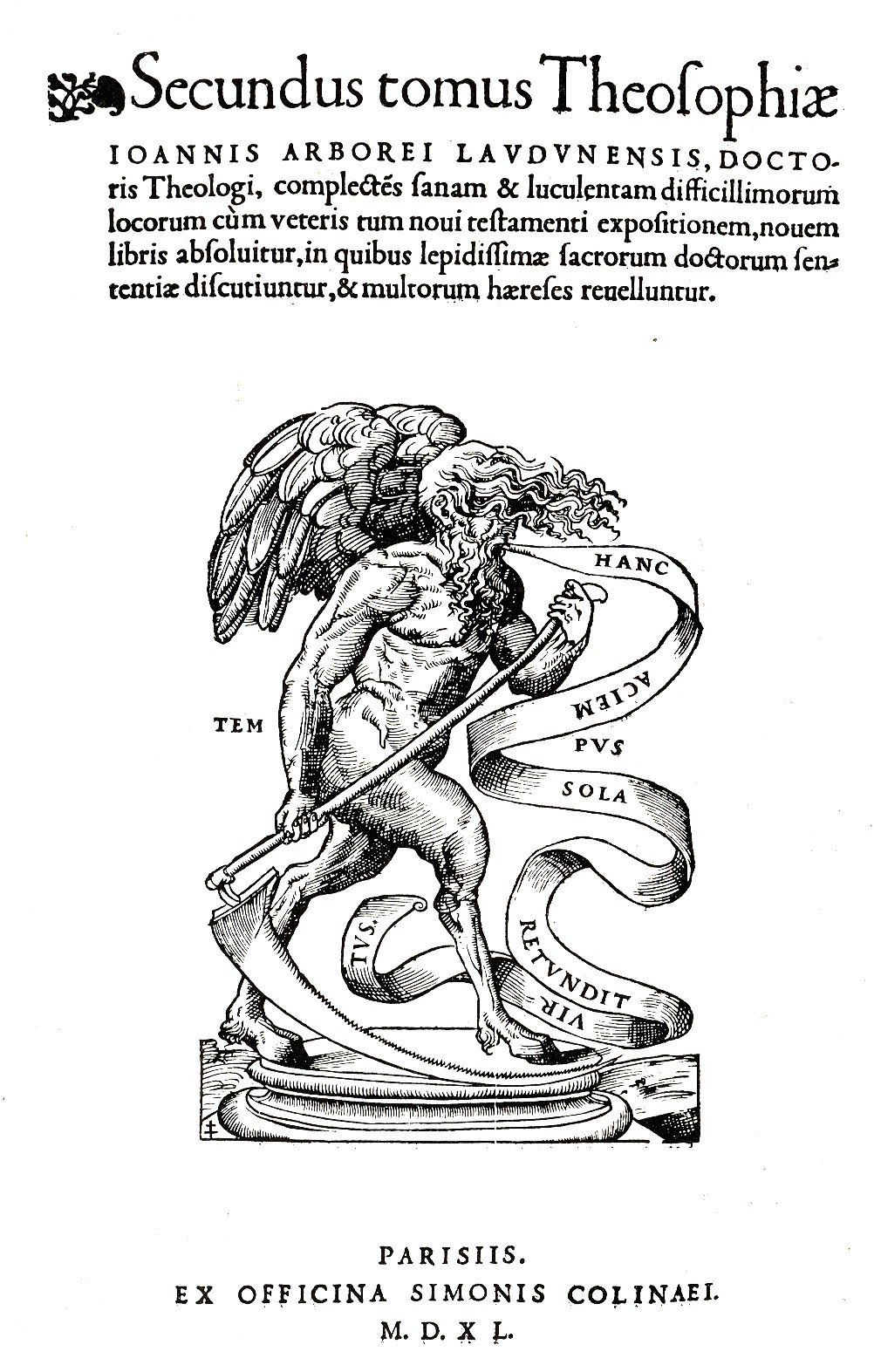
    Blog 12 4 time hairI’ve written earlier in this blog on the second  woodcut image: it appears as the printer’s mark (of Simonem Colineum, or Simon de Colines) in the
    second volume of Johann Arboreus’ Theosophia, complectens difficillorum…, which
    was printed in Paris
    in 1540. 

     Time isn’t very pretty here, and is made to seem a little
    Satanic, what with cloven hooves and the legs of some animal, strong torso and
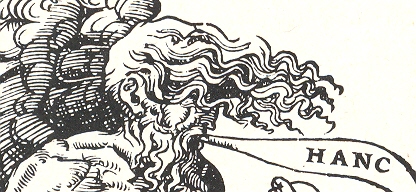
    swift wings—the hair hiding the eye(s) completes a picture of damnable doom,
    and of whatever end we’re coming to. 
    Except for the righteous, though not quite: the word balloon describing
    Time’s spoken admonition is “Hanc Aciem Sola Retundit Virtus”, which means “only
    good deeds dulls the blade”.  That doesn’t
    necessarily mean “stops” the blade, which is bothersome.  I think that if someone were coming for me I’d like the blade as sharp as could be…

    I think the winner is Time, whose hair–although not quite as long as that of the dead–is far more luxurious, which at the end of the day carries it.  Also, Time’s hair is connected to a scalp; I don’t know what the deads’ hair is connected to.

    https://historyofideasblog.com/a/6a00d83542d51e69e2012876116274970c-pi

  • Mobile Maginot: Movable Land and Floating Forts, 1940

    JF Ptak Science Books  Post 959

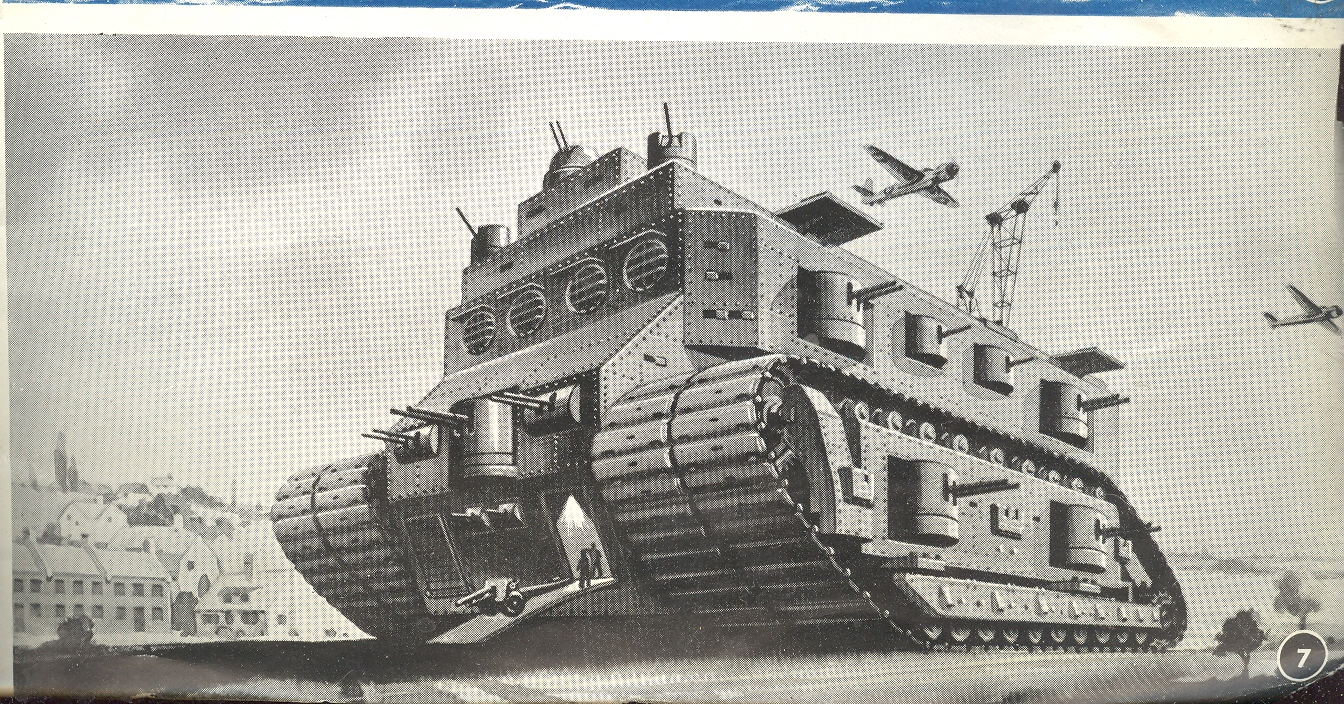
    Nothing quite exceeds like excess said Mr. Wilde (and others) , and he/they could be no more correct when looking at this picture of a Movable Maginot Line—it is a mobile fort, complete with plane launching capacity, two dozen long canons, a crane, and a host of other stuff.  

    000--win--land tank

    It looks as though it has ample room for all sorts of materiel though leaving little room for, perhaps, an engine.  I just can’t see where it might be…perhaps it is near the not-room-enough-for-it-either ammunition compartment.  Maybe they were in a smaller armed cart being pulled by the mothership?  I reckon that this beast was 66 feet high, 100 feet long and 60 feet wide, which is a very big, heavy near-cube. Good luck with driving the thing in anything that was less than perfect conditions.  A big profile like this, filled with guns and canons or not, also makes for a big target profile—a tall, broad target with flat/non-inclined sides. ( I should also point out that there are two 10’ loudspeakers mounted on the front of the fort to instill fear in the people that the thing was approaching with loud noise.  The author points out that the Nazis used noise against the French with their “screaming dive bombers”, and so the fort would use the same tactics against the Nazis in the movable fort—not that the sound of the engines and the attendant noise wouldn’t’ve been enough of a fear factor in themselves…)

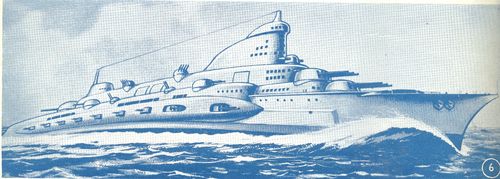
    000--win--tubular ship

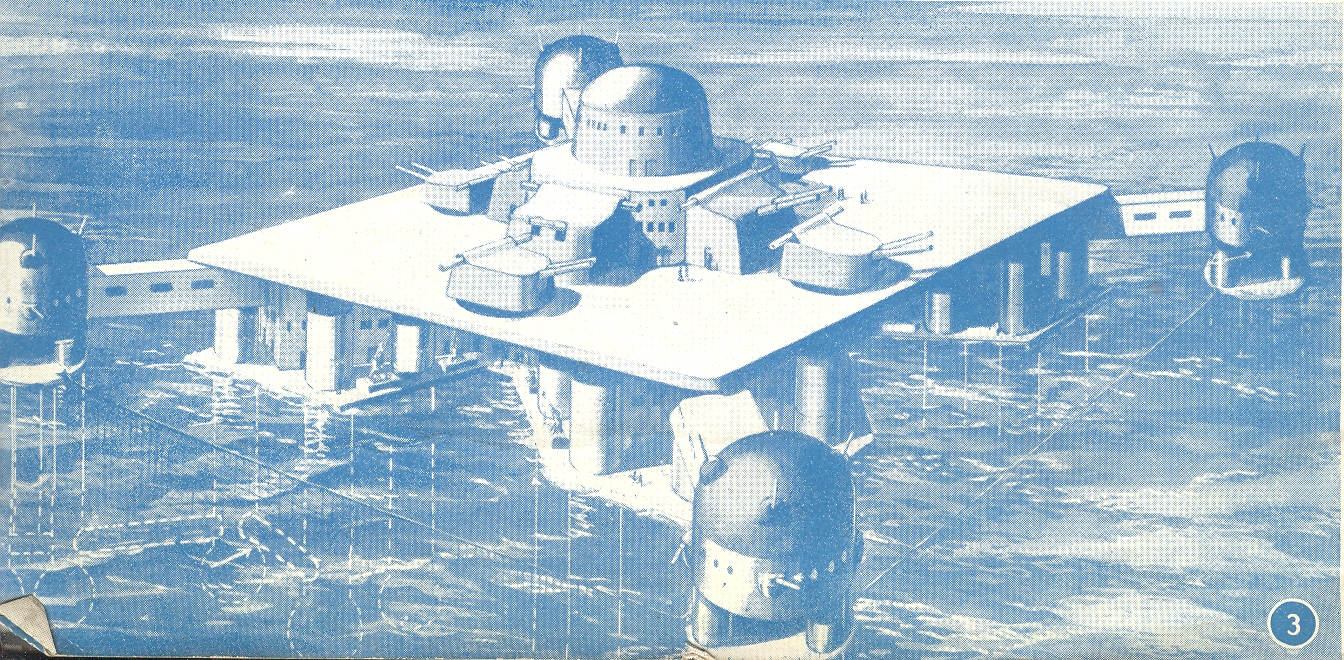
    But the image of such a monster, sensical or not, was enough for the purposes of the pamphlet in which it appeared.  The Brains to Win was a piece of British spirit/hope propaganda issued at about the time of the Battle of Britain in 1940, and it listed the sorts of technological breakthroughs that were going to push the nation over the top to victory.  Some of the stuff was real, some not—like the moving fort/Howl’s Castle above, and the floating fort, below.

    000--win--floating airport

    I’m not sure where a floating fort would make sense, especially one of that size. (Iterating the figures on deck into distance, it looks as though the deck on the floating platform was 150 or 200’ square.  It would’ve looked like a big target from above.) Given the time and expense and material  needed for such a thing, it seems that it would’ve been cheaper to make a moveable fortress not quite so big, with less of a profile, and more mobile—I think that this was called a “destroyer” or “battleship”.  

    But no matter, I’m just poking fun at some of the future vision that became archaic the moment it was drawn, punk retro-future.  All the pamphlet was trying to point out in its 32 pages was that overall the Brits were smarter than the Germans and that would be the balance for victory in the war.  “Hitler will get some very unpleasant surprises before this is over” the author very politely pointed out, no doubt with one eyebrow raised.  The scientists agreed.

    And they were right, which is all that matters.

  • Dr. Seuss and the 236 Words that Changed Reading Forever

    JF Ptak Science Books—Repost   Blog Bookstore

    Repost of an earlier post here on the immortal The Cat in the Hat in honor of Dr. Suess’ birthday, today. (Full entry here).

    I was reminded in my Asheville neighbor  Marty Weil’s wonderful blog on all things ephemera of the importance and long-term significanceBlogcathatbook
    of Dr. Seuss
    (Theodor Seuss Geisel, 1904-1991, and son and grandson of
    brewmasters).  I think that it is impossible to calculate the overall
    impact of Seuss’ bringing young people to the joy of reading, and,
    actually, to the familiarization of kids with the bare mechanics of
    reading.  Of course he told a great story, but his books were literally
    page-tuners—they were simply written with words useful to children,
    with few words per page, thereby allowing the child to see the
    pictures, read all of the words, and turn the page, giving them a sense
    of accomplishment along with enjoying  a fine story.   Perhaps it is
    the getting-the-kids-used –to-reading that was his most fantastic
    accomplishment—and something that few others have achieved, measuring
    by just pure numbers. 

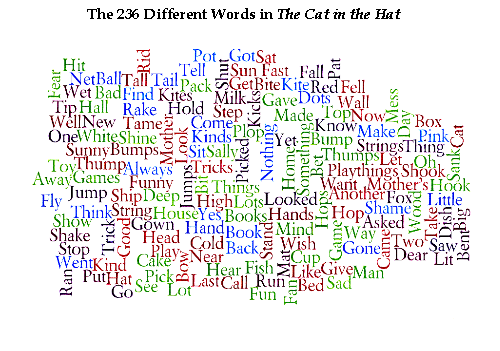
    And the way in which he did this was to artistically use an
    extremely limited budget of words—Dr. Seuss used precisely 236
    different words to write The Cat in the Hat…

    Continue reading HERE.

    ·Posted by :

    ·in:

  • Circle Factories. A Small Chain of Being Between Guns, Sewing Machines, Bikes and Cars

    JF Ptak Science Books LLC  Post 962

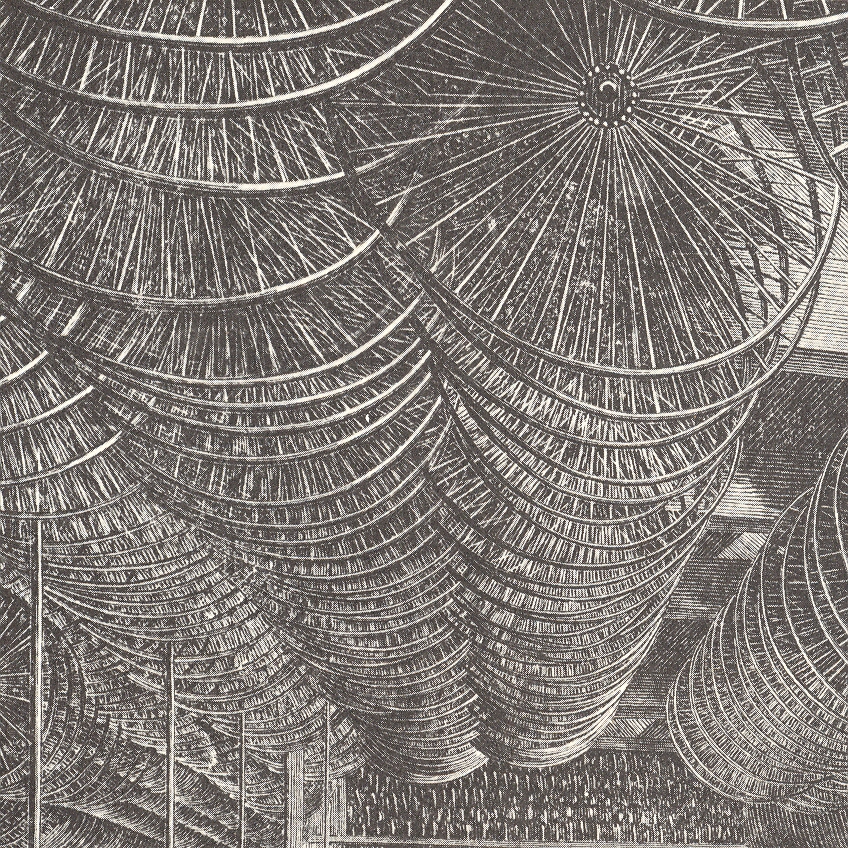
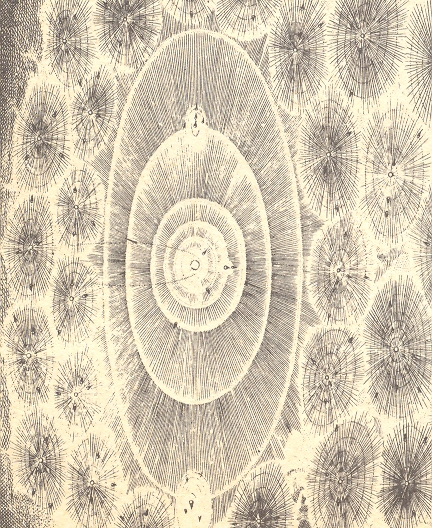
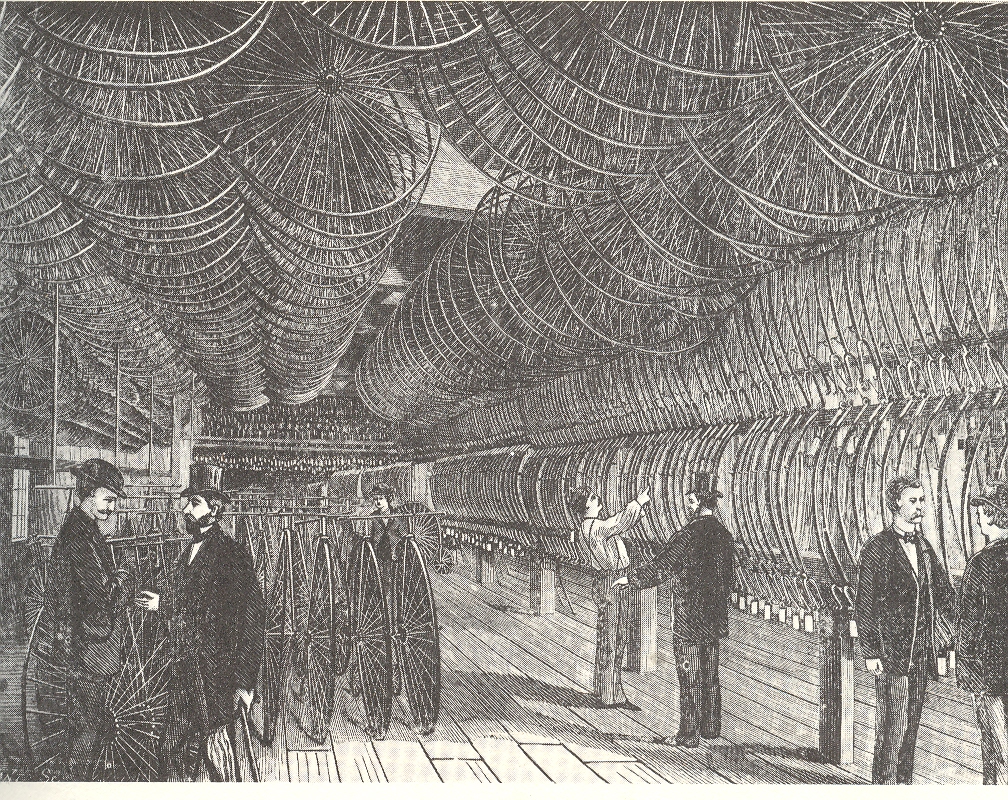
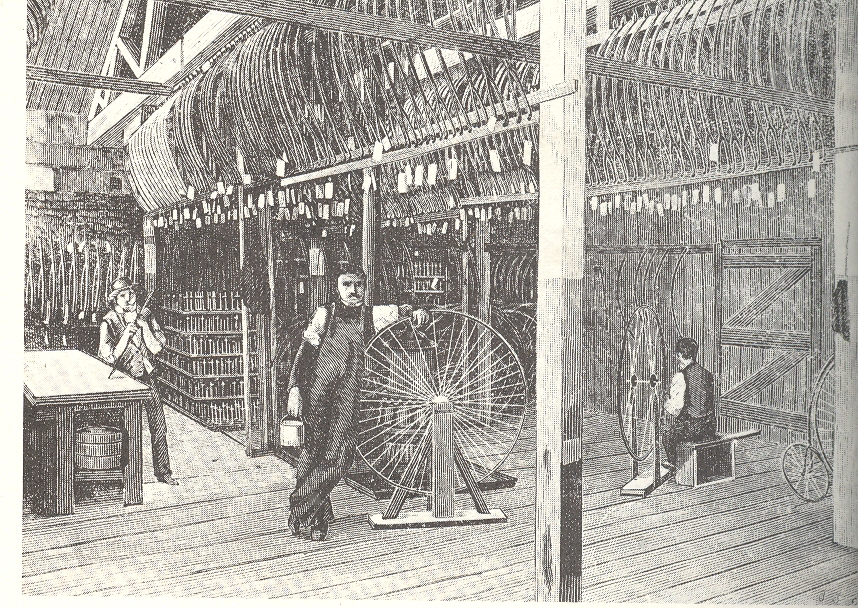
    Circle 1 Circle 4

    “The
    Circle Factory.” Well, not quite.  Actually, not at all.  The first image is just a detail from the
    warehouse of the ubiquitous Columbia
    bicycle works in 1881.  The second aren’t
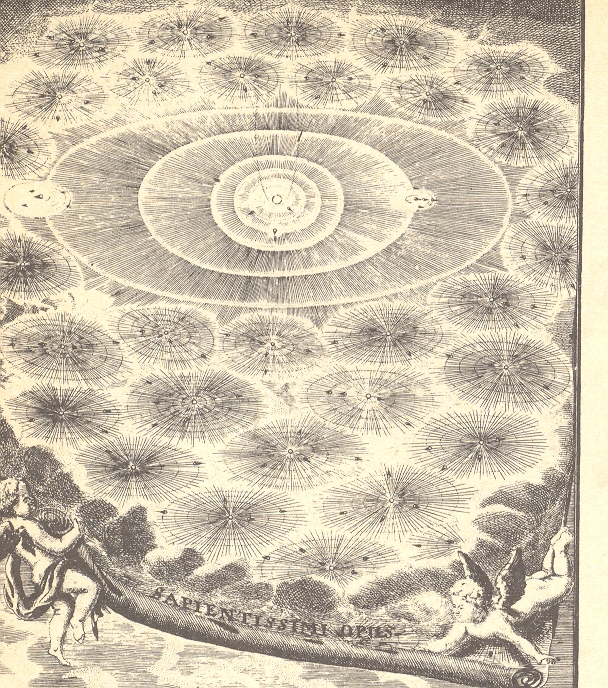
    even circles, but cosmological ovals, and is a detail of a wood engraving
    depicting planetary and  cometary  orbits in Leonhard Euler’s Theoria Motuum Planetarum et Cometarum (1631-1635). 

    The
    bicycle wheels appeared in Bicycling World (for April 1881, “A Great
    American Manufacture”), illustrating a story about the growing interest in
    bicycles in America but more specifically the success of the partnership
    between the Weed Sewing Machine factory and Albert A. Pope in the mass
    production of the bike.  It was a newish
    idea, partially borrowed from the Sharps Manufacturing

    Circle 2

    Company’s mass
    production of weapons with standardized parts, which was employed in the production
    of sewing machines by Weed, and then on to bikes by Pope.  Actually Weed took the step further than
    Sharps by producing almost all of their machines in-house, having a foundry and
    forge right there at the factory.  It was
    this step and then other innovations by Pope that produced an enormously successful
    bicycle production company, with something like a quarter million bikes made in
    the first few years of operation. 

    Circle 3

    The
    Weed-Pope domination didn’t last long though, what with the introduction of the
    remarkable safety bicycle from England
    in 1887—this is instantly recognizable as a “modern” bike, with a chain power train
    and two same-size wheels. In two years there were hundreds of companies building
    those bikes, producing a million a year.  

    By
    1895 this balloon busted, and for some reason Americans stopped buying bikes, with
    demand falling off to nearly nil, causing the vast majority of these companies to
    whither and fold, causing the whole of the bicycle interest to come first
    circle. Or cycle.

    But
    there was a huge lesson learned for future manufacturers of transportation
    devices—namely cars, and more specifically, Ford(s), drawing critical lessons
    in production from forging methods and sustainable assembly lines. 

    Circle 5 Euler
    has nothing to do with bikes or Fords, but he did have a whole heck of a lot to do with circles. (Actually, I just liked the image set against the
    big bike wheels.)

  • A History of Blank, Missing & Empty Things: #75, Monks

    JF Ptak Science Books  LLC  Post 963

    [A History of Blank, Missing & Empty Things, installment #75]

    Many
    are the things that are “missing” (or blank or empty), but seldom are they
    depicted in antiquarian prints, which is why I report them every time that I
    found them. Today’s installment:  missing
    monks. 

    March 5 missing


    This
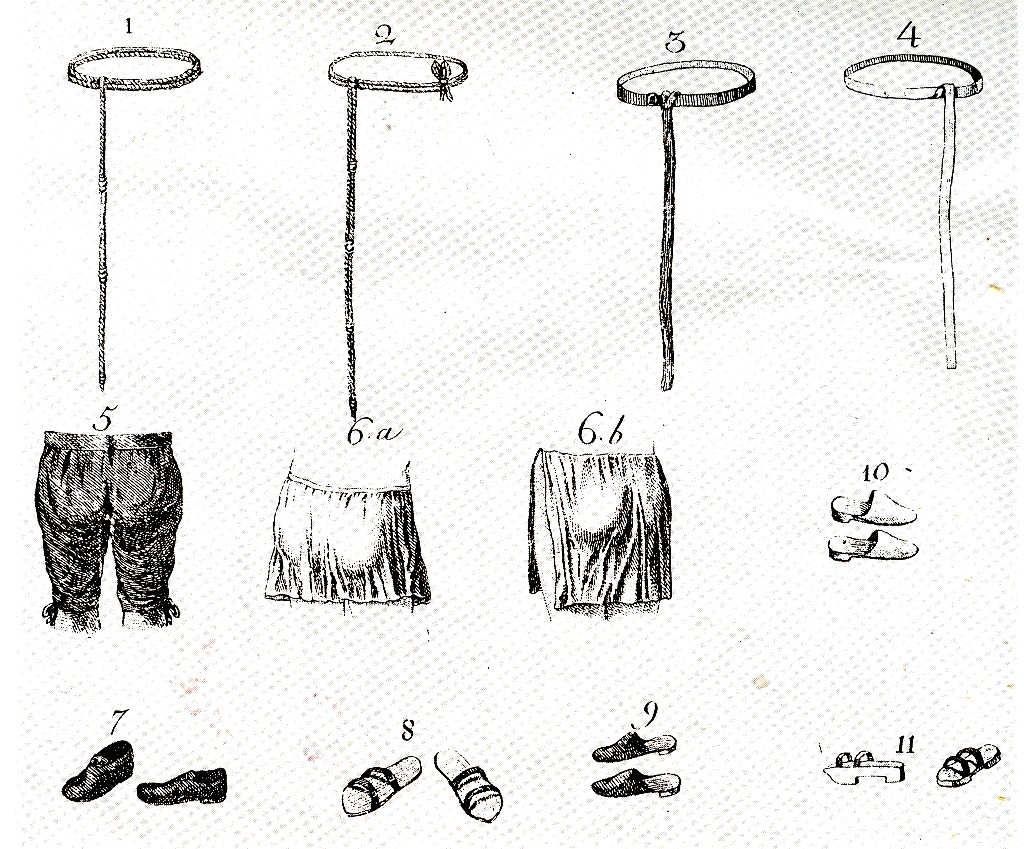
    image comes to us from the anti-cleric Ignaz Edler* von Born’s (1752-1791)
    viciously satiristic Specimen
    Monachologiae Methodo Linnaeanna
    …., which was published in Vienna in 1783. (Mozart
    was there, in Vienna,
    a year married and finishing his first violin quartet.  He was also evidently tutored in Masonic ways
    by Born , who had introduced the young man into the Benevolence lodge.) The
    pamphlet was a scathing rant against monkish religicisim (?!), taking off on
    Born’s mineralogist background and classifying the orders according to a
    diverted Linnean system.  This image—for all
    the world displaying four “missing” monks—catalogs their sashes, shoes and (of
    course buttock-filled) underwear according to Born’s choppy and determined mal-intent.  Born had evidently seen enough of religion to
    make fun of it, what with his Jesuit-educated background followed by extensive
    studying and a professional career in the physical sciences. 

    *Born
    was born to the nobility, as the “edler” denotes.

    ·Posted by :

    ·in:

    —
  • Artistic Nothingness: Cosmic Panspermia, Spermatozoa and Neurons.

    JF Ptak Science Books LLC  Post 964

    In
    the history of life there is a virtual geology of buried ideas of how living
    things came to be.  The belief in
    spontaneous generation is ancient and evidently still holds a comforting sway
    (in a scrubbed-up way) among some moderns. There was a lot written on the
    subject over the centuries: for example, Virgil (Georgics) gives us directions
    on how to make bees, and the great mathematician Cardan/Cardano passed along
    instructions on how fishes are made of water, no doubt drawing on the more
    ancient moisture-related beliefs of Anaximander (600BCE).  Aristotle was more circumspect on the issue
    of

    March 6 sperm

    spontaneous generation, though he did cast a fairly wide and more cautious
    net:  “sometimes animals are formed in putrefying soil, sometimes in
    plants, and sometimes in the fluids of other animals.” Even the beautiful,
    polymathic and occasionally very wrong (but way ahead of his critics) Jesuit Athanasius
    Kircher stated (in his masterwork Mundus
    Subterraneus
    , 1646) that he had seen mice generated out of nothing but
    plants and water.  So it goes. 

    The
    more modern variations on this theme attract a varied collection of some very
    big names. Though the spontaneity now takes place in the extraterrestrial realm,
    with comets and meteors and such impacting with the earth with life debris from
    god knows where (literally), seeding life on earth—though the theories usually
    beg the question of where the stuff on the meteors and etc. came from.  These names include Svante Arrenhius, Lord
    Kelvin, the beautiful Hermann von Helmholtz, Fred Hoyle, and many others.

    Generally
    the more-modern view is attributed with the name of cosmic panspermia (it seems
    to my memory that the first of the most modern life-generating panspermia
    theories is published in the Comptes
    rendus
    in the id 1850’s but I cannot right now remember who it was that
    wrote it).  And it is this cosmic seed
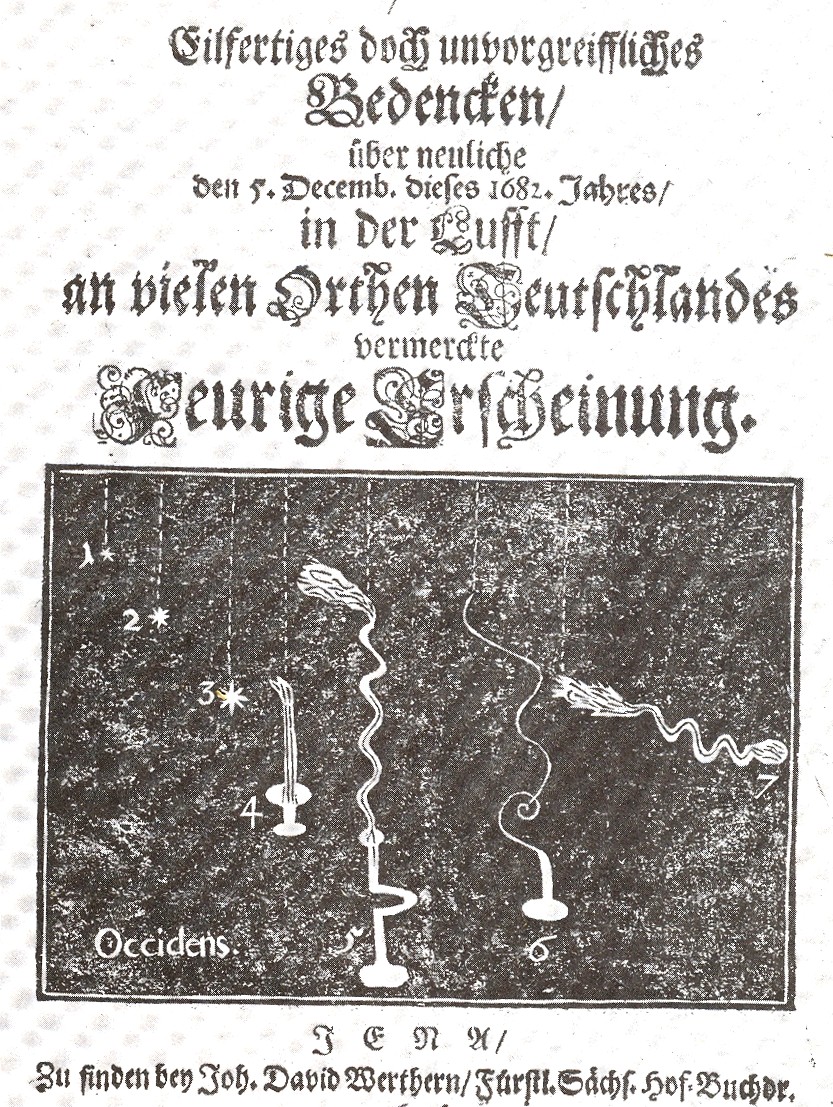
    bit that struck me when I first saw this title page (above) of a very rare work by
    Caspar Posner (1626-1700)—Eilfertiges doch
    unvorggreiffiches Bedencken…
    published in 1682.  It seems that Posner recorded these verities
    of “shooting stars” in Jena
    on the night of 5 December 1682, quickly writing this four-page work describing
    them.

    March 6 sperm leeuw

    The
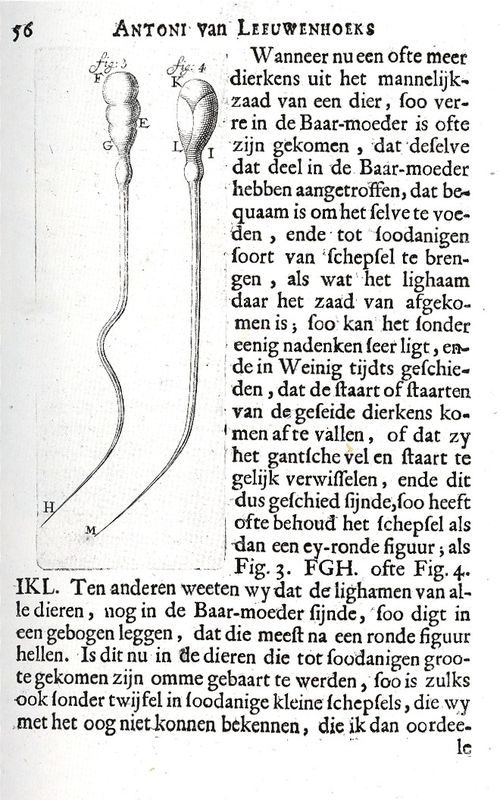
    images reminded me instantly of the first spermatozoa images published by Anton
    von Leeuwenhoek (1632-1723)—and actually they were the first images of live and
    dead (left and right, respectively) dog spermatozoa.  He did absolutely superb work, a great
    pioneer working with a hand-held single-lens (barely recognizable as a) 200x
    microscope.

    And
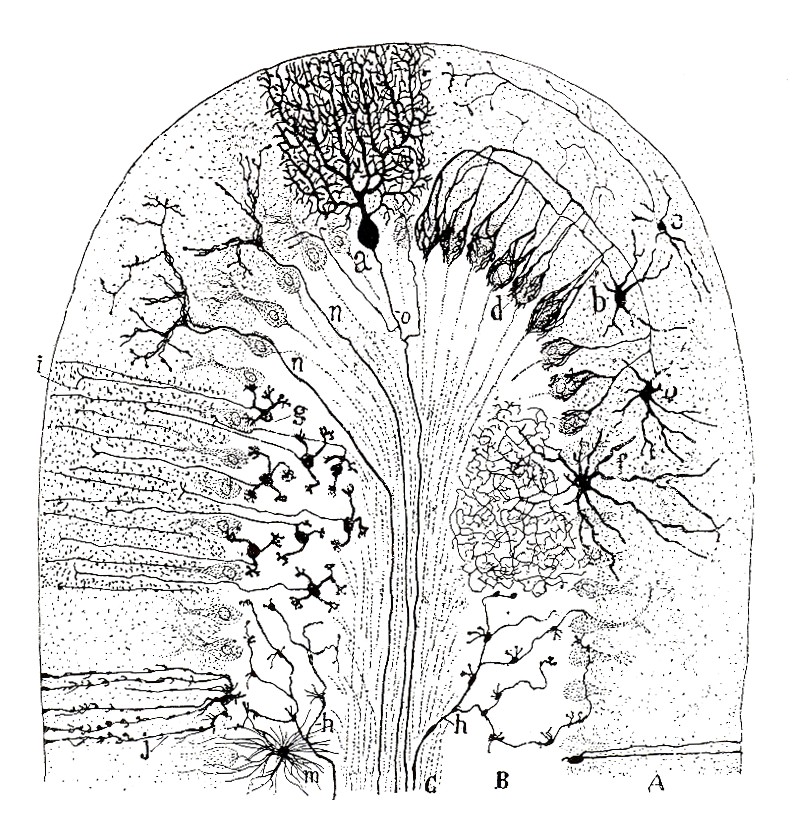
    there too there’s the detail in this image by the great Santiago Ramon y Cajal
    ( 1852-1934), who drew the first accurate picture of nerve cells in the
    cerebellum (found in one convolution of a mammalian cerebellum), which helped
    formulate his theory that the basic structural unit of the nervous system as
    the neuron. 

    March 6 sperm cajal


    Perhaps
    it is a simple artistic fittingness to connect the 1682 meteorite shower with
    cosmic panspermia and Leeuwenhoek and Cajal; in a squinty-eyed way they look
    pretty good together.  On the other hand
    of course these are just random bumped-together thoughts having nothing to do
    with one another.  I vote for artistic
    nothingness.

  • States of Perfection: Refrigerated Food & the Archaeology of Meat, 1954

    JF Ptak Science Books LLC  Post 965Icebox250–extended

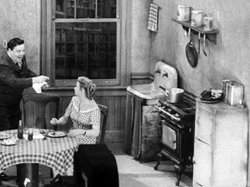
    Like Greek statues, orders of architecture, the golden ratio and Vitruvian man, these ads from LIFE Magazine in 1954 measure a sort of highest-attainable-state, though directed at middle class America.  The ads are for refrigerators, but the interest really is in what is displayed inside of them: they offer an insight into what was seen to be the greatest level of sophistication, the highest stage of want for the most important/essential daily need, and then turned into luxurious accommodation.  Far beyond rice and beans and eggs and ham, far beyond the tiny, perpetually empty icebox of the Kramdens (“The Honeymooners”, ca. 1952).

    [This continues another post, States of Perfection:Images of TV within TV Ads, 1950.]

    You will come to notice (if you look closely enough) that there are a lot of gelatin-thing plates, often located next to a meat plate, or plates.  Funny thing, that.  

    March 6 refer meat

    The top shelf is of great interest, a virtual archaeology of meat:

    March 6 refer meat det 


  • The real Alice in Wonderland: Plus Alice in Miniland and Guinness Stout

    JF Ptak Science Books LLC Post 966Alice Liddell det

    Now that the new Tim Burton Alice film is out, let’s not forget that there was a real Alice on which Lewis Carroll’s Alice was based.  She looks, well, pretty formidable. (Alice Liddell.)


    Alice Liddell

    A photo by Carroll of Alice at a younger age.  In spite of his logic and math and Snark and Alice, Carroll’s “artistic” photos of children are pretty creepy to me. 

    Alice_Liddell_2

    ·Posted by :

    ·in:

    — —

Recent Posts

Archives

Categories