JF Ptak Science Books Post 2682
The short story here is that less friction makes for happier conveyance and easier hauling. And evidently the founder of the Timken Roller Bearing Axle Company, Henry Timken, figured that out in the early 1890’s1, rolling his engineering insights and acumen and successful experimentation and founding his eponymous company in 1899 (and which exists as an international entity today). There’s great beauty in a fine idea, and in well-engineered parts and machinery, and no doubt the Timken axle is one of these–but what drew my attention to this catalog were the wagons and carts that benefited from the engineering. There is a superior sense of place in some of these images, an unexpected and quiet beauty found in the pages of a manufacturer’s catalog:
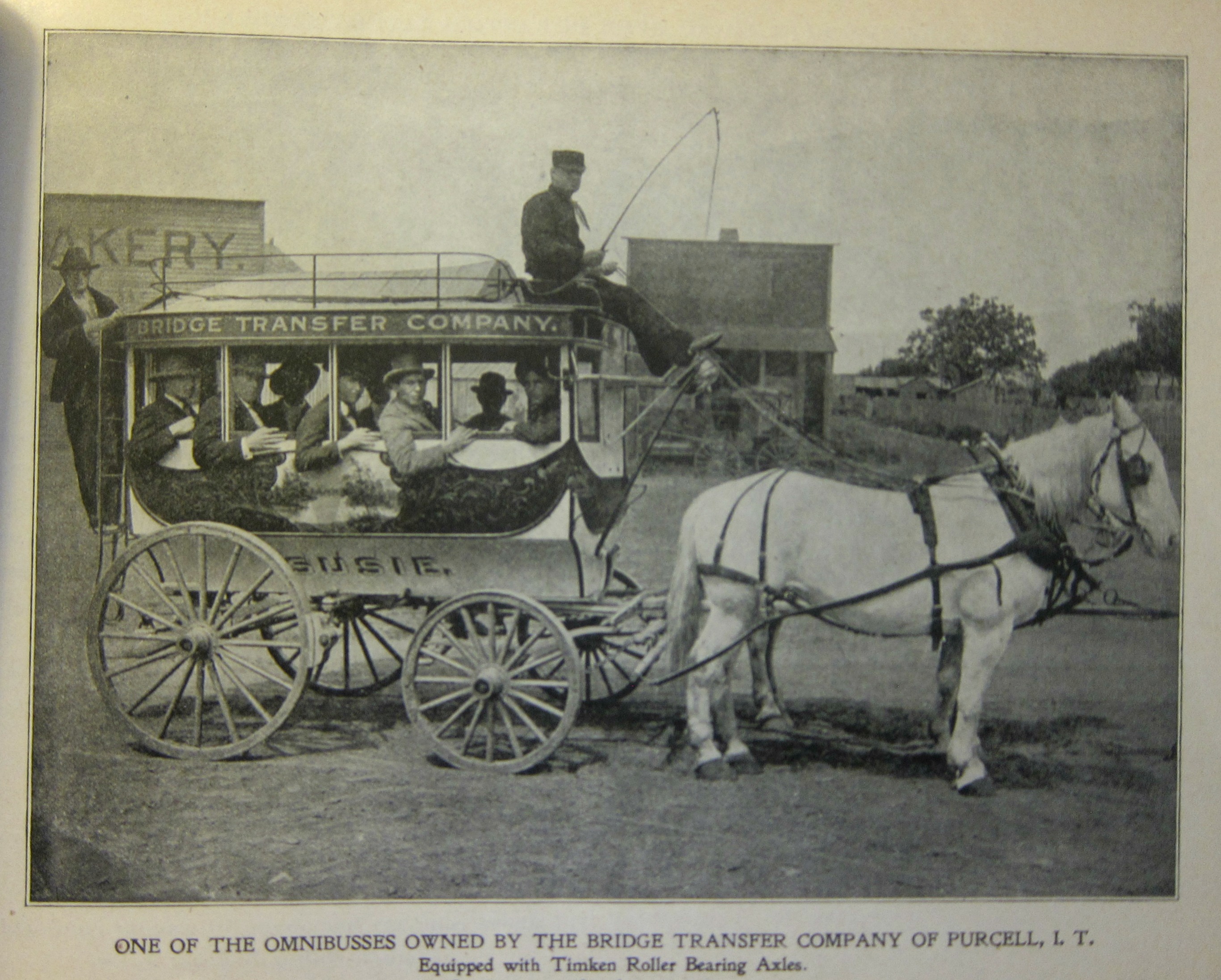
[Image source: Timken Roller Bearing Axle Company, Catalogue No. 5, published in Canton, Ohio, ca. 1902 (not later than January 1905). 7×9.5″, unpaginated though 42pp long, including 9 plates of photos (some of which are above), plus 3 plates of drawings. Printed wrappers. Provenance: Library of Congress, with their surplus stamp on the back. There are no copies of this title located in WorldCat/OCLC; there is another version, entitled “Carriage and wagon axle department, Timken Roller Bearing Axle Co., manufacturers of Timken roller bearing axles for all kinds of carriages and wagons …” ca. 1908, that is located in two locations: the Hagley Museum, and the Henry Ford Museum. I can find no other library of museum holdings.]