JF Ptak Science Books LLC Post Post 607 Blog Bookstore
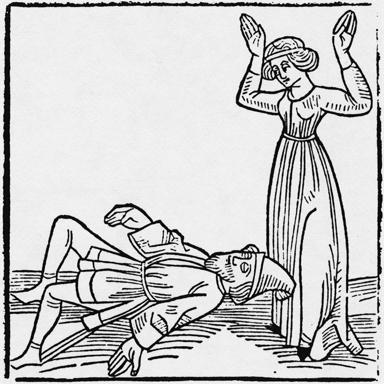 Generally speaking, printmaking (in Europe) began in the early 15th century. It was, as Peter Parschall* elegantly says, “the
earliest efficient means of reproducing a complex image in large numbers”. The method of pressing wood blocks onto paper
started in the as early as the 1420’s; the intaglio process—printing from
engraved metal plates—began a little later, in Germany, in the 1430’s. This places the mass-distribution print distinctly
ahead of the Gutenberg curve by at least a generation. (It is interesting to
note here that the great Vasari wrongly put the beginning of print making
considerably later, around 1460.) Of
course in China
of making prints on papers was already many hundreds of years old at this
point, but Asia was still a world away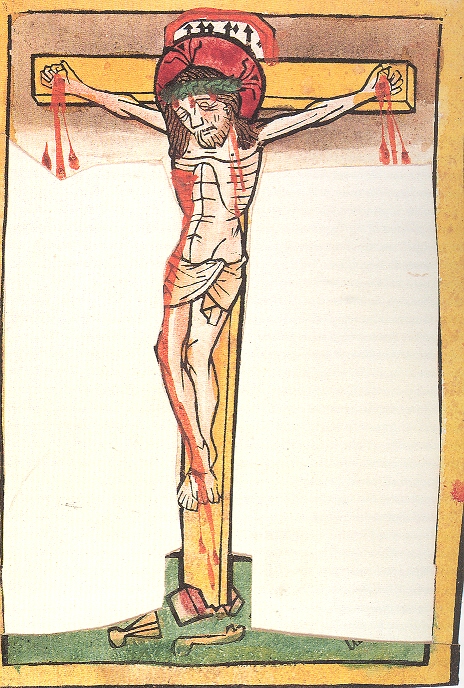 , its
, its
influence not to be really felt for hundreds of years.
What strikes me is the lack–and absence–of backgrounds in many of these early, pre-1490 prints.
Once you start paying attention to the non-backgrounds in these prints, they seem to be everywhere. This print of Christ Crucified (German, ca. 1460.) is an excellent example of completely-blank blank background. The most emotional of all the scenes of the Passion, the Pieta from Stilft Lambach (South Germany, ca. 1420-1430, “Now there stood by the cross of Jesus, his mother…”, John 19:23) is blank–save for a chair and part of the cross–though deeply and bloodily colored. 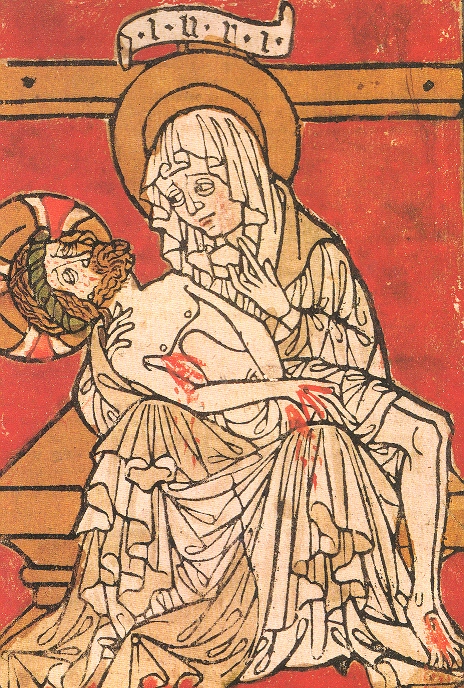 This is also one of the visualizations of the scene in which Mary cradles the body of her dead son in her lap; many other images do not show this close contact. Also, even though the blood of the wounds of Christ are exceptional and highly visible–and perhaps the main object of veneration in this print–Mary’s very great grief , depicted mainly in her oversized and mournful eyes, may well be the real chief object of interest in this image, abandonment of Mary cults or not.
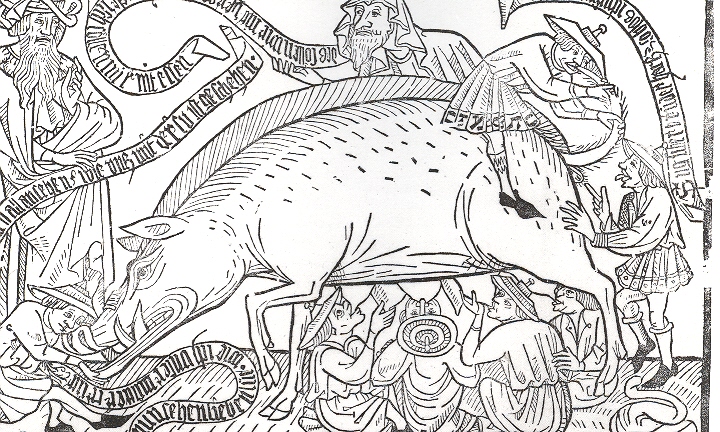
On the other extreme of the Blank Background is the ornamented and highly designed background, as in the example below. Calvary was printed in Bavaria in 1460 or so and is a metal cut print, meaning that the image was literally hammered and cut, which gives the paper such incredible depth and detail. I’ve noticed a number of these designs in metal prints though none in wood–again, I’m not a scholar in this area; my observations are just that, from an accumulation of looking at prints for decades on end.
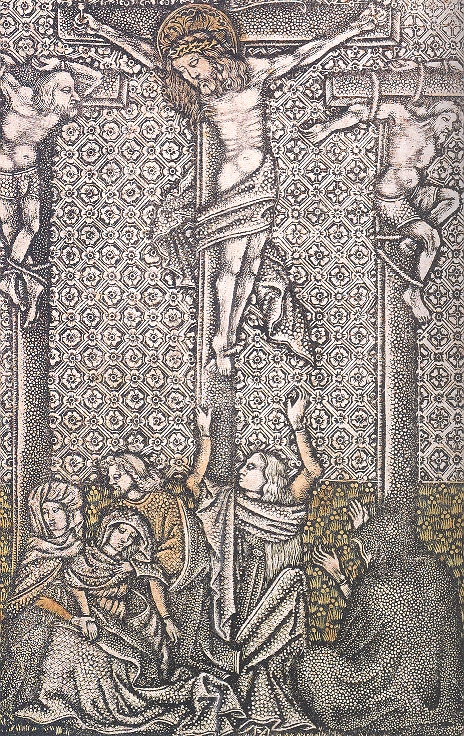
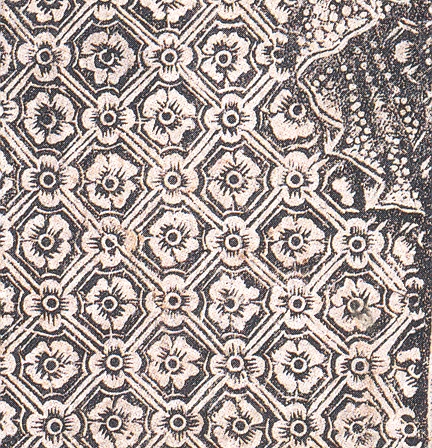
I don’t have anything to offer here on this–just the observation.
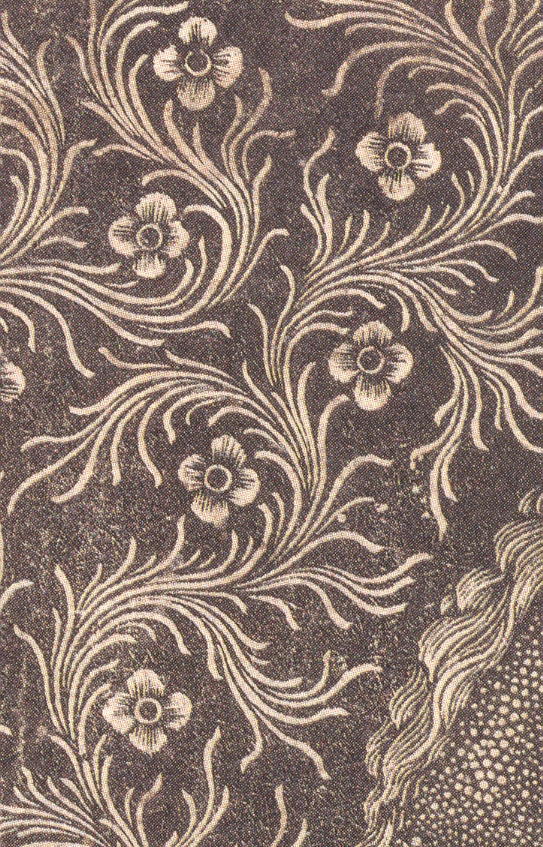
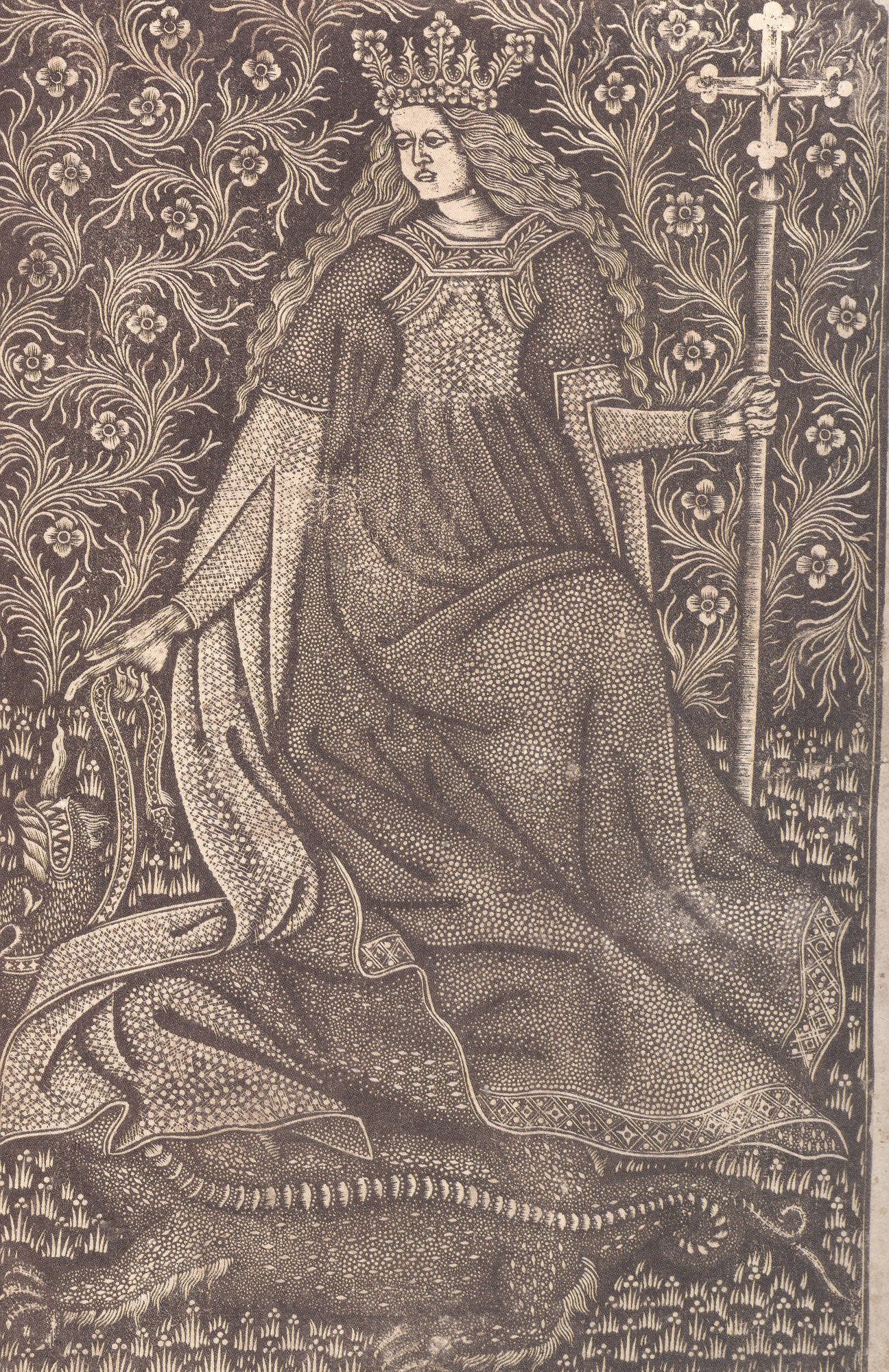
The last image is that of St. Margaret, a south German metal cut print in the last quarter of the 15th century. This is a simply extraordinary print, the whole having the feeling of a finely embroidered work. The swirling grape vine background (?) is moving and fine and fluid, and so unlike anything else at this time in print history. It was a glorious way to render a background that was both there and not there.
*[Parshall, Origins of European Printmaking, National Gallery of Art, D.C., 2005.]