JF Ptak Science Books Post 617 Blog Bookstore
I heard an interesting bit this week by Scott Simon of NPR. He asked his audience to identify a British politician, asking us to listen to a news snippet—what he was after was for the audience’s reaction to the message. It was an actor reading a widely circulated statement by Carrie Prejean (Miss California) in which she expresses her opinion on gay marriage and other topics. Evidently people reacted more thoughtfully to the “educated” accent than to the same statement issued by a contestant in a beauty contest–the British pol vs. the dizzy right-wing blond. The same message, different packages and appearances, different reactions.
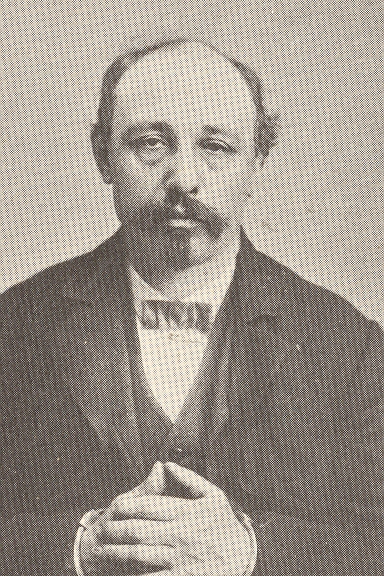
The three 19th century photographic portraits illustrating this post could well be images of the faculty at a modest New England institution of higher learning; professors with decent taste and posture, reasonably interesting-looking, confident. But their names really didn’t have much pull in the history of academic names: the list of PopWhite, Hungry Joe, Grand Central Pete, Boston Charley, Pugsey Frank, Paper Collar Joe, Curly Chuck, and Deafy were criminals, and all of these pictures are from Inspector Thomas Byrnes’ 1886 Professional Criminals of America, an early “mug book”. Their specialties weren’t in the maths and physics; rather they were listed as “sneaks”, “butcher cart sneak”, “saw dust worker”, “till tapper”, “highwayman”. “banco”, “wagon thief”, “house sneak”, “hotel sneak”, “general sneak”, “general common thief”, and so on. The portraits don’t betray the person, by any means. 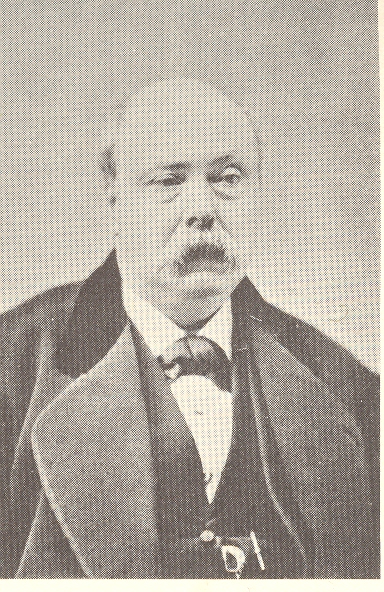
How this all comes to me was from reading a publication of the Analytical Psychology Club of New York City for 1940—I’ll keep the author and subject quiet for the moment. It was an odd experience, reading this, because, well, I wanted to believe the author/analyst because he was in deep attack on his subject (an artist) whose personal life I’ve never cared for; on the other hand the attack was so myopic that I took offense with that, too. I wanted to believe the analyst’s overall appreciation of the artist, but the means of getting their, the intellectual foundations, was just awful. I wanted to believe the analysis, built as it was ruinous and a waste; and I wanted to believe that it was true for the subject—but if I removed the weight of their names, I’d have to come to an instant defense of the attacked party. Pablo Picasso.
The analyst is none other than Carl Jung—who as a collector and interpreter of images I’ve long admired. I don’t know what to say, really, about the psychology part of it all. Jung begins by saying that he had “nothing to say on the expression of his (Picasso’s) ‘Art’ “, and needed to “put aside the question of aesthetics”. To me , this is sweeping Picasso’s trade under the rug, which is something that needn’t and shouldn’t be done, of course.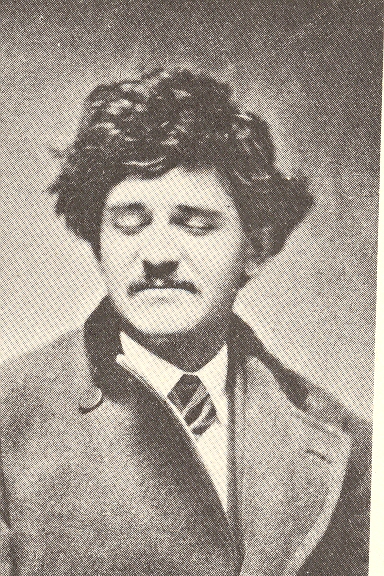
Jung continues: “the psychic structure of Picasso’s problem, in so far as it expresses itself in his art, is thoroughly analogous to that of my (psychiatric) patients”. He then starts a quaky, impenetrable paragraph that stretches out over two pages: “non-objective art comes by its contents essentially from the ”inner” side. This “inner” side cannot correspond to the conscious, because the conscious contains images of objects as they are generally seen, and they must of necessity appear in the way that conforms to general expectations…” Then, to my reading, Jung seems to classify Picasso in one of two categories: schizophrenic or psychotic.
Now as much as I’ve disliked the destructive personal path of Picasso, this is just altogether too much. But it was the retained memory and associations of the names of these two men that so challenged (and at first conquered) my own analysis.
_______________________________