JF Ptak Science Books LLC Post 915
We’re a few days past the 95th anniversary of the
first aerial bombing of a city, the first in the long and unhappy calculus of
eliminating things and people in civilized settings by dropping high explosives (and etc.) on them
from the air. 19 January 1915 saw the first bombs dropped from an airship
during WWI, two German Zeppelins lighting up Great Yarmouth, Sheringham and
King’s Lynn in the
physical and strategic outcomes were minimal; the psychological and
intellectual aspects were not.
 The effectiveness and temerity of bombing escalated
exponentially–virally by the end of WWII. Aerial bombing’s future
effectiveness and devastating potential was recognized by the early 1920’s, particularly
in the form of the Hague Conference
(1924), where the bombing of cities and civilians was theoretically controlled,
if not outlawed. 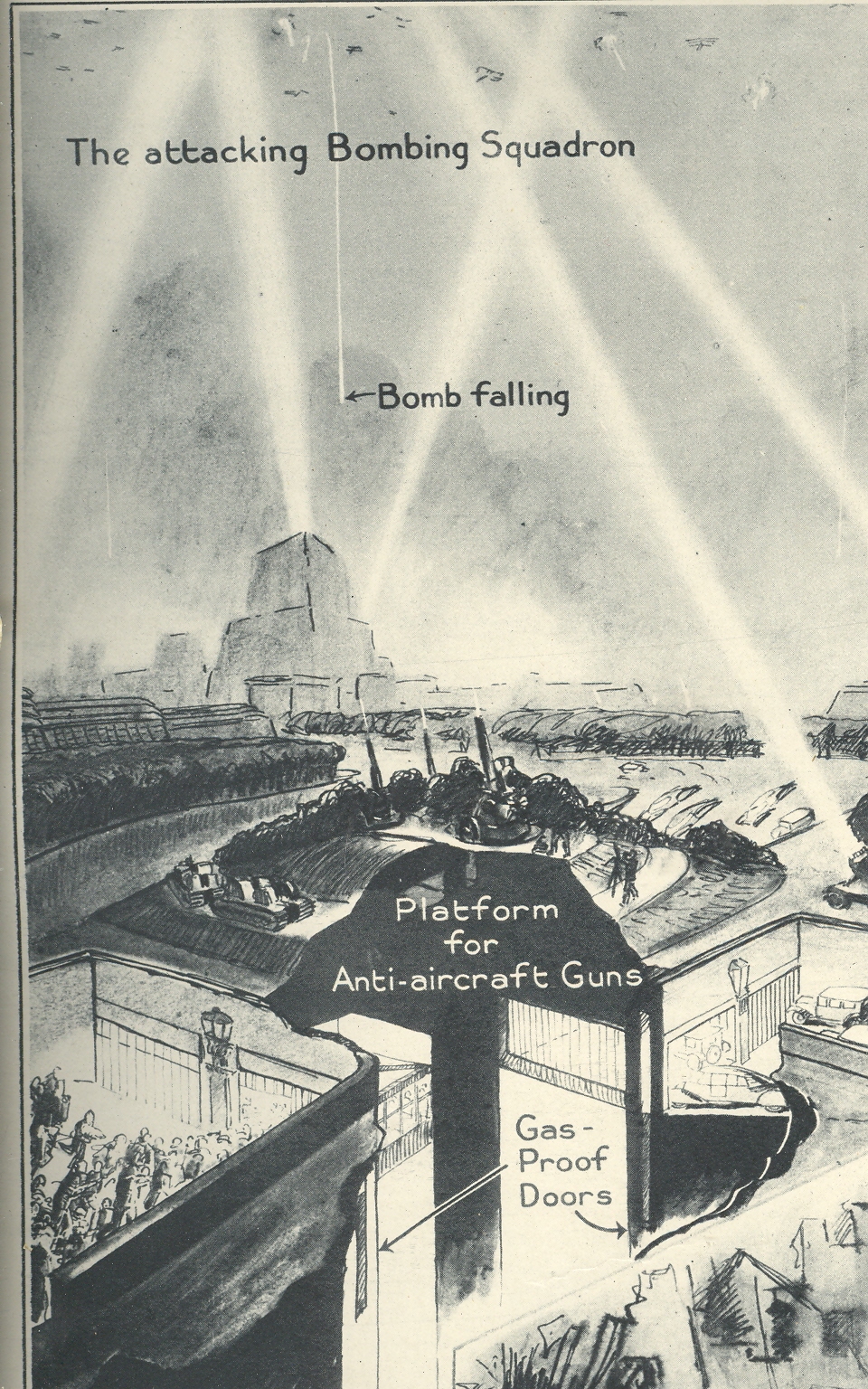
and “non-combatants” were very loosely writ and were completely open to
(completely) wide interpretation in practice, and were especially liable to
racist necessities. I should also add that the concepts of “defended” and “undefended”
cities were—somehow—nebulous. 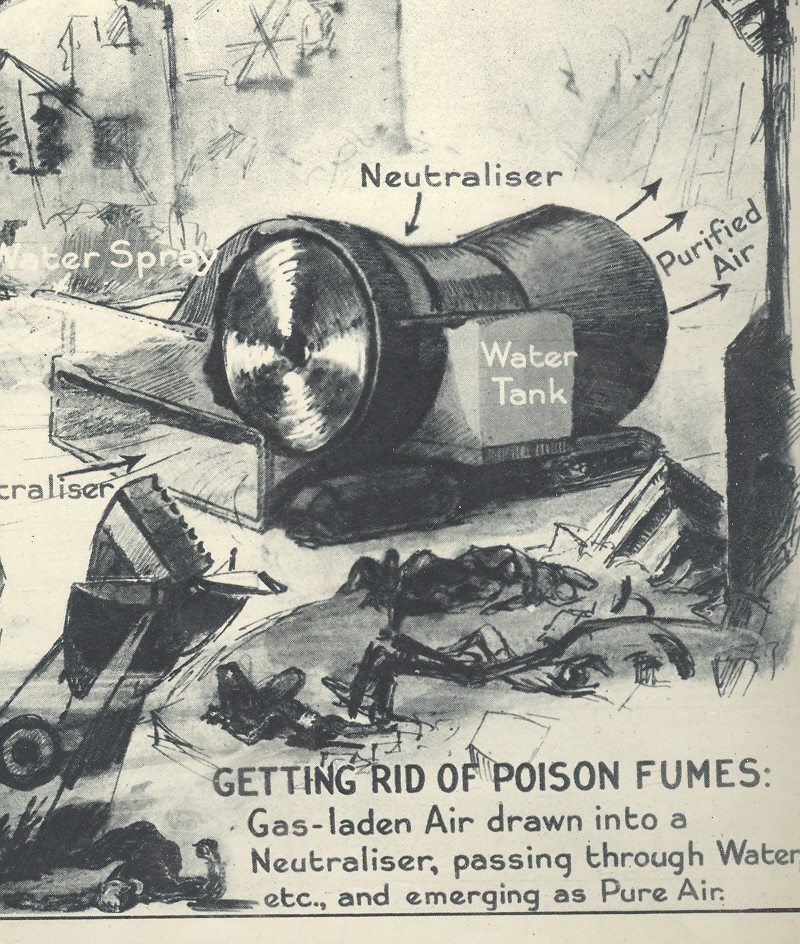
these awful bits of bombing. And for another example of this I turn to
the French, who can supply more than their share, per capita, pound-for-pound,
to this equation. No, not the French return to Indochina in 1945 (after having
done business with the occupying Japanese forces for the entire war) and their
resurgent colonialism as practiced against the Vietnamese, or the heinous
practices against the Algerians just prior to that country’s
independence: it is their bombing practices in
(which also included many other places like
of
1925. For it was in that year that the League of Nations found that the
French really weren’t bombing and killing civilians indiscriminately when they
were doing so; they were, ironically, bombing themselves, and so their actions
were not illegal. (It was problematic, identifying “civilians”, as the
League didn’t necessarily grant the same sort of “humanness” to all human,
finding categories for barbarians and savages. It was acceptable to bomb
those later two categories, but not the first.) So the French sought to subdue
a rebellion against their oppressive rule in that country, identifying the
Muslim population centers in
as probable hotbeds of activities for the “bandits” that were causing them
their problems. October 18, 1925 is when this particular outrage
occurred; the Syrians protested, and the League considered.
And that was
about the size of the story for the Syrians, because as it turns out, the
French were just maintaining an order that for them was a simple police action;
civilians populations could not be bombed in the eyes of international law, if
the bombing was being done to a foreign people; since the French were there and
occupying the country, they were conducting a police action, and in a sense
were merely bombing themselves, loosening them from the barriers of whatever
international law could be applied to their actions by the League of Nations.
These are just a few examples from the French; there are
plenty more for other countries for every decade, every year. (The Brits in Teheran in 1924, the Italians
at Harar in 1935, Franco/Luftwaffe in
in 1937, the Japanese against Shanghai/Beijing/Tianjin (etc.) in 1937, and on
and on.)
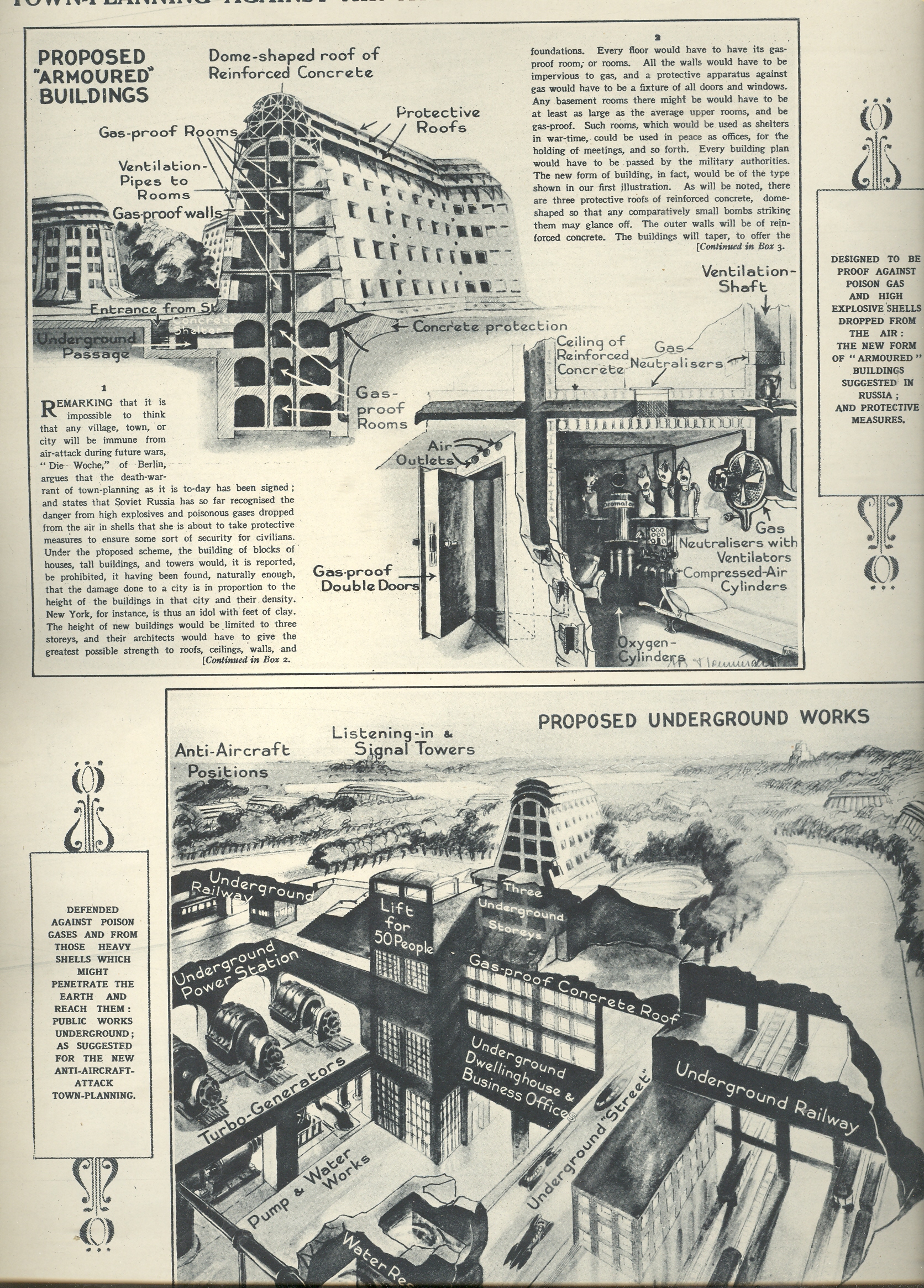
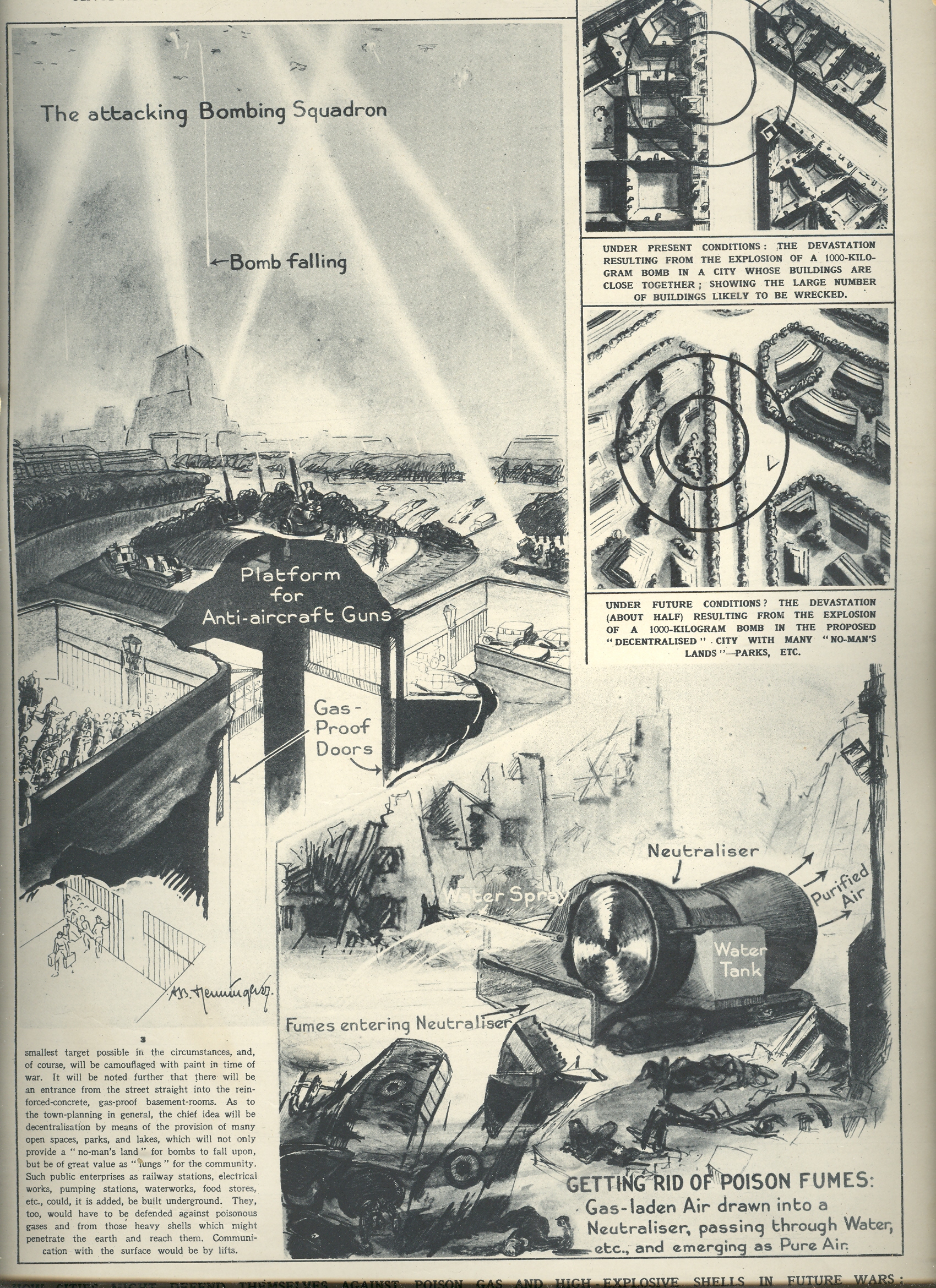
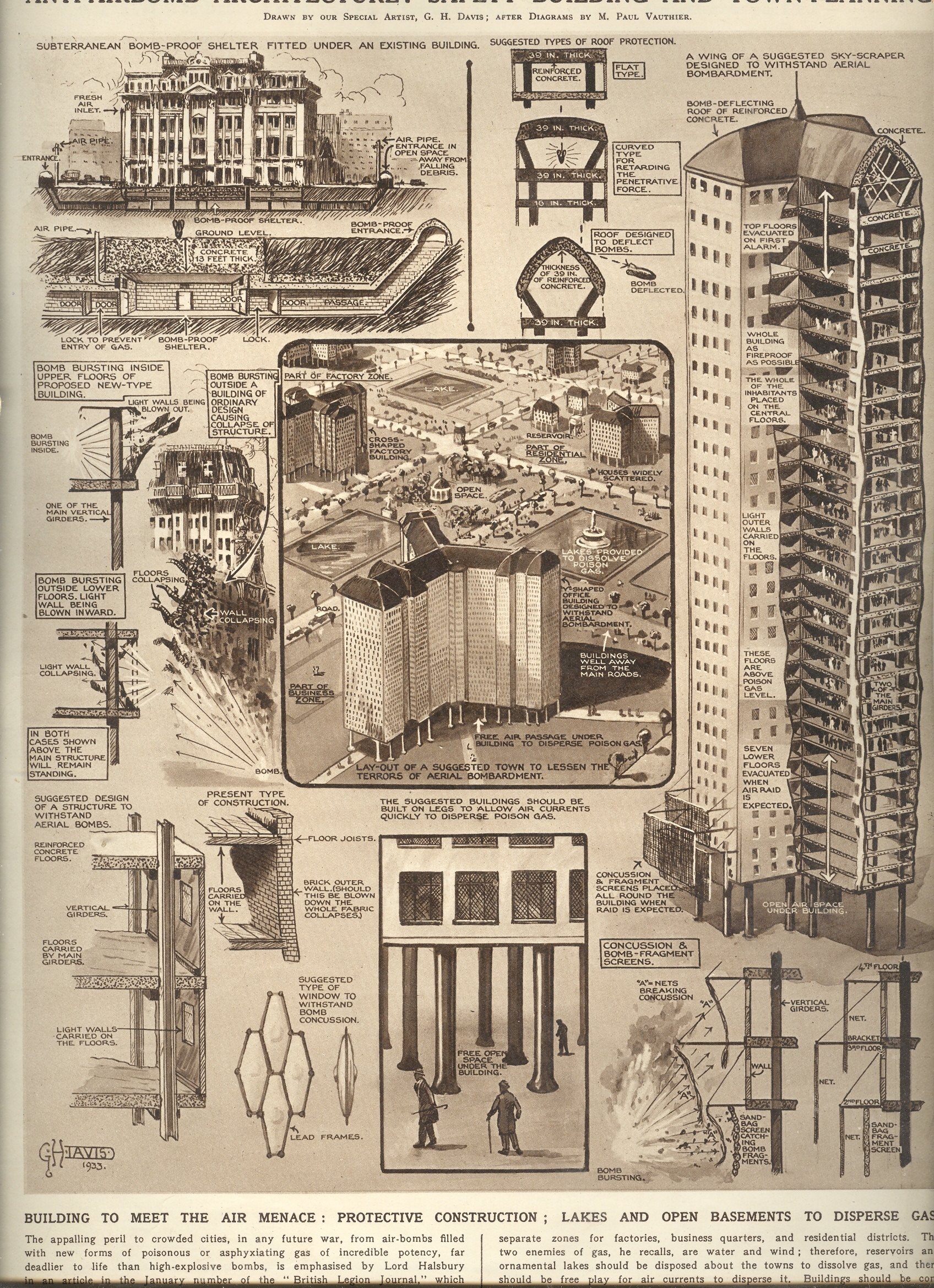
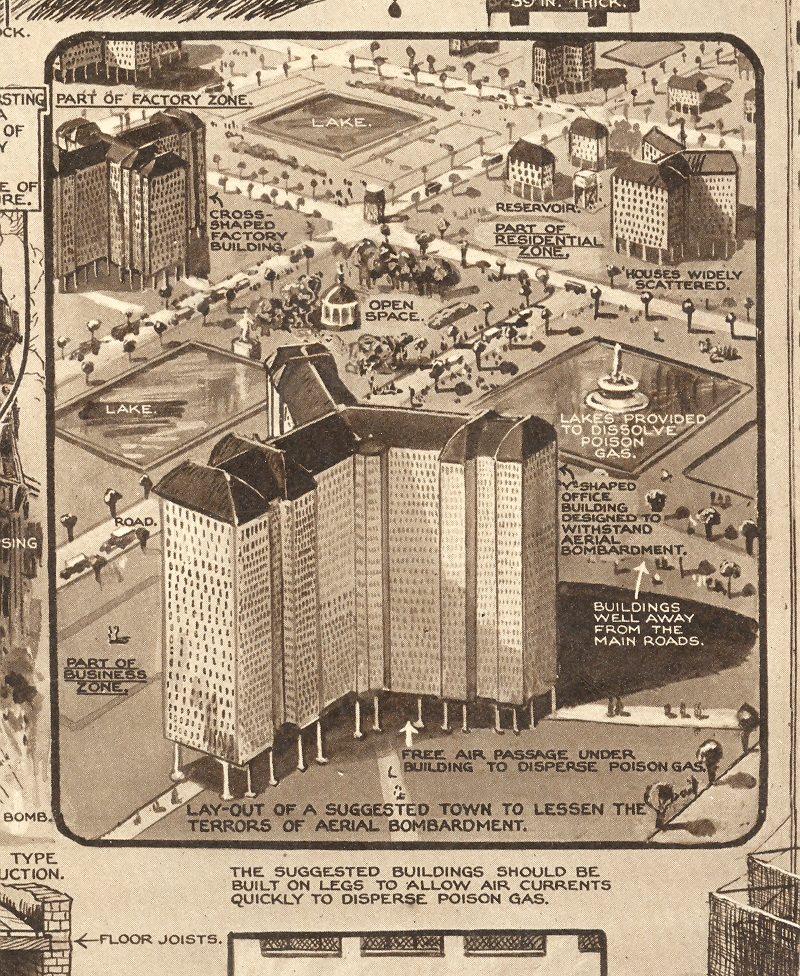
The Big Fear of bombing from the air and the need to protect
the populations of cities led to all sorts of anti-bomb/bomb-proof
architectural plans, most not very good and not very practical. Such is the price of trying to make your
people happy. I happen to have
a few in
my files, which are seen above and below. (The top images were printed in the Illustrated London News in 134; the bottom in 1927.) The results of the plans were no doubt intended to pursue a common belief that cities could be constructed to be bomb-proof, that the future that national leaders were dragging their subjects into wasn’t necessarily as dire as the possibilities of aerial bombings hinted things might be. Of course the resulting buildings would be massive and impossibly expensive; the prospect for underground cities (and roads!) was just a non-starter. And these future-views would all be obsolete in less than 15 years what with the development of enormous firepower. And I’m not talking atomic.