JF Ptak Science Books LLC Post 962
“The
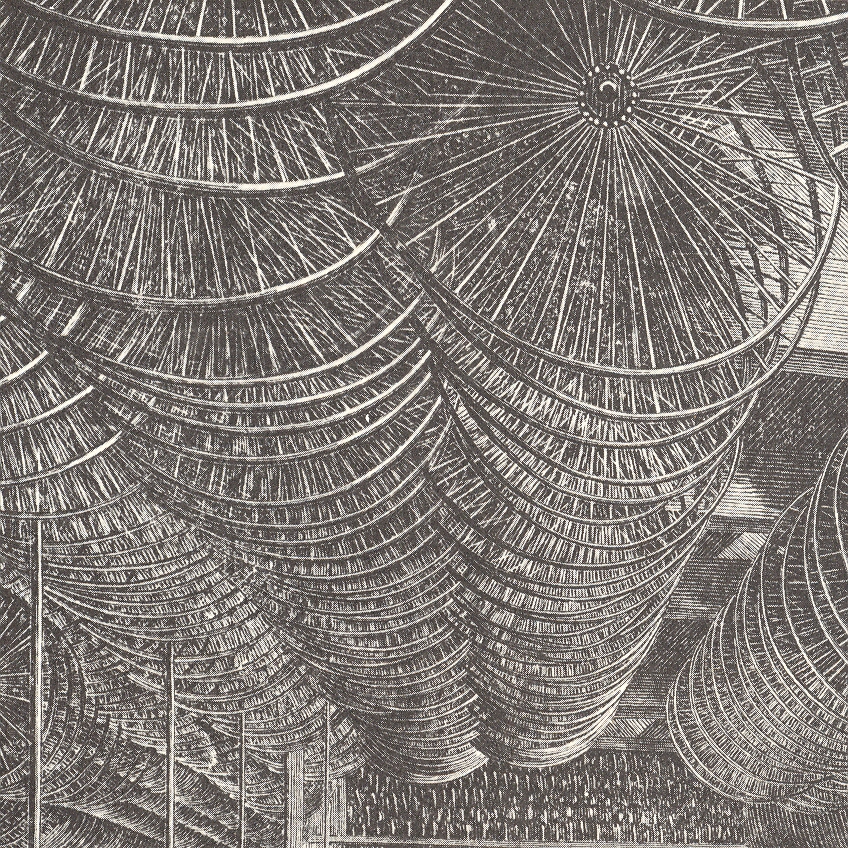
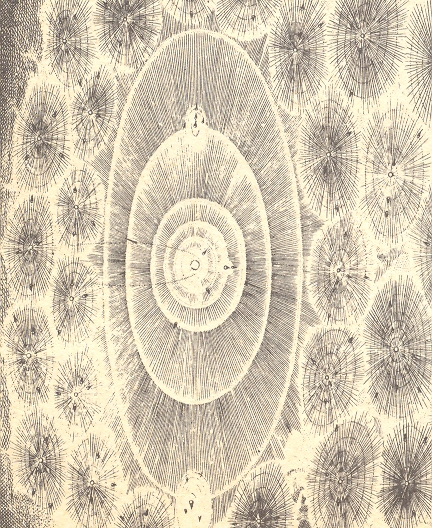
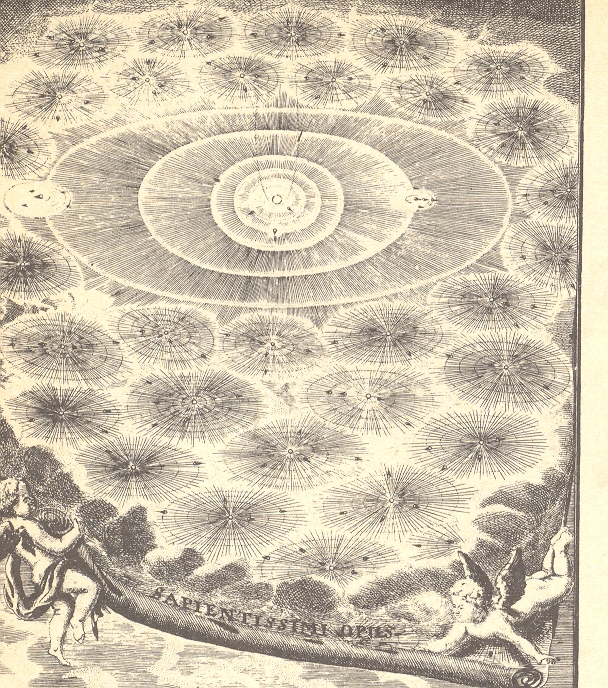
Circle Factory.” Well, not quite. Actually, not at all. The first image is just a detail from the
warehouse of the ubiquitous
bicycle works in 1881. The second aren’t
even circles, but cosmological ovals, and is a detail of a wood engraving
depicting planetary and cometary orbits in Leonhard Euler’s Theoria Motuum Planetarum et Cometarum (1631-1635).
The
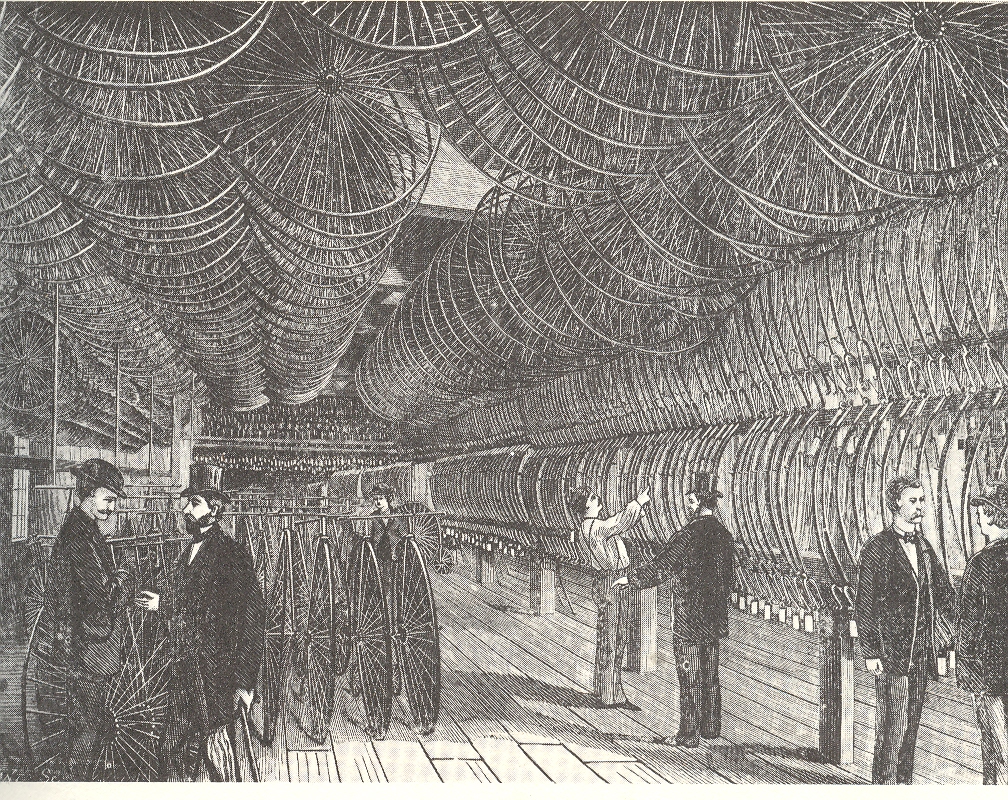
bicycle wheels appeared in Bicycling World (for April 1881, “A Great
American Manufacture”), illustrating a story about the growing interest in
bicycles in America but more specifically the success of the partnership
between the Weed Sewing Machine factory and Albert A. Pope in the mass
production of the bike. It was a newish
idea, partially borrowed from the Sharps Manufacturing
Company’s mass
production of weapons with standardized parts, which was employed in the production
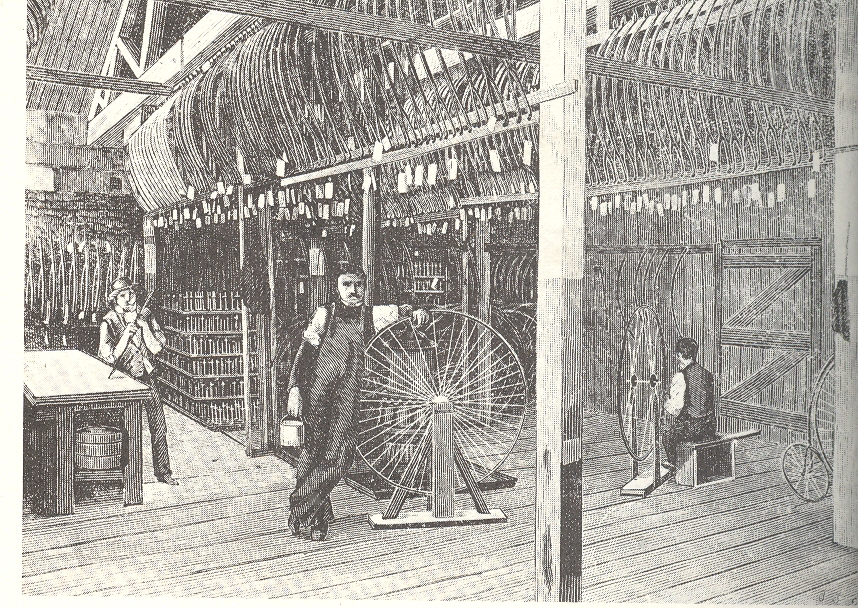
of sewing machines by Weed, and then on to bikes by Pope. Actually Weed took the step further than
Sharps by producing almost all of their machines in-house, having a foundry and
forge right there at the factory. It was
this step and then other innovations by Pope that produced an enormously successful
bicycle production company, with something like a quarter million bikes made in
the first few years of operation.
The
Weed-Pope domination didn’t last long though, what with the introduction of the
remarkable safety bicycle from
in 1887—this is instantly recognizable as a “modern” bike, with a chain power train
and two same-size wheels. In two years there were hundreds of companies building
those bikes, producing a million a year.
By
1895 this balloon busted, and for some reason Americans stopped buying bikes, with
demand falling off to nearly nil, causing the vast majority of these companies to
whither and fold, causing the whole of the bicycle interest to come first
circle. Or cycle.
But
there was a huge lesson learned for future manufacturers of transportation
devices—namely cars, and more specifically, Ford(s), drawing critical lessons
in production from forging methods and sustainable assembly lines.
 Euler
Euler
has nothing to do with bikes or Fords, but he did have a whole heck of a lot to do with circles. (Actually, I just liked the image set against the
big bike wheels.)