A Daily History of Holes, Dots, Lines, Science, History, Math, Physics, Art, the Unintentional Absurd, Architecture, Maps, Data Visualization, Blank and Missing Things, and so on. |1.6 million words, 7500 images, 4.9 million hits| Press & appearances in The Times, Le Figaro, Mensa, The Economist, The Guardian, Discovery News, Slate, Le Monde, Sci American Blogs, Le Pont, and many other places… 5000+ total posts since 2008.

Category: Technology, History of

  • Rubber Fabulosity, Continued: Rubber Joy of 1947

    JF Ptak Science Books  Post 1045

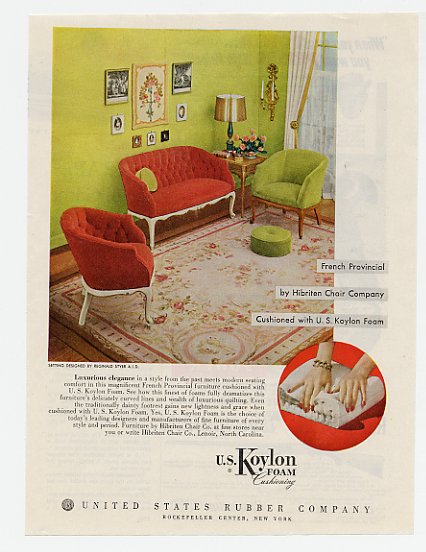
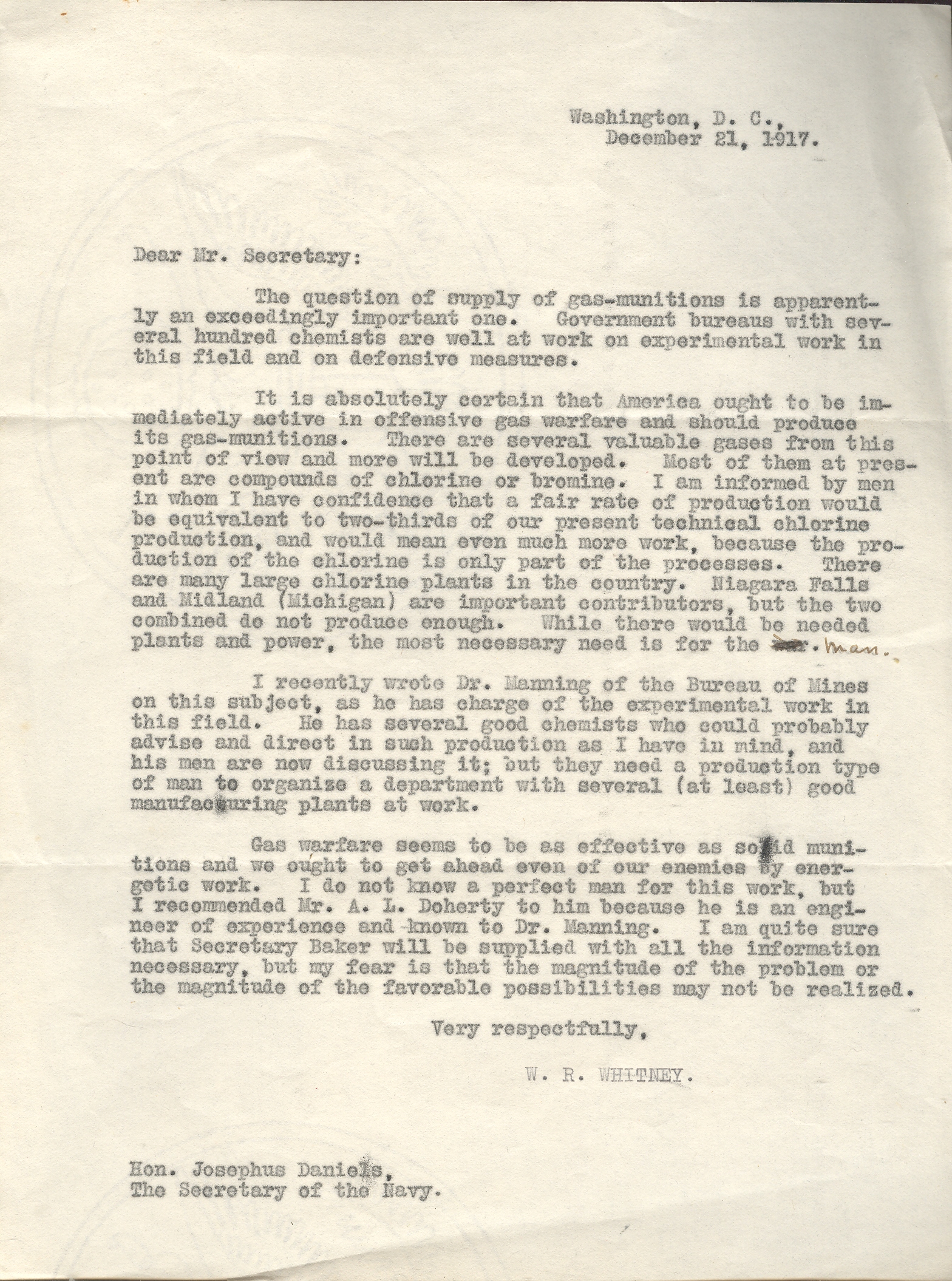
    In 1947 the American course of empire evidently led  directly to a rubber-sheeted bed on rubber mattresses surrounded by spectator chairs made of rubber.  Rubber here and rubber there, all brought to you by the United States Rubber Company1 and their foam rubber product star, Koylon, whisking everyone into their spongey, foamy future..  All of this seems a little other-worldly, from the massive window treatments to inset bed to the color combinations to the weirdly-drawn woman making her way to an improbably-depicted double (rubber) bed.  Perhaps nothing spelled “comfort” more indignantly than the possibility of hosing down your bedroom every morning. 

    It all looks a little scary to me, perhaps more for the lady (what is she holding behind her head?) than for the unexpected color usage.

    (Have a look too at an earlier post here, “There Was A Rubber Lady in a Rubber Kitchen in a Rubber House…”)

    Notes

    1. The  U.S. Rubber Company was one of the original twelve companies listed by Charles Dow in the very first iteration of the Dow Industrial Averages (26 May 1896).  USRC became Uniroyal in 1961.

    000 rubber LIFE016

    000 rubber room 2

    000 rubber one


  • The Ineffable Religiosity of American Meat Memory: PREM, 1947

    JF Ptak Science Books   Post 1040                                                 


    The category of the specialty meat, the meat that both is and isn’t meat, is one that holds a particularly high place in the religico-belief system of consumption in America—and particularly so in the historical American meat memory.  For it is here, in this very purply ad in LIFE magazine in July 1947 that we find a reminder for a meat product being sold as such, printed with the statement that the meat is being sold with meat in it, which is odd because it suggests the rejoinder that the opposite is true, too.

    000 meat prem014

    The ad is magnificent in its own special way, falling just short of  reading “Prem Meat: Now with MEAT!”.

    The adipose-y Prem meat-like clone sprung from the mind of Elmer Gantry-looking Joe Hormel,  who I wrote about earlier in this blog under the title “Spam, Smeat, Spic, Prem, Mor & Arf: Food by Any Other Name”.   Prem was a Spam-like product, a waste-meat issue of food that was packaged as a molded solution for the lower-middle-class American family.  The belief in Prem and such things as meatfood must’ve been strong; I doubt that anyone who had the remotest imagination would have thought of it as an adhered-jell byproduct which nearly ended its life on the slaughterhouse floor waste grate before it was thought of as something that could be scrubbed off the metal grid, loaded with other extreme leftovers, loved up with coloring, solidifiers, sugars, preservatives and flavorings and then sold as an ingestable commodity.  The romance of Prem is lost if you drain it of its belief system and expose it as the salvaged refuse bin
    material that it was. 

    000 meat red010

    As a 20-year vegetarian I’m strangely attracted to these ads, just as I would be any other piece of quackery from the sciences or medicine. These odd meat things were fortified with splashy store displays and crisp metal packaging.  It certainly looked okay in the pictures; could digestive goodness be far behind?

    The other bit that runs far and wide through LIFE that reminds Americans that the meat that they are eating is meat  , red meat, and the RED MEAT ads–these things are incredibly red, and big, and make quite the bloody splash considering that the ads were about 14 inches tall. 

    Anyway, reminding someone that they were eating more of their memory than the actual thing itself seems as though it would’ve opened more dangerous doors to unsavory discussions rather than closed them–but close them they did, as the new-old memories posted by these ads seem to have worked their sensate magics.


    000 meat red 2011


  • Dis-inventing the Left-Hand Turn–City Planning with Le Corbusier

    JF Ptak Science Books  Post 1038

    Somebody must’ve invented the automotive right-hand turn, and someone too must’ve come up with the idea of dis-inventing the left-hand turn–for the sake of this post and brevity that person might as well have been Le

    Right hand turn 2006

    Corbusier.  I know that city planners and traffic engineer types must’ve been working on the idea of how to push new traffic through old city streets, and the notion of making traffic not cross against itself must’ve come fairly early on, but I just offhand don’t know when.  It makes sense to me to not have cars make left-hand turns against oncoming traffic–it adds immeasurably (?) to the gas guzzling stop-and-go adventures in driving, the chain reaction of so many cars stopping and piling up behind one solitary driver waiting to make a left-hand turn against a stream of oncoming cars is just enormous.  Restricting the left-hand-turn to three right turns would slash the waiting/idling business and allow traffic to proceed quicker. (In a similar line of thinking my friend Richard Rudman from New Zealand points out that studies prove that restricting highway lane changes also makes enormous sense as well–it gets people to were they’re going quicker and with greater fuel economy if the flow isn’t interrupted by constant starts and fits of changing lanes.)            

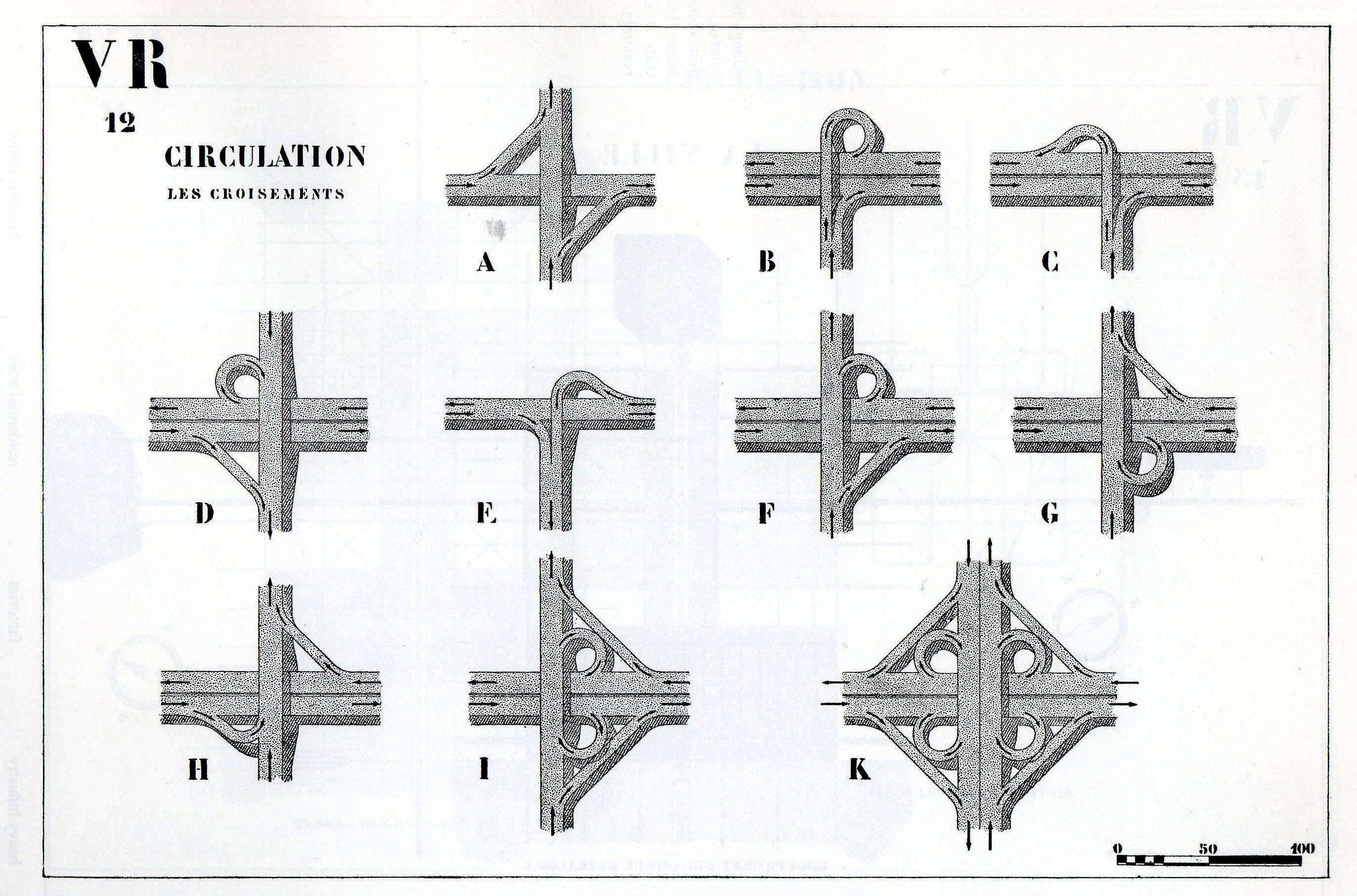
    Further on in The Radiant City we find this visual encyclopedia of right-handed turns:

    Right hand turn 10

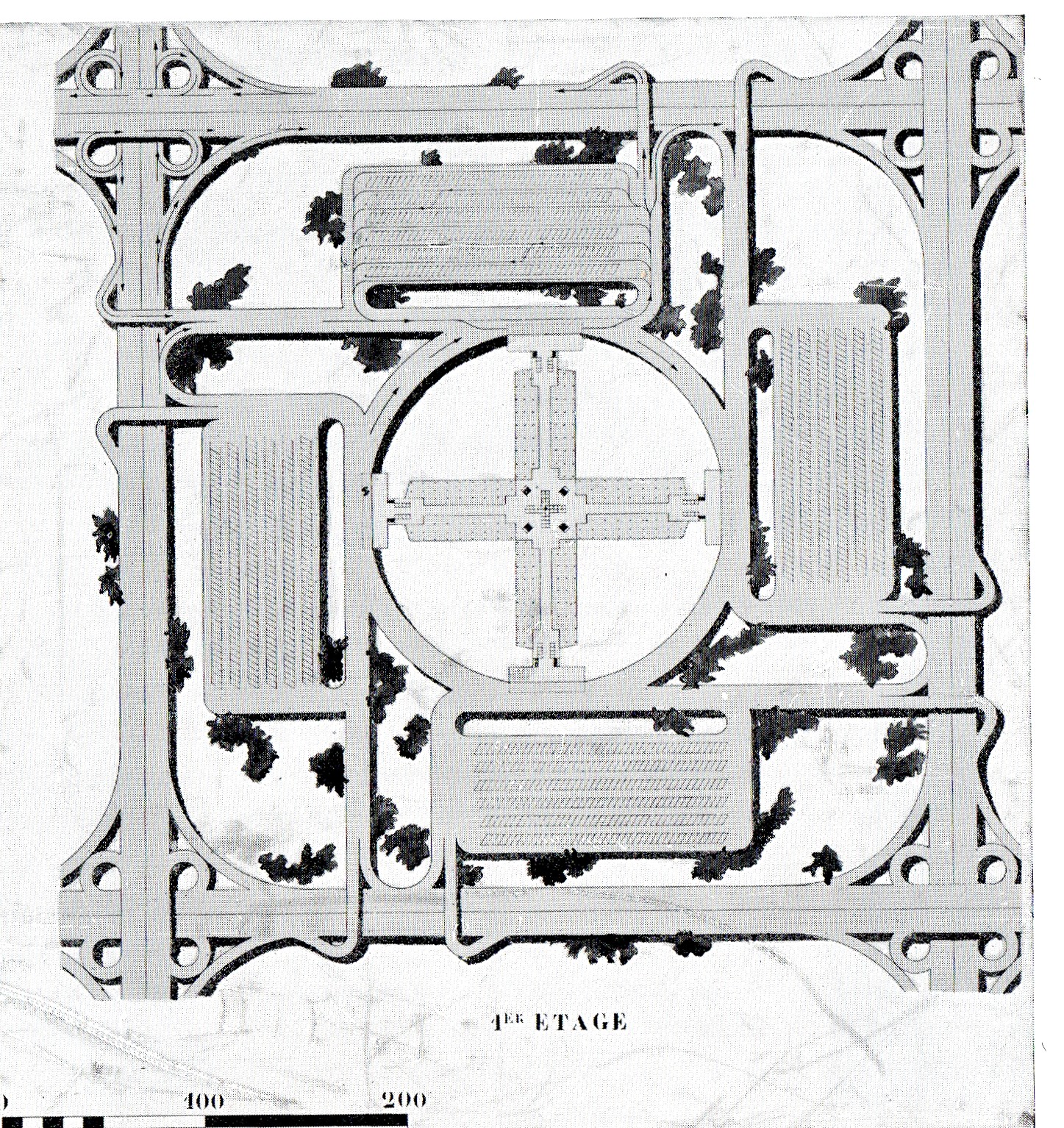
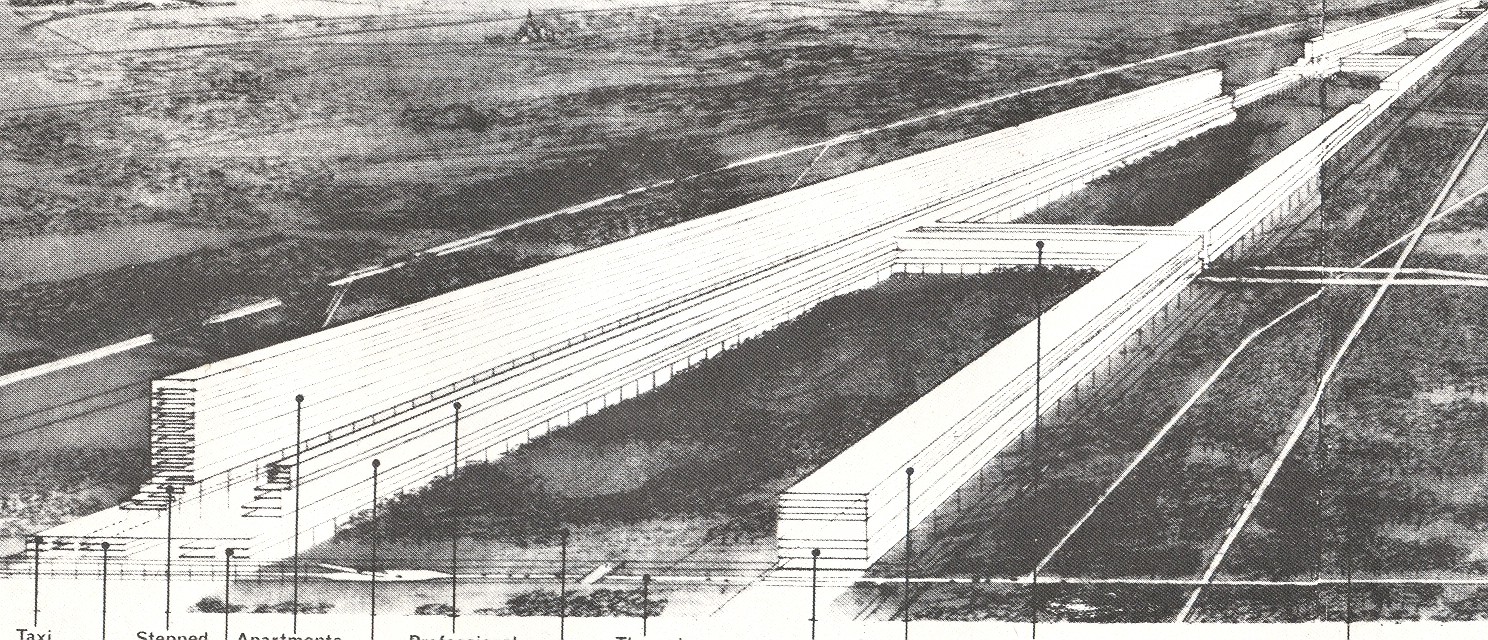
    And so we come to this plan, a part of the 1930’s Radiant City of Le Corbusier.  It is a section of a series of “horizontal skyscrapers”, “Cartesian (works) in steel and glass”, 220 meters tall buildings set in 400 meter square sections.  All of the architecture aside, the street plan is what interests me–all of the traffic here in this section of the Radiant City is in one direction along streets that are largely lacking right angles.  Elsewhere in the book Le Corbu presents his ideas for intersections for large cities–all of the designs remove the cross-traffic turn, keeping traffic flowing without those series of infinite stops.

    I’ve not been a very big fan of this man, but this is the stuff that seems to make sense to me. 

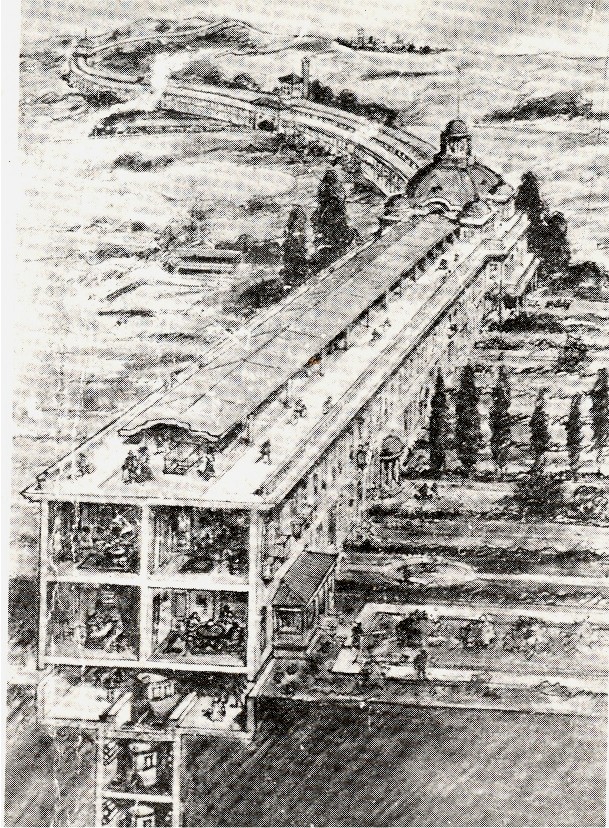
    These ideas are also in vast contrast to the city plans of linear cities (which I wrote about earlier here), seen in the 1910 Chambless image (below) and the 1932 Popular Science city (below that).

    Linear cities 2

    Linear cities

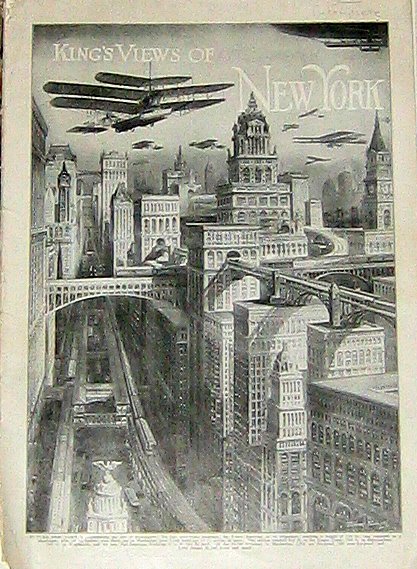
    It is also entirely different from the methods of dealing with traffic that were seemingly very popular in the early/first-third part of the century–massive 12-lane roadways, suspended garganutan affairs with traffic turning everywhere, some of which took place high in the air and in the interiors of massive skyscrapers. (Some of which I wrote about here.)

    Kings new york


  • The Message is the Medium, 2: Land Mines, Palestine, 1943

    JF Ptak Science Books LLC  Post 1036

    [An extension of the History of Holes series–things that are put into holes.]

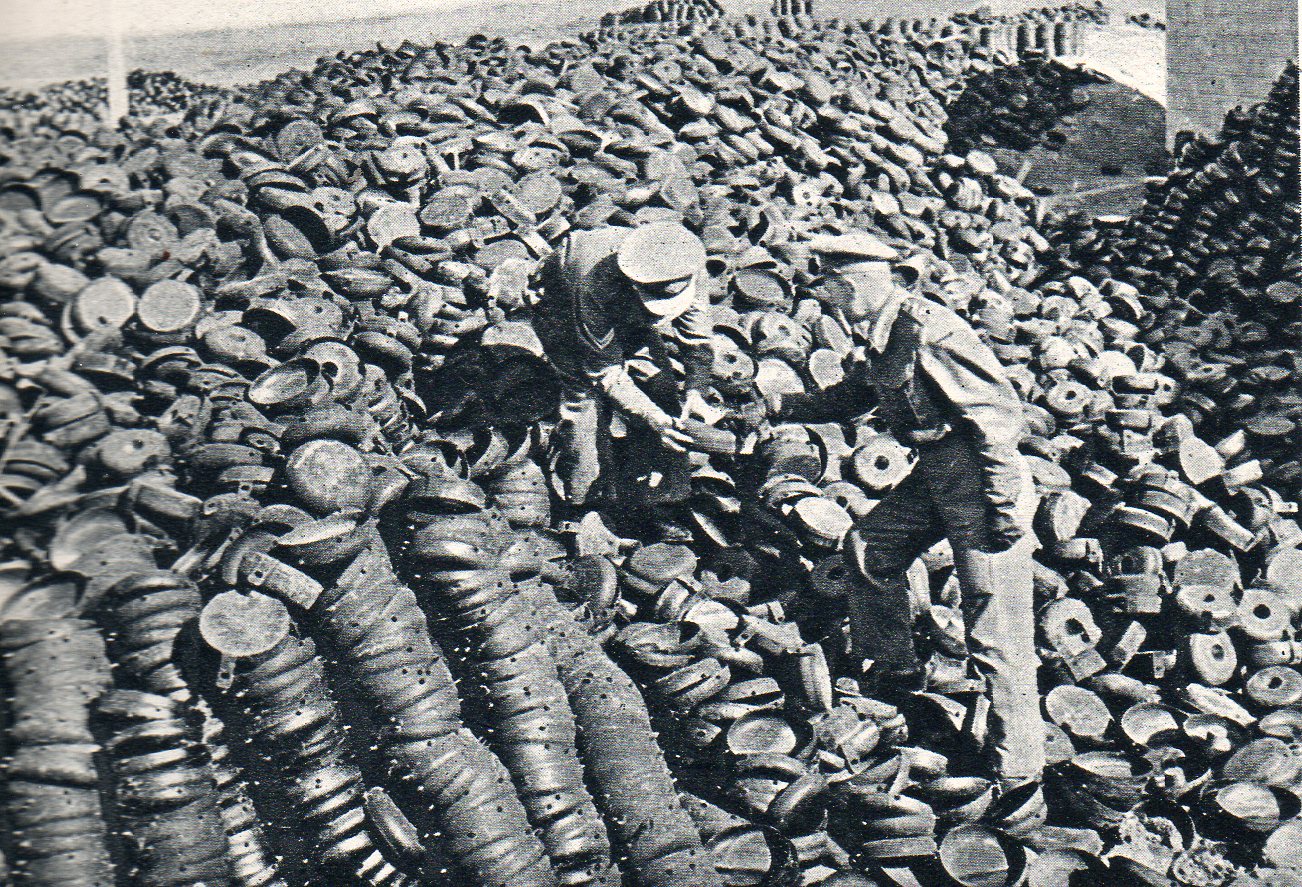
    Continuing a stroll through the Illustrated London News for 1943 I came across a series of photos of Britain’s “dependencies and friends” helping out in the war effort. This one is particularly remarkable and shows a vast

    Land mines004

    pile of yet-to-be-filled land mine canisters being serviced and readied for action in Palestine.  Its hard to imagine this sort of a scene, and this is only a part of the canister dump.  I reckon there to be easily 20,000 land mines just in what we can see, which represents about 1/1000th of all of the land mines used during the war. It also represents about 1/10,000th of all of the land mines that are in the ground right now around the world–in other words, this pile but 10,000,000 square feet worth. A pile like that could cover the square footage of the Empire State Building four times. 

    Emily Dickinson said that the brain was “the weight of god” (“wider than the sky” etc.)–if that’s so, what are these things the weight of?


  • Overstated Understatement: on the Future of Television

    JF Ptak Science Books Post 1024

    1--may 10 philo det good
    [I’ve written a number of posts on understatement here on this blog; two dozen or so will pop up when you put “understatement” in the google site search at left.]*

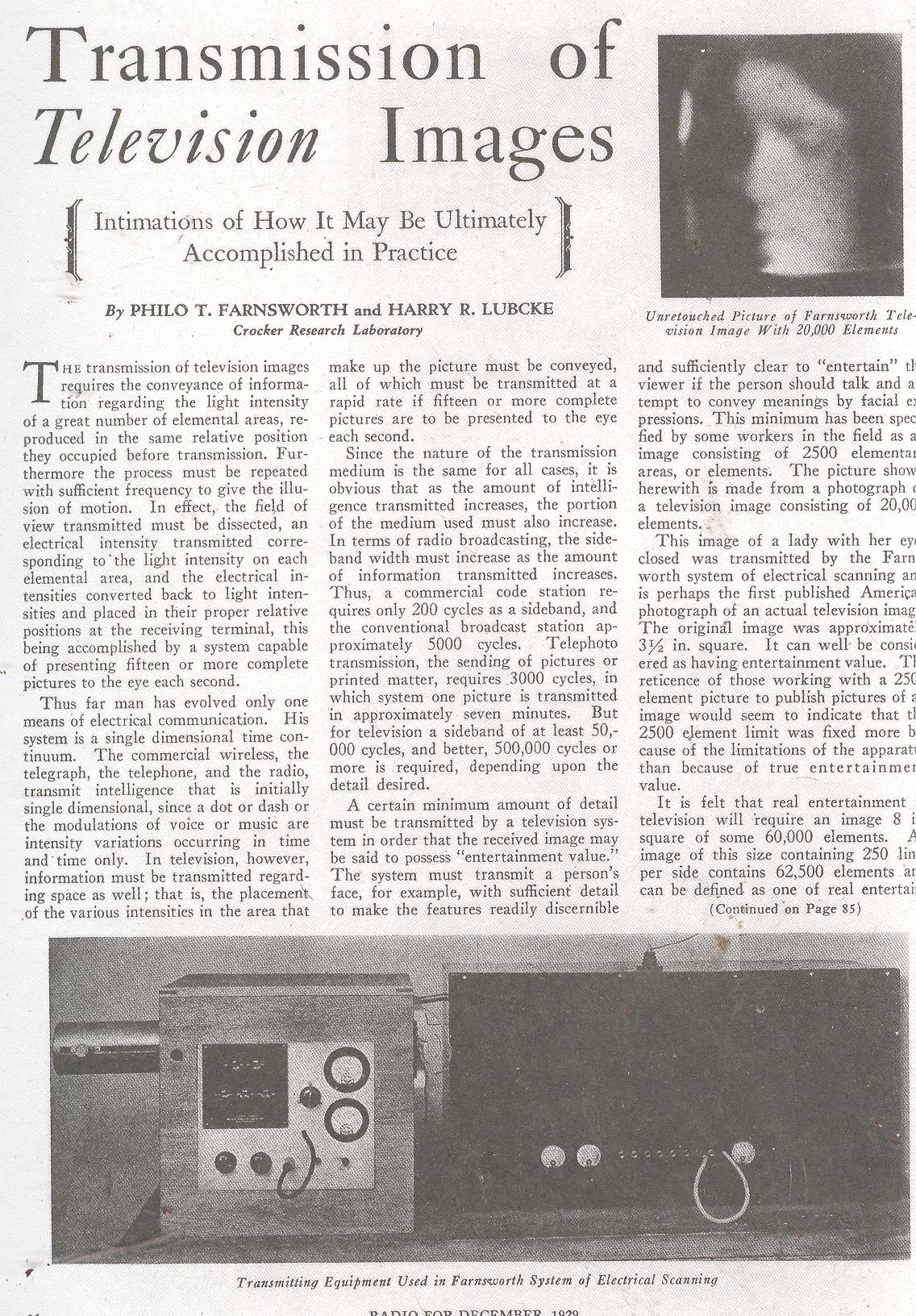
    Philo T. Farnsworth (1906-1971) may have had the best name among the earliest inventors of electronic1 television, but he didn’t necessarily have the best invention, this in spite of the fact that it is he who is remembered and counted as the technical inventor of the medium.  But that’s the way it goes, sometimes; sometimes it goes that way.  Farnsworth2 also had the better back-story: he was a teenager, brilliant of course, working out in the comparative middle-of-nowhere with little bits of money here and there from local investors.  On the other side of the coin was Vladimir Zworykin3 (1888-1982) who invented a cathode ray tube system for transmitting and receiving televised images, and who had the enormous financial support of Westinghouse (and then, later,  RCA).  Farnsworth was first off the boat, but Zworykin is the one whose work became the industry standard.         

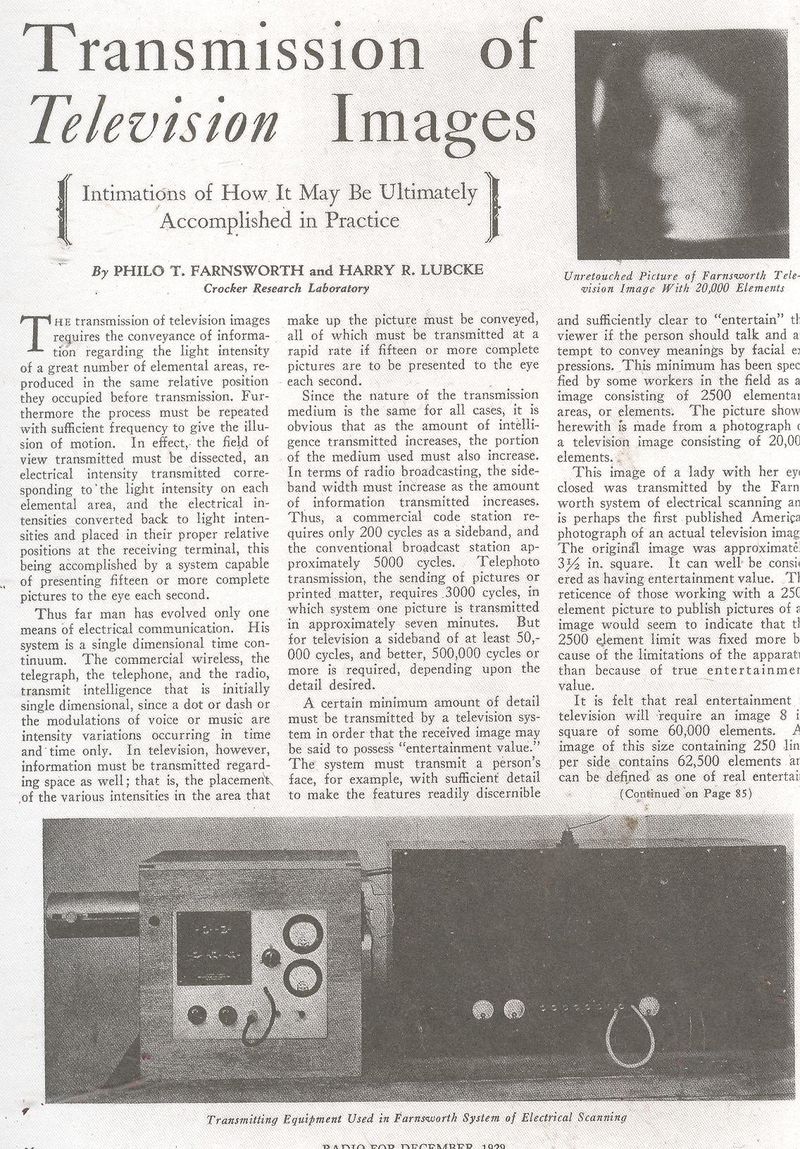
    But the understatement is what attracts me here, and it occurs in the December 1929 issue of Radio magazine in which he reports on his successful first demonstration of his device to the general public.  I can’t tell if he was being very deliberate in his understatement or if was simply a staccato expression by a very young engineer with not-great writing abilities–I think that it was the later, really, as the statement is sandwiched in an odd, non-congruent section of its paragraph.
    1--may 10 philo

    In the article, Farnsworth also publishes the first (?) photograph of the first televised image, and states:

    “This image of a lady with her eyes closed was transmitted by the Farnsworth system of electrical scanning and is perhaps the first published American photograph of an actual television  image. The original image was approximately 3 ½ in. square. It can well be considered as having entertainment value. The reticence of those working with a 2500 element limit was fixed more because of the limitations of the apparatus than because of true entertainment value.”

    I do think that Farnsworth was in a hurry to get to the end of the article.  Later on he did try to capitalize in a major way on his invention and its distribution, but things didn’t work out so well. 
    Notes:
    * Some other great understatements in the history of science and technology include:

    -the Wright  brothers’ telegram to their father on the successful flight at Kitty Hawk, telling him to “inform Press” [sic], and misspelling Orville (“Orvelle”)

    –the announcement of the invention of the telephone, giving Mr. Bell a scant 200-word mention in the London-based journal Nature.

    –the alpha and omega element of the severe understatement of George Gamow on discovering the background radiation of the Big Bang.

    –and the atomic bomb/nuclear Armageddon bit from the National Emergency Planning Council:  ( “Because of recent changes in the technology and potential tempo of war and because of the base power of force is in being (including equipment and supplies), there is general recognition that any future war in which the United States is engaged, especially if it is an unlimited nuclear war, may be decided without significant additional military demands upon the nation’s industrial economy.” Hmm. He continues: “That is not to say, however, that the post-attack economy would not face enormous logistical support problems.” There is no human element of this equation. “The logistic requirements of survival and recovery would present very heavy demands.”)

    1. Early on there were mechanical approaches to the invention of television.                                             

    2. He was the inventor of the first functional all-electronic  image pickup device (the so-called “image dissector”) and also provided the first television system.  He was also the first to display his functioning systerm to the general public. He also started to work on replacing the mechanical-option television with electronics in 1921 at the age of 14.

    3. Zworykin’s first patent for his idea,”Television Systems”, was filed on December 29, 1923.

  • Controlling Motion and Time—Primitive Robotics and the Extension of Human Control: the Telephone Answering Machine, 1958.

    JF Ptak Science Books LLC  Post 1003

    Is the telephone answering machine
    the greatest non-transportation contributor to expanding human motion and time
    in the 1850-1950 century?  Certainly
    photography (from an earlier period, invented in 1839 and more or less
    popularized by the mid-1840’s) should be considered in this category, what with
    the visual capture of a moment in time and all; Marey/Muybridge and their
    primitive photographic motion studies is another; George Carey’s prehistoric
    selenium/light sensitive “seeing by electricity” invention and the more modern
    television by Jenkins and Farnsworth are others. And of course there is the invention
    of the telephone itself by Alex Bell  in
    1876 (and a man whose house and lab was only a few blocks removed from where my
    store used to be on Volta Street in Georgetown DC many years ago) as another
    paramount example.

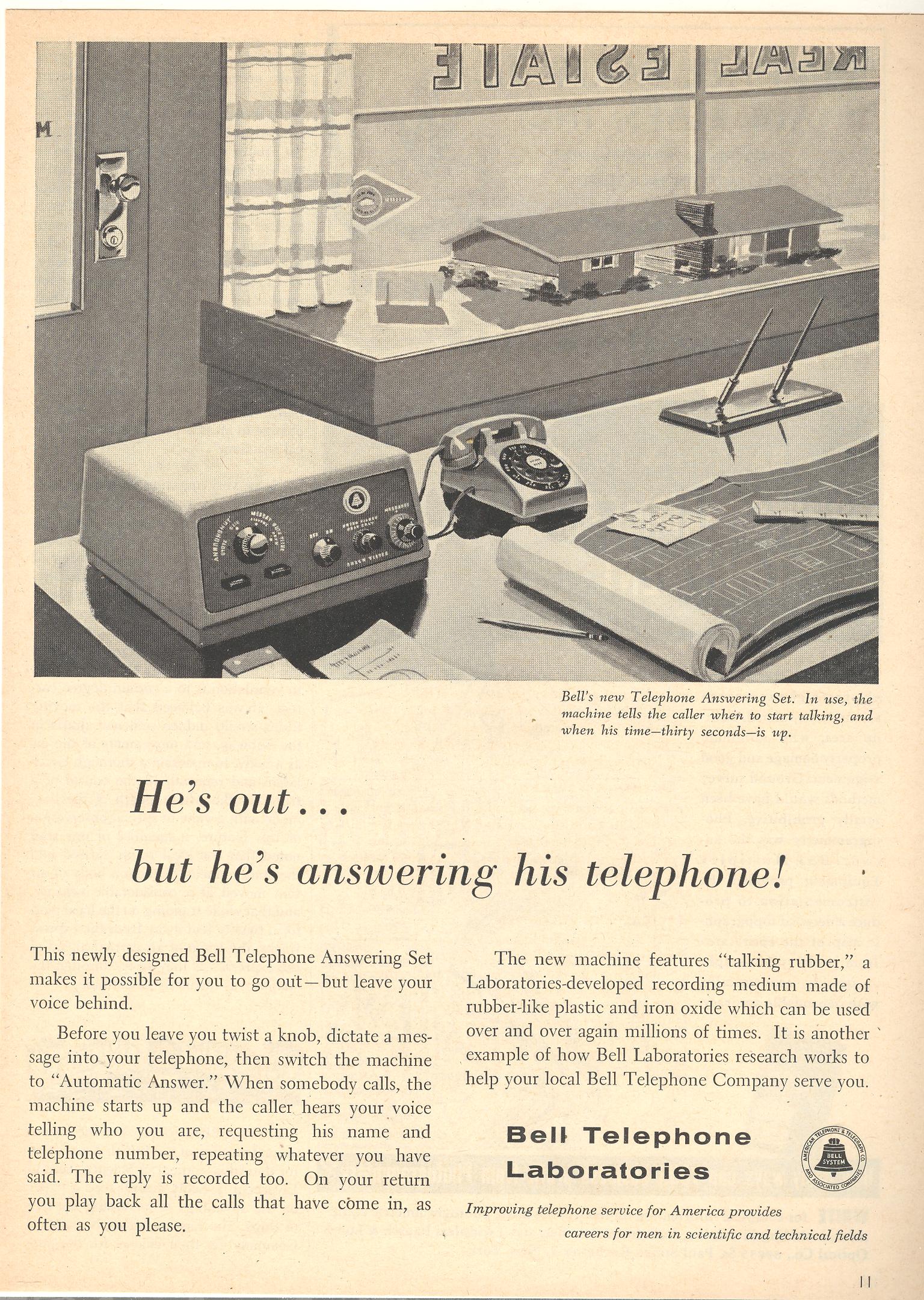
    Telephone answering

    But I think the telephone
    answering machine is certainly one of them, I think, and not a modest example
    either.  The answering machine (for “him”,
    of course) allowed a person to be in two places at one time, allowing the
    telephone to function not only as a communication device but as a secretary,
    liberator, device as well.  Now (in 1958,
    when this ad appeared) that people had completely embraced the phone for
    business and for pleasure, it added immeasurably to the well of free time.  The telephone enabled immediacy; but for that
    immediacy to work, a person had to be there to tend it.  With the answering machine, however, a person
    could in a way save that immediacy for a more convenient time, liberating their
    necessary presence the telephone experience. 

    The telephone allowed as
    person to instantaneously be in two places at the same time, basically; the
    answering machine contributed a third (or more) place, and freed up the time
    element. 

    In effect the thing was/is a
    time machine, making it possible to either instantly speak with someone 12,000
    miles away, or save the conversation for a more convenient time, sort of going
    back into the past to replay the communication..(Or dump it, extracting the
    necessary info or whatever without having to actually interact with the caller.
    ) 

    Its easy to slip and refer to
    the machine as simply “an answering machine”, leaving out the “telephone part;
    it would be nice to have a machine that could reliably answer questions like
    that (though I think that this is what Google imagines itself to be).  The “answering machine” four generations or
    whatever from now may be something that is today unimaginable.  Maybe there will be a general death of the question,
    because everything has been answered.

    Maybe the greatest machine in
    the future will be the questioning machine, something that skirts all of the
    known answers in whatever earth-sized database exists at the time.  Something that asks for information or for a
    synthesis of answers that doesn’t (yet) exist. 

    Anyway, I like what I think is
    the great importance of the telephone answering machine.  And I don’t know how The Rockford Files would’ve
    functioned without one.  


  • America Co-opts Canadian Flying Saucer Program, 1954.

    JF Ptak Science Books LLC  Post 997 

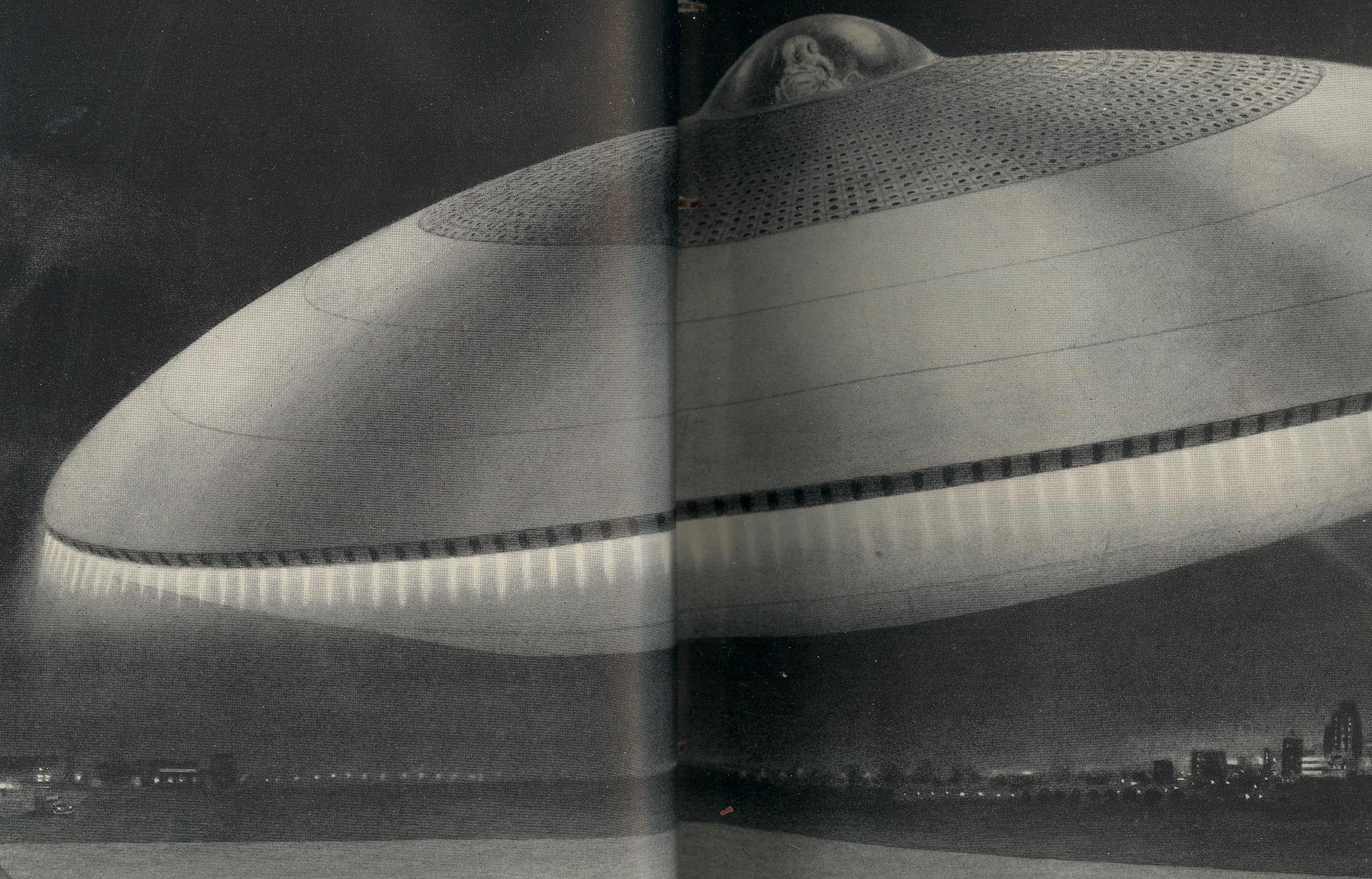
    Blog--april 1--saucer pilot
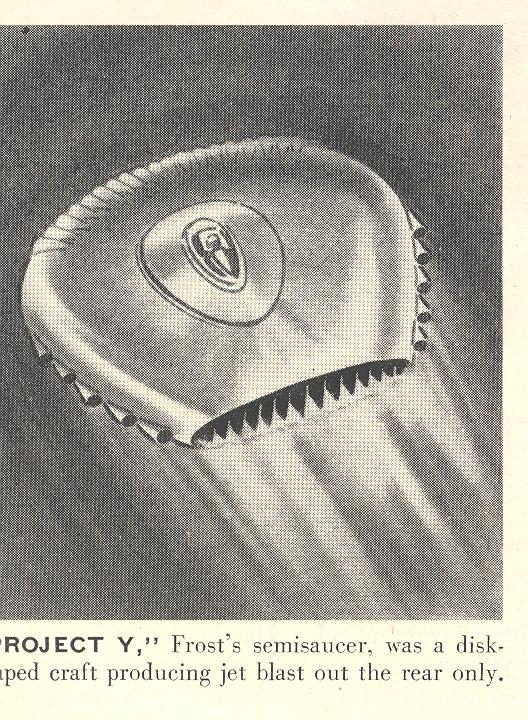
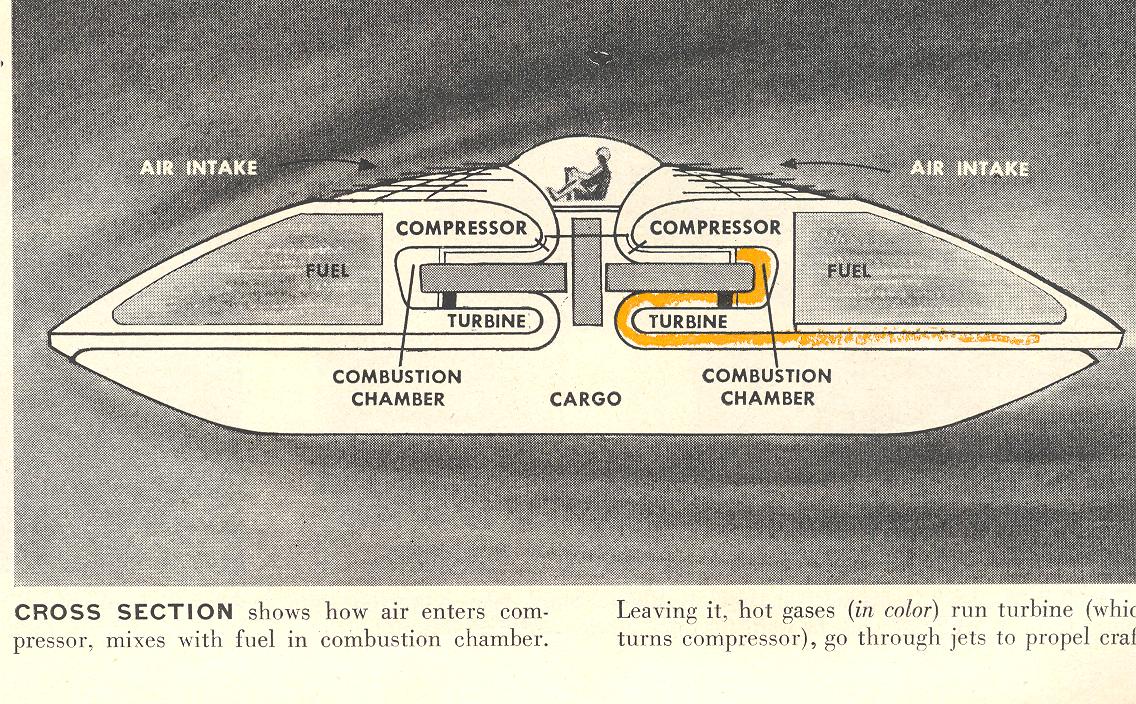
    “Fling Saucers” weren’t ten years old by the time that John C.M. Frost–an engineer from De Haviland–came up with the idea of re-fitting his swooping-shovel shaped idea for a rocket plane with a saucer-shaped one.  He worked hard on his idea, spending some $400,000 on the project–Canadian.  Frost was in Ontario and working for the government before the government stopped working for him, abandoning the undertaking (called “Project Y”) just as the United States became interested in it.  

    Blog--april 1--saucer

    There are numerous reports around the web on this aircraft, so I’ll just provide a couple of starter links here and little commentary.  What I was most intrigued by in this whole affair of producing a 2,500 mph hovercraft was that instead of having a U.S. Air Force star somewhere on the aircraft the thing could’ve been running around with a red Maple Leaf.  

    Blog--april 1--saucer semi

    Don’t get me wrong, I love Canada–went to school there, I did–but the idea of a combat-ready flying saucer with the maple leaf on it is just completely, well, wrong. 

    Blog--april 1--saucer det


  • Mobile Maginot: Movable Land and Floating Forts, 1940

    JF Ptak Science Books  Post 959

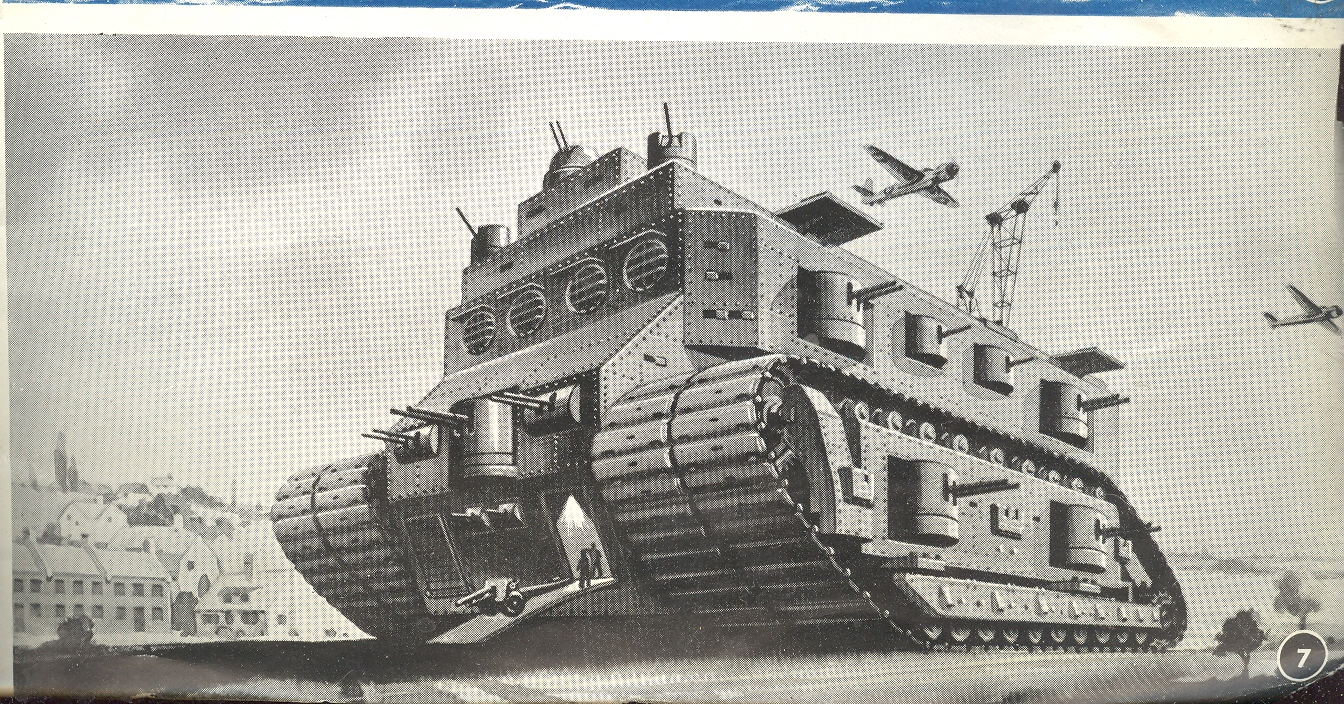
    Nothing quite exceeds like excess said Mr. Wilde (and others) , and he/they could be no more correct when looking at this picture of a Movable Maginot Line—it is a mobile fort, complete with plane launching capacity, two dozen long canons, a crane, and a host of other stuff.  

    000--win--land tank

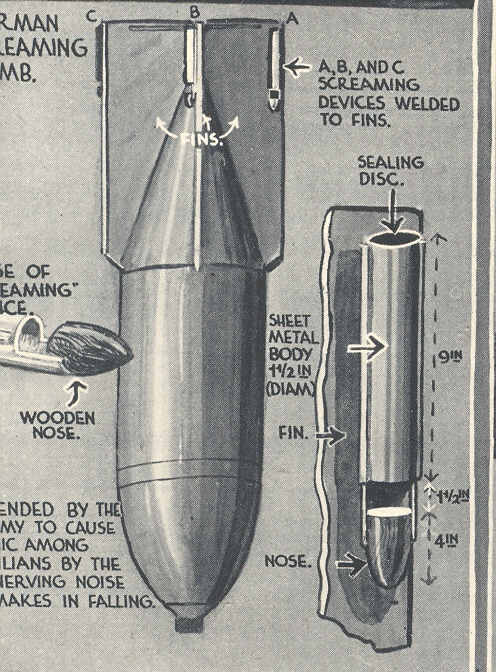
    It looks as though it has ample room for all sorts of materiel though leaving little room for, perhaps, an engine.  I just can’t see where it might be…perhaps it is near the not-room-enough-for-it-either ammunition compartment.  Maybe they were in a smaller armed cart being pulled by the mothership?  I reckon that this beast was 66 feet high, 100 feet long and 60 feet wide, which is a very big, heavy near-cube. Good luck with driving the thing in anything that was less than perfect conditions.  A big profile like this, filled with guns and canons or not, also makes for a big target profile—a tall, broad target with flat/non-inclined sides. ( I should also point out that there are two 10’ loudspeakers mounted on the front of the fort to instill fear in the people that the thing was approaching with loud noise.  The author points out that the Nazis used noise against the French with their “screaming dive bombers”, and so the fort would use the same tactics against the Nazis in the movable fort—not that the sound of the engines and the attendant noise wouldn’t’ve been enough of a fear factor in themselves…)

    000--win--tubular ship

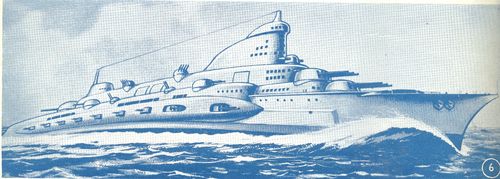
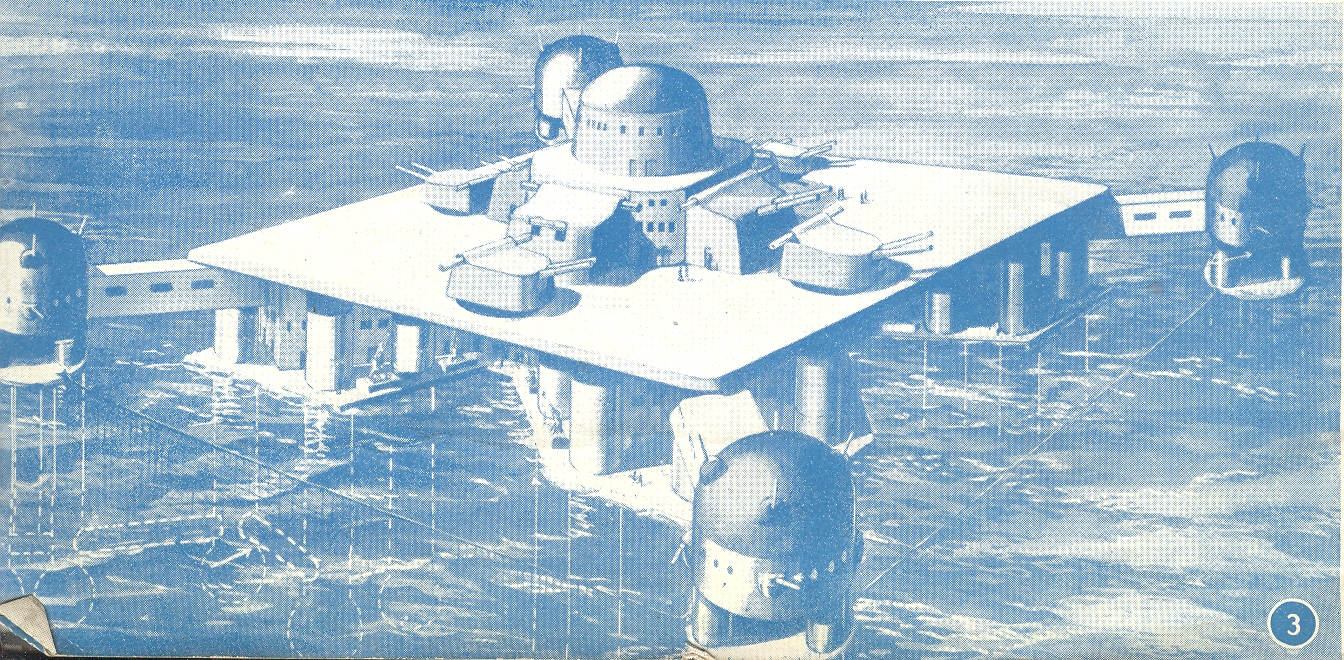
    But the image of such a monster, sensical or not, was enough for the purposes of the pamphlet in which it appeared.  The Brains to Win was a piece of British spirit/hope propaganda issued at about the time of the Battle of Britain in 1940, and it listed the sorts of technological breakthroughs that were going to push the nation over the top to victory.  Some of the stuff was real, some not—like the moving fort/Howl’s Castle above, and the floating fort, below.

    000--win--floating airport

    I’m not sure where a floating fort would make sense, especially one of that size. (Iterating the figures on deck into distance, it looks as though the deck on the floating platform was 150 or 200’ square.  It would’ve looked like a big target from above.) Given the time and expense and material  needed for such a thing, it seems that it would’ve been cheaper to make a moveable fortress not quite so big, with less of a profile, and more mobile—I think that this was called a “destroyer” or “battleship”.  

    But no matter, I’m just poking fun at some of the future vision that became archaic the moment it was drawn, punk retro-future.  All the pamphlet was trying to point out in its 32 pages was that overall the Brits were smarter than the Germans and that would be the balance for victory in the war.  “Hitler will get some very unpleasant surprises before this is over” the author very politely pointed out, no doubt with one eyebrow raised.  The scientists agreed.

    And they were right, which is all that matters.


  • Primer for Londoners on being Bomber by Nazis, July 27, 1940.

    JF Ptak Science Books LLC  Post 990

    [Also see my The Bombing of Britain in the Illustreite Zeitung, July 1940 post; also here.]

    Mar 28 bo,bing london 4 cratewr

    The
    Battle of Britain was an air battle begun weeks after the surrender of France (22 June 1940) in preparation for the Nazi
    invasion of England.  Hitler and the High Command believed Britain to be
    vulnerable2, and surrenderable, or at the least could be convinced not to interfere
    in the rest of the war.  But plans were
    made for the invasion—an invasion which could only be successful (it was reasoned)
    if there was complete naval or aerial superiority. The naval part was out of
    the question, especially since the Nazis had suffered such losses in the
    Norwegian campaign. The Luftwaffe was another story, and so the operation began. 

    Mar 28 bo,bing london 1

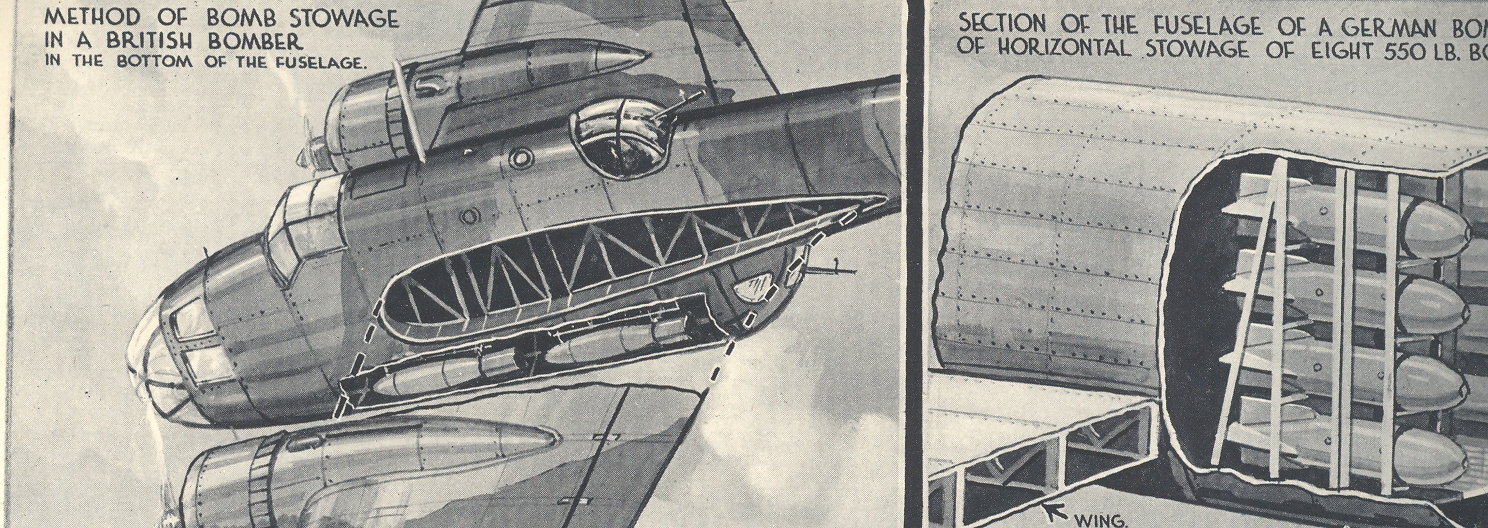
    The Illustrated London News published
    this pictorial introduction to Nazi bombing on 27 July 1940, just weeks after
    the campaign began.  At this point in the
    war the Luftwaffe operations were delegated to coastal installations and
    aircraft industries.  Mar 28 bo,bing london 2

    The terror bombing
    against citizens in cities—which was an idea not born here but rather 20 odd
    years before—wouldn’t begin for some months. 
    In the meantime, and at this early part of the campaign against England, the
    British citizenry was introduced in a very proper way how the bombing was being
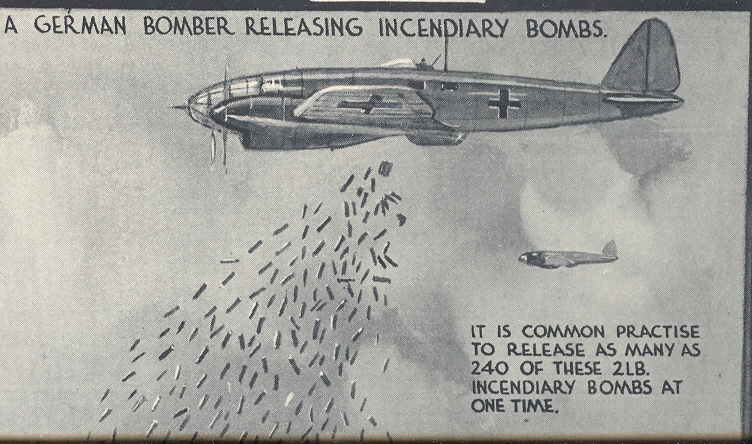
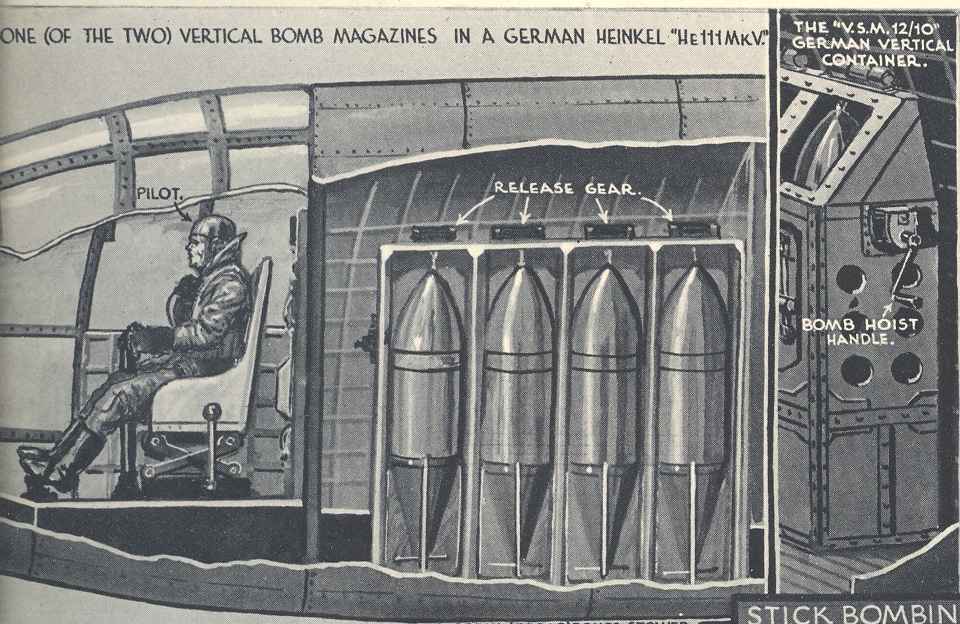
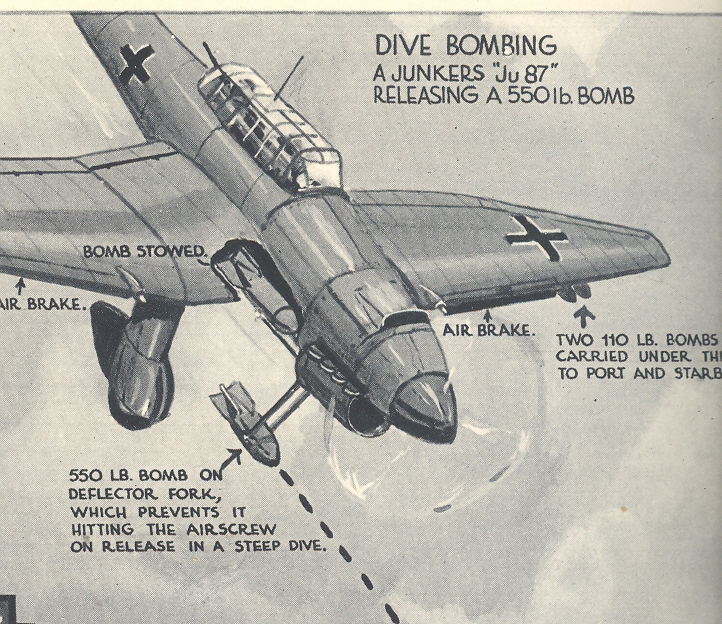
    carried out.  IT really does seem to be
    to be a very constructive, non-alarmist, cogent distribution of information to
    the general public about the potential for massive devastation.  

    Mar 28 bo,bing london 5  

    Notes:

    1.
    By the summer of 1941 the campaign was largely over, the Nazi effort doomed. England:
    1,023 fighters: 376 bombers, 148 coastal command aircraft for a total of
    1,547 aircraft and  544 pilots and aircrew killed.  There were also
    27,450 civilians killed and 32,138 wounded.  The Germans
    lost 873 fighters and 1,014 bombers for a total of 1,887 aircraft and 
    2,500 pilots

    2. The plan ‘Directive No. 16; On the Preparation of a Landing Operation
    against England’
    read, in part, as follows:

    Mar 28 bo,bing london 6

    “Since England, despite
    its militarily hopeless situation, still has not shown any signs of being
    prepared to negotiate, I have decided to prepare a landing operation against England and, if
    necessary, carry it out. The objective of this operation is to eliminate the
    English home country as a base for the continuation of the war against Germany…”

    “Included in these preparations is the bringing about of those preconditions
    which make a landing in England
    possible;”

    Mar 28 bo,bing london 7

    “a) The English air force must have been beaten down to such an extent
    morally and in fact that it can no longer muster any power of attack worth
    mentioning against the German crossing…”


  • One-Page Letter Establishing the U.S. Chemical Weapons Stance, 1917

    JF Ptak Science Books LLC    Post 981


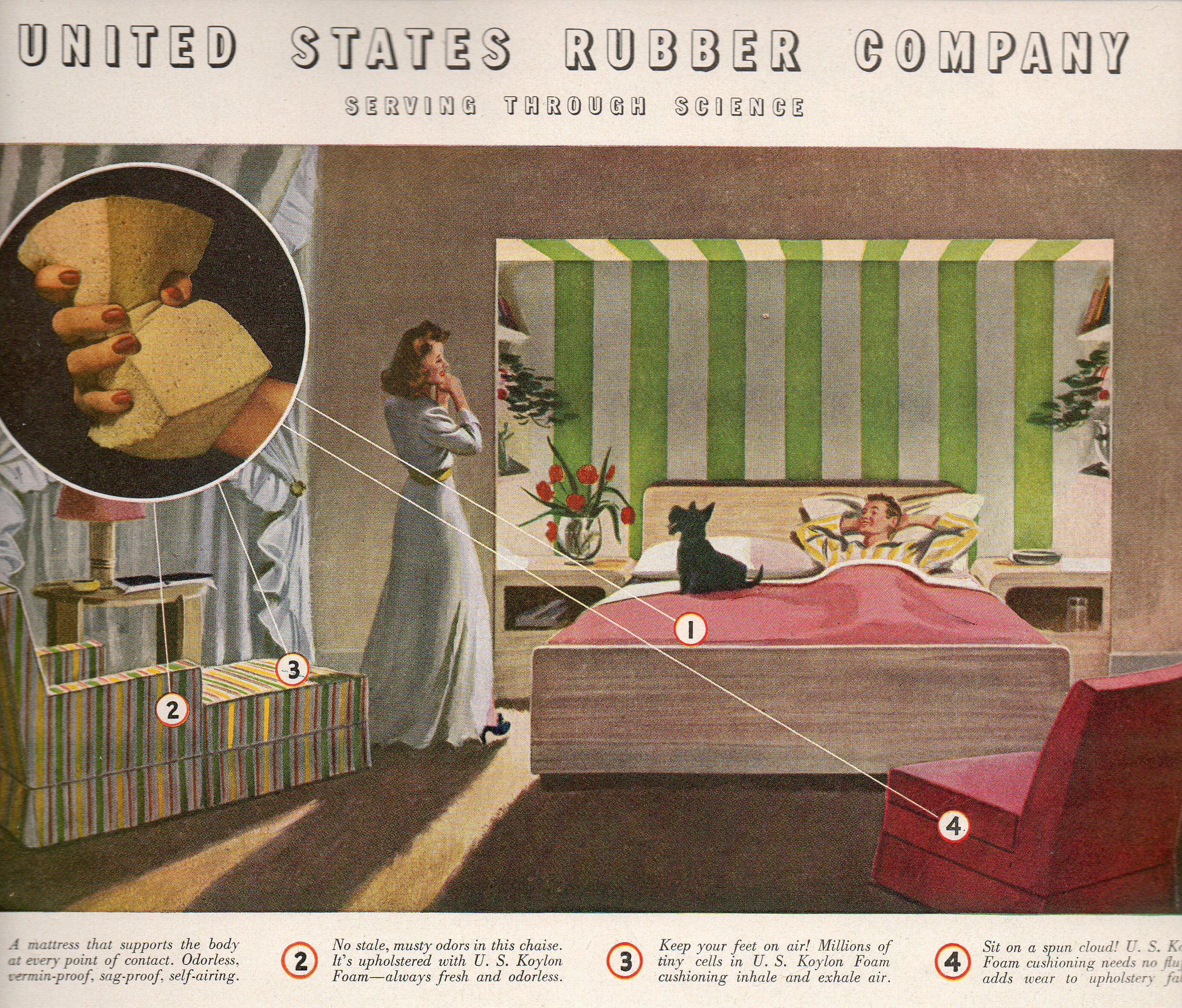
    On 21 December 1917, thee years into the beginning of World War I and eight months after America entered the war, Willis R. Whitney composed this one-page letter composing the American response to the use of poison gas in warfare.  Whitney was head of one the great research laboratories in America—run by General Electric, the GE Lab—and was one of the leaders of the U.S. Navy‘s Naval Review Board (along with Thomas Edison and Hudson Maxim, among others), and wrote to Josephus Daniels, who was at the time the U.S. Secretary of the Navy.  [Image below clickable. The item is also available for purchase via our blog bookstore.]

    Mar 21 gas warfare

    Whitney was a chemist, a former instructor at MIT, and a Ph.D. under Ostwald, a brilliant, “bearish” intellect in many fields, an innovator, and a leader, a tactician.  He summarized the state of affairs, and communicated quickly and with clarity and without hesitation what he thought must be done, and how America should respond to the German chemical threat. 

    The Germans had first used chemical weapons (shells containing xylyl bromide) against Russian troops in Bolimow, Poland.  It was the first foray into a section of the war that caused more than one million casualties and 85,000 deaths.  It would be another three months for the first full-scale use of a chemical weapon—in the form of chlorine gas—in the Second Battle of Ypres.  But the time Whitney sent his letter, chemical warfare had been a deeply-established weapon.

    Whitney recommends that the U.S. begin production; that several plants be established to produce the chemicals, and to get on the matter immediately, suggesting a man to head the work.  As it turns out the work didn’t begin in earnest for a number of months later, the first large quantities becoming available just after the signing of the Armistice.

    {I should note that I purchased this letter–rather, Whitney’s carbon copy of the letter–many years ago from the estate of  a Navy historian.  I am pretty sure that it has never been published before.]