A Daily History of Holes, Dots, Lines, Science, History, Math, Physics, Art, the Unintentional Absurd, Architecture, Maps, Data Visualization, Blank and Missing Things, and so on. |1.6 million words, 7500 images, 4.9 million hits| Press & appearances in The Times, Le Figaro, Mensa, The Economist, The Guardian, Discovery News, Slate, Le Monde, Sci American Blogs, Le Pont, and many other places… 5000+ total posts since 2008.

Category: Militaria

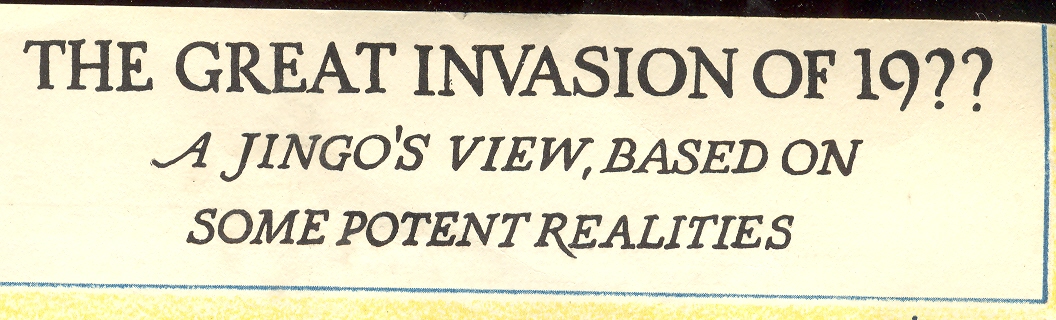
  • The Invasion of America, 19?? (1935 Scenario for Invasions via Canada, Mexico and the Caribbean)

    JF Ptak Science Books LLC  Post 898

    (This is a
    continuation of the Invasion of America
    series, started
    here.)

    Blog jan 4 us attacked ttile
    Even
    before WWII,   the American military and variously-aligned
    think-tank subsidiaries had for years hypothesized U.S. invasion scenarios.  For convenience’s sake, they were color-coded
    so as to not confuse one invadee with another: for example, there were War Plan Citron (an invasion of Brazil); War Plan Emerald (intervention in Ireland); War Plan Green (war
    with Mexico); War Plan Indigo (an
    invasion of Iceland); War Plan Lemon (an invasion of Portugal); War Plan White: (plan
    for dealing with civil disturbances cause by Communist insurgents), and many
    others. (I cannot find the color-coded plan for the 20th century
    invasion of Canada,
    but it did exist.)

    Blog jan 4 us attacked west

    Lesser
    known are the U.S. military’s
    preparation for the invasion of America.

    This
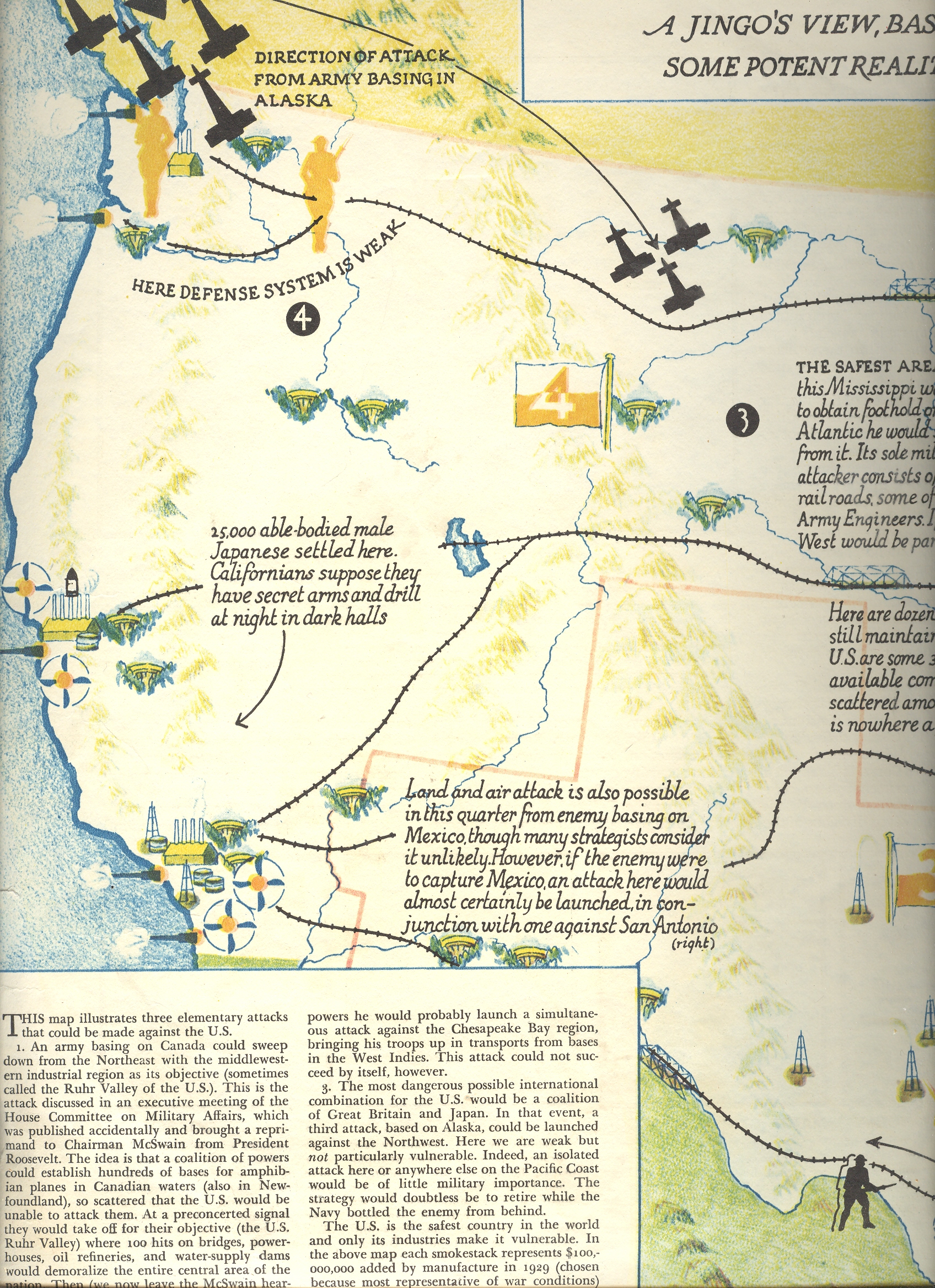
    two-page spread (all that I have of a longer article) appeared in Fortune
    Magazine for September 1935.  It was undoubtedly generated
    by a number of causes, not the least of which was the rearming of Nazi Germany (referred
    to in this article as a ‘miracle”), which could theoretically cause some amount
    of concern in semi-fortress America.  It was also an opportunity for Chief of Staff
    General Douglas MacArthur to whip up a little hell in Congress for the federal
    government to give the military some more money so that there was more to the “fortress”
    part of America
    than two oceans. 

    Basically
    the plan seems to call for a standing, ready army of specialist forces that
    were agile and highly trained, a large network, of anti-aircraft batteries and detection
    areas, and of course a large buildup of the Army Air Force.  All of this of course cost money, and almost
    all o fit would’ve been directed towards MacArthur and his subordinates. (It is
    interesting and odd to note that the Fortune article notes that three of the
    top four major general assistants to MacArthur were Irish (“see the four big
    shots…with three Irish names”).)

    [Due
    to difficulties in the size of this map I have to present it in three sections,
    but I’m sure that the overall flavor will be maintained.] 
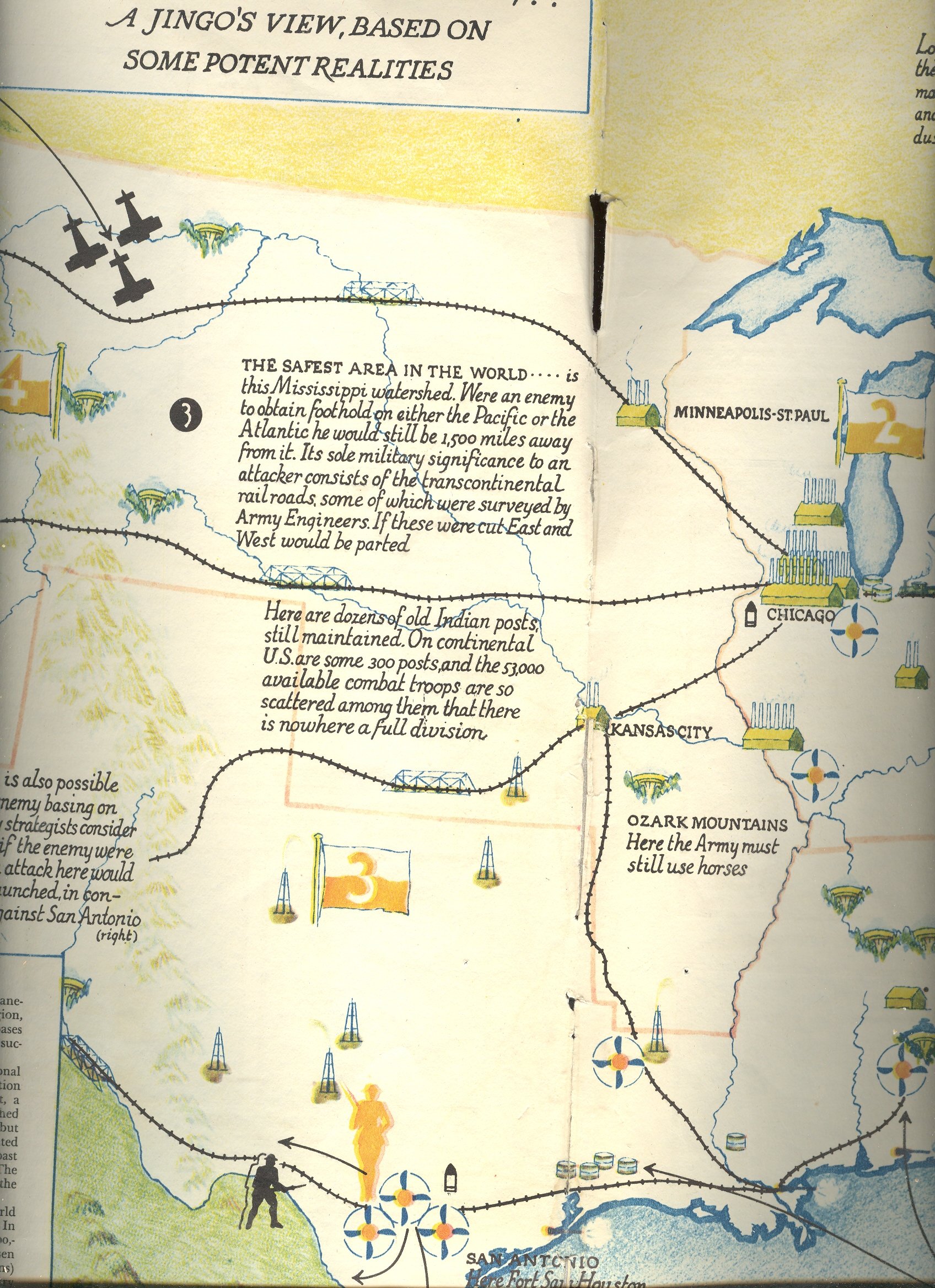
    Blog jan 4 us attacked middle

    The most prominent feature (besides the black
    invasion routes) are the terribly antiquated (even for 1936?) depictions of
    coastal defense canons.  Perhaps this was
    disingenuous to include them with such flair, what with the main point of the
    article lending itself towards air invasion, but there they are, protecting the
    American coastline from a ripping adventure from the sea. 

    But
    as we can see the successful invasion routes are coming from odd places—from Alaska,
    Canada, the Caribbean) against which the U.S. seemingly had no defense.  This was especially true in the Pacific
    Northwest (“here defense system is weak”) where America
    was entirely susceptible to attack and invasion “from army basing in Alaska”.  The rest of the west coast didn’t fair so
    well, though the only other direct threat was from “25,000 able-bodied male
    Japanese…Californians suppose they have secret arms and drill at night in dark
    halls”.

    The
    southwestern and southern California areas
    were relatively secure, except in the case of an enemy capturing Mexico; then, “an attack here would almost certainly
    be launched, in conjunction with one against San Antonio”. 
    I guess there would be long intrigue, much preparation and enormous
    effort to attack and secure Mexico,
    and I’m assuming that the thinkers behind constructing this map assumed that the
    U.S.
    would be doing nothing during this prolonged period of time. 
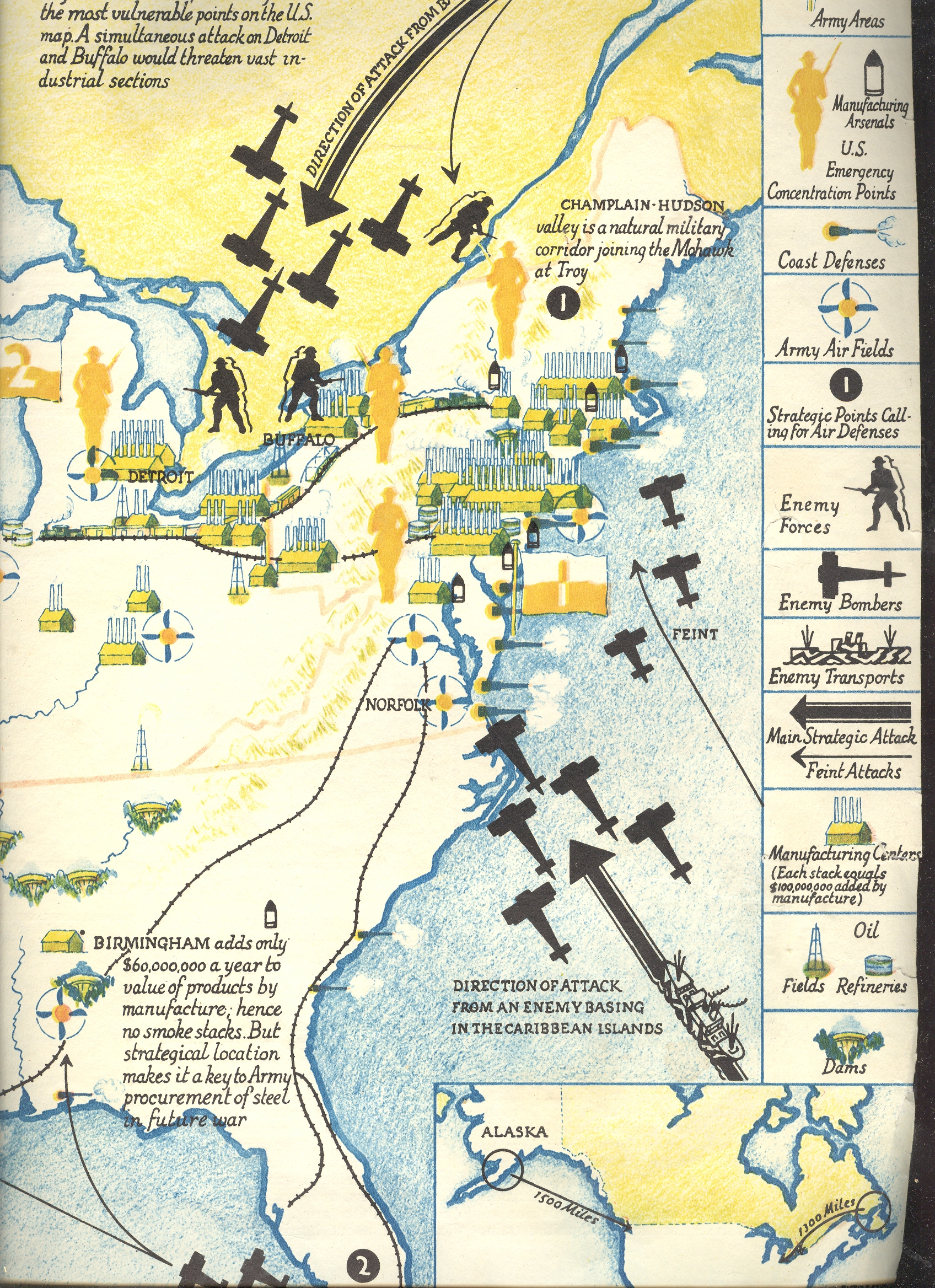
    Blog jan 4 attack east

    The
    attack on America in the
    Gulf would ostensibly come from Mexico
    and “an enemy basing in the Caribbean”, with a central interest in Birmingham and Norfolk.  But the main thrust coming to the U.S. from unnamed horribleness would be coming
    through the St. Lawrence and points east in Canada, swooping down on Lake
    Champlain, the Mohawk Valley, Troy, Buffalo and Detroit.  I know that there were bigger industrial
    concerns in these places in 1936 than there are now, but, well, my god there
    would be better places to begin an attack on the U.S.
    than from Montreal and Toronto.

    In
    all of this I see that the industrial northeast is left alone, save for a “feint”
    attack to dislodge resources and attention away from the movement against the Virginia coast. There’s
    the navy yard and industry and shipping and etc. there, but it would seem a
    terrible waste to attack here rather than a much juicer and more northerly
    series of prizes. 

    No
    attacker is named in what I own of this article, and there is a very curious
    absence of any threat coming from the already-warring Japan (save for
    the Japanese super secret nighthawks in San Fran).  The article does make a case—apart from the
    map—that national defense was at a low ebb insofar as manpower and ordnance
    were concerned.  But it scoots around the
    issue of the war of Japan
    against China
    and the vast militarization of the Nazis. 
    (Of course, this is Fortune magazine, and Krupp and Hoechst and other German firms, and Standard Oil, and the Bank for International Settlement, and Ford, and SKF, and etc. abetting
    the Nazi war machine were doing some nice business in the U.S., so perhaps it
    would’ve been best not to make Nazi money upset with some bad press.)

    Taking
    all sorts and manner of considerations into account, this is just simply a
    miserable attempt to reckon what the future might bring to America in the
    hands of unlabeled enemies—it is simply a rousing caroling of general fear of
    attack from places unknown. 

  • Nazi Propaganda: the British Threat to Germany, pre-War 1939

    JF Ptak Science Books LLC  Post 897                                                          

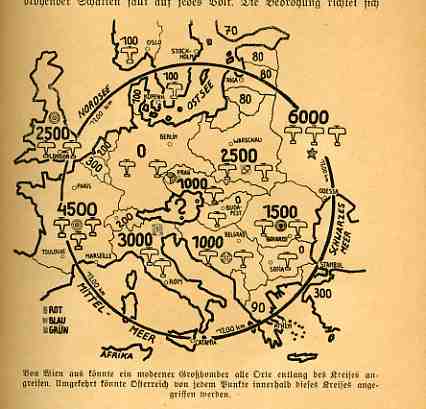
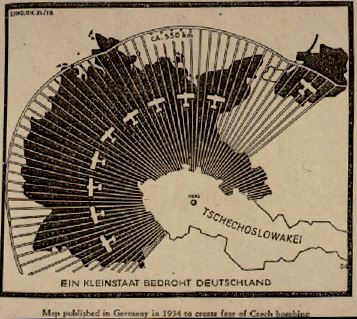
    I’ve written twenty or so posBlog jan 3 czech airts here about (mostly) graphical propaganda of World War II, and most of that coming from the Axis (and mainly Nazi) end.  A popular theme among this limited exposure seems to be the Germany-surrounded meme:  Germany under attack from all sides: massive attacks being directed by the British from air and sea,

     Blog jan 3 german surround

    airstrikes coming in from thousands of planes in Czechoslovakia, Poland moving on the ground and in the air to invade south-eastern Germany, retaliation mounting from the French, and on and on.  And somehow when all of this is presented in cartographical form to the average reader, and when it is presented over and over again, the propaganda must take its toll.  

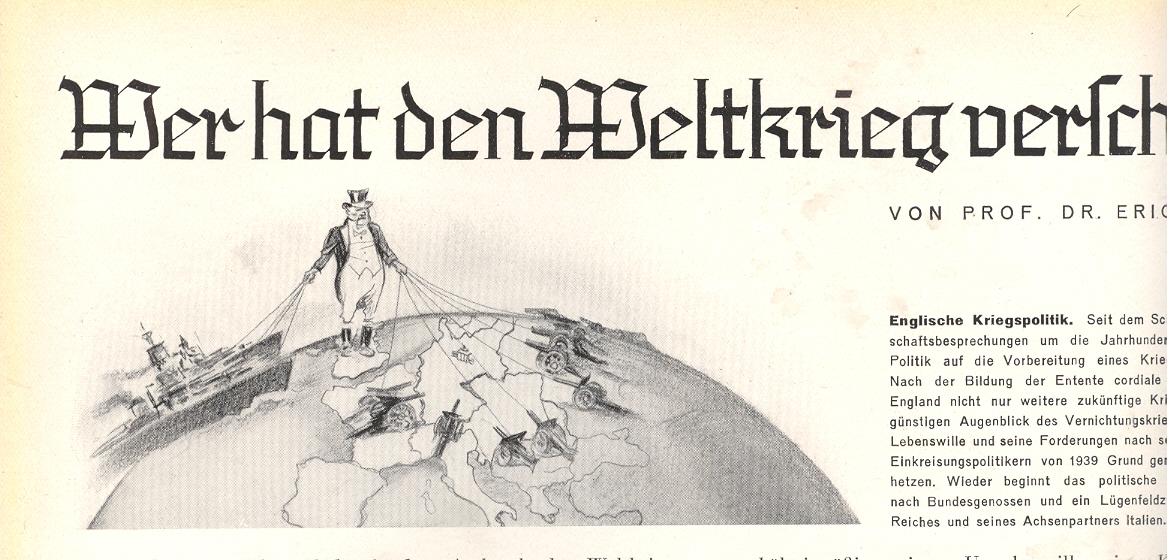
    Blog jan 3 germany surrounded Tonight’s installments come from the Illustriete Zeitung (Leipzig), and were printed just before and just after the start of the general hostilities of WWII (meaning the invasion of Poland, and not the actions against Austria or Czechoslovakia, and not the war in the east beng waged against China by Japan).The first comes in the 27 July 1939 issue–featuring a remembrance of WWI on the cover, showing a devastated field of battle with a spanking-new heavy dagger thrust into the heart of the field–and shows John Bull pulling strings of an advancing/attacking navy in the one hand while the other controls a firing network for cannons facing Germany based in its contiguous-bordered countries.  (The image was created by the prodigious Richard Lipus and titled “Englishe Kriegspolitik”.)

    Blog jan 3 john bull

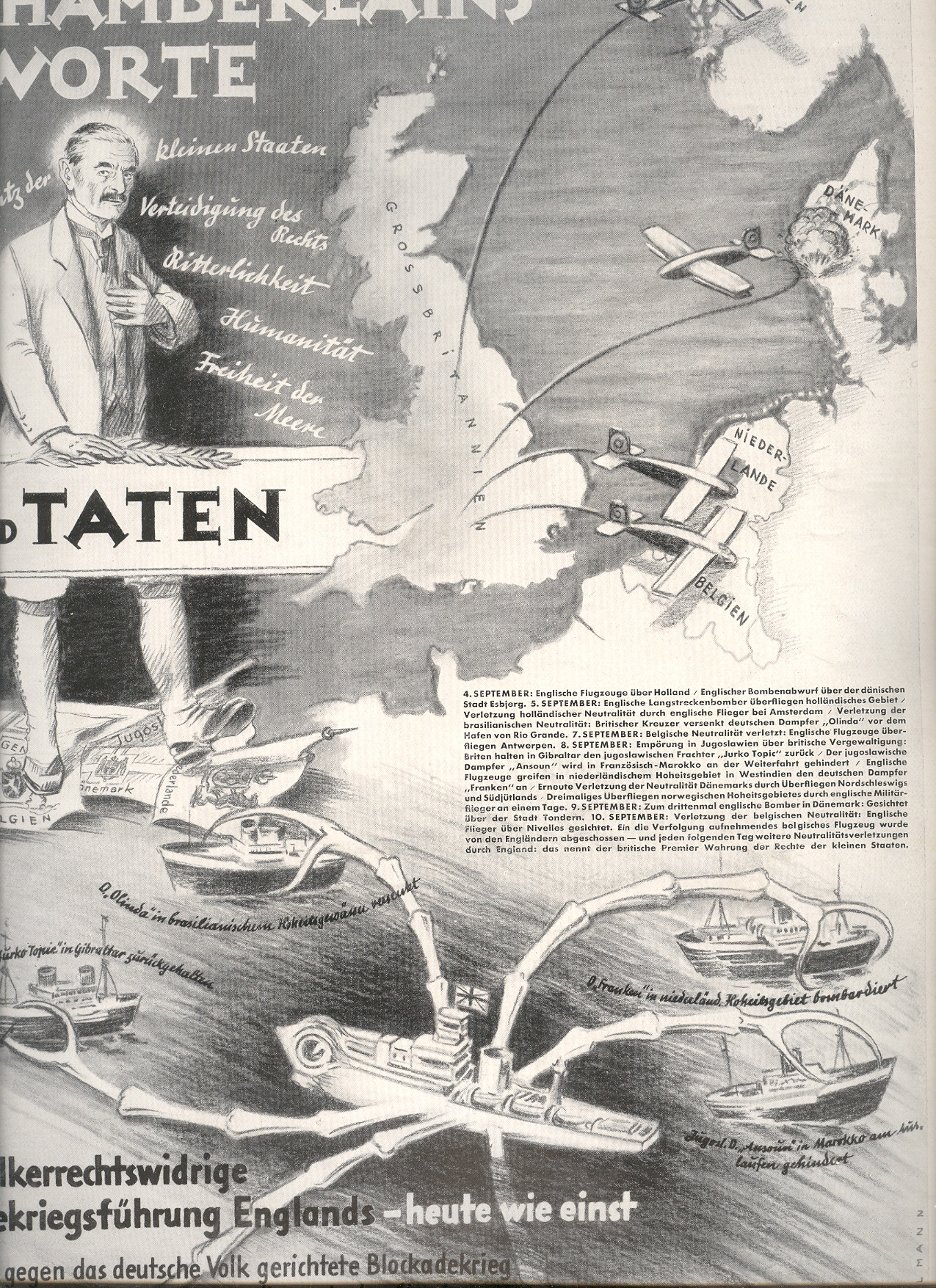
    The second piece was published just after the start of the war (21 September 1939) and attacks Neville Chamberlain (contrasting words and deeds) and his “treacherous” involvement with neutral countries.

    Not particularly virulent, these maptoons undoubtedly helped to form a Nast-ian image in the commonplace psyche of the German people about the treacherousness of the Brits and of their dire situation of being surrounded by potent and threatening enemies.

    Blog jan 3 chamberlain  

    Some of the other posts on this blog relating to WWII propaganda:

    Maps
    as Propaganda https://historyofideasblog.com/thesciencebookstore/2008/08/maps-as-propaga.html

    Maps
    of the Polish “Corridor” https://historyofideasblog.com/thesciencebookstore/2009/09/propaganda-in-maps-the-polish-corridor-1939.html

    Maps
    of Naval Disaster https://historyofideasblog.com/thesciencebookstore/2009/05/jf-ptak-science-books-llc-post-624-the-admiralty-regrets-to-announce–was-for-years-the-standard-beginning-to-an-offici.html

    Anti-Nazi
    Propaganda https://historyofideasblog.com/thesciencebookstore/2009/08/antinazi-propaganda.html

    Nazi
    Propaganda and the Threat From Czechoslovakia
    https://historyofideasblog.com/thesciencebookstore/2008/08/propaganda-maps.html

    Humanitarian
    propaganda for Allied families with family members who were POWs https://historyofideasblog.com/thesciencebookstore/2008/09/humanitarian-pr.html

    Nazi
    Germany and Scaring the Will to War (Germany surrounded, again) https://historyofideasblog.com/thesciencebookstore/2008/10/nazi-propaganda.html

    Nazi-directed
    scare tactics published in English https://historyofideasblog.com/thesciencebookstore/2008/08/nazi-propagan-1.html

    The
    Luftwaffe and RAF present their (graphical) popular cases https://historyofideasblog.com/thesciencebookstore/2008/09/graphical-and-a.html


  • Joseph Stalin’s Flying Circus: the Maxim Gorky Aircraft, 1934

    JF Ptak Science Books LLC  Post 871


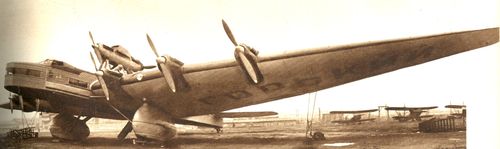
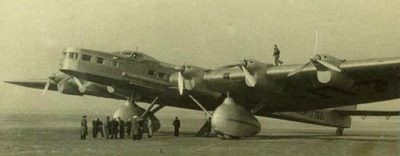
    The Maxim Gorky (Gorkii, ANT-20) was the largest plane of its time, a craft intended to show the world of the vast technical prowess of the Soviet Union.  There is now doubt that the plane was huge–112’ long, 22’ high, with a wingspan of 206’ (and 5,200 sq ft surface area), and weighed in at 59 tons—and was indeed the largest plane in the world. 

    Blog 12 9 Gorky big long


    The reality of the craft was closer to its rear wheel, which was manufactured of metal and filled with cement.

     Blog dec 8 gorky 1

    The plane was built by TsAGI was big—it was also ponderous, pretentious, terrifically slow (cursing speed of 141 mph and top speed of 171), and just a beast.  It was built very quickly, and it showed; it offered nothing new so far as design is concerned, being a cobbled montage of existing blueprints.  It did set world records for lifting stuff, but beyond that, it was a half-dead behemoth..

    Construction on the Gorky began in the midst of the Great Famine, a murderous Stalinist rampage which the result of planning and control on the collectives that killed 7-8 million Russians and Ukranians1 and which also destroyed the Ukrainian resistance, and which was also one of the most disgusting of the 20th century genocides…but there are so many to choose from.  (See Robert Conquest, the Harvest of Sorrow2).

    The Gorky was a magnificent nothing.  It was dedicated, finally, to a serve as a propaganda tool for the inglorious voice of Joseph Stalin, fitted into service with a movie/film, theater, print shop, photo lab, press room, radio station, and other creature comforts.   The Gorky, the “Victory Over the Air”, met its end 18 May 1935 in a crash with two other Soviet planes during maneuvers, crashing near Sokol Station, killing everyone on board and another 35 on the ground.

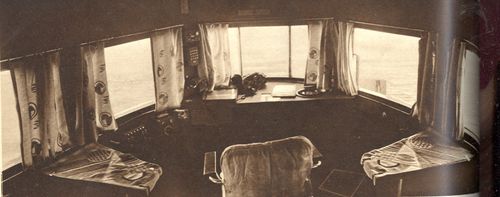
    Blog 12 9 Gorky Interior front

    I’ve included photos of the interior of the plane which illustrated and article in the 19 January 1935 issue of The Illustrated London News. I could find no other pictures of the inside of the plane online.

    {Photos in the CONTINUED READING section.)

    Notes:

    See:

    http://www.dictatorshipoftheair.com/wp-content/themes/content/excerpt2.pdf

    http://dictatorshipoftheair.com/2007/01/04/the-ant-20-maxim-gorky-in-flight/

    The Great Terror

    1.The Holodomor (the Ukrainian Famine of 1932-1933). http://en.wikipedia.org/wiki/Holodomor

    2.Robert Conquest The Great Terror: Stalin’s Purge of the Thirties (1968) , The Nation Killers: The Soviet Deportation of Nationalities (1970)   Lenin (1972) , Kolyma: The Arctic Death Camps (1978) , Inside Stalin’s Secret Police: NKVD Politics, 1936-1939 (1985) ,The Harvest of Sorrow: Soviet Collectivization and the Terror-Famine (1986) , Tyrants and Typewriters: Communiques in the Struggle for Truth (1989) , Stalin and the Kirov Murder (1989) ,The Great Terror: A Reassessment (1990).


  • The Battle of Berlin, 1935

    JF Ptak Science Books LLC  Post 869

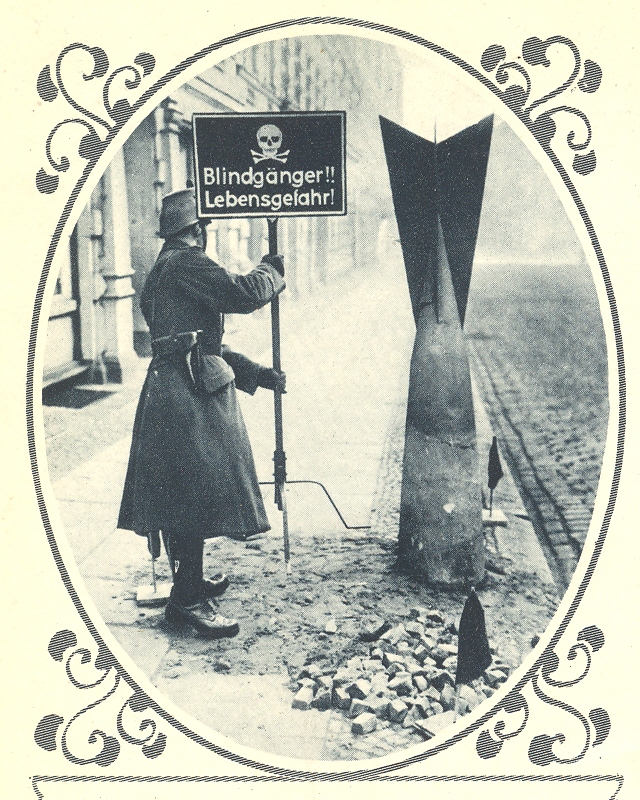
    Blog 12 8 bomb


    Well, it wasn’t really a battle, but the Nazi government was
    getting ready for one. As reported in this 30 March 1935 issue of The
    Illustrated London News
    .  There was an
    elaborate preparedness drill conducted in the Kreuzberg district of south Berlin ten days earlier—“the
    most realistic air raid exercises ever planned”. 

    The Germans attacked themselves with scores of low flying
    planes that dropped “deafening” false bombs; meanwhile the streets were swirling
    with gases that smelled like poison gas, cars were blaze, abandoned buildings were
    lit up with pyrotechnics, and there were heaps of rubble here and there.  The population not otherwise engaged in
    defense measures were all sent to evacuation shelters and centers.  There were drills for gas attacks and
    subsequent decontamination, firefighting, saving people from collapsed
    buildings, caring for children and the elderly, aid stations, medical triage,
    and so on.  Anti-bombing measures were also
    taken for nighttime raids, with blackouts, and general light-lessening measures
    on all levels and quarters—for example, streetlights and street sign lamps were
    replaced with much lower wattage bulbs.  It
    looks like it was a pretty big event–I’ll have to check my Illustriete Zeitung/Leipzig for the
    German coverage.


    Without being an historian of the 1930’s preparations for
    war defense, it seems to me that there was an awful lot of this going on in England, France
    and Germany
    through most of the decade.

    [The illustration above is a charming overstatement of the obvious, right down to the little flaglettes on either side of the (500-pound ?) bomb.  The sign reads “Closed Thoroughfare//Danger to Life” (sorta).

    I doubt that there would be that much need for a sign or flags, but if I was going to use anything at all I might place it a little further away from the unexploded device.  (I can just imagine people inching forward to be able to read what the relatively small print on the sign actually said…)


    At this point it may be interesting to have a look at an
    older post here on the creation of the false Paris. 


  • Unusual Aircraft: the Handley Page Harrow, 1938

    JF Ptak Science Books LLC  Post 884

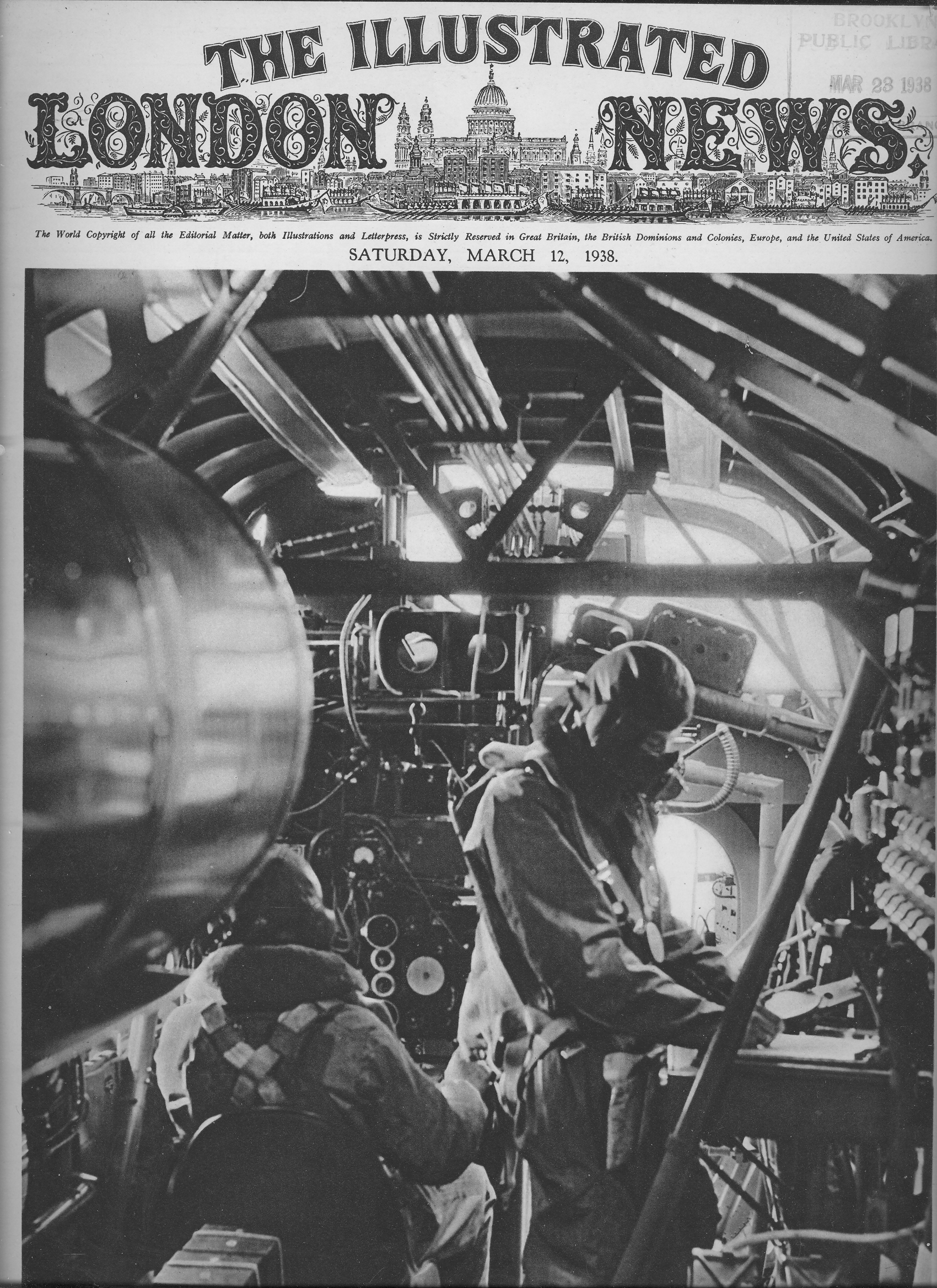
    I don’t have much to connect with this image, save to say
    that it is (to me) an unusual view inside one of Britain’s early heavy bombers, the
    Handley Page Harrow.  It was a beast of a
    plane, 88x82x19, with two 830 hp engines, a big, slowish, wide-turning affair
    with 3000 pounds of payload (which doesn’t seem like a lot to me).  The co-pilot is standing straight-up in the
    control area of the aircraft, with plenty of headroom to spare—something that I
    couldn’t do anywhere in the B-17e, and I’m only (just shy of) 6-foot.  He seems, maybe, to be calculating ground
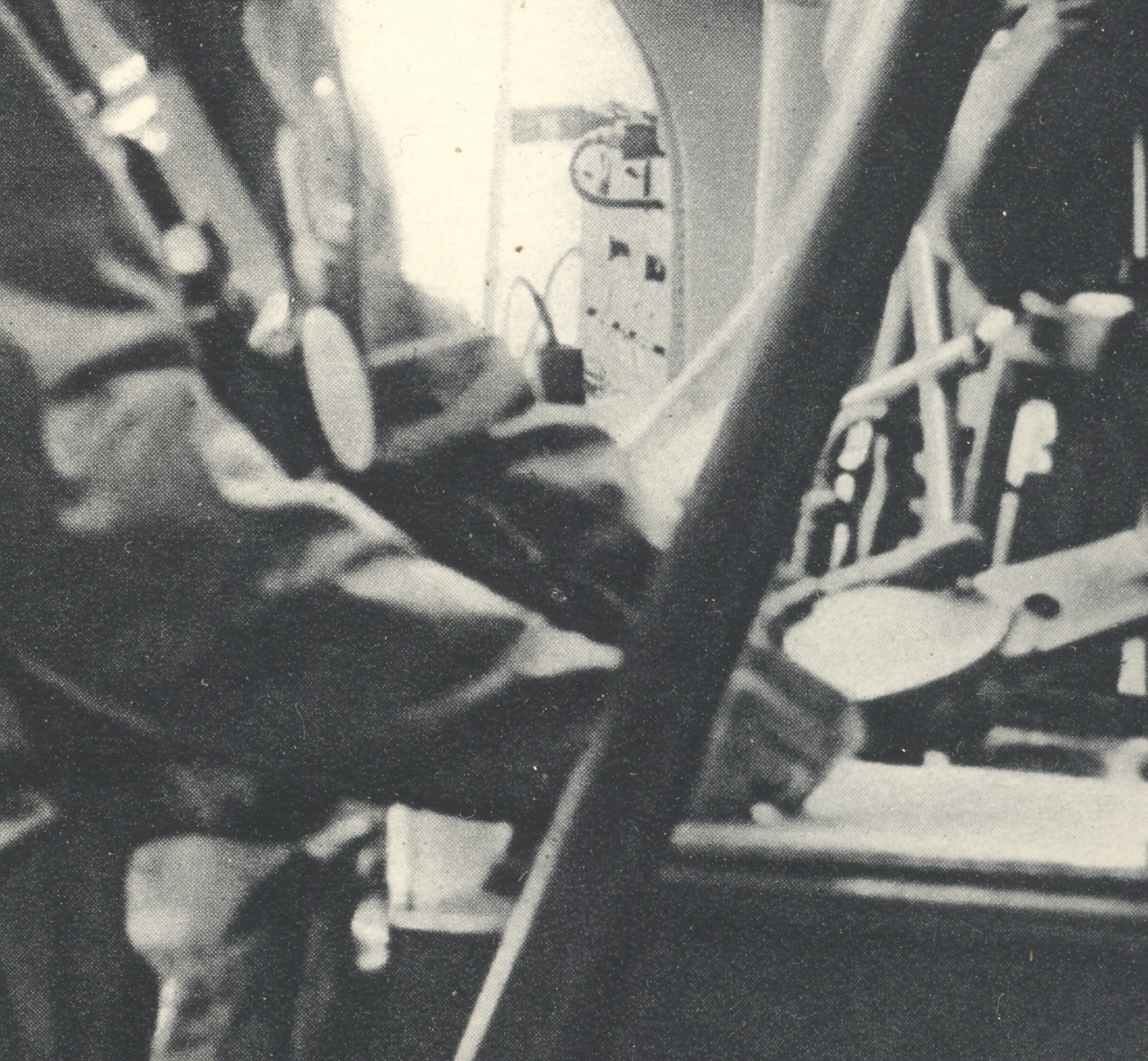
    speed (with a circular slide or ground-speed calculator?) at the navigator’s table, standing there next to the seated radioman.

    Blog dec 22 brit bomber

    It seems that it had a mixed experience during the war.  It was intended to be a troop carrier when it
    was design in the mid-1930’s, and by the end of the war there were only five of
    them left in service, which were removed from the RAF in June of that
    year. I suspect that when this image was published in The Illustrated London News on 12 March 1938, Britain was trying to quickly react the growing and desperate situation with Germany, and the Harrow was meant to plug a few gaping holes in the missing bomber bits of the RAF’s forces.

    I like the plane’s design, though I think it wasn’t
    intended to be a plane seen in combat, necessarily.

    Blog dec 22 brit bomber det

    ·Posted by :

    ·in:

    —

  • Hermann Goering, IG Farben and Zyklon-B

    JF Ptak Science Books LLC  Post 878

    I’ve been reading Nuremberg
    Interviews
    (Knopf, 2004) by the American Leon Goldensohn,  a psychiatrist who conducted interviews with
    19 of the 24 “premier” Nazis brought to trial at Nuremberg in 1945/6.  Goldensohn had a relatively workman-like
    approach to dealing with his subjects, leaving many dangling questions and
    comments not pursued.  On the other hand,
    he may not have been the type of psychiatrist who asked any questions at all of
    his patients, so at the very least we do have an interesting insight into these
    failed people that we would not have had otherwise. 

    Blog Dec 16--farben-zyclon dbl  

    Of all the interviews, I was most struck with the incredible
    understatements made by Hermann Goering (Field Marshal and once second in line
    to Hitler as a hand-picked successor) regarding the extermination camps.
    Goering maintained that he really didn’t know anything about them, at all, but
    found them offensive to his “chivalric” (if not moral) code. He felt that the
    killing of the Jews in this manner would “give Germany a black eye” and as a tool
    of warfare it turned out “not to have been worth much”.  But Goering continues:  “If killing the Jews meant anything, such as
    that it meant the winning of the war, I would not have been bothered by it”.

    Goering continues to explain that the killing of Jews as a
    result of “Goebbels’ hysterical propaganda” and “is not the way of a gentleman”
    .Also, the gassing women and children just wouldn’t do.  He found gassing women to be “ungentlemanly,
    and thus would not have been able to authorize such a thing.  Killing children, he said, would not have
    been “sportsmanlike”. 

    Goering said that he had heard “rumors” of mass killings,
    but he “knew that it would be useless” to investigate the rumors “even though
    it would have been easy” to be do so. 
    His reasoning: he wouldn’t have been able to do anything about it; and
    faced with that, he concluded, “it would make me feel bad”. 

    I’d give the benefit of the doubt to normal folks who would
    say something like this, that there was an error in translation, or some
    difficulty, or something.  With Goering,
    I’d say that this was an accurate statement. Sportsmanship.  He didn’t mention men in the gas chambers,
    but since he had defined his limits of gentlemanly and sportsman-like conduct,
    it stands to reason that the men were fair game in his mind.  Only monsters think like this. 

     Blog Dec 16--cvr 001This was the man who had very well-monied support from
    American industrialists in the pre-1945, deep connections to Ford and Standard
    Oil, and thus from Standard to IG Farben, and then to Zyklon-B (and also HERE) and back again
    to the gas chamber.  These connections
    are long and arduous, complex—but they really are there, the American support
    for the Nazi government, developed mainly for money but also for ideology. One
    of significant front man for the Nazi government is also one of Cornell’s 100
    most illustrious alumni, Walter Teagle. Teagle was president of Standard Oil
    and partnered with the Nazis in 1938, one result being shared research and
    patents, some of which were crucial war materials like tetraethyl lead
    and synthetic rubber.
    (Tetraethyl lead was a fuel additive that in some respects made it possible for
    the Luftwaffe to attack and bomb London.)
    I use the term “front man” because of Teagle’s blatant lies to the Securities
    and Exchange Commission concerning true ownership and control of I.G. Farben’s
    American subsidiary, American I.G. Chemical Corporation.  (It was happily believed that a Swiss
    subsidiary controlled the company rather than its Nazi owners. Teagle of course
    knew the truth.) 

     Blog Dec 16--farben-zyclon cnaister

    This is just one of a geographical dictionary of stories on
    the American/Nazi business connection and the financing of Hitler. It is a long
    and winding mass of roads, none of which is particularly pretty, many of which
    lead straight home, again.  Henry Ford
    was impossibly ugly in all of this, a moral stain. But there were many like him
    as well. 

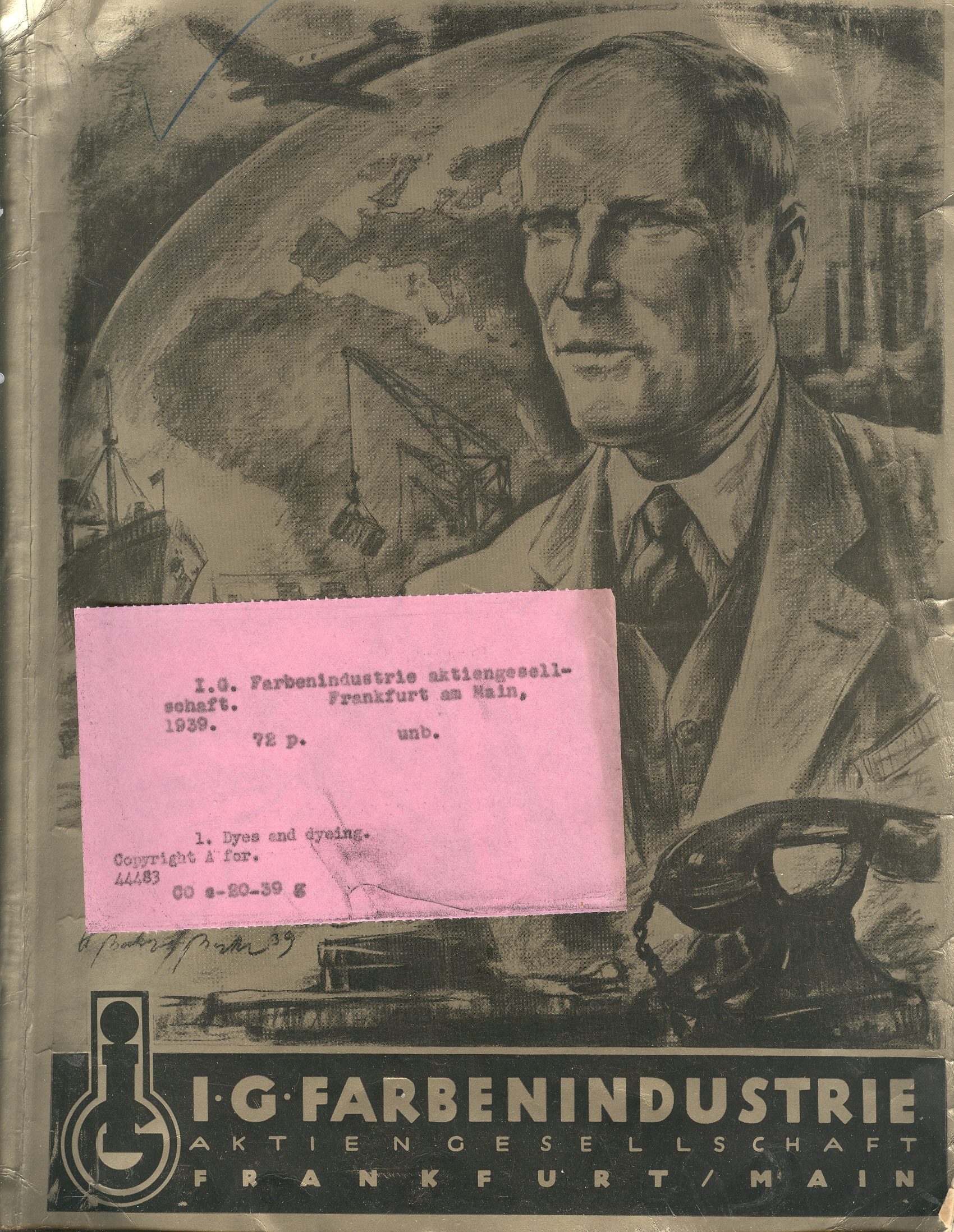
     Blog Dec 16--farben-zyclon Farben made a heavy contribution to the Nazi war effort, on
    many levels, in particular with explosives, where the company produced nearly
    all of the explosives used by the German army. Farben also swept into countries
    freshly occupied by the Wehrmacht to take over the industrial complexes, using
    and discarding indigenous workers as they saw fit and necessary.   I
    think what most people think of when they think of I.G. Farben is their
    sustained involvement and investment in the extermination camps.  For example, Auschwitz IG (and Buna-Werke) was
    a direct subsidiary of IG Farben which ran the Auschwitz III (or Monowitz,
    Monowice) labor camp, using and consuming some 50,000 slave laborers at a time
    at its various installments around the vast Auschwitz
    complex.  These workers would be weeded
    out from time to time, with those too weak to work sent to the gas chambers at Birkenau.(Zyklon-B was used at Majdanek, Sachsenhausen and Operation Reinhard .)

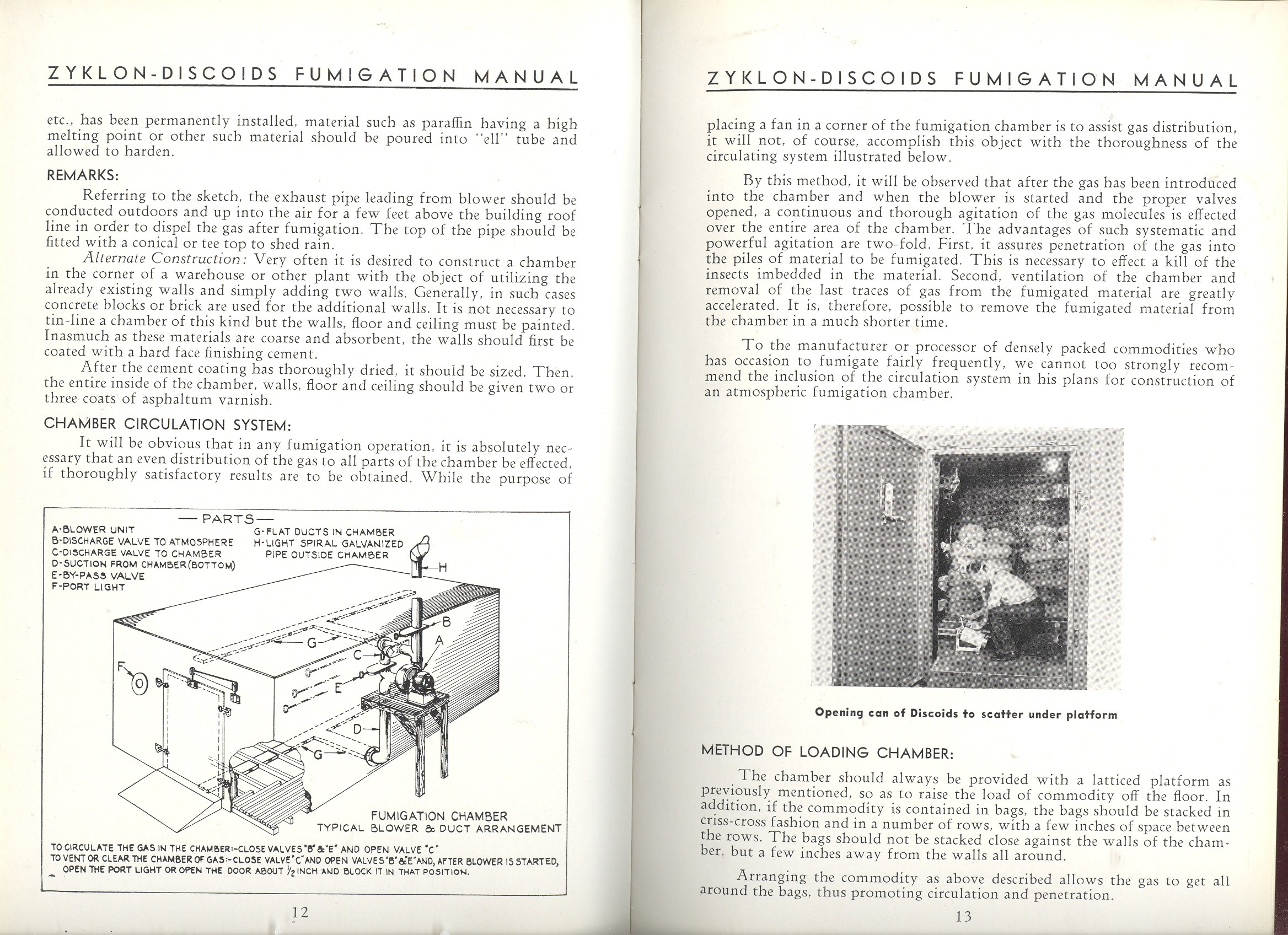
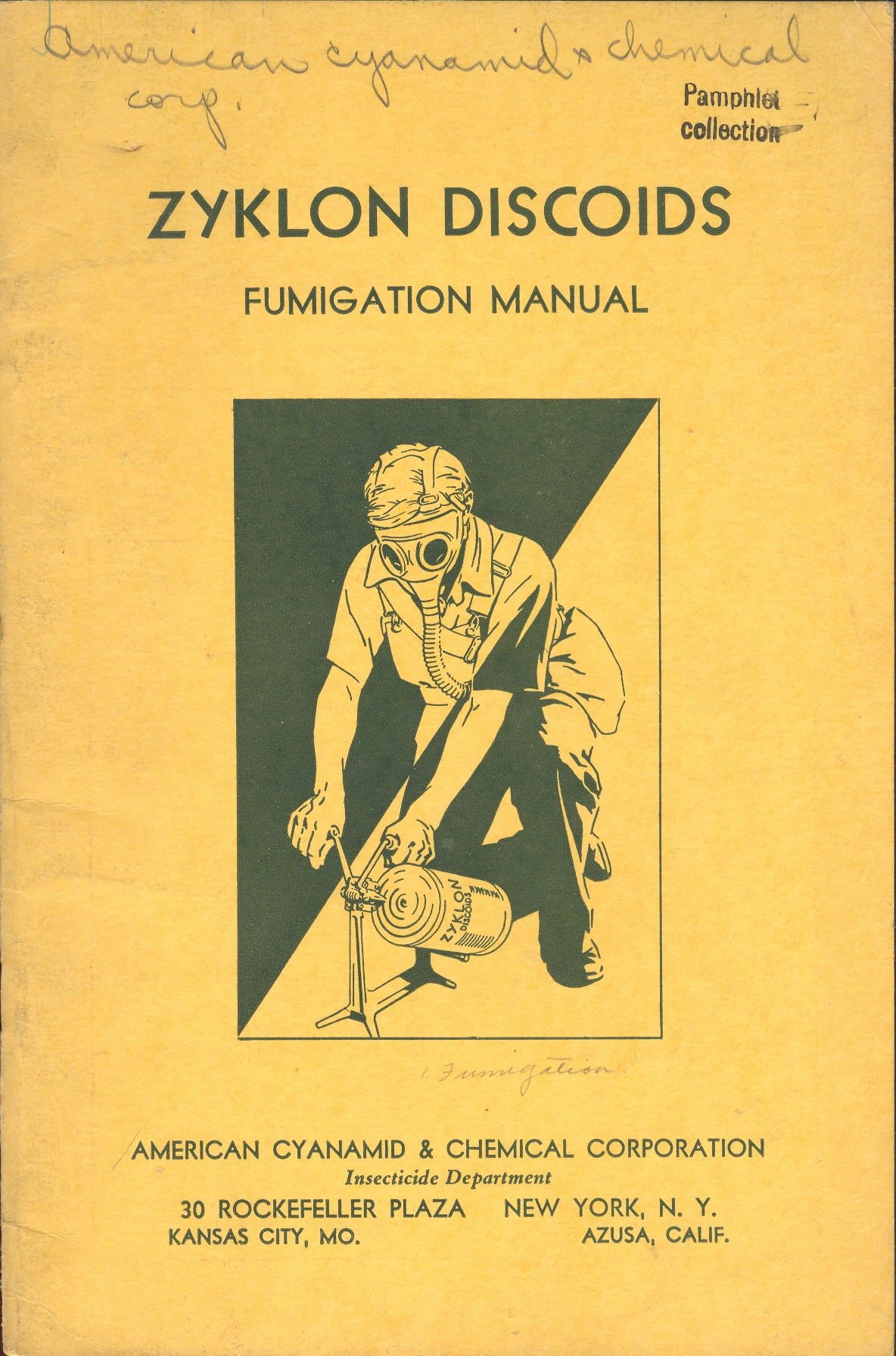
    In the appalling history of the gas chambers, it was almost
    by accident that Zyklon-B came to be used to exterminate human beings.  Its function to that time was to exterminate
    bug pests, but experimentation showed that it worked lethally upon humans.  Monumental amounts of Zyklon-B were sent to
    the extermination camps, all without question. Dr. Fritz ter Meer, one of the
    directors of Farben and who knew exactly what the vast amounts of Zyklon-B was
    being used for, was tried at Nuremberg and sentenced to seven years in prison
    for genocide and crimes against humanity, though he was released after four
    years after the intervention of U.S. High Commissioner for Germany J.J. McCloy.
    (It was McCloy again, working with Standard Oil and the Rockefellers, who
    ensured that the massive Farben works at Frankfurt was taken off lists of
    American bombing targets in 1943 and 1944.) 
    ter Meer returned to work for Farben after his imprisonment—though it
    wasn’t the old Farben anymore, the company  having been slightly effaced, broken into
    several constituent elements.  Ter Meer’s
    section of Farben was Bayer, as in Bayer aspirin, where he served as Chairman
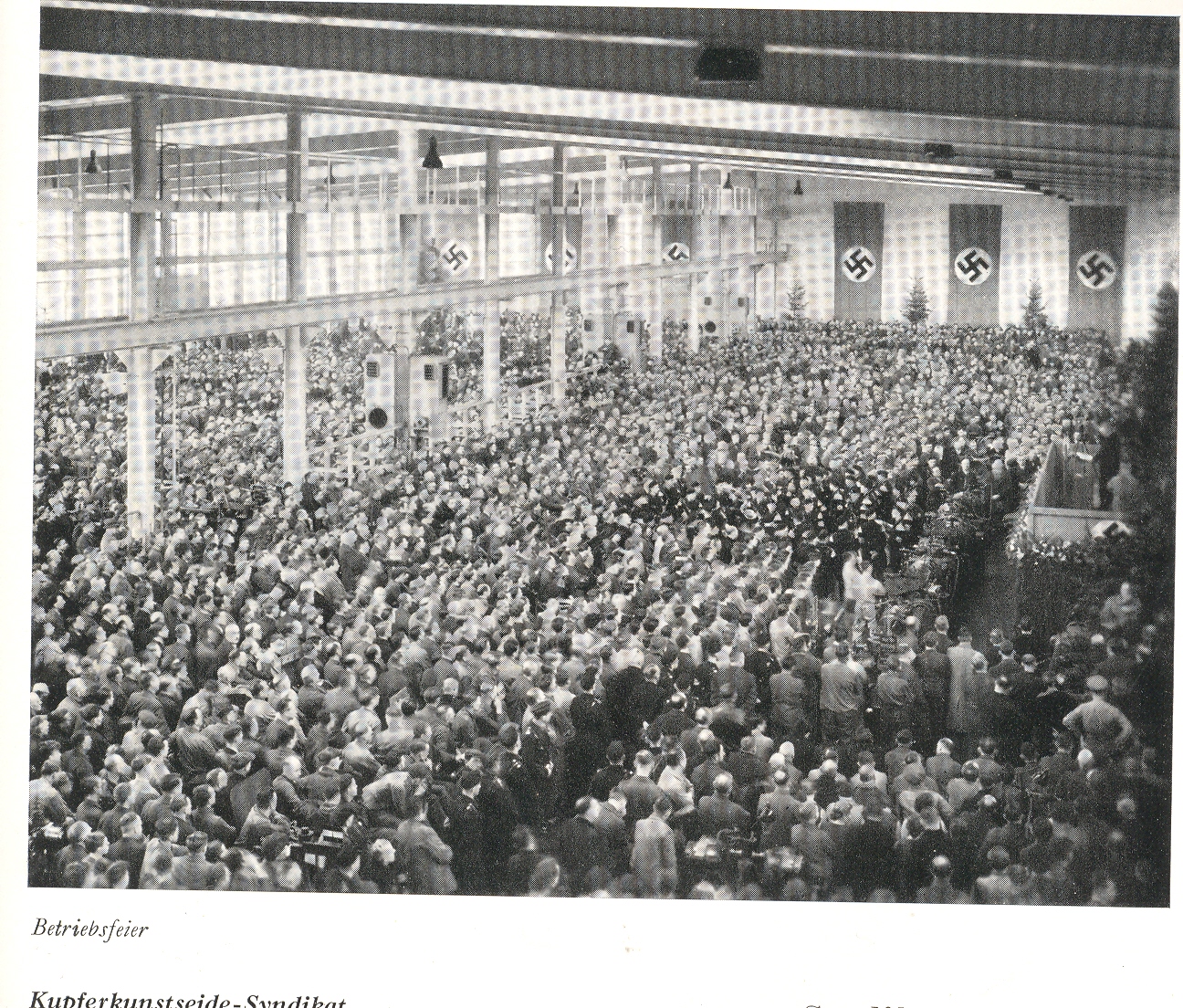
    from 1952 to 1961. {Image below: political meeting at IG Farben.]

    Blog Dec 16--nazi meet

    Dr. Fritz ter Meer, a director of IG Farben who was directly involved in
    developing the nerve gas, Zyklon-B, which killed millions of Jews, was
    sentenced to seven years in prison but was released after four years through
    the intervention of Rockefeller and J.J. McCloy, then U.S. High Commissioner
    for Germany. An unrepentant Fritz ter Meer, guilty of genocide and crimes
    against humanity, returned to work in Bayer where he served as Chairman for
    more than 10 years, until 1961.

    Kurt Wurster, another director from Farben who was in charge
    of the Zyklon-B-producing subsidiary, Degesch ((Deutsche Gesellschaft für Schädlingsbekämpfung mbH, or German Corporation for Pest Control), was acquitted of all war crime
    charges brought against him.  He took
    charge of another part of the disbanded Farben empire, serving as CEO of BASF
    from 1962 to 1974.  The directors of Testa, another Farben subsidiary producing Zyklon-B–Bruno Tesch and Karl Weinbacher – met with a different end in a British Military court, and were executed.

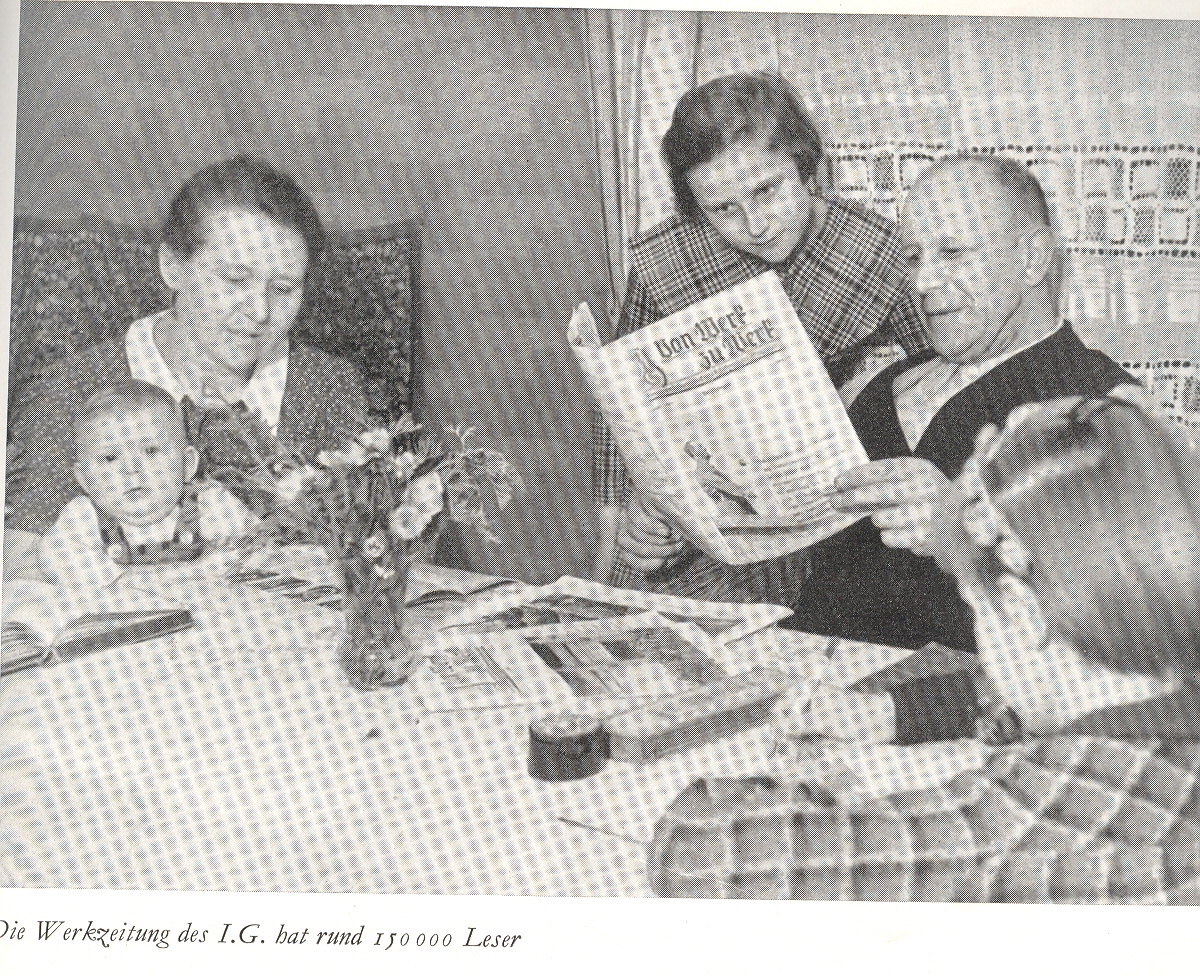
    Blog Dec 16--reader

    And so on and on the story goes, unpretty tales of
    undeserved redemptions.  For example, in
    the coming fight against the Soviets, the U.S.
    government developed a convenient amnesia regarding the atrocities committed by
    Wernher von Braun et alia, paperclipping them away to the U.S. to help develop the American
    missile and rocket capacities. 

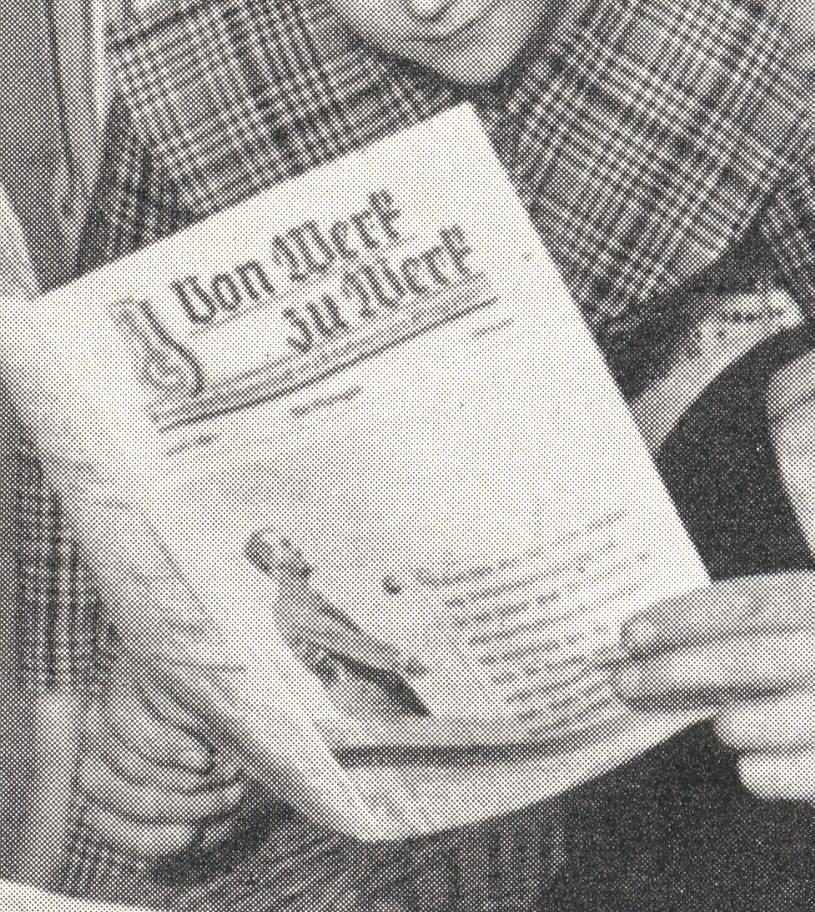
    Blog Dec 16--readerdet [Above: one of the many appearances of Hitler on the front page of Farben’s newspaper, Von werk zu Werk.]

    I think I’ve ground to be a bit of a halt, these posts
    supposing to be an hour’s effort—there is simply too much to put into a tiny
    synopsis like this.  I just got stuck on
    Goering and Farben.  Seeing these images
    from one of the many Farben publications with so many swastikas and so much  Nazi symbolism made me terrifically sad…Yes, Farben was the largest backer of Hitler in his rise to power in 1931/32 and supplied even more after the election, and of course Farben received the most benefit than any other company in Germany as a result of the victory, but still, there is just so much of it… [See HERE for an interesting short item on the adaptation of Farben to nazism.]

    In all of this the survivor has been Zyklon-B itself: it is still in production in the Czech Republic by Draslovka Kolin (Kolin), and is now known as Uragan D2.

    [Some vintage footage from the trials at Nuremberg.]

    ·Posted by :

    ·in:

    —

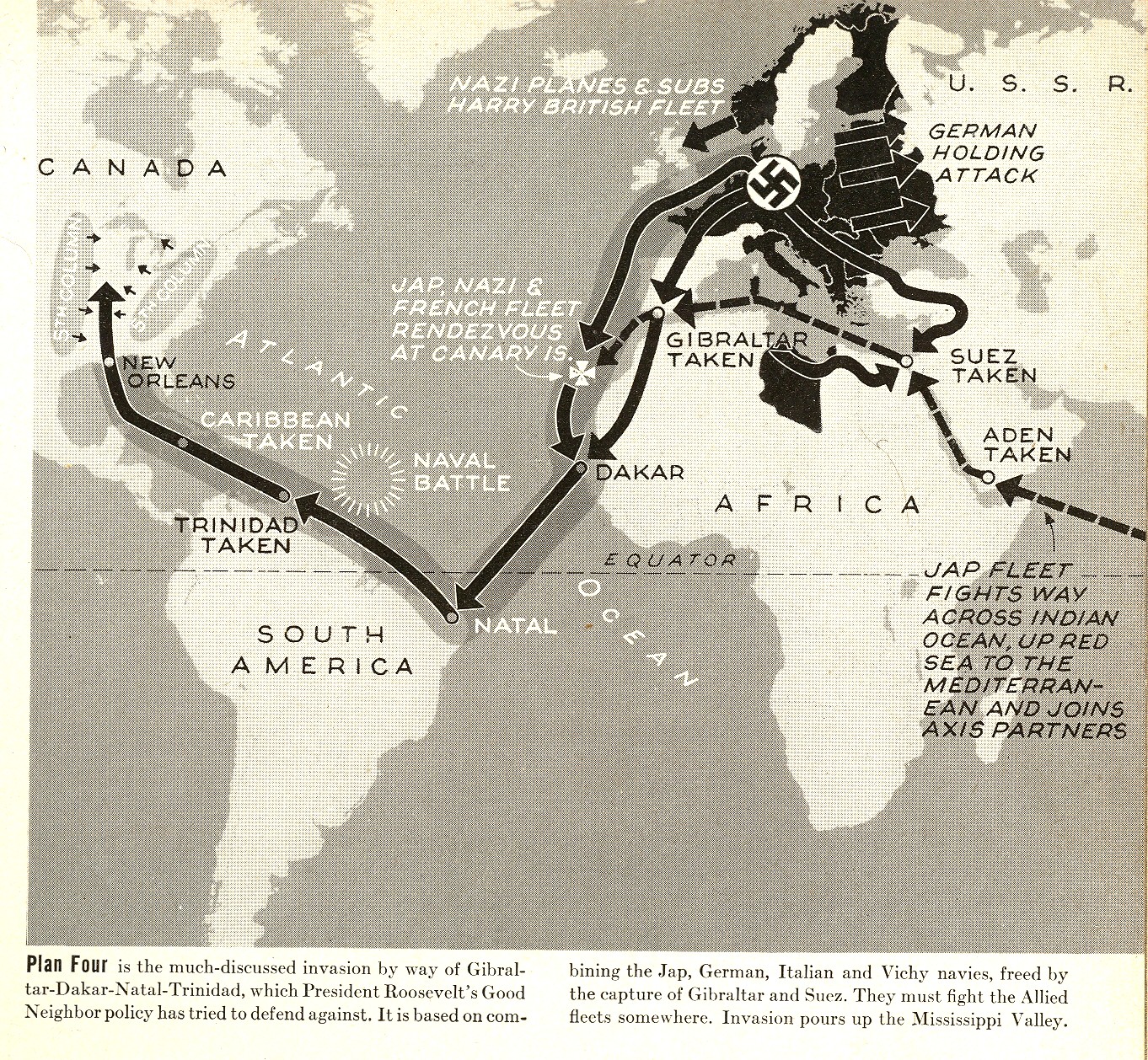
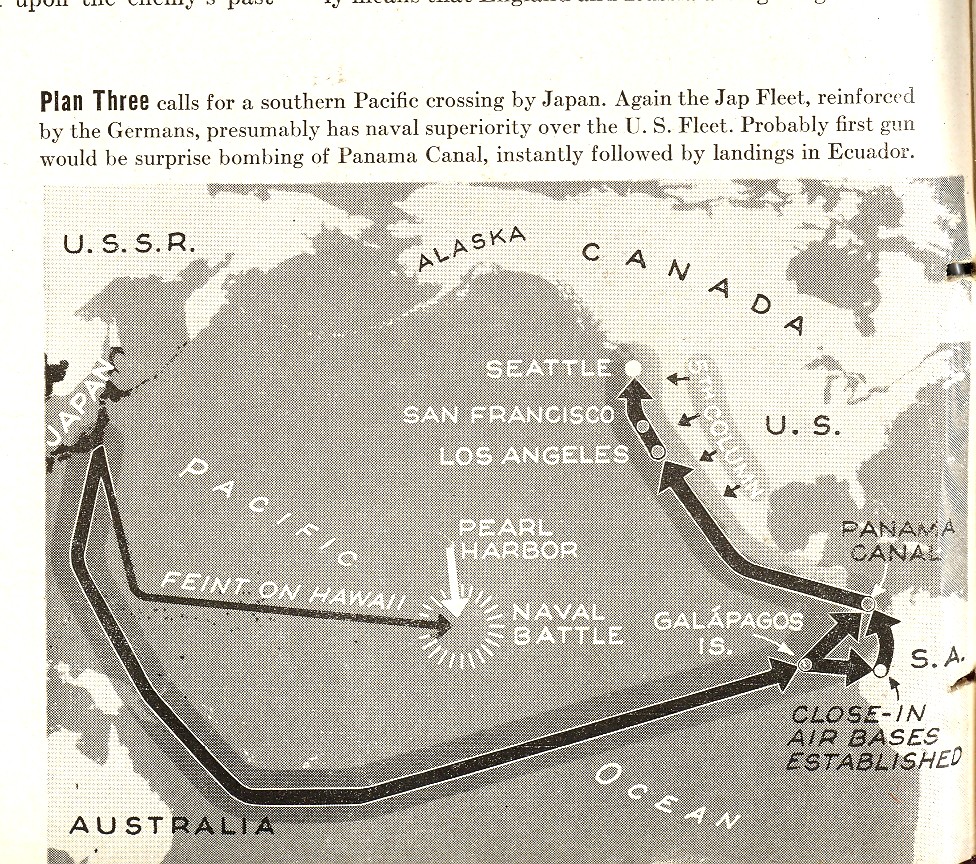
  • The Invasion of America, 1942, Part II

    JF Ptak Science Books LLC  Post 877

    This is a continuation of an earlier post on mapping the
    invasion of America
    in 1942. 

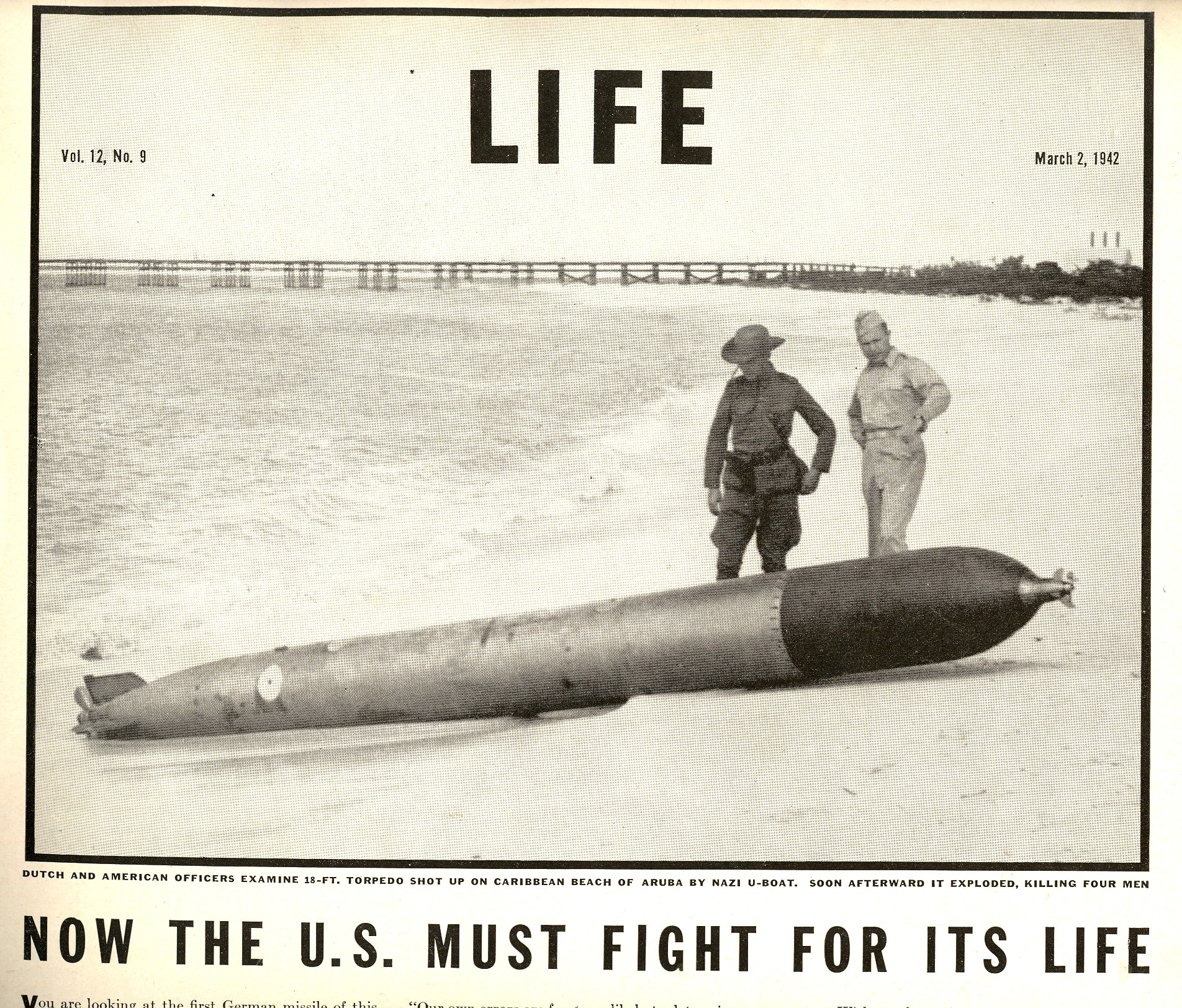
    [It starts: LIFE
    Magazine issued a wake-up call of sorts to its readership in their 2 March 1942
    issue.  I say “of sorts” because even though this hard article (entitled
    “Now the U.S. Must Fight for Its Life”) must have sorely sobered some of its
    readers, it started on page 15, following big ads for Listerine, Matrix
    (women’s shoes, Bell Telephone, Modess, Clapp’s Baby Food, Dot Snap Fasteners,
    Goodrich Tires, White Horse Scotch, Pompeian Massage (for shaving), Jack
    Benny/Carole Lombard’s “To Be or Not To Be”, Colgate, Yardley powder and
     Mimeograph, and a few interspersed puff pieces—and a Ginger Rogers cover
    photo.  But once LIFE paid its bills, the article got right to business,
    responding to a February article by sci-fi/novelist Philip Wylie on the possibilities
    of the U.S.
    losing the war…]

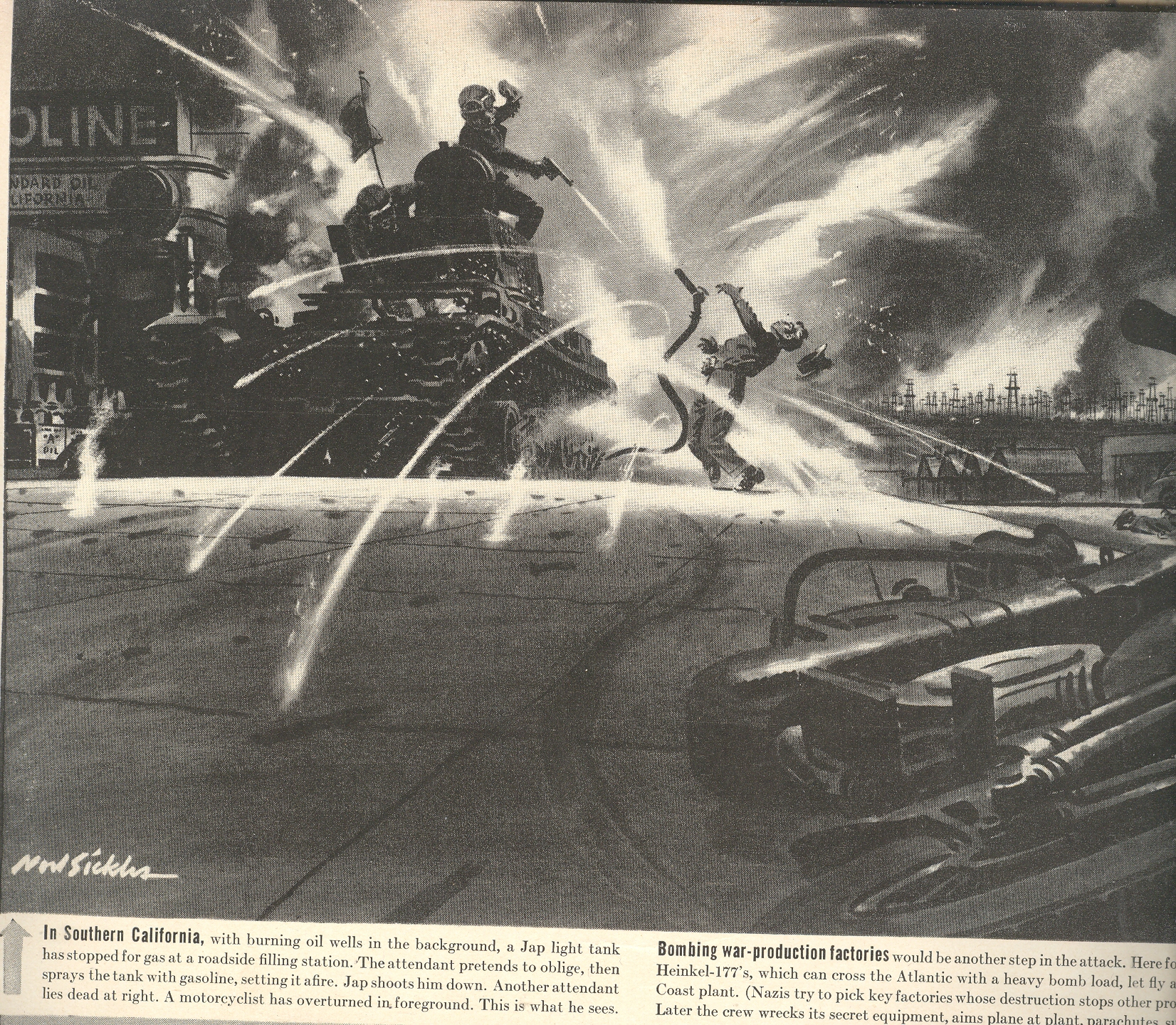
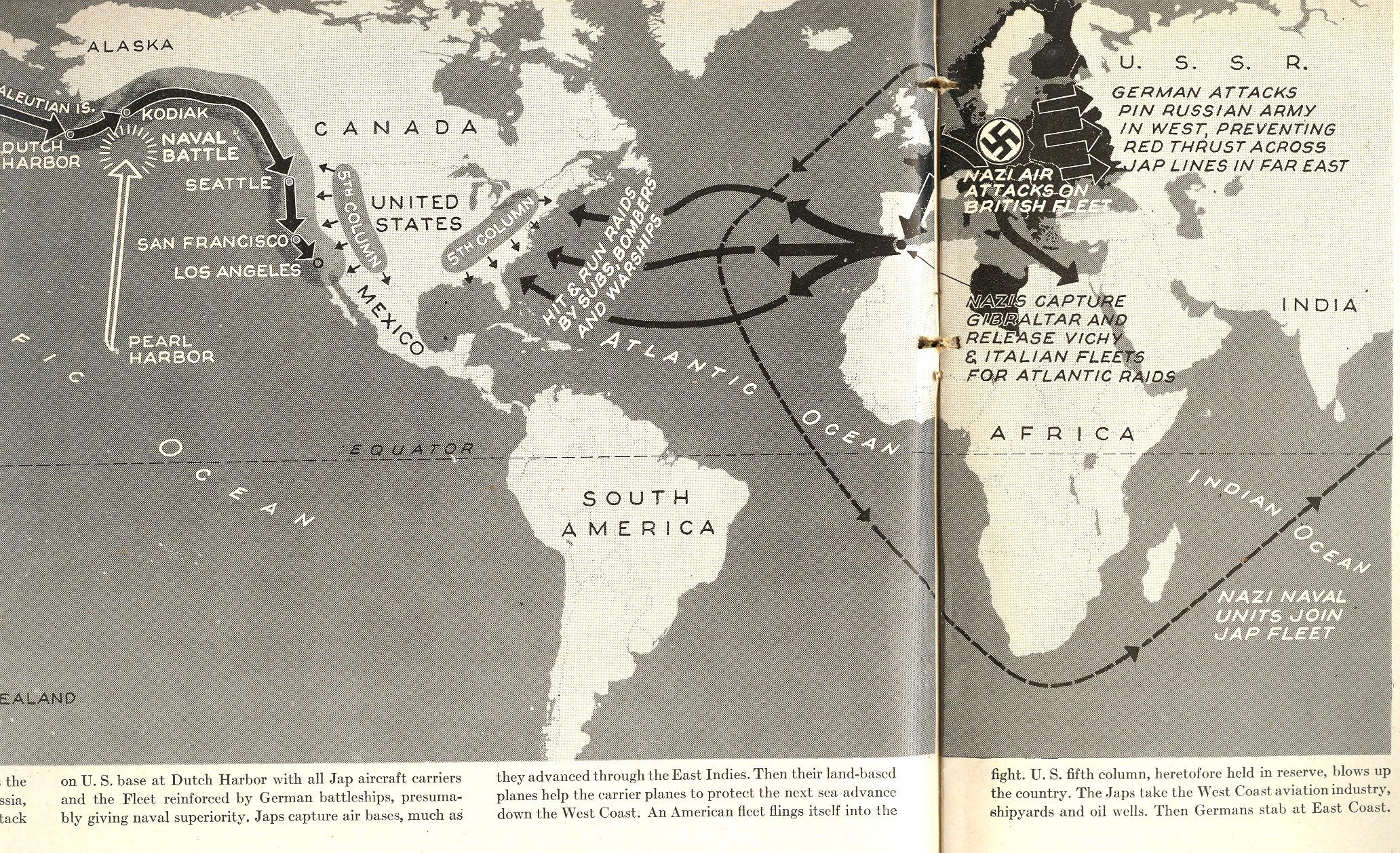
    The article displayed six maps showing possible invasion
    routes from the east and west.  It was
    also illustrated with four unusual graphic images depicting various parts of
    the U.S.
    attacked and pulverized by Japanese and German forces.  [Images like these—outside the science fiction
    world–were very uncommon.]

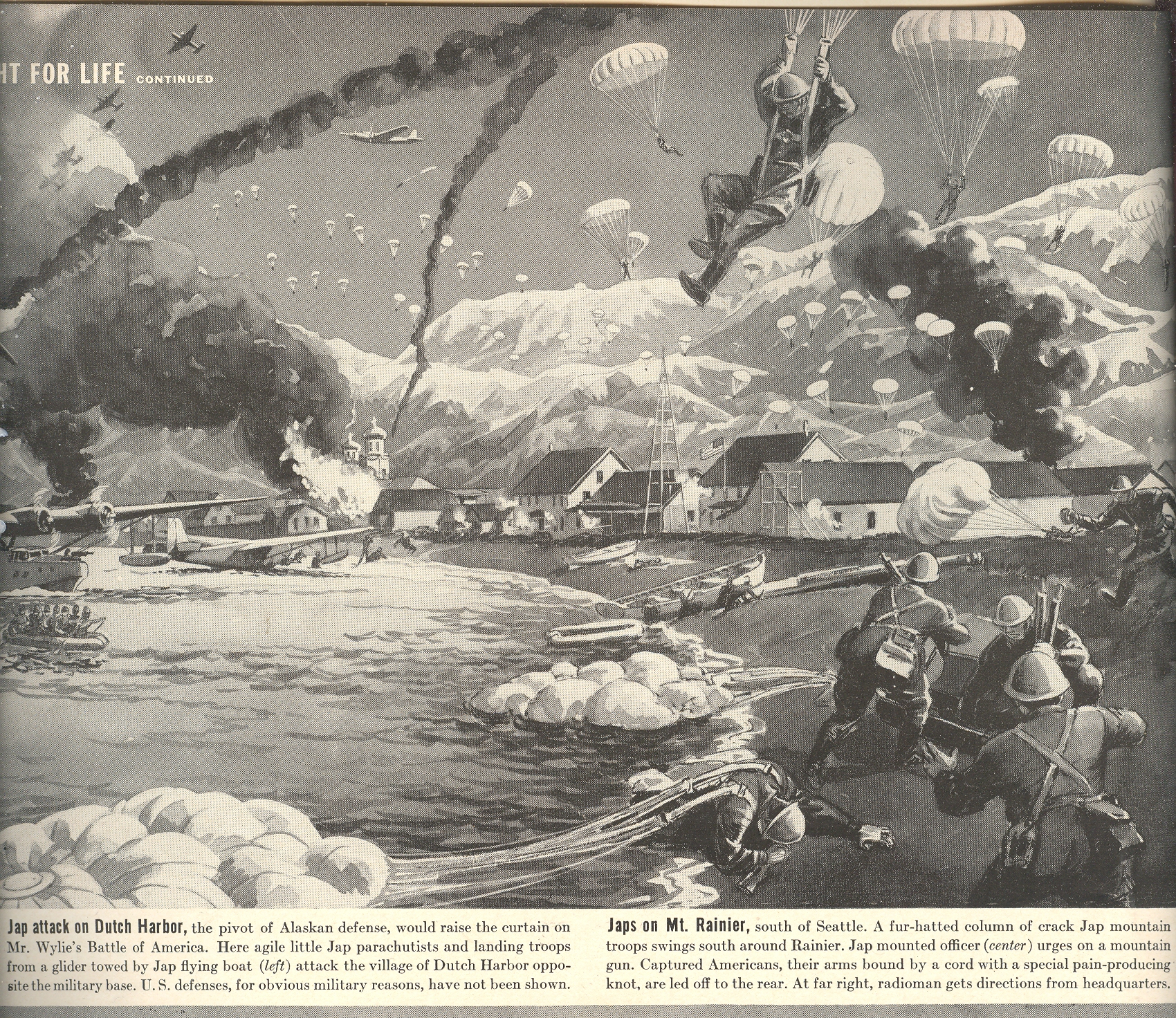
    The first image shows the assault and capture of the town of
    Dutch Harbor,
    “the pivot of Alaskan defense” by Japanese forces.  I guess we’re to assume that the American
    military base on opposite the town has been overtaken already, with the assault
    on the town being a mop-up operation. Odd thing here is that Dutch Harbor
    and Fort Mears were actually attacked n 3 June
    1942 by a Japanese aircraft carrier (and entourage) which inflicted moderate
    damage on the harbor and fort, and killed 78 Americans.  This was a diversionary movement, meant to
    draw away American attention from Midway. 
    It didn’t work.

     Blog Dec 15--attack america 1

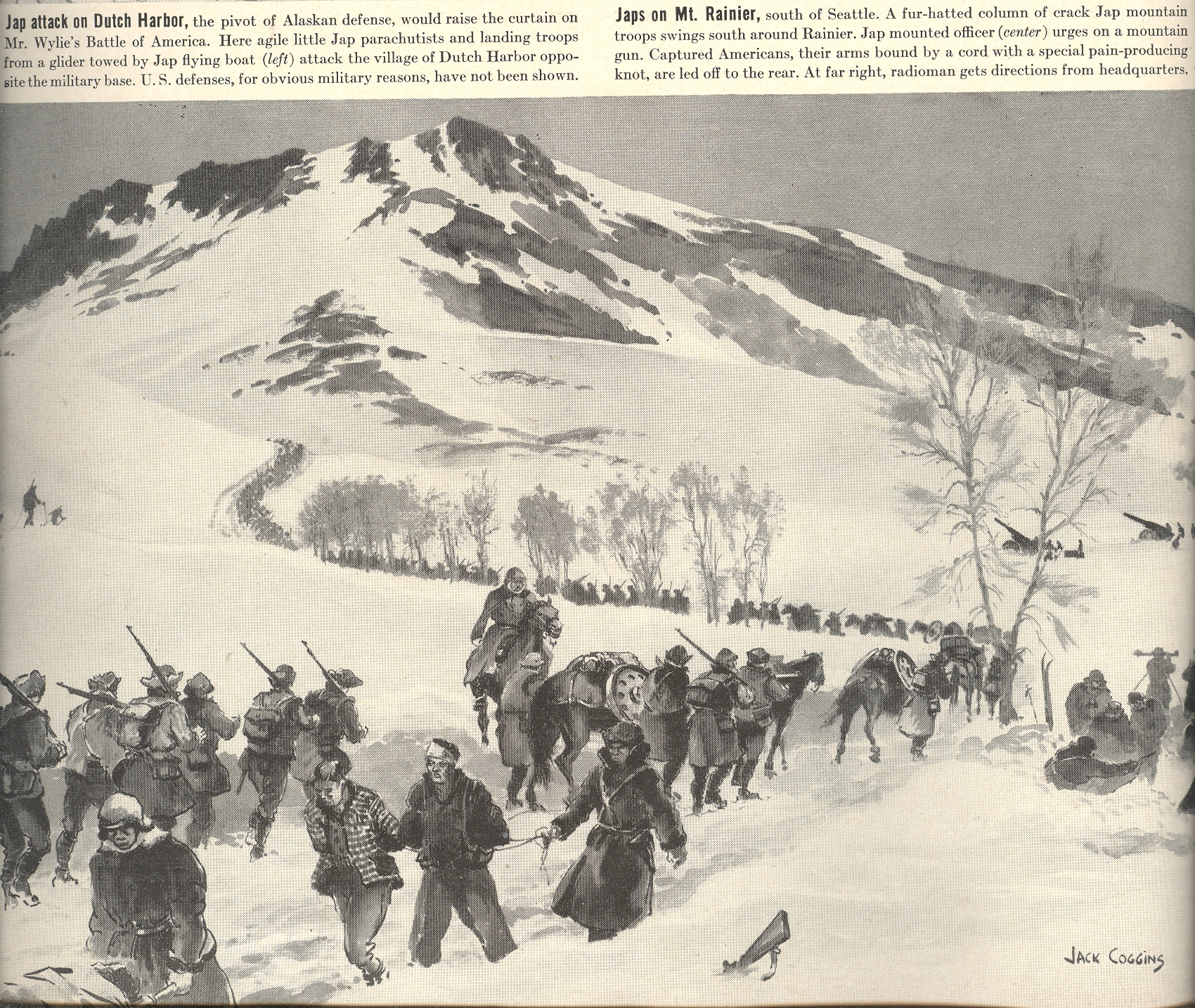
    This image shows Japanese mountain troops rounding up the
    locals after their successful attack on Mt. Rainier.  I’m not so sure why the force was here and
    not in Seattle, as (a) there is no port here, and (b) there wasn’t anything
    going on so far as war production goers, which was definitely happening north
    of here.  That’s a very long column of
    Japanese soldiers headed towards Rainier; I’m
    not sure where they were going.  Also
    there are two large cannons (88s or thereabouts) taking aim at the mountain.  Again, I think here that the mountain would
    win in the long run.


    Blog Dec 15--attack america 2 The petroleum culture is under attack here in southern California.  The Japanese tank commander is shooting a gas
    station attendant who has just sprayed the tank with gas and set it on
    fire.  I’m not sure why the oil
    facilities are on fire, unless we did it. 

    Blog Dec 15--attack america 3

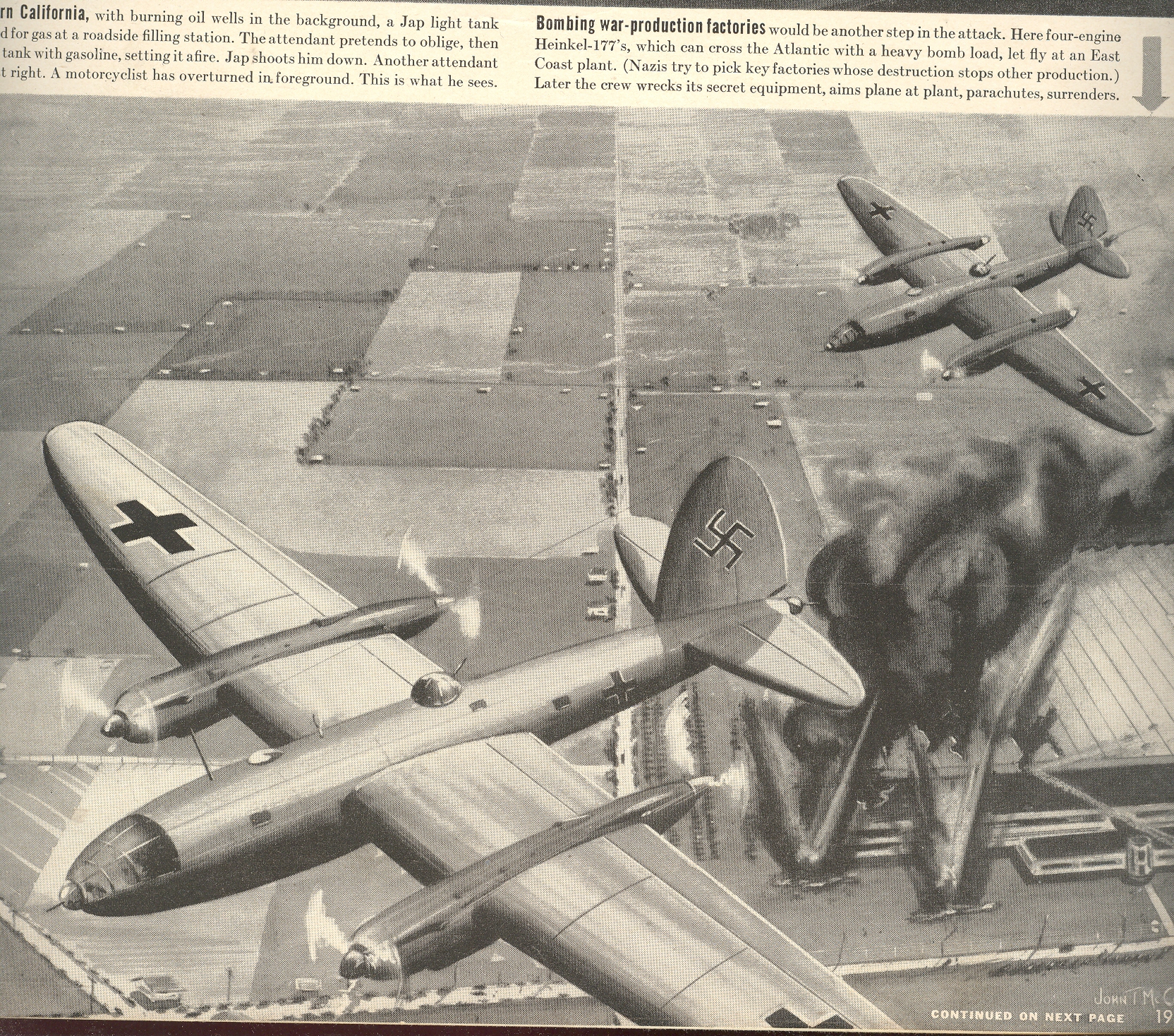
    These Heinkel-177’s are bombing an unnamed East Coast war production
    plant, crossing the ocean straight from Germany ?).  They are presented here essentially as a manned
    bomb—the crew was supposed to drop their load, destroy their secret equipment, then
    parachute and surrender after auguring in their aircraft.   This push-pull
    engine configuration on this LIFE magazine
    version of a bad aircraft—and the only heavy bomber the Luftwaffe ever produced
    in numbers—never was able to drag this aircraft across the Atlantic.
     Its maximum bombing range was about 925 miles,
    which means even if the crew expected not to return it would still only get about
    two-thirds of the way across the ocean. 

    Blog Dec 15--attack america 4


    I’d say that this article might well have established a new
    fear-line in the minds of many of LIFE’s
    millions of readers, introducing them to the possibility of mainline attack
    just  a few short months following Pearl Harbor.


  • Mapping the Invasion of America, 1942

    JF Ptak Science Books LLC  Post 873           Blog Bookstore

    [See also Part II of this post, here; and consider a  related post on the Nazi sub-orbital Amerika Bomber]


    Blog Dec 12 USA attacked map overview LIFE Magazine issued a wake-up call of sorts to its readership in their 2 March 1942 issue.  I say “of sorts” because even though this hard article (entitled “Now the U.S. Must Fight for Its Life”) must have sorely sobered some of its readers, it started on page 15, following big ads for Listerine, Matrix (women’s shoes, Bell Telephone, Modess, Clapp’s Baby Food, Dot Snap Fasteners, Goodrich Tires, White Horse Scotch, Pompeian Massage  (for shaving), Jack Benny/Carole Lombard’s “To Be or Not To Be”, Colgate, Yardley powder and  Mimeograph, and a few interspersed puff pieces—and a Ginger Rogers cover photo.  But once LIFE paid its bills1, the article got right to business, responding to a February article by sci-fi/novelist Philip Wylie2 on the possibilities of the U.S. losing the war.    

     Blog 12 10 USA map attack 1

    Losing looked like something that could actually happen in pre- war-ready America3.  The war in Europe had been on in earnest since the very end of 1939 (since 1933 in Asia), and the Axis had reached just about the fullest extent of their victories (though there would be more gains in the Pacific to come).  By March of ‘42, we had Bataan, MacArthur leaving the Philippines and the fall of rape of Manila, the siege of Leningrad, Corregidor, Java Sea, the Brits leaving Singapore, Malaya, and so much more.  The Axis powers in Europe were now in control of Austria, Czechoslovakia. Poland, Denmark, Belgium, the Netherlands, Luxembourg, France, Norway, Yugoslavia, Finland, Greece, Lithuania, Latvia, Estonia, and parts of the Soviet Union (Ukraine, Bylorussia, Crimea), and parts of North Africa;  plus the allies of Hungary, Romania, Bulgaria, and Slovakia. There was also Italy, of course, controlling Sicily, Ethiopia and Libya., and of course the Japanese controlled large swaths of China, South East Asia, Indonesia and points in-between.  The overall situation did not look very good. 

    Blog Dec 12 USA attacked map 2
     The following maps appeared in a two-page spread, detailing ways in which the Axis powers could combine their efforts, focus on America, and take over the country.  Maps such as these with arrows being drawn towards America were absolutely uncommon during this time. 

    Blog Dec 12 USA attacked map 3 001

    Notes

    1.This is almost universal SOP for war reporting for almost all media, and which continues today.  The Illustrated London News delivered reports of success and disaster sandwiched between ads for socks and trifles, as did the Illustriete Zeitung (Leipzig and Berlin), the New York Times, and so on.  I remember very clearly as a kid hearing the reading of the daily list of American soldiers killed in Vietnam  on one of the Big-Three networks, somber and intoned, followed instantly by a ad for Coke or Mister Kleen. 

    2 Wylie (1902-1971) was an interesting guy with a wide reach.  In addition to Hollywood-feeding work, interesting fiction, insightful scifi and social commentary, Wylie also provided the inspiration for the creation of Superman (“The Gladiator”, 1930) and Flash Gordon (When Worlds Collide, 1933).

    3.  Once the war machine in the U.S. got into hyper drive I think that it was impossible for this country to be defeated given its population, workforce, industrial capacity, raw materials, and of course scientific superstrucutre.  Also there was also no other country in the world with the necessary (and enormous) components needed to construct an atomic bomb.  This is a simplified statement that seems pretty homespuna dn jingoistic, but the fact of the matter is that the U.S. was the seat of overwhelming  possibilities and capacities. And yes the Nazis had been slowed down mightily with the expense of dozens of millions of Russian lives and the entire British war machine and on and on—I’m just saying that in the end, the U.S. could not have been beaten.  

    MORE maps in the extended section, below:


  • Objects from the Last Full Measure, 1944

    JF Ptak Science Books LLC  Post 852

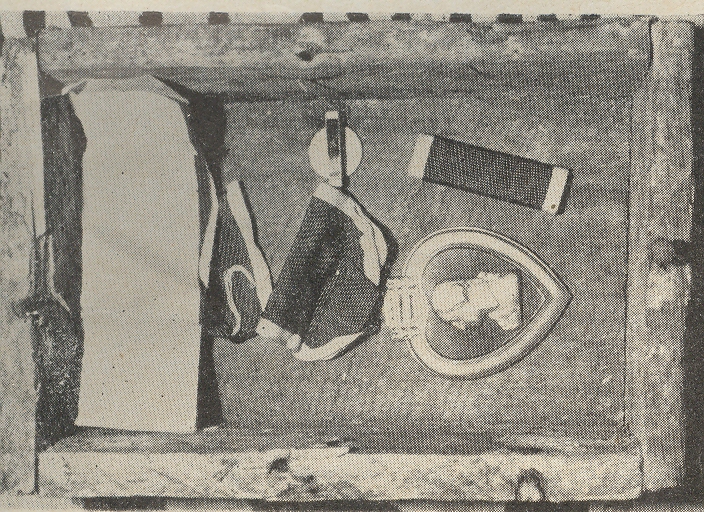
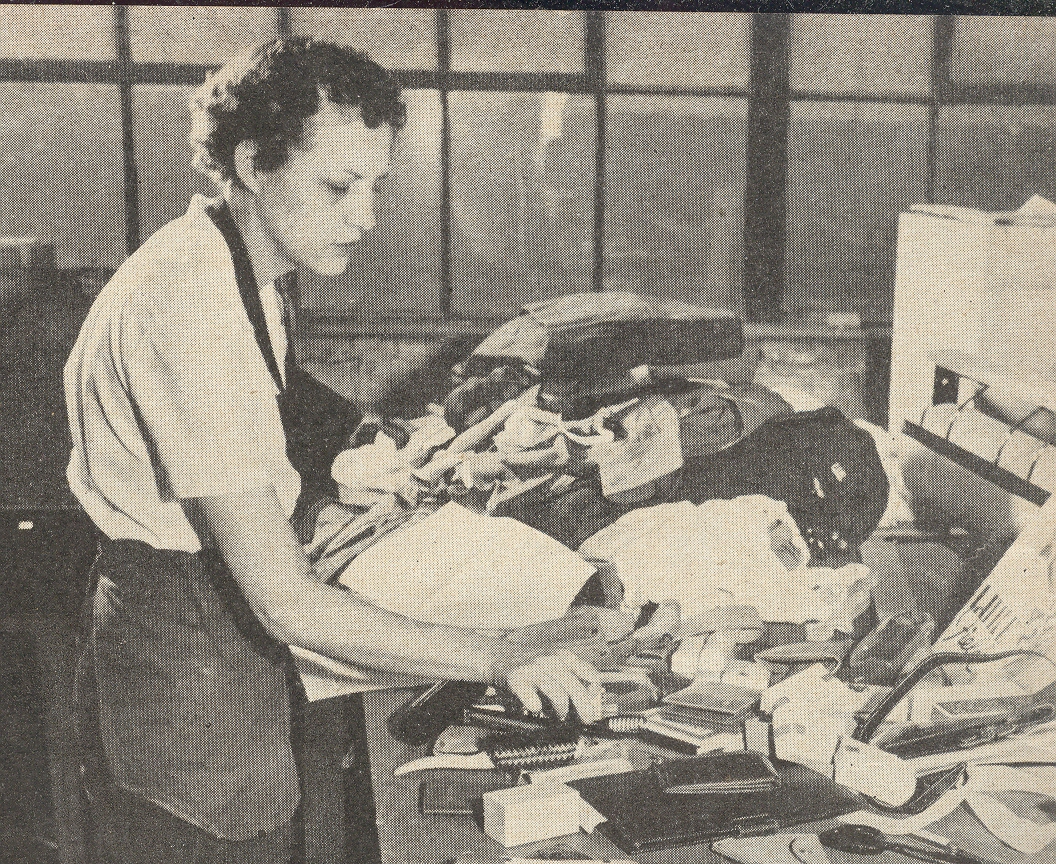
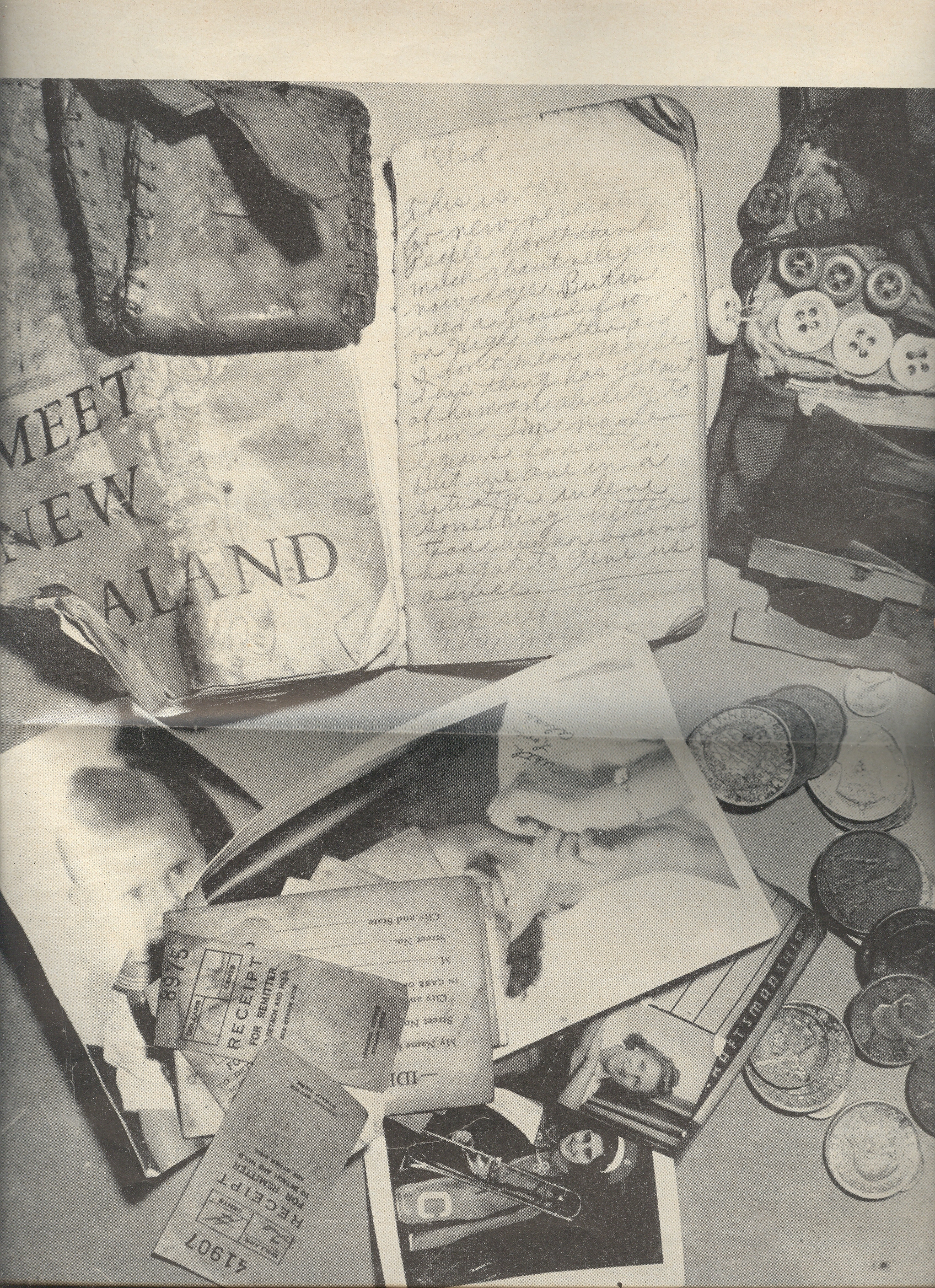
    ++ Nov 25n purple The material documented in this 17 April 1944 LIFE magazine article are the effects
    of dead soldiers.  It was surprising to
    see this sort of coverage, given the place and the time: I do not think that we
    will see photographs like this for our currents wars.  The title of this short photo essay—the
    shockingly stunted and bald “Dead Men’s Things”—should certainly have been
    something else with more dignity than a movie title for a schlock Hollywood
    B-production of the ‘50’s.The article is weirdly disjointed and heavy handed
    considering the great and respectful duty at hand. ++ Nov 25n lady I’m not saying that the writer didn’t
    understand the enormity of the situation, as the article puts it quite
    well:  “To the people who go there, it
    seems a more sacred place than a cemetery and the ordinary things it handles
    seem the best kind of memorials to men who will never return…”  The clumsy manner in which the whole deal is
    presented was probably a series of unfortunate errors by a time-pressed
    editor. 

     ++ Nov 25n dead men big

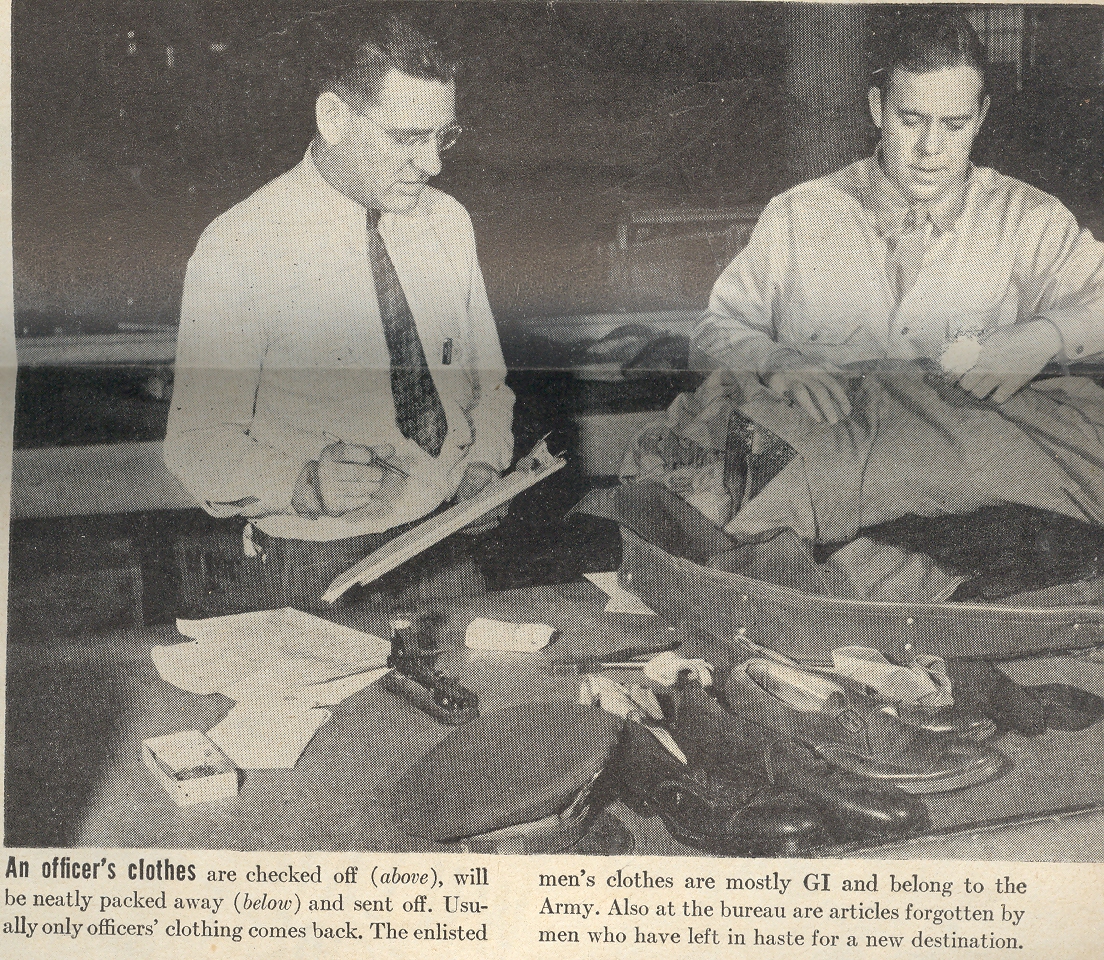
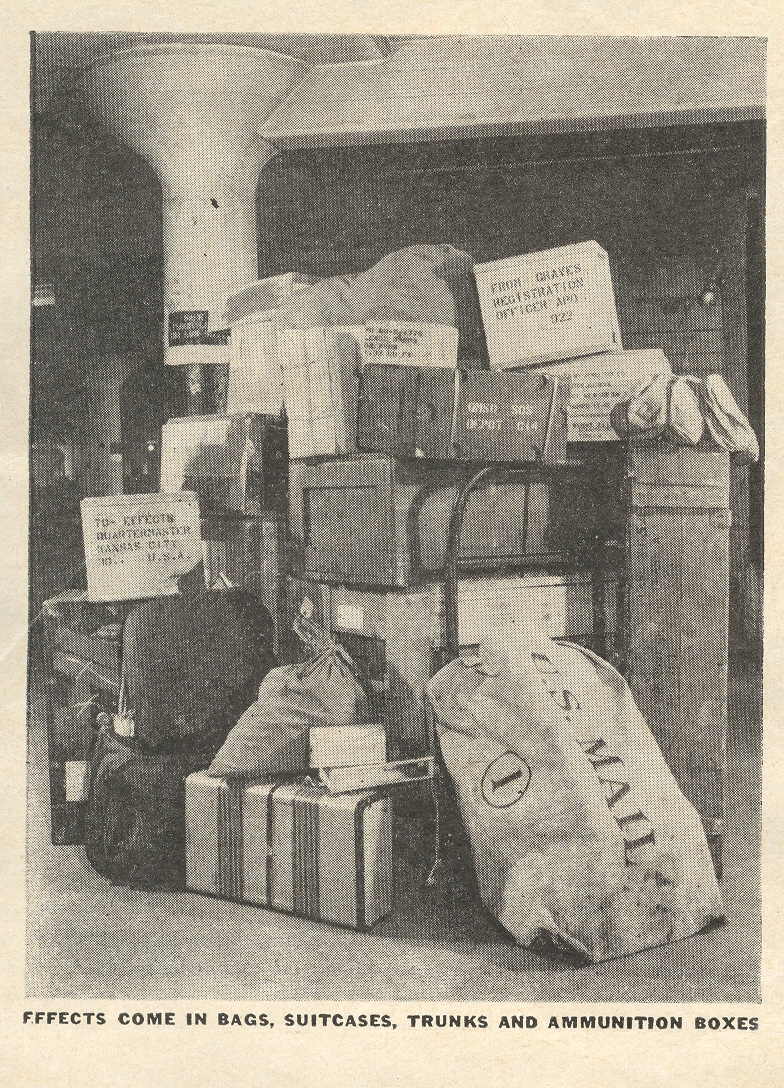
    The story of the belongings of the killed servicemen goes
    like this: the effects were collected by the quartermaster corps in a small village
    in France, stored in 11
    buildings and 150,000 square feet of storage, and then sent to the Army Effects
    Bureau1 in Kansas City, Missouri. 
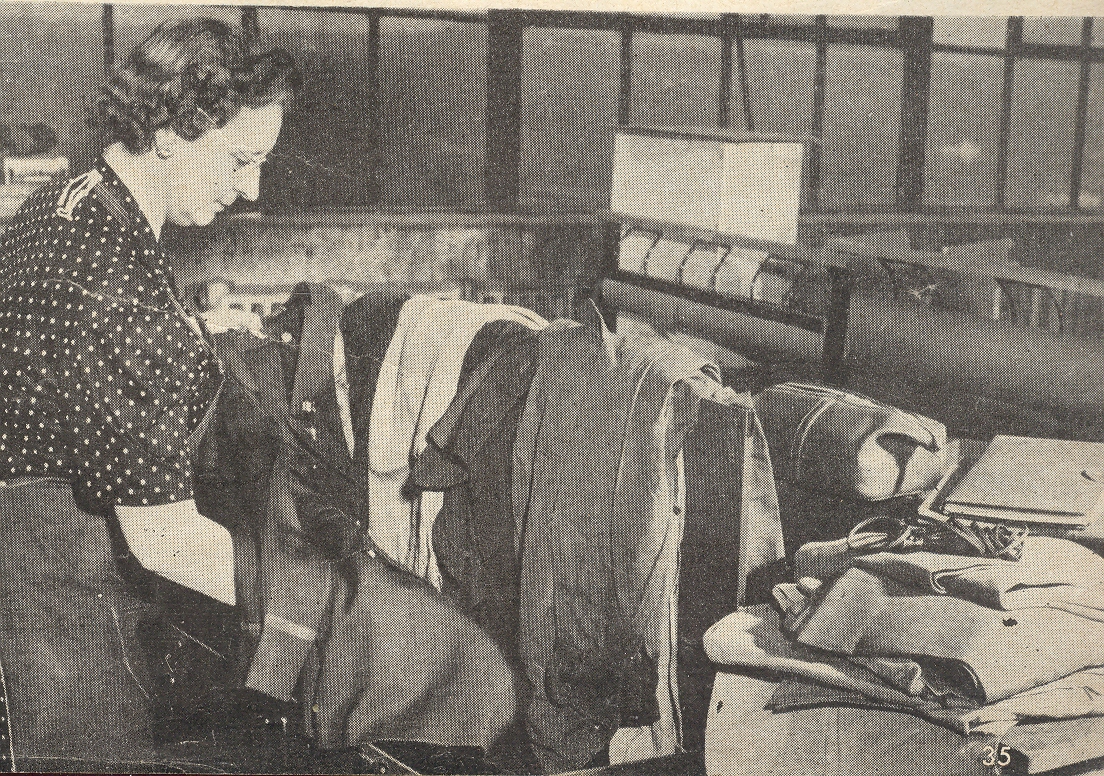
    From there the material was further sorted and checked and
    double-checked, and checked again, and then sent on to the next of kin. 

     ++ Nov 25n 2 guys

    It sounds like an overwhelming job, helping in the attempt
    to deliver the high honor of restoring the last objects carried by a dead son
    into battle to his parents.  The thing I
    can’t get out of my mind is the continuous rising tide of bags and boxes coming
    in from Europe, all intimate reminders of
    great loss.

    ++ Nov 25n 2nd lady  

    1.  “The job of the Commanding Officer, who is
    the Effects Quartermaster (Continent), is to receive and safeguard thousands
    of’ packages of irreplaceable
    personal property until they can be returned to the owner or forwarded to the
    Army Effects Bureau at Kansas City for disposition. Q-290 serves as a holding
    and reconsignment depot in transmitting the property of casualties from the
    unit in the field back to the owner, or in forwarding property of deceased to
    the U. S.”

    ++ Nov 25n luggage

    “When a soldier becomes a casualty (either
    deceased, hospitalized, captured, interned, or missing), his unit commander
    collects all personal property, inventories it, removes government property,
    and forwards all the personal items to Q-290, marked with the owner’s
    identification and status. If the owner is deceased, the property is documented
    and forwarded immediately to Army Effects Bureau, Kansas City, for transmission to the next of
    kin. If the owner is hospitalized, the property is placed in storage
    indefinitely, subject to disposition instructions from the owner. If the owner
    is missing, captured, or interned, the property is stored so that he may claim
    it upon return to duty.”– From documentation on the website of the Army Quartermaster
    Museum
    .


  • People Out of Place: Mailrooms and Traffic Islands, Military, 1918

    JF Ptak Science Books LLC Post 824  Blog Bookstore

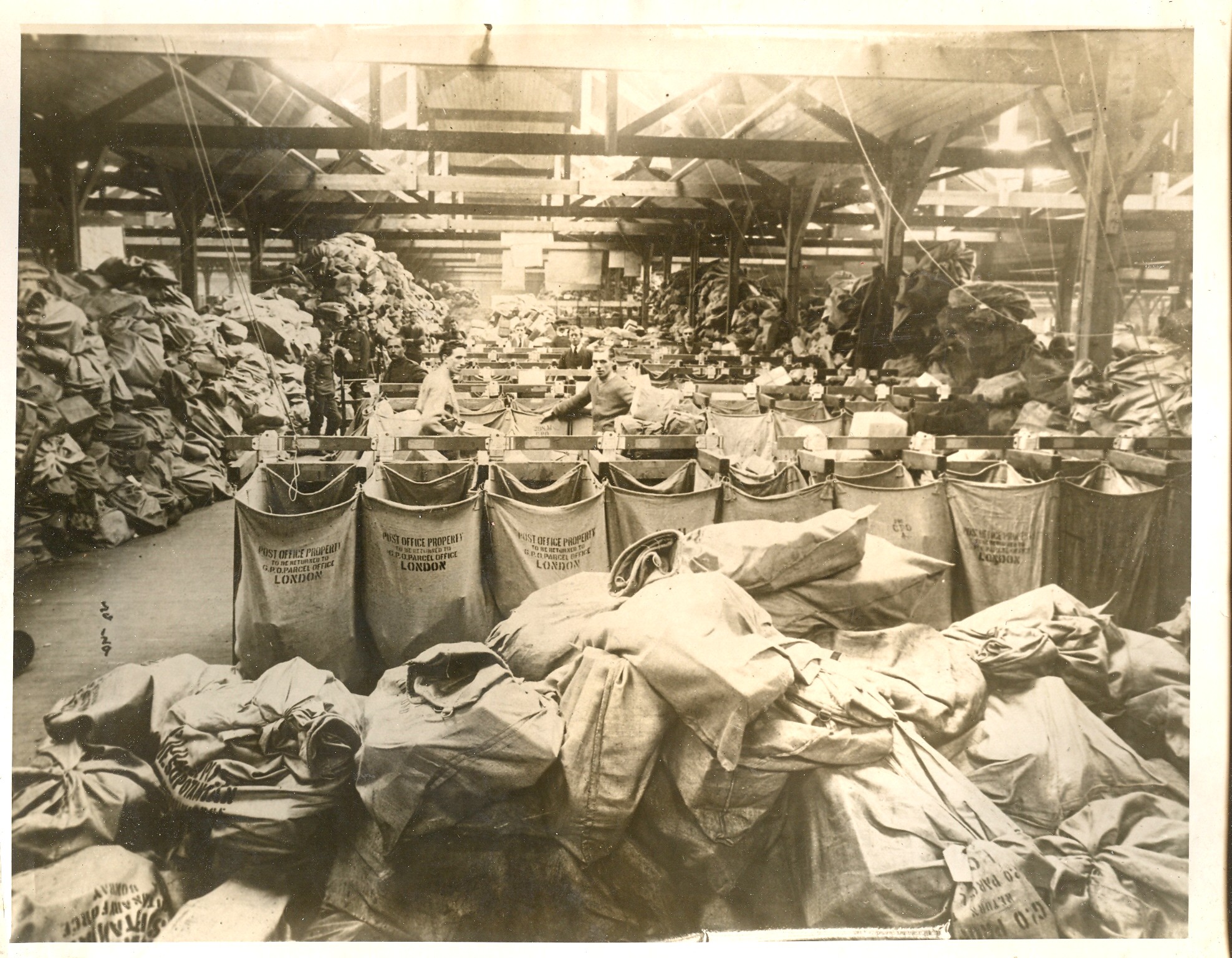
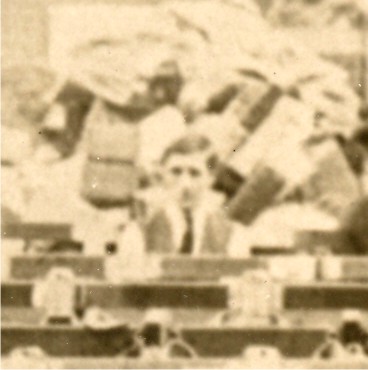
    This is the U.S. Army mail depot at Regents Park, London, braced for and under siege by  Christmastime mail in 1917. It strikes me that there are not a million items in this photo–at this time in the war there were something like 35 million people in the services for all countries dedicated to the war effort, which is approximately half the number that served in total.  If these letters in this picture were bodies, I reckon that there would be five more rooms like this necessary to tell the visual picture of the war dead and wounded.  This aside, I initially focused on the guy in the rear with the white shirt and tie, standing there pretty much overwhelmed by the task of moving all of that stuff…and perhaps with the idea that much of the mound would wind up being undeliverable because the recipient was killed.  I wonder if that mail was returned, or not?

    WWI photo Xmas mail 


    WWI photo Xmas mail detail

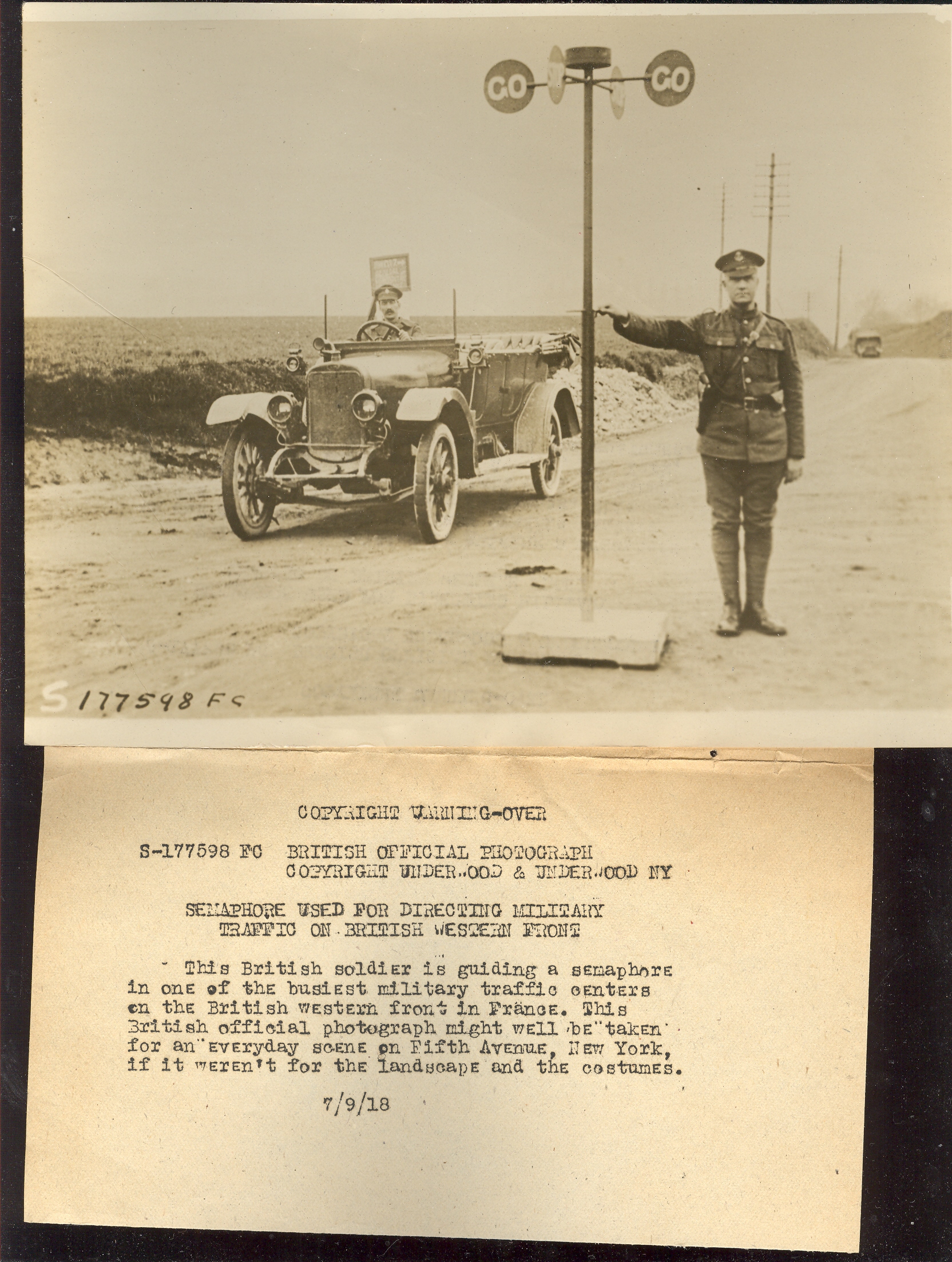
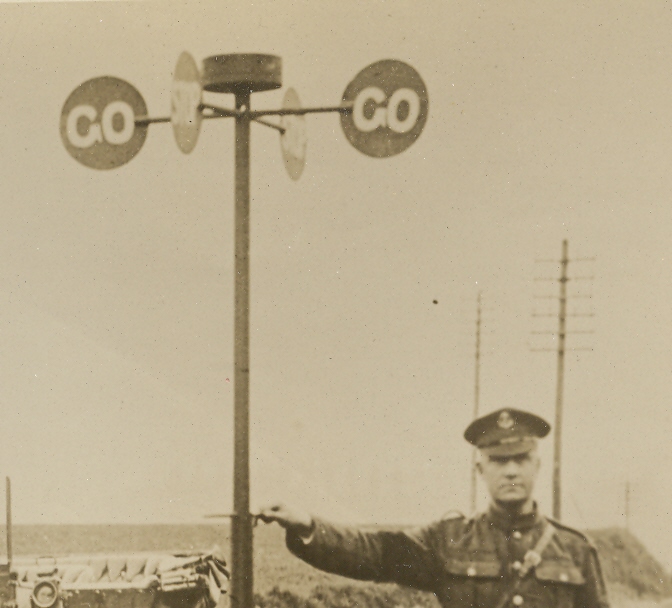
    On the other end of the spectrum is this bizarrely-titled photo of a
    British soldier “guiding” a traffic signal device…the description
    says that this is the busiest intersection in all of British-occupied
    France.  Maybe so, but not at this particular time.  Perhaps the
    photographer should’ve waited a bit to get a different sort of picture
    to make his point, rather than settle for this lonely (if not
    beautifully arranged) situation.

    WWI photo traffic


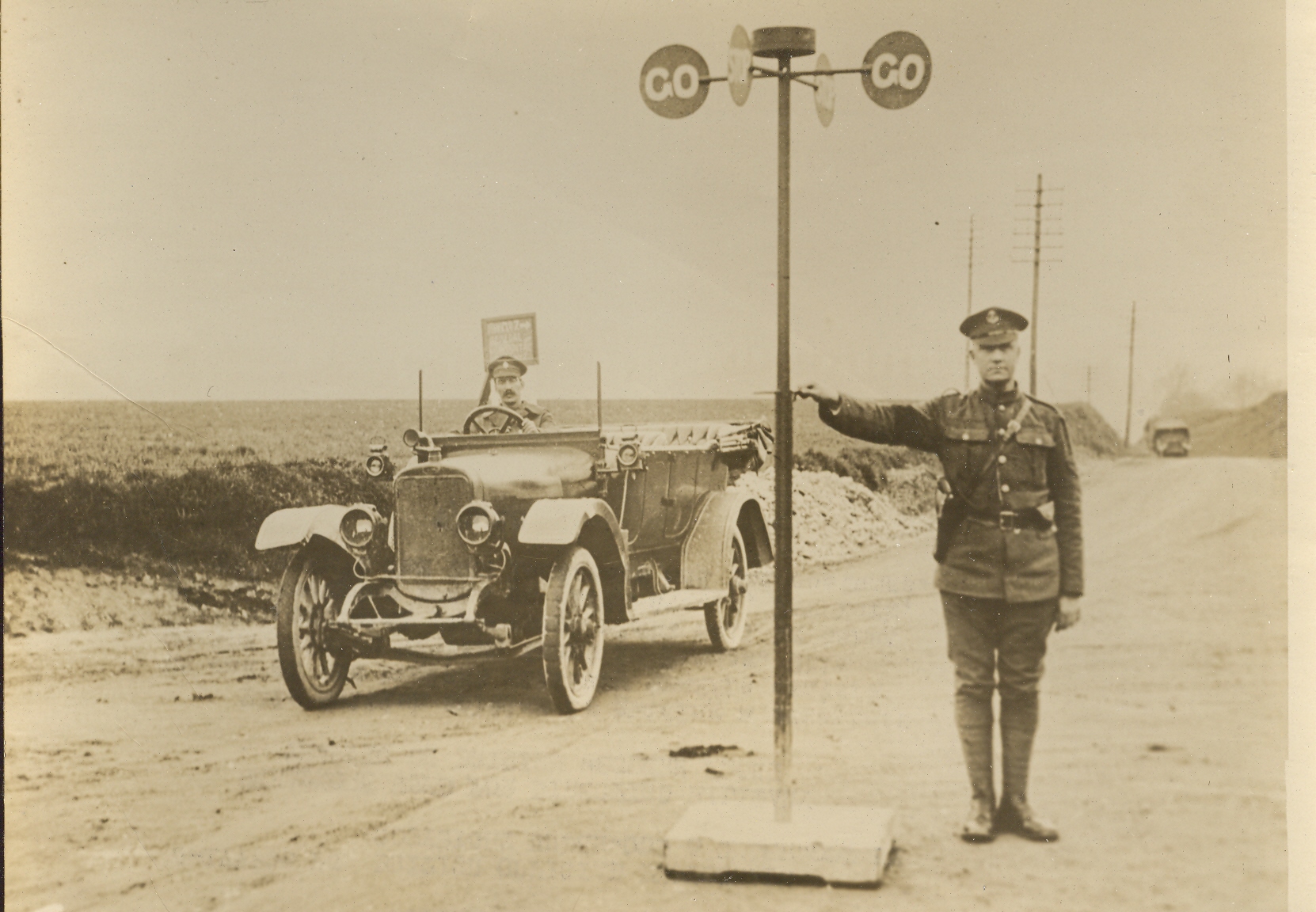
    Here’s the image without the accompanying text, which was supplied for the end-user of the photo by the news service photography supplier. 

    WWI photo traffic detail 

    WWI photo traffic detail 001

    ·Posted by :

    ·in:

    — —