A Daily History of Holes, Dots, Lines, Science, History, Math, Physics, Art, the Unintentional Absurd, Architecture, Maps, Data Visualization, Blank and Missing Things, and so on. |1.6 million words, 7500 images, 4.9 million hits| Press & appearances in The Times, Le Figaro, Mensa, The Economist, The Guardian, Discovery News, Slate, Le Monde, Sci American Blogs, Le Pont, and many other places… 5000+ total posts since 2008.

  • On the Creation of the NYC Subway System and the Urban Blight it was Supposed to Relieve (1884)

    Letter of John I. Davenport, Esq. : on the subject of the population of the city of New York, its density, and the evils resulting therefrom : the over crowded condition of the laboring portion of the community and of the poor, and the high sickness and death rates of the city, shown to be primarily due to a lack of cheap and rapid transit. The Arcade Railway, Melville C. Smith, President, 1884. 26x17cm, 23pp. Original wrapper. FAIR copy only, nearly disbound, with chips and browning, and some frailty to the text. On the other hand, this title does not show up very much at all, and is held  by only five WorldCat member libraries worldwide (LC, NYPL, NYHS, Columbia, Yale, Wisconsin Historical).  This document is interesting in its reporting of slum conditions in NYC (below 14th St., where almost half of the 1 million people of Manhattan lived), as well as being significant for its impact on urban planning. Again, this is a problematic pamphlet of some scarcity, so pricing is a little difficult–this is mind, I reckon $150.  
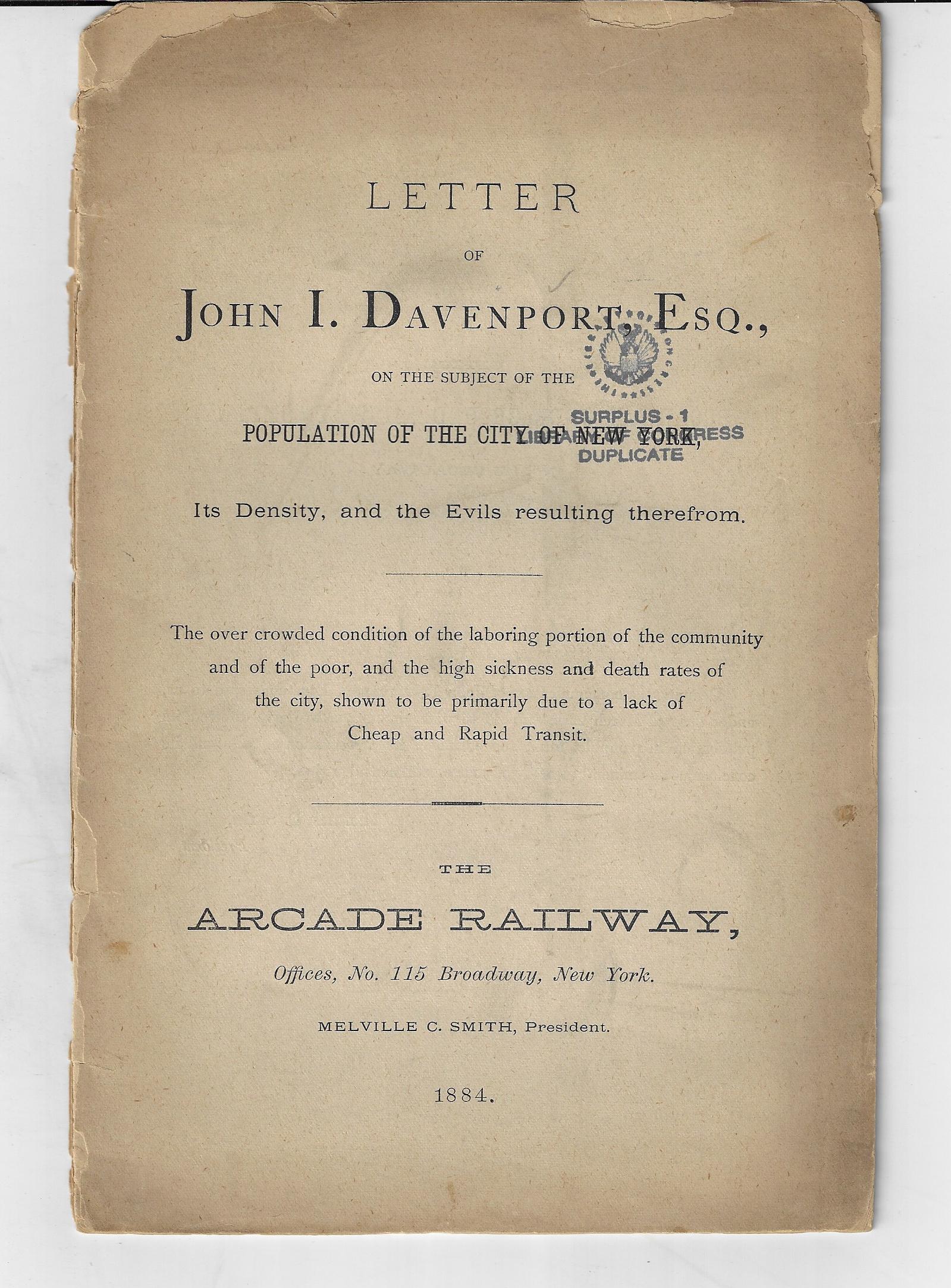
    Books davenport subway“Like almost all reformers of his time and social class, Davenport’s concern with the problem of the slums, creditable as it was, belied an even greater anxiety, indeed a fear, about the possible effects on the moral, social, and political character of American life of the “social disease” of the slum. As someone who devoted much of his life to the study and control of political corruption…And yet, in spite of his ideology, Davenport made a very good argument for a rapid transit underground railroad. In part, this was because he filled his pamphlet with a multitude of facts and figures about slum life… He knew all about the beginnings of the tenement-house slum in the early nineteenth century. He described how old single-family dwellings were converted into “tenant houses” for three or more families, and how, once landlords discovered that these converted houses yielded substantial profit in rent, they began to erect new houses designed especially as tenements — “buildings upon small lots, frequently two buildings, one in front and one in the rear of the lot, without the slightest attention being paid to the most simple and ordinary sanitary measures.” https://www.nycsubway.org/wiki/The_New_York_Rapid_Transit_Decision_of_1900_(Katz)

    “All of Davenport’s facts and figures were directed to the promotion of a subway. His thesis was both simple and true: that in New York public transit facilities always came too late to do any good. By the time they made their appearance — he had in mind the horsecars in the 1850’s, and the “els” in the 1870’s and 1880’s — rising land values, a further expansion of the business center, and a new and even more massive stream of immigration rendered these “improvements” useless with respect to the problem of the slums in the lower East Side. In the year he wrote, 1884, a subway was urgently needed, not only because the elevated trains did not provide true rapid transit, but also because a subway, if not built now but later, would be ineffective…”–Katz, again as above.
  • Outline for a Course in Union Methods (1938, Arkansas)

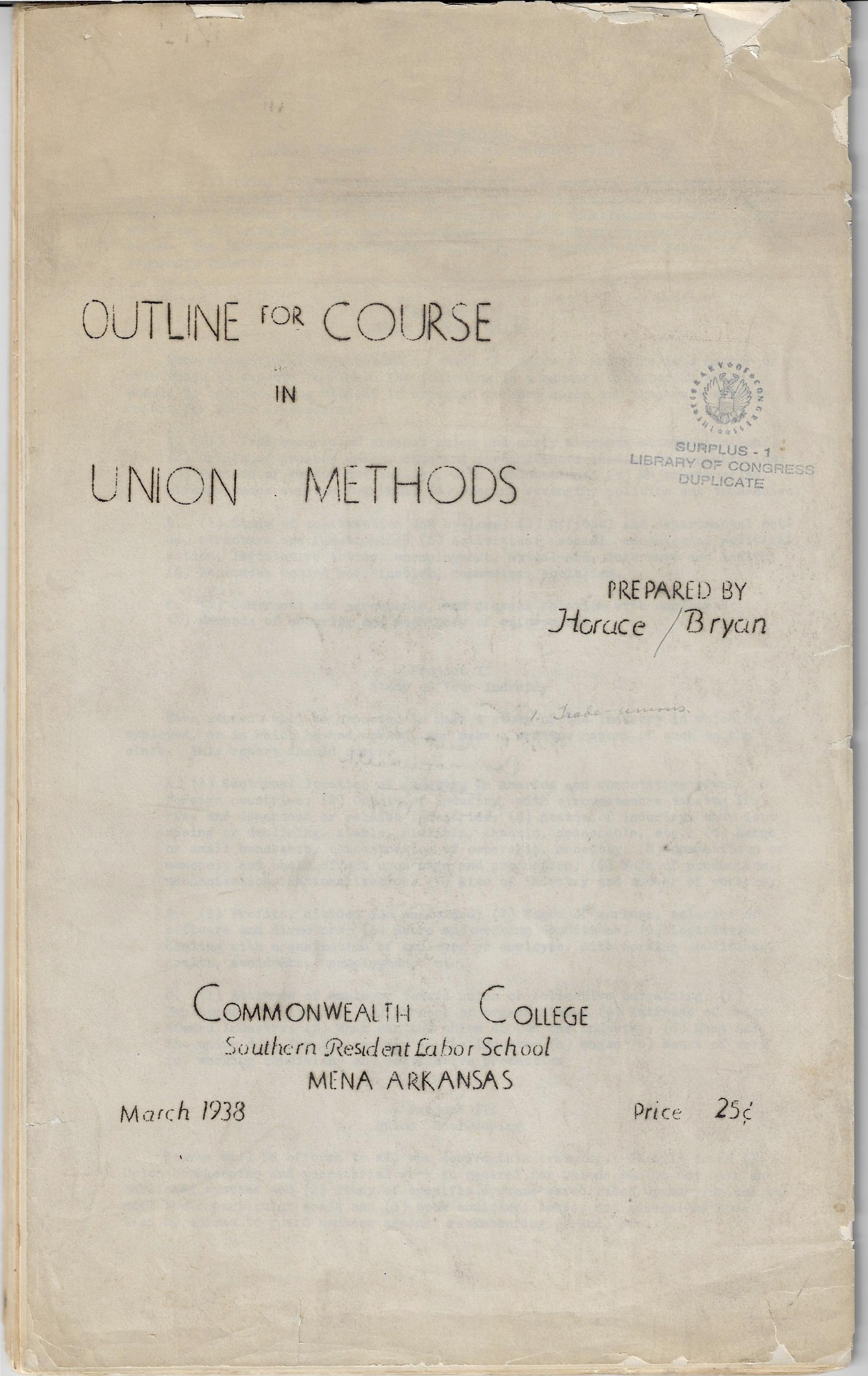
    Books  commonwealth CollegeHorace Bryan, Outline for Course in Union Methods.  Printed at Commonwealth College (Southern Resident Labor School, Mena, Arkansas, March 1938. 13.5×8.5″, 35 mimeographed sheets, staple bound at top. Each sheet runs about 600 words, or 20,000 words or so for the document.   There are six sections: Union Methods, Craft and Industrial Unionism, Job Organization, Organization and Conduct of Strikes (the longest section), Collective Bargaining, and Union Activity and Law.  Condition: Good, overall. The title page is dusty and has been detached; there are several short tears here and there in the text, and the last section (each section being stapled together) is detached from the whole. Provenance: Library of Congress, with their rubber stamp surplus/duplicate on the cover, as well as the tiny “LC” perforated stamp on the bottom of page 1.   Rare–only one copy listed in WorldCat/OCLC.  $250

    “Commonwealth College was started in 1923 to recruit and train people to take the lead in socio-economic reform and prepare them for unconventional roles in a new and different society.”–Wiki It ceased operations in 1940, and was a labor studies school in a similar standing of the Highlander Folk School, Work People’s College, Brookwood Labor College, and others. “Christian socialist the Reverend Claude Williams, “the preaching hillbilly”, then served as director from 1937 until 1940. Several people identified with Commonwealth were actively involved during this period in organizing the Southern Tenant Farmers’ Union, which aimed to unite the economic interests of tenant farmers, both black and white, and with the Congress of Industrial Organizations (CIO).”–Wiki, again. 

    ·Posted by :

    ·in:

  • The Memoires of the Academy of Sciences, containing a “pioneering study of the differential geometry of space curves” 1731

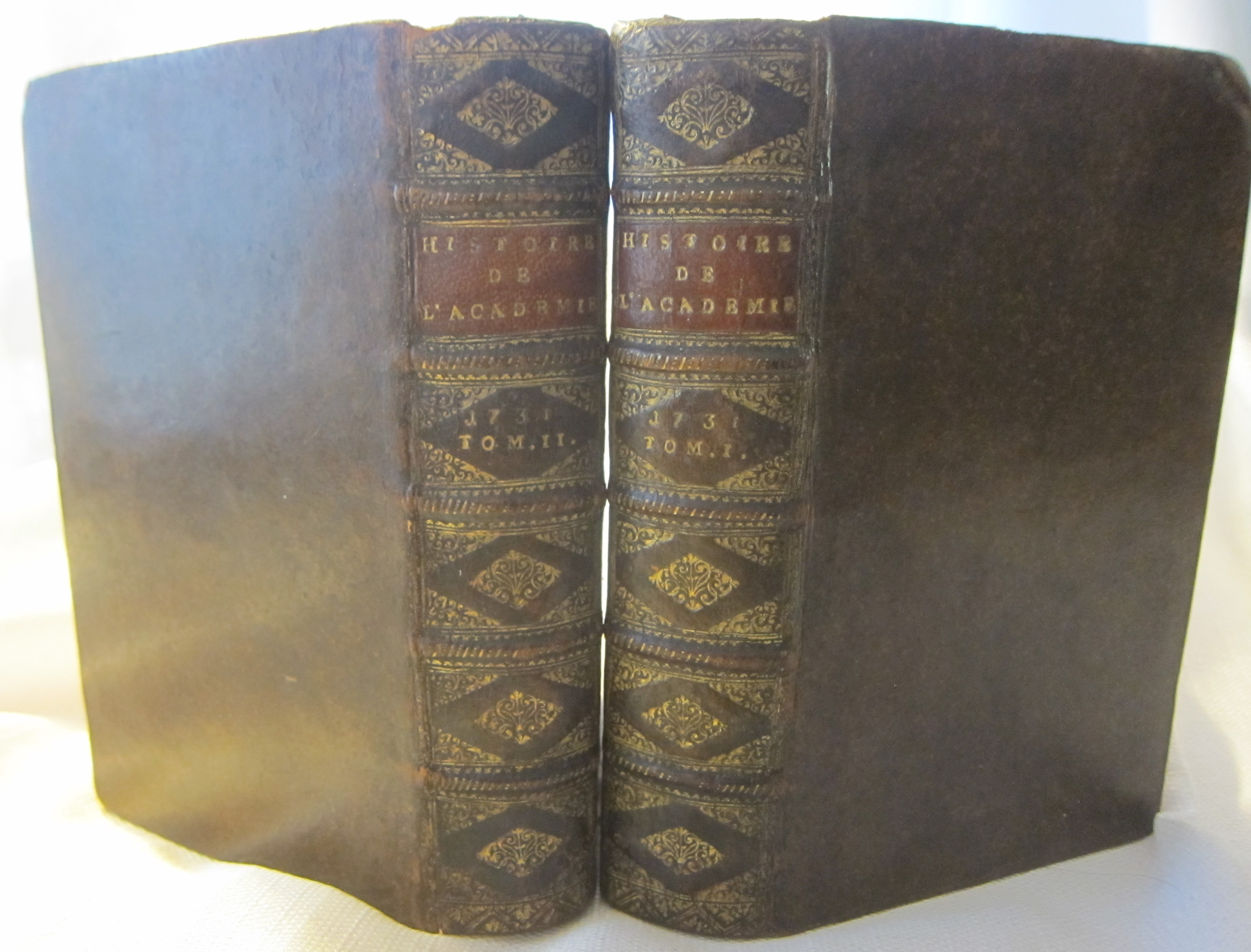
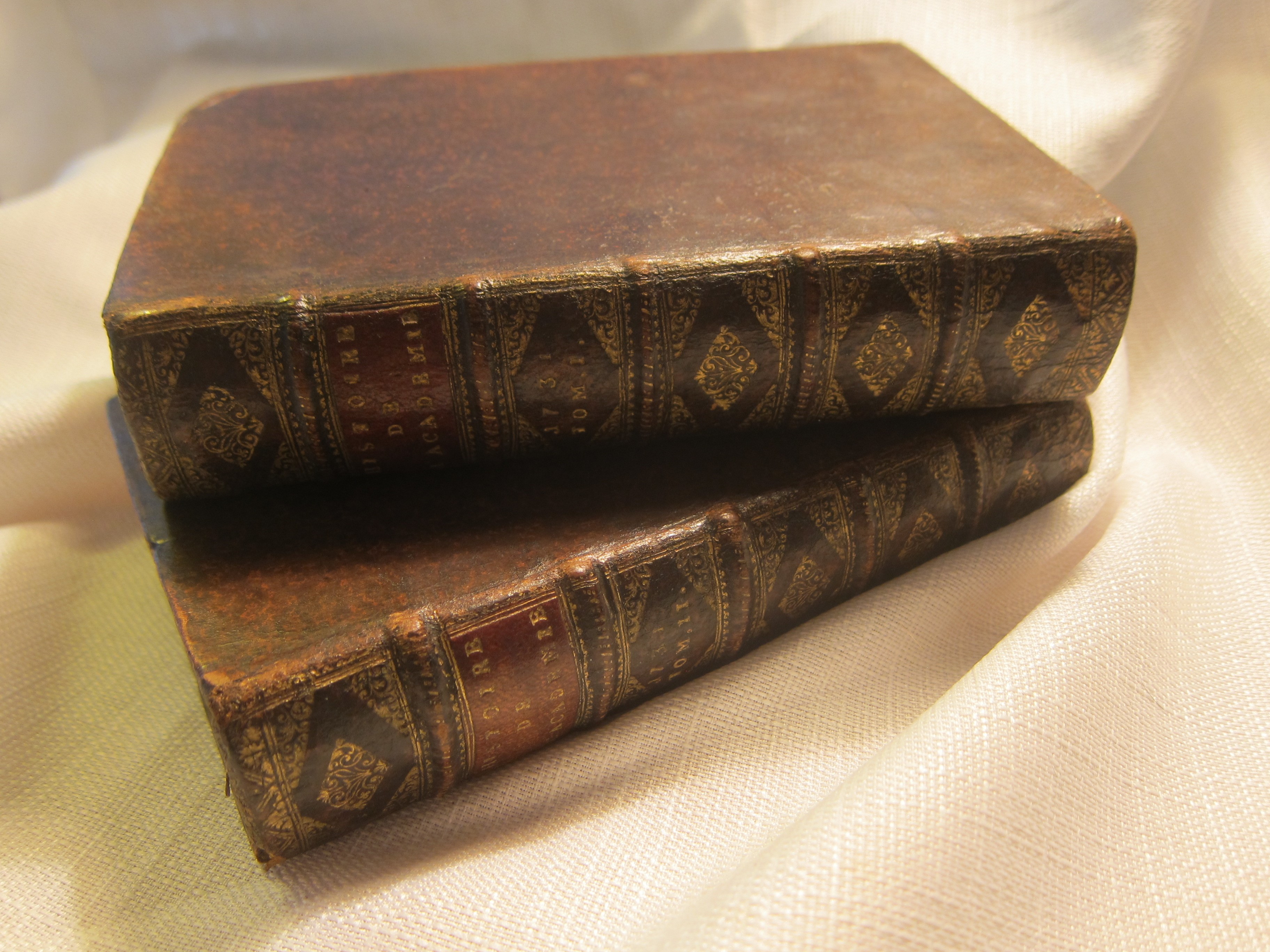
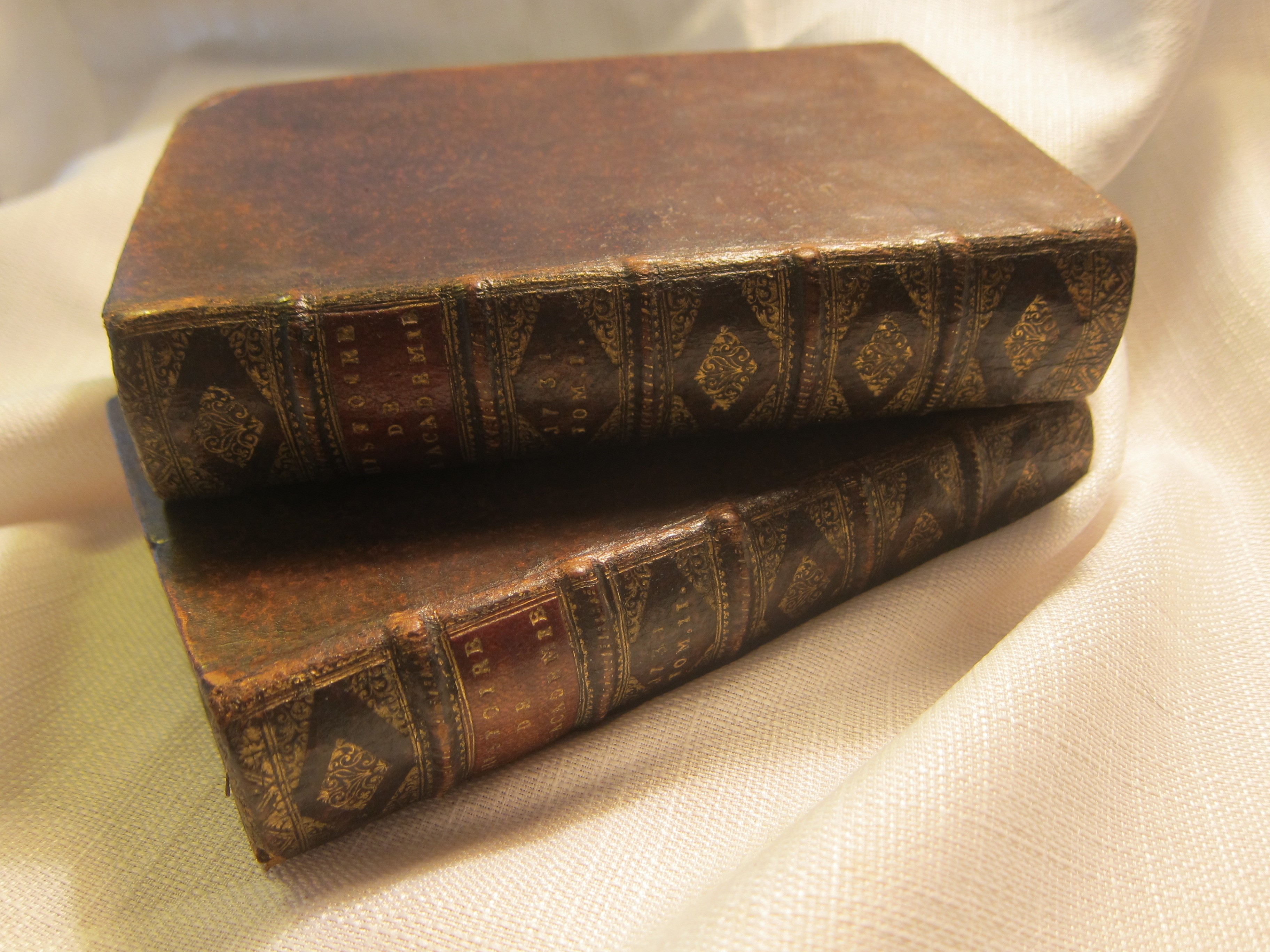
    Clairaut, Alex Claude (b 1713, making him 18 at the time of the reception of the paper in 1731), “Sur les Courbes que l’ou forme en coupant une surface courbe quelconque, par un plan donne de position”, pp 680-694. (“…on solid analytic geometry, a pioneering study of the differential geometry of space curves”–Parkinson, Breakthroughs, p. 149). Bound in:  Histoire de l’ Academie Royale des Sciences. Annee M. DCCXXXI. Avec le memoires de mathematique & de physique, pour la meme annee. Amsterdam by Pierre Mortier, 1735, 17x10cm., viii, 155pp; plus the Memoires section, pp 1-316 in this volume, and pp 317-737, with 40 folding plates. Bound in full leather, with raised bands. Lovely copies, very fresh and clean. Two volumes; Very Good condition. $450

    Memoires 1731 _1_

    In the first section, the Histoire contains a review of the recent advances in the sciences (physics, math, geography, geology, biology, “Sur Quelques Experiences de l’Aiman”, “Sur le Nouveau Thermometre”, “Observations de Physique Generale”, “Sur une Nouvelle Espece de Vegetation Metalliques), and then proceeds to the Memoires (scientific contributions section) including:

    Clairaut, Alex Claude, “Nouvelle Maniere de trouver les formules des centres de gravite”, pp 226-231. (In his letters Clairut states “Here is a new way of finding the formulas of the centers of gravity that I read there is hardly at the Academy  I do not give it to you as a new way of having the centers of gravity, for it is not one, but only as a new way of having the formulas already found.”

    Memoires 1731 _2_

    Mairan, “Observations de quelques Aurores Boreales…”, pp 531-545. (This is areport supplement to an entire volume published on thi ssame topic, one of the earliest of its kind, offered elsewhere on this blog under Mairan’s name. It was published as volume III of this set for the Memoires of 1731, and stands complete in itself.)

    Couplet, “Recherches sur la Construction des Combles de Charpentier”, p 999-102;

    Petit, “Dissertations sur la maniere le Sang dans les Hemorragies…”, pp 122-146;

    de Maupertius, “Experiences sur les Scorpions”, pp 317-326

    d’Onzembray, “ Machine pour coonoitre sur Mer l’Angle de la Lgine du Vent et de la Quille du Vaisseau…” pp 335-340 (with plate!);

    Maupertius, “Sur la separation des Intetermindes dans les Equations differnetielles”, pp 147-157;

    Maupertius, “Balistique arithmetique”, pp 419-422;

    Maupertius, “Probleme Astronomique”, pp 652-655;

    de la Condamine, “Sur une nouvelle Maniere de considerer les Sections Coniques”, pp 340-35.


    Memoires 1731 _3_

    Condamine, “ Sur une nouvelleespece de Vegetation Metaliiques” (with a glorious plate), pp 655-680;

    Pitot, “Methode d’Analytique de tracer les Lignescorrespondentes ou des Minutes aux grande Meridiennes”, pp 519-531;

    Nicole, “ Sur les Sections Coniques”, pp 157-176.


    ·Posted by :

    ·in:

    —
  • One of the Earliest Works on the Aurora Borealis (1735)

    Jean-Jacques Dortous de Mairan (1678-1771). Traite Physique et Historique de l’Aurore Boreale Annee MDCCXXXI, printed in Amsterdam by Pierre Mortier, 1735, 17x10cm., viii, 17 folding plates, 392pp.  Presented as part of the series Histoire de l’ Academie Royale des Sciences. Annee M. DCCXXXI. Avec le memoires de mathematique & de physique, pour la meme annee.  [J.B. Shank notes that this work was “given the exceptional honor of being published as an addendum to the academy’s memoirs”, which had happened only twice previously.] 

    Bound in full leather, with raised bands. (In one of the bands the gilt imprint reads “1731 Tom III”–the volume III refers to its place as the addendum to the two volume memoires/histoire academy proceedings of the same year. This volume is entirely stand-alone, and complete in itself.) Lovely copy, very fresh and clean. Very Good+.  $500

    This volume is the later Amsterdam edition of the first edition of Paris 1733 (and another Parisian printing of 1734). 

    “In (this work).. Mairan…disputes the explanation that the northern lights are caused by volcanic exhlations and suggests instead that the cause derives from the Sun’s atmosphere.”–Parkinson, Breakthroughs, p 151

    Mairan “was a devoted empiricist” whose “science was compatible with that of Reamur, especially in the concrete and empirical approach to nature”. Mairain was “the epitomy of the period’s”…”Baconian orgy of detailed description of particular sightings”. After collecting these results and studying the history of the aurora (finding mentions back to 400 BCE) he “would synthesize them…to develop a mechanical explanation…in step with the other leading students of the aurora of the period…Halley and Euler.” One of Mairan’s conclusions was that the “solar atmosphere produces zodaical light by acting physically and mechanistically upon our atmosphere…”, a conclusion which would change with the second edition of the work in 1754.–J. B. Shank, The Newton Wars and the Beginning of the French Enlightenment…, pg 101-2.

    “Inquiry into the history and physics of the aurora borealis; the chapter on the relation between the aurora and the magnetic declination is of special interest.” “–Wheeler Gift Catalog (available at Internet archive), pg 199, #382, which actually references the second and expanded edition of 1754.

    Mairan “was a mathematician and an enthusiastic experimenter whose major works were on the formation of ice and on the aurora borealis. However, he was also interested in all the important topics addressed the scientific community in the eighteenth century, among them, the shape of Earth, light, colors, sound, the composition of matter, and vis viva (the debate around the force of moving bodies and the conservation of matter)…and the aurora. He wanted to find physical mechanisms to explain phenomena. His theories were generally ingenious descriptions, which were sometimes mathematical and sometimes based on experiment.”–DSB

    Mairan was also a pioneer in the yet-discovered field of chronobiology (noted in “Clock Classics: It all started with the plants”, posted by Coturnix in Scienceblogs.

    ·Posted by :

    ·in:

  • Soviet Response to the Beginning of the Nazi Attack, July 1944

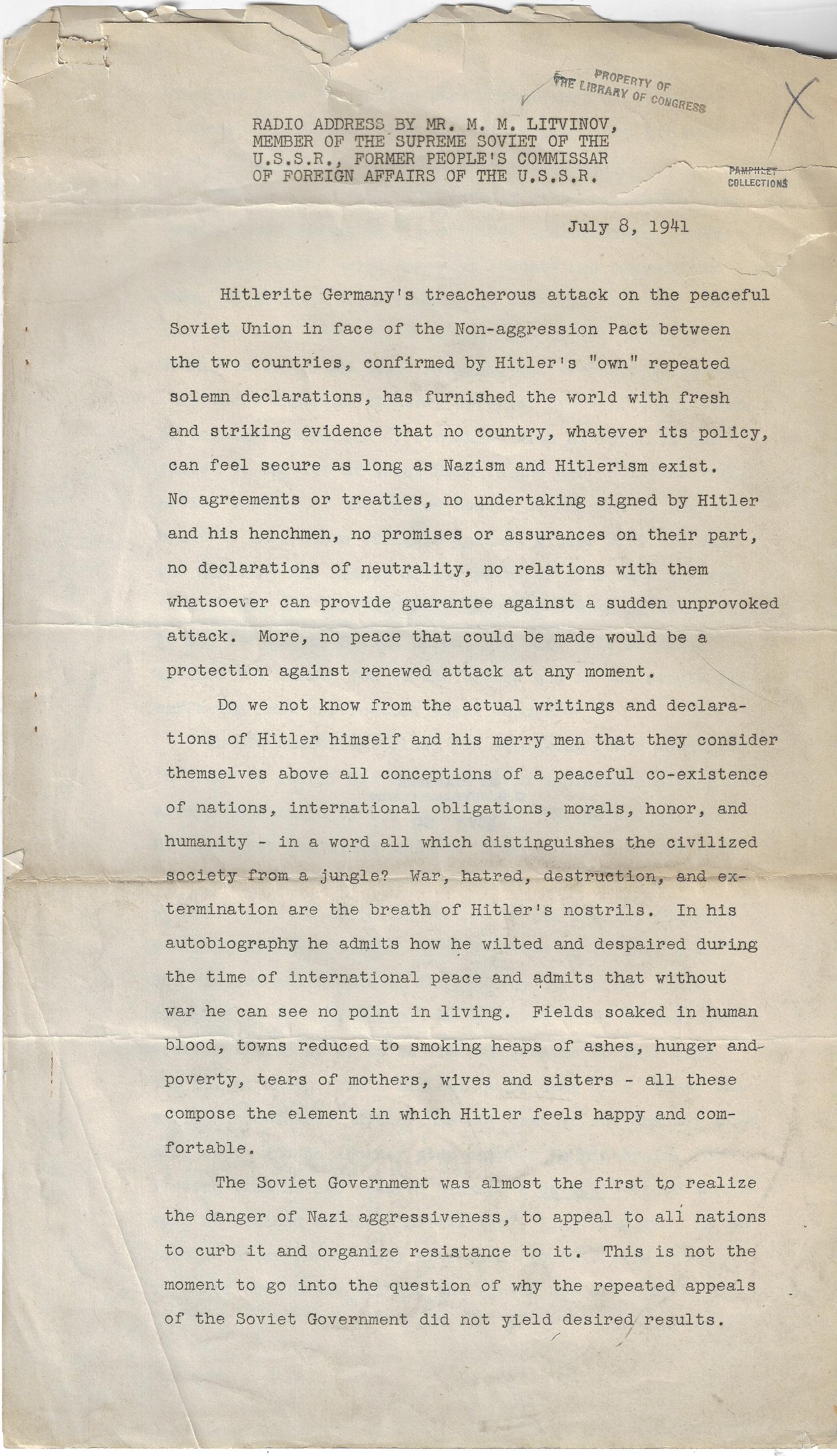
    Radio Address by Mr. M.M. Litvinov, Member of the Supreme Soviet of the U.S.S.R., Former People’s Commissar of Foreign Affairs of the U.S.S.R. July 8, 1941  12.5×8″, 4 leaves. Offset printed from typed original.  No place or date of publication.  Good copy, only. A little brittle, and also somewhat tattered along the top edges. Also there is a Library of Congress surplus/duplicate stamp on the rear wrapper. Loose leaves, formerly stapled. Mimeographed production.

    • Provenance: U.S. Supreme Court, and then the Library of Congress.    WorldCat/OCLC locates 0 copies.  $400

    Russia Litvinov _1_

    It is hard to criticize the Soviets when they were at their post WWI weakest, but I needed to point out a few, well, inconsistencies in the following statement by Maxim Litvinov. The text is that of a radio address by the mega-connected and high profile Russian revolutionary and People’s Commissar of the USSR, and it was delivered on July 8, 1941. At this point Litvinov (1876-1951)–who would in a few weeks become the Soviet Ambassador to the United States–was addressing the weeks-old attack and declaration of war made upon the U.S.S.R. by Nazi Germany.  

    It was a terrible and nearly mortal blow to the state, and Hitler’s vast overreach very nearly came to be. Still there were some bits in the address that were difficult to absorb. 

    For example Litvinov states: “Hitlerite Germany’s treacherous attack on the peaceful Soviet Union in face of the Non-aggression Pact…”  The Soviets did indeed sign a hands-off/so-no-evil Non-Aggression Pact (the Molotov-Ribbentrop Pact) with the Nazis in August 1939 and enjoyed the fruits of that special relationship, the two nations dividing conquered border states according to each other’s “sphere of influence”. So, this pact was “peaceful” only so far the U.S.S.R. is concerned, and not so peaceful for other nations.

    Then this: “The Soviet Government was almost first to realize the danger of Nazi aggressiveness…”, which seems hard to acknowledge when they shared a non-aggression pact/treaty in the early stages of WWII.

    Then the “veritable miracles of heroism” of the Red Army is “bearing the whole of Hitler’s powerful war machine and compelling him to transfer more and more forces from West to East”. I will not doubt heroism of fallen soldiers in a near lost cause effort, and it is true that the Germans would half- or mostly-exhaust themselves in the East, maybe more than that, probably, probably costing Hitler far more than he could ever have conceived. Stalin had already murdered his way through a large swath of the Soviet command structure, and was also unwilling to recognize that the Nazi attack was in fact the Real Thing. Stalin hesitated, and went incognito a little, and in general did not know what to do; he did come to his senses in short order, but a great amount of damage had already been done to Soviet defenses, and that would nearly cost him the country. But it didn’t, and the U.S.S.R. rallied, and at the cost of millions of lives killed the Germany armies in the East, and really was responsible for contributing in large part to the defeat of Nazism. 

    “Thanks to this the English people are enjoying a certain respite after twelve months of incessant bombardment…”, which was true to some degree.

    “Each blow struck now is ten times as effective and entails infinitely less expenditure and sacrifice than if it is delivered when anyone [sic] of his adversaries becomes weaker”. 

    And so on.  

    ·Posted by :

    ·in:

  • Works by Hermann Weyl

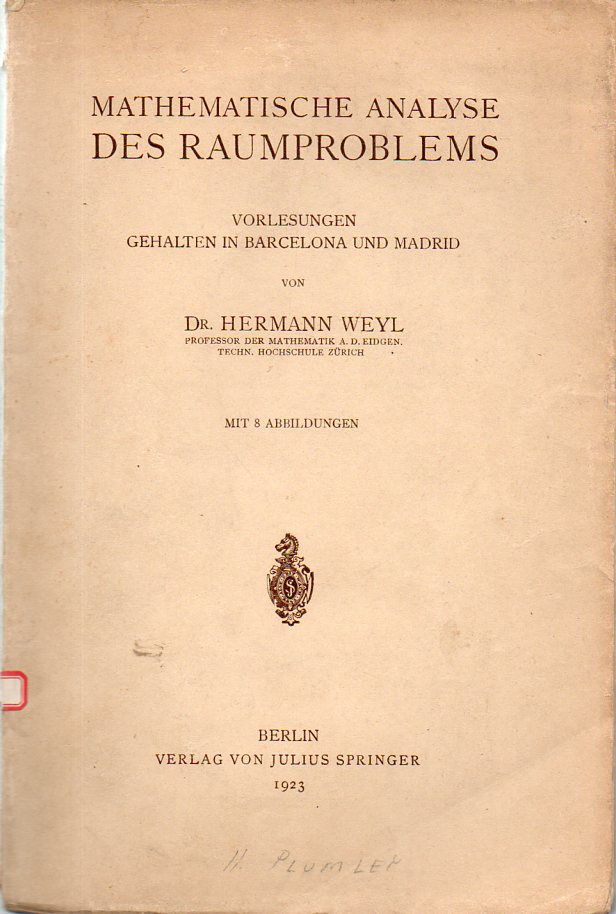
    Hermann Weyl.  Mathematische Analyse des Raumproblems, vorlesungen Gehalten in Barcelona und Madrid.  Berlin; Julius Springer:  1923.  116pp.,  Original printed wrappers.  Very nice copy.   $125

    Weyl raumproblems355

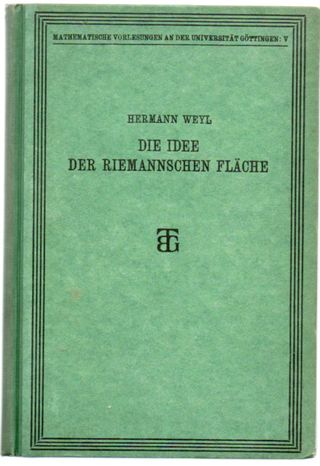
    WEYL, Hermann.  Die Idee der Riemannschen Flaeche.  Lipzig, Teubner,  1923.  Second (expanded) edition.  183pp.  Excellent condition, superior copy, although the pages are browned somewhat given the inferior paper used demanded by the trying economic times.  This is Fritz John’s copy, with his name on the front free fly.  $225

    Weyl204

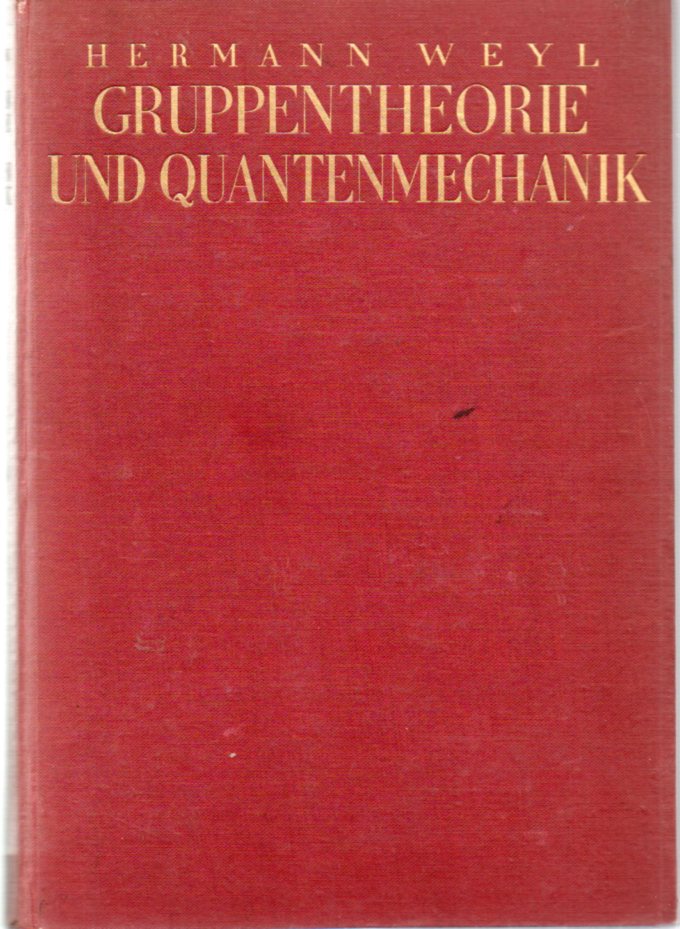
    WEYL, Hermann.  Gruppentheorie und Quantenmechanik.  Verlag von S. Hirzel, Leipzig, 1928.  First edition.  288pp.  Cloth.
    Exceptional copy, at least in fine condition.  $250

    Weyl209

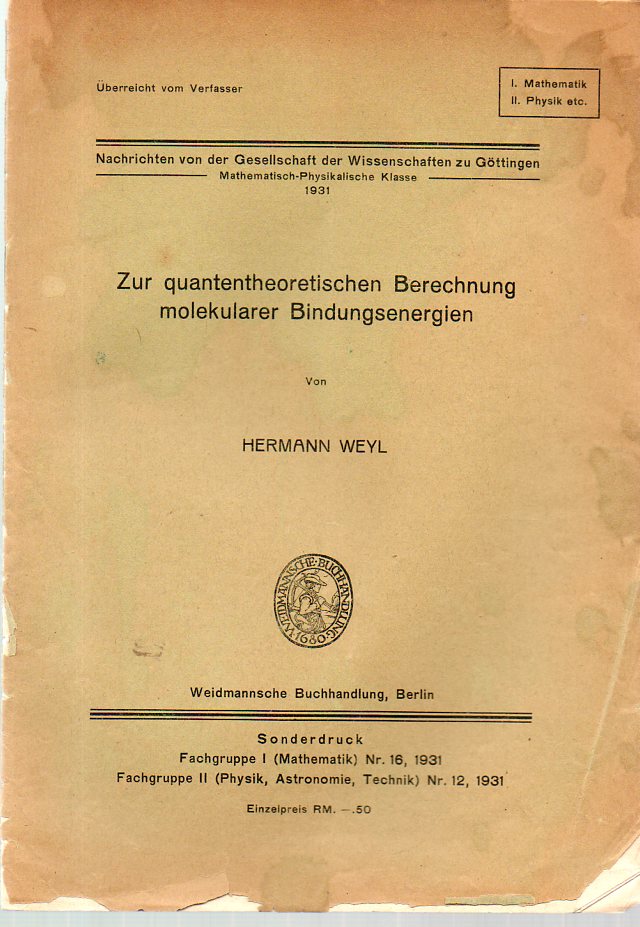
     WEYL, Hermann.  Zur quantentheoretischen Berechnung molekularer Bindungsenergien.  Offprint:  Nachrichten der Gesellschaft der Wissenschaften zu Göttingen. 1930.  Pp 285-294.  Original printed wrappers.  Very good copy. 

    Weyl quanten]348

    Also, with Part II.  1931.  Pp 33-39.  Good copy.  Original wrappers.  The two papers:  $175

    Weyl quanten II349


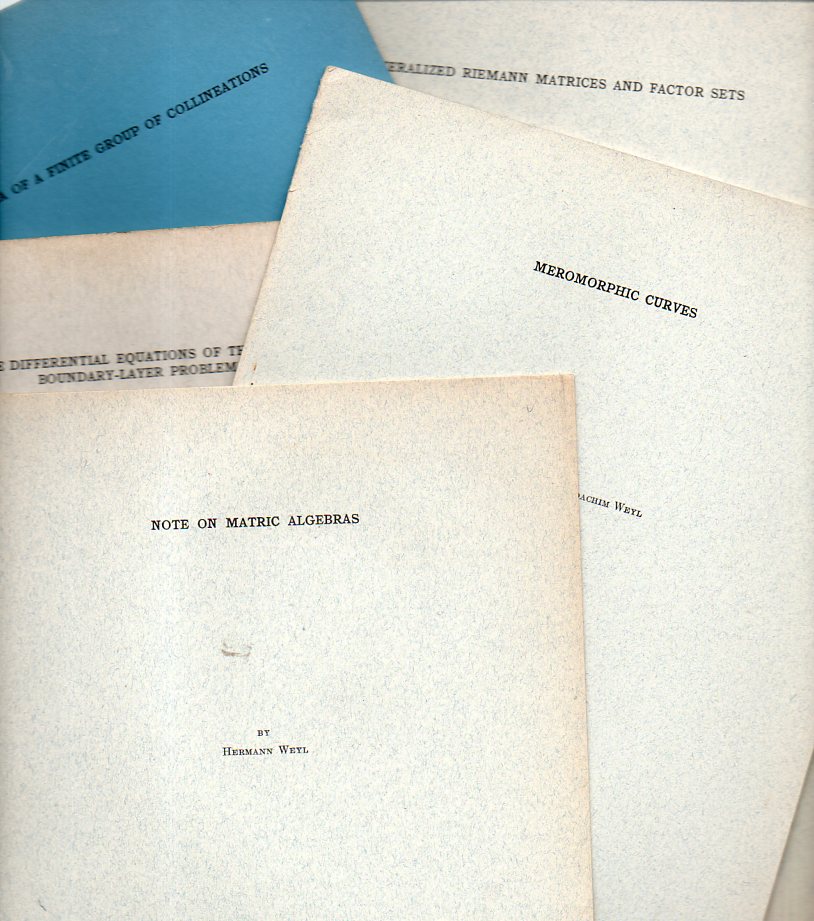
    ann Weyl.  Five offprints, all in original wrappers.  $175

    “Generalized Riemann Matrices and Factor Sets.”  Offprint: Annals of Mathematics, July 1936. 

    “Commutator Algebra of a Finite Group of Collineations.” Offprint:  Duke Mathematical Journal, 3/23, June 1937. Original wrappers.

    “Note on Matric Algebras.” Offprint: Annals of Mathematics, 38/2, April 1937. 

    “Meromorphic Curves”, offprint, Annals of Mathematics, July 1938. 

    “On the Differential Equations of the Simplest Boundary-Layer Problems.” Offprint: Annals of Mathematics, April 1942. 

    Weyl 5 offprints351

    Hermann Weyl.  Emmy Noether.  Offprint:  Scirpta Mathematica, vol III, No. 3, July 1935. 20pp.  Fine copy.  $75

    Hermann Weyl.  In Memory of Emmy Noether, Visiting Professor of Mathematics, Bryn Mawr College, 1933-April 1935.  Address delivered by Professor Hermann Weyl of the Institute for Advanced Study, Princeton, N.J.  April 26, 1935.  In original wrappers.  Very good copy.  20pp.  $75


    ·Posted by :

    ·in:

  • Tear Gas for Peace, 1934

    JF Ptak Science Books   Quick Post

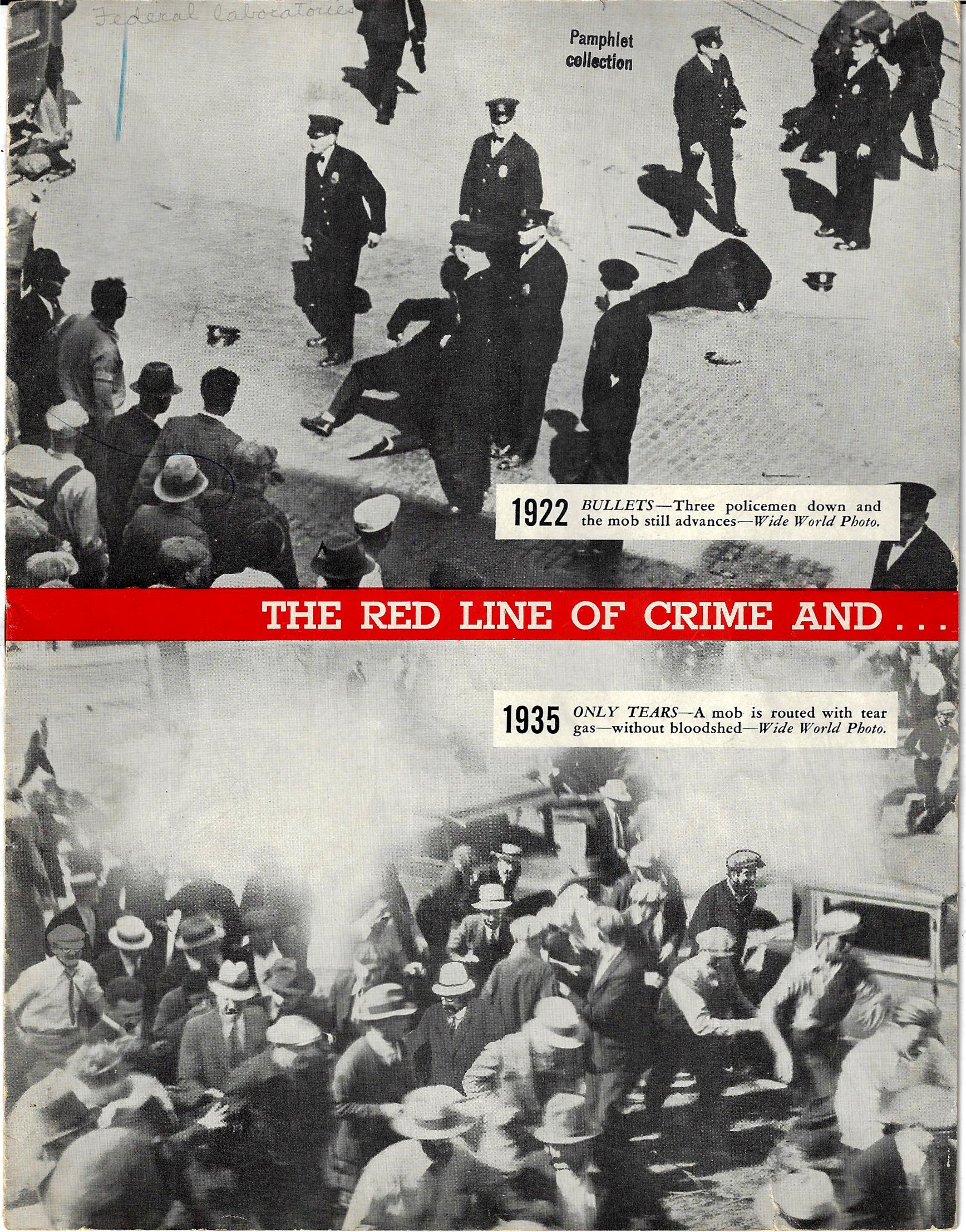
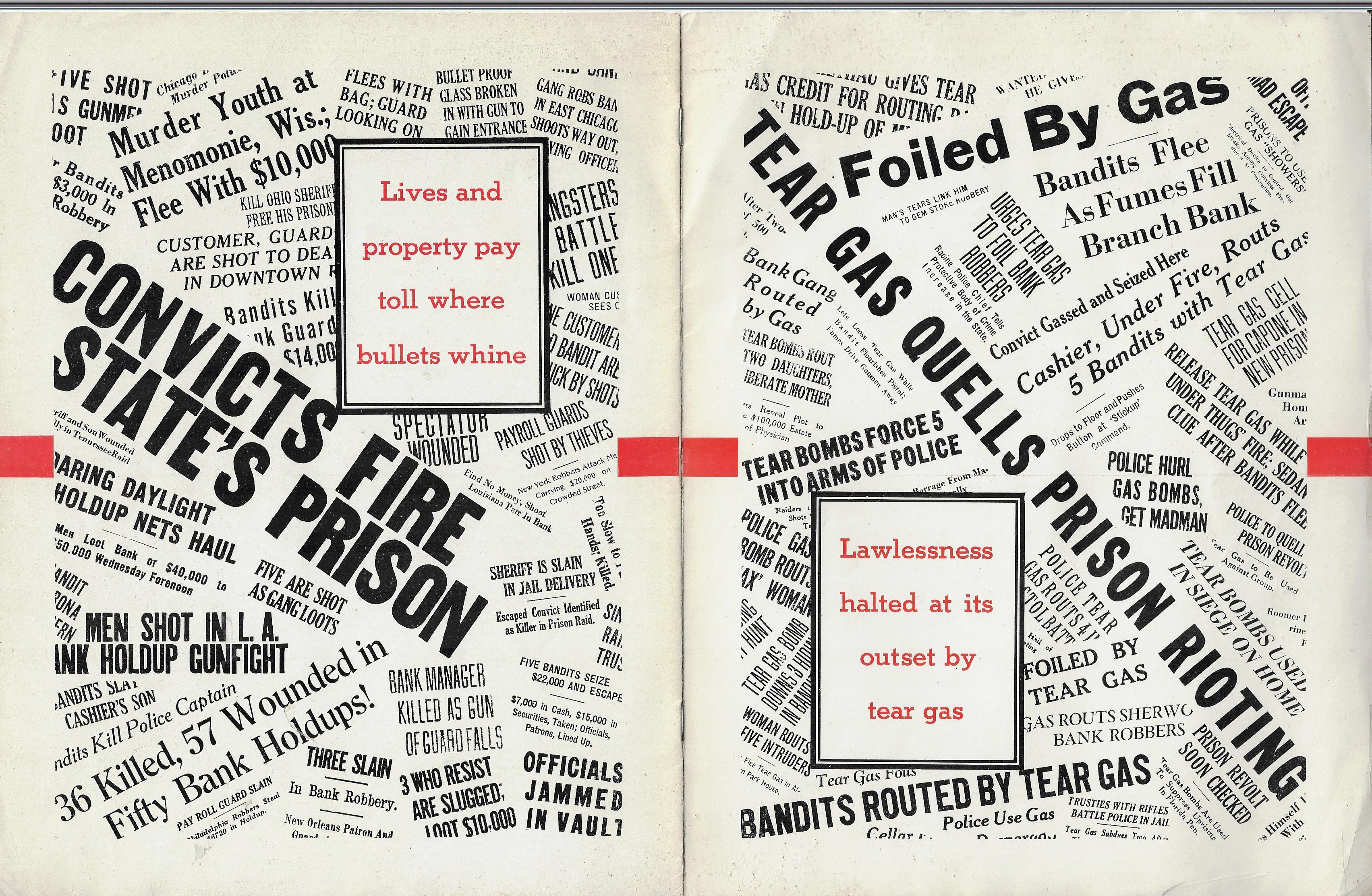
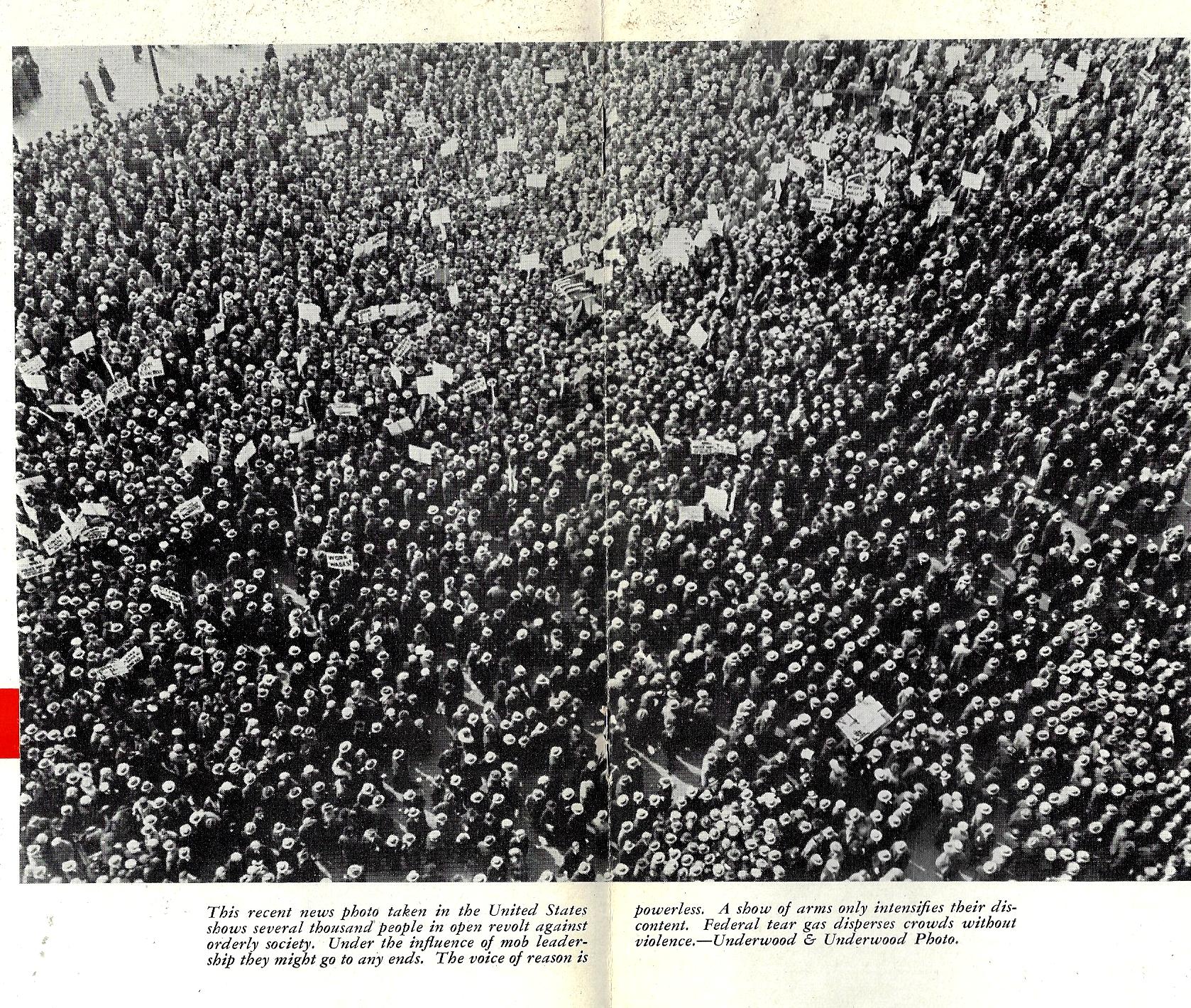
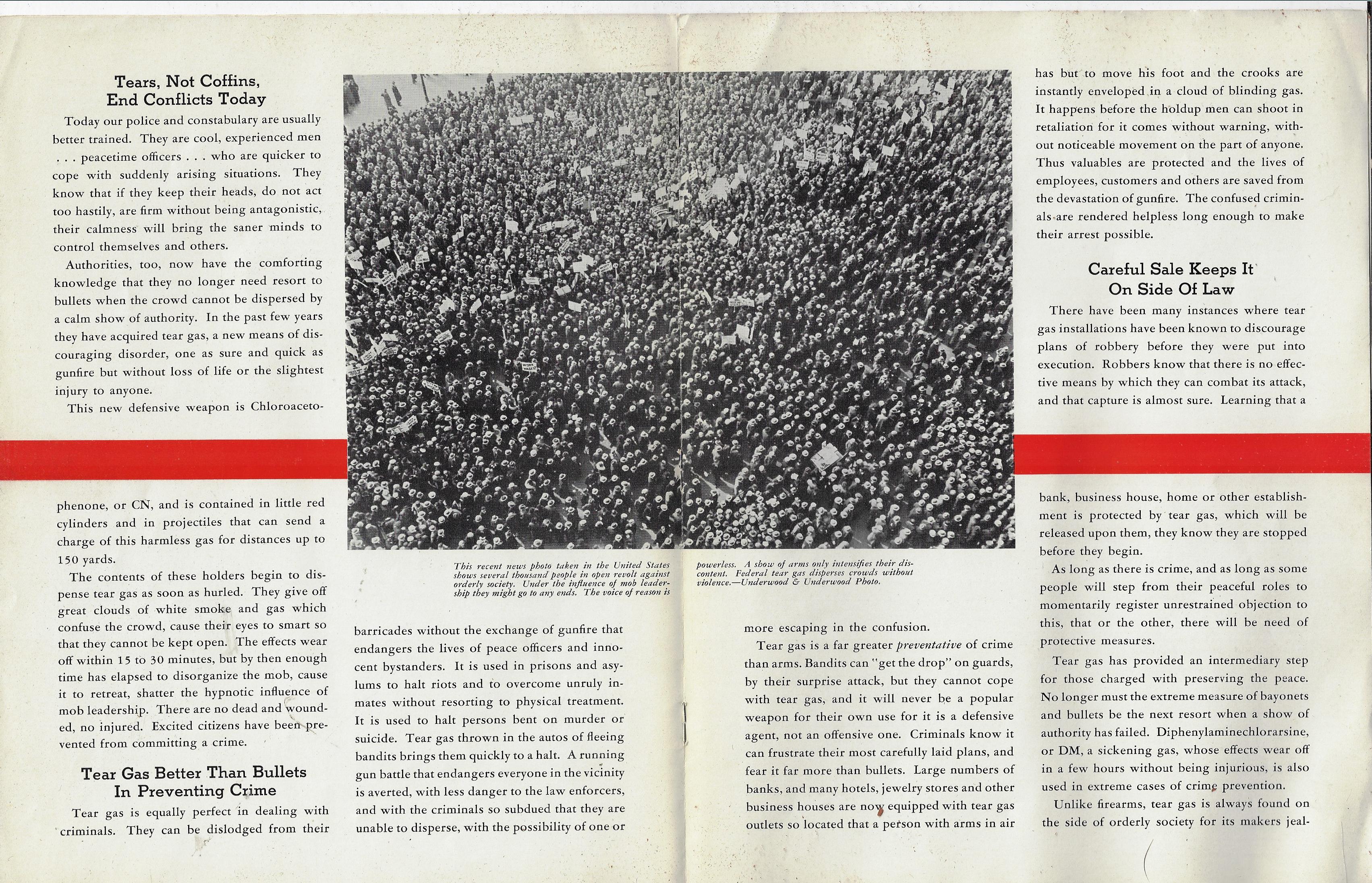
    The Red Line of Crime and…Civil Disorder. Pittsburgh, Pa., printed by Federal Laboratories, 1934. 11×8.5″, 12pp, illustrated with photos. Photo-printed wrappers. $75

    Books covers red line _1_

    A description of Federal Laboratories from Wiki:  “In the 1930s, custom gas guns by FedLabs were adopted by the New York Prison department, following a sales pitch made before the APA by the president of FedLabs in Baltimore in 1931. Also in the 1930s, Federal Laboratories actively worked to sell gas guns for the purpose of strikebreaking, with one FedLabs representative firing a tear gas grenade during the 1934 West Coast waterfront strike, resulting in the death of a striker due to skull fracture. Auerbach notes, however, that despite FedLabs stated opposition to “communist” strikers, the firm continued to sell tear gas to the Soviet Union even during 1933.”

    Books covers red line _2__0001

    Books covers red line _4_ detail


    Books covers red line _3_

    ·Posted by :

    ·in:

  • “Urban Renewal” Plan for Southwest Washington, D.C., 1942

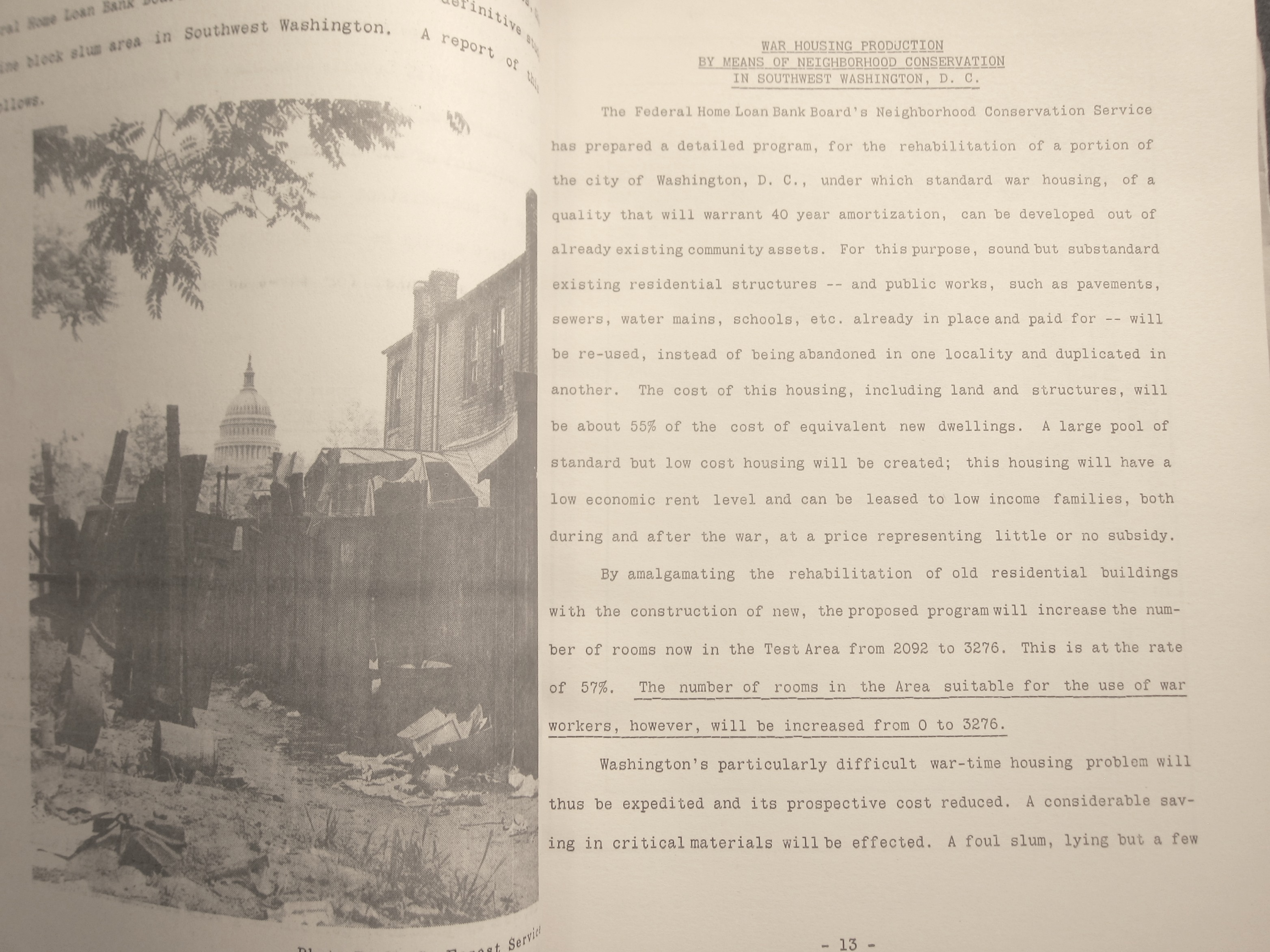
    Arthur Goodwillie. The rehabilitation of Southwest Washington as a war housing measure, a memorandum to the Federal Home Loan Bank Board.

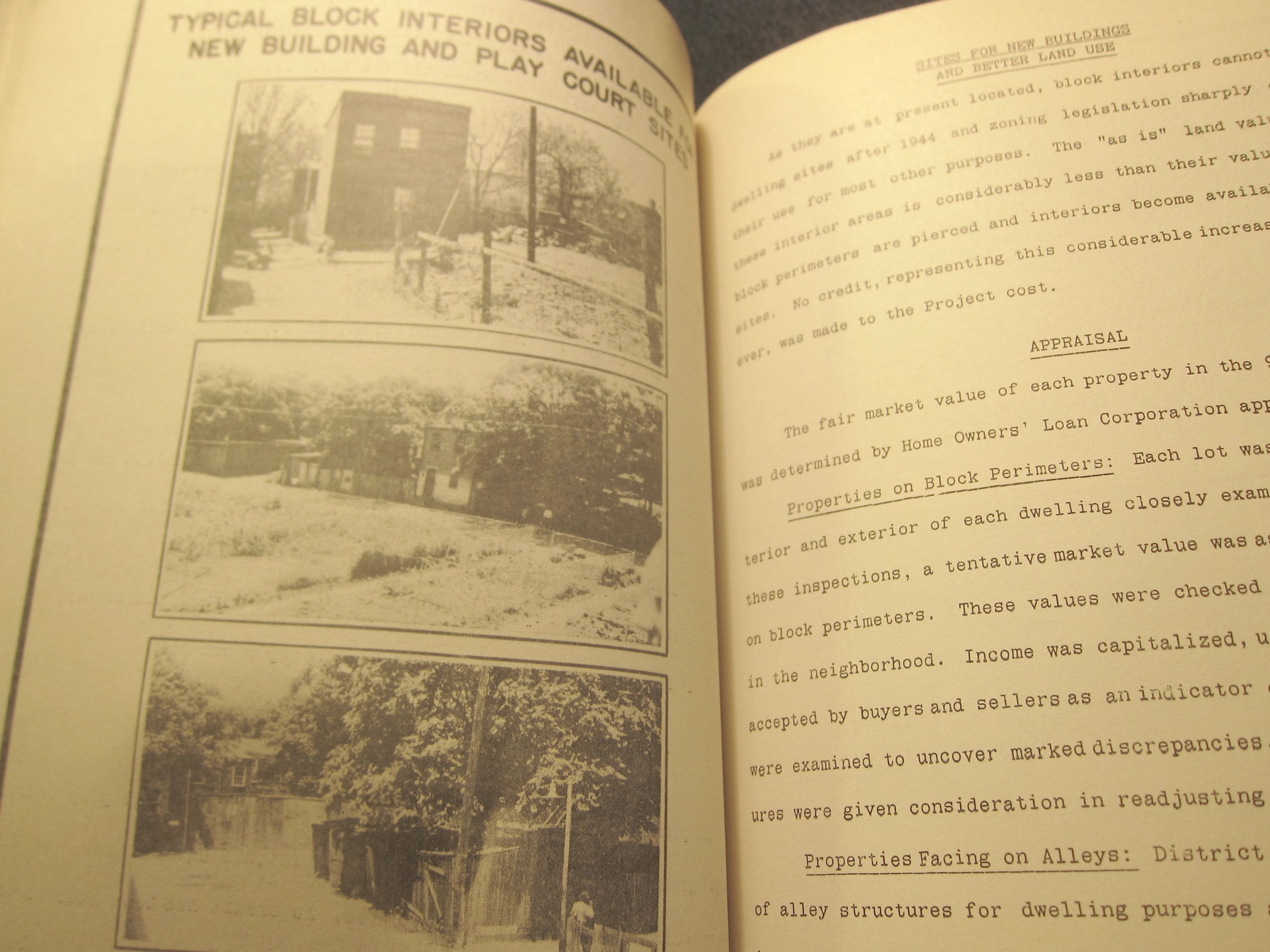
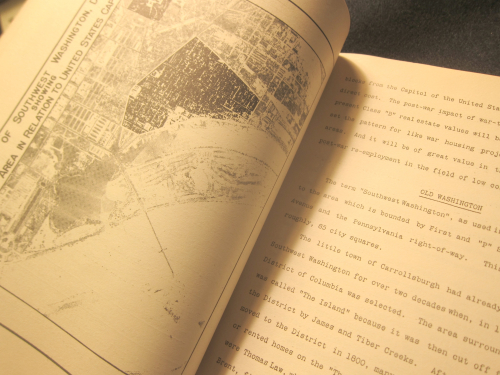
     1942. 11×8.5”, 60pp, several photos. Mimeographed. plan on complete renovation of a large area in SW, extending from E street to Virginia Ave then to South Capitol Street to I Street, then over to 4th Street, and back up to E.

    • Provenance: Library of Congress, “Gift of the Author”. With the LC surplus/duplicate stamp on the rear wrapper. Original wrappers, staple bound, with a cloth-covered spine. This copy also has a carbon copy of the LC card catalog card for this work laid in. Very Good copy. $150  Worldcat locates 11 copies, all very advanced: UVa, Columbia, NYState, Harvard, Chicago, UCLA, Wisconsin, DC Public, LC, NYPL. 

    DC SW rehabilitation _1_


    There is a considerable bit here on the DC Alley System and the social and engineering commentary on the housing that stood there (“Inside bathrooms, kitchen sinks, central heating and electric lights are luxuries of extreme rarity…service alleys are often blistered with garbage and other waste…”)

    DC SW rehab _2_

    Goodwillie evidently helped to found Bend, Oregon, and had a major impact in the early development of that town, but left only a few years later, in 1909. He became a highly successful investment banker in Chicago….and “later joined the Franklin Roosevelt administration, supervising assets for the reconditioning program of the Homeowners Loan Corp.’s Midwest office in Chicago. He later wrote ”Waverly: A Study in Neighborhood Conservation,” a manual on urban renewal based on a Baltimore, Md., housing project .”–Julie Johnson, “A House with a Story to Tell”, in The Bulletin, 12/10/2006.  At the time of the pamphlet Goodwillie was director of Conservation Service Home Owners’ Loan Corporation.

    DC SW rehab _3_


    ·Posted by :

    ·in:

  • An Unusual Find of Information and an Insight into the Education and Training of Air Intelligence Officers, and how the US Military Analyzed Battle Data (1944)

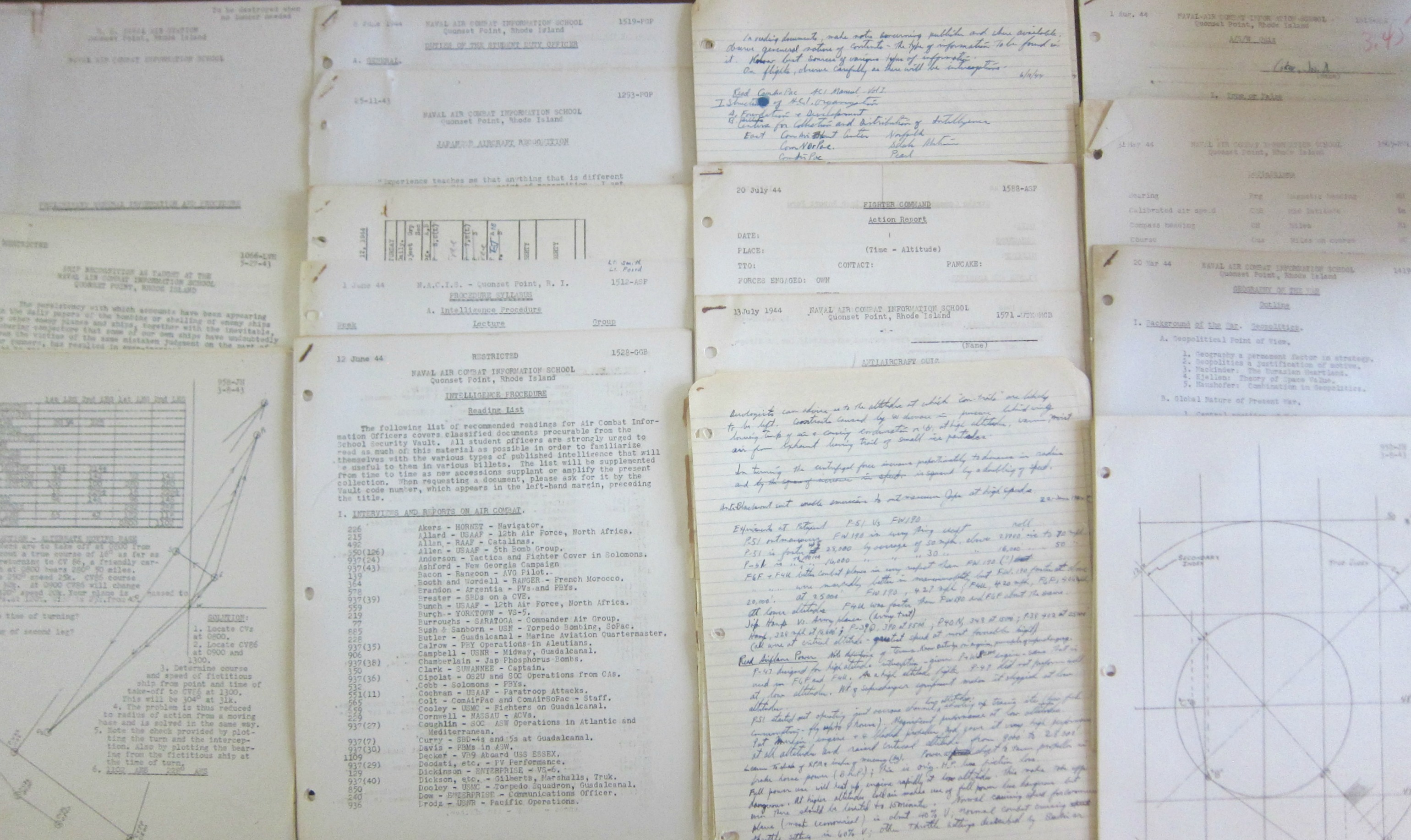
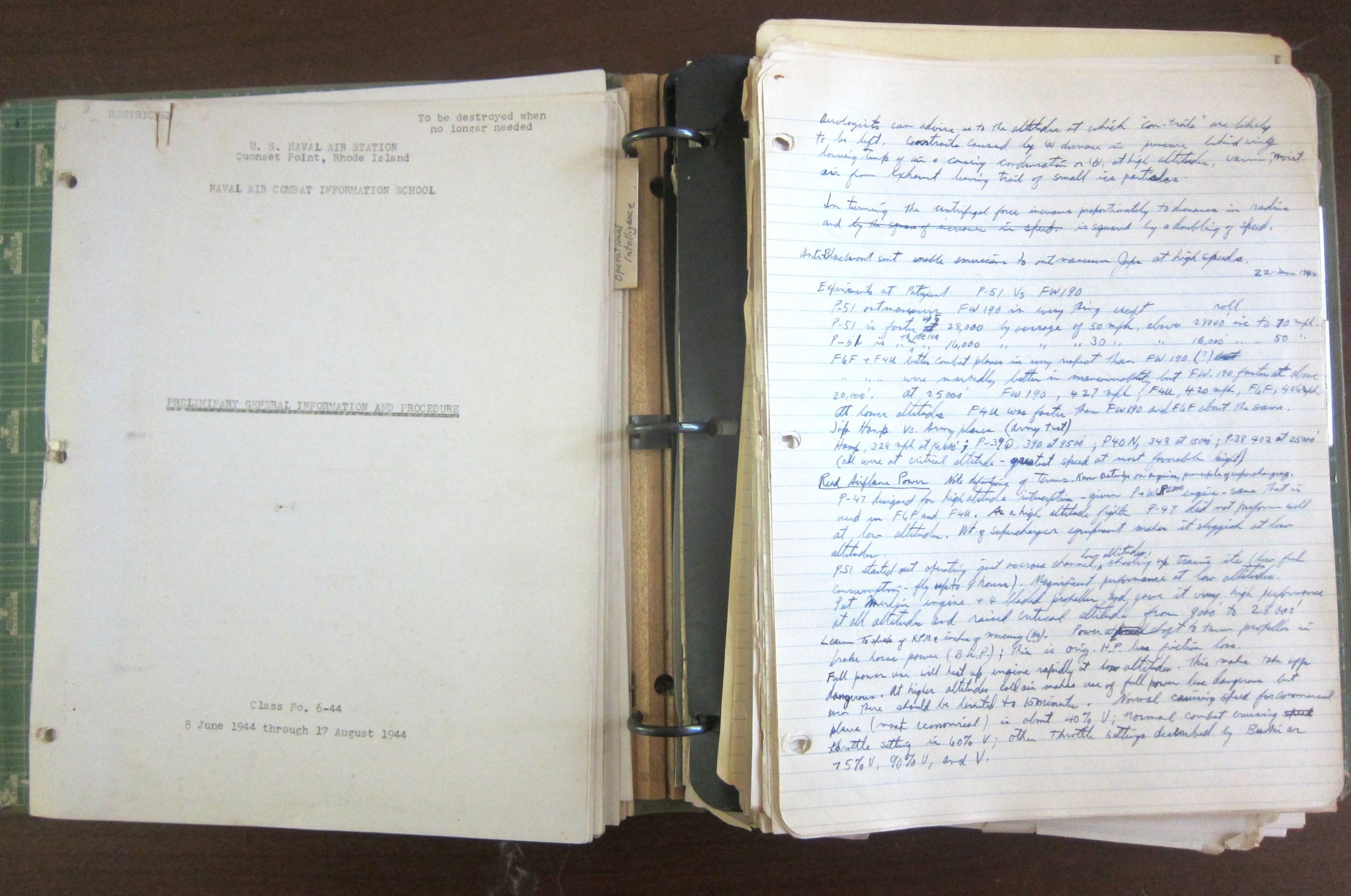
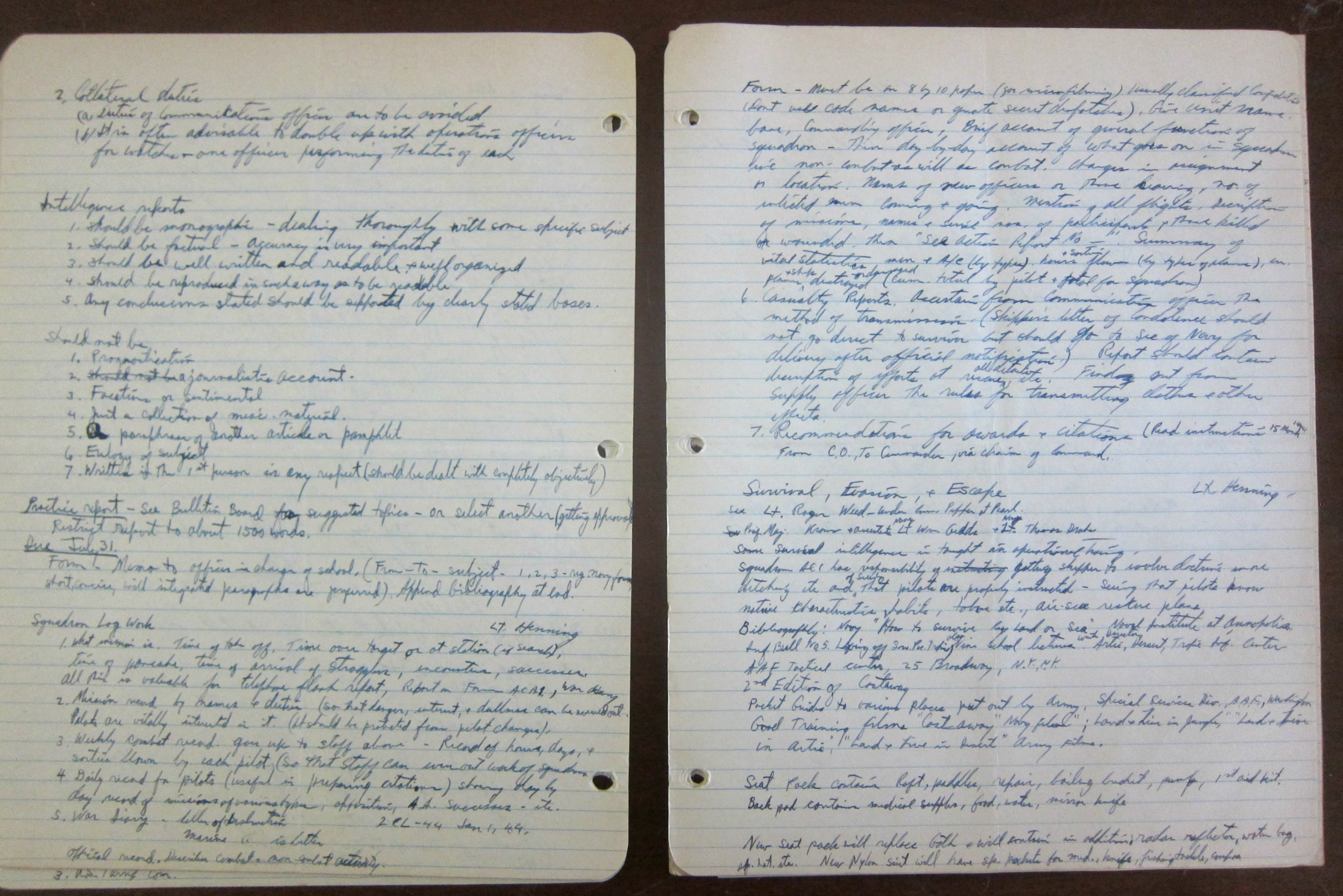
    Mixed mimeographic and manuscript notebook of an officer attending the Naval Air Combat Information School (NACIS) at Quonset Point, Rhode Island in the summer of 1944. The material is bound in the original three-ringed notebook, all of which is in Very Good condition.  The document runs 221pp, including 140pp printed documents (almost entirely mimeographed), 51pp of manuscript notes, and 30pp of mixed printed forms with manuscript additions). $1750.00

    Most of the material is mimeographed from type originals, and most of that is marked “Restricted” or “Confidential” in the original sheets.  This was the notebook of Joseph Coker, who did an excellent job of note-taking and was a superior observer, and who would continue his career post-war int eh field of defense analysis, and retire from government service as the director of the National Resource Evaluation Center in the Office of Civil and Defense Mobilization in the Executive Office of the President, which was really about preparing for nuclear attack and the world that would be left after that.


    NACIS group[Some of the notebook’s contents–the foggy bit in the upper right corner is shadow, and not a stain.]


    Contents, in order of appearance:

    –USNAS, NACIS, “Preliminary General Information and Procedure”, Class No. 6-44, 8 June 1944-17 August 1944, for the 289 hours of classwork. Marked “to be destroyed when no longer needed” and “restricted”. 2 lvs, 8pp.

    –General Notices (Daily schedule), 6pp.

    –Outlines of the Student Duty Officer”. 4pp

    –NACIS, “Japanese Aircraft Recognition” 25-11-43. 1 page. (See below for details.)

    –Ship Recognition as Taught at the NACIS. 5-27-43. 3pp. “Restricted” A full and tight 3pp on the outline of a classification scheme.

    –Course outline and schedule. 9pp of the daily regime at the school.

    –“Procedure Syllabus”, 1 June 1944. 1pp

    “Intelligence Procedure”, “Restricted”, 12 June 1944. 14pp. Includes reading list of interviews and report on air combat with about 120 named airmen; outlinnes for a course on air combat tactics, action reports, and battle notes, including amphibious warfare and ASW; airplane chracteristics; “interview and reports on air combt intelligence duties”; photographic interpretations; geographical references.

    “Sample Pilot’s Check Chart”, “Confidential” 1pp. Chart outlining altitude, RPM, max manifold pressure, mixture control,oil temp, oil pressure, cylinder head max, cowl flaps, fuel consumption, for 13 different operating conditions.

    –MANUSCRIPT: 8pp general outline of intelligence procedures.

    NACIS three ring

    –“TBF’s at Truk. Interrogatee: Pilot” 22 July 1944. Sample of a debrief after air combat over Truk Island. Second part: “F4U’s at Saipan”. 2pp.

    –“NACIS Index System”, “restricted”, 25 May 1944. 2pp

    –EXAMINATION. “Procedure Test”, 30 June 1944, with printed questions and hand-written responses. 2pp

    –EXAMINATION. “Antiaircraft Quiz”, 13 July 1944. 3pp, with printed questions and hand-written responses.

    –“Fighter Command, Action report”, 20 July 1944. Sample form, not filled in. Also includes “Mission report (Navy) FORM MIKE” with general instructions. 13pp. Also includes “Life Raft and Emergency Performance Report”, 4/1/1944, 1 sheet. Also 1 short page of ms notes.

    –“Geography of the War”, 20 March 1944. 8pp, plus 1 sheet of ms notes.

    –EXAMINATION: “Tactics Quiz”, 8 July 1944. (Sample question:“Give a reason or reasons why it would be foolish to compare the original models of the P39 and the P47 on the same basis”.) 2pp

    –MANUSCRIPT Notes: 16pp of tactics, mostly on torpedo tactics from planes, dive bombing, glider bombing (?). About 5000 words.

    –MANUSCRIPT Notes, ASW, 8pp, about 3000 words, including a printed dagram/cutaway of a U-boat.
    U.S. Depth Bombs (depth chargers), “Confidential”, 27 July 1944. 1 sheet. Table of the bomb type, weight of charge, total weight, nose, pistol, lethal radius, and impact-spacing (day and night).

    NACIS mss

    –ASW Classification, “Confidential”, 4 May 1944, NACIS. Interesting 11-point grading system for assessment of attack on sub. 1 sheet.

    –COMINCH Instructions for Briefing Squadrons on ASW Missions, “Confidential”, 29 July 1944. 1 sheet.

    –EXAMINATION: ASW Quiz. 1 Aug 1944. 3pp

    –Homework Assignments: 22 single-leaf assignments, all dated May 1944, and mostly concerned with navigation.

    –Construction of Mercator Chart, Measurement of Course and Distance, determination of longitude and latitude. March 8, 1943. 13 leaves. Also: 6pp of manuscript notes.

    –“Aerology”, by John Hamlin. Offset/mimeograph. 27pp.

    –“Performance of Fighter Command Aircraft”, 26 January 1944. Lists engine, operational ceiling, climb rates, speed, and guns in charts for 34 aircraft. Marked “Restricted”. 3pp. Wonderful data.  Accompanied by 12pp of manuscript notes outlining command structure of the Japanese, Russian, German, Italian, and British air forces. (See below for a images.) The air forces outlined in diagrams in the notebook include the U.S. Army Air Force, the Luftwaffe, the air forces of the Soviet Union, and the air force of the Imperial Army of Japan. I’m not saying that these notes are significant, just that they are from an unusual source, and so from that perspective alone they are interesting–that and the fact that the person who made the notes and took the classes became the head of the chief nuclear weapons preparedness organizations in the U.S.

    –“Performances of German Aircraft” “Restricted”. 16 February 1944. 9pp

    –“Instructions for Preparing Revised Form ACA-1 for reporting Aircraft action”, prepared by the Air Intelligence Group, Division of Naval Intelligence, June 1944. This is the only mass printed document of the lot. It is 11pp, and marked “restricted”. The document is accompanied by a printed form for the Aircraft Action Report (4pp)

    ·Posted by :

    ·in:

    —
  • Pen and Ink Drawings Showing the Progress of Pituitary Tumor Surgery, 1930

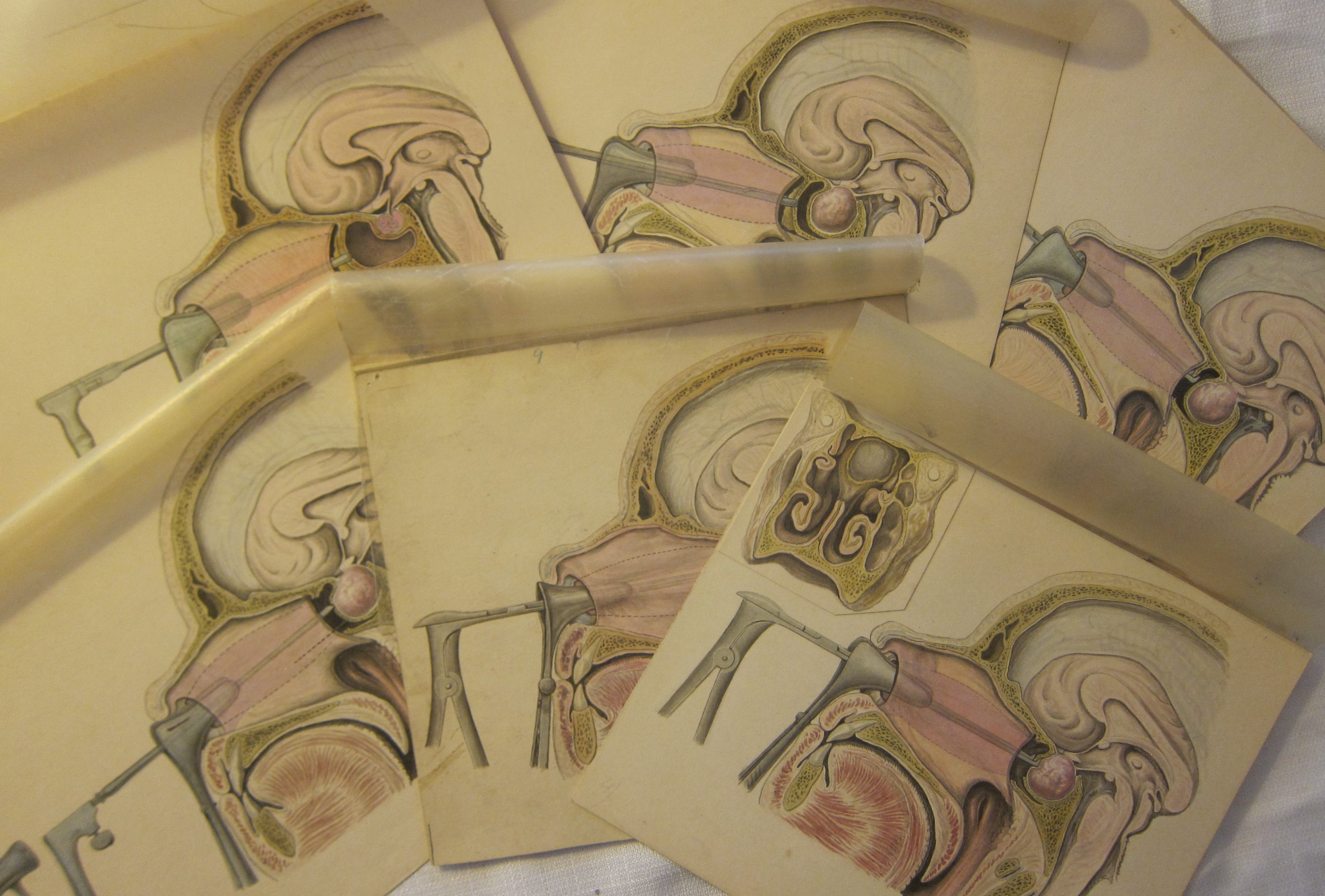
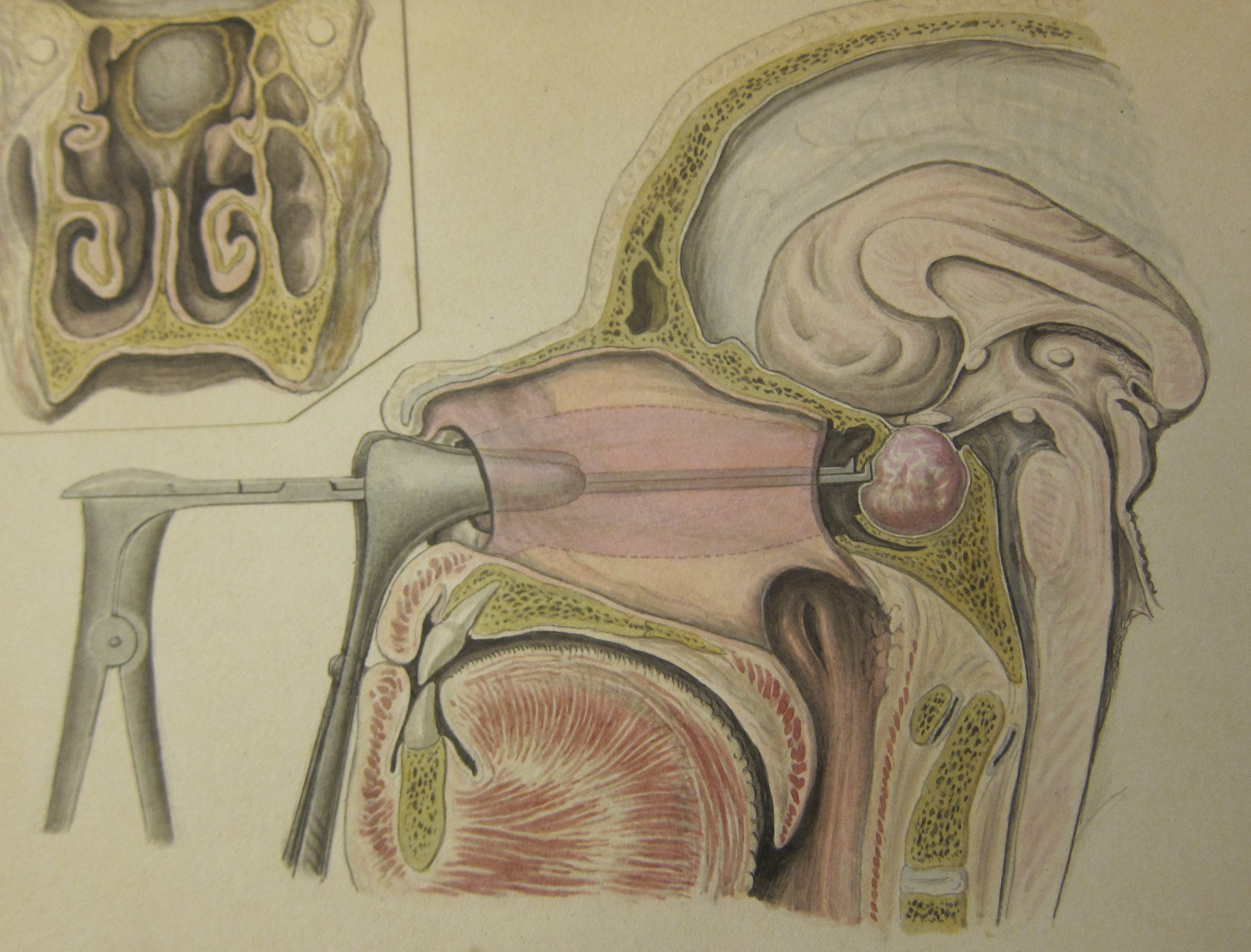
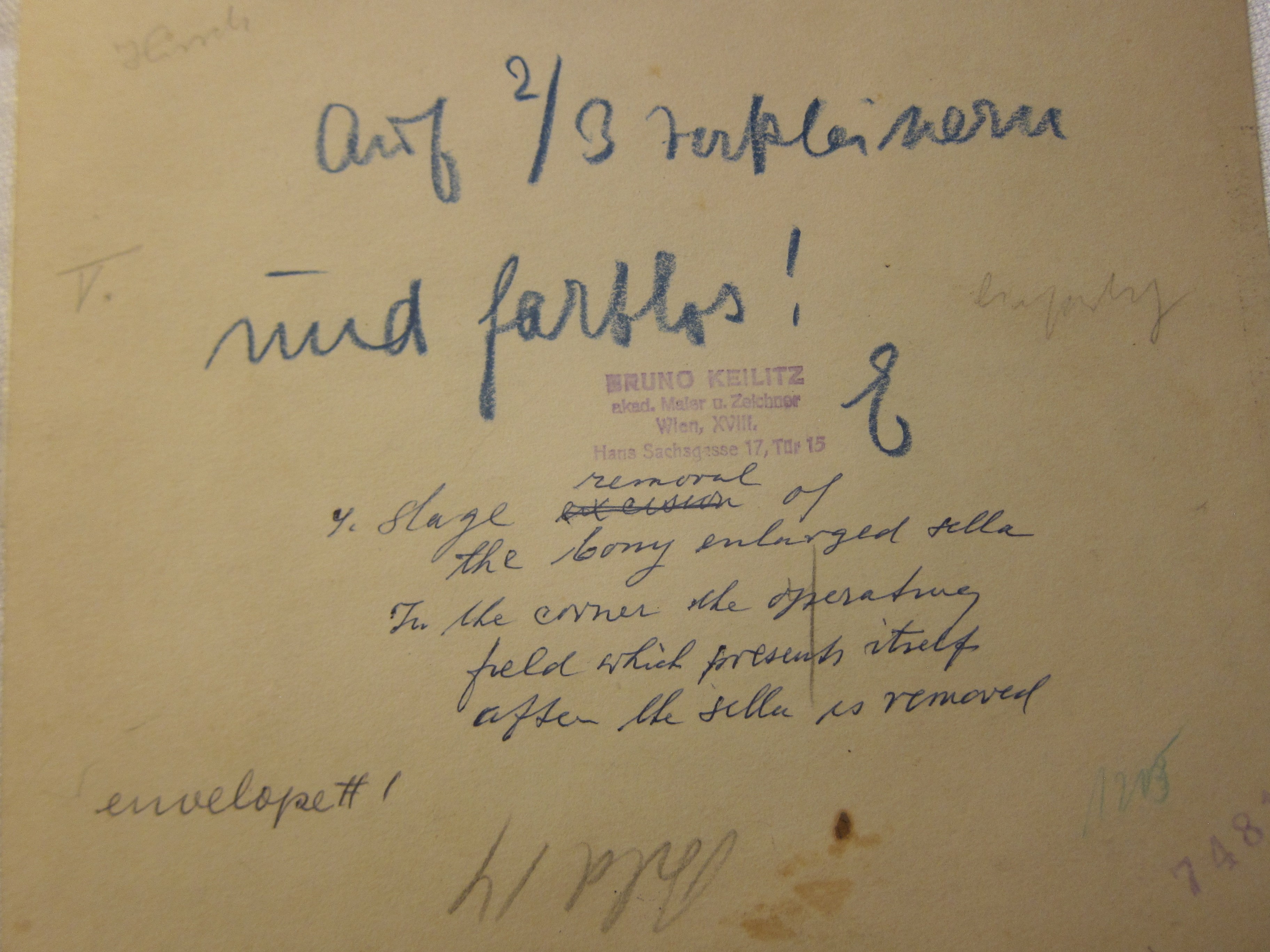
    [Bruno Keilitz and Oscar Hirsch]  12 fine pen and ink images by the prolific anatomical/medical illustrator Bruno Keilitz (b. 1898)  showing the stages of the removal of a pituitary tumor. The illustrations seem to have been for an article written by Dr. Prof. Oscar Hirsch (1877-1965), who was an early and influential Viennese rhinologist who made major contributions to pituitary surgery, performing this transspheroidal procedure for Harvey Cushing in 1911, and who would go on to perform the procedure more than 500 times in his long career.1

    Pituitary _1_

    • Of the 12 drawings, 9 are very closely related and show the progress and route of a transsphenoidal surgery for the removal of a pituitary tumor. I feel pretty confident that these drawings were done in 1930 (see below). These images are labeled I-VIII (including a “Ia”). These images measure about 6×8.5 inches each, drawn on a heavy stock, and done in colors. Each of these images is drawn from the same perspective and show different aspects of the surgery in progression. These drawings I-VIII are all rubbers tamped on the back with Bruno Kelitz’s name and address; two of this series are signed by Kelitz in the drawing, both of which are dated 1930. There are also some other notations in ink on the reverse that I can’t quite place, as well as some later dates, as the images seem to have been used on more than one occasion. 

    Pituitary _2 3d_


    One drawing in this series has an old American Medical Association label (seemingly stamped Feb 11, 1952), identifying the publication of origin (“Arch. Otol” Archives of Otolyrngology), the author (“Hirsch”), and the type of reproduction to be used when illustrating the article.

    The last of this series is signed and dated (1930) by Kleitiz.

    The 10th drawing is similar to the preceding nine, though is smaller and is without color, and shows the interior radium application of the tumor. Measurement: 4.5 x 6 inches.

    The 11th drawing shows six different types of tumors, I think, and is rendered in black and white. Measurement: 4.5 x 6 inches.

    10 of the images have their original wax paper protective covering; one has a plastic cover and the last has no cover at all. All are in fine condition. The 9-drawing series are all quite bright and fine.

    Pituitary _3_ back

    $1500

    Notes:

    1. Transsphenoidal Surgery: Complication Avoidance and Management Techniques, edited by Edward R. Laws, Jr, Aaron A. Cohen-Gadol, Theodore H. Schwartz, Jason P. Sheeha, pg 16. 

    “…Harvey Cushing and Oskar Hirsch, two prominent pituitary surgeons who pioneered the transsphenoidal technique. Cushing championed the sublabial approach, whereas Hirsch was the master of the endonasal route…”–“Harvey Cushing and Oskar Hirsch: early forefathers of modern transsphenoidal surgery” James K. LIU, M.D.,  et alia, Journal of Neurosurgery December 2005 / Vol. 103 / No. 6 / Pages 1096-1104

    Other Notes:

    Bruno Keilitz: “The remaining numerous text illustrations are all from the academic painter Mr. Bruno Keilitz, done with the greatest accuracy and beauty, which we acknowledge gratefully here … “from The Cytoarchitectonics Of The Adult Human Cortex by Professor Constantin Baron von Economo”–Database of Scientific Illustrators, University of Stuttgart

    Oscar Hirsch: (A) “The evolution of pituitary surgery over the past century dates back to the work of Oscar Hirsch and Harvey Cushing in the early 1900s. Hirsch’s dedication to the transsphenoidal technique as the most effective method to approach the sella ran contrary to his contemporary’s opinion. Cushing, with large series’ of cases using both transcranial and.transsphenoidal approaches to the sella, would ultimately choose the former as the more efficacious procedure. Citing its distinct advantage in providing a direct and gross exposure of the gland, Cushing helped establishwidespread employment of the transcranial method throughout Europe by the 1930s.”

    Oscar Hirsch (B): “Oscar Hirsch, also from Vienna, suggested in 1909 an endonasal operation by the ethmoid. But he modified this procedure to an endonasal sub-mucosal rhino-septal approach which he performed on dune 4, 1910, the same day that Cushing, unknowingly, did his first case through a sublabial incision and sub-mucosal resection of the septum.” From: History of Pituitary Tumors and Microneurosurgery by Jules Hardy, MD, from the Cyber History of Neurosurgery website.

    Oscar Hirsch (c) “Prof Oscar Hirsch, a Tribute. Eye, Ear Nose Throat Monthly, 1966; 45 (4) 76-9.

    ·Posted by :

    ·in:

  • Early Electrical Transmission of Fingerprints in Crime Fighting (1921)

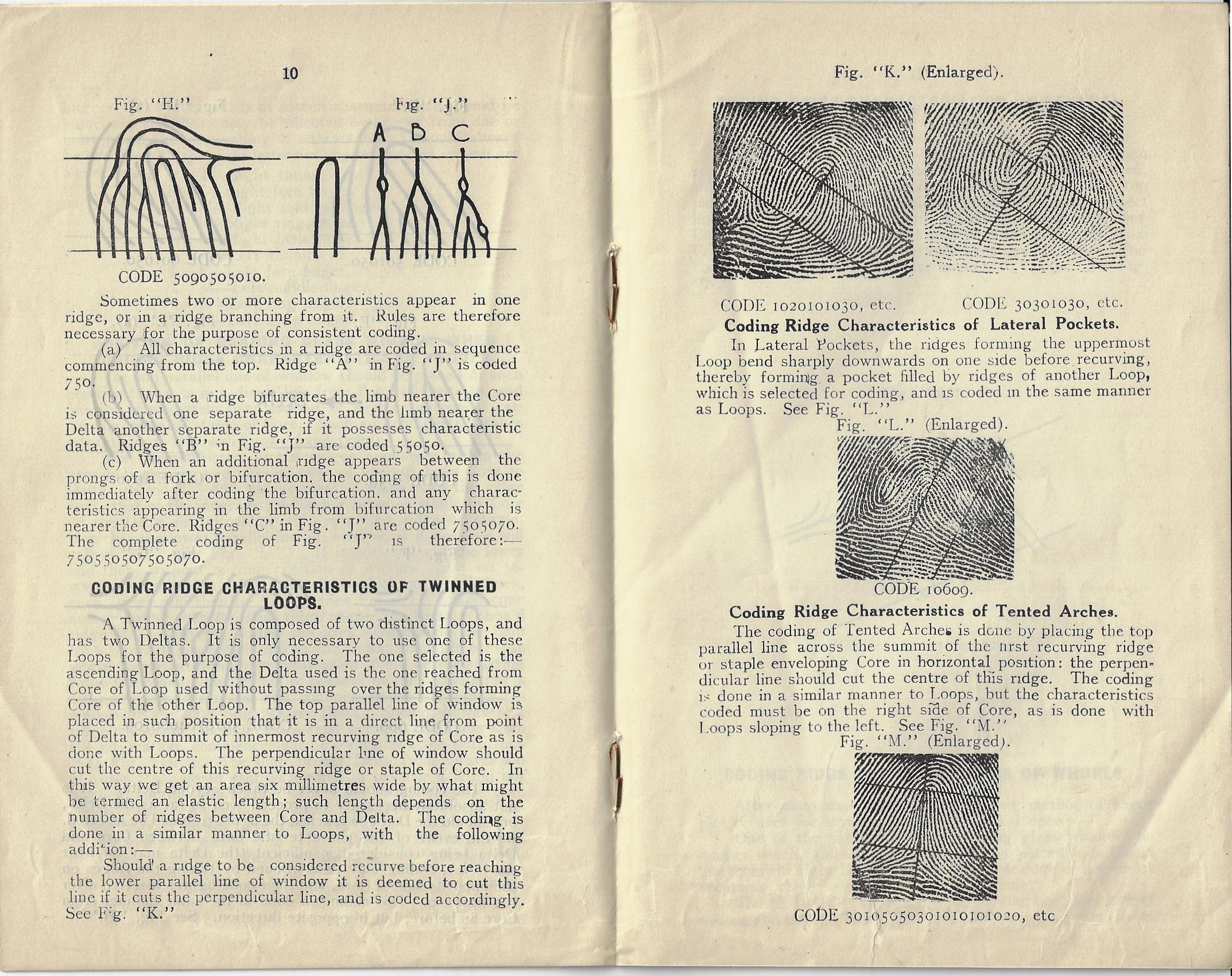
    Charles Stockley Collins. A Telegraphic Code for Finger-Print Formulae and a System for Sub-Classification of Single Digit Impressions. Published at the Office of the Police Chronicle, London, (1921).  9×6″, 17pp, with two plates and 15 illustrations/drawings in text.  Original wrappers. Provenance: Library of Congress, with their rubber stamp surplus/duplicate on the front cover, and their tiny 6mm perforated stamp on the title page.  A Very Good, crisp copy. 

    • There are only two copies of this work located in WorldCat/OCLC (Cornell and the British Museum); for all of what Mr. Collins accomplished, this seems to be his only publication outside of journals. $300

    The use of finger prints in identification is fairly old, used in Asia and India long before it became a popular practice in the West.  Also it seems that finger prints as forensic instruments occurs in literature before it occurred in actual police work. Mark Twain uses finger prints as essential legal elements (as well as comic relief) in his novels Life on the Mississippi (1893) and Puddn’head Wilson (1894), no doubt inspired by Francis Galton’s pioneering work on the subject (Finger Prints, published in 1892). Conan Doyle takes things a step further and describes the forging of finger prints, which I think was a brilliant idea.  All of this takes place before finger prints were more or less firmly established as an identifying tool, as the first conviction based on finger print evidence did not occur (in Great Britain) until 1902, while its weight in the conviction of murderers wasn’t felt until a first conviction was made using them in 1905 (and then 1910 in the U.S.). 

    Finger prints _1_

    Which brings us to these fascinating images of finger prints and their enumeration and transmission by wire,  which was the brainchild of the foremost finger print expert in the U.K., Detective Chief Inspector Charles Stockley Collins (M.B.E.), chief of the Finger Print Bureau at the New Scotland Yard.  I cannot determine how long in advance of this publication that he employed the idea of transmitting finger print data by telegraph, but it seems to be an excellent idea, sending important information relatively instantly over distances to help in conducting criminal investigation. It may be that this idea–far in advance of modern transmission practices, even though Arthur Korn’s first “facsimile” images were made as early as 1902–was seen at the time as both fantastic and obvious, the second impression coming almost immediately on the heals of the first, like one of those terrific ideas that seemed “obvious” once it was first stated. 


Recent Posts

Archives

Categories