A Daily History of Holes, Dots, Lines, Science, History, Math, Physics, Art, the Unintentional Absurd, Architecture, Maps, Data Visualization, Blank and Missing Things, and so on. |1.6 million words, 7500 images, 4.9 million hits| Press & appearances in The Times, Le Figaro, Mensa, The Economist, The Guardian, Discovery News, Slate, Le Monde, Sci American Blogs, Le Pont, and many other places… 5000+ total posts since 2008.

  • Four Papers by Jacob Marschak (1962-1967)

    MARSCHAK, JACOB.  5 works, all printed by  Western Management Science Institute, University of California, Los Angeles. All 10×8 inches,  perfect bound, with cloth tape and printed wrappers. VG-Fine. SOLD 

    “In 1937 Marschak (1897-1978) “…went to Oxford to teach at the Oxford Institute of Statistics, which was funded by the Rockefeller Foundation, allowing him to emigrate in 1940 to the United States. After teaching at the New School for Social Research, in 1943 he went to University of Chicago, where he led the Cowles Commission. He followed the Commission’s move to Yale University, then became emeritus at UCLA. Shortly before he was due to become president of the American Economic Association, he died from a stroke.”–Wiki.  

    _____. Economic Theory of Information (Lecture Notes).    May, 1967.  Working Paper 118.   Approximately 120 leaves (printed on one side only). Fine copy. Only three copies are located in WorldCat:  (university libraries at Regensburg and Munchen, and also the University of North Carolina Chapel Hill. 

    _____.  Decision-Making. revised Copy. Working Paper No. 93. July 1966. 28pp. Brass tack bound. VG

    _____.  Economics of Language. Working Paper No. 44, November 1963. 15pp.  Brass tack bound.

    _____.  Problems in Information Economics. Working Paper No. 24, November 25, 1962.  35pp.  
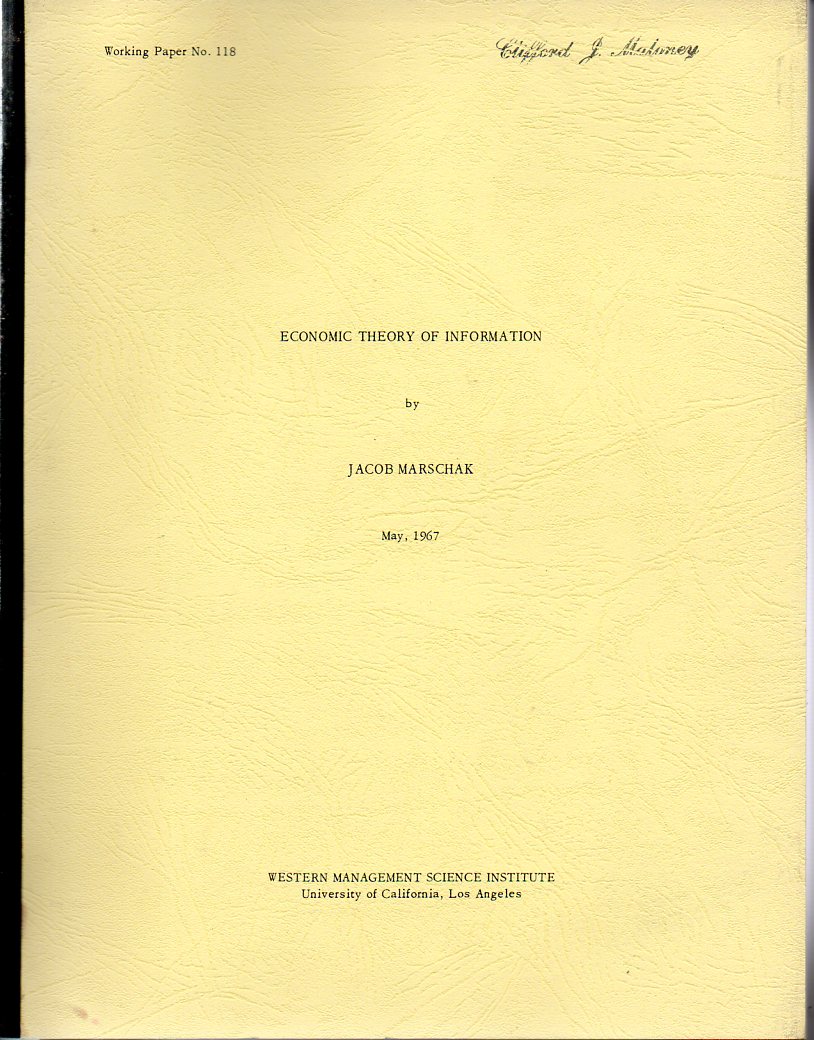
    Math--marschak073

    Abstract: ” Problems of statistical decision and of communication economics are shown to be special cases of the general problem of joint efficient choice of the observable, the code, the channel, and the strategy, given the payoff function and the available resources. (Author).”

    This is a set of lecture notes for a course taught by Marschak for the spring term of 1967. 

    Writing in the National Academy’s Biographical Memoirs, Kenneth J. Arrow (who received the says the following on Marschak:  “Attempts by Marschak, Albert G. Hart, and others to clarify the concept of liquidity had shown how important anticipating new information was to economic behavior and launched Marschak on a series of studies regarding the economics of information. The value, or demand price, of information in any context was governed by the additional benefit that could be obtained by its optimal use, an approach he initiated in 1954 and summarized in 1971. This subject, originally broached by Marschak, has since become a major research area” (Kenneth J. Arrow, Biographical Memoirs, Vol. 60, 1991, National Academy of Sciences, pp. 140-1). “
    ·Posted by :

    ·in:

  • Chicago World’s Fair, 1933–Pamphlets with Maps of the Fair (1933-4)

    Maps of the Chicago Century of Progress World’s Fair, 1933-4

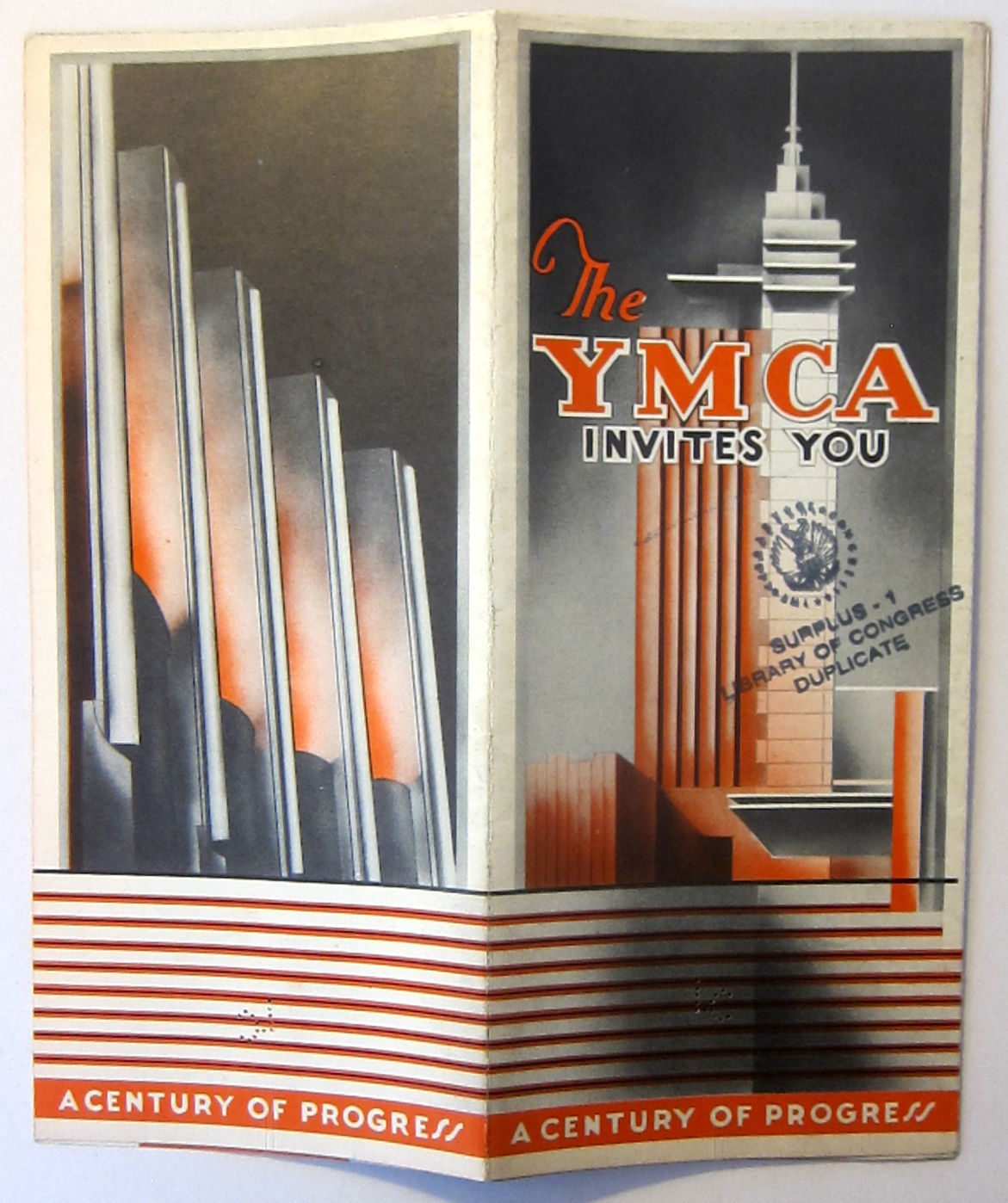
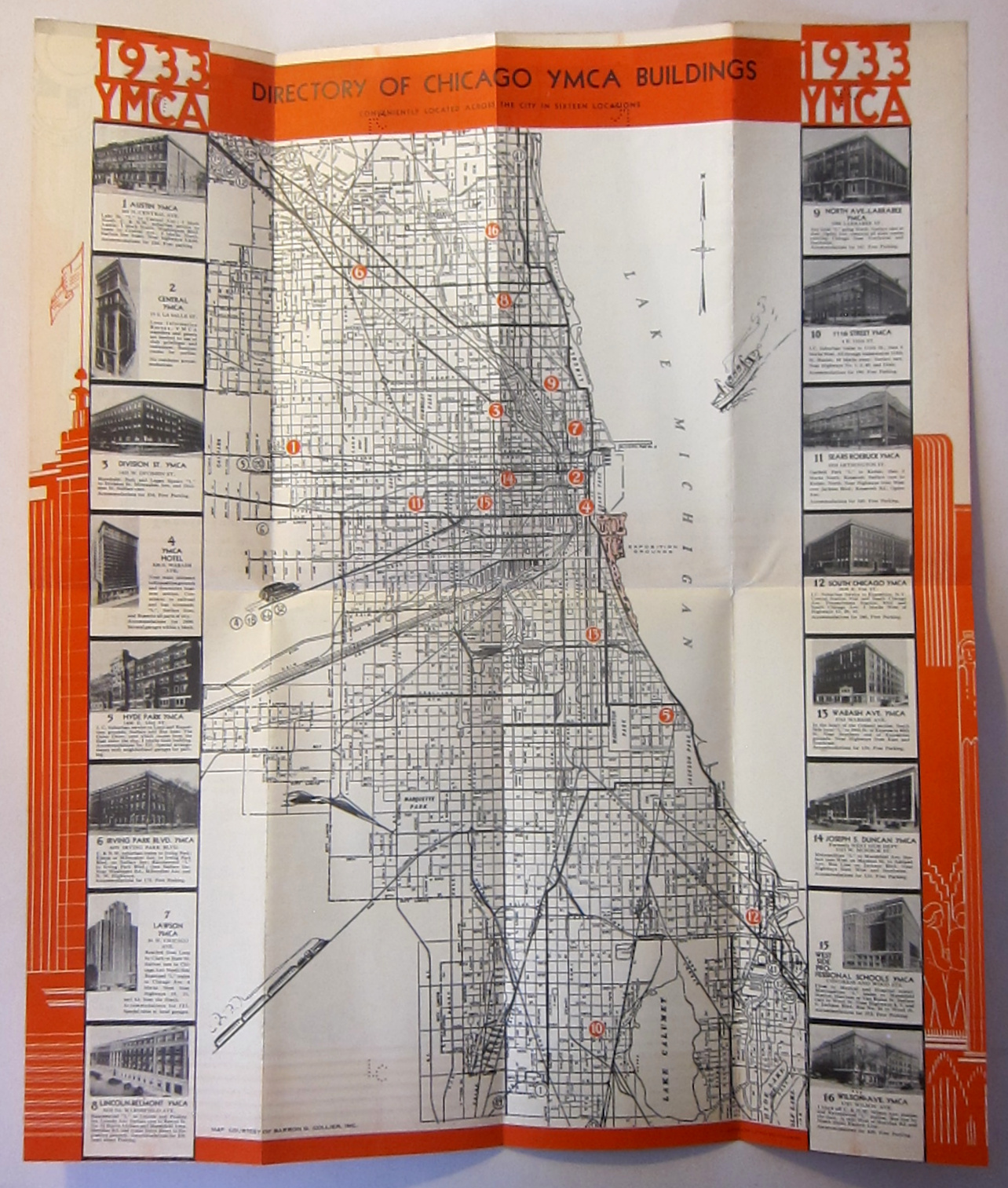
    The YMCA Invites You, a Century of Progress. (1933). 8.25” x 3.5”.  This fabulous pamphlet opens to a  16.5” x 14” map of downtown with photo vignettes along the borders of 16 YMCAs in Chicago.  Provenance: Library of Congress, with their surplus stamp on the front cover.  Fine copy otherwise.  $75

    Chicago Maps YMCA _2_
    Chicago Maps YMCA _2_

    ·Posted by :

    ·in:

  • Otis Escalator Catalog, 1947

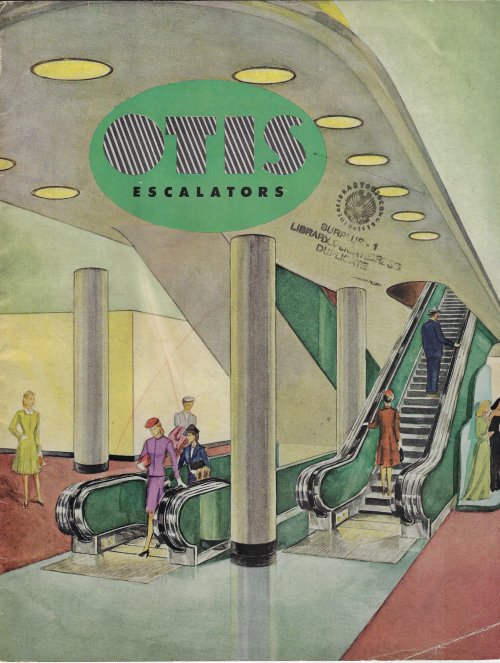
    Otis Escalators, 1947.  11″x8.5″, 24pp, illustrations throughout. Original wrappers. Provenance: Librry of Congress, with their rubber stamp on front cover. VG condition.  SOLD

    An interior note describes the cover illustration was “based upon original design by Raymond Loewy and Associates for the Stix, Baer and Fuller Department Store, St. Louis, Missouri”. 

    Books covers otis _2_


  • Rare Work on Physically Addressing Color Blindness (1946)

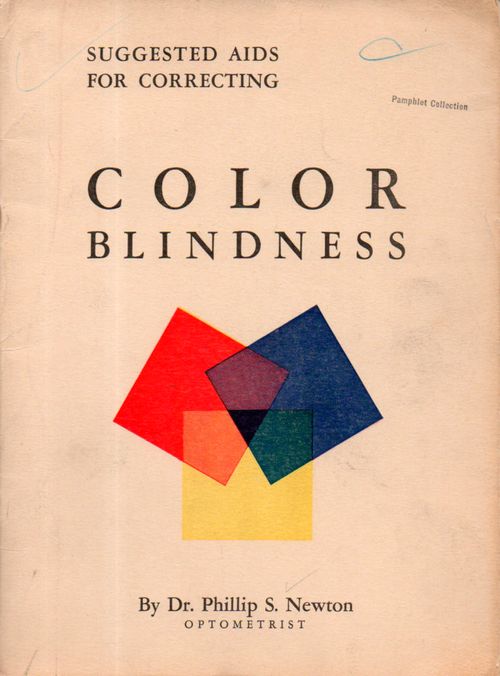
    Newton, Philips S. Suggested Aids for Correcting Color Blindness, self-published in 1946, in Oakland, California.  10.75″ x 8″, 34pp, with numerous illustrations (in color!) Heavy printed wrappers, printed on glossy paper. Provenance: Library of Congress, with their surplus stamp on the rear cover and a small stamp on the front cover. VG copy.  $125

    • Oddly enough, there are no copies of this work located in WorldCat/OCLC. 
    • “For this condition, I will prescribe, for your information, a marvelous cure, the result of my experience in such cases. Take a precious stone we call sapphire. Powder it most thoroughly in a metal mortar and store it in a golden vase. Put a little into the patient’s eye every day and he will soon be cured “– from the Medieval medical text De Oculis, by Benevenutus Grassus, Stanford University Press, 1929, page 58. 

    Admittedly I was more interested in the illustrations in this work1 than the text, mainly (and obviously) because the images are so striking. The text is in its way a pre-scientific attempt at ‘curing” color blindness, which is a genetic disorder.  The color wheels (“variable speed rotary color vision stimulator”) were intended to be rotated to produce different color senses for “color vision stimulation”–it could be used to determine whether or not color vision was being “improved”.

    Most of the work was a sales vehicle for Dr. Newton’s color blindness color regenerators, or whatever, all of which could be obtained from his office in Oakland.  I guess Dr. Newton was trying, but…

    Color blindness _5_

    ·Posted by :

    ·in:

  • Petroleum in Wyoming (1885)

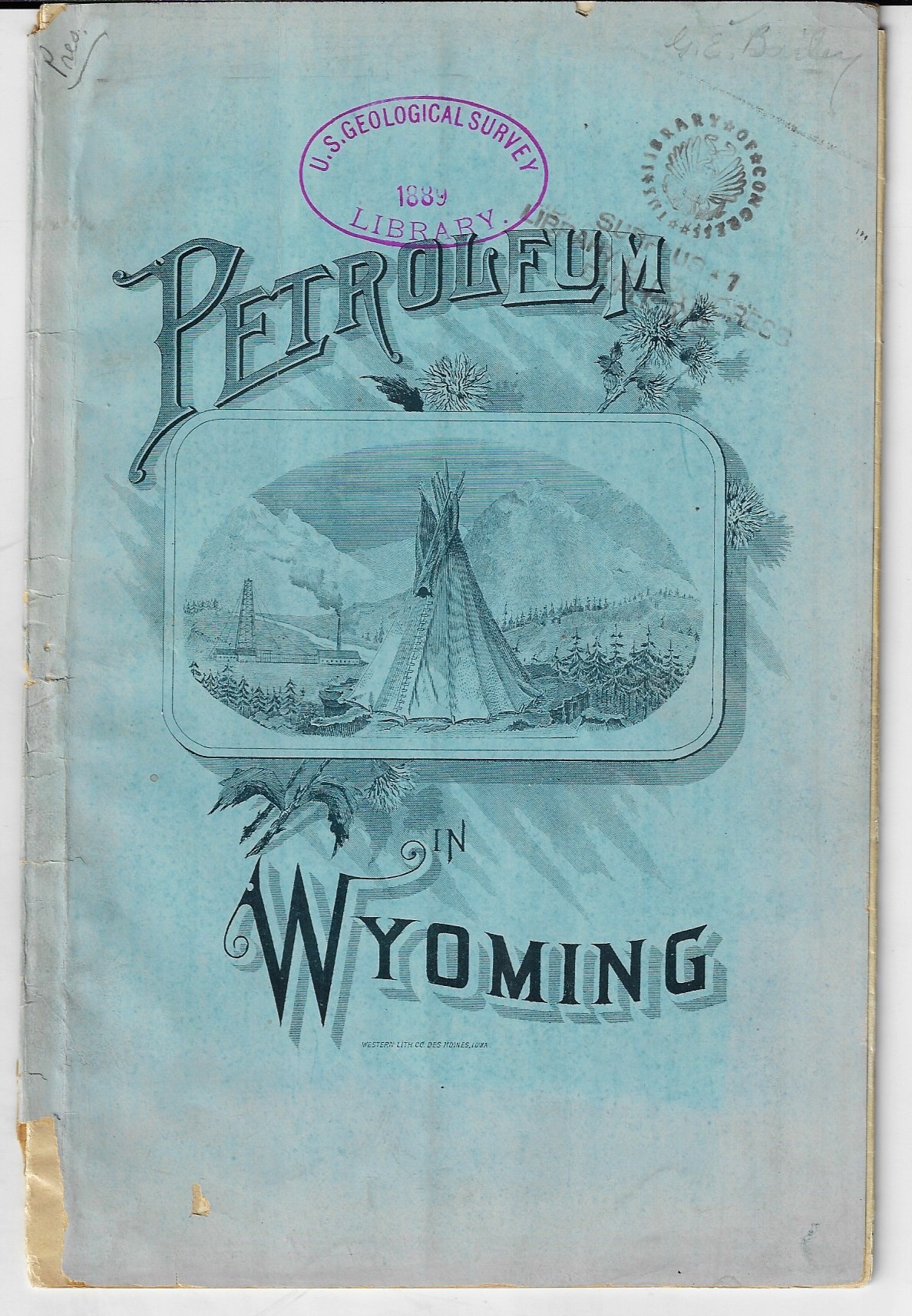
    Gilbert Ellis Bailey (former State Geologist of Wyoming). Petroleum in Wyoming Territory and special report on the Stockade oil district and the property of the Lakota oil and coal mining company in Crook County, Wyoming. No publisher or place of printing is noted. No date (though it is certainly before statehood in 1890); Stanford guesses 1885.  8.25”x5.75”, 19pp, with a small folding map of the county.  Printed wrappers. Provenance: U.S. Geological Survey Library, gifted to the Library of Congress in 1921. Few small rubber stamps on front cover for the two libraries. Outside of a few chips to the cover, and three very old fold shadows running vertically through the pamphlet, a VG copy—now at least a very solid GOOD.   SOLD


    Wyoming

    One copy only (Stanford) located by WorldCat.  

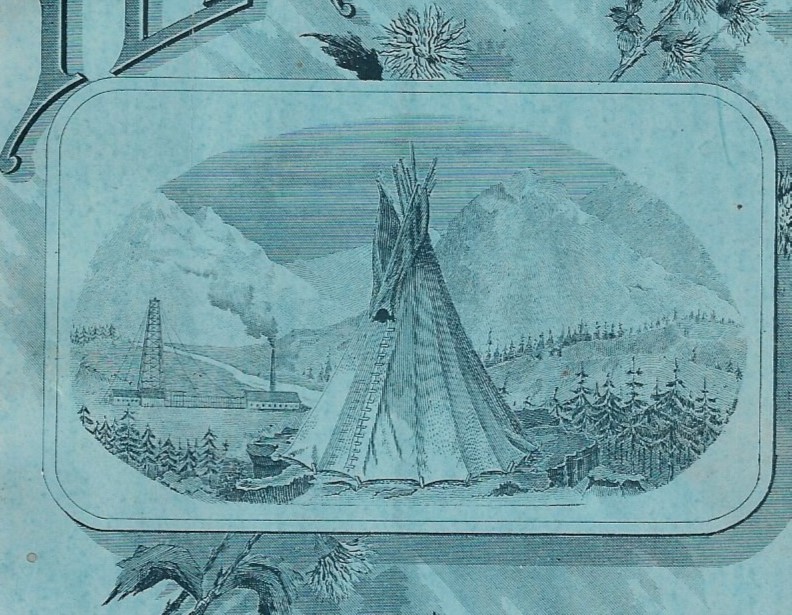
    It is worth taking a note of the cover illustration, which shows a teepee (which would be about right seeing that most of the Indians before White incursion were nomadic)—behind it though we see oil derricks, which I am sure was not the case, unless the derricks were on Indian land. In 1880 the (non-Indian) population of Crook County was 239, which “jumped” to 2,300 in 1890, (then to 6k in 1910 where it has stayed about constant since). In 1890 the Indian population in all of Wyoming was 2,063 (or thereabouts, according to the U.S.1890 census special volume Indians Taxed and Indians Not Taxed), and of that figure nearly the entirety of the population–1,861–were on reservations. And according to the census report of the 189,000 reported Indian population in the country 133,000 were on reservations, while another 50,000 were living in Indian Territory, making for something like 5,000 Indians not on reservations or I.T. territory in the entire U.S. and territories. So, picturing the teepee set before a petroleum industry scene was exceedingly prosaic.

    ·Posted by :

    ·in:

    —
  • The Great Amen–a Scarce (unlocated in WorldCat) USAAF WWII Recollection

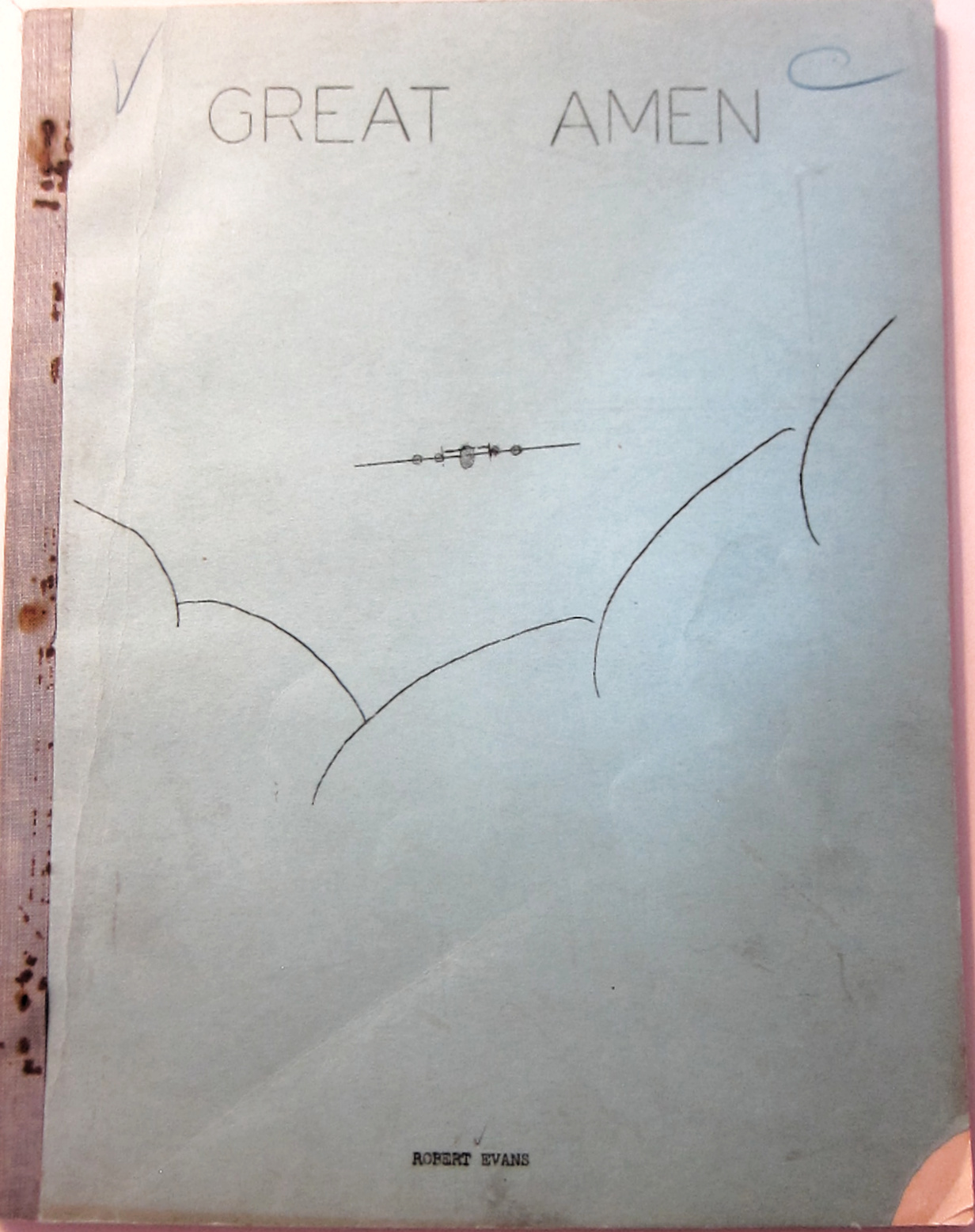
    Robert J. Evans, Great Amen. Self-published, printed by Bureau Mailing Service (Brooklyn), 1946.  11″x8.5″, 49pp. Offset printed. Bound in cloth-backed paper wrappers, which have chips here and there. Good condition. Approximately 35,000 words.  $400

    • NO copies located in WorldCat/OCLC. 
    • The table of contents tell part of the story of Staff Sergeant Robert J. Evans, who wrote of his adventures as a gunner on what I think must have been a B-24 (as there  are mentions of belly gunners, and also what seems to be the names of the crew of nine airmen…also a close look at the rudimentary drawing of the aircraft on the cover gives it a nose looking very much like a Liberator). Training in Texas with the USAAF and the trip abroad take the first 10pp, the combat experience beginning on p. 11, in Italy. There are almost no dates mentioned, oddly enough, and no mention of bomber group; though I suspect the action takes place in 1944, as there is a chapter dedicated t a bombing of the Moosbierbaum oil refinery in Austria–a target hit numerous times from June 1944 into March 1945.  This took place in 1944 as there is a mention of Christmas 1944 that comes later on in the story. In any event that was the only bombing action I could find, though it was lengthy; there’s plenty of daily life/color in these pages, though, which makes it an interesting read.
      Great Amen


    ·Posted by :

    ·in:

    —
  • Scarce Aviation Atlas (1938)

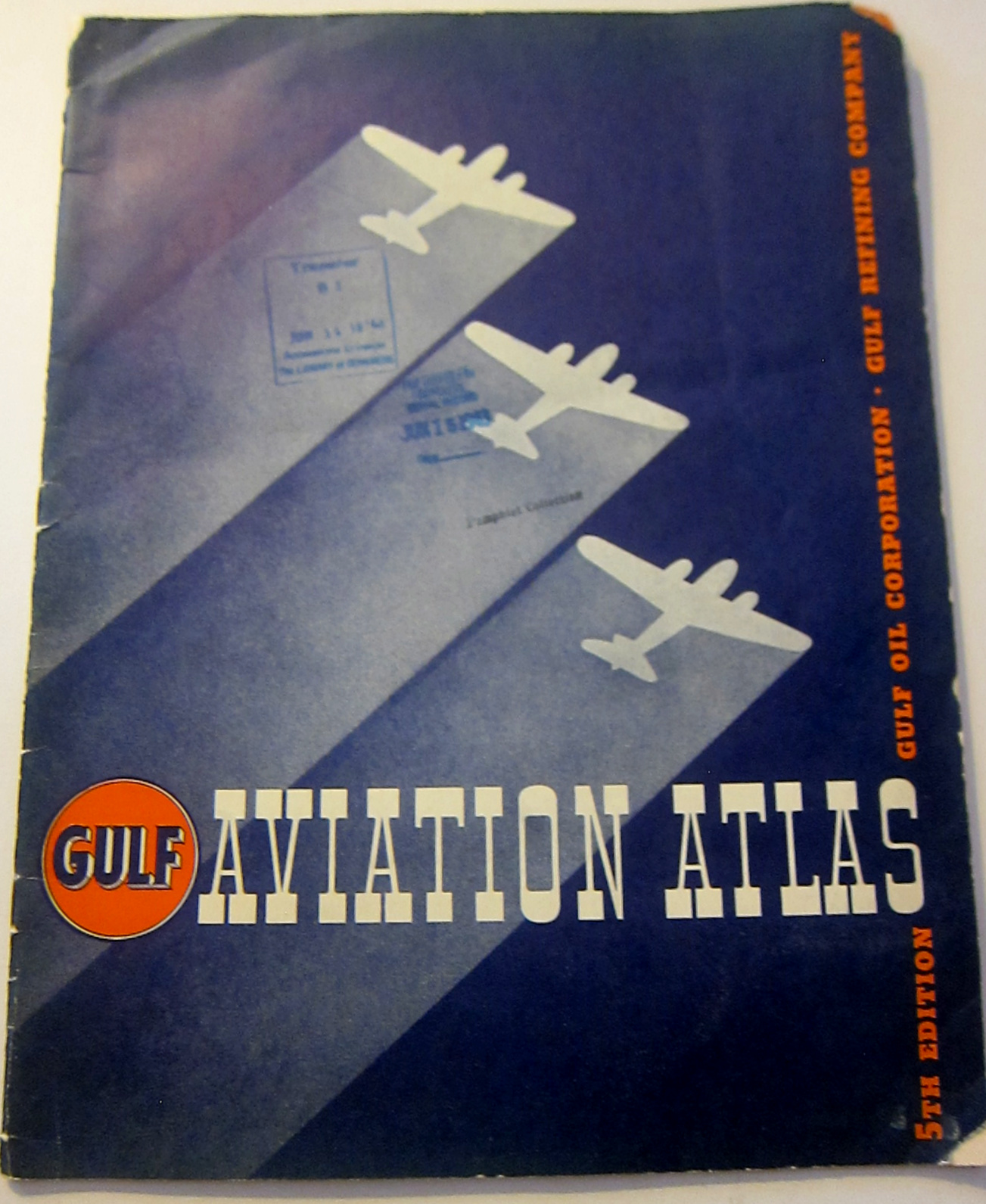
    Aviation Atlas _4_ cvrGulf Aviation Atlas. Gulf Oil Corporation, Gulf Refining Company. 5th edition, 1938. 12.25″ x 9.25″, 32pp, illustrations and maps. Heavy printed wrappers with some few chips here and there. Provenance: Library of Congress, with three of its stamps on the front cover. It turns out that this is a scarce item, little located. Good copy.  $75

    • The nice thing here is that  in addition to the 5 pp of maps of various sorts of air service, there’s a lot of data–for example, there’s a chronology section (in small print) that is really rather good; there are also graphs of bits of aviation history, as well as an illustrated sheet on different varieties of airplane maneuvers.  Quite nice, really.  

    ·Posted by :

    ·in:

  • On aerial defense, bombs, and gas, 1936-1940.

    Five pamphlets published 1936-1940, stapled together in a manila folder. Provenance: Library of Congress.  Each 8.25” x 5.75”, original wrappers.  Of the five, only one is located at all in WorldCat (with one copy only). The pamphlets seem to rank last-to-first in terms of interest here, to me, although even the first pamphlet no doubt contains some difficult-to-find detail on civil defense uniforms. In GOOD condition, at least.  $200

    Prescriptions concernant les vetements de travail pour les troupes des organisms locaux de defense aerienne passive.  Department militaire federal, Service de la defense aerienne passive, Berne, 1936. 4pp.  NO copies located in WorldCat.

    Programme d’instruction 1938 pour les organisms de defense aerienne industrielle. (Defense aerienne Industrielle, D.A.I.) 1938. 6pp.  NO copies located in WorldCat.

    Programme d’instruction 1939 pour les organisms locaux de D.A.P. 1939. 8pp (2 copies). NO copies located in WorldCat.

    Defense aerienne, Dernieres experiences de guerre. Confederation Suisse. (April, 1940.) (“A conserber soigneusement!”). This pamphlet has sections on incendiaries, dangers of explosions, gas attacks, and “blessures de la peau par des toxiques persistants” (“skin wounds by persistent toxins”).  WorldCat locates 1 copy (Basel).

    “Instructions a la population civile concernant les sabotages et les parachutists”, 23 May 1940. 2pp.   NO copies located in WorldCat.  (This one seems particularly interesting…)


    ·Posted by :

    ·in:

  • Rare Combat Unit History: 413th Fighter Group

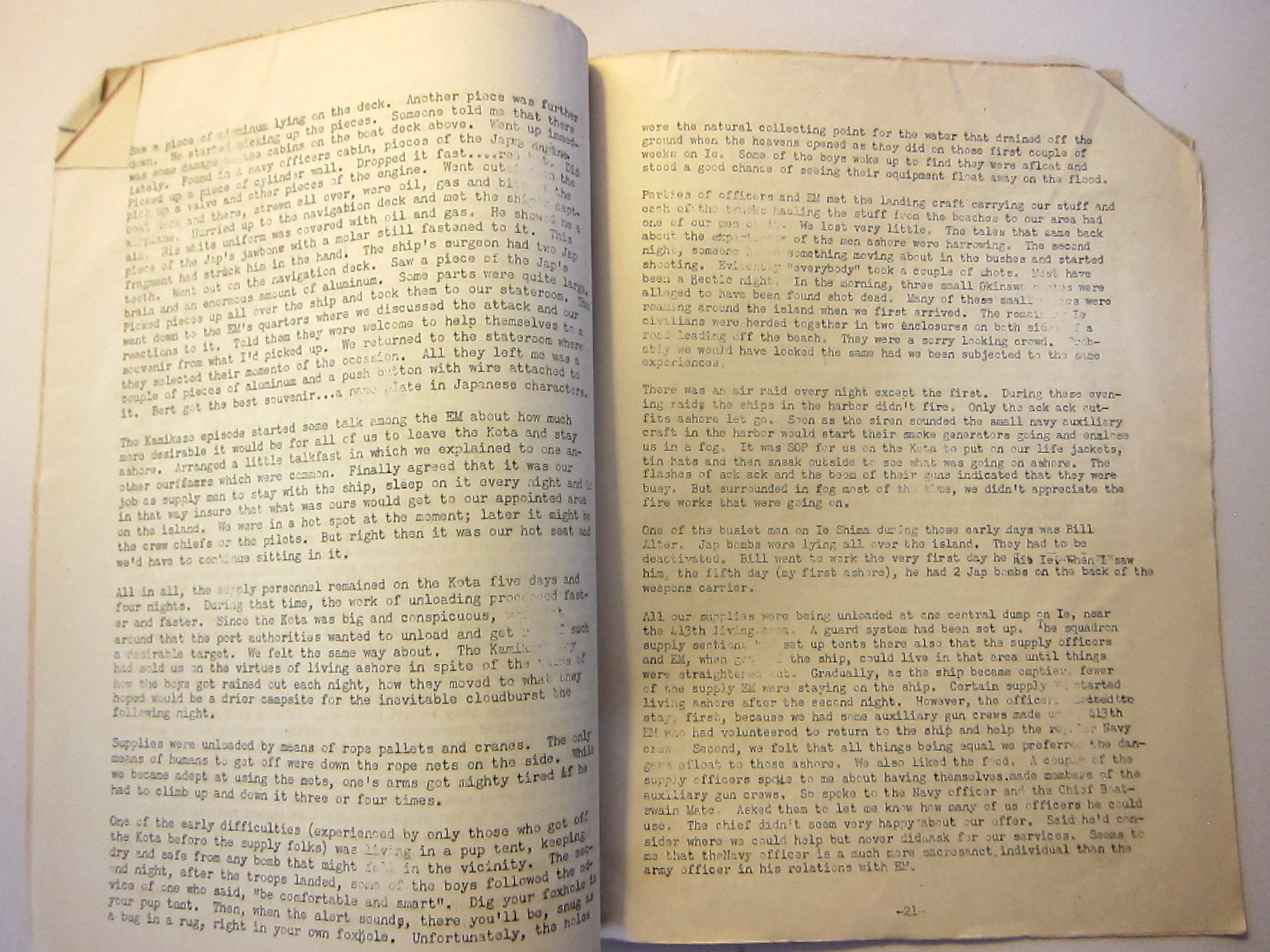
    Tyler, Parker R.: From Seattle to Ie Shima with the 413th Fighter Group, a Narrative.  Self-published, 1945. 30pp,  11×8 inches. Good condition.  Personal recollection of Capt Parker Tyler, jr.:  mimeographed, typewritten, and gathered by staples. $250  Only one copy located (US Air Force Academy) in WorldCat. 

    • “Constituted as 413th Fighter Group on 5 Oct 1944 and activated on 15 Oct. Trained for very-long-range operations with P-47’sMoved to the Asiatic- Pacific Theater, Apr-Jun 1945. Assigned to Twentieth AF; reassigned to the Eighth early in Aug 1945. Flew a few strafing missions from Saipan to the Truk Islands in May before beginning operations from Le Shima in Jun. Engaged in dive-bombing and strafing attacks on factories, radar stations, airfields, small ships, and other targets in Japan. Made several attacks on shipping and airfields in China during Jul. Flew its only escort mission on 8 Aug 1945 when it covered B29’s during a raid against Yawata, Japan. Served as a part of the air defense and occupation force for the Ryukyu Islands after the war. Inactivated on Okinawa on 15 Oct 1946. Principal aircraft was the P-47.

    Tyler 413th _2_

    ·Posted by :

    ·in:

  • Rare Travel Journal, Lake Superior, 1827

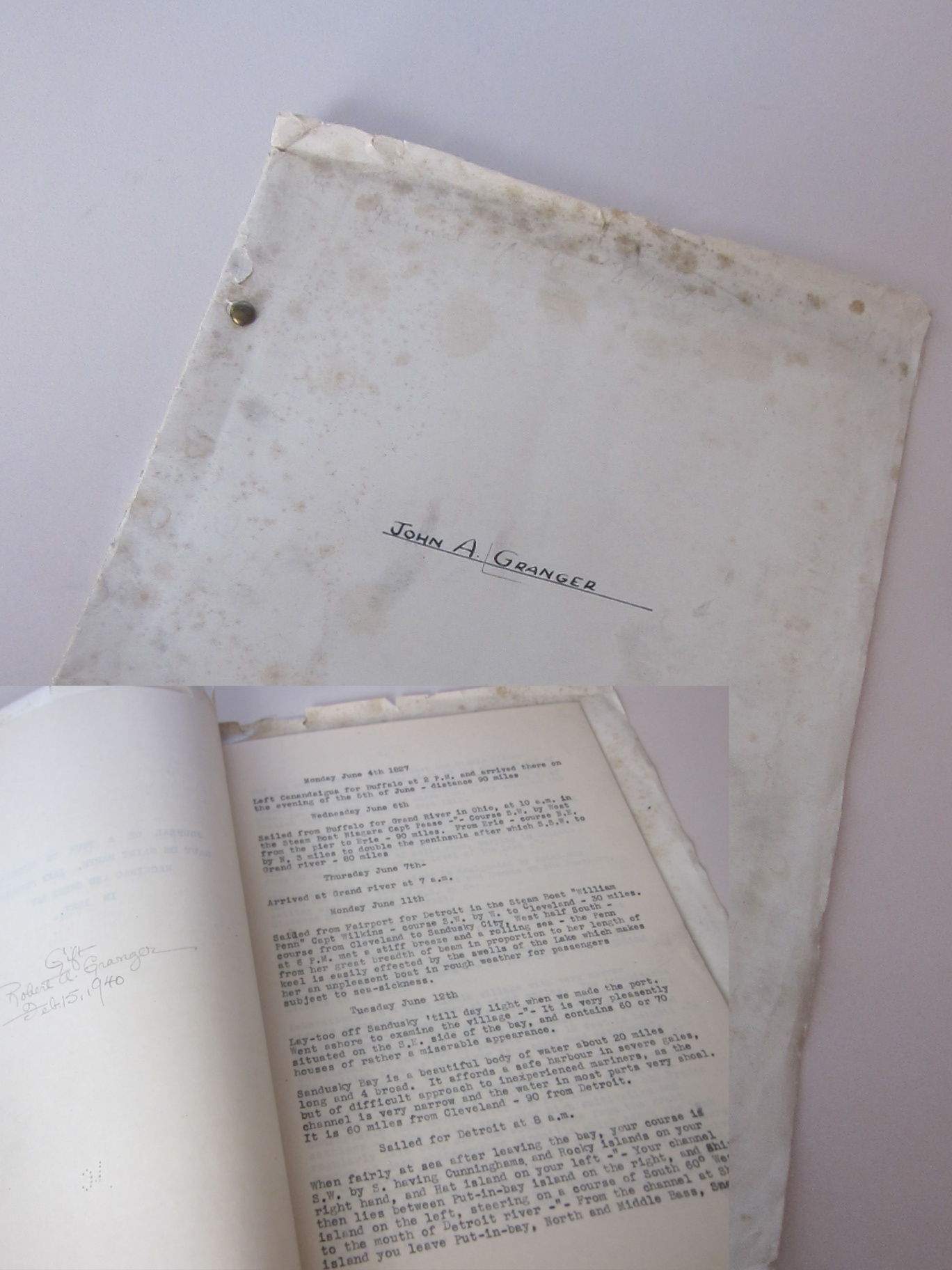
    Granger _montage_John A. Granger, Journal of a Tour to Detroit, Saut de Saint Marie, Lake Superior, Mackinac and Green Bay in 1827. Offset printed.  Self-published: “From an original record owned by Robert A. Granger, Chicago Ill…Jan. 15, 1940.” 11” x 8.5”, 13 + 4 leaves. With two pencil drawings (Sugar Loaf Rock and Arched Rock on Mackinac).  Loosely bound in oversized white wrappers, held together by brass paper gatherers.  $150

    I can find no mention of this work in WorldCat/OCLC, though I did find one (another typescript) online at the Bentley Historical Library at the University of Michigan.

    Provenance: Library of Congress, with their surplus/duplicate stamp on rear cover. 

    ·Posted by :

    ·in:

  • Dark Lightning (1899)

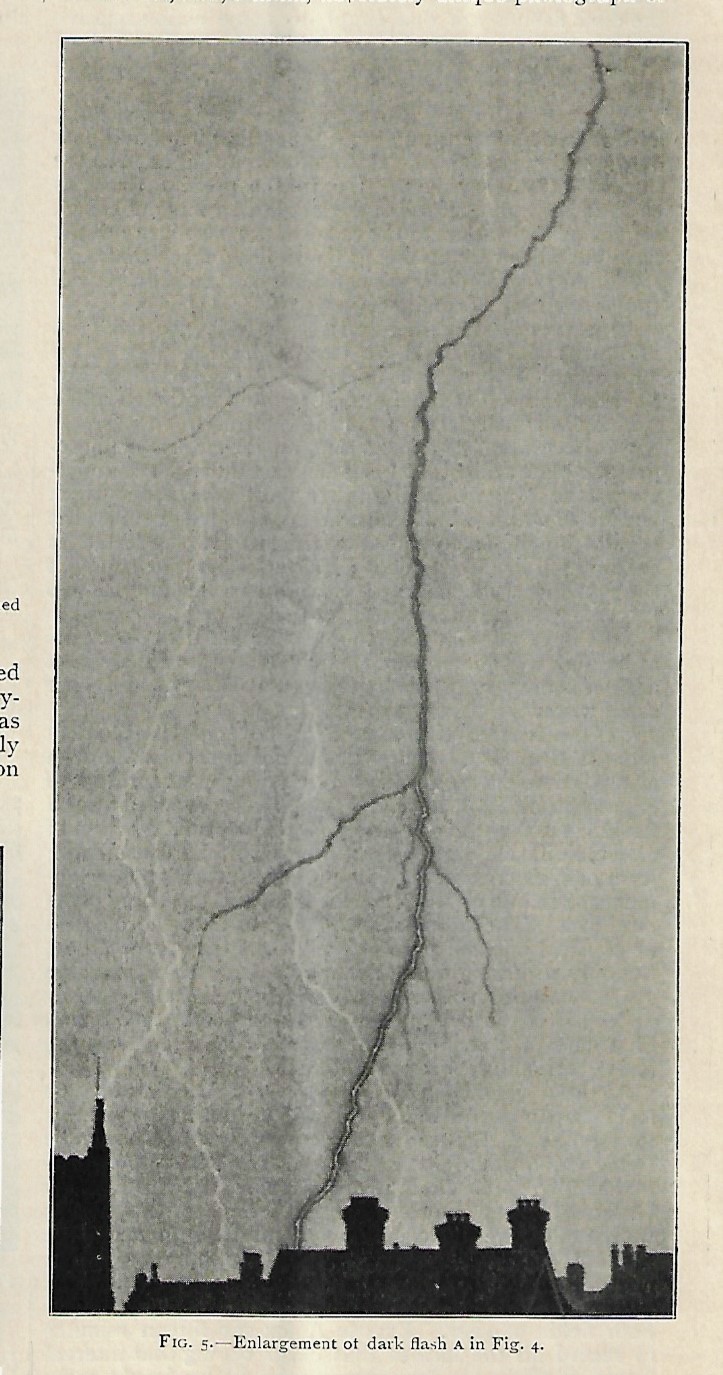
    William J.S. Locker, Dark Lightning Flashes”, in Nature, vol 60, no. 1563, pp 570-574 in the weekly issue of pp 565-588. Self-wrappers, removed from a larger bound volume.  Good condition, with the spine reinforced with acid free semi-transparent Japanese paper tape.  $25

    Nature 1899 Dark Lightning _2_

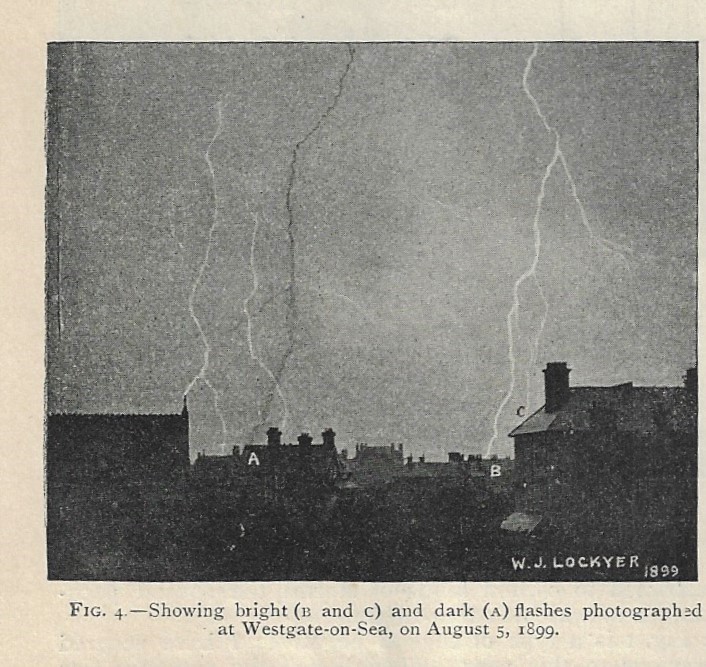
    Lockyer publishes a series of interesting photos in support of a photo/chemical explanation to “dark lightning” rather than a physical one. 

    “IS there such a phenomenon as dark lightning? This is a question that has often been raised, and as yet no satisfactory answer has been given. If dark flashes do really occur, then they should probably be both seen and photographed, and the former, one would think, would be the more simple way of recording them.”

    “If the lens of the camera be covered the moment after a flash has occurred the developed image will always come out bright, feebly or strongly, according to
    circumstances. If, however, the plate be exposed after a flash has acted upon it, either to the continued action of a feeble diffused light or to the powerful glare arising from one or more subsequent flashes, then on development the image of the original flash will probably come out black. The effect is therefore not a meteorological or physical one, but purely chemical. It can be obtained, not only with a lightning flash, but also with a machine spark, or even with an ordinary flame. It is merely necessary that the plate should be exposed to the action
    of a certain amount of light after it has received the impression and before development.”


    Nature 1899 Dark Lightning _2_

    ·Posted by :

    ·in:

Recent Posts

Archives

Categories