A Daily History of Holes, Dots, Lines, Science, History, Math, Physics, Art, the Unintentional Absurd, Architecture, Maps, Data Visualization, Blank and Missing Things, and so on. |1.6 million words, 7500 images, 4.9 million hits| Press & appearances in The Times, Le Figaro, Mensa, The Economist, The Guardian, Discovery News, Slate, Le Monde, Sci American Blogs, Le Pont, and many other places… 5000+ total posts since 2008.

Category: Perception

  • The Topography of Emotion, 1654–a Visit to Lake Indifference in the Land of Passion

    JF Ptak Science Books   Post  1459

    (Part of a new series on the mapping of imaginary places.) My thanks to Natalie Bouchard (Montreal, PQ, Canada) for suggesting this map.
    Tendre_gr
    [A massively expandable version of this map is available from here.]

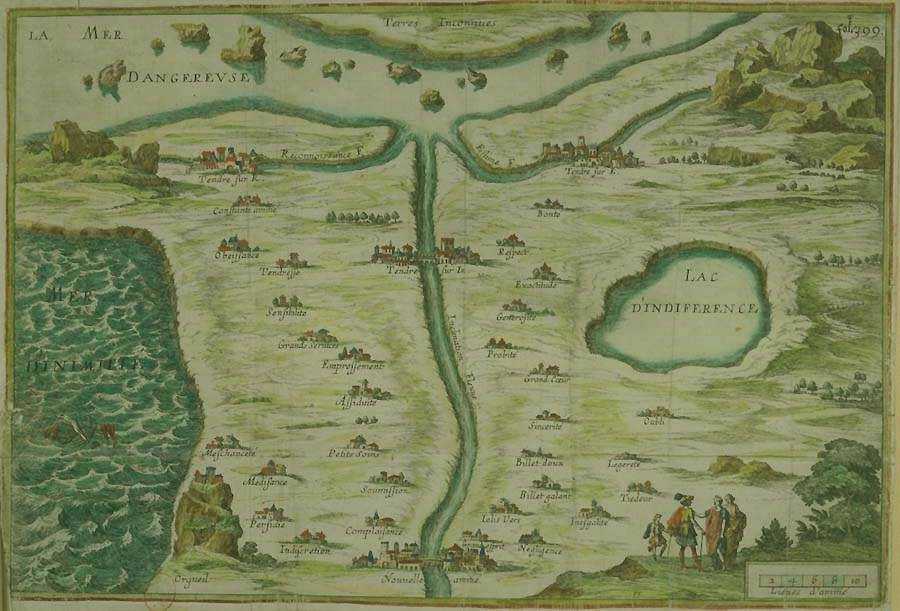
    This is an old , seemingly simple but somewhat deceptive map, drawn for the work of Madeleine de Scudery’s (1607-1701)  novel Clelie, and published in 1654.   It is for all intents and purposes a little more than its stated name (Tenderness, Carte de Tendre), diving deeper in the psycho/sexual area than anything else.  On the other hand it may be exactly what you want it to be–evidently many people did, as this map turned out to be used as  a very popular proto-game board in polite Salons.

    As a map of friendship and caring and love and sexual adventure, it is interesting that what seems (to me) to be the stand-alone focal point battling for our initial attention is the The Lake of Indifference–it just seems to me to be the first thing that the eye sees, the map’s most dominant geographical fixture.  It is not the largest feature, nor the most spectacular, but it does seem to capture the essence of what may be  one of the most ordinal of sins:  indifference is a suffocating malaise, a semi-disease, that covers an extraordinary amount of ground without even trying, a force invisible and while so immutable, a host to all manner of impending failures.  Indifference may be the worst thing going for humanity in general, as it allows oxygen for so much of the nastiness to burn.  Solidified hate is a much easier thing to deal with and potentially manage than a hate distilled and vaporous and filtered to a greater number of uncaring/discaring people. 

    And speaking of impending doom, one of the other main features of the map is the long, semi-straight river that feeds into the body of water at the top,  the Sea of Danger.  Now the Sea of Danger doesn’t appear so dangerous, except for the jagged island bits exploding from its calm, flat and not-detailed surface, though perhaps that is the very point.  The large river is called the Inclination–translated to a natural disposition, a “normal” way of doing things, a common bent, which means that the mapmaker says that our standard approach to life is to head towards the deceptive sea of danger. 

    Even though we are headed that way it doesn’t mean that we can get off the river and visit, or stay, in any of the many towns that we see along the way.  There are a number of alluring towns with charming names:  alacrity/cheery readiness (Empressement); assiduity (Assiduite); eagreness (Empressement); favors (of perhaps a sexual kind, Grands Services); (lasting) friendship (Constante Amitie); kindness (Complaisance); obedience (obaissance); pampering (Petits Soins); sensibility (Sensibilite); submission (Soumission);  and tenderness (Tendresse) are all places calling out for attention.  The other town names are further indications of the personal stabilities that are the goals of most people:  wit, sincerity, generosity, punctuality, respectfulness and goodness.
    There’s also those other places, towns of a more sinister and betrayed nature that form a north-south line east and west of the river:  Negligence, Inegalite, Tiedeur (tepidity), Legerete (lightness, not being there), Complaisance, Perfide, Meschancete (wickedness), and so on.  And don’t forget the town of Oubli (oblivion). 

    At the last moment, before entering the Sea of Danger (which is fed in the east by the much more volatile waters of the Mer de Inimittie (Sea of Enmite) , the River Inclination  is joined by the smaller rivers of Estime (Respect) and Reconnaissance (Gratitude), a mixing of waters all coming together at the same point, a combination that I do not understand. I have no doubt that there are abundant clues to all of this throughout the ten volumes of her novel, but I can’t give Mme. de Scudery that much time. 

    Maybe none of the placements and proximities in this map matter–maybe the rivers are flowing backwards or something, being filled by the waters from the Sea of Danger.  Maybe this isn’t a map at all, but just a suggestion of what stuff might look like, a spatial suggestion of the concept of emotion.  Or maybe it is just a board for a polite game. 

  • Underground & Resistance Fighting, 1943–Sharp Hearts-and-Minds Reading for the Allies

    JF Ptak Science Books    Post 1399

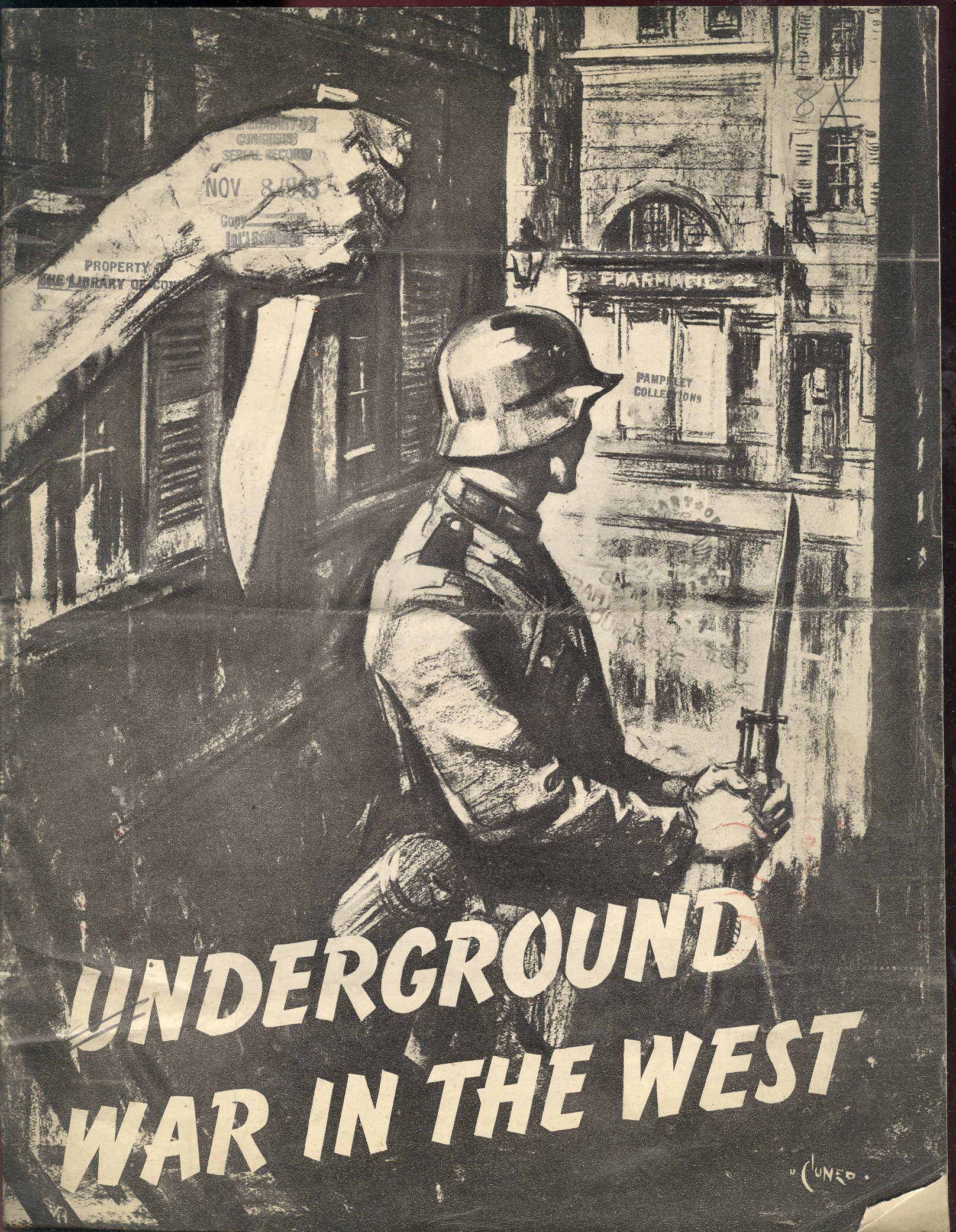
    This pamphlet really seemed like a tiger in a cage—looking through some of the collection here relating to WWII literature on activities in occupied countries, the startling cover graphic of Underground War in the West (printed at some time in 1943, and not before or after) really rattled its cage.  Its contents were non-too tame, either—while being reasonably polite (as was the fashion) it still invoked some very difficult ideas and images.  (The original pamphlet is available at our blog bookstore, here.)

    Blog jan 7 undergrd cvrThis was a terrific, mass appeal pamphlet on the underground actions of occupied Europe illustrated with pencil and charcoal drawings by Cuneo, with each page depicting a  resistance activity—including the underground press, medical aid, sabotage, and general murderous nuisance-making and in general pamphlet praises and celebrates the heroism in occupied countries such as Czechoslovakia (with a drawing showing the assassination of Heydrich), Holland (showing the Dutch caring for a wounded RAF pilot), Belgium, France, Greece. Norway, Poland, Yugoslavia and Luxembourg.

    There are full-page drawings relating to the strength of occupied people in the face of “Mass Deportation (cannot dishearten them, thousands and thousands of families have been torn asunder in mass deportations…”) and “Firing Squads…thin the patriot ranks yet ever more step into their places” . The section on “Facts from the Occupied Countries” list activities in 9 occupied countries;  under “Poland”, we read that “Germany has drawn a veil of silence around Poland…it is estimated that 2,500,000 Poles have died in concentration camps or by execution up to December 31, 1942. There are 54 concentration camps in Poland…and the average life span in the camps is nine months…”  Nowhere in the pamphlet however is there any singular mention of

    Blog jan 7 undergrd deport

    deportation or murder of the Jewish people—there were hundreds of articles printed in American newspapers up  until this time on the beginning of the (yet named) Holocaust, though acknowledgment of a fact doesn’t necessarily make it widely known in spite of its incredible and massive significance.  This pamphlet, while extraordinary in mentioning the millions of deaths in the concentration camps and “deportations”, was rather ordinary in its coverage of who it was that was being murdered in the camps.  


    There is also a two-page spread exhibiting examples of underground newspapers:


    ·Posted by :

    ·in:

    —

  • The Weight of War–Bombing and Shelling During World War I and a Lesson in Orders of Magnitude

    JF Ptak Science Books  Post 1389

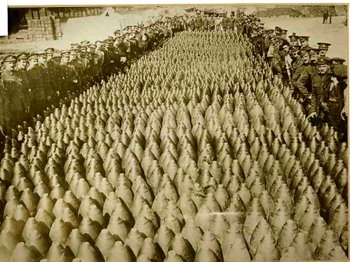
    Blogbomb_master This indelible image was made by an anonymous photographer for the Central News Service of New York City in 1918.  The Central News Service was a photographic supply house that would send requested photos to newspapers throughout the United States for publication as illustrations for  a story.  They would’ve been sent rolled in a tube  with a description of the image and with the stern warning to “Watch Your Credit Line”, making sure that once the newspaper had paid for the use of the photo that it also told its readers the source of the (agency) photographic.
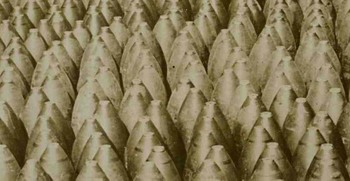
    The image is insatiable–it demands that you look at it and look at it long and hard, as it tries to give some sort of idea of the tremendous number of shells that were shot from canons by the just British against the Germans during the First World War..  There were something like one million tons of these fired against Germany; this picture represents about .001% ( of that total).  We see approximately 800 shells at two hundred pounds apiece, surrounded by a group of about 150 soldiers. 
    Blogbomb_detail_rear

    I looked very closely at this photograph.
    Of this single line of soldiers along the perimeter of the bomb cache, of the 150 of them, there are, it looks like, only five of them who have placed their hands on one of the bombs, and four of them are touching the fuse with just their middle finger.  It is an odd picture of restraint, these soldiers paying the weapons of mass destruction the respect of room.
    Blogbomb_detail_front

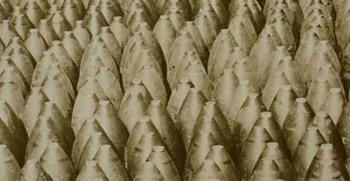
    I think that this is an extraordinary photograph of the testament of understatement and small, small percentages–even with this photo being so enormously graphic it still gives you absolutely no idea of how much explosive material was hurled back and forth, even knowing in your mind’s eye that this image represents something like FOUR ORDERS OF MAGNITUDE less than the total tonnage of bombs used.  By the British.
    Blogbomb_detail_front_2

    This difference in orders of magnitude is roughly equivalent to the difference in size between an ant and a human being, or between an amoeba and an ant, or between a human and one of the pyramids, or between the earth and the sun.  Basically, the shells in this photo meant nothing whatsoever to the total of shells used during the war.


  • A Great Anniversary: Identifying the Telescope as a True and Not-Deviating Instrument, 24 March 1611

    JF Ptak Science Books   Post 1385

    Celebrating the 400th anniversary of recognizing that sense enhancers–like the telescope–do detect “real” things: Galileo and the Collegio Romano, March 24, 1611. 

    Is it possible that there are private realities for things, seeable by only one observer? Can the instrument that allowed such observations possible also provides them, the stuff existing purely for the instrument and nothing else?  To some degree this is what was thought of Galileo and his revolutionary discoveries with the telescope, at least in the early days of verifying his work.  Galileo’s work was problematic for the Church because it provided yet more evidence for  ancient and incorrect assertions of Ptolemaic astronomy, separating the distance between what was written in the scriptures about nature and the knowledge of the world and its physical and biological systems, and what actually existed int he world.  It was an especially hard blow for Galileo to have revealed far more stars than anyone had thought possible, in the West at least–the stars int he Heavens had been a perfect assembly for many generations, and for their to be nearly an order of magnitude more  observable stars through the telescope ran directly in the face of church doctrine.  There was also the unwholesome bit about the Copernican system and our’s being  a heliocentric system, which was an old debate being lashed at still by the church even after many decades of superior evidence that could in no way support an Earth-centric system.  Evidence and logic united to banish the Church’s cosmology into a belief system.

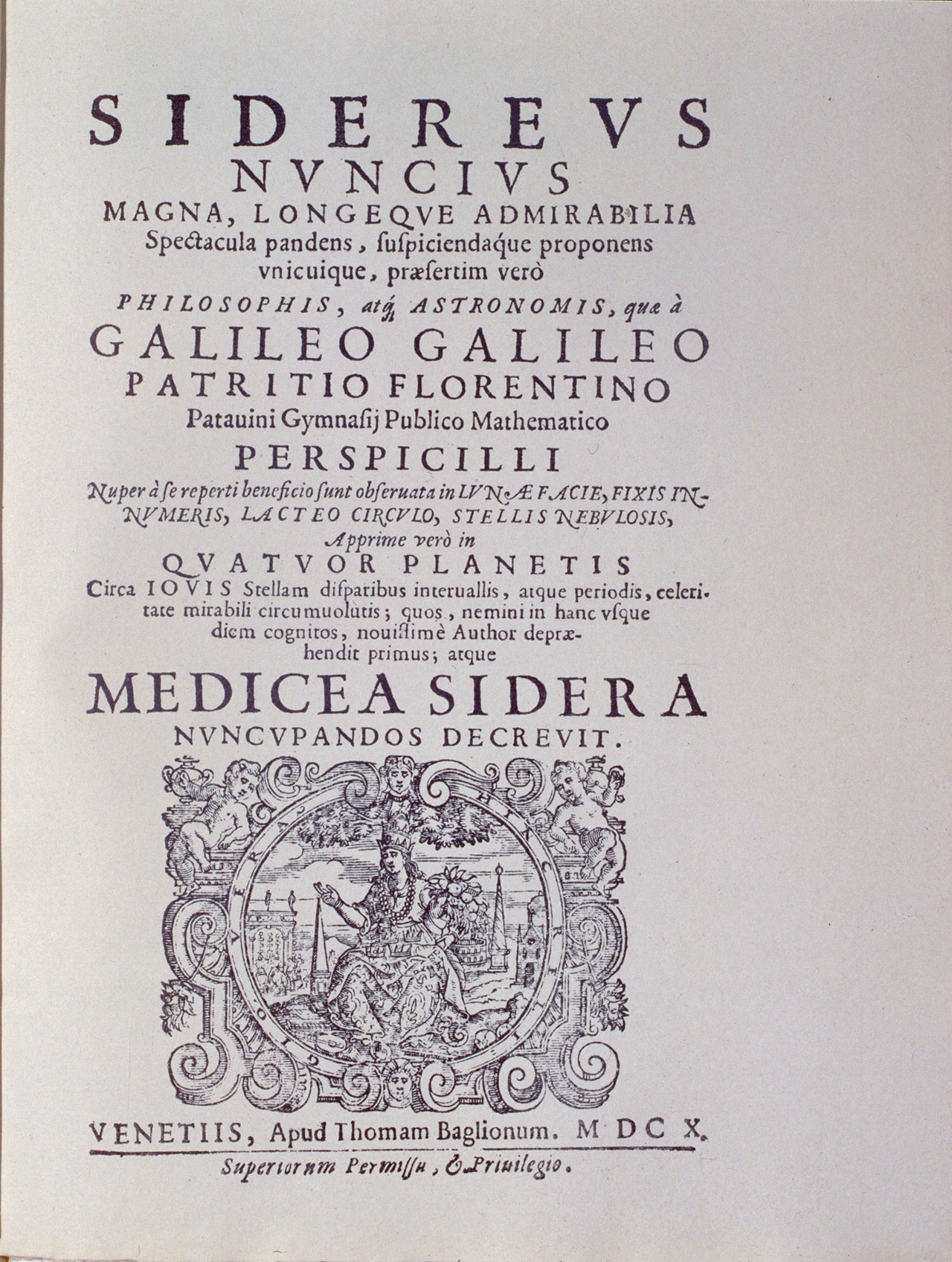
    Frontispiece of Galileo's Sidereus Nuncius

    It seemed to some as though the new stars that for the first true time expanded the celestial vault existed only within the slim optical tube with which their observer–Galileo–saw them.  Ditto the moon of Jupiter.  It came to pass within the confining walls of Vatican-recognized astronomy that the only verifiable and comprehensible observations of the heavens could be made with the naked eye.  Galileo’s instrument was difficult to use1 but it seemed also that when his contemporaries could see his discoveries that they simply wouldn’t.  Early in 1611 Galileo wrote to Kepler about the fantastic reluctance of his colleagues to be able to see what he saw:  “What do you think of the chief philosophers of our gymnasium who, with the stubbornness of a viper, did not want to see the planets, the moon, or the telescope, even though I offered them the opportunity a thousand times?”  Galileo was convinced that they needed not to see nature, but rather tried to reconcile the idea of what was being said was being seen with existing ideas and ideologies,  saying that their “…truth is to be sought not in the world and in, nature, but in comparison of texts (as they call it)”.  (“Stress in the book of nature: The supplemental logic of Galileo’s realism”. MLN 118(3), 557-585, by Mario Biagioli.)

    Galileo’s 1610 discoveries were published later that same year in his Sidereus Nuncius (The Starry Messenger)2, but there was no real independent verification of his work for nearly another twelve months.  The business end of the question, the lens that focused the entire issue so to speak, wasn’t necessarily the issue of more stars or a craggy moon or Jupiter having moons or the Copernican system–it had to do with whether the telescope, but the very virtue of its placing a piece of glass between the human observer and nature, was altering the very perception of nature itself.  Was the tube an imaginarium?  Did it create the images seen by the observer?  Did it materially change the things that the observer saw?  Was the nature of the observing unit the thing that was changing nature rather than by showing it closer? 

    These questions really didn’t receive an official answer until 24 March 1611, when four Jesuit mathematicians at the Collegio Romano reported to Cardinal Robert Bellarmine (1542-1621, and the church’s chief defender of orthodoxy) that, yes indeed, Galileo’s discoveries were real, that he had reported them accurately.  The collision of the scholastic and humanist world views represented by the Catholic Church and Galileo wasn’t a  happy one, and  this didn’t mean that the Church necessarily accepted what Galileo had to say–far from it, as they wound up pursuing the old man, taking him to trial finally in 1633 (when he was 69 years old, following by 17 years the admonition and false injunction of 1616), convicting him of violating an injunction on teaching, discussing and writing about the Copernican system, and placing him under house arrest for the stuff he thought and wrote about.  He died blind and still under house arrest  at his villa in Arcetri, just north of Florence, in 1642.

    But it is this business of the optics found to be not physically or theologically objectionable by the Collegio in 1611 that seems so incredibly important to me right now–that the telescope was found to be an instrument, that the human eye could be aided, and that this tube was not a place in which imaginary things happened or in which reality was bent, that was so very important.

    The Inquisition’s ban on most of Galileo’s writings was lifted by the Church in in 1718, though his Dialago remained untouchable and condemned, a prohibition which remained mostly in place in 1758, when a lightly censored version of the book appeared and the general prohibition of works on heliocentrism was mostly dropped.3 It really wasn’t until 1835, more than 225 years after the first publication of the Sidereus, that all traces of prohibition vanished from the registry of the Catholic Church.

    It is a little odd to think about the Collegio and the telescope in the light of the invention of the microscope.  There seemed to be no vestigial growth from the Church into the microscopic world or with the microscope itself, though most of these developments did come much later…except for the work of Hans and Zacharias Janssen, who did manage to make the first microscope in 1590, twenty years before Galileo’s observations were published.  But the monumental year for the microscope came twenty-five years after Galileo’s death, with the publication of the spectacular Micrographia of Robert Hooke in 1667.  And then in 1675 came Anton van Leeuwenhoek, who made close, micrographic investigations of blood, and who saw more deeply into the small world of humanity (being the first to describe cells and bacteria) than anyone ever before.  But the Church seemed little interested in this or the instrument, hardly seen Hooke/Leeuwenhoek as a new, threatening Galileo or the microscope as the invasive telescope.  But I do see where a similarity could exist.

    NOTES

    1. The telescope was a tough one to operate, though Galileo himself was a skillful practioner.  The ‘scope was big (more than three feet long), its field of view very narrow, and its aperture dropped down to a few centimeters. And of course there was the steadiness question.  All in all, not an easy instrument to bring to bhear on your subject. 

    2. This was also of course the first scientific treatise on astronomy using the obervations obtained with a telescope.  In it were also reported the very rough appearance of the surface of the Moon, the differences in the appearanes of the stars and the planets, the moons of Jupiter and the large number of never-before-seen stars. 

    3. Uncensored versions of the Dialogo and De Revolutionibus were still prohibited. 


  • Baseball and the Rifle Team at the NYSE, 1927

    JF Ptak Science Books  Post 1377

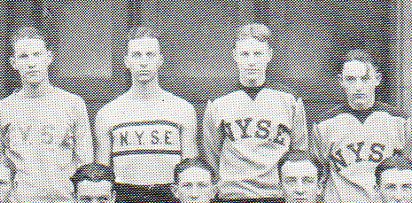
    NYSE bb107

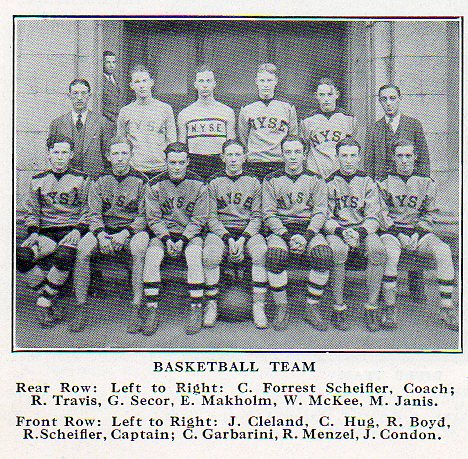
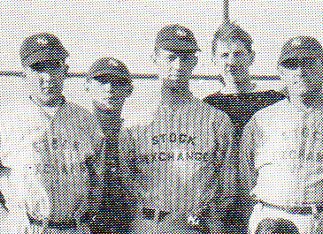
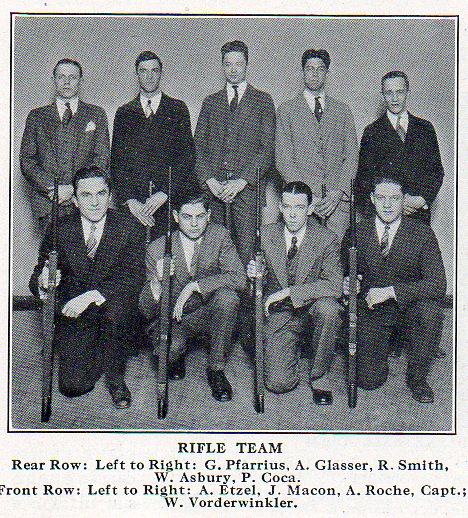
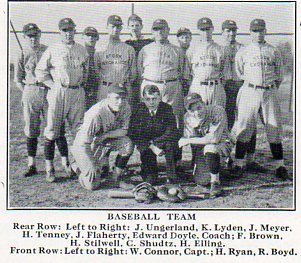
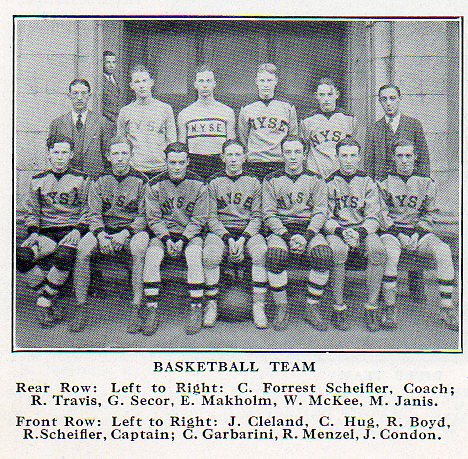
    Is there nothing else that shouts out $15 trillion market cap than this NYSE basketball team?  Well, probably.  These photos appear in a New York Stock Exchange personnel department publication for 1927, and as the HR -arm of the Exchange,  devoted itself to all things necessary to the average employee of the 1300-person entity.  The NYSE seemed to be fairly well involved with the health and free-time status of its workers, reporting on programs for self-betterment, general reading, health care, health insurance, savings and spending, training, “mental guidance”, retirement plan (singular), and so on.  These photos come from the “Employee and His Play” section, and discusses the achievements of the many sports teams hosted by the Exchange. 

    NYSE bb106

    NYSE bb105

    NYSE bb108
    NYSE bb104


  • History of Anticipation–a Note on Not Discovering Deep Sky In England (pre-Galileo)

    JF Ptak Science Books  Post 1365

    “‘Tis all in pieces, all cohaerennce gone”–John Donne1

    I wonder why it was that the telescope didn’t get trained at the sky in Great Britain.  Its one of those “things/non-events” when everything is in place for something very big to happen, when the pieces are there and sorted, when the theory has been thought out, when the practical applied work has been done–and then, a turn-away is made, a drifting occurs, and the big thing doesn’t happen.  A deep reluctance sets in–and since it is the anniversary of Darwin’s (and Lincoln’s) birthday, it seems natural to include Darwin in a history of anticipation category, since it took him so very long to come to enough of a comfort level to actually publish his Big Idea, and that seems to have been done on the intersession of an editor and thought leader (Huxley) and the fact that someone else was going to beat him to publication (Wallace).

    But what I’m talking about here is John Dee’s work with “perspective glasses”–the telescope–in the 1560’s and 1570’s and the idea of which he writes about in his Description of Caelestiall Orbes, thirty full years before Galileo’s epochal Sidereus Nuncius of 1611.

    The promise of the telescope is also seen in the work of Dee’s pupil Thomas Digges (half of the Digges’ brother scientific team, the other brother being Leonard), who writes of it in his Alae sue Scalae MAthematicae, 1573; and again in the Treatise on the A treatise on the properties and qualities of glasses for optical purposes, according to the making, polishing, and grinding of them by WIlliam Bourne (see here) where among other things claims to have uised his instrument to see things seven miles away (beautifully put so “not only discovered things farre off, read letters, numbered pieces of money…but also seven myles of declared what hath been  doon at that instante in private places”, meaning that he was able to discern print at some distant and to also see what would have been private things from an unthinkably distant distance)2. 

    And as Marjorie Nicholson  observes in Science and Imagination (Cornell, 1956), this point is again made by yet another Englishman, Thomas Hariot, who is best remembered today for his beautiful and early work on the American southeastern coast, published in 1691 (A Briefe and True Report of the New Found Land of Virginia), in which he describes his own telescope, “a perspectiue glasse whereby was shewed manie strange sightes”. 3

    It seems though that among all of this accomplishment that the telescope–as had been the early case with Galileo, and who had also overcome the instrument’s horizontal hold–was used laterally, more an instrument for navigation and the field commanders of armies.  Why it was not pointed to the sky, I do not know, but it does seem as though Donne’s words were waiting more for Galileo than for anyone else. 

    Notes:

    1.  This is from Donne’s AN ANATOMY OF THE WORLD, Wherein,by occasion of the untimely death of Mistress Elizabeth Drury, the frailty and the decay of this whole world is represented THE FIRST ANNIVERSARY:
    “And freely men confess that this world’s spent,
    When in the planets and the firmament
    They seek so many new; they see that this
    Is crumbled out again to his atomies.
    ‘Tis all in pieces, all coherence gone,
    All just supply, and all relation…

    2. Bourne did come very close, but his work was to stay in manuscript and not published, even though he was a known scientific quantity in his day (and found in the  Philosophical Magazine, 1839):

    3. A Briefe and True Report of the New Found Land of Virginia : of the Commodities and of the Nature and Manners of the Naturall Inhabitants : Discouered bÿ the English Colonÿ There Seated by Sir Richard Greinuile Knight In the ÿeere 1585 : Which Remained Vnder the Gouerenment of Twelue Monethes, At the Speciall Charge and Direction of the Honourable Sir Walter Raleigh Knight Lord Warden of the Stanneries Who therein Hath Beene Fauoured and Authorised bÿ Her Maiestie and Her Letters Patents / This Fore Booke Is Made in English by Thomas Hariot seruant to the Aboue-Named Sir Walter, a Member of the Colonÿ, and There Imploÿed in Discouering ; CVM GRATIA ET PRIVILEGIO CÆS. MATIS SPECIALIi. Francoforti ad Moenvm, Typis Loannis Wecheli, Svmtibvs Vero Theodori de Bry anno CIC IC XC. Venales Reperivntvr in Officina Sigismvndi Feirabendiii

    he entire text, with the tremendous John WHite illustrations, is located here.

    On page 27 we see:
    “Most thinges they sawe with vs, as Mathematicall instruments, sea compasses, the vertue of the loadstone in drawing yron, a perspectiue glasse whereby was shewed manie strange sightes, burning glasses, wildefire woorkes, gunnes, bookes, writing and reading, spring clocks that seeme to goe of themselues, and manie other thinges that wee had, were so straunge vnto them, and so farre exceeded their capacities to comprehend the reason and meanes how they should be made and done, that they thought they were rather the works of gods then of men, or at the leastwise they had bin giuen and taught vs of the gods. Which made manie of them to haue such opinion of vs, as that if they knew not the trueth of god and religion already, it was rather to be had from vs, whom God so specially loued then from a people that were so simple, as they found themselues to be in comparison of vs. Whereupon greater credite was giuen vnto that we spake of concerning such matters.”


  • Antique pre-Dada Ingredients of the Anatomy of the Senses

    JF Ptak Science Books  Post 1362

    Dadaist senses mouth det503

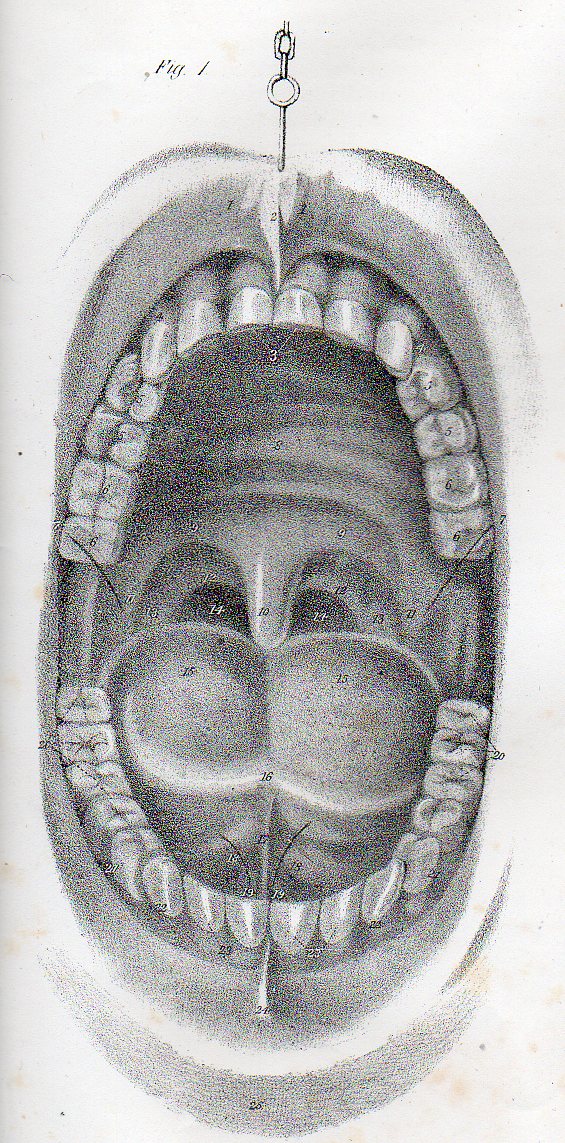
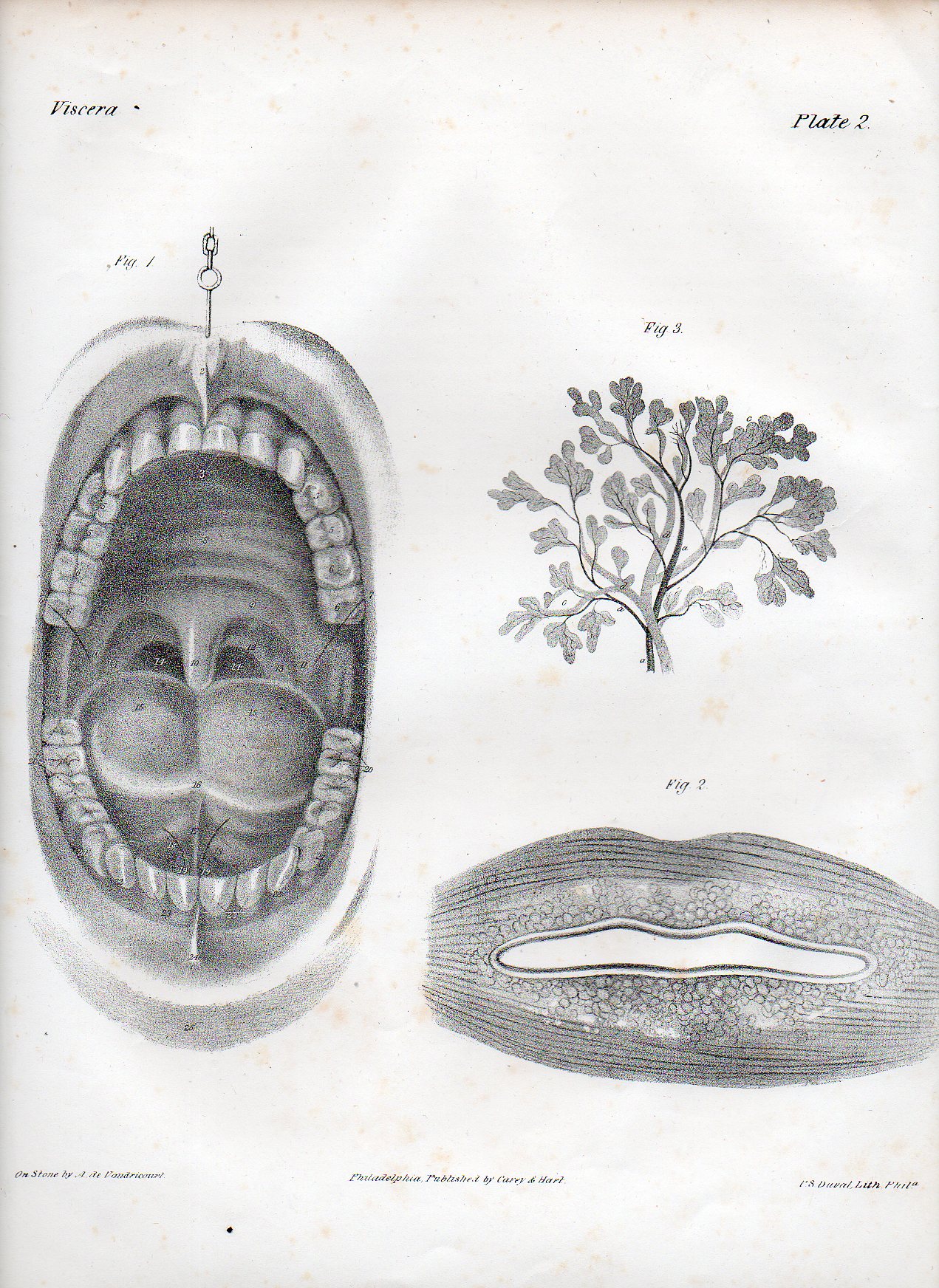
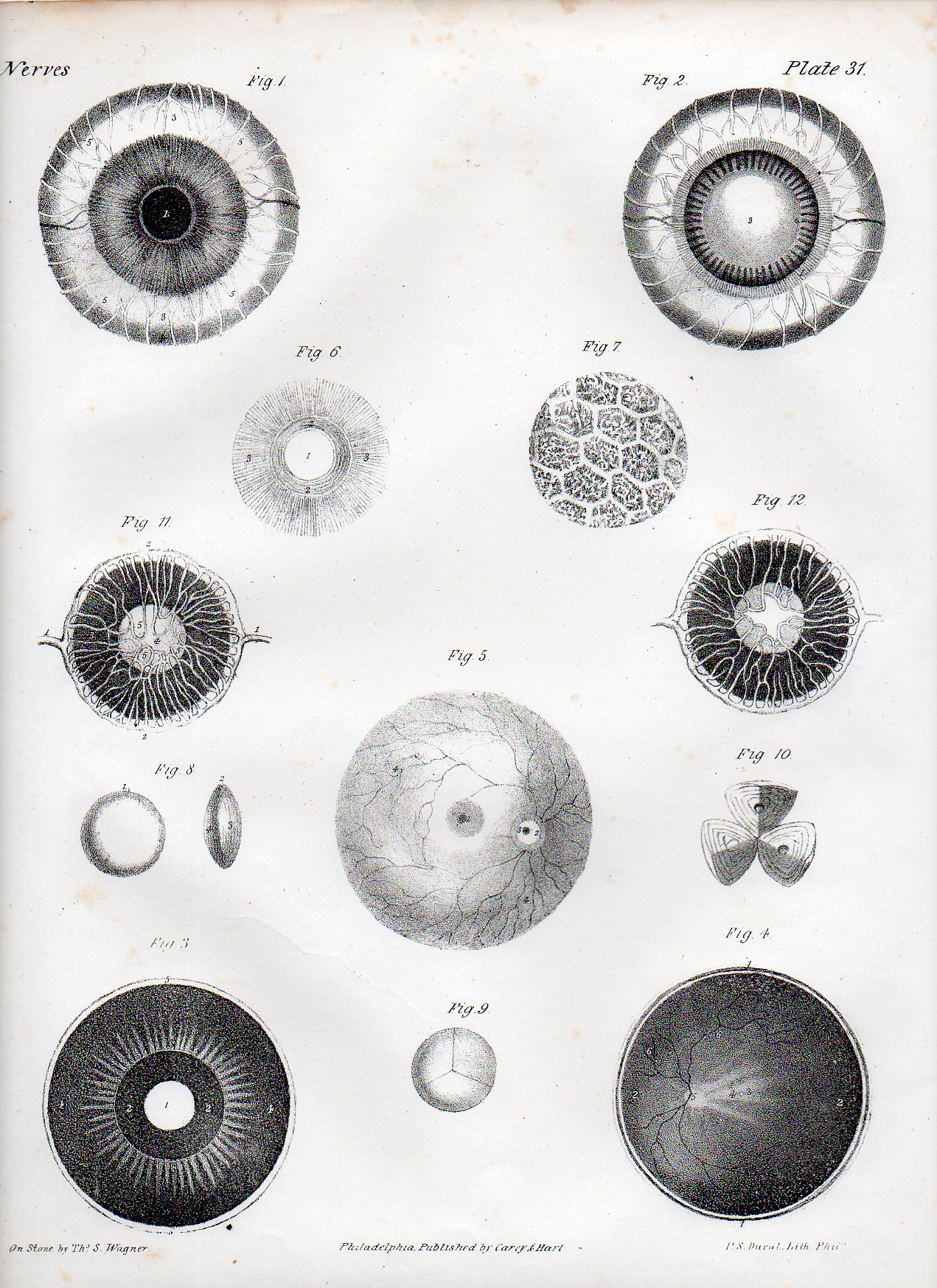
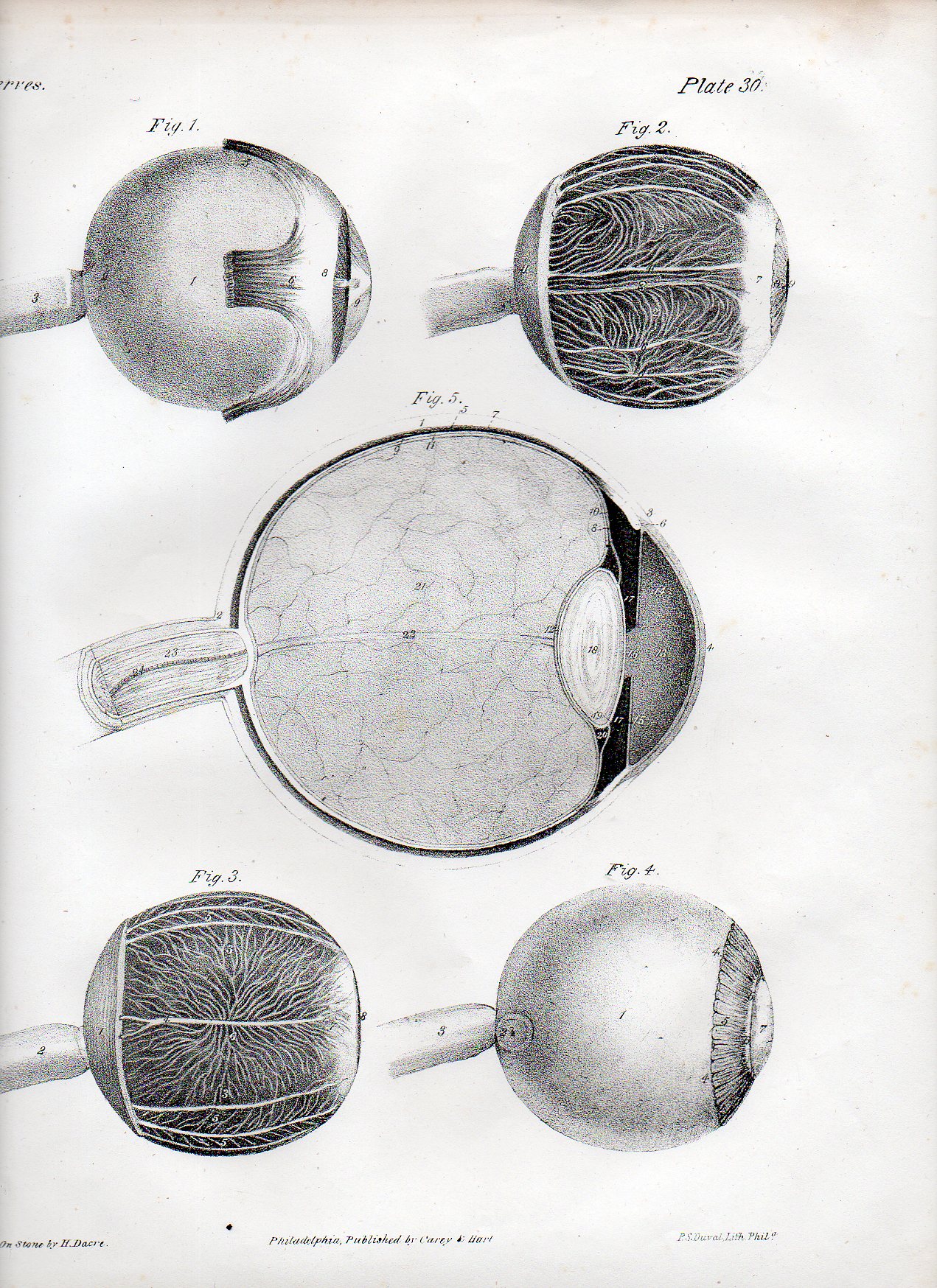
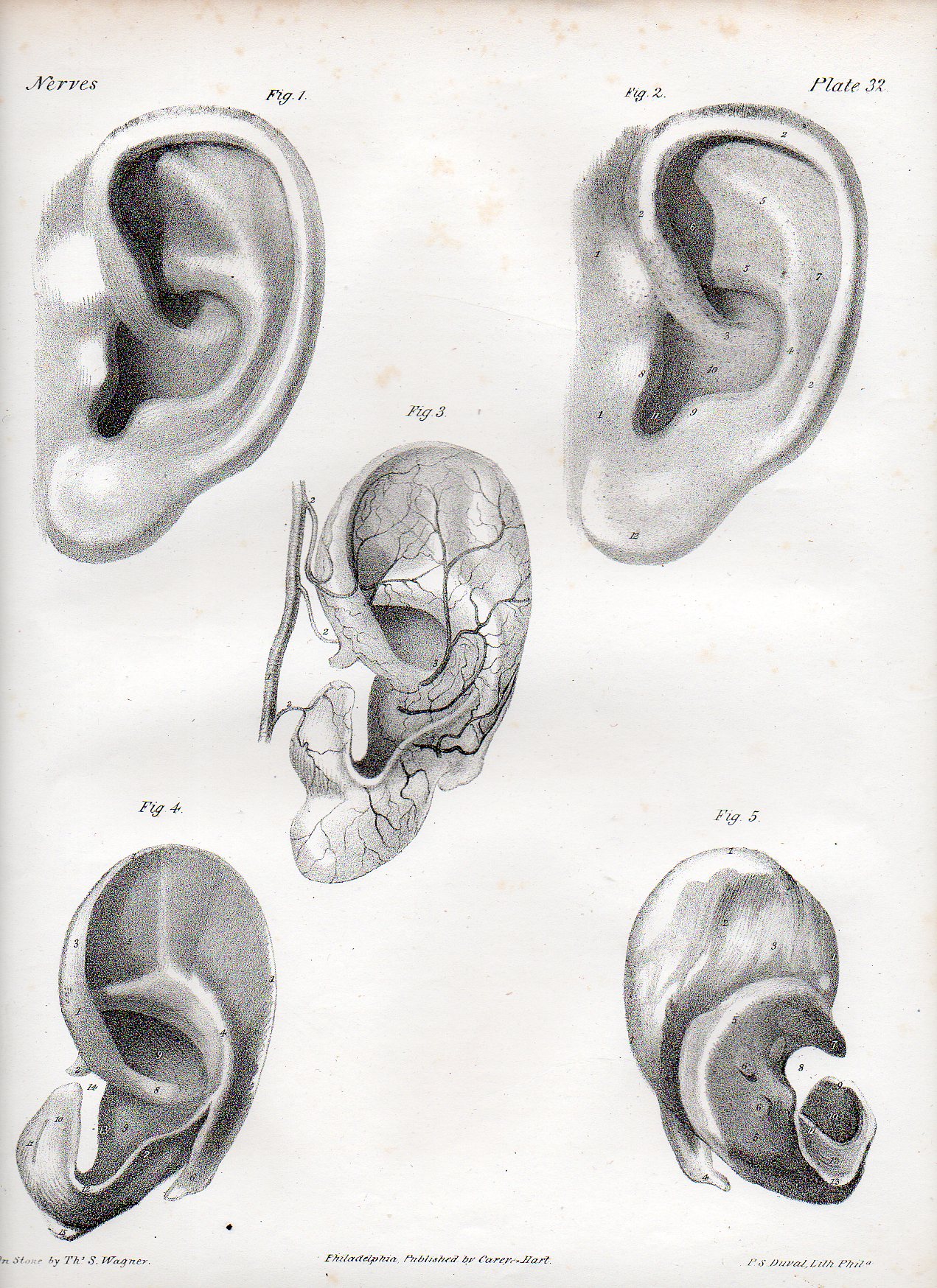
    Some of the strangest, occasionally least-of-their-time scientific illustration seems to come in the area of anatomical illustration–for me, anyway.  When taken out of context, some medical illustration looks positively modern, or post modern, as we can see with the following examples [all o fwhich are available from our blog bookstore].

    The first image is a detail from a series of images by the Irish-born Quain brothers:  Jones Quain (1796-1865),  an anatomist and professor of Anatomy and Physiology at the University of London; and Richard Quain (1800-1887), professor of anatomy in 1832 at the University of London, then surgeon at North London Hospital, and president of the Royal College of Surgeons. The illustrations are from a later and smaller printing of their beautiful 1844 work The Anatomy of the Arteries of the Human Body, with its Applications to Pathology and Operative Surgery, in Lithographic Drawings with Practical Commentaries.  Taken out of context, removed 80 years or so, taken to Germany, and they might be bits and pieces (or entire works for that matter) of a Dadaist exhibition in Berlin in 1925. 

    The full image of the image above is from:

    TASTE

    Dadaist senses mouth502

    SIGHT

    Dadaist senses eye 2507

    Dadaist senses eye506

    And this beautiful detail:

    Dadaist senses eye 4509

    Dadaist senses eye 3508

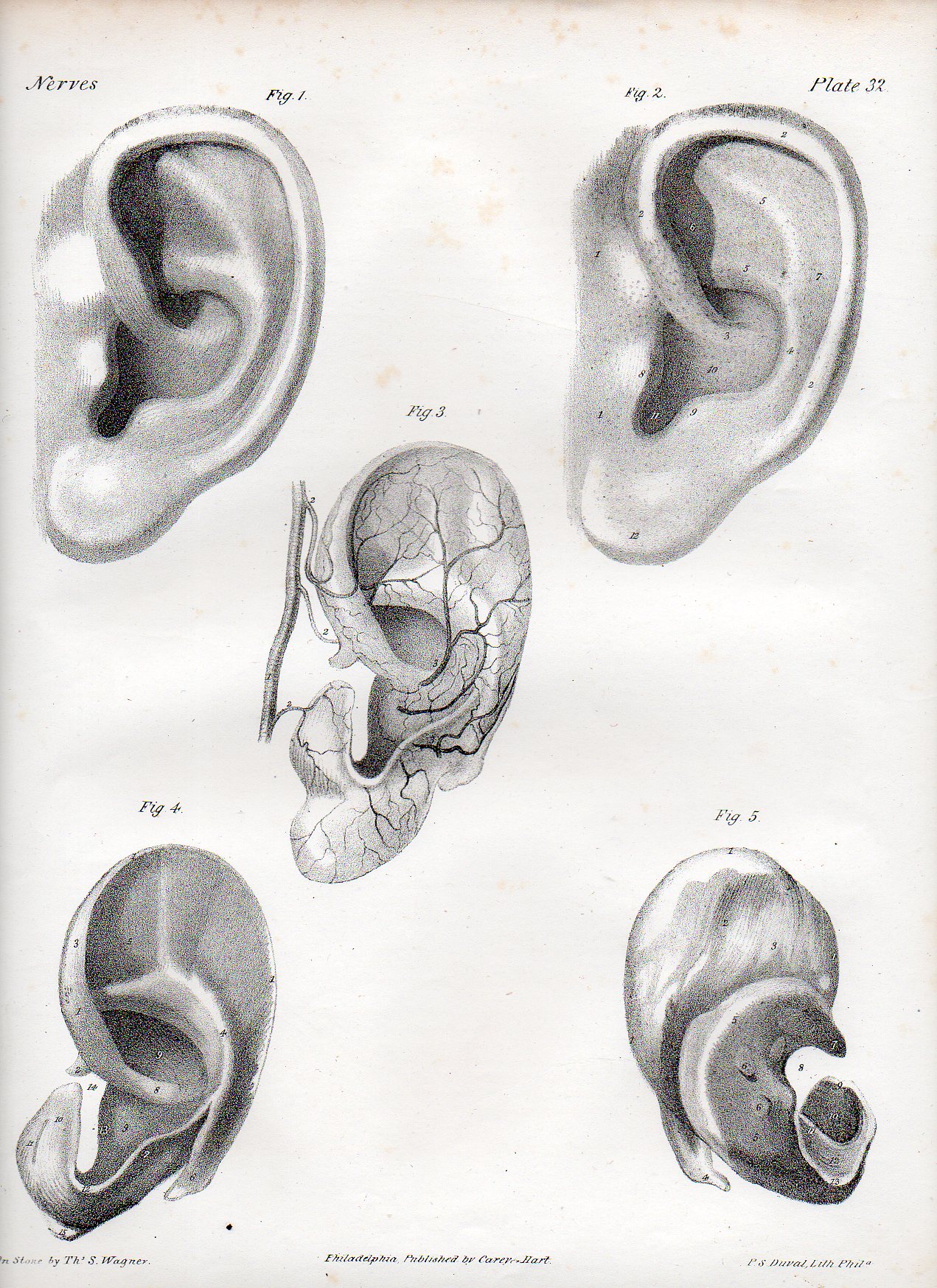
    SOUND

    Dadaist senses ear505


    TOUCH

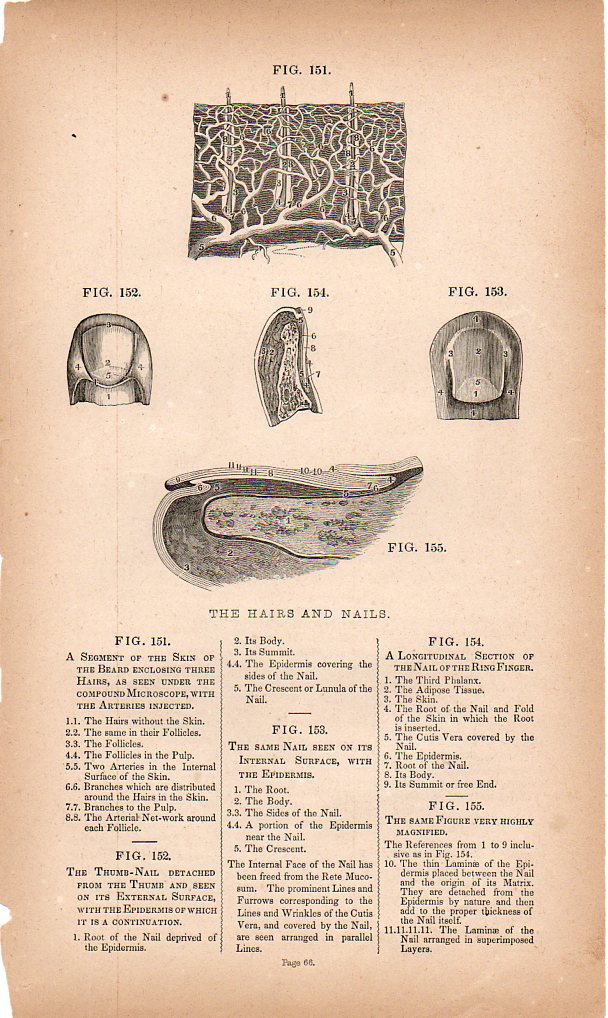
    This remarkable cross-section of the fingertip.

    Dadaist senses touch det501

    Which is a detail from:

    Dadaist senses touch500

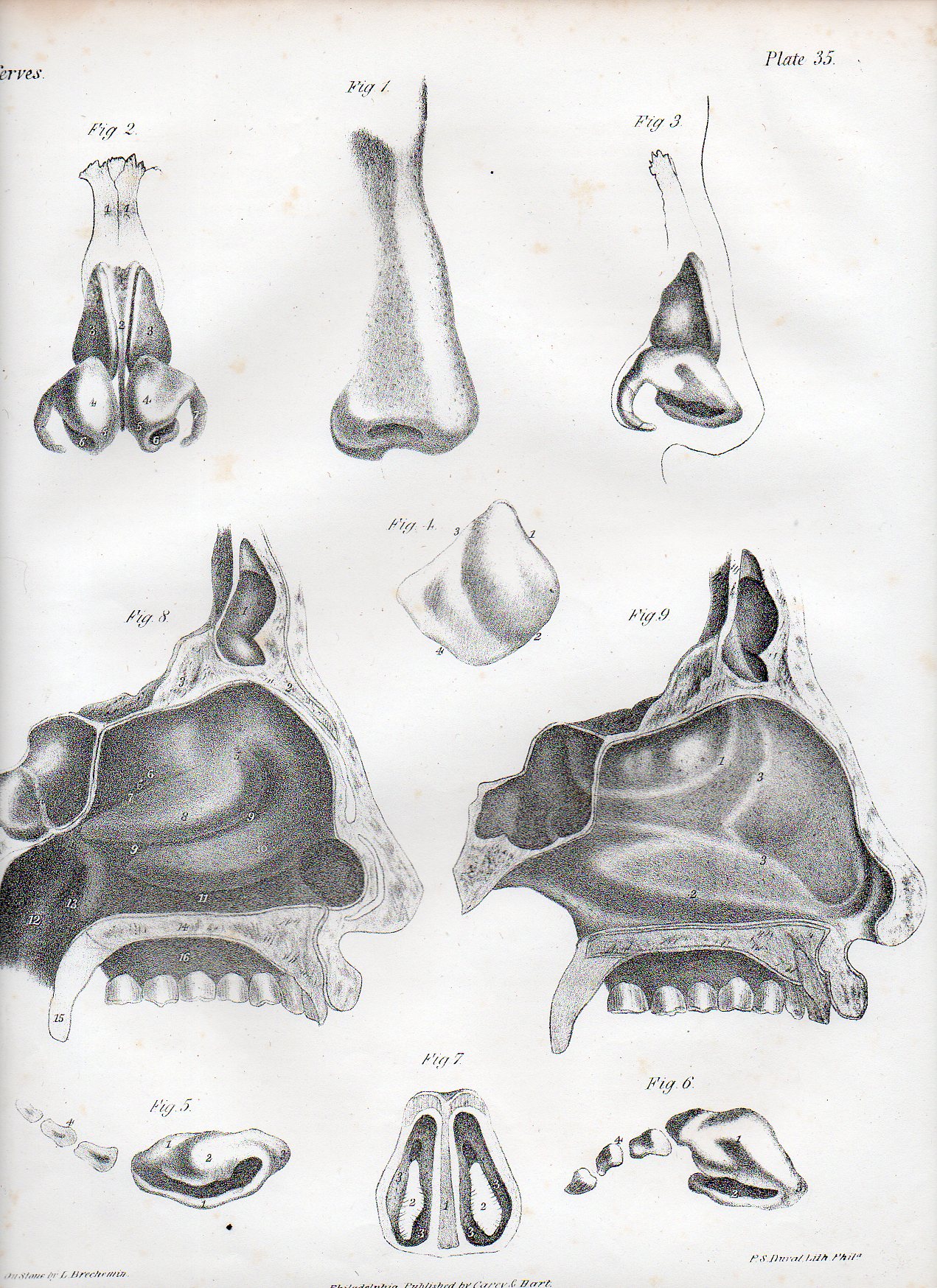
    SMELL

    Dadaist senses nose504

    HEARING

    Dadaist senses ear505


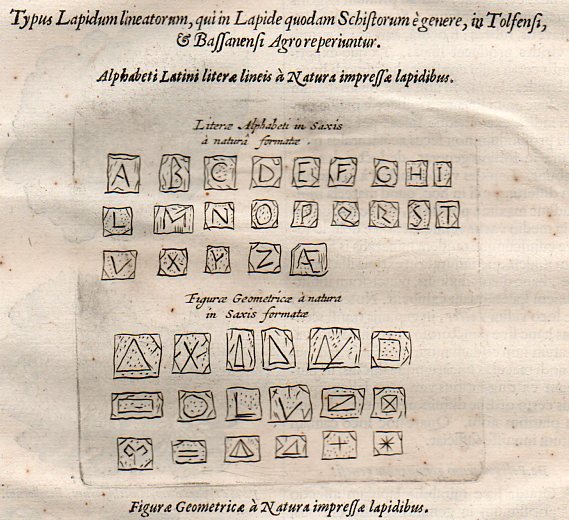
  • Found in Stone: (1) Alphabet and (2) Geometrical Forms, 1664

    JF Ptak Science Books  Post 1353

    Kircher--alpha bet477

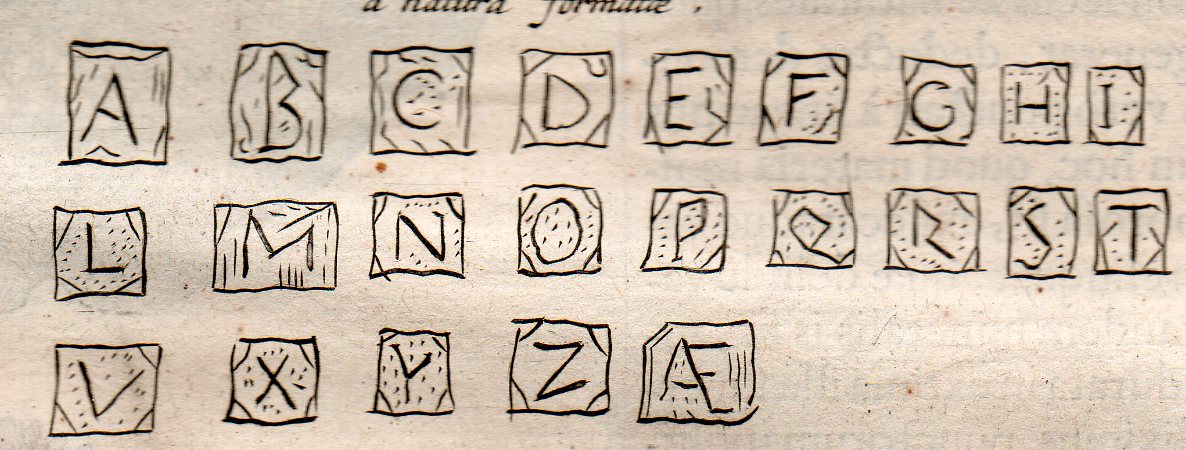
    I wrote about Athanasius Kircher’s Mundus Subterreaneus (1664) a few days ago (in “Birds With Stone Wings”, here and elsewhere), particularly staying within the first section of the eight book of Mundus, De Lapidibus, in which he investigated stones, gems, fossils and then “found figures” in agates. 

    Kircher--alpha bet476

    Kircher did not believe that finding these symbols in stone were a direct consequence of any supreme anything, recognizing that they were formed and collected by chance. He did formulate some interesting and early and sometimes-correct observations on the evolution of languages, but was entirely constrained by the authentic history as presented in the early books of the Bible.  While recognizing that languages of a certain region are or could be relational, and that the Romance languages were a corruption of Latin and that there was a  Semitic and Graeco-Latin connection, they were all necessarily descendants of Hebrew, which was the language given by the creator to man, mystical symbols handed down from Heaven to Adam.  And so it goes–I guess that you can only take so far as imposed limits like that allow.  Horizon Aeternitatis.

    [The original image is available for purchase from our blog bookstore, here.]

    And in detail:

    Kircher--alpha bet479

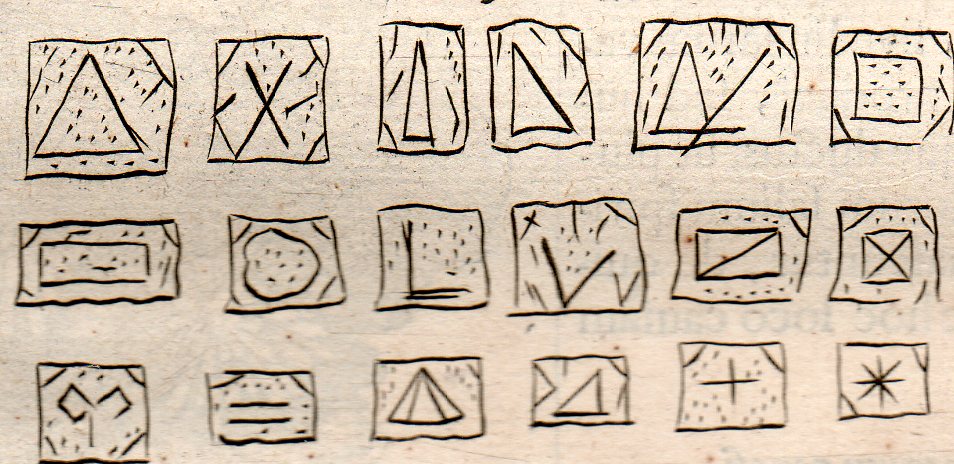
    And then of course the stone-found geometrical figures:

    Kircher--alpha bet478

      These engravings of the originals in Kircher’s cabinets of curiosities did take some sharp-eyed sleuthing and gathering. 


  • Contrary Big Crowds Series–a Chaos of Hats and an Order of Heads with No Hats

    JF Ptak Science Books–Quick Post

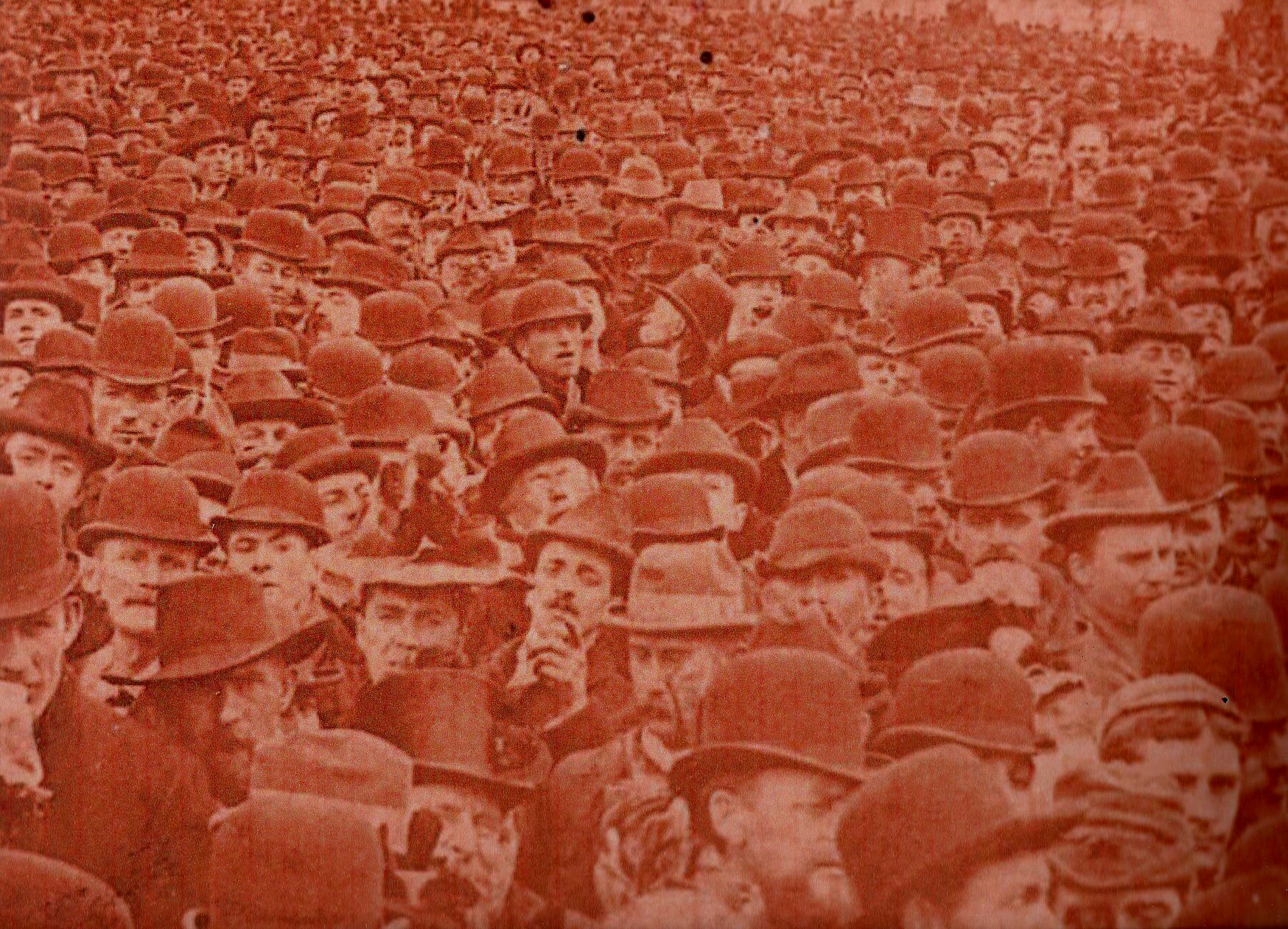
    Coming upon this image of a sea of hats, which in the fine tradition of naming collections of self-similar things-like a gaggle of geese or a murder of crows–a ‘Chaos” of Hats, I needed to find its contrary, and a relatively orderly and ordinary one at that. [I compiled a list of  oddly-named groups in an earlier post here called An Unkindness of Ravens and a Murder of Crows.]

    Hats454

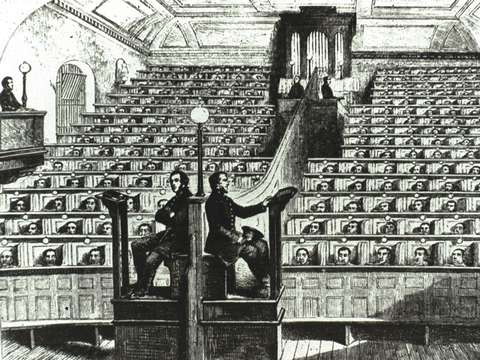
    What better than an Order of Heads?  This image is of a church or social service at Pentonville Prison in 1855.  The penitentiary engraving is real;  but the  truth be told,  the Chaos photo is a manipulated image, about a half of the original of something I made, mainly because I just wanted to see  a very hatty crowd around the man in the middle pointing at the camera. 

    Hats heads

    As it turns out, Pentonville–serving North London loyally since 1816, and still doing so–was the home for a bit of Oscar Wilde and Boy George.  It was also the place where Arthur Koestler began composing his thoughts for his magnificent Darkness at Noon.


  • Newspapers and Music in Bedlamia, 1850’s.

    JF Ptak Science Books   Post 1348

    Two short tales of attending the needs of the mentally ill in the 19th century:  asylum journals and treatment of mania via music.

    In the world of the treatment of the mentally ill, or of the possibly “deranged”, or the poor confused, or the old and demented, or the depressed of all ages, there have been some uncommon instances of creativity and rehabilitation in the constrained early days of warehousing patients, or inmates.  One example of this was the newspaper/journal called The Opal, which was published–extraordinarily–for ten years (1851-1860, in ten volumes and 3,000 pages) by the inhabitants of the State Lunatic Asylum of the State of New York at Utica.  This illustration–which is so far as I is (unfortunately!) the only image in the journal and is repeated month-to-month–depicts, I guess, the editor of the journal, in a cell, and with a terrified or manic or at least sharp-eyed thousand-yard gaze.  It is an unusual statement by the artist, perhaps, that the stone wall behind the editor’s bars look somewhat like the books bound with raised bands that are on the inside of his cell.  I’m uncertain as to whether this was a message, or whether this picture is just a picture.  But it is certainly odd to draw such a portrait of the editor of The Opal–greasy hair, sunken eyes, mouth ajar, crazy-gaze, and hardly very sympathetic.

    And the title page of the journal:

    Given the time, it is remarkable that such an enterprise occurred and lasted as long as it did.  It must have been an extraordinary aid to the people in Utica, allowed an avenue to express themselves, allow for creativity, allow for some independence of expressive thought  It was put loud and clear in the volume for 1854, on page one, in a bit called “A Message to Our Patrons”: “Forty-eight months [that’s four years since the beginning of the journal] have vibrated their moments on the engagements and extensions of the Opalians. The divine art of printing has conveyed through numerous and constant agencies the heraldry of Asylumian intellect, and in the varied developments of society, our paper hath been insinuated by the gentleness of humanity, and reciprocated in a fourfold state the harbingers of progression in kindness by exchanges, whose opening leaves hath borne refreshment from the wines on the lees of humanity, well refined by the studied graces of purity, sense, discretion and knowledge, to the great comfort of this retirement, hallowed by the superintendence of wisdom and virtue1.”

    The italicized “our paper” appears int he original. 

    And this example of trying to step somewhat beyond the modicum of dispensing agents for settling a “maniac”–a person it seems suffering from a manic stage.  Doctors and attendants tried to treat the patient with an assortment of narcotics, but they didn’t work; very liberal applications of btrandy occurred, which caused some sleepiness, but after two days the man woul dbe getting sleepy, anyway.  And then came the desperate measure (so to speak):  music.  It was certainly nothing new, really, the calming effets o fmusic having been know deep into antiquity.  Why it was not mor eliberally applied in mental institutions, I don’t know.  The case and description are found in the American Journal of Insanity (later the American Journal of Psychiatry) for 185 8:

    “The symptoms indicated, as it seemed, the prompt use of narcotics. Morphine was therefore given in doses gradually increased, till at the end of 48 hours, 3 gr. at a time, with strong laudanum injections, had been administered. This treatment seeming to have little or no effect, was abandoned and other means, such as baths, counter irritants, stimulants, djc &lc, resorted to, with but slight amelioration of the alarming symptoms. The patient had now continued in this state three days and nights, without sleep, and with little or no food. Pulse much of the time 120. Countenance anxious and sunken, presenting every appearance in fact, of approaching final prostration. Of the means above mentioned, the administration of brandy, in often repeated and large doses, seemed to act most favorably and effectually. Under its use the pulse came down to about 100. The patient also became more quiet* and manifested a slight disposition to sleep.

    “At this time, it was suggested by the father, that his son had always manifested a remarkable fondness for music, and that when a child, sleep had often been produced by it. A violin player was accordingly sent for, and the effect of his art tested upon the patient, with the most remarkable and immediate favorable effects. The nervous excitement began to abate at the sound of the fiddle, and in a very short time, the patient was in a sound sleep, from which he awoke in an hour or two much refreshed and nearly rational. By continuing the brandy, and when nervous excitement began to manifest itself, an occasional quietus from the fiddle, this singular state of mental excitement was, in a few days, entirely and permanently subdued.”

    In general, the 1850s were not a good time to be in a mental institution in the United States–or anywhere else for that matter.  There were 3700 people or so institutionalized in America at the time of the two stories (above).  It was really just about at this time that a national effort began to be organized to treat the institutionalized people more as patients than as inmates. 


    ____

    Notes:

    1. “In the diffusion of thought by the arts, its curiosity and character are enhanced by the manner in which it is communicated; and the respectful interchange of sympathy, and of emotions incident to nature that assimilate and affiliate the multiform interests and conditions of the human kind are so promoted by interchanges as to excite a brotherly regard for the correspondences, and a desire to advance their intelligences anew, when apprehended as the instrumentality of reasonable reliances.”

    Also this:

    Asylum Life; Or, The Advantages Of A Disadvantage, from The Opal


    Page 1:

     
    1  

    I have no care for copper or coin,
    I have no fear of any one’s frown;
    I’m fed by the hand that feedeth the best,
    And seldom molested is my sweet rest.

     
    2  

    I have walks to take, and news to read,
    With chit-chat and work the hours to speed;
    Good company, age, as good as the great
    Who have the charge of the “Empire State.”

     
    3  

    When ill, we have nurses; kind they be,
    And doctors too, without extra fee;
    When well, we can leave for homes far and near,
    While the Word of Life may be conned with care.

     
    4  

    Though sad, we may wait till brighter we grow,
    And health and good humor our faces make glow;
    When merry music may lend us her thrall,
    And consoling each other be less sad withall.

     
    5  

    And Love may abide, defended by prayer,
    And our hearts and our hopes be brightened elsewhere;
    We may write to our homes, and see our dear friends,
    And contented and blessed our destiny ends

    ·Posted by :

    ·in:

    — — —