A Daily History of Holes, Dots, Lines, Science, History, Math, Physics, Art, the Unintentional Absurd, Architecture, Maps, Data Visualization, Blank and Missing Things, and so on. |1.6 million words, 7500 images, 4.9 million hits| Press & appearances in The Times, Le Figaro, Mensa, The Economist, The Guardian, Discovery News, Slate, Le Monde, Sci American Blogs, Le Pont, and many other places… 5000+ total posts since 2008.

Author: JF Ptak

  • Cars Driving in the Sky: the Future of the City, 1930’s

    JF Ptak Science Books LLC

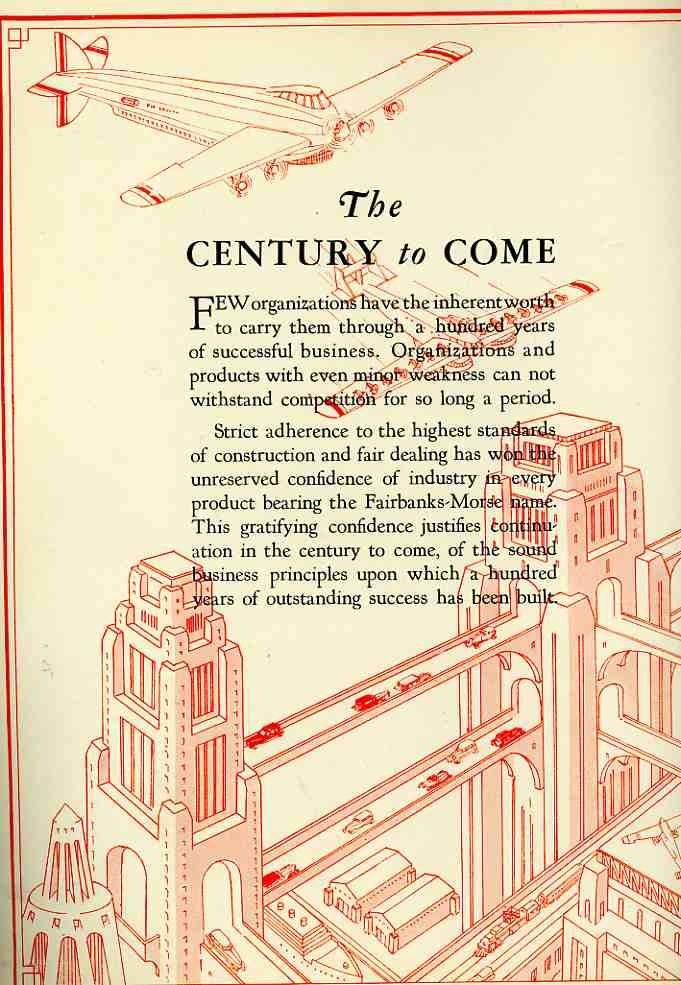
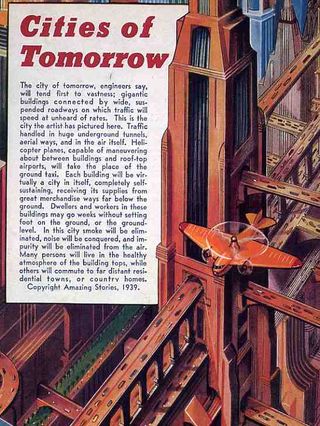
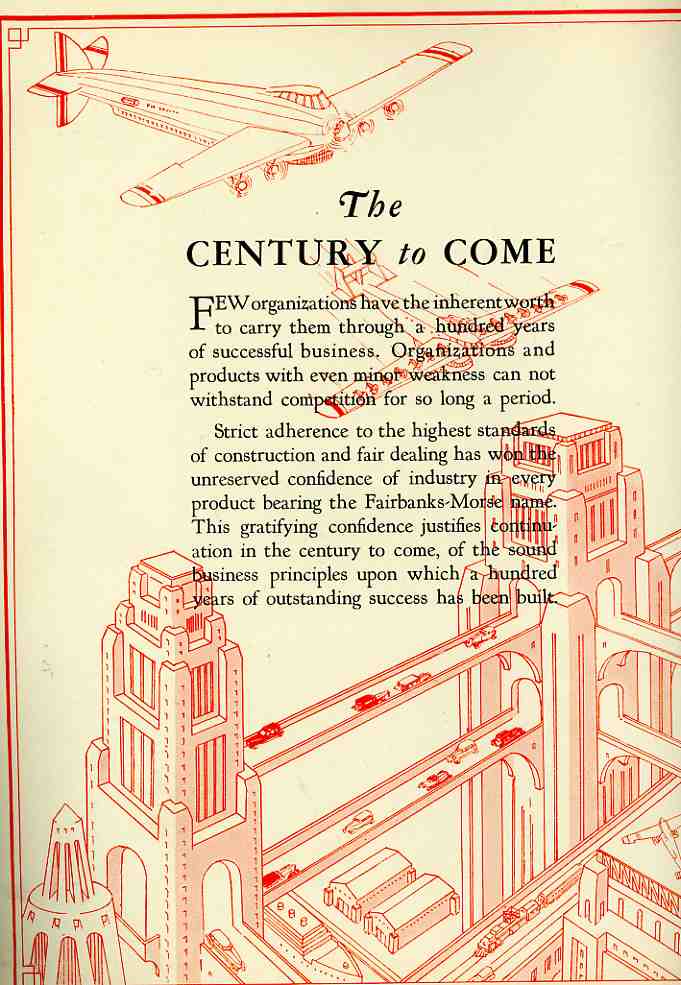
    0-blog---Nov 19 future085 In an earlier post here I wrote about  living a big life in a big airplane–I saw this weird little print and was attracted to its unrepentent awfullness and the sleeky bulbous nature of this exotically unflyable aircraft.  I guess it bothered me becuase even though it was unsupportably  big it didn’t bother to have any of the luxurious features that other, similarly bloated-enormous aircraft had at the time:  swimming pools, greenhouses, landing strips for other planes…  This one didn’t have anything like that, and didn’t really seem to make any sense, unless that big belly part was actually a zeppelin or something like that, filled with helium–but even that doesn’t make sense.  Perhaps we need to assume that it is supported in the air by something yet named and unknowable, powered by engines that were far advanced.  But what is more interesting in the print are the multi-tiered auto-skyways and suspended nonsensical roads that hang between the skyscrapers like a gravity marble game.

    0-blog---Nov 19 future084

    0--blog---dec 2 city future164

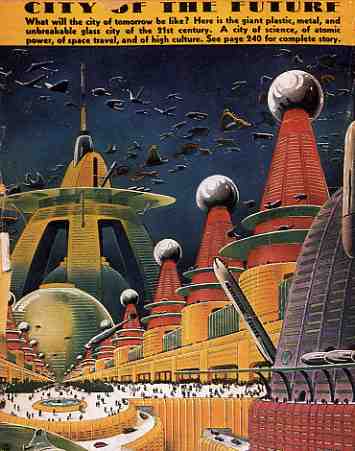
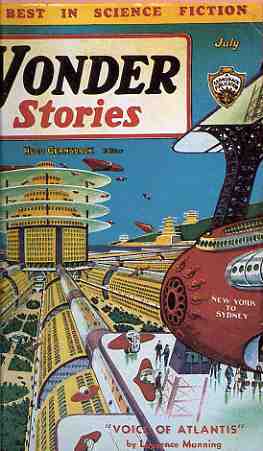
    These other cities of the future at least take a greater leap of faith in the belief of extraordinary inventions and abandon the generally stylized shape of known aircraft and propulsion systems.  At least for the next two images, even the architecture is mostly new.  What I’d really like to know is what people were doing in those buildings and where they were going in those hover cars.  For the most part in stories of the future like this people were simply going to work as they would in 1937, driving off with anti-gravity sumpin’ to Spacely Sprockets to do office work as it was in the past. 

    0--blog---dec 2 city future165 

    0--blog---dec 2 city future166 

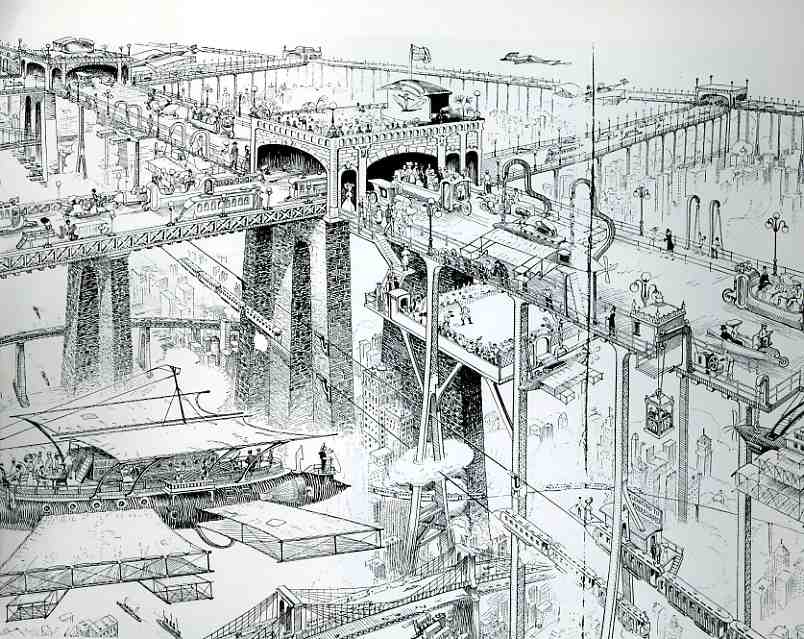
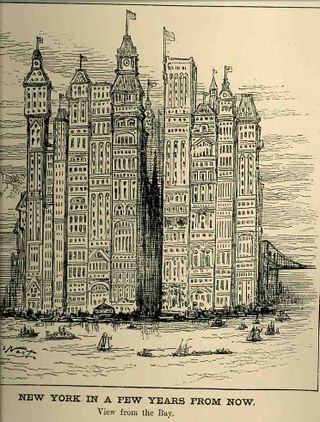
    For the most part future vision seemed grounded in the past, techno-wizzardry 0--blog---dec 2 city future clean167 carved into the fabric of existing society.  I’m not so sure what was so “futuristic” about elevated railways stacked up on top of each other like flapjacks, but to someone there in the 1930’s past it looked like a great thing about to happen….in 1965. 

    0--blog---dec 2 nyc171


  • The Devil in the Mirror, ca. 1560

    JF Ptak Science Books LLC  Post 817  Blog Bookstore

    There’s plenty of interesting images in the Renaissance and Baroque
    featuring images caught as reflection in a mirror, none more famous I guess
    than Van Eyck’s marriage scene (which I’ve written about several times in this blog, most recently in “Original Reflections: unique experiences with mirrors, Van Eyck and Brunellesci, here).  What is unusual here is that we
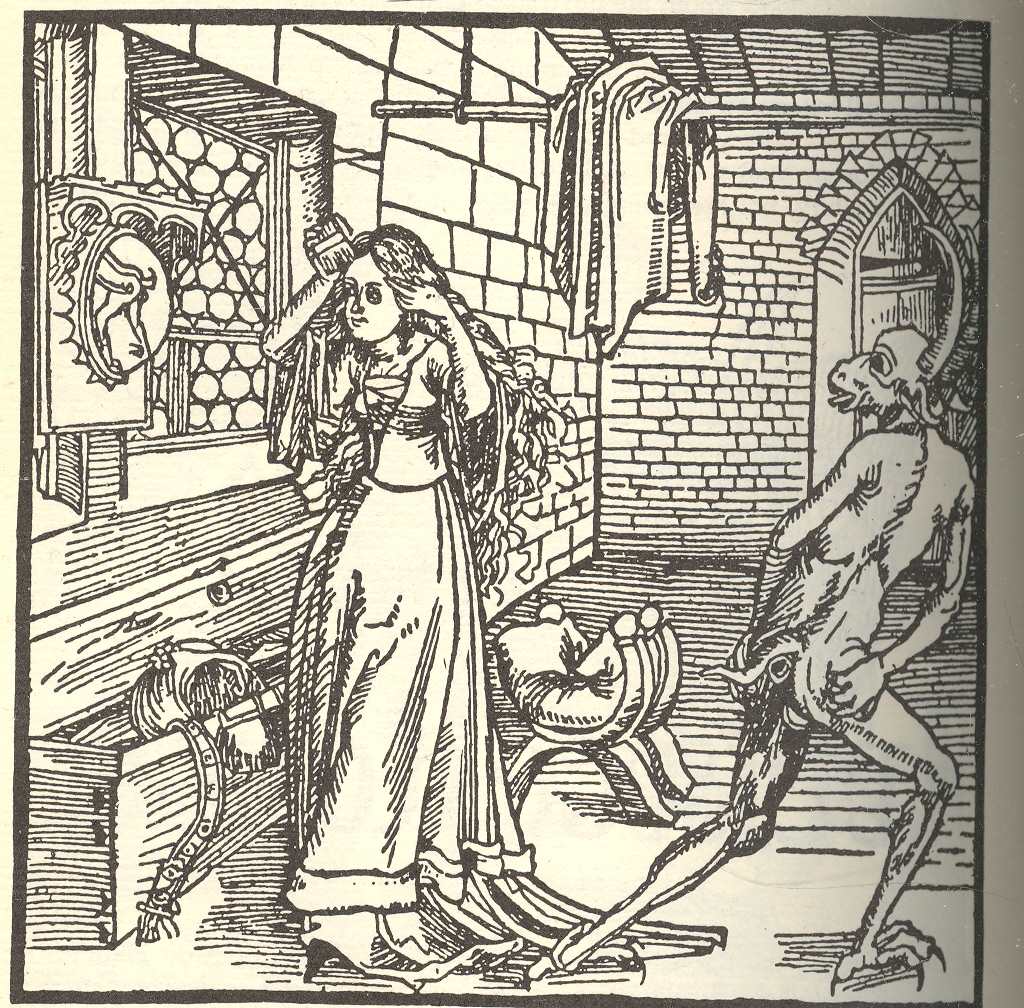
    see the Devil in the mirror (actually the devil’s hindquarters), which to my
    experience is very uncommon. Also I thought the phraselet “the Devil in the
    Mirror/Mirrour” was well used and worn, but, as it turns out, it is hardly so,
    though there’s a near-alphabet of things that the devil could be in. 
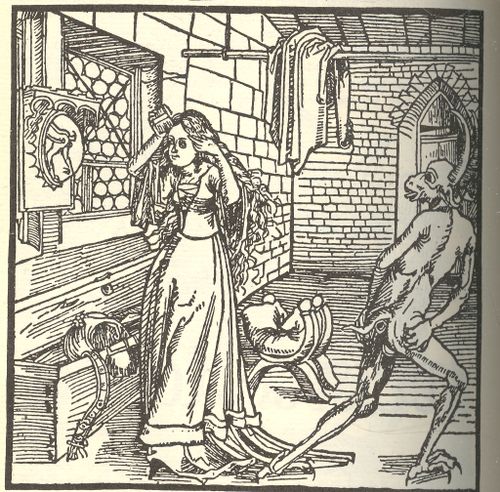
    Blog 11 01 devil mirror For example, when looking through FirstSearch/WorldCat (a massive catalogue
    of books in libraries world wide and a cataloguing librarian’s best friend) for
    the things that a devil might be in, as in the phrase “the devil in the ____”
    we find the devil in a belfry, book (a Dalton Trumbo novel!), bush, candle, cheese,
    classroom, cross, dark, details, drain, desert, deep blue sun, flesh, fog,
    gateway, hills, junior league, kitchen, Middle Ages, milk, modern world,
    mountain, New World, shape of a woman. 
    The devil in the mirror turns out only to be so in a song. 

    None of this amounts to a hill of 
    ____  (beans, cocoa, molasses,
    moolah, fritos), but I found it unusual that the phrase and the whole
    devil-in-a-mirror idea to be so scarce. 
    Unless he can’t be seen in a mirror….No wait, that’s a vampire

    I know I’m wasting this image with this trivial pursuit when a decent writer would be looking at Satan over the ages, or its virtual non-appearance in the Bible, or the different names of the devil or its infernal helpers, and its other unholy images, or the history of Hell itself., or of the history of guilt, or fear (see Jeff Donlan’s lovely appraisal of Daniel Gardner’s The Science of Fear, which doesn’t really have anything to do with the devil but is a great idea) or temptation, or general unacknowledged dark worry.  I just stuck to the picture. 

    This naturally leads to looking at some antiquarian
    book titles involving devils and the nonsense and hokum that they got into.  Here’s a few lovely examples of titles-as-long-as-opening-paragraphs;
    it seems that the less old they are the less detailed they become.  But I’m probably wrong about that, too. 

    The displaying of supposed witchcraft : wherein is
    affirmed that there are many sorts of deceivers and impostors, and divers
    persons under a passive delusion of melancholy and fancy but that there is a
    corporeal league made betwixt the devil and the witch, or that he sucks on the
    witches body, has carnal copulation, or that witches are turned into cats,
    dogs, raise tempests or the like, is utterly denied and disproved ; Wherein
    also is handled, the existence of angels and spirits, the truth of apparitions,
    the nature of astral and sydereal spirits, the force of charms, and philters;
    with other abstruse matters
    /
     
    Author: Webster, John,
    1610-1682.

    War with the
    devil, or, The young mans conflict with the powers of darkness in a dialogue :
    discovering the corruption and vanity of youth, the horrible nature of sin, and
    deplorable condition of fallen man : also a definition, power, and rule of
    conscience, and the nature of true conversion : to which is added an appendix
    containing a dialogue between an old apostate and a young professor, worthy the
    perusal of all, but chiefly intended for the instruction of the younger sort
    /
     
    Author: Keach, Benjamin,
    1640-1704.

    A Whip for the Devil, or, The Roman conjuror
    discovering the intolerable folly, prophaneness and superstition of the papists
    in endeavouring to cast the Devil out of the bodies of men and women by him
    possest …
    /
     1683

    I find these title strangely satisfying, much like the dime library westerns of the late 19th century with their tow-parter extendo-titles:  Valerie of the Blazing Sands; or, Colonel Ingraham and the Satisfied Sod Buster, a Tale of Woe and Heroism and such.  

  • Fat Maps and Underwear-Generated Sterilizations: Eugenics

    JF Ptak Science Books LLC   Post 816   Blog Bookstore

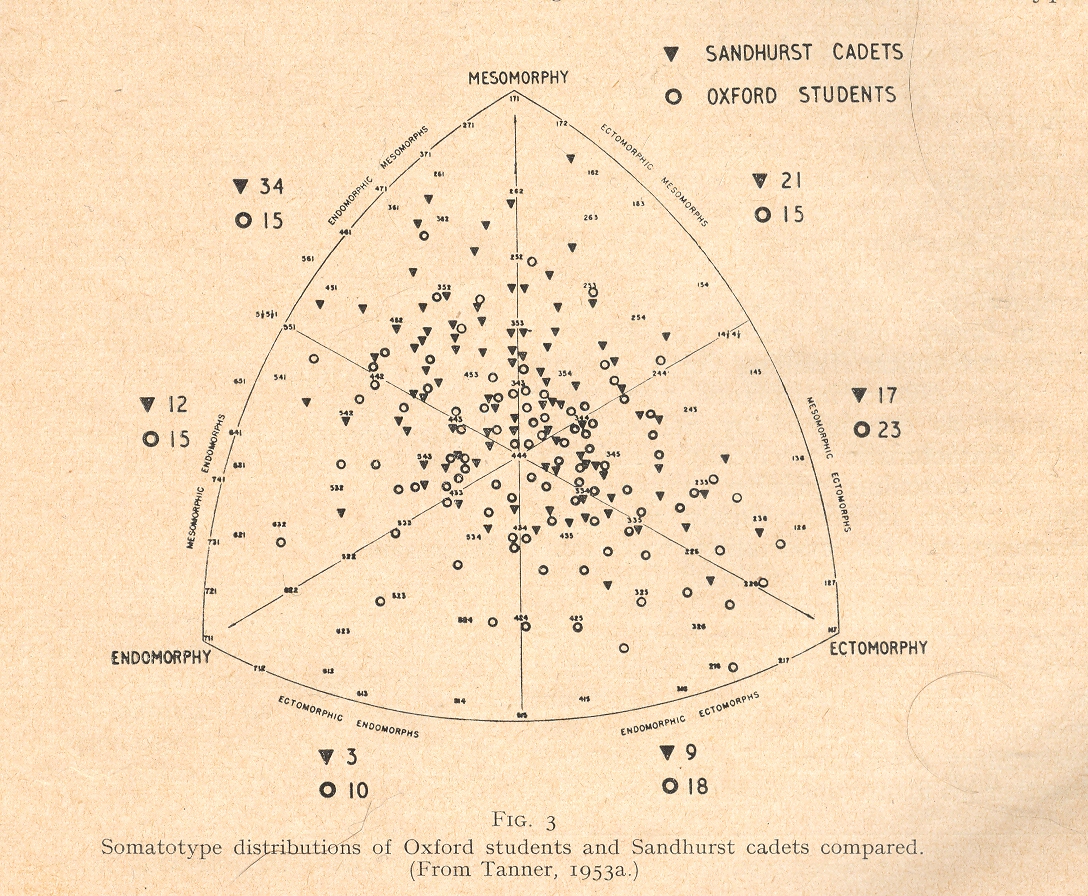
    JM Turner (an M.D. and a Ph.D.) wrote “Physique and Choice of Career” for The Eugenics Review of October 1954.  He reported on the statistical survey correlating body type and profession, one in a considerable line of such statistical drunkenness which found pseudo-scientific results from closeness of fit between fat, muscle and criminality and professions. I really don’t want to get very much into the details of this stFat mapory because it just isn’t worth it–simply put, the doctor was finding correlations between some body types and students at an officers’ training academy and Oxford. The military officers in training were heavier than the Oxford students.  The end.  [Interestingly the author references an earlier study from 1939 which found correlations between body types and different sorts of crimes among 17,000 incarcerated juvenile offenders.   Turner uses the results to support his own but also finds fault with the earlier study, stating that it lacked “any very workable classification of physique…his study was more of a high altitude aerial survey than a detailed map of the ground”. This doesn’t prevent the use of the findings, however.]

    It was this sort of thinking that the sniffy and in-its-own-peculiar-way venerable The Eugenics Review (1909-1968) its influence, a cancerous spittle which found its way all over the globe. Eugenics was seated in the work of the very formidable work of the polymathic Sir Francis Galton (the word coined in his Inquiries into human faculty and its development
    in 1883), and found its way into some deep scientific corners until its
    was generally rejected at about the same time of the journal’s death.

    The influence of eugenics reached far and deep and wide, finding its place even here near
    where I live–deeper here, and later than expected, as it turns out. 
    The Human Betterment League, started in 1947 in Winston-Salem (North
    Carolina) with the influence and money of James G. Hanes (of the Hanes
    hosiery and underwear fortune), instituted a vicious resurgence of
    interest in eugenic sterilization just at the time when this practice
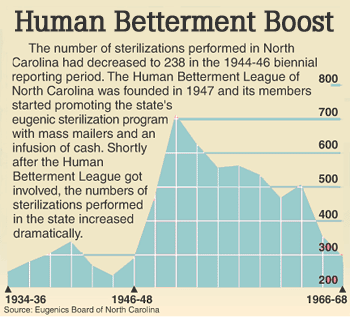
    was beginning to come to its end in other places.  As you can see, eugenic-based sterilization in North Carolina was sliding into  social consciousness and decline just at the beginning the the Human Betterment reign of terror, spiking to over 700 sterilizations in just a few years after its underwear-y inception.  The majority of the victims of this social cleansing, of this cleaning of the gene pool, of this save-us-from-“them” mentality,were black. SOme of these people were classified as “morons” according to standardized testing that many were never before exposed to; some were classified as deviants and defectives ready for sterilization if they chose to have a baby produced by rape.  The road to  racial purity was a wide one for the Betterment  folks; fortunately, it was not a long road, though they were able to force sterilizations of thousands of unfortunate victims and did so until the late 1960’s.  This is a bad story for the history of this state and one which is not frequently discussed, though reparations discussions are underway, cushioned by a very skimpy installment of 250,000 from the state coffers to establish offices and a board and bureaucrats to study the issue.  This is many millions of dollars off the mark, but it does benefit some mid-level manager somewhere in the state capital at Raleigh… 

    Humanbettermentboost

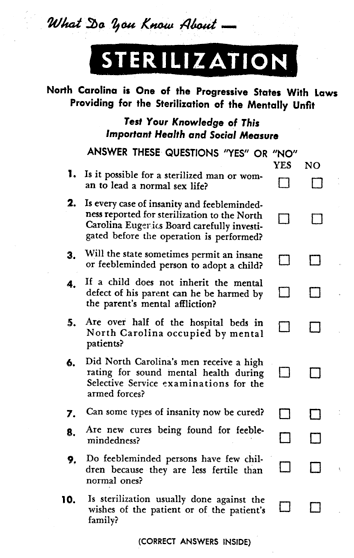
    [Source for sterilization pamphlet and graph: Against Their Will–the North Carolina Sterilization Program.]

    gram]

    Sterilization pamphlet


  • The Memorial for Broken Dolls–an Appeal for Respect for Outgrown and Disabled Toys

    JF Ptak Science Books   Quick Post

    This is one of my favorite posts, published here last year on 3 November 2008. It is a fantastic idea, this memorial for lost and worn-out toys, and one which I think could work well in the U.S.

    “No two toys are ever broken in the same way or with the same emotional results.” Robert Graves, Poetic Unreason

    000-ebay--Nov 1 doll tomb975 


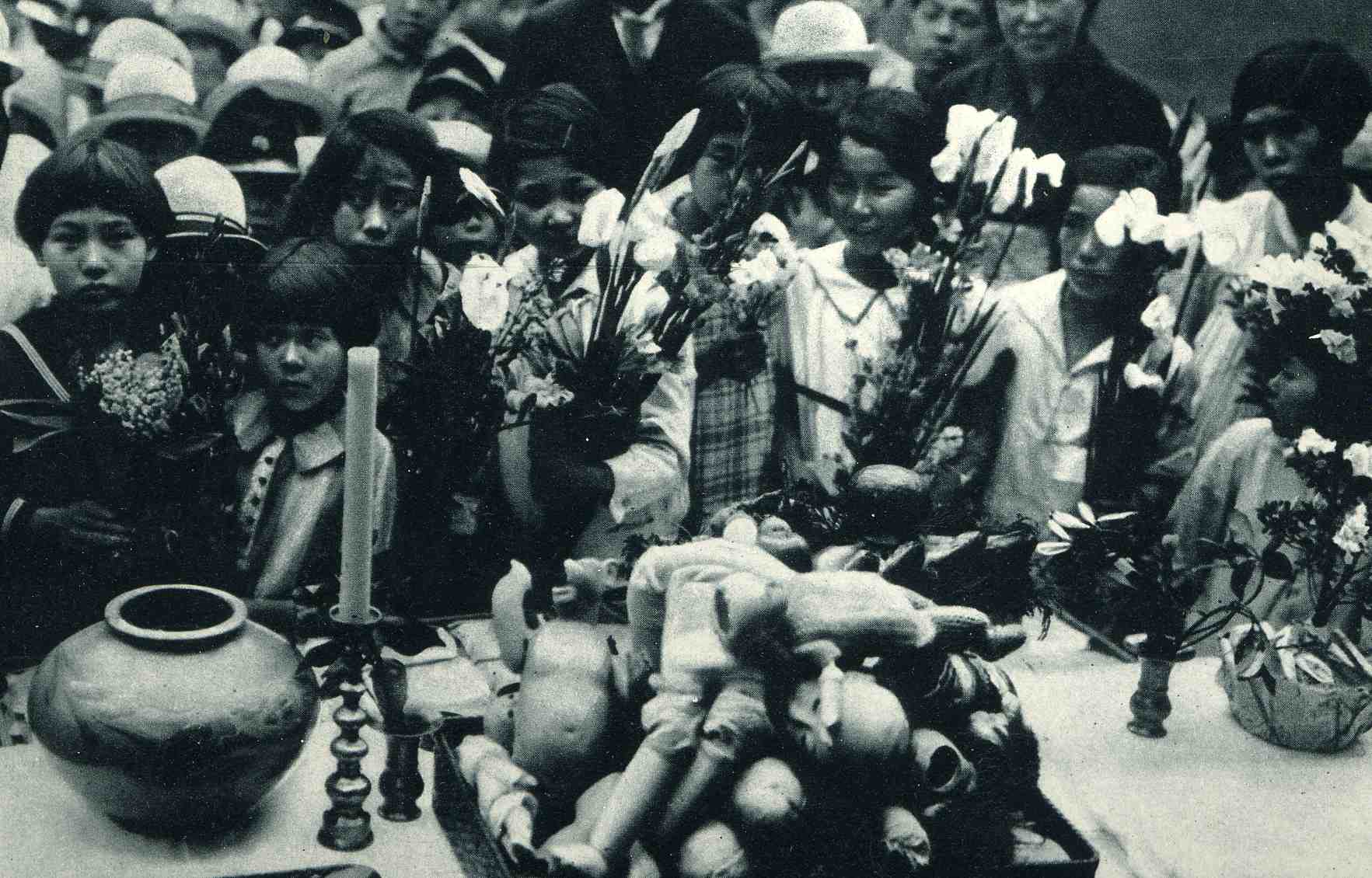
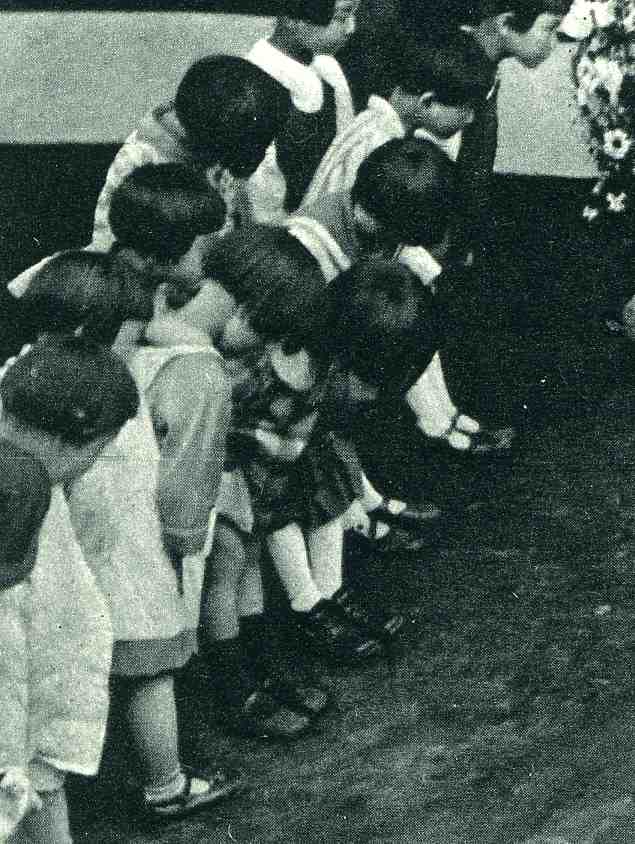
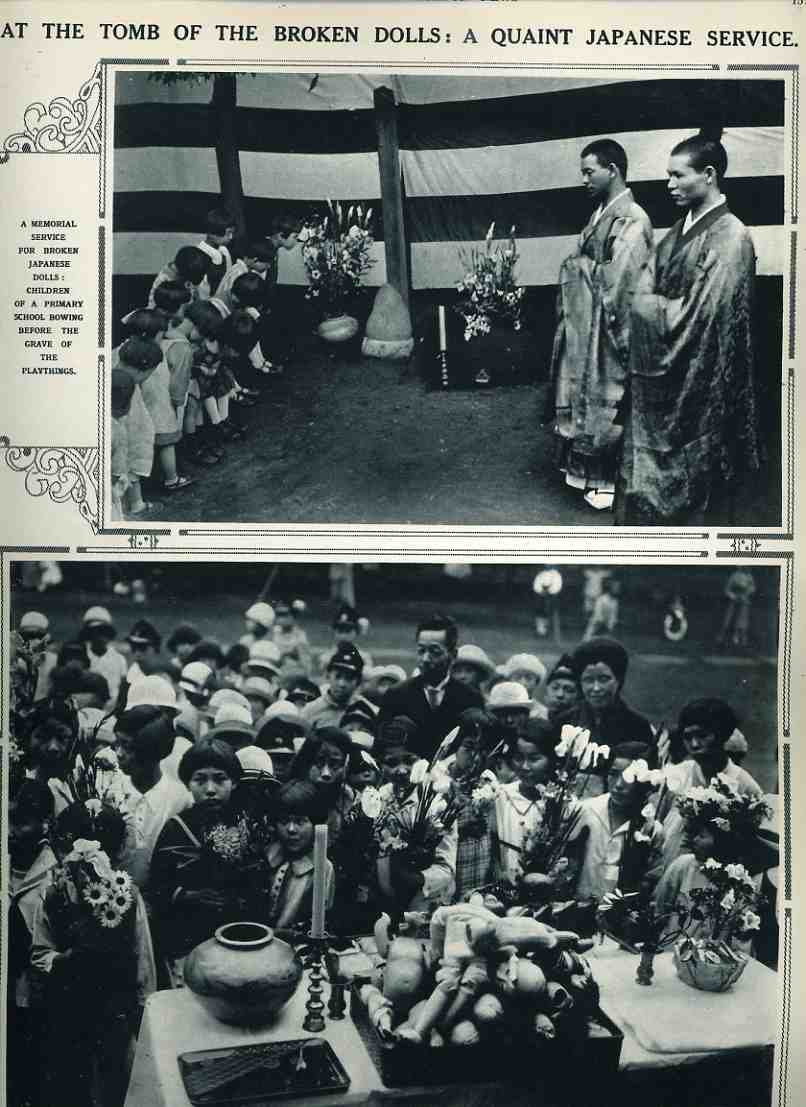
    At the beginning of my 10th month of blogging I’d like to open with these images showing the practice of an utterly fabulous idea–an eternal resting place and shrine for broken playthings.  This is an absolutely outstanding concept, and I simply have no notion as to why we don’t have such observations in the United States.  (The following two details are from the larger images, below, found  in the 27 July 1929 issue of The Illustrated London News, page 157.) The story provides these two pictures and unfortunately scant details of the ceremony which was held at the Imperial Primary School at Sugamo, Japan. 
    000-ebay--Nov 1 doll tomb976

    The first photo shows the detail of children offering flowers for the altar on which their tray of broken dolls is being venerated; and to the right is the detail of children bowing to the grave of “broken playthings”, though the markings on the (grave?) stone indicate that it is for dolls.  It also seems to be a marker for a mass of toys, not that each toy would have its own marker; I suspect it to be enough to have a place where allot of kids could come to venerate objects in which they might have invested countless hours of their time, effort, attention and affection.  That it is a shared place and experience makes the monument all the more so powerful.

    There are few better things to teach a child than to pay respects for something that has given them pleasure or helped them, or, say, for returning the love which has been showed them from their doll or toy.  It has always struck me as not-quite-right that a toy can be a beloved object one day and a dust-magnet the next, destined for the trash heap.  Certainly these are holy objects in themselves, and deserve a better and more kinder fate than being mixed with broken glass and greasy unmentionables. 


    000-ebay--Nov 1 doll tomb974

    Are there greater things to be concerned with?  Yes, of course, but only on the face of it–I think that helping kids understand the underlying dignity of inanimate objects such as their playthings could give them a greater awareness for the other seemingly invisible things that they will find throughout their lives. Further I think that a visible, constant reminder for these objects would be really more like a memory-monument for a period of time, a place in nearly everyone’s life in which held a certain purity and promise, a protected and beloved frailty of the human experience shared by all.  I can honestly think of no other monument that could reach across religious or philosophical or belief systems to arouse a feeling of common goodness than this. Everyone has had a toy that they’ve loved, and I have no doubt that if remembered these would be powerful emotions, and could be about the most common denominator we have on the planet.  I can think of no divisive element in such a monument of veneration.

    ·Posted by :

    ·in:


  • Anthropomorphic Display of Quantitative Data: Flight Safety, 1912

    JF Ptak Science Books LLC  Post 815

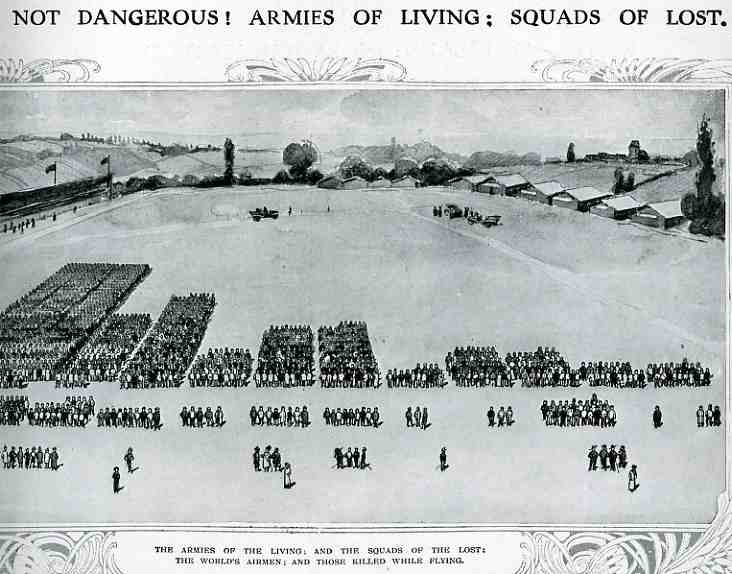
    Even though masses of people had been used in panoramic photography for some years (thousands of people, usually soldiers, gathered to form a living liberty bell, or portrait of George Washington, or some such thing) , I cannot recall the use of humans as a direct statistical aid as in this bio-bar graph, found in the pages of The Illustrated London News for 1912 (page 357).  000-ebay--Nov 7 air death005

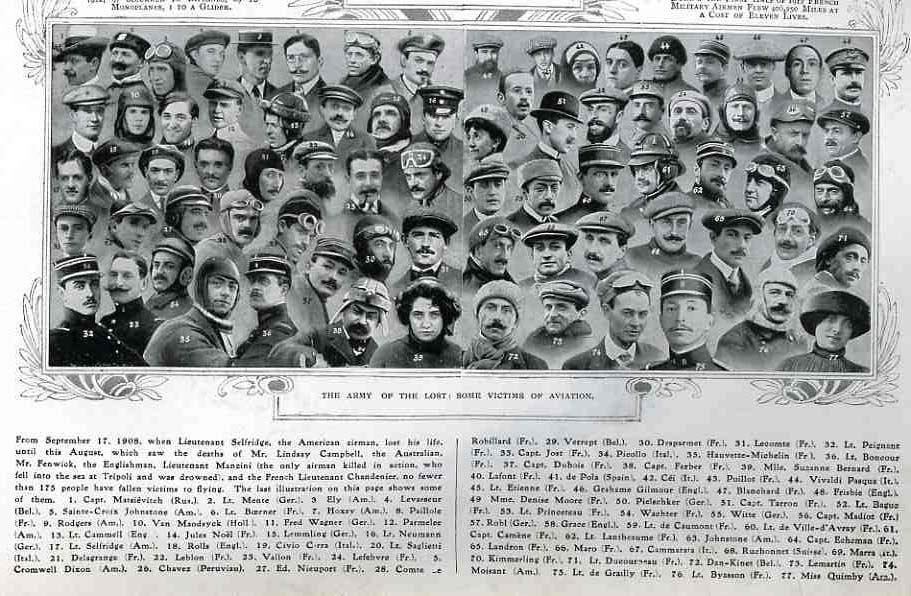
    The article asks the question of whether air travel (and flight in general) was “safe”, and responded by graphing its “yes” response with this image. The larger groups in the top half of the image represent the number of flyers flying for that particular country; the small groups below show the number of aviators killed.  (There is no date of reference in particular but it seems to me that these are total deaths since flying began in Europe in earnest in 1905.) The photomontage below shows a selection of some of the most famous dead aviators. The number of deaths as a percentage of those flying seemed quite acceptable in the year of publication (1912) ; however if these figures were iterated forward to 2009 the death rate would be staggering, sending many thousands of aviators (and crew and passengers) to their deaths each year.  In the United States we save that safety failure for deaths in automobile accidents, which still kill about the same number of Americans each year as were U.S. soldiers lost for the entire war in Vietnam.  In spite of this the odds for survival looked pretty good in 1912. 

    000-ebay--Nov 7 air death portrait006


  • The Value of Money and Almost-Useful Information

    JF Ptak Science Books LLC  Post 814   Blog Bookstore

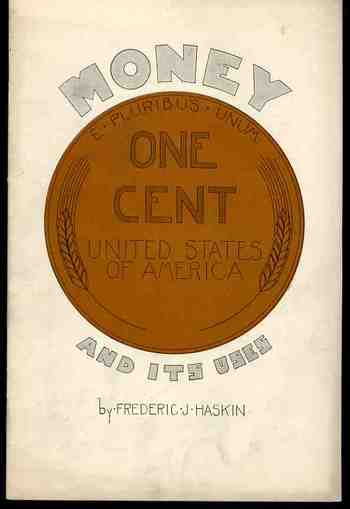
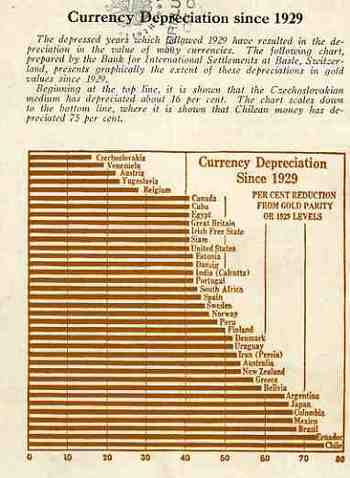
    I initially chose this pamphlet to be part of a larger series on terrific/unusual/bizarre cover designs–unfortunately its contents got in the way, a little.  The cover still borders safely on the unique, and so does most of its contents, except for the graphical analysis of the depreciation of worldwide currencies that appears on its back cover.  Here the information is actually pretty useful and unusual. It would’ve been more useful had the author included an end date for his comparisons–all we know is that he is looking at 1929 and the beginning of the Depression as a jump-off point, and we can assume that the end date is before the date of publication of the pamphlet (which actually isn’t stated).  Still, the graph is almost very useful.  It is for this reason that Money and its Uses Winds Up in the “Blank and Empty Department” for its diligent but ultimately useless graphical display of data.

    1blog_oc_t_9_money795

    1blog_oc_t_9_money796


  • The Ape of God

    JF Ptak Science Books LLC  Post 813 

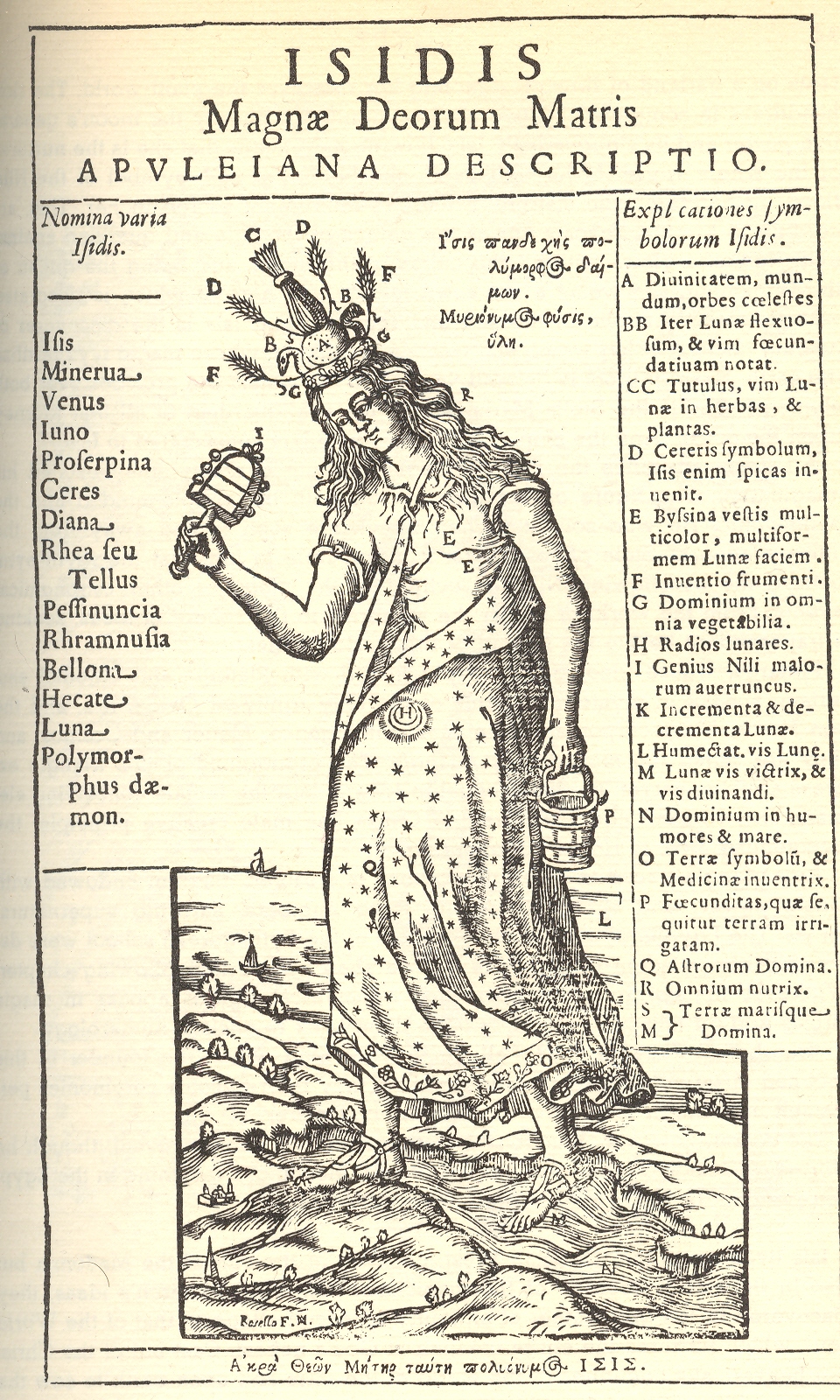
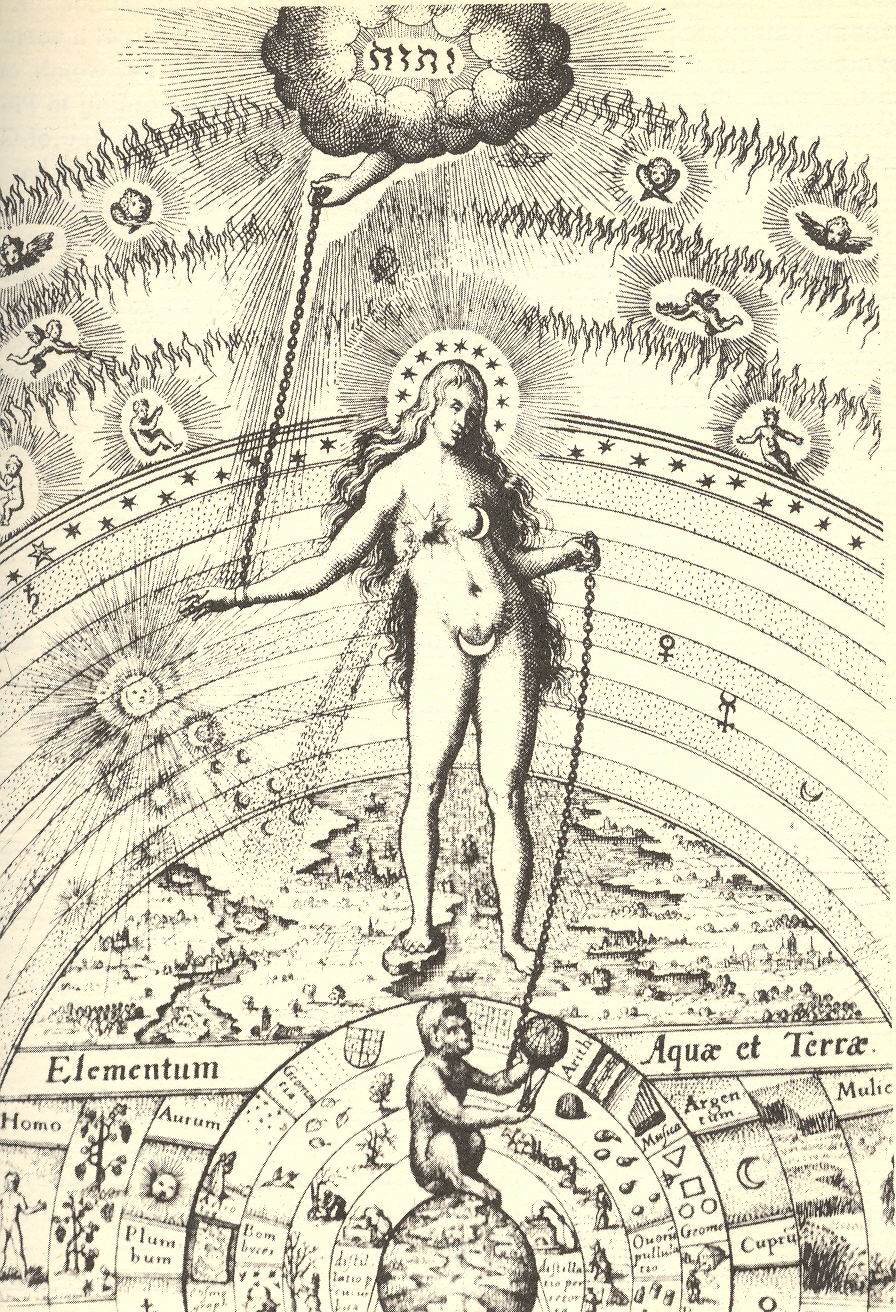
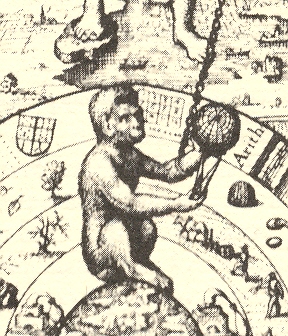
    These two interesting and complex images of the goddess Isis1, dripping as they are with symbolism and reference, are most interesting to me because of the depiction of man as the ape of god.  (No, not the Wyndham Lewis  Apes of God reference to poseurs and scumbags and indolents in the art world, just man in general.)
    + blog 10.30 isis
    The first and second image both show Isis standing on land and in the water, bridging the two, being the goddess of each; she stands slightly bent over in each, and has long flowing hair, a symbol of her as the nurturer of the Earth, as is the  adornment of the fertility symbol of the Moon in her stomach/womb.  The two Isis carry different things: the first, a pail (symbolizing the Nile, which she controls and floods with her tears for the loss of her Osiris) and a sistrum (a musical instrument peculiar to her celebration).  The second image’s hand-connections are more complex:  Isis’ right hand is connected directly to the creator, reaching from a cloud above the upper firmament of angels; her left hand is connected to our title’s interest, the ape of god—man.  The ape/man is seated on the

    + blog 10.30 isis 2  

    Earth, surrounded by concentric spheres of animals, minerals, intellectual practices (I can easily see “arith”metic, “geom.”etry, “musica” and others represented), water and Earth, the planets(including the Sun) in their courses, the starry realms, and then several spheres of I’m-not-sure but heavenly and ethereal. Man as ape is seated chained to Isis, the giver of life, and contemplates (with dividers) a model of the sphere on which he is seated.

    Notes

    1. Isis (also know to different cultures as Minerva, Aphrodite, Ceres, Hecate) was an ancient Egyptian/Greco/Roman goddess, idealized as the perfect mother, the Great Mother, patron and issuer of nature, magic and fertility—the giver of life, a Madonna.  She was the daughter of Geb and Nut (god of the Earth and goddess of the sky) and husband of Osiris, and was in general very high-power stuff.

    + blog 10.30 isis 2 man ape


  • The History of the Internet: Remembering Vannevar Bush and the Memex (1945)

    JF Ptak Science Books LLC  Post 812  Blog Bookstore

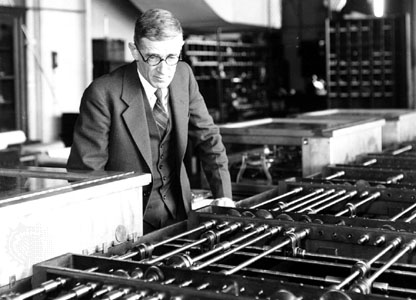
    On this day, which may or not be the 40th anniversary of the
    first use of the internet (and the 80th anniversary of the collapse
    of the stock market of ’29, and Lucy A’s anniversary of her birth) it might be
    good to remember an earlier version of the internet and the semi-invention of
    the concept of hypertext: the MEMEX machine of the under-remembered Vannevar Bush. 

    Bush

    Vannevar (pronounced “van ee var”) was a flinty no-nonsense New Englander
    who was an organizational and mechanical genius who as a professor at MIT
    developed a remarkable analog computer that greatly advance computation
    capacities for solving differential equations. 
    This was in the 1930’s, and even after creating an improved
    electromechanical version of the machine still chose the wrong way to go in the
    soon-to-materialize digital computer revolution.  During WWII Bush was one of the most
    important Americans in the war effort, overseeing the entire scientific effort
    of the U.S.—an
    enormous effort dispatched beautifully (and successfully).  His importance in this regard is difficult to
    overstate.

    But right there at the end of the war, when he was organizing a still-secret
    effort of controlling the spread of atomic weapons (before Hiroshima), Bush was also thinking about the
    future of the organization of human knowledge and memory.  And published it, too, in the popular Atlantic magazine in July 1945. (It was
    republished in a shortened version a few months later in September—it remains
    to this day, according to an editor at Atlantic, one of the most
    often-requested reprints) where it reached a reading audience of millions.  The article, “As We May Think”, outlined his
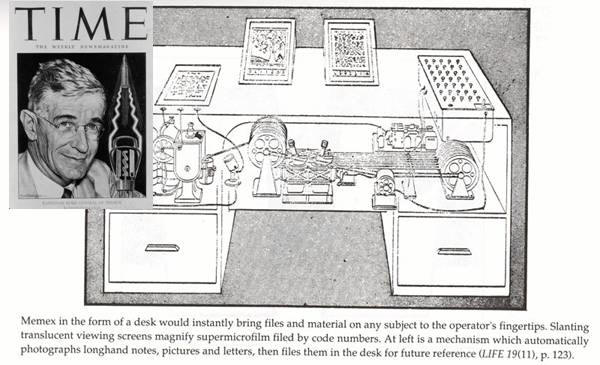
    idea for a device he called the MEMEX1 (“memory” and  “index”), which compressed and organized all
    that its user could remember and whatever information would be obtained in the
    future via electromechanical apparatuses, and available with associative tracking
    between the microtext frames.  So all
    manner of book and papers and reports and newspapers and images would be
    microphotographed and stored in a beautifully-indexed mechanical retrieval
    system where it would live with the information of others.  There was also the possibility of real-time
    textual additions to whatever it was that was retrieved, the genetic precursor
    of hypertext.  Bush’s thinking has been deeply
    recognized (and also by the creators of the internet) as the intellectual
    grandparent of the modern internet. 

    Bush Memex

    I just thought on this day that the man who saw more clearly into the future
    on advanced global communication and societal memory should be remembered on a
    day when his grandchild came into being.

    Notes:

    1. According to Bush, “the MEMEX is a sort of mechanized private file and
    library…. It uses methods such as microfilm storage, dry photography, and
    analog computing to give postwar scholars access to a huge, indexed repository
    of knowledge-any section of which can be called up with a few keystrokes.”
     Wardrip-Fruin, Noah and Nick Montfort,
    ed (2003). The New Media Reader. p. 35. The MIT Press

    The physical plant of the MEMEX:  “A
    memex consists of a desk, where on top are slating translucent screens on which
    material can be projected for convenient reading. Within the desk were
    mechanisms that stored information through microphotography. Most of the memex
    contents are purchased on microfilm ready for insertion. On the top of the
    memex is a transparent platen. When a longhand note, photograph, memoranda, and
    other things are in place, the depression of a lever causes it to be
    photographed onto the next blank space in a section of the memex film, dry
    photography being employed.”  Manovich, Lev. “As We May
    Think”, The New Media Reader and
    wiki on The Memex. 


  • Bad, Odd Jobs Department: Door-to-door Rabbit Meat Salesman. 1942

    JF Ptak Science Books LLC   Post 811  Blog Bookstore


    + blog 10.28 cries art

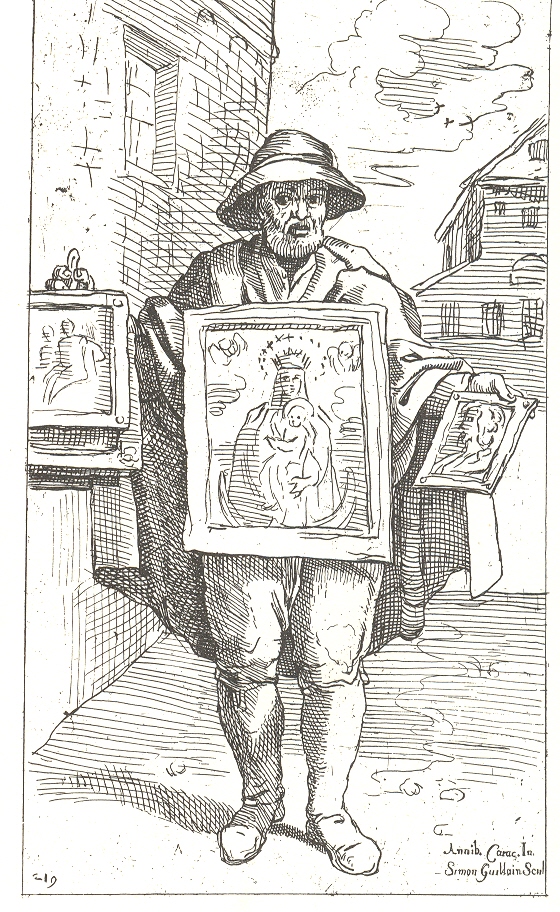
    Artists seem to have discovered street vendors a long time ago, beginning at
    least as far back as the 15th century.  Annibale
    Carracci
    (1560 – 1609), a great Baroque master, committed dozens
    of street sellers to his notebooks but were all lost to time except for the
    copies of them that were made and etched by Simom Guillain in 1664.  These and prints like these provide glamor and
    realistic fragrance to the complexity (read=”grit”) of city life 400 years ago.
    The etching of the painting seller gives us an insight into what may have been
    a broken and glutted art market in Bologna
    in the 1590’s. 

    + blog 10.28 cries peep

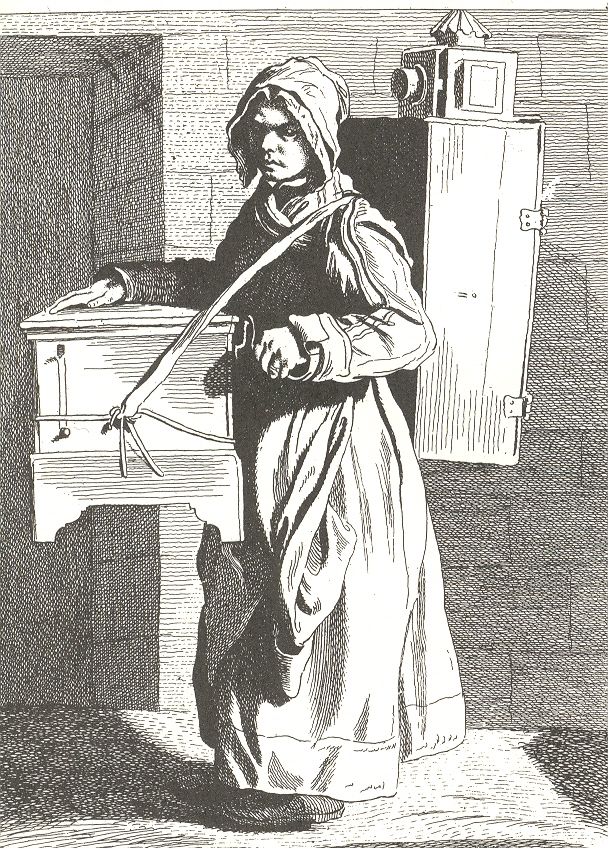
    Another master of common life was the sculptor
    Edme Bourchardon who engraved a series of dozens of such folks selling their
    stuff in the street, walking here and there, waiting to be given some
    money.  Bouchardon more so than
    Carracci/Guillain provides a little more grit to his grit, showing some more
    wear and tear to faces and clothing, giving the backgrounds some darkness and
    depth.  For example, “L’Orge de Barbarie”
    shows an itinerant woman peddler, playing her (revolving disk?) organ with a vieu optique  cabinet on her back:  neither of which was particularly light, nor made
    of some handy light asian hardwoods bought down at the local China-friendly
    Megalo-Mart.  *This* was a working
    woman. 

    Fast forward a bit to the 20th century
    and to an unusual pamphlet I found on the virtues and economic possibilities of
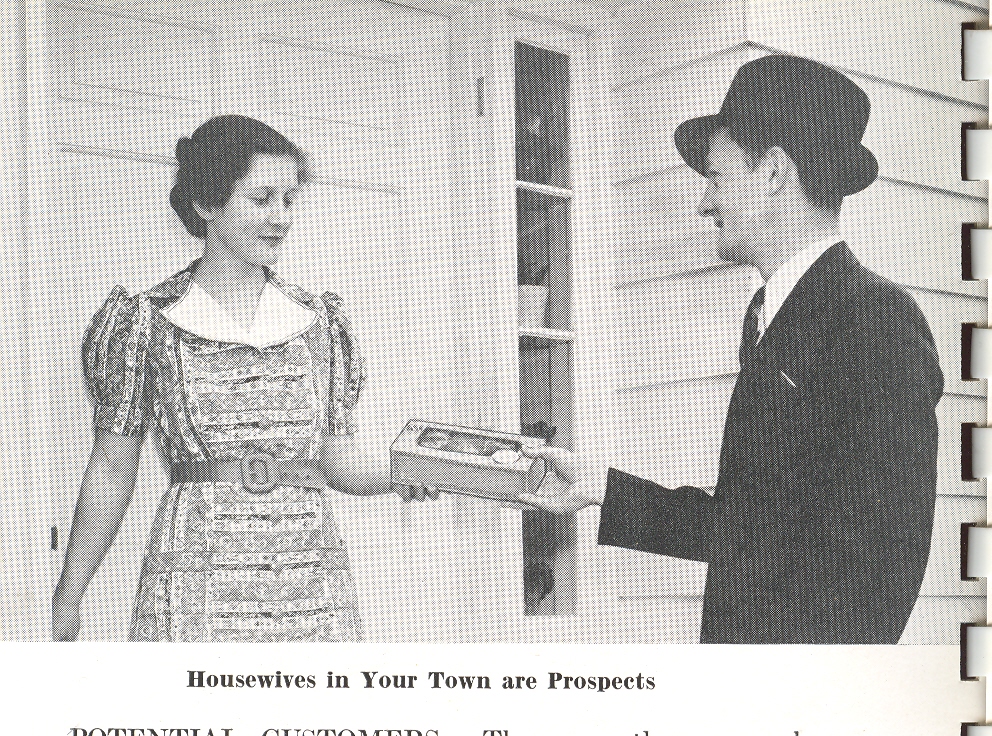
    selling rabbit meat from door-to-door.   It is just such a  sad little work; it looks like

    + blog 10.28 cries modern doornobody in the
    pamphlet wanted to be there, at all.  The
    woman in this picture being sold a box of rabbit choppings by the
    undertaker-like salesman (“you!”) looks at the gift as though she hoped for it
    to be a box of donuts.  And who wouldn’t?  Wouldn’t it be easier to imagine someone
    hopping out of their chair at the sound of the doorbell saying “hey, that’s the
    Do-Nut Man!” rather than “hot damn! The rabbit-pieces-in-a-box guy is here!”.   I should
    say so.  And that’s why I’m voting for
    itinerant rabbit-bit salesman as elevated in the Bad Jobs department. 

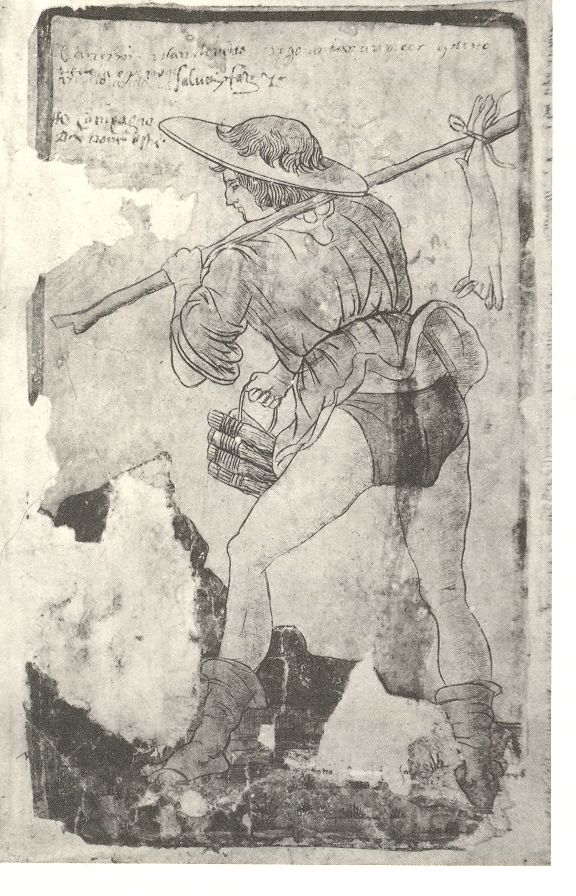
    + blog 10.28 cries bumnny Oddly enough, one of the earliest surviving Renaissance artworks depicting street vendors is this:  a man selling rabbits.

    The great money maker here might have simply been
    the publisher, Ralston Purina Company (of St.
    Louis
    , MO
    ), which
    sponsored and published this pamphlet to excite people to grow their own small rabbit
    farms and to feed their bunnies Purina Rabbit Chow. 

    There is an entire section of this pamphlet
    devoted to rabbit skin selling (illustrated), but I just can’t go there, what with
    section headings of “Skins from Meat Rabbits” and “Prime, Full-Furred Skins”.
    Also the bunny eared-nosed-eyed angora baby slippers  was just bloody indecent. (Did people really
    wear rabbit pelt coats? )

    + blog 10.28 cries modern cvr

    ·Posted by :

    ·in:


  • Odd Art Department: Art Brut in Advertising?

    JF Ptak Science Books LLC  Post 810  Blog Bookstore

     + blog 10.26 tauranga

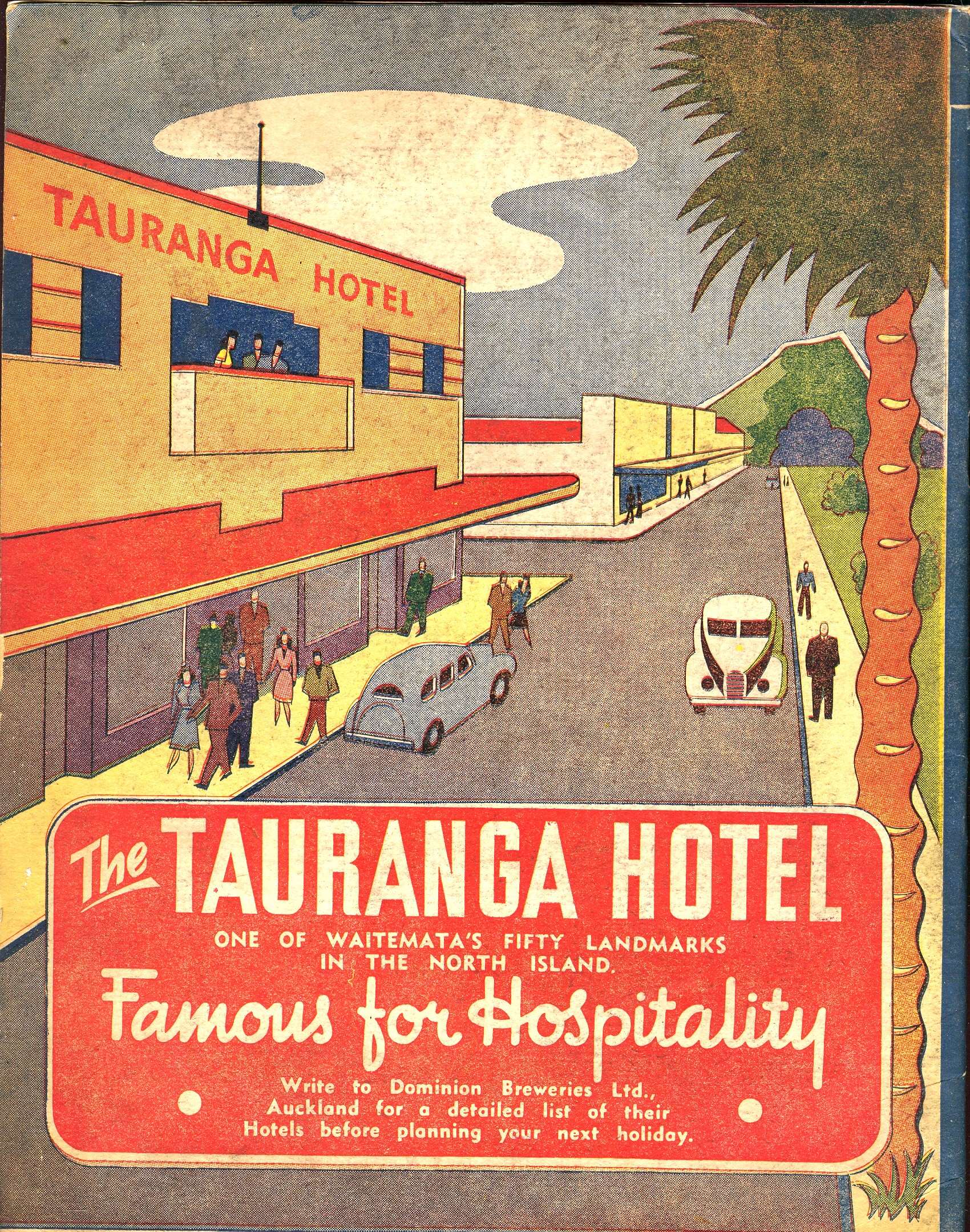
    There’s not much in this illustration–the entire back page of an oversize pulbicity tourist pamphlet–to suggest any sort of professionalism, or training, or, well, ability.  But there it is, badly drawn, with unusual (if not bad) coloring, trying to entice people to visit this seaside resort in New Zealand. 

    Maybe this is more “outsider art”
    than Art Brut.  Art Brut was a term used by
    Jean Dubuftet to describe raw/rough art produced by non-artists (and those
    mostly mental asylum residents1).  Art
    critic Roger Cardinal coined “outsider art” as a English-language adaptation of
    the Dubuffet term2, and has since come into use to describe unusual,
    technically naïve and unschooled Otherness of artworks.  This cover illustration is certainly bearing
    a pretty good-sized helping of otherness to it, from its pale, weird coloring
    to its basic inability to draw.  Somehow
    though it is attractive to me, and ultra-calming when it is not troubling.  It is just one of those peculiar works that
    is good and bad at the same time.

    Notes:

    1. A spectacular and early example
    of Art Brut is found in the phenomenally detailed, insightful-of-other-worlds
    work of  Adolf Wolfli.

    2. “Those works created
    from solitude and from pure and authentic creative impulses – where the worries
    of competition, acclaim and social promotion do not interfere – are, because of
    these very facts, more precious than the productions of professionals. After a
    certain familiarity with these flourishings of an exalted feverishness, lived
    so fully and so intensely by their authors, we cannot avoid the feeling that in
    relation to these works, cultural art in its entirety appears to be the game of
    a futile society, a fallacious parade.” – Jean Dubuffet. Place à
    l’incivisme
    (Make way for Incivism). Art and Text no.27 (December 1987 –
    February 1988).