A Daily History of Holes, Dots, Lines, Science, History, Math, Physics, Art, the Unintentional Absurd, Architecture, Maps, Data Visualization, Blank and Missing Things, and so on. |1.6 million words, 7500 images, 4.9 million hits| Press & appearances in The Times, Le Figaro, Mensa, The Economist, The Guardian, Discovery News, Slate, Le Monde, Sci American Blogs, Le Pont, and many other places… 5000+ total posts since 2008.

Author: JF Ptak

  • Unexpected Sense Impressions from Antique Prints: Sound

    JF Ptak Science Books LLC  Post 631

    [A continuation of the blog series “A History of Blank, Empty and Missing Things“]

    The
    sweetest pleasures come from unexpected sources. Mozart–who loved the game of billiards
    and was an exceptional aficionado1 of the game while playing it with little
    skill– enjoyed composing on the table as well,  rolling balls in geometric patterns across it
    while working. To observers it might have seemed as though he was interested in
    the patterns themselves; it delightfully turns out that what he was really looking at were
    the changing reflections in the surface of the balls. 

    Years
    ago my wife (Patti Digh) and I visited an artist in his studio at the lovely
    high-road-to-Taos town of Truchas, New Mexico.  We watched the artist at work for quite some
    time—well, actually, we listened to him work. 
    Although he was a lovely painter, the visual impact was overwhelmed by the sounds that he made padding back
    and forth (he was working on a big canvas) across an old and musical wooden
    floor –it deeply interesting, and the sound stays with us to this day. 

    I
    enjoy these quasi-synesthesic experiences a great deal, though they are very
    hard to “find”. Sometime though they slip into the print world, and I include three
    examples below. 

    (1)
    Putting the Pulp in Fiction, and Fact: the Sharp First Step in Paper-Making
    Ebay Feb 6 paper

    Just
    about the first step in making paper is collecting and preparing the raw
    materials from which the paper is made. 
    Linens, cottons, wood and straw (among other things) would be reduced to
    a pasty pulp through vigorous pounding, tearing, wetting stabbing and rending,
    all of which would be reduced to a pasty, fibrous pulp which would wind up after
    a bit spread over a wire mesh until dried and then, through a great
    non-miracle, becoming paper.  This is a
    process that was little changed in the Western world for many centuries.

    The
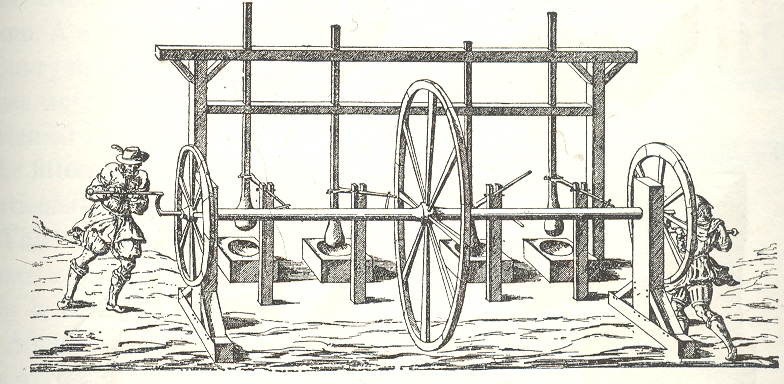
    most lovely of these early pulp-rendering, “stamping” machines, to me is the
    fabulous two-person human-powered stamper/shredder, published in 1579. (I don’t
    know the original source for the wood engraving; this image appears in Charles
    Singer’s monumental History of
    Technology, from the Renaissance to the Industrial Revolution
    , vol III.

    The
    men turn crank, crank turns wheels and rod, rod turns arms, arms forced to move
    vertical poles up and down, stampers on the end of poles pound the rags.  Actually the stampers had changeable stamps
    so that the man-machine could start with a spiked stamper for rendering and
    then move to a roundish stamp for pounding into decomposition in a wooden bowl
    with mushy water. 

    I
    just really like the machine and its representation, and of course the round
    stampers and bowls of mush.  It all seems
    so innocent in a creaking antiquarian way—but the great surprise for me is that
    I can just about hear this machine at work. 
    The all-wooden structure with slowing-turning wheels grinding against
    its constituent parts, worn smooth from use; the slow pounding of the stampers
    into the thick paste; the creaking motions of the too-slender
    superstructure.  I can hear it about as
    clearly as I can hear the soft/high clinking of the bottles in the milkman’s
    tray.

    (2)  A Scene of Western Quiet
    Ebay Feb 6 virginia mine

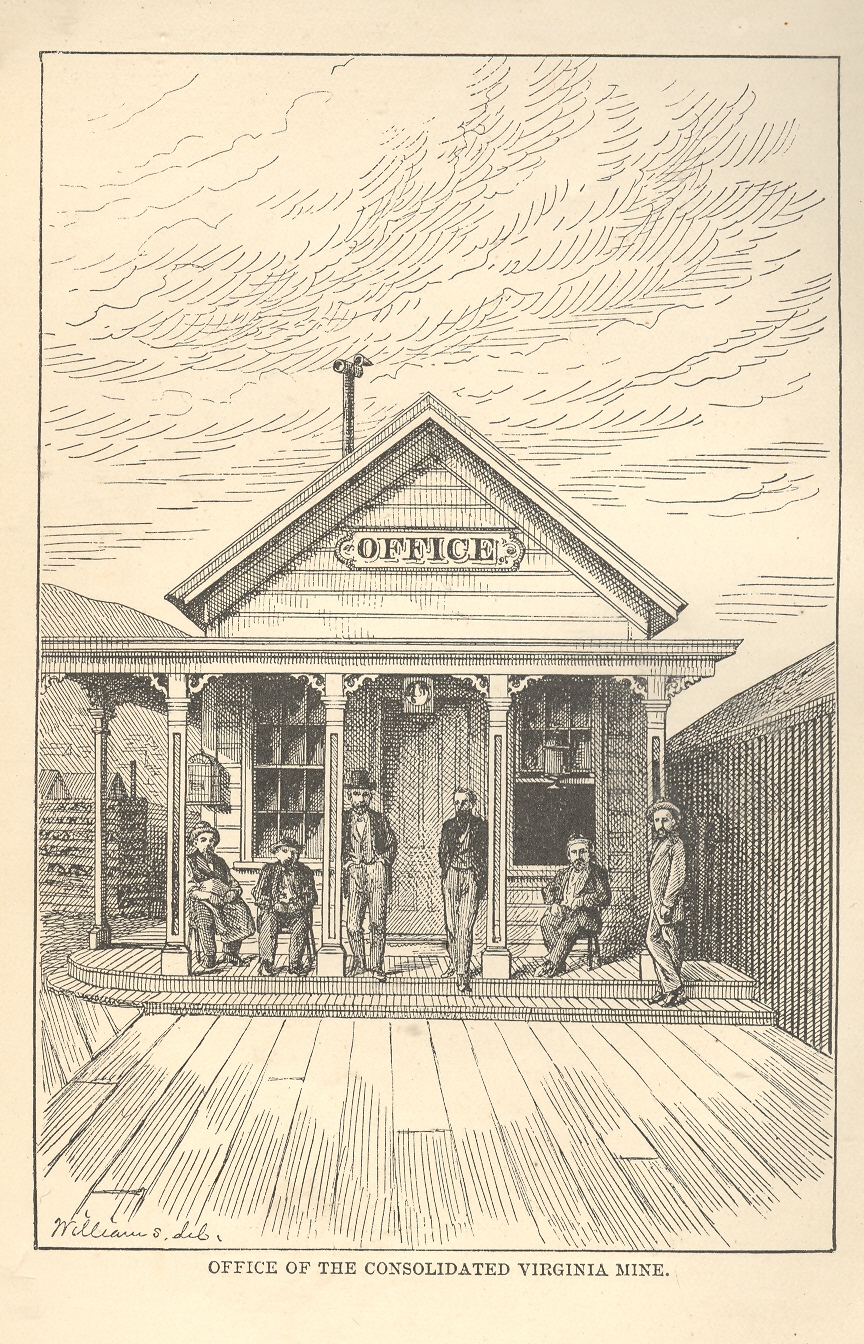
    The image comes from William Wright’s The History of the Big Bonanza and was published in 1877.  It is a very
    simple scene (“Office of the Consolidated Virginia Mine”), nicely and
    proportionally arranged, though somewhat challenged by its understanding of linear
    perspective. For reasons I don’t quite understand it might as well have been a
    picture of the high desert with no settlement whatsoever.  It simply seems still, and very quiet.

    (3)
    Electrical Hum (and Ozone) Fishing Nets
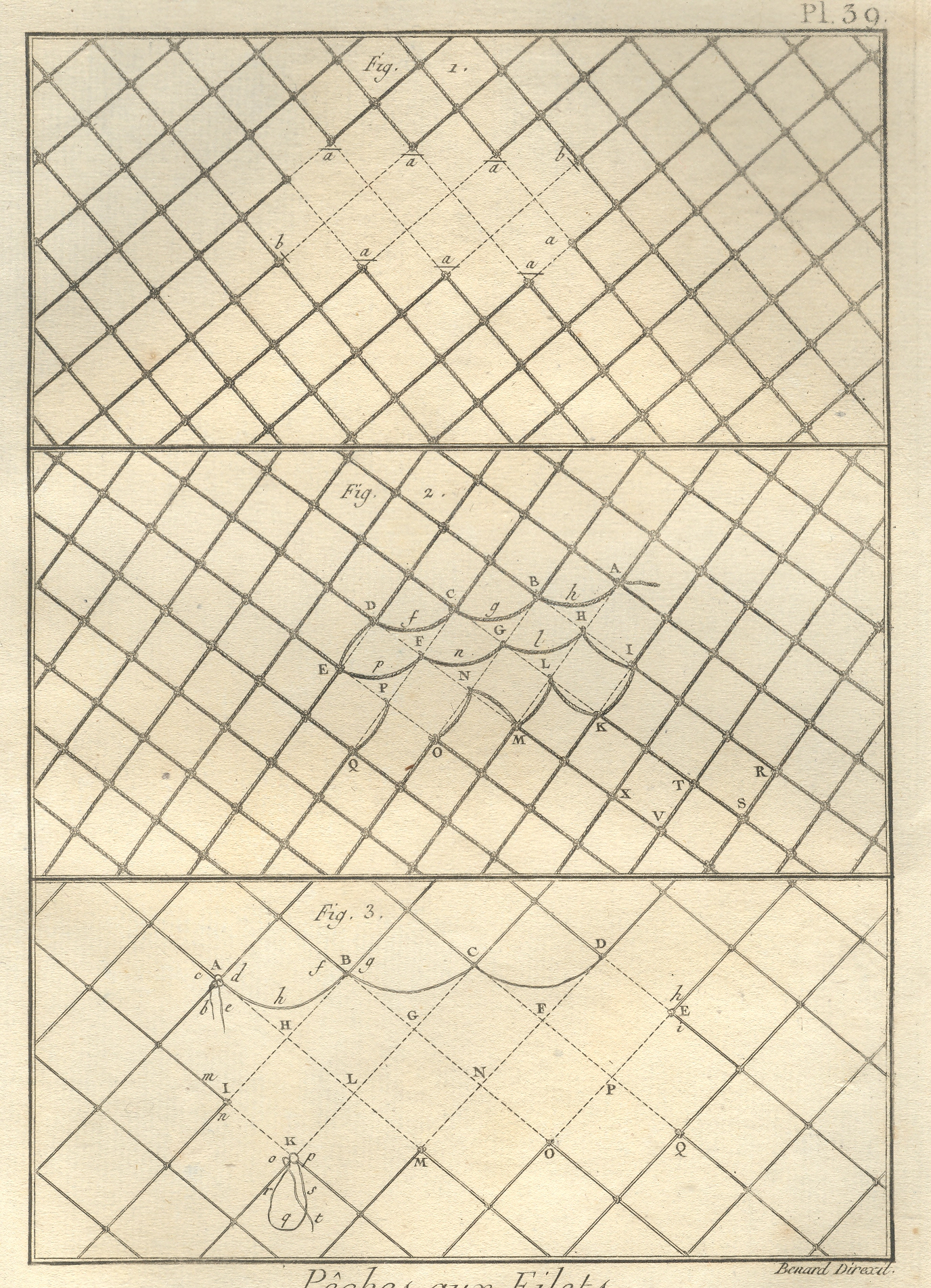
    Ebay Feb 6 fishing net

    This
    image, from the quarto edition of the great Diderot and d’Alembert Encyclopedie (published over a number of years in the late 18th century), shows (I think) the
    ways to mend broken fishing nets. I have a definite sense of a high electrical
    hum from this, along with the added whiff of ozone.  Its hardly something that was intended by the
    artist, but it was the first thing that registered with me when I bought this
    print 25 years ago. 

    Things
    like this are available to us all of the time, simply waiting to be heard while
    being seen. 

    Notes

    1. After his death Mozart’s estate was reckoned, and the contents of his house and belongings were catalogued.  It was recorded that he had a very nice billiard table, and that he also had 12 cues.  Now 12 cues might’ve been there because he liked the feel of the wood, or that he liked their artistic merit on the wall or in the corner.  That, or he had a lot of people coming over to play.  I like the later interpretation.  Also, I cannot remember the reference for the ball/reflection story; please don’t tell me that it is wrong.  
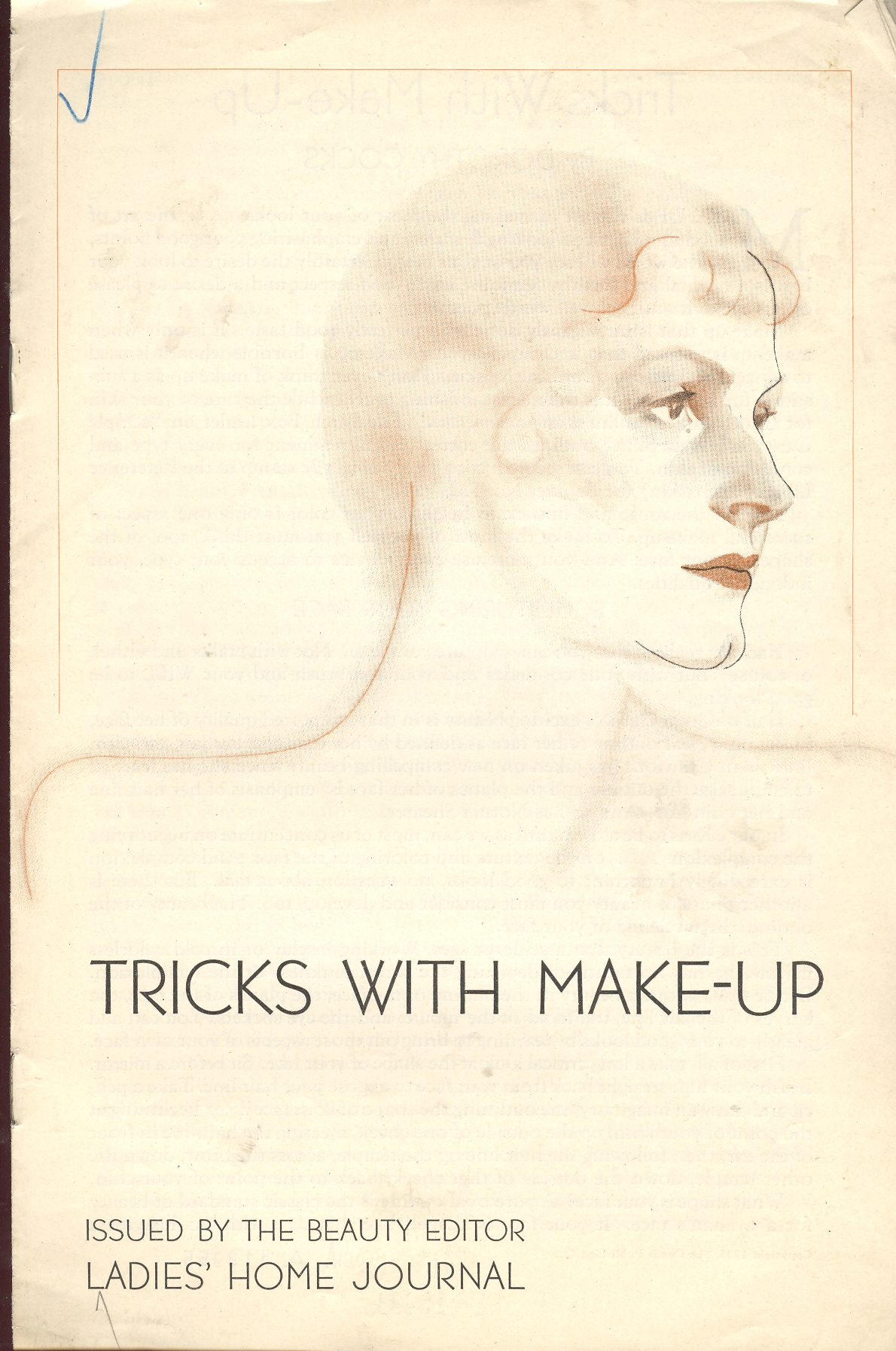

  • How to Look Pretty or Smart, but Not Both: Ladies’ Home Journal Make-up Advice, 1933

    JF Ptak Science Books LLC  Post 930

    Ebay Feb 5 make up cvr

    [Continuing the posts What Makes Human Robot Girls, 1941, How to Get a Boy-Date, 1941, and The Missing Pieces of Women, Pope Joan and the Proper Girl]

    Following on the tall heals of several posts on mid-1940’s social engineering for young women comes this rougey sprite by Dorothy Cocks, Tricks with Make-up.  It is one of a long series of quickly-produced pamphlets flung from the presses of the Ladies’ Home Journal under the stewardship of Elizabeth Woodward. 

    Ebay Feb 5 make up 1

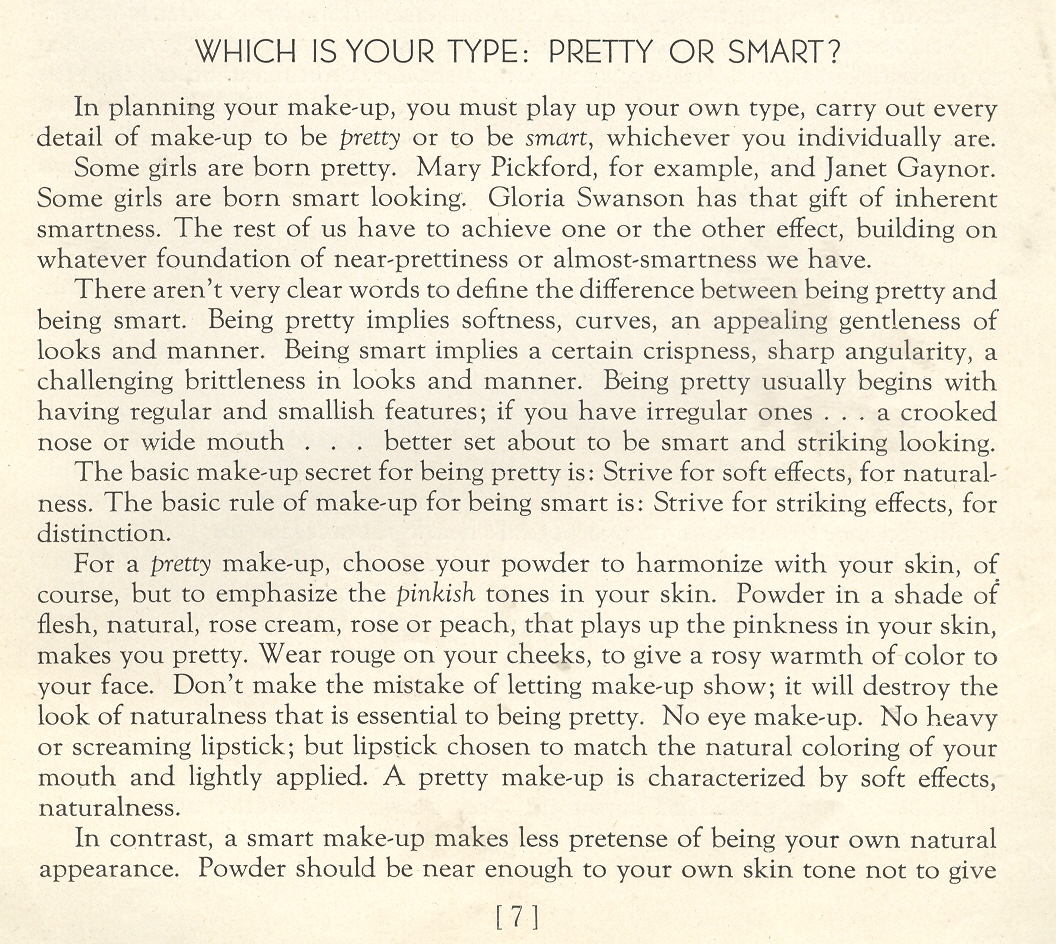
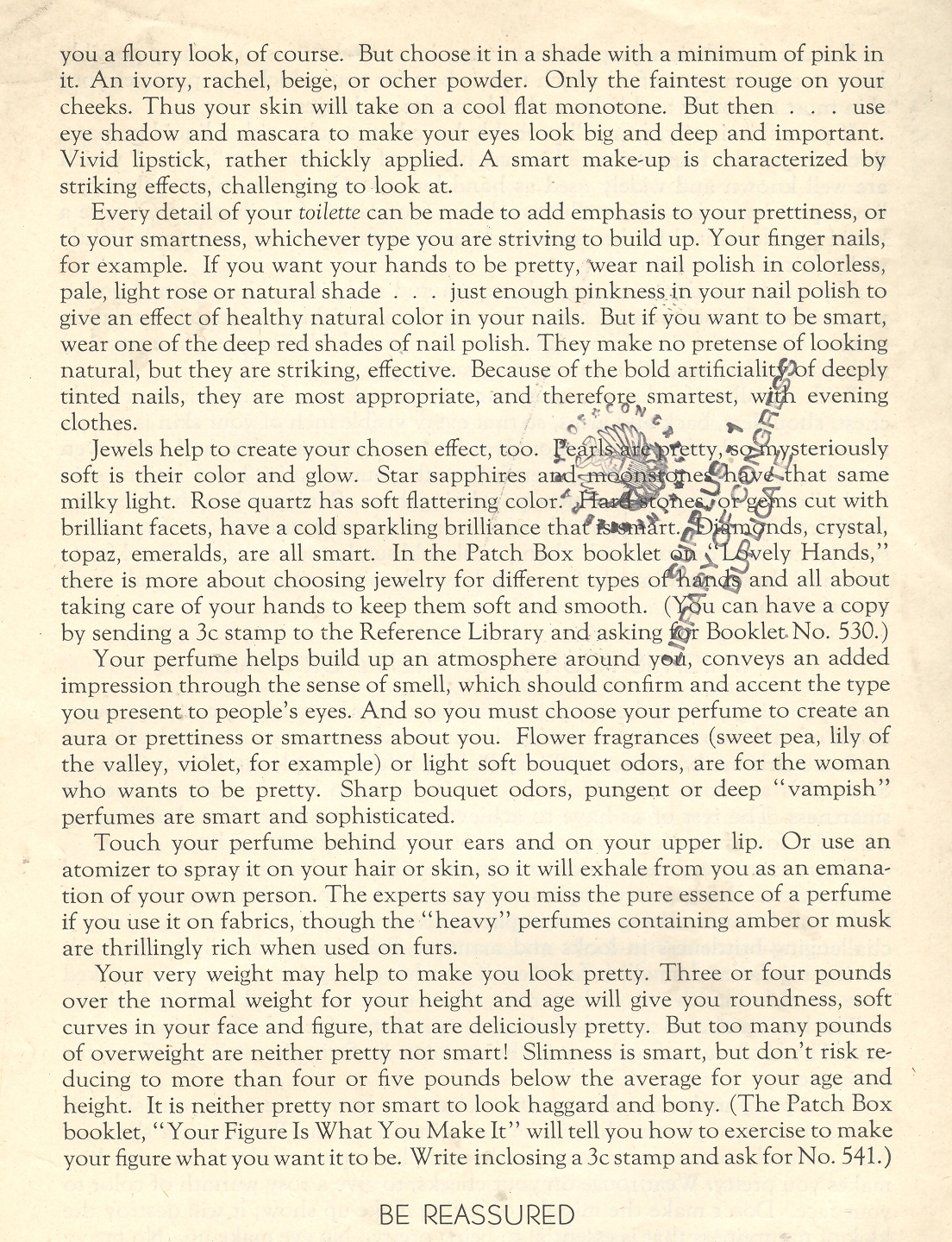
    There’s much to learn about what was expected of the social shell of women in this pamphlet, but what I’ve focused on is this jewel on page 7:  “Which is Your Type: Pretty or Smart?” And that’s it: no ground in-between, no space for something else, and evidently no room for being smart AND pretty.  Here it is:

     
    Ebay Feb 5 make up 2
    Ebay Feb 5 make up 3

    The advice to “touch perfume behind your ears and  above your upper lip” is a new one to me. 


  • Small Wars: Flowers vs. Coffins in the American Occupation of Haiti, 1915-1934

    JF Ptak Science Books LLC  Post 929Ebay Feb 4 haiti 1

    I spent 33 years and four months in active military service and
    during that period I spent most of my time as a  high class muscle man
    for Big Business, for Wall Street and the bankers. In short, I was a
    racketeer, a gangster for capitalism.–
    Marine Corps Major General and two-time Medal of Honor recipient Smedley Butler, from his 1935 book War is a Racket.1

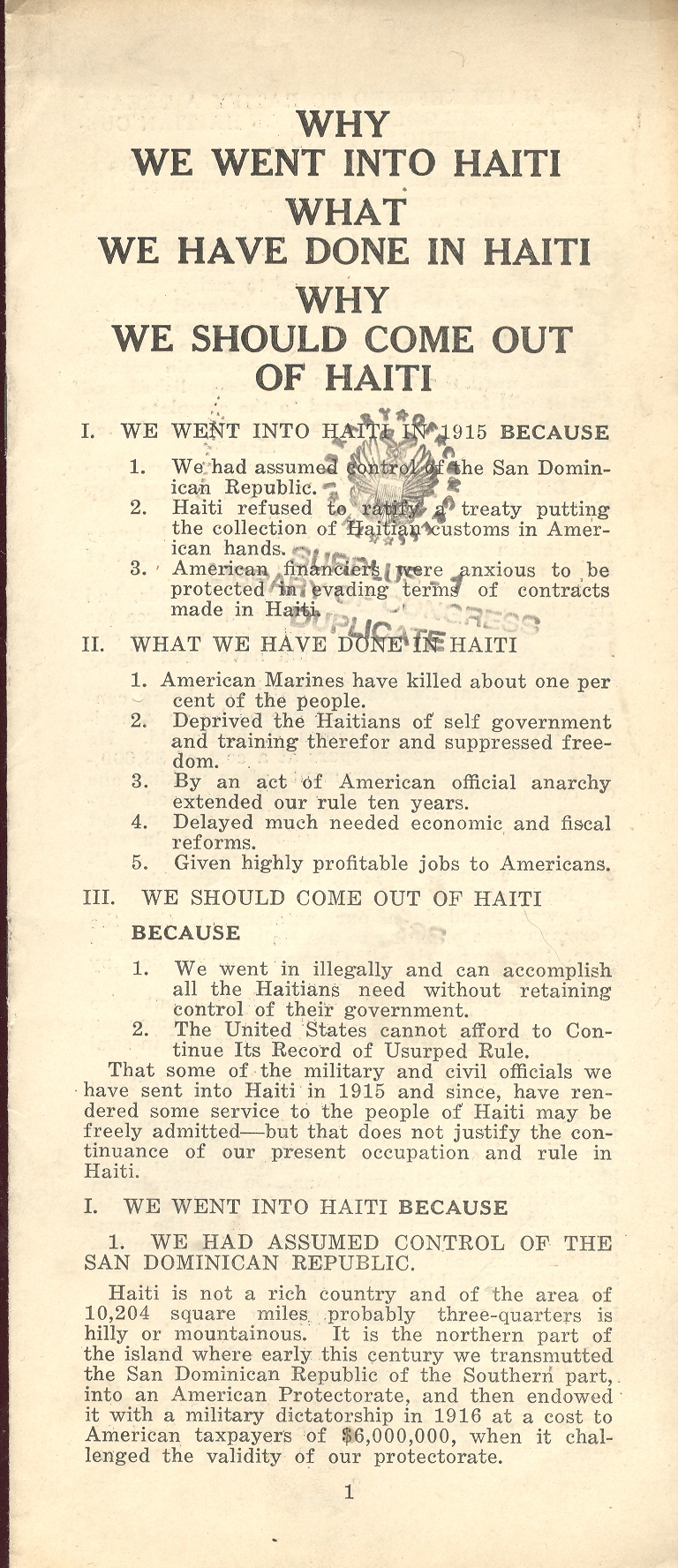
    This small pamphlet (reprinted below in continued reading)–printed in 1929 and once owned by H.L. Mencken, and with his annotations–is a gonzo screed against  American imperialism in Haiti produced by “The People’s Lobby” and headed by Prof. John Dewey.2

    This “intervention”, an extension
    of American hegemony in the Americas
    known as “The Banana Wars” and a direct relation to Theodore Roosevelt’s corollary
    to the Monroe Doctrine (1904), was a movement taken to protect business
    interests, infrastructure and investment. And the Haitian debt repayment
    structure.

    After a series of six failed Haitian
    governments in five years, President Woodrow Wilson felt the stinging itch of
    capital protection and ordered the occupation of Haiti by the Navy and the
    Marines, all in the guise of preserving peace and order and stability (of the Haitian state. 
    “The urge to
    save humanity is always a false front for the urge to rule it.” as Mr.Mencken wrote). But this itch had been felt by
    a number of presidents over time, what with the many imperialist interventions
    and occasional occupations of Panama,
    Nicaragua, Cuba, Dominican
    Republic
    , Honduras
    and Mexico.

    Ebay Feb 4 haiti 2 det

    The pamphlet is effective as an
    anti-Imperialist proto-gonzo work, though it does leave some gaping holes in
    fact and some narrow ones in fiction.  Be
    that as it may the anonymous author incites indignation with the outrages of
    the American occupation, not the least of which is the usurpation of Haitian sovereignty. 

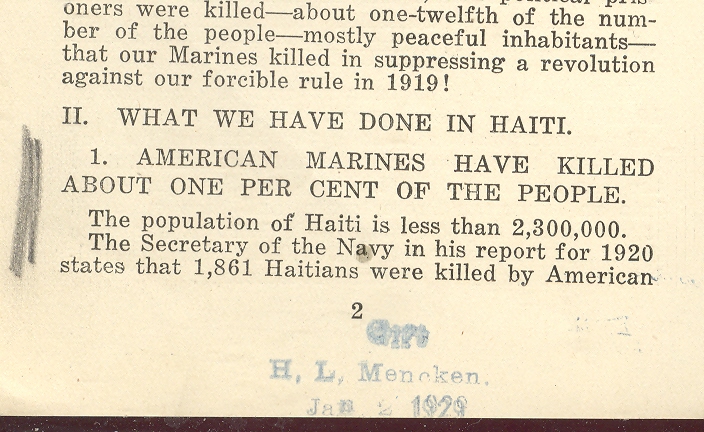
    The only annotations of the former owner–Baltimore’s
    other great writer, H.L. Mencken– are his characteristic hashmarks in the
    margins highlighting the death rate of Haitians killed during the
    occupation.  According to the pamphlet,
    which quotes the report of the Secretary of the Navy (Joseph Daniels) , there
    were 1,861 Haitians “killed by American forces in 1919 alone”.  The writer makes the acidic point that this
    figure represented o
    ne percent of the total population of the nation.  And that is, perhaps, all that Mr. Mencken3
    needed to see. 

    The occupation of Haiti left broad scars along with the new and vastly improved infrastructure, which was probably just a colonial remnant of the necessities of governance by the occupying force. After all, we needed roads and bridges and such to secure the possession, and it isn’t as though we could role them all up and take them home at the end of the day.  They were more cenotaphs to an unwanted and shameful legacy than the betterment of Haiti’s social structure. To close with Mr. Mencken, the flowers that came with the American occupation make us look more for the coffins than anything else.4

    Notes:

    1. In 1935, Butler wrote in his famous book War Is a Racket: “I spent 33 years and four months in active military service and
    during that period I spent most of my time as a high class muscle man
    for Big Business, for Wall Street and the bankers. In short, I was a
    racketeer, a gangster for capitalism. I helped make Mexico and
    especially Tampico safe for American oil interests in 1914. I helped
    make Haiti and Cuba a decent place for the National City Bank boys to
    collect revenues in. I helped in the raping of half a dozen Central
    American republics for the benefit of Wall Street. I helped purify
    Nicaragua for the International Banking House of Brown Brothers in
    1902-1912. I brought light to the Dominican Republic for the American
    sugar interests in 1916. I helped make Honduras right for the American
    fruit companies in 1903. In China in 1927 I helped see to it that
    Standard Oil went on its way unmolested. Looking back on it, I might
    have given Al Capone a few hints. The best he could do was to operate
    his racket in three districts. I operated on three continents.

    2. Just to note that this was
    the John Dewey, one of founders—along with the great Charles Sanders Peirce and William James—
    of the philosophy of pragmatism. 

    3. Mr. Mencken also made the following Modest Proposal: “It seems to me that the United States would be a great deal better off
    today if it had a war on its hands, somewhere or other, all the time.
    I do not mean, of course, such puerile buffoonery as now goes on from
    time to time in Nicaragua and Haiti, but real war, occupying say a
    quarter of a million or half a million men.” “Editorials” in the The American Mercury, Nov 30, p.284

    4.  As in his Bierce-like dictum “A cynic is a man who, smelling a flower, looks for the coffin”.

    ·Posted by :

    ·in:

    —

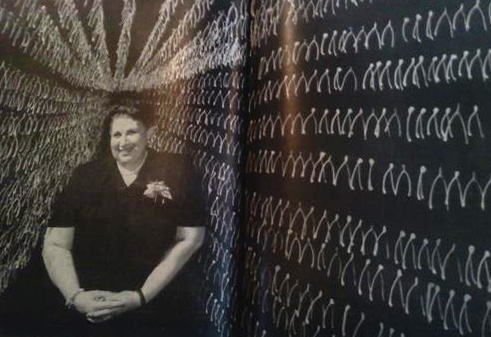
  • Odd Collections: 500,000 Wishbones

    JF Ptak Science Books Post 928 (from 2010, Expanded!)

    “One must go into oneself armed to the teeth”–M. Teste, Paul Valery

    “Do what you love. Know your own bone; gnaw at it, bury it, unearth it, and gnaw it still.” –H.D. Thoreau

    Sometimes odd images just need to be surfaced for the pure sake of it.  Such is the case with this glorious photo by Greg Villet1 of Delphine Binger in LIFE magazine for  24 May, 1954 .   Ms. Binger (“a Manhattan spinster”) actually collected the wishbones with a business utility in mind, fashioning them into objets d’os.  (LIFE unfairly classified Ms. Binger in this way. In other accounts I have read of her she is described as a funny, fun-loving person, and Pete Hamil/Meyer Berger describe her as “generous”, “bubbling” and “caring” in their 1954 Meyer Berger’s New York.)

     Turkey bone 1

    She purchased the wishbones for nothing, added a few bits of half-penny decorations, perfume, a pin, and SO! a piece of jewelry is born.  She evidently was able to sell her creations for $2.10 apiece, which in 1954 translates into 25 2009 dollars; so I guess if she sold some here and there she would be able to supplement her income.  Of course there’s the issue of overkill on the bones:  she seems to have probably two (or more) orders of magnitude more than she “needs”, so there may have been something else going on there.
      But then again, at the point where you collect 500k of anything you will have become expert enough to have any mostly-invisible nuance convey a large field of interest to your keen appreciation–the bigger something gets, the smaller it gets, in parts. 

    Turkey bone det

    An old friend of mine–we’ll call him Mr. Tulipfields, a brilliant mathematician/physicist/compsci guy with a deep appreciation for music–started buying classical cds when cds were a relatively new phenomenon.  Rare recorded material was being placed back into “print” at such a rate that he couldn’t really afford the appropriate sound system to actually listen to all of his new purchases.  He hurried into buying many of the cds because he thought that they would drop out-of-print again, and that he needed to act quickly.  I thought that the cds would stay available basically forever—as it turned out he was right (as usual) and I was wrong (ditto). And so Mr. T amassed an enormous collection of music—in the dozens of thousands—many of which are now impossible to find. 

    In some ways my friend didn’t need the cd player—he already knew the music, could play it in his head.  Somehow he was keeping all of this music on course in forming this fabulous collection  And once he had explained his reasoning behind the whole effort, it all made perfect sense, and you’d wonder why he didn’t have 100,000 more choice cds.

    Turkey bone det 2

    On the other hand I’m not sure why Ms. Binger2 needed her extra 497,500 bones—you’d expect there to be not very much difference from bone-to-bone, but there very well may be. A centimeter here and there may make all the world of difference and interest to the practiced eye, particularly if the bones are from many species of animals. Once a collection of almost anything gets to be that big, someone somewhere is going to be interested in preserving it.  

    And that’s what Ms. Binger did.

    • See also this note in Popular Science from the Popular Mechanix site (“Wishbones Made Her Dreams Come True”). 

    Notes:

    1.  I don’t know much about Greg Villet.  He took a lot of preparations for this photo, stringing 5,000 wishbones on black string on a black backdrop–that is considerable dedication to the idea of an image.  I also know that he did some very significant documentary photography with Rosa Parks and the Montgomery strikes of 1955/6, which tells you maybe all you need to know about the man.  

    2.  I can’t help but wonder what happened to all of those bones on Ms. Binger’s passing? (She died in 1961, and I can’t find anything about the disposition of the collection.  It sounds like the vast majority of the bones were kept with relatives and not in her two-bedroom apartment at 145 W. 96th St in NYC.  


  • The Stench of Creativity: Dante, SpongeBob & Unintentionally Bizarre Titles

    JF Ptak Science Books LLC  Post 927 [Part of the Fantastic Titles series]

    Blog feb 3 patrick Squidward:
    What’s that horrible smell?! [sees steam coming out of SpongeBob’s window]
    Is Patrick thinking again?

    Patrick: [sticking
    his head out of the window]
    I’m making art!

    Squidward:
    Patrick, it smells like something crawled into your brain and died!

    Patrick:
    That’s the creative process at work!

    Like St. Paul warned by
    Archangel Michael, and Dante by Virgil, the visions of the Hell they were
    touring was also stinky, though the robes they held to the noses did not
    prevent them from experiencing the very lofty stench of sin.  Perhaps it was something like the
    crawled-in-and-died stench made by the beautiful Patrick starfish from SpongeBob
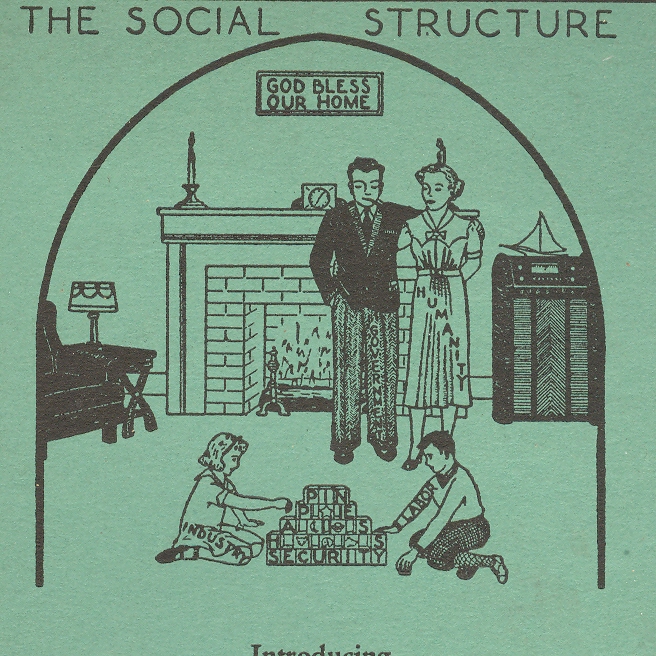
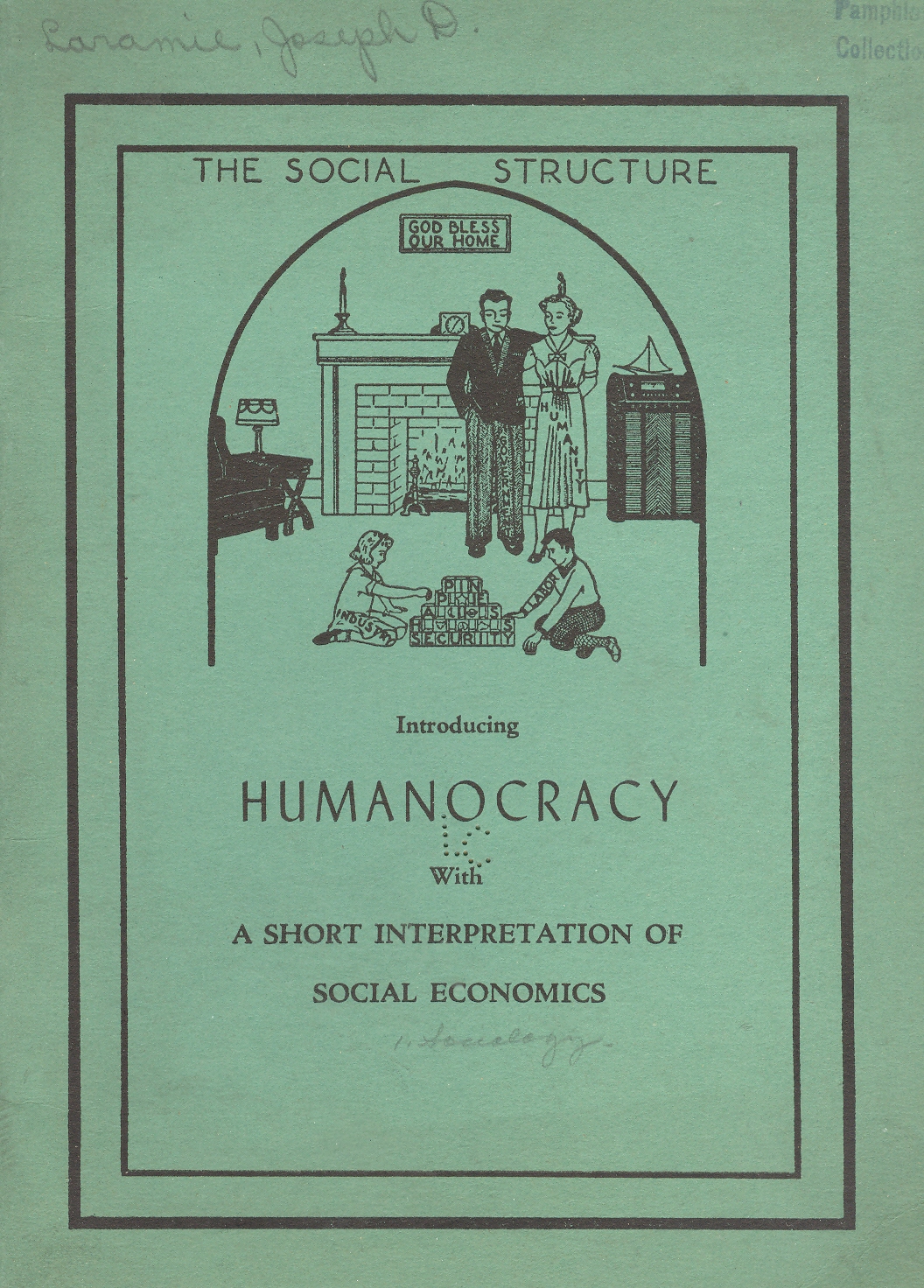
    Squarepants, his brain’s intellectual exuda Blog feb 3 humanocracy detforming a pretty but stench-ridden
    experience.

    And so to with experiencing the found, unintentional absurd–or
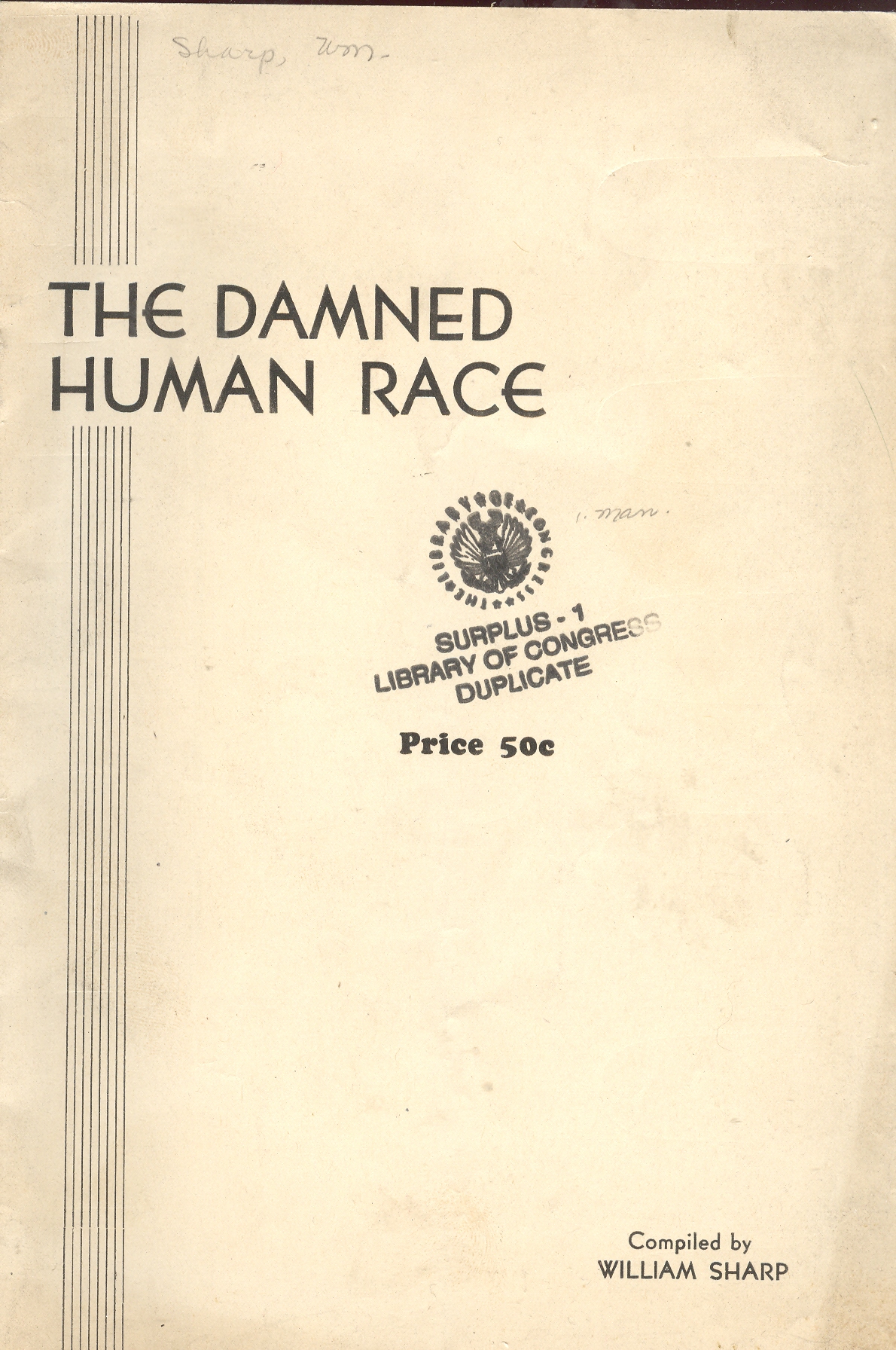
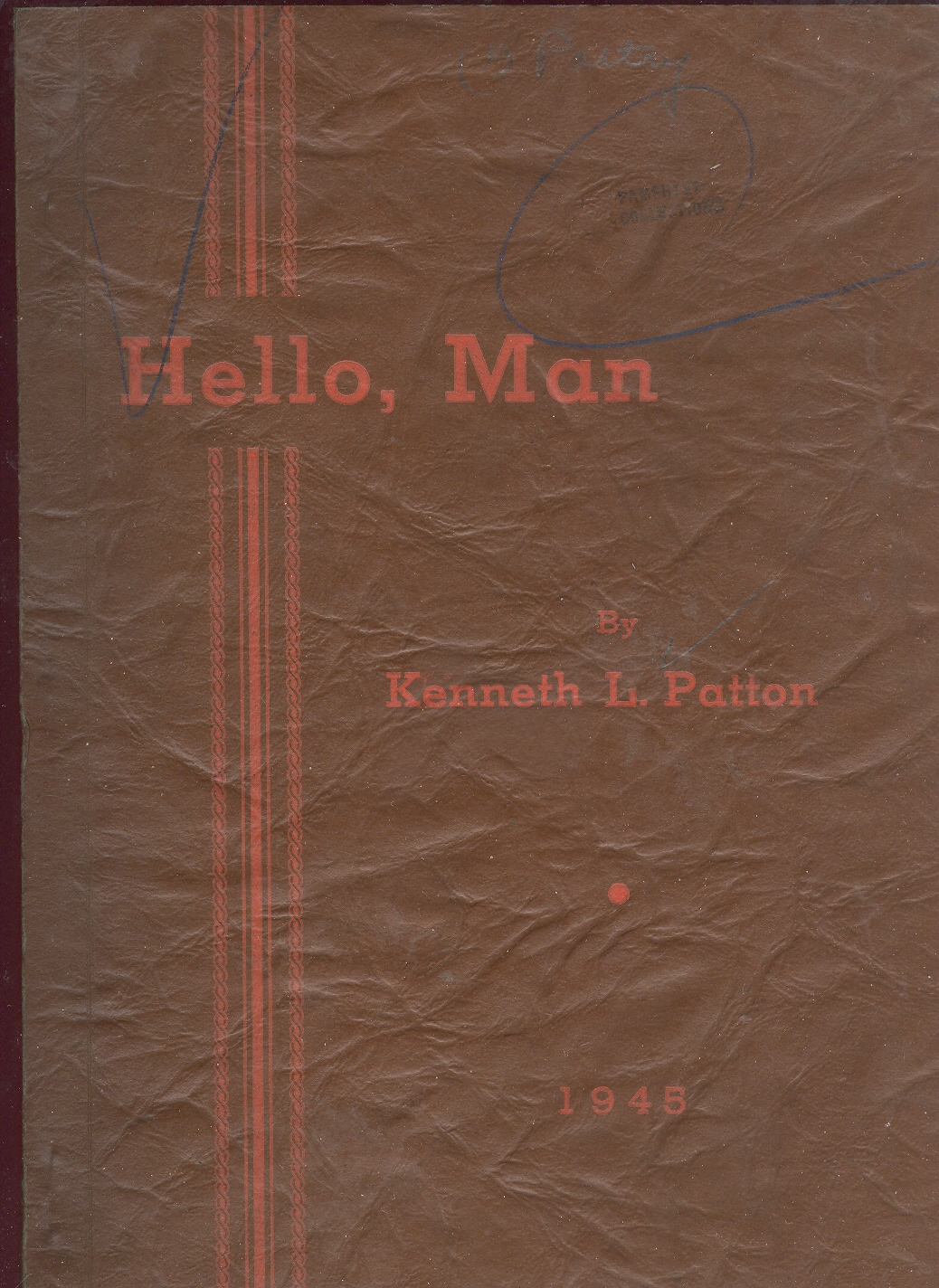
    the naïve surreal—in printed material like some of the examples below.  Their title pages can be experienced as art
    in a way, at least today, so far removed from their original meaning and
    context that the words float like disembodied arks of meaning looking for
    whatever piece of land/meaning that they bump into.  Sometimes their titles are the bizarre-ity,
    masking a mundane, pedestrian contents; much of the time the title and contents
    emanate the stench of lost meaning through and through. 

      “… ‘Why us thy mind’, he said,
    ‘so far away, unlike its usual self,
     What are thy wits about, where have they fled?’
     —Virgil yelling at Dante for asking a dumb question outside the City of Dis,. Inferno, XI, 76-78

    Blog feb 3 humanocracy 

    Blog feb 3 damned human 

    Blog feb 3 hello man


  • Complex Medical Treatise on Horses: Illustrations, 1685

    JF Ptak Science Books  Post 926

    This is a simple image-only post relating the four wood engraved illustrations from the rare Spanish work by Conde (Pedro) Garcia, Verdadera Albeyteria, printed in Madrid in 1685.  They were beautiful works, if not exactly correct, or terribly useful–not in the great traditions of veterinary (& etc.) anatomists like Andres Laguna, Leonardo or Vesalius. Oddly enough, Garcia didn’t seem to draw on the very accomplished work of Carlos Ruini (b. ca. 1530-1598) whose earlier work, Anatomia del cavallo, infermit, et suoi rimedii, was a standard font of anatomical and medicinal information on the horse for 75 years.  But the illustrations are compelling, and beautiful–just not very helpful.

    “…This most noble beast is the most beautiful, the swiftest and of the highest courage of domesticated animals. His long mane and tail adorn and beautify him. He is of a fiery temperament, but good tempered, obedient, docile and well-mannered.”–Conde Garcia.

    All image sources via the Cervantes’ Virtual Library site, here:  http://www.cervantesvirtual.com/obra/verdadera-albeyteria/

    And the bleeding chart:


  • A Short Look at Fifths and Fives: Joltin’ Joe, Legal Sausage and the Structure of Mathematics

    JF Ptak Science Books LLC  Post 925 

    I’m going to take a drive through five
    fifths—all of which don’t come close to making a whole—to get to my ultimate
    destination, a ribbon of numbers circling the earth.

    In
    American lDimaggioaw, “taking the fifth (Amendment)” allows you the prohibition of
    incriminating yourself, giving the supposed ability to look innocent whole not
    saying anything about anything for fear of legal repercussions, though this
    sausagey implosion from guilt seldom looks pretty. 

    There’s
    the fifth column (as in Hemingway’s play by this name), the
    not-fourth-but-fifth force, the musical perfect fifth of highest consonance,
    the Keplerian nestling of the five Platonic solids,  Beethoven’s Fifth, a fifth of (good) scotch,
    the fifth cardinal direction (the center), the five books of the Torah, the
    five pillars of Islam, the worst categorization of hurricanes and tornadoes, living
    in the fifth Mayan world, the fifth Fibonacci number, and on and on.

    And
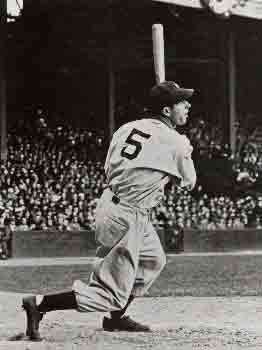
    aside from being the number that Joe DiMaggio wore on his pinstripes, it is
    also the number of the  Euclidean postulate that called to all those who were
    interested in the possibilities of the postulate not being so—that there exists
    as perfect a non-Euclidean system as there is for the Euclidean.  The fact of the matter is that this calls
    into question the foundation, the very basis, of mathematics.  Or used to.

    Blog feb 1

    All
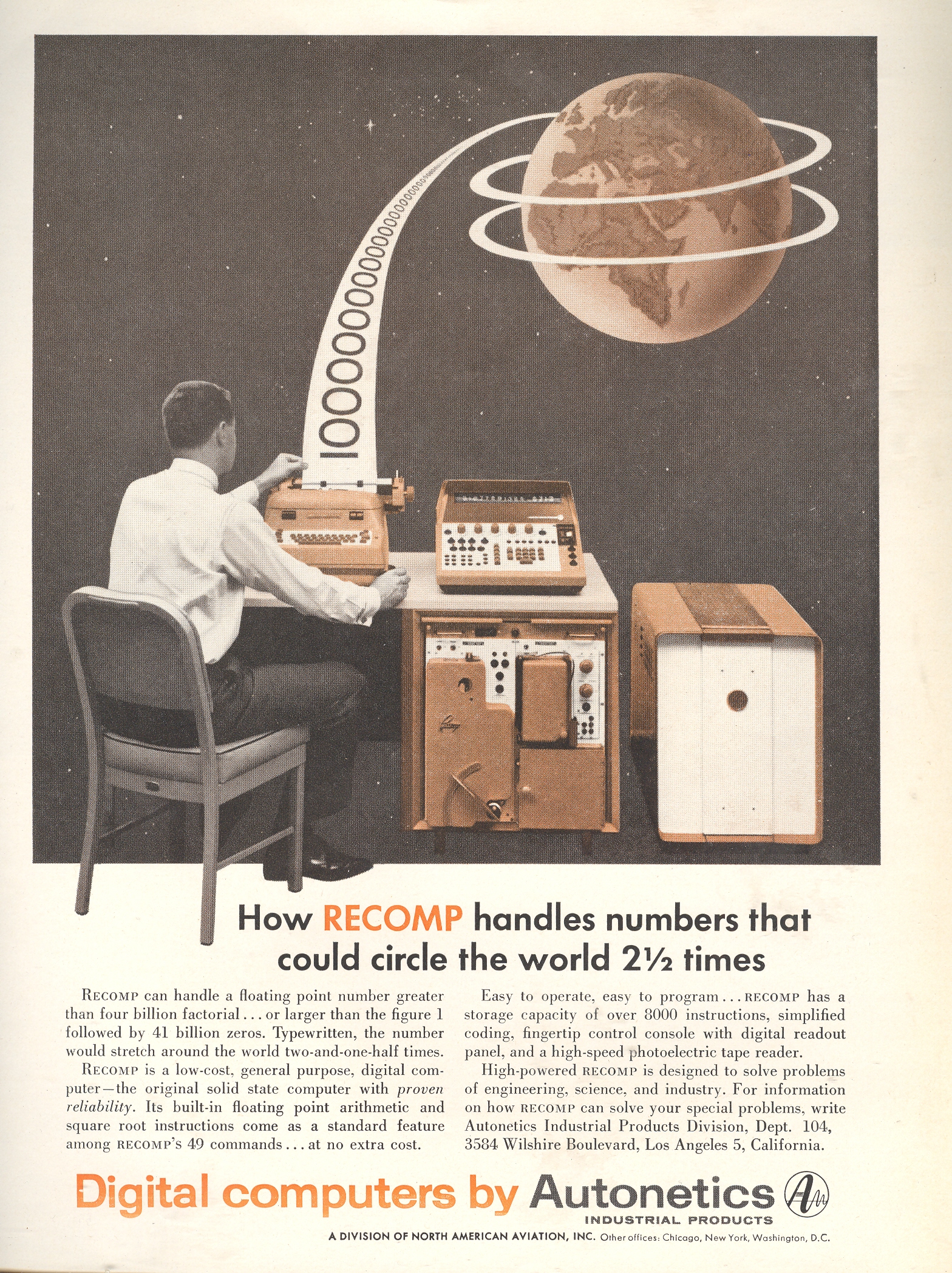
    of this was brought into mind by this 1957 ad for the RECOMP computer produced
    by Autonetics.  The image of a sheet of
    numbers circling the earth1, the product of digital computation, suggested
    structure, mathematical imperative and solidification of numbers.  But the point of this was the bottom line:
    what was the point, and for that matter, what was the point?  They were hardly physical things floating in
    space, but ideas (except of course in the worlds of Flatland). 

    Euclidean
    structure was the infallible, rigid, predictive, explanatory structure and the
    most accurate descriptor of physical space. 
    This had certainly been the case for fifteen hundred years or so, or at
    least until the struggling fifth postulate of Euclid’s Elements became really, well,
    unwieldy.  More to the point, the axiom,
    the parallel postulate axiom, wasn’t as self-evident as the first four, and
    wasn’t provable from the other nine of the first ten axioms.  And so came the unbelievable question, what
    if the fifth postulate wasn’t true?  What
    if there were other geometries—non-Euclidean geometries—that were as provable
    as that of the Master?  The possibility
    of relegating the understanding of nature and the physical surroundings to
    something other than the existing geometry was simply, positively,
    extraordinary. 

    The
    origins for this movement away from Euclid started with Girolamo Saccheri (his
    book published in 1733 but not “discovered” for its non-Euclidean importance
    for another 150 years) Georg Kluegel (1763), Johann Lambert (Theorie der
    Parallellinien,
    1766) and Adrien-Marie
    Legendre (1752-1833, who was sort of in a similar boat with Saccheri in that
    his work wasn’t actually published until after that of the next two
    mathematicians); and coming to a point of real invention in the work of Nikolai Lobachevsky (1792-1856) and Janos Bolyai3 (1802-1860). (It would be
    incorrect to credit these last two men [plus Gauss] with the creation of
    non-Euclidean geometry given the longish and complex history of its
    development.)

    This
    work brought into question the way in which the world was seen, and the very
    foundation of recording visualized space. 
    This is all much messier than had been planned (so to speak) by almost all
    previous mathematicians, questioning the very foundations of mathematics.  The orderliness of the earth-circling numbers
    doesn’t seem to be quite as they were, but as Henri Poincare stated, the “new”
    system isn’t anything better or worse, just different,  a new and more convenient way of looking at
    things4.

    Notes

    1. To be honest about it, the
      foundations of math bit didn’t suggest itself right away.  The first thing I thought when looking
      at what this paper trail was supposed to represent—a string of numbers 41
      billion zeroes long—didn’t look right. 
      Given the size of the numbers coming out of the “printer” there
      would need to be five times as many rings around the earth.  But when you read the text the numbers
      are supposed to be “hand written”. 
      Therefore if you assume the numbers to be less than an inch high
      and with no spaces in between, then this 2.5 times around the earth works
      out to be accurate to the number of inches in the circumference. 
    2. Still earlier work is found
      in the work of  Omar
      Khayyam
      ‘s Discussion of Difficulties in Euclid, John
      Wallis
      and Nasir
      al-Din al-Tusi
      … among others.
    3. Bolyai’s work—published as an
      appendix to his father’s work on the foundations of geometry—was privately
      reviewed by the great and impossibly smart Carl Gauss, who gave it a backhanded
      series of compliments while at the same time saying “I thought so…”  Which was true, evidently, as it looks
      as though he was working on the problem beginning in 1799.
    4. “If geometry were an
      experimental science, it would not be an exact science. it would be
      subject to continual revision … the geometrical axioms are therefore
      neither synthetic a priori intuitions nor experimental facts. They are
      conventions. Our choice among all possible conventions is guided by
      experimental facts; but it remains free, and is only limited by the
      necessity of avoiding every contradiction, and thus it is that postulates
      may remain rigorously true even when the experimental laws which have determined
      their adoption are only approximate. In other words the axioms of geometry
      (I do not speak of those of arithmetic) are only definitions in disguise.
      What then are we to think of the question: Is Euclidean geometry true? It
      has no meaning. We might as well ask if the metric system is true and if
      the old weights and measures are false; if Cartesian coordinates are true
      and polar coordinates are false. One geometry cannot be more true than
      another; it can only be more convenient.” –from:  M J Greenberg, Euclidean
      and non-Euclidean geometries: Development and history.
      (1980).

  • Things They Took To War, 1915

    JF Ptak Science Books Post 923

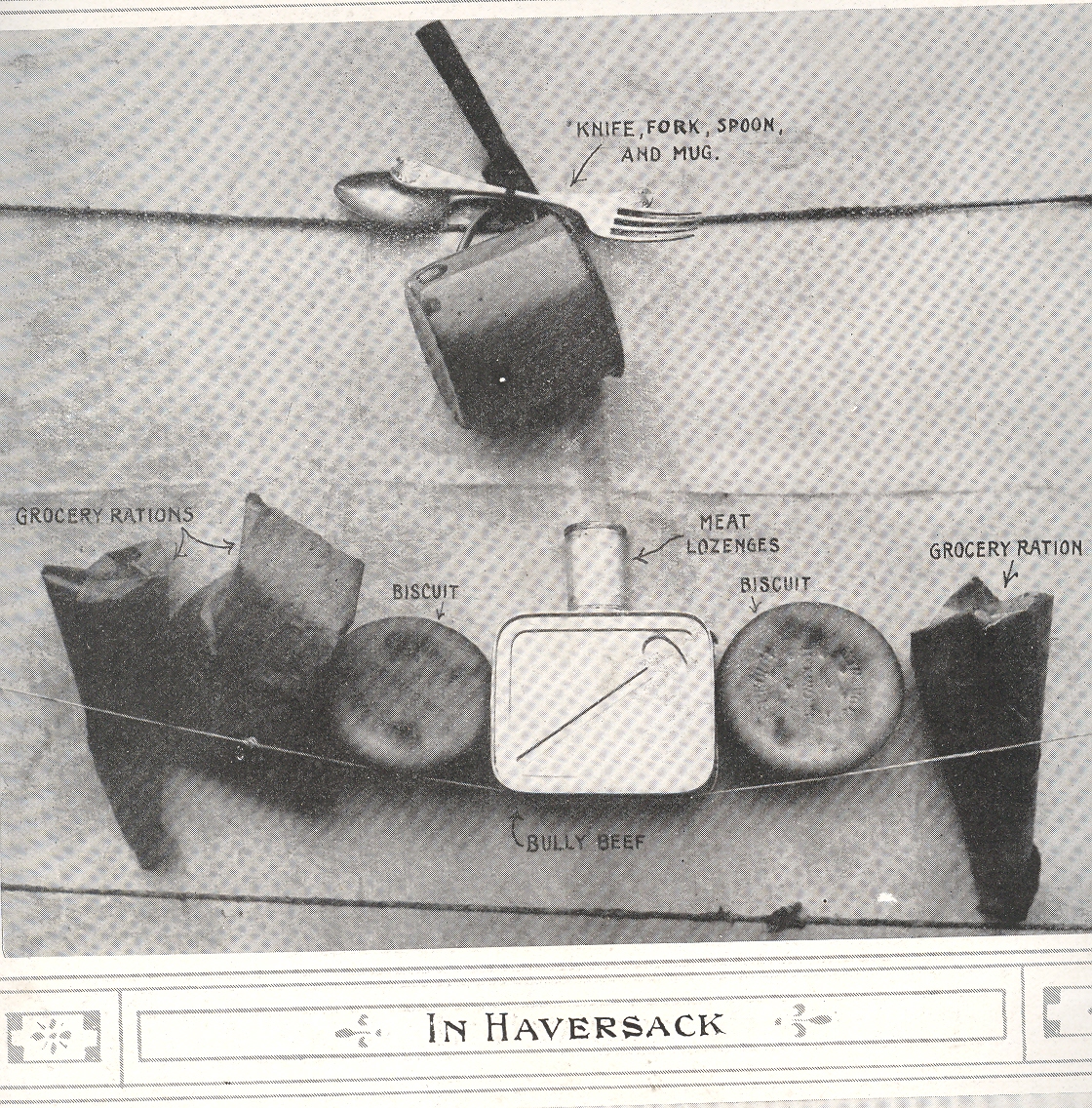
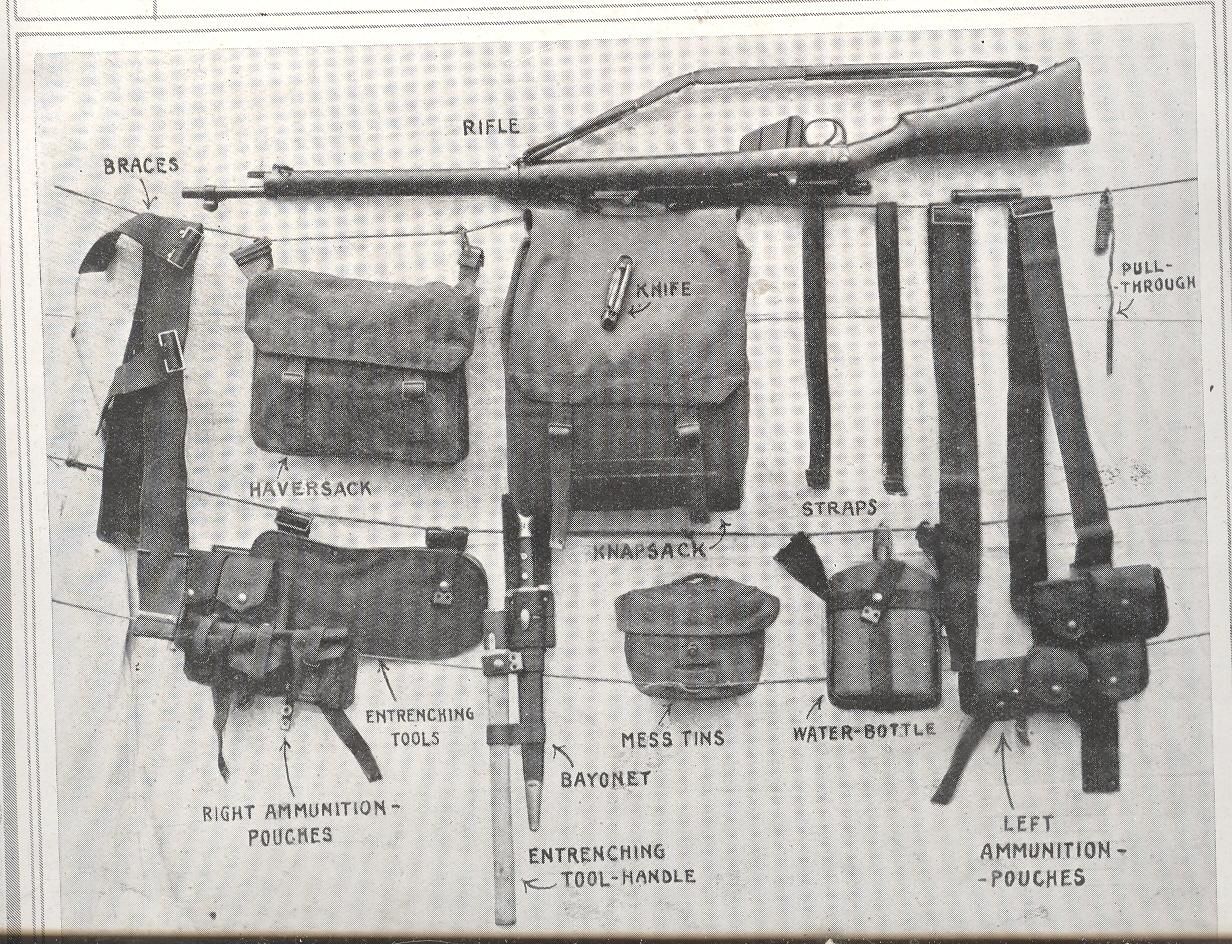
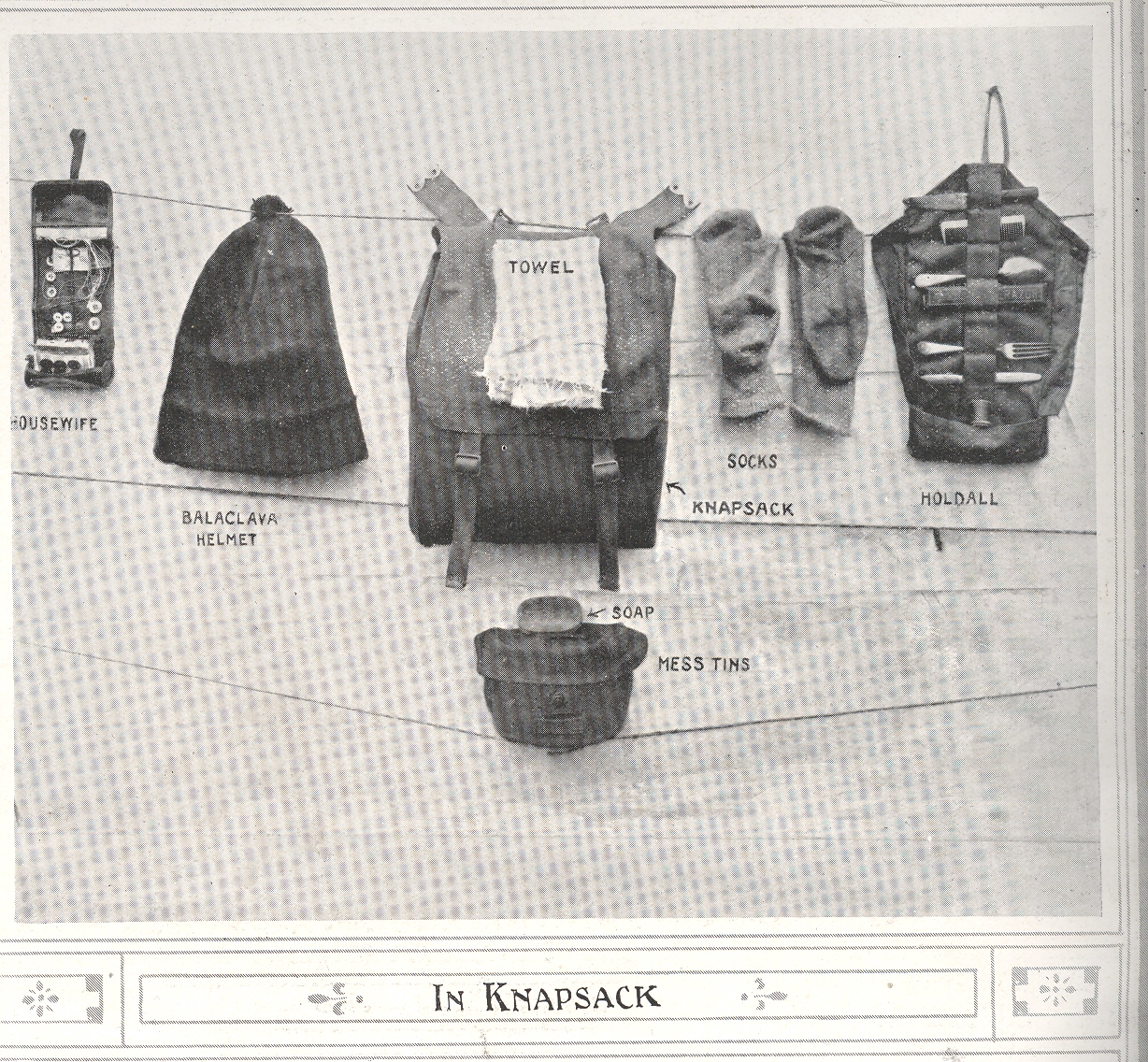
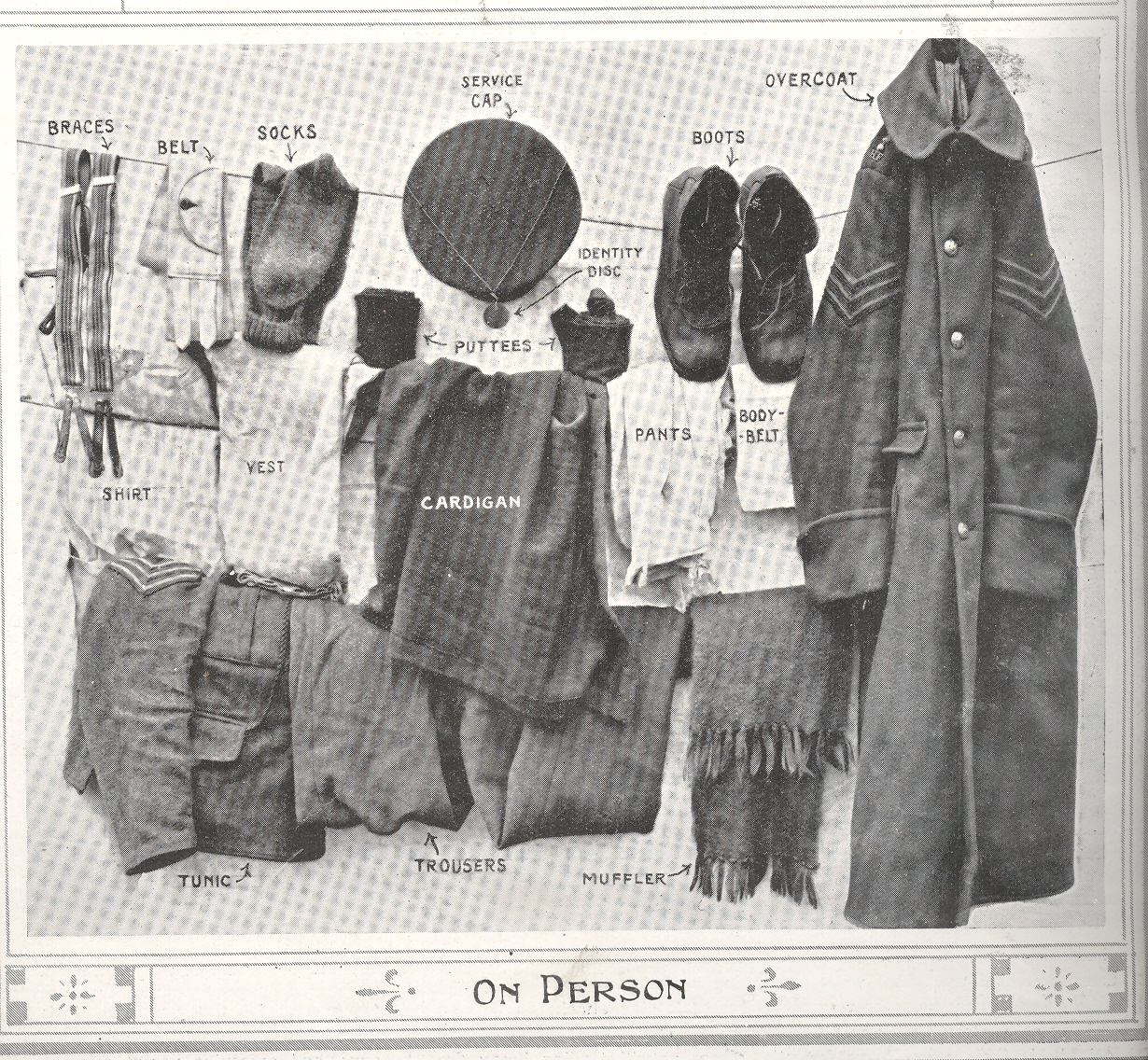
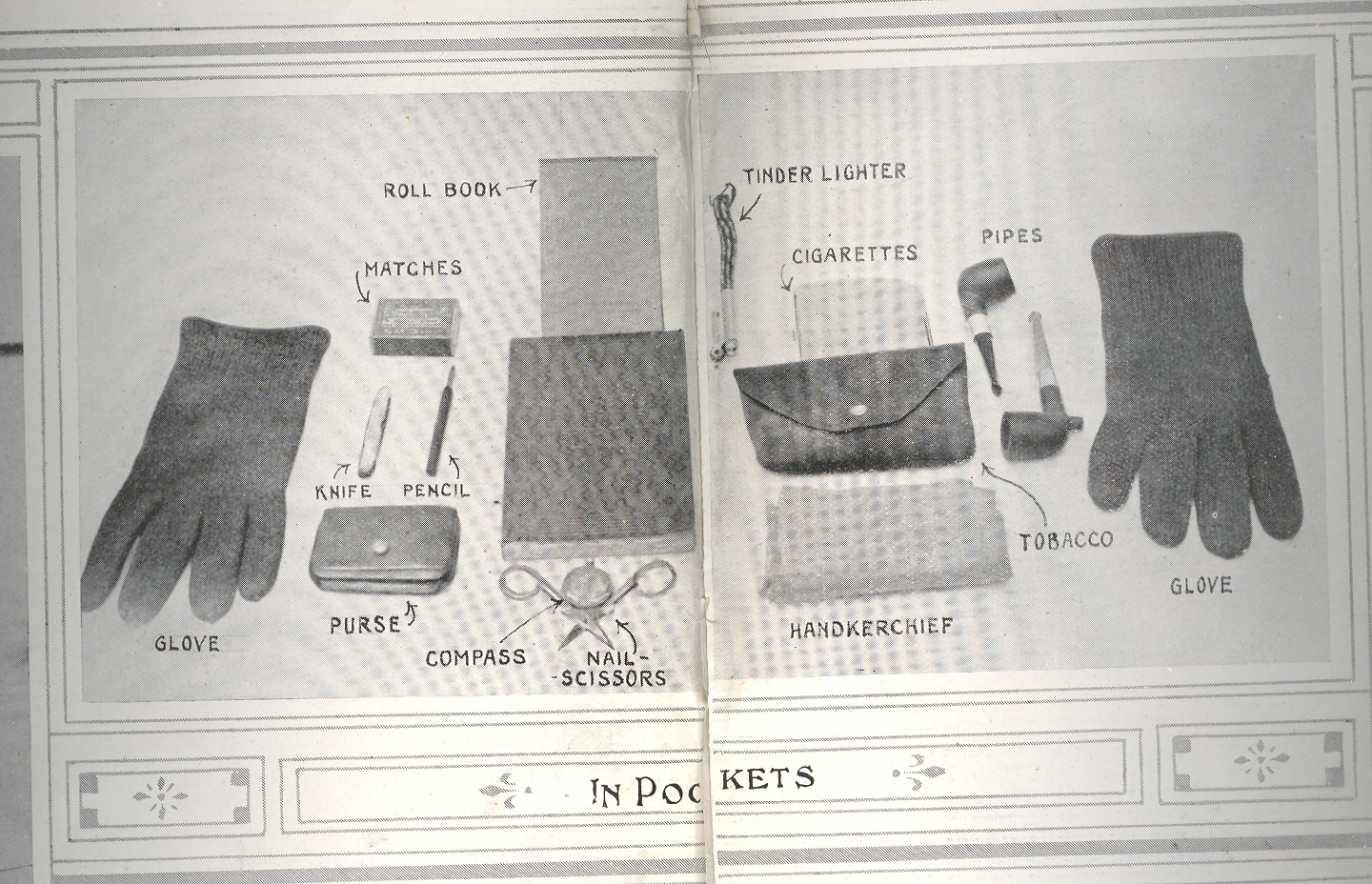
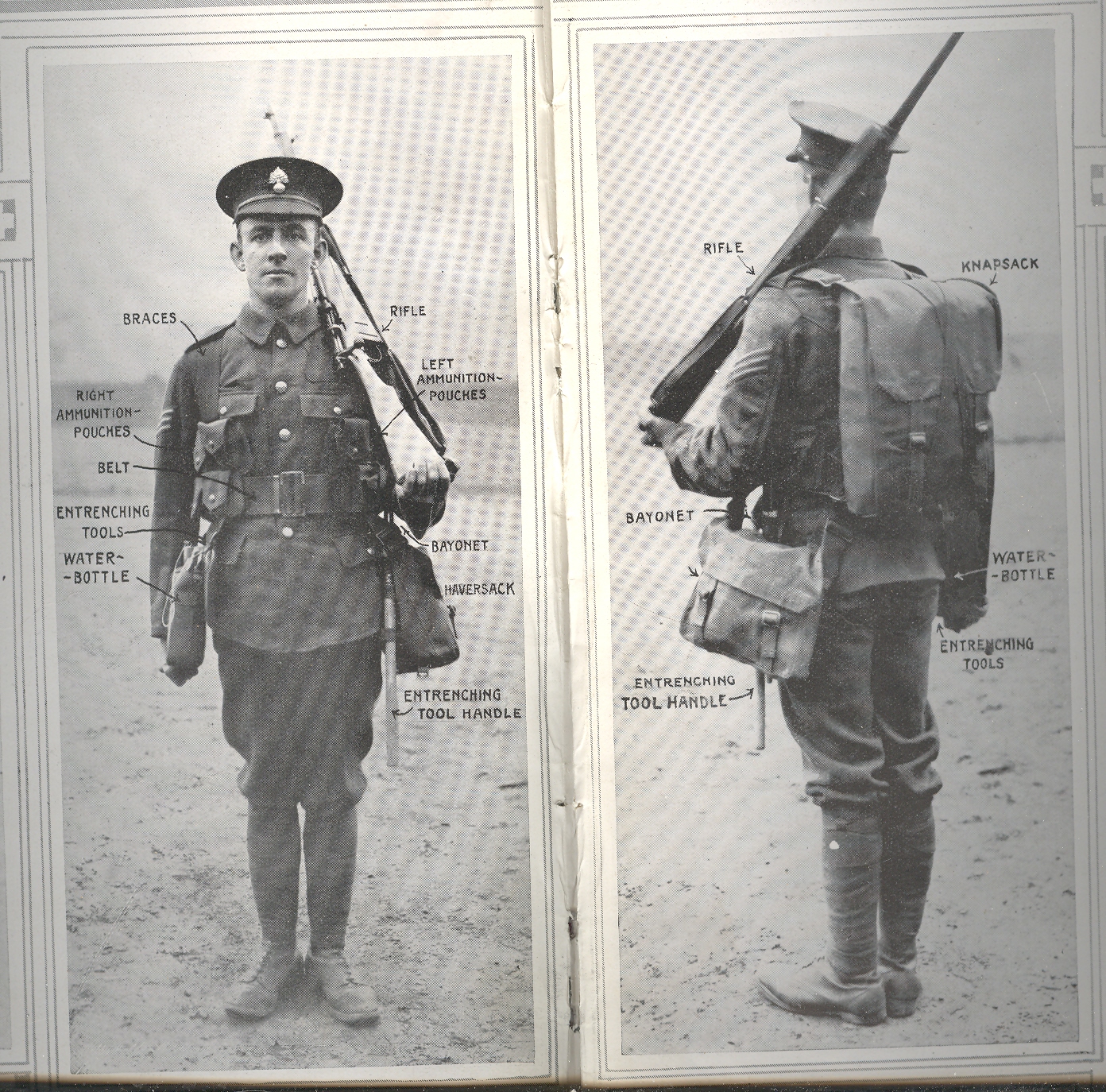
    The 27 Feb 1915 issue of The Illustrated London News is remarkable.  Yesterday’s post was generated by an image appearing in it of sappers mining under a battlefield to create an underground attack on the enemy’s trench lines.  A few pages into the issue shows a series of pictures describing the regulation issue for an enlisted man headed into combat—simple, scary, and heartrending. And of course a true measure of the courage and fortitude of these millions of men who marched to the Front with all what today looks to be  not-adequate material.  It is hard for me to imagine going off to conquer your enemy and your own fear with these sorts of supplies, marching along with all of these slight bits jangling and clanging to each of my steps.

    [All of the images are expandable.]

    Blog jan 30 infantry top left

    The images themselves are, I think, unintentionally spectacular for their design and arrangement, not the least of which is the fact that all of the materiel is suspended from rope or wire. 

    Blog jan 30 infantry btm left

    There is no way for me to know what of this material was instantly discarded (if any), or what was thrown into ditches because they didn’t make sense or were too heavy or cumbersome or got in the way.  Or what of these supplies were actually carried into battle.  Given the nature of the fighting, perhaps all of it was carried in and out. 

    Blog jan 30 infantry right top

    Basically though the pictures just make me uneasy, nervous; so many things look so slight and needy.  The canteen looks tiny; there’s only two pair of socks (!?) but two pipes; the “grocery ration” looks inadequate; the ammunition pouches look stingy. But the “housewife” looks useful, and its always good to have scissors, and a handkerchief.  I’m not so sure about the purse.

    Blog jan 30 infantry right btm

    It just seems to me an amazing display of the stuff that the British soldier was given to haul into the future with him. 

    Blog jan 30 infantry center top 

    Blog jan 30 infantry center btm


  • Bad Places to Be Dept., #1:Fighting Underground in Sub-Trench Warfare, 1915

    JF Ptak Science Books  Post 922

    “Johnny, get your gun, get your gun, get your gun.

    Take it on the run, on the run, on the run.
    Hear them calling you and me,
    Every Son of Liberty.
    Hurry right away, no delay, go today.
    Make your Daddy glad to have had such a lad.
    Tell your sweetheart not to pine,
    To be proud her boy’s in line.”
    –Opening of George M. Cohan’s “Over There”

    Blog jan 29 trench bot right det

    It is difficult to think of soldiers fighting one another across hedgerows or trenches, hiding behind earth, creating a death-vacuum on the land in between–but worse yet would be fighting in these scenarios underground. 

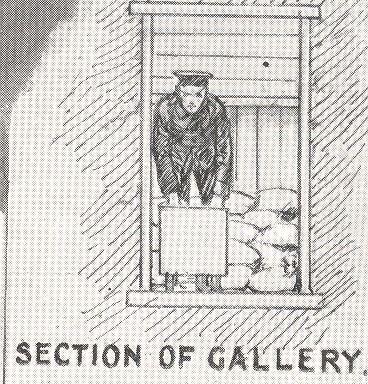
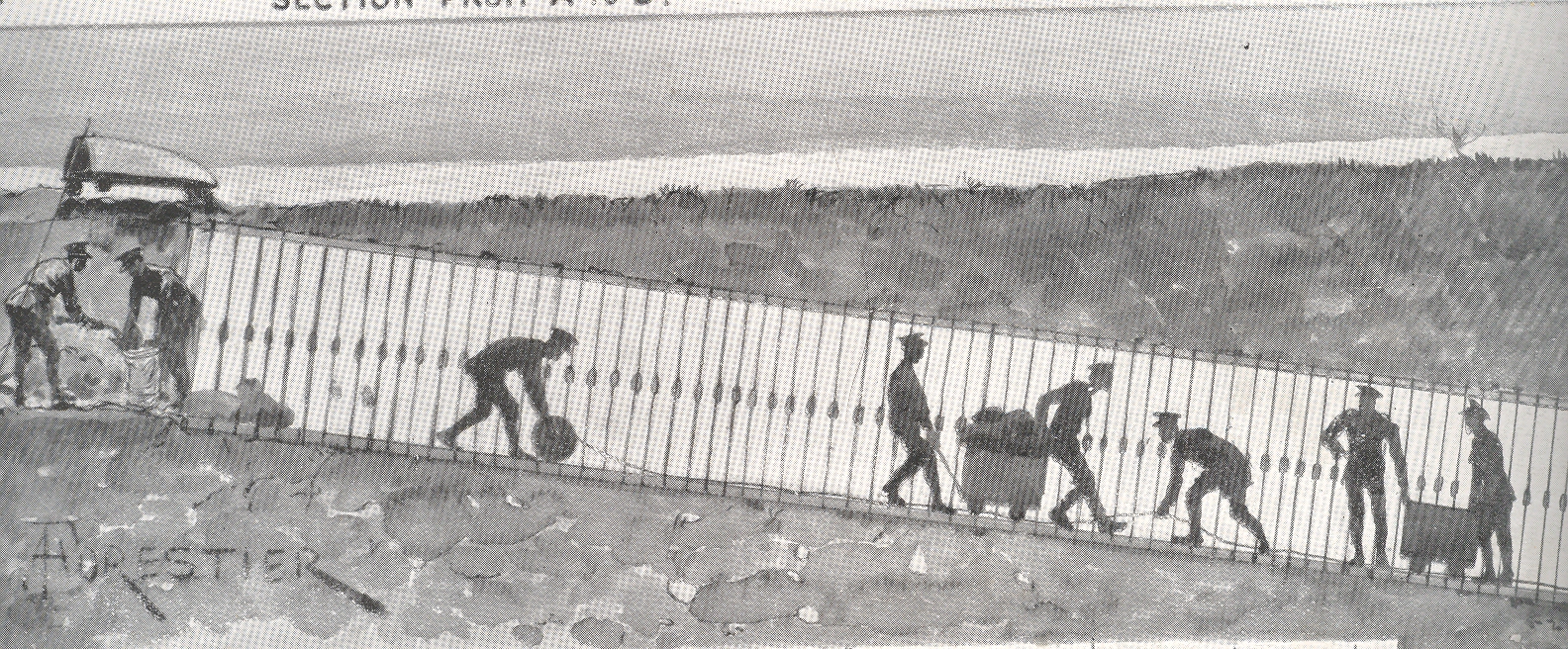
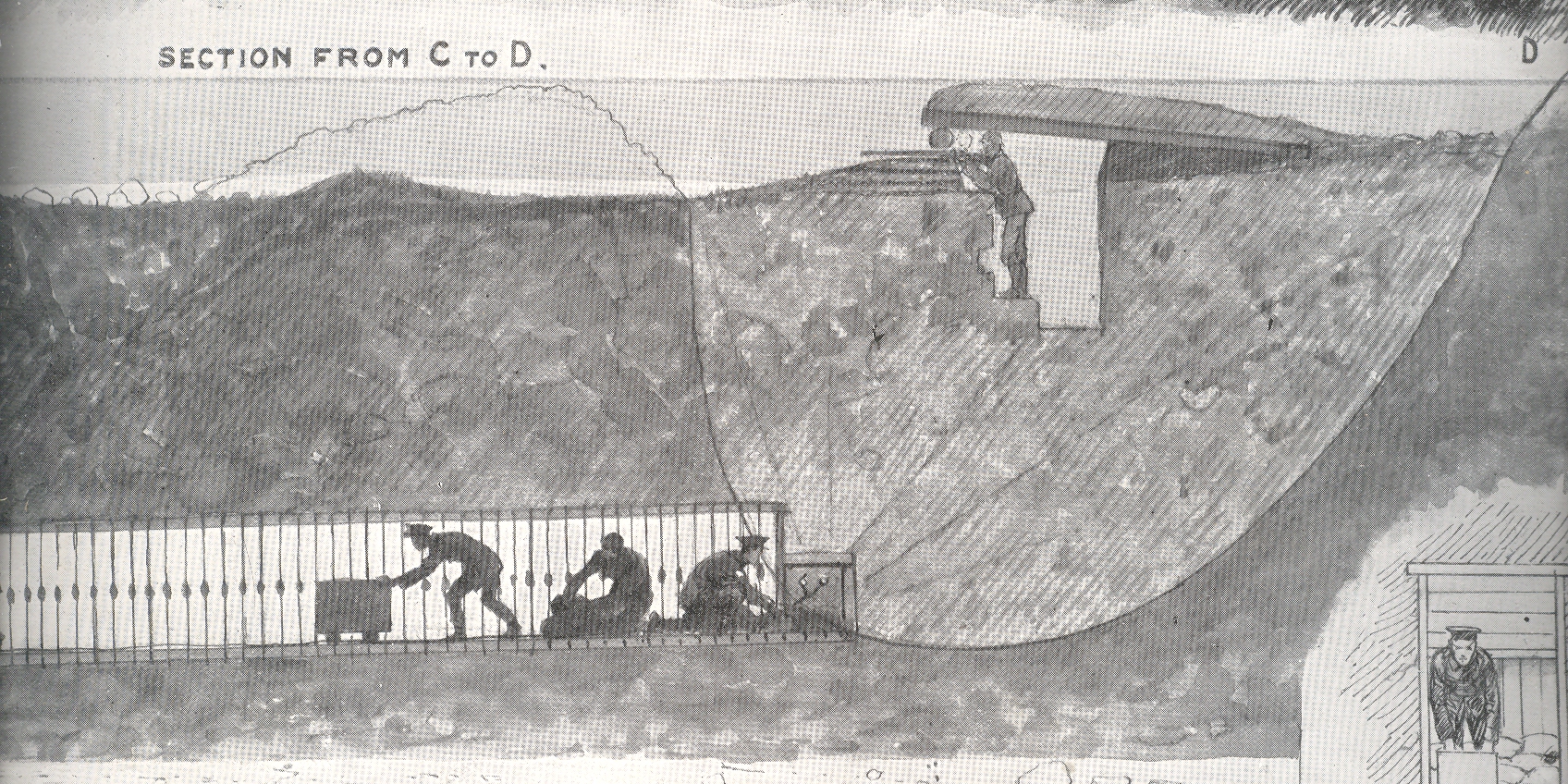
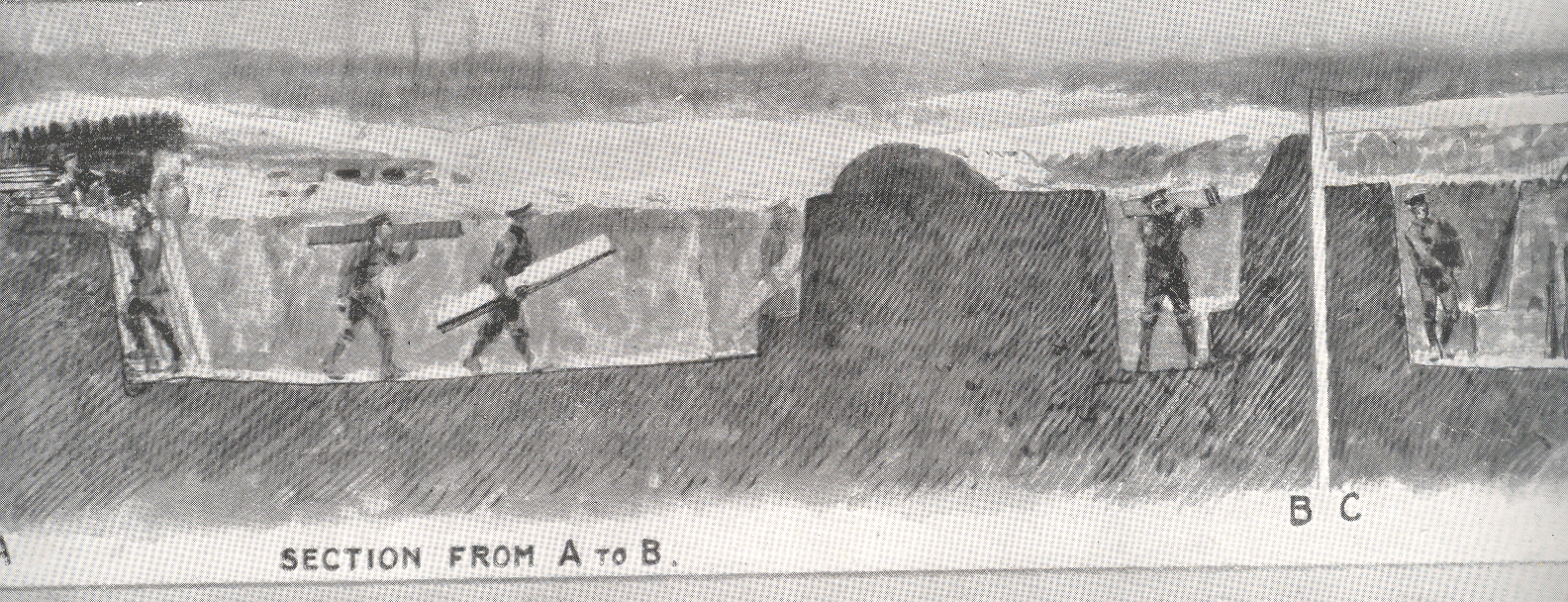
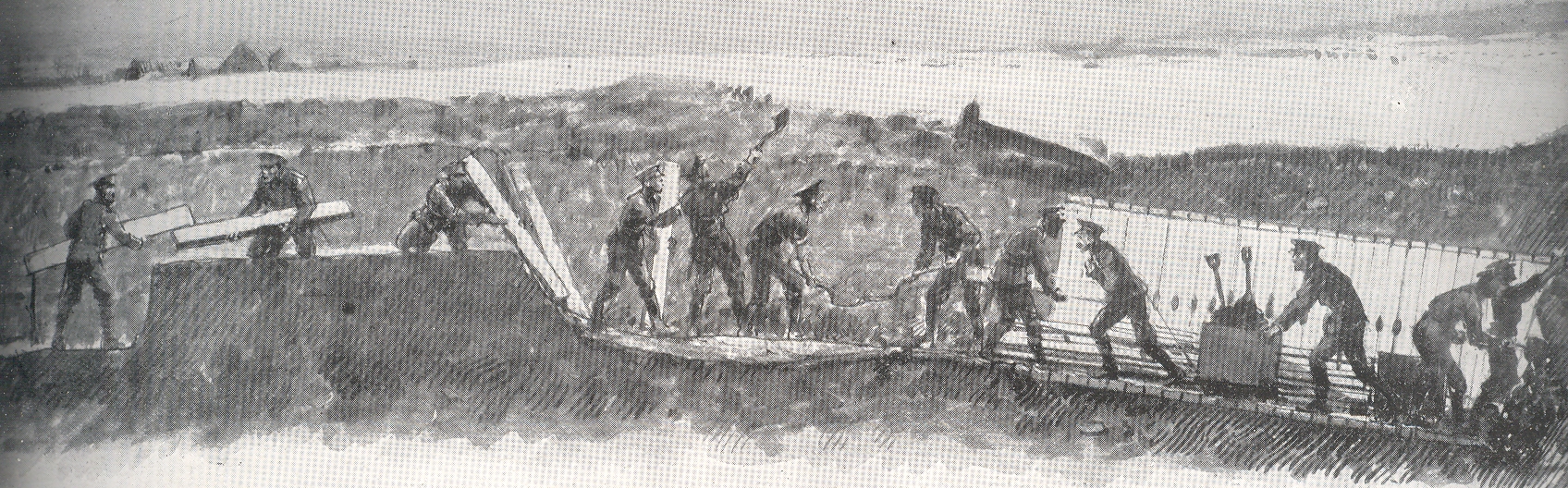
    Finding this large double-page illustration in The Illustrated London News1gave me a physical reaction like the one I get when thinking about the discarded  Dalton Trumbo’s2  anti-war novel, Johnny Got His Gun.  The novel’s main character (Joe Bonham) is virtually encased in his own mind, having lost his arms, legs and face in an explosion on a WWI battlefield—the story is told from his bedridden perspective; dark, bandaged, alone, his mind and brain functioning, and with little means of communication or control over his body. .Among other obvious things, it makes me feel a peculiar stuffy coldness.  [The two sets of four images following should be viewed as two-parts of one long image, the bottom part being on the right.]

    Blog jan 29 trench botm left


    Blog jan 29 trench bot right

    And so too when I look at these soldiers tunneling under a dead battlefield, working their way slowly—a foot an hour—towards the enemy trenches, desperately trying to blow a hole in an immovable object resistant to infantry and artillery.  The soldiers—sappers—were sent in to do a job that could no longer be accomplished above the ground.

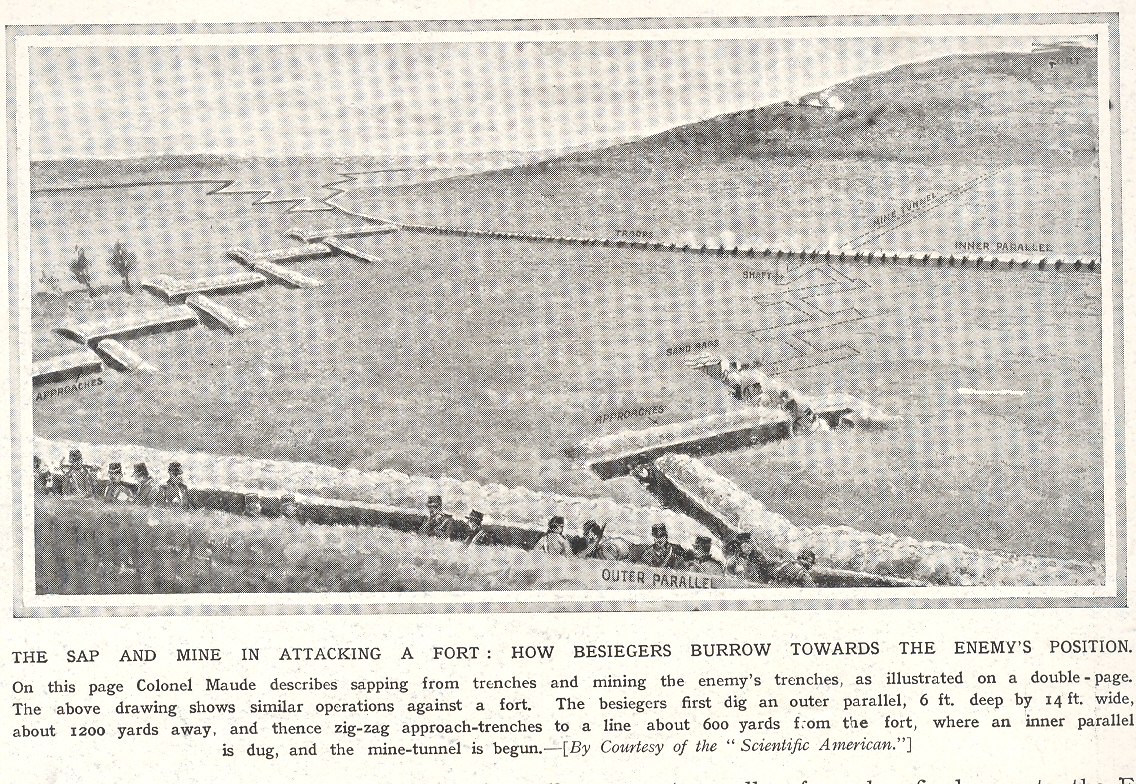
    This sort of warfare is extremely old, though the name is not, being about 150 years old. These soldiers were forward combat engineers, and had training across a number of different areas—they were responsible for many technical chores, like building (and blowing up) bridges, laying/clearing minefields, general demolition, defense construction, and, of course, fighting.  It could be a tremendously difficult job, unimaginable.

    Blog jan 29 trench mid left 1


    Blog jan 29 trench mid right


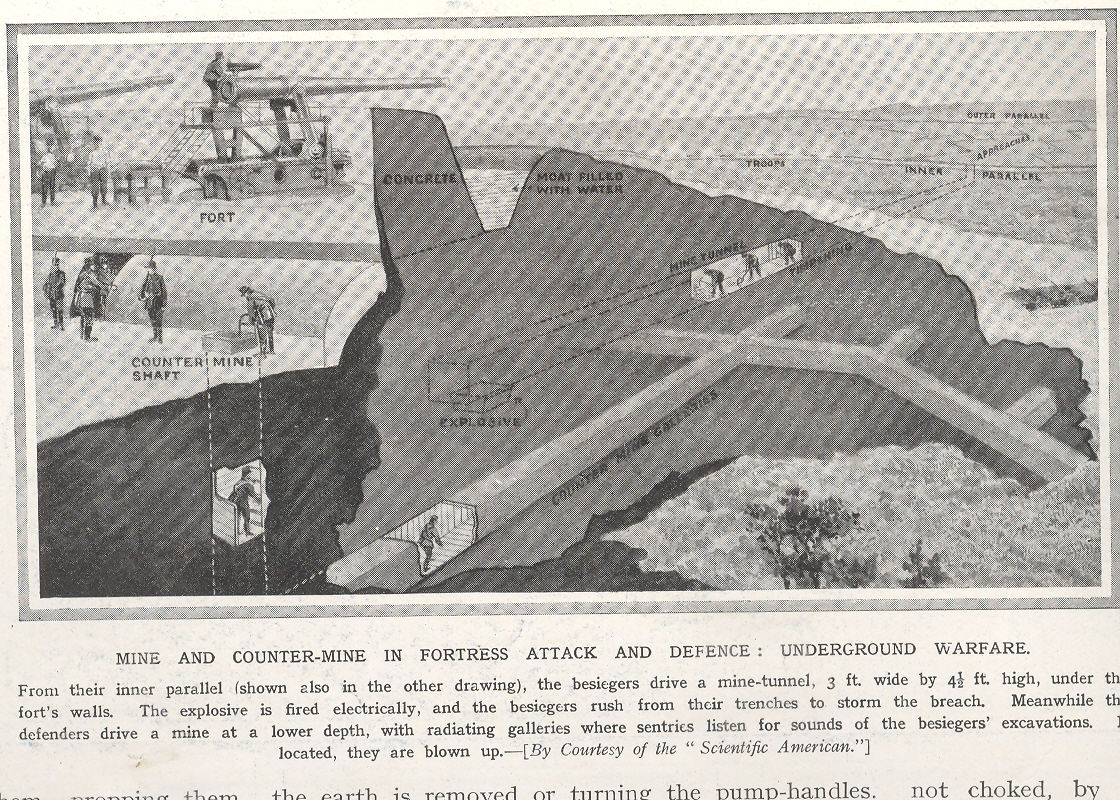
    The “sapp” part of “sapper” comes from the French “sappe”, which refers to the other main part of their job during WWI, which was digging advancing trenches, a zigzag construction of a long horizontal half-hole which allowed an infantry force to slowly advance towards an enemy’s entrenched position. Another part was to tunnel under the enemy’s lines, and then blow them to smithereeens so that a successful attack could be launched into the weakened position.


    Here’s what I think about when I think about these men doing this job:  that two teams, British and German, start to tunnel towards each other’s lines, and somehow, in the middle of the battlefield, somehow manage to dig directly towards one another, their tunnels literally colliding.  Hand-to-hand combat through the opening connecting the two sapper tunnels, then gunfire.  Alerted, the artillery from each side zero-in on what is suspected to be the opening end of the tunnels, pummel them, destroying the access.  So now, both sets in what is now virtually one tunnel, are fighting in the dark.  Even though the topside is only two feet away, any hole would open into the killing zone, making it impossible to escape that way.  It would be a bad place to be.

    Blog jan 29 trench overview sap top Blog jan 29 trench overview sap bot

    Notes

    1. The issue is 27 Feb 1915.  The illustration is entitled “They Sent us in front with a Fuse an’ a Mine’, Sapping and Mining Under the Enemy’s Trenches”. The first half of the title is from Kipling’s “Sappers”: They send us in front with a fuse an’ a mine , To blow up the gates that are rushed by the Line…

    2. Trumbo has an interesting history, to put it mildly. An old Communist, he once gave up his old associates to the FBI at the start of WWII–an act he later thought of as being stupid and wrong.  It also had the opposite effect for him–he thought he was being patriotic, but the FBI was more interested in him than his information.  He would get eaten up by McCarthyist operatives and denied HUAC any information on any of the famous “Hollywood Ten”.  He got a year in jail and was blacklisted, booted out of LA. He came back–mostly under someone else’s name (see the link above for his screenwriting credits, which are substantial)–and acknowledged shortly before he died.


  • How FDR Made Women (1) Nervous and thus (2) Older. An Appeal to Vote Republican, 1936

    JF Ptak Science Books LLC  Post 921

    Blog jan 28 protext women

    {This continues “The Coming Sex War of 1919“)

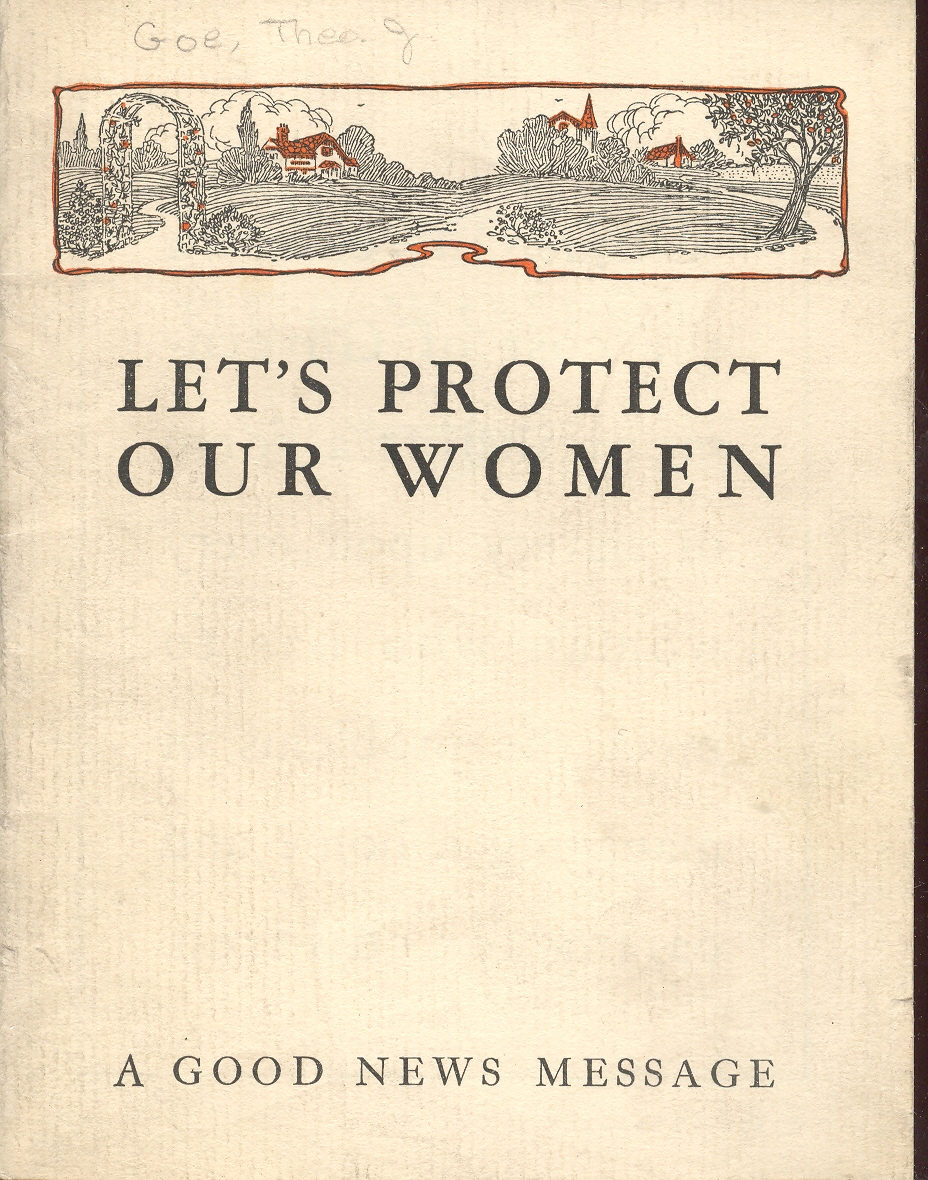
    Theodore J. Goe, the author of “Let’s Protect our Women”, must
    have been a synesthete, with the ability to smell the future.  My copy of this pamphlet used to be the
    Copyright Deposit copy, and is dated January 18, 1936, and what Mr. Goe was
    smelling were the winds of the November presidential election; and since he was
    a Republican—or at least an anti-Rooseveltian—what he smelled was outrageous
    defeat for his cause. 

    And so he wrote this elegantly-produced little oddness,
    trying to dip into the wellspring of the enfranchised female vote (just sixteen
    years old at this point), trying with fatherly will to scoop women out of the
    harmful ways of Roosevelt’s policies.

    The “protection” that women needed was for uncertainty which
    led to nervousness and which attacked their youth to send them into a slavery. The
    thinking here went sort of like this:  women were being attacked by FDR, who was “cruelly
    prolonging the depression” by not helping people with jobs, thus depriving their men of a fair wage which is what made
    women happy; without the “happiness” of a husband with a good job, “life
    becomes more serious than it should be”; this fights against “national
    influence which tends to rob [women] of their youth”, making women older
    sooner. And it was this premature aging that the women are to vote against in
    1936.

    Mr. Goe may well have been a crank, but to him and his
    readers this thinking might’ve made some sort of contemporary sense, after a
    fashion.  He did forget that women made
    up more than 30% of the workforce at this point, and had more sources of
    happiness and youth than a man with a decently-paying job, plus having a life
    and opinion outside of serving home/hearth/husband, but no matter. (This, by the way, is where Mr. Goe thought American women lived:)

    Blog jan 28 protext women det Women didn’t rush to aid FDR’s competition in the ’36 race,
    when Roosevelt redefined “landslide” by crushing
    his Republican challenger, Kansan Alf Landon. 
    There wasn’t any election like it since the two-party system became nationalized
    80 years earlier, Landon loosing to Roosevelt by
    an electoral balance of 523-8. Landon swept Vermont
    and Maine,
    with FDR taking everything else.  (No one
    would quite clear the plate like this ‘till Reagan turned Walter Mondale
    inside-out in 1984, 525-13.)

    Landon was a decent man who had an interesting
    post-political career—even so, it’s a good thing that he lost.