A Daily History of Holes, Dots, Lines, Science, History, Math, Physics, Art, the Unintentional Absurd, Architecture, Maps, Data Visualization, Blank and Missing Things, and so on. |1.6 million words, 7500 images, 4.9 million hits| Press & appearances in The Times, Le Figaro, Mensa, The Economist, The Guardian, Discovery News, Slate, Le Monde, Sci American Blogs, Le Pont, and many other places… 5000+ total posts since 2008.

Author: JF Ptak

  • A Mile-High Pile of Wood–Graphical Display of Quantitative Data.

    JF Ptak Science Books LLC  Post 913

    Continuing
    a long, developing thread on the graphical display of quantitative data–and
    especially that which uses man-made objects for comparison—is this interesting
    bit from a Romanian mining publication from 1933.

    The
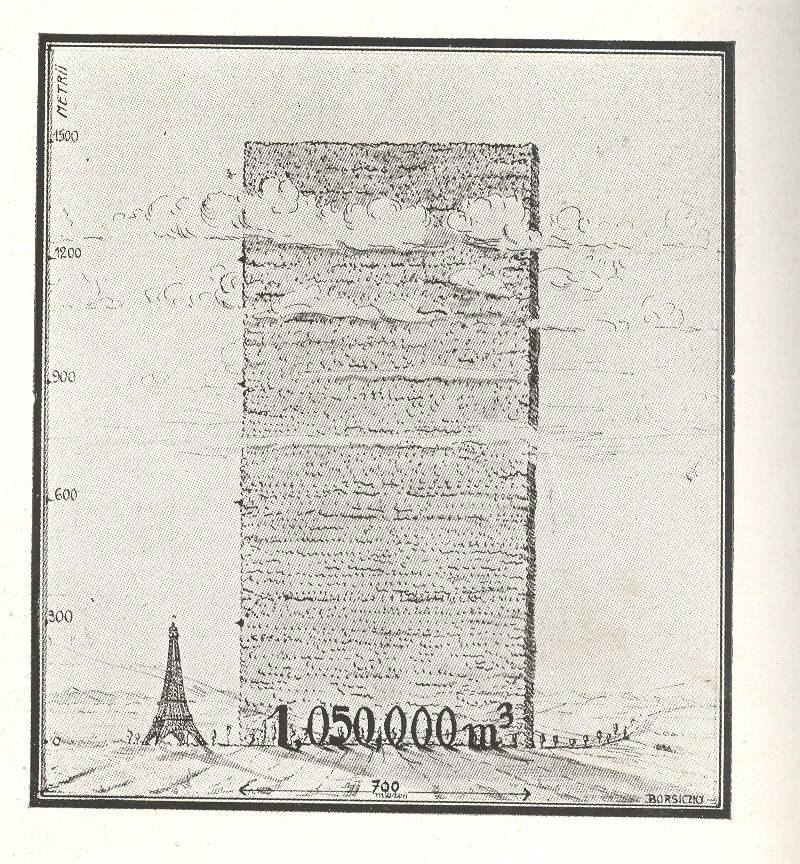
    huge mound next to the Eiffel Tower shows the consumption of wood in Romania over a
    ten year period, a stack of wood 700  metres long and 1500 metres high.  Evidently this wall has only the most rudimentary depth of a metre, as the legend reads that the volume of the woodpile is 1,050,000 metres cubed, which is the same as its square area.  So somebody missed something, here, though the artist did supply some nice shadowing.

    Blog jan 17 wood

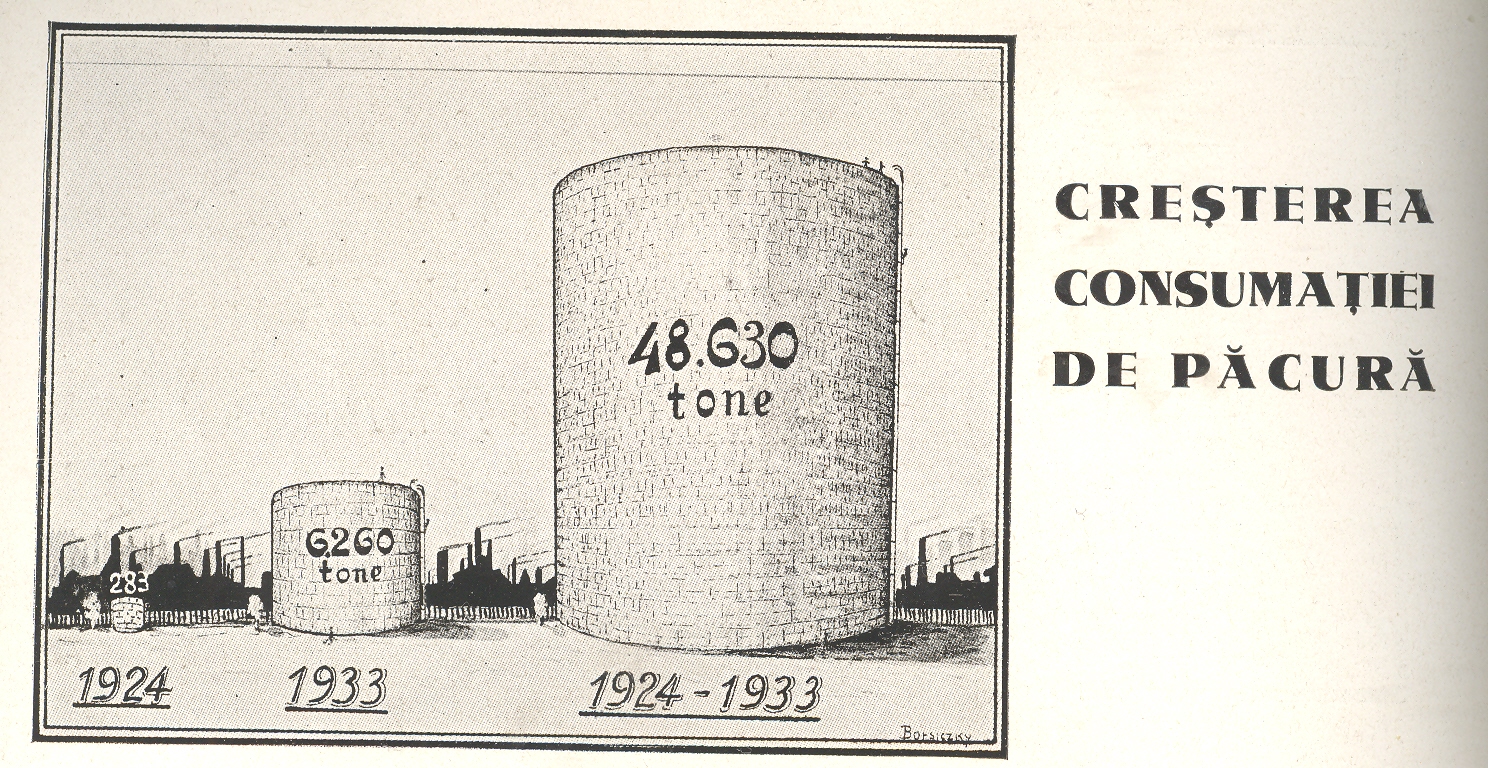
    Just
    above it appeared this comparison for the amount of oil consumed over the same
    ten year period

    Blog jan 17 oil

    I’m
    not sure why this comparison was being made. 
    This does come in the interwar period which saw a great expansion in
    Romanian territory and a vast modernization effort following the country’s devastating
    experience in WWI. Maybe it was illustrating modernization from wood-burning power/heating sources to oil-based. I really don’t know–I just liked the Eiffel Tower being dwarfed by a massively tall and impossibly skinny woodpile.


  • When a Compliment is Not: Newton and Hooke and the “Shoulders of Giants”

    JF Ptak Science Books LLC  Post 912

    I
    was tooling looking for vision quotes and came upon this by Samuel Taylor
    Coleridge (an unusual stomping ground for me) from The Friend (published in 1828):

    “The dwarf sees farther
    than the giant, when he has the giant’s shoulder to mount on.
    “

    This
    made me think of the over-quoted sentiment quoted again by Isaac Newton

    “What Descartes did was a good step. You have added
    much several ways, and especially in taking the colours of thin plates into
    philosophical consideration. If I have seen a little further it is by standing
    on the shoulders of Giants.
    “

    Newton wrote this in a
    letter (5 February 1676) to the immensely creative workhorse Robert Hooke1.  He was a tireless, relentless observer and
    experimenter, who lost little effort in a stranded idea and pursued interesting
    and problematic questions relentlessly.  More than others too he chased
    his won glory—minor but long and insistent—the years of which wore thin on many
    people in the scientific community.  But there were many characteristics
    of the man that made him not quite so lovable and endearing—not that Newton was
    any of those things, as he was not, but if you are going to be a secondary luminary
    to a super nova you’ve got to have something else going for you that the other
    man doesn’t have—sharing, helpful, greatly generous—to get you into the long
    pre-dusty pages of history. Also it would’ve helped if Hooke chose his battles
    with a little more aplomb and ingenuity—the war which began in 1672 with Newton
    went very badly for Hooke and followed him to the grave (and far beyond). 
    Newton and Hooke had many disputes—most notably
    in optics—basically because Hooke pursed Newton
    (among many others) for expropriating his ideas.  Hooke was over the line on this and probably
    pushed the point too far—Newton
    was enormously annoyed by this and other Hooke contacts and wasted no effort in
    trying to pay Hooke back the favor over the years.  Newton
    was famously sharp and could fashion that intelligence and wit into a terrifically
    nasty tool against those who bothered him.

    And
    so back to the “shoulders” letter. This always struck me as a bit too
    melodramatic for a Newton,
    and also a little too congratulatory for a field that he basically owned,
    especially since he was a towering egoist (and not without cause).  But he did pay Descatres (“des Cartes” in the
    original) a compliment; though I could not at all think of Newton referring to the dreaded Hooke as one
    of the giants’ shoulders he was standing upon. 
    Newton’s
    reference to “giants” might also have been a swipe at Hooke’s physical stature,
    which was terribly slight, small and crooked. 
    SO I think that Newton
    was referring to Descartes, and decidedly not Hooke.

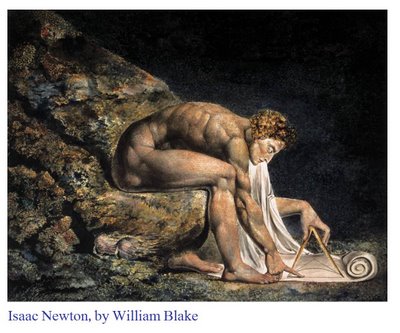
    Blake_Newton

    So
    this semi-ubiquitous scientific laudatory quote is perhaps not quite so.  Kinda like the very well known painting by
    William Blake featuring Newton
    as a naked geometer, figuring out the world, a color-tone praise of the great
    physicist.  Or perhaps not.  Blake I think simply didn’t like Newton, didn’t
    care for the scientist taking away the mystery of the world that Blake loved so
    much—especially in regards to color, which Blake needed to stay interpretative
    and mysterious.  Newton took part of that away, and I think
    Blake exercised a little payback in his artwork. 

    It
    seems to me that if one looked at the “shoulder” quote and the Blake artwork as
    works that were insults and not praises, they can be easily seen that way.  Its all a matter of perspective.

    Notes

    1.
    The 28-year old Hooke published the results in a gorgeous and revolutionary
    book, Micrographia (a lovely e-text edition appears at Gutenberg, here)
    in 1665, which became an instant best seller and highly praised and valued.
    (Samuel Pepys, perhaps among the shiniest stars whose imprimatur was like a
    royal blessing, said the book (was) “the most ingenious book that I ever
    read in my life.”) There is no telling what the people of the mid-17th
    century thought of seeing such incredible discoveries in the little
    semi-invisible stuff that made up their normal, daily lives.  The only
    thing that somewhat equates to this would be if the first images of the Hubble
    were those of Earth-bound objects whose detail had previously been
    unknown.  Hooke’s observations and drawings of things like the common flea
    were just an astonishment—that such a creature of “low order” could have such
    intricate detail and design was a complete revelation.  The drawings of
    the fly’s eye, too, was an inescapable wonder, an incredible object to consider
    as having any detail pre-microscope, and then revealed to have
    unimaginable design and elegance. 


  • Missing Pieces of Women: Pope Joan & the Proper Popular Girl of “The Ladies’ Home Journal”

    JF Ptak Science Books LLC  Post 910Pope joan weltknronik

    Listening
    to these dreadful stories this morning on NPR about the Vatican’s relations
    with the Roman Jewish community and the abortive WWII papacy of Pope Pius XII—the
    papacy of blank and missing compassion—I thought about the missing Papacy of
    Pope Joan.  Whether or not she existed is
    a question of debate; whether she was a pope or not is perhaps even less
    debatable.  What seems not impossible
    though is the ability of a large institution like the Catholic Church to make
    the entire issue of unwanted history or legacy to go away. 

    The
    historicity of this papacy is long and shows the murkiness of the earliest
    writers on Joan. She was supposed to have served as pope between Leo IV and
    Benedict III around the year 850.  The
    fuller versions of her history turn up in the 14th century, although
    the earliest mentions of a female bishop of Rome go back to the 9th
    century—Joan remains unnamed though until the 13th century when
    Martin of Opava’s Chronicon Pontificum et Imperatorum1(referring to
    Joan as “John Anglicus” or “John of Mainz”) does so for the first time.

    Joan apocJoan
    escapes the Middle Ages with a little flair, but doesn’t do so well in the
    Renaissance.  As a Missing Piece in the
    history of the Papacy she turns up not-so-well represented:  for example, she is seen here looking good
    but turning up bad overall as the Whore of Babylon2.  She was treated as a disgrace, and impostor,
    someone who demeaned the Catholic institution by her sex and deception, though
    god knows that the history of the papacy is filled with horror stories3 that
    far exceed the reach of mere deception.

    So
    I was thinking about the piecing-together of the Pope Joan jigsaw and
    remembered an actual “womanly” jigsaw that could actually be pieced
    together.  This bit came together as a
    result of a post I did here just two days ago (What Goes Into Making Human Robot Girls, 1941), and was one of a series of
    intolerably heavy eight-page pamphlets cementing the structure of female social
    intercourse at the hands of the magazine The
    Ladies’ Home Journal
    . 

    Blog jan 13 Puzzle cvr

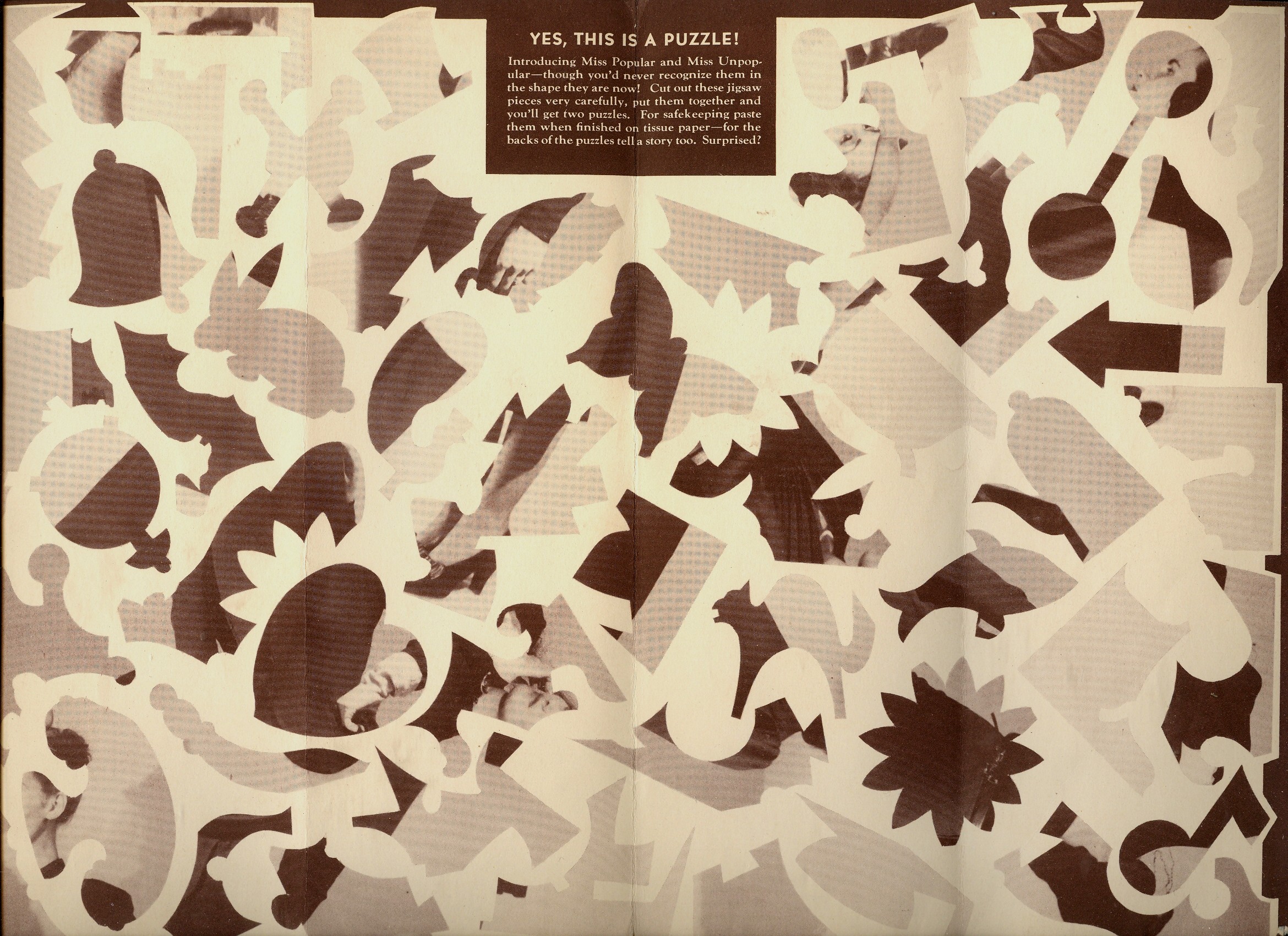
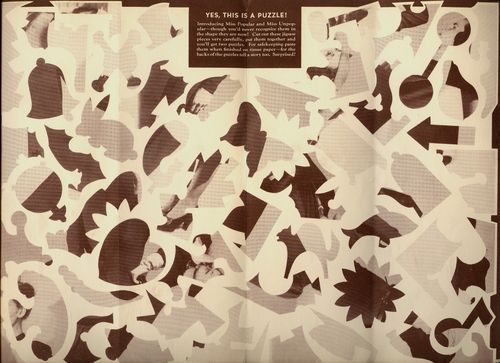
    One of these
    publications—hardly a pamphlet per se, just a folded 11×8 inch sheet of heavy
    stock—came without a title, presenting itself as a puzzle. The puzzle pieces
    are parts of two women, “Miss Popular” and “Miss Unpopular”: the reader was to
    take the publication, cut out the pieces, and reassemble them into hidden role
    models, with phrases describing each on the back of each puzzle piece, all done
    without the slightest possible understanding of metaphor or irony.

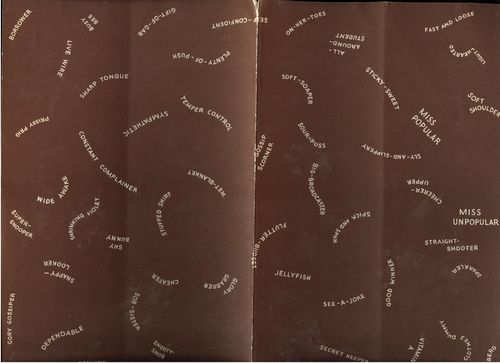
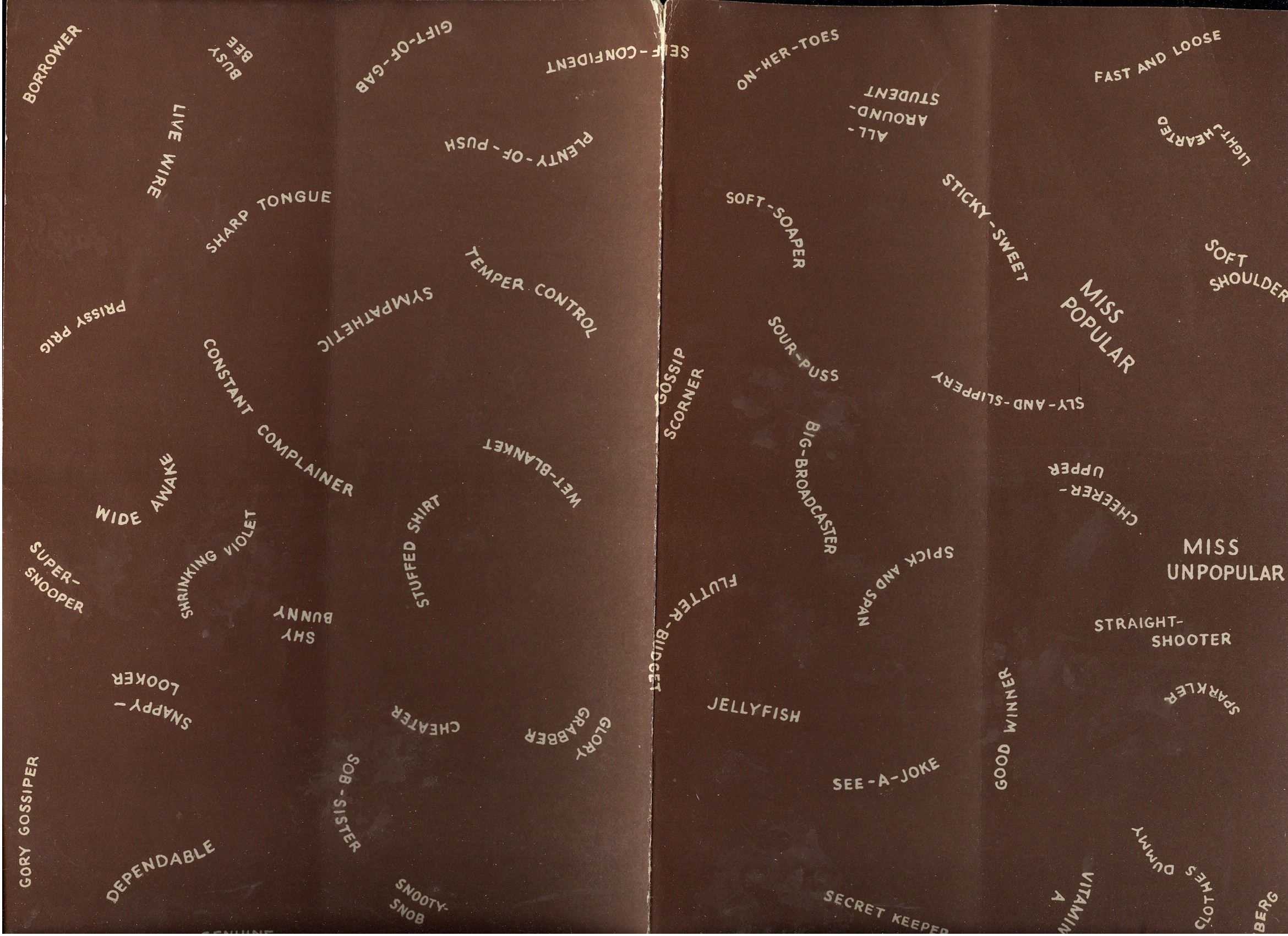
    Miss
    Popular phrases/descriptors
    : live wire, plenty of push, wide awake, snappy
    looker, dependable, genuine, secret keeper, on-her-toes, spick and span, light
    hearted, all-around-student, straight-shooter, gossip scorner, sympathetic,
    cheerer-upper, sparkler.
    Blog jan 13 Puzzle pzl

    Miss
    Unpopular’s phrases/descriptors
    : glory grabber, sour puss, cheater, sob-sister,
    snooty-snob, wet-blanket, borrower, prissy prig, sharp tongue, gory gossiper,
    clothes dummy, iceberg, sly and slippery, jellyfish, sticky-sweet, soft soaper
    (?) and of course fast and loose.

    And
    so girls—or young women—picking up this publication in 1941 were expected to
    cut this thing up and piece together the proper (paper) role model using the
    reinforcing traits of meager acceptance printed on the back of the puzzle
    piece. And poor Pope Joan, whether she was real or not, whether she was
    imagined or sunk purposefully away into the Pandora’s sisters’ boxes of forced
    forgetfulness—it really doesn’t matter—is just another woman or part of woman’s
    puzzle whose blank or missing piece has been extruded, forced into a form more
    friendly to a world less friendly to women. 

    Notes

    1.According
    to the Chronicon:  “John Anglicus,
    born at Mainz,
    was Pope for two years, seven months and four days, and died in Rome, after which there
    was a vacancy in
    the Papacy
    of one month…” [See continued reading section below for more]

    2.
    Babylon was the
    representation of the seat of evil on the Earth.  From the “Book of Revelation” (17:3–4):
    “And I saw a woman sitting on a scarlet beast, full of names of blasphemy
    with seven heads and ten horns. The woman was garbed in purple and scarlet, and
    gilded with gold, gems, and pearls, and bearing a golden goblet in her hand
    full of abominations and filthiness of her fornication.”

    3.
    Borgia and the Medicis not being the least of the story: see E.R. Chamberlin’s The Bad Popes, (1969)
  • History of Holes 12: Caves in mid-Renaissance Art

    JF Ptak Science Books LLC  Post 909

    “When [the soul] is firmly fixed on the domain where
    truth and reality shine resplendent it apprehends and knows them and appears to
    possess reason, but when it inclines to that region which is mingled with
    darkness, the world of becoming and
    passing away
    , it opines only and its edge is blunted, and it shifts its
    opinions hither and thither, and again seems as if it lacked reason.”  Plato, The Republic book. VI, 508d

    Cave--osservanza

    Plato
    dipped deep into the myth/metaphor/parable/analogy/allegory of the cave,
    contrasting it with the allegory of the sun, discussing the pursuit of
    knowledge real and not-so.

    I
    like the idea of the half-displayed, semi-schematic, fade-away disposition of
    the cave and how painters dealt with them and their hidden contents in early Renaissance
    art.

    Its
    difficult to show a cave, a dark hole (occurring in all rock types and
    topographic situations, btw) that really hadn’t been dealt with scientifically
    yet—even if humans had been using them one way or another for thousands of
    years. 

    I’ve
    noticed these images time in and time out, and I’ve not really saved them, or
    at least I haven’t segregated the odd etched or engraved images, though they
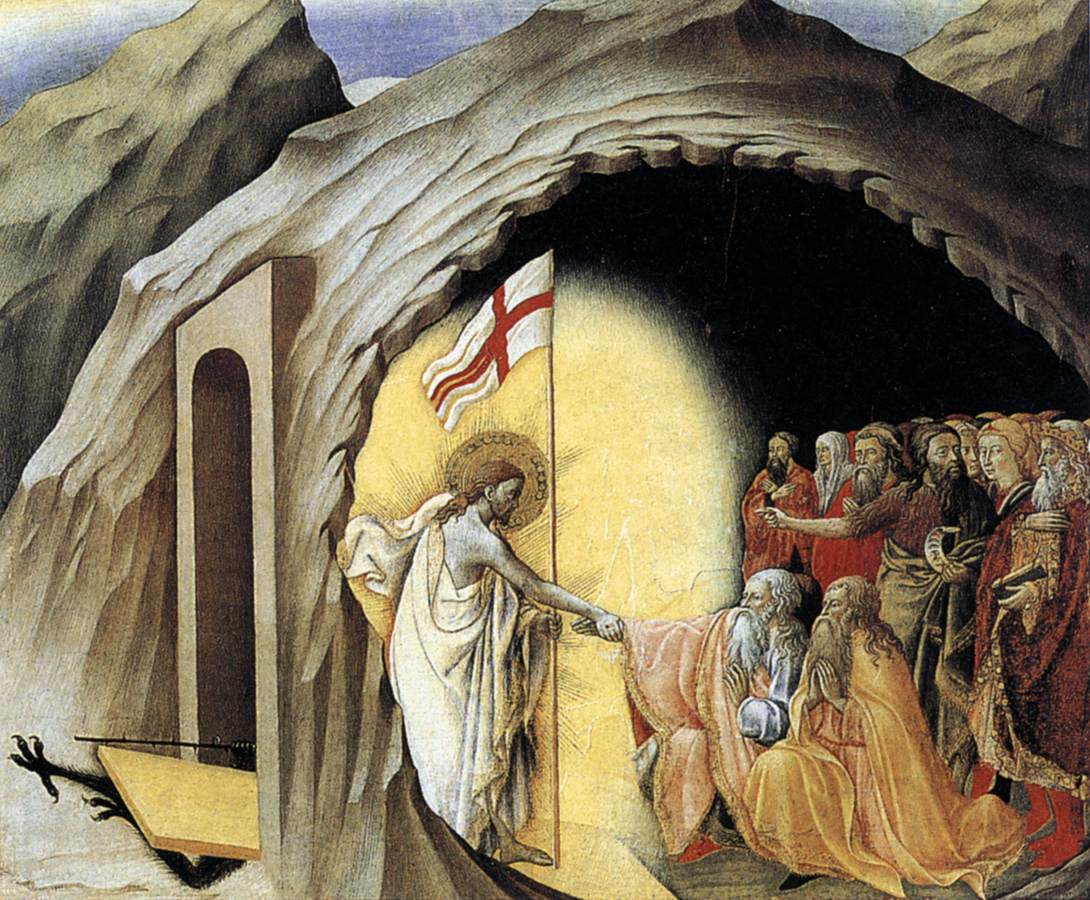
    are all here somewhere, so I can add to this post from time to time.  The image that I’ll use tonight comes from
    Harvard’s Fogg Museum and is the work of the Master of
    Osservanza (Sienese school, fl 1430-1450, manuscript illustrator).  It is a popular image, “Christ in Limbo”,
    though of the others working in this genre we see Christ generally at the
    entrance to a tomb/cave-like place, standing just outside of the doorway (as with Mantegna, Durer, Pacher, Fra Angelico and others). The Master of Osservanza gives us an
    exquisite cutaway view of the cave of limbo, showing both the outside and the
    inside, which is an uncommon and beautiful perspective.

    I should add that the tearingly odd “Saint
    Anthony Abbot Tempted by a Heap of Gold”, also painted by the Master of Osservanza (ca. 1435) depicts the least-likely-of-all-saints-to-be-tempted-by-gold reacting in horror to, well, nothing.  Nothing at all. We see him reacting to what used to be there, but which for some reason was removed, painted-over at some dim point in the dusty past, for reasons that I do not know.  (And so the painting could easily move into my Blank and Empty Things series.) But the desert landscape is so sparse and the sky so surreal with bent clouds that it is easy today to overlook the gold entirely. 

    St. anthony

    [I know there’s SO much more to this business with the caves–I just wanted to get this post started before it all went down the thought-hole.]


  • What Goes into Making Human Robot Girls, 1941

    JF Ptak Science Books LLC  Post 907

    [See the follow-up post “First Thing to Do is to Find Some Men”; How to Get a Boy-date, 1941]

    An
    old friend of mine, Dr. Sam Koslov, was  brilliant, accomplished and polymathic, with
    great senses of wonder, inquisitiveness and humor.  He spent many years in research and as a
    long-time editor at Johns Hopkins APL.  He was a delightful and serious man, though
    one of the projects he worked on sounded much more like squeaky scifi than pure
    sci. That was Project Pandora, and science fiction it definitely wasn’t—it was
    an attempt at a form of control over human behavior via low level microwave radiation1. 

    This
    came to mind as I was leading through some very low level, high impact behavior
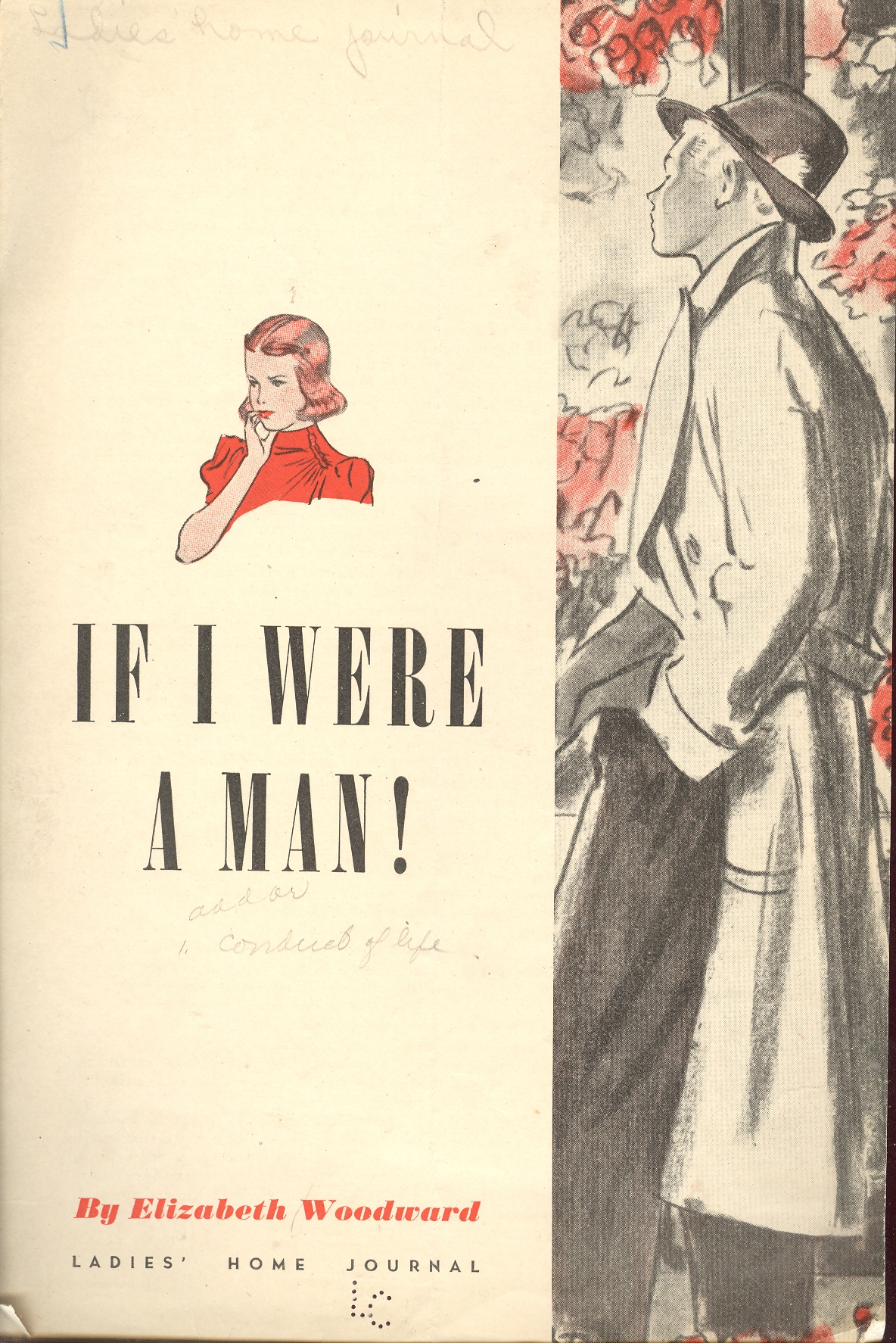
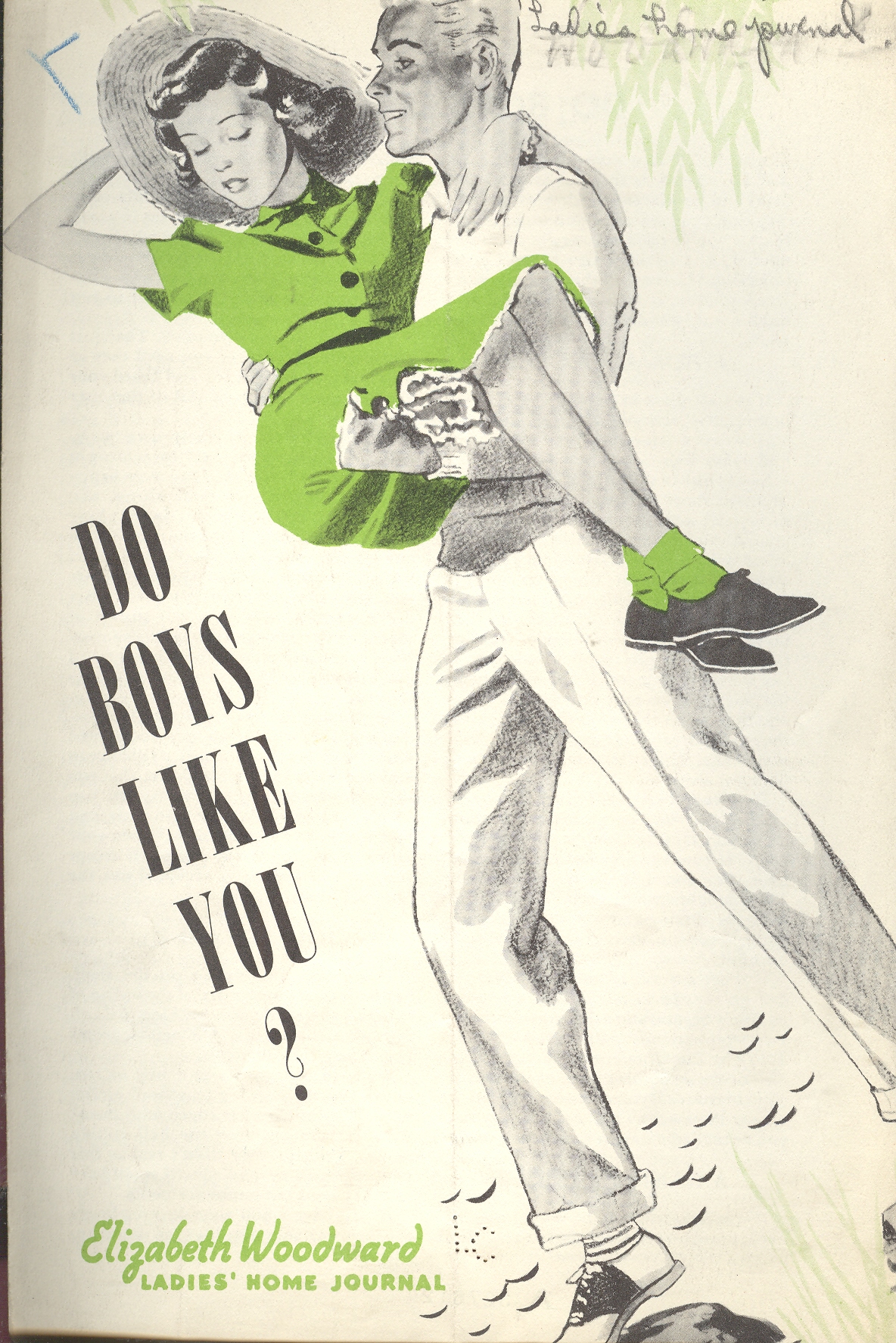
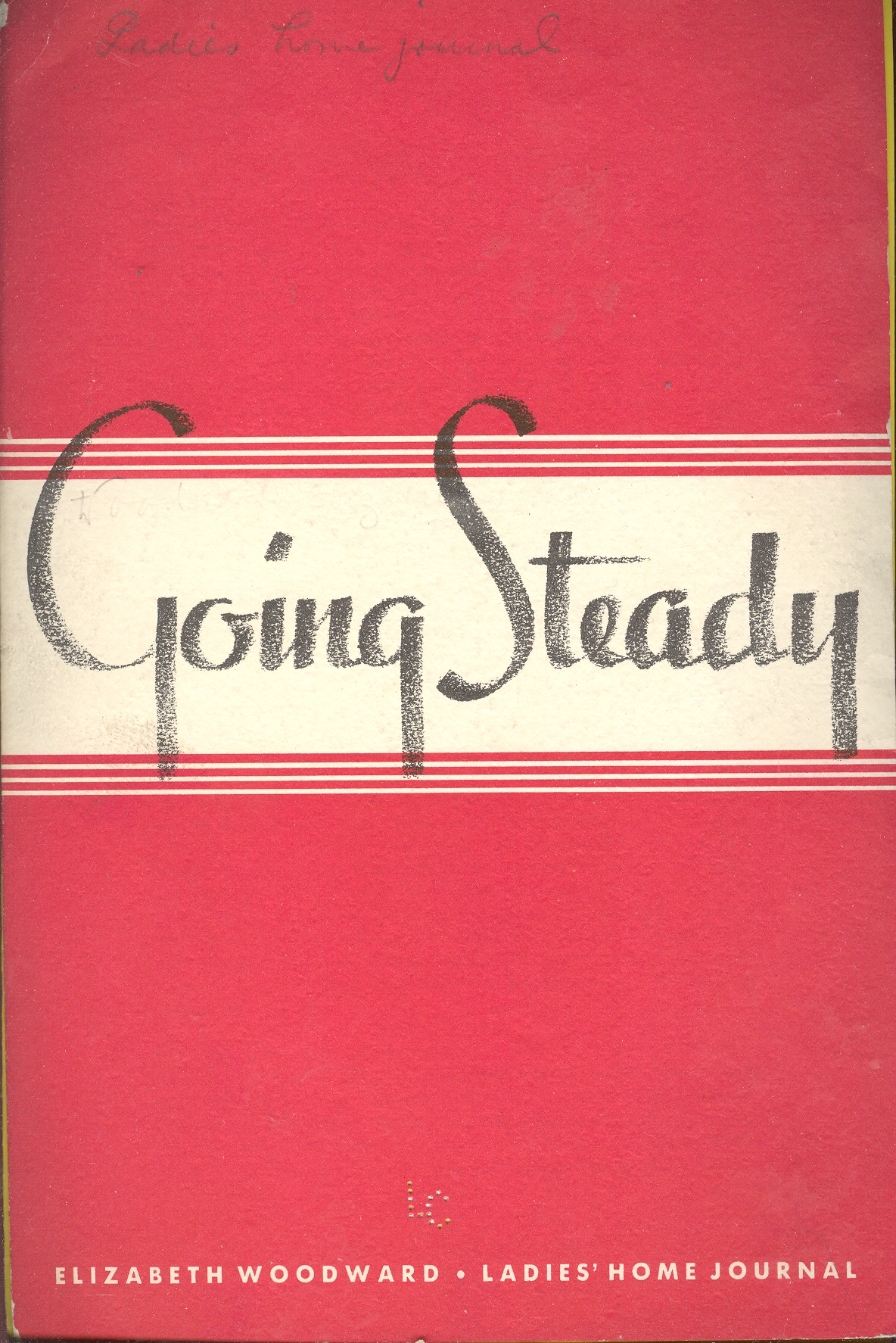
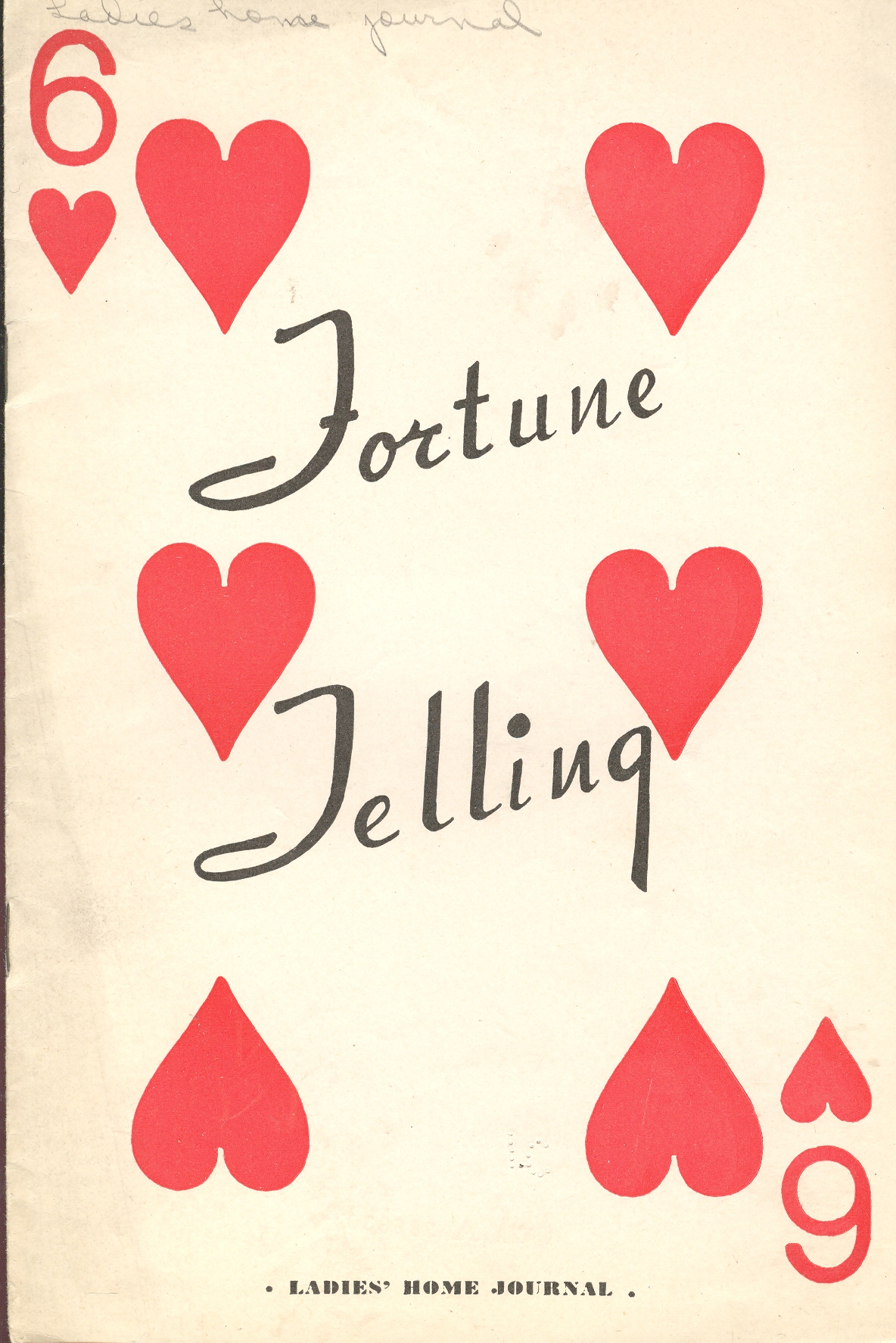
    control exhibited in a series of social engineering pamphlets published by the Ladies’ Home Journal in the early 1940’s. Blog jan 12 girlz--if i were a man It is heartbreaking, really, to think of people
    like my mother reading these things and being inundated by cultural architecture
    that left little to the imagination.  It
    seems so terrifically outrageous in 2010; and of course it makes me wonder
    about what things that seem so de rigueur
    today will be the Ladies’ Home
    Embarrassments
    of 2050Blog jan 12 girlz--ggnetlman preffered . 

    Granted, nobody’s corneas were being shaken loose via this method, but the effect of the sentiments of control in these pamphlets still seem eye-poppingly
    strangulating.  I’ve included only a few
    examples here, but there are at least a hundred others to choose from.

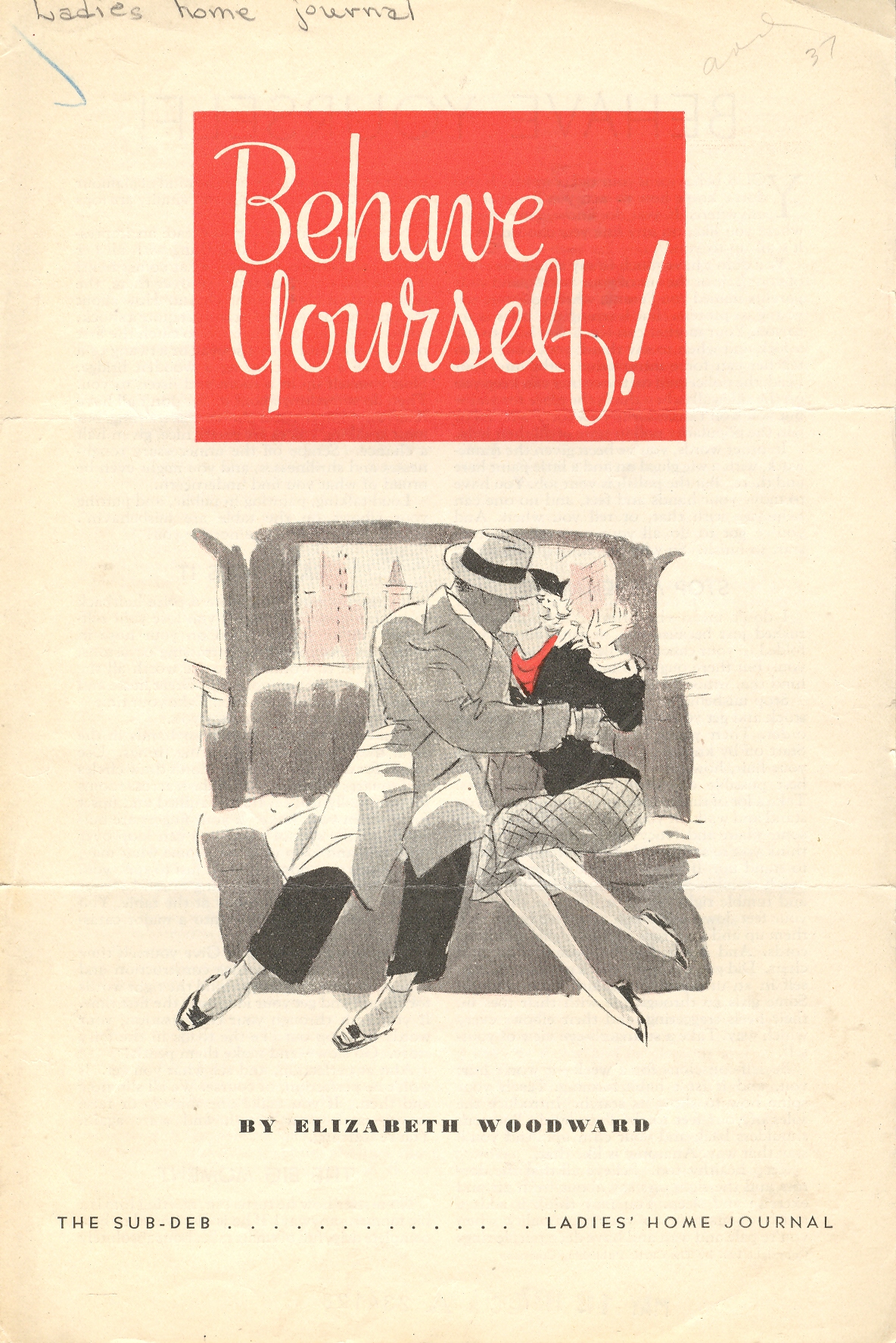
    Blog jan 12 girlz--behave yourself

    Perhaps
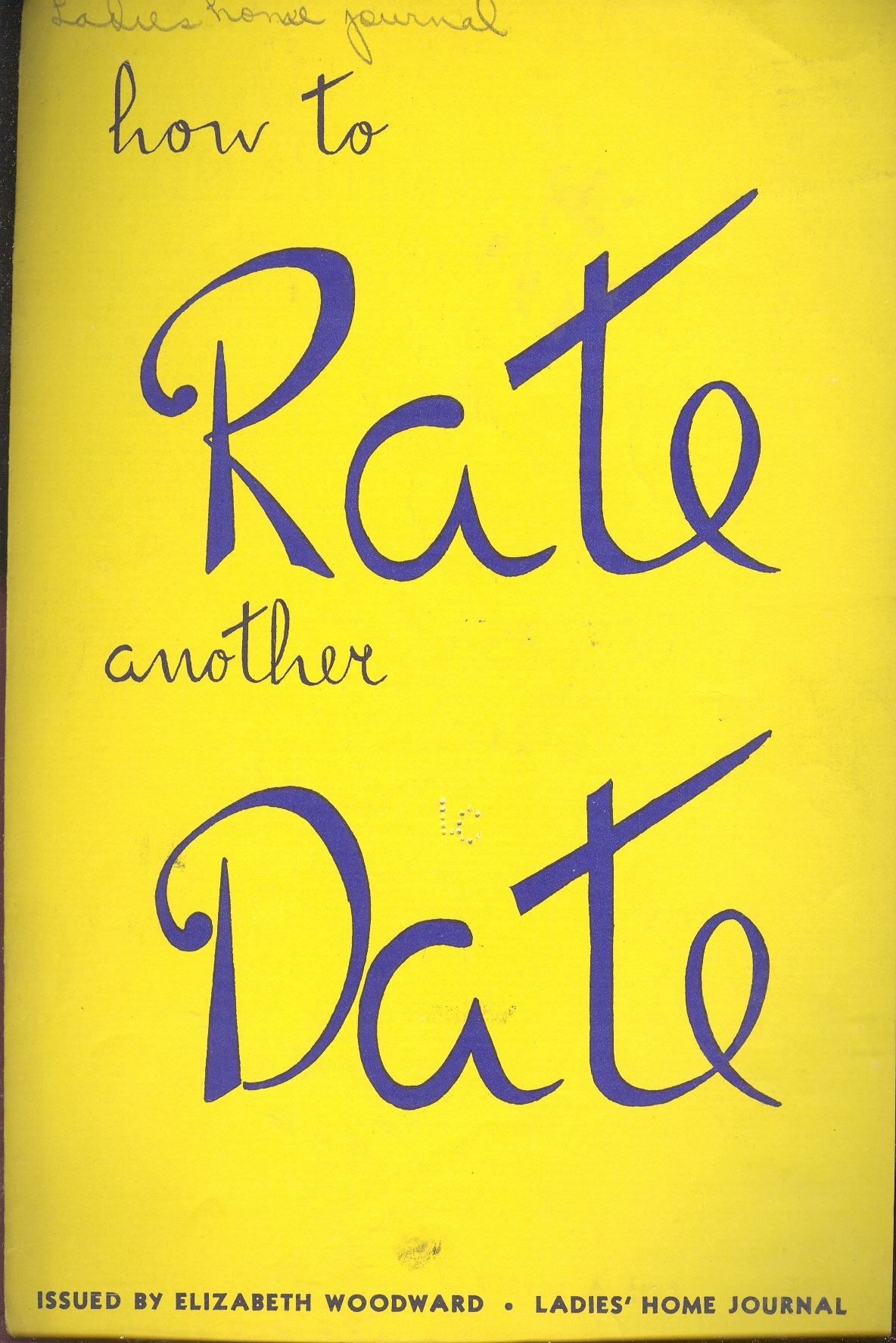
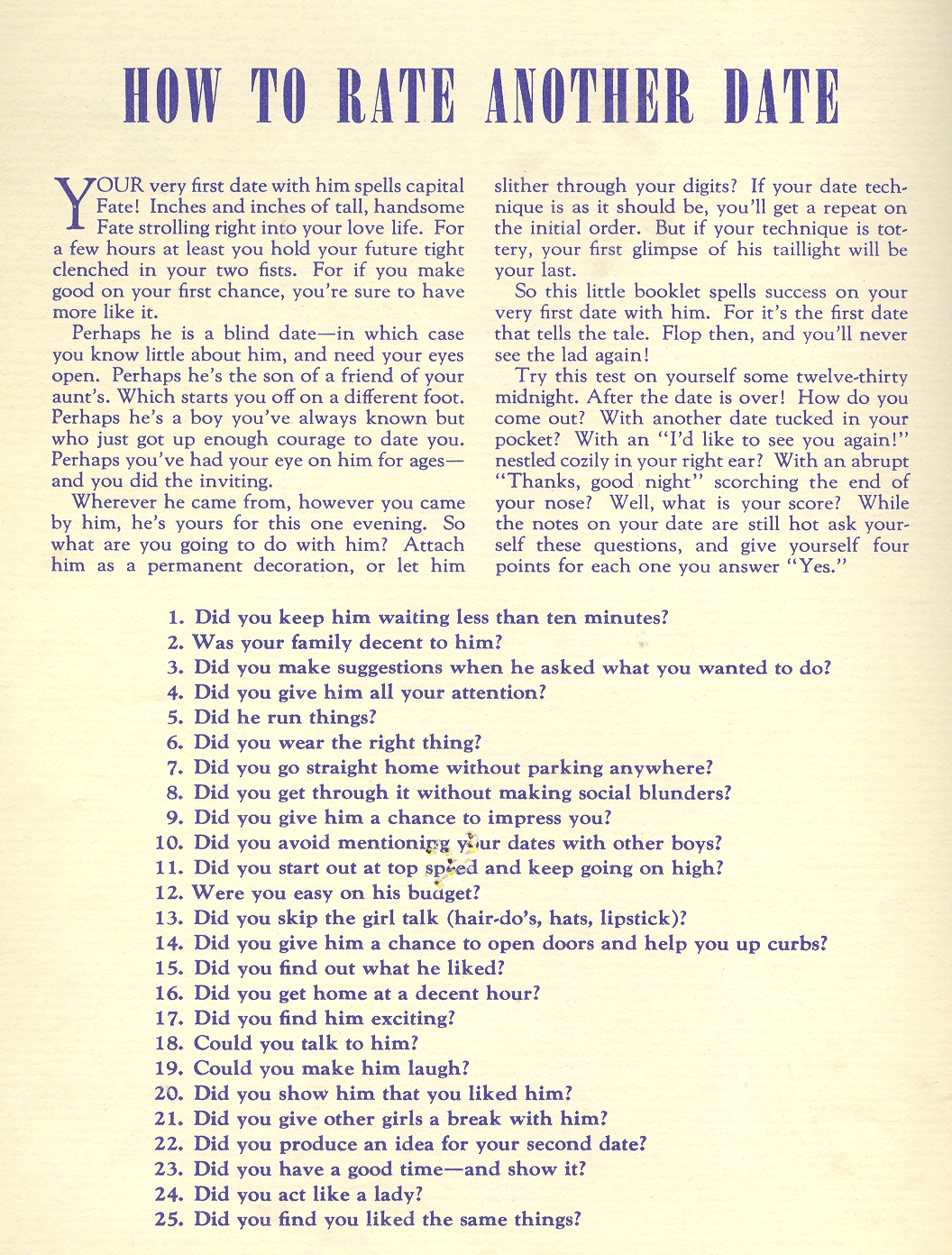
    it was the Date-Rate pamphlet that caused most of my teeth to fall out—it is
    sheer and painful, offering virtually nothing to the young women reading it and
    practicing its morality play but gender obedience and servility.Blog jan 12 girlz--rate a date

    “Did you give
    him all your attention?” “Did he run things?” “Did you give him a chance to
    impress you?” “Could you make him laugh?” 
    It isn’t until the final rating question (#25) that we get to something that
    opened the possibility of a two-way interest in the relationship, but only
    barely: “Did you find you liked the same things?”  Its sad, really. 

    Blog jan 13 RAE DATE txt

    When I read some of this to my 17-year-old
    daughter, she just looked at me with an open mouth and eyebrow furrows:  it was simply beyond listening to, for her,
    and certainly not anywhere near worthy of a response. 

    Blog jan 12 girlz--do boys like you 

    Of course this is just the tip of the tip of the tippity tip of the iceberg on the control of social thought and the keeping of the male-dominated social order, and its only one part of a very wide spectrum of overall codifications, much of which seem pretty much left to history within two generations.  

    Blog jan 13 do boys girl like u

    Blog jan 12 girlz--whAT shall

    Blog jan 12 girlz--going steady

    Blog jan 12 girlz--fortune telling  

    Blog jan 12 girlz--awhat did you say

    Blog jan 12 girlz--act yer age


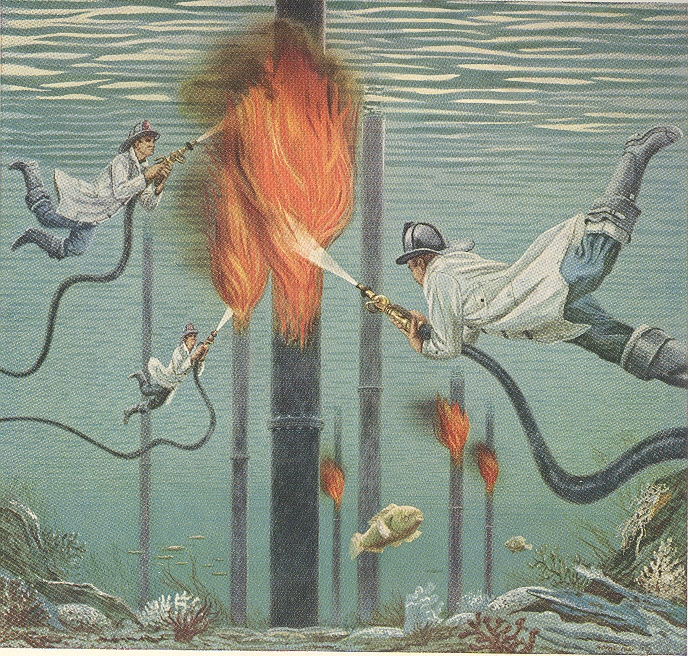
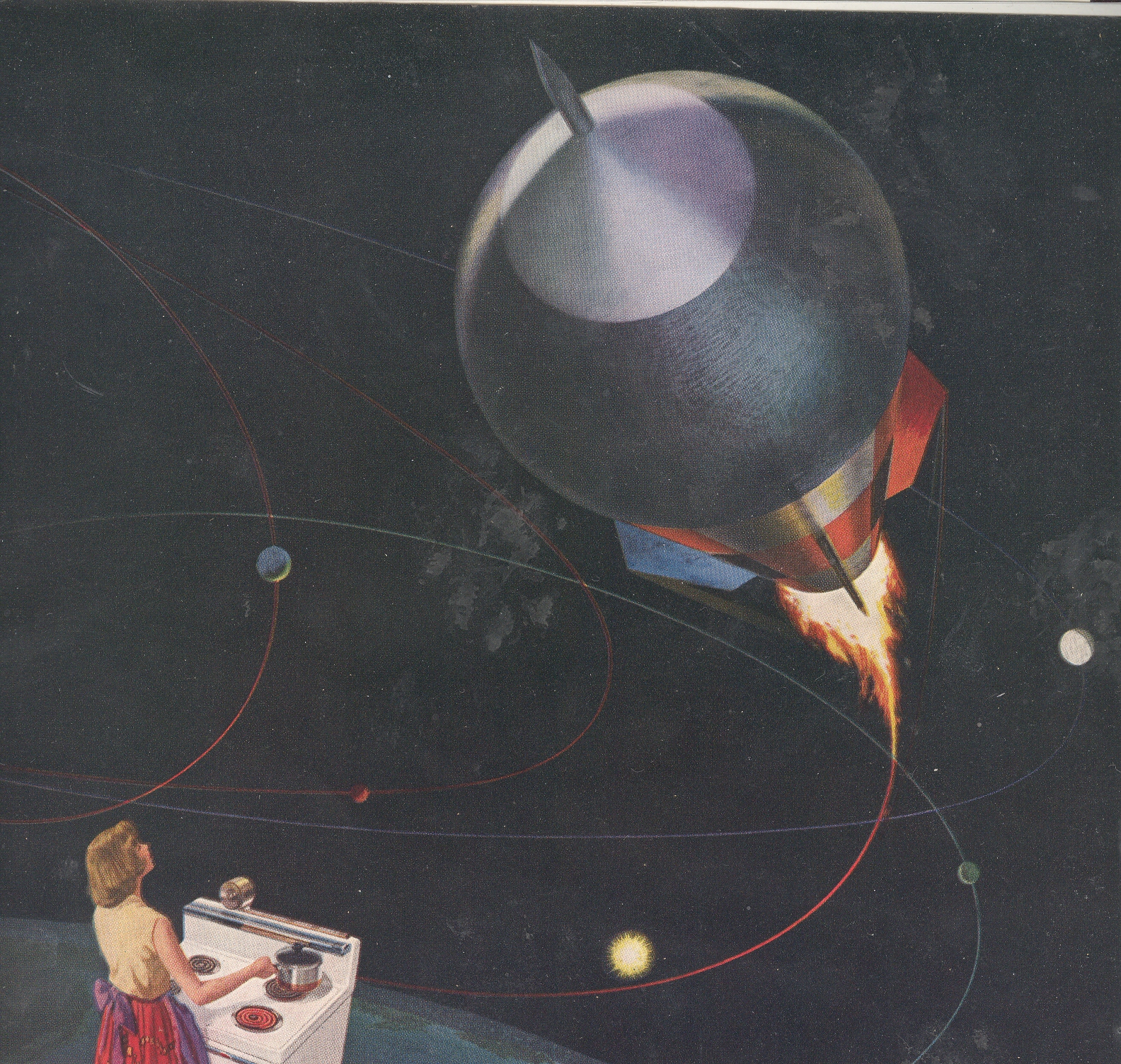
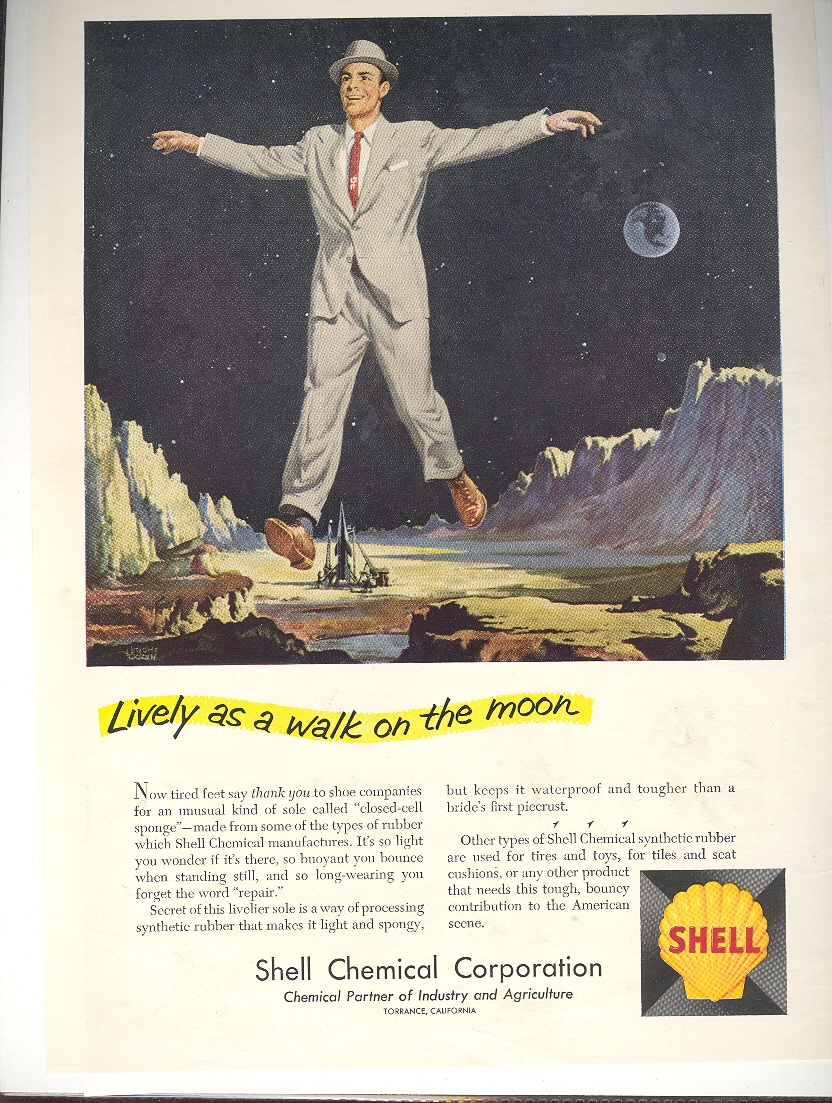
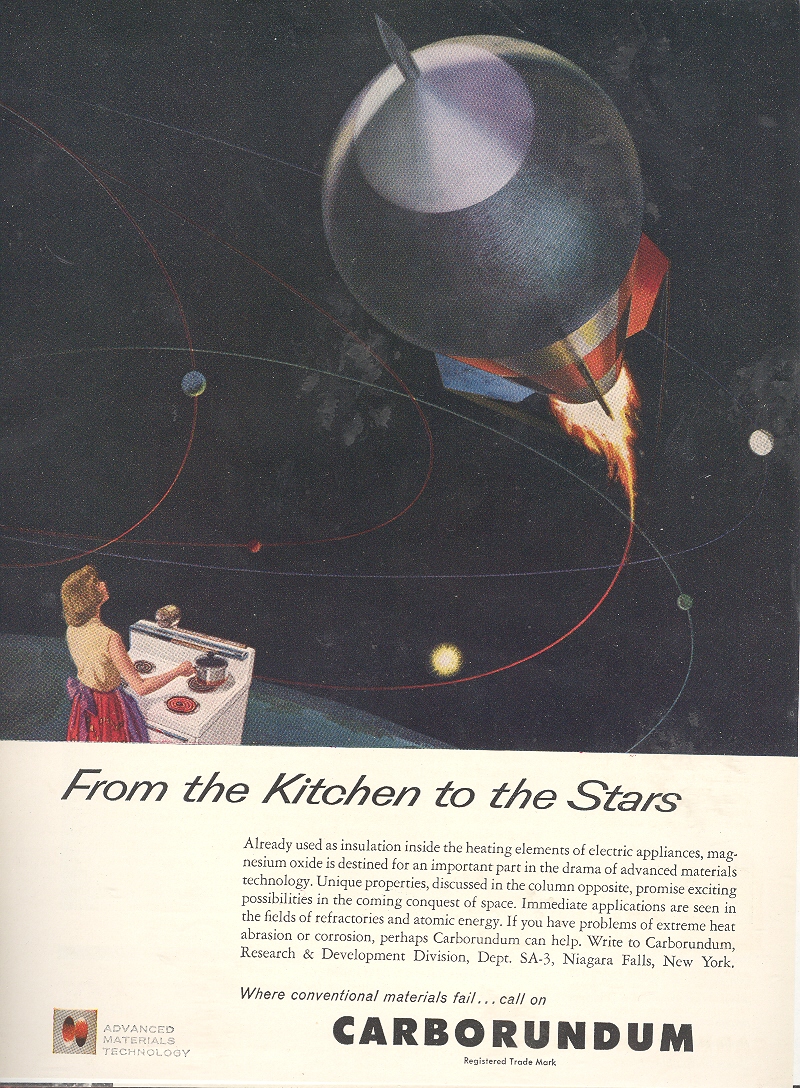
  • Found Absurdist Art: 1950’s Mommy Rockets, Flannel Moon Suits & Underwater Firefighters

    JF Ptak Science Books LLC  Post 907

    I like Found Art categories:  Found Absurdist, Found Surrealist, Found Cubist. This is a vision of art or design produced for something specifically not absurd or surreal or cubist, but once removed from their intended environment and definers, become the thing that was beyond their specified reach.  The following examples are all from the mid-1950’s, their sources reprinted below:

    Blog jan 13 Found absurd man moon 

    And this Spongebob-like existence under water, where you can have beaches and surf and fire and etc. at the bottom of the sea:

    Blog jan 13 Found absurd underwater 

    And of course the mom at the modern electric range feeling the birth of some sort of deep outer space astronautical space travel outer  space rocket (though with no visible viewing windows which leads me to believe that perhaps no Outer Space Astronauts were on board):

    Blog jan 13 Found absurd kitchen moon 

    The image sources:

    Blog jan 13 Found absurd man moon 001 Blog jan 13 Found absurd underwater 001 

    Blog jan 13 Found absurd kitchen moon 001


  • Big Planes: Aircraft with Dining Rooms in Their Wings

    JF Ptak Science Books  Post 906

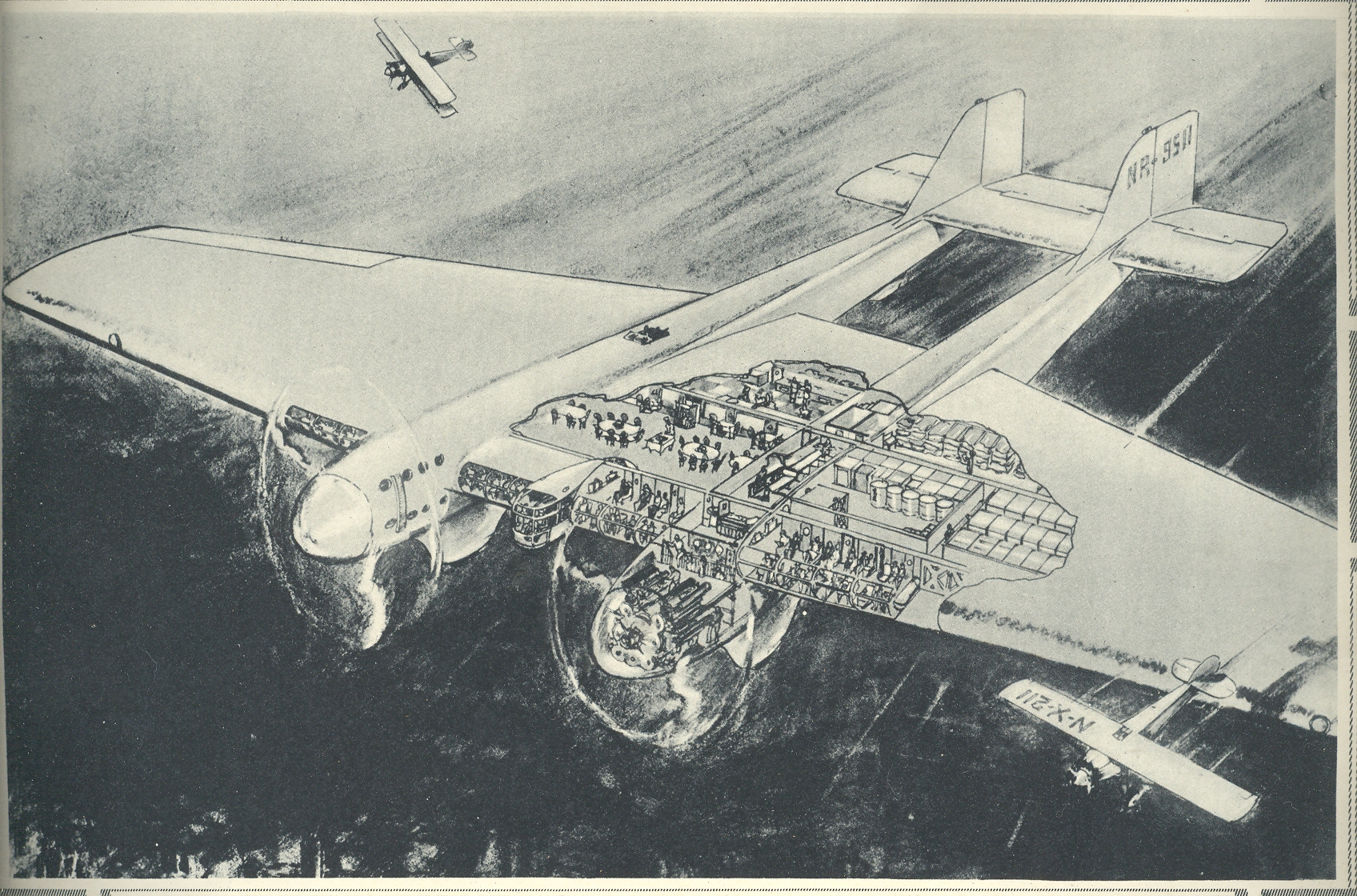
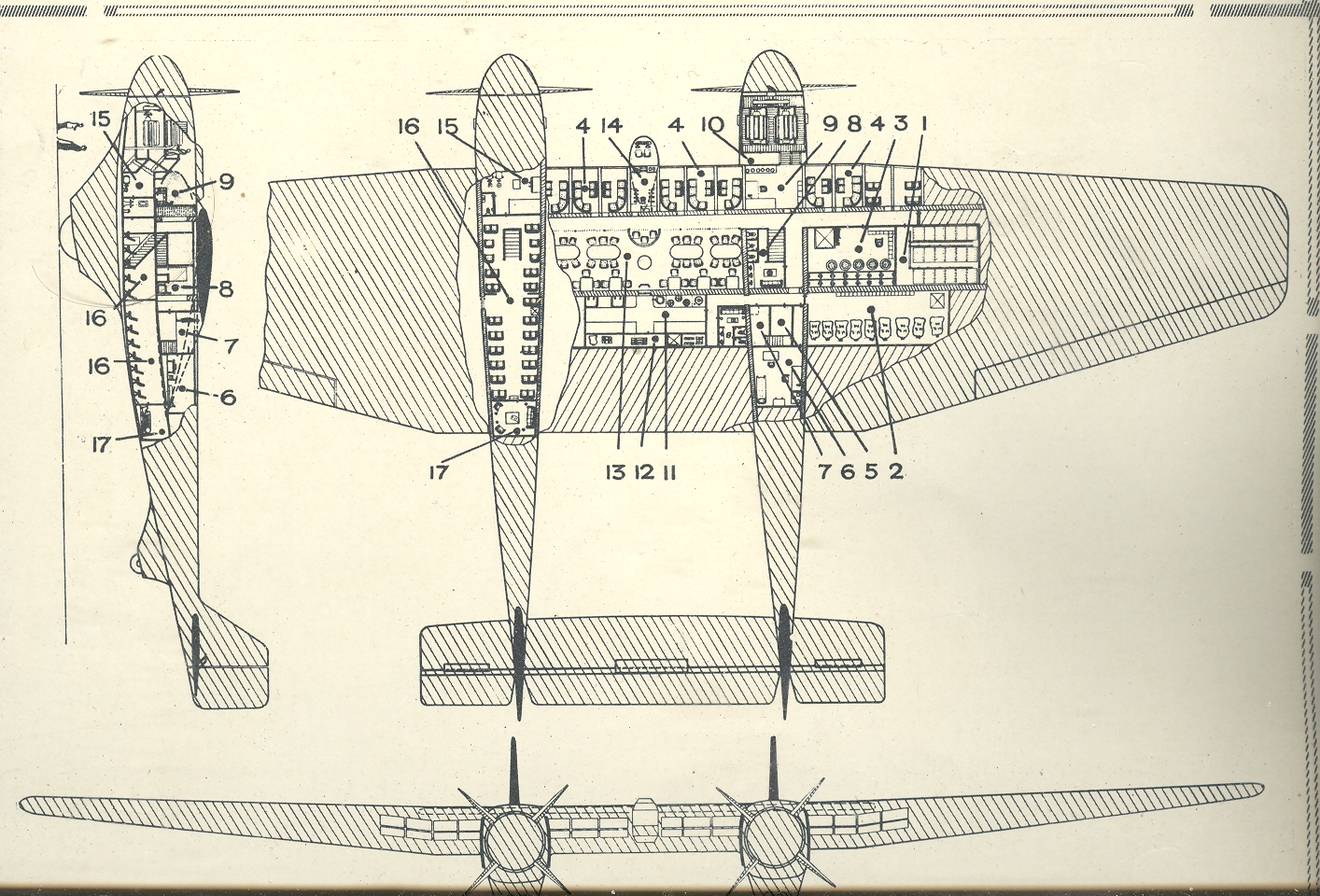
    Is it just me, or do the rest of you see Cary Grant at a teeny-tiny table when looking at this aircraft? There’s just something so horribly wonderful about the excesses washing over the passengers of high privilege in this airplane.[Source: The Illustrated London News 21 Dec 1929.] 

    Blog jan 11 big plane


    And the airplane has a name—Christmas, named for the man who provided its inspiration, Dr. William Whitney Christmas1–and was a paper plan to produce the world’s largest airplane.


    It would’ve been so by leaps and bounds.  The Christmas was to have a 262’ wingspan and a gross weight of 142,000 pounds at the time when one of the largest planes aloft—the Patrician Keystone K-78—had a wingspan of 86’ and carried 18 passenger, 2 pilots and an engineer. It also held the world’s record for hauling the heaviest payload, which for some reason was “33 girls”.  It was bigger still than the largest thing in the air, Lufthansa’s Dornier DO.X –this was an aircraft capable of moving 60-100 passengers (serviced by a crew of 10-14), a flying boat with 12 (Curtiss Conqueror 610hp) engines on wing sections 157’ long. (Was this a mile-a-minute fuel consumer?) The Dornier plane didn’t last long in service due to operating costs (1929 was a bad year to undertake an expense like this, especially in the hyperinflated Germany) and was in an aviation museum by 19342. (This plane—one of three constructed—was destroyed in a RAF bombing raid in 1943.)

    Blog jan 11 big plane 2

    Here’s something extraordinary about the Christmas:  it had a dining room (actually, a “dining saloon”) that took up 15% of the plane’s floor plan.  There was also the spacious smoking room, the crew and officer quarters, the machinist’s shop, engine room balconies (?), and of course the staterooms that seem to run along most of the front of the plane. The side elevation shows not very much space at all allotted to what must’ve been some massive engines, seeing as how there’s only two four-blade props. (The small lateral cross section shows two people against the plane for scale—these folks must’ve been giants; I figure they should be a little more than 75% of the manikins.  I make each prop blade to be about 10 foot (?))

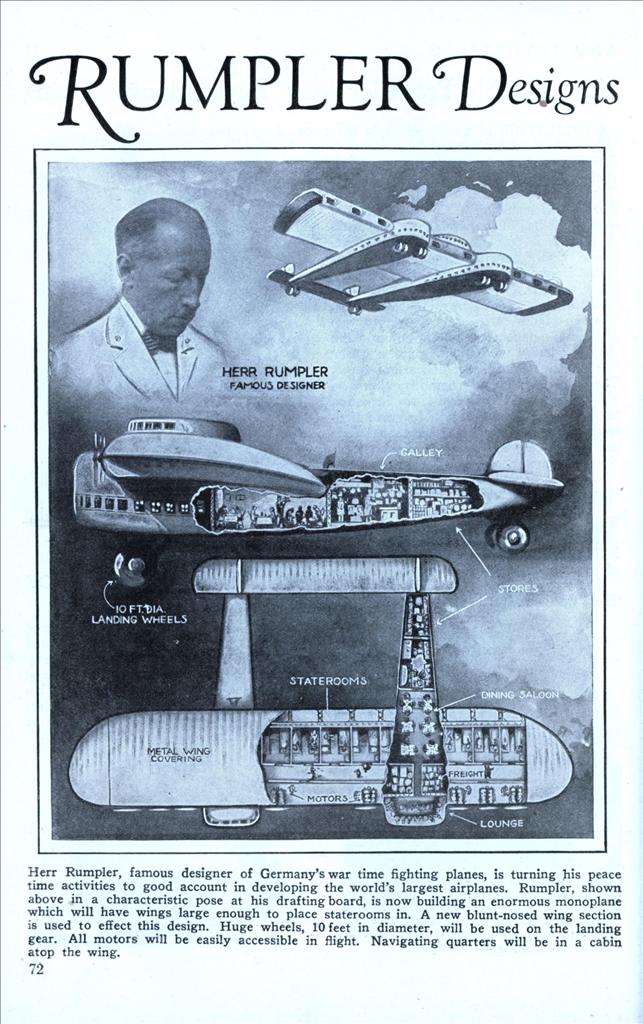
    As it turns out this aircraft looks a lot like Edmund Rumpler’s3 (1872-1940) giant.  Outfitted with a long row of staterooms along the front edge of the large wing and a huge dining room, it doesn’t seem to be equipped with an area for the engines.  Maybe this was an endemic flaw among older fast-thinkers…  

    Notes:

    1. Dr. Christmas (1865-1960) was the third American to fly and was the first to design a plane with aerilons.

    Blog jan 11 rumpler

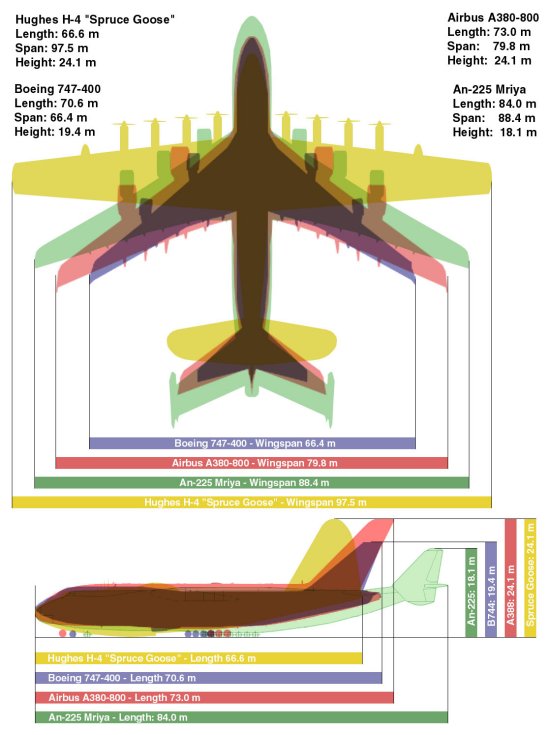
    2. Compare this to the Antev An-225, a modern very-,limited-production monster that could haul 1.3 million pounds of cargo, and the 747 (hauling up to 900,000 pounds) and the mammoth Airbus A380—all relatively the same size but with fabulous design and power.

    3.Rumpler made very significant aeronautical contributions to the German effort in WWI, as well as designed the first aerodynamic auto—his military planes though during the war were  great triumph, partially because they were also Germany’s first mass-production-possible aircraft.  This didn’t help him much when Hitler came to power—being Jewish, Rumpler was arrested, and then released by Goering who at least could find a small part of himself to save this one Jew who served Germany so well.

    4.  Source for the Rumpler image is the wonderful ModernMechanix site here.


    Interesting comparison chart for big planes: [Source]


    Blog jan 11 aircraft size-comparison


  • The Oldest Image of a Flying Pig? An Adynaton Antiquarian Illustration, 1687.

    JF Ptak Science Books LLC  Post 905Blog jan 11 dalence pigs fly

    How
    old is the  saying, or rejoinder, “…when
    pigs fly”?  I dunno, and frankly it
    doesn’t really matter. Except for right now, when I found this rather
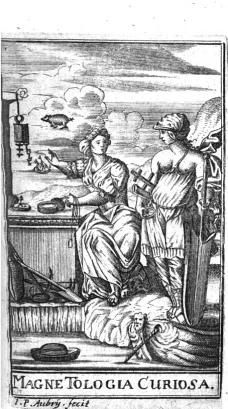
    extraordinary image of a pig-in-the-sky from 1687.  It isn’t a flying pig, but I’m not sure what
    it is:  the origin of the image is from
    J.de  Dalence, Traite de l’Aiman (publihsed in Amsterdam in 1687), a book about the history
    of magnetism.  But nothing else matters,
    just the flying, atmos-floating pig, right there in the sky, perfect against a
    puffy cloud. 

    I
    suspect—without any intention of doing any research on my suspicion—that this
    may very well be the earliest depigtion of a flying pig.  And it just so happens to have appeared in
    the same year of Newton’s great Principigia. 

    And
    just for the record, I wonder how often anyone sees an image 300+ or more years
    old of any of the other great adynations? For example, “It is
    easier for a camel to pass through the eye of the needle,
    than for a rich man to enter into the kingdom of God”  from the Book of Matthew,
    19:24, just doesn’t seem to lend itself to empirical description, as it would
    pretty much lessen and defeat the purpose of the literary description.

    The flying pig, though, may be a horse of a different
    color, so to speak.


  • Advanced Utopian Martian Communities, 1911

    JF Ptak Science Books LLC  Post 904

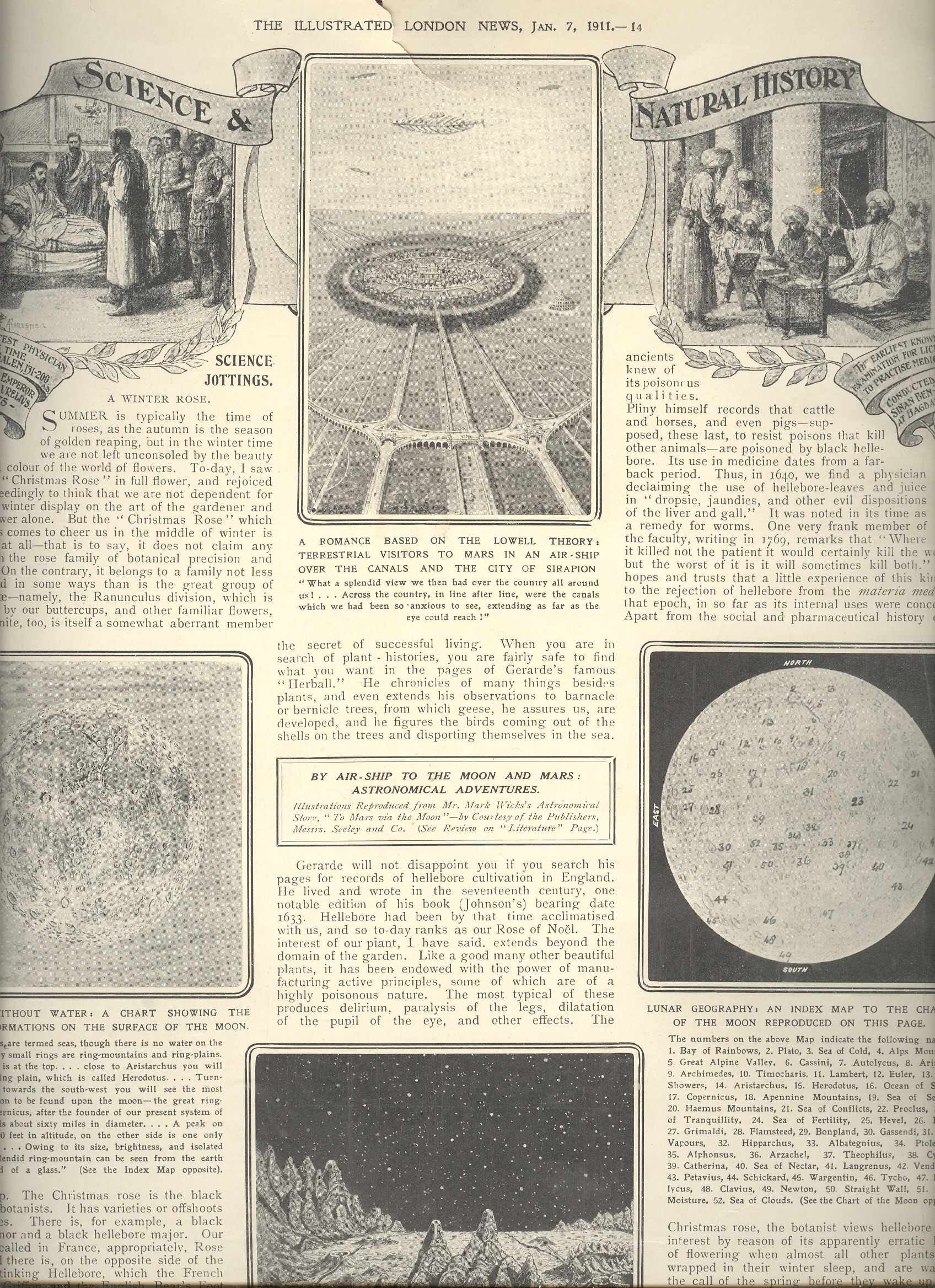
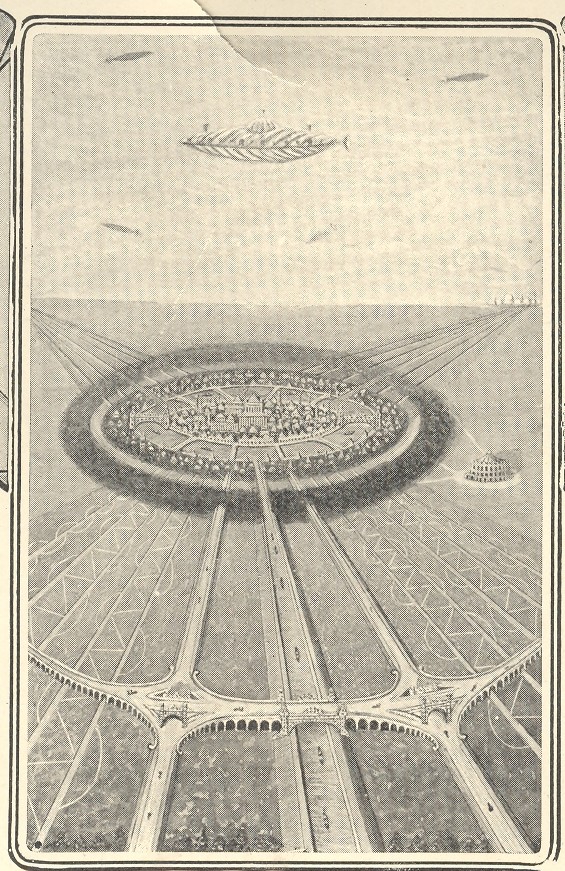
    Blog jan 9 mars This futuro-Utopian homage to
    ET-civilizations and space travel was written just too early to have been
    sucked up by period-appropriate Hollywood
    script raptors.  Reading it is a little
    out of the question and left to the domain of sci-fi archaeologists; the book
    is stuffy and dry  and very stiff
    (brittle !) without being terribly interesting and doesn’t stop for the right
    word when four will do. (See below for an example of the writing.)   The ideas though lurking beneath the surface
    though are pretty good for its time, though they are hardly the great undertow
    that rips you away and out of the clutches of the stuff that make this a pretty
    object rather than a book.
     

    Blog jan 10 mars

    To Mars via the Moon, an
    Astronomical Story
    . written by Mark Wicks
    and published in 1911, left the Moon quite behind in its literary assault on a
    super-advanced civilization that the space travelers find on the red
    planet.  Wicks owes a big nod (and gives
    it) to the astronomer and faded theorist Percival Lowell and his
    Mars as
    an Abode of Life
    (1908)1.  Wicks’ Mars is enormously advanced
    techno-superpower filled with telepaths and mega intelligence, as well as a
    reincarnated version of his own dead son. 


    Okay, enough.  I’m really just stopping here because of the noble
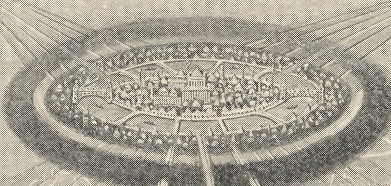
    outsider-like Martian city/landscape, a circular city with canal2-like
    connectors. It’s a busy environment, with the perspective-challenged city
    looking vaguely bathed in a holy halo, car-like objects skimming along the
    canal-roads, and “pre-flying saucers” in the air.  It is lovely in its own way—certainly the
    publishers thought so, as they incorporated the design right on the spine of
    the book. 


    Blog jan 10 mars extra detal

    Notes

     
    1.Lowell’s
    hypothesis was rounding criticized by many, including Alfred Russell Wallace
    ’s 
    Is
    Mars Habitable?.
     Blog jan 9 mars spine
    2. Giovanni Schiaparelli reported these features
    first, in 1877, referring to them as
    canali in his native Italian, which means something more
    like naturally-occurring grooves or channel; English-speakers like Lowell
    stopped just short with the word, lopping of the final “I” and going with
    “canals”,  with its overt implications of
    intelligent design.  And thus are
    religions born
    .
     
    The entire book can be found on the
    Gutenberg site:
    http://www.gutenberg.org/files/2763/27633-8.txt

    The sample of the writer’s ware is below, the final two paragraphs of the book: the penultimate paragraph being one long run-on sentence including four embedded exclamation points, and the final two sentences of the final graph ending in an exclamation point and a dot dot dot question mark:
     
    “Yes, we are doing well–there is no doubt about that; but,
    notwithstanding my present very satisfactory circumstances and the certainty of a brilliant future if I stay here, ideas have long and persistently been running in my mind that it would be far better for me to go back to Mars, and–by Jove! strange indeed that I never thought of it before!–perhaps those very persistent ideas are actually the outcome of Martian influences!!”

    “The wonderful music I heard upon Mars still rings in my ears; and, at times, so thrilling and peculiar is its effect upon me, that I feel as though I were being almost irresistibly impelled to return to that planet. Well, I should very much like to see the dear old Professor and Merna again, and also my many Martian friends. Then there’s Siloni, whom I can never forget, for mentally her image is ever before me. What a nice girl she was! If I were to return to Mars, I wonder whether…?”

    First edition spine source: http://www.sumnerandstillman.com/Catalog/sumner.cgi/9691


  • Ocean-Crossing Floating Airports Across the Atlantic, 1935

    JF Ptak Science Books LLC  Post 903

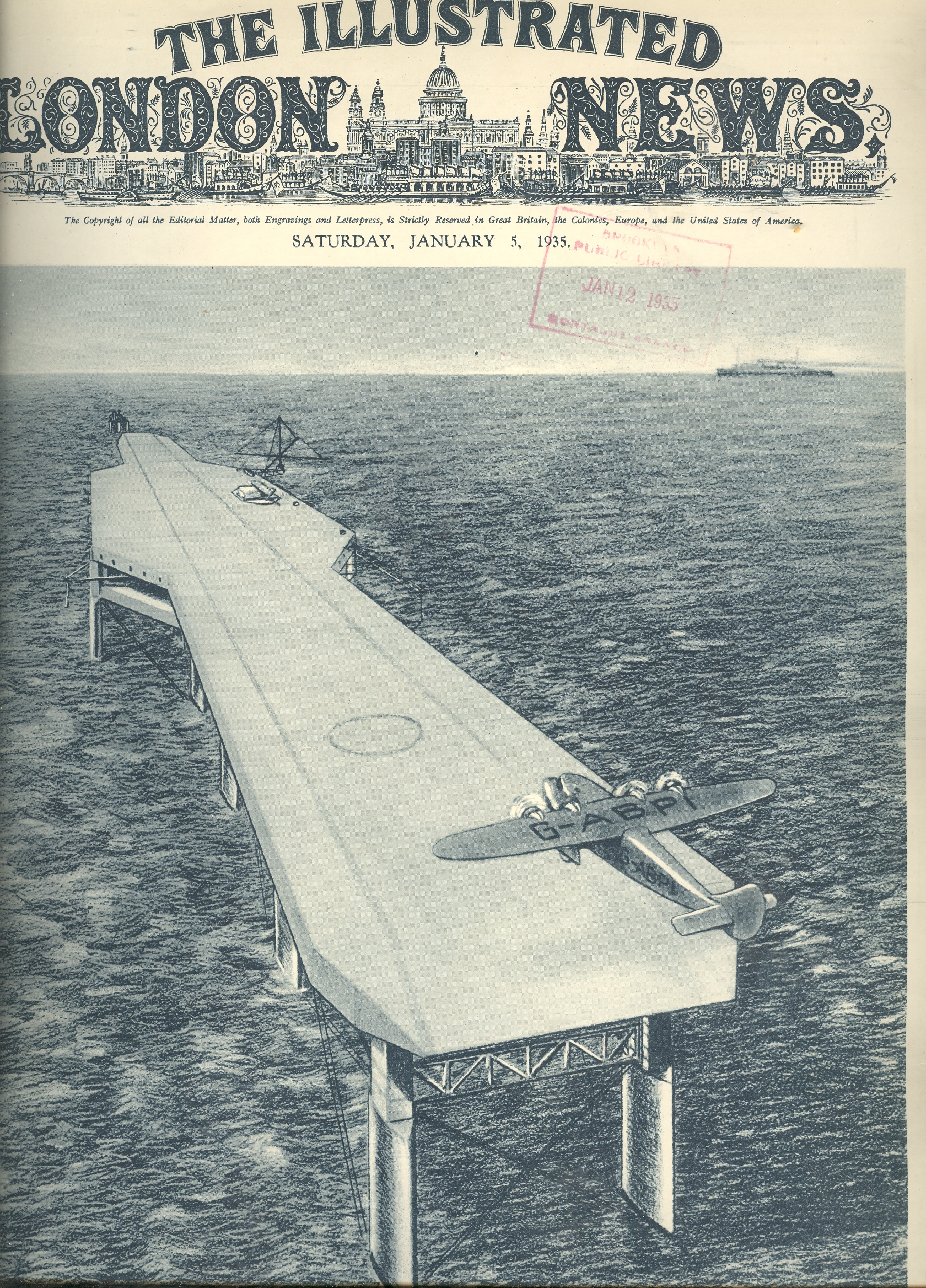
    This short
    shelf-lived idea was that of Edward R. Armstrong (1880-1955), who in 1927  first published his plan for a series of 1200’x200’
    floating platforms for refueling and whatnot for transcontinental flights.  These five-acre stations—named the “Langley” in honor of
    Samuel Pierpont Langley1— would be placed every 375 miles across the ocean.  It doesn’t look like a very practical (or
    good) idea, but Armstrong received a $750,000 piece of development change from du
    Pont and GM, which was major dollars in 1929. 
     Blog jan 9 sea airport
    Armstrong’s
    idea would get major play in the popular press from time-to-time, his project
    renamed “The Seadrome” and discussed as a series of floating islands.  Armstrong himself would organize the Seadrome
    Ocean Dock Corp. in the late 1930’s, his pretty but enormously impractical idea
    (reported by
    Time Magazine2 in 1933 as little more than “a perennial gift to Sunday feature
    editors”)
     finally grinding to a salty end with greater
    fuel capacity and efficiency in transatlantic aircraft. 

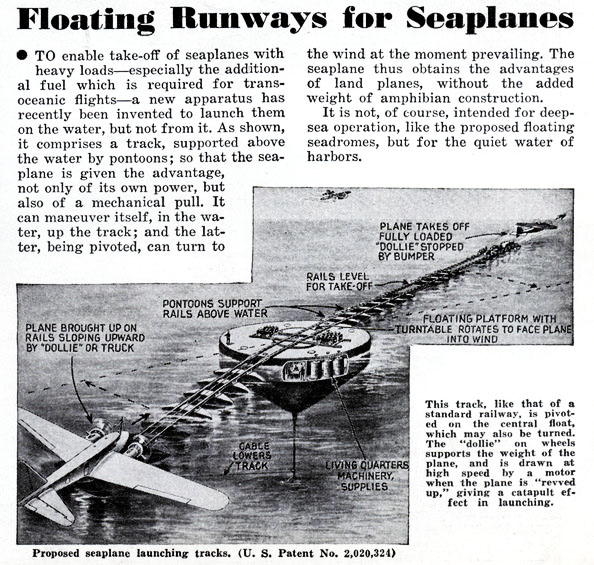
    An even worse idea appeared in the pages of Science and Mechanics in 1936:

    Blog jan 9

     
    Notes:
    1. A Time
    Magazine article
    published 28 October 1929 [a day before the market crashed!] about the

    Langley oddly states
    that Langley was the “designer of the plane which, except for accidents, might
    have flown before the Wrights’ plane did in 1903”.  Tough potatoes. What the magazine didn’t
    state was that Langley, who was the president of the Smithsonian Institution at
    the time with access to major money and benefactors simply went about the flight
    problem incorrectly, and produced an airplane (or “aerodrome”, as he called it)
    that did not and would not fly. Not flying because of accidents means, well,
    not flying.  The Wrights’ approach to
    problem solving was elegant and beat Langley
    by miles.  Langley deserves credit for his other (many)
    achievements, but not for this aircraft.
     
    This same
    article only references Armstrong as a “swarthy engineer”.
    The article
    is reprinted below.