A Daily History of Holes, Dots, Lines, Science, History, Math, Physics, Art, the Unintentional Absurd, Architecture, Maps, Data Visualization, Blank and Missing Things, and so on. |1.6 million words, 7500 images, 4.9 million hits| Press & appearances in The Times, Le Figaro, Mensa, The Economist, The Guardian, Discovery News, Slate, Le Monde, Sci American Blogs, Le Pont, and many other places… 5000+ total posts since 2008.

Author: JF Ptak

  • Outsider Logic Department: the Fabulous Curative Necessity of Fatty Meats

    JF Ptak Science Books LLC    Post 989

    [see also my related posts on Women Meat Pioneers and of course Meat String and Curled Hair]

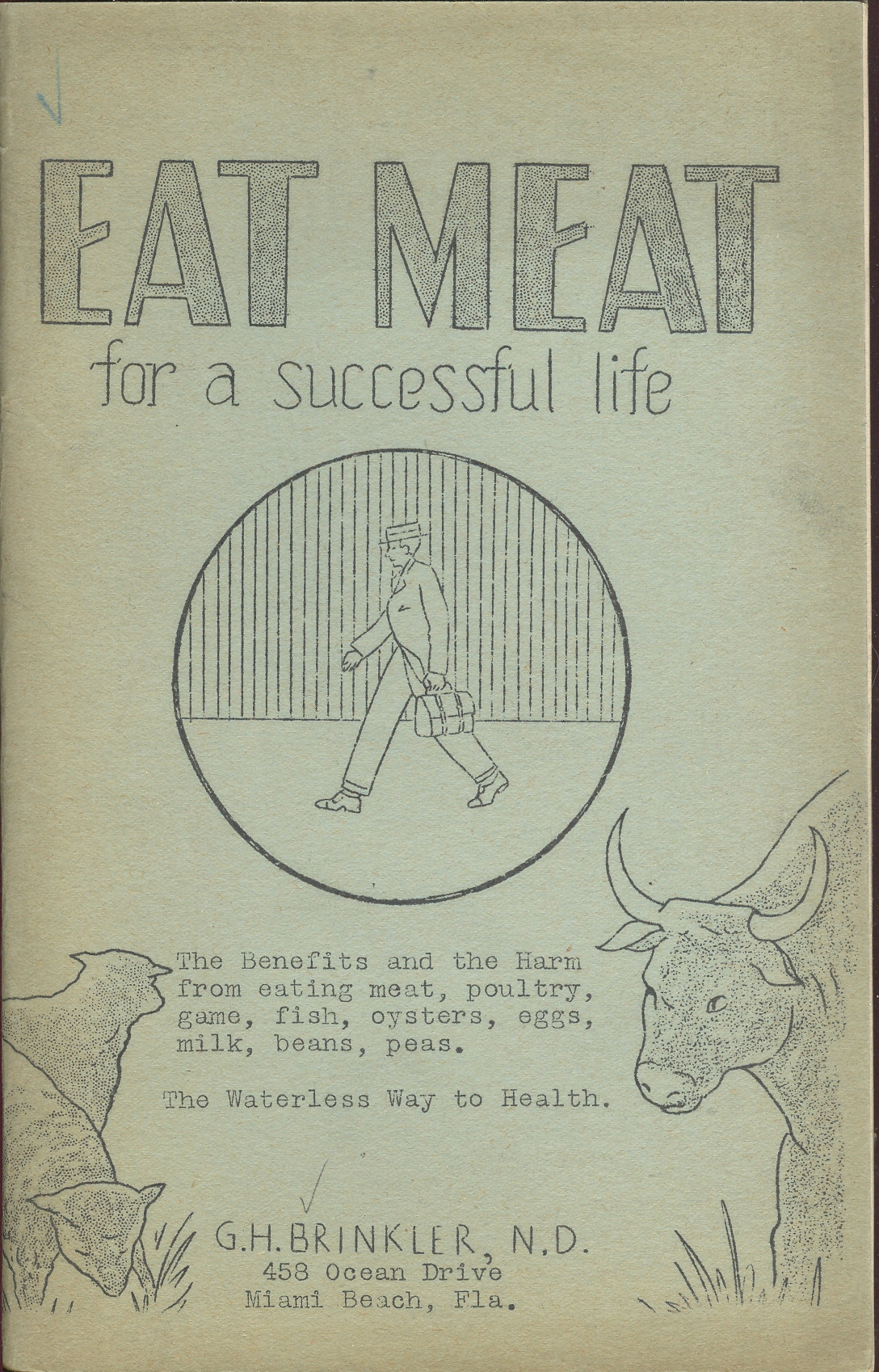
    I have a suspicion that the author of Eat
    Meat for a Successful Life
    , G.H. Brinkler 
    (a “N.D.”, doctor of nauturopathy,  from the American School
    of Naturopathy and the tautologically-surprising “founder” of the “Brinkler
    Club”) had a compromised and possibly antagonistic personal history with
    vegetables.  And water, as Mr. Brinkler
    is also the originator of the “Brinkler
    Waterless Way
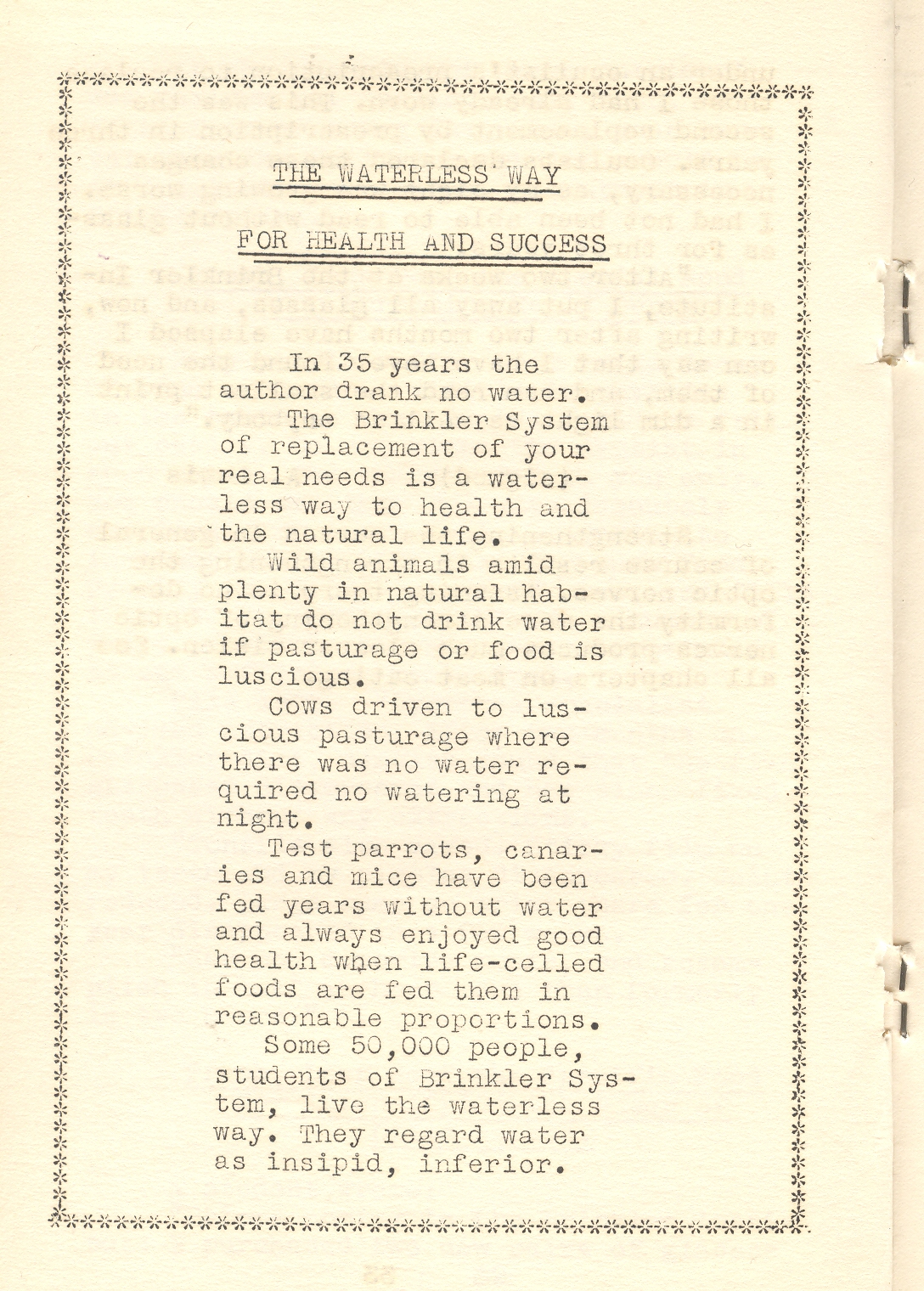
    to Health”, and a man who claims not
    to have drunk any water in 35 years. 

    Mar 26 eat meat

    Most humans don’t do so well without water after a few days, though there
    are extreme cases where people have survived for several weeks without water.
    To have survived 1,820 weeks seems pretty much to be well on its way to being a
    vastly under-appreciated record of human endurance.

    Mar 26 eat meat water 001

    But the main story here of course is the meat, with the waterless bit woven
    through it like heart-ending marbling in a butt chop.  Meat, as we are told by Mr. Brinkler, is
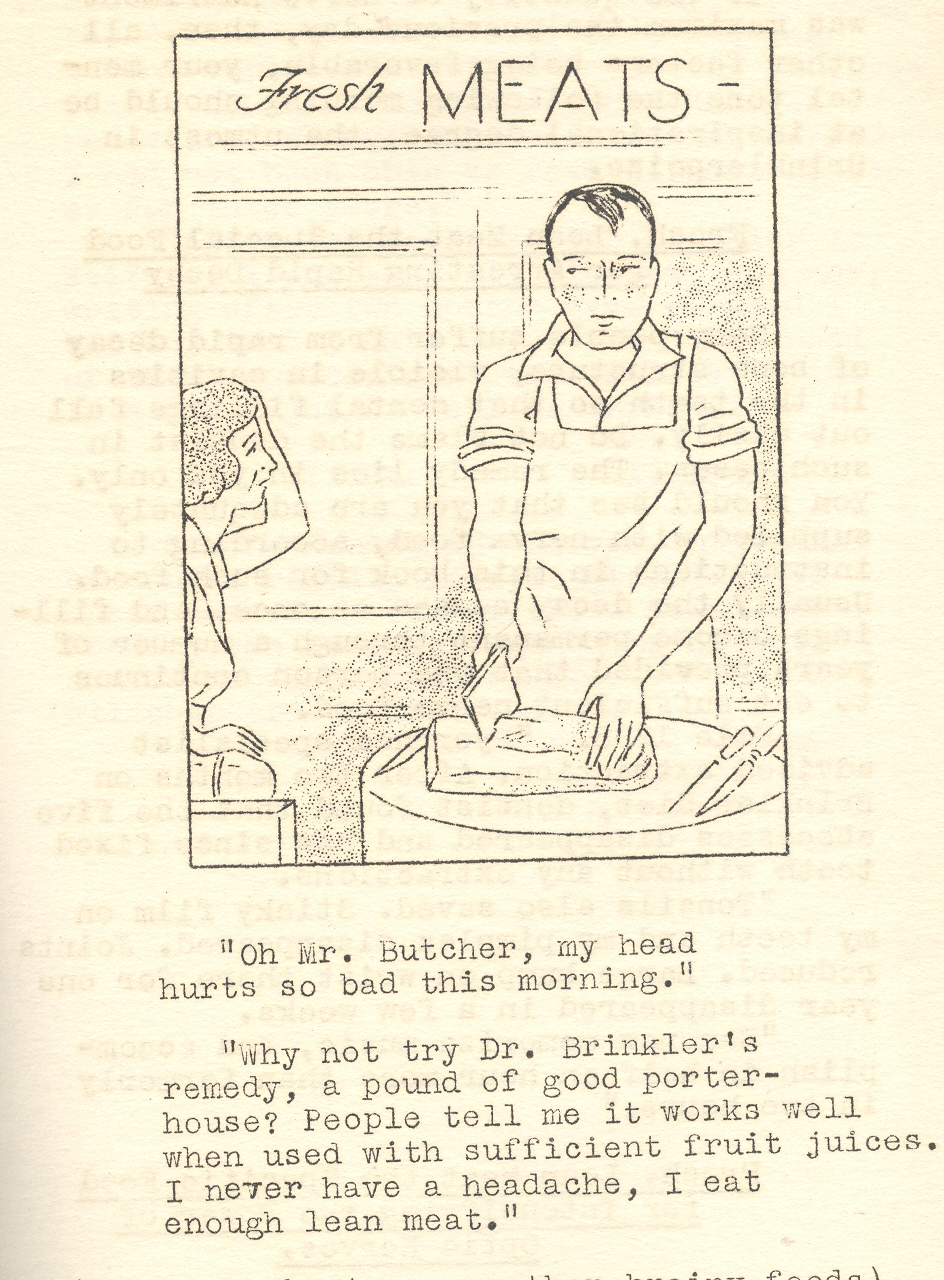
    pretty much a “natural fixer” for just about anything.  Lazy in the morning?  A pound of pork on the broiler will cure
    that.  Sexual inadequacy?  Solved with meat (ingestion).  Poor memory?–the answer:  meat, and lots of it. And not only just meat;
    it definitely needs to be not lean. Big fatty meats are the greatest source of the
    desired “muscle food”; lean meats, unfortunately, are only “nerve foods”. Somehow
    the meat mixed with the waterless way induces the “nerve-ends” into a “more
    natural” and strengthened existence.

    Mar 26 eat meat water

    The Brinkler follower should also chew their meat less.  “The masticating fad might result in tiring
    the jaws and gross undernourishment”.

    I could go on and pull further quotes out of context from this piece, but
    that would be mean. The pamphlet (1934) I have is the U.S. Copyright Deposit copy, and I suspect that there may not have been many copies other than mine. I think that all the
    man was trying to do was sell broilers. 


  • “Women are Human, too”: Human Resource Workbook for Females, 1943

    JF Ptak Science Books LLC  Post 988

    In the history of archaic thought it doesn’t take very much at all to reach
    the uncomfortable bits in the sulfurously tangled history of the subjugation
    of women. But it is most interesting when you find the points at which the “backward-looking”
    archaic parts are actually somewhat forward-looking for their time.

    Mar 25 women equals but

    Mar 25 women are humans cvr

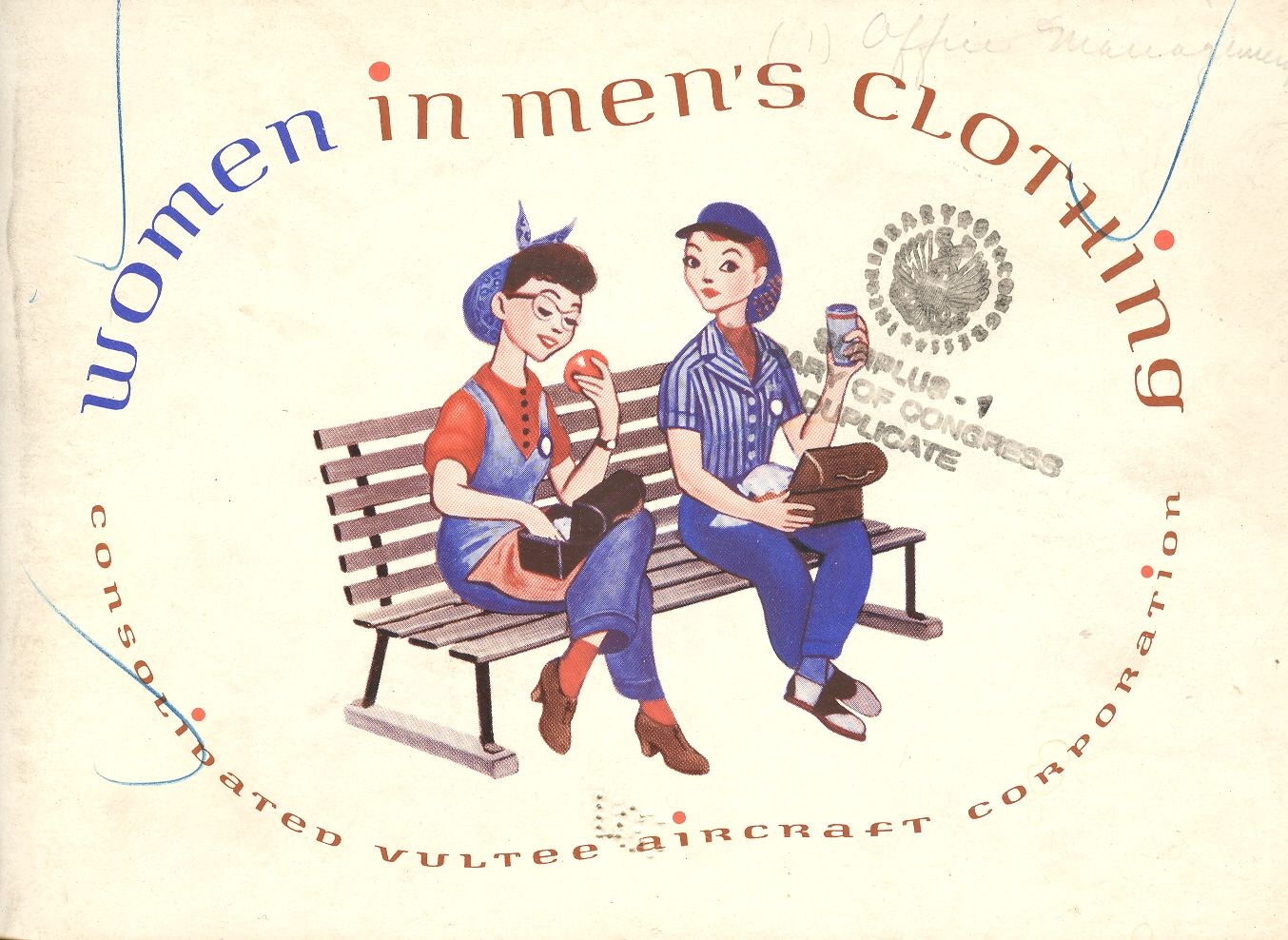
    Such is the case with this odd and interesting little pamphlet, Women in Men’s Clothing, published by
    the Vultee Aircraft Corporation, and published in 1943—it can be simultaneously
    awkward as a broken product of its time and oddly, slightly, futuristic (with a grudging and clawing recognition of women as possible equals as members of the work force).  Overall the publication looks pretty painful from today’s perch, but when you look a little past the winces you can see a little bit of recognition for women in general; at least this is far forward from anything that might’ve been published slightly before the war. 

    Mar 25 women are humans cvr title

    The pamphlet was intended as a human resources tool for managers and
    supervisors in an aircraft production facility where women had been sought and
    recruited to fill the very many vacancies brought on by the war.  (Millions of women entered the workforce for the
    first time between 1942-1945; millions of them exited too once the servicemen
    returned from active duty to reclaim their jobs.)  For most industrial supervisors, the prospect
    of women in the workforce was not a welcomed one, and many had never before needed to think of such a diversified workplace. This slight publication translated the idea of “women/”wimmin” for these
    men. 

    Mar 25 women human too

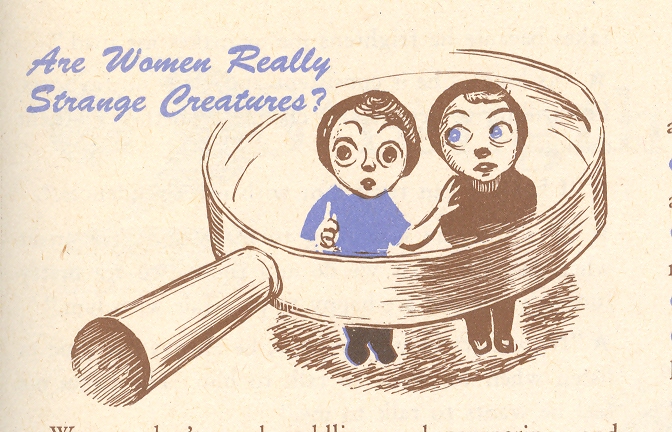
    The “translation” of the understanding of women from home to the workforce doesn’t go very far to advancing the understanding of women at work–they’re pretty much the same (dogmatic, condescending, sexist, domineering).

    Mar 25 women strange creatures

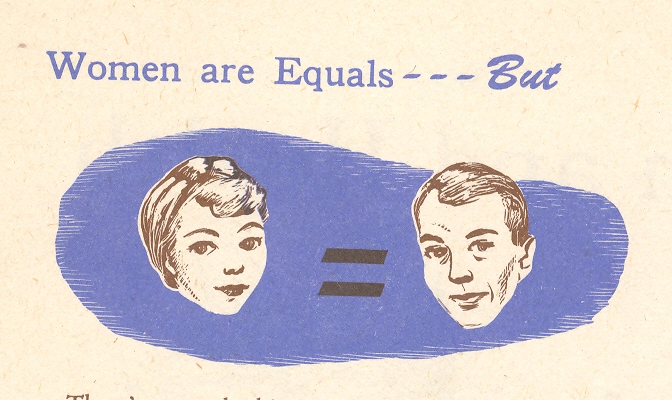
    All of that is pretty well summed up by the first picture in this series–the asterisked “equality” between men and women.  I must admit that I don’t think I’ve ever seen this “equals, but” label before, or at least so deep into the century. 

    Mar 25 women older girls

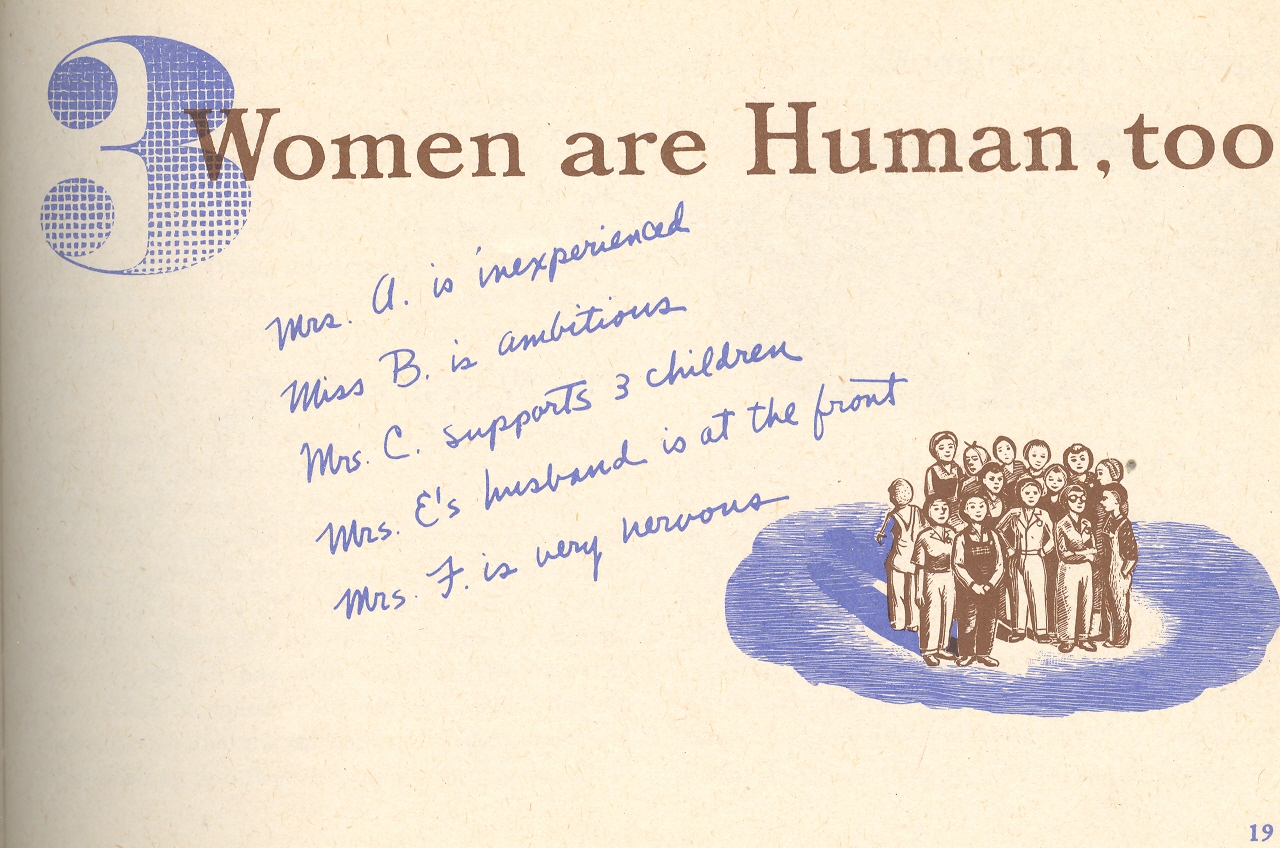
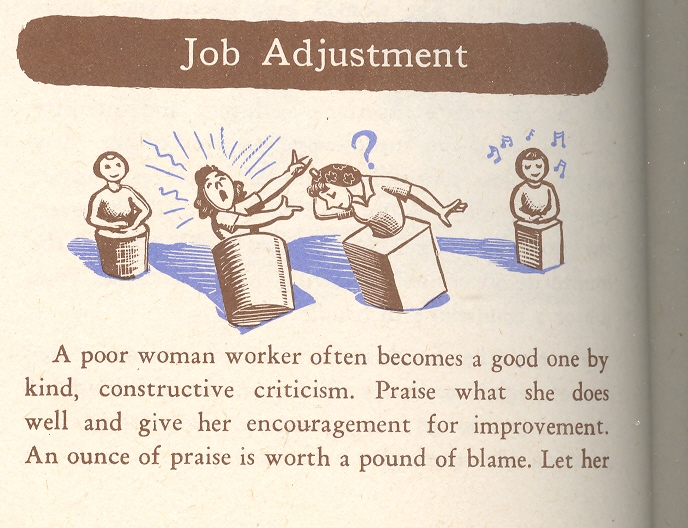
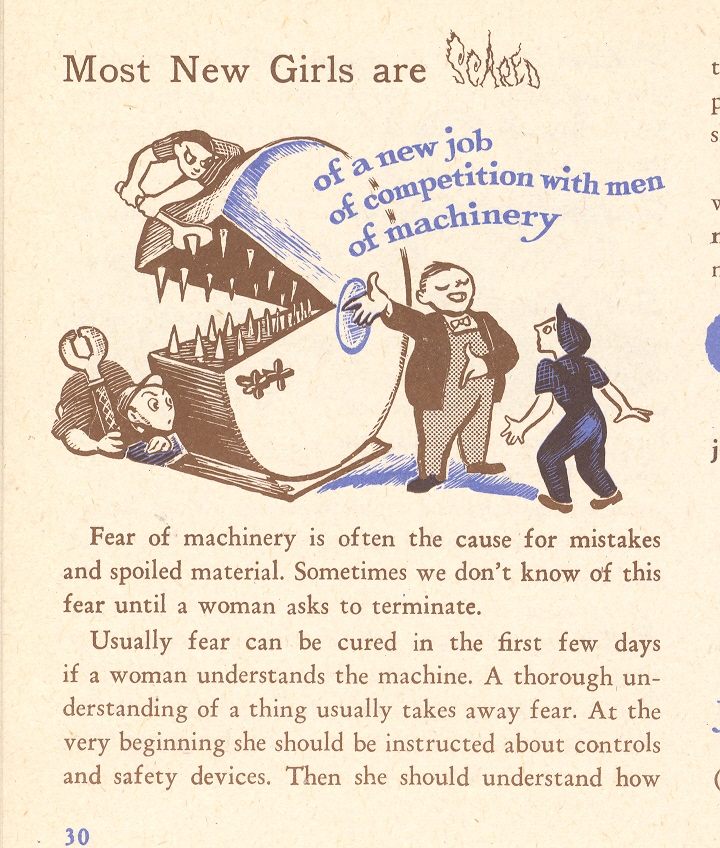
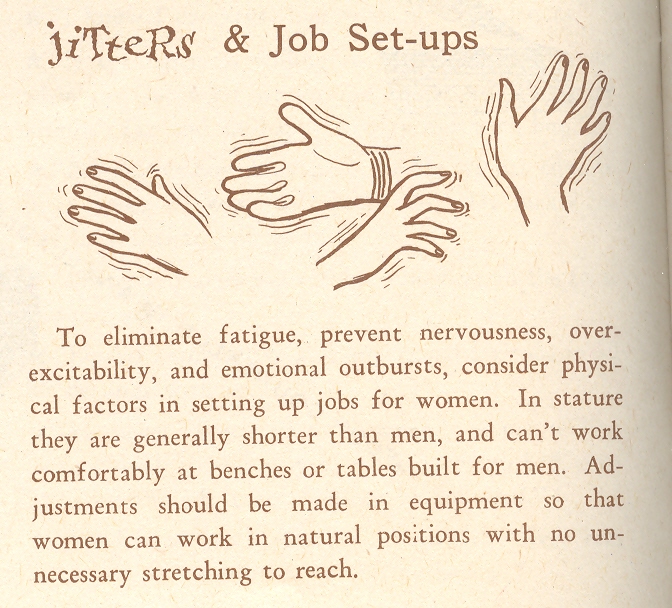
    And of course “women are Human, too” needs very little comment…as is the case for most of the images in the pamphlet.  

    Mar 25 women job adjust

    Mar 25 women chompers 

    Mar 25 women hands


  • Propaganda and the Dinner Table: Strike-Breaking and Graphical Display of Data, 1911

    JF Ptak Science Books LLC  Post 987

    Mar 25 dinner plate det

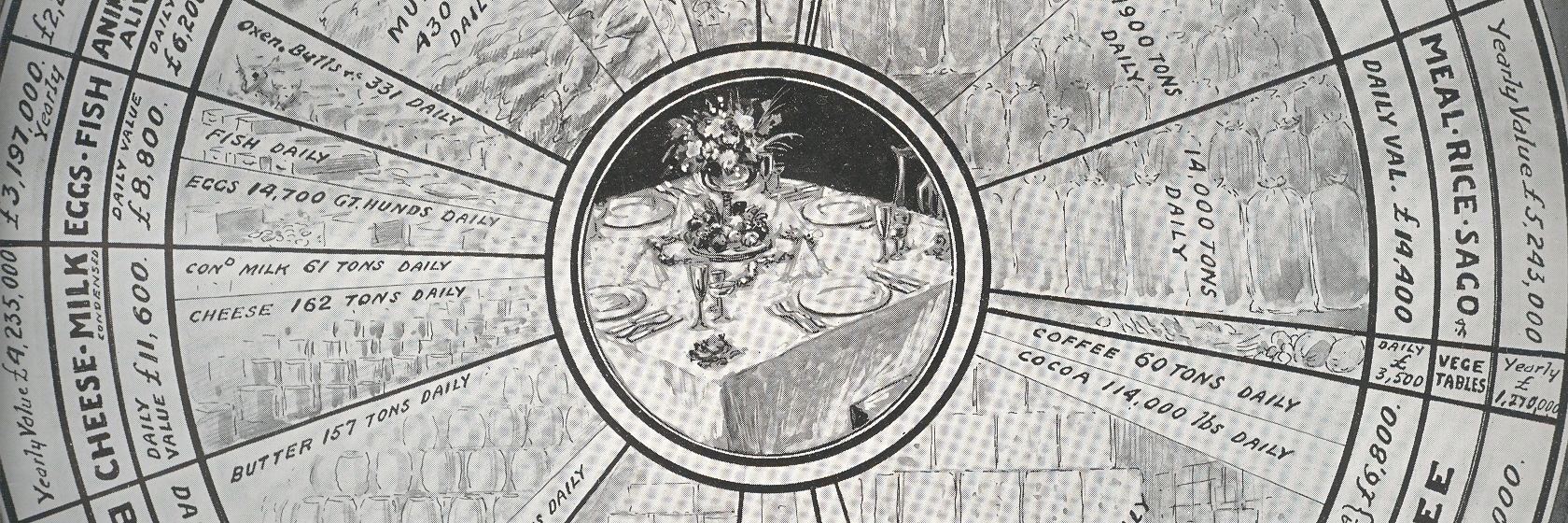
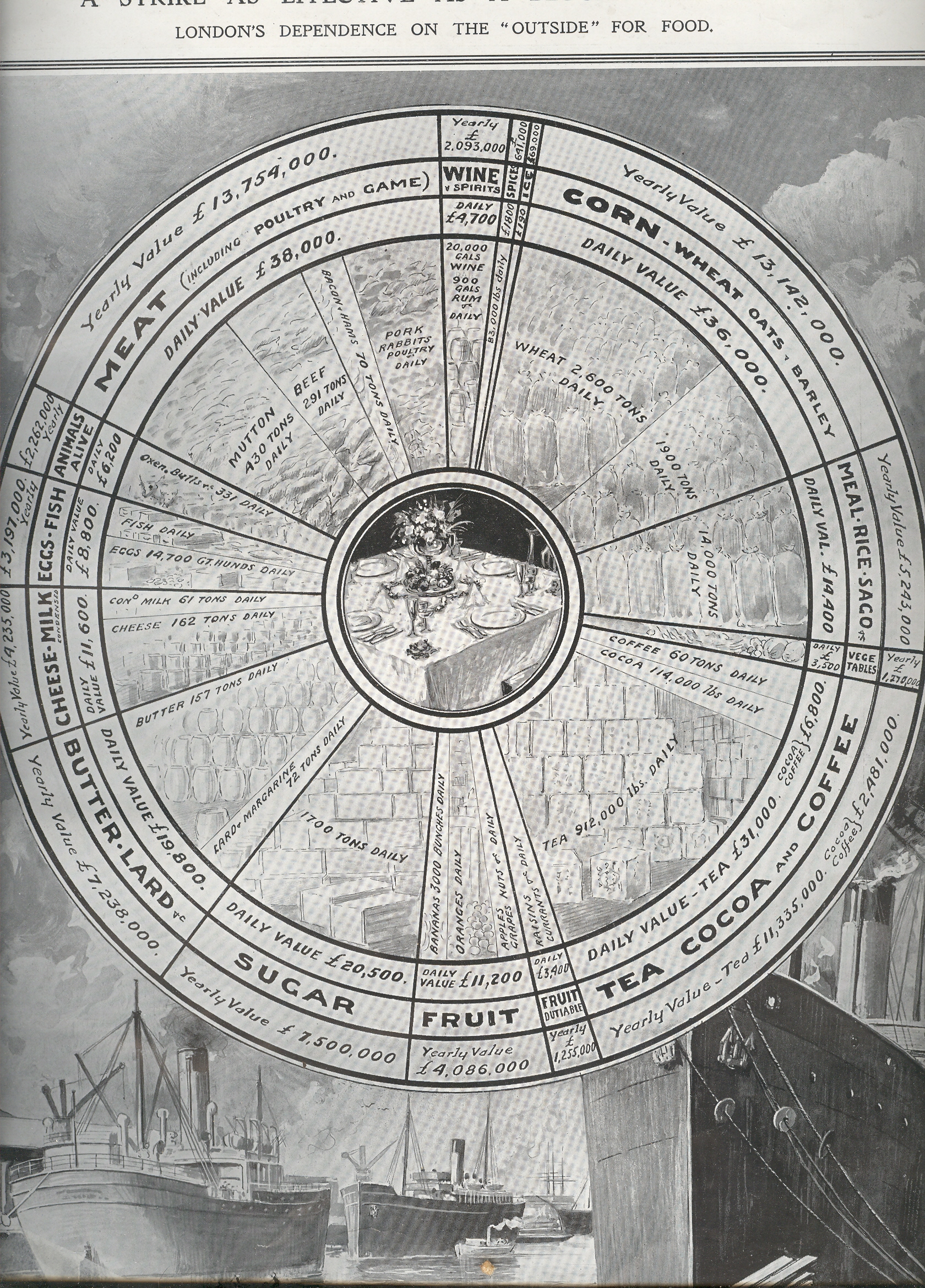
    This graphic display of the effects of a  transport workers’ strike is a pretty,
    well-designed piece of propaganda designed to draw in the general, middle-class
    (such as it was) and working population into league against the strikers.  At least that’s what it looks like to me: the
    strangulating effects of food not coming into the port of Liverpool
    and its attack on the family dining table. Literally, and figuratively: a
    table, by the way, that appears at the direct center of attention, the bull’s-eye
    of what is a target, made to look like the transport workers were taking direct
    aim at the symbol of the family. 

    All of what was going on of course was that some hard working people were
    trying to get a little more money to put food on their own  tables—the facilitators of food distribution
    for the nation’s people wanting nothing more than a little more food for
    themselves and their families.  And these
    were the people, by the way, who did not set a five-utensil place settings with
    linen table covers and a large fresh bouquet as is oddly the case in the illustration.

    By the time this illustration appeared in the Illustrated London News in August 1911 the movement had already
    been active for a year—there had also been a call to action the month before
    involving over 100,000 workers.  The National
    Sailors and Firemen’s Union, and the National Union of Ships’ Stewards, Cooks,
    Butchers and Bakers, dockhands, lorry rivers,  general laborers, and on and on, were involved
    in the strike, which was a bitter and confrontational battle between them,
    scabs, police, the army, and of course the owners of the means of production
    and shipping means.

    Mar 25 dinner plate


    After the battle of greed and need, need won.


  • The Hidden Death Hammer: Display of Quantitative Data for the Battle of Jutland, 1915.

    JF Ptak Science Books LLC  Post 986

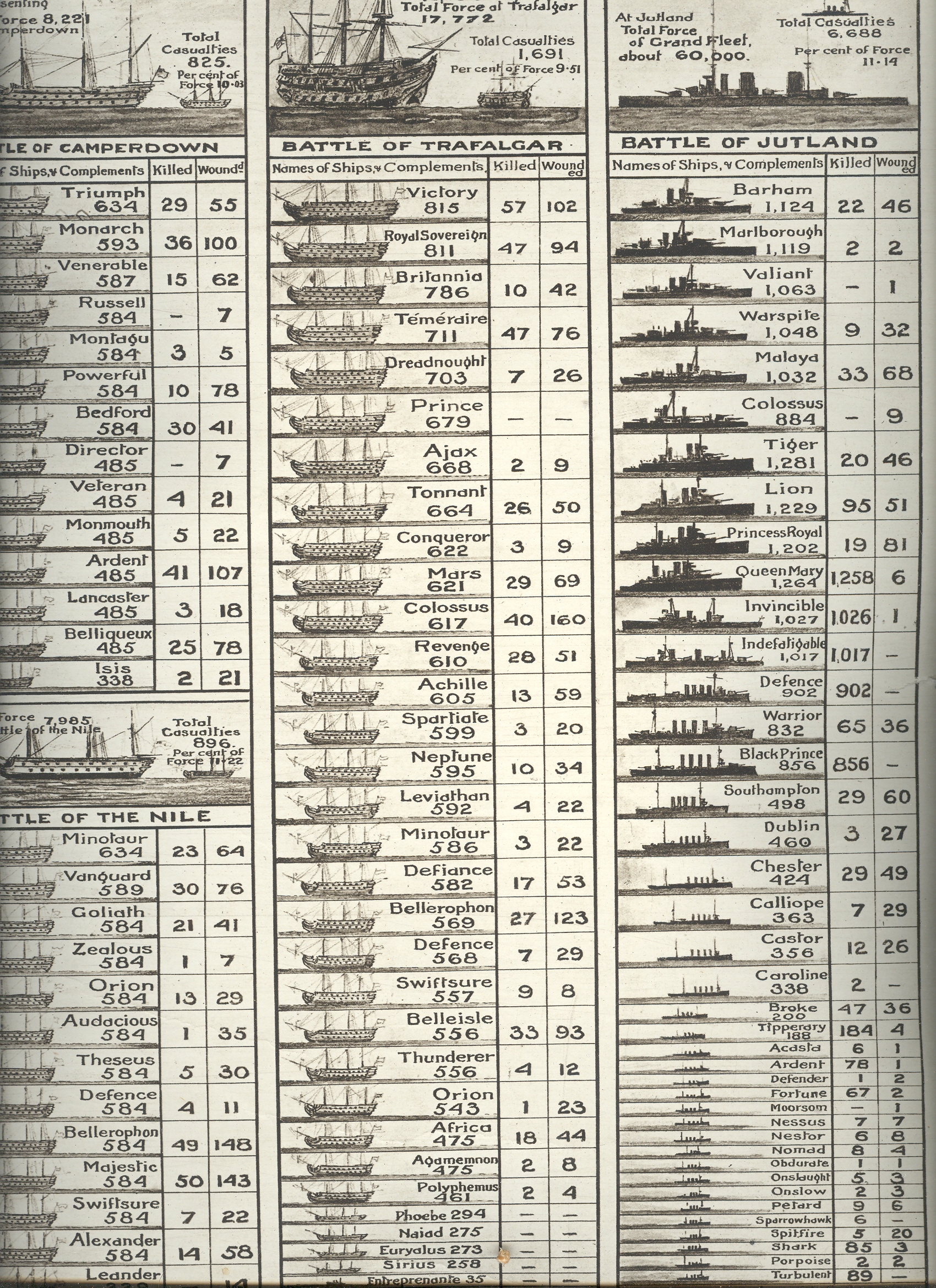
    A year and two weeks after the end of WWI, the Illustrated London News  published this compelling graphical display comparing
    the British naval losses at Jutland to three other great sea battles (Camperdown, the Nile and  Trafalgar). 
    The battle near Jutland (Denmark)
    was the largest naval engagement of WWI, involving the German Navy’s High Seas
    Fleet and the Royal Navy Grand Fleet, and took place May 31-June 1, 1915 (“The
    Day”).  It was an absolutely enormous
    engagement, with 250 vessels involved (151 for the Royal Navy, 99 for the
    German).1

    Mar 24 jutland

    The end result of the battle was mixed and still debated
    today; neither side could convincingly claim a conclusive victory from the
    affair.

    The Royal Navy losses at Jutland
    were staggering: 6,094 killed and 570 wounded, with German losses at 2,551
    killed and 507 wounded. 

    And while this graphical display places Jutland in a weak
    context with these other battles, and as pleasing as the thing is visually, the
    larger mark, the great lurking statistical and human beast lurking there in the
    mix of silhouettes and data, occurs about halfway down the far right column.

    Mar 24 jutland det

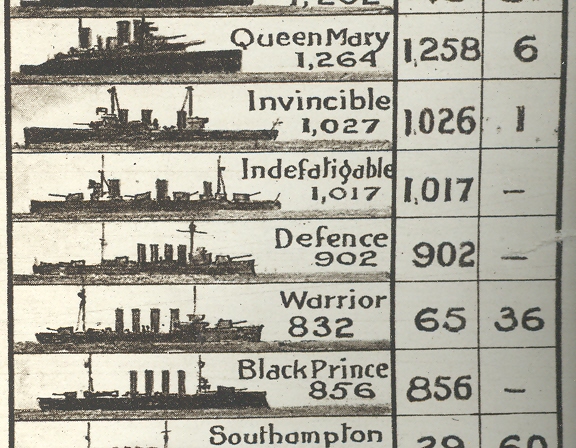
    Here we see the losses for five ships: the Queen Mary, the Invincible, the
    Indefatigable,
    the Defence, and
    the Black Prince.  Together, some 5066 men served aboard these
    vessels; at the end June 1, 1915, 5,059 of them would be dead.  Everyone aboard the Indefatigable, Defence
    and Black Prince would be killed; 1
    would survive on the Invincible, and
    6 would survive the killing of the Queen
    Mary
    . Astonishing, really.  And there
    are no other numbers like this on this chart.

    As certain and as clear as this representation seems, and as
    straightforward and seemingly elementary as it looks, I was shocked to see the
    numbers for those five Royal Navy ships, a “hidden” history within a broad
    comparative analysis. 

    Notes:

    1. England: 28 battleships,
    9 battlecruisers,
    8 armoured cruisers, 26 light cruisers,
    78 destroyers,
    1 minelayer,1
    seaplane carrier.
    Germany:
    16 battleships,
    5 battlecruisers,
    6 pre-dreadnoughts,
    11 light cruisers,
    61 torpedo
    boats.

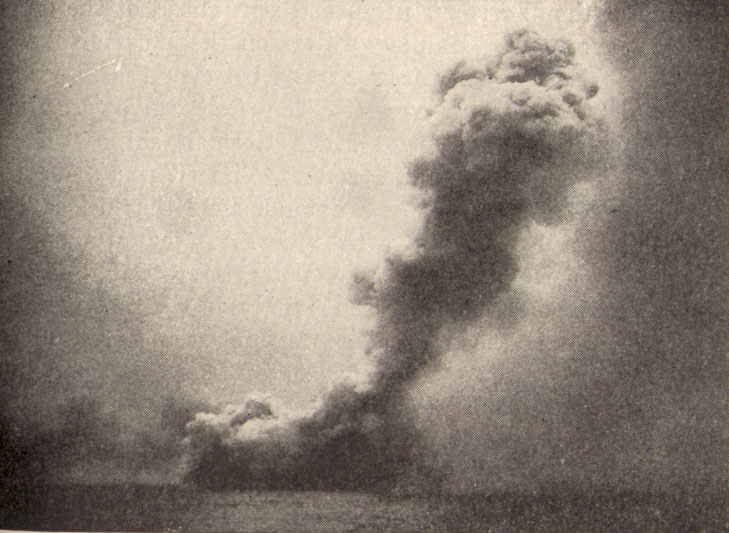
    [The Queen Mary going down.]

    Mar 24 queen mary


  • Imaging Imagination: Diagrams of Humor & the Center of Levity, 1878

    JF Ptak Science Books LLC  Post 985 

    Mar 23 center of levity cvr det

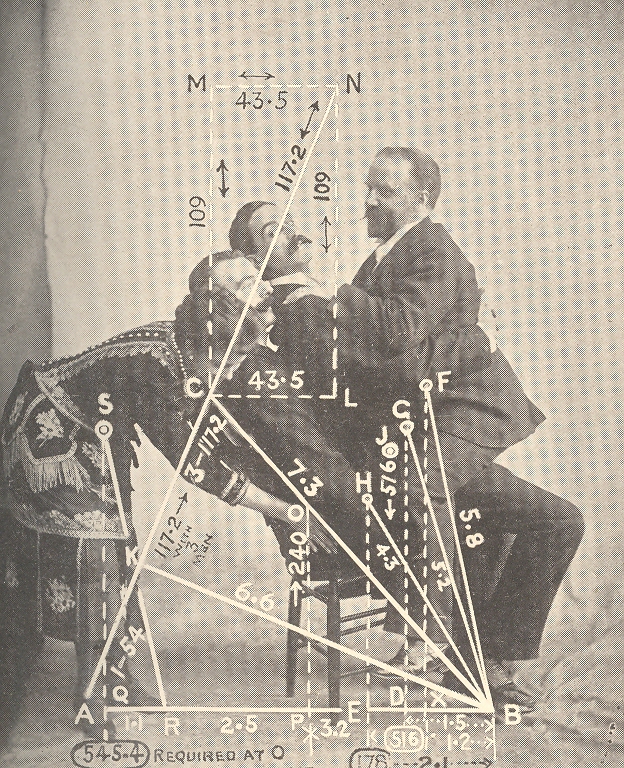
    [Wood-eating woman tells a joke to distract  three men sharing the last chair in creation in alternative chairless dot universe.]

    Acerbic and punctilious, this work by an anonymous (Ambrose Bierce-like) late 19th-century
    cataloger of human-ness attempted to diagramaitcally display the
    sharing of humor among people.  The resulting images–all unexplained, not indexed, and left to a logical imagination–fit very nicely into a developing section on this blog called  Maps and Diagrams of
    Imagination and Ideas.

    Mar 23 center of levity cvr det 2

    {Woman finger-ingests chair presented to her by knee-connected chair-minions from talking-mustache close-male-pelvis universe.]

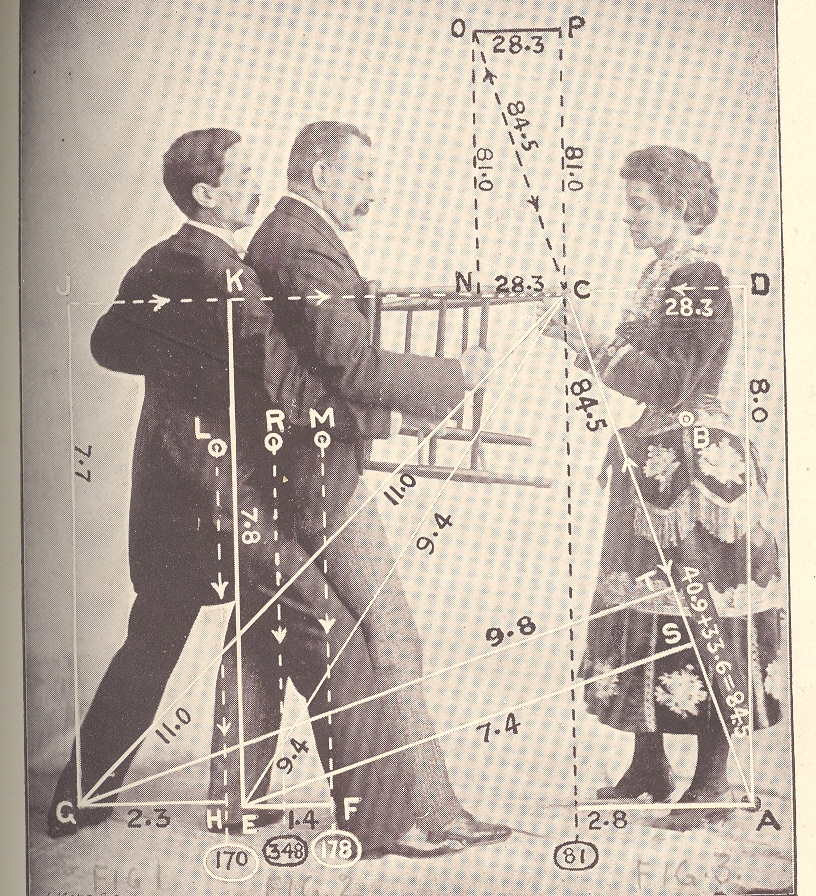
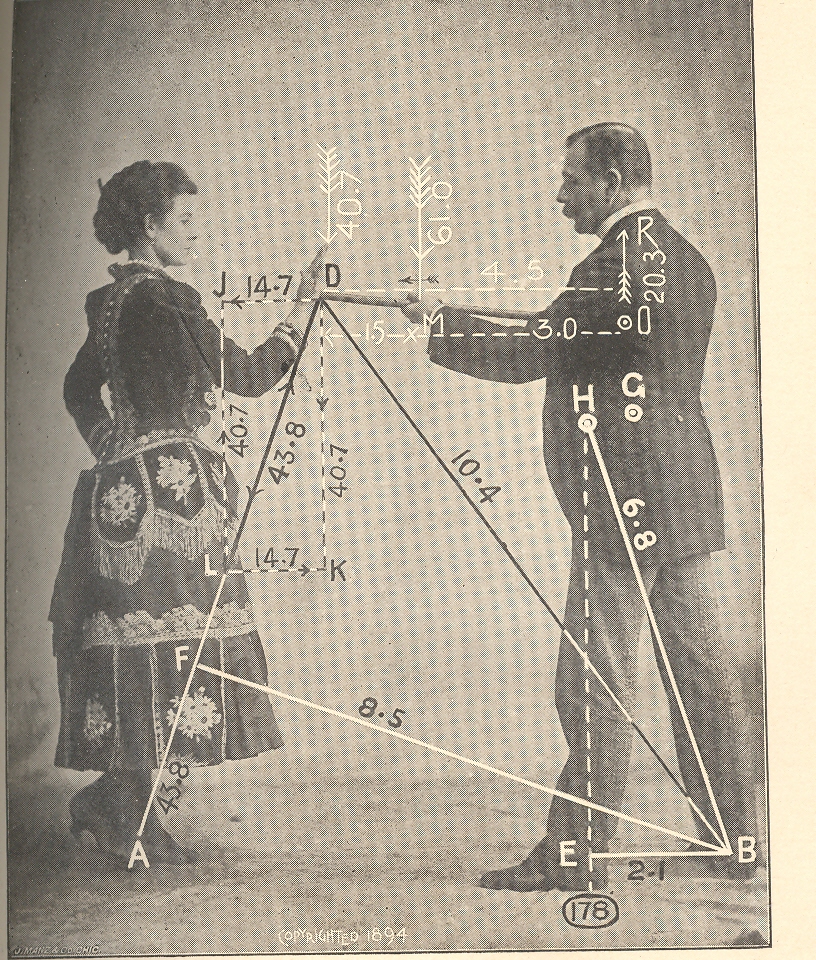
    In reality this short, small, wordless publication’s images looks like  natural philosophy textbook images displaying ideas like momentum and gravity…often they would be quite prosaic, with unnecessary natural accoutrement, little bits of added detail that had nothing really to do with the image displayed. The real intent of this document was to illustrate the center of gravity–it would’ve been more helpful if the publication had a title page or text of any kind for that matter, but since it doesn’t the mind ran free, allowing these representations to be a geometry of shared humor.  Which of course they are not–but the images do have a certain coy funniness to them…

    Mar 23 center of levity cvr det 3

    [Woman makes wooden point by stabbing Ear-lobed Mustache Man in the heart with her wooden palm finger.]

    Some of the other posts that could be included in this Imagining the Imagination category include:

    First photograph of a smell:

    Mathematical Thinking being Thought

    Map of Nothing:

    A Map of Holes in the Sky: 
    Heaven

    Map of Color-Sense Placement

    Unexpected Sense Impressions from Antique Prints: Sound

    Mar 23 center of levity cvr det 4

    {How it would be done if men gave birth.]

    Mar 23 center of levity cvr big det 

    {She is smiling. What do the other expression imply?]


  • Mathematical Art: “The End of Simple Multiplication”, 1814

    JF Ptak Science Books  Post 982

    Mar 22 end of multipiplication det

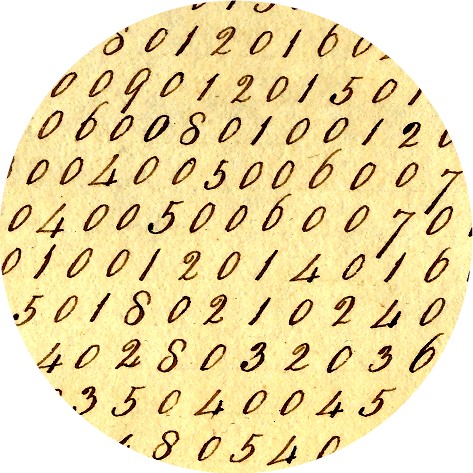
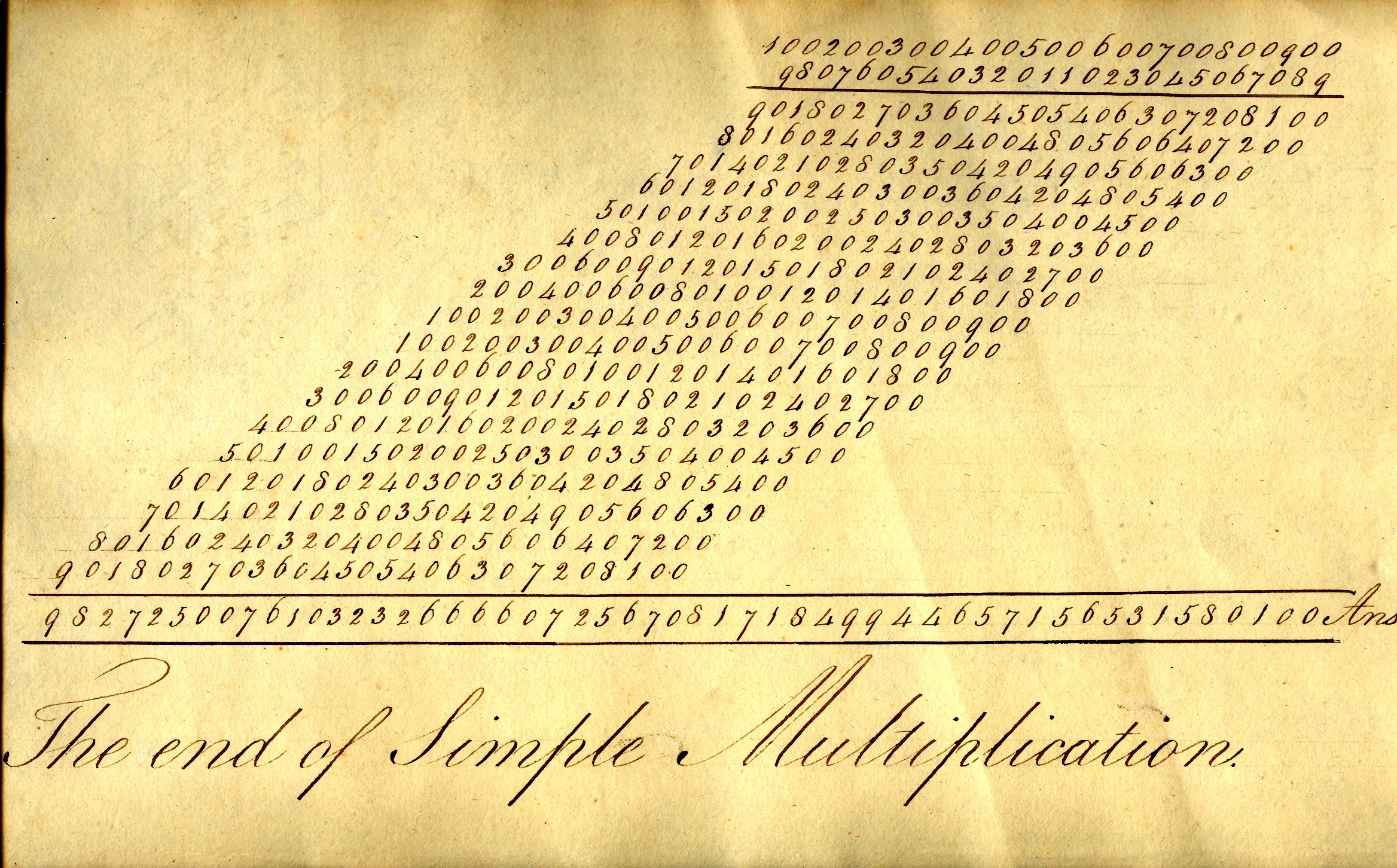
    I found this fabulous example of multiplication in a student’s workbook, written out in 1814.  Undoubtedly the sub-title, “the end of Simple Multiplication” was not intended to imply the literal end of multiplication (though the thought does invoke some interesting bits of fiction), just the result. It is simply a gorgeous object.

    Mar 22 end of multipiplication


  • One-Page Letter Establishing the U.S. Chemical Weapons Stance, 1917

    JF Ptak Science Books LLC    Post 981


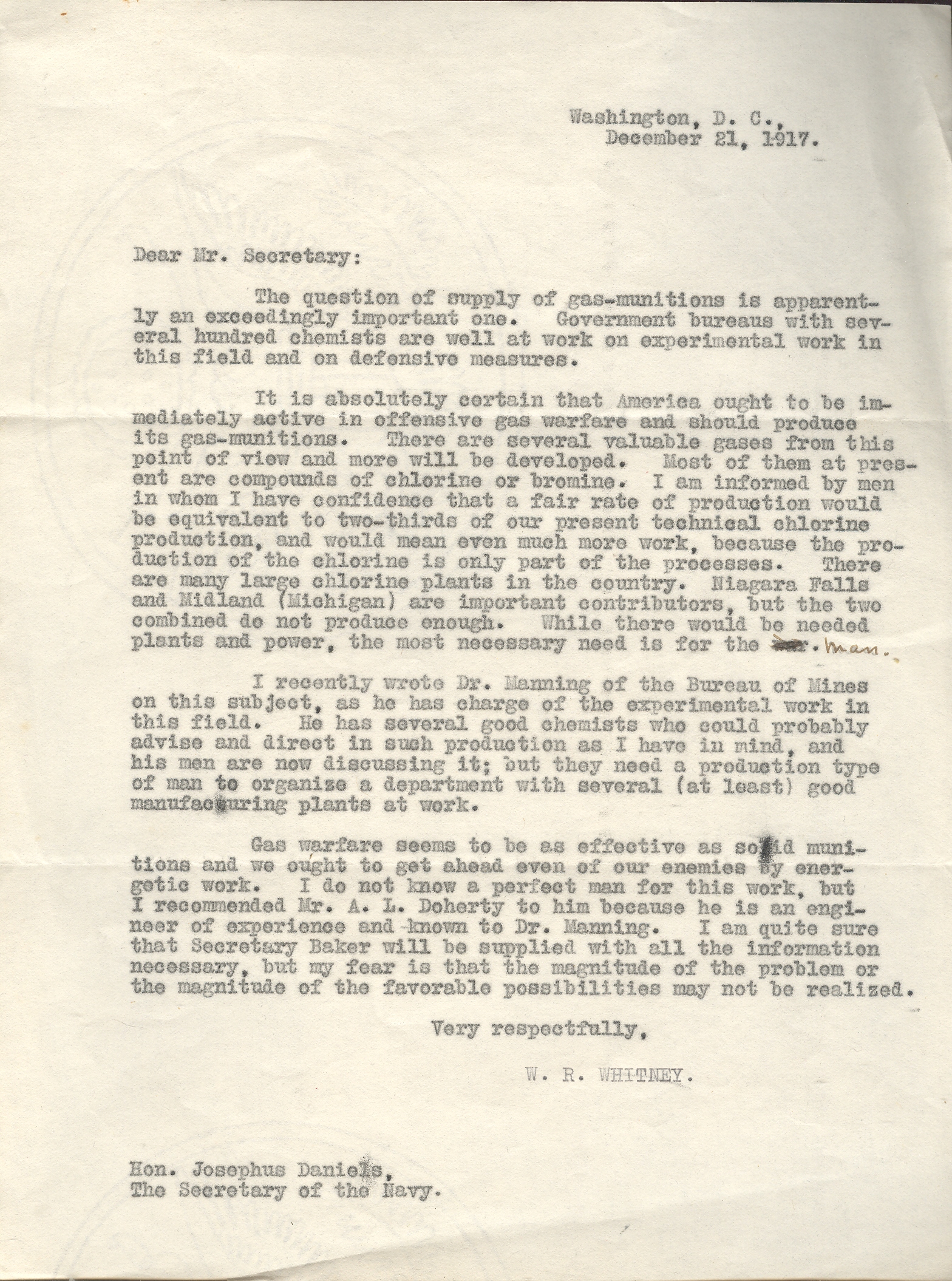
    On 21 December 1917, thee years into the beginning of World War I and eight months after America entered the war, Willis R. Whitney composed this one-page letter composing the American response to the use of poison gas in warfare.  Whitney was head of one the great research laboratories in America—run by General Electric, the GE Lab—and was one of the leaders of the U.S. Navy‘s Naval Review Board (along with Thomas Edison and Hudson Maxim, among others), and wrote to Josephus Daniels, who was at the time the U.S. Secretary of the Navy.  [Image below clickable. The item is also available for purchase via our blog bookstore.]

    Mar 21 gas warfare

    Whitney was a chemist, a former instructor at MIT, and a Ph.D. under Ostwald, a brilliant, “bearish” intellect in many fields, an innovator, and a leader, a tactician.  He summarized the state of affairs, and communicated quickly and with clarity and without hesitation what he thought must be done, and how America should respond to the German chemical threat. 

    The Germans had first used chemical weapons (shells containing xylyl bromide) against Russian troops in Bolimow, Poland.  It was the first foray into a section of the war that caused more than one million casualties and 85,000 deaths.  It would be another three months for the first full-scale use of a chemical weapon—in the form of chlorine gas—in the Second Battle of Ypres.  But the time Whitney sent his letter, chemical warfare had been a deeply-established weapon.

    Whitney recommends that the U.S. begin production; that several plants be established to produce the chemicals, and to get on the matter immediately, suggesting a man to head the work.  As it turns out the work didn’t begin in earnest for a number of months later, the first large quantities becoming available just after the signing of the Armistice.

    {I should note that I purchased this letter–rather, Whitney’s carbon copy of the letter–many years ago from the estate of  a Navy historian.  I am pretty sure that it has never been published before.]


  • Human Experimentation on Children in an Orphanage: the Borden Company, 1924

    JF Ptak Science Books LLC     Post 980

    Nothing
    quite makes a profound statement like simplicity—the same sentiment applies
    to   the incredible, or impossible, or
    inconceivable statement as well.  For
    example, Gertrude Gates Mudge’s “An Interesting Experiment with Malnourished
    Children” (The Nation’s Health, August 15, 1922) seems quite an
    exclamation without an ounce of emphasis in sight, a vast oversight of decency
    compounded in its inelegant simplicity. Evidently acceptable (at some level) in
    its own time, the announcement today seems criminal. 

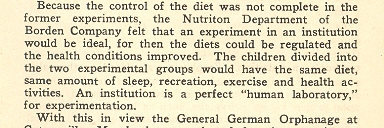
    Mar 19 human exp det
    The
    world is full of such pronouncements—perhaps they’re the very bones on which we
    all walk.  I was drawn to this subject
    this morning, finding a bit of undoubtedly long-lost historical reporting on
    medical experimentation which (in its second paragraph) makes the following
    overwhelming understatement: “an institution is a perfect ‘human laboratory’
    for experimentation”.  It comes from a
    small pamphlet published in 1924 by the Borden Company called The Catonsville Experiment   It seems that Borden (a famous and large
    dairy company) was trying to experiment with children to determine the
    effectiveness of their new sweetened condensed milk over “regular” milk.  They attempted experimentation in public
    schools, but could only statistically control for milk intake at the school
    itself, finding it  “impossible to have
    complete control over the rest of the childrens (sic) diets”.  In the free school situation the Borden
    company could also not control for exercise, sleep and “health concerns”.

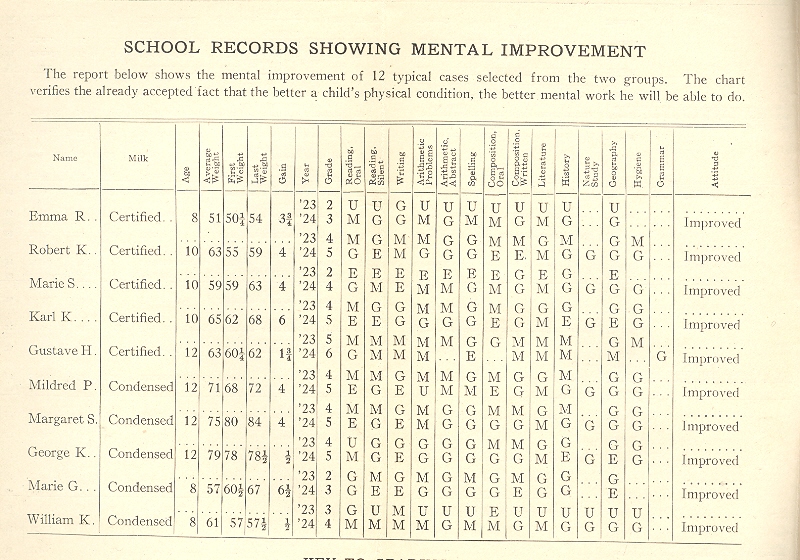
    Mar 19 human exp school records

    That
    is when the idea struck the Borden Nutrition Department to conduct their study
    in an orphanage. Borden’s aim was to test the healthy effectiveness of their sweetened
    condensed milk, and to also show that “no abnormalities in physical growth,
    bone development, blood count, and kidney function would result from such an
    experiment”.  What this means is that
    there events were a possibility, but it was worth it to Borden to test their
    hypothesis out on actual human children. 

    There
    were 60 children in the “experiment”, divided into two groups, one of which was
    the control.  All facts of the lives of
    the children were controlled from March 15, 1924 though November 30, 1924—play,
    regulated sunshine, sleep, schooling, rest, and of course food intake.   Medical tests were conducted (frequencies not
    specified), including general overall medical evaluations as well as blood and
    urine tests—there were (at least) 18 sets of x-rays over 270 days.
    Psychological and intellectual tests were also conducted, with the children
    measured over dozens of different categories, including 14 classroom
    activities.

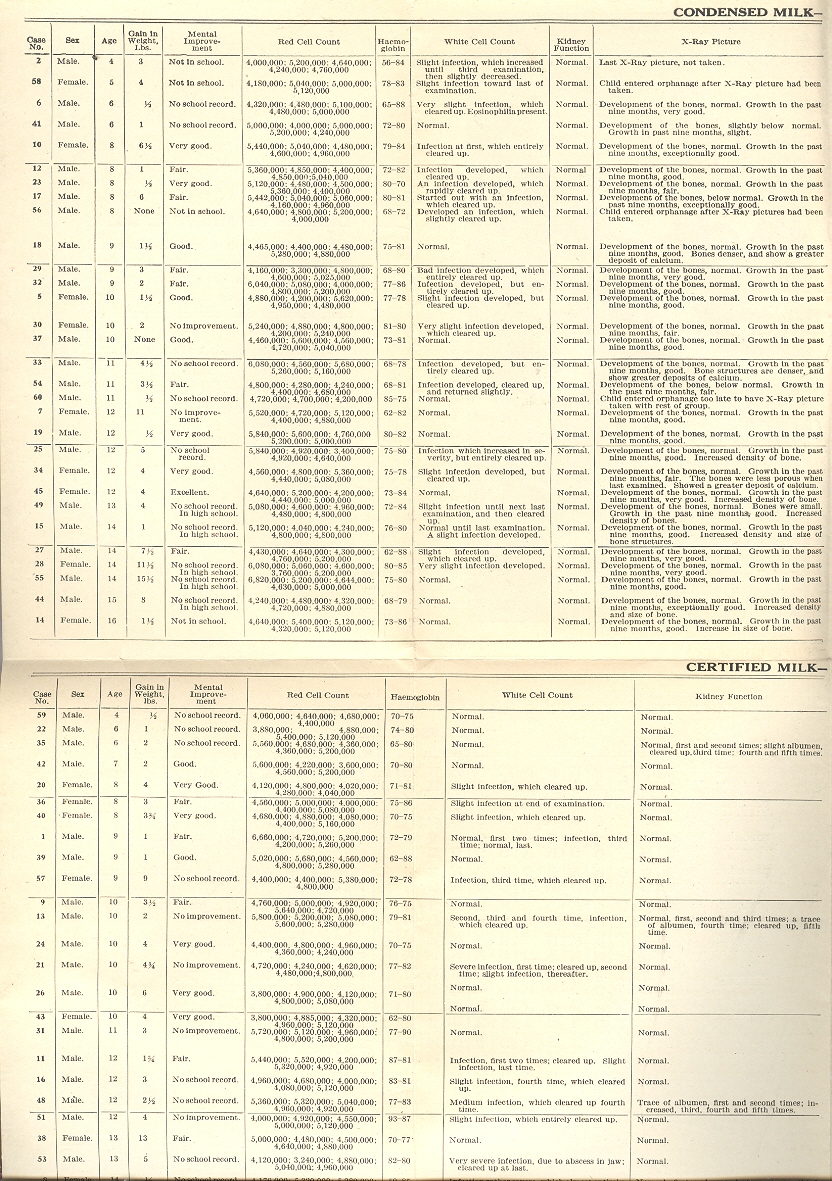
    The
    Borden Company published the results of all of these experiments in this small
    pamphlet, with one large (and impressive) folding diagram outlining some of the
    medical results (shown below). 

    Mar 19 human exp big chart

    There
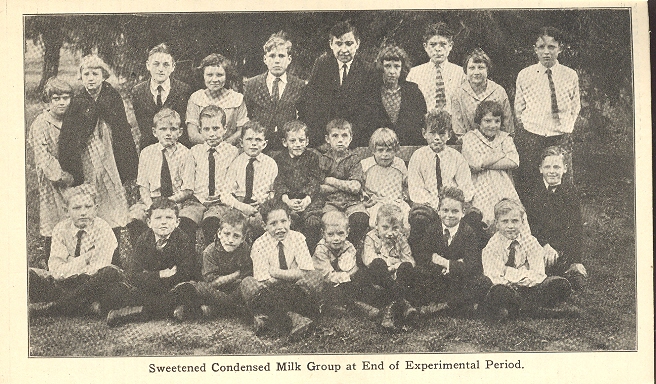
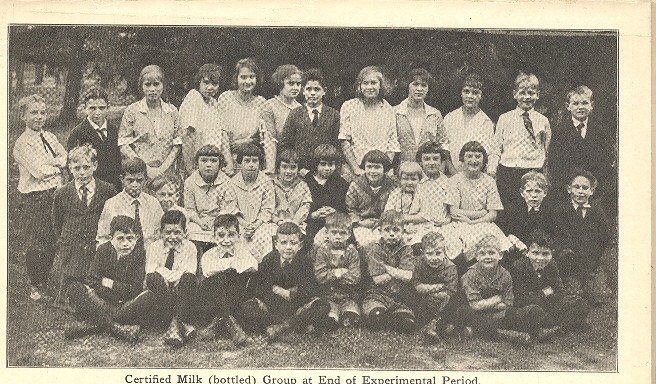
    were also two photographs of the test subjects. 
    Undoubtedly they were not intended to look as though they were trophies,
    but that is the general feeling I get when looking at the photographs.

    The
    bottom line was that Borden found their own product to be safe, and to not cause
    kidney, liver or bone damage.  Which was
    good news to the children who were their test subjects.

    Remarkably
    Borden published these results two months after the test ended, evidently
    without any assumption whatsoever that if there were to be negative effects
    that they would occur immediately, and that a longitudinal study was wholly
    unnecessary. Once the experiment ended, so too did the nee for testing their
    short-term hypothesis of damage to the children.

    Mar 19 human exp pic

    I
    wonder about what the effects of the 18 rounds of x-rays in 270 days  were on these children, over time.

    Mar 19 human exp pic control 

    No doubt that in the dark history of human experimentation the Borden exploit would find itself in somewhat mild company–this of course hardly relieves them of their gross injustice of subjecting children to this sort of control and possible danger just so that the company could sell a milk product. It is an action that makes me think more of Lizzie (“I gave my mother forty whacks…”) when I think of Borden than Elsie the Cow. After a long run of financial successes, including being one of the leading dairy companies in America (and the owner/producer of Elmer’s and Krazy Glue, among many other diversified things), the Borden Company was completely and totally divested in 2005.

    Logo_borden


  • Alpha and Omega Department, #3

    JF Ptak Science Books LLC

    Sometimes the beginnings and ends of things show up in unexpected places.  Penzias and Wilson at Bell Labs in Holmdel, New Jersey, discovered that the reason for the “interference” readings  that they were receiving in their instrument was not due to pigeon poop, but was actually the remnant radiation of the Big Bang.  And it didn’t look like much, but the stuff that caused the end of the great American Western frontier was found in simple lines:  ribbons of steel for the railroads, on the one hand; and twisted bits of sharp metal wrapped around wire, the barbed wire fence ultimately and very cheaply closing off the vast land into manageable parcels, on the other. Stories like these are legion.

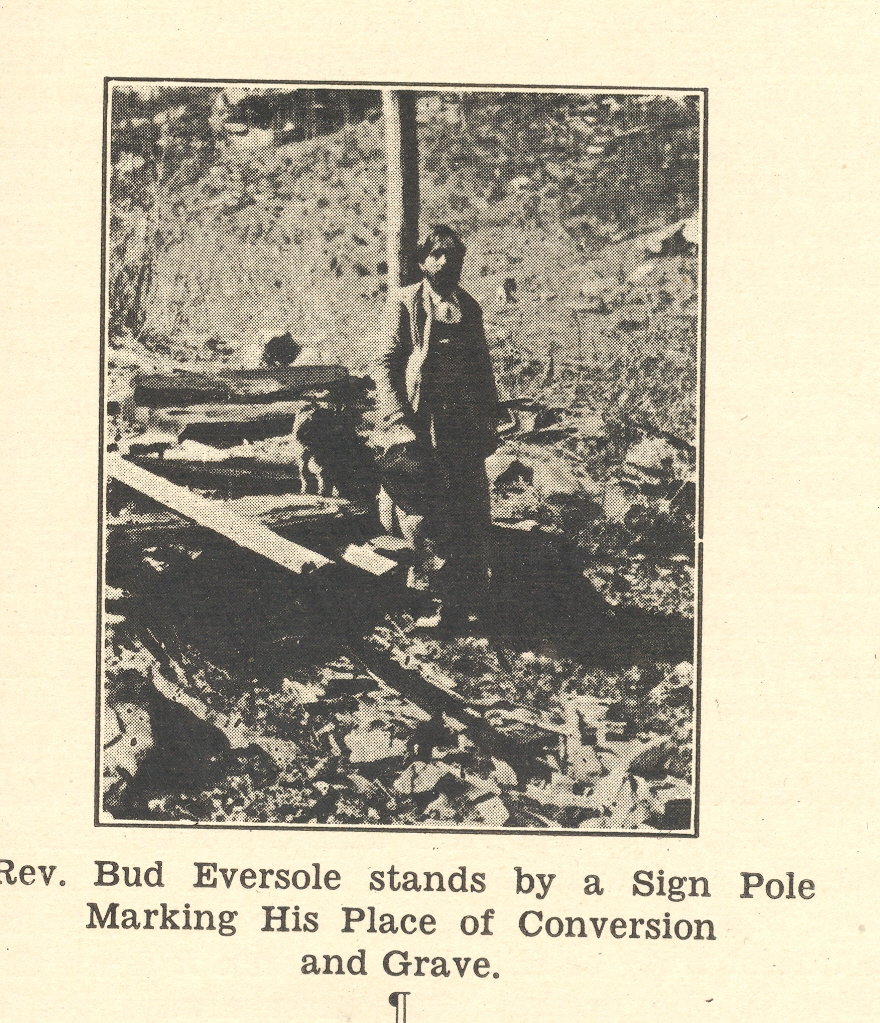
    It is infrequent to find the two combined though in a simple, single photograph.  This is the case, for me, in this small (1-inch tall) image found in an obscure publication called The Kentucky Mountain Echo, a True story of the Mountains, published in 1929.  The small, delicate pamphlet seemed the physical opposite of the stories that it told, rocky and rough bits of life from the Kentucky mountains, hardscrabble farms, luscious woods and company coal mining towns.  

    The Rev. Bud Eversole is pictured here–along with his dog–at the spot in his farm in which he was taken by the guiding light, the holy spirit; an invincible vision took hold of him and never let go.   Rev. Eversole continued to work his farm and taught the scriptures for free for many years afterwords as a roving minister.   He marked the spot of his conversion with a pole; he also determined that the pole would mark his grave, the ultimate place of rest for him at the very spot where he was “born”. 

    For all that it symbolizes, the image looks pervasively  unsettled to me–Rev. Eversole (I have no idea if that was his real name or if it was a post-conversion creation) looks like he is waiting for something, anything, even for the late afternoon sun to just hurry up and warm his back.  This area of his farm just looks a mess, not like a small farm kept between and along rolling hills (no treat, that). The Rev. doesn’t tell me much, except that he was obliged to allow his dog in the photo, and took off his broad-brimmed hat to have his picture made.  Perhaps that is all that he wanted to say.

    Ebay mar 18 grave 

    Ebay mar 18 grave2


  • War of Nicknames: 19th Century Criminals vs. Modern Mobsters vs. mid-Century Baseball vs. Mathematicians & Physicists

    JF Ptak Science Books LLC  Post 979

    [See my earlier post on the change in 19th century Western literary figure nicknames]

    Inspector
    Thomas Byrnes published a remarkable mug book and history of criminality in his
    1886 Professional Criminals of America.  It is remarkable how often the hundreds of
    people detailed in this book went on to long, vast, storied and a well-traveled
    careers, stopping here and there for a few years in Sing Sing or Dannemora,
    before moving on to riper pickings in other cities.  But what I’ve focused on in this book,
    unfortunately or not, are the categories of crimes and the nicknames of the
    criminals, many of which strike me as prosaic.

    [The interesting image below shows the only criminal in their sick/death bed,a accompanied by two rather ordinary guys who–uncommonly–are not looking down.]

    The nicknames include such lovelies as Big Rice, Mollie Matches, Doctor Dick, Hoggie, Fairy, Blink, Nibbs, Funeral, Deafy, Milkman, Poodle, Daigo, Shang, Bugs, Shone, Bad Boy and Tit.  The women ha dfar fewer nicknames, the three of the best of that limited selection being Mother Hubbard, Black Lena, Big Bertha and Kid Glove Rosey.

    Their classifications of crime included boarding house thief, swindler, pennyweight, confidential operator, bogus custom house collector, sawdust gamer, scarper, river thief, tip lifter, window smash, skingamer, and butcher cart thief. (At some point I’ll need to write a little something about the originator of the “Butcher Cart Thief”, Big Frank McCoy.  Big Frank didn’t steal butcher carts–he would make his daring escape after robbing bank in a passing butcher cart.  He’d rob the bank and spring onto the back of a cart to make his getaway.  I think that this tells us that in NYC, for example, in 1882, there were so many of these carts in the streets that a person could actually get lost in a sea of the things…perhaps like hiding in a cab nowadays. Quite a little peep into a time long passed.)

    But
    in the annals of nicknames these are not my choices for the most colorful, or
    descriptive.  Leaving out all other categories
    (political, religious, musical, military will just have to wait for a more
    rainy day) of nicknames except for mobsters (as in “The Mob”), professional
    American baseball and physicist/mathematicians

    [And from the female end of the book:]

    Baseball
    has provided ceaseless though a little limited entertainment, tending sometimes
    toward the poetic overstatement (the Chairman of the Board, The Mighty Slider,
    The Great Significance) though it does get down to business in the ‘40’s and
    ‘50’s (the golden age of BB nicknames). 
    Here are a few examples, minus the racist stuff:  Pork Chop, Tater, Gummy, Whale, Pickles,
    Rawmeat, Spud, Bunny, Beast, Kitten, Possum, Slug, The Rat, Pudge, Tomato Face,
    Buttercup. (The most effective nicknames could’ve been made by combining two of the single names:  “Spud Rawmeat”, “Pudge Slug” or “Gummy Buttercup”, for example.)  There’s an awful lot of them
    dealing with food, and a whole heck of  a
    lot dealing with facial features; they all seem to outweigh ball playing
    ability, by far.

    So
    far as I can tell there are no good nicknames for physicists and
    mathematicians, except for the ones that I’ll make up right now.  Richard (“You Talkin’ to ME?) Feynman, Albert
    (“Lady Boy” and “Big Soft”) Einstein, Paul (“Deep Face”) Dirac, Enrst (“’Stache Boy”) Mach, John
    (“The Big Finger”) Nash,  Ernest  (“The Bone”) Rutherford, Erwin (“Slitty” or
    “Tabs”) Schroedinger,  Isaac (“Sparkles”)
    Newton, Kurt (“Bad Water”) Goedel, Norbert (“Double Fisty”) Wiener,  John (“Johnny the Push” or “Other God” or
    “Sweet Suits”) von Neumann are all possibly pretty if not irreverent.  They also don’t come close to the overall
    winners in this restricted category of nickname appreciation, modern mobsters.

    No
    one, I think quite comes to grip with nicknames as does The Mob; there’s a
    certain joie de morte there that escapes other groups, possibly because of its
    terminating, enforcing qualities and expectations. 

    Pete the Killer, Frankie Shots, Jimmy the Monk, Louie
    Two Gun, Tommy Scar, Louie Ha Ha, Joey the Animal, Teets, Richie the Boot, Joey
    the Push, Nags, Fifi, Joe Bananas, Baldy Dom, Frankie the Bug, Big Nose Sam,
    Butterass, Chicken Sticks, No Nose, Louie the Mooch, Joey Spoons, One-Ear
    Frankie, Punchy, Richie Phone, Beany the Squint, the Blind Pig, Joey Beans, and
    of course Jimmy the Sniff.  And a host of
    Big ____, Little_____, Crazy _____, Fat ______ whatever. 

    I think that The Mob takes this contest, fair and square.

    (For the record, the entire text by Byrnes is located here; also, I have the original 1886 edition and a 1969 reprint available for purchase should the spirit move anybody.)