A Daily History of Holes, Dots, Lines, Science, History, Math, Physics, Art, the Unintentional Absurd, Architecture, Maps, Data Visualization, Blank and Missing Things, and so on. |1.6 million words, 7500 images, 4.9 million hits| Press & appearances in The Times, Le Figaro, Mensa, The Economist, The Guardian, Discovery News, Slate, Le Monde, Sci American Blogs, Le Pont, and many other places… 5000+ total posts since 2008.

Author: JF Ptak

  • German Design Elements: Miniature Advertising Art, 1880-1930

    JF Ptak Science Books LLC  Post 1006 April 16 mini german 15
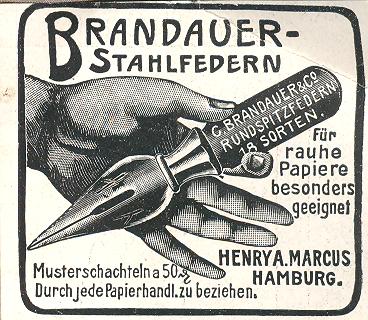
    April 16 mini german9 det The Illustriete Zeitung, published in Leipzig beginning in 1855,  was a popular, middle-road/middle-class Life-like
    magazine.  I have a long run of this big, well-written,
    sumptuously-illustrated journal, beginning about 1870 and extending
    though the end of the war in 1945, and at this point I’ve looked through just about every issue. It is fascinating on many levels,
    and has proved to be a valuable source of historical minutiae as well
    as an excellent  resource for images and graphical displays of
    quantitative data. One aspect that I’ve never looked at very
    closely though are the advertisements–actually, the miniature
    advertisements. There are thousands of them sprinkled throughout the magazine, the thyme on the rice, the za’tar on the bagel.  

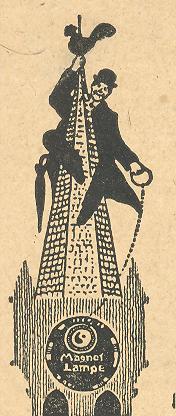
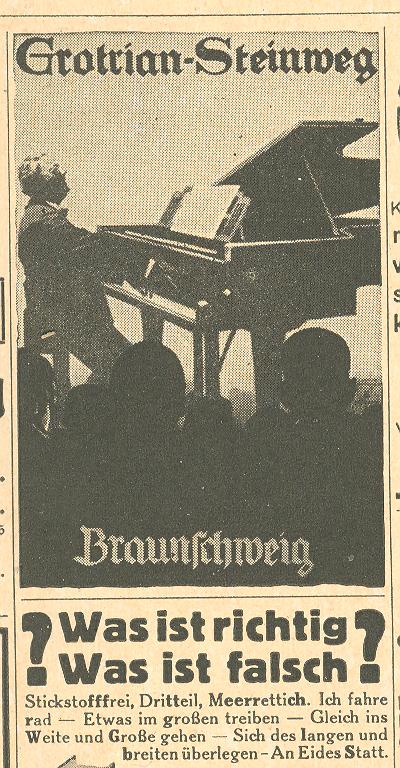
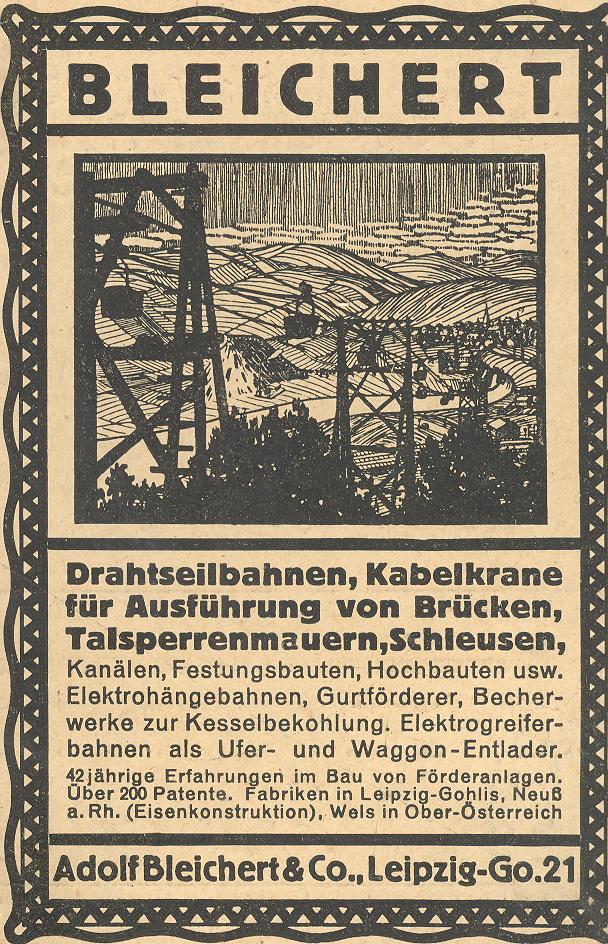
    April 16 mini german7 good det Here are three decent  examples showing the complexity and superior design of these little bits:  the top-right image is only an inch square, and was published in 1924;   the slim image just above is only an inch tall, while the example below-right is smaller yet, about a third (!) of an inch ’round.

    I’ve decided to begin to reproduce some of them here, mainly because
    so many of them are gorgeous design elements, many of which just don’t
    exist past the pages of this journal. 
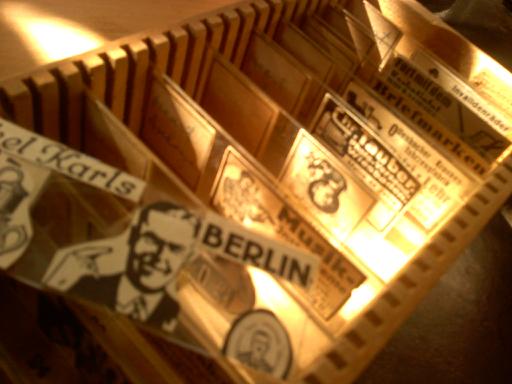
     

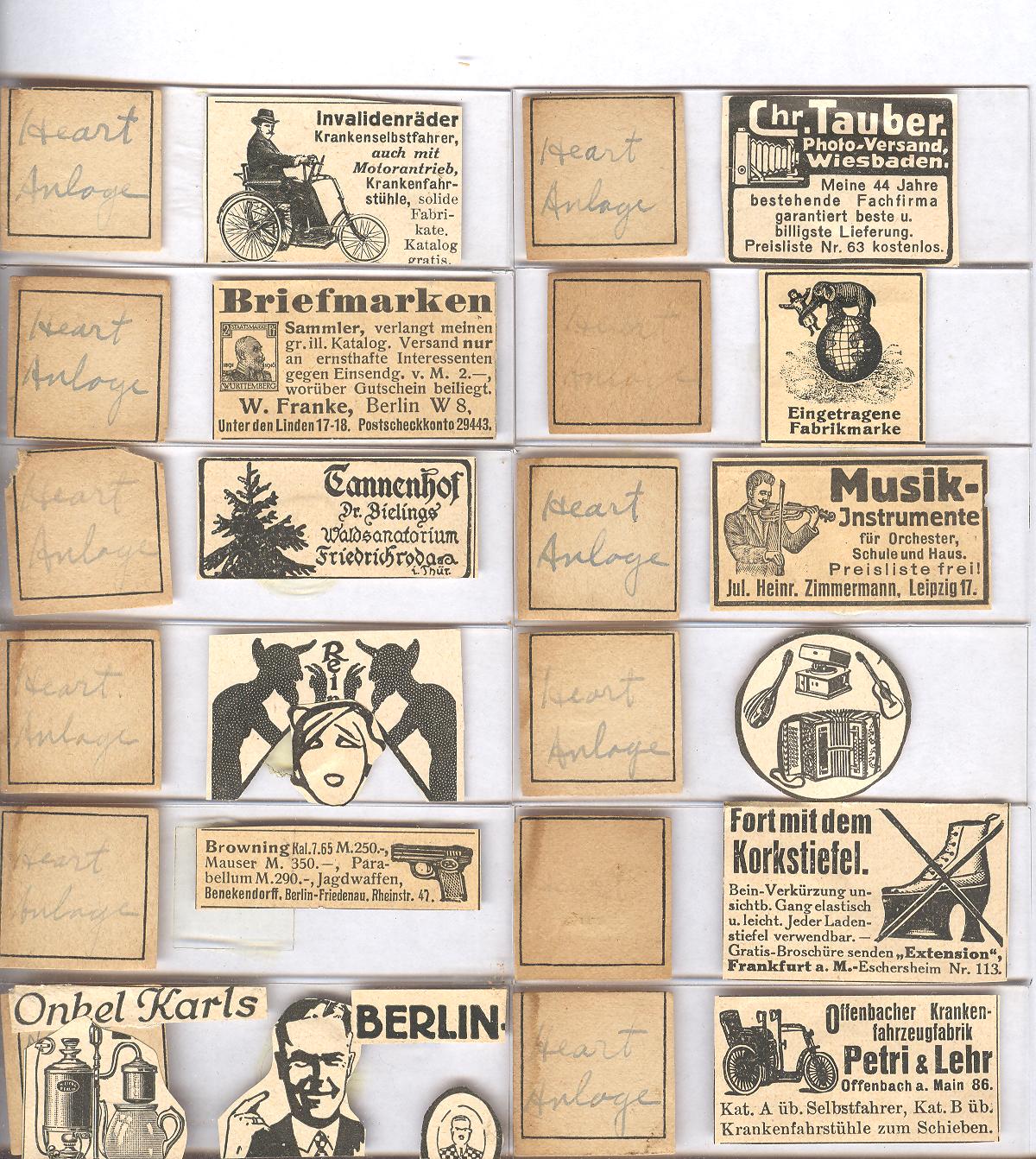
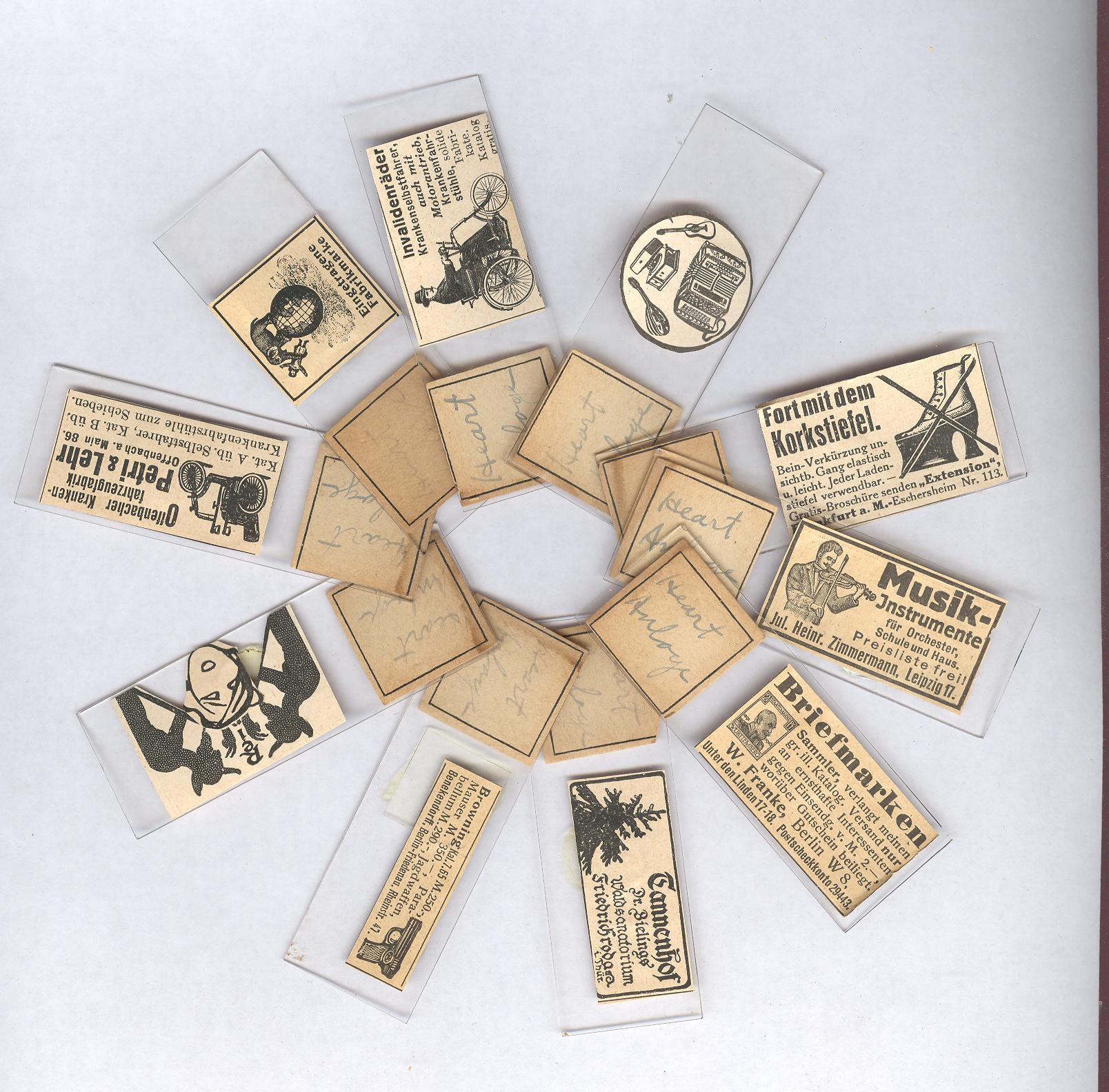
    April 16 box One thing that I’ve done with them is to construct “Onkel Karl’s Berlin Glass Diary”, a series of microscope slides with these small images as specimens illustrating the imaginary diary of Karl Muefler as he strolls the streets of Berlin in 1925 looking for “missing paper”.  The original images are all very small, generally smaller than an American penny, and can be fantastic: sometimes there are thirty of them clustered on one of the Illustriete Zeitung’s back advertising pages.

    I’ll return to this category from time to time and add more images, hopefully compiling several hundred or so examples.   
    April 16 mini german  

    Image is 1.5 inches tall and printed in 1930.
    April 16 mini german 13

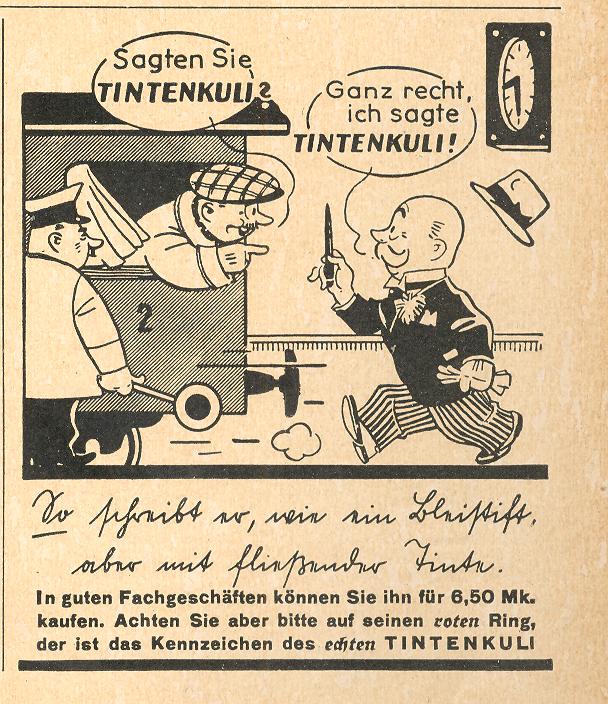
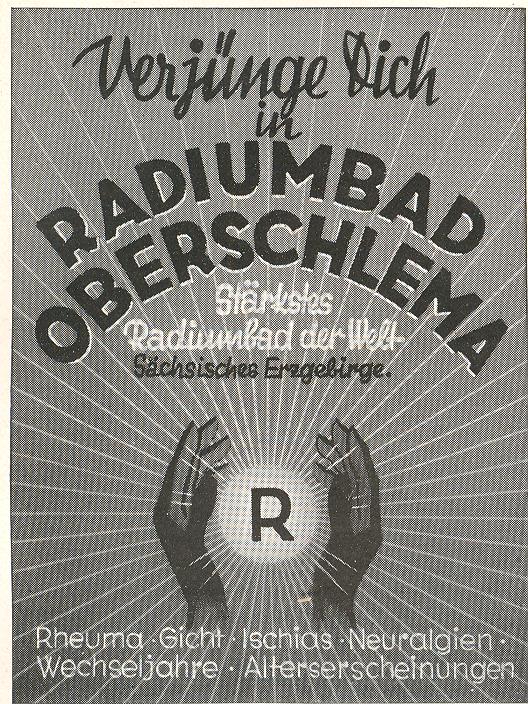
    Image is 2 inches square, printed 1938.
    April 16 mini german 14 

    Image is 2 inches square and printed in 1938.

      April 16 mini german 12

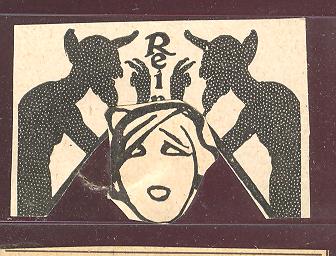
    (This image is less than half-an-inch tall, printed 1919)
    April 16 mini german3 det

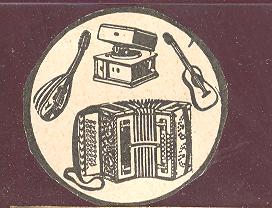
    This image measures about 1/3 inch, printed 1925.
    April 16 mini german4 det

    Image meaures about 1.5 inches tall, printed 1919.
      April 16 mini german8

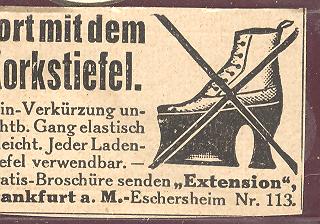
    (This measures about 1/3 inch, printed 1882.)
    April 16 mini german6 det

    April 16 mini german2

    ·Posted by :

    ·in:

    —

  • The Sanctity of Sainted Truck Drivers, 1942

    JF Ptak Science Books LLC  Post 1005

    April 15 trucker 1

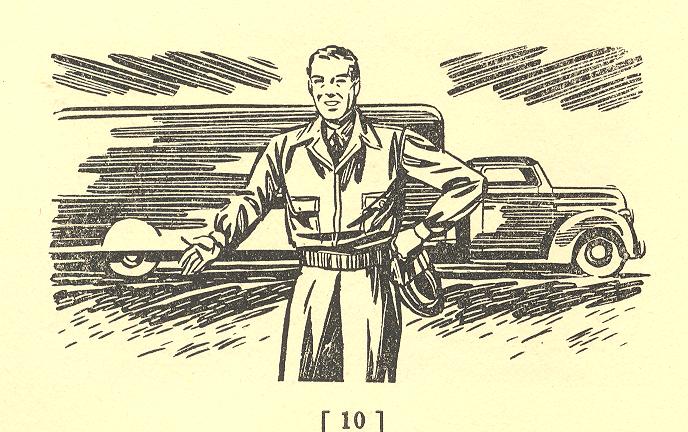
    Every so often I meet a pamphlet that makes me want to travel back in time, even if that time was mostly a wispy bit of creative analogy.  Men You Like to Meet (subtitled Stories of Highway Heroes), written and published by the American Trucking Association in 1942, is one such example:  what a handsome truck!  The driver greets you with his snappy brimmed cap in hand, neat jacket and a tie (!), looking like he takes his job seriously.  (On the other hand, I take my job seriously, and I don’t wear a tie; I do know though that people take me more seriously the more clothing I wear.) 

    April 15 trucker 3
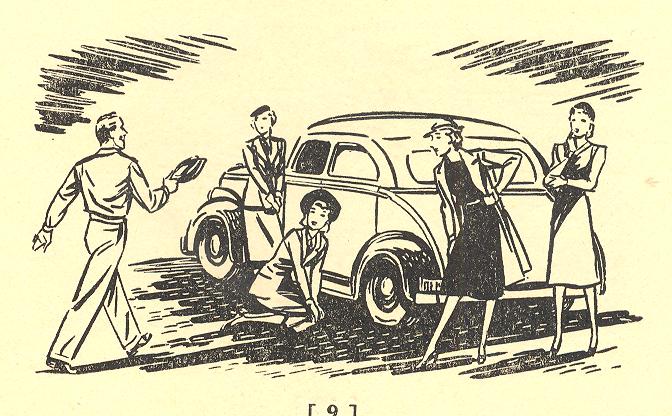
    The Trucking Association wasted absolutely no time in this publication in telling he very many stories of the superb highway behavior of its members-it fills the publication with stories of heroism, courtesy, delightfulness, courage and general human respect with as much as could possibly fit in 23 pages including illustrations). Here, four women can do nothing with their tire but look at it, waiting for the knoght of the road to come and help them out.

    April 15 trucker 2
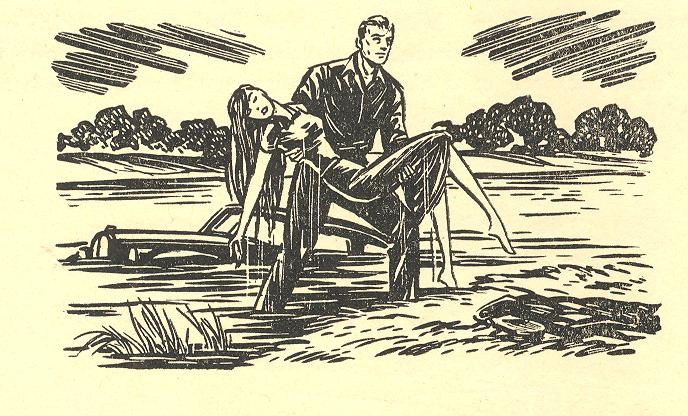
    (I’m not sure why this woman is unconscious and missing her shoes–the car seems to be only about half covered.  I’m surprised that the trucker lost his hat, though he did have the presence of mind to make sure that the unconscious woman’s blouse covered her knees.)

    Well.  The roads were evidently filled with Good Trucking  Samaritans, and the Trucking Association wanted the public to know that–especially when they were butting heads in D.C. with the railroads and battling a poor public image.  I’m not saying that truckers weren’t/aren’t saints–I’m just saying that I like the idea of truckers with caps nd ties.  


  • Monetizing Madness

    JF Ptak Science Books LLC  Post 1004

    Hail, horrors! hail
    Infernal world! and thou profoundest hell,
    Receive thy new possessor, one who brings
    A mind not to be chang’d by place or tie.–Milton

    I wonder when it was that people began to institutionally
    capitalize the monetary value of madness? 
    People of course have been “mad” for as long as there have been people;
    but the issue of centralizing them, of locating people with mental disorders,
    or collecting folks who displayed far-ranging attributes of the norm, I think
    is relatively recent.  Certainly it is a
    more modern invention of capitalizing on madness, as “hospitals for the insane”,
    “institutions for the feeble-minded”, “lunatic asylums” and so on are mostly an
    invention of the 17th century. 

    In many instances these institutions were for-profit
    ventures, and most of these were run for the benefit of making money more
    helping the people who would be confined there. 
    It was certainly not pretty.

    The conditions for being sent to one of these places varied
    from country to country, region to region, judge to judge.  Insanity was not a necessary condition,
    either—many wives who stood in the way of mistresses wound up conveniently
    out0of-the-way in mental institutions; it was also a way to gain control of a
    relative’s estate.

    The later may be true in the very celebrated case of William
    Belcher, who spent seventeen years in a private asylum (from 1778 to 1795).  Belcher wrote (as “a victim of the trade of
    lunacy”) about his experience with vindictiveness and vitriol in his Address to Humanity: Containing a Letter to
    Dr. Thomas Monro, a Receipt to Make a Lunatic and Seize his Estate, and a
    Sketch of a True Smiling Hyena
    (1796, which can be seen in full here).

    Another famous case was that of John Perceval, who recounted
    his story in his 1838 book, A narrative of the treatment experienced by a
    Gentleman during a state of mental derangement designed to explain the causes
    and nature of insanity, and to expose the injudicious conduct pursued towards
    many unfortunate sufferers under that calamity.
     Perceval did actually have some
    sort of something going on, a suspension of his normal facilities, as he says
    in the first lines of his book: “
    “In the year 1830, I was
    unfortunately deprived of the use of my reason. This calamity befel me about
    Christmas. I was then in Dublin.
    The Almighty allowed my mind to become a ruin under sickness – delusions of a
    religious nature and treatment contrary to nature. My soul survived that ruin.”  But the base of it all was  the seizure of his considerable property,
    against which he could barely fight. 
    Perceval continued his fight against the lunacy trade for the rest of
    his life (he died in 1876). As a matter of fact Perceval was one of the founders
    of one of the first patients’-advocacy groups, the very bouncily-named Alleged Lunatics’ Friend Society. 

    Evidently the was a
    certain porosness to the definitions of “normalcy” and “lunacy”, the
    distinctions between the two sometimes settled for a cool lump payment. 


  • Controlling Motion and Time—Primitive Robotics and the Extension of Human Control: the Telephone Answering Machine, 1958.

    JF Ptak Science Books LLC  Post 1003

    Is the telephone answering machine
    the greatest non-transportation contributor to expanding human motion and time
    in the 1850-1950 century?  Certainly
    photography (from an earlier period, invented in 1839 and more or less
    popularized by the mid-1840’s) should be considered in this category, what with
    the visual capture of a moment in time and all; Marey/Muybridge and their
    primitive photographic motion studies is another; George Carey’s prehistoric
    selenium/light sensitive “seeing by electricity” invention and the more modern
    television by Jenkins and Farnsworth are others. And of course there is the invention
    of the telephone itself by Alex Bell  in
    1876 (and a man whose house and lab was only a few blocks removed from where my
    store used to be on Volta Street in Georgetown DC many years ago) as another
    paramount example.

    Telephone answering

    But I think the telephone
    answering machine is certainly one of them, I think, and not a modest example
    either.  The answering machine (for “him”,
    of course) allowed a person to be in two places at one time, allowing the
    telephone to function not only as a communication device but as a secretary,
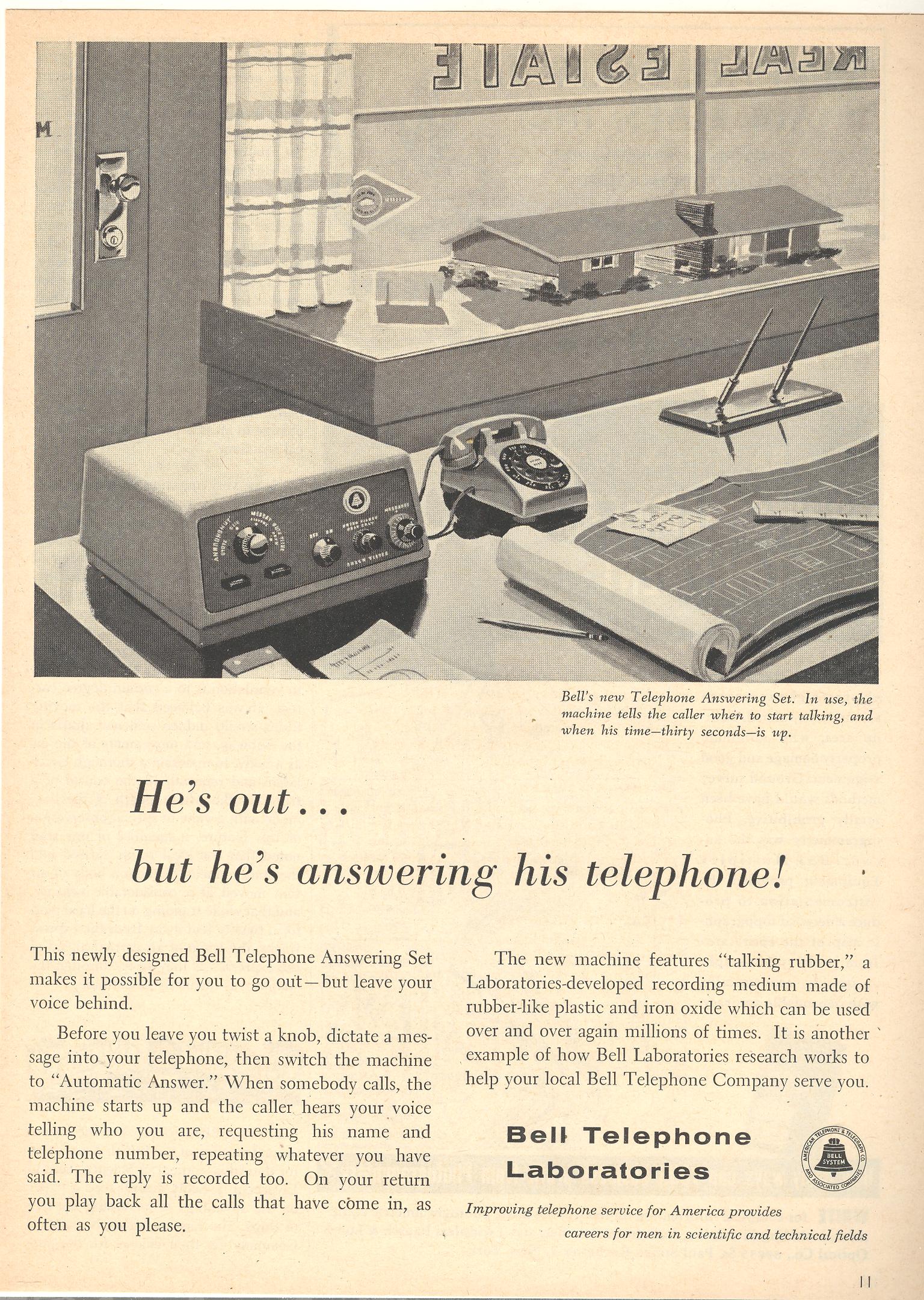
    liberator, device as well.  Now (in 1958,
    when this ad appeared) that people had completely embraced the phone for
    business and for pleasure, it added immeasurably to the well of free time.  The telephone enabled immediacy; but for that
    immediacy to work, a person had to be there to tend it.  With the answering machine, however, a person
    could in a way save that immediacy for a more convenient time, liberating their
    necessary presence the telephone experience. 

    The telephone allowed as
    person to instantaneously be in two places at the same time, basically; the
    answering machine contributed a third (or more) place, and freed up the time
    element. 

    In effect the thing was/is a
    time machine, making it possible to either instantly speak with someone 12,000
    miles away, or save the conversation for a more convenient time, sort of going
    back into the past to replay the communication..(Or dump it, extracting the
    necessary info or whatever without having to actually interact with the caller.
    ) 

    Its easy to slip and refer to
    the machine as simply “an answering machine”, leaving out the “telephone part;
    it would be nice to have a machine that could reliably answer questions like
    that (though I think that this is what Google imagines itself to be).  The “answering machine” four generations or
    whatever from now may be something that is today unimaginable.  Maybe there will be a general death of the question,
    because everything has been answered.

    Maybe the greatest machine in
    the future will be the questioning machine, something that skirts all of the
    known answers in whatever earth-sized database exists at the time.  Something that asks for information or for a
    synthesis of answers that doesn’t (yet) exist. 

    Anyway, I like what I think is
    the great importance of the telephone answering machine.  And I don’t know how The Rockford Files would’ve
    functioned without one.  


  • French Visionary Architecture: Jean-Jacque Lequeu. Image Dump.

    JF Ptak Science Books LLC   Picture Dump

    I’ve made a number of references to the great French visionary architect, Jean-Jacque Lequeu, throughout this blog, here. (Included are a number of Lequeu’s unusual self-portraits…)

    Lequeu


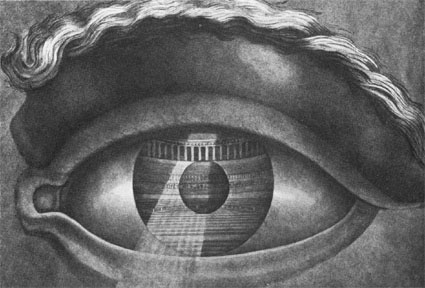
  • French Visionary Architecture: Ledoux. Image Dump.

    JF Ptak Science Books LLC   Picture Post/Image Dump

    For the  posts and references on this site to the great French visionary architect, Claude Nioclas Ledoux, see here.

    Ledoux


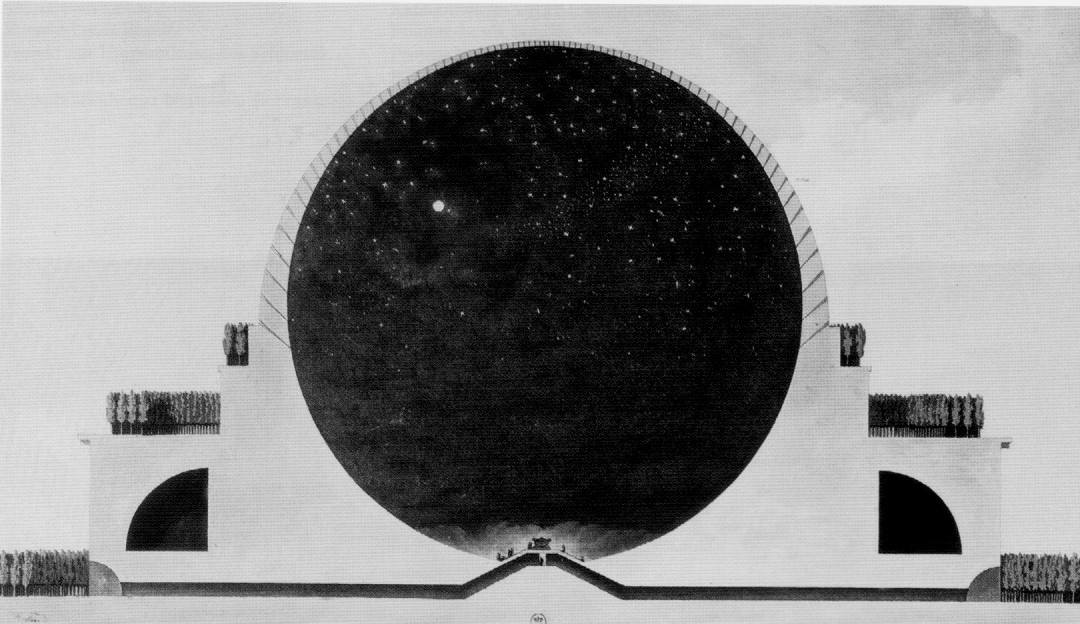
  • Etienne Boullee Images/Picture Dump

    JF Ptak Science Books LLC  Picture Post//Image Dump

    Below area few images of the works of the architect Etienne Boullee.  I’ve entered quite a few posts on this blog featuring this late 18th century French visionary architect–just see here for a list of these entries. 

    Boulle newton


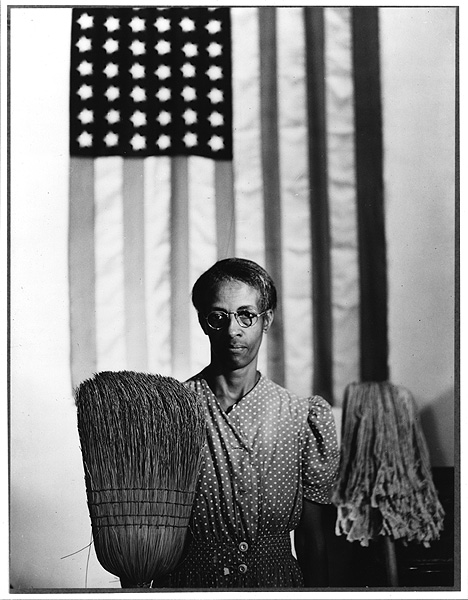
  • Picture Posts–American Photo Series

    JF Ptak Science Books LLC  Picture Posts

    A few images that I’ve put aside in the America series:  general picture dump. Sorry, but I didn’t have any notes with them…

    00237r 


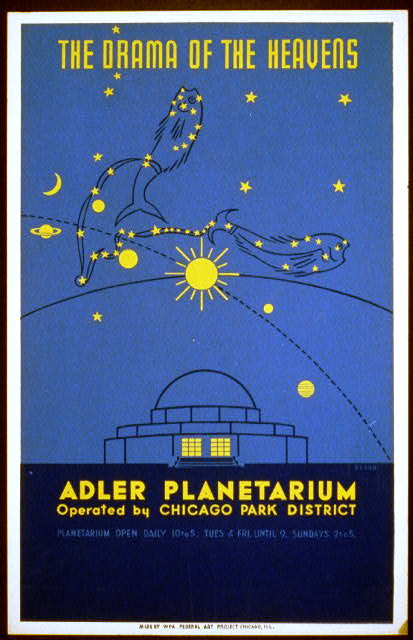
  • WPA Posters in the Sciencess, 1930’s.

    JF Ptak Science Books LLC   Picture Post

    Picture  Dump:  WPA posters in the sciences

    Adler

    ·Posted by :

    ·in:


  • Sports Photos, 1890-1940, Mostly Women (Picture Dump)

    JF Ptak Science Books LLC
    Here’s a few interesting images I’ve collected and just want to make a picture post of them.

    Baskball sweating