A Daily History of Holes, Dots, Lines, Science, History, Math, Physics, Art, the Unintentional Absurd, Architecture, Maps, Data Visualization, Blank and Missing Things, and so on. |1.6 million words, 7500 images, 4.9 million hits| Press & appearances in The Times, Le Figaro, Mensa, The Economist, The Guardian, Discovery News, Slate, Le Monde, Sci American Blogs, Le Pont, and many other places… 5000+ total posts since 2008.

Author: JF Ptak

  • 1947 Atomic-Powered Farm Industry and the 1945 Internet–Interesting Future Visions Fueled by Booze

    JF Ptak Science Books LLC  Post 1017

    Seagrams V.O. Canadian Whiskey powered the future through a series of a dozen or so ads for itself in the 1945-1947 period, taking a usually-strangled though occasionally interesting peep into what the future might bring.  (And of course the future is brought by men who drink Seagrams.)  In this ad, appearing in the 12 May 1947 issue of LIFE Magazine, we are told “deserts will bloom through atomic power”–how this might happen is left to the imagination. Also left to fantasy is what exactly is being farmed there in front of the incongruous “atomic energy plant”. Plastic smoke?  Taking a fractured approach to the possibilities one might say that atomic bomb mushroom clouds are being grown from seedlings here from the ground up, nurtured until the day they too will be as big as the blasts of August 1945.

    Atomic garden

    Oddly enough, the illustrator–who after all was just trying to sell alcohol–came pretty close to the truth, except that they got the power source wrong.  Rather than nuclear energy, it would be petrochemical industries that would lie there at the heart of America’s farm production (via seeds and fertilizers and so on)–I’m sure that it would’ve made more sense in a weak way back there in 1947 to believe the atomic story rather than thepossibility that it would be petroleum that would drive the entire production of food forward.  

    In another weirdly prescient image–“weird” anyway for a quick effort made by an artist trying to sell drunk juice–is this proto-internet office view, made in May 1945. There’s lots of passive solar going on here(though not really very effective when you consider the other ways of directing and filtering exterior light inside) in the office of tomorrow, but more important is the desk and the file cabinets.  The seated man is talking to someone across the country  via phone/wireless, with data en masse at his fingertips, a “computer” (in the old sense of the word, that being a person–and usually a women–given the charge of adding long columns of number or whatever and then doing the arithmetic, like a comptometer) working some sort of calculating interest on the largish calculating instrument. In general we see a decision-maker awash in responsibility connecting all of the parts of his world: a primitive, secular, analog internet.  And this too just at about the same time that Vannevar Bush introduced his own vision of the informational future with his superb Memex (which I wrote about earlier on this blog here.)

    Internet 1945


  • Picture Dictionary of Extinct Semi-Luxuries, Part 1

    JF Ptak Science Books LLC  Post 1016       

    Luxury for the not-wealthy, the luxuries of the working classes, is a relatively new invention in the West.  Virtually unmolested except by the aristocracy, “luxury” was a thing defined to exclude nearly everyone in Europe, the United Kingdom, America and virtually any other place.  Not until the second Industrial Revolution did capital become more “absorbent” to those working for it, with the working classes allowed to be paid more and keep more of it–money in the hands of the mass of society became expendable on the stuff of life that wasn’t necessarily “necessary”.   This picture dictionary–collected but not assembled by the social muse and graphical strategist Malcom Mumbry (of Landrum, South Carolina, working-class neighbors to the wealthy in the horse country of northern South Carolina)–displays some of the many new luxuries of the 1880-1920’s period, most of which have now been lost to the dust and short memory.

    The images are beautiful and unusual–their content may be even more so, and generally unexpected and–occasionally-unimagined. We’ll be making posts to this site until we can construct a few representative alphabets of lost luxuries–their initial presentation will  not be made alphabetically.

    H     Hat Ennui.  


    1-apr 29--luxury--hat ennui

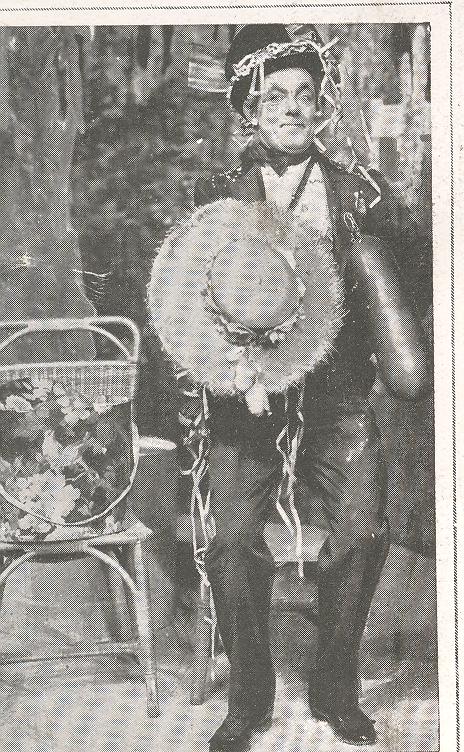
    By the time this photo was made in 1920 hat-need had surpassed itself to the point where only ennui could quench the continuing hat-thirst.  So much so as a matter of fact that Giles Rope, a French playwright, wrote and co-produced  (along with Guy la Flembeur) “Ennui Chappeu”, an absurdist work on the developing hat anti-lust.  Intended as a silent/violent statement against hat ennui, it became a pro-ennui sensation–not only did men want hat ennui, they evidently wanted to watch other men with hat ennui, as well. The play ran 85 weeks in Paris, 50 in London and 102 in New York, closing in 1926.

    H  Hats, Bologna

    1-apr 29--luxury--bologna hats 

    Perhaps a more unusual hat story in 1921 was the appearance of party hats for over-sized bologna.  The delicatessen standard was new in 1921, and in order to make it more somehow appealing to customers the bologna were dressed in large, flat-brimmed party/sun hats.  By 1922, bologna hat racks began to appear in some eateries; by 1923, the hat craze was over, and bologna had shrunk. 

    S  Sob-watching/sob-watchers

    1-apr 29--luxury--sobwatch
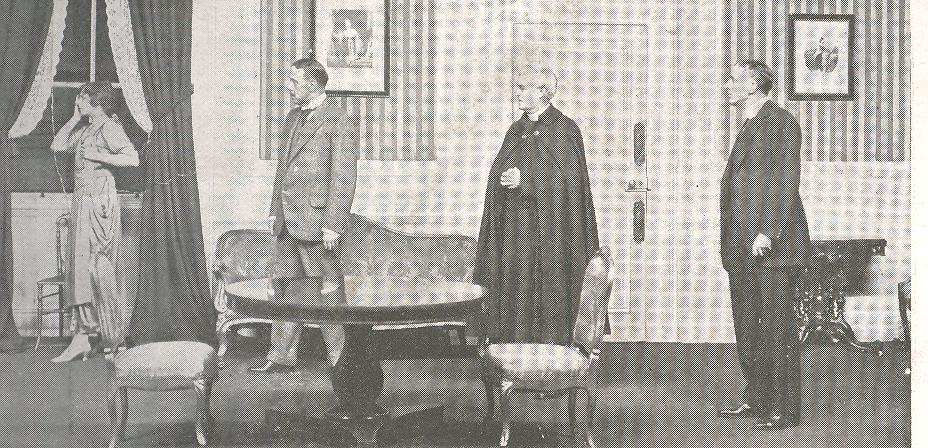
    The somewhat wealthier classes were offered a short “Exclusive Hirelings” pamphlet by Bent Gruel Company (of Chicago),  where well-dressed “Attendants” could be hired to “engage at a distance”. This amounted to polite watching–interested parties could now hire one (or more) of Gruel’s sophisticated cadre to “attend to the visual needs deserted” of people in joy or crisis so that whatever it was being experienced was now not necessarily experienced alone. (In the above scene a client has hired three men to equidistantly observe her weeping by a painted window.)

    M   Maid Fainting

    1-apr 29--luxury--maid fainting

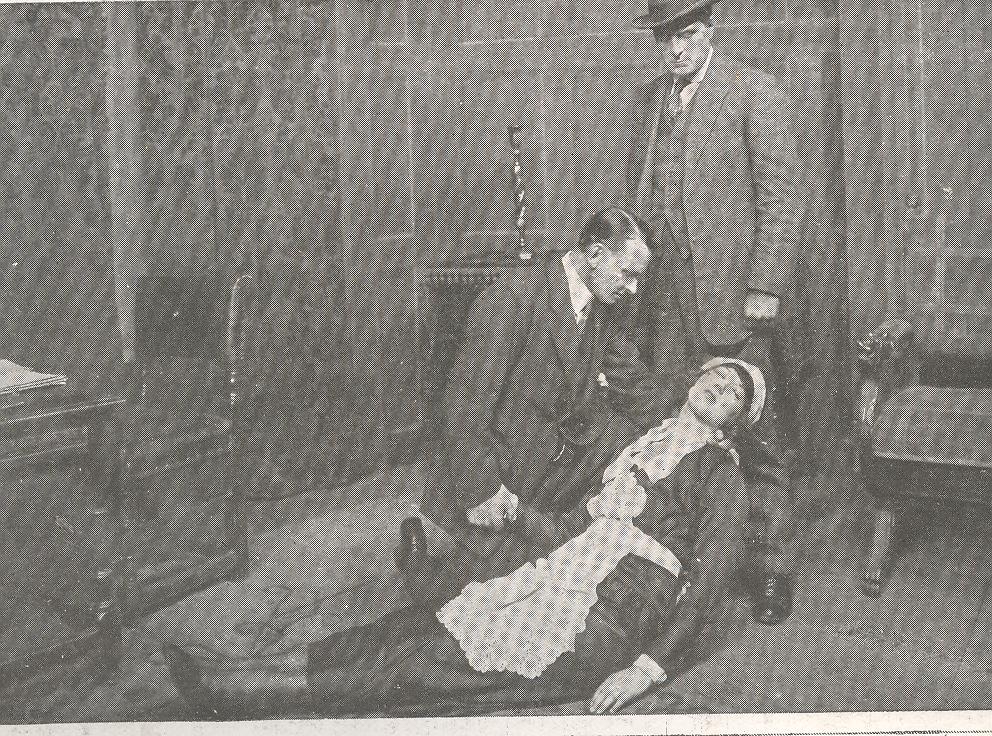
    For the millions of Americans who were newly affluent in 1925 but not affluent enough to afford a fainting maid that they could attend to came the Maid Fainting Society Inc of America.  Bonded in 15 states, MFSA sponsored overseas maids to faint in good American homes.  They were hired out at $4/hour (a handsome hourly sum in 1925), the fainting maids being allowed to keep half.  In 1926 a sub-cult of Extra-Tall Fainting Maids was born (an example of which is picture above), and provided an income to thousands for several years.  (One of the last silent films ever made, Fainting Maid Maiden, with Clara Bow, 1944, used this phenomenon as a basis for its story; by that time however the craze had passed, the war was on, and no one cared anymore for silent films about fainting maids.)

    C   Cigar Cane Rentals

    1-apr 29--luxury--cane
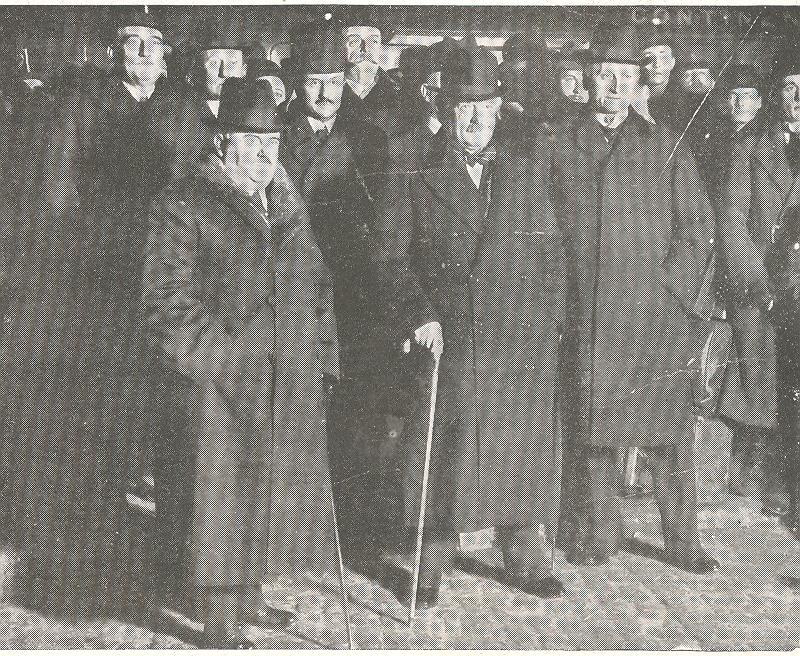
    An excellent example of an extinct semi-luxury that was almost entirely based in England and which never caught on anywhere else in the world was cigar cane rentals.  As seen in this photo (made in London in 1922), well-intentioned better-clothed country pensioners were brought into the city and made to pose with their renter canes.  Wooden canes evidently deprived Londoners of a “cigar aromaticity” need that was fulfilled with these canes made of cigars.  The short craze lasted for about 15 months, during which time better than 500 cane renter holders were stationed around London at walking parks on any given evening.  It was an essential part of care rental to do so on brick, as the cigar cane tip made a distinctive sound  (a harley-like individuality if you may), which was enjoyed by the renter and the non-renter alike.  AS we can see in the photo above, nearly all of the cane renter men have already rented their canes, pushing the last two men with canes to the front for greater visibility.  

    –end, Part I


  • Women at War: England, 1918 (Part 1)

    JF Ptak Science Books LLC  Post 1015

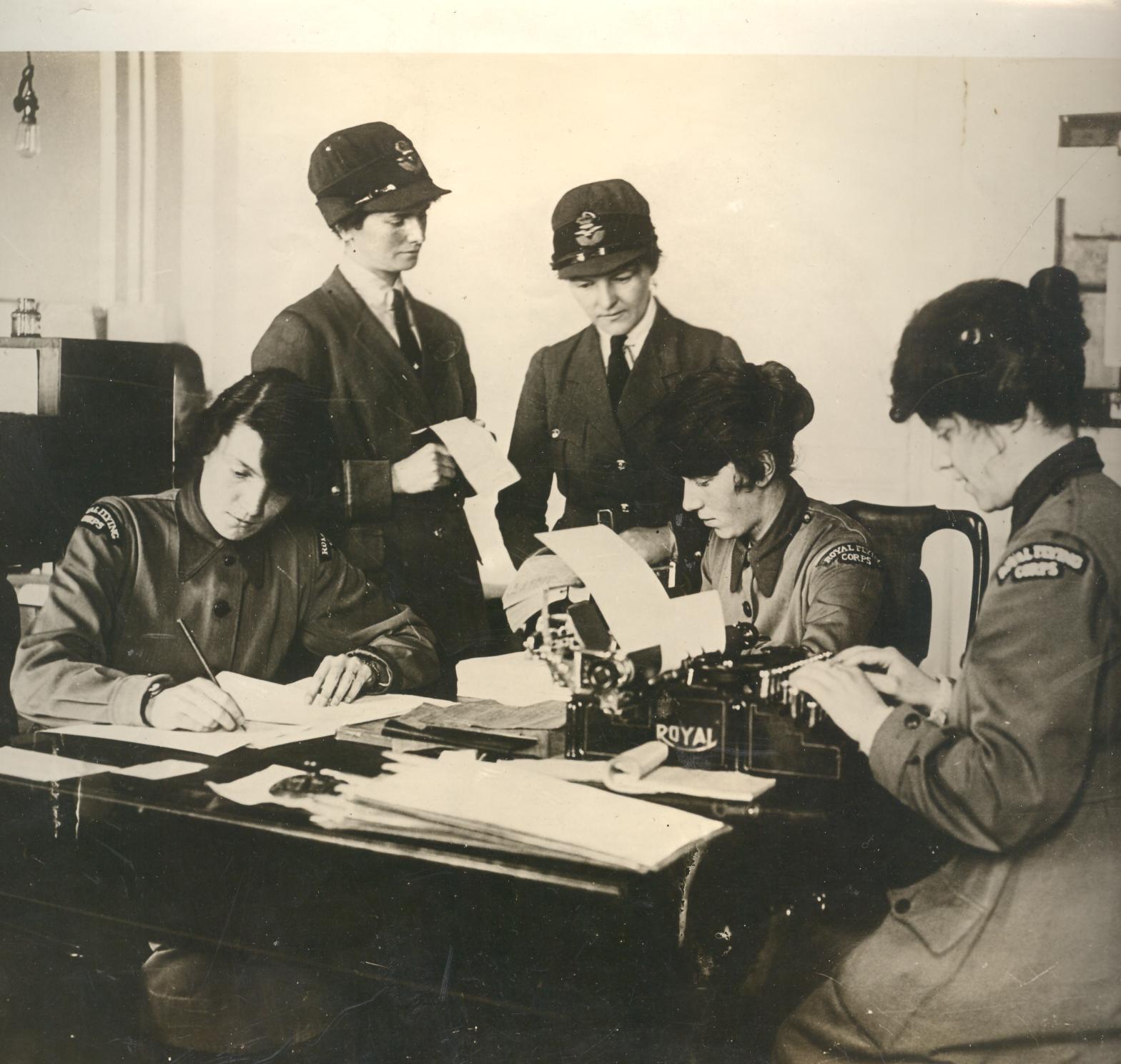
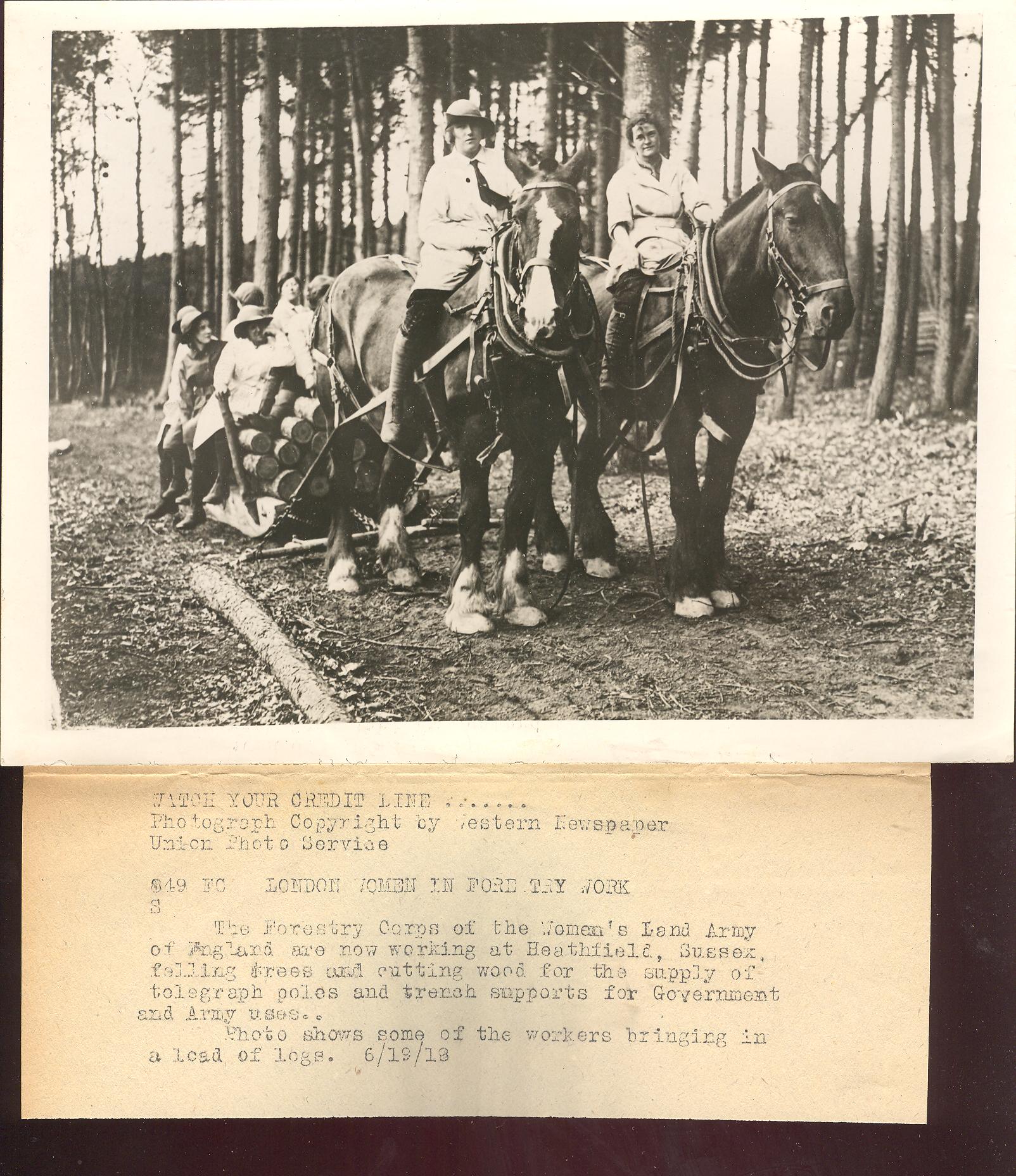
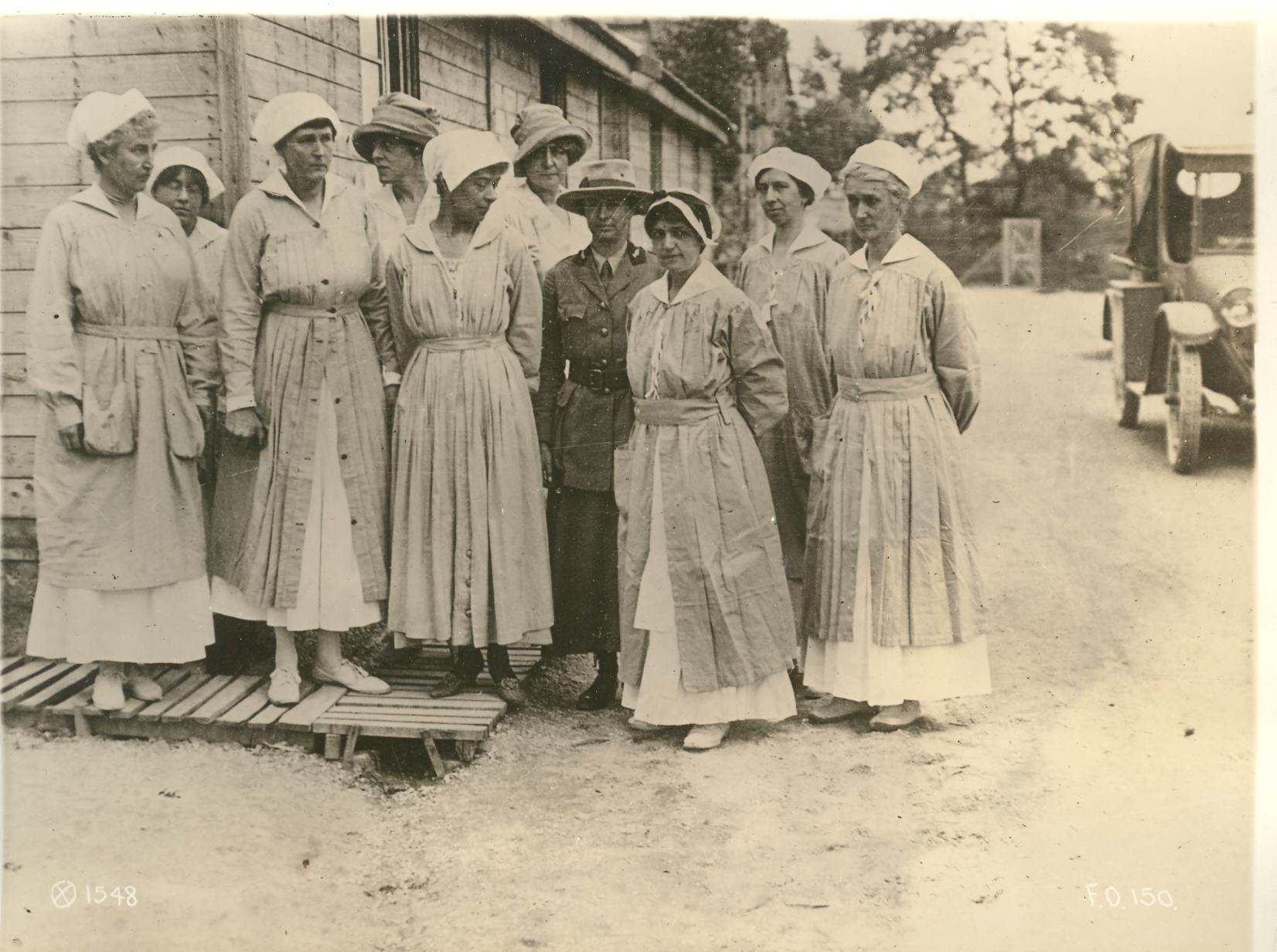
    This is another (number 15 or so) in a series of posts on images from my News Service Photographs of WWI collection.  All thousand or so of them were made in the last half of 1918, in the last months of the grueling conflict, and were intended to be used by newspaper and magazines to illustrate stories about the war. An editor would send off a request to one of these agencies for, say, a photograph of marching American nurses, and the agency would send one back (for a fee) along with a caption.   There’s really no way for me to determine if these photos were ever published, and there is never an attribution for the photographer. 
    [Another example in this series can be found here. Also if you enter the search term for news service photo in the google site search box you’ll get 55 or so returns.]

    This is the first installment of women at war–there should be another 35 or so coming soon.

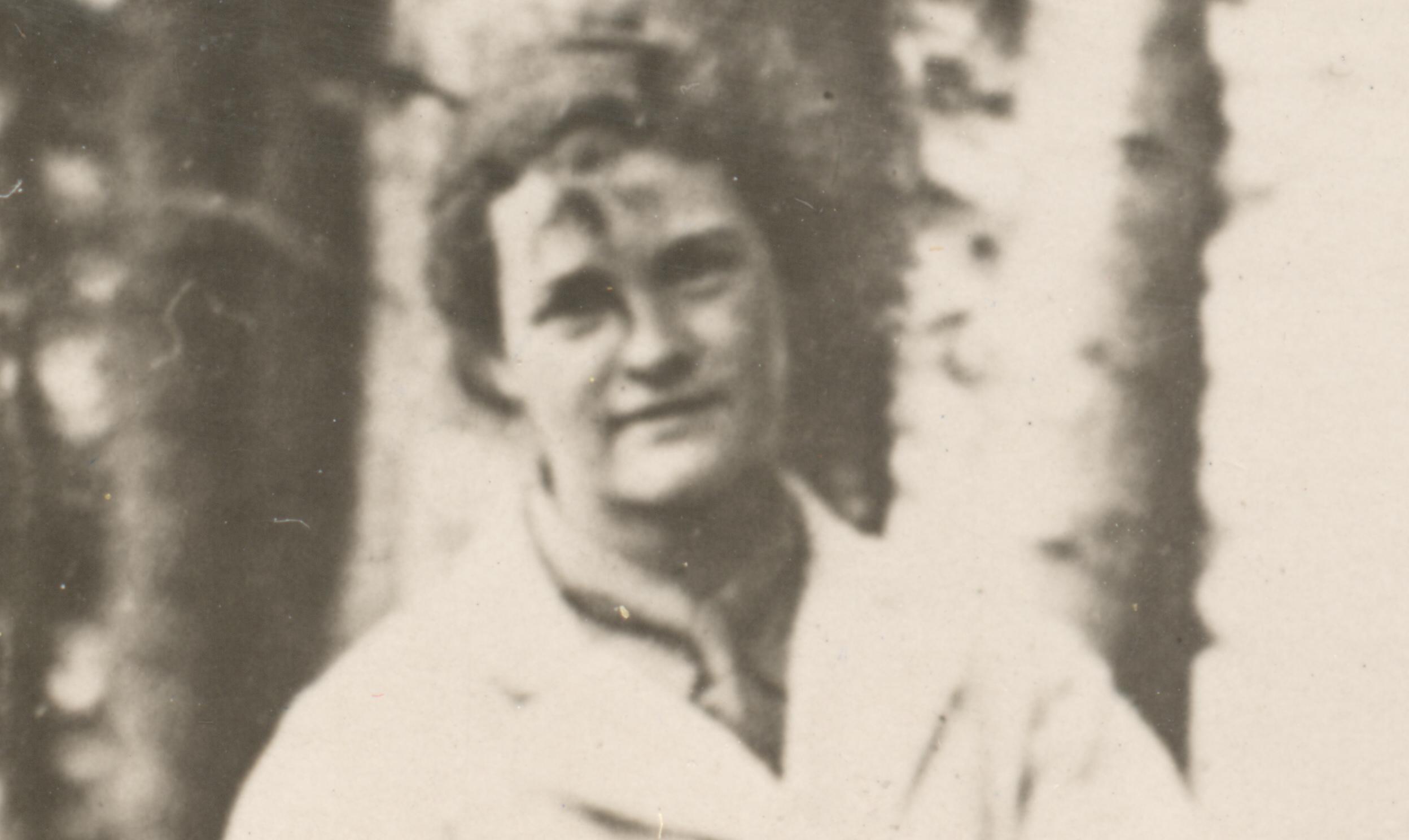
    Also I’ve micromanaged the prints, pulling out a detail from each one of them, a detail of an appealing portrait perhaps difficult to see int he overall original.

    For example:

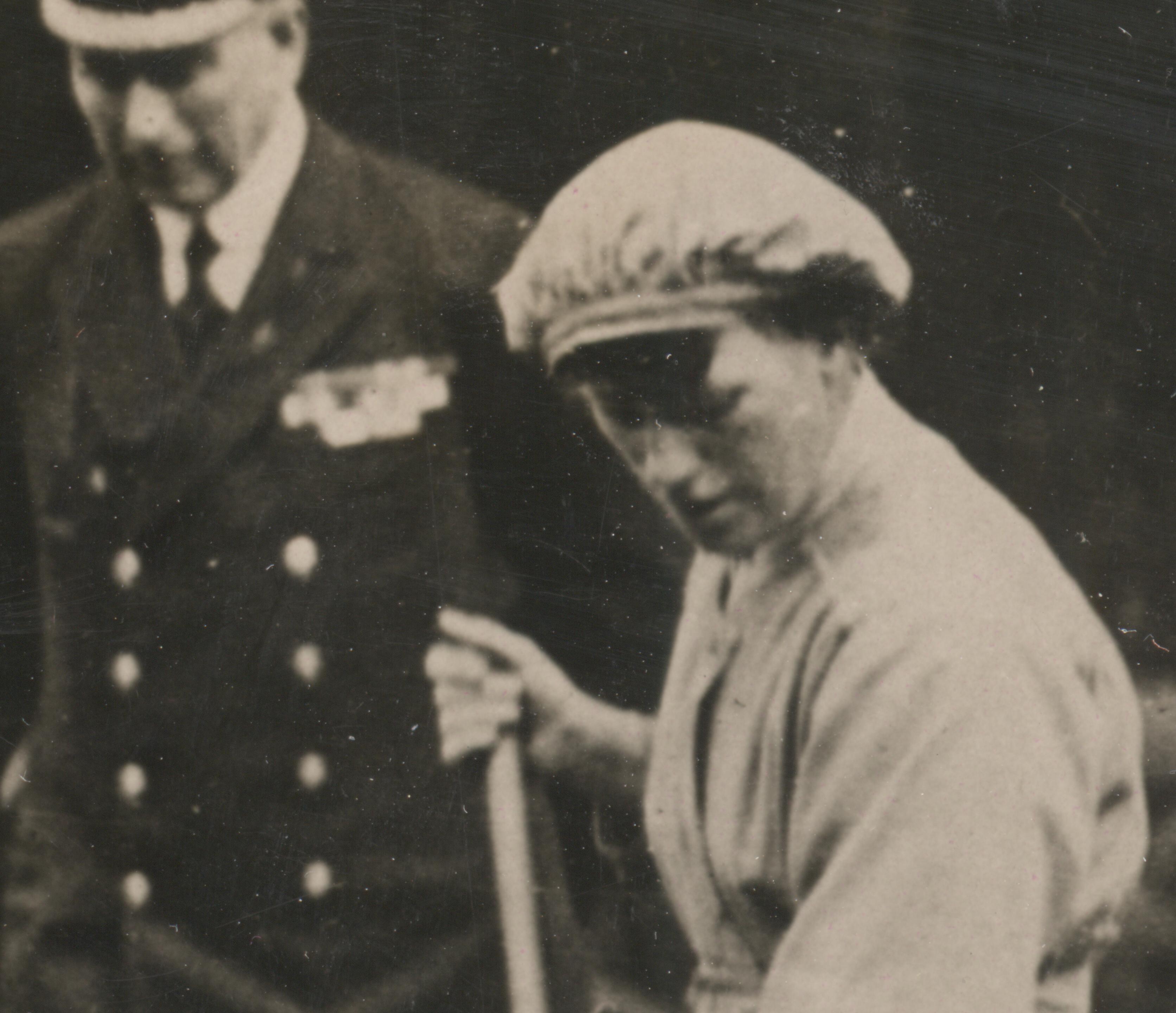
    1 april 26 women king+queen det 2

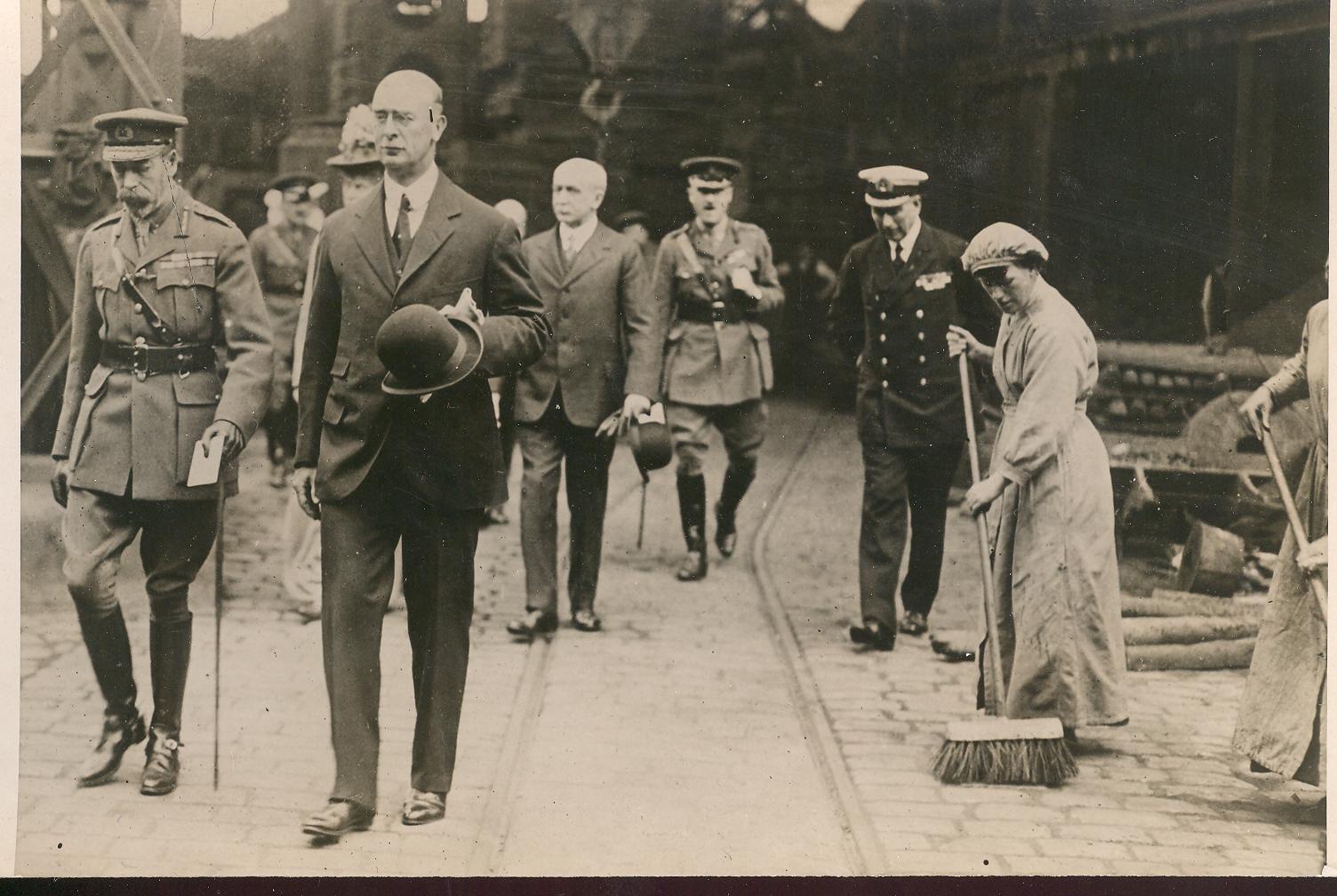
    comes from the sweeping woman at right, taking care of some debris in a munitions factory in October 1918, sweeping as the King and Queen of England stroll by on a visit/inspection.  I suspect she was instructed to say nothing and to not look up from her work.  She doesn’t look nervous to me, though–her hands aren’t tightly gripped around the broom handle, and her face looks relaxed…

    1 april 26 women king+queen

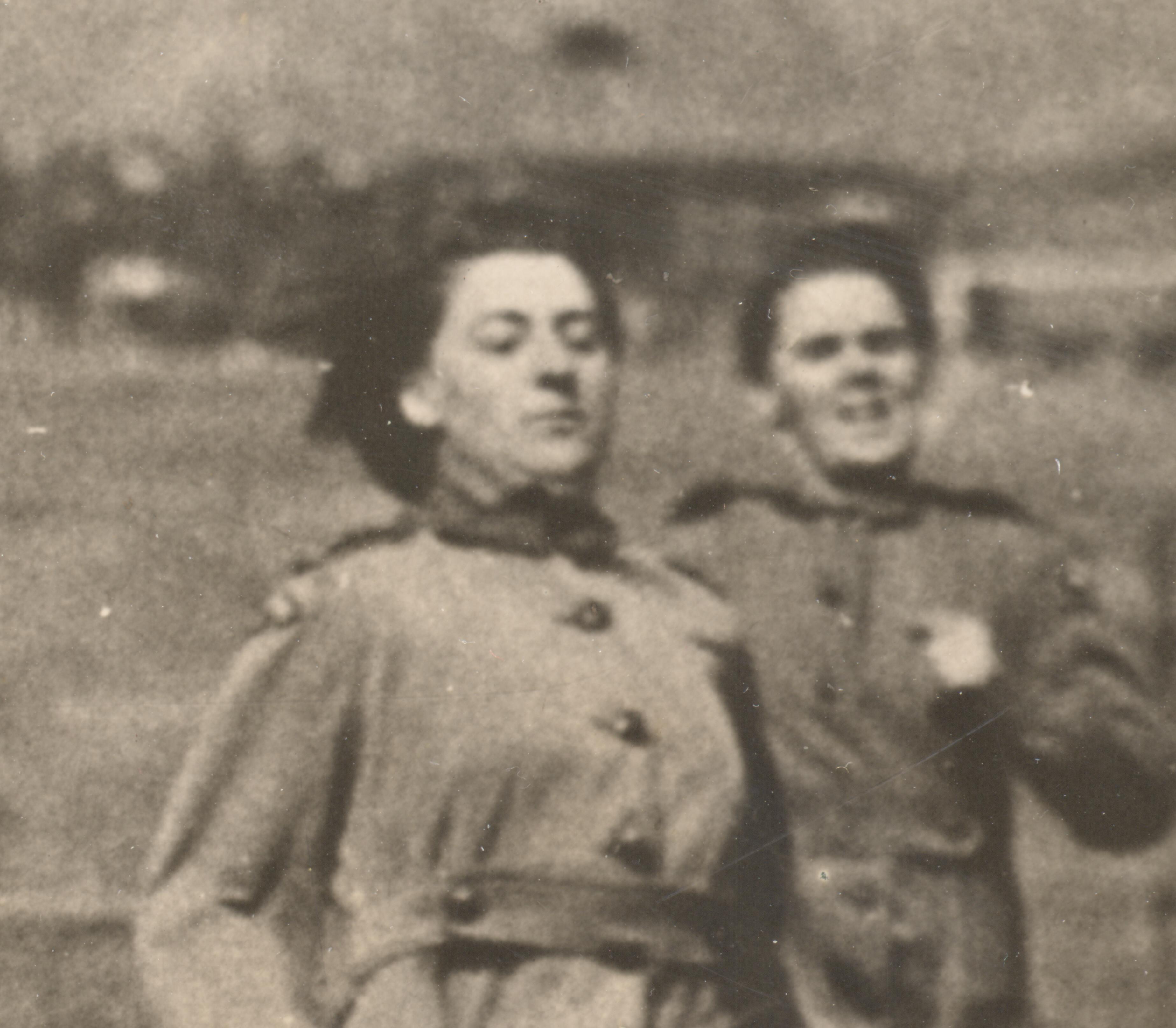
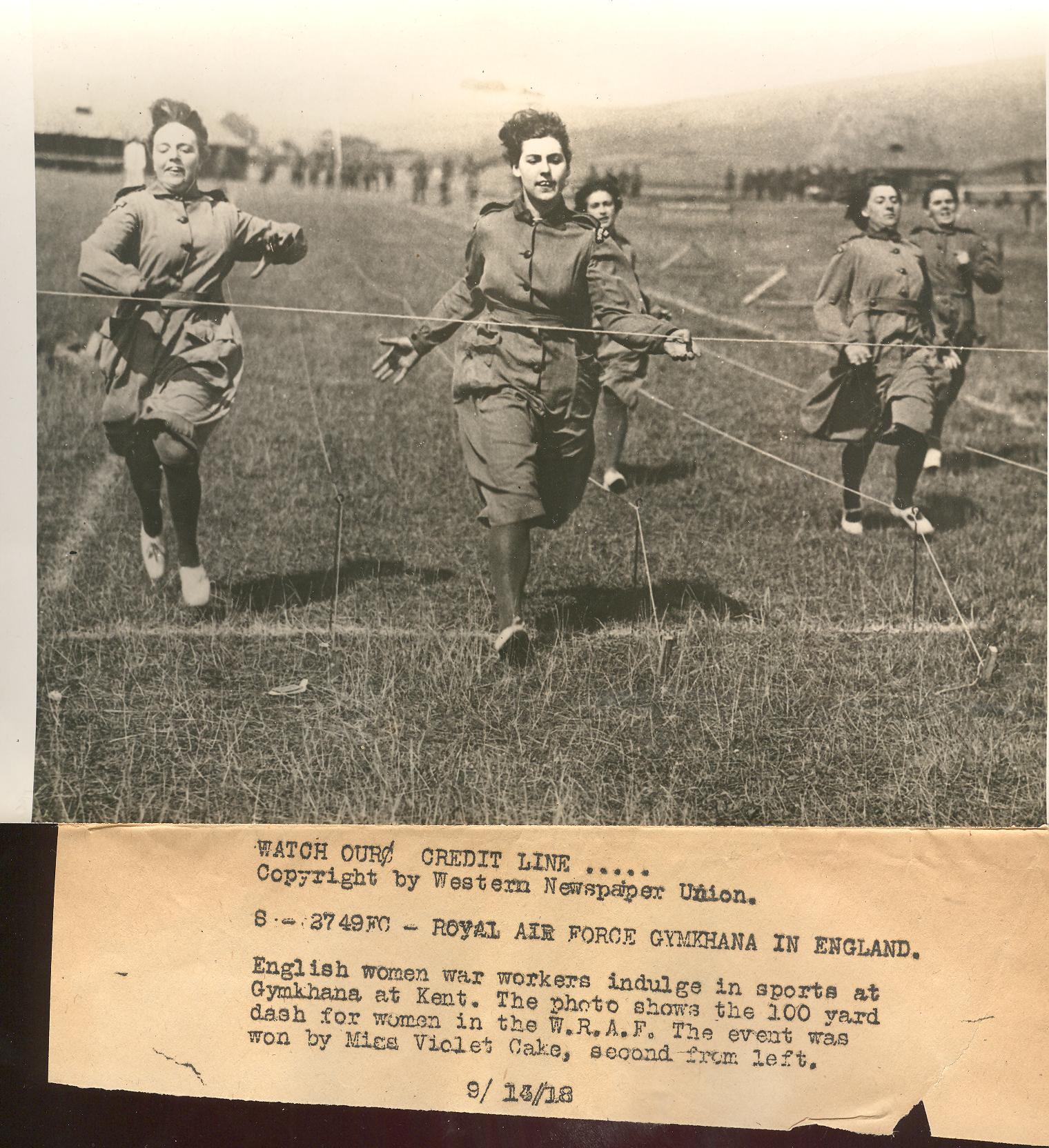
    WRAF in track and field exercises, Kent.  This is the third-place finisher, running while leaning back, trying to keep everything in place, mouth closed, arms down–pretty good results from such an awkward and highly-mannered style of running.  Also, the woman to her right is a dead-ringer for Alan Turing (if you’ve ever seen the Enigma Man running at track, I think you’d have to agree.)

    1 april 26 women race det

    The great Alan Turing

    Turing
    The full image of the race:

    1 april 26 women race
    I just liked this woman from the typing/steno pool.

    1 april 27 women adding det
    1 april 27 women adding 

    Detail of the image of the Forestry Corps of the Women’s Land Army of England, working at cutting telegraph poles on some great-looking draught horses.  (The horse on the right–ears back–looks big and unhappy.)  I love that this woman is wearing a tie.

    1 april 27 women horses det
    1 april 27 women horses

    1 april 27 women nurses det

    1 april 27 women nurses
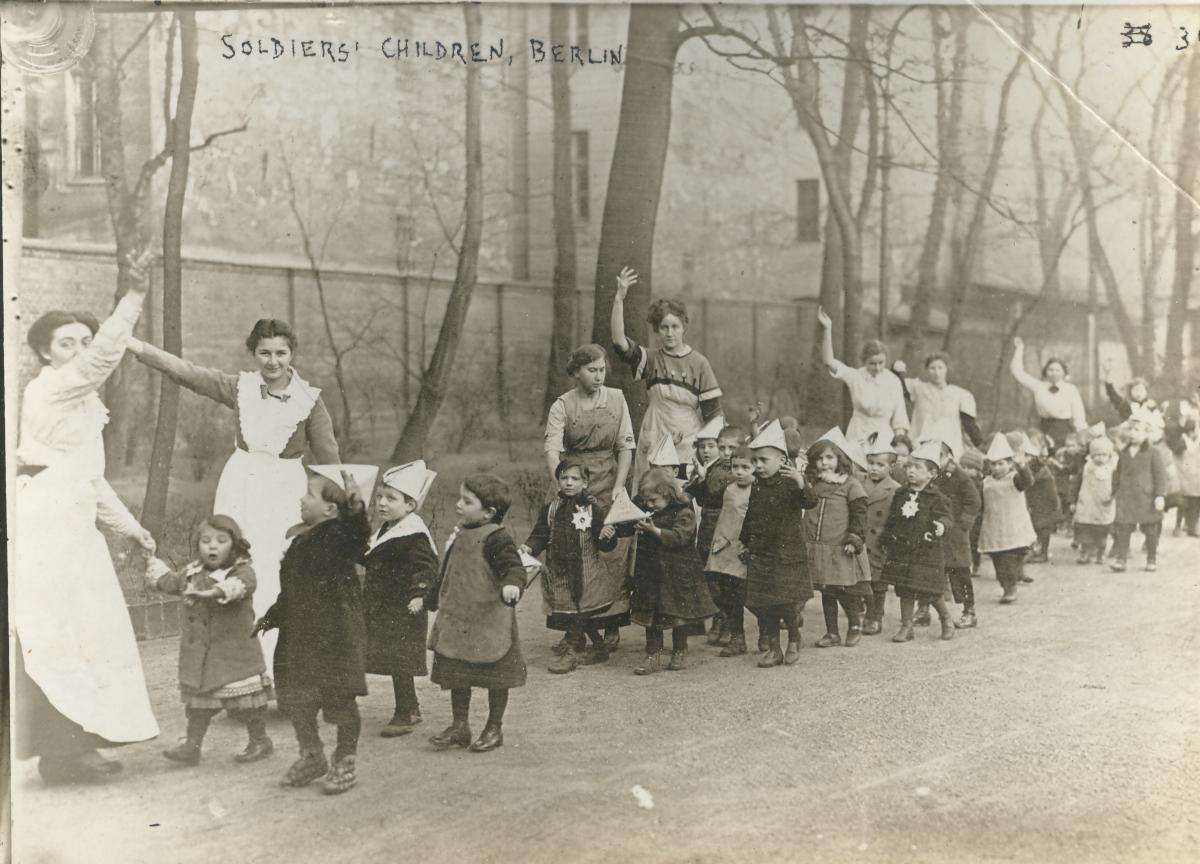
    Detail from “Soldiers’ children being care for by volunteer nurses, Berlin, June 19, 1919”.

    1 april 27 women berlin kids det2
     

    xcxc1 april 27 women berlin kids


    1 april 27 women flag
     

    ·Posted by :

    ·in:

    —

  • A History of Blank & Empty Things #70: Thought and Fox-Tossing

    JF Ptak Science Books LLC  Post 1015

    1 april 27 fox tossing

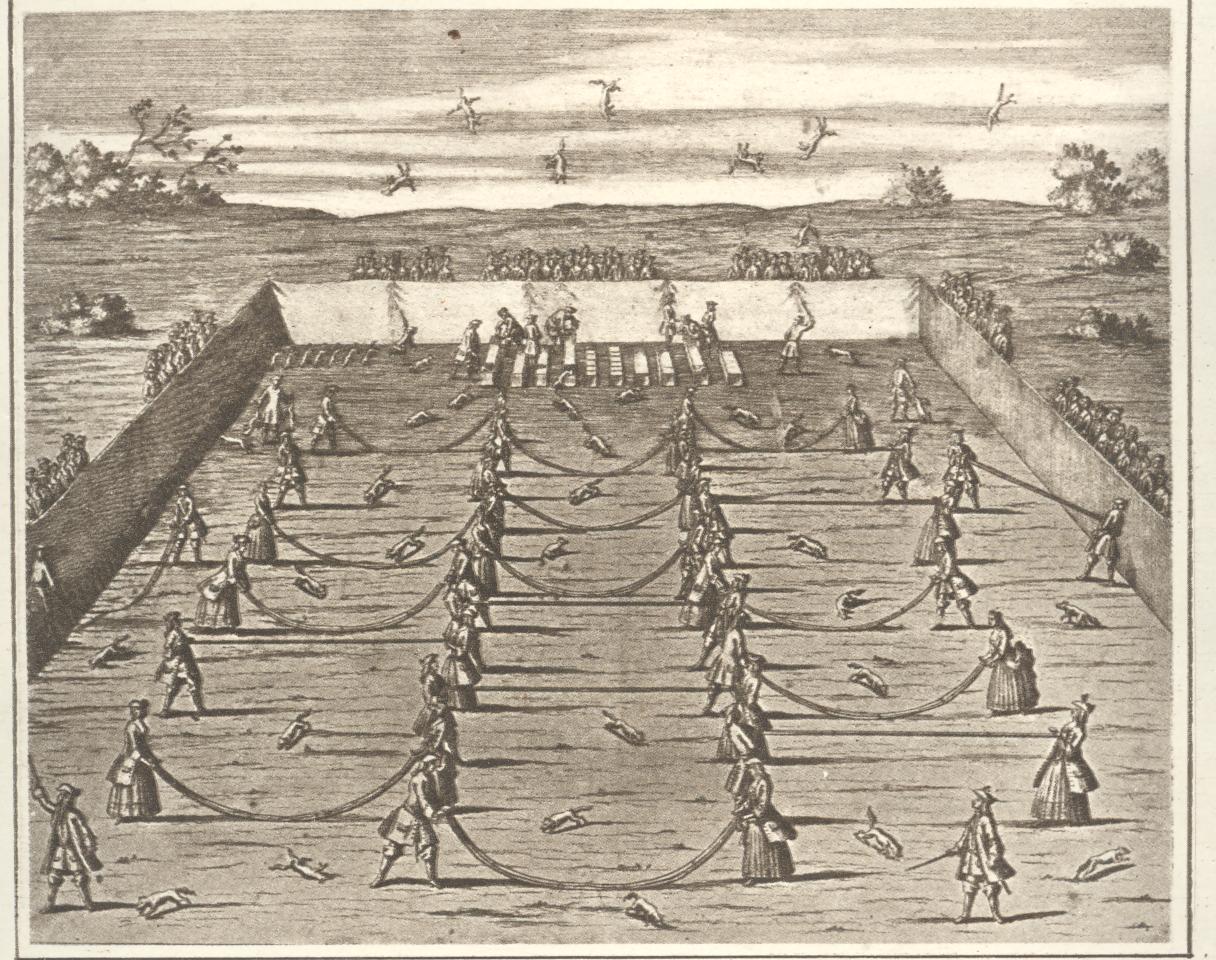
    In the ten-level history of blank thought none are more cardinally ninth-level than the abuse of animals–except of course the abuse of animals for sport. (As unspeakable as this is there is always another level of the truly unspeakable.)  In the early 17th century, at about the same time that the two Electors of Saxony were legendarily and grossly dispatching animals of all shapes and sizes (including 110,530 deer, 54,200 wild boar, 6,607 wolves, 477 bears and all manner of small “prey”) there existed a German Court sport of fox-tossing.

    What would happen is this: a coral would be made of cloth screens; court favorites would entire the enclosures with ropes while disabled foxes were also introduced; the people would pair up with a long rope between them, held slack t the ground; the animals would run in an enforced terror around and through the pairs and over the slack ropes; when the fox tried to run over the rope, the pair would yank the rope taught, launching the fox into the air.  And so on until everything was up in the air or dead.  And that’s it. 

    Fleming’s  Deutsche Jaeger  (published in 1719) produced this (above) image, and commented on it: “Skilled male tossers could toss a fox 24 ft. high…At a famous fox-tossing in Dresden there were tossed some 687 foxes, 533 hares, 34 badgers, 21 wild cats, and at the end 34 young wild boar and 3 wolves….”

    Oscar Wilde famously skewered fox hunting, which pales in comparison to this thing; I find it difficult to imagine what he might have said about fox tossing. 


  • The Great Rarity and Sublimity of Antiquarian Artwork by Children

    JF Ptak Science Books LLC  Post 1014

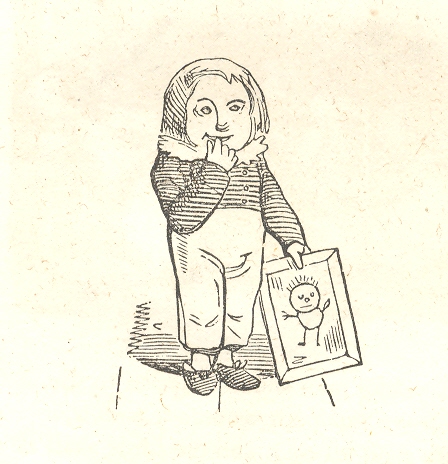
    April 26 kid with frame det

    I think that I can safely say that artwork by children does not make very
    many appearances in Western art prior to the 20th century–published images just don’t appear.  Nor do the
    originals–considering the ephemeral nature of the effort at art by children,
    their work just don’t seem to survive.  Some of that reason–particularly
    in America–was
    the scarcity of materials for kids to produce art with: paper was not
    inexpensive, and neither brushes and paints.  Crayons, invented for chubby
    and reachy fingers, were not invented for the mass market until 1903.  (Crayola sold eight crayons in a box for
    a nickel.  The colors?  Black, brown, blue, red, purple, orange,
    yellow, and green.)   Then of course the artwork would have to be
    saved, somehow, for generations.  As much as it would be fascinating to
    find artwork done at age four by your great-great grandparents, it would have to
    survive the cleansing tendencies of four generations of clean-up.  End
    result:  there’s just not that much antiquarian chldrens’ art floating
    around.

    April 26 kid with frame It also doesn’t appear as art in artwork.  It is possible to
    find numerous examples of kids’ scratches in stone and such in ancient
    graffiti, but it doesn’t appear as elements of fine artwork, or, for that
    matter, in book illustration. 

    Also it seems to me that the artwork for pre-school age children looks about
    the same—3-year-old kids drawing images of other people tend to look pretty
    much identical, and so this way over many centuries.  No doubt some group has studied this in depth
    and in detail, though I don’t know about it—to me, by seat-of-the-pants
    reckoning, the representations of people/animals/sun/sky and so on look like
    they can be coming from the same classroom, even when the art is coming from
    different centuries and from different parts of the globe.  (At least for the 99% of them.)  I find this remarkable.  Then of course things happen, children
    change, they get schooled, educated, informed, indoctrinated, and on and
    on.  But for that early period, the art
    of children has a spectacular commonality.

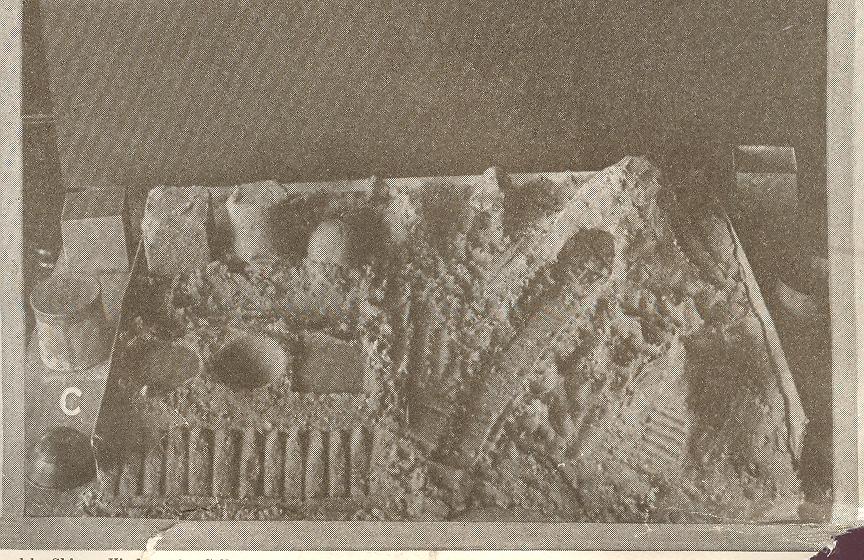
    April 22 children art sand
    Reigning this in, the issue of childhood art was again rallied after finding
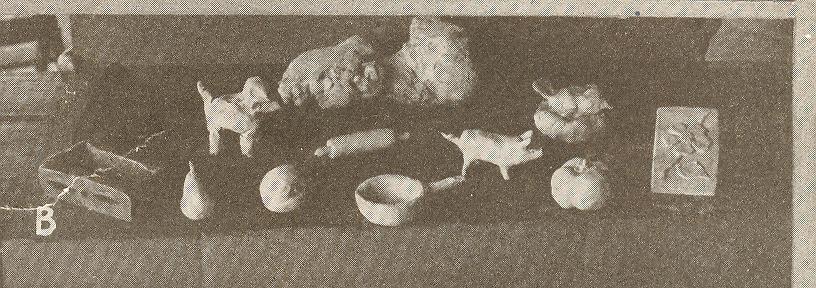
    an illustration of children’s school art—there was a sort of diorama, but then
    there was also an image of clay figures made by kids…and then there was the
    sand castle.  I honestly cannot recollect
    ever seeing a hundred-year-old image of a child’s sand castle.  Some woodcut must appear in Harper’s Weekly or some such magazine,
    showing play at the beach, perhaps the castle making an incidental appearance
    at the edge of the scene.  I was struck
    by the picture, and by its (perhaps) rarity. 
    I have no doubt that kids having been building things in sand and mud
    forever; whether there are many published pictures of the results, I really don’t
    know.

    April 22 children art clay

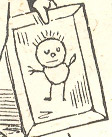
    There is another fine example (pictured above, at top)  in Thomas Truman’s The Nurse’s Rhyme Book,
    a New Collection of Nursery Rhymes,
    published in Philadelphia
    in 1847.  The book is filled with unusual illustrations and fantastic
    ornamental borders, all used in support of some odd, scary, mean and
    occasionally pretty mid-century posies meant as night-time entertainment for
    the young ones.  Our prize is found on the very last page, the final slug
    of an illustration to a more-finely illustrated book: a coy, small boy, holding
    an example of his art, seemingly drawn on a framed slate. He looks happy,
    pleased, proud to me–on the one hand he is interested in sharing his
    achievement and on the other is really too shy to share, an emotion I’ve seen
    from time to time with my girls. As a matter of semi-fact, this is a rare
    emotion to see displayed in art, the too-shy-to-share routine saved more for
    fluttery self-conscious Victorian grown-ups more so than for children.. 

    Believe me, after having dealt with books and prints as an antiquarian for
    almost 30 years, and also having a collection of sorts of antiquarian
    childrens’ arts, pictures like this just don’t surface very often at all. 
    Over the years I’ve made some annoying phone calls and emails to librarians at
    art galleries (especially at the National Gallery in DC where I was a pester)
    explaining my interest and trying to find out if this struck any bit of memory
    in their brains–I never once had a positive answer. (I expected at some point that
    someone would say, “Oh yes, of course–there’s a census of that that Mr.
    Kemp of Yale did in 1977”. Or something, some sort of memory for this kind of
    image.) This is hardly an academic pursuit, but my occasionally ritualistic
    clawing seems to bear out that these things are just not available.

    All I have to go with here is the sheer emotion of seeing some of these pictures–they strike such an utterly deep chord, and are so astonishing, and personal,and so completely resonating, that I  know they are important..  In a way I think that whatever is in the picture in that little boy’s hand from 1847 is what everyone is looking for

    ·Posted by :

    ·in:


  • The Fate of the Future & the Ironies of Artistic “Futurism”

    JF Ptak Science Books LLC   Post 1013

    “The oldest of us is thirty: so we have at least a decade for finishing our work. When we are forty, other younger and stronger men will probably throw us in the wastebasket like useless manuscripts—we want it to happen! They will come against us, our successors, will come from far away, from every quarter, dancing to the winged cadence of their first songs, flexing the hooked claws of predators, sniffing doglike at the academy doors the strong odor of our decaying minds, which will have already been promised to the literary catacombs.”–from the “Futurist Manifesto”, by F.T. Marinetti, 1909

    Mussolini
     

    They came for Mr. Marinetti a little earlier than that, and continued to come, though whoever it was that came couldn’t quite reach the founder of futurism, who seemed to be one invisible step ahead of oblivion.  Or perhaps it was behind?  I’m not sure.

    But futurism as a movement was more in the past than in the future, barely lasting long enough to have anything but a past.

    Not that the movement wasn’t important–it was, obviously–its importance branched out into other areas and movements, morphing into necessary branches, leaving behind a shell of the original tended by the originator.  (It can be argued that this movement helped create the environment for Dadaism and Cubism [or at least Cubist-futurism as in the Russian sense of that art].)  Marinetti had some unsavory and some jsut downright weird political and social ideas, having a long and vested interest in fascism.1  And not only the earliest part of Italian fascism –founded in 1919 with an interest in expanding the democratic process–but the later, Mussolini-controlled Italian fascism as well.  Marinetti sought the protection of Il Duce,2 and even so during the war, when he sought to protect his movement’s art from being designated as “degenerate ” and therefore unacceptable and existence-deniable by Adolf Hitler.

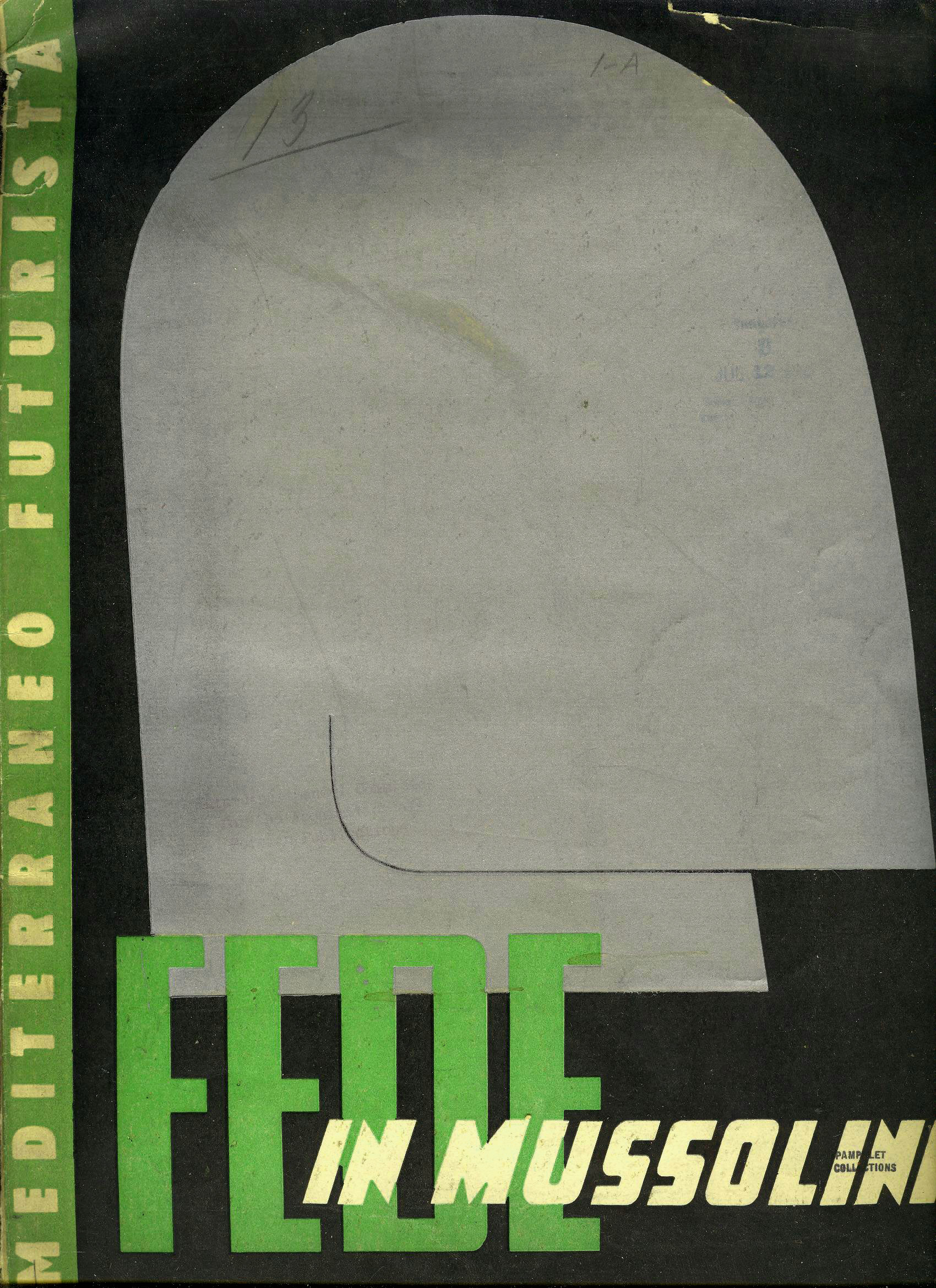
    This is the cover of a magazine edited by Marinetti and others, a hagiographic-porn hommage to the leader of the Italian fascist government, Benito Mussolini, featuring a very striking portrait of the leader on the cover. 

    And so the unlikely prolonged existence of futurism–a movement transformed far beyond itself in a matter of years, held together by pieces of fluff and dust, supported in its old age on the hopes of a noxious political system which was itself doomed to rapid failure.

    “At last they’ll find us—one winter’s night—in open country, beneath a sad roof drummed by a monotonous rain. They’ll see us crouched beside our trembling aeroplanes in the act of warming our hands at the poor little blaze that our books of today will give out when they take fire from the flight of our images.”  –F.T. Marinetti, from his “Futurist Manifesto”, 1909

    Notes

    1. Marinetti’s goal was to establish futurism as the official art movement of the government–something he specifically wrote against in earlier incarnations of himself.  He would come to loggerheads with much of his earlier social opinions, abandoning his beliefs in his never-ending quest to promote his movement.  I must say though that Marinetti did publicly speak against anti-Semitism.

    2. Marinetti sought to have the Nazi traveling exhibition of degenerate art–which included works by futurists–banned from Italy.  So even though the Nazi fascists established futurism as degenerate, Marinetti was able to enlist the aid of Mussolini to shield Italians from what the Nazis thought of the art.  But the futurist manifesto seemed comfortable with the while idea right from the start, as we can see in proposition #9 of its self-proclamation: “We will glorify war – the world’s only hygiene – militarism, the destructive gesture of freedom-bringers, beautiful ideas worth dying for and scorn of woman…”


  • Skeptical Inquirer, 1584–Magic and Superstition Revealed, Displayed, Explained and Killed

    JF Ptak Science Books LLC  Post 1011

    Reginald Scot, a wealthy and landed Brit from a good family of the 16th century,
    wrote a lovely proto-skeptical book revealing the so-called mysteries of people
    practicing witchcraft. Actually, there were all sorts of performance tricks and
    sleight-of-hand revealed in the book—cards, coins, spiritualism, juggling balls
    and such, as well as magic—and as such, in addition to the witchcraft part,
     was the first book in English to exhibit practical conjuring tricks, with all of their
    intricacies displayed.

    In short, Scot explained all sorts and manners of miracles, a 16th century
    James Randi.
    April 22 reginald scot

     
    Scot was an enlightened humanist and a judicious man. His interest in
    witchcraft
    ran contrary to the general contemporary belief that witches and
    diabolical possession and so on, was real—he
    chose to explain the end results
    of witchcraft via rational means, exposing the tricks of the trade.
    He also
    believed and tried to show that those accused of witchcraft were either engaged
     in l
    egerdemain or were mentally ill—but they were certainly not witches, as
    witches did not exist.


    I’ve reproduced seven of Scot’s explanations for miraculous tricks in part
    (A) below; part (B) contains
    just a couple of his card trick revelations. The
    whole book can be seen here

    (A) Demonstrations of Physical impossibilities all of which fake
    a great hurt.


    How to: (1) cut off your head and make yourself able to speak; (2) eat a knife
    and “fetch it out of any other place”; (3) stab yourself in the head with a knife
     without hurt; (4) put a piece of lead in your eye and take it out; (5) to cut your
    nose in half; (6) to put a ring through your eye; (7) stab and strangulate your
     bowels with a knife.


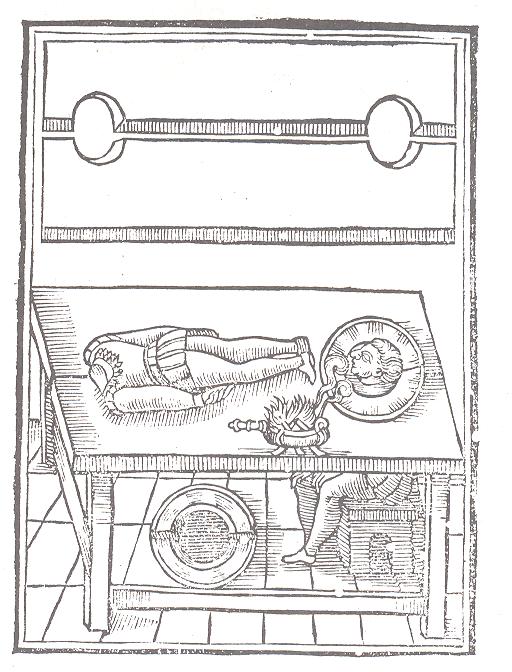
    (1) To cut off ones head, and to laie it in a platter,which the jugglers call the
    decollation of Johii Baptist,


    TO shew a most notable execution by this art, you must cause a boord, a cloth,
    and a platter to be purposelie made, and in each of them holes fit for a boies
    necke. The boord must be made of two planks, the longer and broader the
     better : there must be left within halfe a yard of the end of each planke halfe a
     hole ; so as both planks being thrust togither, there may remaine two holes,
    like to the holes in a paire of stocks : there must be made likewise a hole in
    the table- cloth or carpet. A platter also must be set directlie over or upon
     one of them, having a hole in the midle thereof, of the like quantitie, and also
    a peece cut out of the same, so big as his necke, through which his head may
    be conveied into the middest of the platter : and then sitting or kneeling under
    the boord, let the head onlie remaine upon the boord in the same.


  • Giant Airship as a Floating Tuberculosis Hospital, 1930

    JF Ptak Science Books LLC  Post 1010

    Tuberculosis has been killing people in its nasty, eat-you-alive-from-within way, for thousands of years.  TB (for tubercles bacillus), also known as consumption (for just those properties mentioned), phthsis and scrofula, was the cause for every fourth death in early industrial age England (1815), and tended to nest among the urban poor.  It really wasn’t well understood until the 19th century. when it was first actually named as a disease (by J.L. Schoenbein, 1839), and it wasn’t identified as contagious for another 42 years or so.  The bacillus causing

    April 21 dirigible
    tuberculosis wasn’t identified until 1882 (by Robert Koch, who wound up
    getting the Nobel Prize in Physiology or Medicine for his work in 1905),
    and although some early forms of immunization began as early as the
    first decade of the 20th century, it really wasn’t until just after
    WWII that immunization and antibiotic treatment bean in earnest.

    There have been many ways of dealing with the disease in the history of man and mythology, but prior to the late 1940’s the mainstay of effective treatment for TB was isolation (or collection of affected in “clean air” sanitoria) or penumothorax–there wasn’t much that could be done with this mass murderer. 

    And so it came to be that  Dr. Karl Arnstein (a significant engineer and  the chief designer of the U.S. Navy airships USS Akron and USS Macon) proposed this flying hospital ship—a 6.5 million cubic foot airship, actually. The hospital was “a blister on the skin” of the airship, occupying very little of the entire surface area, looking as though it might be able to accommodate 75 or so patients, staying aloft for weeks at a time–there would even be an aircraft in the belly of the beast that could be released to fetch supplies from time to time (though I don’t kow how  the whole return trip would work).  The airship was intended to follow the sun, skirting clouds and bad weather, keeping the TB patients “in the health rays of the sun” to help cure them of their disease.  It was an odd and desperate idea, which seems on one level to be a good effort, the best that could be done with the data available. 


  • NYC Miniatures, Glass Diaries, Cannon Alphabets and the Bio-Secrets of Sing Sing

    JF Ptak Science Books  Post 1009

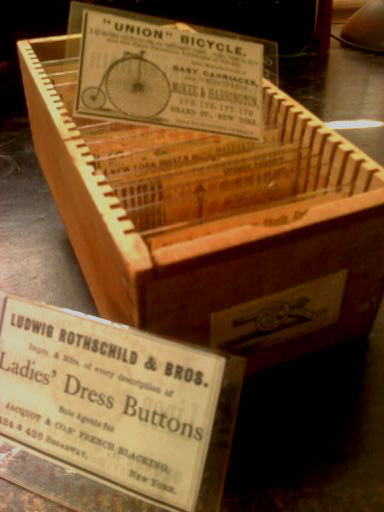
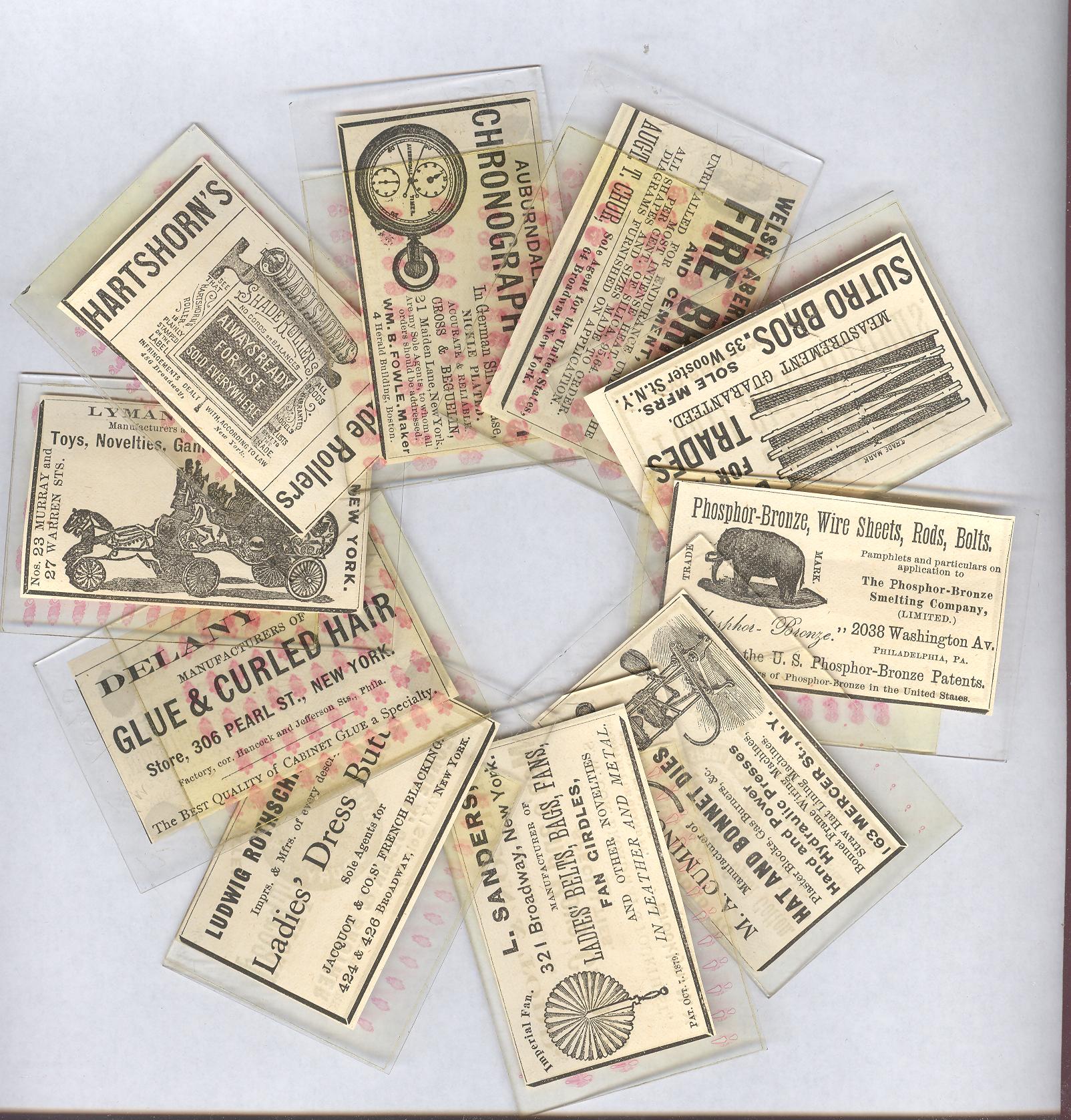
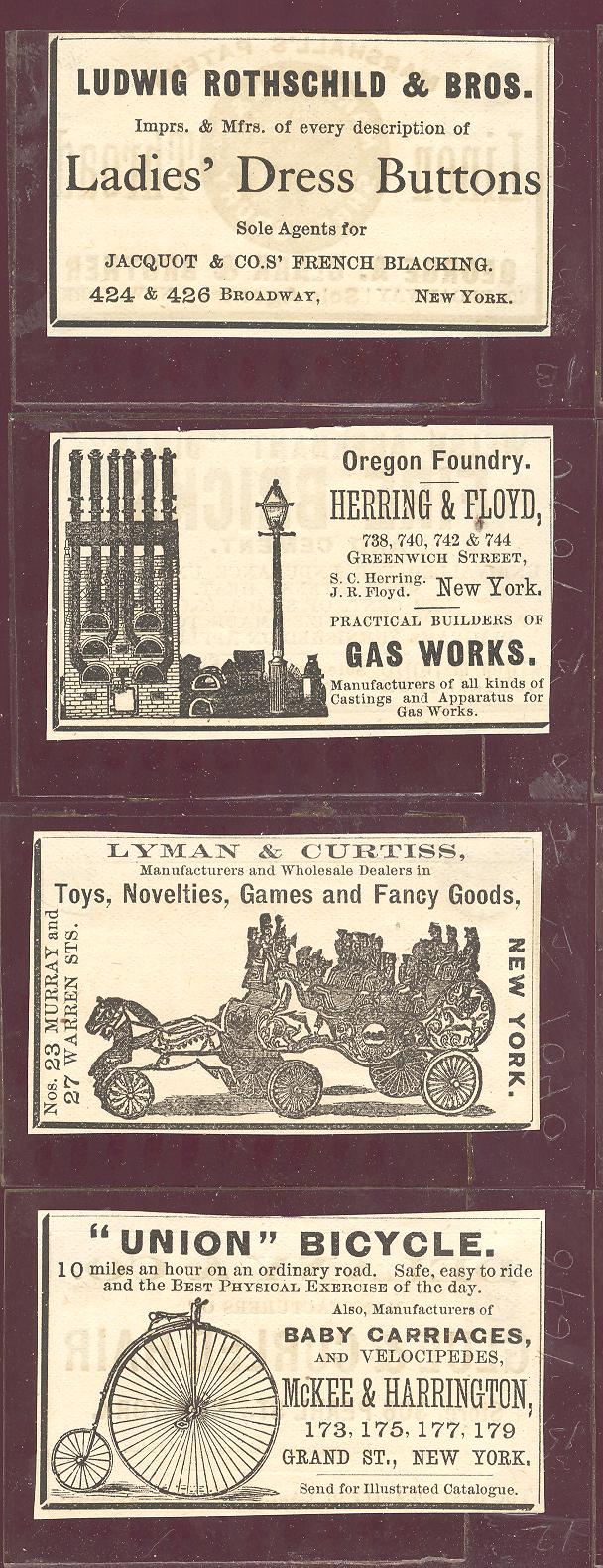
    Lost commonness is never so sweet as when it is unexpectedly recovered–and today it has happened for the second time in three days via tremendously obscure sources working in the same almost entirely unused medium.  Several days ago I wrote about the lost work of a German diarist who recorded tiny advertisement images for posterity on glass slides. “Onkel Karl’s Berlin” is an assembly of tiny advertisement images published mostly during the days of Weimar Republic; the artwork for these images are now almost entirely lost to time.  

    April 19 glass slides

    Another entry is made here today in the infrequently dynamic glass diary category–“The New York City of Karl von Onkel”.  Aside from the advanced astonishment of another similar collection is the almost miraculous similarity of the names of the collector/observer, neither of whom were related, and who were also separated by an ocean and 50 years in time.  These two diarists also shared a great closeness in their appreciation for the ephemeral bits of their attractive present, with Mr. von Onkel’s dedication directed towards miniature business cards from NYC in the late 1870’s, most of which were almost entirely unknown before the unveiling of this collection.

    The highly  attractive but perhaps dubious other soaring aspect of originality in this later collection was the method used to record written information.

    Mr. von Onkel constructed an alphabet composed entirely of cannon and cannon parts. 

    What is more remarkable is that he evidently outfitted an 1872 Remington typewriter with these miniature cannon bits, replacing the English alphabet keys with his own creations.  No one has yet deciphered the entire 118-page manuscript (entitled in script “The Other Anthon”), as there seems to have been a further bit of cyphering added to the cannon mix–the elements of the cannon-part alphabet would (evidently) change every third line or so, making the decoding part of it toweringly difficult.  

    April 18 glasss slides

    For example, the letter “e” which appeared in the first line of page one was represented by a spoke/half spoke/screw/burned spoke–four elements for one letter! But this would change by line three, where the letter “e” became fuse/spoke/broken half-spoke/powder/harness–a delightful but maddening mess.  Thus “he saw a dog” might be rendered in 45 cannon part bits, all of which would change every few lines.  Without the encoding device and without the means of determining when and where the symbols were changed in representing the alphabet, it is impossible perhaps to ever know the contents of the manuscript. There is also the further added difficulty of “missing” cannon parts–these are “blanks” that weren’t so, their nothingness standing for something depending on their placement in the page.  

    April 18 glasss slides 1

    On the other hand, it seems as though all Mr., von Onkel was recording was the information already printed on the business card–plus a veritable haiku of his personal observation. (This could be determined from the few English language entries in the journal.  His narrative for “Stemp’s Used Nail Emporium” was “not on corner; walked past; where breakfast used to be”, while “Phlob’s Gun Enameling” was limited to simply “Walked past”. Perhaps there is no need to know anything beyond this. 

    There are over 3,000 slides in the van Onkel collection, covering everything from braided baby hair ropes to margarine slippers to corset burners–items all relegated to a history that is almost beyond memory. 

    Carter Crotchgroin, a registered library card holder and patron of the Port Authority Department of Lost Things and renowned glass-transfer image collector, remarked that the Onkel collection “:is a savagely didactic ensemble, a color opera in shatterable black and white”. 

    “True and not so true”, says Dr. Grownhand Heap, Director of the New York Center for the Advanced Invisible. As an Invisibility Expert, Dr. Heap has discovered the collection’s beauties and its “unfortunabilities”.  “It was not known until we investigated the background of the slides” said Dr. Heap, “that all of the background glassware was appropriated somehow from the state correctional facility at Ossining. More accurately, they came from the archives which held the Medical Welfare Support Society, which was a group of “medical” doctors intent on improving the position of society in general by experimenting on the prisoners. (The Socity existed apart from Sing Sing proper, their samples collected by the prison barbers.  Of particular interest is the sub-colelction of the blood and hair of every prisoner executed at Sing Sing, most of these being the work of one man, the longest-serving barber-of-the-condemned, Scott “Simple” Malfesance.)  The Society was disbanded in 1872 for its questionable practices, and it was thought that their medical collection was either removed to the archives in Albany or destroyed.   The slides contained blood and hair samples of every prisoner who was part of the Sing Sing system for the 1830-1873 period.  To find this sort of ancient biological archive is nothing short of phenomenal”.

    A detail April 18 glasss slides blood 1of one of the slides clearly shows the blood samples; an etched numbering system refers to prison records which clearly identifies the prisoner.  

    The contention now is to how to deal with the von Onkel collection–as art, or as a medical goldmine. 

    April 18 glasss slides blood hair

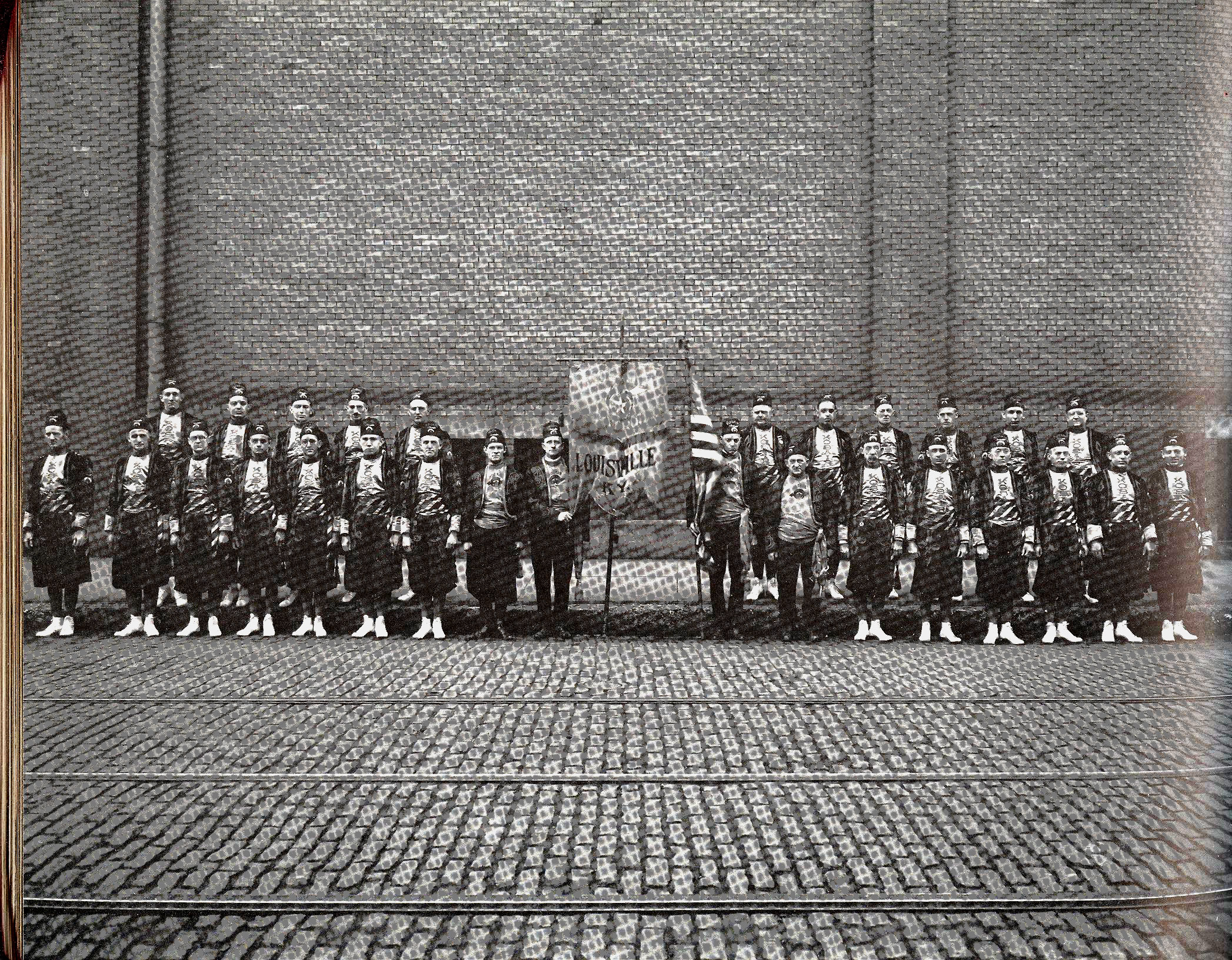
    In addition to his glass diary, Mr. Onkel was also a lateral brick collector, and was founder of the Louisville (Kentucky) Society of Line Collectors (a subsidiary of The Horizontal Society of Wilmington, North Carolina AND the Right Angle Society of Grove Park, Indiana).  A 20th century photo of the Louisville group celebrating their 25th anniversary in honor of their founder is shown below.:

    April 20 bric k


     Additional images from the von Onkel collection can be seen below:


  • History of Anticipation #2: Nothing. Moses and the Rock.

    JF Ptak Science Books

    During the Exodus Moses and the Israelites were often  in deep, mortal danger—perhaps none more
    dangerous as when they ran out of water. 
    Moses’ leadership (and safety) came under question (Exodus 17:4), with
    Moses crying out to the Creator that he needed help, and that his people were
    about ready to stone him.  The answer
    came quickly, with Moses directed to strike a rock with his staff, the
    resulting action bringing water/a stream from the rock (Exodus 17:5-6). 

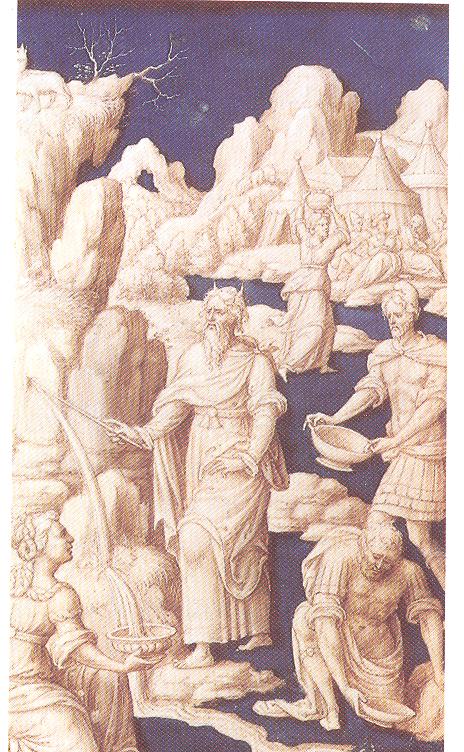
     April 18 moses

    And that’s what is going on here in this little scene from a
    15th century (unfortunately unspecified) French Bible. The rare use
    of almost all white set against a blue background gives the whole a
    marble-like, lifeless effect—which seems to mirror the sense of nothingness in
    the Israelites reactions to the great miracle. 
    Their prayers were answered, but their anticipation of fulfillment and the
    act itself goes emotionally unregistered.

    Moses also looks removed, gently touching the rock with a
    rod which s very lightly controlled by a mostly-open hand—his bearing is one of
    great lightness. 

    This scene is often repeated and represented throughout the
    history of art, though usually with more (or actually, “some”) emotional
    quality.  When the scene is depicted with
    little emotion it seems usually to be a small piece of art, a touchstone,
    showing just the head of Moses/the rock/the staff, a bit of simple visual
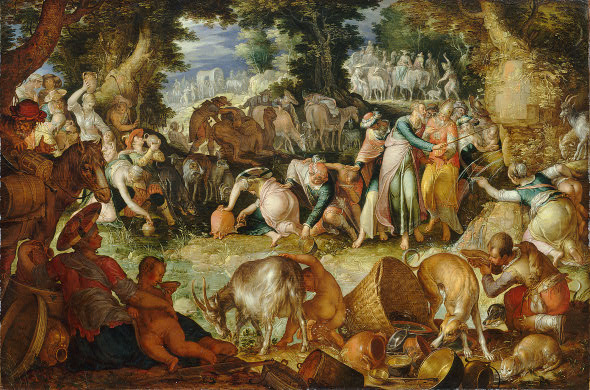
    shorthand to remind eh viewer of the story (as in the work by Giotto in 1305).  Generally though the scene is shown in high
    drama, as with the work of Joachim Anthonisz Wtewael (1664), Abraham Blaemaert
    (1596), Nicolas Poussin (1649), and many others. Sometimes in some very early
    work the woodcutters show Moses wielding his staff over his head, getting ready
    it seems to crack the rock open. Bu not here, not in this image—the emotion of
    the scene has been literally whitewashed away…it is beautiful, but it is a cold
    beauty of nothing.

    (Wtewael, below).

    April 18 moses wtewael