A Daily History of Holes, Dots, Lines, Science, History, Math, Physics, Art, the Unintentional Absurd, Architecture, Maps, Data Visualization, Blank and Missing Things, and so on. |1.6 million words, 7500 images, 4.9 million hits| Press & appearances in The Times, Le Figaro, Mensa, The Economist, The Guardian, Discovery News, Slate, Le Monde, Sci American Blogs, Le Pont, and many other places… 5000+ total posts since 2008.

Category: Prints–looking HARD/deeply at

  • History of Dots (Circle Subcategory): Circles in Graphical Displays of Quantitative Data

    JF Ptak Science Books  Post 889

    I like bumping circles as modes of graphically conveying quantitative data—it is more unusual than most ways of portraying statistics and belongs mostly in the 19th century. 
    Blog dec 27 graphic circle

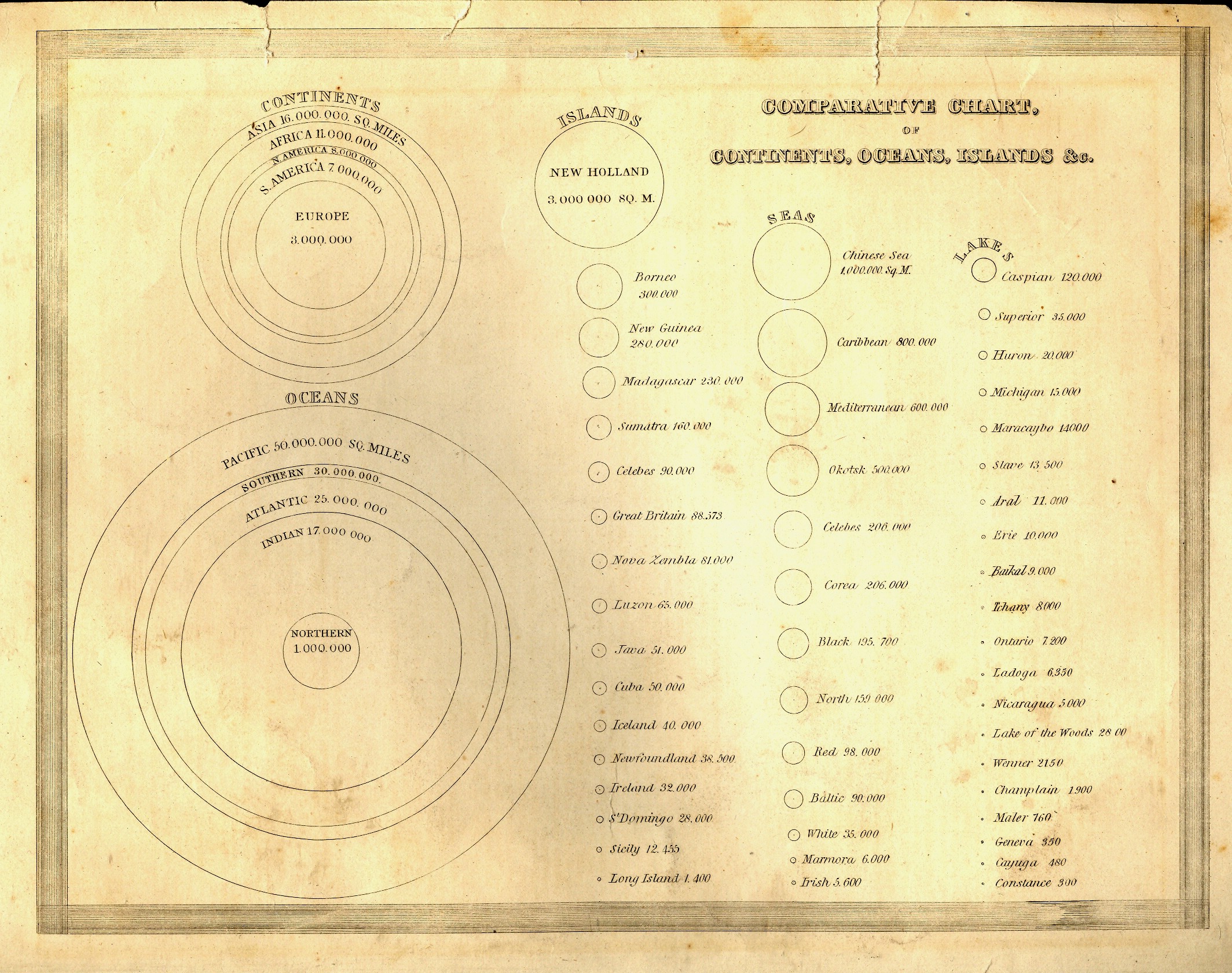
    The first example is relatively early, in the first class of this sort of information display, published in Thomas Bradford’s (1802-1887) superior Comprehensive Atlas Geographical, Historical and Commercial in Boston in 1835. Circles are the entire métier of this chart, showing the sizes of the continents and oceans, concentric circles nested inside each other, then branching out into three columns of progressively smaller circles showing the comparative sizes of islands, seas and lakes, all (interestingly) presented on
     the same scale.  It is a virtual one-stop, single-image display showing the graphical sizes of 59 geographical entities in relation to one another, making the understanding of their comparative sizes a simple, understandable, matter. 


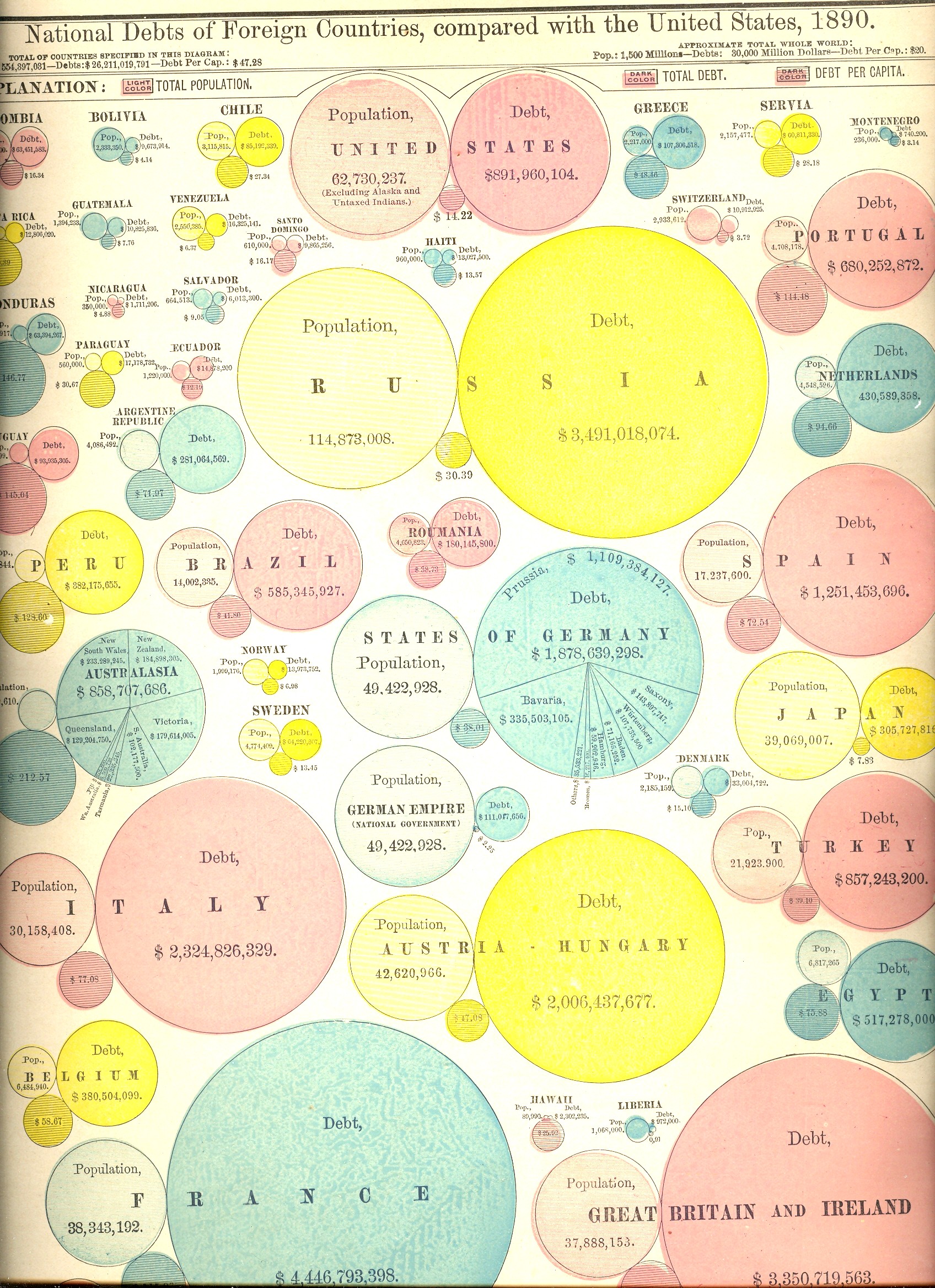
    Prettier but (initially) more difficult to use are the next two charts, the first showing the areas and populations of countries compared to that of the United States (in 1890), and the second showing the public debts of those same countries.  At first the display looks a little confusing. But once you settle in and get your eyes accustomed to the manner of presentation, the charts are actually very easy to use and very useful. 

    Moving over from circles to dots is this population map by Frère de Montizon Armand Joseph, Carte philosophique figurant la population de la France, published in 1830 (as the first of its kind).
    Blog dec 27 graphic bubble debt

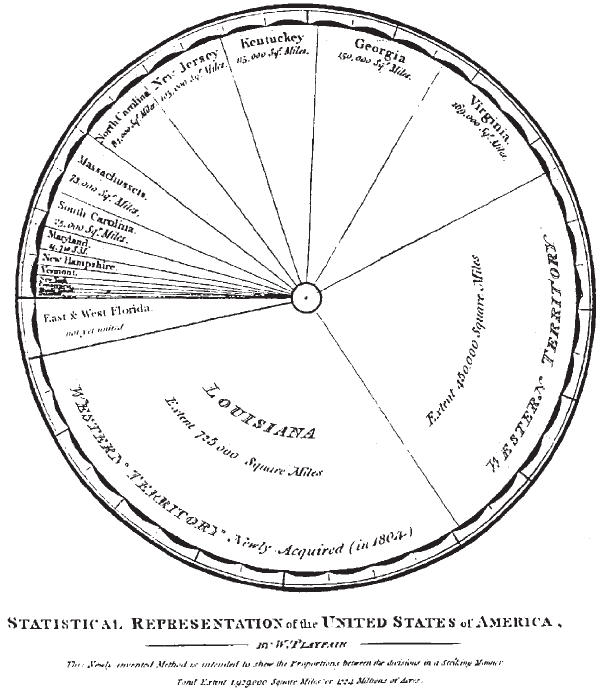
    The ubiquitous pie-chart only made its first appearance in 1801, the work of he gifted and possibly polymathic William Playfair.  He was an engineer (serving as apprentice to the inventor of the threshing machine, Andrew Meikle,  and personal assistant to James Watt) and economist, and occasional mathematician, who also invented  the line graph (1786),  bar chart (1801)and circlegraph(1801).  But for this and all of his other work, he died in poverty and not comfortable1.  


    NOTES

    1.Works by William Playfair include:

    • 1786. The Commercial and Political Atlas: Representing, by Means of Stained Copper-Plate Charts, the Progress of the Commerce, Revenues, Expenditure and Debts of England during the Whole of the Eighteenth Century.
    • 1801. Statistical Breviary; Shewing, on a Principle Entirely New, the Resources of Every State and Kingdom in Europe. London: Wallis.
    • 1805. A Statistical Account of the United States of America by D. F. Donnant. London: J. Whiting. William Playfair, Trans.
    • 1807. An Inquiry into the Permanent Causes of the Decline and Fall of Powerful and Wealthy Nations: Designed To Shew How The Prosperity Of The British Empire May Be Prolonged.


    Blog dec 27 playfair


  • “Irish Tommies”, German-Conquered England, and Loyalties

    JF Ptak Science Books LLC  Post 888

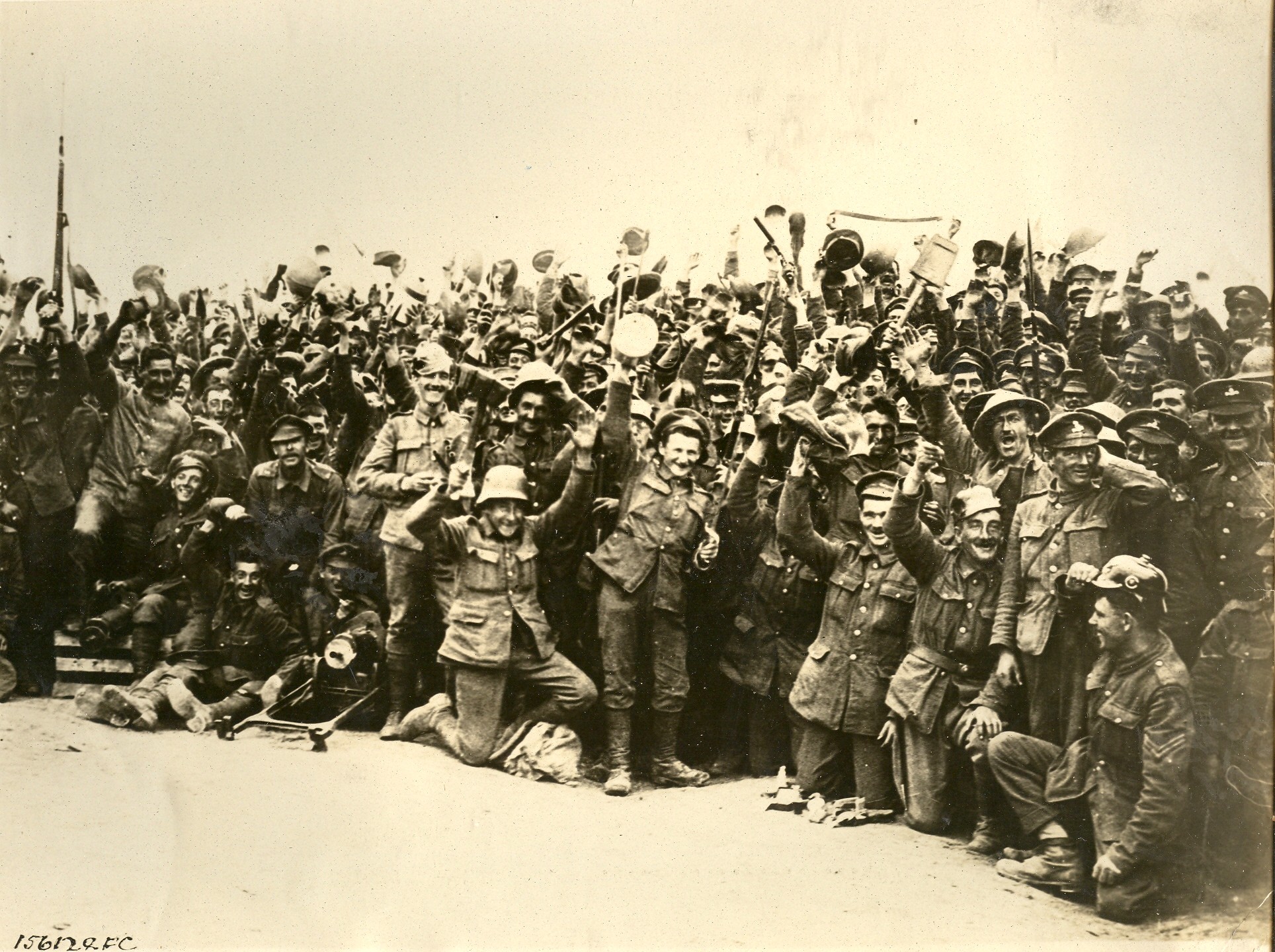
    Blog dec 26 irsh tommies

    In the heavy mist of the Civil War, where brother fought brother, there was another sort of fratricide, of countrymen removed from their homes, finding themselves in America and there fighting against one another in opposition. Such is the case of the Irish in the American Civil War, where 180,000 of the immigrants fought in the war, with 30,000 fighting in butternut, and 150,000 fighting in blue.   The Irish faced one another across battlefields like of Appomattox, Malvern Hill, and especially Antietam, along the Sunken Road.

     Blog dec 26 irsh tommies det


    Blog dec 26 irsh tommies det2

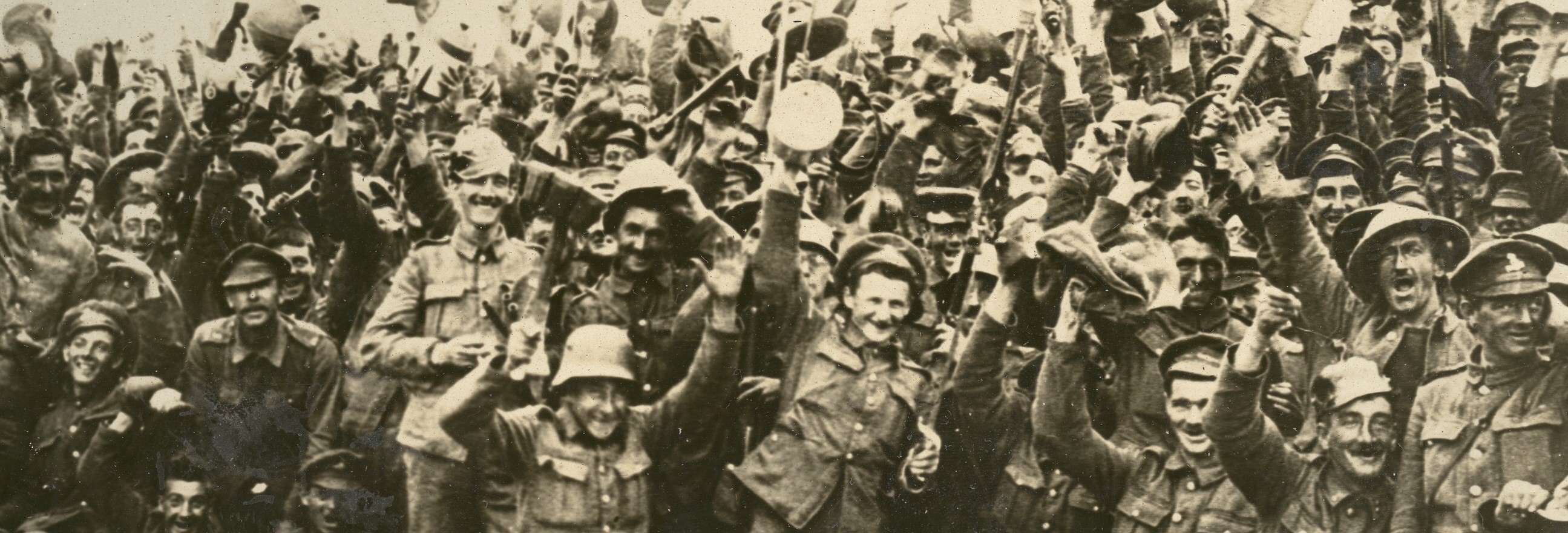
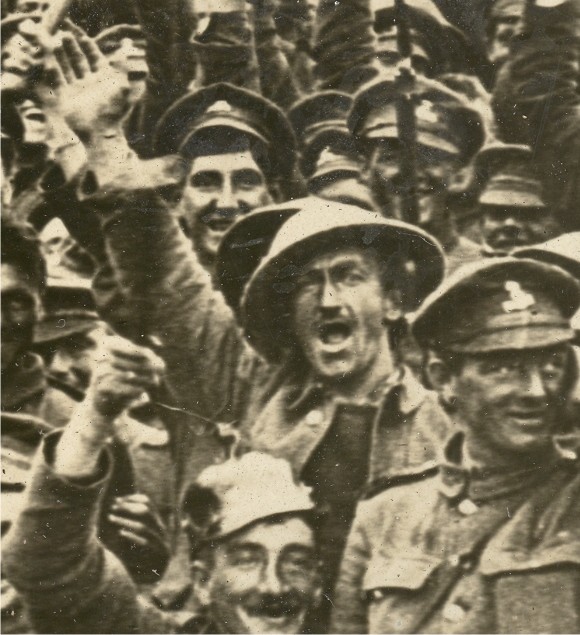
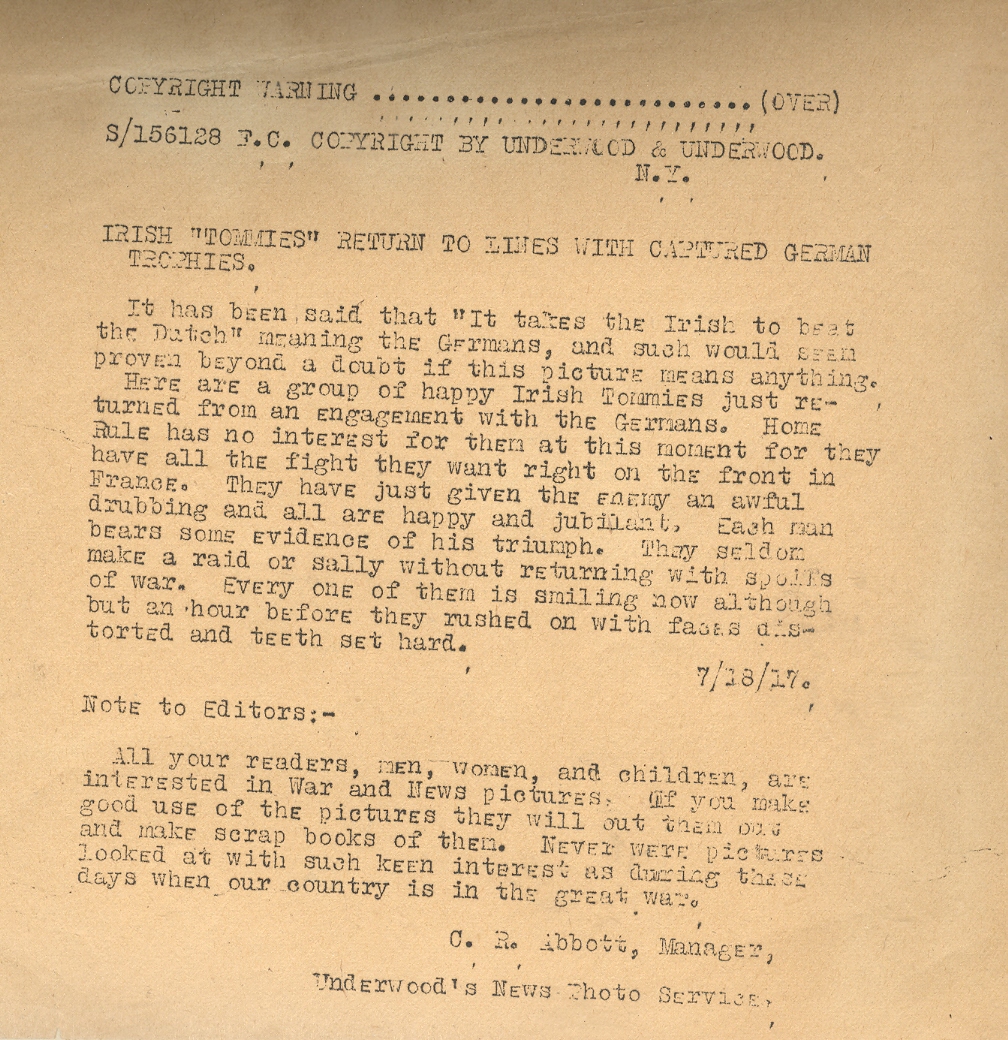
    I was thinking about the American Irish of New York and Pennsylvania and Louisiana and Texas of 1864 while looking at this Underwood & Underwood New Photo Service photograph of the “Irish Tommies” of WWI.  It shows a large group of Irishmen displaying their trophies taken from Germans, and dated 18 July 1917. This was also a period of terrific change and hardship, what with the Easter Rising of 1916 and the Proclamation of the Irish Republic (24 April 1916) having taken place just a year earlier

    Blog dec 26 irsh tommies text  

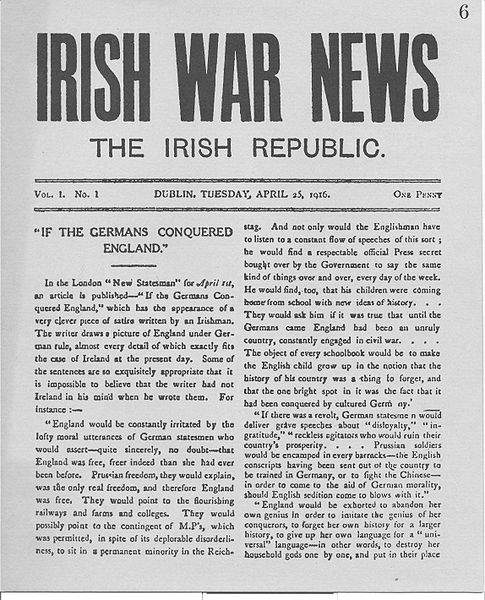
    I don’t know what it meant to be Irish and fighting with the Brits during the war, during this time of Trouble and upheaval (the enemy of my enemy bit come to mind).  It is interesting to see this piece by Sinn Feinist and Irish Republican Robert Lynd in the Irish War News, “If the Germans Conquered England”, and making elegantly and cleverly making the case of superior similarity between the British in Ireland and the Germans in England.  I know it is far off the mark to think about black slaves

    owned by the Cherokees sold into service to fight for the Confederacy, but maybe not so very far off….

    Irish news (Irish War News source)

     
    Read the full text by Robert Lynd IF THE 
    GERMANS CONQUERED ENGLAND, AND
    OTHER ESSAYS
    Printed by George Robert, Dublin, 1917.


    The article begins:

    “When a small tradesman applies for exemption from military service on the ground that his business would be ruined by his absence, a question that is often put to him is: “What do you think will happen to your business if the Germans win the war ? ” As a rule the tradesman does not know what to think. He has no means of measuring world-catastrophes. He has not Dr. Johnson’s short way with questions to which there is no answer. In the first place, the small tradesman does not believe in the possibility of a German victory. In the second place, he has not the slightest idea what would happen to his business as the result of one. Perhaps, however, he knows as much about the matter as the members of the tribunals. All of us know that a German victory which involved the conquest of England would make life intolerable for Englishmen until the conquest was undone. But as to its effect on small businesses, that is another matter. It is quite possible that the little grocery, the little tobacco-shop, and the confectioner’s would be able to hold up their heads under German rule as under English. The valid argument against a German conquest is not that it would make an end of the small business man ; it is that it would make an end of a free England. If it could be proved that a German conquest would add twenty-five per cent, to the incomes of all Englishmen, even that would not make it tolerable. Most men in all nations are ready to sacrifice their lives in order that their country may be free.”


  • Window Shopping with Berenice Abbott, 1935

    JF Ptak Science Books LLC  Post 883  Blog Bookstore

    I enjoy antiquarian window shopping, browsing photos or
    engravings that depict goods for sale– especially if the prices are posted. I
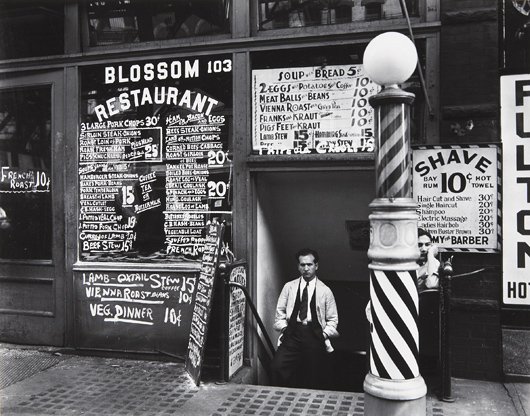
    came back to this deep-in-the-Depression-fantastic photo made in 1935 by Berenice
    Abbott (Springfield, Ohio, 1898-1991). Blossom
    Restaurant, NYC
    was part of Abbott’s effort funded by the WPA, this time as
    a part of her Changing New York Project, and captures the restaurant and
    neighboring barber shop at 103 Bowery. 
    The two businesses actually occupied the first floors and basement
    (respectively) of the Boston Hotel, a standard flop house in a tough and
    distressed part of the city that rented beds by the day, with 249 small
    door-less cubicles offering a decent place to spend the night for 30 cents1. 

    Abbott

    30 cents seems to be the going rate for a bunch of things
    going on in this  picture—30 cents for a
    night in the hotel, 30 cents for the better offers of Morris Gordon’s
    restaurant. 30 cents for a haircut and shave, 30 cents for a “women’s hair
    bob”2 and so on.  Which seems about
    right—a fancy haircut and a decent better-than-average dinner for two will
    probably cost about the same, today. 

    If you were really on a tight budget, 30 cents would buy you
    three vegetarian dinners, or 6 offerings of bread and soup, or three visits to
    the table of meatballs and bans, or pigs feet and kraut. 

    The price of a stick-to-your-ribs meal of sirloin and
    potatoes and a pot of coffee also cost about the same as a gallon and a half of
    gasoline (which cost about 20 cents). 
    The same amount of gas today would get you a serving at McDonalds, or
    something on that order, and perhaps even a happy take-away for the kids.
    Perhaps the two even out. 

    30 cents might get you a loaf of bread, and wouldn’t quite get
    you a dozen eggs.  Now this is
    remarkable, because if you adjust all of this according to modest CPI measures,
    the average cost of a dozen eggs in 1935 was 37 cents, or (according to the US
    Census website generating 1935 to 2009 prices adjusting to CPI) $5.84.  The bread would cost $4.74 in 2009 dollars,
    which means that the staples today—milk, bread, butter, eggs, were more
    expensive in 1935 than today.  Ditto
    gasoline, which cost 19 cents a gallon, or $3 today—actually this would be much
    more expensive in 1935 as the mileage the cars were getting then (and the
    octane) was much lower, so the cost of running an automobile was considerably
    higher.   The cost of the car itself,
    though, still favors the ‘thirties for modest transportation, which came in at
    about 600 dollars, or just over $9000 in 2009 dollars3. 

    The 3-cent first class postage stamp of 1935 was more
    expensive than first class postage in 2009: 
    47 cents versus 44.  When you look
    at the increases and bitty spikes of the cost of a first class stamp over time
    the whole thing looks pretty flat. 

    The average salary for a family of four in 1935 was about
    1500/year, which oddly enough is about the same for the poverty guideline level
    for 2009 established by the Department
    of Health and Human Services (about $23,000). 
    Minimum wage legislation didn’t begin until 1938, but if you take a look
    at one of my earlier posts here on the history of this idea 
    you’ll see that the recent history of legislating  a meaningful level of acceptance for a base
    living wage is mainly disgraceful, with relatively little accomplished (in
    adjusted economic terms) for half a century. 
    (The new minimum wage brings us to about a mid-way point as the highest
    minimum wages paid in the 71-year history of the program.)

    And so I thank Ms
    Abbott again for her beautiful social commentary, and a happy 75th birthday
    to this photograph. 

    Notes

    1.A fantastic website and resource for changing aspects of
    NYC can be found here, at Frank Levere’s Changing New York site. http://www.newyorkchanging.com/

    2. I wrote a little bit about the appearance of women-only
    hair salons in my post “The Staggering Beauty of Barber Shops” https://historyofideasblog.com/thesciencebookstore/2009/02/the-staggering-beauty-of-barber-shops-naive-surreal-department-22.html


    3. Other bits of what stuff
    cost in 1935:

    Flour (5 lbs)     25.3 cents

    Bread (lb)         8.3

    Round steak (lb)  36.0

    Bacon (lb)        41.3

    Butter (lb)       36.0

    Eggs (doz.) 37.6

    Milk (1/2 gal.)   23.4

    Oranges (doz.)    22.0

    Potatoes (10 lbs) 19.1

    Coffee (lb)       25.7

    Sugar (5 lbs)     28.2

    Car: $580

    Gasoline: 19 cents/gal

    House: $6,300

    Bread: 8 cents/loaf

    Milk: 47 cents/gal

    Postage Stamp: 3 cents


  • Pre-Histories of Famous Things: Art Nouveau

    JF Ptak Science Books LLC  Post 867

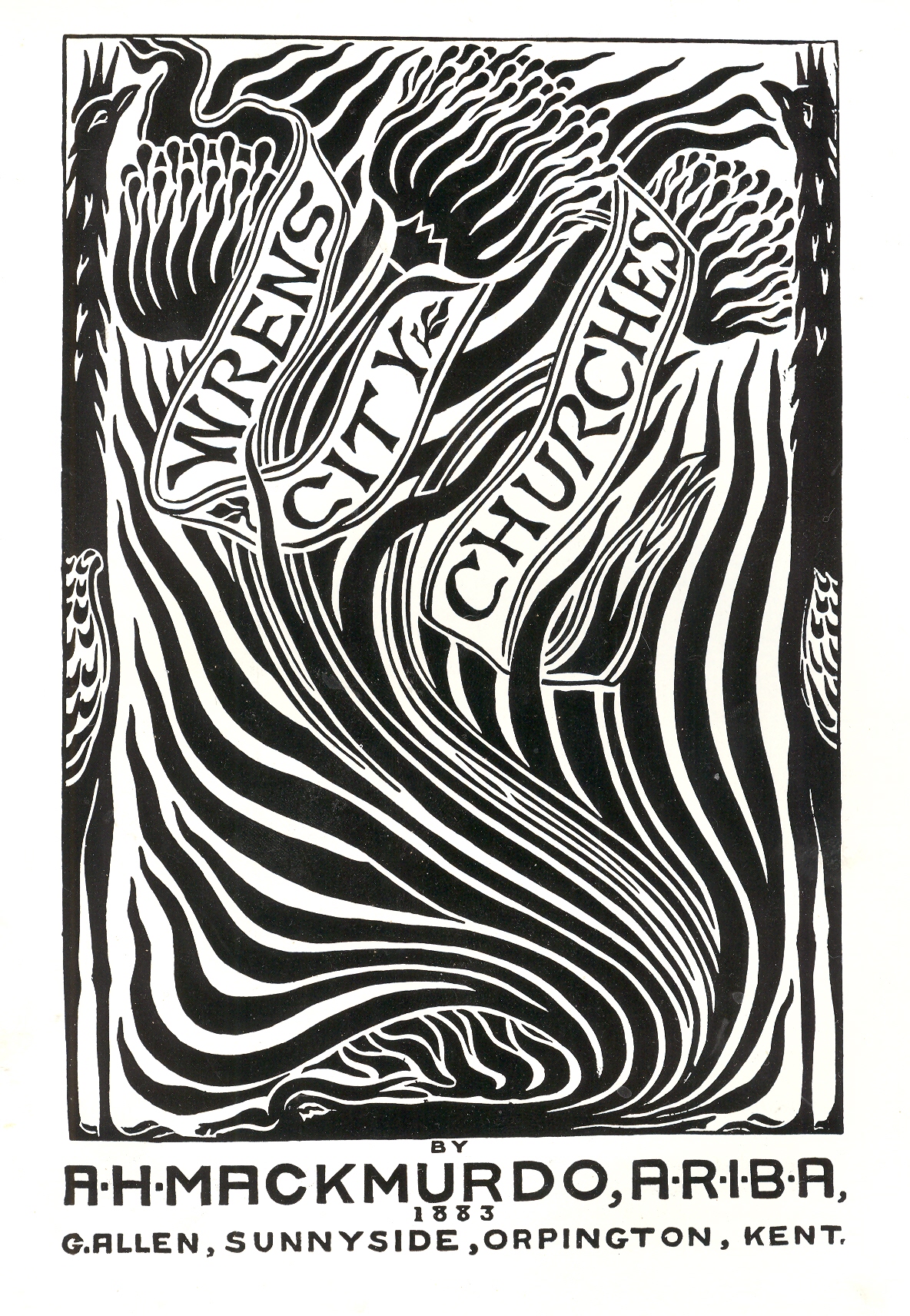
    This may well be the very first book illustrated in the
    style known as Art Nouveau–Arthur Mackmurdo’s
    Wren’s City Churches—coming a dozen
    years before the revolutionary Gismonda poster of Alphonse Mucha. The 1895
    poster by Mucha caused an enormous stir, so much so that this style, which would
    be known shortly thereafter as Art
    Nouveau
    , was initially known as Style
    Mucha
    .  But that didn’t stick; Art Nouveau and Jugendstil did. 

    Blog 12 6 mackmurdo


    Where does this leave the 1883 breakthrough design by multi-talented
    designer-architect arts-and-crafts-inspired Mackmurdo?  His design for the Wren certainly has the
    pathology of Nouveau and stands far apart from the very sedimented regulatory
    aspects of the Grande Ecole schools of the day: 
    flowing, organic, deeply stylized, intuitively suggestive.  Mackmurdo’s title page is lovely, curvilinear
    and simple:  its main base are three
    flowers with 21 leaves, bounded by two birds (chickens, perhaps but certainly
    not wrens), and fills the requirements of the new style.  Except there wasn’t a new style yet, not for
    years to come; Arthur Heygate Mackmurdo (1851-1942) was out there well ahead of
    the curve, and seems to have been out there all by himself. 


  • Prehistoric Surrealism, Part 6: Mueller’s Anatomy, 1845

    JF Ptak Science Books LLC  Post 866 

    Blog 12 4 dada--throat

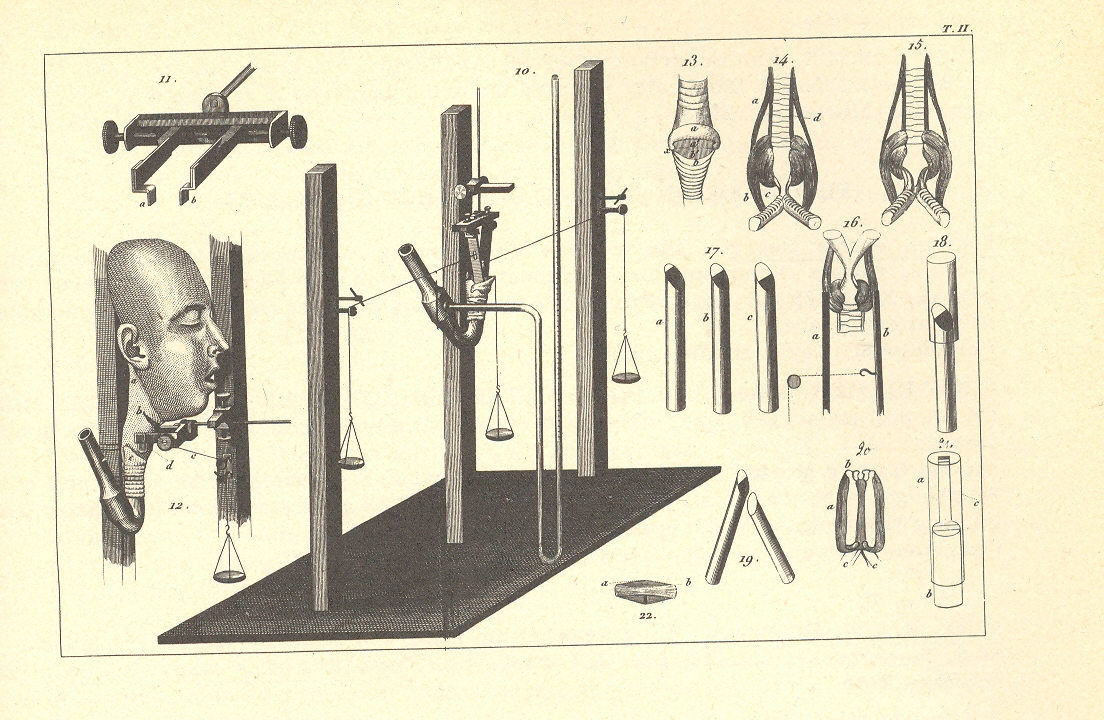
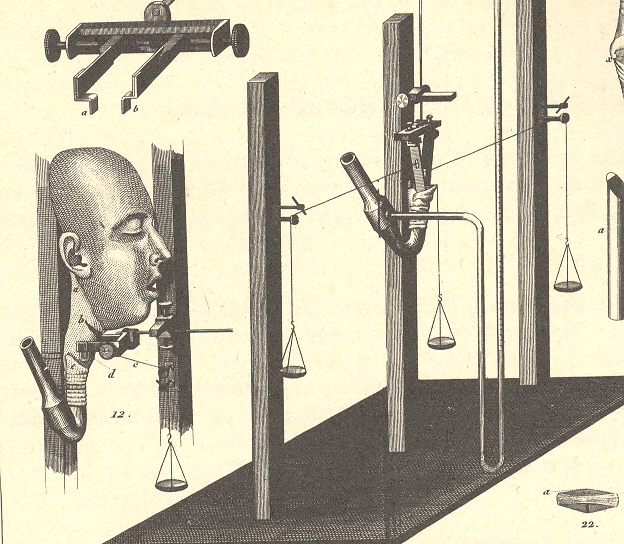
    This image occurs in Johannes Mueller’s Manuel de
    Physiologie
    (translated from the German editions of 1838-1840, Handbuch der
    Physiologie des Menschen
    ) and—removed from context—looks to me as though it
    could belong in a Surrealist Salon in 1915 as part of a revolutionary new
    artistic movement.  The print is part of a revolutionary work, though,
    back in its original context.  Mueller
    (1801-1858) was responsible for introducing the sciences of comparative chemistry,
    psychology and physics into the field of comparative physiology.  Mueller’s textbook was extremely important
    and was translated rather quickly into many languages. 

     Blog 12 4 dada--throat detail

    Notes:

    A wiki article on Mueller (who was chair of anatomy and physiology at Humboldt University of
    Berlin, or Humboldt-Universität zu Berlin, 1833-1858) points out that he
    was teacher and mentor to a number of fabulous scientists: ” Hermann von Helmholtz, Emil du Bois-Reymond, Theodor
    Schwann
    , Friedrich Gustav Jakob Henle, Carl Ludwig
    and Ernst
    Haeckel
    .”


  • The Church and the Telescope, 1610-1671

    JF Ptak Science Books LLC  Post 865 

    It is fascinating to consider the extent of change that took
    place between the time of Galileo’s first use of the telescope on the sky and
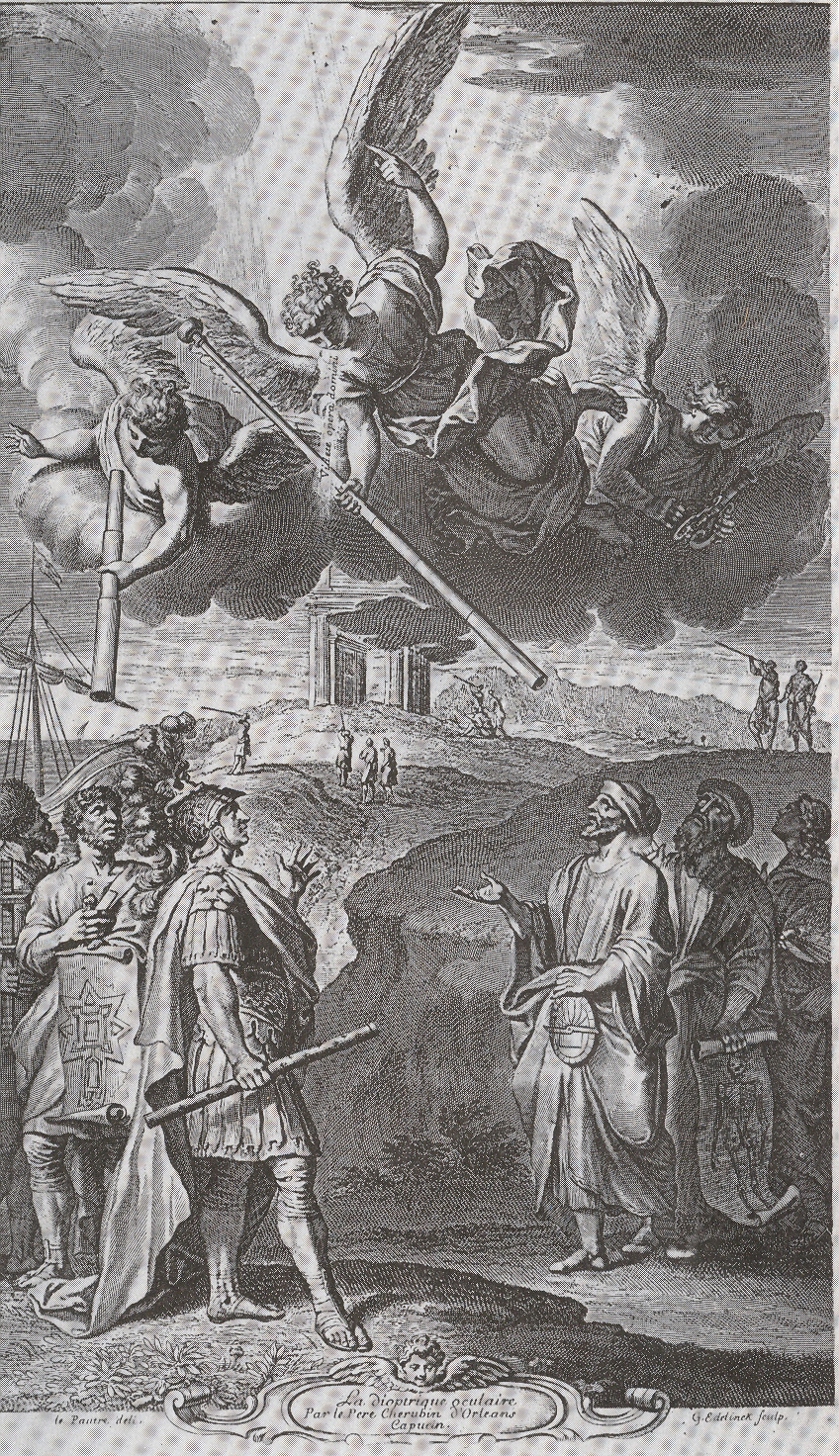
    the publication of this image in Cherubin d’Orleans (Francois Lassere), La dioptrique occulaire1…just 60-odd
    years later in 1671.  When Galileo’s Sidereus Nuncius2 was published in 1610
    he challenged the very foundations of theological belief by changing the face
    of the immutable heavens, saying that not only was the universe changeable, but
    it was much larger than ever thought. It was a stupendous series of
    announcements in the book, many of which caused grief to the Catholic
    Church.  I wrote in an earlier post here:”It
    is difficult today to estimate the impact Galileo’s innovation and the
    subsequent (and immediate) publication of Sidereus had on
    society.  The challenges to long-defined orthodoxy and the bending of
    theological constraints (though the church would have its turn on Galileo
    later); expanding the size and scope of the universe, applying mathematics to
    the study of physics, understanding the physics of motion, developing the
    telescope and the microscope and

    Cherubin other precision physical instruments, are all
    such deeply important changes that it is difficult to resize them in terms of
    21st century advancement.” 
    But it really the challenge, the change, to the perfection of God’s
    universe that upset religious folks the most—Galileo appeared in the interest
    of the Inquisition a number of times before he was finally placed under house
    arrest by it in 1633 (basically for some of his views regarding his very strong
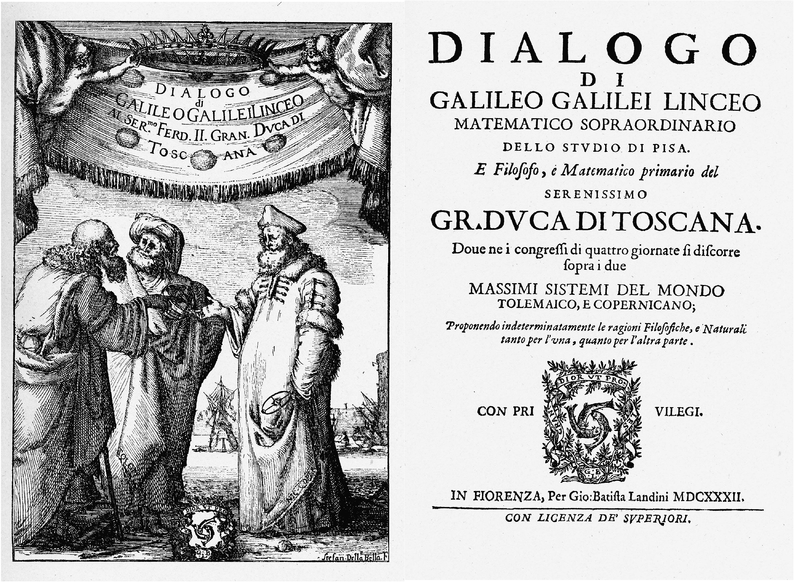
    and elegant defense of Copernicanism in his 1632 Dialogue Concerning the Two
    Chief World Systems3)
    where he
    remained until his death in 1642.

    And when we come to Cherubin’s work, which shows the gift of
    the telescope alighting from heaven, a gift from the supreme being, it seems
    that this warfare between the Church and the early astronomers and Copernicans
    had been changed.  In many ways, I had
    not, but enough certainly changed under the enormous advances in theory and
    instrumentation–in that time, from Galileo in 1610, there was extraordinary
    improvement and innovation in the development of the telescope and optical
    theory.  (In fact, the telescope used by
    Galileo would soon be abandoned, replaced by more superior designs, the
    elements of which are still in use today.)

    The advances in the
    decades following Sidereus were enormous. The highlights briefly
    put:  Johannes Kepler came first in 1611
    with his Dioptrice, followed quickly by Niccolo Zucchi’s reflecting
    telescope of 1615.  Bonnaventura
    Cavalieri’s Specchio Ustoria was published in the same year as the Dialogo
    (1632), with Martin Mersenne’s Harmonie Universelle in 1636, Rene
    Descartes in 1637 and Anton Schyrle in 1644. Several major inventions cascaded
    after this: Christian Huygens invented the compound eyepiece in 1650, James
    Gregory perfected the Gregorian telescope in 1663, Newton made his reflector in
    1667, the great Laurent Cassegrain created his telescope in 1672, and then the
    longtime Royal Society captain and royal pain in Newton’s ____, Robert Hooke,
    created the clock-driven equatorial mount in 1673.  Many of these men were priests (and monks—and
    as a matter of fact the first telescopes that were delivered to North America,
    India and Japan were done so by priests) and so it came to pass that the Church
    provided the foundation which made many of these advances possible. 

    Even so it strikes
    me as just a little odd that these telescopes coming from heavenly hands and distributed
    to the near and far, that this instrument which so threatened the church just a
    few decades earlier,  would be seen so
    relatively soon as a gift from god.

    Notes:

    1.   The title in
    full:  La dioptrique oculaire ou, La theorique, la positive, et la mechanique,
    de l’oculaire dioptrique en toutes ses especes
     The entire work is located HERE.  http://echo.mpiwg-berlin.mpg.de/ECHOdocuView/ECHOzogiLib?mode=imagepath&url=/mpiwg/online/permanent/library/EH2Z7P3M/pageimgIn
    this vast work on optical theory and instrumentation Cherubin also describes
    the first screw mount microscope. 

    2.  The translation of
    the rest of the magnificently- and unusually-clearly-worded  title page continues as follows:  “…great and very wonderful spectacles, and
    offering them to the consideration of every one, but especially of philosophers
    and astronomers; which have been observed by Galileo Galilei … by the
    assistance of a perspective glass lately invented by him; namely, in the face
    of the moon, in innumerable fixed stars in the milky-way, in nebulous stars,
    but especially in four planets which revolve round Jupiter at different
    intervals and periods with a wonderful celerity.”

     Galielo dialogo

    3. The full title: Dialogue Concerning the Two Chief World Systems (Dialogo
    sopra i due massimi sistemi del
    mondo
    ), in which the Copernican and Ptolemaic systems are described and
    compared.  Galileo worked within the Vatican’s matrix necessitating a balanced
    presentation between the different systems, and evidently did so successfully
    (the book becoming  a best seller), but
    its ride on the list of the Vatican’s
    banned (“Prohibited”) books lasted until 1835. 


  • Foot of God, Pt 2: Continuing Thread on Odd Things in the Sky

    JF Ptak Science Books LLC  Post 853  Blog Bookstore

    ++ Nov 26 foot god

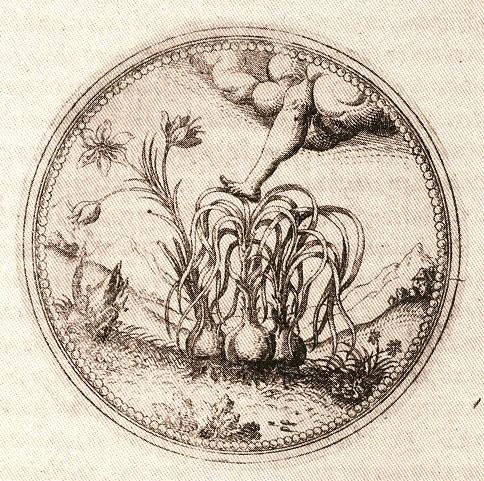
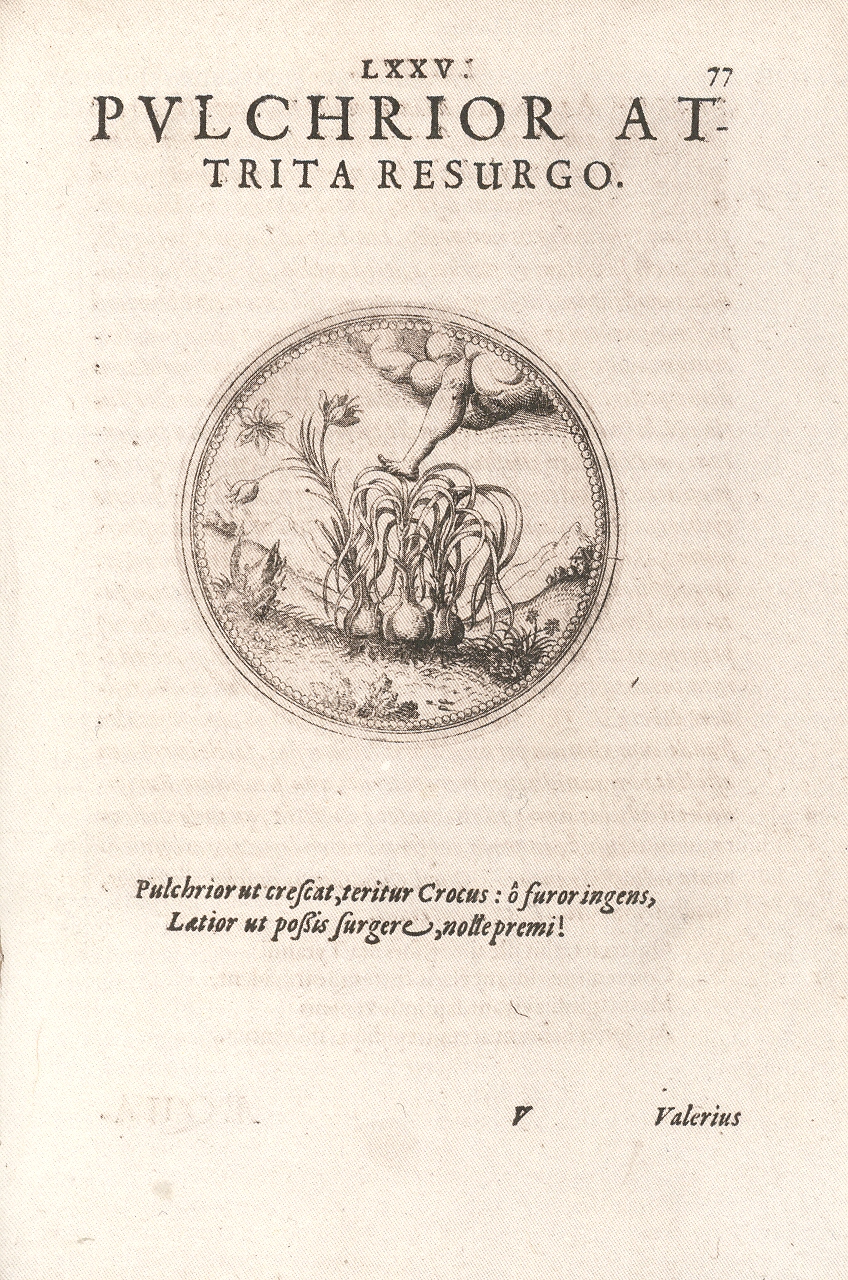
    I am going to indecently
    add to my “foot of god” series with this metal engraving from the accomplished
    Joachim Camerarius1’ Symbolorum et
    Emblematum…
    (published in four volumes at Nuremberg from 1590 to 1605).  There is so much to offer from these books, I
    freely admit, but I’m afraid that I’m stopped at this foot-from-the-sky
    image. 

    ++ Nov 26 foot god

    The engravings, executed
    by Hans Sibmacher, were among the first executed in metal, and the book itself
    was the first of its kind to present botanical emblems. (The other three
    volumes contained emblems for animals of land-sea-air.) They are splendid and
    concise, and filled with soft detail. 
    And still I’m left with the foot. 

    The legend is mostly a
    mystery and doesn’t help me with the foot—it says something about beauty and
    growth and madness and reward—and the saffron crocus.    This plant has been a commodity for
    thousands of years, used for therapeutics and dyeing and spice.  It takes quite a lot of these plants to
    produce a gram of powder—about 150. 60,000 plants are necessary to produce a
    pound of saffron, which is getting to be quite pricey.  Given this, saffron was very often imitated
    and counterfeited—a crime taken quite seriously in many places, and perhaps
    none more so in Bavaria where (in 1444) a conviction meant death.

    ++ Nov 26 eyes in sky

    And as long as we’re
    talking about odd antiquarian images the sky, I’d like to point out the work by
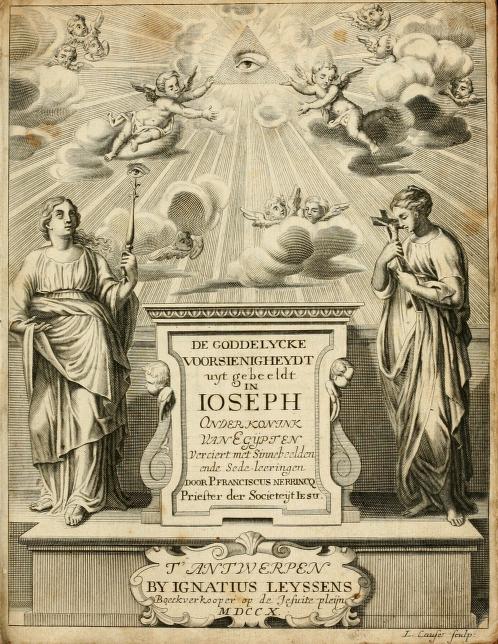
    the Jesuit Franciscus Nerrincq
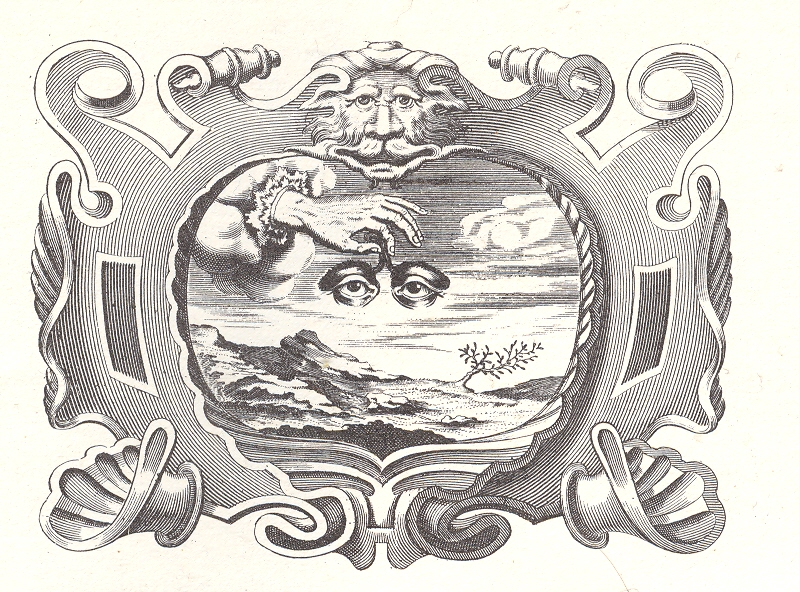
    (1638-1712), De goddelycke voorsienigheydt2, in which there
    are several odd eyes that burn their way through the atmosphere.   Eyes/eye of the creator occur frequently in
    religious presentations and emblems, but not so very often as hands holding a
    pair of eyes.  I know all of this is very
    heavy stuff in the history of Christian iconography and the progression of
    emblemata, but I’d rather deal with the images out of context here and have
    them stand on their own without interpretation. 
    ++ Nov 26 eye title page

    NOTES

    1.From the Encyclopedia Britannica, 11th
    edition, volume 5:  JOACHIM CAMERARIUS
    (1534-1598), German botanist and physician, son of the
    classical scholar of the same name, was born at Nuremberg on the 6th of November 1534. After finishing his studies in Germany he visited Italy, where he graduated as doctor of medicine. On his return he was invited to reside
    at the courts of several princes, but preferred to settle in his native town of Nuremberg, where he had a botanical garden and formed extensive collections. He
    wrote a Hortus Medicus (1588) and several other works. He died at Nuremberg on the i 1th of
    October 1598.

     2.  De goddelycke voorsienigheydt uytgebeeldt in Joseph
    onder-coninck van Egypten : verciert met sinne-beelden ende sede-leeringen
    .  The entire book can be seen here.

    The University
    of Utrecht
    emblem
    collection
    is extensive and easy to navigate—there is drop-down box for
    available titles, and once selected, the book comes up with biblio info on the
    right and a drop-down of thumbnails for the entire book at left.  It is a joy to navigate. 


  • Found Images Within Images: Dropping Your Hat in the Punic Wars

    JF Ptak Science Books LLC  Post 850  Blog Bookstore

    There is a
    particular class of illustration in which, among the secondary figures of the
    image, there is a small happening, an everyday trifle, that has been captured by
    the artist and included in the overall communication for no necessary
    reason. (for example, see here and below1). I’ve written about this a little
    before on this blog in posts about finding images-within-images: the
    unecessaries among the unnecessaries, the bits and pieces of everyday human existence
    that in and of itself is not worth commentary but which nearly everyone
    experiences.  Small bits, they are, of a
    tremendous human nature, the things that are done in private, or are so
    universal but inconsequential that they are shocking to see when illustrated in
    print.

    ++ Nov 24 dropped

    Titus Livius (59
    BCE-17 ACE), better known to the English-speaking world as Livy, was a superior
    among superiors of Roman historians, writing on the history of his city and
    country.  His work, Romische Historie…,
    published in Mainz by Johann Schoeffler 1450 years later in 1514, was one of
    the most beautifully illustrated books ever produced in that city.  This is a considerable statement, as Mainz was the birthplace/hotbed
    of moveable type printing, being home to Johann Gutenberg and a number of other
    early presses. 

    And in looking at
    this fantastic work by Livy, I am a little embarrassed to find this spectacular
    bit of human tendency displayed in this woodcut depicting a naval engagement
    during the Punic Wars.  It is a beautiful
    thing, this scene of warfare depicted on tranquil seas and ribbony waves,
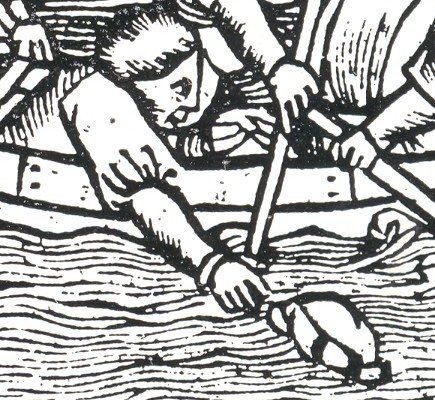
    determination in every face.  But what I
    noticed in the small boat at bottom right is a man reaching out into the water—not
    for a dropped oar, or to help a man overboard, or to catch his falling
    sword. 

    ++ Nov 24 dropped det
    He was reaching for
    his dropped hat. 

    I have reason to
    doubt that during the Punic Wars there may have been an unwritten chapter, “On
    the History of Dropped Hats During Warfare”. 
    Surely soldiers dropped their hats during the history of roman conquest,
    but I’d say that retrieving the headgear was more important at the Battle of
    the Bulge in protecting your noggin from badly splintering trees traveling at
    you at 180 mph and other such places than a wool cap dropped from a ship in pitched
    battle two hundred meters from shore. 

    I like this so
    because it is probably the first reaction that most of us would have—just a
    habit, battle raging or not—and just utterly human.  Just a little piece of back-history that
    doesn’t go anywhere and is lost to experience. 
    I’m sure that Herr Gutenberg dropped his hat at odd times, as did the
    unknown artist of this print.  Just an
    odd bit, like the first things printed on Gutenberg’s press being religious indulgences
    for people paying their way past Purgatory (and worse).  The fact that the indulgences preceded the
    great bible by several years doesn’t really matter, and neither does retrieving
    a dropped hat in a sea battle—but they do make interesting stories.   

    1.  Some other Found Images posts:

    Found Images: Penny Lane and the Inexpensive Treat, London, 1896

    Found Images of the Great Wheel, 1895

    Finding Hidden Images in Antique Prints: 18th
    Century Forensic Social X-Rays of Florence
    by Guiseppe Zocchi


  • Vermeer of the Tars: Found Art in Photographs, 1918

    JF Ptak Science Books LLC  Post 842 


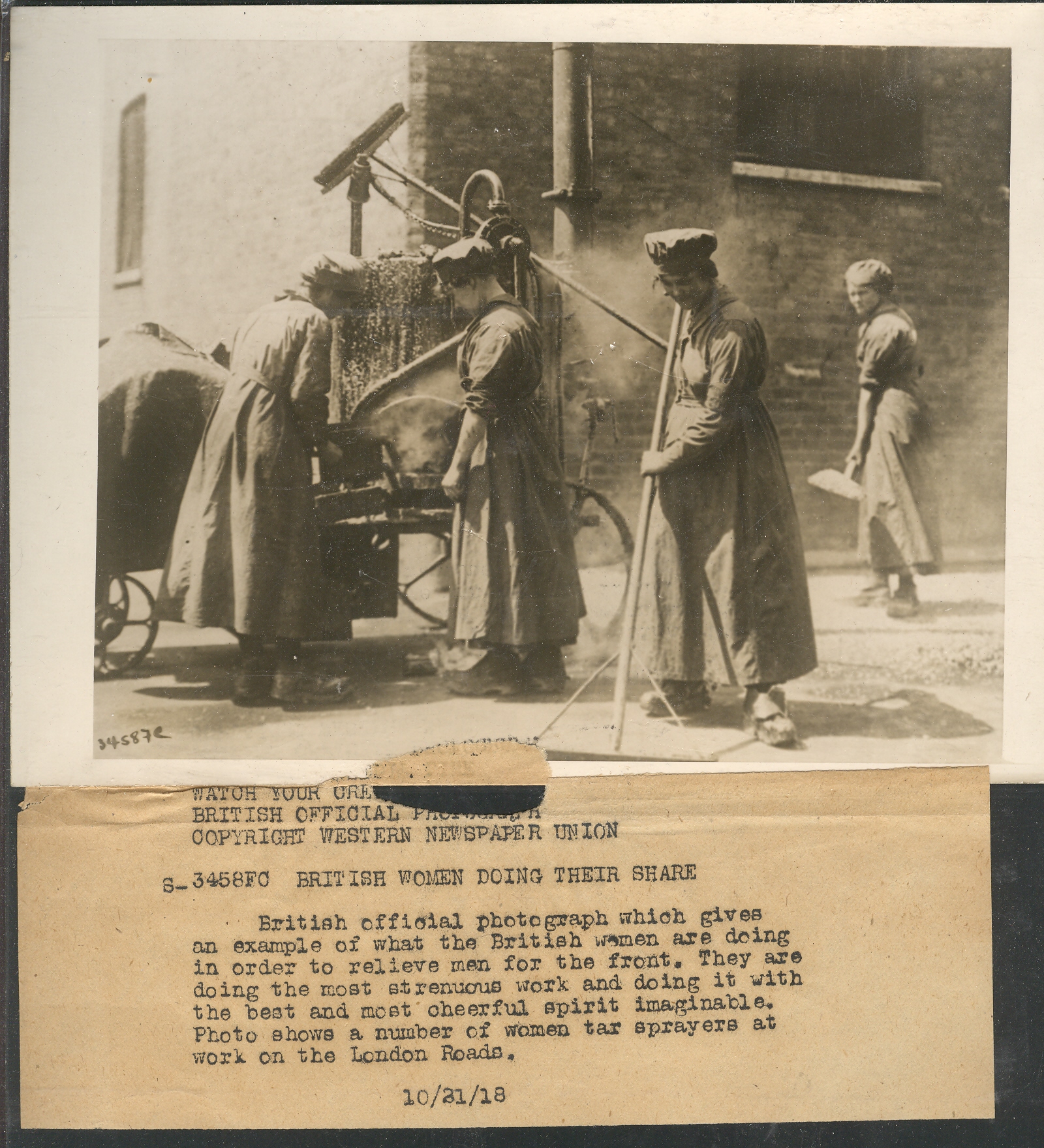
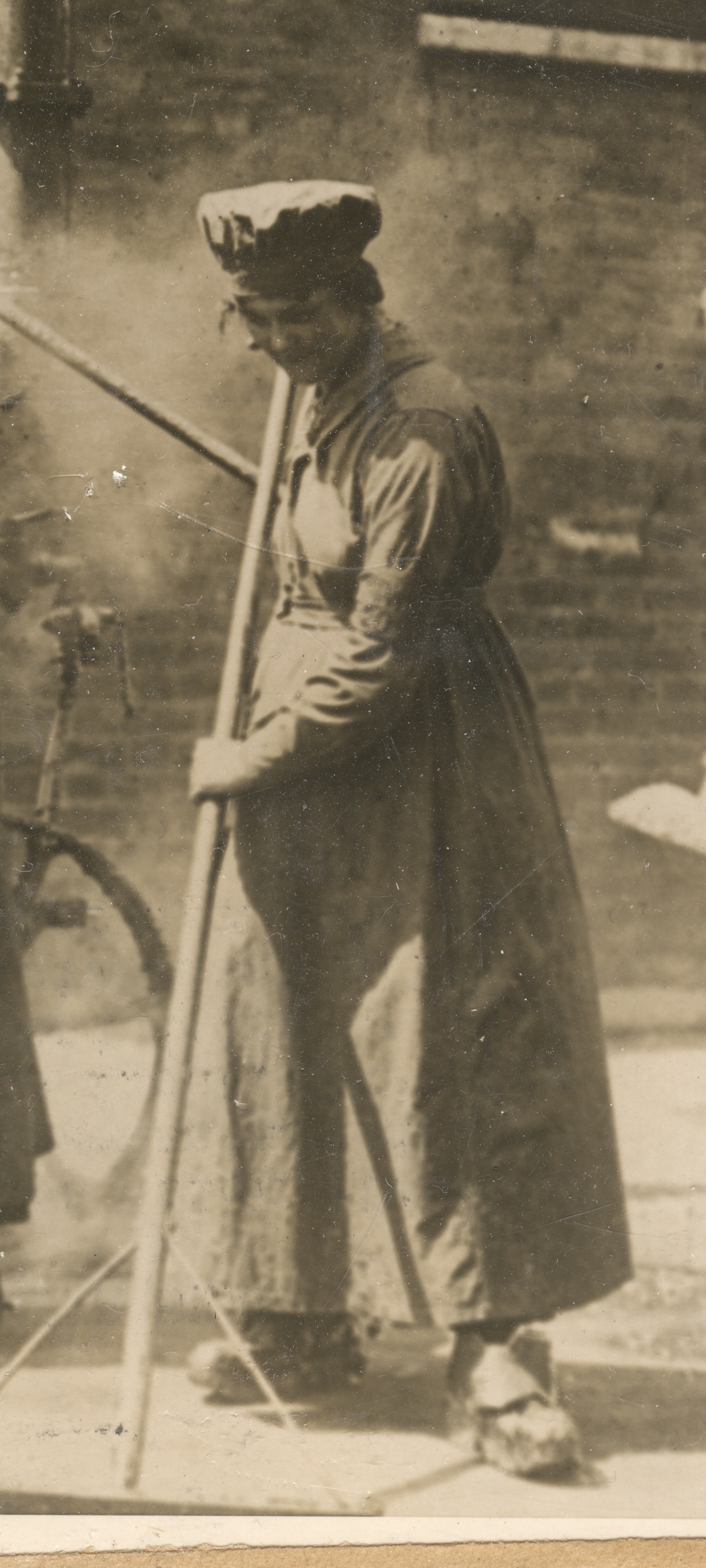
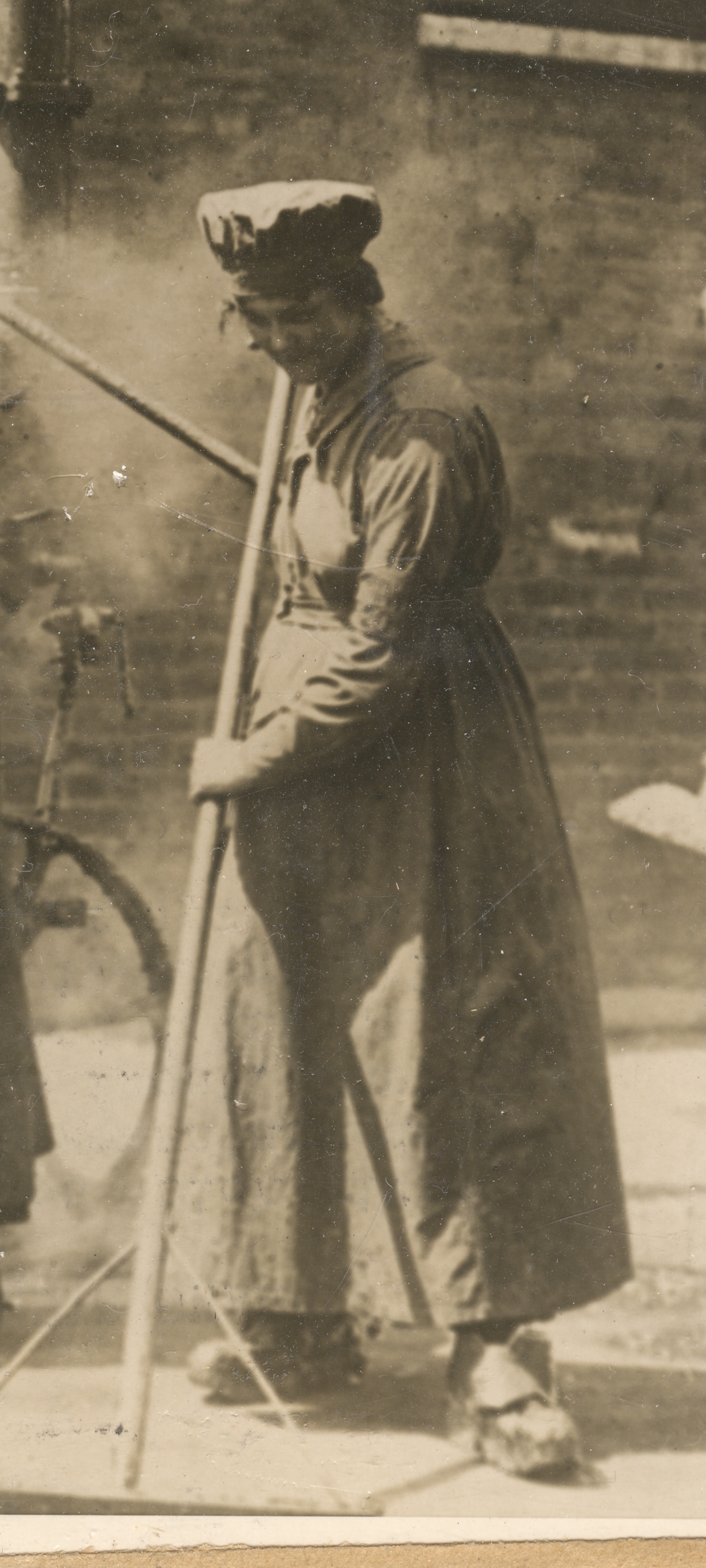
    0 ebay nov 20 WWI Vermeer In England, women
    were welcomed to the (paid) workforce during the years of the First World War
    (1914-1918)—their employment in traditionally male positions enabled those they
    replaced to go out to the front and die for their country.  Thus the women
    seen here in the News Photo Service Agency photograph (taken in 1918), working
    at spraying tar in the streets of London, were appreciated,
    and tolerated.  For women in England the War blasted away the contrivances of
    formally scheduled employment:  something like 12% of fall women in England were
    working as servants and house cleaners.   Come the War, women were
    offered jobs of revolutionary stature in a wide range and variety of
    work.  The Civil Service employment for women went from 33,000 in 1911 to
    102,000 in 1921, and trade union membership rose 160% (357,000 in 1914 to
    1,000,000 in 1918 (with men showing a 44% increase at the same time); for the
    most part, though, employers took advantage of the situation, and the women
    still generally earned less than half of the salary as comparable male workers
    did (or the men they replaced). 

    When the end of the War came, so did the appreciation for the women
    replacement workers—there was bitter feelings in the post-war period because of
    the weak British economy and a scarcity of jobs.  So the women who took
    the jobs of men to help the country’s war effort and free up hundreds of
    thousands of men for war service became an atavistic action, “taking” the jobs
    of men who had gone out to fight for their country. This of course cost many
    women their jobs, but the damage had already been deeply done to the pre-1914
    British world of the sexual politics of business-being-done, though it would
    take World War II to really ingrain the appearance of women in the workforce
    into the national psyche.

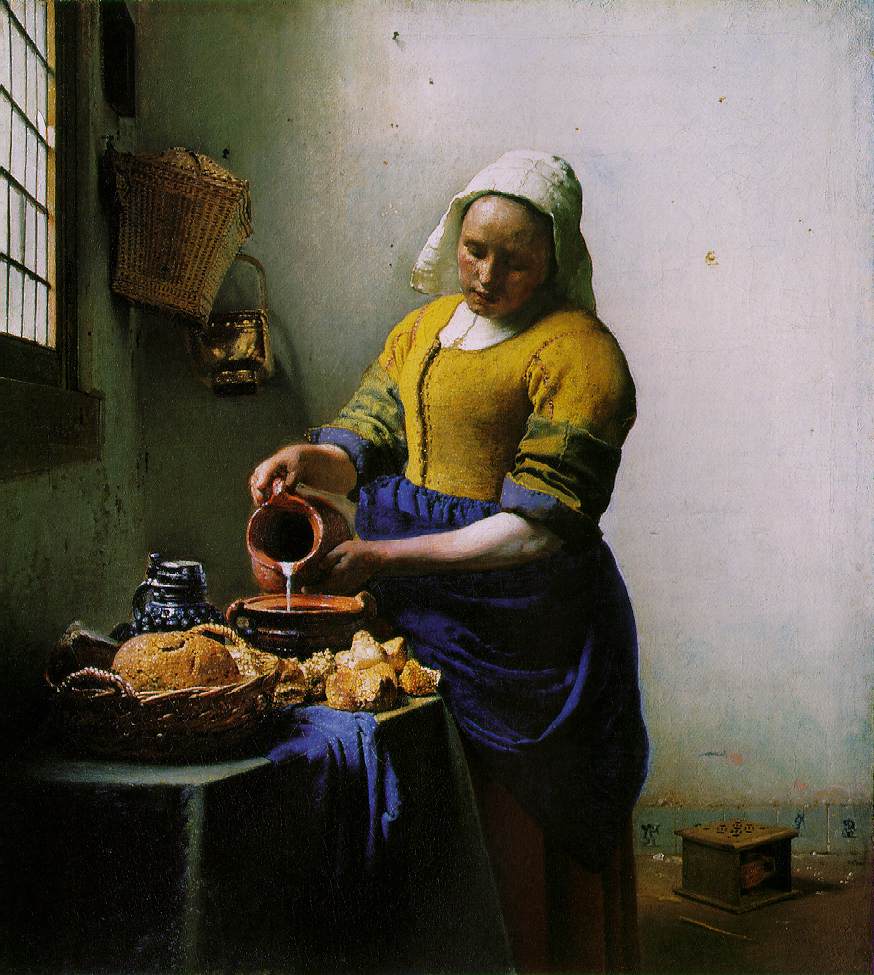
    I’ve liked this photo for a long time, seeing things differently in it over the years.  It struck me just yesterday that the woman in foreground-right–whose close-up reminds me too of a Madonna, a Mona Lisa of the Tars–looks like a Vermeer character from 400 years ago.  Or at least the position of her body does.

    0 ebay nov 20 WWI Vermeer 001 

    0 ebay nov 20 WWI Vermeer 001 0 blog nov 20 vermeer water


  • Emerging from Clouds: Artificial Legs and the Foot of God

    JF Ptak Science Books LLC  Post 830

    ++ blog ++ nov 12 pare leg


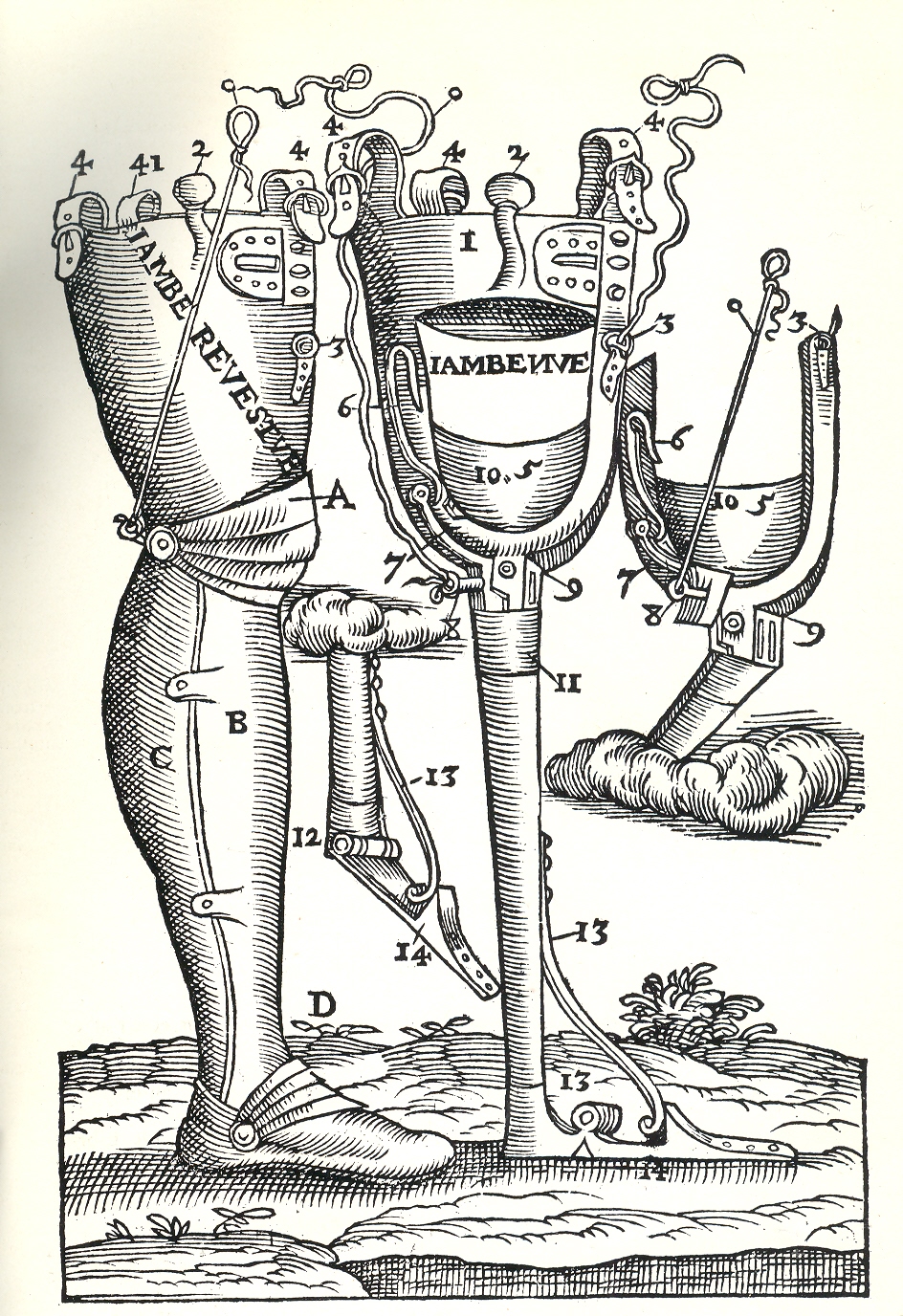
    This busy and still beautifully designed woodcut from
    Amrbose Pare’s Opera Chirurgica… was
    printed in 1594 and holds special fascinations for me.  First of all it is a pioneering work on
    artificial limbs, and secondly, and tritely, I like the floating ribbons and
    ties (some of which seem to come from clouds). 
    First on Pare (1510-1590):  this
    was a revolutionary work of an extraordinary figure (even though there are some
    who suspected that not all of this book was his own work) and was the greatest
    surgeon of his era and the doctor to four kings. He was responsible for the
    invention of numerous surgical instruments; he also re-introduced the ligature 
    into surgical procedures for amputations, wrote on carbon monoxide poisoning,
    introduced the introduction of induced labor, created the reimplantation of
    teeth, was a pioneer of treating battlefield wounds and was one of the first to
    write on medical ethics and jurisprudence, and much else.

     But I’m sorry to say that I am fixated on the artificial
    leg-cloud.   And the floating bits. 

    This brigs me back to a post here from just two days ago on
    Antiquarian Dadaism and the emblems of Scarlattini…and which is probably the
    only chance I’ll ever have to make  for
    connections of feet-from-clouds.  Or near-feet
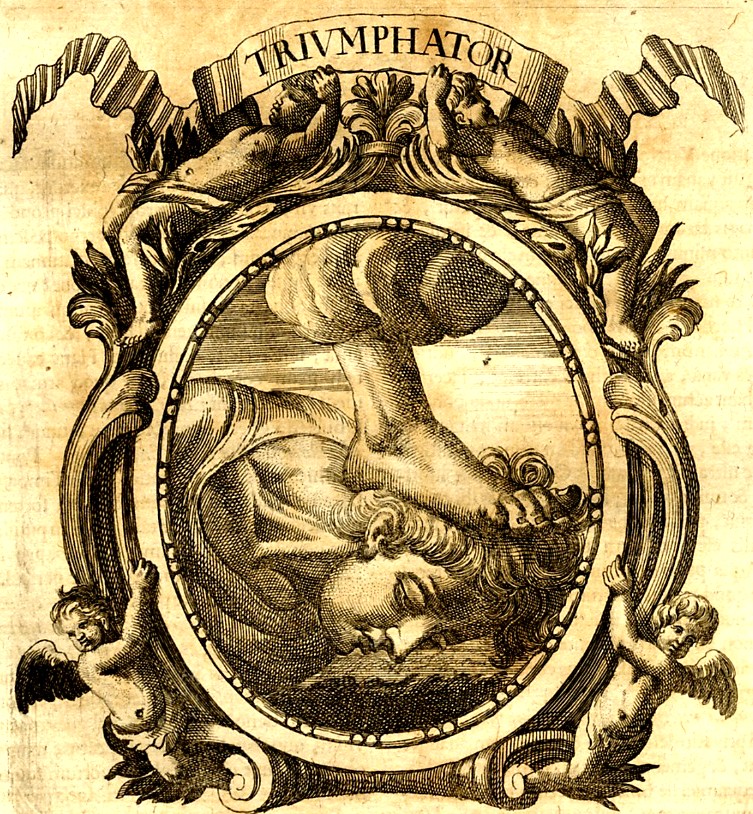
    from clouds and the foot of God.  In any event, I would like to make it out to be the foot of the creator coming from the clouds to vanquish its squint-eyed and beaten foe.  “Triumphator” classically refers to the triumphal parades in ancient Rome, and I guess that this foot could belong to any victor, but since it is after all coming from the sky, I’d like to give that foot to God. 

    ++ blog nov 9 triumph


    Notes:

    Pare’s Opera is
    available in toto at the National
    Library of Medicine’s superb pages here.