A Daily History of Holes, Dots, Lines, Science, History, Math, Physics, Art, the Unintentional Absurd, Architecture, Maps, Data Visualization, Blank and Missing Things, and so on. |1.6 million words, 7500 images, 4.9 million hits| Press & appearances in The Times, Le Figaro, Mensa, The Economist, The Guardian, Discovery News, Slate, Le Monde, Sci American Blogs, Le Pont, and many other places… 5000+ total posts since 2008.

Author: JF Ptak

  • Exploring Faces at a U.S. Relief Station in Italy, 1918

    JF Ptak Science Books   Post 1340

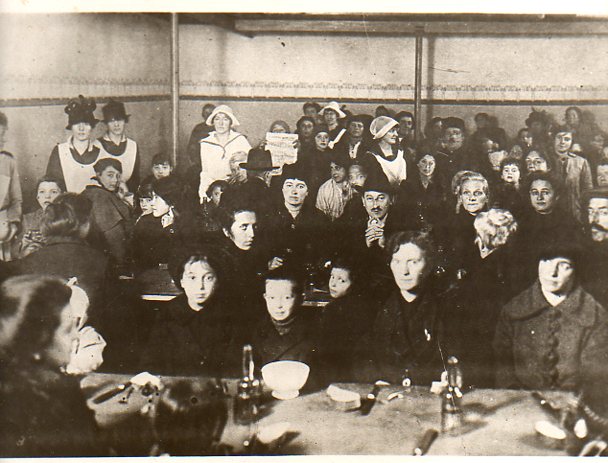
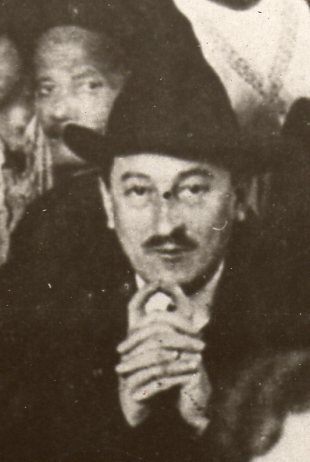
    This is a photograph of an American aid distribution center established in Venice, an action as a direct result of the recent invasion by Autro-German forces.  The Venetians look remarkably composed. [This photo is available for purchase at our blog bookstore, here.]

    WWI photo--American aid Italy398
    WWI photo--American aid Italy399 WWI photo--American aid Italy400
    And the aid workers:

    WWI photo--American aid Italy401

    Elsewhere in this blog I’ve written a short paragraph on the casualties of WWI–Italy suffered 3.48% of its total population being wounded or killed, including over 650,000 civilian casualties.   1

    Note

    The U.S. lost .13%  of its population to casualties (125,000 killed and 205,000 wounded) during the war–a war which by the time America got here had already been visciously fought for three years, costing dozens of millions of lives.  The figures for everyone else weren’t nearly so “fortunate” as the U.S.:  New Zealand’s 18,000/41,312 killed/wounded amounted to 1.6% of its population.  The U.K. lost 2.19% (964,000/1,663,000), Italy was 3.48% (650,000/953,000 plus 650,000 civilian casualties), while France suffered a 4.29% (1.4 million/4.27 mil) blow of its total population to war.  Things were worse on the other side:  Germany 3.82% (2 mil/2.4 mil plus 426,000 civilian deaths, and the Ottoman Empire 12% (400,000/771,000 plus 2.1 million civilian deaths.   Worst of all was the Ally  Serbia, suffering a catastrophic 16% loss of its population to war, including 275,000/725,000 plus 426,000 civilian casualties.  As gruesome as the numbers were, the Americans felt only a small percentage of the total sting of war–by 11 November, more than 21 million soldiers would have been wounded, with 9.7 million soldiers and 6.8 million civilians killed.  It was an enormous price

    ·Posted by :

    ·in:


  • The Kindle vs. Books vs. Frankenstein’s Monster. A Short Rant.

    JF Ptak Science Books  Post 1339  

    Kindle and Co seem ready-made for a morality tale…except that it has been written, already, many times.  Digital reading appendages like the Kindle seem to me a future history of magnificent semi-failures, another episode in a long series of stories on how machines have corrupted their users I’m not a Luddite by any stretch, but I can’t help but think of the weaknesses of these devices when compared to a simple book, or stack of books, or bookcase, or library–I think that the Kindle is perfectly fine used in conjunction with these other things, but what seems to be the case for me is that Kindle & Etc. are replacing them–the real nuts and bolts of learning—and that I think is an enormous error.  Perhaps more important still is that the glorious possibilities of serendipitous discovery are being lost when you have such directed interaction as with a Kindle, compared to walking down an aisle of books in a  library (or g_d help us, in a bookstore).   What these digital tools can’t replicate is the incredibly varied sources for possible inspiration that you have when you walk yourself down between two walls of books.  You might start out looking for X, see something Y out of the corner of your eye, it reminds you of Z, which takes you to another range of books where you stumble across the “A” that you didn’t know existed and that you needed it. 

    Bookstores are closing in droves, books in libraries are being replaced by stuff that enables social networking to occur while at the same time library hours/staff are being trimmed.  (A big percentage of libraries are already closed or closing on Sundays, which is a day when working class people might actually have to themselves to get to the libby.)  Magazines and newspapers are already abandoning print publications  and settling in for their run exclusively online.  The process of virtual replacement is already well underway. 

    Hans Andersen’s (1805-1875) The Nightingale (1844) comes close to the mark in telling the future of these devices. The Emperor of China has a perfectly lovely, living nightingale which is replaced over as short time by a mechanical one; the robot-nightingale fails after a bit, but by that time the real nightingale has taken flight, no longer I service, vanished.  The Emperor is full of remorse, slipping into melancholia and depression, headed to death for the lack of the song of is nightingale–until the living one returns, restoring the Emperor to health. And sanity. 

    Other, older lit tells similar stories of inception, confusion and lost purpose–though without the redemption part of the Andersen: an automaton appears in E.T.A. Hoffmann’s (1766-1822) Night Pieces (1816 ) in the short story “The Sandman”, an ingenious mechanism which happens also to be lifeless and soulless. Mary Shelley’s Frankenstein (1818) s another soulless creation, though it was of biological, human pieces rather than metal, crunching the recent work in the manipulation (like that of Galvani) into something not recognizable….another piece of the coming world of electricity which in its essence has gone totally awry. 

    Heinrich Heine’s On the History of Religion and Philosophy in Germany and Other Writings (1834) has a short story in which an accomplished mechanic/inventor decides to invent a man–and succeeds He builds himself an English gentleman, the description of which Heine uses to skewer the English1, the inventor building a machine like a man who behaved and like and had the emotional range of a British person, though who lacked anything to back it up–in short, the machine lacked a soul Heine takes more than just the Brits on this, exploiting the engineers soulless invention as a standard for the emptiness of some aspects of the Industrial revolution.
    Then there’s Hadaly, a mechanical electric  woman run found running around in Auguste Villiers de l’Isle-Adam’s The Future Eve (1886) , with its high-Victorian nod to imaginary naughtiness with the no-tell robot. Talus, the “iron man” in Spenser’s Fairie Queen, the crystalline man in Goethe’s Faust, the creation of “robotic” homunuclus in the philosophers eggs of many alchemists, plus a wide, encyclopedic assortment of other sorts of non-mechanical man-made-men.

    And this of course is all before we get to the twentieth century.

    I guess I’m just annoyed by the possible destructive nature of a supplemental tool becoming the primary object, a supplement to itself rather than something richer and fuller.  The Kindle and its assorted lot might seem less Nightingale-y to me and more like the sub-title to Shelley’s work, The Modern Prometheus.

    Notes:
                       
    1. “…a human feeling in that leather breast, which are not usually to be found in the English, and it could articulate tones about its feelings and impart them, even with an audible sound, and it gave these tones a real English pronunciation; in short, this robot was a complete gentleman, and for being true man, he lacked only a soul…”
    ·Posted by :

    ·in:


  • Replacing Clay Pipes with Glass, 1849

    JF Ptak Science Books   Post 1338

    Glass is best left to its best uses–in lighting, decoration, ,chalcogenide glasses (in the construction of rw cds),
    and even music (Beethoven, Mozart, Donizetti, Bach and many others have composed for the glass harmonica, armoinca, hydrodaktulopsychicharmonica)…and son on and on  But perhaps the use less thought of in general has been the use of glass as the conduit for aqueducts.

    A 180-mile-long conduit.

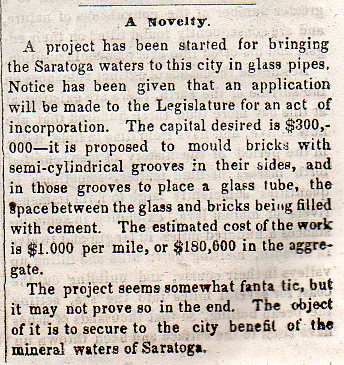
    Glass397 I found this notice in the 20 January 1849 issue of Scientific American  The idea of making a glass pipe for transporting water to transport the special waters from Saratoga Springs, New York down to Manhattan, 180 miles away.  The backers for this plan were going to encase the glass piping in clay bricks, which makes sense of course, but then burying all of that in a coffin of cement…well, that present all sorts of problems if the pipe ever broke.There is some irony in the silica connection between the clay pipes the glass would’ve replaced and glass itself, but this is still just an awful idea.


    ·Posted by :

    ·in:


  • Bombing England, 1940; a “Popular” Look from the Other Side, Part II

    JF Ptak Science Books  Post 1337

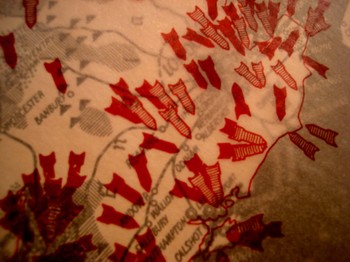
    Earlier in this blog I wrote a post on an illustrated article that appeared in the Illustriete Zeitung for 5 September 1940.  On page 165 is an extraordinary two-part map, the upper part being a vellum-like overlay, showing the German bombardment of England.  (“Bombenregen ueber England.  England muss jetzt allein um seine insel Kaempfen…” )  The template map is in stark black and white, showing locations of “war” industries, chemical plants, rubber works, textile plants, metal industries and gas works . The overlay shows the outline of the island with 150 or so bombs, imprinted with a color code to show what sort of industry it was intended for.


    Dsc04742_2

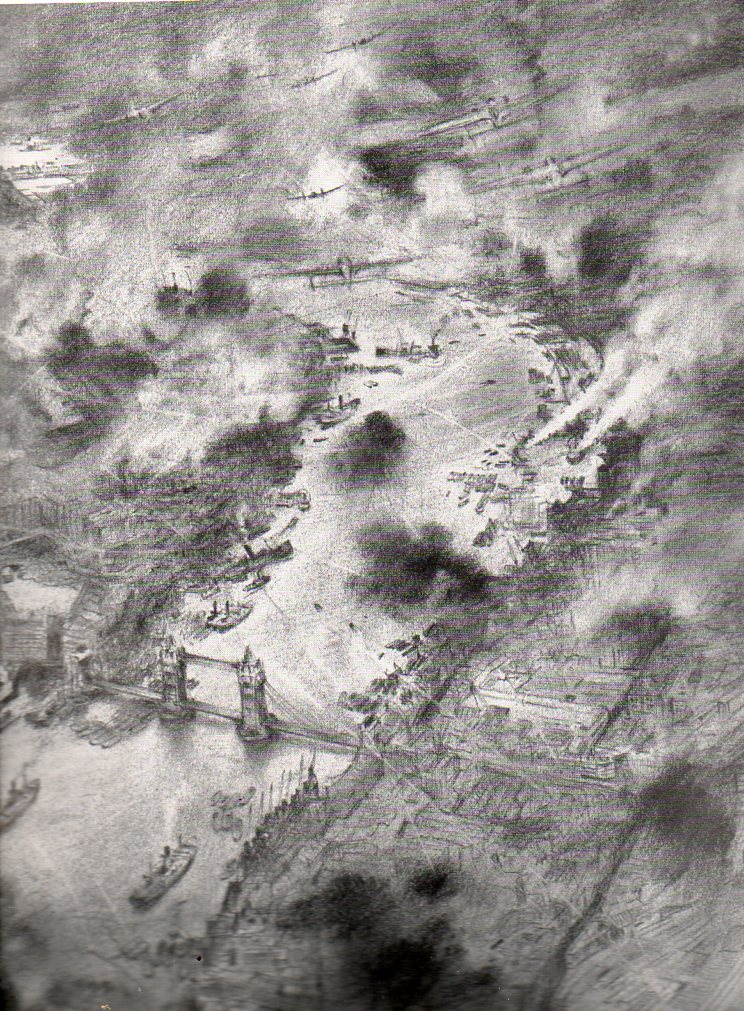
    By the time this issue of the Zeitung appeared, the Germans had almost spent themselves on their invasion of Britain (11 July-29 October 1940), and were well-past part two of a four-part invasion plane.  The third part would begin two days after the appearance of this article, the clock already almost ticked-out on the Luftwaffe’s ability to pound the Island Nation into submission.  They felt out the defences in part I, while also bombing along the coast and into Liverpool and London itself, mining harbors and waterways, attacking convoys; part II continued the assault and probed and searched out the airfields, aircraft factories and radar sites (while continuing to mine the waters and bomb the cities). Part III continued the heavy assaults on Liverpool, London and other cities, and searched out the RAF–but the German losses were starting to mount up, and the RAF was beginning to win.  On September 15, 185 German aircraft were lost–a huge event–and the plans for Operation Sea Lion were called off, suspended indefinitely.  Battle britain 3 October392

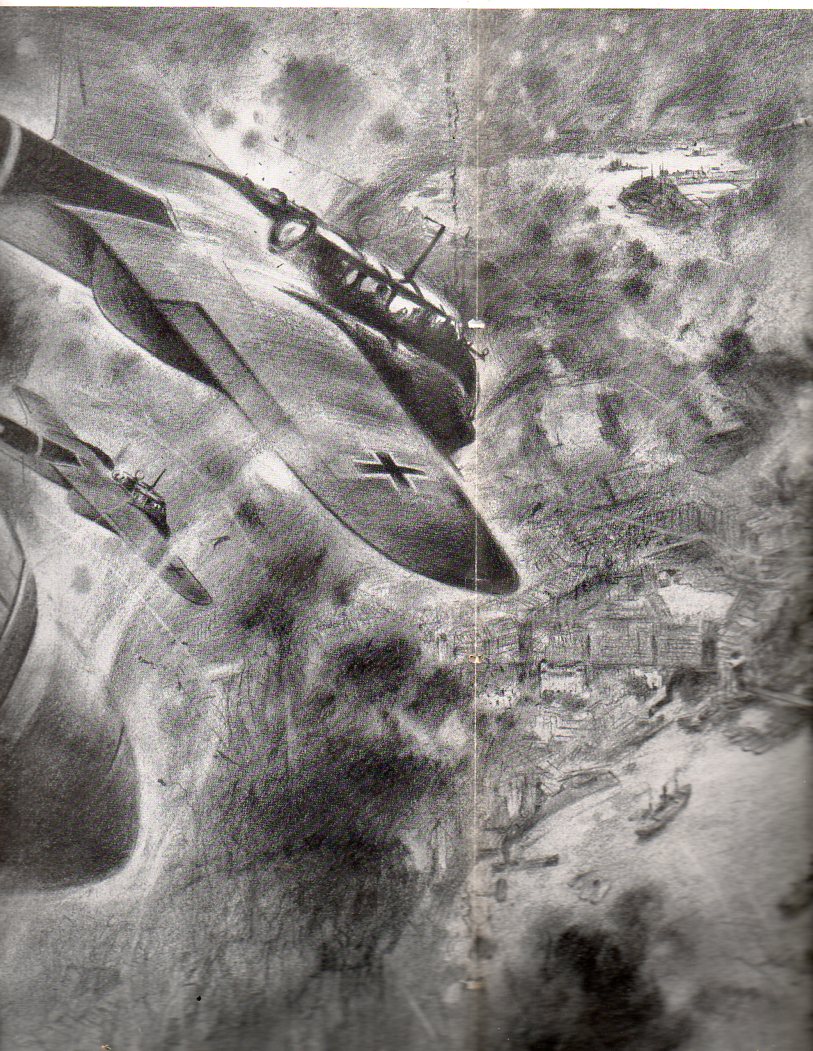
    The 3 October issue of the Zeitung(available for purchase at our blog bookstore, here) presented a large, two-page illustration of the Luftwaffe bombing London, which was suffering under the attack, flaming and smoking.  But the image by this time was mostly propagandistic, the end of the campaign only weeks away, the German air force staggering under the British response.

    Battle britain 3 October394

    The end result was a terrific victory for the Brits, far beyond what the numbers show, even if the numbers are strong.  The U.K. losses included 544 aircrew killed, 422 aircrew wounded, and 1,547 aircraft destroyed.  The Nazi losses were 2,698 aircrew killed, 967 captured (638 missing bodies identified by British Authorities) and 1,887 aircraft destroyed.


    The  Luftschlacht um England, the plan to overtake and destroy the British capacity in the air, was defeated. As long as the English had command of the airspace there would be no way that the Nazis could force an invasion by land/sea (at least in the minds of the Oberkommando der Wehrmacht  and Hitler).  And so the Nazis failed–it was their first major defeat, and, especially, with the turning of attention east, it was a pivotal point of the war.

    ·Posted by :

    ·in:

    —

  • Hitler, Big Room, Little Desk, 1931

    JF Ptak Science Books   Post 1336

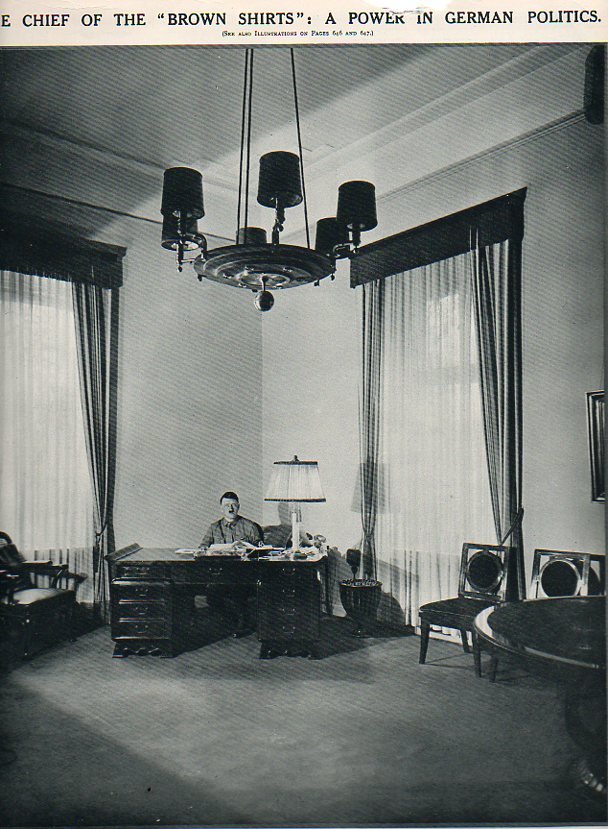
    It is difficult to think of Hitler as just some guy sitting behind a desk.  But there he is, in 1931, sitting behind a desk with an enormous, pleated lamp sitting next to him, just Hitler in the paranoid-position (back to the corner of the room able to see anything that moves but being still in a secure position), at the edge of a big room with tall ceilings and a few chairs, looking a little grandmothery–if the grandmother wore a swastika armband.  But this is 1931, and Hitler was in the  developed stages of amassing votes and power, outfitting his political organization in uniforms and along military lines, drinking deeply of his hateful autobiography/social road map, biding his time.  He was still years away from the nation-destroyer he would become, looking small here, looking like a human being.

    Hitler 1931390
    Its a good thing to be reminded of the common basis of people who became Gargantuan monsters, before their human nature was replaced by the horrifica of their thoughts and deeds, setting them apart from the rest of us.  The point in fact though is that Hitler and Pol Pot and Stalin and Mao and the other people-eaters of this century were “people” too. To make them somehow extra-human is to relieve ourselves of the responsibility of them; that what they have done was somehow outside the sphere of human ability.  They were just people, though people with no humanity.

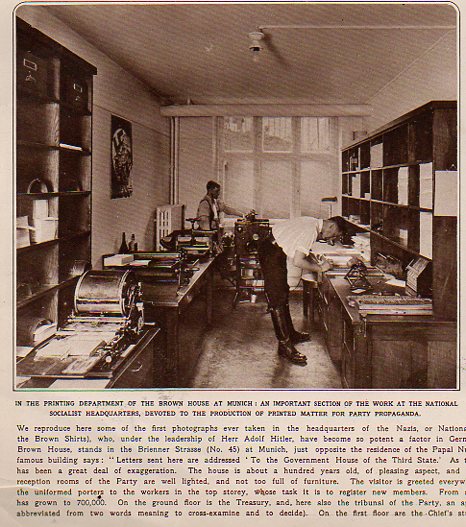
    The Nazis were sprung of the simplest elements–fear, hope, hate, revenge, and of course delusion.  But simple.  Part of the earliest mass of NSDAP literature, the stuff that helped fuel Hitler, was printed in this little shop.  One jackbooted man is doing the typesetting, another other running one of the tabletop presses. Two guys, a few machines, a paper cutter, a few trays of type. A dynamic speaker.  One radiator. One light bulb.

    And of course someone willing to listen, as well as a greater mass of someones who chose to hear but not do anything about what it was they heard.

    Hitler 1931b391

    ·Posted by :

    ·in:

    —

  • The Very Describable Macro Color of 1930’s Floors–Well…Color, Symbolism and Swastikas in Floor

    JF Ptak Science Books   Post 1334    

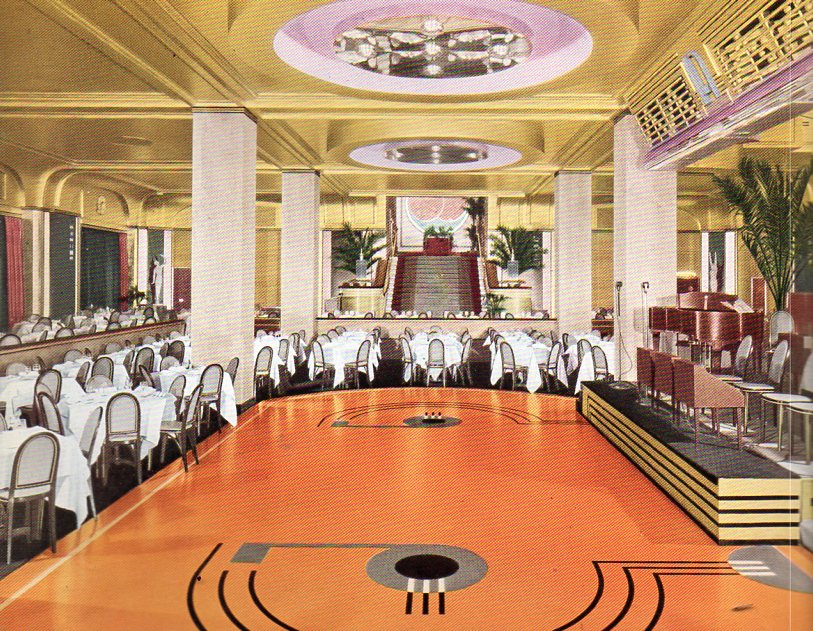
    Color floor--cvr382I remember that the floor of my grandmother’s beauty salon (in Great Barrington, Massachusetts) was a dark (gray on black?) rolled linoleum affair, not much different from the floors that you’d see (if you could see them) in black and white movies from the 1930’s.  Grandma’s floors were probably that old–my memory is from the early 1960’s and the salon was far older than that–and so they looked like you’d expect an old, shiny, kept floor to look.  Plus you’d never really see floors in those older films, anyway, so it was difficult to see even if there was a design, let alone imaging a color.

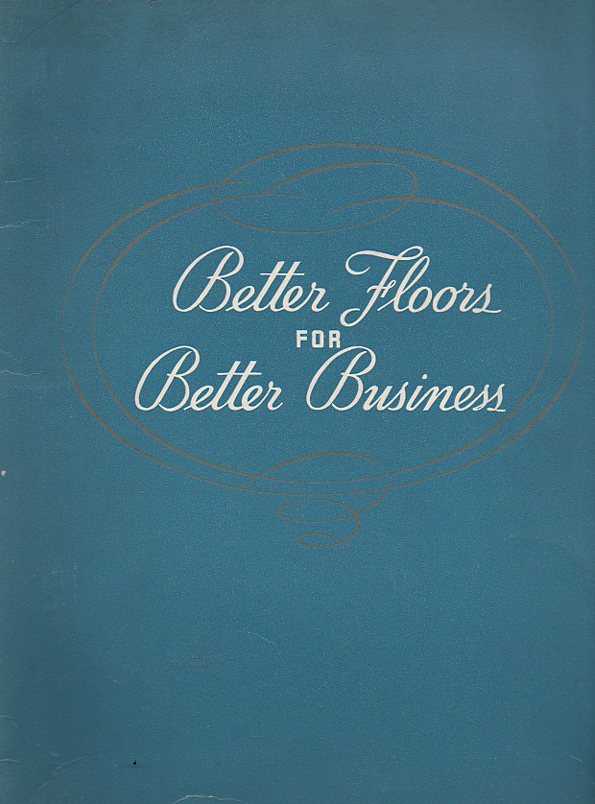
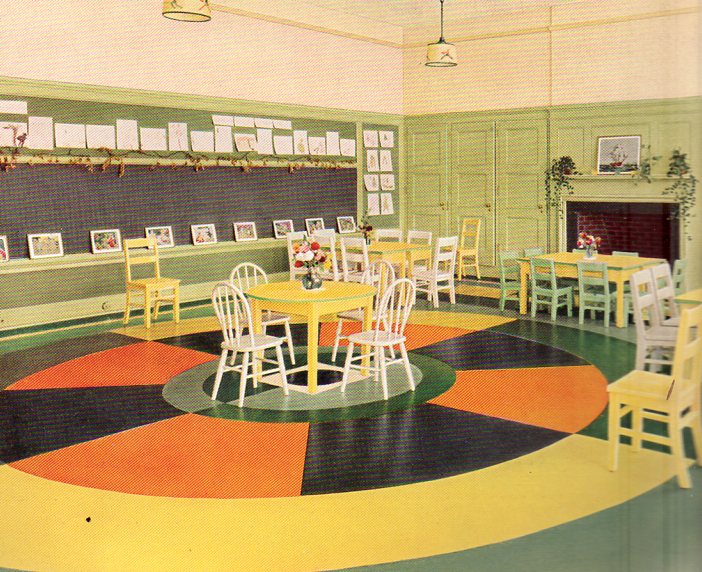
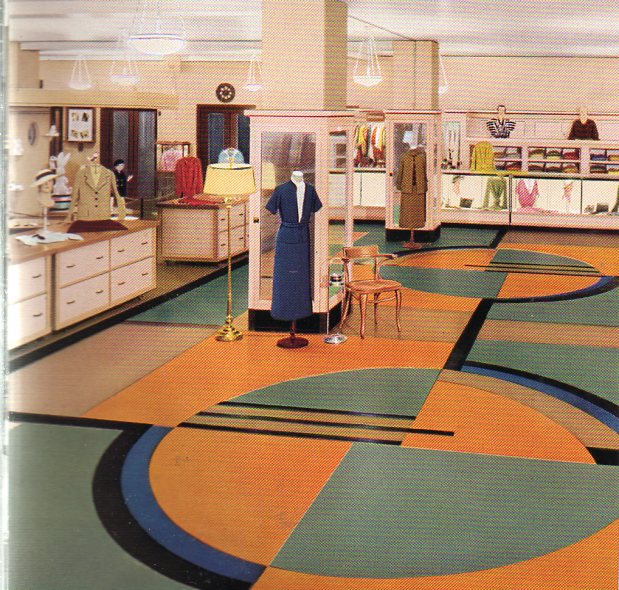
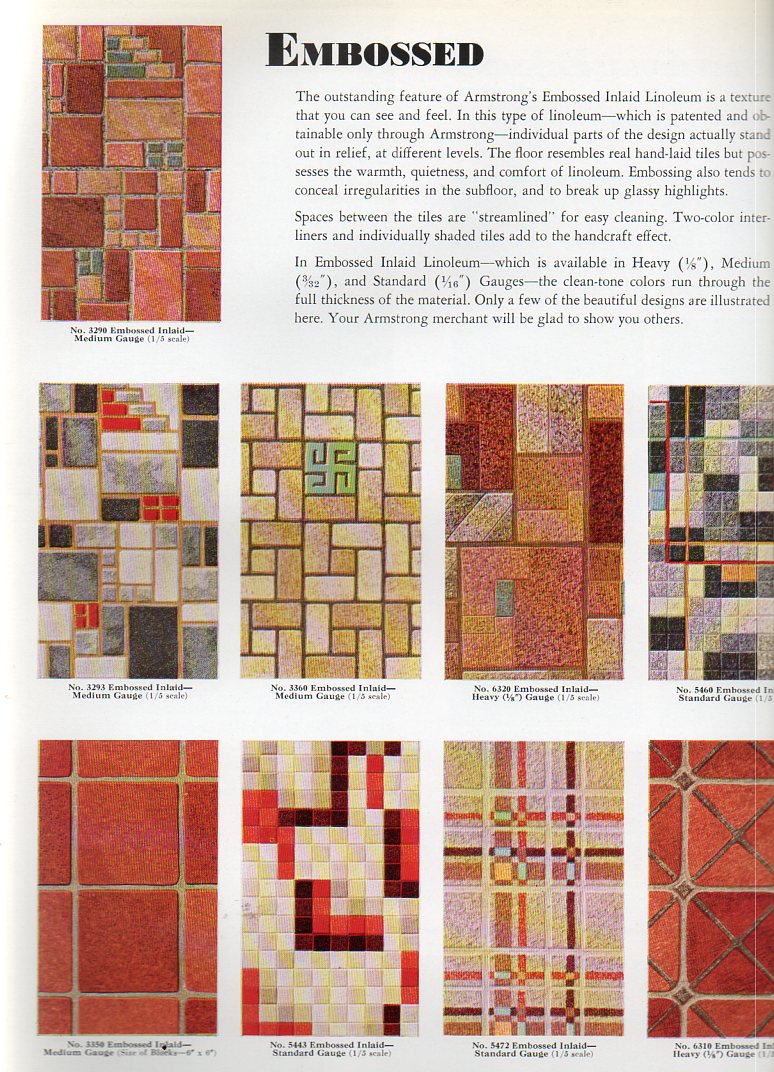
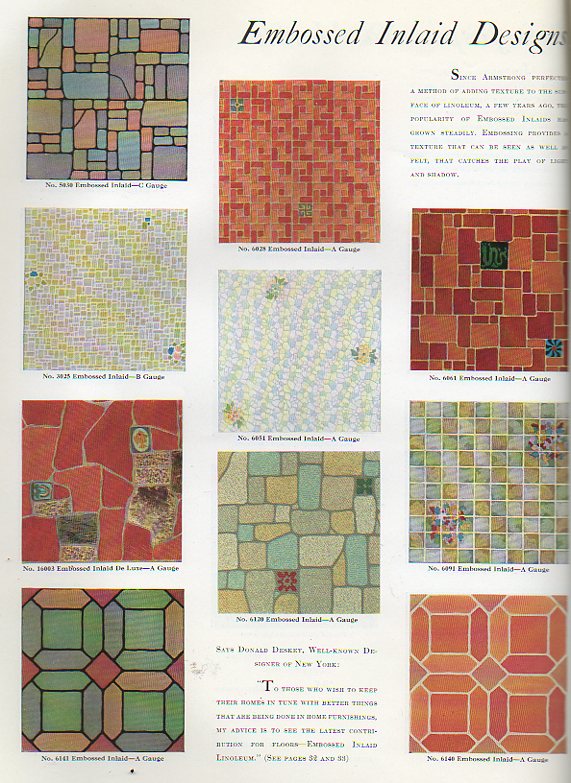
      That’s why it is so surprising to see magnificently-colored floors in catalogs such as Armstrong Cork Company’s  Better Floor for Better Business (1936) and Home Decorator’s Idea Book (1931). (Both of these booklets are available for purchase from our blog bookstore.) Color wasn’t invented after World War II–it just seems that way.  Color photographs, color home films and color motion pictures really didn’t get a popular start until then, so it might be natural to assume that the world was a bit more bland in shades of gray before then.

    Color floor--dining374
    All the same, these floors are so terrifically colorful that they look to me to be like a tiny design writ large–like a design for nightclub’s matchbook cover done on a 500 square foot canvas. 

    Color floor--kinder375
    [This is a kindergarten room, by the way.]

    Color floor--clothing store376

    000-ebay--Oct 30 rubber floor965See what I mean? These floors are beautiful in a way that escapes beauty.  I don’t particularly like them nor would I want to live on them, but they do have a certain inescapable loveliness to them that is just not beautiful.  Perhaps it is the odd juxtaposition of unexpected color. This is seen in sharper detail (left) in a post that a made (“There Was a Rubber Lady in a Rubber Room…) earlier in this blog.  Or maybe it is the unexpected combination of colors, or the unexpectedness of the colors themselves, that is the driver to this lusciousness.

    And then there are the swastikas.

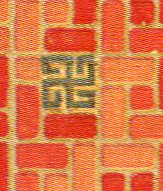
    Now the swastika is a very, very old symbol, thousands of years old, transcontinental, transoceanic, a transcendental image that was completely and forever corrupted by the National Socialist Party, a shameful symbol, a symbol turned into a hatefuil and horrible thing in just 20 years or so, overtaking two millenia of use.  And here we are, in the early- and mid-1930’s, during the time of the Nazis and Hitler and their free use of the swastika, here we are with this Armstrong firm from Lancaster, Pennsylvania, still using the swastika in design elements for their floors. 

    Color floor--swastika 377

    Color floor--swastika 378

    (Here’s one page of floor design elements from the Armstrong catalog at left; and the detail for design number three at right.)

    Armstrong was also in the heart of some country within the United States (Lancaster) that was very rich in symbolist design, but I think that this has nothing to do with anything.  I’m also not making th case for their being fascist leanings at Armstrong–I’m simply pointing out that even as late as 1938 (when another edition of this work appeared again with swastika design) that the image was still acceptable enough to have as part of a part of a floor.  It strikes me as deeply odd.

    Here’s another example from the 1936 catalog (and just to be perfectly clear I’m not highlighting the swastika part–it is offset in different colors in the originals):

    Color floor--swastika 379

    Color floor--swastika 380


    I’m not seeing Nazis in my porridge, though Madison Sqaure Garden was still getting filled up by American Nazis for their German Bund meeting in 1936–I’m just pointing out that it seems surpising that the symbol was still being used in popular design as late as it was. 


  • Reading Symbolism in Raymond Lull’s Portrait

    JF Ptak Science Books  Post 1333

    Raymon Lull is perhaps the most famous Catalan given to the world–he is also one of the most famous people in history with the most names. (He was also known as Ramon, Raimundo and Raymond, Raimundus and Raymundus Lull, Lully, Llull, and Lullus and Lulio, among others.) Seriously though, he was a very interesting thinker who went far beyond the norm, and then some, his creativity overmatching the possibilities of the parenthetical sciences of his time, and stretching timeless logic as well as he went along.  But so it goes, as they say; he did do aggressive work and at the very least it was for the most part quite pretty-sounding.  And as he pushed up and against existing thinking it was up to that confronted thinking to push back–which sometimes happened and sometimes didn’t. He studied the law, alchemy, botany, religions, and may well have written the first novel ever to appear in Europe (at least it was the first in Catalan)–I think that you could say, overall, that he was a rationalist. 

    • The original engraving is available at the blog’s bookstore, here. 

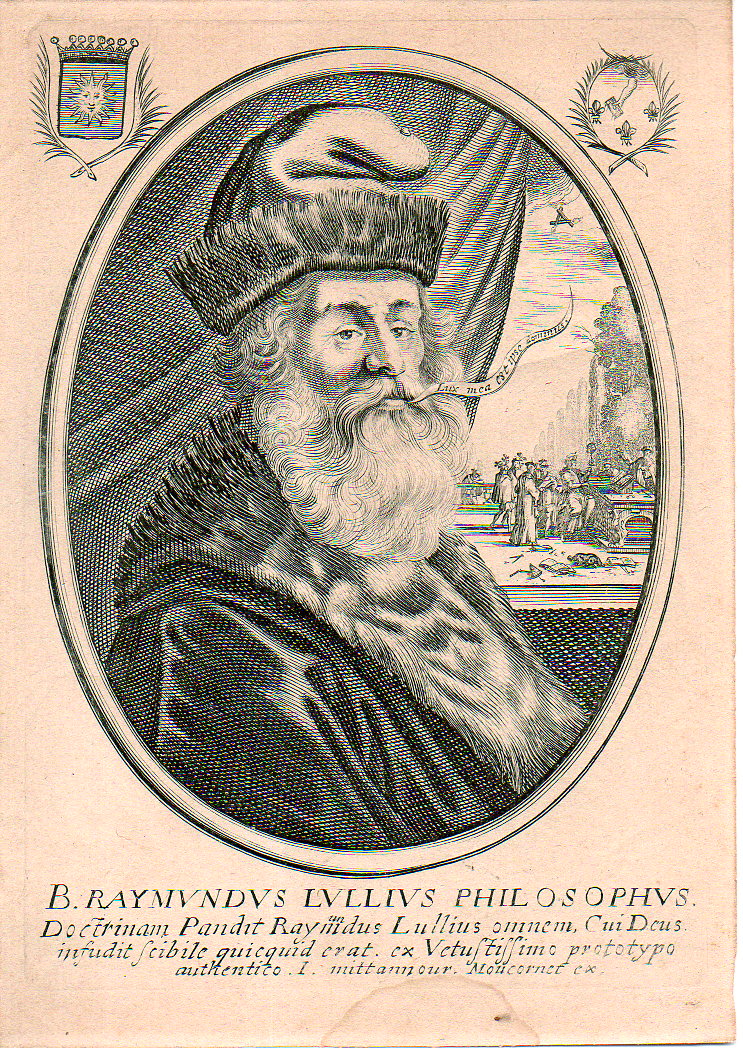
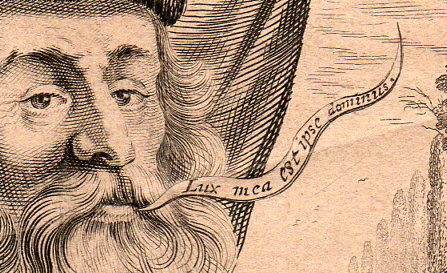
    This engraving is one version of many that I’ve seen online, and may be the original–this is a pure guess on my part, my reasoning is so mainly because there is so much more added detail than in any other versions of the engraving.  the added bits in the corners, and of course the scene revealed by the pulled-back curtain.  The engraved lines are also very sharp, very pronounced, not like some of the other version which look a little less defined…this one is razor sharp. (The image is available for purchase from our blog bookstore.)

    Lull087

    The word balloon (and by the way I wrote a post here two years ago on the history of word balloons) coming from Lull’s mouth is Lux mea est ipse dominius “My light is that of the Lord”, a claim for divine inspiration, guidance, fortitude.  Beyond all else Lull was a Christian, and a Christian to some severe fault–he was very involved in the conversion of Muslims, and was also an (utter) expulsioist in regards to the Jews.  The Christian philosophies of Lull are clearly shown in this 17th century portrait of the man. 

    Lull371

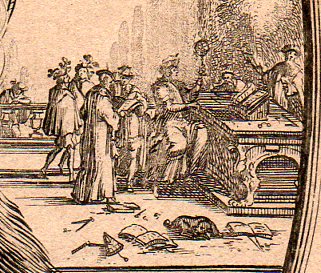
    And in the scene that is not seen in the other reproductions of this portrait online we see a small host of interesting sci-philosophical instruments cluttered around what seems to be a giant working with an astrolabe.  (This fellow is a head taller than the other people gathered around him, and he is most definitely sitting down on a high stool, making him taller still.)  We see dividers and various measuring devices, plotting instruments, and even a pair of specs, which would’ve been very uncommon in in the 13th century.  I’m happy to see a dog sleeping through the ruckus.

    In the sky in place of the sun is a triangular collection of burning candles, or they seem like candles, which continues a very old tradition of symbolizing unity, and in this case, in  a Christian theme, a god surrounded by the holy trinity… related symbols appear frequently in images depicting the Old Testament creation cycle. 

      Lull373

    Continuing this theme, if you look in the right upper corner of the engraving there is another interesting symbol–a hand issuing from a cloud with a book, sourounded by three fleur de lis.  This is in obvious reference to the balloon statement, the hand of god issuing a book, or knowledge, to the recipient (which would be the reader or Lull); the fleur de lis, a French lily, was often used in Renaissance and Baroque imaging as a representation of the holy trinity, and of purity and chastity, spirituality.  Or  perhaps it was just a flower. 

     My own interest in Lull–aside from the  great beauty in which his ideas were encapsulated and presented–is in his idea generator, and the possible influence it had on later thinkers like Leibniz who may have built on his interesting breakthrough to produce one of the earliest arithmetical calculators.  Lull’s own calculator (which I wrote a little about here) is simple and elegant, and may actually be powerful for some–it was a series of discs that when turned would relate ideas and letters and numbers which were by serendipity intended to generate unexpected ideas to think about.  For the 13th century this was a major idea, and I like it even today. 


  • Inverted Iwo–Sappers and Blowing Up Trees, 1918

    JF Ptak Science Books   Post 1331

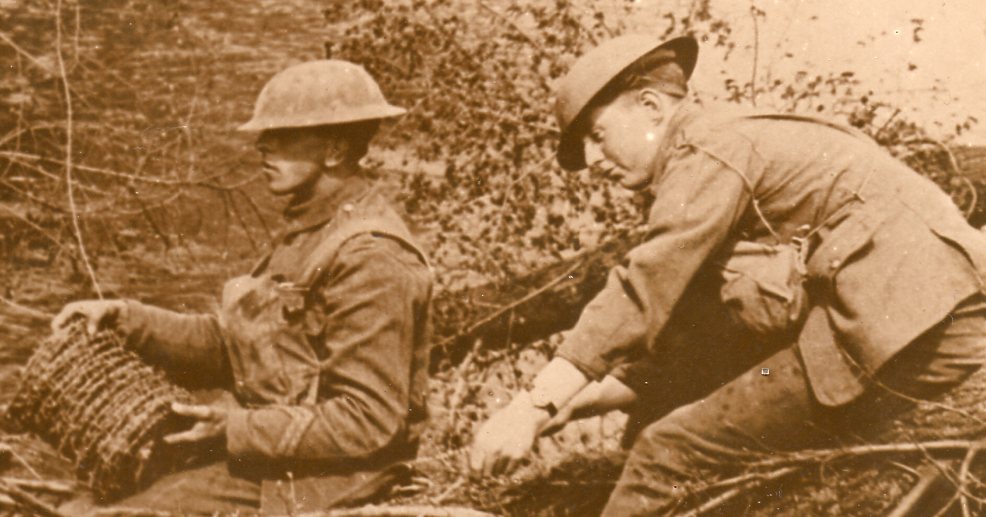
    Most of the stuff that was blown up in WWI was an end  result of explosive shells being fired from canons–only a miniscule amount of the percentage of all bombing done during WWI  was from airplanes, and another very slight percentage from tanks.  On the other hand sappers played a much larger role in WWI than in just about any other war, placing explosives by hand and then detonating them.  (I wrote earlier in this blog about the extensive underground trench fighting that went on with sappers tunneling under No Man’s Land and placing explosives underneath an enemy’s trenches.  And I guess you could tunnel under the tunnel, and so on. This sort of warfare is extremely old, though the name is not, being about 150 years old. These soldiers were forward combat engineers, and had training across a number of different areas—they were responsible for many technical chores, like building (and blowing up) bridges, laying/clearing minefields, general demolition, defense construction, and, of course, fighting.  It could be a tremendously difficult job, unimaginable.) 

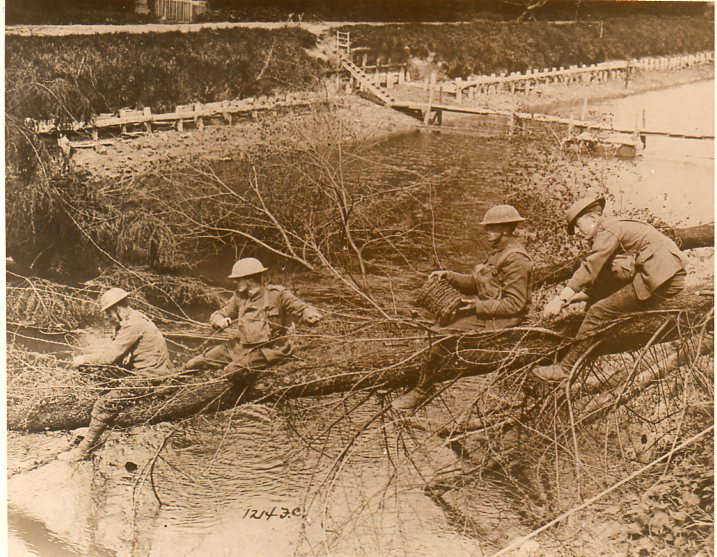
    This photograph reminds me in some odd way of Arthur Rothstein’s iconic photograph of Marines raising the flag on Mount Suribachi, Iwo Jima, but only a little. (This photo is available for purchase from our blog bookstore, here.)

    WWI photos--blowing up trees364

    The caption of this news photo service image identified these soldiers for blowing up trees to obstruct the canal in the background.  If you land enough trees in a canal like this you are definitely going to cause corruption and heart attacks for anyone trying to move men or ordnance down the canal. 

    WWI photos--blowing up trees365
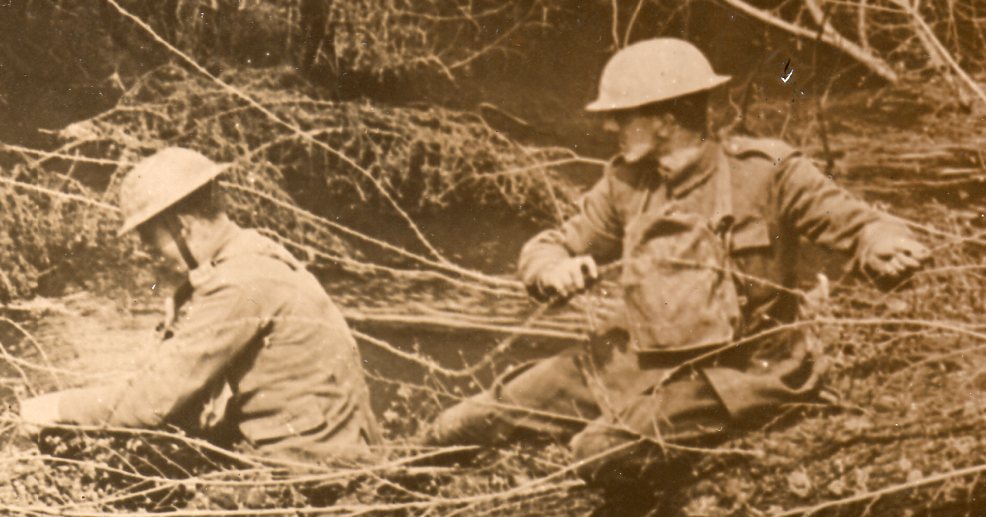
    And this detail:

    WWI photos--blowing up trees366

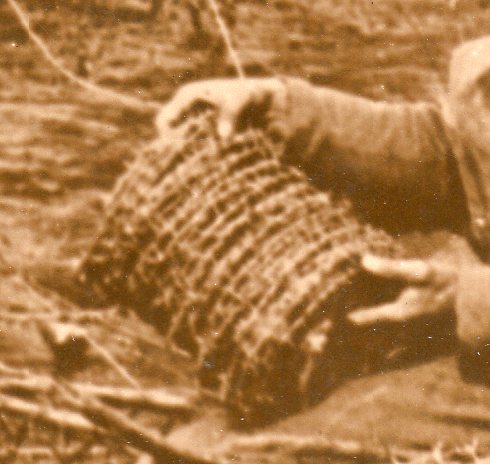
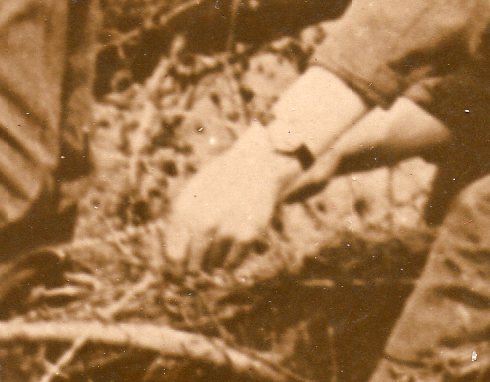
    I thought for a bit that these men might actually be threading barbed wire through the trees to make the job of removing that even more heinous.  But there’s no way that you could lay hundreds of yards of barbed wire without gloves and without slicing your hands up–maybe you could do it carefully for  a little bit, but not for long. 

    WWI photos--blowing up trees368

    But I’ve got to say that this really doesn’t look like demolition materiel….

    WWI photos--blowing up trees369

    ·Posted by :

    ·in:

    — —

  • Map of Newsboy Work Violators, 1915–Child Labor & Child Scavengers

    JF Ptak Science Books   Post 1330 [Part of a developing series in the History of Normalcy]

    “There is work that profits children, and there is work that brings profit only to employers. The object of employing children is not to train them, but to get high profits from their work.” — Lewis Hine, 1908


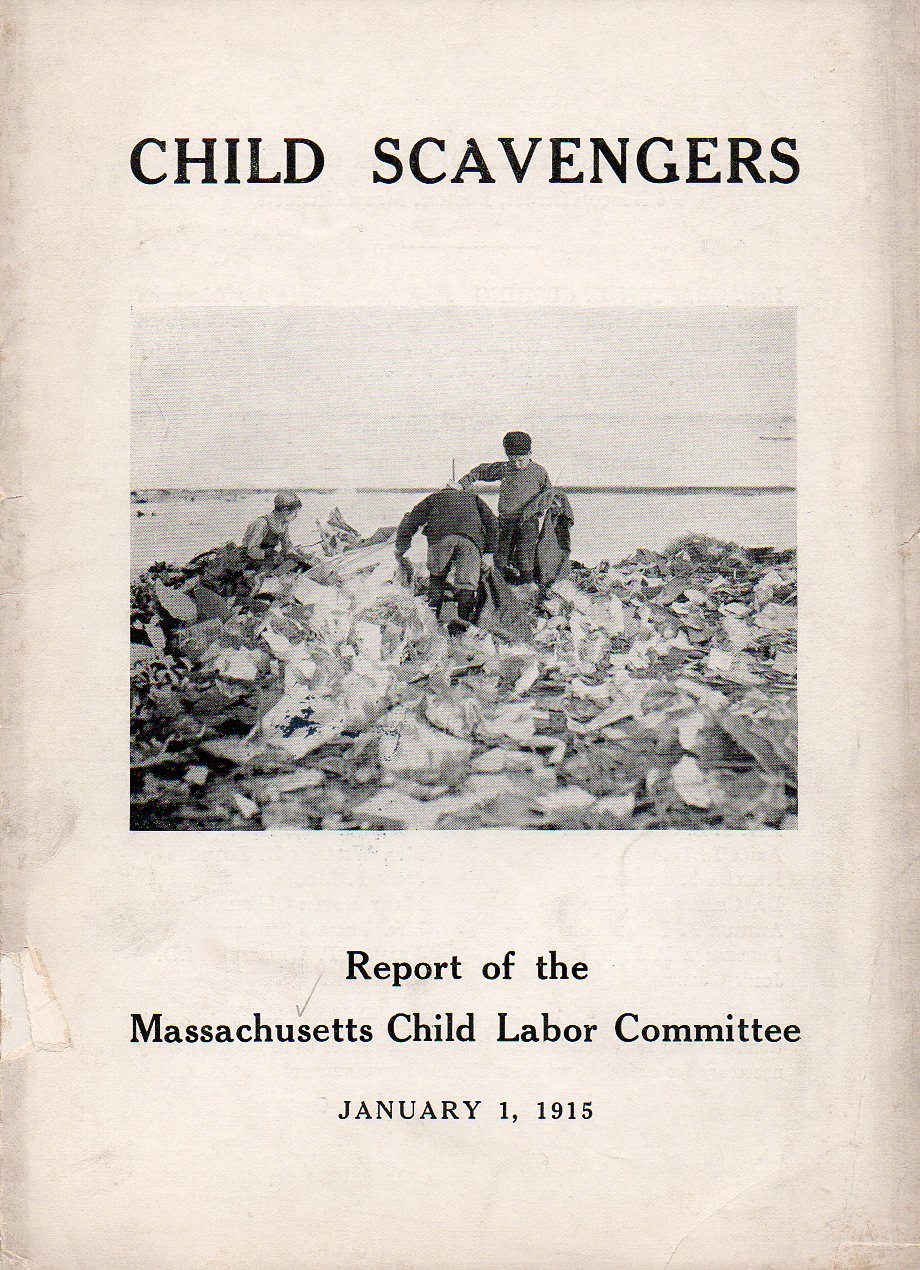
    As rudimentary as the title of this pamphlet seems, it isn’t really quite so, not really completely in the column of not having child laborers and exploiting children.  There is a degree of exploitation allowable–yes it was a different time–and the map that I’ve plucked from this work shows the extent of rough-edging of the law that was tolerated.  The authors weren’t so much concerned that there were 2500 newsboys in Boston-proper hawking newspapers morning/noon/night, but rather that they found over a third of them weren’t wearing their Newsboy Selling Badge when confronted.  And it wasn’t that they were under-aged–just that they were badgeless. 

    Child scavengers362

    On the other hand, the Massachusetts Child Labor Law Committee cited unidentified “critics” (and I don’t doubt that there were many) saying that “children don’t work enough nowadays, and that child labor laws have left nothing for children to do, especially in the cty where there are no chores”. (This work is available for purchase from our blog bookstore.)

    And they did do a study of child scavengers, reporting that in “one dump in a Massachusetts city fifty-five children from five to fourteen years old were moving slowly over an acre of rubbish…” The authors report (unfortunately without reference) that in one Boston school distict of 2,128 children that 125 of them “do this work”, and that 500 children in Boston “are so engaged”.  This didn’t include the children who “gathered refuse” from martketsm freight yards, and ash barrells”  or who were sent out collected odd bits of dropped wood and coal. 

    Child scavengers map363

    But the fact of the matter is that these folks were just knocking at the big door of child labor reform, a big piece of which would come into being in the next year (1916) with the Keating-Owens Act, which began the strict reulation of child labor, defining what the terms “labor” and “child” were. (The act restricted minig occupations to children 16 and over, and for 14 years of age for the manufacturing industries; no night work was any longer permitted, and the work day was limited to eight hours.  This was the reform, so one can imagine what the labor was like before this legislation.) In 1890 there were something like 1.5 million children in the workforce, a figure which was raised to 2 million by 1910, and which was nearly halved (because of awareness and federal oversight) by 1920.

    Lewis Hine (1874-1940)–who gives us the quote to lead this short post–was a school teacher and sociologist  who was extremely aware of the plight of the children around him–well, children, and immigrants, and laborers; people without voices, or representation, poor working people.  He was a pioneering photographer whose images of these classes of people were revoltuionary, a tremendously important documentarian of a societal symptom that was pretty much misdiagnosed, or at least was chosen as something to not be seen.  That was hard to do when you had actual photographs of the grim situaiton. 

    Trodd-lewis-hine-01

    This could’ve been my grandmother. At about this same time. 

    File:AddieCard05282vLewisHine.jpg

    Hine also made some of the most  iconic labor images in American history, a vastly underappreciated heroic figure duirng his lifetime.


  • Alphabet of Retro-Vision Women –1940’s/1950’s

    JF Ptak Science Books   Post 1329

    In a continuing series of odd alphabets (Occupational Alphabet, Action Alphabet and a Touch of Evil, Alphabet of Giants)  that I’ve posted to this blog I offer this, a collection of covers of paperback novels, pulps, mystery magazines, true loves, romance, and of course astonishing science fiction.  That these are considered “Golden Age” is interesting–I understand the overall feel of what “Golden Age” is supposed to mean, though the messages in the images (even exclusive of their texts) are definitely not-so-golden from where we sit in 2011.

    I think that looking at this sort of material is important when considering the fleeting history of normalcy, and that these images help to define what was popularly considered to be the edge of “normal” for that time. 

    A is for Ambidextrous

    Grrlz--mopsy


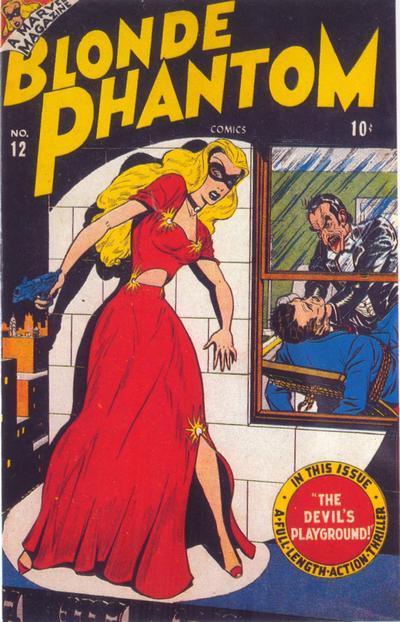
    B is for Blonde

    Grrls--blonde phanom

    C is for Complete Love

    Grrlz--true love

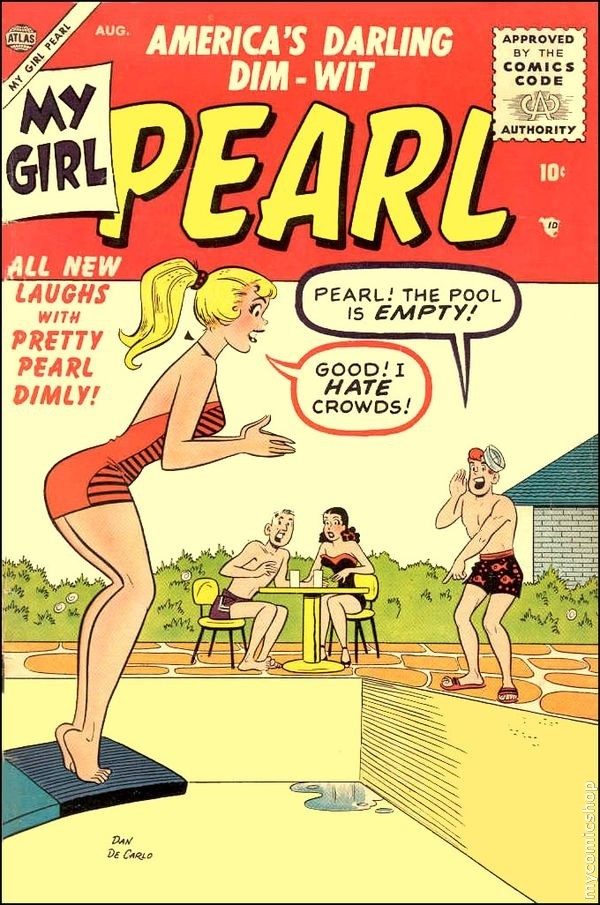
    D is for Dumb

    Grrl--PearlE is for Effortlessness

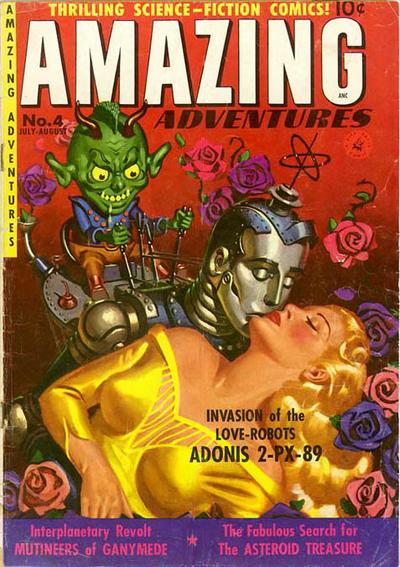
    Grrlz--date with judyF is for Future (Love)

    Grrls--love robot

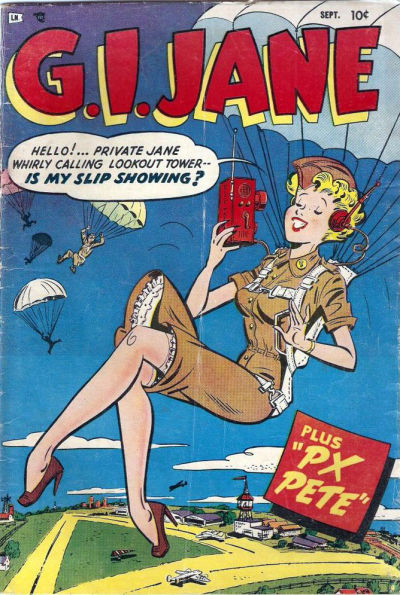
    G is for GI Jane

    Grrls--gi janeH is for Hope

    Grrlz--ghost love

    I is for Insist

    Grrlz--power-girl_super

    J is for Junk

    The Golden Age of Science Fiction: A Pulp Primer, Pt. 2

    K is for (amazon) Knights


    The Golden Age of Science Fiction: A Pulp Primer, Pt. 2

    L is for Lonely

    Grrlz--girl love beach alone

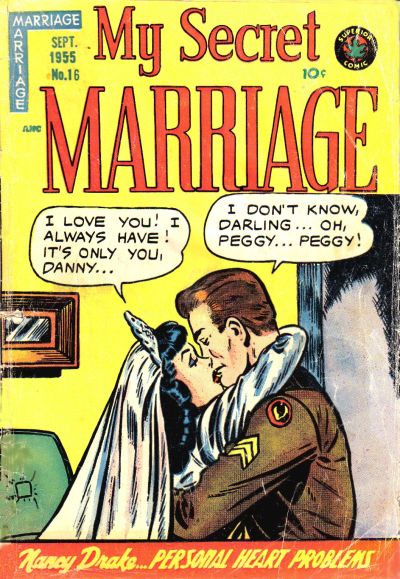
    M is for My, Mine, Maybe

    Grrlz--secret mariage

    N is for Night

    http://www.advertisingarchives.captureweb.co.uk/images/trueimages/30/52/96/72/30529672-1.jpg

    O is for Out

    Rêve d'Opium by UnklNik

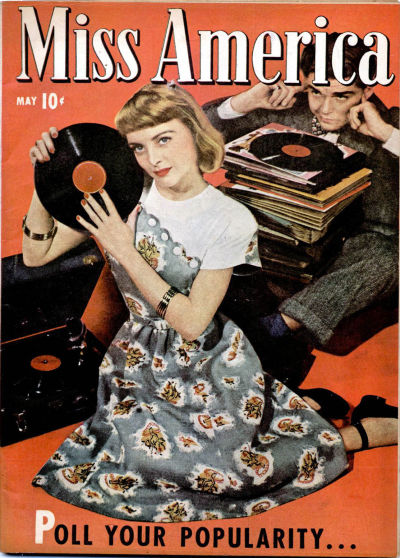
    P is for PopularGrrlz--p for popularity
    Q is for Queer (“Society’s Greatest Curse”)  In 1959–the year this book was published–the gay issue outranked nuclear holocaust, civil rights, the Cold War, and everything else according to the cover copy.

    http://upload.wikimedia.org/wikipedia/commons/a/a6/Thirdsex_bookcover_1959.jpg

    (Couldn’t not include this one, possibly the first of its genre when published in 1950, and which over time has sold – 4 million copies.)

    womens_barracks

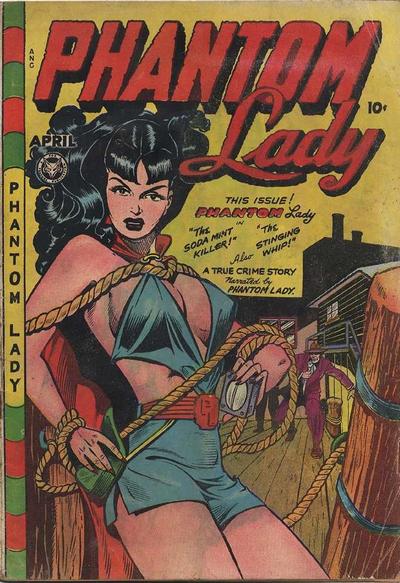
    R is for Rope

    Grrl--phantom lady
       

    S is for Soalr is for Sun

    Grrls--sun girl
    T is for Temptation

    Grrlz--reform skool

    U is for Under (the Whip)   [See STRANGE SISTERS for more.]

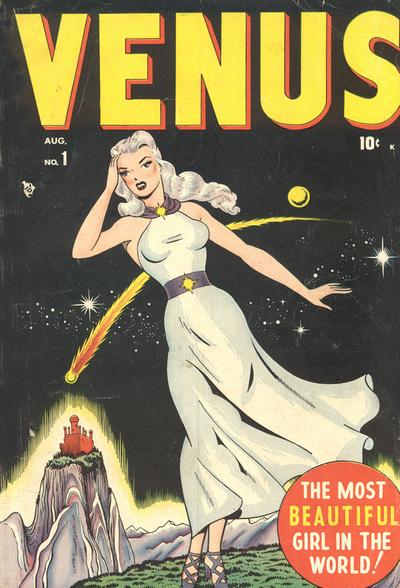
    V is for Venus

    Grrlz--venus

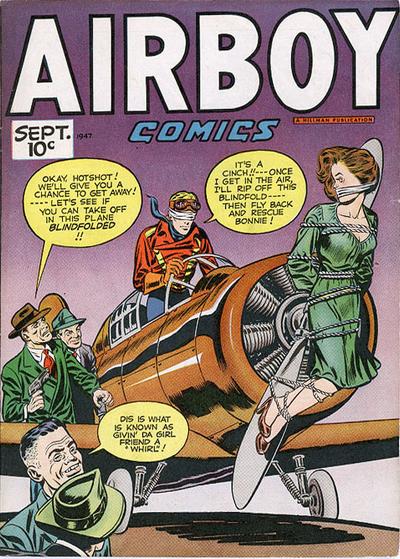
    W is for Whirling

    Grrl--tied to propeller

    X is for X-Ray


     Z is for Zzzzzs