A Daily History of Holes, Dots, Lines, Science, History, Math, Physics, Art, the Unintentional Absurd, Architecture, Maps, Data Visualization, Blank and Missing Things, and so on. |1.6 million words, 7500 images, 4.9 million hits| Press & appearances in The Times, Le Figaro, Mensa, The Economist, The Guardian, Discovery News, Slate, Le Monde, Sci American Blogs, Le Pont, and many other places… 5000+ total posts since 2008.

Author: JF Ptak

  • Mystery of the Sun’s Missing Smile

    JF Ptak Science Books   Post Expanding a Lost Earlier Post (#67)

    Blogsunfacesdetailtwo

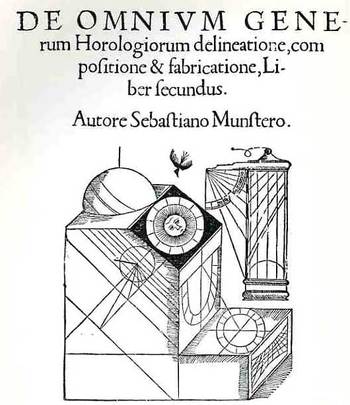
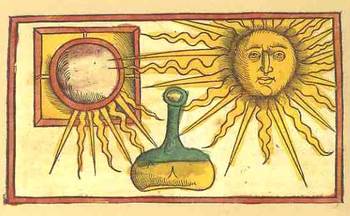
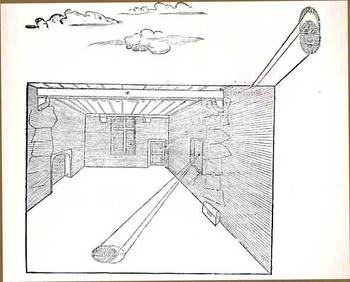
    Where did the smile of the Sun go?  Anthropomorphic images of the Sun
    have appeared in books in the West for several hundred years, and in
    almost every case where the Sun has a face, it is usually
    expressionless, its mouth drawn into a mid-Western farmer/Abe Lincoln
    horizontal, a tightly drawn nothing.  Two thin lips, firmly repulsing
    all emotion.  The face of the Sun was insurmountable, a tabula rasa, showing perhaps that there was nothing there at all inhabiting this
    iconographic image of The Creator to give the poor observer a glimpse
    into the depths of the future.
     

    Blogsunfacescolor


    Blogsunfaces2048

    This observation  seems to stand for Sun Gods and Goddesses as well, even the ones who are being tugged or pulled or charioted across the vaults of the heavens—the Nordic Sól, Greek  Helios , Roman Sol Invictus, Vedic Surya and of course Elijah ascending to Heaven in a Chariot of Fire, all seem pretty intractable.  But in general images that we see of Sun deities like Apollo, Greece and Rome; Freyr, Norse; Garuda, Hindu; Huitzilopochtli (Uitzilopochtli), Aztec; Inti, Inca; Liza,West African; Lugh, Celtic and Re (Ra) and Isis, and on and on, show a small, set pair of lips, if they have a mouth at all, and this going back beyond the Sumerians (Shamash). 

    When the Sun really loses its human personae in the 17th century (the scientific sun and stars beginning much earlier, as in for example Allessandro Piccolomini’s Della Sfera del Mondo, 1552, with simple star maps unadorned by icons and written in the vernacular), it is replaced with starry images which seem to somehow have more emotional authority than the sun images with faces.  Perhaps the sun was meant to have this Delphic, blank-mirroring quality, given its importance as a giver (and taker) of things,

    Blogsunfacedetailone

    and that it was not within human capacity to understand it as an emotive entity, especially during bad times.  But in those times of Good and Bad it wasn’t necessary to see a frown or a smile on an image of the Sun, I guess because of the complaints of redundancy.
    Blogsunfaces047

    No matter, though, as the modern astronomical text took care of the Sun and its missing buckets of smiles in due course—until more modern times, when the Sun is made to have a matching disposition, a result of kinder modern artists. 
    Blogsunfacedetailthree
     

    Now the Moon, well, that’s another matter…
    ·Posted by :

    ·in:


  • Word Art: the Geographical Vocabulary of Edwin Abbott’s “Flatland”

    JF Ptak Science Books   Quick Post  

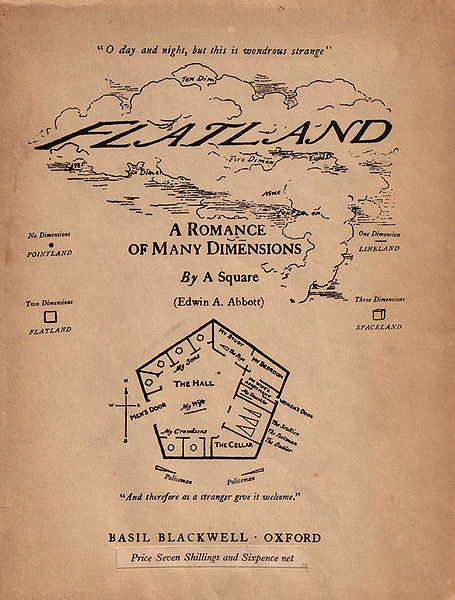
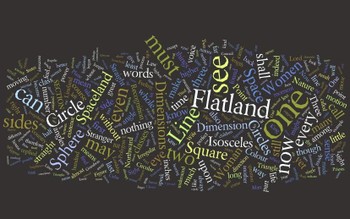
     Edwin Abbott’s slender Flatland, a Romance of Many Dimensions is perhaps one of the best books ever
    written on perception and dimensions, a beautifully insightful book that
    was quick and sharp, and in spite of all that was also a best-seller. 
    Written in 1884 when Abbott was 46 (Abbott would live another 46 years
    and enjoy the book’s popular reception), it introduces the reader to a
    two dimensional world with a social structure in which the more sides of
    your object equals power and esteem.  Thus the lowest class would be a
    triangle (three sides) while the highest (priestly) class would be
    mega-polygons whose shape would approach a circle.  Abbott’s magistry
    comes in explaining to the three-dimensional reader what it was like to
    be in a two-dimensional world.

    Wordleflatland

    Flatland

    ·Posted by :

    ·in:

    — —

  • Suggestions of Magnificence: Bloated and Bumpy SteamPunk Aviation, 1830’s.

    JF Ptak Science Books      Post 2004

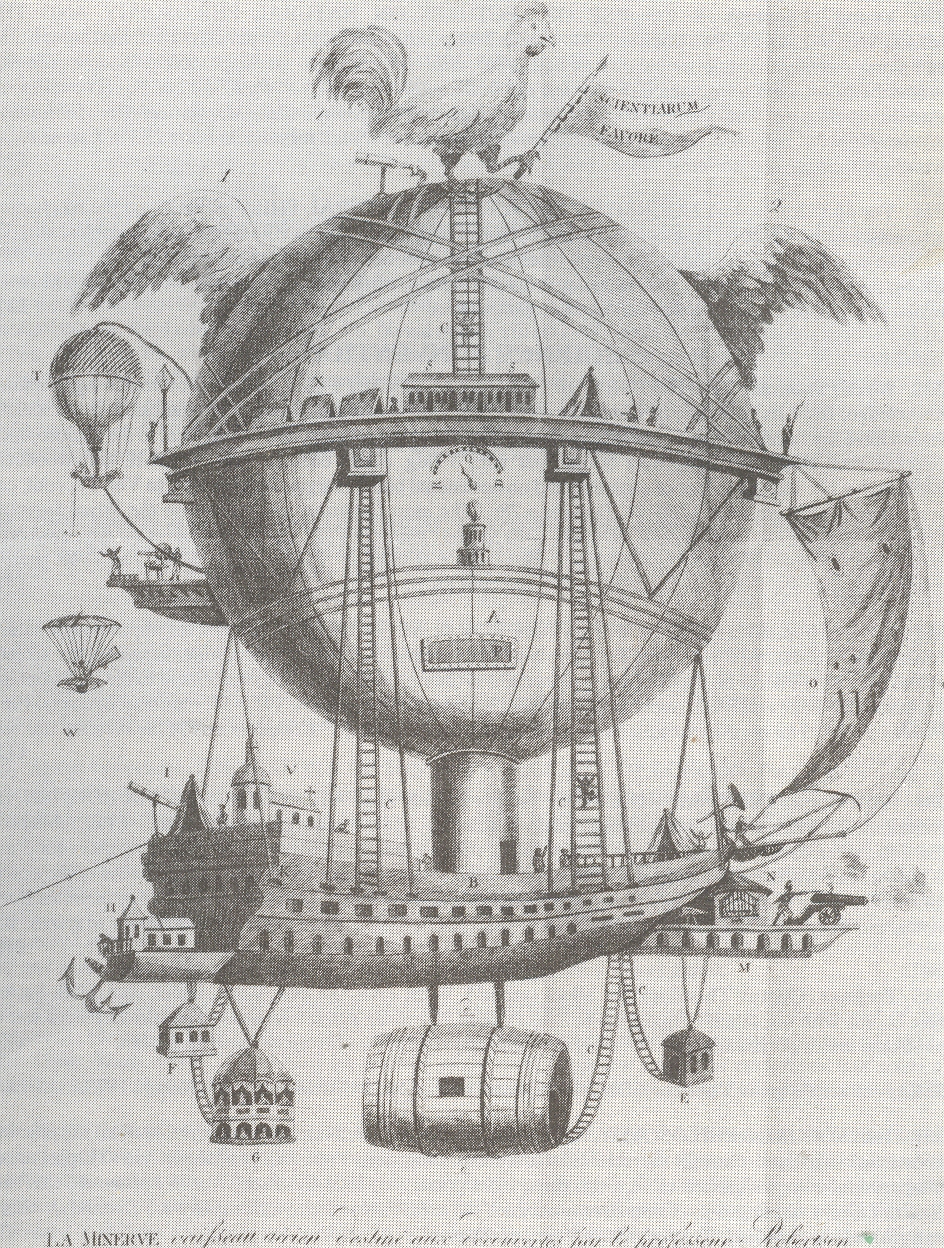
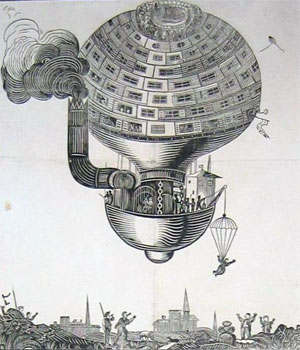
    Question: What is 150’ in diameter, weights 80 tons, carries 60 scientists,
    a cannon, a big rooster, an escape pod for women, and makes transcontinental
    flights? 

    Answer:  nothing.  

    And so: what is ten times bigger, and carries ten times more people? Bigger but still the same nothing–though a more-magnificent nothingness. 

    Blog--May 20--minerveA The first example  did however live in print as the great balloon La Minerve, the  prankish gesture of the Belgian optico-magician,
    physics experimenter/exhibitionist  and
    general experimenter  (and probable
    crumbun)  “Dr. Roberston”, who was
    actually Étienne-Gaspard Robert (1763-1837). 
    Robert did have vast experience with balloons—he was Commandant des
    Aerostiers during the war, serving under General Jourdain in Belgium and Holland
    in 1803/4, providing valuable observations on the enemy troops and movements
    from tethered (and not) balloon observing stations;  he is also regarded by some as the inventor of
    the parachute.  He had a wide interested
    in optics and toys, making a very profitable tour with Brewster mirrors,
    demonstrating all manner of specters and floating bodies and such for a paying
    audience.

    Blog--May 20--minerveB

     He came up with this sci-fi-ish idea
    in the early 19th century, and published his dream broadsided swipe
    at other aeronauts in 1820 under the title of La Minerve, vaisseau aérien, destiné aux découvertes et
    proposé à toutes les Académies de l’Europe par le physicien Robertson. 
    There was nothing about this balloon that
    would’ve worked, and Robertson knew it, intending his pamphlet to be more of
    caricature of existing attempts in flight than as a science fiction
    creation.  (The pamphlet reads a little
    mean-spirited to me regarding the Minerve; other sections, which dealt with
    single-occupant air-transport devices of imaginative construction, seem less
    so.)

    In any event, Roberston provided large creature comforts for his travelers,
    not the least of which was a ship (which seems to be 175 feet long) holding 60
    scientists and providing enough space for long-distance sleeping arrangements,
    laboratories, observation decks, a kitchen, food supplies, water and the
    like.  There is a (large!) cannon in the
    bow of the Minerve, which is also topped by an enormous cock (I figure it to be
    50 feet from tail to beak), a gigantic and heavy symbol for vigilance (at what
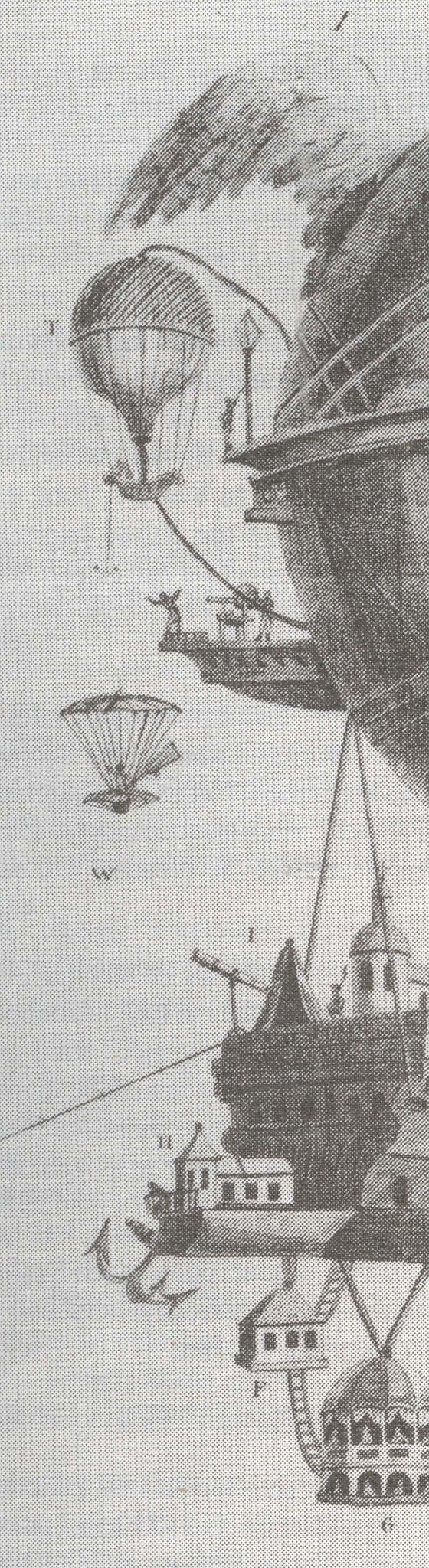
    price?) .  There are several small out buildings,
    as well as a smaller balloon that housed the women who accompanied the all-male
    crew on these long distance jaunts.

    There is an enormous anchor where the power source for forward motion should
    be.  Alas!  Roberston has provided no means of thrust,
    trusting the winds to take the massive balloon to-and-fro.

    (“Minerva” is the Roman goddess of poetry, medicine, wisdom, commerce and crafts,
    as well as the goddess of warriors.  She also
    invented music.)  

    And the next example of the magnificent nothing, the Great Monster, appeared in 1837.  It was supposed to support 80 houses, steam powered with a large coalhouse and raintanks; it supported gardens and other ammenities, and was to support upwards of 1,000 people–it would be crowded, though, even though the thing was supposed to be 14,000 feet in diameter and 682′ high.  It was huge, tall, and travelled at 100 mph

    Even though the Minerve was a smaller undertaking, its 19th-century Baroque crenulations and insistence upon levels of dangling laddered bits make it a peculiar favorite in spite of the 2.5-mile diameter of the monsterosu Great Monster.Ballon-monstre-1837-f2


  • WIlliam Shockley on the Economics of Atomic Bombing, 1945

    JF Ptak Science Books  Quick Post

    • Background Documents on the Control and Proliferation Issues of the Atomic Bomb
    • Vannevar Bush Group, October 1945-January 1946
    • William Shockley.  The Economics of Atomic Bombing.
    • The original paper is available fo rpurchase at our blog bookstore, here.

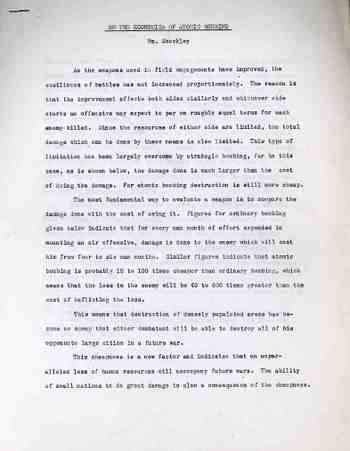
    Blogaug_6shockley_1361 (Click image to enlarge; the other four pages are located in the “Continue Reading” section, below.)
    William Shockley on the Economics of the “Atomic Bomb Art”

    This paper is one a small archive of background and draft papers and proposals by the Vannevar Bush group working on the question of the control of atomic weapons and the formalization of the American position regarding the use and control of atomic weapons, October 1945-February 1946. This archive consists of 38 documents relating to the development of U.S. atomic policy, with  contributions by President Harry Truman, Secretary of State James Byrnes, Dr. Vannevar Bush, (future AEC director) Carroll Wilson, Alger Hiss, I.I. Rabi, William Shockley, Frederick Dunn, Joseph E. Johnson, Leo Pasvolsky, Philip Morrison, Col. Nichols, William McRae, Admiral W.H.P. Blandy, George L. Harrison, and others.

    I have written elsewhere on this site about Vannevar Bush and the coming atomic/nuclear arms problem–as perhaps one of the pre-eminent scientific minds in the Roosevelt/Truman administrations, Bush and others foresaw the development of the atomic arms race in 1943, and by 1945 Bush became a  fundamental thinker and advocate on the problem. The items in this archive are low-formal background papers, drafts of proposals, informal studies, as well as mature statements of thought that would become implemented in the core of U.S. policy regarding the spread and control of atomic weapons. They are generally carbon typescripts and necessarily of extremely limited distribution, generally have no letterheads, occasionally carry the authors’ full names (although sometimes only initials are used).

    A note on William Shockley
    . The brilliant Shockley’s story is difficult and problematic: from the way in which he misused his interaction with the rest of his team at Bell Labs in the discovery of the junction transistor to his sinful racial and eugenic (and dysgenic) public persona later in life–it is a hard and long one to tell, and I’ll not try to do it here.  Suffice to say that I’m very aware of the very long shadows, and I think that other people should at least be aware of them as well, regardless of the staggering importance of “his” (with the wonderful Walter Brattain and John Bardeen) monumental discovery.  

    The William Shockley paper was written towards the end of 1945 and is on five pages and runs about 1500 words.  He begins the paper with a logical statement of the issue of the economics of conventional and atomic bombing, ending with the sentence “For atomic bombing destruction is still more cheap”.  What Shockley is getting to is the overall cost of the amount of destruction caused per square mile, and the conclusion that he draws over these five pages is the destruction caused by the atomic bomb is 1/100th the cost of conventional bombing per square mile destroyed (“atomic bombing is probably 10 to 100 times cheaper than ordinary bombing”).   

    ·Posted by :

    ·in:


  • Some Important Dates in the History of French Mathematics

    JF Ptak Science Books       Reference Tool series

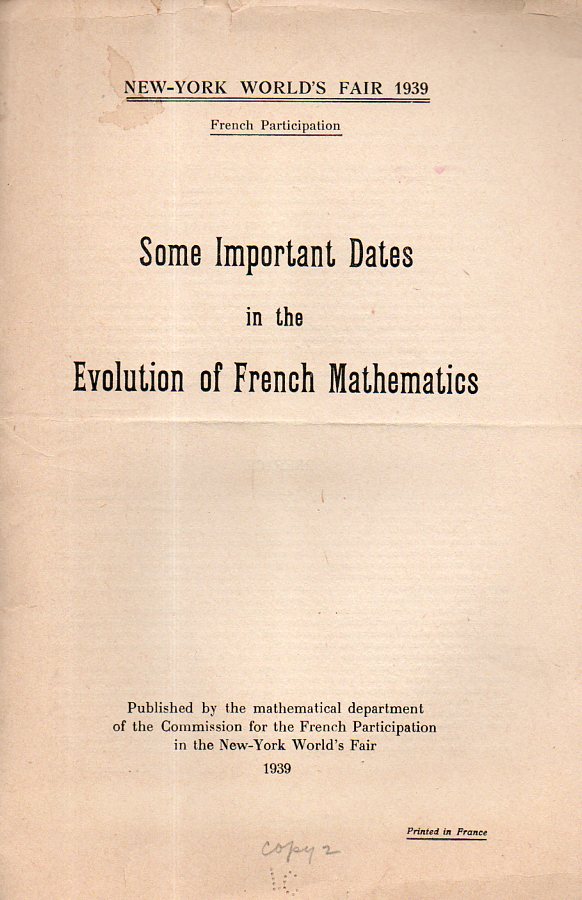
    This interesting, unusual, and scarce publication was printed for the New York World’s Fair, 1939, as part of the French pavilion.  It is only seven pages long, but its a useful seven pages, and very seldom seen. 

    Math french a202

    ·Posted by :

    ·in:

    —

  • Paper Microscope: a 10 Millimeter Photographic View of Great Complexity, 1917

    JF Ptak Science Books   Quick PostFollow Me on Pinterest

    Wwi stereo194

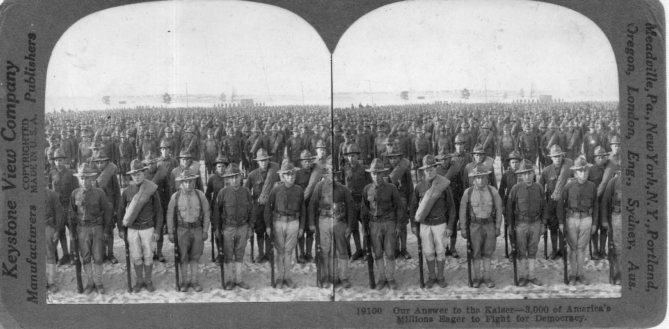
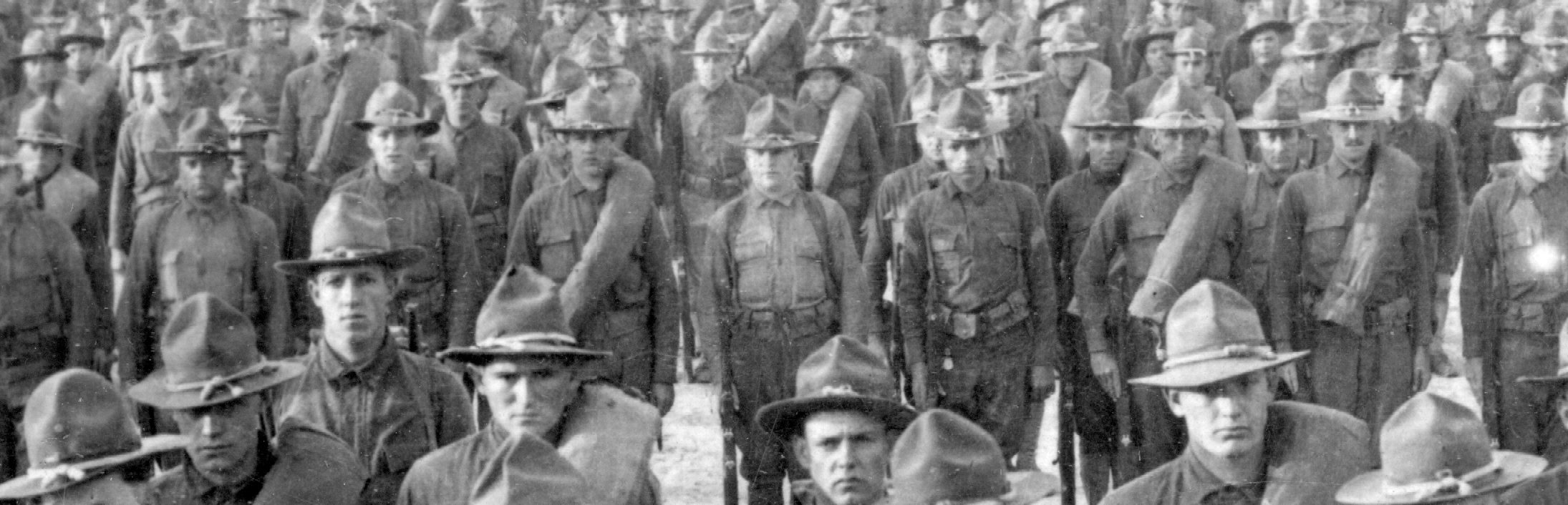
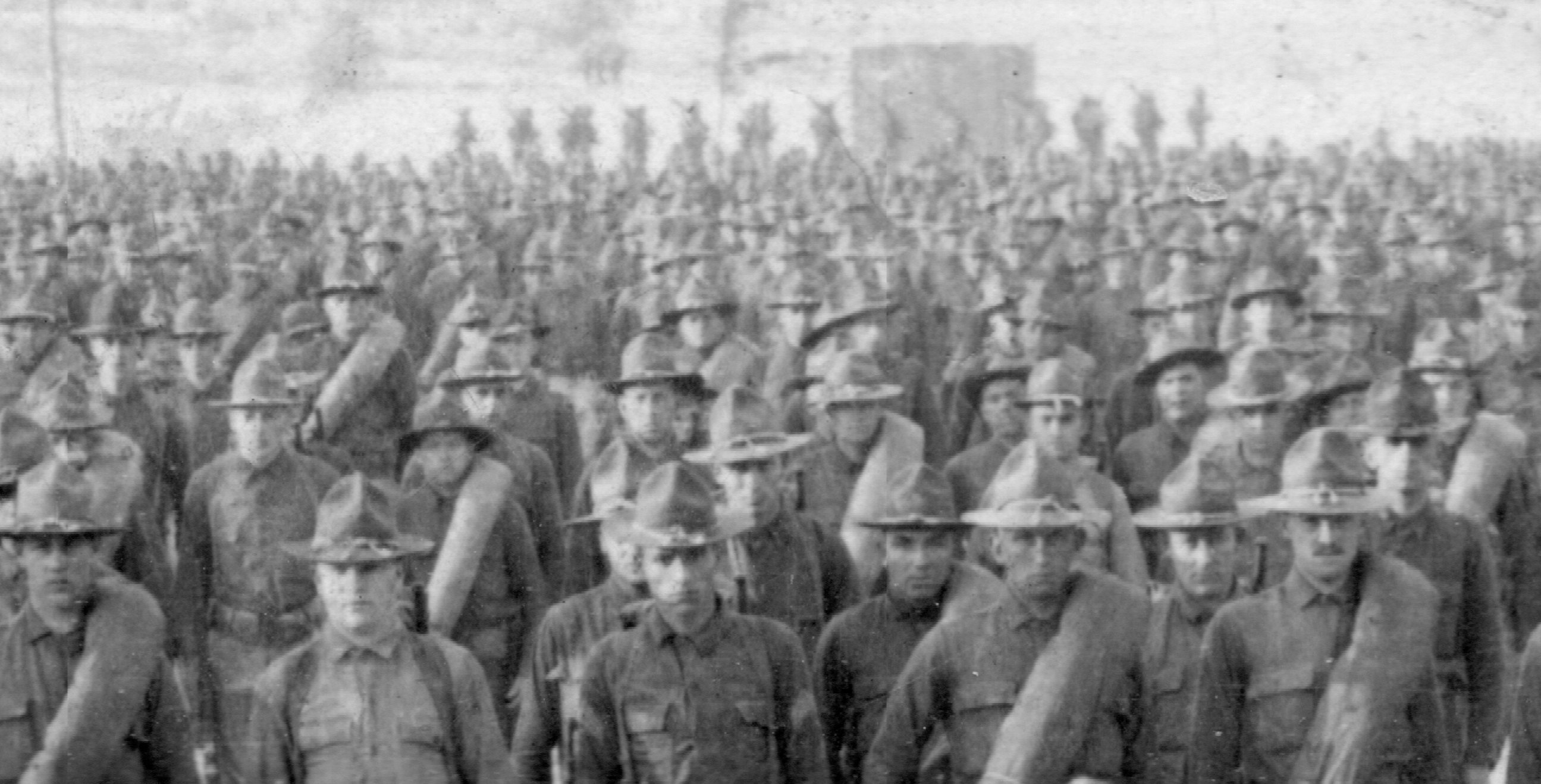
    In this stereographic photograph of a group of 3,000 U.S. soldiers (prepared to fight in Europe in WWI, ca. 1917/1918), there is a smaller contingent in two rows, in front, consierably removed from the rest of the formation.  This is difficult to see in the first image.  However, with a more concentrated view and deeper scan, this is a little more evident, below:

    Wwi stereo195
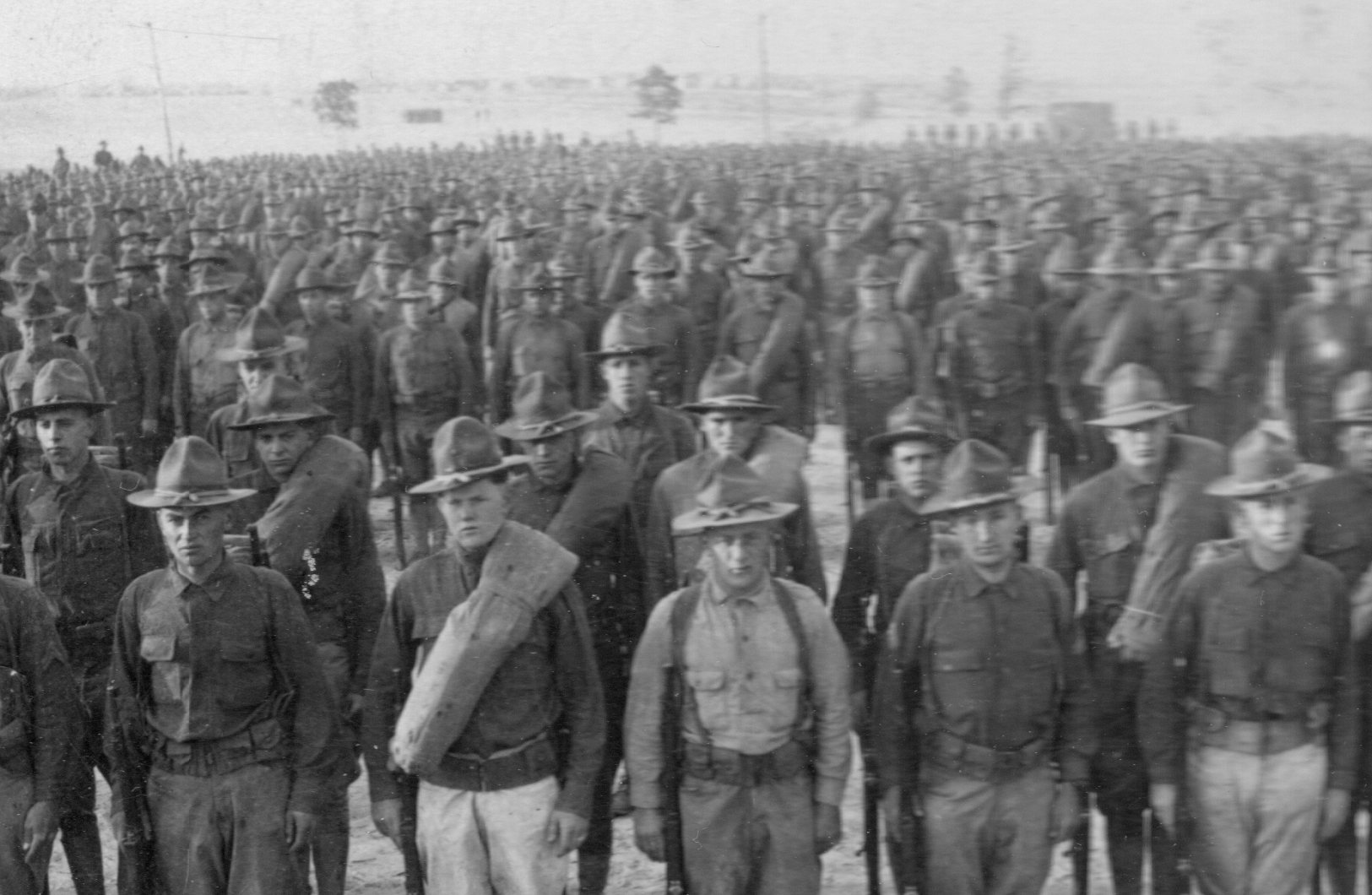
    This view still shows the first row of soldiers; that more-distant third row differentiation is much more defined here–the depth of the mass of the formation is starting to really come into focus.  The next image shows the heads of the men in the second row, but mostly concentrates on that third row, and beyond:

    Wwi stereo196
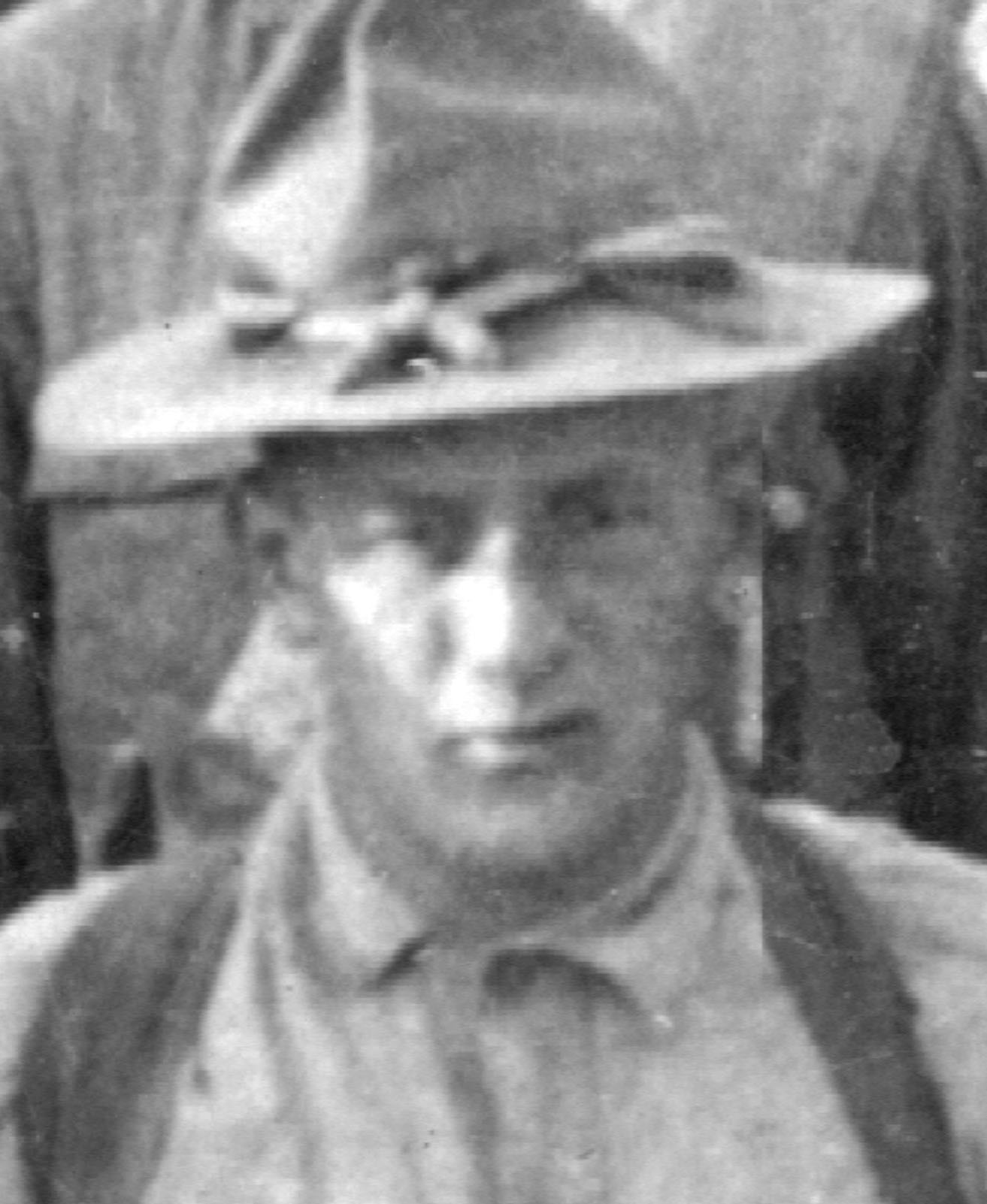
    The final view is just above the heads of the sldiers in the third rank, and more clearly shows the those men in the rear of the formation, including that final rank, which is a profile of men marching.  This enlargement represents a section in the original photograph that measures less than 10x6mm–60 square millimeters of great density, complexity, insight, and beauty. 

    Wwi stereo197

    And finally,

    Wwi stereo198

    ·Posted by :

    ·in:

    — —

  • Making Lines into Stars, Botany to Cosmology–an Episode in the History of Lines

    JF Ptak Science Books   Post 2003   Follow Me on Pinterest

    Horteus malabar
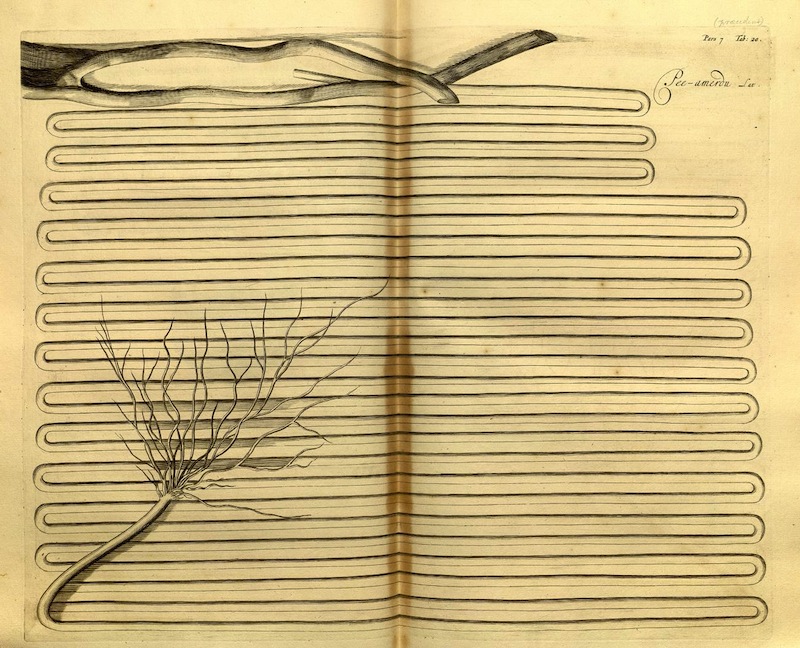
    I wanted to share this magnficient image, illustrating the Hortus Malabaricus (“Garden of Malabar:) and found at the great Public Domain Review site, here.

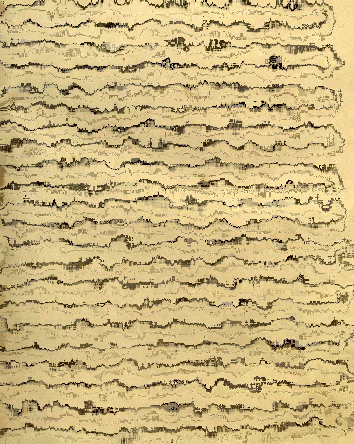
    There are many more images in this work, and the PDR links to many more still, but I’ve picked this one probably for all the wrong reasons, selecting it from the graphic aspect, the differentiation of space, the long line.  There is a category for The History of Lines on this blog, but it seems that there aren’t many contributions to it, mainly because just about every other thing could classify as such. But this image is certainly remarkable enough to make the category. 

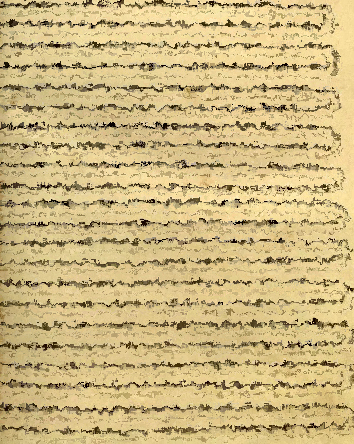
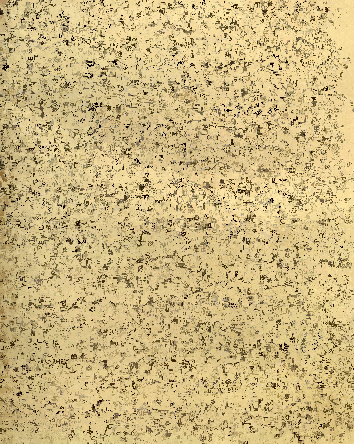
    Also, it is a quick four-step process in photoshop to render these lines and their botanical aspect/origin into a star cluster via  a progression in the spatter filter.  A twist here and a simple turn there could render them the opposite way, from sky above to mud below, going from the star cluster to geology, as in the form of agates, and particualrly the more “living/anthropomorphized” agates of the great/greatly-problematic Fr. Athanasius Kircher.

    Step 1 (original detail):

    Horteus malabar b

    Step two:

    Horteus malaba psray radius a
    Step three:

    Horteus malaba psray radius cStep four:

    Horteus malaba psray radius d

    And Fr. Kircher’s agates, which appear from simply heigtening the smoothing application of the splatter in step four, rendering the star cluster so:

    Horteus malaba psray radius agates
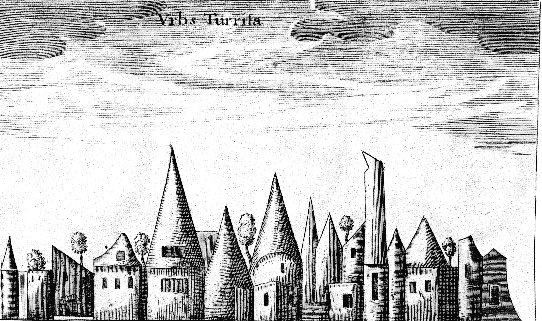
    When Kircher looked closely enough at his agates, he saw hidden objects: sometimes a Madonna, other times animals, and still others–and perhaps more famously–town skylines encased in the rock, as with this example from his Mundus Subterraneus (an undefined edition but ca. 1660):

    Kircher agate
    If you looked close enough at  the agate-ified Malabar engraving you’ll be able to find a town–and just about anything else.  


  • Showing Deep Depth in a Star Cluster Engraving, 1865

    JF Ptak Science Books   Post 2002 Follow Me on Pinterest

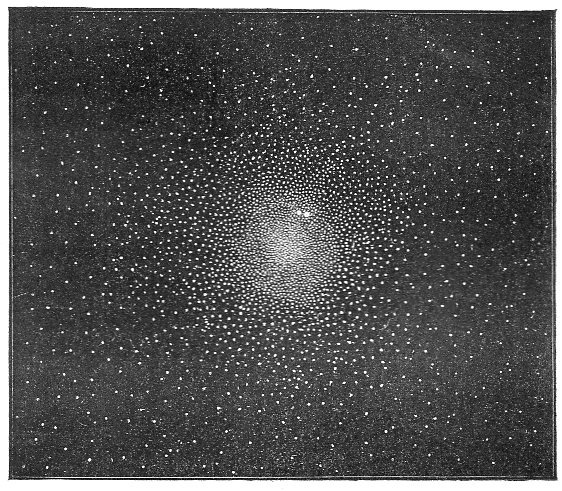
    Astronomy--47 Tuc189

    This beautiful engraving appeared in Amedee Guillemin’s  Le Ciel: notions d’astronomie a l’usage des
    gens du monde et de la jeunesse, 
    which was published
    by Librairie de L. Hachette and Company, and printed in 1865 (the
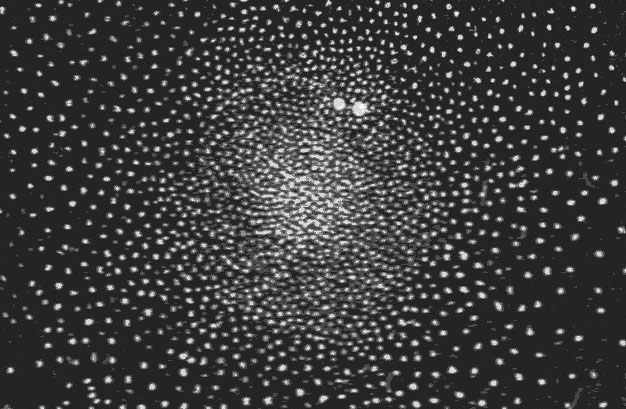
    images from which are available here).  There are many striking images in this book, and I’ve chosen this one because it has a certain deep depth to it, and relays a complexity and distinctness to something that is generally imaged as being less so, being a massive star cluster and all.  The “Amas du Toucan”, known now more familiarly as 47 Toucanae or 47 Tuc (NGC 104), is a bright element in the southern sky, a huge clsuter 120 light years wide and 16,700 light years from Earth, visible to the naked eye in the constellation Toucan (created by Petrus Plancius in 1598 or so).   And here it is, in a little 9×8 cm engraving with hundreds of white points as stars, made after an engraving of Sir William Herschel (1738-1822, a German-born Engloish astronomer who–with his sister Caroline and brother John–spent decades observing and recroding stars, double stars, clusters and nebulae).  

    Astronomy--47 tuc big detail

    47 Tuc was first catalogued as not-a-star by Abbe Nicolas Louis de Lacaille (1713-1762),  a French astronomer who found it too be too fuzzy to be a single star, and who produced a 10,000 (Southern) star catalog, Coelum Australe Stelliferum, which was published in 1762, and which also introduced 14 new constellations.  47 Tuc made another quck appearance in the great Catalogue des Nébuleuses et des Amas d’Étoiles (“Catalogue of Nebulae and Star Clusters”), a superb and meticulous work by Charles Messier, and published in 1771.

    The Guillemin work is simply a lovely and elegant thing–one of many accomplishments in a beautiful and relatively simple book. 


  • Baseball Sheet Music from the Library of Congress

    JF Ptak Science Books  Quick Post   Follow Me on Pinterest


    Base ball rag [sheet music]


    I’ve pulled up the first two dozen pieces of baseball sheet music from the American Memory Project at the Library of Congress. Please follow this link to full images and descriptions at the Library site, where there are more than a hundred others. 

    ·Posted by :

    ·in:


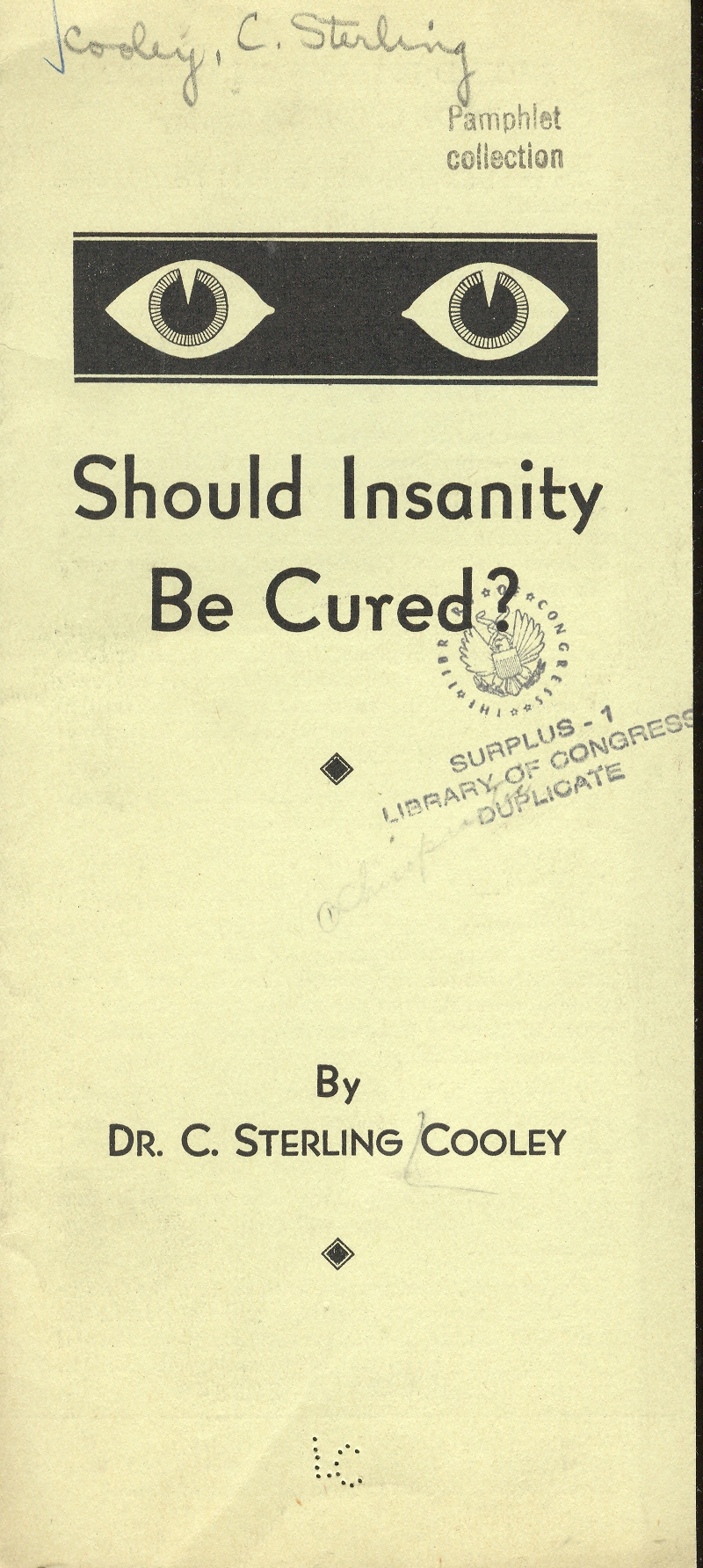
  • Should Insanity be Cured? (1938)

    JF Ptak Science Books    Post 2001

    Should insanity eyes

    ++00++ 9.15 insanity Dr. C. Sterling Cooly wrote an incredibly-titled pamphlet of
    slim means called Should Insanity be Cured? 
    How could anyone proceed further than this?  Dr. Cooley wasn’t a eugenic apologist, nor
    was he an accountant for a life insurance firm—he was advocating a drugless
    cure for all different sorts of “insanity”, which was a term he doesn’t really
    stop to identify and classify, which of course is deeply problematic. 

    Or it is so until you hear how one can treat the insane via
    his new drugless method: 
    chiropractic.  I didn’t see that
    one coming.  “An insane mind is a sick
    brain, a sick body is an insane body” writes Dr. Cooley with leading
    confidence, claiming that chiropractic can release “the power within…marvels of
    healing are performed not only in mental cases but in virtually ALL forms of
    disease”.  That’s a lot to live up to in
    theory, let alone in practice. 

    Dr. Cooley was evidently a deeply important founder father of modern chiropractic, with a 50-year career in the area (1908-1957), and who was also very prolific–this is one work that he probably shoud’ve edited out of the publishing phase. 

    I don’t know why the eyes are so very prominently featured–except I guess to enhance some understanding of the subject area,