A Daily History of Holes, Dots, Lines, Science, History, Math, Physics, Art, the Unintentional Absurd, Architecture, Maps, Data Visualization, Blank and Missing Things, and so on. |1.6 million words, 7500 images, 4.9 million hits| Press & appearances in The Times, Le Figaro, Mensa, The Economist, The Guardian, Discovery News, Slate, Le Monde, Sci American Blogs, Le Pont, and many other places… 5000+ total posts since 2008.

Category: Social History

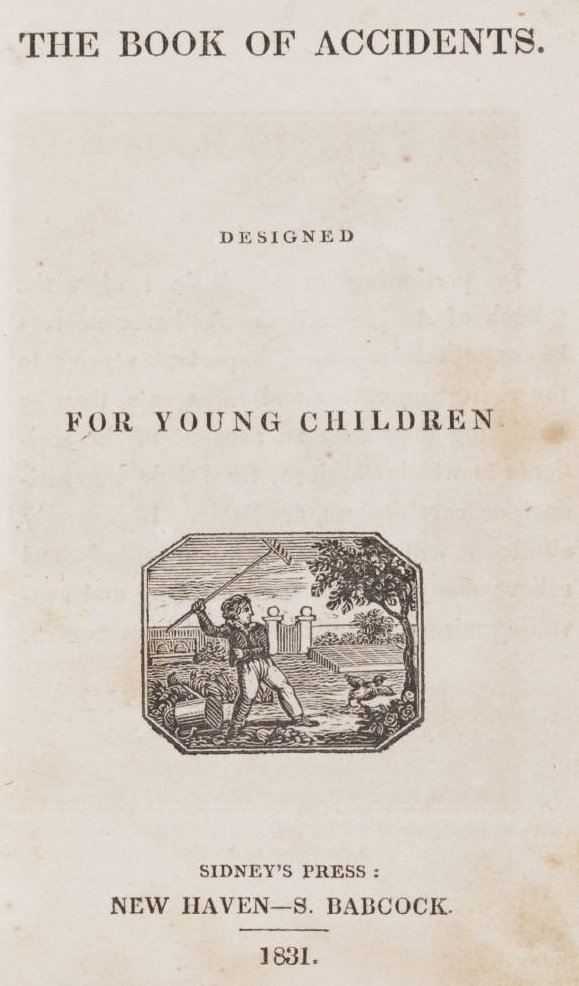
  • The Book of Accidents Designed for Young Children, 1831.

    JF Ptak Science Books   Quick Post

    Accidents
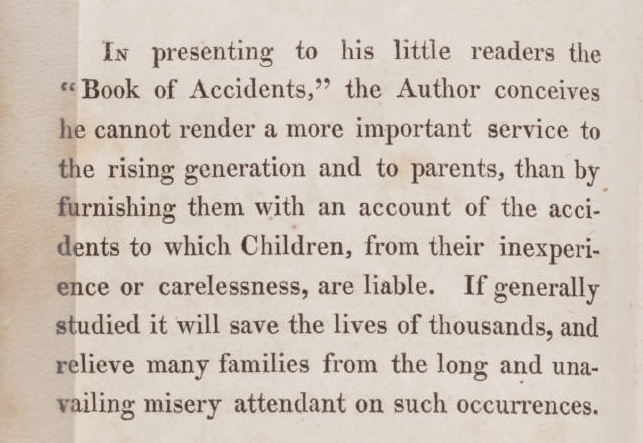
    The very Gorey-ish title of this book–seemingly designed to manufacture accidents for children–is actually a children’s advocate book. Its a small book, a chapbook, made for small hands, produced on the cheap and meant to be consumed by children and adults alike, warning people of the commonplace dangers that called on children in the 1830’s.  Scalding, being kicked by a horse, falling, being injured while playing with knives and candles and firearms, crossing the street, being tossed by a bull or wild horse, falling out of a coach, drowning, playing and throwing stones, tumbling down stairs and the like made a devastating impact on the lives of children–sometimes ending them, as the author points out.  By pointing out these dangers, and by having them read by (or to) children, the author believed that the lives of thousands of children could be saved.

    [Image sources:  Beinecke Rare Book and Manuscript Library, Yale University.]

    http://brbl-images.library.yale.edu/PATREQIMGX01/size3/D1169/1026953.jpg

    The mission statement:

    Accidents 2

    He was correct, of course; its a legendary problem trying to protect children from the obvious.

    http://brbl-images.library.yale.edu/PATREQIMGX01/size3/D1169/1026954.jpg


  • History of Lines–I AM a Man, 1968

    JF Ptak Science Books   Quick Post for the History of Lines series

    Lines--I am a man b

    “I am an invisible man. No, I am not a spook like those who haunted Edgar Allan Poe; nor am I one of your Hollywood-movie ectoplasms. I am a man of substance, of flesh and bone, fiber and liquids—and I might even be said to possess a mind. I am invisible, understand, simply because people refuse to see me.”
    —Ralph Ellison, Invisible Man (1952)

    There are many powerful images and messages from the American Civil Rights movement of the 1950’s and 1960’s.   To me, the sign held by the striking sanitation men in Memphis, Tennessee, during February/March/April 1968, is one of the most extraordinary.  The strike started in February after the limited response to requests for improved safety conditions for sanitation workers after two men were crushed to death by a truck failure several weeks earlier.   It grew quickly into something much larger. 

    http://www.royarden.com/blog/pictures/8b-Civil-Rights-I-am-a-man.jpg

    Martin Luther King had been in close contact with strike organizers, which had the help (by early March)  as well of James Bevel and Ralph Abernathy of the Southern Christian Leaderships Conference’s (SCLC).  King  returned to Memphis on 3 April, 1968, and gave what turned out to be his speech that evening.  It was purely magnificent; and if you watch it, after everything is said and done, you’ll see how exhausted the man was, as he almost collapses at its end.

    King ends the speech this way:

    “Like anybody, I would like to live a long life–longevity has its place. But I’m not concerned about that now… I’ve seen the Promised Land. I may not get there with you. But I want you to know tonight that we, as a people, will get to the Promised Land”

    Dr. King was shot and killed the next day, shot to death on the balcony of the Loraine Motel, as he was getting ready to go to dinner.

    The mayor of Memphis was not moved enough by this event to settle the strike, and stood firm.  The strike was finally ended after the intercession of President Johnson.

    I’m interested in the “I Am a Man” sign not only for the lines of resistance of the marchers who held these and other signs, but also for its sublime simplicity, and the insistence of the underlining of Am.  These are some of the strongest lines that have ever been made in this country. 


    ·Posted by :

    ·in:

    —

  • A Lesson in Civil Rights taken from a 1944 Piece of Cardboard–Philly Motormen, Jackie Robinson and War

    JF Ptak Science Books   Post 1569

    Negro motormen633
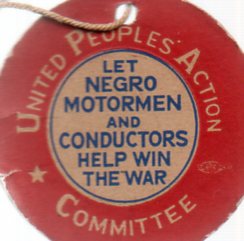
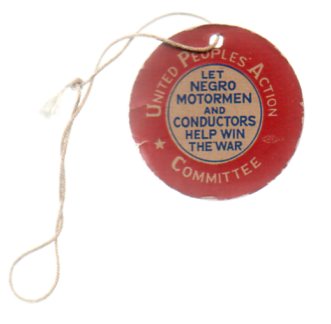
    This political “button” has been in my house –along with a a dozen or two others–for quite some time, small signifiers for large events.  This one, though, is more suggestive than assertive; a measured, tenuous  political statement that seems today as though there should have been no disagreement in its message. 

    The button was issued in 1944, at what might have been the very most crucial time for America in fighting World War II.  The message wasn’t to support the idea of sending Black Americans to fight in the war–it was rather a call to White America to acknowledge the need for employing Black Americans as motormen and conductors on Philadelphia street cars as replacements of the men who went off to fight the war. 

    There was very strong resistance to having Black people interact with White people on a public convenience.

    In the same year, in July 1944,  Jackie Robinson (then of UCLA)  was a newly-commissioned 2nd lieutenant in the United States Army, stationed in Fort Hood, Texas, with the legendary 761st “Black Panthers” Tank Battalion.  On 6 July he boarded a U.S. Army desegregated bus, where he was told by the driver to move to the back, into the Negro section; Robinson refused; the driver backed down, and continued on his way, though not without his revenge.  At the end of the run, he alerted Military Police, who would arrest Robinson on a variety of phoney charges.  It was recommended that Robinson be court-martialed. The commander of the 761st, a White colonel named Paul Bates, refused to do so–which led Robinson to be transferred to the 758th Battalion where there was no problem in undertaking the legal action.  By August, with charges reduced, Robinson went to court and his charges were dismissed.  But by that time, the damage was done, and he would not be sent overseas to fight.  He was sent to Camp Breckinridge in Kentucky where he served as an athletics coach for the few months he had in the Army, and he was honorably discharged in November, 1944.  It was while he was at Breckinridge that a former Negro Leagues player for the Kansas City Monarchs suggested that Robinson write to the ballclub for a tryout.  He did, they did, and the rest is history.

    Negro motormen632 In 1944 in Philadelphia–though it could have been in many other cities in the northern part of the United States, though  this would not have been attempted almost anywhere in the South outside of the Pullman car–the question was whether society would tolerate a Black person interacting with White customers on streetcars.

    It was almost at this same time, in November 1944, that General Eisenhower decided to send Black troops to fight with Whites in battle.  There was strong resistance to this behavior in the military, not the least of which came from Ike’s own chief of staff, Lt. Gen. Walter Bedell Smith.  It would take an Executive Order (#9981) from the next president, Harry Truman, to end the de facto segregation of the U.S. Army; it would take another war, and another three years (to the day)  for the U.S. Army to announce its plans to desegregate, on 26 July 1951.

    In spite of there being motormen and conductors working in other northern cities like Cleveland, Detroit and Indianapolis, wrapping the string for the United People’s Action Committee around a button on your shirt or jacket would have been a controversial step to take–a step that looks alarmingly small to us here in the future, but it was a societally big one back in 1944. 


  • Women with Guns–a “First” in Women/Pistols/Advertising?

    JF Ptak Science Books   Post 1548  [Abdullah Cigarettes Revisited]

      Women with pistols

     
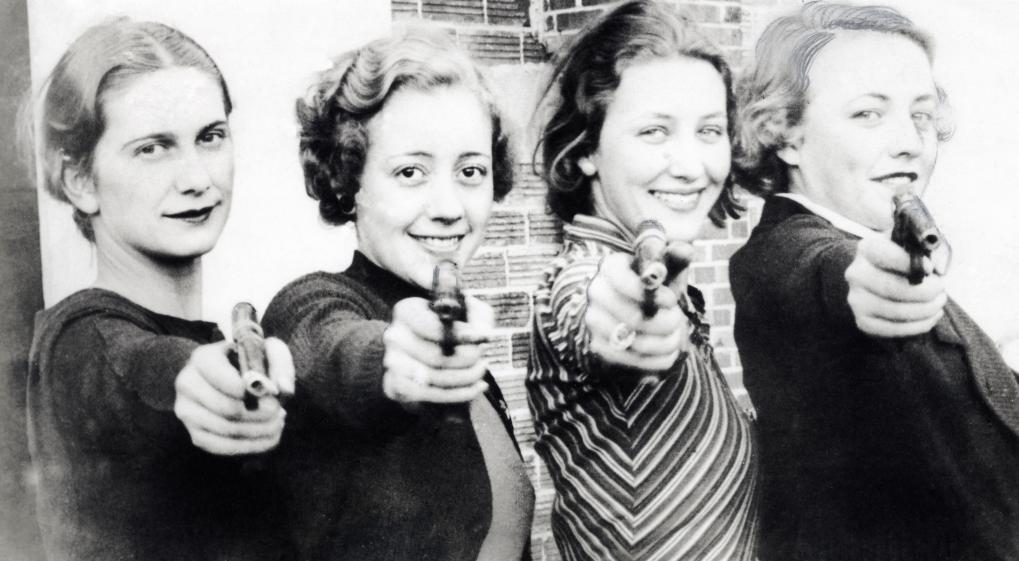
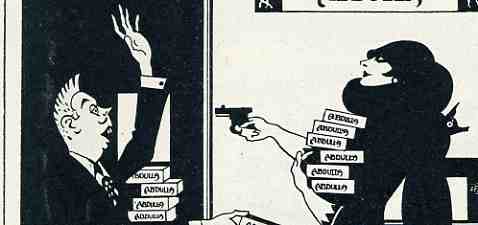
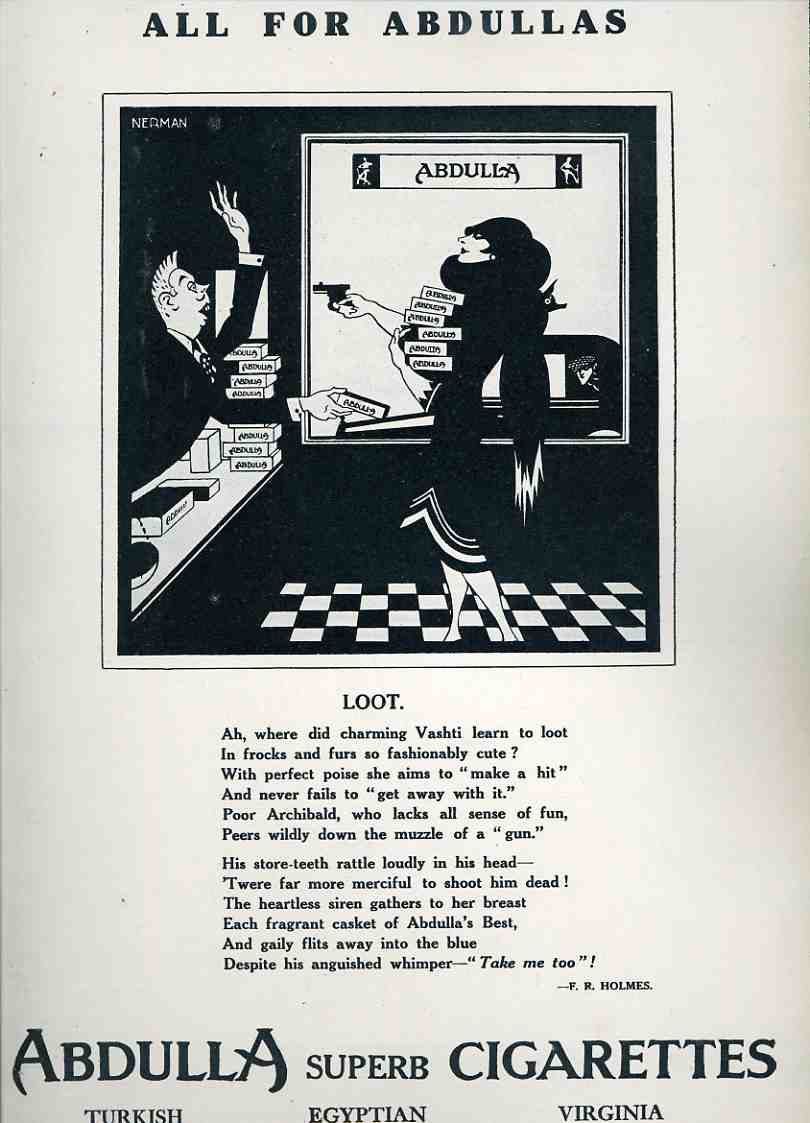
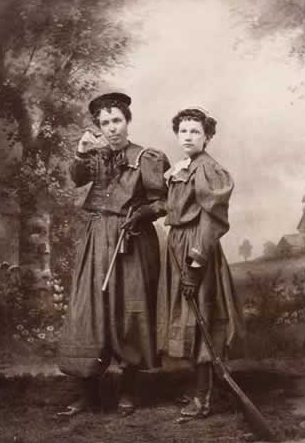
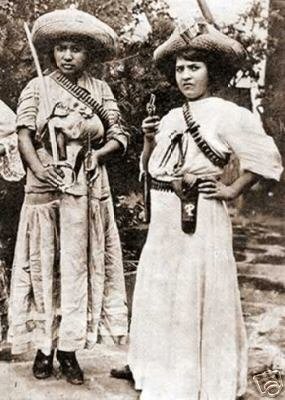
    Here’s a not-usual question:  when was the first image printed of a woman pointing a gun in the commission of a felony who was NOT an American Western leather-slapping, bronc-ridin’, Buffalo gal?  I have a funny feeling that it wasn’t until relatively recently, 20th century, or thereabouts.  I thought about this when I saw this ad in the Illustrated London News for 21 August 1926, calling for women to rush out and buy the ciggy that was worth stealing–Abdulla (“Superb”) cigarettes.

    0 blog feb 26630


    The doggerel of the poet-izer F.R. Holmes that decorates this page (and who recognizes that the clerk named Archibald who was handing over the cigarettes was chattering through “store-teeth”, which is kind of nice) did absently grind out a factual bit when he referred to the packaging of the Abdulla cigarettes as “Caskets”. Of course he had something else in mind in line with his time, but he did mistakenly have a peep into the future when he labeled the box of coffin0 blog feb 26629 nails so, though not so “fragrant” as he was thinking.  (I also like the masked male accomplice peeping into the scene from the safety of the getaway car.)

    Offhand, though, I cannot bring up an earlier image of a non-cowgirl-performing woman pointing a gun at someone to achieve a criminal end–especially not in an advertisement. 

    It is interesting considering this ad as a statement of sorts of women in the marketplace purchasing stuff that had previously been considered male terrain.  Woman had been he target of cigarette manufacturers in some small ways in the late 1880’s and early 1890’s, but it seems not until after the War and then after the Vote was there a full-on effort to sort women into some consuming fields that they had been excluded from previously.  Unfortunately, in this case, the advertisers recognized that they were missing perhaps half of their possible market, and that new market was pursued and resulted in tens of millions of cancer-related deaths. 

    Well!  Now that I’ve finished this short post, it just came to mind that a good alternative and much earlier source might be images of she-pirates, though it might still be a stretch to find one of those women with their sword at someone’s neck…

    Women and guns

    ·Posted by :

    ·in:

    — —

  • German Art Between the Wars

    JF Ptak Science Books  Quick Post

    As it turns out there is a low-level significant assembly of published German art and book covers here in the Rancho Deluxe–its not a collection because that would imply too much order; it is barely an assembly.  There’s just a lot of it here, segregated, because I liked whatever it was/is.

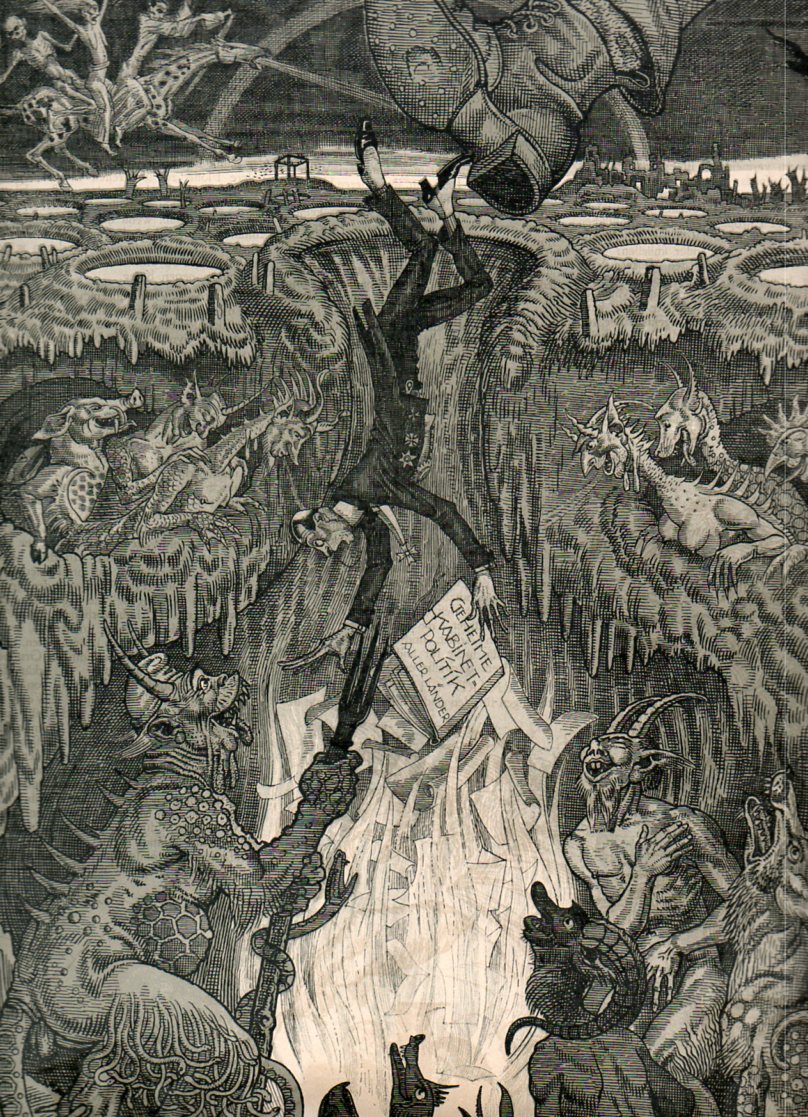
    These are some examples of a life-underground, or underground actions, that appeared in the pages of the great illustrated newspaper, the Illustrirte Zeitung.

    German between th ewaqrs526
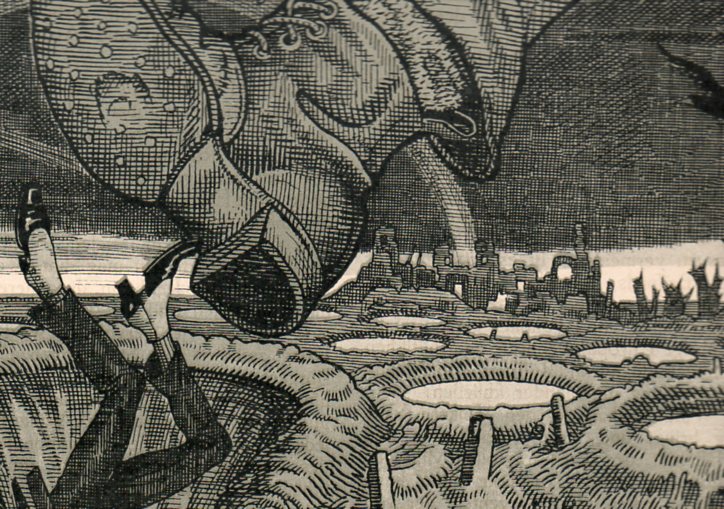
    The first is by Willi Munch(-khe), a Jugendstil artist (1885-1961), a very expressive, and dark, interpretation of what should be done with German politicians in the ripe days following the end of WWI.  This image, published aorund 1922/23, shows a decorated and fancy spats-wearing politician being booted into the hole of hell.  The book he is carrying (Geheme Kabinet-Politik Aller Landes/Secret Political Rules of Our Country or thereabouts), seems to be broken, its pages spilling out to feed the fires of the nasty inferno, lighting and heating the way for the failing pol as the devils and monsters await his arrival, much to the controlled agreement of the monster-y spectators in the hell galleries. 

    German between th ewaqrs527

    We can guess why the man/symbol is being sent to the ring of fire–the tattered, worn, hobnailed boot with the old patched pants above, the myriad of tombstones, the water-filled bomb craters,m the completely shattered trees, the bombed out cities, and of course the witches and death riding a speckled fire-breathing horse in a dark sky, pretty much round out the picture of “why”.  Several years after the end of the war and into a problematic realm of the democratic Weimar Republic, and just freshly into the hyperinflation that wiped out whatever the middle class had managed to save (banknote denominations climbing to literally astronomical levels, reaching 1×10¹⁴), there was a lot to complain about. 

    ·Posted by :

    ·in:

    — —

  • Steampunk Baseball Patents, 1875-1910

    JF Ptak Science Books  Post 1504

     When I think of old-timey baseball, the images of roomy woolen uniforms, cigars-on-trains, daytime games, underpaid stars, heavy baseballs, and, um. “colorful” nicknames spring to mind. And back in there, eighty or a hundred years ago, baseball has had its minor league steampunk days, much like most other things: sporty adventures filled with outsized protective bits, simple things turned into fancy mega-geared complexities, over-the-top metal extrusions, steely encumbrances, and over-thought subtleties turned into under-thought necessaries.

    Take for example the following baseball glove from 1905.  The sport was four or five decades old at this point, yet there was a person, still, who came up with an idea for a baseball mitt so bad that it must’ve burnt the pen used to draw it.  Not only does the glove make it very difficult for the player to run, but also makes it rather difficult for anything else to happen, too.

    I’m not sure when the first batting practice cages appeared (much like I can never remember when the first pinstripes appeared, or the real year for the first players with numbers on their backs), but this one from 1909 seems rather early, and comes complete with derby-and-sports-coated pitcher:

    I do like this swinging apparatus, perhaps more for the idea of it, or the design, than anything else:

    And this is quite lovely:  a paper dispenser for home plate, so that the base could always be easily seen by all involved.  The paper was located underneath the base, and pulled across for new paper when dirty.  Why the umpire couldn’t just sweep it clean with their little umpire brushes like they do now, I don’t know:

    This series of diagrams for a night game lighting system (1904) are lovely things in themselves, particularly the second drawing (“figure 3”):

    \

    I have a sort spot for any sort of movable, paper calculator, calculating anything:  the gas mileage for a 1960 Rambler, air speed calculators for planes, effects of nuclear explosions, and of course a multi-disc baseball game schedule calculator (1909):

    This gorgeous beast was a heavy, wooden apparatus for a full-scale solitary baseball game, much like its predecessor table-top varieties, only bigger, much bigger:

    The full-scale environment above came with an automatic pitching device, seen below, a fantastic thing, and beautiful in its gear-y complexity:

    For some reason this glove reminds me of cake (1895):


    As much as I wanted this to be a full-size robo-pitcher, it wasn’t:  it is though a lovely little version of a pitching robot, a toy with what looks like real staying power:

    This is just a good idea, though it would be hard to store these things if you went to 20 or 30 games a year for a few decades:

    These are simply terrific drawings, though the glove looks very cumbersome (1895):


    Its interesting to see that in just a decade-and-a-half that the baseball glove is starting to look like something more modern:

    The proposal for bases with bells in them might’ve seemed helpful to the non-baseball-person inventor, but, well, it really wasn’t, but the idea gets a complete-and-total pass since it came a year before the Centennial:

    This is interesting to me as I can’t recall if I knew how long baseballs have been stitched in the same way, or how long the seams of the ball have been in the predictably same pattern from ballclub to ballclub–and I still don’t.  This is an 1876 proposal for a baseball ball covering, different from what we know–I don’t know much about the history of the ball itself:



  • DIY Do it Yourself Antique Baseball Games, 1883-1910

    JF Ptak Science Books    Post 1503

    Interested in some summer projects for the kids and their friends?  Try one of these–I’ve scooped them out of the U.S. Patent Office, and I think that a person could make any of the six games shown below with stuff from around the house (or thereabouts).  Some will take a little effort, but I think that everything is here–simply save the images and print them out as a template–and then away you go.  In each instance I have included the text from the original patent, describing how the game is to be played. Enjoy!

     Miniature Baseball Game, 1910

    ·Posted by :
    ·in:


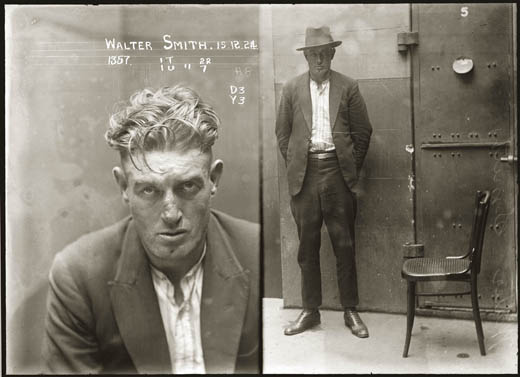
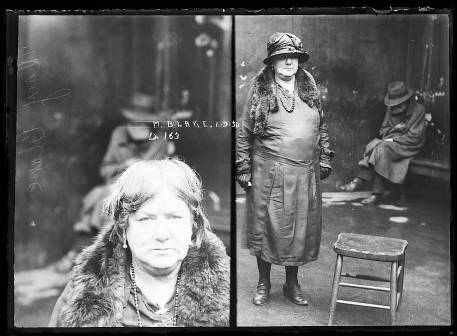
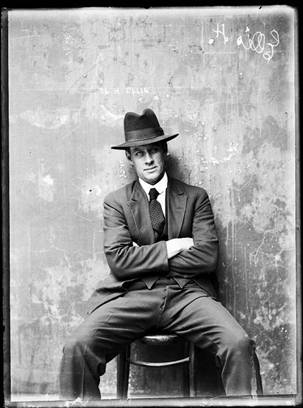
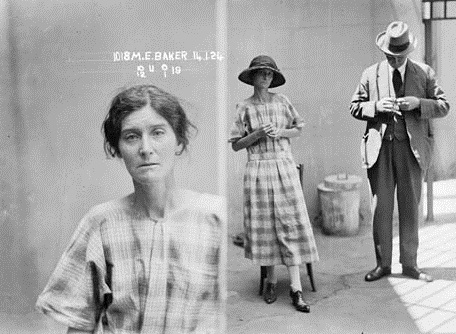
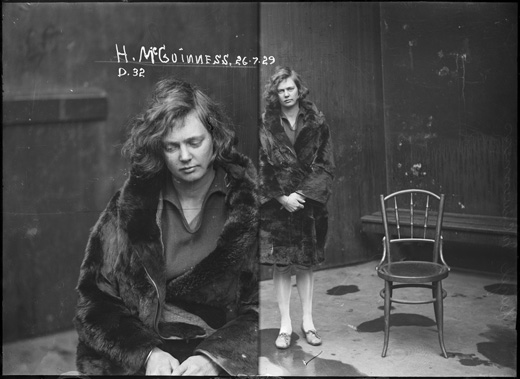
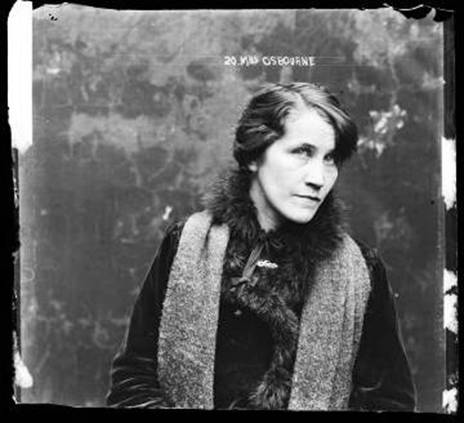
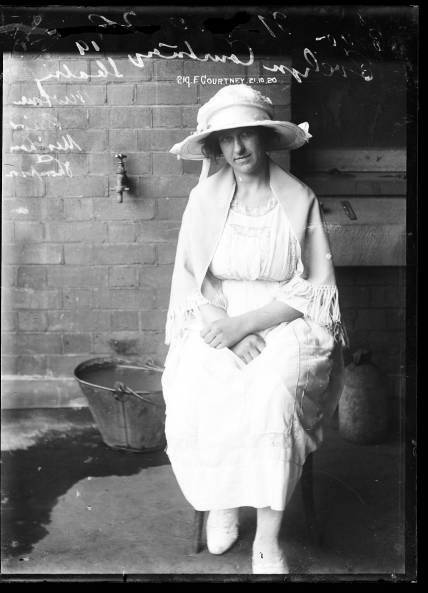
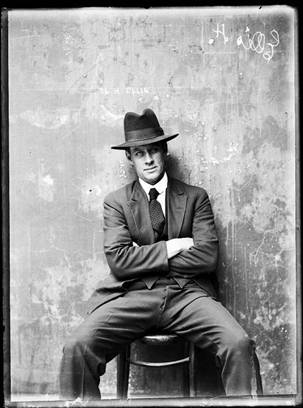
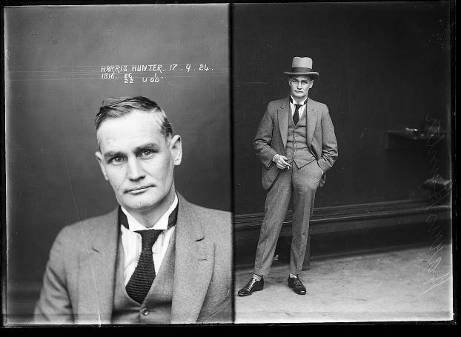
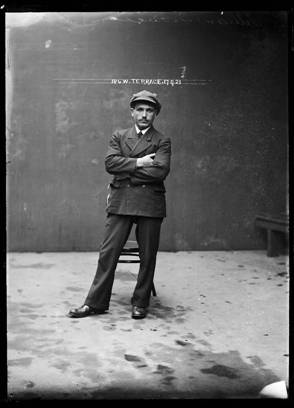
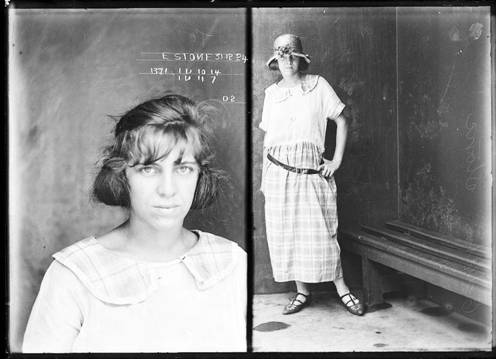
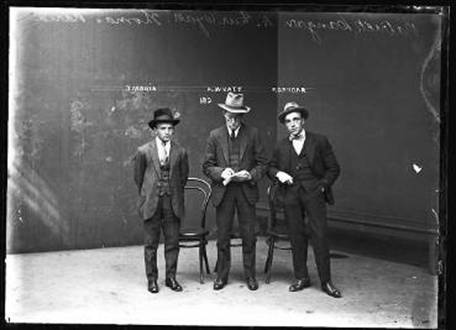
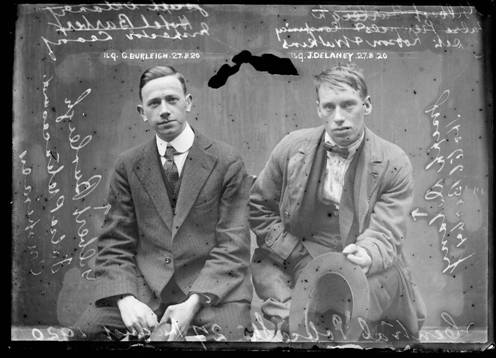
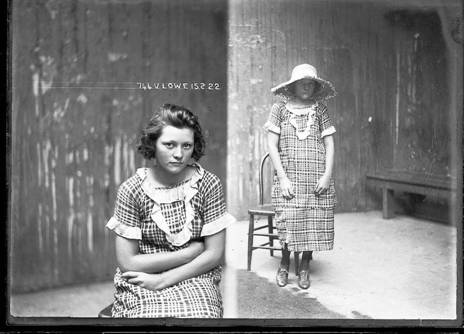
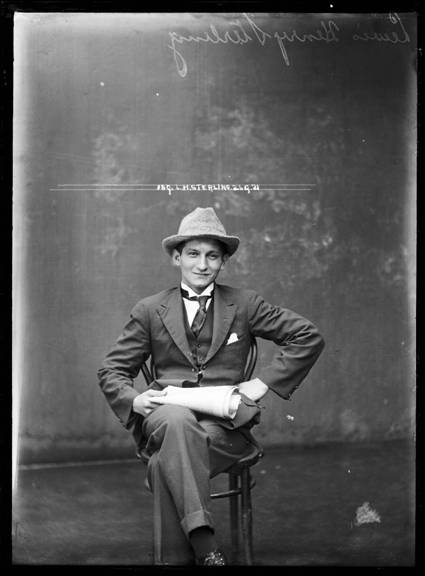
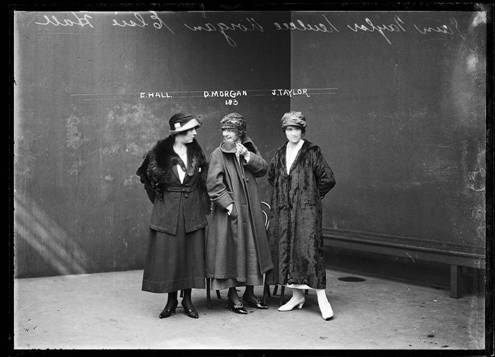
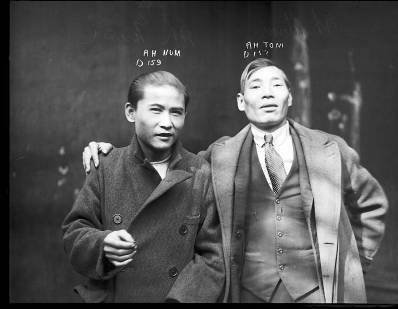
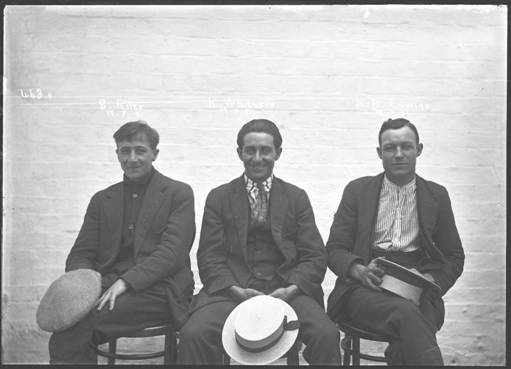
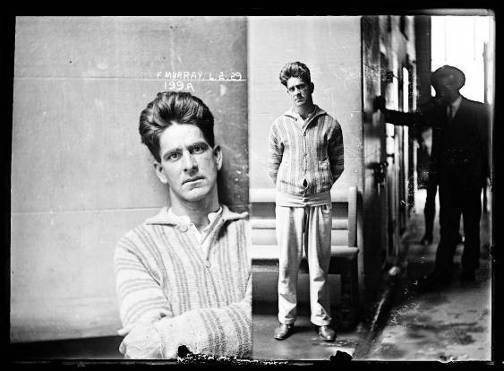
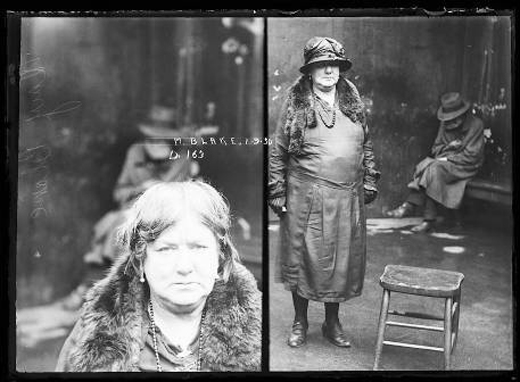
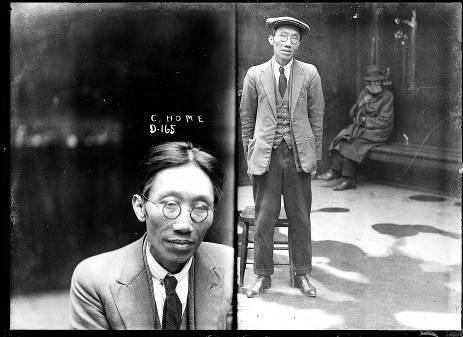
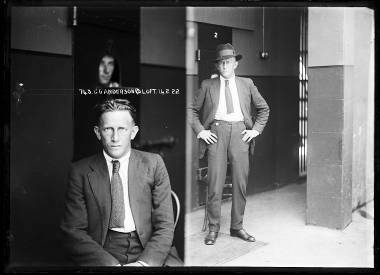
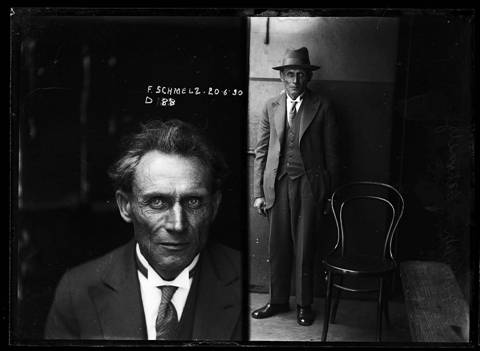
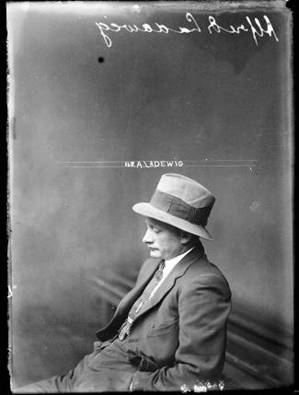
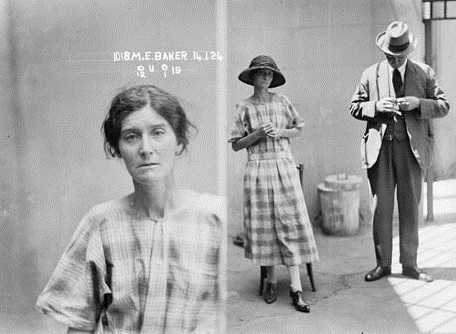
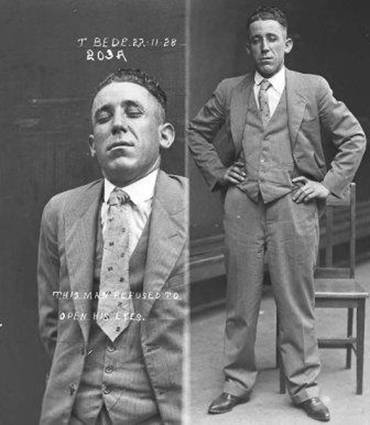
  • Picturing Naive-Disturbia: the Spectacular Loneliness of Australian Mug Shots

    JF Ptak Science Books   Quick Post

    For a thorough discussion of the series see the excellent article “Public eye, private eye: Sydney police mug shots, 1912-1930”, by Peter Doyle, in  Scan Journal (vol 2 number 3 December 2005)

      Australian mug shots

     Australian mug shots 1

    23

    11

    Aussie mug shot 2

     
    Aussie mug shot 2b

    Early-sydney-mug-shots-4

    4

     6

      Early-sydney-mug-shots-21

    10

    12

    13

    14


    Then there are photos like this, below, where the annotations become part of the art of the image:


    15


    16


    17


    18


    19


    20


    21


    22


    Early-sydney-mug-shots-11


    24

    .

    25


    26


    27


  • The Long Fight for Captializing the “N” in “Negro”

    JF Ptak Science Books   Post 1483

    N “I believe that eight million Americans are entitled to a capital letter.” W.E.B. BuBois

    The history of the power of words is long and complex, and for the most part is on one side or the other of the political and social mirror, at least in the United States. Controlling the meaning of a word or phrase controls the idea which alters the way people approach it, defining the very heart of what may control the impulse for war or peace, which means that people may die as much for words as they will for ideas.

    Sometimes the idea of control is even simpler than the word—it may be a simple letter.

    Like the letter “N”.

    Since the American Civil War (now in its 150th year as of last month) when the use of the word “Negro” was used to describe African Americans, it appeared in print overwhelmingly with a small “n”. The idea was simple—to use a capital “N” would give a certain amount of respect and social diligence in referring to this race of people with a proper salutation; the small “n” minimized all of that, a symbol that these people were not worthy of having the initial letter of their race capitalized, and that because of their inferiority.

    This was also the case with the word “Colored”, which was used in the decades before the Civil War and then lightly after that, giving way to for a short time to “Freedman” and then Negro–”Colored” appeared in print as “colored” in the vast majority of times.

    The capital N was a rallying point, a common point of singularity for a large percentage of the Black population in the U.S.–and a very tiny percentage of the White population. We can deduce this because major papers such as the New York Times did not adopt a policy of using the capital “N” until 1930. And as a matter of fact the federal government documents printed “negro” small “n” beyond 1930, even though heavily lobbied to use the more enlightened and respectful “Negro”. The issue was evidently sidestepped throughout the Hoover administration.

    There was in the country a racism so entrenched and engrained that African Americans were seen as being wholly unworthy of being dignified with a capital “N”, and it was the natural way of things. As the editor of the Eatonton, Georgia, newspaper Messenger said when asked about the capitalization issue, that he would not be a party to it, because “it would lead to social equality.”

    And that’s just what everyone ws trying to avoid. And like the federal government, the control of the capital “N” extended into historical control as well. When W.E.B. DuBois wrote an article for the venerable American Historical Review, the editor, J. Franklin Jameson, refused to allow the use of DuBois’ capitalized “Negro”. As the editor of the Dictionary of American Biography, Jameson refused the capital “N” in the publication until it was terminally embarrassed into doing so, in 1937.

    And so it goes, 60 or 70 years of fighting for the minimum respect of capitalization.

    And this doesn’t even address the use of the reviled “n” word, which is a story unto itself. And in which there was also debate over the years as to whether or not that be capitalized.

    Notes:
    The major source of the information in this post comes the fantastic article by  Donald L Grant (12/01/1975). “Some Notes on the Capital \”N\””,  Phylon (0031-8906), 36 (4), p. 435, who did a splendid job of research.  There’s also a bit of memory pulled from H.L. Mencken’s The American Language (4th edition), which was clear and concise, even though Mr. M. had a small social problem here and there with minorities.  It must be said in his defense that the magazine he edited, The American Mercury, “always” used the capital N. 


  • History of Normalcy Series: Warehousing Epileptic “Defectives”, 1912

    JF Ptak Science Books   Post 1450

    This series is meant to illustrate the very transitory, shadowy and basically non-existent nature of “normal”.

    “It is thus with regard to the disease called Sacred: it appears to me to be nowise more divine nor more sacred than other diseases, but has a natural cause like other affections. . .”–Hippocrates on epilepsy and recognizing it as just another brain disorder devoid of mysticism, about 2400 years ago.

    Epilepsy383 One stop in the history of normalcy is the perception of brain disorders, which is a long and complex history–very long in the case of epilepsy, its epidemiology stretching back thousands of years before Hippocrates.  It particular normalcy for the vast majority of that time was that people who exhibited the results of the disorder were cursed, or touched by the gods as holders of some possible divine inspiration, or touched by the gods as accursed and punished people, or bewitched (I wonder about the number of epileptics put to the flame during the Witch Hunt crazes), and so on.  The first pharmaceutical treatments for the disorder really didn’t come about until Emil Fischer and Bayer introduced phenobarbitol in 1902/04, which was able to calm the seizures of some people with epilepsy.  Until that point, most treatments were generally topical, plus the quack ingestives and various sorts of incantations, spells and prayers. 

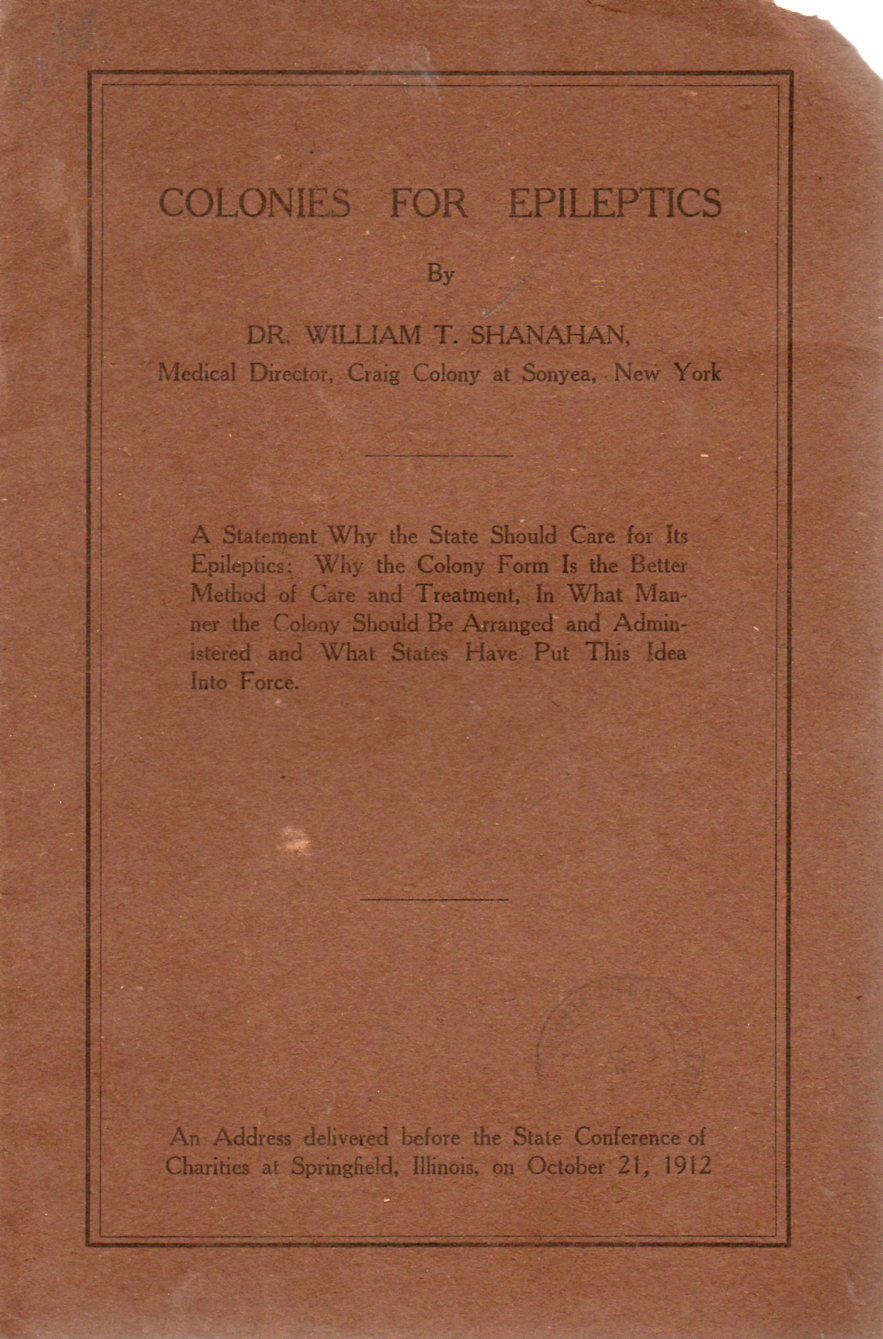
    In Dr. William T. Shanahan’s Colonies for Epiletpics, (the original available for purchase through our blog bookstore) written in 1912, the treatment of epileptics was seculsion, warehousing them in state asylums in the countryside.  Shananhan felt that the epileptic needed “its” own environment, “apart from the the defectives”–and by that he meant apart from the wide classification of people who did not fit the scheme of 1912 normalcy, like “morons, imbeciles, the insane, the sexual addict, the recurring syphlitic [and] the criminally insane…”.  Actually this as a good move in some cases–apart from the vocabulary–as epileptics were stored away in almshouses and prisons along with the criminal element and the hopelessly insane, and at least removed the epileptic from a different sort of horror and disgrace. 

    Dr. Shanahan’s aim was to remove the epileptic from society because they “couldn’t adjust to a life in the ordered community” and that holding a job for them was “impossible”–that plus what he saw as the need to protect society from the epileptic’s “progressive mental deterioration”.   He felt that “the great majority should be committed[to the epileptic colonies] as are the insane”, and also to remove them to these places “from a young age”, to an “institution for defectives”, there separated according to “sex and mental grade”. 

    Overall, though, it was Shanahan’s other aim to provide as “normal” a life for epileptics as could be arrived at, and outside of his trying to save society from them–at a time when the eugenics people were out castrating epileptics–, he was arguing that this method was the best of all possible worlds for people with this disorder.  He does however seem to be totally ignorant of any medical approach to dealing with epilepsy.

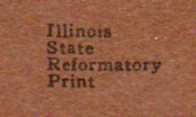
    By the way, there’s a very curious imprint on the back cover of this pamphlet showing who printed it and where.  I cannot recll ever having seen such a small thign, placed so centrally, in such an obvious place. Its obvious and present, yet tiny.  Here it is, before magnification:

    Epilepsy384

    And here is what the slug says:

    Epilepsy385
    Its just a very curious thing.