A Daily History of Holes, Dots, Lines, Science, History, Math, Physics, Art, the Unintentional Absurd, Architecture, Maps, Data Visualization, Blank and Missing Things, and so on. |1.6 million words, 7500 images, 4.9 million hits| Press & appearances in The Times, Le Figaro, Mensa, The Economist, The Guardian, Discovery News, Slate, Le Monde, Sci American Blogs, Le Pont, and many other places… 5000+ total posts since 2008.

Category: Outsider Logic

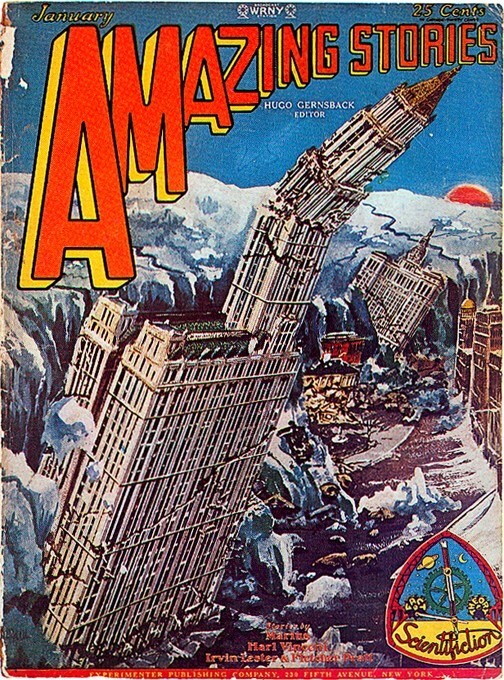
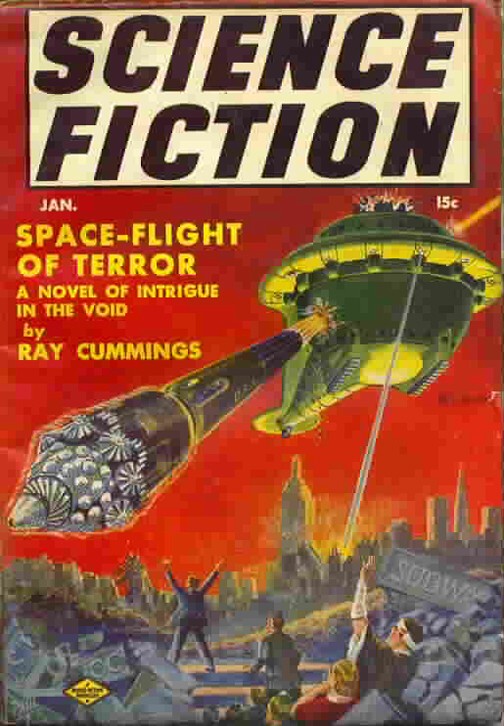
  • New York City: Attacked by Tentacled Flying Saucers, Giant Flying Snakes, Glaciers, and Mining Missile Space Aliens, 1929-1941

    JF Ptak Science Books   Post   1118

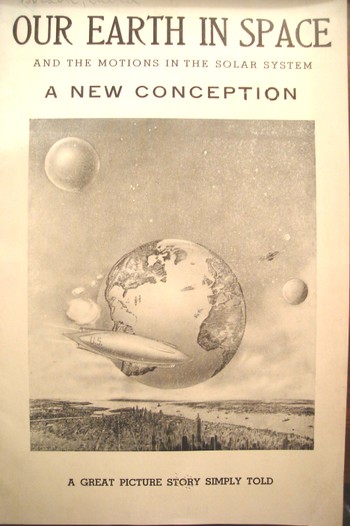
    This is a simple, non-analytical image dump for some in a continuing series on images of New York City in fantastical and improbable situations–there’s artwork that show the city being consumed by glaciers, drowned by the tide, ripped from the Earth and flung into the sun, floating in the sea, floating in space, sunken, and of course simply attacked by any number of different things, though most of those weren’t real.  There is of course the great unknown classic that I stumbled across–the duplicate NYC on a duplicate Earth orbiting the Earth ((?!) and pictured at the end of this post). I doubt that there’s enough for a dictionary of disasters, though there’s plenty for a Doomsday Book.

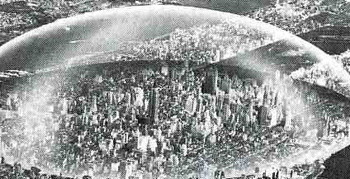
    For example the first image for this post shows a domed New York City–and in this scifi sub-classic,  like other major cities of the United States, NYC was suffering a catastrophic attack by winged snake monsters.  I don’t know why  the dome is exploding because the snakes don’t appear to be armed.

    NYC attacked

    This does remind me of an image from the mind of Buckminster Fuller, who
    came up with an extraordinarily bad idea to protect NYC against
    thermonuclear weapons. (Fuller’s dome appears here.)

    Big_archfuller_detail141 

    Then there’s this magnificent cover for November, 1929, featuring a tentacled flying saucer removing the Woolworth Building into outer space (as well as the Eiffel Tower by another brethern craft (the Earth appearing again, as nearly usual, without cloud cover):

    Woolworth

    And yet another destroyed Woolworth Building, this from January 1929, featuring an enormous glacier attacking the City:

    NYC destroyed--woolworth

    And this vision of a decimated NYC, coming at the hands of giant hovering mining/missile space aliens:

    NEw York City in Ruins

    And of course, the duplicate NYC on Extra Earth:

    Dsc04543


  • A Taxidermological Satirist Adventurer and PsychoBon-Vivant: a few Paragraphs in the History of Boredom

    JF Ptak Science Books   Post 1068

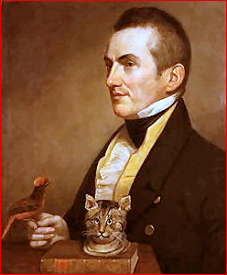
    In the 19th century, when the rich were insane, they were simply eccentric; when the poor were insane, they were crazy.  Luckily for Charles Waterton (1782-1865), he inherited a large estate and could insulate himself from legal scrutiny and indulge his whims and interests.  Waterton would make a problematic biography, his life filled with front-line environmentalism, exploration, taxidermy, and natural history interests wrapped around a solid steel stake of bizarre personal behavior.  Money was his greatest curative, an elixir of great depth and more understanding than Dr. Freud could ever muster. But ultimately I think that with all of this behavior masked a terminal boredom–Mr. Waterton was both bored and boring.
    Waterton

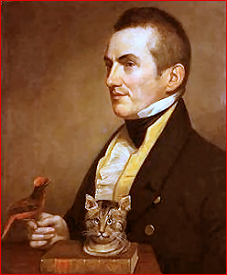
    Waterton wrote three volumes of Essays on Natural History and the best-selling Wanderings in South America1, turned his estate into what amounted to be the first nature preserve, talked to bugs, barked like a dog, tried to fly from his outhouse, left his gloves at the top of St. Peter’s, and on and on.  His portrait by Charles Wilson Peale shows him with a sharp eye, weird hair, and a cat head as his buddy on a book. 

    Later in life he had a bitter dispute with JJ Audubon–this was mostly a one-sided affair, Waterton seeing mostly invisible complaints with the great ornithologist’s work.  Audubon rarely responded to Waterton’s very public and in-print diatribes, ending only when Waterton left England for New Zealand in 18392. 

    The man did form a considerable collection of natural history specimens and medical oddities. 

    Perhaps the most interesting thing for me to take away from Mr. Waterton are the subject headings of the biography written for him by his long-time fried, Dr. Charles Hobson, (Charles Waterton, his Home, Habits and Handiwork3), published in the first edition a year after Waterton’s death (and somehow reaching a second edition three decades later).  The book is a very tough go from where I sit, and my main interest is just in the sub headings for the book’s chapters.  For example, how could one resist the story of such an odd man when presented with chapters like these:

    “Mr. Waterton recounts a conversation with a Man representing himself Skilled in Egg Gathering at Filey ….. “

    “Remarkable Willow, from the Stump of which have sprung Twelve Stems, designated by Mr. Waterton “The Twelve Apostles,” and one detrimentally influenced by a Storm being named “Judas ”

    “Securing of Pike by the Bow and Arrow a favourite Amusement of the Squire”

    “Mr. Waterton “fairly floored” by Mr. Salvin’s .clever Imitation of a Pig”

    “The Ape Searching the Squire’s head reminds him of a Cambridge anecdote”

    “Special immunity in the female sex from death by lightning” (which is a loose, semi-statistical discovery of challenged means)

    But once you open the book and make your way through Hobson’s unusual prose, the book becomes almost instantly resistible.  And so my interest in Waterton wanes down to almost nothing–he seems like an interesting guy, but not so much so that it eclipses all of the egomaniacal stuff that went along with him. He seems to be made of the stuff that excludes friendship, and that leaves me out–and with which Waterton would have had no problem.

    ____

    Notes.

    1.  The book has not been out of print since it first appeared 170 years ago.  It is filled with adventures high and low, some of which are real, some not.  Adventuring in Guiana in the first third of the 19th century was an exotic affair–much more so than could really be imagined in general today–and so the book was a best seller. 

    2. That’s okay–the arguments defaming Audubon came to nothing, and Waterton was generally wrong in the main points if not no-wrong in a few minor ones.  I don’t know what his problem was with Audubon and his great work, but it really doesn’t matter. Audubon described one of Waterton’s missives to him as a “scrubby letter”, and I’m pretty sure it must’ve been so.

    3.  The book is available on Google to be read in its full majesty here. I’d say “pass” to the general reader, but if you’re in the exhibits/museum world, I’m sorry to say that it is probably a must-read.

    There’s much more that I left out about this man, but I just can’t do any more:

    “Charles
    Waterton,”
    from the Catholic Encyclopedia

    The
    Charles Waterton Home Page

    Wanderings
    in South America,
    by Charles Waterton

    A nice chapter appears on Waterton in Lynn Barber’s The Heyday of Natural History, 1820-1870 (1980).

    And a very nice appreciation of the man (with a much more useful stuff about his history) from the Pyromaniac blog.


  • Outsider Logic Department: the Fabulous Curative Necessity of Fatty Meats

    JF Ptak Science Books LLC    Post 989

    [see also my related posts on Women Meat Pioneers and of course Meat String and Curled Hair]

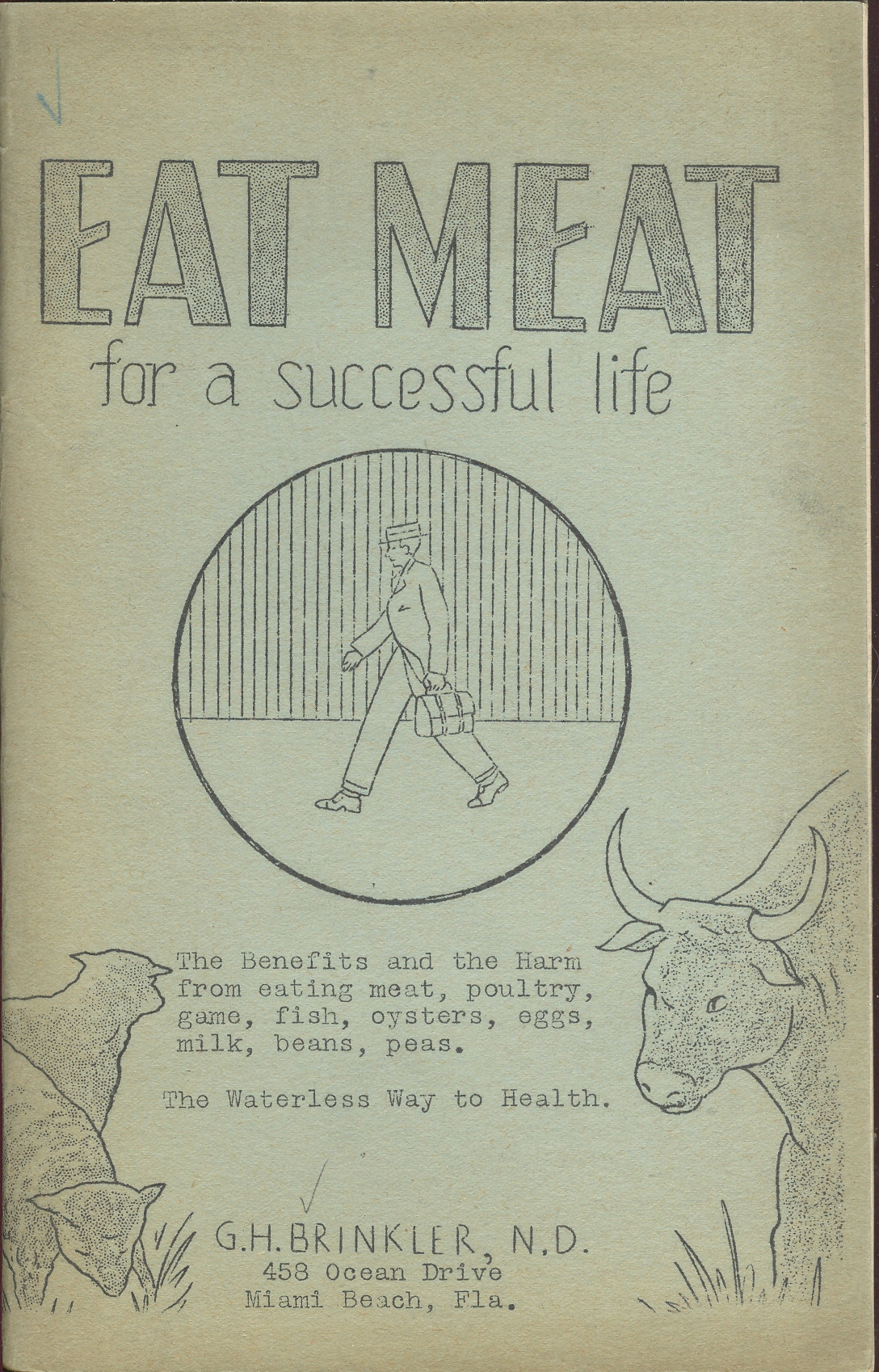
    I have a suspicion that the author of Eat
    Meat for a Successful Life
    , G.H. Brinkler 
    (a “N.D.”, doctor of nauturopathy,  from the American School
    of Naturopathy and the tautologically-surprising “founder” of the “Brinkler
    Club”) had a compromised and possibly antagonistic personal history with
    vegetables.  And water, as Mr. Brinkler
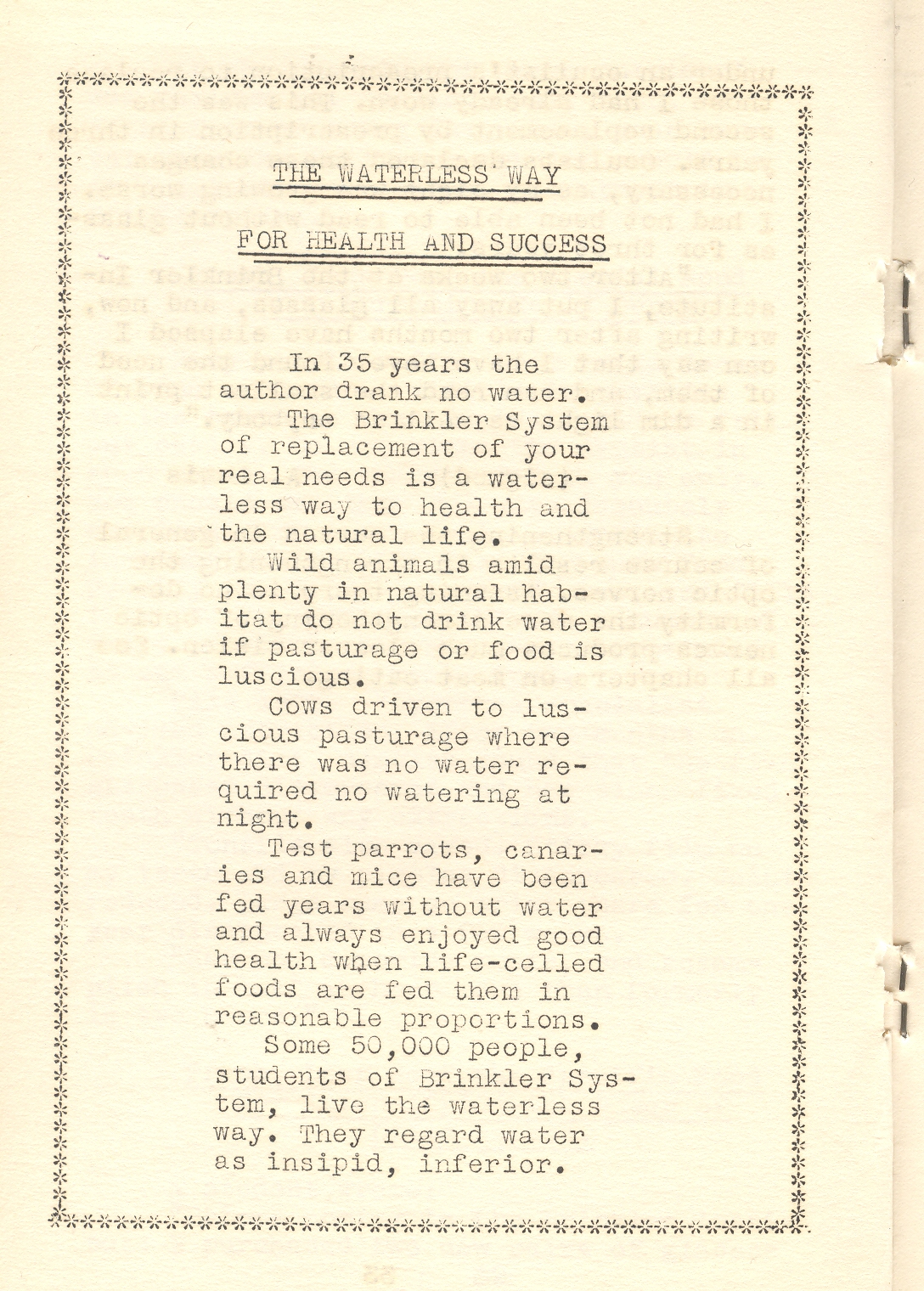
    is also the originator of the “Brinkler
    Waterless Way
    to Health”, and a man who claims not
    to have drunk any water in 35 years. 

    Mar 26 eat meat

    Most humans don’t do so well without water after a few days, though there
    are extreme cases where people have survived for several weeks without water.
    To have survived 1,820 weeks seems pretty much to be well on its way to being a
    vastly under-appreciated record of human endurance.

    Mar 26 eat meat water 001

    But the main story here of course is the meat, with the waterless bit woven
    through it like heart-ending marbling in a butt chop.  Meat, as we are told by Mr. Brinkler, is
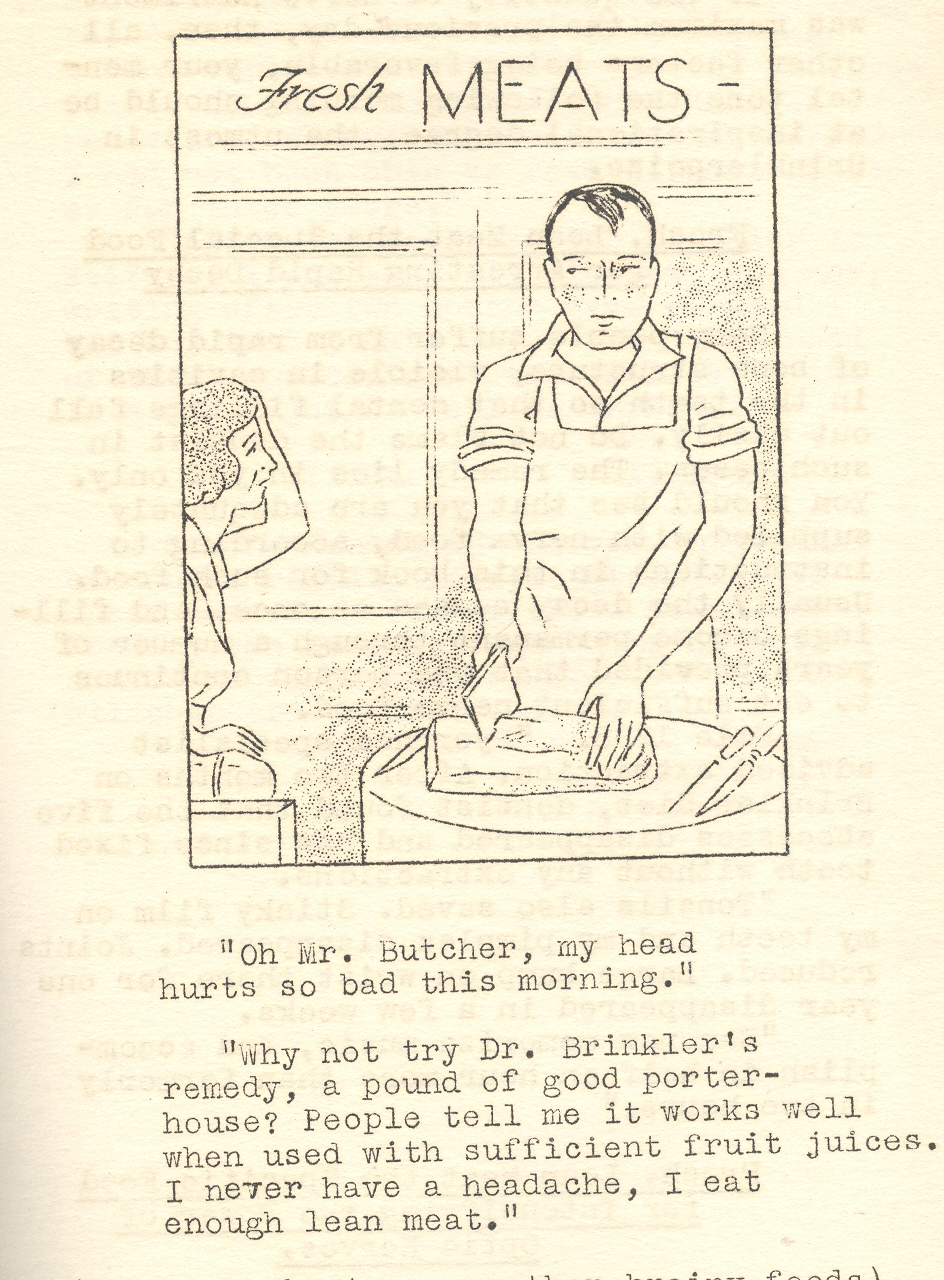
    pretty much a “natural fixer” for just about anything.  Lazy in the morning?  A pound of pork on the broiler will cure
    that.  Sexual inadequacy?  Solved with meat (ingestion).  Poor memory?–the answer:  meat, and lots of it. And not only just meat;
    it definitely needs to be not lean. Big fatty meats are the greatest source of the
    desired “muscle food”; lean meats, unfortunately, are only “nerve foods”. Somehow
    the meat mixed with the waterless way induces the “nerve-ends” into a “more
    natural” and strengthened existence.

    Mar 26 eat meat water

    The Brinkler follower should also chew their meat less.  “The masticating fad might result in tiring
    the jaws and gross undernourishment”.

    I could go on and pull further quotes out of context from this piece, but
    that would be mean. The pamphlet (1934) I have is the U.S. Copyright Deposit copy, and I suspect that there may not have been many copies other than mine. I think that all the
    man was trying to do was sell broilers. 


  • The (Really) Last Word in Skin Care: Lip Prep, Eye Sealing, Cavity Solidifiers and the Rubbery Chemical Appeals of Embalming Fashions

    JF Ptak Science Books LLC   an expanded post (#975) from 2010Mar 13 esco cover

    [Faint of heart, stop here.]

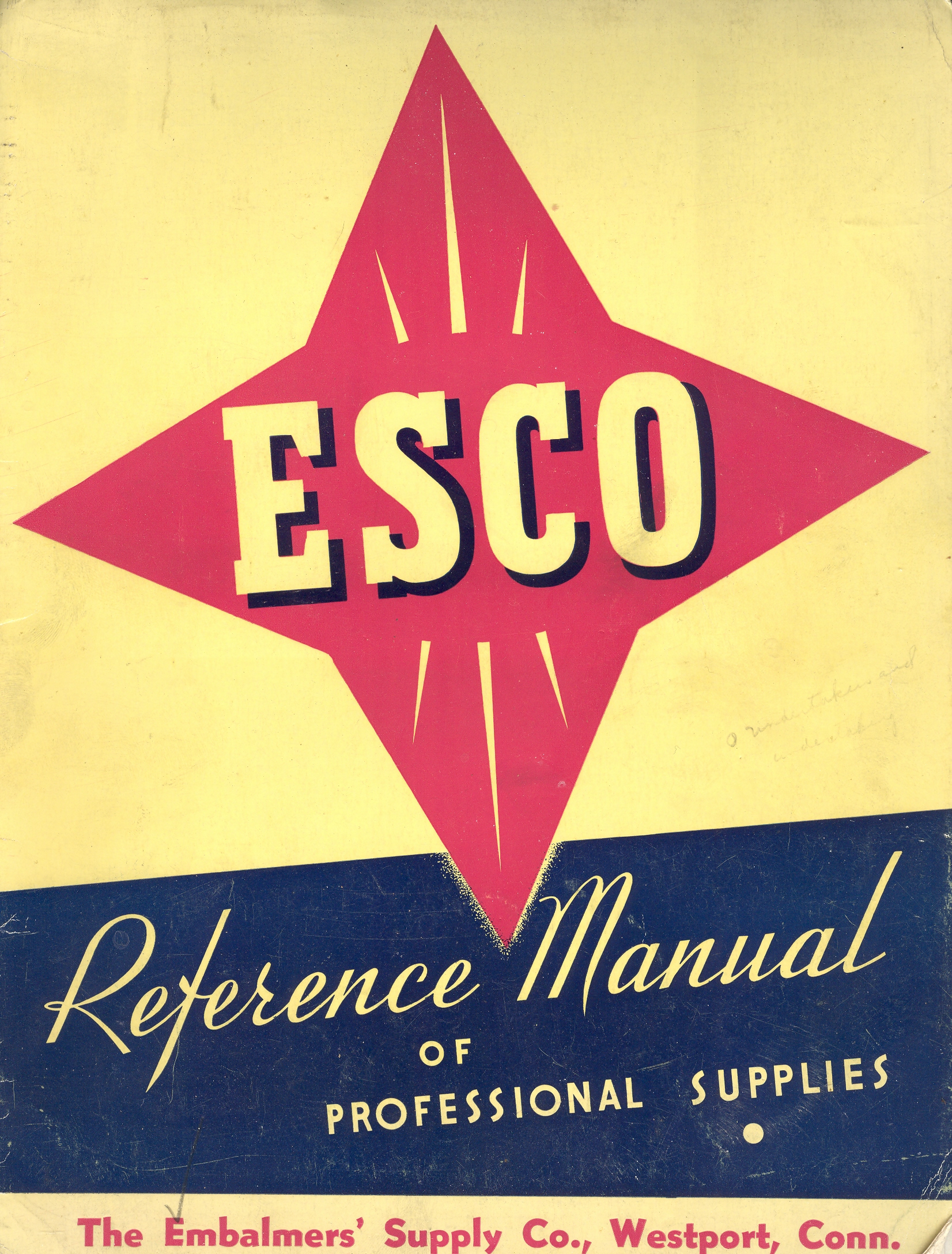
    This carefree stroll through the geology of death prep and care comes to us via the Embalmers’ Supply Company (ESCO) catalog, of 1941, serving and selling to members of the embalming profession since 1886.  It provides the Practioner with all means necessary to scrape away facial muscle, cement the jaw, seal the eyes, color “old age” eyebrows, fill cancerous cavities, mold over gaping wounds, position the arms, contour the chin, scoop out the brain, replace the blood, pull out the bowels, and all other manner of removal/drainage/fillup, and then apply makeup to cover all suture wounds and other “deficiencies”.

    Mar 13 eye sealer


    ·Posted by :

    ·in:

    —

  • The real Alice in Wonderland: Plus Alice in Miniland and Guinness Stout

    JF Ptak Science Books LLC Post 966Alice Liddell det

    Now that the new Tim Burton Alice film is out, let’s not forget that there was a real Alice on which Lewis Carroll’s Alice was based.  She looks, well, pretty formidable. (Alice Liddell.)


    Alice Liddell

    A photo by Carroll of Alice at a younger age.  In spite of his logic and math and Snark and Alice, Carroll’s “artistic” photos of children are pretty creepy to me. 

    Alice_Liddell_2

    ·Posted by :

    ·in:

    — —

  • New York City: Missing (1902) & Reproduced in Outer Space (1941)

    JF Ptak Science Books LLC  Post 940

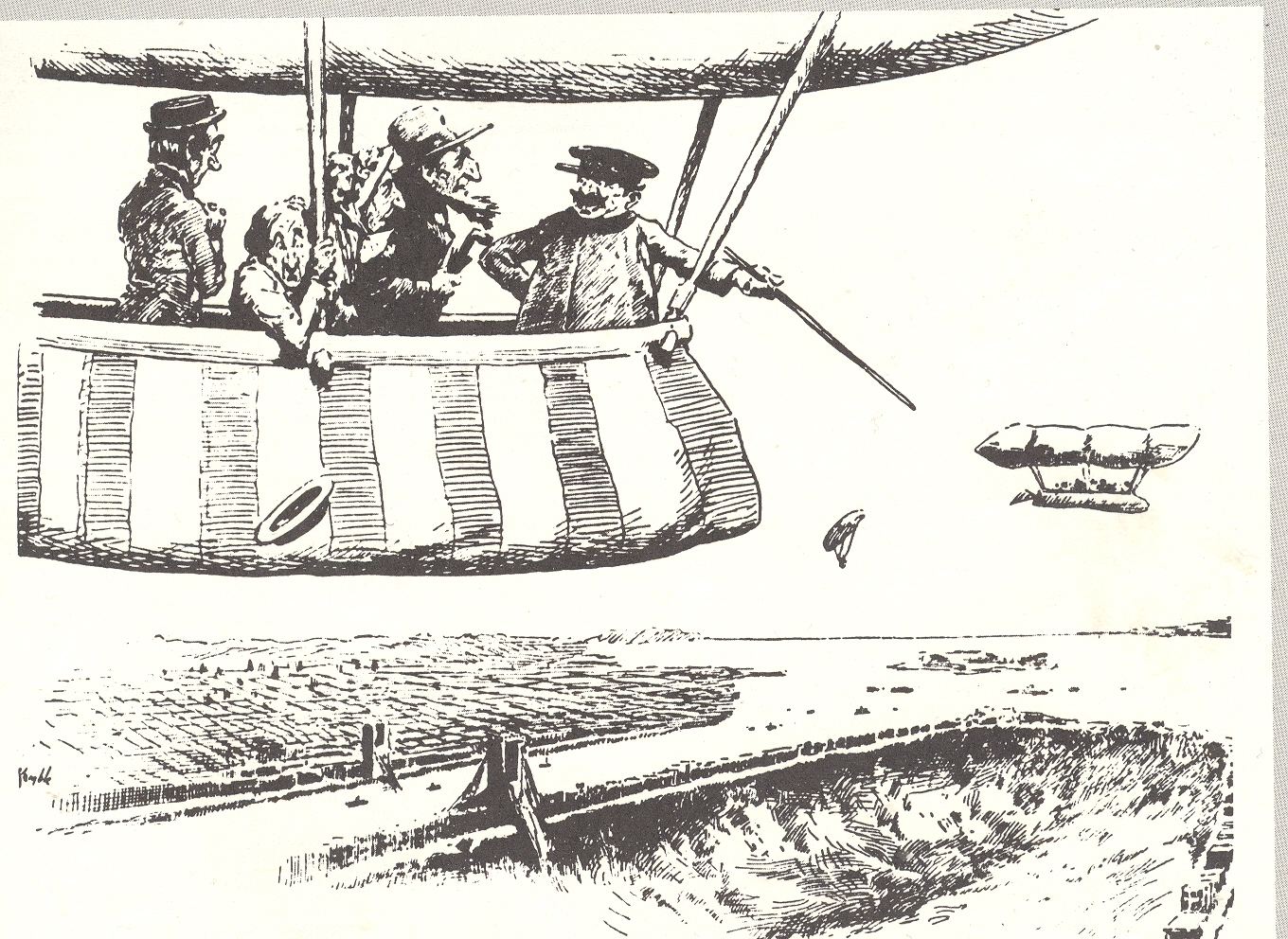
    NYC has certainly had its imaginary/creative trials and tribulations over the last 400 years or so, but I must say that these two depictions of the state of the city are the most, well, unexpected as any I’ve ever seen.  The first comes from 1902 and is a forward-looking appraisal of the chances of New York City in the near-future.  The aeronaut tourists are being told by the aviator/carny–floating above Manhattan in the future, in the year 1920–that those chances are not very good, the city having disappeared under its own weight, sunk by the growing skyscraper1 population in a ground loosened by too-numerous tunnels.  The cartoon is a joking editorial, of course, a riposte to the relatively new building jag that pushed big buildings to great new heights. [A post on more realistic views of the City of New York can be seen here]

    3--nyc gone

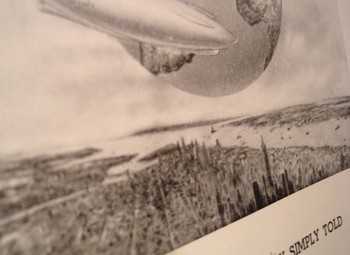
    The second image on the other hand is not a farce; it is one of the strangest (published) unintentionally Outsider, unintentionally Absurdist/Dada works that I’ve ever seen.  It appeared in a post at the very start of this blog (two years and 500,000 words ago) and it remains a capstone of Mondo Bizarro category2.

    Dsc04543

    This 1941 pamphlet isn’t so much “interesting” as it is interestingly illustrated, where all
    of the semi-coherent  interest resides, the text having left coherence far behind, somewhere, in it own intergalactic dust. 

    This is the only known example of the depiction of
    an extra-terrestrial New York City pictured with the earth in the
    background. 

    Huh?  Yes, this is the Big Apple in space—not its own
    space but THE space, outer space—somehow, impossibly, removed to some
    something-or-other (actually in this case, a “bubble”) that, while not
    being the Moon, was something like it, though not actually a solid and
    without gravity, floating on a base of floating effluvia and hope, but, well,
    you get the picture.  Whatever we’re floating on here (actually it is
    identified as the “perisohere” (don’t ask)) is very big and very very
    close to the home planet. 

    The author, David Gordon, is certainly after something, but what that “something” is I just don’t know. He starts things out for the reader asking a series of questions like “why does
    the earth and other heavenly bodies remain in the air and submerged”, answering them with other questions. 

    In all of this Mr. Gordon produced a work of staggering incredibility, more so since it wasn’t an intentional science fiction effort,  and in my book any time anyone reveals such a shocking piece of thought deserves a special kind of praise. I’m just thankful that the pamphlet was illustrated.

    Notes:

    1.  The word “skyscraper” appeared in print only nine years before this cartoon (Harper’s Weekly, April 1893), thugh the necessary elements like heating and
    cooling capacities, electrical lighting, plumbing [with appropriate, siphon jet
    toilets], elevators with dependable brakes, had been in place since the 1880’s or earlier.

    2..  One of the other capstone publications written about here is the monumentally bizarre work on sculpting in fat and lard:

    Dsc04544


  • Odd Collections: 500,000 Wishbones

    JF Ptak Science Books Post 928 (from 2010, Expanded!)

    “One must go into oneself armed to the teeth”–M. Teste, Paul Valery

    “Do what you love. Know your own bone; gnaw at it, bury it, unearth it, and gnaw it still.” –H.D. Thoreau

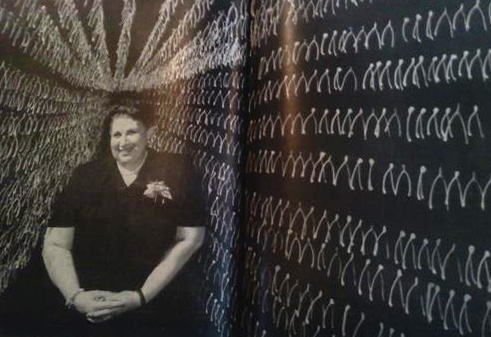
    Sometimes odd images just need to be surfaced for the pure sake of it.  Such is the case with this glorious photo by Greg Villet1 of Delphine Binger in LIFE magazine for  24 May, 1954 .   Ms. Binger (“a Manhattan spinster”) actually collected the wishbones with a business utility in mind, fashioning them into objets d’os.  (LIFE unfairly classified Ms. Binger in this way. In other accounts I have read of her she is described as a funny, fun-loving person, and Pete Hamil/Meyer Berger describe her as “generous”, “bubbling” and “caring” in their 1954 Meyer Berger’s New York.)

     Turkey bone 1

    She purchased the wishbones for nothing, added a few bits of half-penny decorations, perfume, a pin, and SO! a piece of jewelry is born.  She evidently was able to sell her creations for $2.10 apiece, which in 1954 translates into 25 2009 dollars; so I guess if she sold some here and there she would be able to supplement her income.  Of course there’s the issue of overkill on the bones:  she seems to have probably two (or more) orders of magnitude more than she “needs”, so there may have been something else going on there.
      But then again, at the point where you collect 500k of anything you will have become expert enough to have any mostly-invisible nuance convey a large field of interest to your keen appreciation–the bigger something gets, the smaller it gets, in parts. 

    Turkey bone det

    An old friend of mine–we’ll call him Mr. Tulipfields, a brilliant mathematician/physicist/compsci guy with a deep appreciation for music–started buying classical cds when cds were a relatively new phenomenon.  Rare recorded material was being placed back into “print” at such a rate that he couldn’t really afford the appropriate sound system to actually listen to all of his new purchases.  He hurried into buying many of the cds because he thought that they would drop out-of-print again, and that he needed to act quickly.  I thought that the cds would stay available basically forever—as it turned out he was right (as usual) and I was wrong (ditto). And so Mr. T amassed an enormous collection of music—in the dozens of thousands—many of which are now impossible to find. 

    In some ways my friend didn’t need the cd player—he already knew the music, could play it in his head.  Somehow he was keeping all of this music on course in forming this fabulous collection  And once he had explained his reasoning behind the whole effort, it all made perfect sense, and you’d wonder why he didn’t have 100,000 more choice cds.

    Turkey bone det 2

    On the other hand I’m not sure why Ms. Binger2 needed her extra 497,500 bones—you’d expect there to be not very much difference from bone-to-bone, but there very well may be. A centimeter here and there may make all the world of difference and interest to the practiced eye, particularly if the bones are from many species of animals. Once a collection of almost anything gets to be that big, someone somewhere is going to be interested in preserving it.  

    And that’s what Ms. Binger did.

    • See also this note in Popular Science from the Popular Mechanix site (“Wishbones Made Her Dreams Come True”). 

    Notes:

    1.  I don’t know much about Greg Villet.  He took a lot of preparations for this photo, stringing 5,000 wishbones on black string on a black backdrop–that is considerable dedication to the idea of an image.  I also know that he did some very significant documentary photography with Rosa Parks and the Montgomery strikes of 1955/6, which tells you maybe all you need to know about the man.  

    2.  I can’t help but wonder what happened to all of those bones on Ms. Binger’s passing? (She died in 1961, and I can’t find anything about the disposition of the collection.  It sounds like the vast majority of the bones were kept with relatives and not in her two-bedroom apartment at 145 W. 96th St in NYC.  


  • The Stench of Creativity: Dante, SpongeBob & Unintentionally Bizarre Titles

    JF Ptak Science Books LLC  Post 927 [Part of the Fantastic Titles series]

    Blog feb 3 patrick Squidward:
    What’s that horrible smell?! [sees steam coming out of SpongeBob’s window]
    Is Patrick thinking again?

    Patrick: [sticking
    his head out of the window]
    I’m making art!

    Squidward:
    Patrick, it smells like something crawled into your brain and died!

    Patrick:
    That’s the creative process at work!

    Like St. Paul warned by
    Archangel Michael, and Dante by Virgil, the visions of the Hell they were
    touring was also stinky, though the robes they held to the noses did not
    prevent them from experiencing the very lofty stench of sin.  Perhaps it was something like the
    crawled-in-and-died stench made by the beautiful Patrick starfish from SpongeBob
    Squarepants, his brain’s intellectual exuda Blog feb 3 humanocracy detforming a pretty but stench-ridden
    experience.

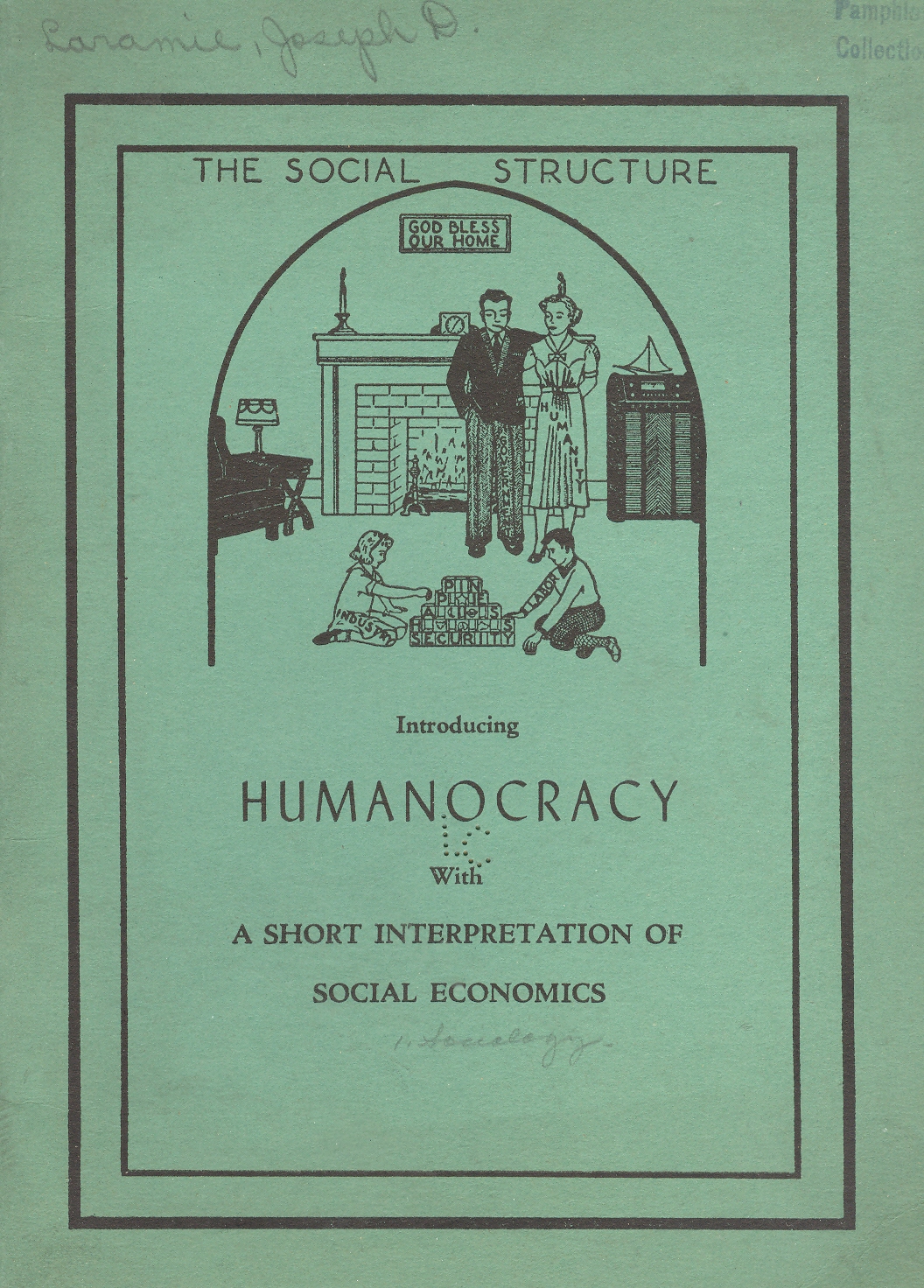
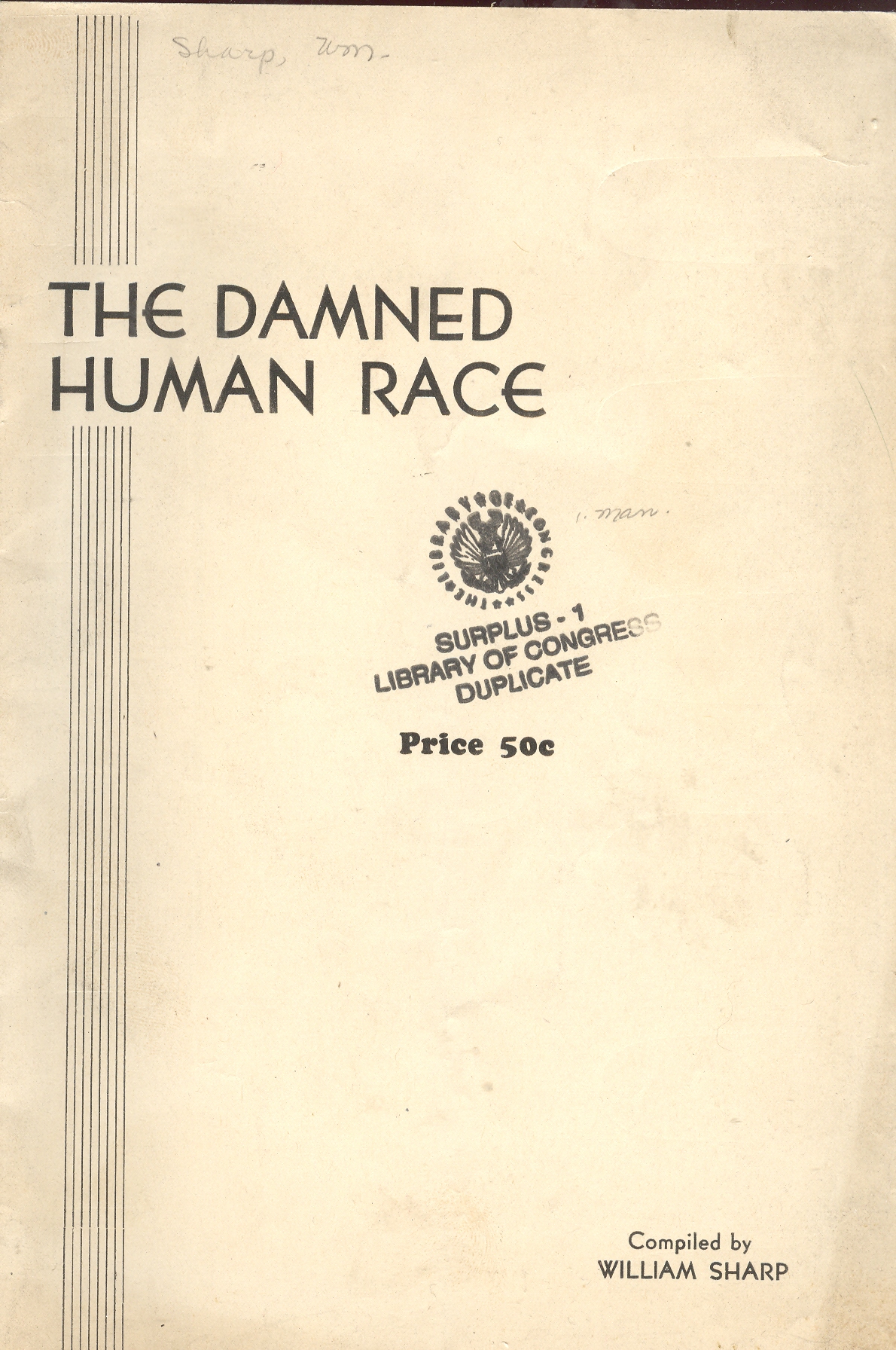
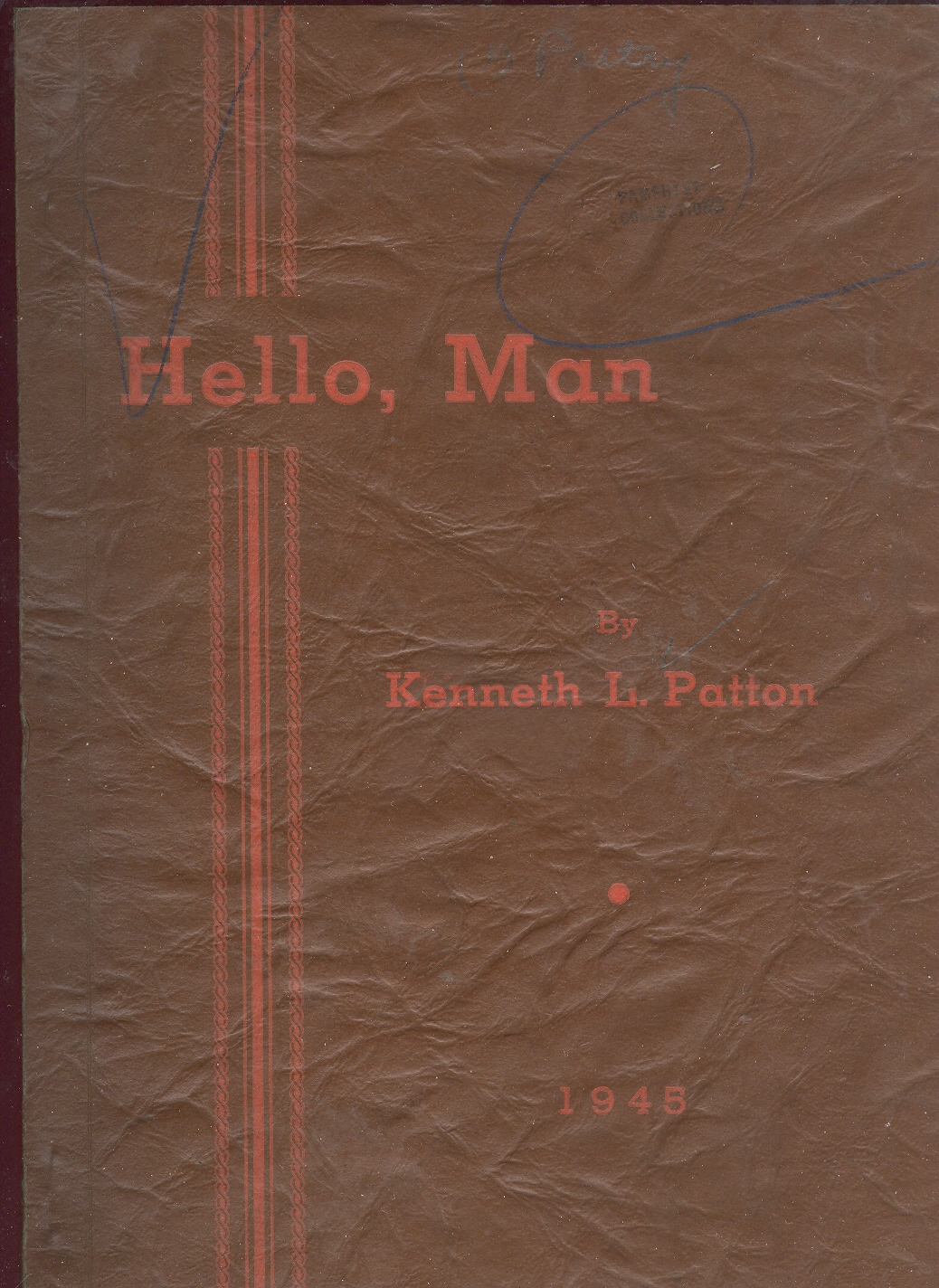
    And so to with experiencing the found, unintentional absurd–or
    the naïve surreal—in printed material like some of the examples below.  Their title pages can be experienced as art
    in a way, at least today, so far removed from their original meaning and
    context that the words float like disembodied arks of meaning looking for
    whatever piece of land/meaning that they bump into.  Sometimes their titles are the bizarre-ity,
    masking a mundane, pedestrian contents; much of the time the title and contents
    emanate the stench of lost meaning through and through. 

      “… ‘Why us thy mind’, he said,
    ‘so far away, unlike its usual self,
     What are thy wits about, where have they fled?’
     —Virgil yelling at Dante for asking a dumb question outside the City of Dis,. Inferno, XI, 76-78

    Blog feb 3 humanocracy 

    Blog feb 3 damned human 

    Blog feb 3 hello man


  • The Battle of Berlin, 1935

    JF Ptak Science Books LLC  Post 869

    Blog 12 8 bomb


    Well, it wasn’t really a battle, but the Nazi government was
    getting ready for one. As reported in this 30 March 1935 issue of The
    Illustrated London News
    .  There was an
    elaborate preparedness drill conducted in the Kreuzberg district of south Berlin ten days earlier—“the
    most realistic air raid exercises ever planned”. 

    The Germans attacked themselves with scores of low flying
    planes that dropped “deafening” false bombs; meanwhile the streets were swirling
    with gases that smelled like poison gas, cars were blaze, abandoned buildings were
    lit up with pyrotechnics, and there were heaps of rubble here and there.  The population not otherwise engaged in
    defense measures were all sent to evacuation shelters and centers.  There were drills for gas attacks and
    subsequent decontamination, firefighting, saving people from collapsed
    buildings, caring for children and the elderly, aid stations, medical triage,
    and so on.  Anti-bombing measures were also
    taken for nighttime raids, with blackouts, and general light-lessening measures
    on all levels and quarters—for example, streetlights and street sign lamps were
    replaced with much lower wattage bulbs.  It
    looks like it was a pretty big event–I’ll have to check my Illustriete Zeitung/Leipzig for the
    German coverage.


    Without being an historian of the 1930’s preparations for
    war defense, it seems to me that there was an awful lot of this going on in England, France
    and Germany
    through most of the decade.

    [The illustration above is a charming overstatement of the obvious, right down to the little flaglettes on either side of the (500-pound ?) bomb.  The sign reads “Closed Thoroughfare//Danger to Life” (sorta).

    I doubt that there would be that much need for a sign or flags, but if I was going to use anything at all I might place it a little further away from the unexploded device.  (I can just imagine people inching forward to be able to read what the relatively small print on the sign actually said…)


    At this point it may be interesting to have a look at an
    older post here on the creation of the false Paris. 


  • Prehistoric Surrealism, Part 6: Mueller’s Anatomy, 1845

    JF Ptak Science Books LLC  Post 866 

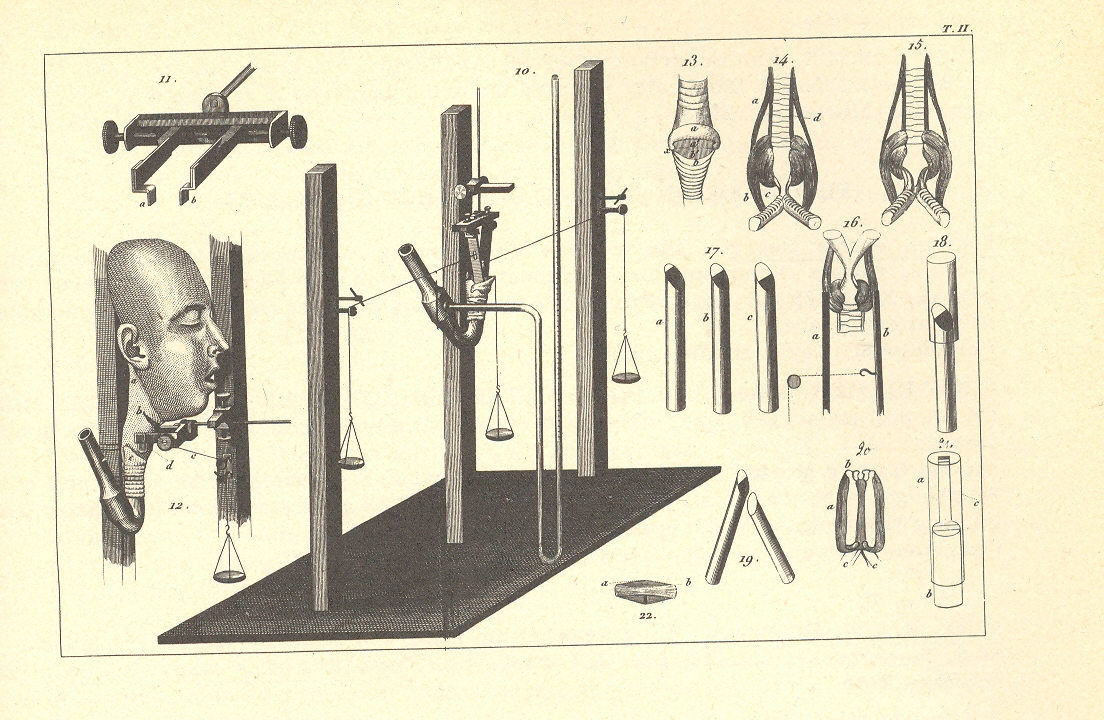
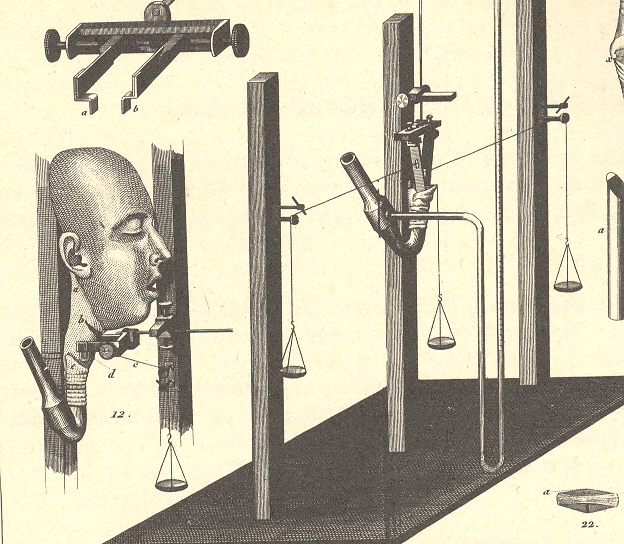
    Blog 12 4 dada--throat

    This image occurs in Johannes Mueller’s Manuel de
    Physiologie
    (translated from the German editions of 1838-1840, Handbuch der
    Physiologie des Menschen
    ) and—removed from context—looks to me as though it
    could belong in a Surrealist Salon in 1915 as part of a revolutionary new
    artistic movement.  The print is part of a revolutionary work, though,
    back in its original context.  Mueller
    (1801-1858) was responsible for introducing the sciences of comparative chemistry,
    psychology and physics into the field of comparative physiology.  Mueller’s textbook was extremely important
    and was translated rather quickly into many languages. 

     Blog 12 4 dada--throat detail

    Notes:

    A wiki article on Mueller (who was chair of anatomy and physiology at Humboldt University of
    Berlin, or Humboldt-Universität zu Berlin, 1833-1858) points out that he
    was teacher and mentor to a number of fabulous scientists: ” Hermann von Helmholtz, Emil du Bois-Reymond, Theodor
    Schwann
    , Friedrich Gustav Jakob Henle, Carl Ludwig
    and Ernst
    Haeckel
    .”