JF Ptak Science Books Post 1127
One of the greatest missing things in the history of astronomy thankfully never came to be. When the Hubble space telescope was having its very early problems, Senator Barbara Mikulski (D, MD) suggested and pursued the idea for bringing the Hubble down and end the program rather than repair it–for financial reasons, or something, I dunno. It was an toweringly bad idea that keep itself alive for too long (and was just so bad that NASA I recall had a hard time getting their head around such a bizarre problem-solving approach to a fixable problem)–Mikulski went on to not think about other things, the Hubble was fixed, resulting in a simply astonishing amount of discoveries and data that could absorb astronomers worldwide for generations. (In another part of the wanting-to-make-things-disappear is House Speaker Dennis Hastert, who wondered why exactly in the days after Katrina if we should rebuild New Orleans. But that’s another story.) Hubble is still there; so is Mikulski, who now is the champion of “the people’s telescope” and who chairs the committee responsible for NASA’s funding.
One of the most powerful blank/missing or empty things in the history of astronomy that did come about may very well be Christiaan Huygen’s telescope1 without a telescope tube. Presented to the Royal Society in 1691, Huygens instrument (also known as an “aerial telescope”) was meant to perform the world’s most powerful optical observational instrument, having a focal length of 122′. Monster telescopes were not practical at that time given the weight and flexure and movement of what would be a massive multi-hundred-foot-long telescope tube. And so Huygens came up with the idea of doing away with the cumbersome part of the large telescope.
Huygens was a very smart man, and one of very few people acknowledged in Newton’s Principia (along with “Dr. Hollis” and Christopher Wren, the three referred to as “the greatest geometers of our time”)), a man who Newton found to be “the most elegant of any mathematical writer of modern time”. He was extraordinarily accomplished, almost so as much as the half-forgotten Robert Hooke…Huygens was by far Hooke’s superior in mathematics, but Hooke was probably more accomplished across a wider variety of fields, which is saying mounds because Huygens did about everything.. In any event, Newton found Huygens to be an extraordinary scientist, even though Huygens didn’t really quite ever get Newton’s universal gravitation–a high elevation, perhaps among the highest, coming from the cranky Newton.
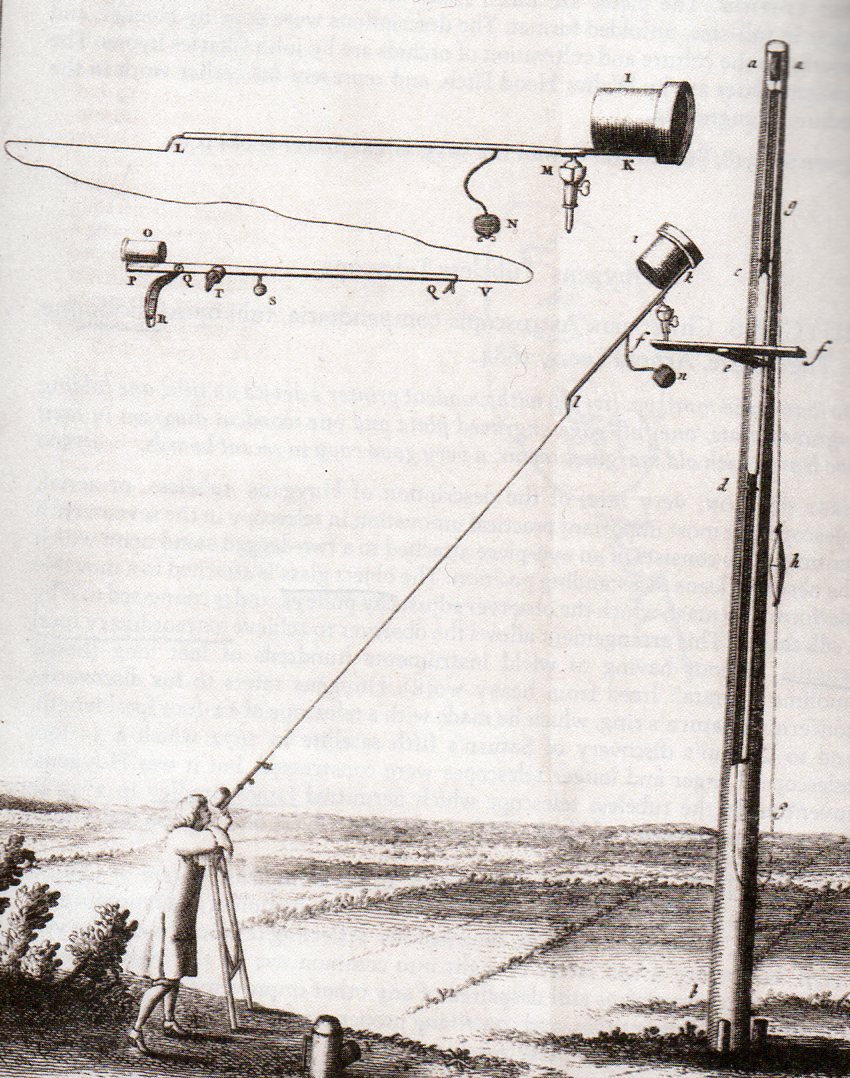
Getting back to the telescope–its missing section was perhaps one of the most important developments in astronomy in the second half of the 17th century. Its arrangement was very elegant, and simple–the mast held the object glass whose position could be changed with a series of simple pulleys and pulls; the eyepiece was placed on a table, aligned with string and rope. And that was it. By the first third of the 18th century, James Bradley was able to construct a telescope of this type with a focal length of 212 feet, and used it to measure the diameter of Venus.
Technology would soon catch up to the Huygens invention, but not really for another 75 years.
Notes.
See: “Christian Huygens and the Development of Science in the Seventeenth Century”, by E. N. DA C. ANDRADE, in Nature 162, 472-473 (25 September 1948).
1. Astroscopia Compendiaria tubi optici molimine liberata (compound telescopes without a tube), published 1684.

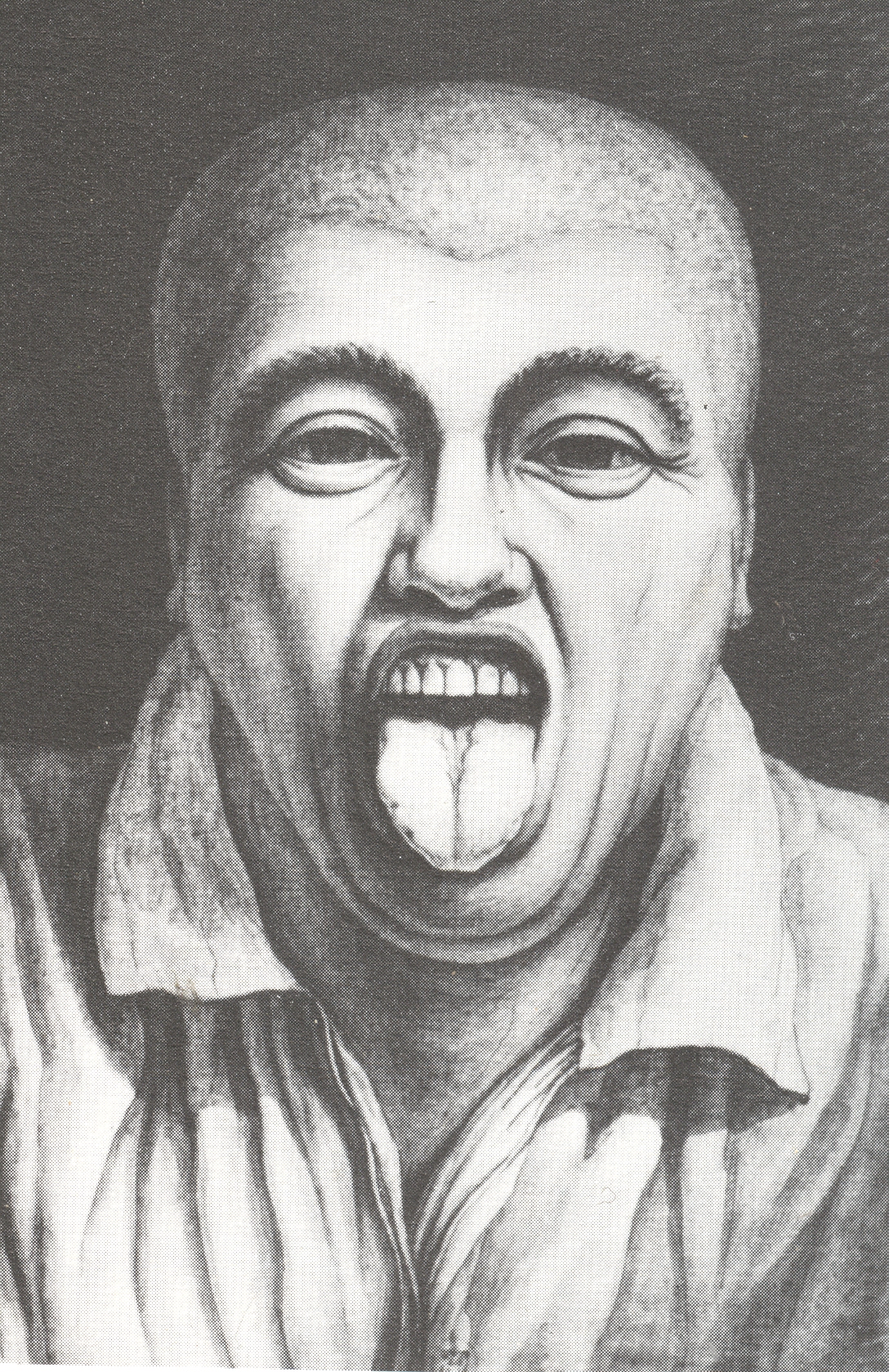
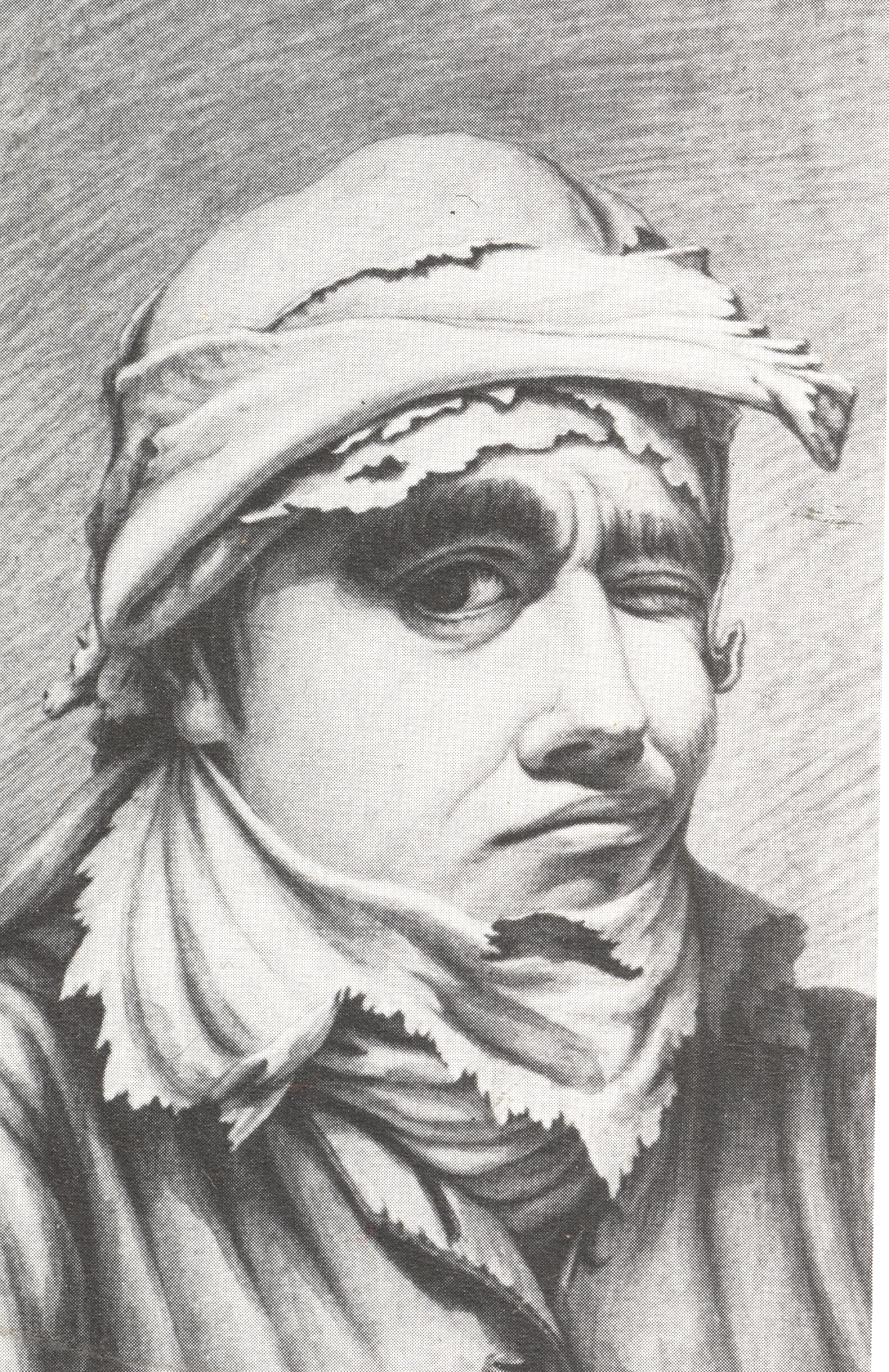
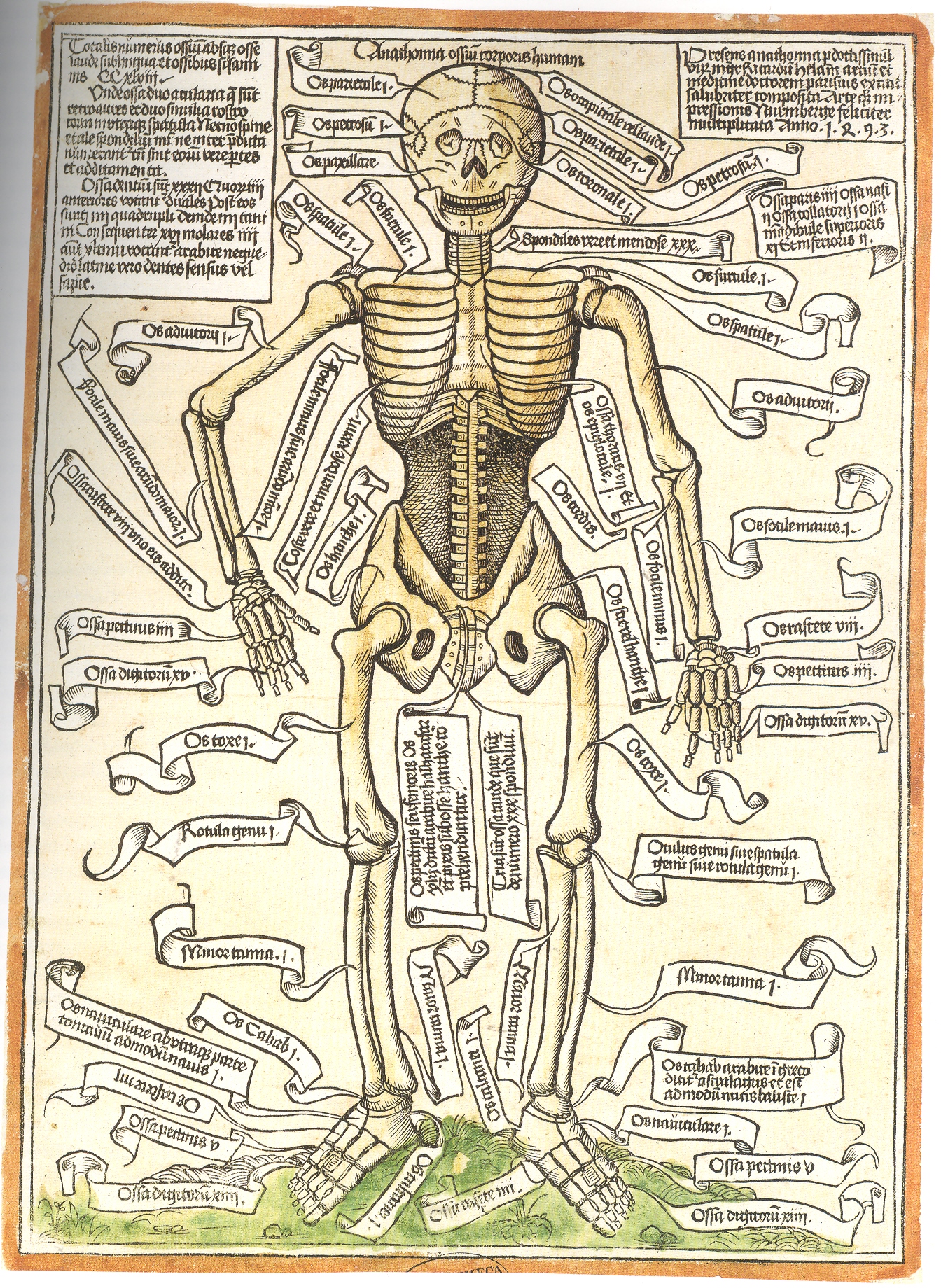
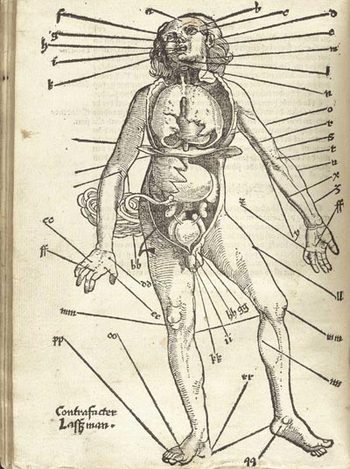 accomplished via the application of leeches or by the more common (and quicker) practice of venesection, or opening a vein to allow the blood to come out. (Let’s reference Steve Reich’s magnificent “Bruise Blood” creation of 1966 at this point—I don’t think that I’ll ever have a better chance to drop a reference to this piece of revolutionary music in regards to venesection again.) Thus this map was map for the practiconers of bloodletting—the physicians, and more probably the barbers and other assistants who would inherit this lesser procedure from the more-busy doctors. In the history of maps of anatomy and the general practice of mapping the human condition, this woodcut x-ray of the best places to drain human blood would not survive close to the age of modernity, disappearing almost entirely by the 18th century, and becoming much more scarce well before that.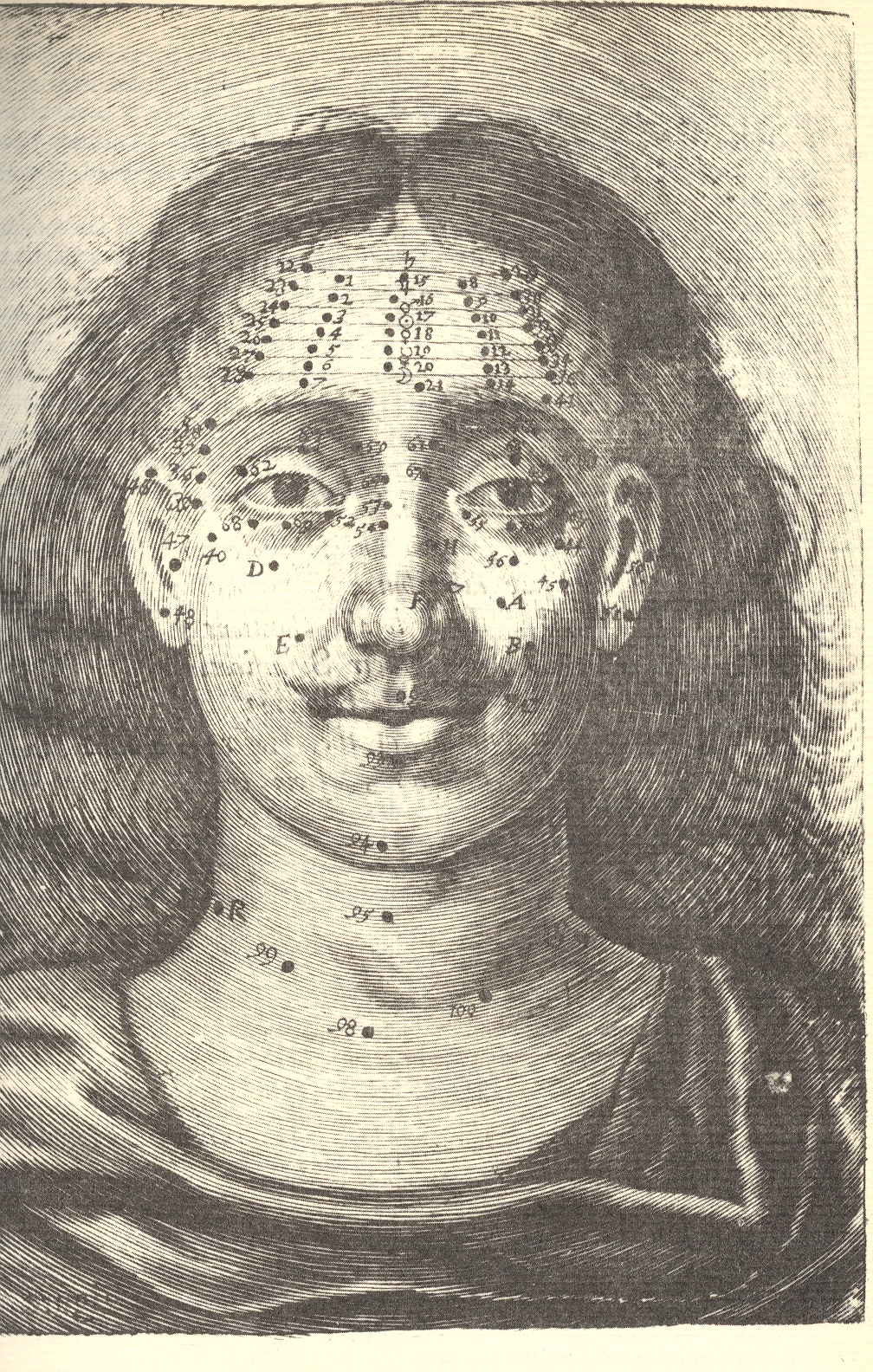
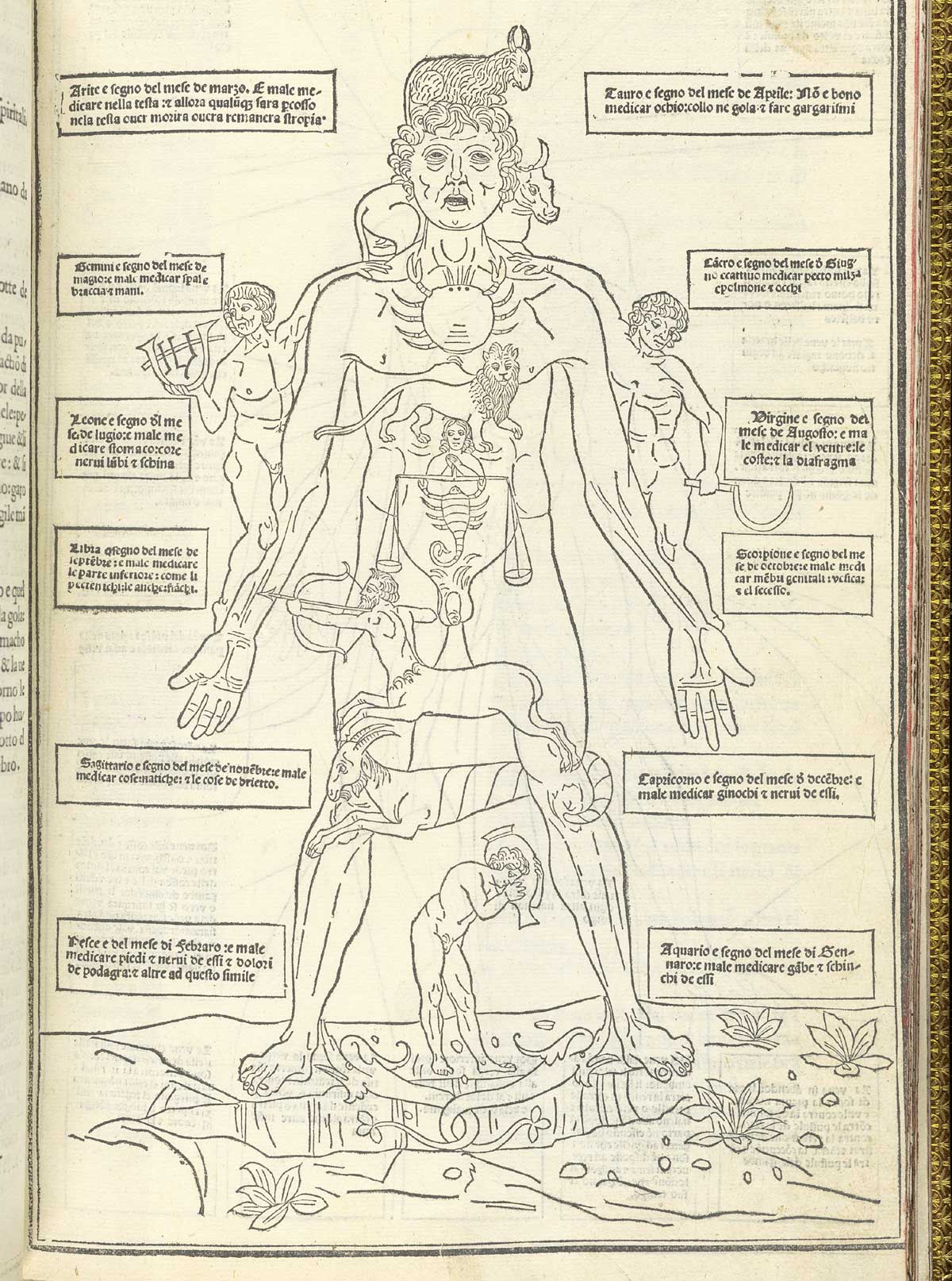
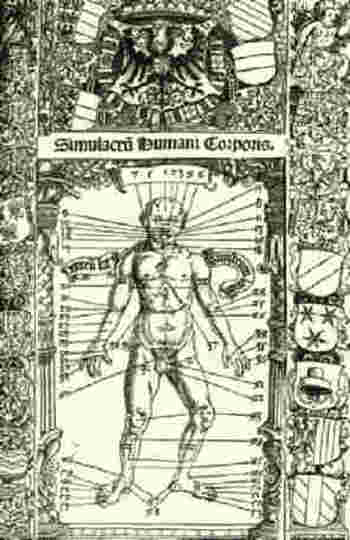 I couldn’t let the above-mentioned bloodletting image pass without reference to this excellent woodcut for Johann Stoeffler’s Calendarium Romanum Magnum, printed in Oppenheym by the redoubtable Jacob Koebel, (24 March) 1518. It is a glorious display (entitled Simulcarum humani corporis) of seasonal (!) purgative and bloodletting locations on the body, meant to accompany a longish essay by Stoeffler on the practice in general. The bulk of the book, however, had very little to do with this practice and was actually commissioned as a reform to the Julian calendar, provided with the impetus of the Lateran Council (1512-1517). The result was a series of forty-one propositions on the calendar and calendar-related practices, including work on eclipses, the zodiac, the occurrence of leap years, the Alexandrine and Roman calendars, the calculation of the occurrence of Easter, and so on, including the seasonal practices of bloodletting.