A Daily History of Holes, Dots, Lines, Science, History, Math, Physics, Art, the Unintentional Absurd, Architecture, Maps, Data Visualization, Blank and Missing Things, and so on. |1.6 million words, 7500 images, 4.9 million hits| Press & appearances in The Times, Le Figaro, Mensa, The Economist, The Guardian, Discovery News, Slate, Le Monde, Sci American Blogs, Le Pont, and many other places… 5000+ total posts since 2008.

Author: JF Ptak

  • Ennui and Renaissance Surgical Tools

    JF Ptak Science Books   Post 1147

            “Jeopardy is jejune now: naïve knight
            finds ogres out-of-date and dragons unheard
            of, while blasé princesses indict
            tilts at terror as downright absurd.”    –“Ennui”, by Sylvia Plath

           “Ennui is the poetic state that occurs just before depression.” made-up Twain quote, seconded by a  made-up  Bierce definition, “Ennui.  Depression without the imagination.”
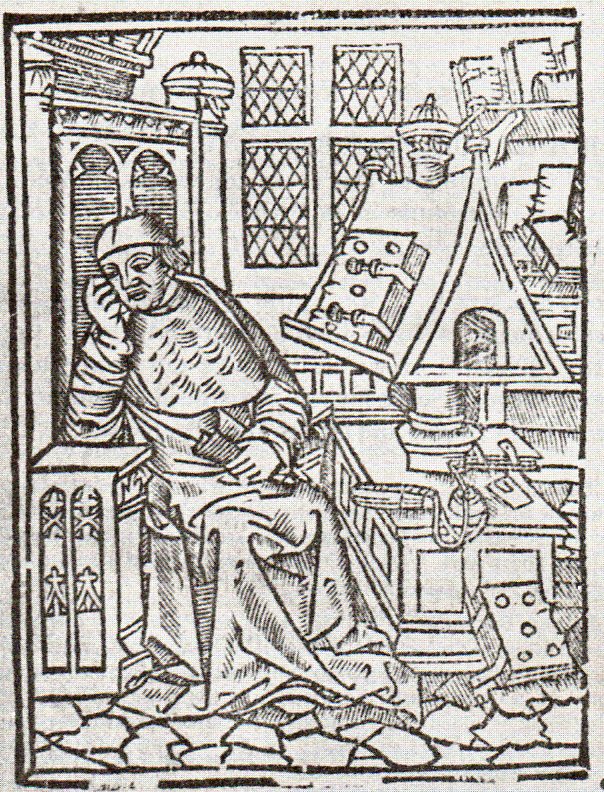
    Ennui-doctor420
    Ennui seems to have always been in the possession of those who could afford possessions–the laboring classes could only be affected with derangements and sloppiness and laziness, but the wealthy among the people of the earth could have ennui. They could afford to.  And it seems to me that in my own walk-through in the history of illustration–especially relating to the sciences–that those most often depicted with ennui were saints and doctors, two generally mutually-excluding classes.  I’m not so sure why this is the case for the doctor, or surgeon, or barber,  or sawbones–it was not a pretty jog in the centuries leading up to our own.  [Pictured here is a physician with things on/not on his mind, from Andrew Borde’s The Breuiary of Healthe, for all maner of syknesses and diseases…” from 1556, and which turns out to be one of teh first modern books on hygiene.]The working  conditions were exceptionally difficult (in general), the treatments were blood-under-the-nails barbaric, and the survival rate for those under your care was poor. Perhaps it was the tools? They were’nt very glamorous things, either–nor were
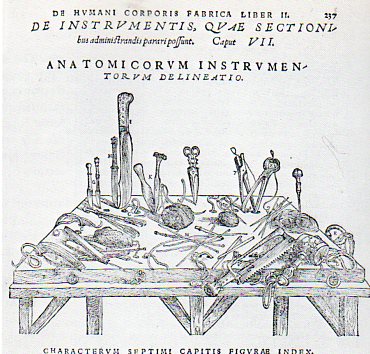
     

    Ennui-surgical tools a419
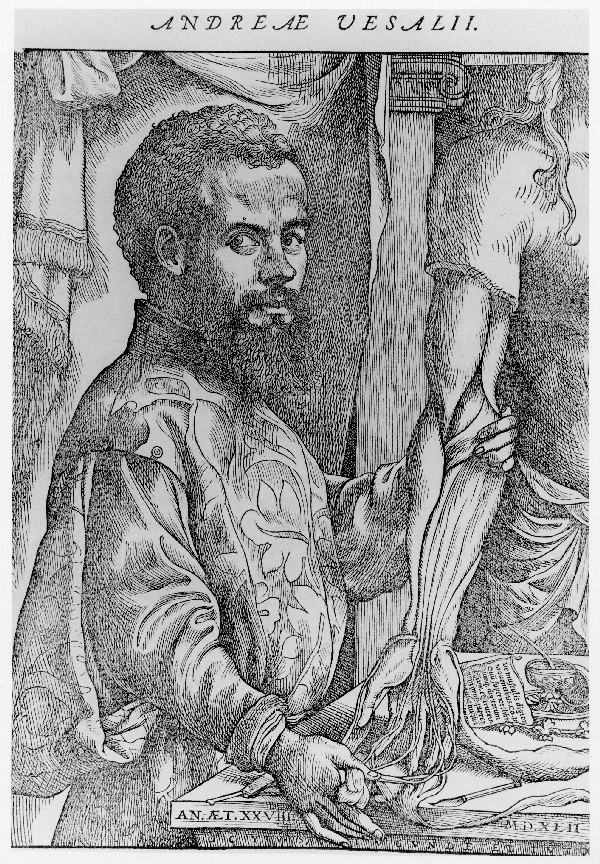
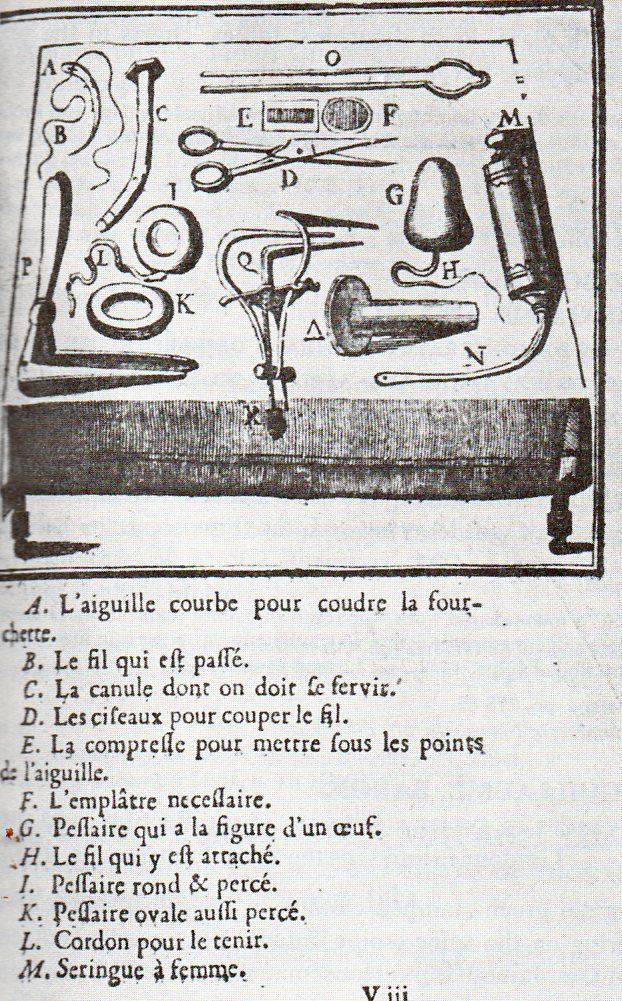
    they necessarily clean. [Image of from Vesalius’  De humani corporus fabrica . 1543, (“On the Fabric of the Human Body”/”On the Construction of the Human Body”).  I prefer “fabric” because of Vesalius’ superb re-discovery of muscle…]  Urgent cleanliness in the surgical amphitheater wouldn’t come along until Sir Joseph Lister in the mid-19th century; so working as a surgeon in a bad hospital with rudimentary tools in bad working conditions and little light could not for a happy existence make.
    Ennui--surgial tools421

    Vesalius [The differences between the two engravings above seem to our modern eye to be quite minute; but for the 160 or so years between the two publication dates, the advancements were considerable, given the time.  This second image is a display of midwifery tools and instruments, which I guess wouldn’t make anyone today feel very comfortable–surviving childbirth for the woman was still a substantial issue, though less so than it had been in the first half of the 16th century. Image: Pierre Dionis, Traite Generale des Accouchements...Paris, 1718.]

    And yet imping his way through all of this is Vesalius1, who managed to accomplish accumulate mounds and piles of good data, organize and interpret it and then have the whole thing illustrated (with 200 of some of the greatest anatomical images ever made) and published all before he was 29 years old.  Perhaps he wasn’t as susceptible to be provoked or drawn into ennui as most professionals of the time, being such a genius and coming from such a royal medical lineage2 as he. Or perhaps he was able to avoid the ennui that came with the brains and the genes.  Ennui didn’t seem a part of this physician’s makeup, even though he was deeply in debt and a man slightly out of place. Maybe he didn’t have time to develop ennui, as he was an extraordinarily busy man who was dead at 50. 

    So, judging by the looks of things on the surgeon’s table, and imagining the stuff that needed fixing and the objects to fix it with, perhaps the physician was led down a path of slowly not being able to do anything…at….all.  Ground to a nub, a stop, a chin-in-hand moment.  Or not.                           
    ______________
    Notes:

    1. Vesalius’ revolutionary treatise on anatomy–which stressed anatomy in relation to physiology–was a clear break with the Galenic tradition, and was one of the first of the modern works on the subject. His book was published the same year as Copernicus’ masterpiece. 

    2. Vesalius’ great-grandfather, grandfather and father were professors of medicine, the last two being the Royal Physician and apothecary to Emperor Maximillian

  • A History of Blank, Empty and Missing Things: the Importance of Nothing

    JF Ptak  Science Books  Post 1145

    {This is one in a longish series on the the History of Blank, Empty and Missing Things]

    There is importance and elegance, grace, necessity in nothingness.  That nothing happens is exceptionally important in almost all areas:  the meaning of silences between notes and longer pauses in musical compositions, the essential aspect of timing in a comedic routine, the special place that one goes in meditation, the distinction of wide margins in a beautifully designed book (magic that hasn’t been remotely approached by Kindle & Co., though it said that they have their own hidden beauties), and sometimes just the place where ideas are born.  The places for the beauty of nothing are endless.

    The use of nothingness in art compositions an designs is of course essential–it is sometimes just a little odd to think of it as its own special, spatial element, as its own force of creation or design. 

    Take for example this beautiful use of not filling up space by Louis Jean Pierre Vielliot in his 1805 work on natural history:

    Patti--WIWFY-Cover design Bird407

    It would be so easy to crop out these gorgeous margins, and so kill the power of this image–you’re left with the main ingredient of the effort, but without its necessity, or power.

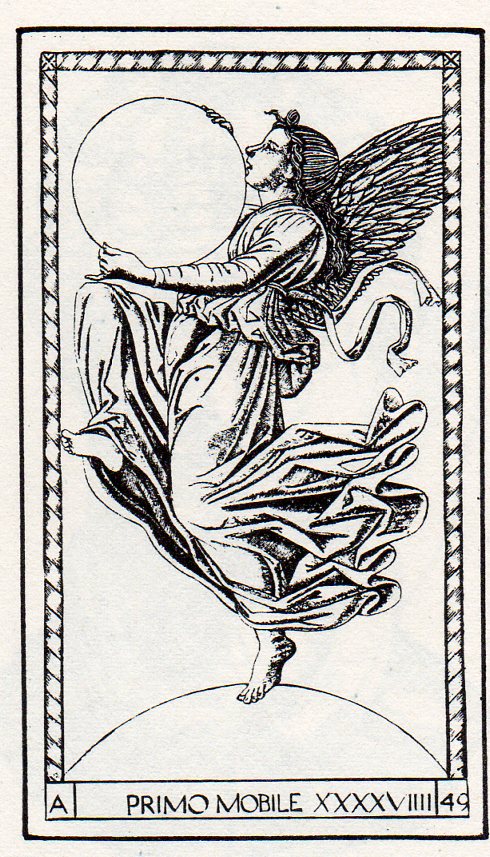
    Empty--tarocchi412 And of course there’s sometimes everything in nothing, seen here, with the universe in the hands of the Primum Mobile, (one image among 50 in a series known as the Mantegna Tarocchi,
    drawn and engraved by artists unknown ca. 1465, though it was once
    believed to be the  work of the great master Andrea Mantegna (and later
    the possible work of Bacci Baldini)). From my reading of this image, the universe is held  in the hands of the primum mobile,
    a spherical container of not-quite-nothing, waiting for the creator to
    breathe life into it.  The possibility of absolutely nothing was seen as
    an impossibility, a perfect vacuum, a space of certain nothingness, was
    a violation of theological belief.  That the sphere existed was a proof
    that–in the 15th century–you simply couldn’t have a container of
    nothingness. The very presence of the sphere confirming that there was
    something being contained by it.

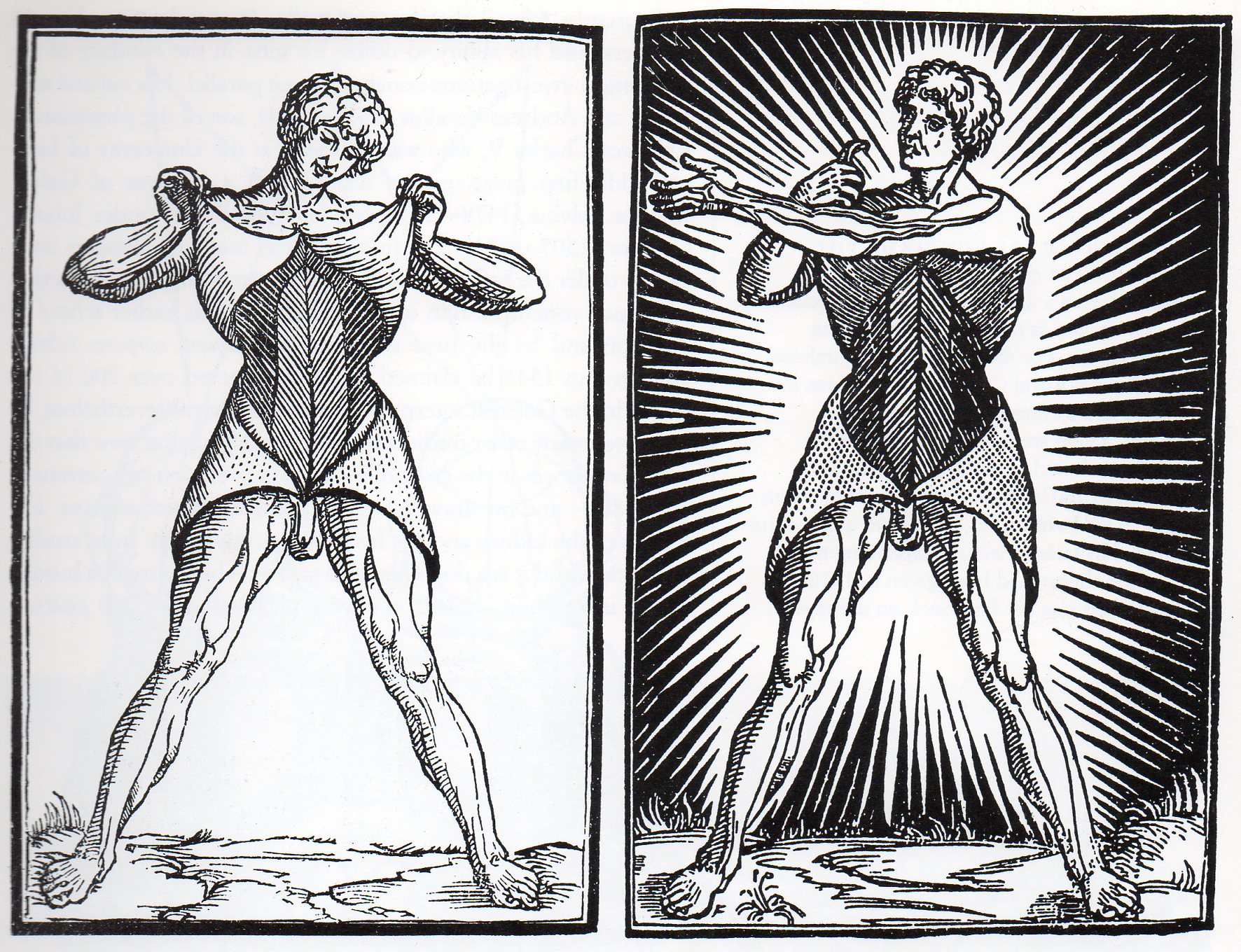
    Here’s an excellent example of the use of nothing as a design force (from Berengario da Carpi’s Commentaria siper Anatomia Mundini, published in Bologna in 1521), where we see what is basically the same exact dissection, except for changes in the internal shading and of course the lightning bolt background.  The simpler design is by far the superior.

    Empty--anatomy411

    It does take some confidence and courage sometimes to use big wide swaths of white, using complementary nothingness–and that’s a good thing.  Sometimes too much “something” isn’t nearly as useful or important as a little bit of “nothing”.


  • Unintentionally Modern Art: Found Dadaist, Abstract Images

    JF Ptak Science Books  Post 1144

    I’ve written several posts here about unrecognized unintentionally unrevolutionary unmodern art on this blog, bits of works on color theory or design or architecture or medicine where the resulting imaging looks very much like a piece of abstract or Dadaist or nonrepresntational art–only decades or centuries too early.  This is an admittedly long-term project, backed-filled with intermittent finds. That’s just necessarily so–I just add this bits as I find them, and, hopefully, at the end of the road, there’ll be hundreds of nice examples.

    Today’s entries include one image from a design book and two from mid-18th century works on electricity:

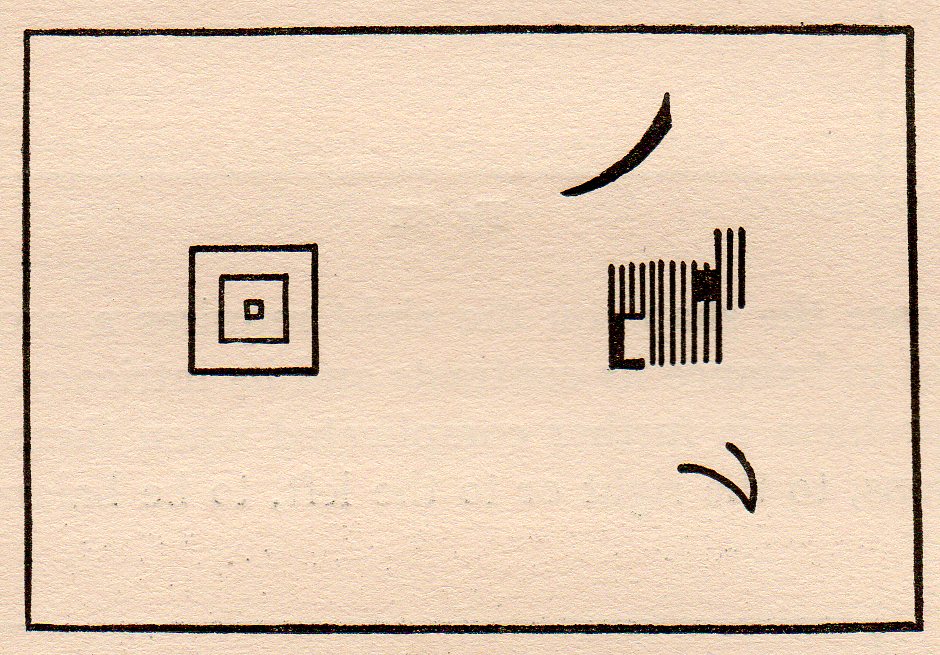
    This image comes fro, Denham Ross‘ A Theory of Pure Design, Harmony Balance, Rhythm. published by Houghton Mifflin in 1907

    Unintentional ROss382 

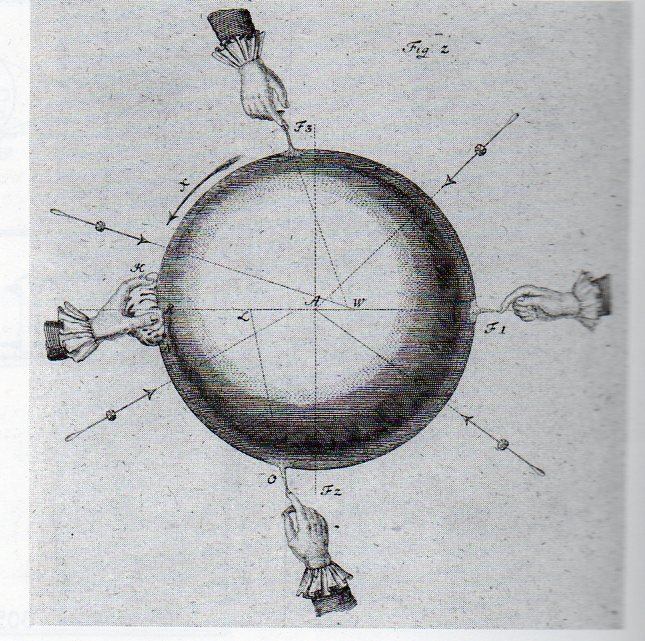
    And from Jacob Waitz’s Abhandlung von der Elektricitat...(printed in 1745)

    Unintentional art ball379 

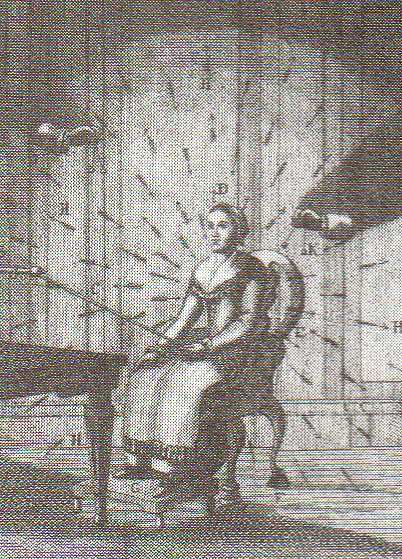
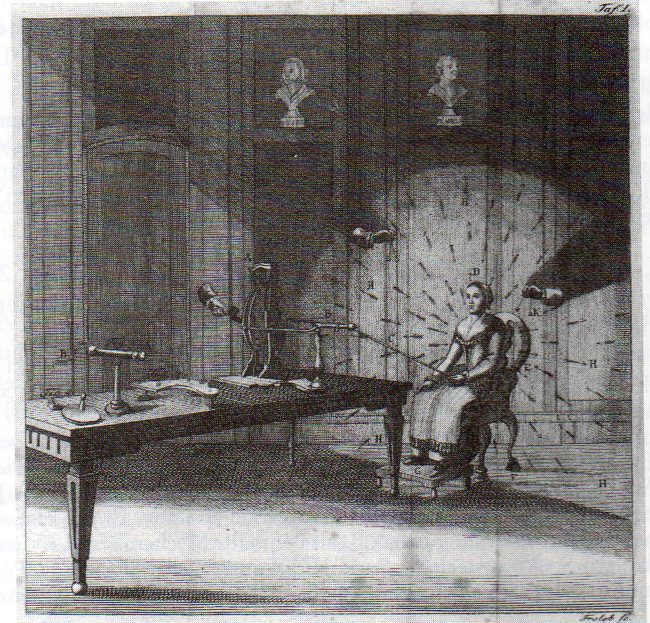
    And from Wilhelm van Barneveld’s Medizinische Elektrizitat (1787)

    Unintentional lady arrow det381
    Which is a detail from the following engraving:

    Unintentional lady arrow380

    ·Posted by :

    ·in:


  • Comfortable Bones, the Skeletons of Adam and Eve–Dissecting a Dissecting Theatre Print, 1616

    JF Ptak Science Books  Post 1143

    “You can have it all, my Empire of Dirt”–Mr. Cash  “We are but dust and shadow”–Mr. Horace

    Can there be anything more comforting than for a believer to see the
    skeletons of Adam and Eve, the proof of the origins of all anxiety? 
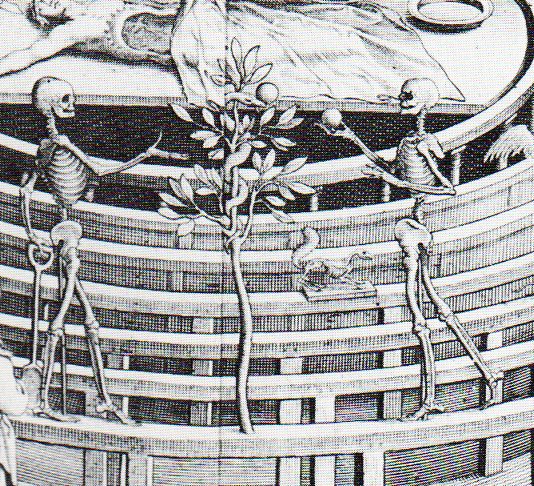
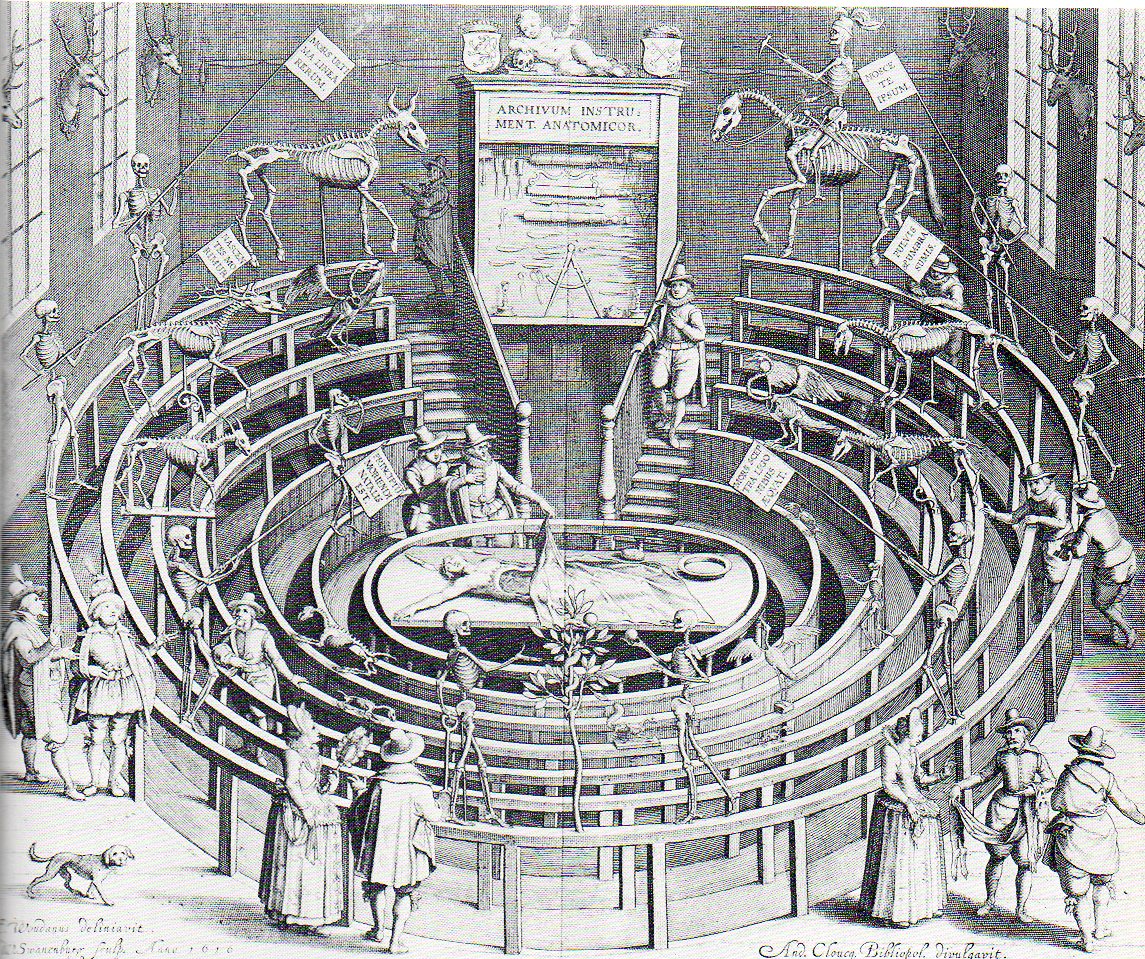
    Probably not.  But their skeletons displayed in this engraving by
    WiIllem Swanenburgh (after

    Adam skeleton det389

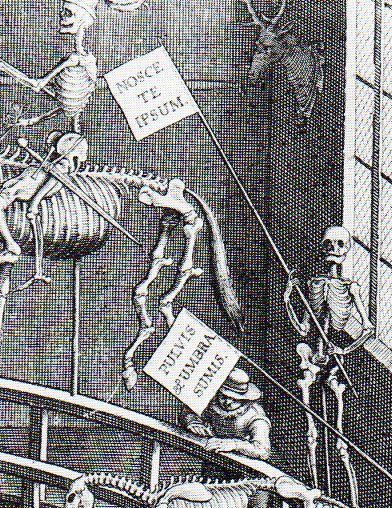
     the painting by J.C. Woudanus) published in 1616 were recognized as pure iconographic ornament.  They decorated the last layer of the dissecting laboratory/pit, an immortal reminder of mortality–perhaps aggressively so, since people were there to watch other people take apart humans and animals and such, which would seem to be a nice reminder of the Big Sleep that awaits all. But no matter, they wer there, Eve with apple, Adam with spade (?), the tree with the forbidden fruit flourishing still around all of the bones, the snake surviving as well.

    Adam skeleton388
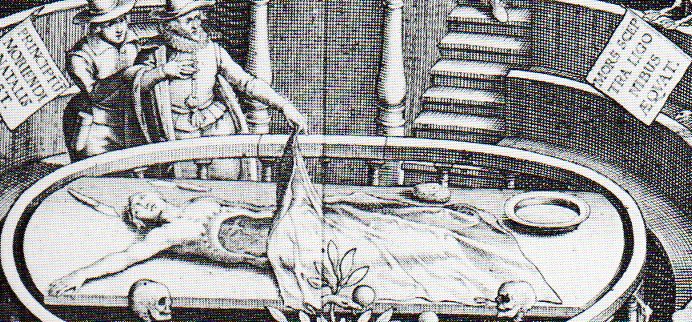
    Visitors to the dissecting amphitheatre here in Leiden were treated to a bone museum during the days in which the place was not being used for its main purpose, though we do see here that a cadaver is being semi-privately displayed, a burgher taking a reticent look (cloth held between thumb and index finger?) while the compatriot takes cover behind him. 

    Adam skeleton cadaver393

    There are plenty of other onlookers to this scene, though most of them are dead,.  It doesn’t prevent them from holding up sings/banners with messages for the living, though.  


    Adam skeleton signs391

    “Pulvis et umbra sumus” (“we are but dust and shadow”, Horace) hangs just above the head of the man who looks as though he might be anxiously fiddling with a mole.

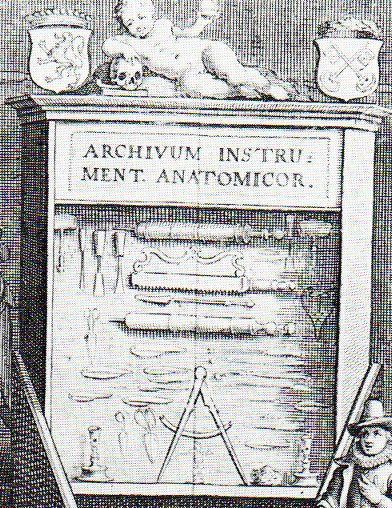
    The tools of the trade hang in an auspicious place, attracting only the attention of two horse skeletons.–scalpels, scissors, maws, a crowbar, a big backsaw-like device, and of course two giant syringes for drawing out “fluids”.

    Adam skeleton tools390 

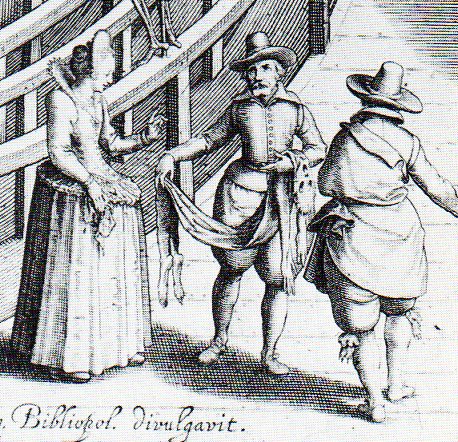
    Lastly, I couldn’t tell what the people were doing in the far right bottom corner until I magnified the image a bit–the man is holding the entire envelope of skin of a human, flayed in one piece.  What is it that they’re saying?  What does one say when offered an armful of skin?  The image of whole-body flayed skin isn’t terribly uncommon in 16th and 17th century anatomy books–except that they’re usually being held by the disectee, and not by a living/walking/talking person. 
    Adam skeleton people392


  • The Mess in the Message: Propaganda in Textbooks and the Control of Intelligence (with Examples from the Confederacy)

    JF Ptak Science Books   [A note on an idea for a future post.]

    Like my father before me, I grew up playing Cowboys and Indians.  In many respects, that game was probably not all that far removed from the history that we learned in our school textbooks.  Growing up in a myth and reading about other myths, its hard to disassociate yourself from the power of those words.

    I was thinking about this earlier, finishing a post on 19th century American occupational alphabets, and thinking of the ways in which certain classes and types of people are represented–stereotypes, radical misstatement of the truth, and outright lies were sometimes included, and as they were being used to help a young child learn the alpha-beta, they also formed the core, a foundation, of a belief system simply through association and repetition–a twisted mess that very well might have taken decades to unravel.

    In that light, I’d really like to see a history of propagandistic history as taught in American schools–that’s where early battles are fought, that’s where the power of words gain strength, and that’s where the basis of all future histories that threaten those introductory lessons come to a point of contention, if not conflict.  The power of language finds its way into the young vocabulary, and has a hard time being removed.           

    Someone wrote a book about everything that they ever needed to learn was learned by kindergarten.  That sort of education cuts both ways.

    Whether it is an assault on the integrity of the biological sciences and general logic for textbooks to include “alternative” in the teaching of the formation of species and the world, or representing geological time that began in impossibly late stages in the development of the Earth and the Solar System, or glorifying the presidency of Ronald Reagan, it is the control of language that leads to the control of thought, and it is on textbooks that many of these battles are currently being fought.  And have been fought. 

    If I had access, I would love to look at the following books, their titles suggesting a frontal assault on remedial and basic ideas of communication re-fitted to the place and time and people–language and definitions reconsidered to serve the purposes of  a new user group.  I’ve chosen these titles simply because of their titles, and also because I’m in the South. (And partially too because my wife’s great-great grandfather and three associated relatives fought in the Cause, against the Union, and that is part of their history.)

    And so the books that I’d like to see:

    Richard McAllister Smith unleashed quite a torrent over a few years:  The
    Confederate First Reader: Containing Selections in Prose and Poetry, as
    Reading Exercises for the Younger Children in the Schools and Families
    of the Confederate States
    (Richmond 1864) followed by The Confederate Primer (1863) and The Confederate Rhyming Primer [Or, First Lessons Made Easy. Designed as an Introduction to the Confederate Spelling Book] (Richmond:
    1863) and The Confederate Spelling Book, with Reading Lessons for the Young, Adapted to the Use of Schools or for Private Instruction. (Richmond 1863).

    Leverett, Charles Edward. The Southern Confederacy Arithmetic. By S. Lander, A. M.. Augusta: J. T. Paterson and Co., 1864.

    There was also the very concerted effort by Mrs. Marinda Branson Moore, including The Dixie Speller. To Follow the First Dixie Reader, ( Raleigh: Branson and Farrar, 1864), The First Dixie Reader; Designed to Follow the Dixie Prime (Raleigh: Branson, Farrar and Co., 1863), followed by her The Geographical Reader, for the Dixie Children.(Raleigh: Branson, Farrar and Co., 1863), and her  Primary Geography, Arranged as a Reading Book for Common Schools, with Questions and Answers Attached (Raleigh: Branson and Farrar, 1864). 
                                       
    Robert Fleming managed to really mix it up, and also to get all of it into the title of his book  The Elementary Spelling Book, Revised and Adapted to the Youth of the Southern Confederacy, Interspersed with Bible Readings on Domestic Slavery. (Atlanta: Franklin Steam Printing House, 1863.)

    Lemuel Johnson’s. An Elementary Arithmetic, Designed for Beginners: Embracing the First Principles of the Science. By L. Johnson. A. M., Professor of Mathematics at Trinity College (Raleigh: Branson and Farrar) published 1864

    ·Posted by :

    ·in:

    — — —

  • The First X-Ray of an Atomic Explosion Inside of a Person (1964)

    JF Ptak Science Books  Post 1140

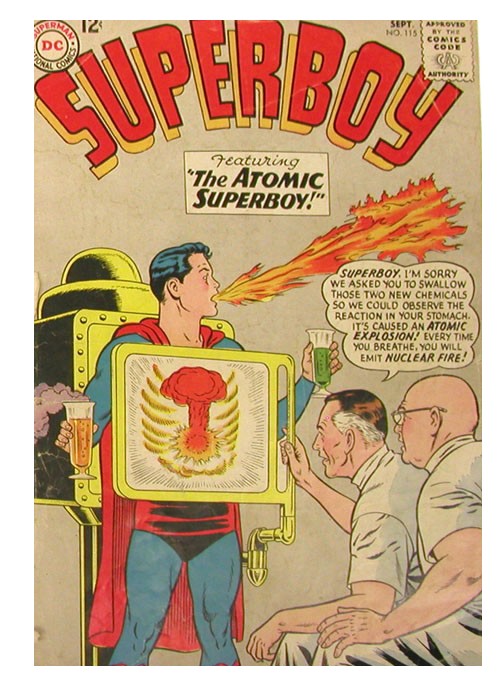
    I don’t know why, but I cannot remember ever having seen an x-ray of an atomic explosion taking place inside of a person, before today.  I guess that Superboy’s body is susceptible to x-rays but is also at the same exact time capable of preventing a nuclear explosion from escaping his body–all except for the “nuclear fire” coming from his mouth.Now that’s some sort of body control! The men in white seem pretty confident, being so close to the Trinity-like action and all.

    Atomic explos superboy
    Superboy evidently needs fewer ribs than humans, and it looks like the detonation point is right on the transpyloric plane, taking out kidney, liver, gall bladder and just about everything else.  And his spine doesn’t show up, either–along with a lot of other innards.

    Atomic explos superb deta 

    The original (published in September 1964) comes from the Oak Ridge Associated Universities, and they point out that this issue comes right after the signing of in-air nuclear weapons testing ban (after a speech by JFK in June 1963, marked by a memorial that was about 10 feet away from where I used to practice the shot put in D.C.)


  • Radioactive Suppository Sex Aids & Radium Toothpaste: Shining Lethal Nonsense

    JF Ptak Science Books  Post 1139

    Radium chemical co385

    “Radium was what was bad and worse
    a shiney and shining curse,
    till we stuck uranium in there,
    to make me have my ‘splodin’ hair…”–Lyrics to the nonexistent song “Satan’s Tooth in Me”, (1946),  by Blending “Loose Tooth” Bender

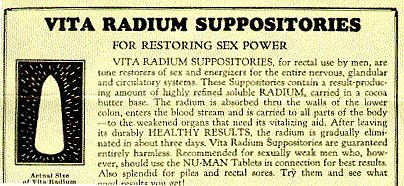
    If this was 15 May 1915, we could all be attending the Illinois State Medical Society’s annual meeting at the Masonic Temple in Springfield, Illinois.And if we went to booth 18, we could’ve bought some fine, newish radium-based products that would be enjoyed drinking or bathing in.  And all for the cause of human progress, the radium-based nonsense promised cures for all sorts of ills:  rheumatism, dandruff, dull teeth, gout, sexual problems, general malaise, and on and on. 


    The exceptionally important discovery by the Curies was made 17 years before this event, with the medically-unknown problems of radium waiting in the wings for another decade or so after this.  In the meantime, there were many companies that took advantage of the unknown qualities of radium (as happened with the use of X-Rays for all sorts of quack applications) using it as a shining addition to dozens of products.

    Many of these companies employed the real stuff, affecting thousands of people, radium-based cure-alls being ingested, injected, applied and bathed-in. For example, there were numerous companies distributing ‘radium water” (such as “Radithor” by William J.A. Bailey’s company), radium suppositories (“in a cocoa butter base”), toothpaste (“Doramad”, distributed by Doramad Radioaktive Zohncreme during WWII, to Germans), cosmetics (“Tho-Radia”), and many different varieties of radium-enriched healing belts (to be worn or slept on).  There were plenty of other products that used the “radium” name but didn’t actually use the substance itself, further selling the idea of its usefulness on the individual level.  There was radium beer, nail clippers, starch, cigars, polish, headache tablets, razor blades, butter and of course, condoms.

    Radium--suppositories

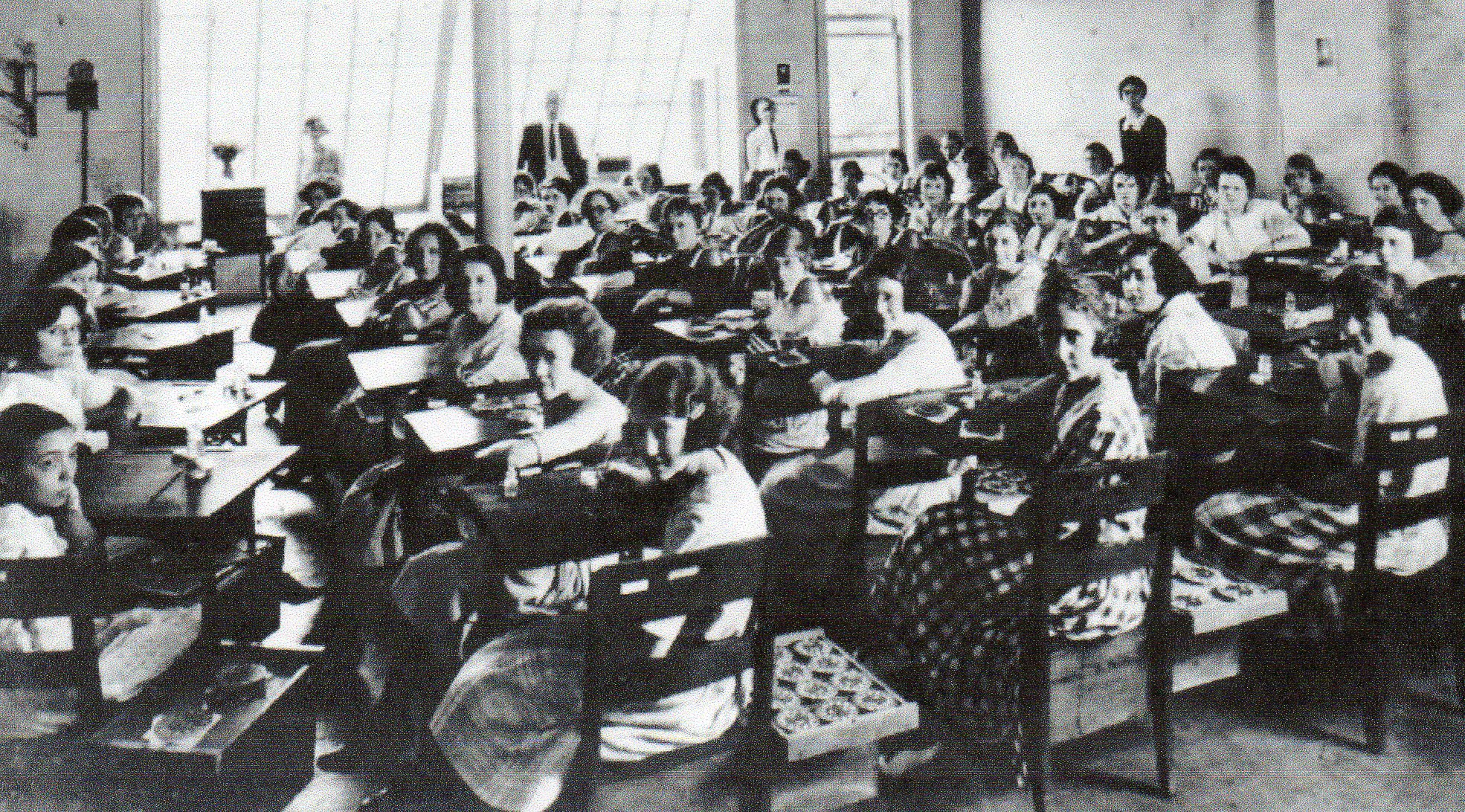
     Perhaps the most famous case of misguided application of radium was in the case of the radium dial painting women, more than 1200 employed by four companies1 during the ‘teens and ‘twenties (and some later) to apply radium-laced paint to make watch face/dials luminous in the dark.  It wasn’t necessarily the radium in the paint that got to so many of these women and killed them–it was the fact that they would generally put their paint brushes on the tips of their tongues to get a better painting point with the camel hairs.  Ingesting the radium paint like that was

    Radium women 2384
    [Image: Oak Ridge Associated Universities, radium dial painters, ca. 1920.]

    the killer.  The manufacturers said, basically, that they “tried” to discourage this behavior, but there was nothing that they could do about it, and so the brush-to-mouth to cancer/necrosis continued until people started dying.  It was then that the whole connection between radium and cancer was discovered.  Of course some of this continued into the ‘forties and ‘fifties, with “safeguards” in place, but, well, something else just needed to be done.  

    I guess that the point of telling this story is that we can shake our heads at this sort of behavior now, but it is assured that entire populations will be shaking their quizzed-up collective noggins with what we practice now (that is deemed to be “safe” or “appropriate”), and all in just a few short decades.  This is always the case.  Its just hard, sometimes, to identify what these practices are while they’re happening, and then have the willingness to do something about it. 

    Notes

    1. The four main companies included Radium Dial Company (with 213 such workers), Waterbury Clock (with 404), US Radium Company (with 73), and Luminous Processes (with 608).


  • History of Blank and Missing Things: Who is Albert Einstein?

    JF Ptak Science Books   Post 1137

    Einstein patent [Part of the History of Blank, Empty and Missing Things series.]

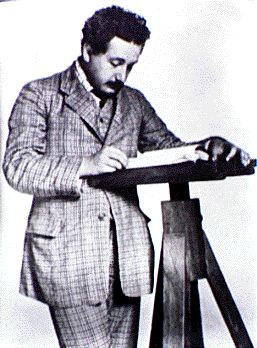
    There was a time when this was a real question, even though the subject of that question was in the process of changing physics. One of the most enigmatic strings of 12 words and numerals in the history of science, “Bern, June, 1905″ appeared at the end of Albert Einstein’s special relativity paper, setting the question in motion..

    This difficult publication–one of the most revolutionary in the history of physics–was written by a mystery man.  Its author was basically unknown–when readers tried to find Einstein, they went to the universities in Bern, naturally, but of course didn’t find him there.  No one would have guessed that he was a patent office grunt, one window at work to call his own.  There were no clues in the paper about the other, not really–not even a footnote.  An invisible man was changing the face of physics. 

    1905 was, well, “busy” for Einstein.  Perhaps no one person has ever had a year like this, in any discipline. His four papers delivered during this time was nothing short of miraculous.  To start,  Einstein turned 26 on 14 March, and sent his magnificent  photoelectricity paper1 to the Annalen der Physik  three days later.  At the end of April, Einstein sent in his doctoral dissertation to the University of Zurich2 (the paper accepted and approved in July  and degree formally awarded on 15 January 1906). A few weeks later (a) his son Hans Albert celebrated his first birthday and (b)he got his big idea on the special theory.  Also in this same extraordinary month of May he sent the Annalen his Brownian Motion paper3, and then, a little more than a month later, Einstein sent his SRT 4 paper in to the same Annalen, and saw it published 26 September.

    As Einstein’s great paper awaited publication he returned from a short vacation with his family and sent in his (a)  dissertation (on 19 August, and which is published in February 1906) and (b) his mass-energy equivalence paper5 (E=mc2). I can think of no other time for any other scientist in the history of the sciences who had so much fabulous stuff up in the air at the same time. Impossible, really.  And then, after most of the papers are published and appeared in the orange-wrappered physical journal Annalen der Physik, Einstein got a part-time job tutoring a student.

    At the end of 1905 Einstein was becoming less Blank, but considering the power of his publications, I can’t think of anyone of equal power who was unequally unknown. 
       
    Notes   

    1. “On a Heuristic Point of View concerning the Production and Transformation of Light.” published June 9.
    2. “A New Determination of Molecular Dimensions.” (Published in 1906.)
    3. “On the Movement of Small Particles Suspended in Stationary Liquids Required by the Molecular-Kinetic Theory of Heat.” published July 18.
    4. “On the Electrodynamics of Moving Bodies.” Received June 30, published 26 September.
    5. “Does the Inertia of a Body Depend upon Its Energy Content?”


  • Center of Attention–a Map of Women’s Visual Exploration of Men (1941)

    JF Ptak Science Books Post 1136

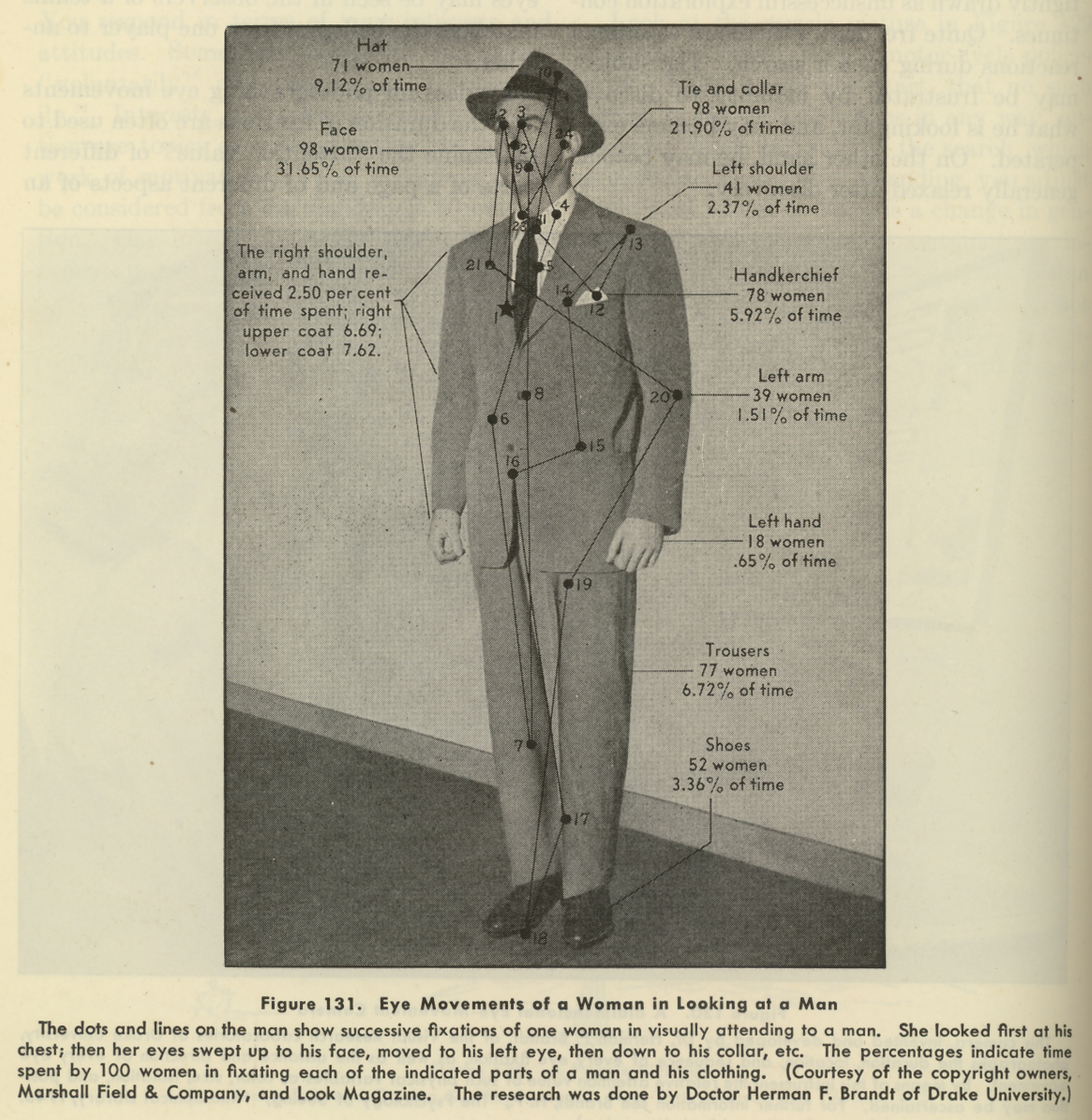
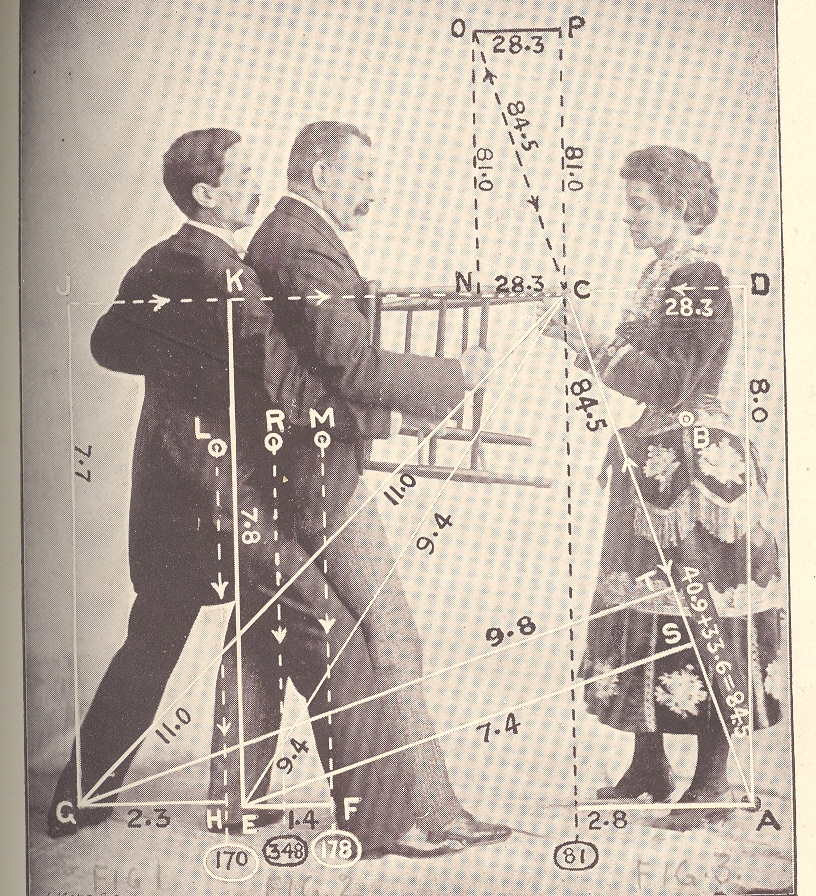
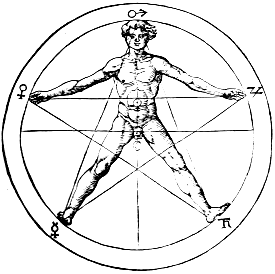
    The eye leads the brain, or the brain leads the eye, and from there, who knows where anything goes, especially when involved with a qualitative survey of a complex entity. This is more-or-less what we are dealing with here, in this image below, found on page 74 of a 1941 issue of Life magazine. (It is related in some way to an earlier post on this blog, a post called “The Center of Levity..”1 , though perhaps not really.)  It is hardly a map of the macrocosmos incised with Pythagorean precision on the body of man2, nor an astrological  or Kabalistic or Vitruvian perspective representation of humanity.  It is just a 1940’s  eye-trail map of where women looked at a man, a non-mathematical treatment of vague interest.

    Eye fixations

    It turns out that the seduction of a man’s body to a woman’s gaze–as difficult as that might seem from this photo–is fairly measurable, and was so even in the 1940’s, when the researcher Herman F. Brandt (Drake University, Iowa) produced this image.  And what it is, basically, is a map of where women looked when their eyes were tracked as they looked at this man.  Brandt had a long career investigating ocular fixation, and (I think) developed a camera that would track the reflection of beams of light on the corneas of his subjects, recording eye movement in horizontal and vertical planes, as they drank in this fine figure of manhood.  In any event his research was of interest to a wide variety of people, from neurologists to fashion designers–I’ve got no idea of how that interest was manifested, or if it turned out to be valuable information.  I do know that the Brandt work utilized by Marshall Field & Co. did produce a remarkable photograph open to all sorts of interpretation.   Visual stimulus point #19 was left uninterpreted and unmentioned, though the great majority of visual hits was above the waist, and above the neck.

    Notes:

    1. One of the images from the Center of Levity post:

    Mar 23 center of levity cvr det 2

    2. For example, this classic from Agrippa von Nettesheim, De Occulta Philosophia (1533):

    Agrippa


  • Christmas Gift Porn: Reagan, Santa, Cigarettes and (Lots) of Booze. Giving Ideas, 1954

    JF Ptak Science Books  Post 1135

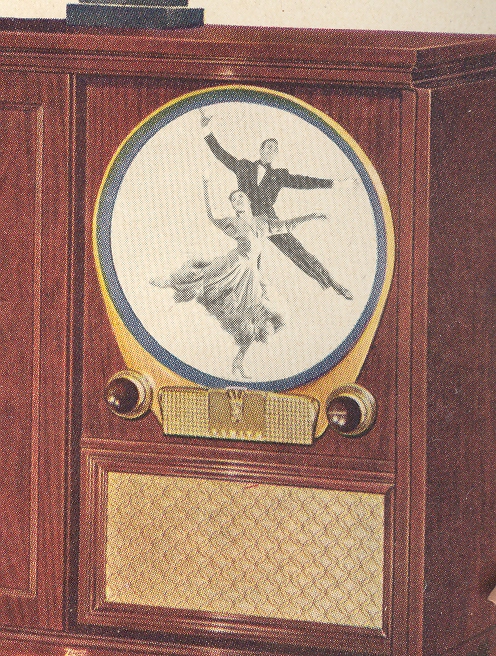
    Tv 1954 Some time ago I wrote a post here on the images displayed in tvs in television ads from the 1950’s as small windows into societal attractions and expectations.  My thinking was that the exploding television industry would try to lure buyers with the seductive promises of these pictures, that seeing them displayed would entice  people to buy the televisions so that they could see them at home.  Or perhaps not–perhaps they were only placeholders so that the screen wouldn’t be dark and blank, though I feel otherwise.  The selection of these images tells us a tiny bit of something about the working person’s dreams–I admit it’s a slippery slope and not a blunt diagnostic tool, but it is interesting.

    So too with Christmas advertising.  Looking for something else in a volume of LIFE magazine for 1954 (an article on workers using irradiated paint to apply highlights to glow-in-the-dark wristwatches) I was struck by the goods being advertised for Christmas gift-giving. Pro-phyl-Ac-Tic Brush Company was selling brushes, and Santa was pushing Playtex pillows and Hoover vacuums and irons and MEAT and waffle makers.         Christmas lited cig b370

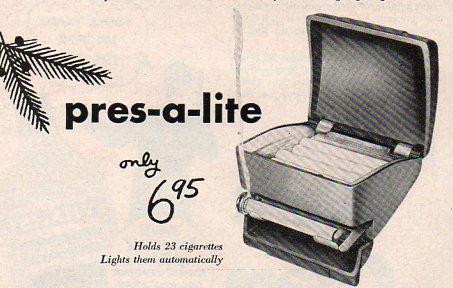
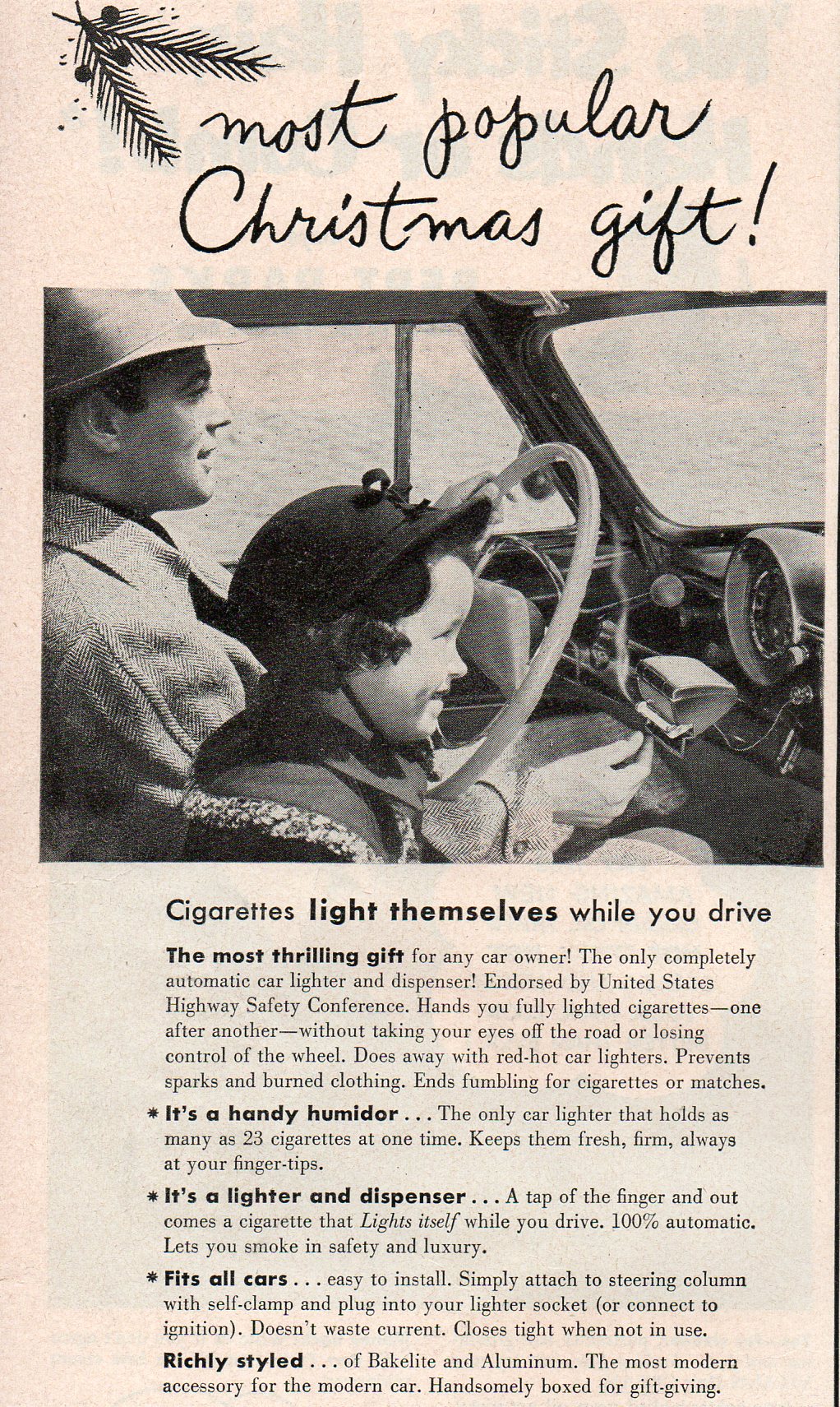
    And then there was the automatic lit-cigarette dispenser for the automobile.  Push a button–out rolls a burning ciggie.  The heated air and the rolled-up windows must’ve made for an extra-pleasurable experience for the girl sitting next to daddy.
     

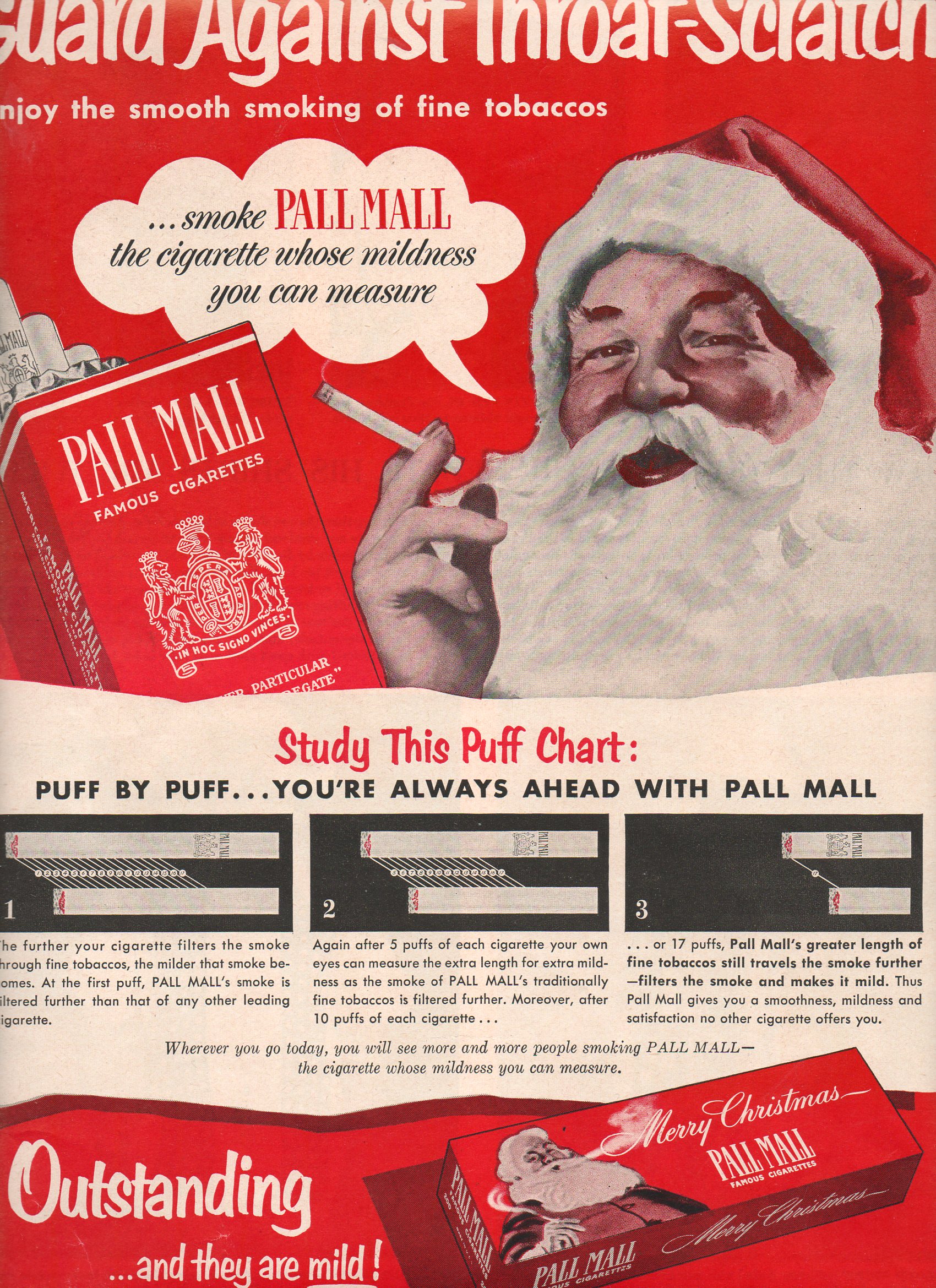
    Christmas Santa ciggies367 But it was the pictures of Santa selling cigarettes as Christmas gifts that got me–again (this story on the worst Christmas advertisements appeared earlier in this blog).  There were bunches of Santas selling smokes, including one de-bearded impostor selling Fatima cigarettes.  There were bunches of other folks, too, trading in on the smoking bit–they were excitedly opening wrapped/ribboned gifts of boxes of smokes, or hanging packs on the tree, or kissers kissing with boxes of newly-gifted smokes in their hands behind their lover’s neck.  And of course there was Ronald Reagan, who 26 years later would sell his flat forehead and broad grin to the American people as presidential lumber. (He seems to be writing on the carton in this picture.)

    Christmas RR366  

    And we’re not just talking Camels here.  In four issues of LIFE prior to Christmas 1954, the following cigarettes were advertised in full-page placements, looming suggestions for expressions of a “smokey” (which would later read “coughy/spitting/deady” for many of the buyers and receivers) love: Old Gold, Lucky Strikes, Fatima, Camel, Pall Mall and Chesterfields; also included were Robert Burns and White Owl cigars, plus Keywood pipes.  More often than not, each one of these products was featured in each of these four issues of LIFE. 

    Booze was featured very prominently as well, more so, really, than the cigs.  The ads included: Schlitz, Seagrams, Arrow Brady, Fleischman’s Gin, Haig and Haig, Old Forester, Paul Jones Whiskey, Sunny Brook Whiskey, Heublein Whisky, Seagrams Whiskey, Gilbey, Calvert, Medly, Black and White, Old Grand Dad, Pabst, Schenley, Four Roses, and Coronet.    

    LIFE was running about 175 pages per weekly issue at the time, so the full page ads for cigarettes and alcohol were actually eating up a bit of total display space per issue.

    What about the “regular” stuff?  There were surprisingly few toys, and so far as I can tell only two big ads for Schwinn bicycles. The 3/4-page/full page ads featured Whtiman Chocolates, toasters, light bulbs, cologne, televisions, Samsonite luggage, NUCOR oleomargarine, fountain pens, Zipo lighters, razors, meat, Van Heusen shirt, socks, lingerie, Green Giant peas, Coke, A & P coffee, refrigerators, pillows, Kodak cameras, cedar chests, washing machines, irons (“to show her you love her”), waffle irons, Hoover vacuums (“to show her you care”), and a couple of ads for Plymouths and Fords.

    So. Pretty utilitarian stuff, overall: buy mother chocolate, margarine, a lady razor, green peas, meat, coffee, pillows, lingerie, washing machine, and an iron; maybe a refrigerator if you had the extra cash, and an assortment of oils and perfumes for later on, when she was not working.  Dad gets cologne, a tv, fountain pens, a shirt, a tie, a high-beam spotlight for the Ford, simonize, some socks, and maybe a car for the family.  There was a two-page, double-page spread for kids’ toys, all o fit wrapped up in to display, showing 40 or so things from Santa, but in general the images for goods for children was very slim. Maybe everyone just knew to go to the toy store, or Macy’s toy department, or Gimbel’s, or Wanamaker’s. But at least for this year, in this magazine, the ads for children were very slim.

    Christmas Sunny Brook368What does all of this say?  Was there little money for working class fancies for Christmas in 1954?   I guess this all depends upon what you compare it to–slated against ads from the 1902’s, the selection looks pretty good; against the turn-of-the-century, better yet.  I’m not sure how early “Christmas advertising” gets,. But I have a feeling that it doesn’t precede Thomas Nast’s Santa by very much at all–seems to me that by 1954, real advertising for Christmas was only a couple of decades old; overall, it seems that advertising Christmas purchases is a definite 20th century invention.
    Christmas lited cig369
    That said, all of this looks like a nearly-null set compared to now, when seemingly everything and anything can be purchased at any time, especially around the Holiday season.  I wonder how this sort of consumerism can be maintained?  There’s always a fallout in super-saturated solutions, and it seems that we must be near that point.  Then again, the folks in 1954 might’ve been saying the same exact thing. 


    ·Posted by :

    ·in:

    —