A Daily History of Holes, Dots, Lines, Science, History, Math, Physics, Art, the Unintentional Absurd, Architecture, Maps, Data Visualization, Blank and Missing Things, and so on. |1.6 million words, 7500 images, 4.9 million hits| Press & appearances in The Times, Le Figaro, Mensa, The Economist, The Guardian, Discovery News, Slate, Le Monde, Sci American Blogs, Le Pont, and many other places… 5000+ total posts since 2008.

Category: Alphabets

  • Half-a-Hell Alphabet: U.S. Gazetteer and American “Hell” Lust, “B” to “U”

    JF Ptak Science Books   Post 1517  (With thanks to Dick Carlson for prompting this skip-along)

    http://cinemaelectronica.files.wordpress.com/2010/06/botticellismapofdantesinferno.jpg

    [Hell of Botticelli]

    In spite of the nature of the name,”Hell” appears in frothy, popular abundance in the U.S. Gazetteer.  I suspect that most of the naming was crustily done, and perhaps some were made in spite or jest–but a fair number of them must have been named for the sake of accuracy.  Mostly the names are for geographical bits like a canyon, or swamp, bend, landing, gap, lake, creek, neck, pond, bar, gate, hill, basin or pool–the vast majority of them having to do with water more so than flat-out heat or desert. Hell doesn’t always stand alone:  there are Upper and Lower Hells, Screaming Hells, Merry Hells, and of course Whole- and Half-Hells.

    There’s a peculiar minority that give Hell as the name to uncommon places, like a cemetery; but what I don’t really understand are the few that reach down low, like Hell Street School (Mahoning County, Ohio) and (though less so) the Hell Creek School (Garfield County, Montana).  At least “creek” gives a watery lessening to the firey name–Hell Street, like Hell’s Kitchen, just doesn’t sound so great. 

    There are Hells aplenty in the Gazetteer, Old Hell and New Hell, Hell for Certain and Hell for Sure–I wonder now how many other places in the United States are named for the things that one must do to gain admittance to the Lake of Fire?

    And so:

    Bar, Old Hell.

    Bay, Hell Hole Bay Wilderness (Berkeley County, SC)

    Canyon, Hell. (Millard County, CT)

    Cat, Hell Cat Bay (Putnam County, FL)

    Creek, Hell (Roswell County, KS)

    For Certain Creek, Hell (Leslie County, KY)

    For Sure Lake, Hell.  (Fresno, CA)

    Gap, Hell.  (Goshen, NY)

    Gate, Hell. (NYC)

    Hole, Hell (El Dorado County, CA)

    Hollow, Hell. (New London County, CT)

    Landing, Little Hell (Martin County, SC)

    Lower Hell Hole (Placer County, CA)

    Neck, Hell. (Glouchester county, VA)

    Old Hell Bight (Wayne County, GA)

    Pocosin, Hell. (Onslow County, NC)

    Point, Hell (Burke County, GA)

    Pond, Little Hell.  (Burke County, GA)

    Screaming Hell Pond  (Fayette County, WVa)

    Swamp, Half-Hell (Brunswick County, NC–I believe this one)

    Tank, Little Hell  (Jeff Davis County, TX)

    and of course

    Upper Hell for Certain School, (Leslie County, KY)

    ·Posted by :

    ·in:

    —

  • An Alphabet of Fire–Night-time Telegraphy, 1800 vs. the 1991 Pen Ashtray

    JF Ptak Science Books     Post 1510

    Blog1sept_6_palpable514

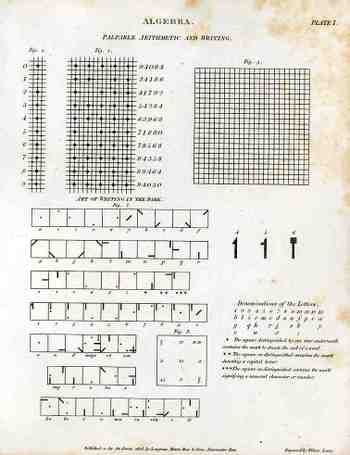
    This curious illustration appears in forty-five volume Cyclopedia of  Abraham Rees (published 1795-1820), displaying a system for communicating over distances at night.  When this part of the Cyclopedia was printed in 1808, the electrical telegraph as we now it was still 37 years away from coming into being–45 years from being somewhat well-used.  Before this time (visual) communications over long distances at night were limited to just these sorts of means–lighted semaphores, hand-held torches, that sort of thing.  Signaling at sea at night was somewhat different at this time and didn’t include anything remotely close to the alphabet.  So the rather complex system that we see at left is extremely uncommon–it seems also very cumbersome to put into effect. 

    Unfortunately I don’t have the text volume that would explain then entire system and implementation, so I’m going to guess that there was a large, powerful light source that was covered by a tight, black, covering tablet that would eliminate nearly all light leakage.  The symbols for each letter of the alphabet (and numerals) would be cut out from another tablet that would fit over the face of the light source, placed between the blank and the light.  To transmit a letter the user would then simply remove the blank covering tablet to reveal the light broadcast by the hole or slit in the tablet underneath.  The blank would then be placed back, a new tablet for a new letter placed underneath, and the process would begin again:  blank (dark); letter (light); blank (dark); letter (light), and so on to the end of the message.   I guess the distance at which these symbols could be seen would be dependent on light source, atmospheric conditions, ad so on.  The way that the letters are made into symbols seems to me very intelligent, so that you distinguish the differences from an appreciable distance.  I like it–its an elegant idea.  (Well, maybe it didn’t work in this manner, but it seems to make sense to me.)

    One can only imagine what the early 19th-century mind would think if they saw this sort of fire-writing device, and how the progress of the history of technology came to produce such a thing:


    Now, does someone look at the pen ashtray and think, “I NEED one of those!”, or what?   To me it represents one of those representatives in the Humans-are-as-Soft-as-Soup category.

    Here’s another sort of fire writing, more literal and of course much less applicable, unless you were recording the writing with a stop-action camera:


  • An Alphabet of Anatomical Emotions and Feelings–Installment 1

    JF Ptak Science Books   Post 1488

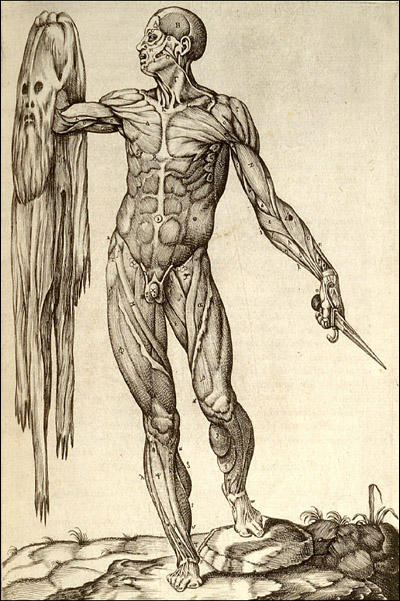
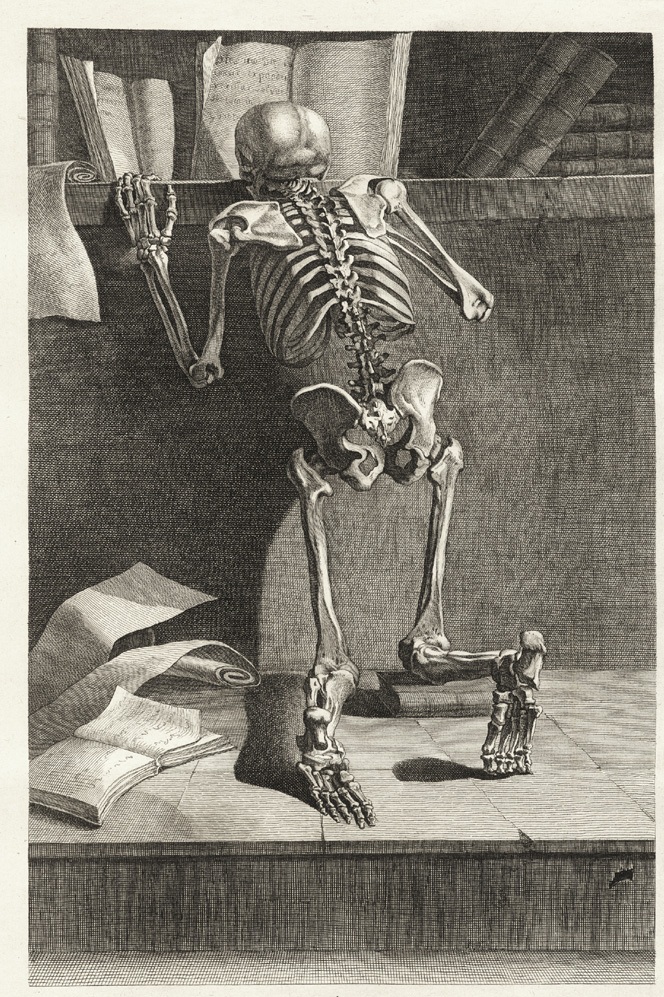
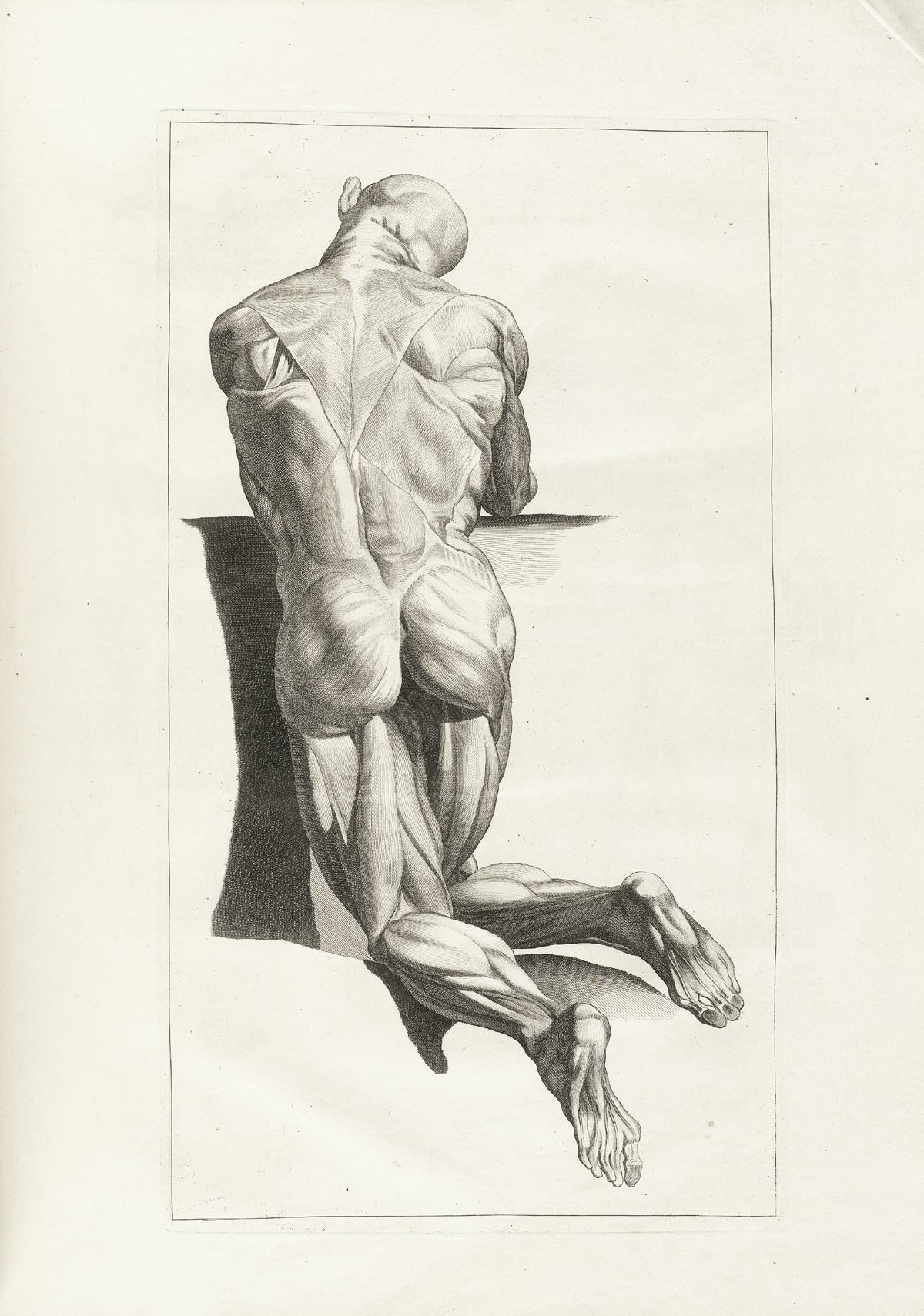
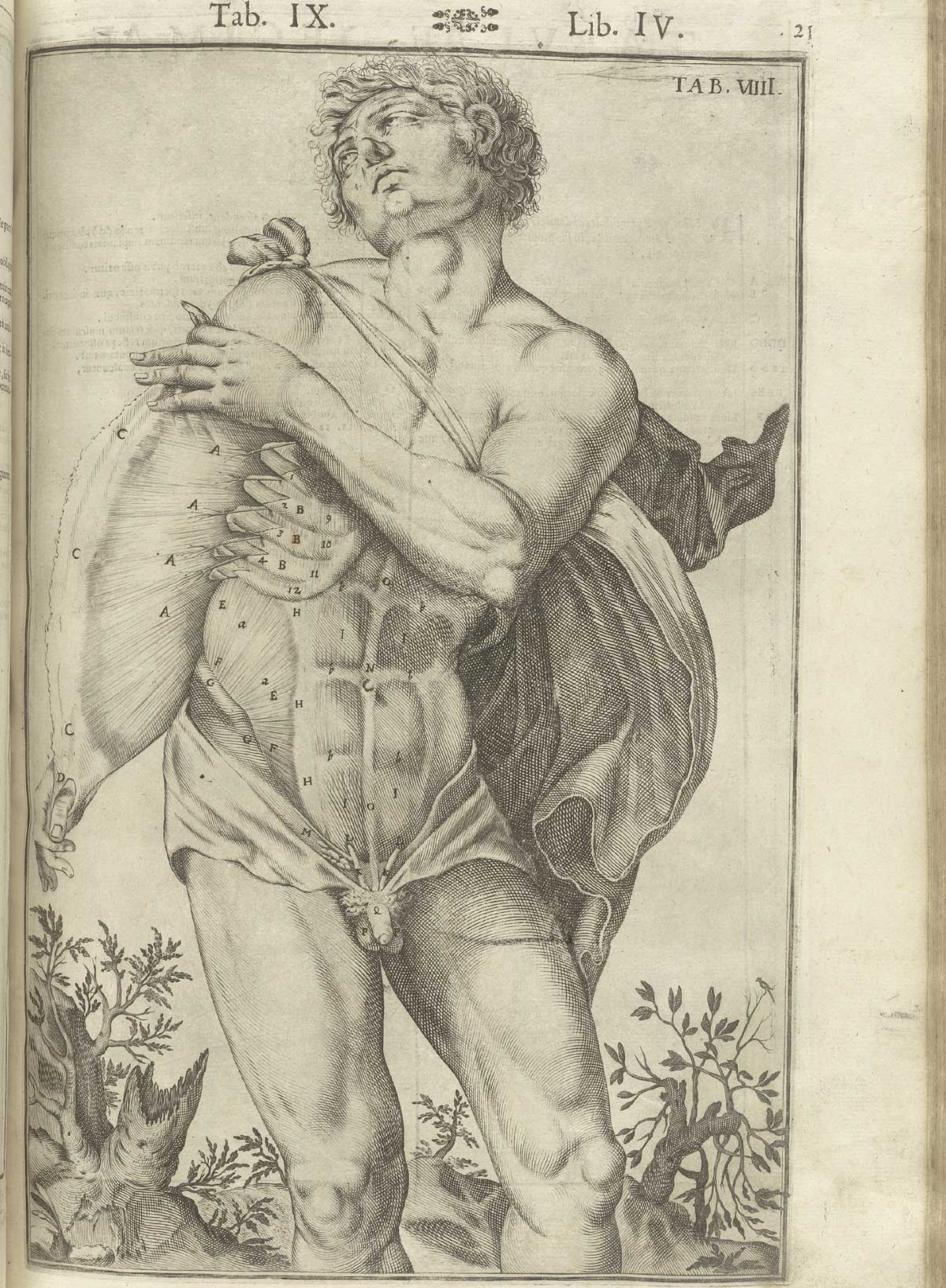
    In a developing thread on oddly-represented alphabets on this blog, this one is a little harder to fill than it seems.  The rules are that all images must be some level of dissection (with the exception of the anatomical Durer), and not a simple artistic study of emotion, and that the images be at least 200 years old.  Part I of this alphabet of emotion and feelings includes awe, burdensome, contempt, disappointment, empathetic, fear, guilt, hope, intrigue, joy, lonesome, majesty, pride, resentment, surprise, trust, vulnerability and wonder.

    Awe

    Tabulae Anatomicae... by Giulio Casserio and Odoardo Fialetti

    Giulio Casserio (ca. 1552-1616, anatomist) and Odoardo Fialetti (artist), Tabulae Anatomicae, published in Venice in 1627.

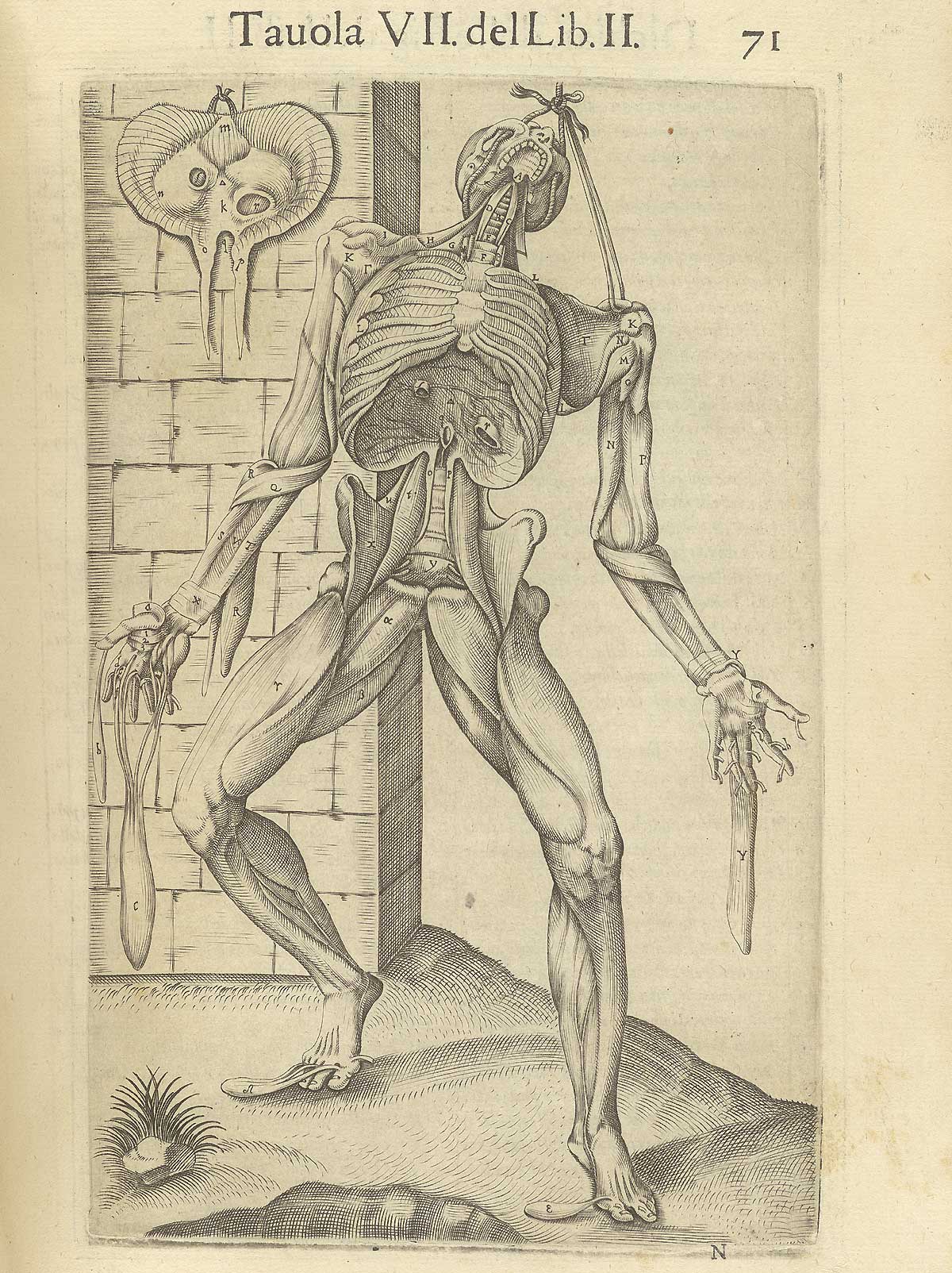
    Burdensome

    http://www.nlm.nih.gov/exhibition/historicalanatomies/Images/1200_pixels/valverde_p71.jpg

    Juan Valverde de Amusci (ca. 1525-ca. 1588), Anatomia del corpo humano, printed in Rome in 1560. 


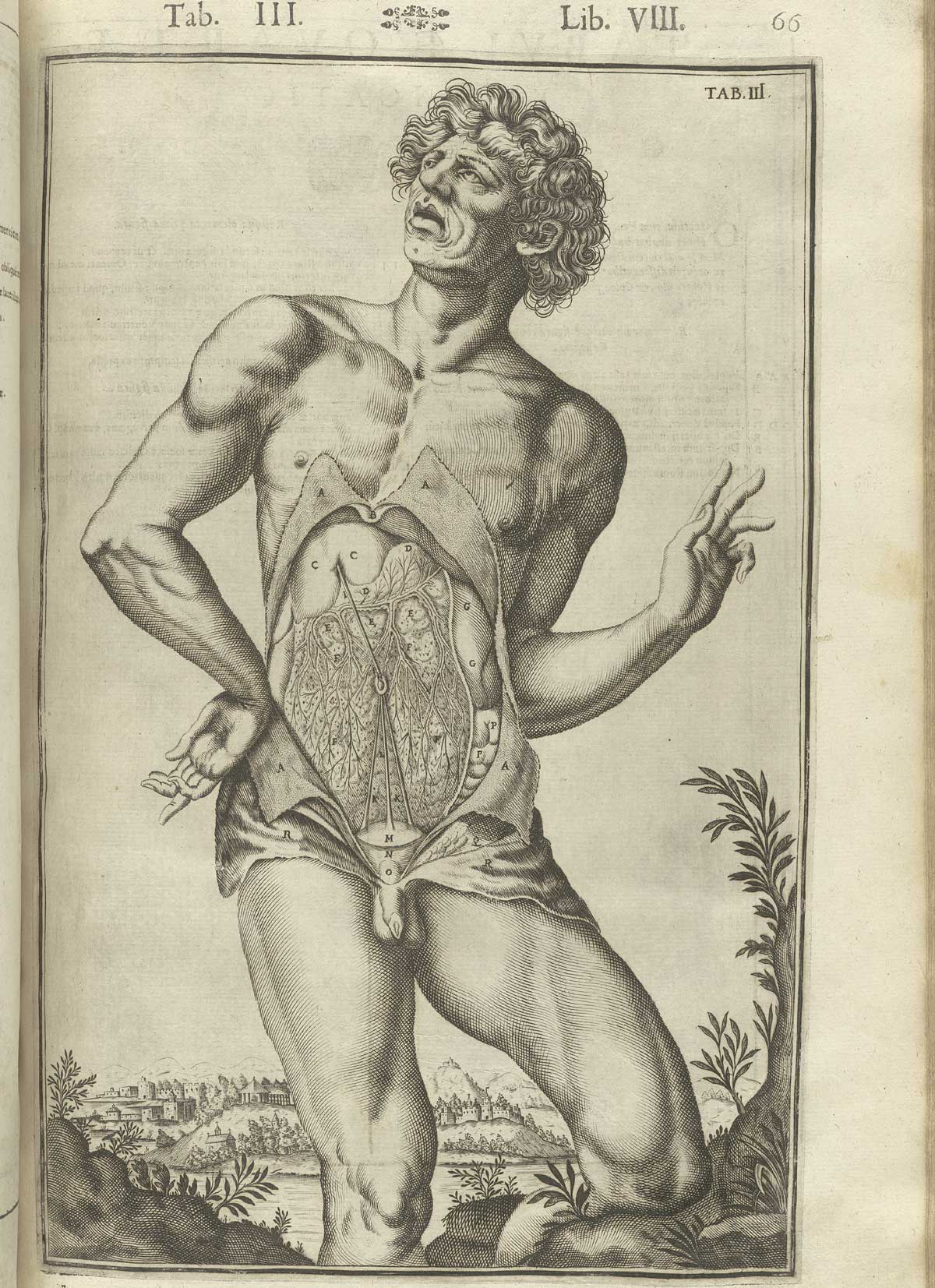
    Contempt

    Casseri_p66  dandy

     Giulio Casserio (ca. 1552-1616, anatomist) and Odoardo Fialetti (artist), Tabulae Anatomicae, published in Venice in 1627

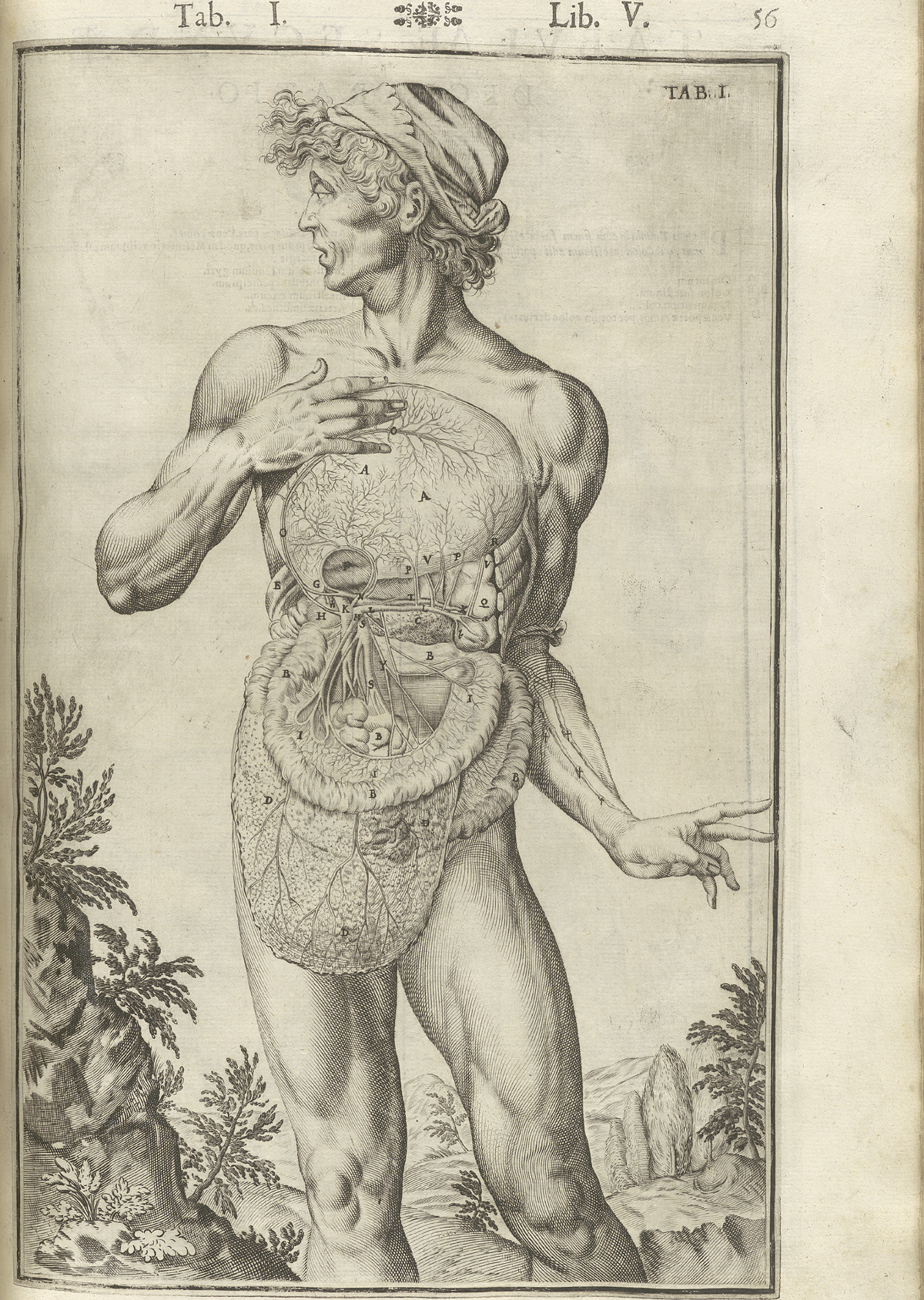
    Disappointment 

    Casseri_p56 surprise

    Giulio Casserio (ca. 1552-1616, anatomist) and Odoardo Fialetti (artist), Tabulae Anatomicae, published in Venice in 1627.

    Empathetic

    Missing skin c
    Juan Valverde de Amusci (ca. 1525-ca. 1588), Anatomia del corpo humano, printed in Rome in 1560.

    Fear

    Gamelin1_t02 Jacques Gamelin (1736-1803), Nouveau receuil d’ostéologie et de myologie, published in Toulouse in 1779.

    Guilt

    Gamelin1_t11
    Jacques Gamelin (1736-1803), Nouveau receuil d’ostéologie et de myologie, published in Toulouse in 1779.

    Hope

    http://www.nlm.nih.gov/exhibition/historicalanatomies/Images/1200_pixels/gersdorff_p21v.jpg

    Hans von Gersdorff (d. 1529),  Feldtbůch der Wundartzney : newlich getruckt und gebesser, published in Strassburg in 1528.  

    Intrigue

    Casseri_p21 bored

    Giulio Casserio (ca. 1552-1616, anatomist) and Odoardo Fialetti (artist), Tabulae Anatomicae, published in Venice in 1627

    Joy

      Anatomy john brown dancing

    Lonesome

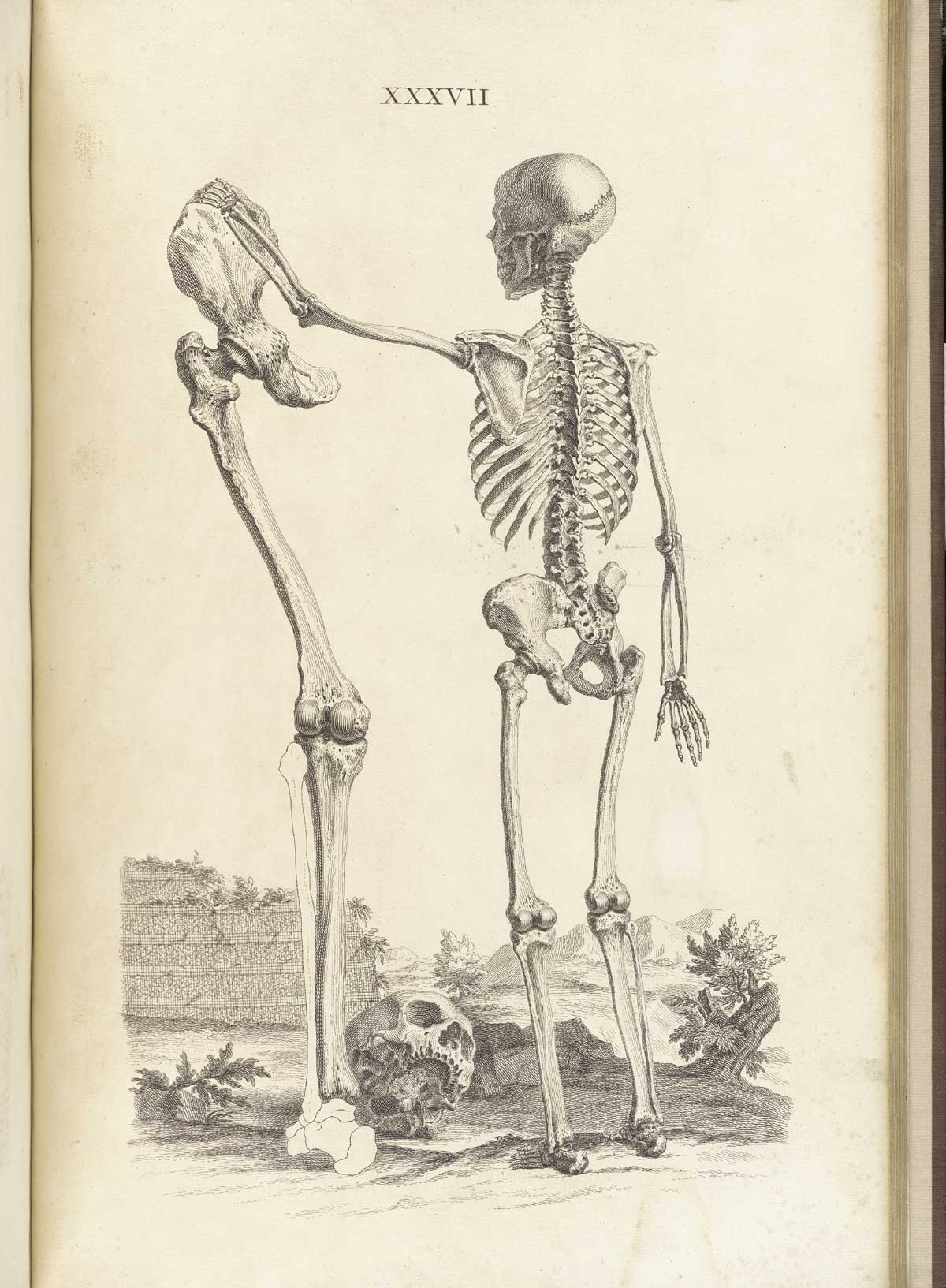
    http://www.nlm.nih.gov/exhibition/historicalanatomies/Images/1200_pixels/cheselden_t37.jpg

    William Cheselden (1688-1752), Osteographia, or the Anatomy of Bones, published in London in 1733.

    Majesterial

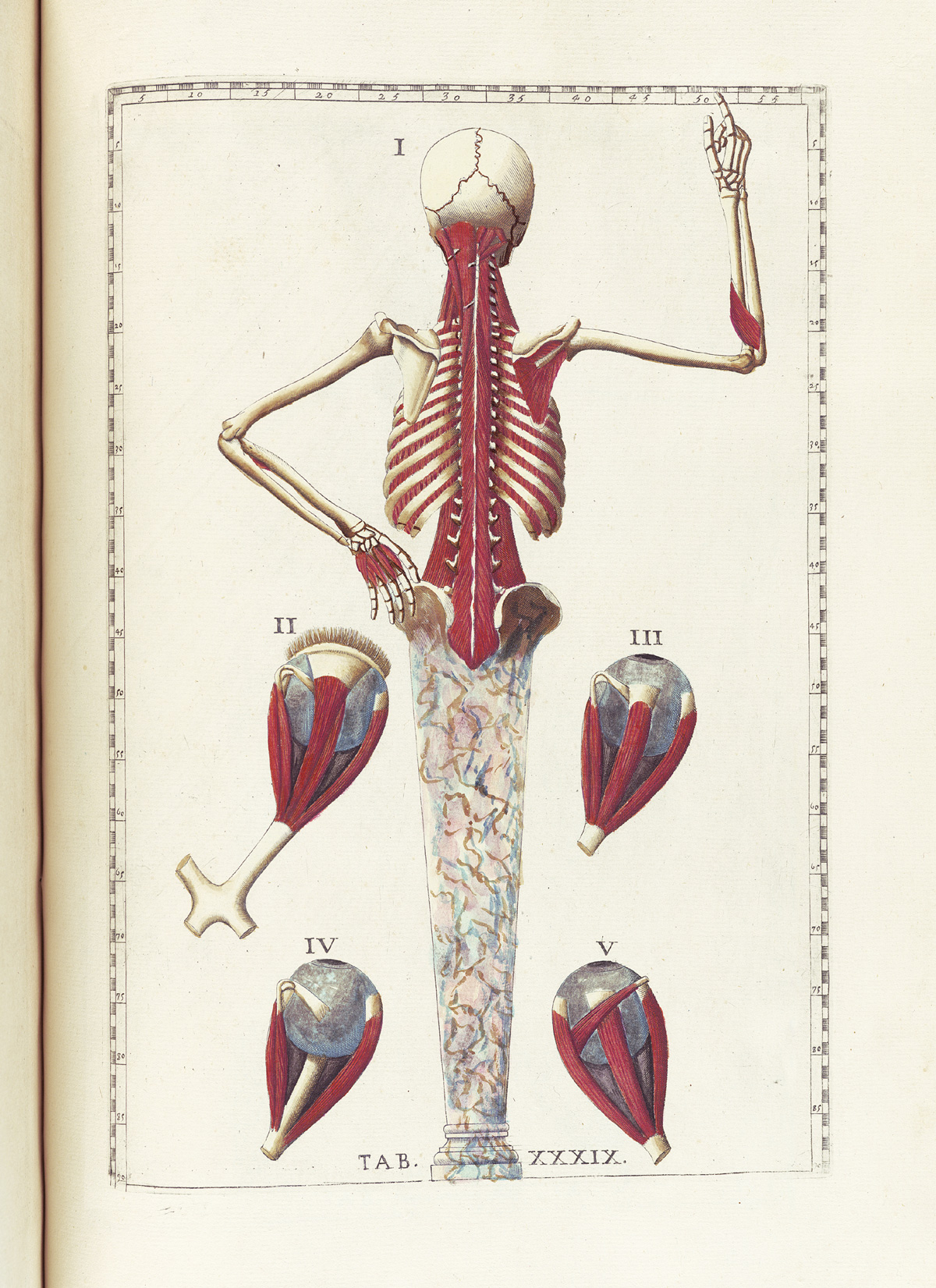
    http://www.nlm.nih.gov/exhibition/historicalanatomies/Images/1200_pixels/Eustachi_t39.jpg

    Bartholomeo Eustachi (d. 1574), from Tabulae anatomicae, printed in Rome in 1783.

    Pride


    Anatomy performers

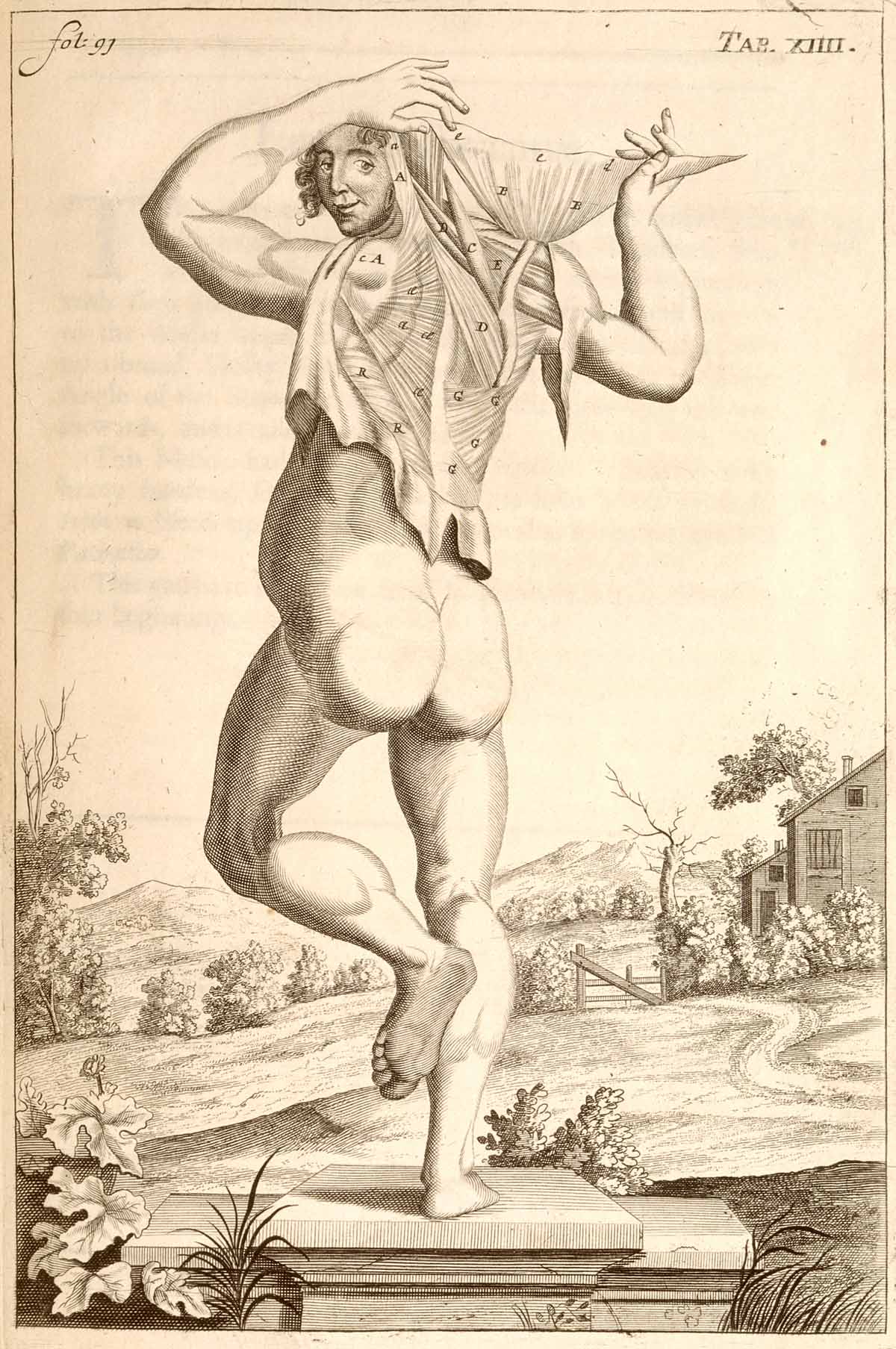
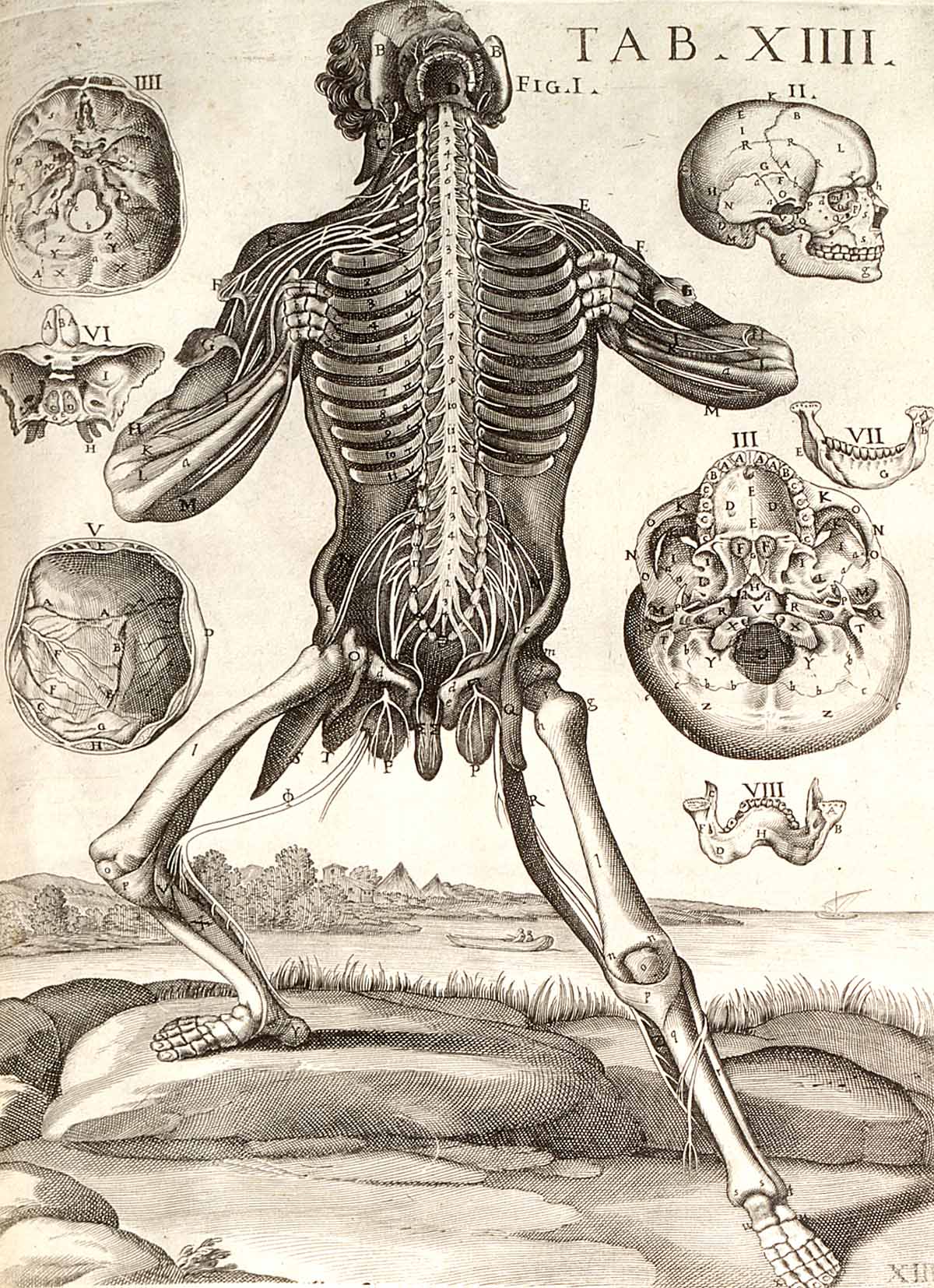
    In the category of “Holy Crap!” anatomical illustration surely Pietro Berrettini da Cortona (1596-1669) must be among its patron saints.  His images are incredible, yelling and screaming for attention as they demand their space onthe printed page.  Further, the man actually accomplished all o fthis in the early 17th century, his work no tbeing published for another 130 years or so. [Source:  Tabulae anatomicae..., Rome 1741.]

    Resentment

    http://www.nlm.nih.gov/exhibition/historicalanatomies/Images/1200_pixels/durer_pg-233.jpg

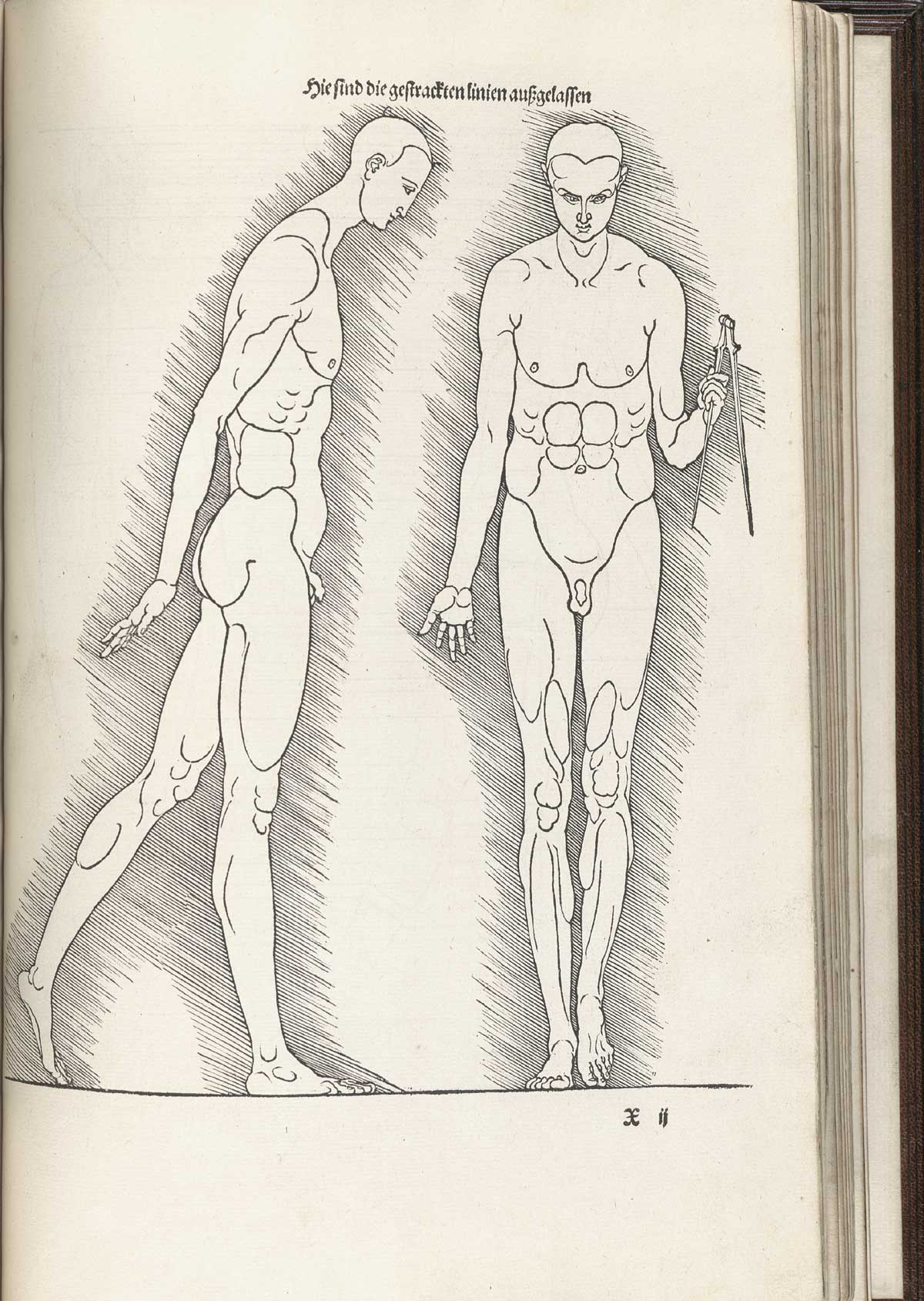
    Albrecht Durer (1471-1528), Vier Bücher von menschlicher Proportion, published in Nuremberg in 1528.


    Surprise
    http://www.nlm.nih.gov/exhibition/historicalanatomies/Images/1200_pixels/cowper_t01.jpg

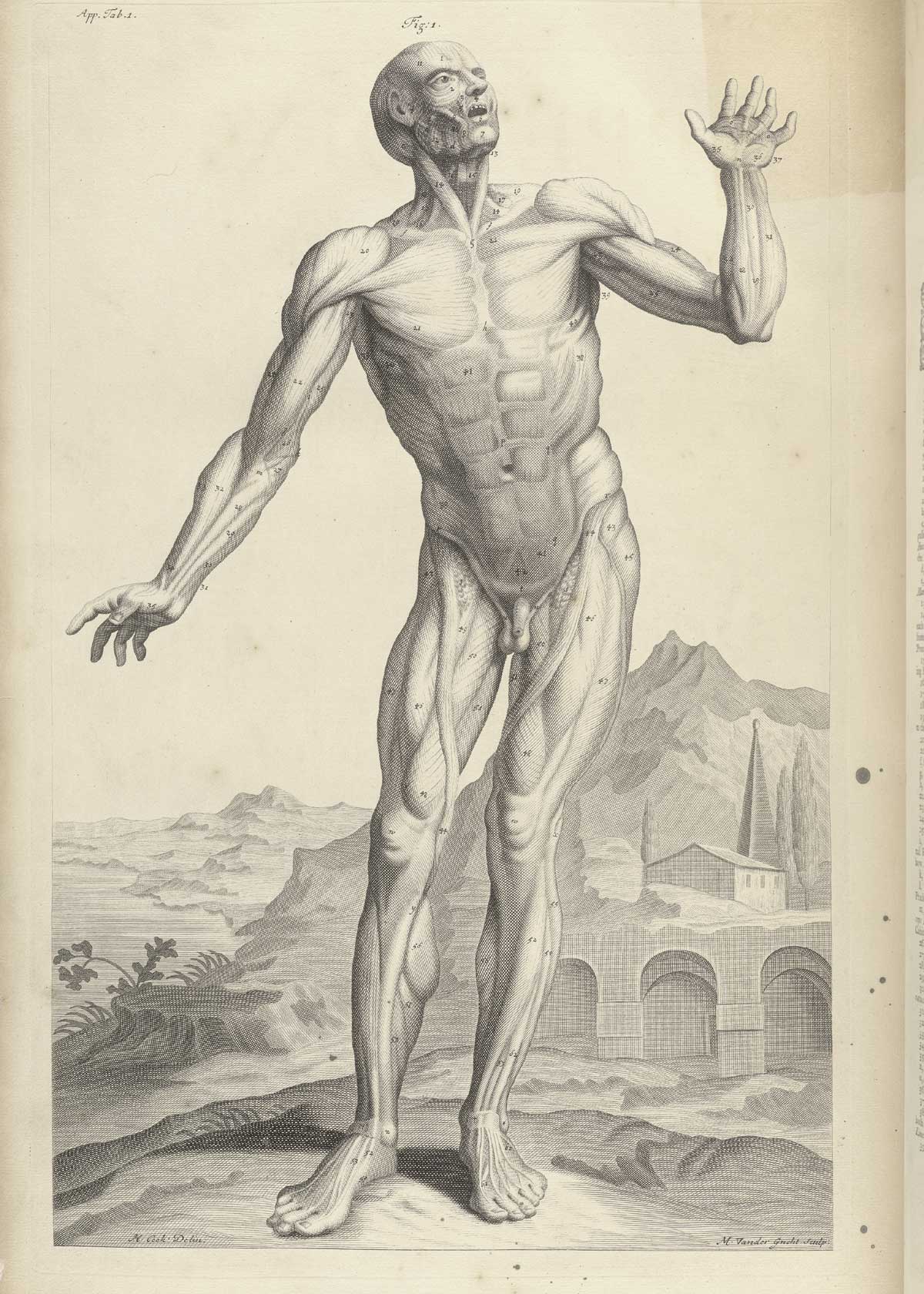
    William Cowper, The anatomy of humane bodies, printed in Oxford in 1698.


    Trust


    http://www.nlm.nih.gov/exhibition/historicalanatomies/Images/1200_pixels/cheselden_t36.jpg

    William Cheselden (1688-1752), Osteographia, or the Anatomy of Bones, published in London in 1733.

    Vulnerable

    Hundt_p119

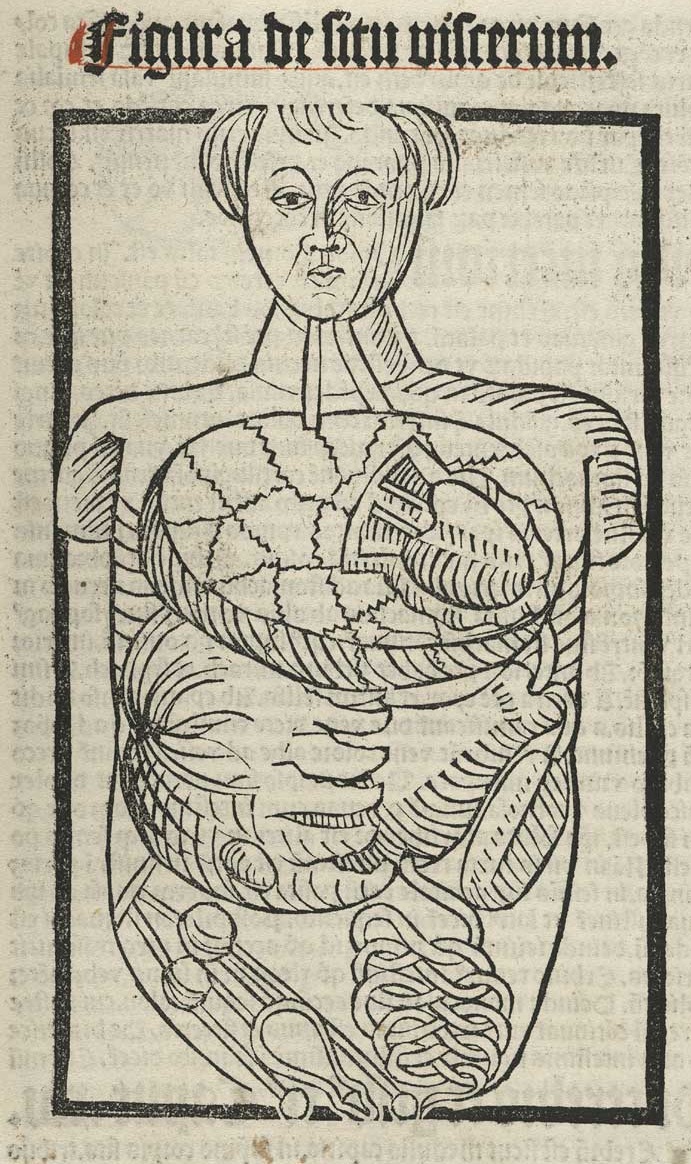
    Magnus Hundt (1449-1519),  Antropologium de hominis dignitate…, printed in Leipzig in 1501 by Wolfgang Stoeckel. 

    Wonder

    http://www.nlm.nih.gov/exhibition/historicalanatomies/Images/1200_pixels/Estienne_p043.jpg

    Charles Estienne (ca. 1504-1564), De dissectione partium corporis humani libri tres, published in Paris and printed by Simon Colinaeus in 1545.


  • Note on an Alphabet of Computer Names in Fiction

    JF Ptak Science Books   Post 1375

    First of all let me say that I know almost nothing about Science Fiction–this  list started out  while looking for questions asked of computers in works of fiction and movies, but the question on questions is far deeper than I can deal with in a simple sit-down, though I did collect some interesting names of fictional computers along the way.  For this very preliminary list of computers in fiction I include computers with actual names–therefore, and unfortunately, beasts like the NORC-like computer that let loose Hell’s Kitchens in Kubrick’s Dr. Strangelove…. is not included because so far as I can remember it has no actual name, and names are important when you’re creating an alphabet.  Also I tried to look for images of the computers themselves, but since I stayed mostly in the 1940’s-1960’s, there are not many of those. 

    So here this is and please take pity–again this is preliminary and I hope to start filling in what made these machines interesting quite soon. In the meantime there’s an excellent list compiled at Wikipedia, here.

    AM, from Harlan Elison’s short story I Have No Mouth, and I Must Scream (1967).  AM “speaks” via paper tape, as below, using International Telegraph Alphabet No 2 (ITA2), a (much) earlier pres-ASCII-ite language, in this case saying “I think, therefore I am”. 

    AM Talkfield #1
    ALPHA 60.   From the film Alphaville, Jean-Luc Goddard, 1960.


  • An Alpha-Vile Alphabet Autopsy of Lost Emotions

    JF Ptak Science Books

    Alpha-vile alphabet038

    Following yesterday’s post on semi-indulgent expressions from pamphlet covers printed at the end of the Depression of business motivational ideals come these images, found as text illustrations to these marvelous non-sequitur works.  Although only four pages long, these pamphlets (leaflets, really) have provided–pound-for-pound–more images of quietly bizarre, unexpected images than just about any source that I have seen.  Taken out of context these posed photographs ask more questions and provide for more imaginative jungle trots than their disappointing original intentions.

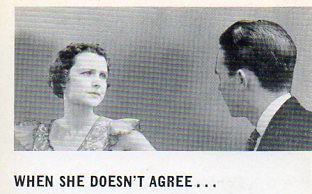
    A is for Annoyed, which Mrs. Harrison is, annoyed that Mr. Harrison has yet again forgotten to paint his bald spot.  He thinks that his wife is over-reacting, pushed over the edge of reasonableness from her quack prescription of Neck-So-Thin dietary supplements.  He keeps his opinion to himself. 

    Alpha-vile alphabet q034

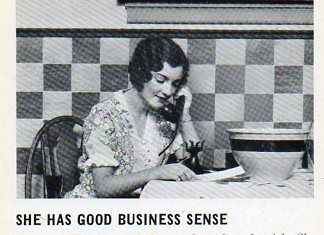
    B is for Bowls of Business–there is no telling what the kitchen scene means so far as business is concerned for this woman in 1937.  Perhaps she is calling in a good deal from her bra-phone  (the ‘phone cord seems to be going right into her heart) on a sale on bed pillows for bowls.  I know that when she pushes back from the table her wooden chair will make a high-skreetching sound against the linoleum uni-fit flooring; her merchant husband, Mr. Beemish, will be awakened from his late sleep by the sound, again, and demand that she return the bowl to bed, pillow or not.  Mr. Beemish was slightly feverish, wondering if he should go to his shop with window displays of nothing.  The milkman–late again–shares a cigarette on the front porch with the ice man.  The cigarette smoke rises to Mr. Beemish’s  bedroom window as he strains against his own miniature pillow to hear what the men are saying, while thinking of nothing but his ice melting and his milk getting warm.  And his pillow-less bowl. 

    Alpha-vile alphabet 031

    ·Posted by :

    ·in:

    —

  • Elements for a Whiskey Alphabet Drawn from the Bible of Booze Names

    JF Ptak Science Books  Post  1363
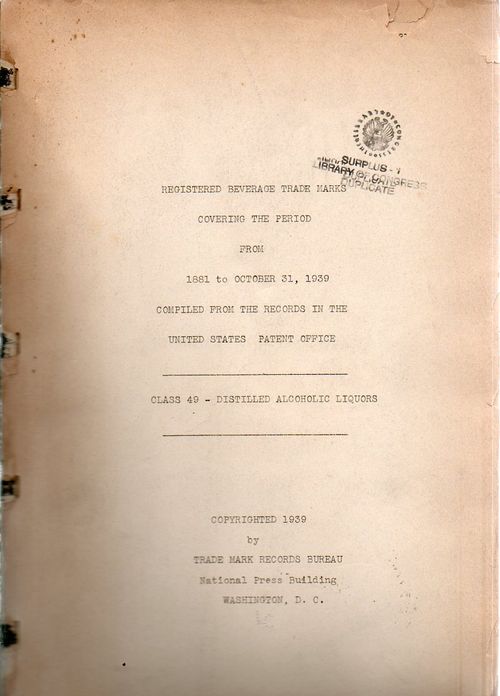
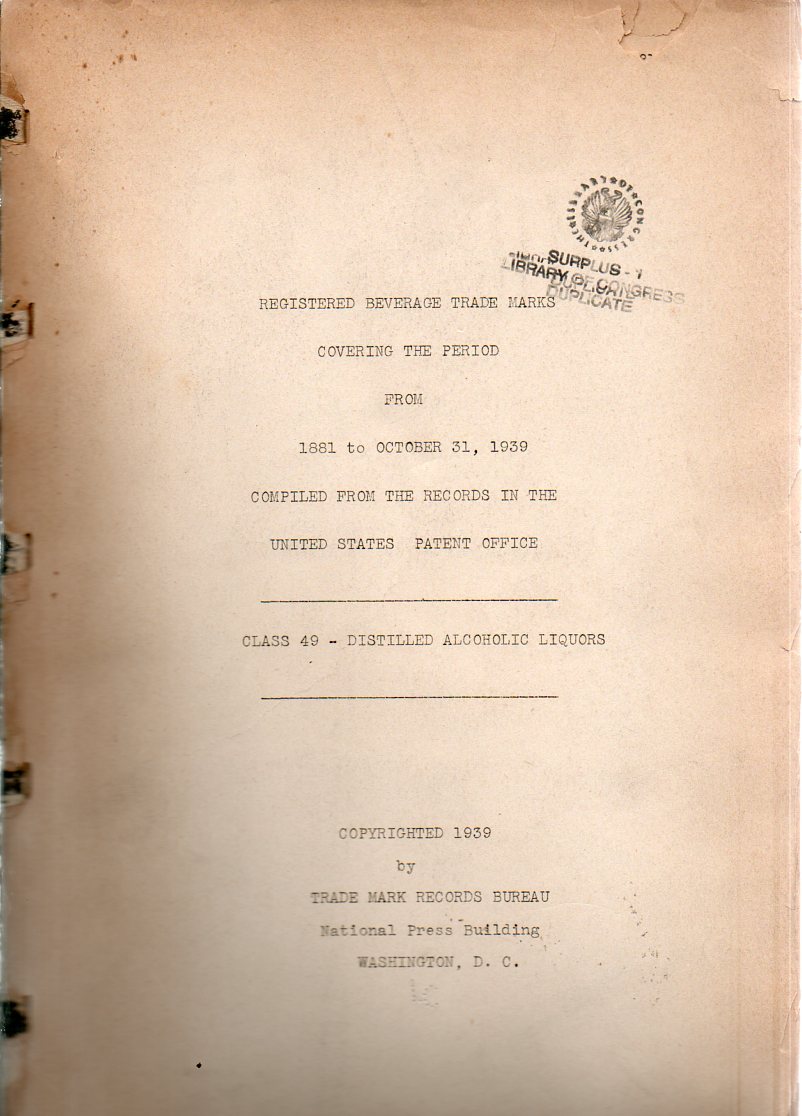
    Booze alphabet532 It may or may no be the case, but this large, flaking book that is balanced on top of a petulant pile of paper, Registered Beverage Trade Marks Covering the Period from 1881 to 1939 Compiled from the records in the United States Patent Office (Distilled Alcoholic Liquors) may be the keys to the kingdom of names of booze(s) trademarked in this country.  15″ tall, and inch thick, and 296 sheets big, this work (copyrighted y the Trade Mark records Bureau (in the National Press Club Building in DC, the one with the problematic parking garage) lists some 7,500 names of whiskey, cordials, gin, rye, bourbon and who knows what else.  I cannot find the book in any online database, big or small, and I’m not sure where this info might be housed and housed in one spot.  I have no doubt that people somewhere need this data, unwieldy and unusable as it might be–you see, it is organized only according to a six/seven digit number which I guess is the trademark filing number, or something; there is nothing else useful about the thing, the data floating around without regard to year or place or liquor type. [The book is available from our blog bookstore, here.]

    So I sat down with the book for an hour pulling out interesting, odd, out-of-place, from-another time and bizarre names, including all manner of expected animal names like bull and elk, and then unicorn; and lots of sunny this-and-that, sloping/sunny/grassy hills, mountains, clubs; and of course the Old _____  category seem fairly filled up. 

    If I spent a little more time on this entire alphabets could be produced relating to nothing but names from the animal kingdom, flora, the sciences, professions, religion, states of mind, altered states,  literature, and the labels that suggest a possible medical benefit.  One of my favorite categories is the “conversational liquor label”, the label that speaks to you, invites you, tells you what to do with the bottle of booze:  Hava Cocktail and Uneeda Whiskey are good examples of that, as are You’re Lookin Good, Uvanta and Yugeta whiskeys. Another is the liquor name ending in “o”, like the beautiful Famo, from St. Jo, MO, which unfortunately wasn’t trademarked in ’00.  The label of suggested promise and outcome is another good one:  Kentucky Courage, Pleasant Dreams, Invincible Rye, Solace Whiskey and Ready Money are all good examples of the implied end-of-bottle pillow-fluffer…maybe, especially, The Old Solution whiskey.

    And then of course, there are those where the (creative) spirit has just flown away, like the lumpily-named Standard Spirits Whiskey, its hometown of New Orleans embarrassed by the lack of effort–especially in the light of some many hundreds of imaginative creations, like the fabulous Bone Factor Whiskey (1903), which like som many other great names  (Yellow Hammer Whiskey) comes from Louisville, Kentucky.

    Antediluvium Whiskey, NYC, 1898; Anti-Grippine Whiskey, Philadelphia, 1906; Ash Cake Whiskey, Lynchburg, VA. 1899, Auto Crat Whiskey (St. Louis, MO), 1905

    Bank Check Whiskey, Boston, 1900; Bone Factor, 1903;

    Caloric Whiskey, 1904; Cremo Whiskey, 1902; and the confusing Chickencock “potable spirits”, 1929

    Devil’s Island Benefactor Gin, 1905; Daily Mash Whiskey, 1935; Dandilyon Whiskey, Columbus, OH, 1906;

    Electric Whiskey, Cincinnati, 1890;

    Flow Whiskey, Pittsburgh, 1908; Famo Whiskey, St. Jo, Mo 1894; Faust’s Own Whiskey,  Phila, 1900.

    Gopher Gin, St. Paul, 1902; Gas Away, Columbus OH, 1902; Galoxy Whiskey, NYC, 1905; Gong “ethyl alcohol, etc,” 1932′ Georgia Watermelon, 1911

    Hen Bolt Whiskey, 1889;  Hava Cocktail, NYC, 1933; Hospitality Gin, Louisville, KY, 1900

    Index Whiskey, Cincinnati, 1906; Invincible Rye, 1900

    Jupiter Gin, Boston, 1905; Judge’s Preference, Boston, 1905;

    Kentucky Courage Whiskey, Lexington, 1900

    Marconi Whiskey, Birmingham, 1903

    Old Tom Gin, 1887 (There are any number of Old ____ labels: Old Crow, Old Man River, Old Count, Old Court, Old Coon, Old King Cole, Old Rock, Old Moss, Old Soldier, and so on–there’s a specialized sub-alphabet in this category, alone.)  Perhaps my favorite “old” is The Old Solution, Baltimore, 1900.

    Peeper Whiskey, Lexington, KY, 1880; Pen and Pencil Club Rye, Phila, 1894; Pleasant Dreams Whiskey

    Radium Whiskey, Terre Haute, 1905; Rolling Fork Whiskey, Lexington, KY, 1876; Ready Money Whiskey

    Sun Shot Cordial, Birmingham, AL, 1901; [SWASTIKA emblem, no name] Whiskey, Frankfort, KY,  1902; Suburban Whiskey, Boston, 1909; Solace Whiskey, Balto, 1900

    Tidal Wave Whiskey, Houston, 1905

    Uncle Tom Whiskey, Cincinnati, 1905; Uneedda Whiskey, Davenport IA, 1899;  Uvanta Whiskey, Louisville, KY, 1905

    Vitoline Brandy,  St. Paul, 1897

    Yugeta Whiskey, Plymouth, PA, 1906; You’re Lookin Good Whiskey, D.C., 1902; Yellow Hammer Whiskey, Louisville, 1905

    Zeno, Ace of  Clubs Whiskey

    And to sew up the specialty market in school-named liquors, Lawrence McCormick of Baltimore trademarked whiskey names for Brown, Yale, Harvard, Princeton, Cambridge, Cornell, Swarthmore, Chicago, Oxford and of course Lehigh University, not to mention various label designs that featured books and “philosophical instruments” emblazoned on shields and rocks and such, all perhaps for those in search of higher education.

    Unfortunately there are no images of the labels in the book, though I guess if someone could find 200 or so they’d have themselves a snappy coffee table book of their own. 


  • Alphabet of Retro-Vision Women –1940’s/1950’s

    JF Ptak Science Books   Post 1329

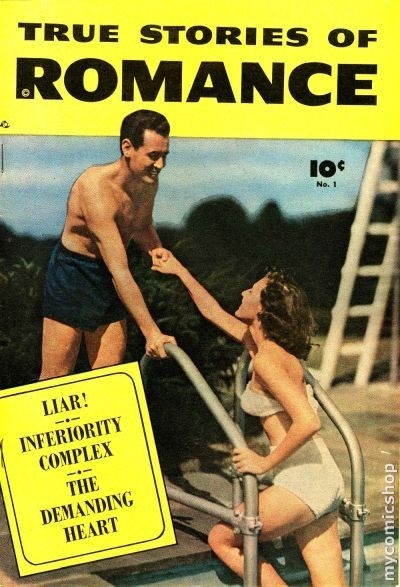
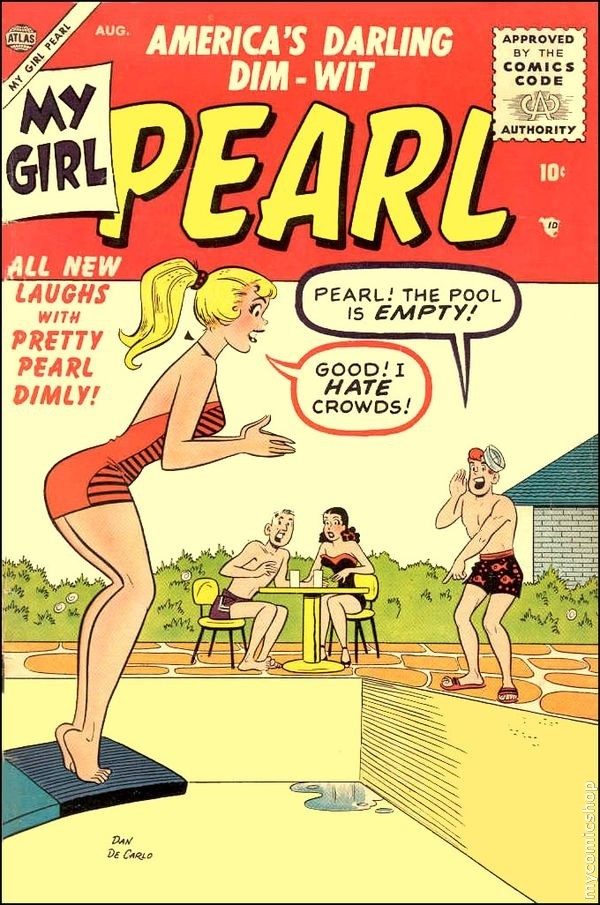
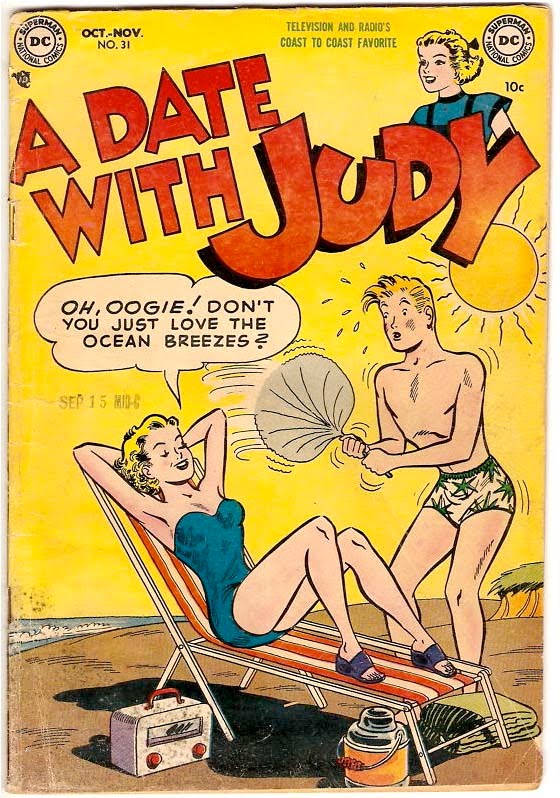
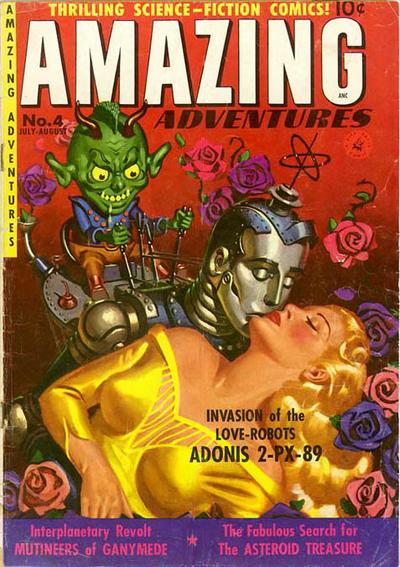
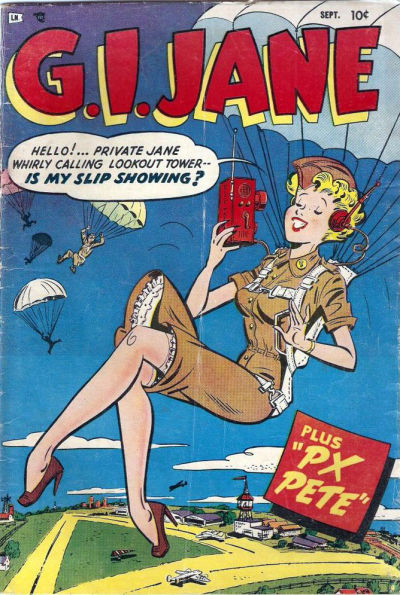
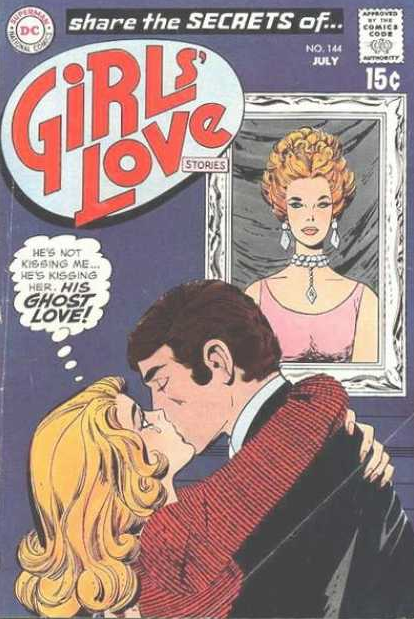
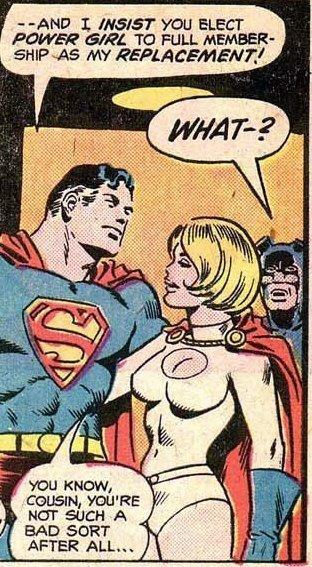
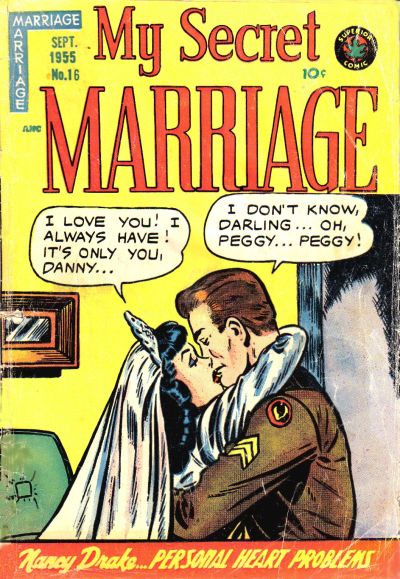
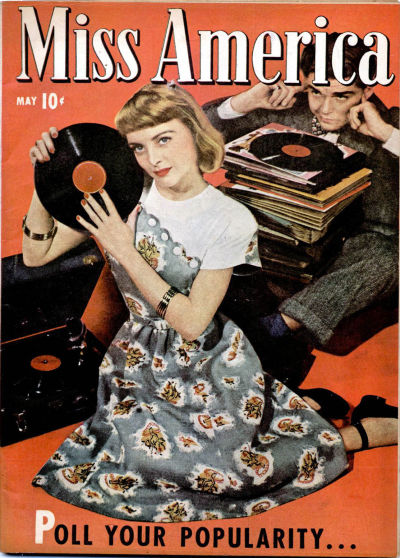
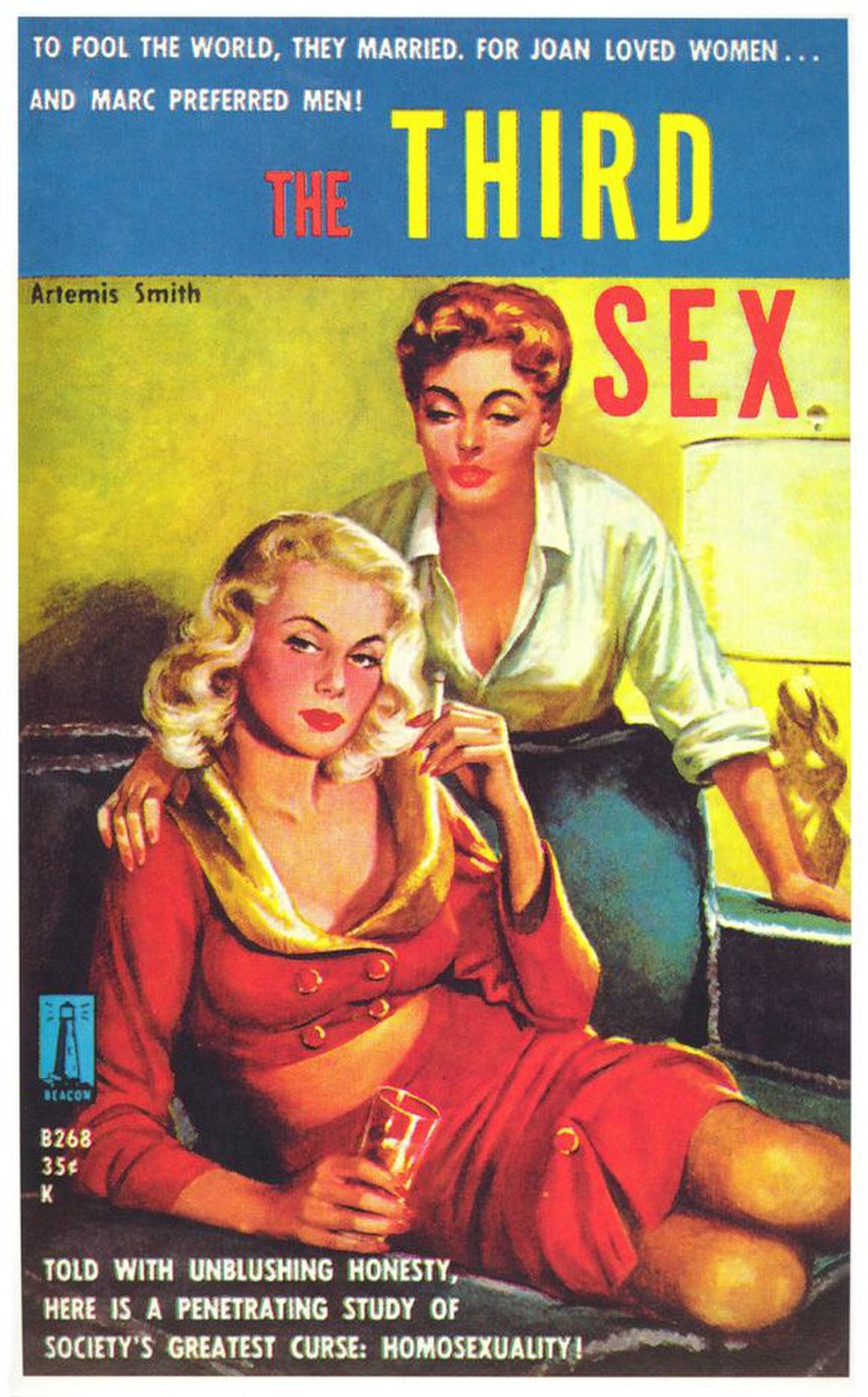
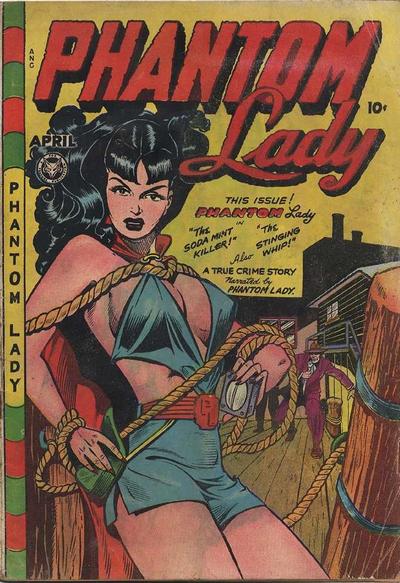
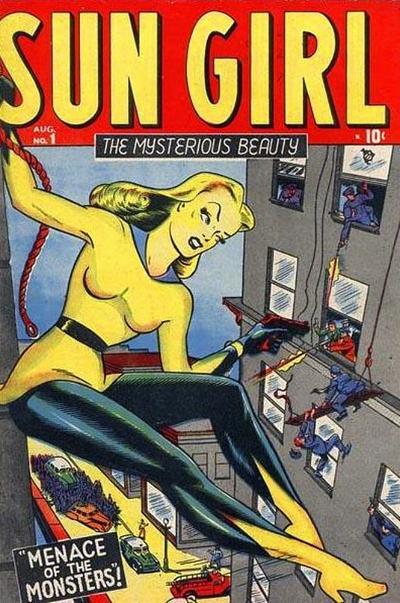
    In a continuing series of odd alphabets (Occupational Alphabet, Action Alphabet and a Touch of Evil, Alphabet of Giants)  that I’ve posted to this blog I offer this, a collection of covers of paperback novels, pulps, mystery magazines, true loves, romance, and of course astonishing science fiction.  That these are considered “Golden Age” is interesting–I understand the overall feel of what “Golden Age” is supposed to mean, though the messages in the images (even exclusive of their texts) are definitely not-so-golden from where we sit in 2011.

    I think that looking at this sort of material is important when considering the fleeting history of normalcy, and that these images help to define what was popularly considered to be the edge of “normal” for that time. 

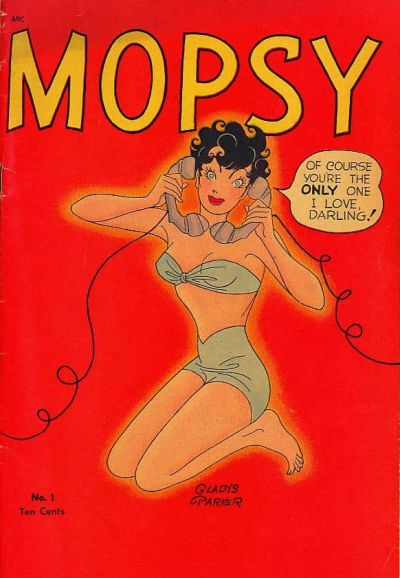
    A is for Ambidextrous

    Grrlz--mopsy


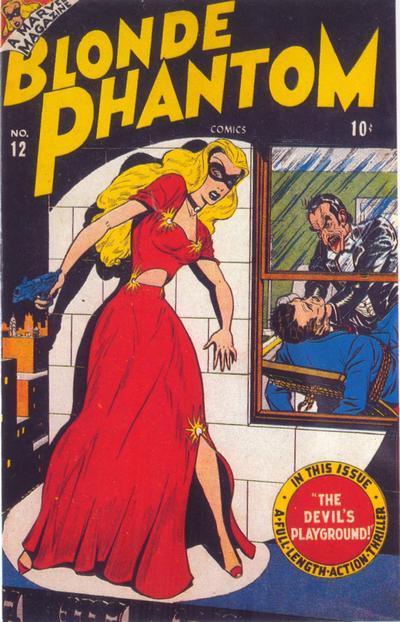
    B is for Blonde

    Grrls--blonde phanom

    C is for Complete Love

    Grrlz--true love

    D is for Dumb

    Grrl--PearlE is for Effortlessness

    Grrlz--date with judyF is for Future (Love)

    Grrls--love robot

    G is for GI Jane

    Grrls--gi janeH is for Hope

    Grrlz--ghost love

    I is for Insist

    Grrlz--power-girl_super

    J is for Junk

    The Golden Age of Science Fiction: A Pulp Primer, Pt. 2

    K is for (amazon) Knights


    The Golden Age of Science Fiction: A Pulp Primer, Pt. 2

    L is for Lonely

    Grrlz--girl love beach alone

    M is for My, Mine, Maybe

    Grrlz--secret mariage

    N is for Night

    http://www.advertisingarchives.captureweb.co.uk/images/trueimages/30/52/96/72/30529672-1.jpg

    O is for Out

    Rêve d'Opium by UnklNik

    P is for PopularGrrlz--p for popularity
    Q is for Queer (“Society’s Greatest Curse”)  In 1959–the year this book was published–the gay issue outranked nuclear holocaust, civil rights, the Cold War, and everything else according to the cover copy.

    http://upload.wikimedia.org/wikipedia/commons/a/a6/Thirdsex_bookcover_1959.jpg

    (Couldn’t not include this one, possibly the first of its genre when published in 1950, and which over time has sold – 4 million copies.)

    womens_barracks

    R is for Rope

    Grrl--phantom lady
       

    S is for Soalr is for Sun

    Grrls--sun girl
    T is for Temptation

    Grrlz--reform skool

    U is for Under (the Whip)   [See STRANGE SISTERS for more.]

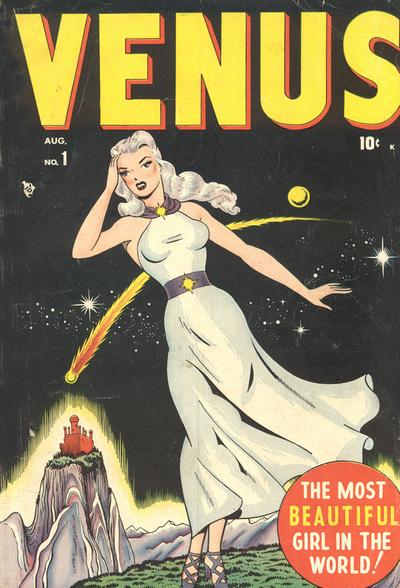
    V is for Venus

    Grrlz--venus

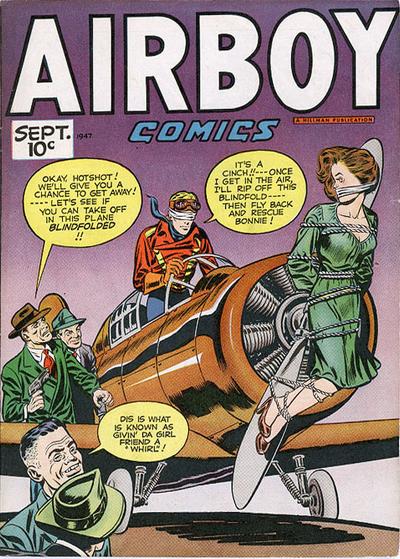
    W is for Whirling

    Grrl--tied to propeller

    X is for X-Ray


     Z is for Zzzzzs


  • Tramp-Speak of Antiquarian Road Warriors: ABC’s of Tramps, Hobos and Vagabonds

    Elsewhere on this blog I’ve written a little about dictionaries and words–Sam Johnson, Ambrose Bierce, specialized dictionaries, canting dictionaries, dictionaries of vulgar and coarse language, dictionaries of first uses, dictionaries in distinct fields.

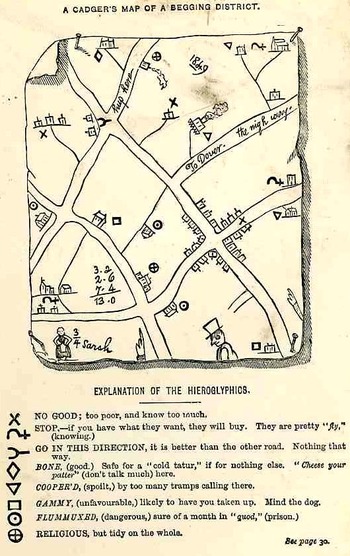
    Bloghobo_b200Hobo dictionaries, guides to hobo slang, are different from those of robbers and thieves and rogues.   They may borrow from one another, but the hobo language seems a little more dignified, and not as directed towards crime as that of, well, the criminals.  An even greater distinction is the hobo alphabet, a Morse Code if you will, a hieroglyphics, for hobos-to-hobos, written in chalk without the benefit of electricity. (I’ve written about that phenomenon here, though I’ll at least reproduce an extraordinary map of a “begging district” found as the frontispiece to the lusciously-titled The Slang Dictionary; or, the Vulgar Words, Street Phrases and Fast Expression of High and Low Society… printed in London by John  Camden Hotten, in 1870.)
    Back to words.

    Part I:  Hobo Slang Collected by a Common and Perhaps Hobos lingo title344 Make-Believe Hobo

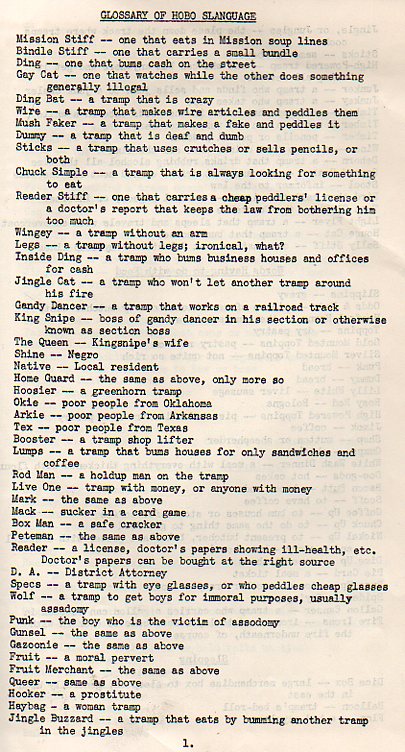
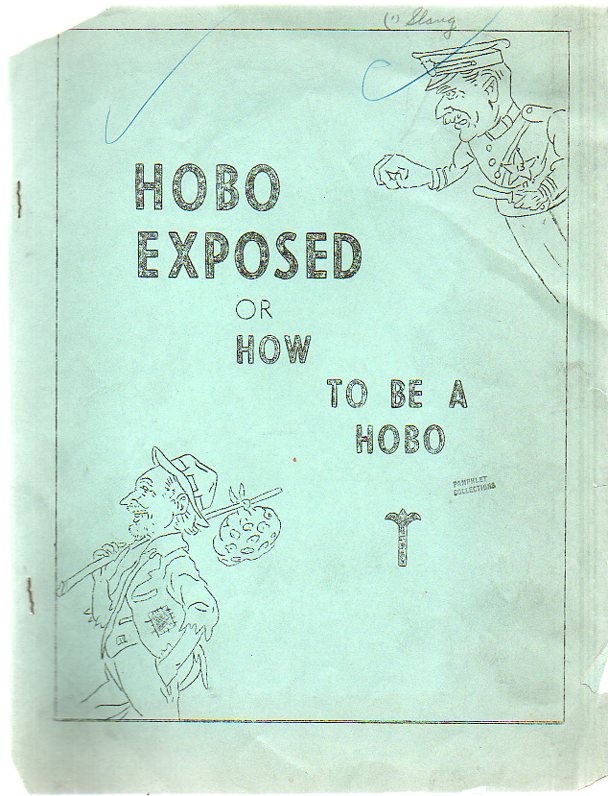
    Hobo Exposed, or How to be a Hobo, at pamphlet  with no claim for a writer but copyrighted by “Kelly’s Specialities” in 1946,  is dedicated to Sun Down Slim, Boston Blackie, Sticks Red and Commissary Blackie.  [This item is available at our blog bookstore.] It gets right to the point of my interest, the Hobo Slanguage.  The collection here is not quite as road-elegant as the collection of the Hobo King, below–not that it is less “regal”, just more common and less imaginative. 

    For example, “Wingey” is the name for a hobo without an arm; “Sticks” is a tramp who sues a crutch; “Legs”, well, you know.  On the other hand I find “grouch bag” (which was a bag of Bull Durham tobacco worn around the neck, which was either valuable enough to be worn that way to keep people out of your pockets or you just didn’t have any pockets), “hogger” (a railroad engineer), “dice box” ( a large discarded merchandise box to sleep in), “slippins” (gravy), “canned heater” (an unfortuate tramp who drinks sterno), “Jingle Buzzard” (a tramp who begs food from other tramps) and so on.

    There are many others:

    Hobos lingo a341
    [This section continued below.]

    Part II: Hobo Slang Collected by the King of Hobos

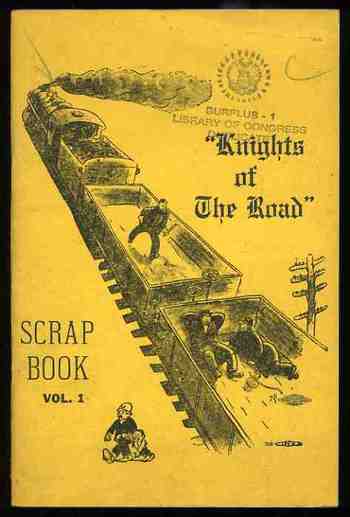
    1blog_oct_8_hobo_cvr785 There have been many Kings of the Hoboes, and Emperor of the Hobos, in the history of American Hobodom.  The most widely recognized of all this royalty is, probably, Mr. Jeff Davis, who was elected King of Hobos each year from 1908 to 1935, until in 1935 at the Pittsburgh meeting of the annual “Hobos of America” his minions gave up elected him King for Life. Of hobos, that is, the Knights of the Road; he was also a real hobo, unlike the pretenders, who in general were not. (Nels Anderson in his Men On The Move, written just as the Depression was broken, (1940) observed: “Whatever else may be said of King Jeff, his romanticizing the hobo is not without a basis in reality, and his poetic interest in the species arose from experience. But King Jeff has placed on a pedestal a man who belongs to the past. The hobo belongs with the pre-Hollywood cowboy and the lumberjacks of the Paul Bunyan legends.”)
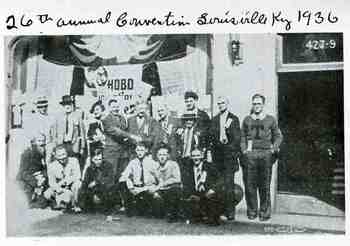
    Mr. Davis was certainly very effective in getting the message out—on freedom and responsibility to irresponsibility—and was a great organizer and popularizer. He helped to establish hobo meetings, newspapers and literature (a sample of which is at left). He also had a few movie appearances: in The Arkansas Traveler, 1938 and The Bridge of Sighs, 1915, he ably played the role of a hobo.

    1blog_oct_8_hobo_cvr786

    And what about the missing counterpart of Jeff Davis–Queen of the Hobos? There were certainly allot of women hobos during the Depression; Harry Hopkins estimated that there were something like 13,000 “sisters of the road” who were out and about in the 1930’s. I guess the most famous of them though was one who did not exist; and what parts of her that were real were mostly those of one man: Ben Reitman. Sister of the Road (1940) was supposed to be an autobiography of legendary Boxcar Bertha, but it was really an assimilation of Reitman’s own experiences sprinkled about those of women from his life. Reitman, who was described (by himself) as a “hobo, whorehouse physician, musician and tour manager/lover of Emma Goldman” (??) was probably not without enough experiences to float another character or two, had his story of Bertha wind up in the hands of exploitation movie maker Roger Corman. The good news about that though was that Corman gave the project to the very young Martin Scorcese who produced an odd and not bad film on no budget, and Boxcar got to live again.

    But what brought me here to begin with was Davis’ breakdown of some very colorful hobo slang, all of which was found int eh little yellow pamphlet (pictured above), and published as a “reference manual” in 1947.  And so:

    Gay Cat.  Someone who “beats it from town”, settles down with a job and puts together some money so that he can get on the road again.

    Gandy Dancer. “Is a hobo shovel stiff, a muck-stick artist”, a common laborer

    Pearl Diver. A hobo dishwasher and who works for his meal.

    Mush fakir. A hobo umbrella mender with a patch kit and a second-hand umbrella strapped to his back. (Evidently these guys were put out of business when larger stores began offering umbrella repair on their own.)

    Bindle stiff. A hobo who carries his stuff in a sack on a stick, including toothbrush, “but he does NOT carry blankets”.

    Kywah. An honest hobo pitchman peddling soap, perfume, jewelry, novelties, pens, knives and potatoes peelers.

    Kewah. :Makes and sells articles such as willow stands…”

    Scenery Bum. “A young tramp who bums it around the country, just for the fun of it.”

    Ring-tail. “An ignorant, harmless tramp.”

    Fuzzy tail. “A smart aleck tramp, jack of all trades, a fourflusher, big bluff, false alarm, and piker of the worst sort, who most always carries a “punk kid” or “road kid” (a runaway boy).”

    Dingbat. “An old tramp professional beggar who dings the main stem (begs on the main street).”

    Stew bum. “An elderly tramp who wastes his time continually drinking rot booze.”

    Jungle Buzzard. “A tramp who loves to eat but is too lazy to get the ingredients for a mulligan stew. He eats what is left when the gang leaves the jungle fire.” Yum.

    Road Yegg. “A vicious tramp of the petty larceny type, a cheap crook.”


  • An ABC of Bombing, 1940

    JF Ptak Science Books    Post 1245

    I’ve written on this blog on some odd alphabets, and I’m certainly aware of some unusual alphabet books (like the alphabet of acronyms for some of FDR’s social creations and an alphabet book for socially conscience city planning in 1940), and there are endless alphabet books for young people learning how to read, but I don’t remember ever seeing an ABC book for bombing.  Actually, its ABCs for after the bombing: (I’ve also written dozens of posts on “bombing” in general–just enter teh term in the google search at left for a listing.)

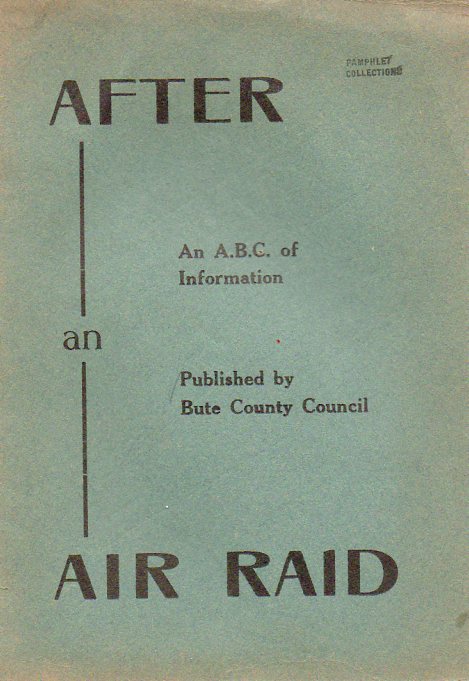
    Air raid884 After the Air Raid, an A,B,C, of Information,by the Bute County Council,  was published around 1940 (and which is available for purchase through our blog bookstore).This was printed in the town of Rothesay (by the “Rothesay Express”), which of course places publication in Scotland (though the Bute that I know is a county in North Carolina, 275 miles from where I sit–an old, 1760’s-founded county, up near the border of Virginia, closing in on the coat…its not-for-nothing that they call my part of the state “the Southern Highlands”, what with the huge influx of Scots/Irish coming into this area in the 18th 19th centuries).  It’s a curious publication, not the least of which is the unlikely place of its origin. 

    Another curious thing is that no other copy of this slight publication shows up in WorldCat/First Search–not only that, but there are precious few publications that are found in the 1940-1950 era with “after” and “air raid” in their titles. (The few I found are below.)

    The six-page pamphlet manages to cover 15 letters of the alphabet, plus a question mark at the end, for questions.

    The entries are very economical, tidy, and well written:

    “Money.
    If you are in need as a result of enemy action, you should explain your circumstances to the Assistance Board Officer who, if satisfied with your case, will help you.”

    “Orphans
    Notification should be sent to the Information Centre of any children who have become orphans as a result of air raids.”

    “Tools
    You may obtain a grant to replace tools which are essential to your work, apply to Employment Exchange for assistance.”   

    Very matter-of-fact.  I should think that if you needed to consult a work like this after having been bombed, that you’d want your information compact and direct.

    ·Posted by :

    ·in:

    — —

  • Dada Alphabet–Monuments to Quiet Bits

    JF Ptak Science Books   Post 1110   

    Alephbet--toe318


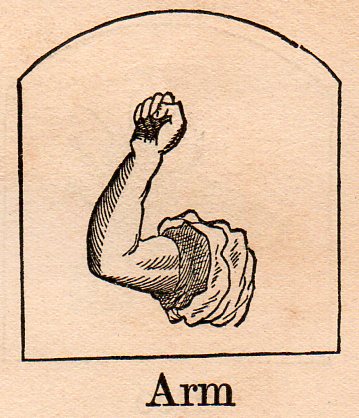
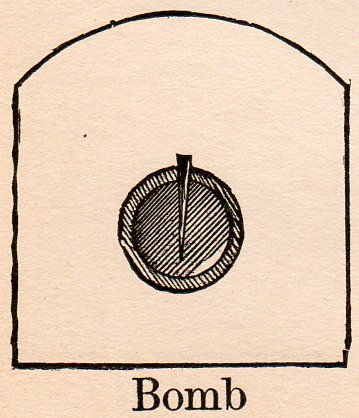
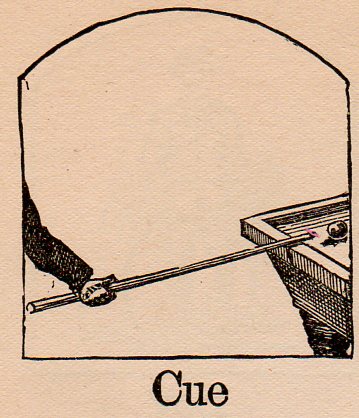
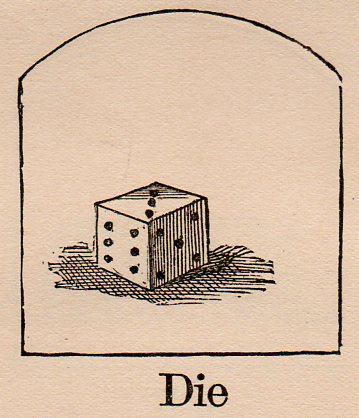
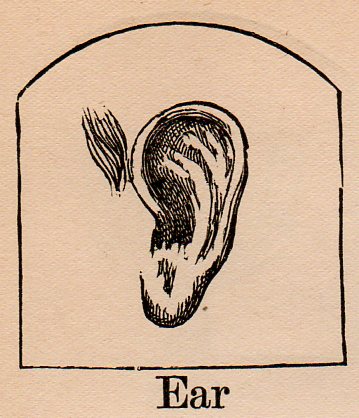
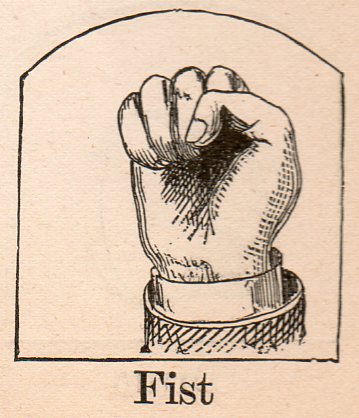
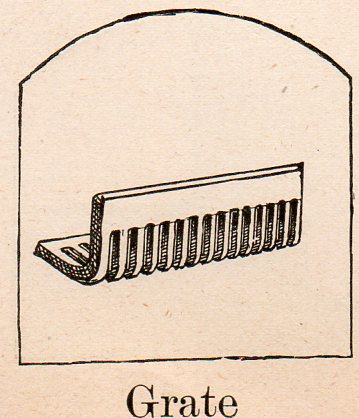
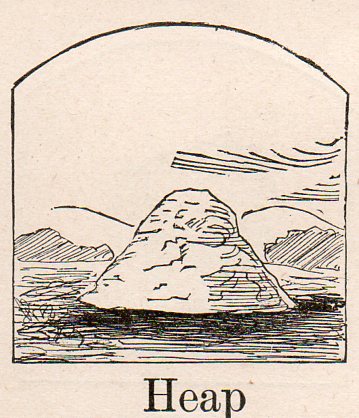
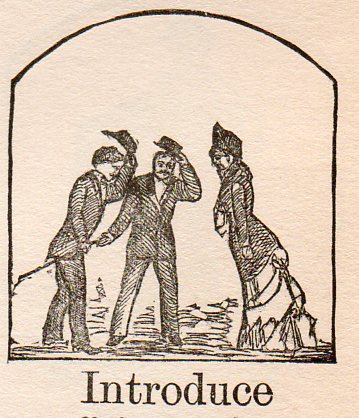
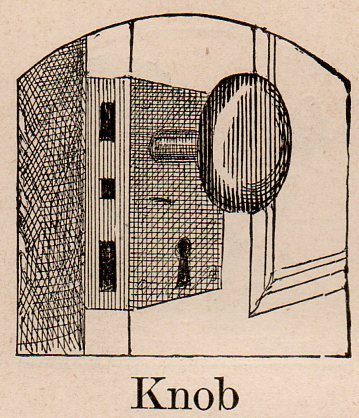
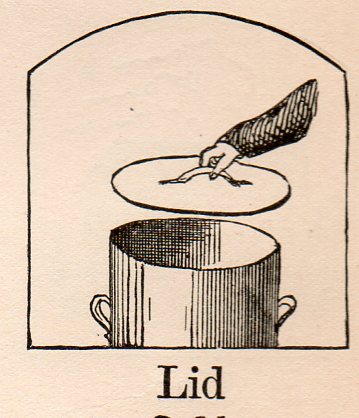
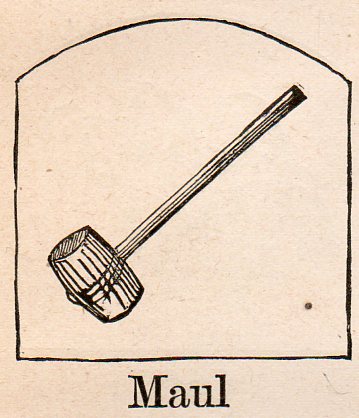
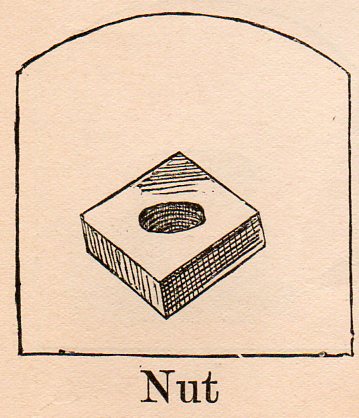
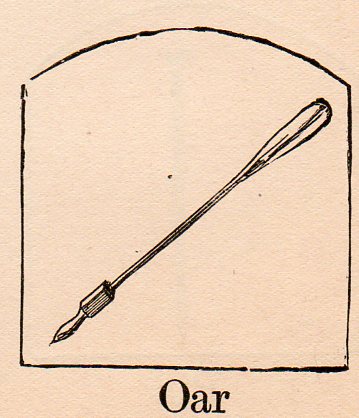
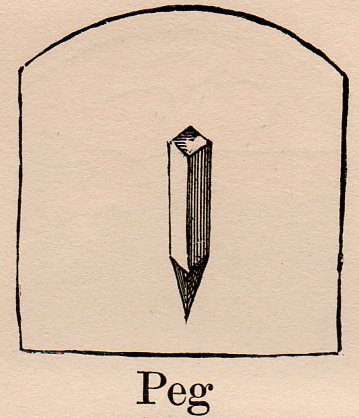
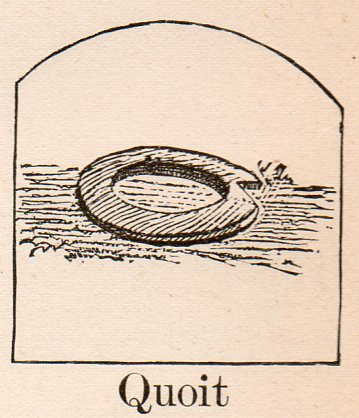
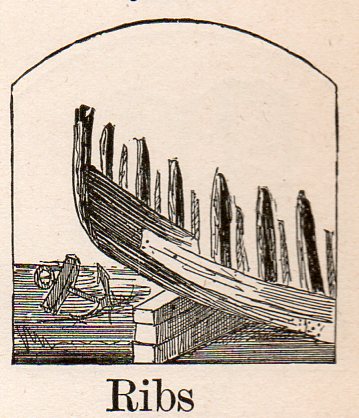
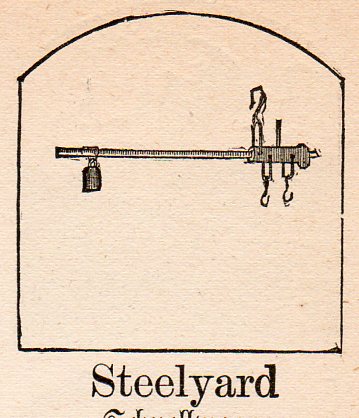
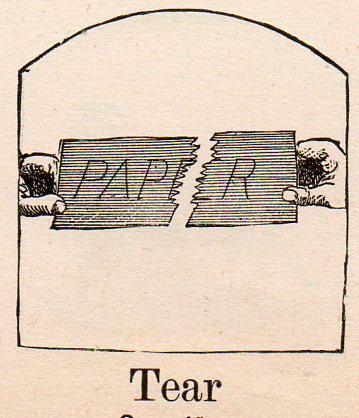
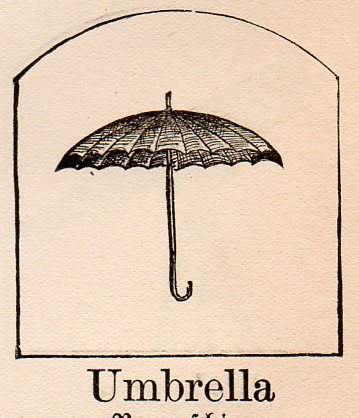
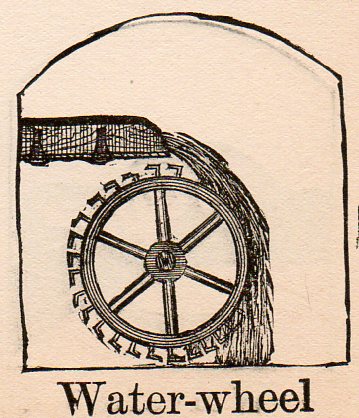
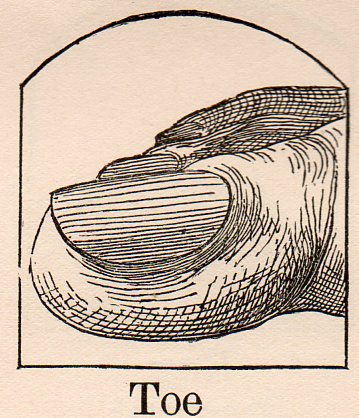
    Following this week’s posts Occupational Alphabet and Touch of Evil action Alphabet is this constructed alphabet of Dada-like images, non-sequiturs taken out of context and which–once placed on a their own stage and on their own easel in the strong Borges tradition of the reader making the book–strongly remind me of the Marcel Duchamp readymades.   The source is Kantner’s Illustrated Book of Objects and Self-Educator in German and English, a self-teaching book for German vocabulary, published in Pennsylvania in 1879.  The woodcut images used to illustrate each word are fantastic, and occasionally stunning, sometimes unexpected illustrations of forgotten objects and actions.  I’ve selected the images that have selected themselves, mostly-solitary images infested with that uncommon, simple quality that illuminates them as Dadaist. 

    The alphabet is sadly not complete–j, x,y and z were lacking images. 

    Alephbet--arm310
    Alephbet--bomb315
    Alephbet--cue311
    Alephbet--die312 

    Alephbet--ear328

    Alephbet--fist319 

    Alephbet--grate331

    Alephbet--heap320
    Alephbet--introduce326
    Alephbet-knob321 

    Alephbet--lid329 

    Alephbet--maul330

    Alephbet--nut313 

    Alephbet--oar314
    Alephbet--peg316 

    Alephbet--quoit332

    Alephbet--ribs322
    Alephbet--steelyard327
    Alephbet--tear323
    Alephbet--u325
    Alephbet--w324