A Daily History of Holes, Dots, Lines, Science, History, Math, Physics, Art, the Unintentional Absurd, Architecture, Maps, Data Visualization, Blank and Missing Things, and so on. |1.6 million words, 7500 images, 4.9 million hits| Press & appearances in The Times, Le Figaro, Mensa, The Economist, The Guardian, Discovery News, Slate, Le Monde, Sci American Blogs, Le Pont, and many other places… 5000+ total posts since 2008.

Category: Absurdist, Unintentional

  • The Sci-Fi Call to Women in Past-Future Distress

    JF Ptak Science Books   Quick Post

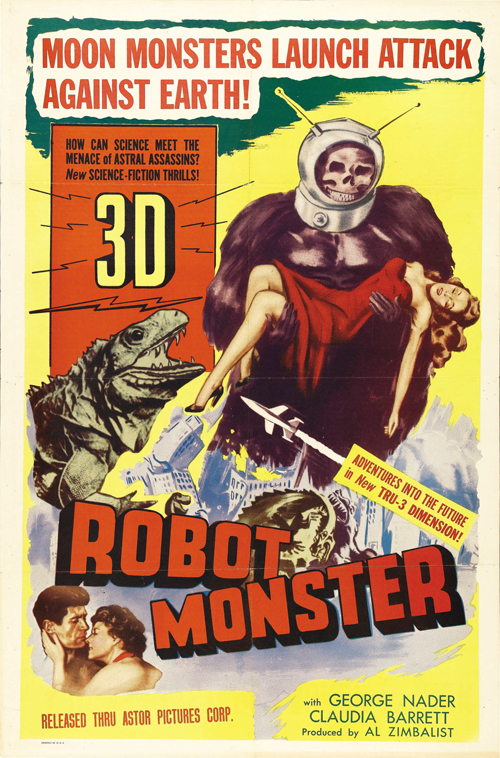
    This adventure (“Radio Planet vs. the Ant Men”) sounds more like a Captain Beefheart song than a fantazine for kids/young adults/whatever, but there it is–and what the cover for the magazine features in spite of the article title was yet another (dazed) woman in sci-fi distress. In the panoply of sci-fi-danger-women this one is pretty composed and dressed relatively, this of ccourse is relative to all of the other who have their dresses falling/slashed/dissolving/torn/falling of, revealing the Great Secrets of Composed and Dangerous Sexuality.  In any event, there seemed to be many instances of women-needing-rescue–and in many circumstances they are tending towards nakedness or its suggestion, and have their arms dangling at their sides. Here’s a quick review of some of the covers that might have put the “X” in “se_uality”:

    AP1474 - Famous Fantastic Mysteries, Pulp Magazine Cover, Artsit: Virgil Finlay, 1942 (30x40cm Art Print)

    robot_monster_poster_01


  • On Being Not Even Wrong–What is the Word for a Wrongness that Transcends “Wrong”?

    JF Ptak Science Books  Quick Post

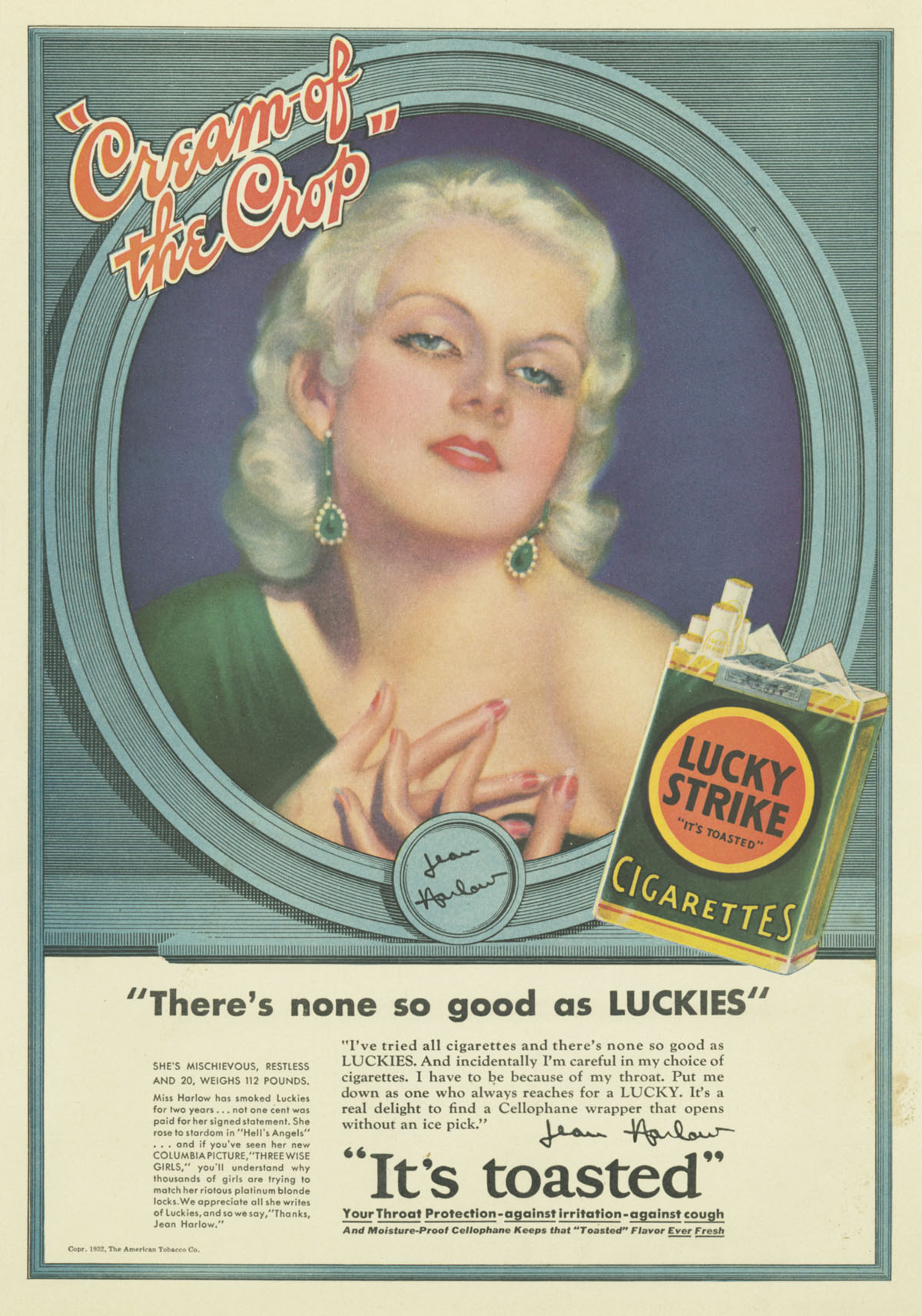
    This is just a very quick post making use of the excellent cigarette advertisement resource at Stanford University (all images used below are found in their archive, here).  This is the third installment on this blog on cigarette advertisements that are as wrong as wrong can be, so wrong–as I’ve said in earlier posts–that they aren’t even wrong, that they are on-beyond wrong in that classification that defines terminal wrongness. 

    http://elane.stanford.edu/images/exhibits/tobacco/embassy/inhaleheartcontent1L.jpg


    This stuff is worse than wrong–it is substantially a wrongness where the word “wrong” is too weak and impotent to describe a particular wrongness, much like the very-overused and not-replaced “spill” could be used to describe what happened in the Gulf Coast.  There is no one word in English I think that described that occurrence, just as there really isn’t one suitable word to describe this behavior of the tobacco industry.  The wrong that isn’t even wrong isn’t that it is nothing, but that the wrongness of the thing is too weakly described by the word. 

    Rudolf Peierls (a phsyicist of very high order and co-author of the Frisch-Peierls memorandum of 1940 that theorized a workable weapon fahioned of U-235) described the original use of the “not even wrong” phrase, attributing it to the great Wolfgang Pauli (Nobel physics 1945), who when shown a paper by a young physicist commented sadly that it wasn’t right, and it even wasn’t even wrong.  It was nothing. (It is interesting to note that if you took two of the things that these physicists were known for and placed them out of context in a literary/philosophical arena, they kinda work to describe Pauli’s wrongness principle:  that would be the Peirels Instability and the Pauli Exclusion principle.)

    These ads weren’t nothing.  And the odd thing is that they exist in their contemporary flavors today, efforts that will be seen in our short future as being as impossible as these antique ads seem to us today.  More’s the pity when we know almost all of the story. 


    And this one is just “__________”:

    http://elane.stanford.edu/images/exhibits/tobacco/luckystrike/certainlyL.jpg

    http://elane.stanford.edu/images/exhibits/tobacco/cigars_pipes/ronaldreganL.jpg


  • Mysteries of the Smoke Signals–Weird Secondary Enticements in Cigarette Ads

    JF Ptak Science Books    Post 1640

    [Continuing the post The History of Cigarette Eyes and part of the series on Blank, Empty and Missing Things.]

    Mysteries of smoke harrison det

    What is it about the pinky ring that makes you want to smoke?  And makes you want to smoke the cigarette in the pinky-hand’s counterpart?

    The psychology of advertising in cigarette ads in the 1940’s or thereabouts is a strange thing to me.  The secondary items in the ads–the stuff there besides the cigarette–are sometimes baffling and occasionally troubling,  disquieting, unusual things sent to capture the attention once the cigarette has been removed from the field of attention.  I’m pretty sure why those things are there–because of their suggestive natures and their attempt to relate directly with cigarette smoking–but I’m not aure how that connection between the object and the suggestion (of power, or control, or social beauty, or sex and so on) takes place.  The meaning and connection can be forced out with a little muscle, but that wasn’t supposed to be so hard for the viewing public back there eight decades ago.  The social contrivance of the connection seems to have slipped over time into a smoky nothingness, and I think that it would be interesting to try and restore it, if only for the sake of understanding that lost part of advertising’s quadratic equation.

    And so on to a few examples from the advertising world, all of the images coming from the great cigarette advertising archive at Stanford University (here).  Removing the cigarettes as a main focus of attention  in the following ads leaves us with pinky rings, puffy man-ladies, cigarette holders, close touching, electronics, stub-handed stubby cigarettes, wedding rings and suggestive “product  placement”. 

    The vast smokey elegances of pinky ring (from above):

    http://elane.stanford.edu/images/exhibits/tobacco/luckystrike/scientifictestsproverexharrisonL.jpg


    The smokey, puffy man-lady (“so round, so firm, so fully packed”):

    Mysteries of smoke phil harris det

    Phil Harris just looks entirely and completely out of place, and not comfortable, though perhaps he just wanted to “feel pretty” getting a light from man-handed Alice Fayew?

    http://elane.stanford.edu/images/exhibits/tobacco/luckystrike/philharrisL.jpg


  • The History of Cigarette Eyes

    JF Ptak Science Books  Expansion and Correction(s) of  Post 1638 (Thanks to Orion Pozo at NCSU for starting this off by outing the Marlboro baby.) Part of the series on the History of Blank, Missing and Empty Things, Part 77:  Promises.

    “The world is my dream.”– Sir Karl Popper

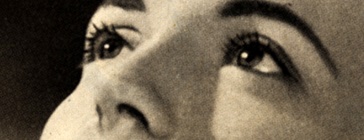
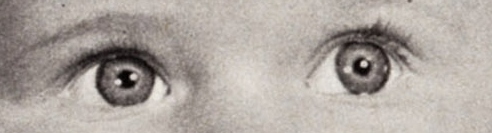
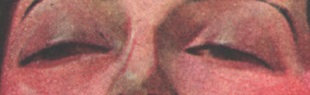
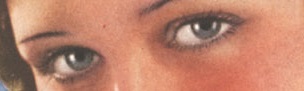
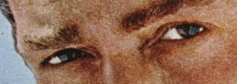
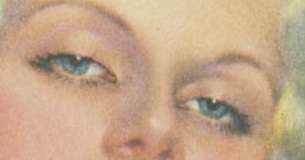
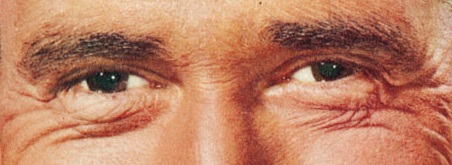
    In the History of Empty Promises advertisements for fulfilling experiences with safe/pleasant/not-addictive/sweet-smelling tobacco cigarettes would find a key position, if for no other very large reason than having killed so many millions of people.  Many of the lies told to the consuming public on the efficacy of cigarettes have come through billions of dollars worth of print advertisement, many of which featured the earnest eyes of someone famous (Babe Ruth, Lou Gehrig, the Duchess of Windsor), or authoritative (football referees, doctors, lawyers, airline pilots), or trustworthy (Santa, the family dog), or even innocent (teenagers and of course babies).  I’ve collected a few examples that I find particularly arresting–there are hundreds or thousands more to choose from.

    • Note–all images are drawn from the great resource at Stanford University on cigarette advertising, here.

    Cigarette Eyes of Babies (for Mommy–for Daddy, see below):

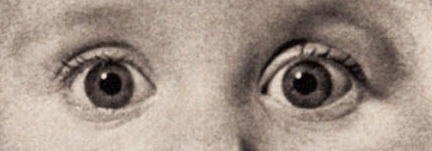
    Ciggie eyes baby
    In one of the high twisted occurrences in the history of Buying Things, Marlboro cigarettes started its life out as a smoke for women, a mild, feminine object for ladies.  And as we can see here an early appeal to the possible consumer came through the eyes of an infant.  The product didn’t sell well, and was repackaged for men, the baby eyes eventually being replaced by the iconic cowboy. This is one of the few times that an a consumer object that began its career as a sales vehicle for women crossed the gender barrier. 

    Ciggies--baby

    Cigarette Eyes (and Nostrils) of self-knowledge and belief (because nothing quite spells out personal knowledge than blowing hot smoke through your nose holes):

    Ciggie belief detail

    Ciggie belief

    Cigarette Eyes of the edification of pure scientific support for the glory of smoking:

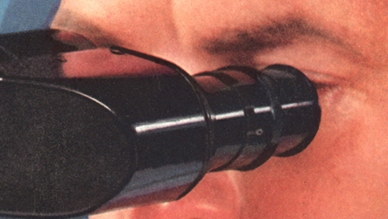
    Ciggies--eyes w microscope det
    Chesterfield not only conquered the alphabet for cigarettes, but “science” as well.  Here we see Big Science affirming the ABC claim that there is no “aftertaste” in their cigarette.  (The ‘scope has no identifiers, probably taken away in the darkroom, but it looks like it might be a Spencer to me.  Maybe B&L.)

    Ciggies eyes of science

    Cigarette Eyes of Babies (for Daddy):

    Ciggie smokes daddy det

      Ciggies baby daddy


    Ciggie Slim-Lust Eyes:

    Ciggie slim detail
     

    Ciggie slim

    Cigarette Nurse Eyes of Trust and Responsiveness:

    Ciggie nurse detail

    Ciggie nurse


    Cigarette Teenager Eyes:

    Ciggie teens eye det


    Ciggie cheerleader

    Nothing quite spells out h-e-l-l (even to non-believers) than those things that are dangerous and targeted at children.  This add provides even a little more than that–the  leaping teenager does have a cigarette in her left hand  (if you look closely you’ll see it)  an is revealing quite a lot of herself in flight…even the angle of descent is suggestive.  At first glance I thought this was a cheerleader to be exposing so much, but, no–she’s just a teenager who is smoking and leaping.  


    Cigarette Teacher Eyes:

    Ciggie educators det
    Ciggie teacher

    Well, I guess that these weren’t necessarily teacher/scientist eyes, but the man in the suit was supposed to convey that.  He was after all smoking a smart cigarette, with a filter–something relatively new in the mid-1960’s when Lorilard Company pushed their Micronite filter.  It was supposed to filter out the bad stuff from cigarette smoke, and did so by employing crocidolite asbestos as part of the filtering agent–this is a form of asbestos that is the most dangerous of the amphibole asbestos family.  Evidently something like 18% of the miners who mined this sort of asbestos (also known as “blue asbestos” have died of mesothelioma–not contracted the disease, but died of it.  And here it was, being inhaled with cigarette smoke.)


    Ciggie Eyes of Sex:

    Ciggie sex detail

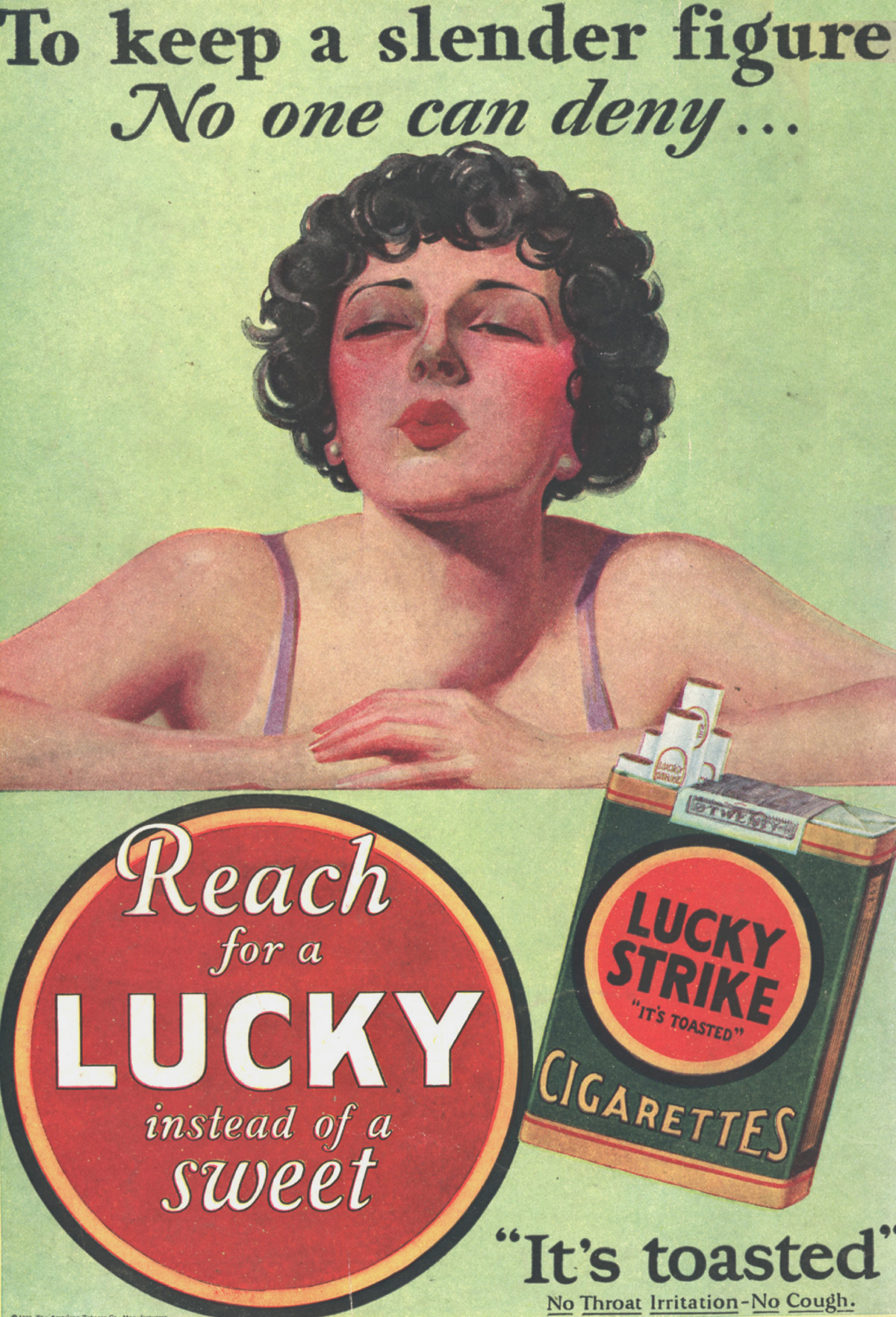
    This was far from being the first round of advertisements using sex as a possibility achieved via the purchase of a commodity. It was also not the oddest promise for weight loss from an unsuspecting product–cocaine was sold for this purpose as well in the early part of the century.  Heroin too.  I can guarantee that if you these this often enough it will loosen your grip on food, almost to the point of exclusion; and then, like magic, food gone, you will lose weight.  Cigarettes offered themselves as a substitute for candy–for women–and in this way became an inglorious end to what still seem the impossible dream of maintaining an always-improbable desired figure. 

    Ciggie sex


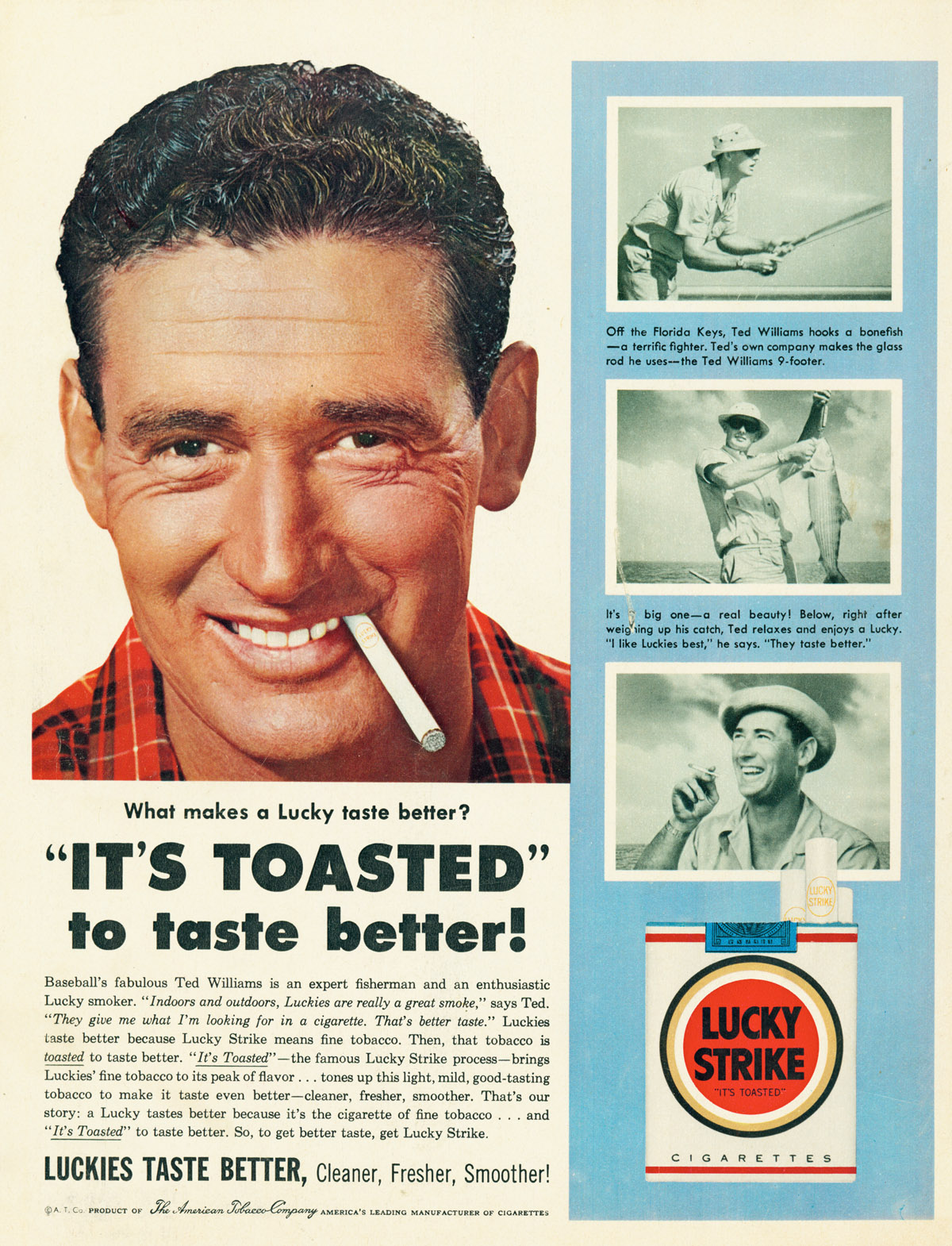
    Ciggie eyes of Teddy Ballgame:

    Ciggiee baseball detail

    Ciggiee baseball

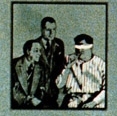
    And from the other end of the field, a little inset picture of Babe Ruth, who evidently could tell his ciggies apart, blindfolded, and in uniform.  It is a creepy and surreal image:

    Ciggie athlete  ruth det last
    He didn’t have the best relationship with his wives, and had some other social factors weighing in against him, but the man was famously kind and generous with children, which gets him a “pass” in my book.  He died of cancer in 1948, aged 53. (His last public address was eloquent and heartfelt, a truly wonderful short speech.)

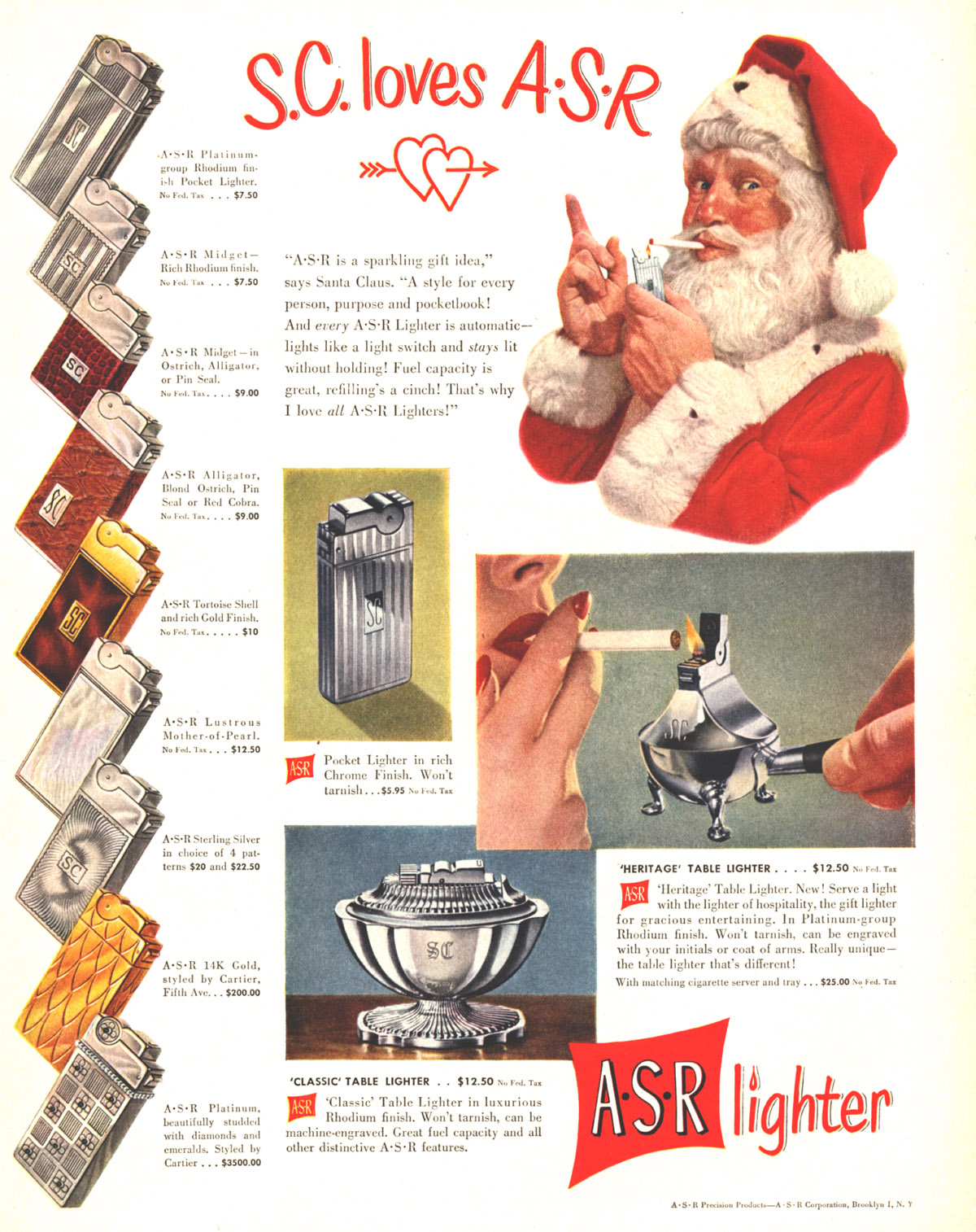
    Cigarette Eyes of Santa:

    Ciggie santa detail

    In a world of things in which everything was wrong, this was among the “wrongest”, so wrong it isn’t even wrong. There are many ads featuring Santa, some of which show him decorating a Christmas tree with boxes of cigs, others showing him with his sack full of yet more cigarette cartons.  Even in an Encyclopedia of Bad Taste, this would be a key entry.

    Ciggie santa


  • Blank, Empty & Missing Things Series: Stairs

    JF Ptak Science Books     Post 1637  (From the series on the History of Blank, Empty and Missing Things.)

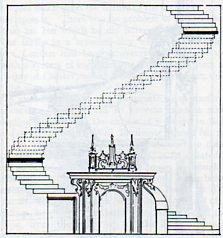
    Spiral staircase st paul950
    This doesn’t quite fit this category, not really, but sometimes close enough is good enough, especially if there’s a really good image that doesn’t seem to fit anywhere else.

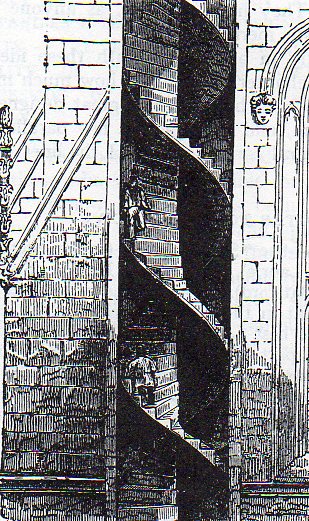
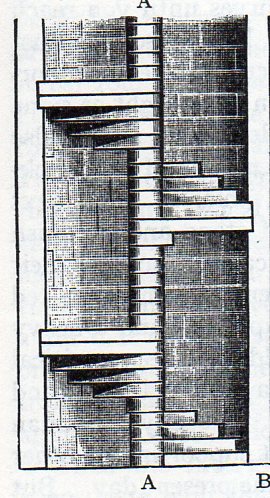
    Such is the case with this great drawing by Theo. G. Scott in the Architectural Record (July 1910) of Christopher Wren’s “Geometrical Staircase” in the southern tower of St. Paul’s Cathedral.  The stairs of course are not missing, they’re just not visible from the standard I’m-looking-at-stairs viewing scenario, as we can see in another classic view, this one found Theodore Cook’s The Curves of Life (1914): Spiral staircase double951

    [The double staircase as described in Cook’s book as the “Tamworth Church Tower”, which is actually St. Editha, in Staffordshire.  The church is Medieval, and building dates from 1369, though it is the fourth iteration of a structure there, the first of which (begun in the 9th century) was destroyed by the Danes soon after its completion. The staircase is remarkable because it allows one person to ascend and another to descend without either ever having to see the other.]

    Spiral staircase double952Engineers and architects had confronted the idea of spiral stairs for many centuries before Wren–perhaps as many as 40 generations, perhaps more.  The “invention” of the  spiral staircase, or its discovery in the places in which it sort of exists in nature (like in the shells terebra dimidiata  and voluta scalaris), seems like a very interesting thing, though I am not sure where it stands in the history of importance in architectural development.  Perhaps Pisa wouldn’t have nearly so many narrow towers without the spiral staircase, and I know for a fact that it is far  easier to deflect marauders from ascending a castle’s spiral staircase than any other (the defenders getting at least an order of magnitude (and maybe more) bump from that design than any other staircase. I doubt in comes anywhere close to the indoor fireplace/chimney, or downspout, and a lot of other stuff.  But it is definitely much prettier to look at in perspective and plan than just about anything else in architecture. 


  • Building On Beyond Big–the Great Pyramid in Detroit, 1908

    JF Ptak Science Books   Post 1633

    “My alphabet starts with this letter called yuzz.  It’s the letter I use to spell yuzz-a-ma-tuzz.  You’ll be sort of surprised what there is to be found once you go beyond ‘Z’ and start poking around!” ~Dr. Seuss

    “The lunatic, the lover, and the poet, are of imagination all compact.”  ~William Shakespeare, Mid-Summer Night’s Dream, 1595

    Blogprymmidelevtion216 

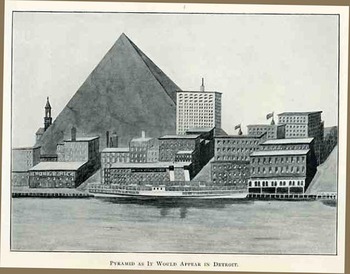
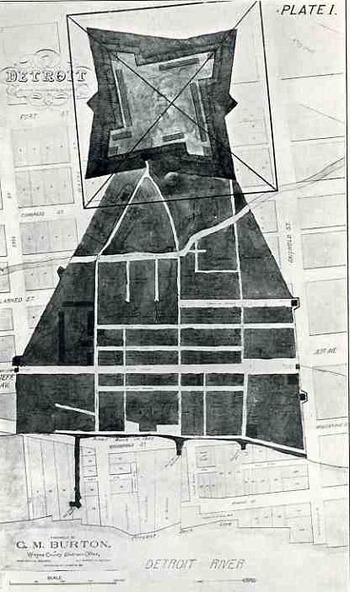
    And so it came, somehow, to be that E.S. Wheeler, president of the austere and august Association of Engineering Societies, presented a paper at its annual meeting in June 1908, on building an exact replica of the great pyramid of Gizeh.  I suspected that because of the intentionally fantastoid title that Mr. Wheeler intended the paper as a show, exhibition, to the younger engineers in the audience about how one might approach an unusual engineering problem, as an imaginative course of instruction.  That would be quite nice. 

    Except though that Wheeler presented the paper as though he was serious.  He delivered  it evidently with a high dryness, and people took him seriously.
    Blogprymmidpln215
    The pyramid was to be built on the site of the village of Cadillac (of 1701), in central Detroit, occupying that site and then some, covering it with 13 square acres of stone.  Oh, yes, and it was also to be excavated, scooped first into a shockingly cavernous prism 759’ on each side and 120’ deep, or about 2.6 million cubic yards of stuff.

    The pyramid itself was to be built almost entirely of limestone, 760’ on each side, and 485’ high, set on the 13 acre base—where those 13 acres in the center of Detroit was left open to debate. Wheeler also intended to reproduce the interior of the pyramid as well (so far as it was known in 1908), and had a set of plans to accomplish that goal. 

    Wheeler figured that the material cost (exclusive of the base), would be $36,000,000 1908 dollars, which he considered a fair price.  The conclusion of his paper was a superb slash of logic and possibilities—he calculated that if each person in the United States contributed the equivalent of a day’s labor on the building of the pyramid, that the great structure could be built in a day and a half.  Wheeler closes with this superior gem, a sentence unlikely to be repeated in any subsequent technical journal”  “If the United States should stop all other work and devote itself entirely to building pyramids, as was probably the case in Egypt, it would, after it got fairly running, be able to turn out two every three days.


  • History of Lines: Clouds

     JF Ptak Science Books  Post 1629  (On Clouds and Not-Clouds, Part I)

    “…and they drew all manner if things–everything that begins with an M—‘

        ‘Why with an M?’ said Alice

       ‘Why not?’, said the March Hare.” –Lewis Carroll,  from “A Mad Tea Party”, in Alice’s Adventures in   Wonderland.

    Why not, indeed?  I’ve long had an interest in clouds, and since this blog is ostensibly on the surfacing or definition of Cloud Bones, I though to spend a little time on the origins of the depictions of printed clouds in art. Not being an expert by any means on the history of art, it just seems to me that after long exposure clouds are not well-represented in woodcuts, wood engravings and other early engravings, or at least not so well depicted as their landsmen in paintings.  There seems to be no shortage of effort to reveal gorgeous clouds  through the early Renaissance–but the doesn’t seem to apply very often to their representation in prints.

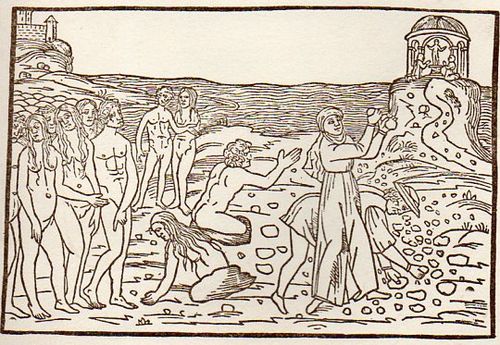
    And that of course is when the detail of the sky is depicted at all. It seems that more often than not, in woodcuts printed from say 1460 through 1550, that the sky is left blank, like this image from Ovid (Accipe Studiose Lector P. Ouidij Metamorphosin...printed in Venice in 1509:
    Clouds no couds livy913

    “You could not see a cloud, because
    No cloud was in the sky:
    No birds were flying overhead —
    There were no birds to fly”.–Lewis Carroll, Through the Looking Glass. 

    I could go on with many examples of the blank sky–the white, blank, settled nothingness–but exhibiting variations of nothing at this point isn’t necessary.  But illustrating clouds is.

    And for the most part, clouds don’t look very much like themselves in prints, not really, not for more than a hundred years.  For example, Martin Schoengauer‘s spectacular  The Temptation of St. Anthony, which was printed in 1470/5, has a beautiful, fluid circularity to it, full of an earthy roundness even as the saint is pursued by demons.  But the sky in the background is populated with nothing but dashes to suggest clouds. 

    http://thewholegardenwillbow.files.wordpress.com/2008/11/schongauer-martin-anthony103.jpg

    Perhaps clouds would have taken away from the moment; but if that were the case, why bother with the dashes?

    There are considerable exceptions to this practice, with Durer and Altdorfer coming quickly to mind–but in my experience, the oddly-formed cloud seems to be the majority rule in the woodcut.  

    At this time there were of course many depictions of skies with no clouds in paintings, bare suggestions of themselves, even in some of the most famous works–Botticelli’s Birth of Venus and Michelangelo’s Fall of Man in the Sistine Chapel are fair examples.  But once you move away from the golden Sienese skies of the14th century1, clouds are given full and beautiful shapes from early periods. (Giotto’s Christ’s Entering Jerusalem, 1305/6; Simone Martin The Road to Calvary, 1340; Duccio’s Christ Entering Jerusalem, 1308-1311; Fra Angelico’s The Dposition, 1436; Masaccio’s The Tribute Money, 1424; Lippi’s Annunciation, a perfect cloud treatise, 1442, and on and on. Other examples are found in continued reading below.)

    Clouds in prints are a different matter–I’m not sure if it was just too technically difficult to create clouds in wood, or if there was some sort of languishing Byzantine sensibility inherent in woodblocks that was not so in oil. I’m really not so sure about this, and as much as anything else I’m thinking out loud about this lack of cloud definition.  I don’t have an answer for it.  But I do want to share the beginning of a timeline for undefined clouds as they appeared (or not) over the course of about one hundred years,  from 1485 to about the end of the 16th century.   As I mentioned clouds appeared beautifully in paintings from earlier periods, and there doesn’t really seem to be a substandard-cloud complement in the painting world as there was in the print world.  Of course, in western philosophy and science, clouds were pretty much left alone from inquiry, even by a series of the great natural history classifiers–they wouldn’t really be given a fully taxonomic appreciation until 1803 by Luke Howard (which I wrote about in this blog earlier, here).

    A Timeline of Clouds in Prints, 1485-1596

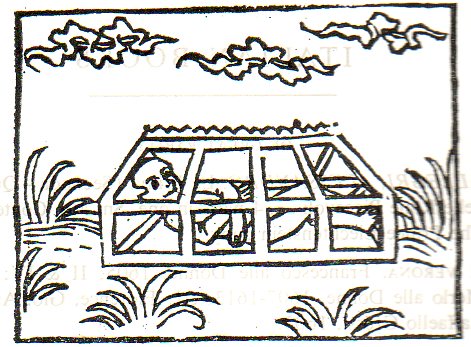
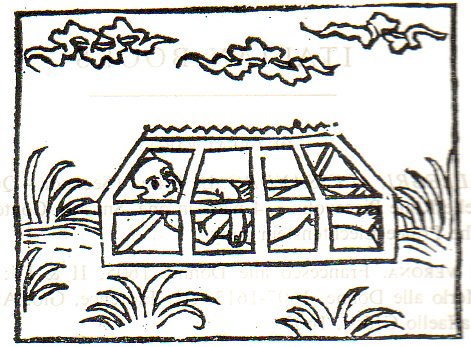
    Franciscus de Retza, De Generatione Christi, sive Defensorium Castiatis Beatae Virginis Mariae, a beautiful work in Gothic type–a picture book, really, with two illustrations of magnets.  Printed in 1485, this image depicts Isidorus in a magnetic coffin which is floating in the air:
    Clouds 1485908

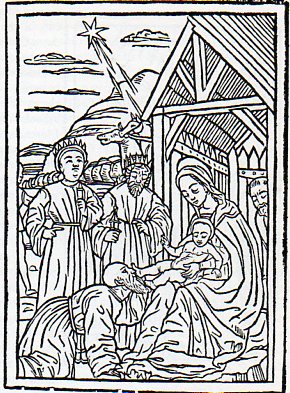
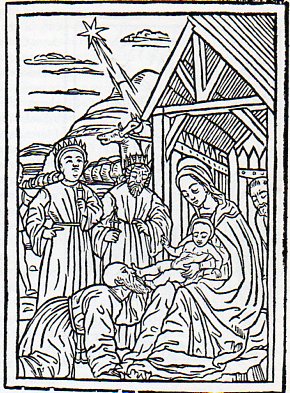
    “The Adoration of the Magi”, from Legenda Sanctorum Trium Regum, printed in Modena in 1490:
    Clouds 1490 adoration magi912
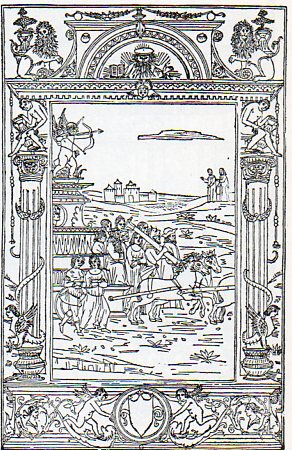
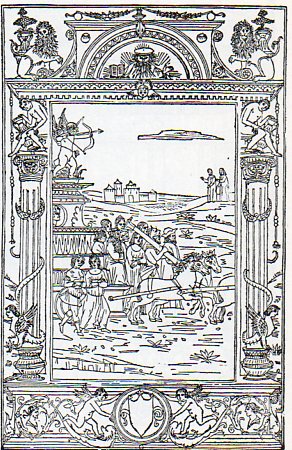
    The Triumph of Love, 1492/3:

    Clouds 1492 triumph love911


  • A Comet of Vertical Falseness (?)–an Episode in the History of Unusual Ideas

    JF Ptak Science Books    Quick Post

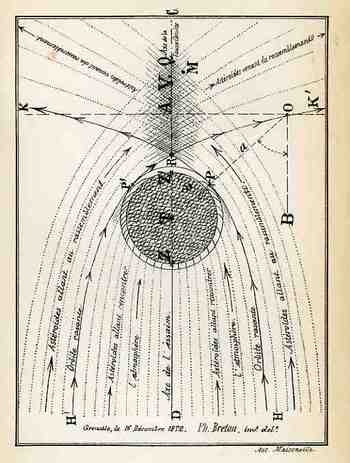
    Blogjuly_22asteroid358 

    the title of this interesting, odd beauty is “Formation d’une Fausse Comete Verticale”, and it looks as though it was published in the 1872 or so, and engraved in Grenoble by Ph. Breton (for “aut” or the author of the paper, Maisonville (?)).     The nature of this illustration has flipped around quite a bit—the initial translation of the title sends it to the heights of uncompromising weirdness, “On the Formation of a False Vertical Comet”, except that the “false comet” part was really, I think, referring to an asteroid more so than, well, I don’t know.  (This “I don’t know” part can get very weird, as we’ll see below.)   So the title kind of gets back into line with the world of the possible (except for the “vertical” part); but from my reading, the content of the illustrations takes it back out, again.  The round object in the middle is the earth; and the curved parabolics leading towards it, and inside it (deep inside it), leaves me only with wonder, and without explanation.  It is entirely possible that I’m just not up to the task of interpreting this image, but the inner-earth cross-hatchwork of asteroids leaves me baffled, as does the “axe de l’essaim” (“stacked axis??), and the trailing atmosphere, and so on.  I really can’t find any key to this image. 

    Getting back to the unforeseeable weirdness that “explain things”, I found the following statement from a website explaining the “true” nature of the Shoemaker-Levy comet—the writer claims that it wasn’t a comet, not a comet at all, but rather a false comet (“une fausse comete” redux), and actually a series of “bombs” built by the U.S. Army and delivered to the surface of Jupiter by NASA disguised “as cometary collisions”.  (“En 1997 parait sur le forum fr.sci.astronomie un étrange document anonyme. Ce texte soutient que l’étrange série d’objets appelé “Comète Schoemaker-Lévy 9” ou SL9, qui a frappé la planète Jupiter en juillet 1994 en provoquant des explosions colossales était en fait une expérimentation de bombes d’antimatières misent au point par l’armée américaine, lancées par les navettes spatiales de la NASA et déguisées en collisions cométaires.”)  I must say that this explanation stumped me—sounds like a long, long way to go over a long period of for an experiment to blow up gas on Jupiter, if you ask me…

    ·Posted by :
    ·in:

    —

  • The History of Blank, Empty & Missing Things–When Everything was Missing

    JF Ptak Science Books   Post 1624   (Part of the series on the History of Blank, Empty and Missing Things.)

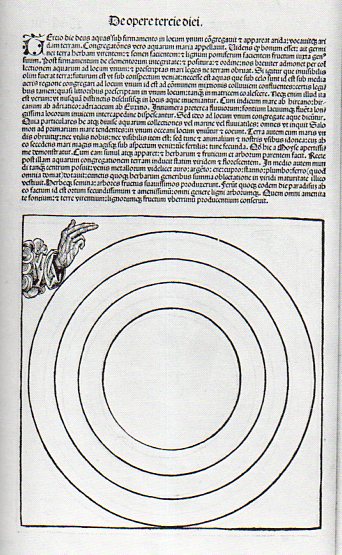
    Koberger bw884

    Perhaps “everything” wasn’t missing, but almost everything was.  Certainly the ancients and even the more-moderns, even the scientists of the 16th and into the 17th centuries (until von Guericke in 1672), could not abide the idea of the existence of nothing.  The vacuum, a space in which there was nothing at all, was seen to be an anathema to the creations of the great creator, that the vacuum was antithetical to what was understood to be the nature of nature. (I wrote a post here earlier on when nothing was almost something.)

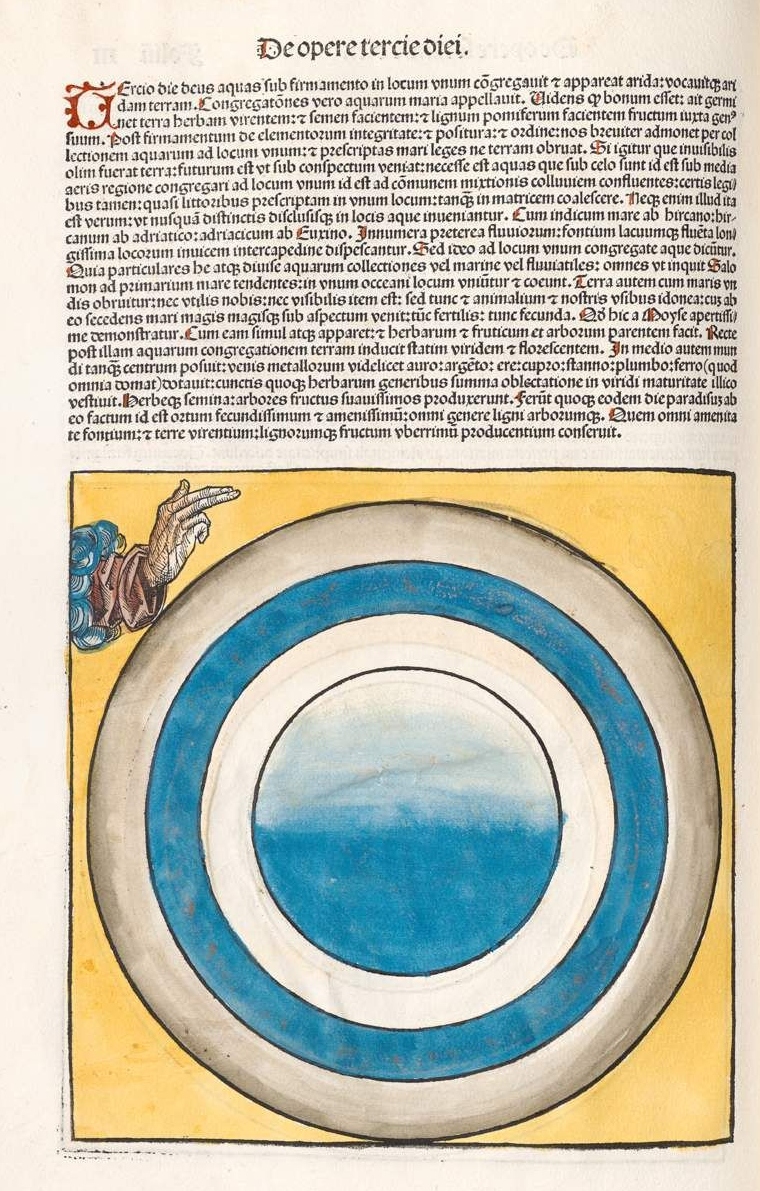
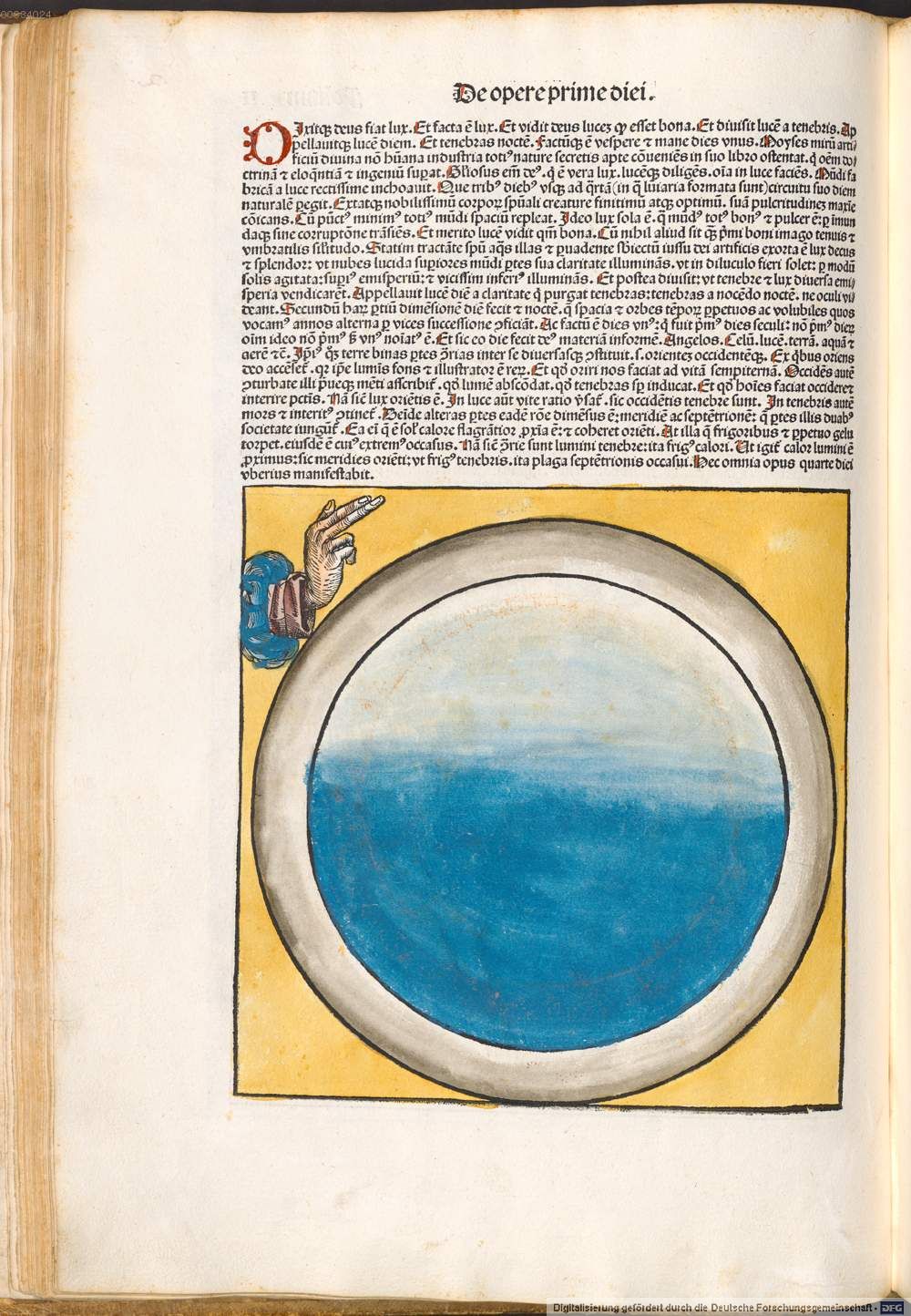
    But what we see here, above, is the third day of creation as presented in one of the most significant books printed in the 15th century, and it is somewhat problematic, because it depicts almost-northing.  That, or almost-everything. 

    The book was written in Latin by Hartmann Schedel (1444-1514, with the German translation by Georg Alt) , with the illustrations under the control of Michael Wohlgemut (1434-1519) and his stepson Wilhelm Pleydenwurff (c. 1450-1494), .and was published in Nuremberg in 1493 by Anton Koberger as Liber Chronicarum–known best to English-pseaking readers as the Nuremberg Chronicles (and to Germans as Die Schedelsche Weltchronik).  It is perhaps one of the greatest illustrated works in the first half-century of movable type printing, using more than 1800 woodcuts to tell the story of the world–according to the Bible, mostly.  (The book deals with the history of world in its seven ages–the first five of which deal with cumuulative history to the birth of Jesus Christ, while the sixth ages handles the history from Christ to the present day, and teh seventh carries along the future history of the world to the Last Judgment.  Not much then is devoted to the 1500 years preceding the publication of Koberger’s book. The author, Schedel, was a very religious man, and considered the work of teh Bible to come from the hand of god and therefore was infallible; on the other hand (so to speak), everything written outside of the Bible was that of humans, and so fallible, and therefore open to interpretation.)

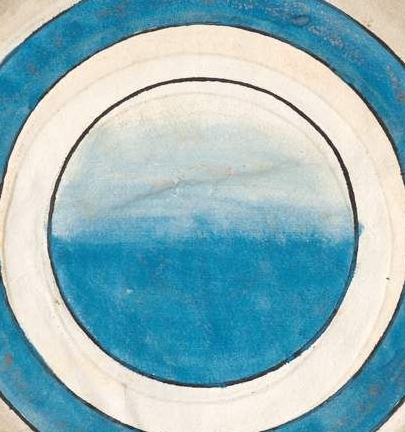
    Here is a colored version of the third day in the creation cycle mythology, which opens itself to much more visual congruence. (“On the third day God gathered together unto one place the waters under the firmament; and the dry land appeared. And God called the dry land Earth; and the gathering together of the waters he called Seas; and God saw that it was good, and said, Let the earth bring forth the green grass, the herb yielding seed, and the fruit trees yielding fruit after their kind.[Genesis 1:9-13.]”)

    Koberger color

    Koberger color b

    And the uncolored version, third day:

    Koberger bw det

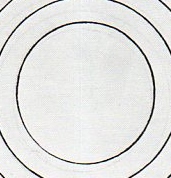
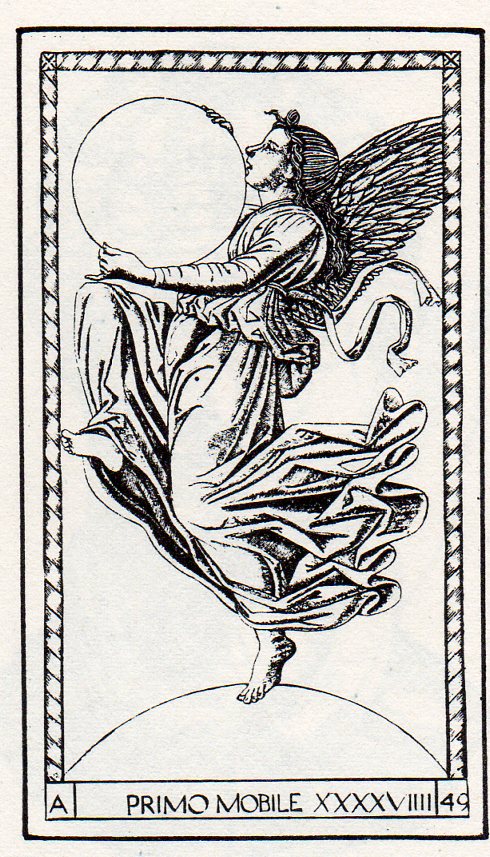
    This sort of “nothingness” is not unique, as we can see in this example from the Mantegna Tarocchi, showing the creator as Primum Mobile, the First Mover, holding what may well be our universe in its hands (and standing on another sphere of nothing, god knows what that might be):


    https://historyofideasblog.com/a/6a00d83542d51e69e20133f47ca205970b-piPerhaps I’m missing the larger picture, and that the circles/spheres are the things created, and that they are contained in the square surrounding them; and that the boundaries marked by the circular lines are not necessarily empty, and that it is the suggested of the circles that is the stuff created, placeholders, contained within the square of the creator’s domain.  Or maybe not. Perhaps the circles are signifiers for the elements–earth at the center, surrounded by water/air/fire. Perhaps the woodcut was just waiting for some color. 

    Notes:

    The English translation of the Nuremberg chronicle used here is from Beloit College (here) which also has a very lovely scholarly treatment of their copy of the Nuremberg Chronicle (here).

    Here’s the rest of the cycle, in color:

    “For he spoke and they were made: He commanded and they were created”  (Psalm 33)., so says the legend (IPSE DIXIT ET FACTA SUNT; IPSE MANDAVIT ET CREATA SUNT Psalm 32) which floats above god enthroned–but it is difficult to see the progress in the un-colored version of day three.  

    http://www.beloit.edu/nuremberg/graphics/Layout%20and%20Design-Full%20Page_lg.jpg

    The first day:

    Korberger 1st day real


  • Finding Surrealism in Antiquity–Unintentional Bizarreness in Plato

    JF Ptak Science Books   Quick Post

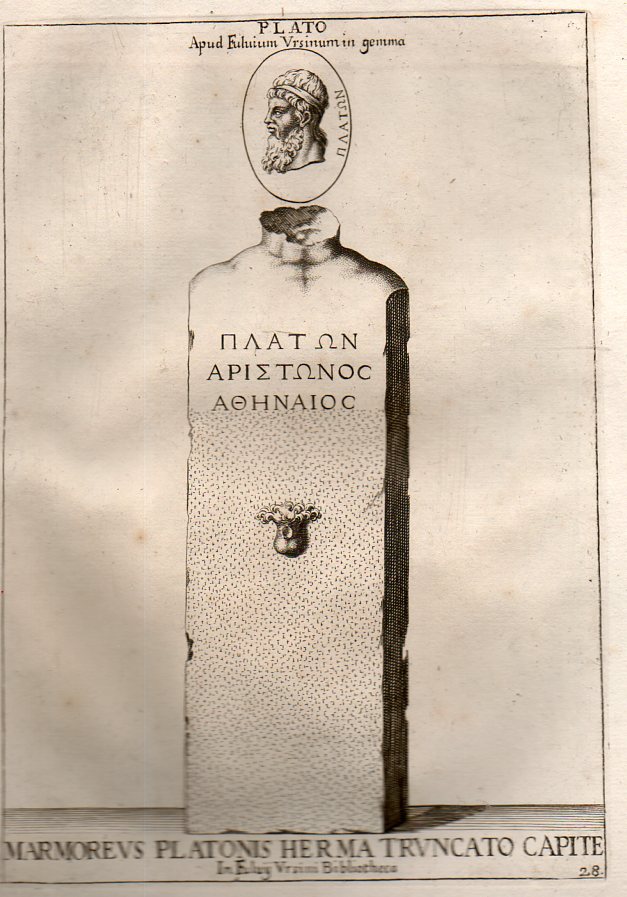
    I was grazing through a new find, Veterum Illustrium Philosophorum, Poetarum, Rhetorum et Oratorum Imagines …by Josseph Petri Bellorii, a lovely work illustrating great thinkers of antiquity, and printed in Rome in 1739.  And among the busts and statues of Pythagoras and Euclide and Socrates and so on, the holy thinks and philosophers and orators and poets, I found this unusual non-statue of Plato. “Marmoreus Platonis Herma Truncato Capite” reads the legend of the not-completed statue, and it describes the work on many levels.  Of course, the eye is drawn instantly to the center–and, well, there you have it.  The surviving bit, half-survived.

    Lato968

    Decapitated, indeed.  There’s a lot that could be done with “Herma”, but I think the best is to take it for the root of hermeneutics–the study of the theory of interpretation–which comes from the god Hermes1, the messenger to the mortals and inventor of fire.  Certainly the statue as it stands is open to discussion.

    As it turns out fully 10% of the images in this book were like this one, which means I guess that finding fitfully/partially-completed statues like this of Plato was much more common than I realized. Or imagined. 

    I wonder what Plato would’ve done with this one.

    Notes:

    1.  Hermes also had a son, Hermaphroditius, with Aphrodite, a person created with a nymph, Salmacis, creating a person endowed with the traits of both sexes.