A Daily History of Holes, Dots, Lines, Science, History, Math, Physics, Art, the Unintentional Absurd, Architecture, Maps, Data Visualization, Blank and Missing Things, and so on. |1.6 million words, 7500 images, 4.9 million hits| Press & appearances in The Times, Le Figaro, Mensa, The Economist, The Guardian, Discovery News, Slate, Le Monde, Sci American Blogs, Le Pont, and many other places… 5000+ total posts since 2008.

Category: Absurdist, Unintentional

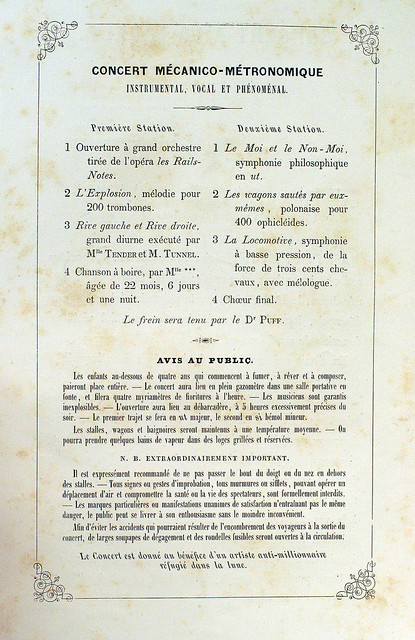
  • Steampunk Orchestra: J.J. Grandville’s Proto-Surreal Images, 1844

    JF Ptak Science Books    Post 1789

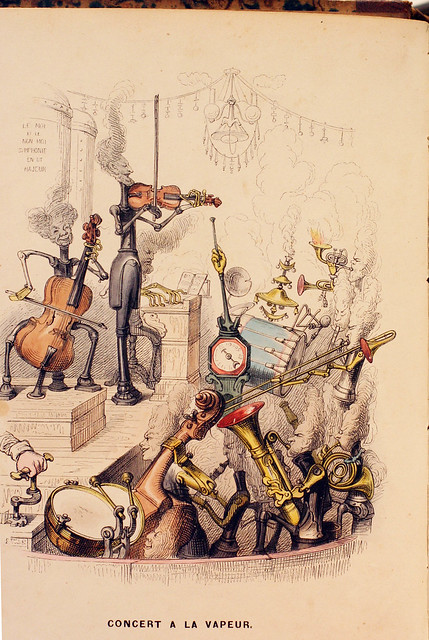
    I suspect that J.J. Grandville must be remembered as the proto-father of the proto-Surrealists, and probably more.  He was a very prolific illustrator during his short life (1803-1847), producing many images across a very wide field of imagination that would probably be referred to as speculative fiction.  Early in his stunted career he had some considerable influence as a satirical punisher in a number of superior-level magazines before a censorship law prohibiting such social observations criminalized that sort of imagination, and so Grandville moved on to illustrating some great classics in literature. 

    In 1844 Grandville (a pseudonym for Jean Ignace Isidore Gerard) published his (literally) fabulous Un Autre Monde, a very creative work of transformation and visionary exploration, which was a parody and critique of the worlds of the present and the possible. Its sharp edge ha been lost to time as much as most any satire or caricature of a dusty political past might be (like farming jokes and James Buchanan in 1861), but when you look at the hundreds of illustrations for this work (as well as its underlying ideas) that is really all you need.  The images speak for themselves, and can speak to most anything, in any language.  This is one of the place where Grandville has writ his name large in the pre-history of Surrealism, an Andre Breton/Ernst Mach approach to lit and art about 70 years early.

    The images are simply fantastic.  And you might be ready to see them–with modern eyes–when you read the subtitle head for his book, which reads so:  Un Autre Monde/Transformations, Visions, Incarnations, ascensions, locomotions, explorations, peregrinations, excursions, stations [I’m not sure what this translate to], cosmogonies, fantasmagories, reveries, folatreries [“follies”], lubies [“fads”], metamorphoses, zoomorphie, lithomorphoses, metempsycoes, apotheos, et autre choses… By the end of the title, the reader would suspect that something was “coming”.

    And so I’m going to post a number of different bits on the images from Un Autre Monde–the first gathering some views of musicians and instruments which take on a definite steampunk variety. Next we’ll have a look an interesting use of perspective as Grandville looks almost straight down on his subject–but not quite so, which to me is quite surprising; then there will be posts on weather morphologies, metallic pyramidal flowers, meta-artists, and of course flying machines. 

    Numerous Grandville images may be found at Visipix; a full set of Un Autre Monde’s illustrations at Flickr, and a full copy of the book at the Internet Archive.

    photo


    photo

  • Earths inside the Earth–a Short Note on Inner Civilizations. And Maps.

    JF Ptak Science Books   Post 1782

    There should or could be an enjoyable history written on the internal living history of the Earth, or Earths-within-the-Earth, because the idea is quite old, and latches itself like a good idea on top of a bad idea inside a decent idea.  The end result though is not so great, but, given the longevity of the interior Earth idea and the people who perpetuated it over time, I would like to read a history of the thing, even if it went nowhere.  I guess the history could be fiction and come out with almost the same result, but well, some of the happened-history is stranger than fiction. 

    I was brought to think about this by a patent granted to Herbet Francis Williams-Lyouns (British, 1863-1933).  Lyouns was a painter but for some reason cooked up this idea for an international exhibition just before the year 1900.    The patented idea was for a free-standing globe/sphere with a series of stairways that would get paying folks to a lighthouse at the top.  From what I can tell the thing was to be 150 feet high or thereabouts–it is difficult to tell since there are no technical specifications in the patent itself.  There was nothing really to suggest dimension and without physical specifications I’m not sure exactly what Lyouns was patenting, except for a big globe with a lighthouse on top that could be populated with a paying crowd. 


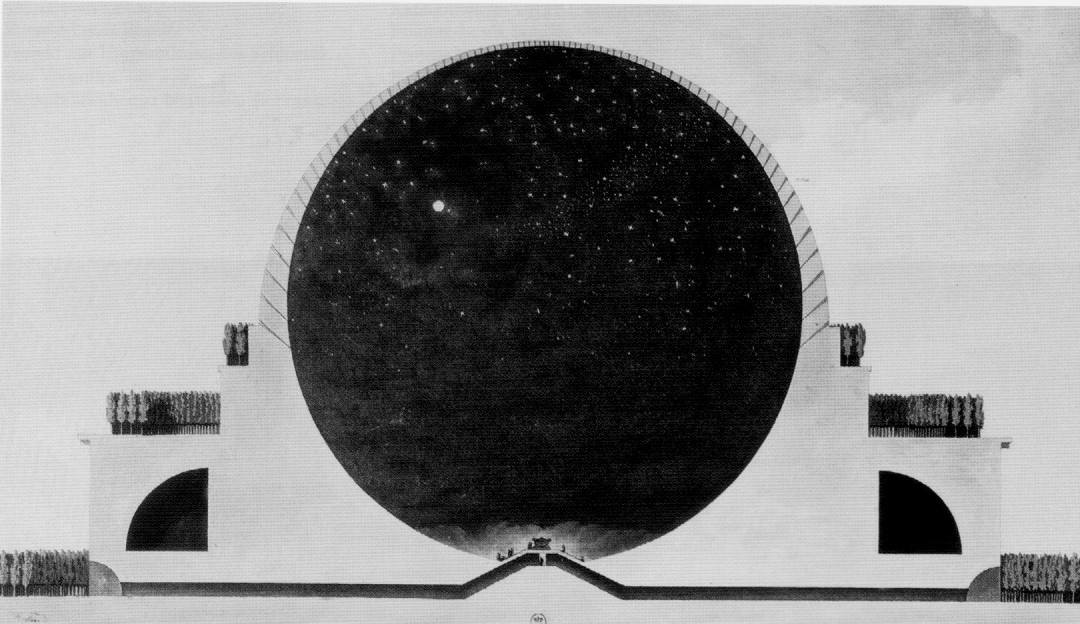
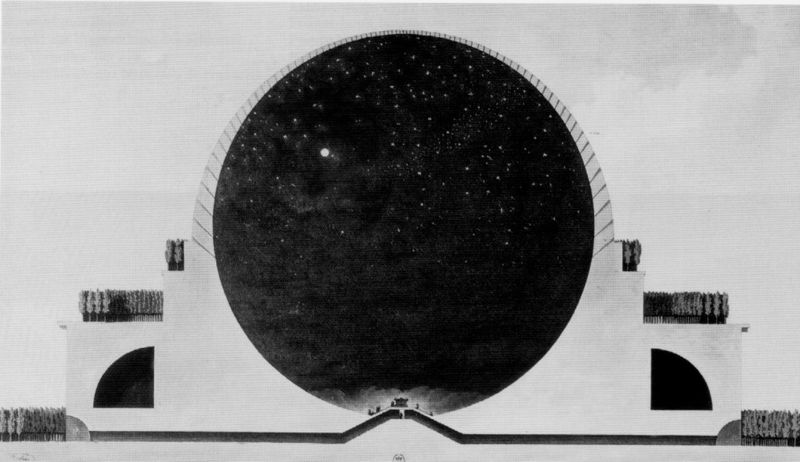
     It seems that Lyouns was patenting the idea for being able to ascend a hollow globe to a what would seem to be a redundant lighthouse (certainly there could have been some other structure a little more appropriate or crown-y) at the top, though I know I have seen several earlier visionary drawings about such a beast. One of these ideas belonged to Etienne Boullee (1728-1799), who designed a great hollow sphere for a cenotaph for Newton—Boullee however did not muck up the interior of his space with a massive stair structure, and kept it simple, with his folks milling about on the ground enjoying what was supposed to be an internal night sky.  Some of the others are pre-patent era, though I do recall one of a hollowed-globe interior for viewing a moving diorama that was definitely of the patent era–perhaps that inventor simply didn’t patent the apparatus.

    [The interior of the Lyoun globe, which I guess represent a giant winding staircase.]

    The Lyoun bit also reminds me of the Crystal Palace of 1851–rather, of a cartoon for the Crystal Palace, featuring the Palace at the top of a globe that was fully and completely, falling-off-the-sides inhabited.  Which makes it a bit different from the globe of Lyoun, which seems as though it could’ve been inhabited on the inside, only, and which steers us exactly to the opposite (?) of the Earth’s-Interior-Earth business.  After all, I started talking about other stuff and civilizations living underground, inside the Earth, possibly inside a massive hollowed out section of the Earth. 

    (Finding the top of the world was easier in 1851–at least to this illustration, showing the Crystal Palace of the Great Exhibition of 1851 sitting firmly in place above all. I can imagine that if you were sitting in Hyde Park along with the 1851-foot long building, it would be easy to think that you were indeed at the top of the food chain.  The structure was the crowning achievement of the  Exhibition:  it was almost one million feet under iron and wood and glass, and could hold tens of thousands of people who could view the enormous gardens housed there.)

    I’m talking about Jules Verne and his journey to the center of the Earth, and H.G. Well’s Morlocks, and a dim memory of Superman’s Mole Men, and E.R. Burrough’s Pellucidar sitting at some great depth below the Earth, and on and on, back into the misty past, past hollow Earth theories of even some great men like Edmond Halley, and back into mythological and anthropological stories of great antiquity.  But those stories will have to wait for a later tell.
    Boulle newton

    [Boullee’s cenotaph for Newton.]

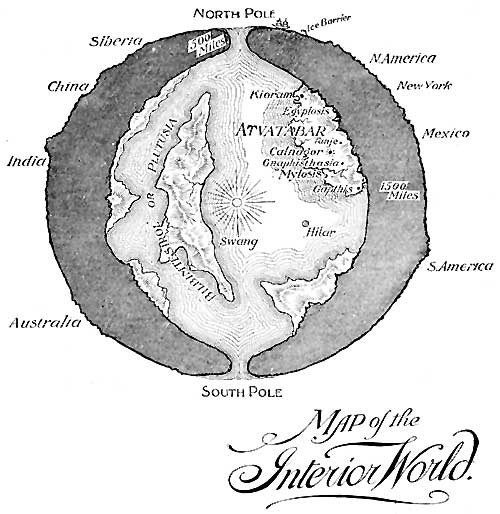
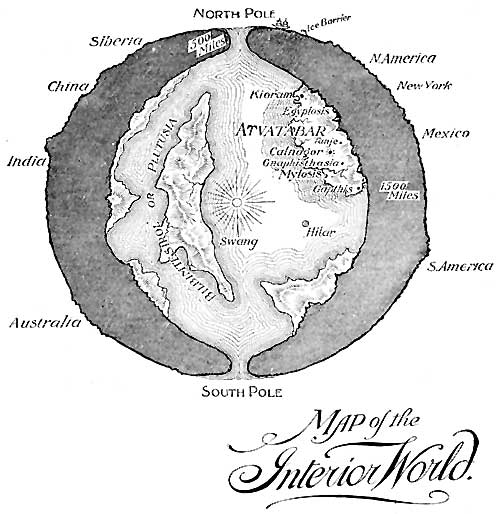
    One bit I’d like to point out is this extraordinary leap of imagination, an actual map of the interior civilization of the Earth provided by William R. Bradshaw to the readers of his Goddess of Atvatabar, which was published in 1892.  The story itself seems terribly purple and looks like a very difficult read–but the pictures are interesting in their own rippling ways.  And then there’s the case of the map–one of the very few I can think of that depict a civilization inside our own homey Earth. (I’d mention others but I can’t think of any straight away.)
      Earth Interior William BRadshaw

    [Map of the Interior World, William Bradshaw. Source: Project Gutenberg, here: http://www.gutenberg.org/files/32825/32825-h/32825-h.htm]

    Another example of a map of interior Earths was brought to my attention by Rebekah Higgitt (of the excellent Teleskopos blog ), who sent me to the Petri Dish blog (of Katherine Pandora, and her post “Hollow Heads, Science, Fantasy, and What’s as Plain as the Earth Beneath our Feet”) and the internal Earth of WIlliam Reed (in 1906, illustrating his Phantom of the Poles):

    Reed's Hollow Earth

    And yet a third example, making my way through the Petri Dish article and found at the website of Engines of our Ingenuity by John Lienhard (from his post 2180, “Hollow Earth”):

    Americus Symmes' Hollow Earth

    [Symmes’ Hollow Earth published long after his death by his son, Americus Symmes.]

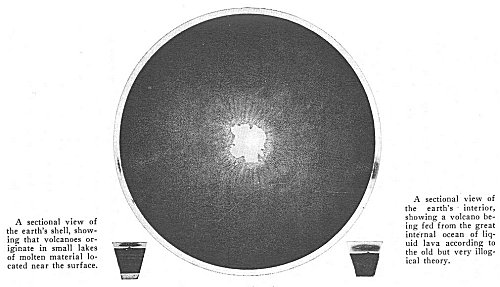
    And then another example, this from Marshall B. Gardiner, A Journey to Earth’s Center. 1920, which also shows the interior “central sun”:

    And a cross-section of the Earth from Gardiner:
    http://www.sacred-texts.com/earth/jei/img/36400.jpg

    The literature of this hollow Earth business is very wide and long and not very deep, and includes a fair amount of scientific-y whoo whoo.  The sci-fi part of it looks mor eintereting, though from the little that I have read now most of it is very tight-fisted in the good-writing department.


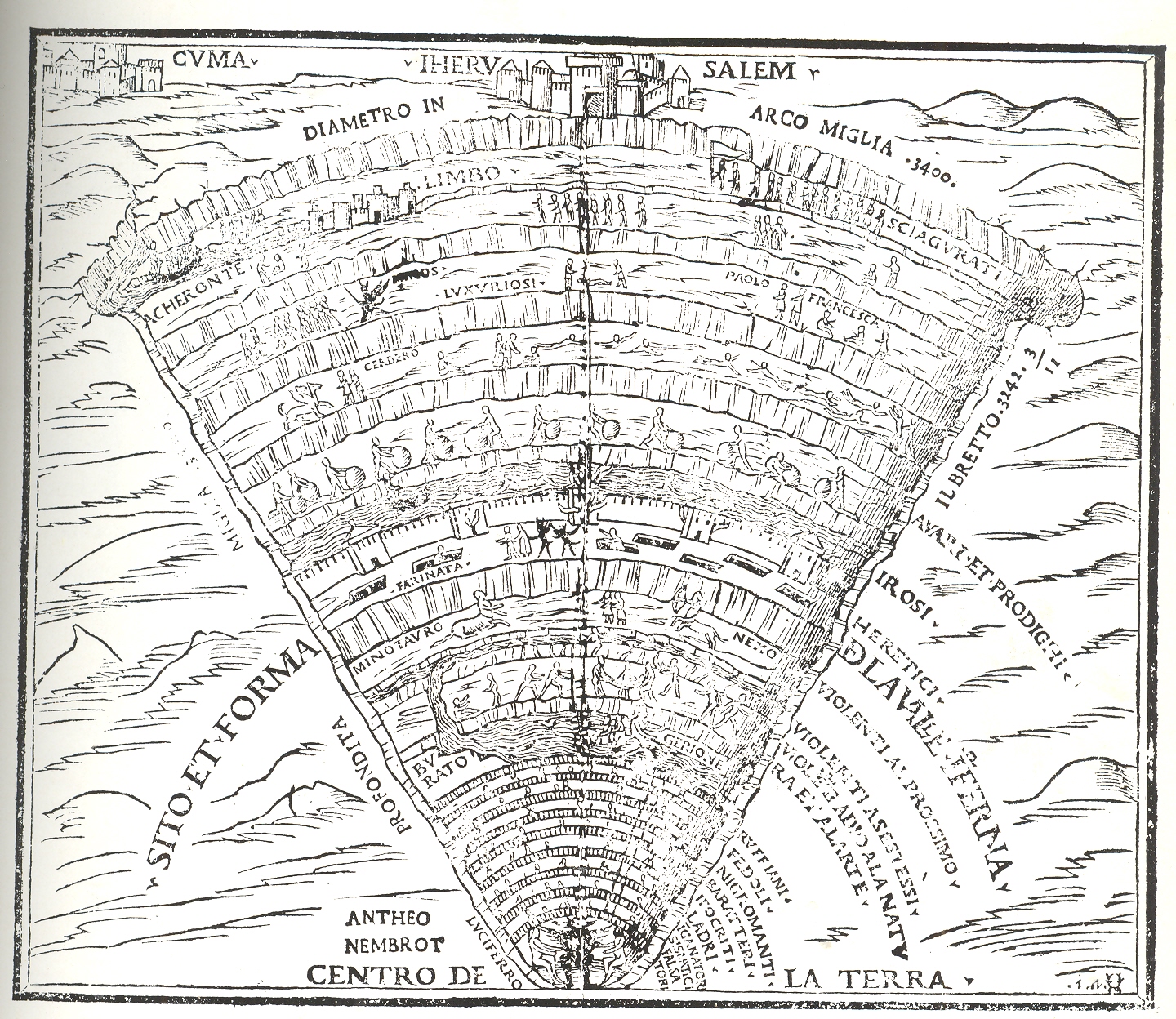
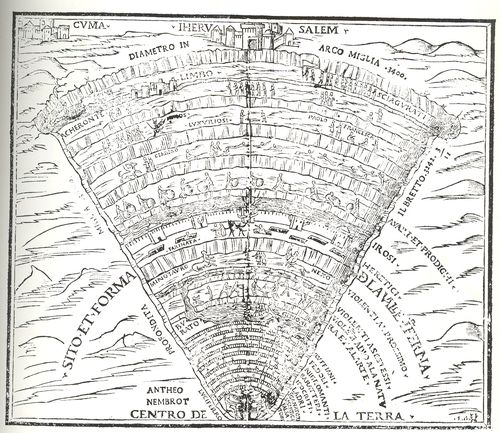
    This maps talk excludes Inferno maps like the following, for example–obviously–as there are many:
    Blog--feb 9--dante

    The classic sort of image may be something like this fantastic depiction of the Inferno of Dante (shown here in the Comedia published in Venice by Gregorio de Gregoriis in 1515.

    I should guess that there’s ample room for a collection of inner-Earth civilizations, and perhaps that will come to pass.

    A few more of the patent images for the Lyouns patent:

  • History of Dots–a Game of Dots and Nothingness.

    JF Ptak Science Books   Quick Post    Part of the History of Dots series

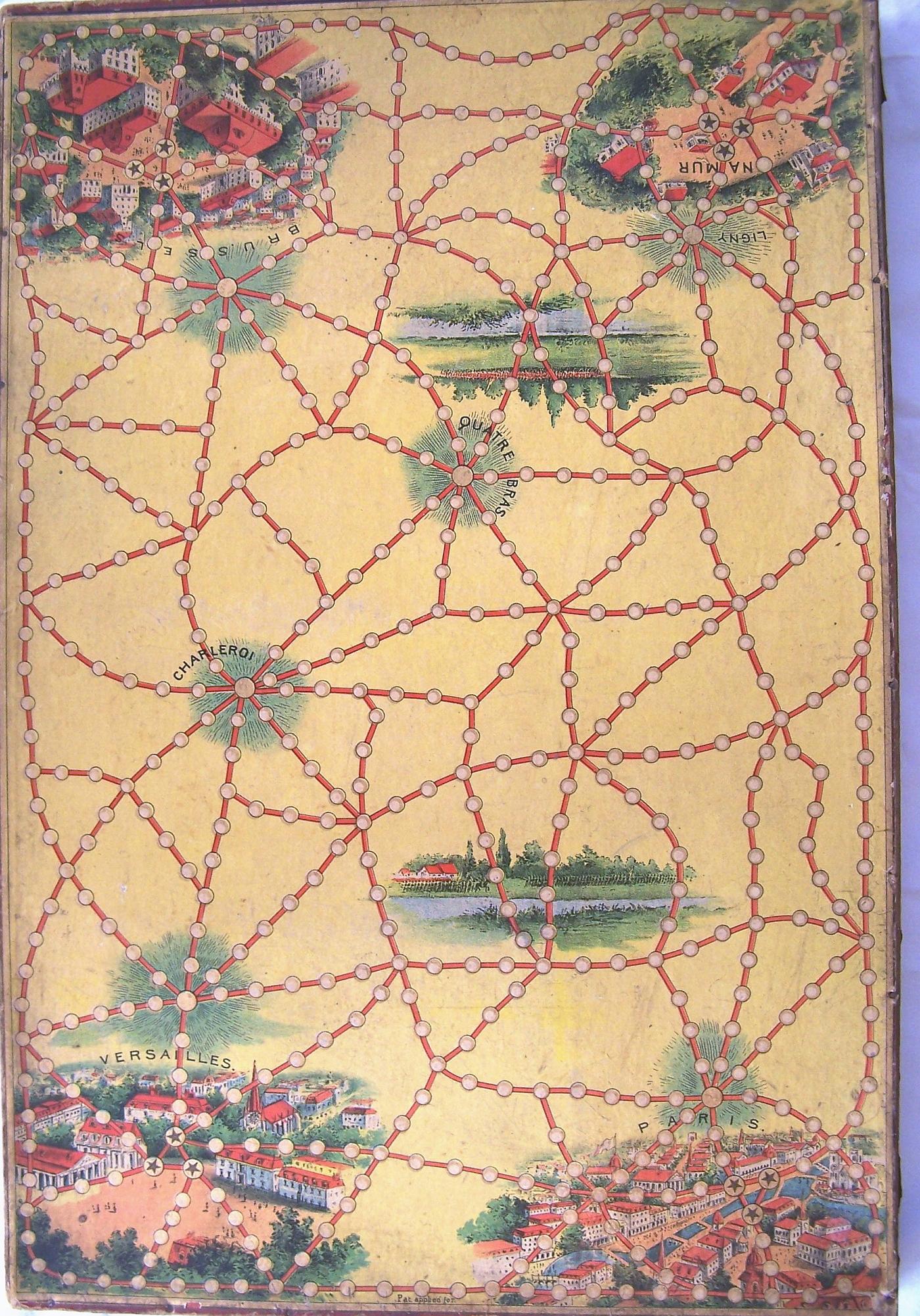
    Dots--game France
    There are many board games in the history of boards games that utilize dots similar to this game, but this one seems mightily different given the dots’ odd arrangement, and seeming disambiguation, and the means to the ends of the “race”.  It is an unusual arrangement, or so it seems to me, given the amount of blank space and the connected dis-connectedness of the routes.  The game looks to me more of a capturing of empty space than a competition of getting from Paris to Bruges in the shortest amount of time…though not in a space-capturing sense of Go–just in defining the empty space. 


  • The NCC-1701, 1930: the pre-Starship Enterprise

    JF Ptak Science Books   Quick Post

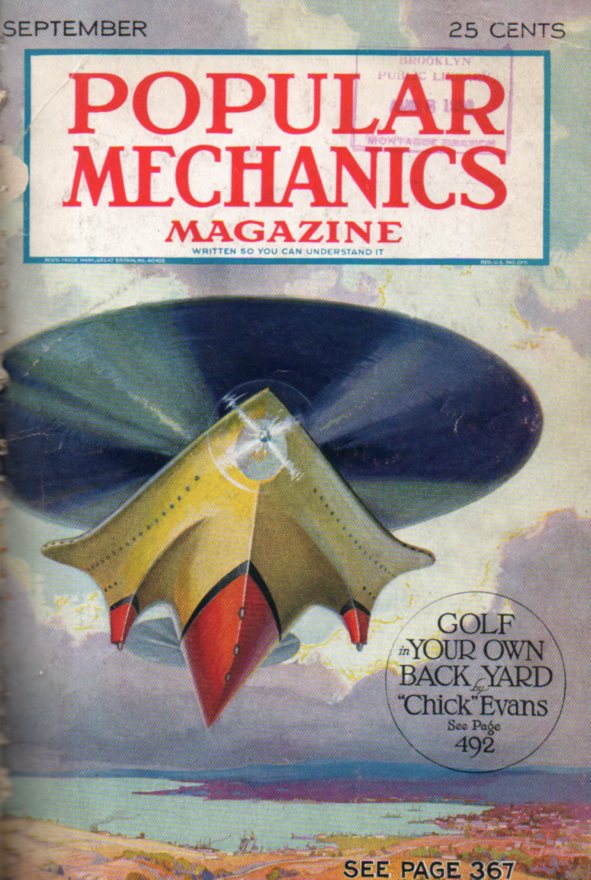
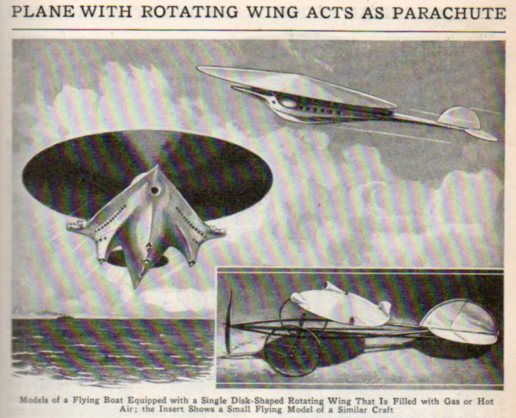
    Uture plane519

    Well, what is really was, or what this was intended to be in this memory of a possible aviation future–or naval future, as this airship was really a flying boat, an “amphibian, a dirigible, a gyrocopter ….an airplane”.   A ship, really, trying to judge the size of the thing by the position of the portholes/windows–the thing was big, and the “single wing, rotating disk-shaped affair filled with gas or hot air” was even bigger.   We read here that the disk was “turned by a gasoline engine” which was located in the center of the ship, leaving still plenty of room for “quarters” for the crew and passengers, making for what the inventor thought was an easy ascent and then, using the lifting device as a parachute, and then having a parachute-y descent, soft and simple.

    Its hard to judge the size of the machine, but it looks like there are 40-50 portholes or windows running the length of the ship, and so I’d guess that the fuselage of the craft was 150 feet long, which was about half of its overall length, making it about 300 feet overall.  The disk then could be 150-200 feet in diameter, giving it an area of close to one acre.  Big. 

    And so:

    Uture plane520


  • The Liar in Political Winsprumerfall–a Short Episode in Blank, Empty & Missing Things

    JF Ptak Science Books     Post  1805  [Part of the History of Blank, Empty and Missing Things series.]

    Pencz, Georg: Der Verleumder
    [Source:  Zeno.org.]
    As we approach the new political season (where it is always all fours seasons,
    simultaneously, and known as “Winsprumerfall”) and where everything is good and
    bad, and decent and not, and moral and wanting, and right and wrong so far as the “wrongness” falls upon your opponent, and cloudy and clear, and all at the same time as always, everything all at once, it might serve us well to have an image of Georg Pencz’s
    (who I wrote about earlier today, here) Verleumder in mind. 
    And as we can see and guess, the wood engraving depicts the lying liar, the defamer influencing a value judgment, the slanderer of a fact known to be true and uttered false, a libeler.  A cheat of the fact.  In times like these, it is always good to listen closely and follow the logic, and then the money.  And then fact-check.

  • Dr. Strangelove as Dr. Merkwürdigliebe, 1930

    JF Ptak Science Books   Quick Post

    Strangelove517

    Well, maybe not,but there aren’t too many candidates that pop out of magazines all by themselves and get anywhere near approaching the original.

    http://www.portlandmercury.com/binary/80b9/mwbw-drstrangelove.jpg

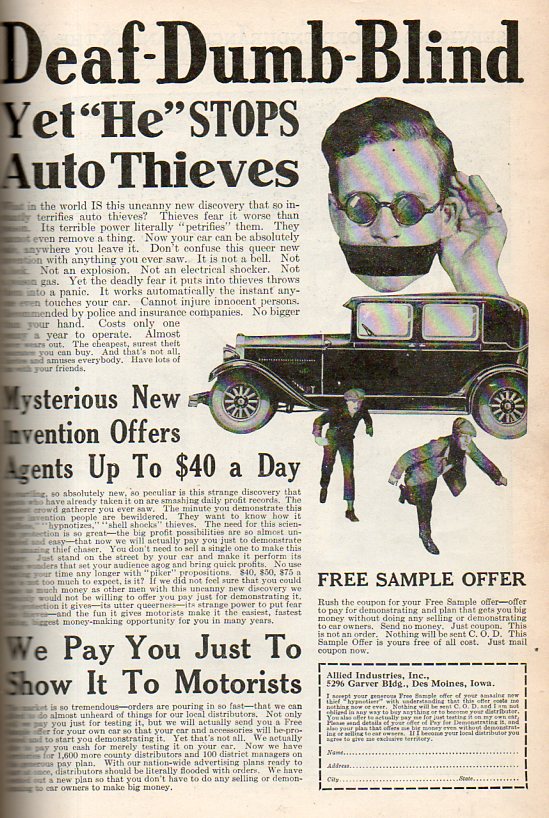
    This fellow, the first one, illustrated a not-described revolutionary device that somehow and magically prevent auto theft, and appeared in Popular Mechanics in September 1930:

    Strangelove516

    We read what it is not (no electric shock or flamethrower device, hello Johannesburg), but you wouldn’t find out what it was until you sent in your name to apply to sell the thing, which I bet was a key.  They generated lists then too to sell other stuff, just like today.

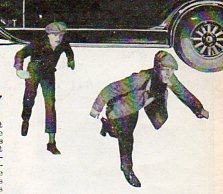
    And then there are these two guys, who I guess are badly dressed car thieves who are scrambling away as best as their replacement stick legs could carry them–stick stump legs with silk stockings, they seem to be running very carefully, as though on iced eggs or something:

    Strangelove518


    ·Posted by :

    ·in:


  • An Accumulation of Fantastic Opposites: J.J. Grandville, 1844

    JF Ptak Science Books   Post 1804

    I’ve remarked on this blog several times on the work of the fabulist proto-surrealist (etc.) J.J. Grandville (for example, here), and today I’d like to return again to his soaring Un Autre Monde (published in 1844) for the work he did in satirizing conventions by reversing their orders, presenting common entities in their “opposite”position. (Perhaps “opposite” is a too far reaching word, perhaps “contrary” is more appropriate in these cases–for now, either will do.)  And so:

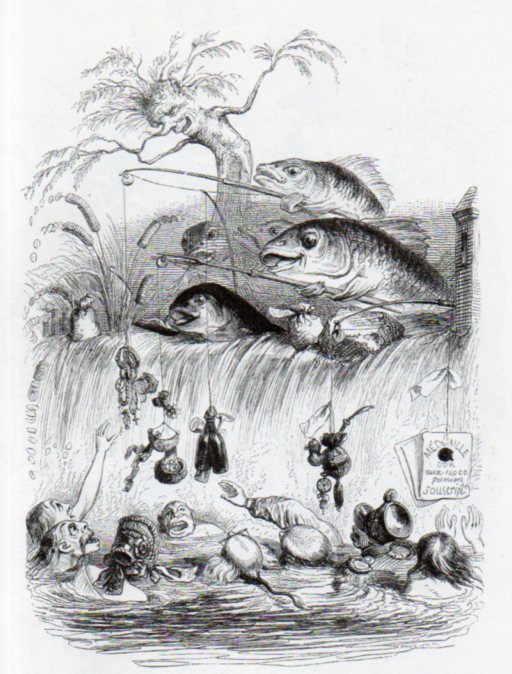
    Fish are goaded (by what I thought was supposed to be a thistle) in their hunting pursuit, which was formerly known as “fishing” but in this case could be know as “humaning”.


    Opposite501

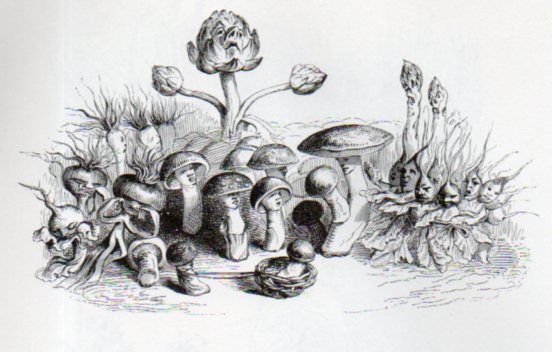
    To be eaten no more forever.  A revolt of edible plants takes place in Un Autre Monde, determined to rise and overcome their lethal oppressors, determined not to be killed and eaten as food again.  If there was a credible great creator of all things, it would seem that the most effective replacement system for expended energy would be something like photosynthesis and not the killing of other living things to sustain other forms of life. But so it goes here on Earth, with half of the biota eating the other half, with half of the being-eaten half being eaten alive. It just doesn’t seem to be a wise way to conduct the business of existence.

    Opposite502


  • Found Surrealist Parabolic Art, 1905

    JF Ptak Science Books    Quick Post

    A continuation–of sorts–of “Earths Inside the Earth“, which is part of the History of Blank, Empty and Missing Things series.

    This wonderful bit of Found Surrealist artwork is part of a series of patent drawings by Sir Hiram Maxim, inventor of many things (including the Maxim Gun, which was the first portable fully automatic machine gun, but not the electric light bulb as he claimed, and many many other things) for a hollow spherical structure made to deceive, thrill and confuse the people inside the structure with parabolic mirrors. An amusement.  This is not out-of-keeping for Maxim, as he also designed a “Captive Device Flying Machine” for amusement parks that every kid today would recognize. 

    But I do like this drawing, the third of four for the patent application, and I guess it gives a pretty good approximation of what folks might see inside his amusement palace of combined optics and sensory confusion. 

    Here’s the cross-section of the structure:


    Which is a detail from the set of patent drawings for


  • Addition to Inner City Rooftop Airport Design: Big, Bad, & Ugly; London, 1931

    JF Ptak Science Books    Post 1799

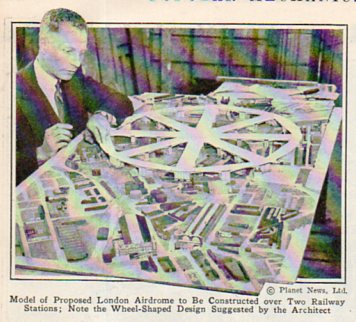
    London airport

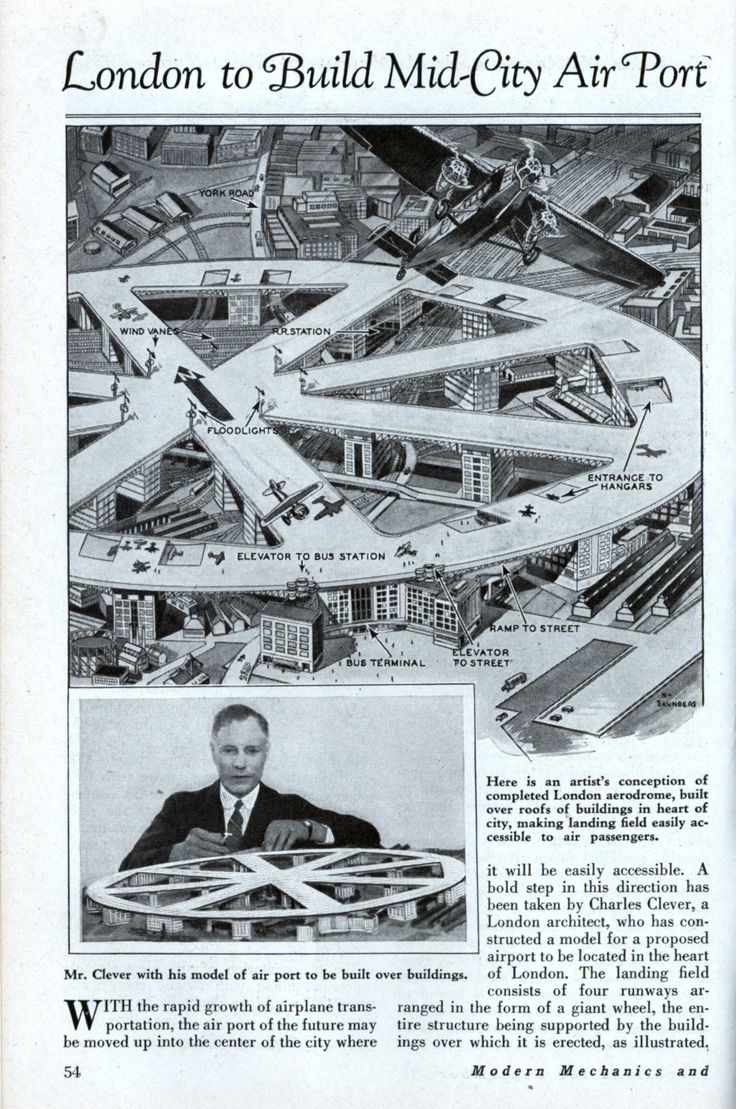
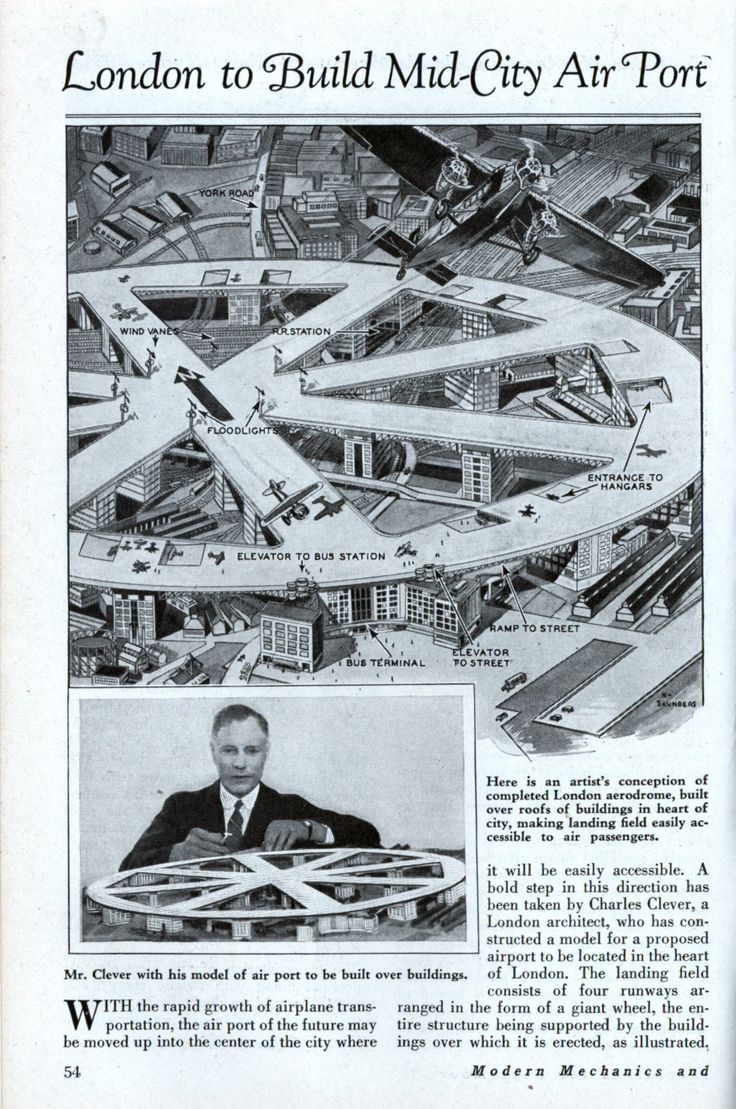
    Airportldn rooftop472[Source: Popular Mechanics, September, 1931.]

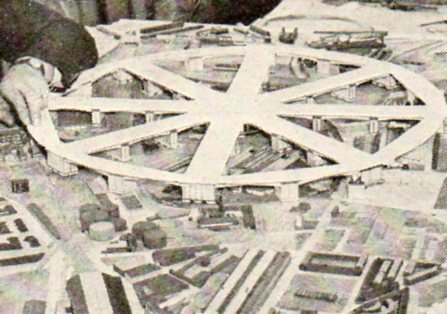
    I am not an architectural historian nor a historian of aviation, but I have looked at a lot of images relating to these fields over the past 30+ years, and so when I find something unusual it makes me pause.  One developing category in this area are rooftop/elevated inner city/downtown airports (I’ve done two earlier posts about this sort of design, including airports designed to be constructed over the Thames and Central Park NYC in Rooftop & Floating Airports -and- Rooftop Airports in a Levitating NYC, 1929  and Elevated, Rooftop Inner City Circular Airports.   I’m not at all certain about what these planners (above) were thinking except that the locations of the airports were central and would save on driving town from the hinterlands to central city–and the “central city” here was London, with the “aerodrome” hosted above King’s Cross and St. Pancras station, and might even have reached Regent’s Park, though I’m not sure.   Evidently there wasn’t much of a concern of the planes missing their runways, or coming in too low, or too fast, or just having an accident–any one of which would wind up in the lap of a busy city rather than in a field somewhere or on a large piece of ground devoid of buildings and a population (where airports are normally situated.  True, there are many airports in this country that are located in urban and suburban sprawls–there was calculated room for error and they were not located right on top of error-proof zones in the middle of a vastly populated areas. So, in the “what were they thinking” department, I clearly do not understand what they were thinking. 

    In addition to being a not-very-good-idea, it was also unwholesomely unpretty. And big.

    Airportldn rooftop473


  • Finding a Fat, Bald, Fencing Cake-Eater for Movie Roles, 1923

    JF Ptak Science Books   Post 1790

    I stumbled into an unintentionally iconic time capsule, a collapsible bit in the brevity and complexity department, that sifted out the “extraneous” artistic matter of early motion picture entertainment and got straightaway to the crux of the film-making biscuit, which was finding people to fill the roles in a film.  It sounds simple enough in a simpler time, but it wasn’t simple for them–and the residue of the difference between the two is interesting.

    Movie463
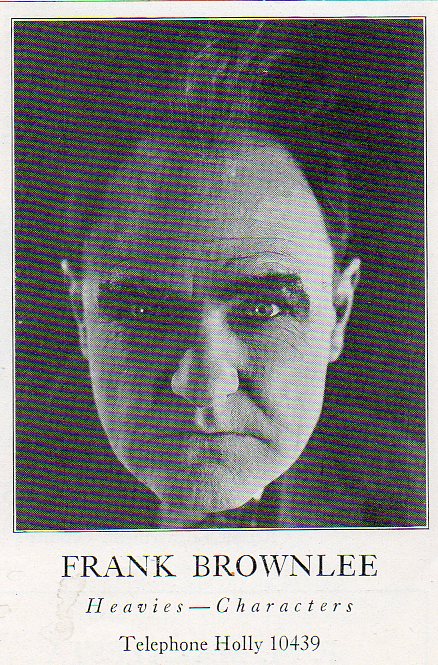
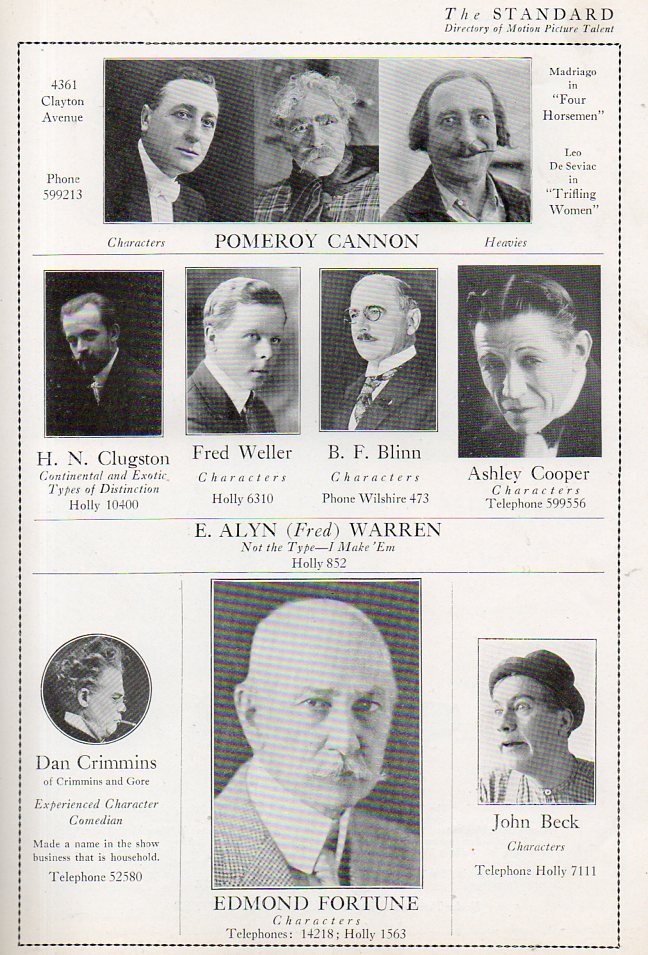
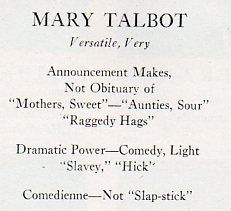
    In looking through some early documents on sound-on-film motion pictures (that’s simultaneous sound-on-film) I came across this nostalgic wonderful insight:  The Standard for March 1923. The Standard Casting Directors Directory was a film exec’s handbook, an advertising vehicle for actors and their favored parts, a picture directory of offerings of all scales of applied talent.  In addition to the lovely photos are the descriptions of what their casting specifications might be–including the titles of the specialties.

    For “supporting cast/specialty people” for men, the titles include (with actors’ names appearing underneath): acrobats, bald headed men, bankers, bearded men (old), bellhops, bit men, boxers, butlers. character men, chauffeurs, Chinamen, Colored Members of the Profession, comedians, cowboys, dancers, detectives, divers, doctors, Englishmen, entertainments, Europeans, evening clothes men (old) , fat men, female impersonators, fencers, footmen, Frenchmen, German types, Hawaiians, Hindus, hunchback, Indians, Irishmen (old), Italians, Japanese, Jewish (old), jockies, judges, juveniles, Mexican, monks, policemen, priests, Russian types, sheriffs, slickers–cake eaters, small town men, Spanish, stunt men, swimmers, tall men (over 6 feet), twins, underworld types, waiters,  and well dressed men”. 

    Movie462

    I haven’t looked to see if there are any cross referenced for, say, bald-headed fencing cake eater footmen.

    Movie466There were 50 categories for the women (compared to 56 for the men), and included quite a lot of overlap, particularly in the stereotyping department. The more-or-less exclusive categories for women included cooks, dancers, flappers, ingenues, maids, matrons, models, mothers, nuns, nurses, old maids,
    stenographers, waitresses, witch types and tall old women. I doubt that there was very much money to be made playing a tall old woman (or a fat/matronly/old maid/tall old woman) but evidently it was more than could be made by playing a woman lawyer/doctor/insert other professional position here _________ .

    Movie465I realize that this was a simple and useful way of getting things done, of finding the necessary actors for movie roles, but taken slightly out-of-context this pamphlet becomes a little more than that–a small, swallowable capsule of what “normalcy” might have looked like for entertainment folks in a relatively mature medium in 1923.