A Daily History of Holes, Dots, Lines, Science, History, Math, Physics, Art, the Unintentional Absurd, Architecture, Maps, Data Visualization, Blank and Missing Things, and so on. |1.6 million words, 7500 images, 4.9 million hits| Press & appearances in The Times, Le Figaro, Mensa, The Economist, The Guardian, Discovery News, Slate, Le Monde, Sci American Blogs, Le Pont, and many other places… 5000+ total posts since 2008.

Author: JF Ptak

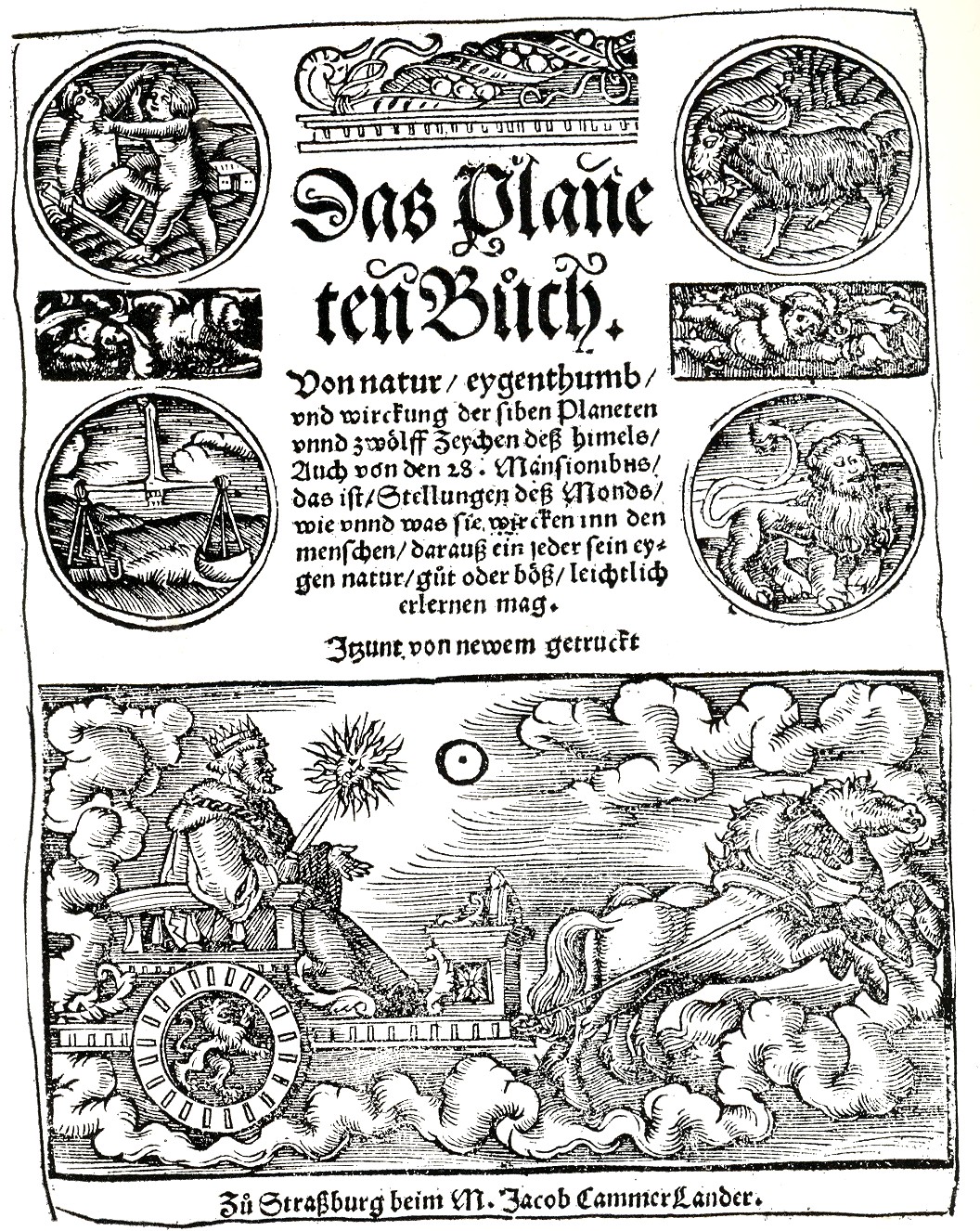
  • A History of Dots: the Black Sun of Das Planeten Buch, 1541

    JF Ptak Science Books LLC  Post 694  Blog  Bookstore

    History of Dots, Part 15

    Soft on the Heals ==Blog July 21=dotsof
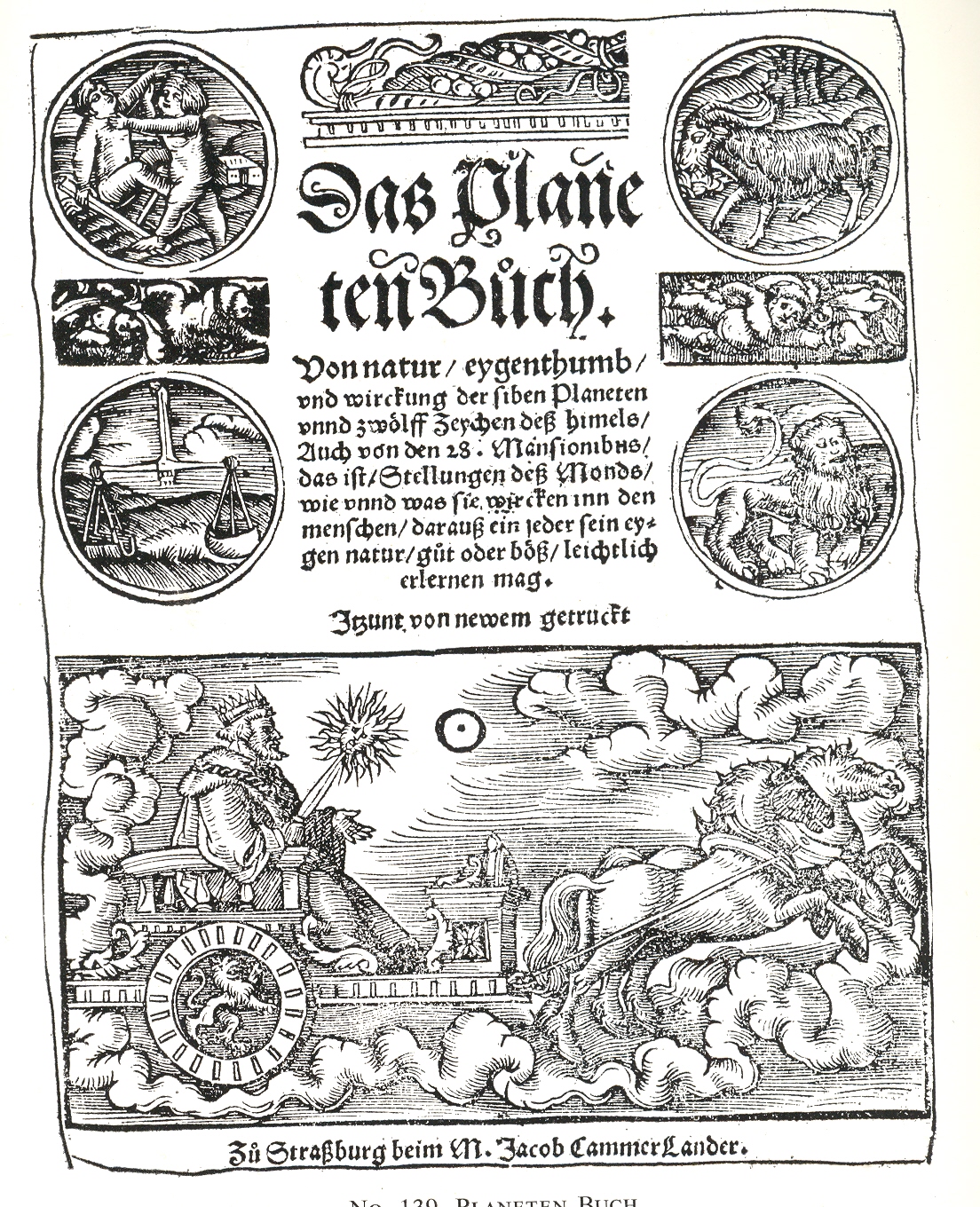
    the 1898 Planetary Visits post (earlier today) is this 1541 Books of the Planets (Das Planeten Buch.
    Von Natur, ey
    genthumb, und wirckung der siben Planeten…), which was published
    in Strassburg by Jacob Cammerkander..  It
    is a collection of medieval German accumulated astro-data and posie, cobbled
    together by an anonymous author, and strung together for the masses—it was
    evidently very popular, eager fingers pulling the many editions to pieces (and such), so that very few now exist. 

    The dot that I have in mind here is the standard astronomical depiction of the sun, and it appears brilliantly-n-black in the bottom panel close-by the image of Saturn racing across the sky. 


  • Space 1898: Pre-Modern Space Flight

    JF Ptak Science Books LLC  Post 693  Blog Bookstore

    Also have a peek at my post on pre-historic space flight: de Bergerac, Leonardo & Co.

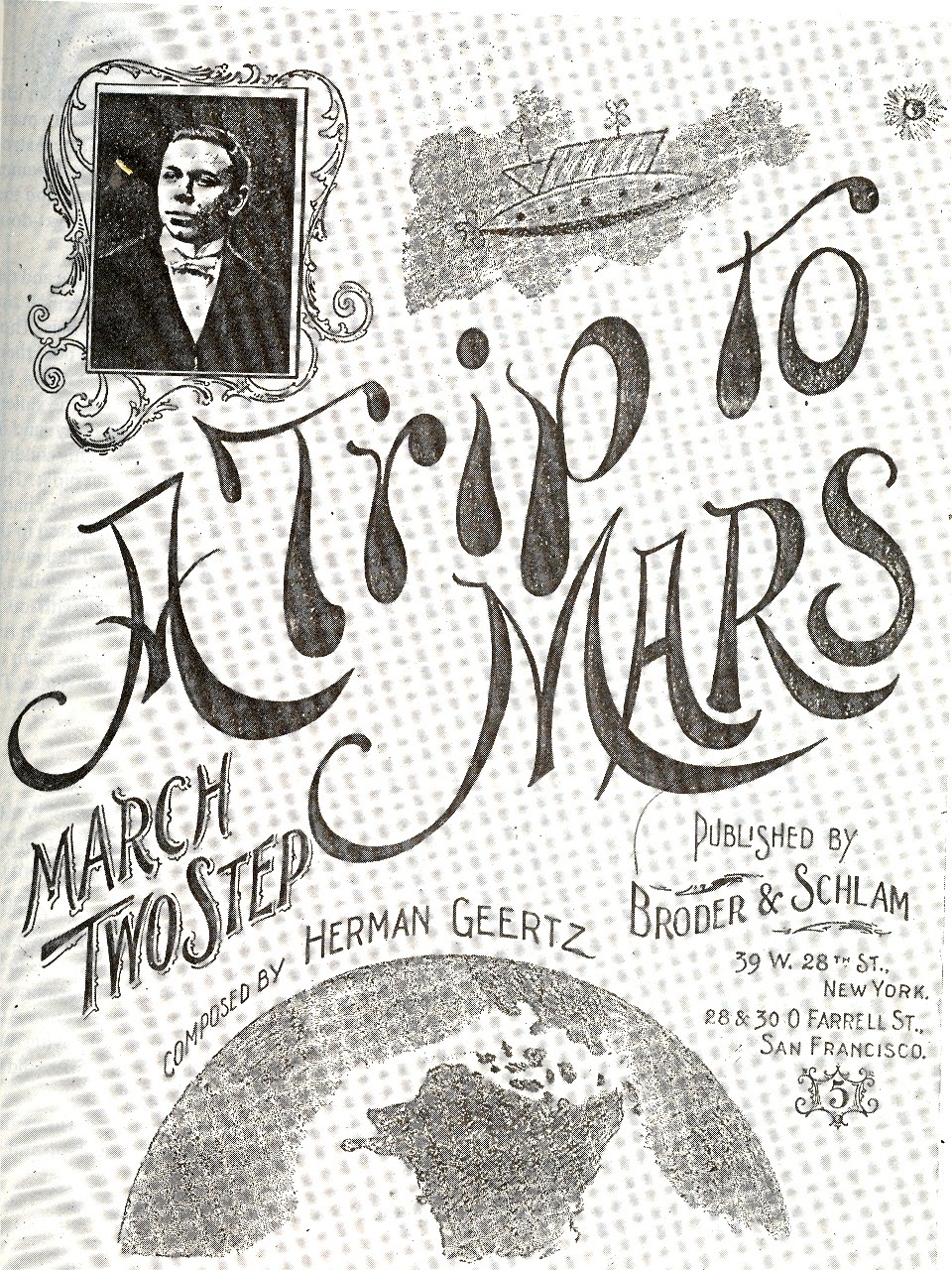
    Herman Geertz, a mysterious, unknown quality of a person to me, made a major contribution to the history of American spaceflight, albeit an unusual, ephemeral one.  In 1898 he published a song—with the firm of Broder & Schlam of San Francisco—called “A Trip to Mars (a March Two Step)”, and is perhaps the first piece of music ever published in the United States about interplanetary spaceflight. 
    ==Blog July 21=mars
    The musician–whose portrait appears in a frame at the upper left—also includes an odd view of the planet Mars, and, most important, an image of a space ship.  It actually took about 20 years for this sort of popularization of Mars to grab a hook in song, even though the interest in the planet and the possibility of life there had been bubbling since Schiapparelli’s  (misunderstood) work on the planet  in which he famously identified its “canalli” (and which was infamously and wrongly translated as “canals”.  Much of this great misunderstanding was rooted in Percival Lowell’s book Mars in which he takes the canalli idea and runs with it to the goal line of Martian civilization).

    One year later, in 1898, Kurd Lasswitz—a professor of math and physics, a Kant expert and philosophe, and an historian of science—published what was to make him the equivalent of Germany’s Jules Verne/H.G. Wells (in importance if not in quantity).  Auf  Zwei Planeten (first published in Leipzig in 1898) was an immediate best seller, as it was Germany’s first work of science fiction, and it made its scientist/historian an instant sensation.  It was an interesting, high-tech-utopian story that describes humans finding and dealing with an isolated Martian colony existing at the North Pole; humanity has its ups and downs, as do the Martians, the species trading moral highgrounds and such, until a peaceful co-existence comes into play between the two planets.  It was pretty heady stuff for the time.  Lasswitz saw into the future in this book, bits here and bits there:  space travel is rather accurately summarized as is a sort of television (that was actually a Martian tele-telescope) and synthetic fuels and foods. 

    This period right before the turn of the century was particularly progressive for the sciences and for science fiction.  In the world of science fiction, for example, in 1895 there was Lowell’s Mars, Williams Morris’ The Wood Beyond the World; for 1896 there was Morris’ The Well at the World’s End, H. G. Wells The Island of Dr. Moreau and The Invisible Man, and Louis Tracy’s The Final War.  1897 saw Lasswitz’ Two planets, Bram Stoker’s Dracula and William Le Queux The Great War in England in 1897.  1898 rounded things out very nicely with Well’s War of the Worlds.

     Frankly though science outstripped the fiction part of the creativity index:   the end of 1895 saw an entirely new world intruded by Roentgen’s X-Rays; 1896 saw Becquerel’s discovery of radioactivity and Langely’s aerodrome; 1897 Thomson’s discovery of the electron; 1898, the discovery of radium by the Curies; 1899, Collin’s invention of the wireless telephone, 1899/1900 the introduction of the quantum theory by Max Planck and also the rediscovery of Mendel’s work by Correns.    It was, in short, a remarkable and remarkably-intense period whose outward reach seemed to be more dominated by the fiction aspect of science (with spaceflight and invading aliens) while the vast  new interior worlds of the previously unseen were totally dominated by the sciences, which was of course the stuff that would stick,  If you stretched this period by just another five years, the Einstein annus mirablis would be included, further deepening this unbelievable period of achievement.  Then again, nearly the whole of modernity is invented during this time:  from 1875-1915 or so nearly every genre of human pursuit entered the modern period.  New methods of writing in literature and for the stage, new ways of painting (from impressionism to non-representational art), through music and the sciences, biology and geology.  Everything changes, except for one field:  political science.  Actually, if you included the invention of the concentration camp during the Boer War(S) then I guess you could throw polysci into this group, though but by screaming and kicking. 


  • Dreams of Mathematics

    JF Ptak Science Books LLC  Post 692  Blog Bookstore

    Thinking big thoughts in dreams is generally not a common thing, as anyone who has read their own semi-conscious half-awake memory notes of a dream-based inspiration could attest.  But it does happen: 
    ==Blog July 21=math dream
    Paul  McCartney1 dreamed the song Yesterday, Gandhi dreamed the source of non-violent resistance, Elias Howe
    dreamed of the construction of the first sewing machine, and Mary Shelley the creation of her novel Frankenstein…  For good or for ill, William Blake was evidently deeply influenced by his own dreams; on the other hand, Rene Magritte was deeply influenced by dreams but didn’t use any of his own for his paintings, or so it was said. Otto Loewi turned an old problem into not one in a dream, finding a solution to the prickish problem of whether nerve impulses were chemical or electrical (and resulting in the Nobel for medicine in 1935); the fabulous discovery of the benzene ring came to August Kekule in a dream as well.  Artists have been representing people in dreams and dreamscapes for many centuries: Durer depicted a dream in a 1525 watercolor, for example, and thousands of artists have depicted famous biblical dreams (Joseph of Pharo) for long expanses of time.

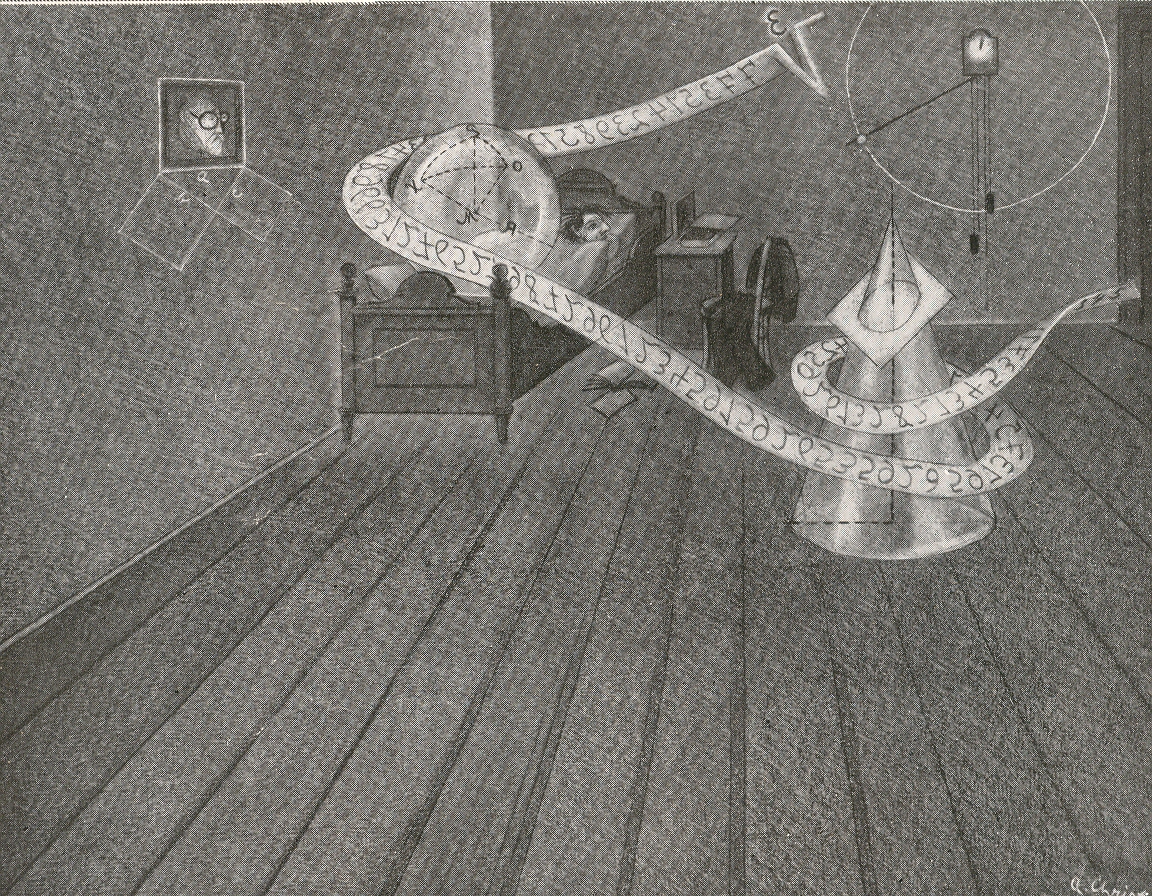
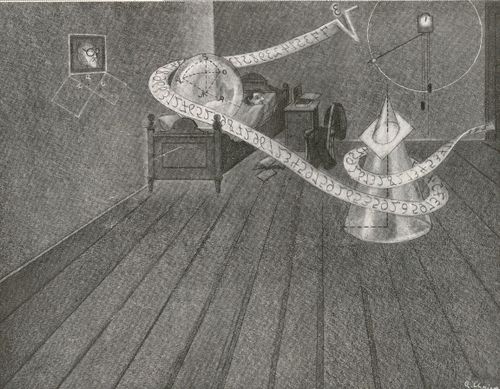
    What struck me, though, in this illustration found on the other side of the page of the Illustrirte Zeitung2 (for August 1932) that I used for yesterday’s post about damming Gibraltar and Shakespeare’s memories, was the depiction of someone dreaming mathematical thoughts…or at the very least, dreaming numbers.  People have undoubtedly dreamed much in mathematics, but I can not recall seeing illustrations of these dreams.

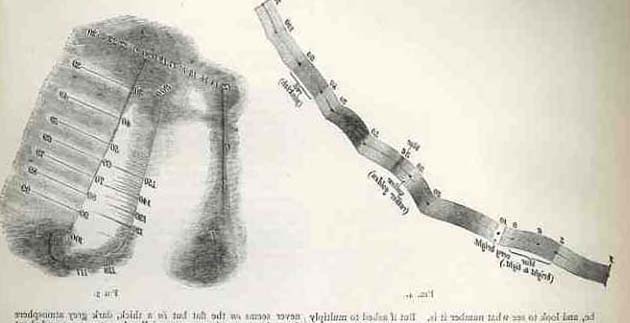
    I’m differentiating here from something like a Poincarean inspiration, or vision, or thunderstrike–I’m talking about drop-dead asleep sleep, dreaming sleep, REM and all that. Also I’m differentiating this from imaging mathematical thought, as in the work of Francis Galton in 1880 in which the subject of mentally seeing the process of mathematics is perhaps first addressed. I wrote a short piece on that here, way back in Post 9. )
    Photo

    The numerical sequence in this dream doesn’t look like anything to me:  the backwards radicand doesn’t strike anything common in my head.  The geometrical drawing under the portrait in the dreamer’s room though is the impossibly iconic Pythagorean theorem, and there is a nice picture of a conic section in the foreground; but the artist, who improbably signed the work “A. Christ”, doesn’t offer much of math in the dreamscape.  Still, it is a rare depiction of someone dreaming about math. 

    Notes
    1. “I woke up with a lovely tune in my head. I thought, ‘That’s great, I wonder what that is?’ There was an upright piano next to me, to the right of the bed by the window. I got out of bed, sat at the piano, found G, found F sharp minor 7th — and that leads you through then to B to E minor, and finally back to E. It all leads forward logically. I liked the melody a lot, but because I’d dreamed it, I couldn’t believe I’d written it. I thought, ‘No, I’ve never written anything like this before.’ But I had the tune, which was the most magic thing!” from Barry Miles (1997), Paul McCartney.
    2.  This is really a great sheet of paper, coming from issue 4492, pp 518-519.  Two pictures of dreams on one side, with three visionary images on the other (the Gibraltar dam, a sub-polar submarine, and a futuristic Indian railway/bridge.

  • Connections: from Plugging Gibraltar to Shakespeare’s Memories in One Step

    JF Ptak Science Books LLC  Post 691  Blog Bookstore

    “Simply the thing I am shall make me live.”

    –from Jorge Luis Borges, “Shakespeare’s Memory”


    ==Blog July 21==shakespeares memorie It is interesting to pursue a loose thought to its not-necessarily
    logical end.  Such is the case with the
    Paneuropic ideas of Hermann Soergel (1885-1952). Soergel was a Bauhaus
    architect and author of a number of works on design and far more ethereal,
    floating-castle ideas. His most spectacular contribution—incubated in the
    mid-1920’s and still clinging by its fingertips as an idea among some current
    thinkers—was to put a dam across the straights of Gibraltar.  The dam would generate electricity of course,
    but most importantly to Soergel, it would also empty an enormous amount of
    water from the Mediterranean leaving vast new
    expanses of land to be developed and colonized over generations into the
    future.  The master plan at work was that
    the world would be divided into three economic spheres in the future, all
    beginning with the letter “A”:  American,
    Asia, and the new land to be created by Soergel, “Atlantropa”, which was the
    former Europe expanded into the new dry beds of the Mediterranean and North Africa.  And also
    of course Egypt,
    which would be covered with canals and semi-submerged by the new borders of the
    meandering sea.  This would be the way
    for Europa to compete with the rest of the world in the future. 


    Perhaps it is actually three steps to get from the idea of
    damming up the straits of Gibraltar to the osmosis of Shakepeare’s memories into
    someone else’s brain—a squinting acquiescence of the middle touch being the
    brilliant Jorge Luis Borges.  You see it
    was in the Argentine master’s last published story, “Shakespeare’s Memory”, that
    we meet Herr Soergel (as Hermann Sorgel) again. 
    But so far as I can remember Soergel exists only as a fictional
    character, with no reference to his real-life self.  In this wonderful story, Soergel inherits the
    memories of William Shakespeare—these bits come to him slowly but surely, until
    they start to conflict with his own memory, and things get difficult.  The man with Shakespeare’s memories winds up
    phoning strangers on the telephone, giving them away at random, until Soergel
    is left with his own mind again. 
    Superior as Bill’s memories were, they still weren’t Hermann’s, who
    wanted his own life back in the end. 


    And so from the titanic, pan-europic technodream of
    Bauhausian Hermann Soergel to the dead brains and living memories of William
    Shakespeare, all through the fingers of the beautiful Jorge Luis Borges.  

    I should point out that the image above comes from the Illustrierte Zeitung (Leipzig) for August 1931, and is a drawing by an artist named “AS. Christ” after Soergel’s Panropa’s ideas.


  • An Unkindness of Ravens; a Murder of Crows. Naming Things.

    JF Ptak Science Books LLC  Post 690  Blog Bookstore

    Names given the collectives or gatherings or units of animals are useful and
    informative, and occasionally fabulous and bizarre.  It seems to me that such characterizations could
    be made with people as well,  Why should
    humans have such a uniform label for collective employment members (a “group”
    of lawyers, a “gathering” of architects, and so on) when animals have such a
    rich vocabulary to draw from?  Admitedly,
    animals don’t go out and get lawyers when they feel maligned by a broadly
    advanced descriptor, so there’s little chance that more appropriate upfittings
    could be applied to different job classifications.  Unless of course you consider the “managed
    corporate associate monetary inventorialist” (cashier) as an example—but that
    is not what I’m talking about. 

    In the animal world, for example, a group of gorillas is a simple “band”,
    chicks a “clutch”, and quail a “covey”, which is simple enough.  The names get more adventurous as things
    progress in the food chain:  hippos are a
    “bloat”, a word which seems to identify a characteristic of the animal,
    especially when they’re half-submerged, watching the sun move across the sky
    with their eyes just above the waterline.. 
    Ferrets are a “business”, semi-inscrutable in their nervous activity. Hyenas
    are a “cackle”, hawks are a “boil” and finches are a “charm”.

    A group of rhinos are beautifully referred to as a “crash”, and squirrels
    are poetically announced as a “scurry”

    Perhaps the second greatest of all of these names is that for a gathering of
    crows, called a “murder”.  It is probably
    the crow which, among all animals, may be the only one “smart” enough to commit
    the crime—it is an undoubtedly intelligent animal, with a brain-to-body mass
    ratio third to that of humans (behind apes) and have been shown to work in
    concert with one another toward a common end, and have also used tools in the
    pursuit of food.  They have also been
    depicted for thousands of years in mythology and story as intelligent, crafty
    creatures.  My choice for the most
    fabulously-named:  an “unkindness” of
    ravens.   These birds enjoy a similar
    heritage to the crow, but have a greater literary heritage.  Unkindness and Poe seem to go together quite
    nicely. 

    A leap of leopards, a gulp of cormorants, a romp of otters, a parliament of
    owls.  An ostentation of peacocks, a
    prickle of porcupines, a stand of flamingoes, a pride of lions, a wake of buzzards,
    a tower of giraffes: all seem to fit quite nicely. 

    What would the human equivalent be?   A “grotesque” or a “provident” of attorneys,  a “shushing” or “shepherding” of librarians, a “scribble” or “release” of writers, an “envy” or “relief” of actors?  I think it needs to be Latin and deep for the politicians.  Very deep. 

    (A directory of names follows in the continued reading section)

    ·Posted by :

    ·in:


  • Blank & Empty Things #50: Empty German Soldiers, 1908

    JF Ptak Science Books LLC   Post 689  Blog Bookstore

    This post–image only, really–is part of a series in this blog relating to the empty, and the blank, and the missing. 
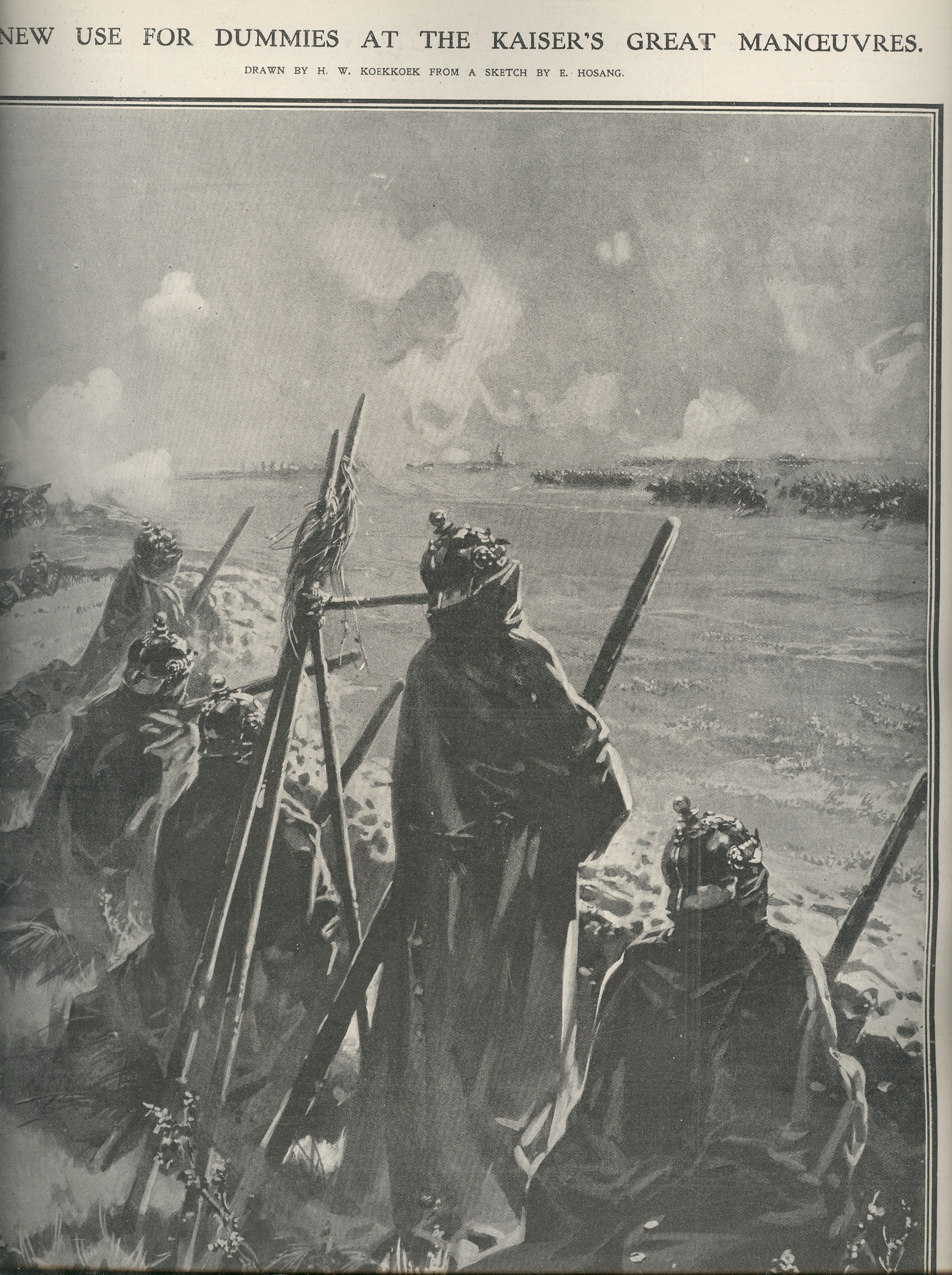
    “Bogus Supports for Artillery in the Great German Manoeuvers in Alsace” reads the subtitle of this odd drawing that appeared in the Illustrated London News for 1908.  “A New Use for Dummies at the Kaiser’s Great Manoeuvers” reads the title, describing a practice action by the German army on the fields of a famous battleground of the Franco-Prussian War (1870-1871).  The empty soldiers were made to support the artillery:  realistic, uniform-clad straw figures made to accept the bullets of the attacking practice force. Dead soldiers being killed in mock battle by living ones whose own fates would be sorely tempted in six year’s time.==Blog July 17==empty solder


  • Cross Sections of a Mine Disaster at Wigan

    JF Ptak Science Books LLC  Post 688  Blog Bookstore

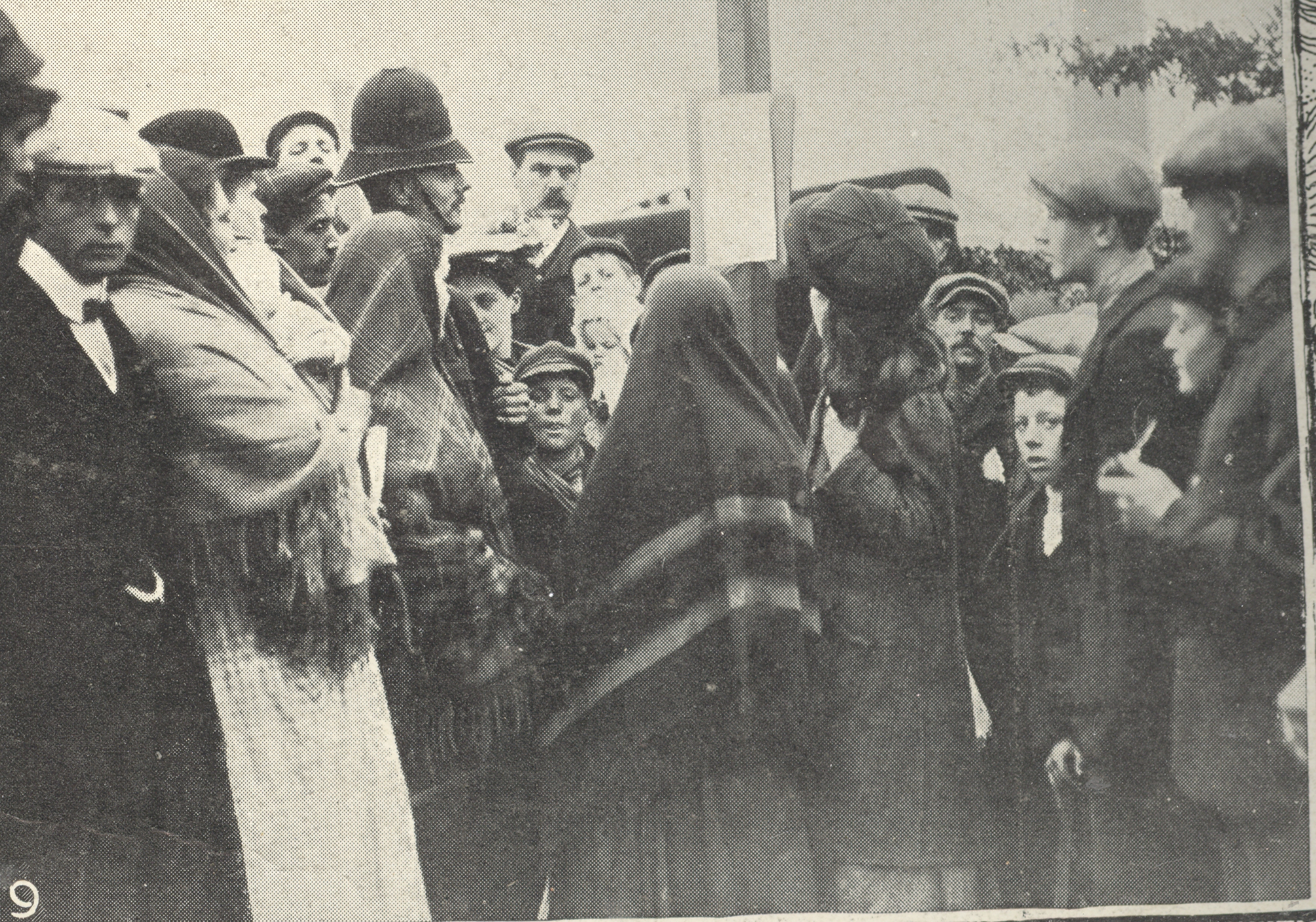
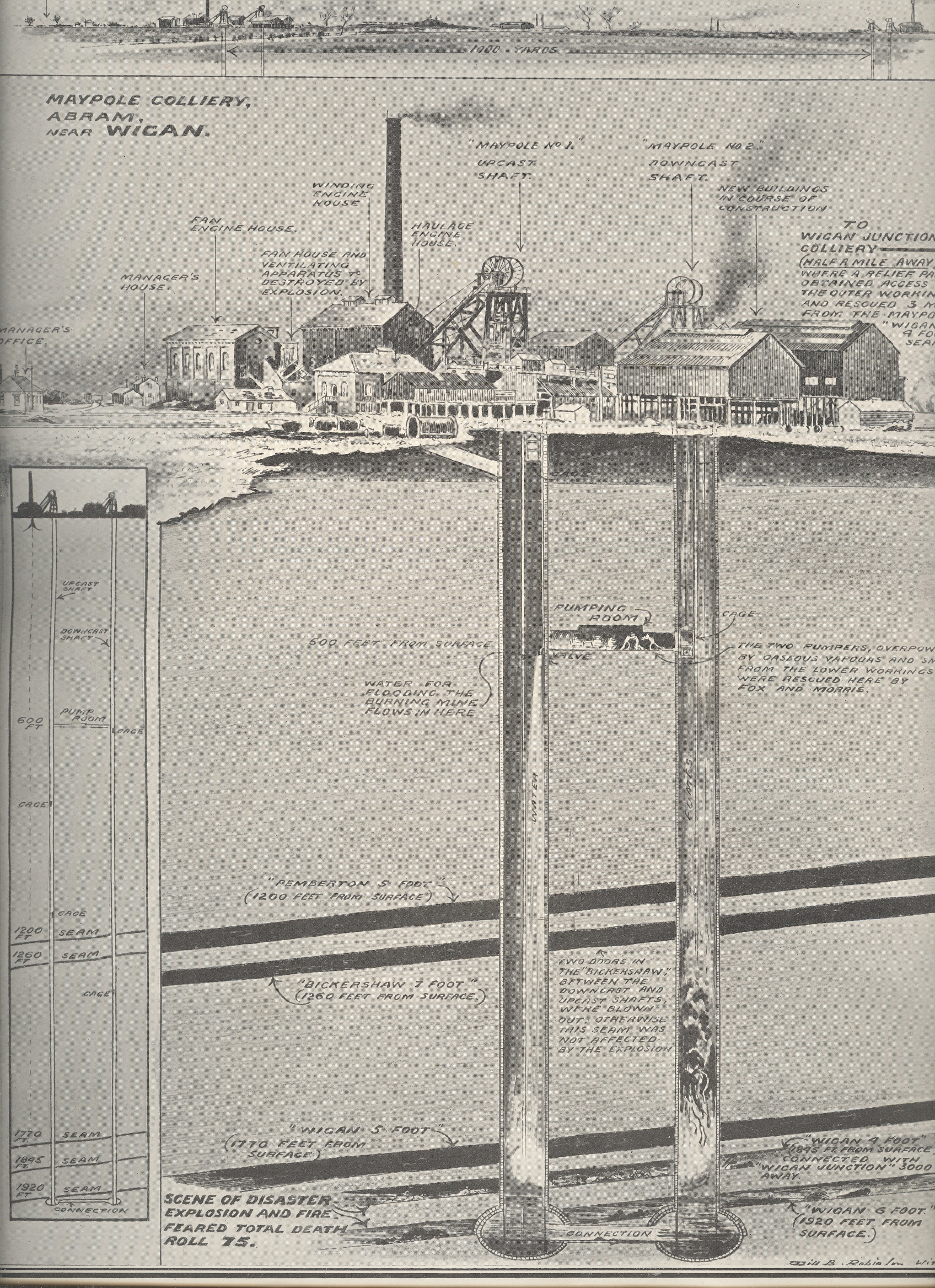
    A few minutes after five in the afternoon on 24 August 1908, a terrific fire engulfed parts of the Cannell Mine of the Maypole Pit (of Pearson and Knowles Coal and Iron Company) just outside (famous1) Wigan at Abram. It would claim the lives of 72 miners in a wicked, horrific way.    Part of the scene at the mine was covered by the great British weekly magazine The Illustrated London News (28 August 1908), and, though of course largely sympathetic, the article mentioned very little about the heroic attempts to save the lives of the trapped miners.  Perhaps the scene was just too gruesome, though not==Blog July 17==mine women so for the Liverpool Mercury (22 August 1908), which reported the situation with more full detail, with less of an eye, perhaps, to ensuring that the mine could re-open, which may have been part of the reason for the ILN’s less detailed storyline.

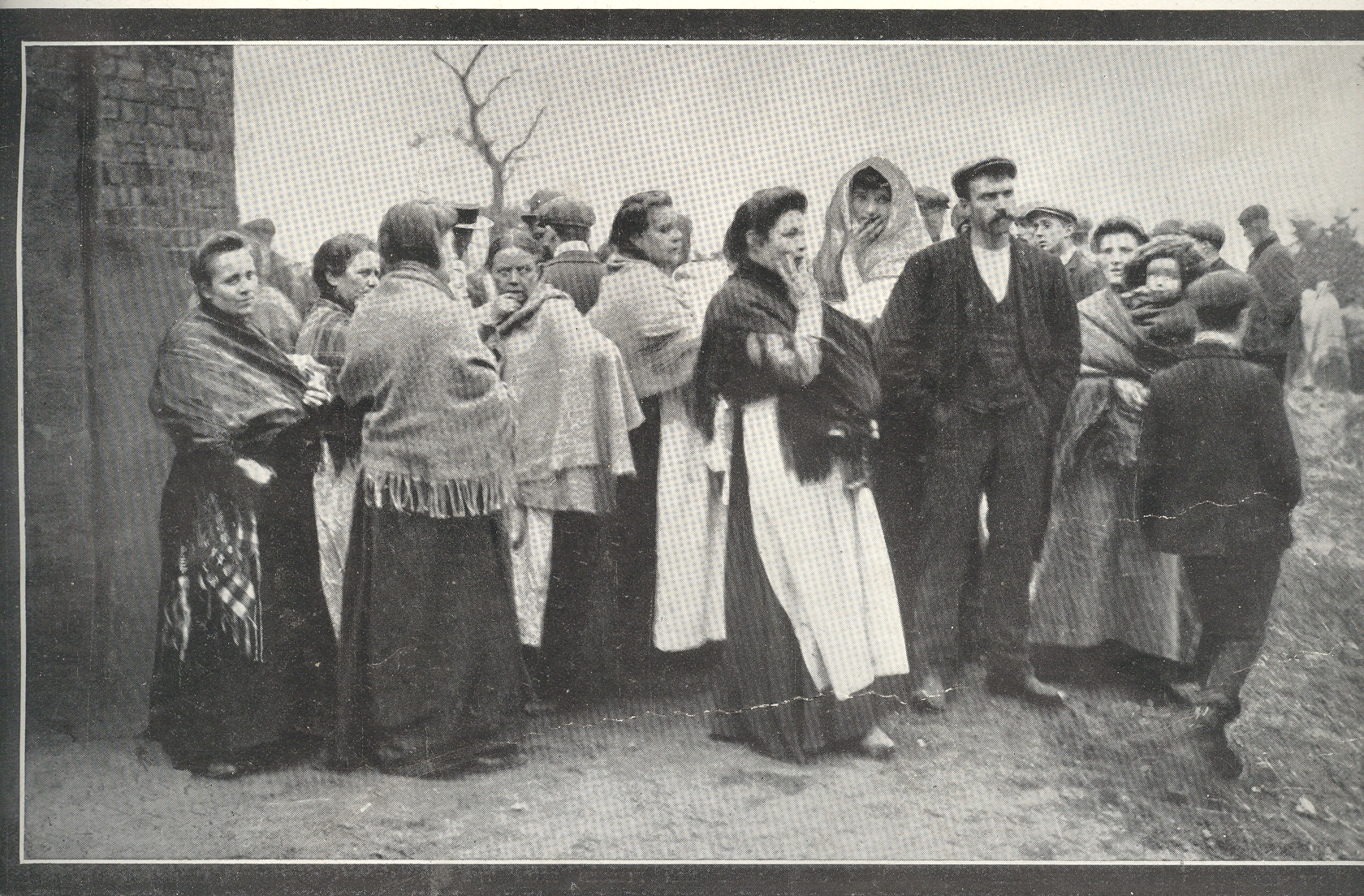
    I say this even though the ILN‘s story included some heart-rending images, including this (1890’s) Stieglitz-like photograph of miners’ wives waiting for word on the fate of their men.

    The Mercury painted a pretty bad image:
     
    “The explosion destroyed the ventilation drift and blew the cage, rope and other accessories away. It was officially stated that 75 men were down the pit at the time of the explosion, three were rescued alive, William DORAN, SMITH and DRAPER, thus there were 72 men in the mine immediately after the catastrophe.”

    “Men, Women and children in a seething mass waited in sorrow at the pit mouth for those, who but, an hour before had left their homes. Rescue parties were organized without delay equipped with rescue apparatus from the new rescue station at Atherton.”

    “When the rescue parties entered the mine they found it filled with gaseous fumes. Those who witnessed the awful debacle, stricken with terror at the spectacle, and their first impulse was to rush wildly in all directions, it was as if the end of the world had come.”

    ==Blog July 17==mine reading

    Evidently the rescue parties worked to 10 o’clock in the evening, reaching some 2500’ down into the mine before they were stopped by lethal gas.  Three men were found alive; 72 were found dead. 

    ==Blog July 17==mine fire xsec

    1) Wigan is a town in Great Manchester; Wigan Pier, as in the great George Orwell work The Road to Wigan Pier (about the living and working conditions of the living and working poor).

    ·Posted by :

    ·in:


  • Unusual-Classic Design: Carto-graph of Aachen, Germany, 1932

    JF Ptak Science Books LLC    Post 687    Blog Bookstore

    ==Blog July 16==aachen

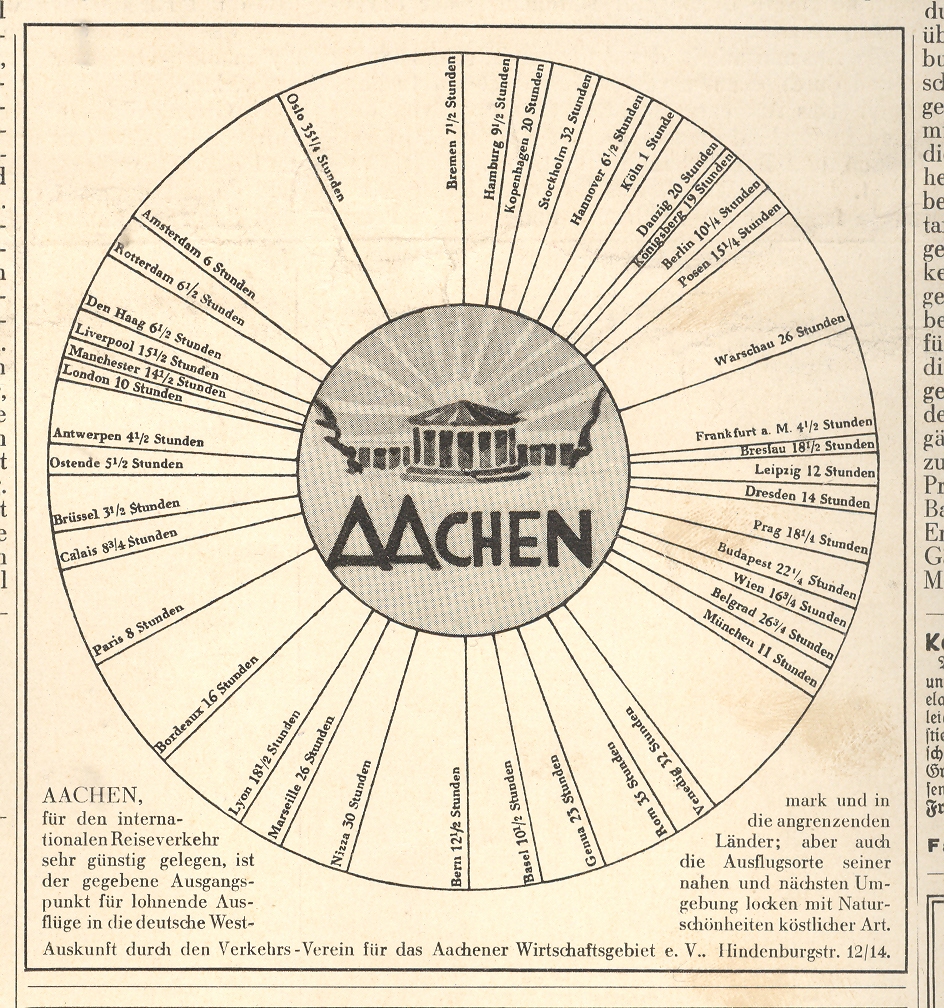
    This graphi-map isn’t so odd or unusual, and the data it presents isn’t deep or wide or complex,  but the image is still very compelling–its simplicity and design the basis for its eye-catching quality.  It takes up about a sixth of the
    next-to-the-last advertising page in the 1 April 1932 Illustrierte Zeitung (Leipzig), and it does,
    really, “pop”.  It is a very simple presentation
    establishing the centrality of Aachen,
    and that’s about it—simple.  And it
    works.  I’ve seen a number of other “all roads lead to” type of maps like this, but I’m a little stumped on locating them this moment. One of these,  a glorious world map of the port city of Wilmington, North Carolina, showing lines of transportation between it and the rest of the world, featuring the only-named-city Wilmington smack in the middle of the map Wilming-Center-of-the-World map.  (I think I can gurrantee that this is the only time WIlmington appears so on a world map.) 

    Peutinger


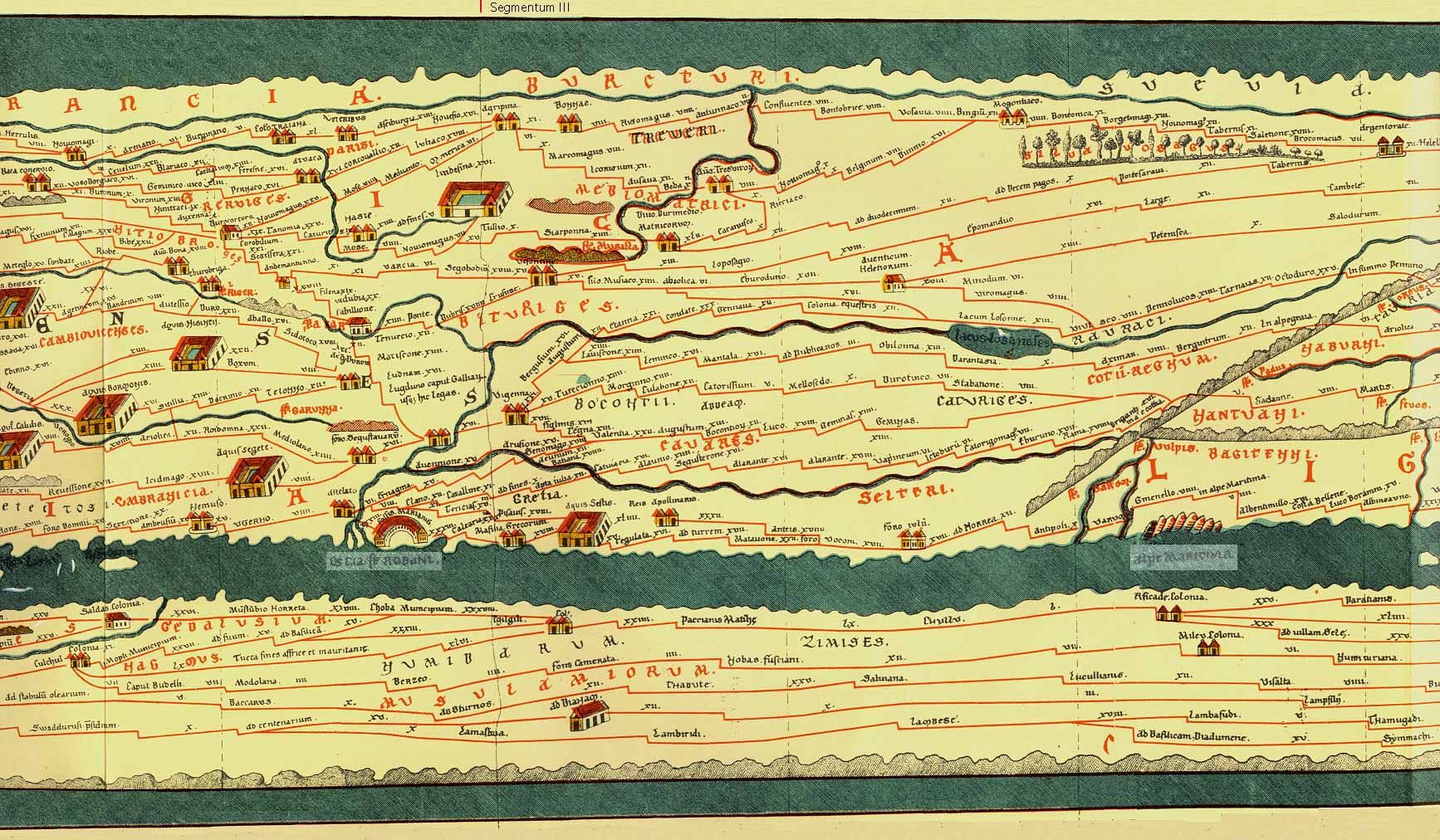
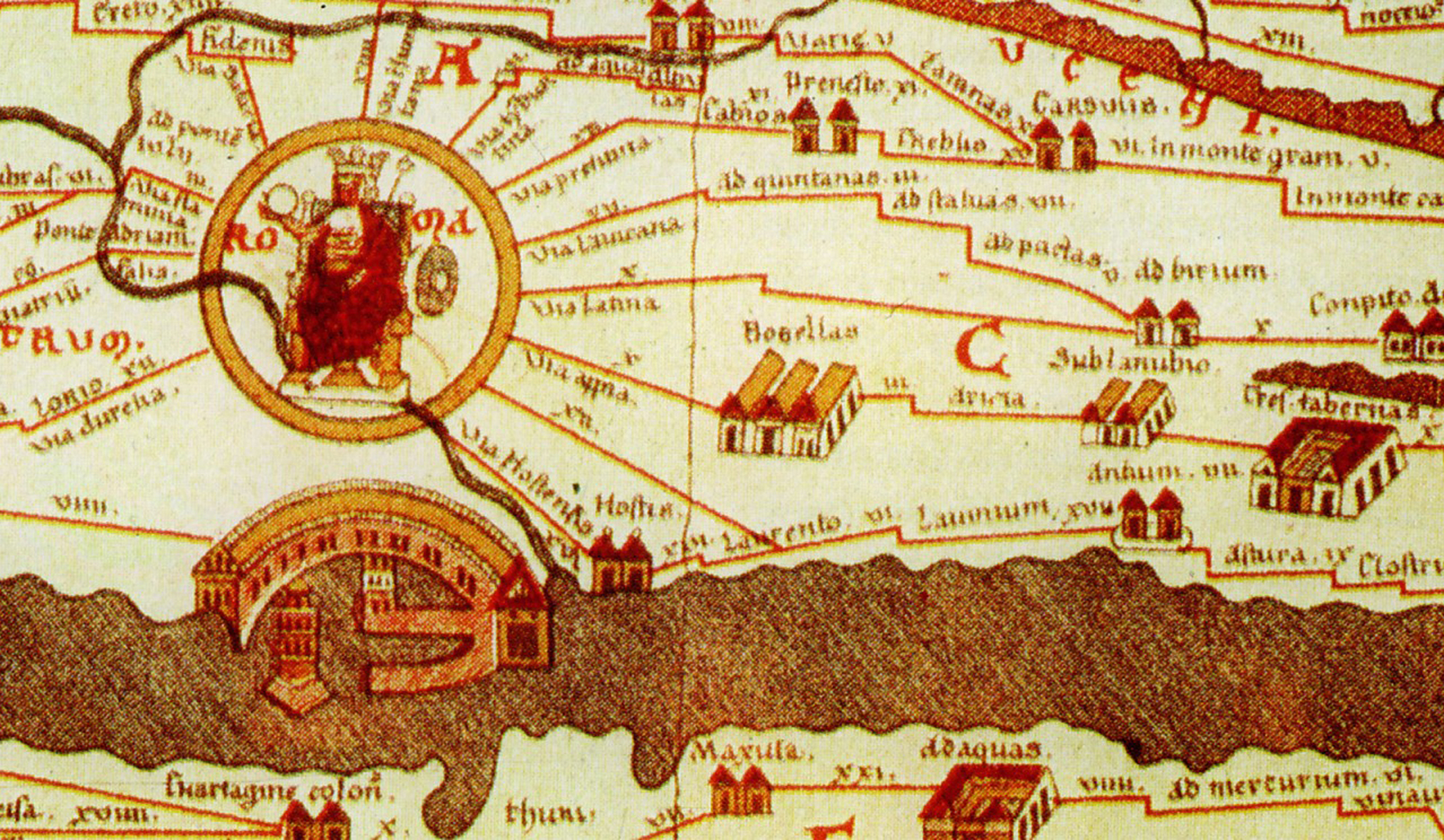
    Another example–more fantastic, much older, and far more important–is the Tabula Peutingaria, a 16th century low-Renaissance copy of a third century ACE Roman map of the known world.   Now this is a map:  it was a spectacular achievement, a road map for the Roman legions to get back and forth in the shortest amount of time, an index for the Italian Autobahn.  The map covers the world from Britain and all the way east to India (which was really India, China and all the rest).  And of course, we all know where all of the roads lead to. 

    Peutinger Table Rome & Portus


  • Trinity + 64 Years: the Explosion of the World’s First Atomic Bomb, Alamogordo, New Mexico, 1945

    JF Ptak Science Books LLC  Post 686  Blog Bookstore

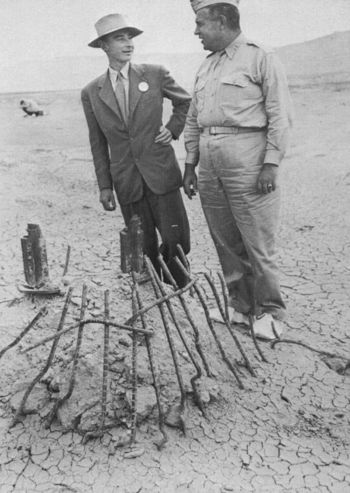
    Today is the 64th anniversary of the explosion of the first atomic bomb in the pre-dawn New Mexico desert. I’ve made a number of posts about that event, as well as the decision to use the bomb along with its consequences and subsequent control.  Mostly the posts can be found here.  I’ve reposted parts of the beginnings of two of those posts relating to 16 July below.  [That’s Oppenheimer and Groves standing at the remnants of the base of the tower that held the suspended weapon on 16 July, everything pretty much gone.]

    Oppenheimer_groves_090945 Trinity at 63: the Explosion of the First Atomic Bomb, 16 July 1945

    Now we are all sons of bitches—Kenneth Bainbridge, Trinity
    Director.

    There were many profound thoughts in many profound heads there in the
    desert, at the reaches of the Jornarda del Muerto (“The Dead
    Man’s Walk”, a formerly nearly-impenetrable stretch of desert in  the
    Llano Estacado) at the Trinity Test Site, Alamogordo, New Mexico, on
    16 July 1945 for the successful testing of the first atomic bomb.  Robert
    Oppenheimer famously cited the Gita (“Now I am Become Death, the Destroyer of
    Worlds…”): Enrico Fermi was so busy with his little and excruciatingly
    wonderful experiment with strips of paper calculating the effect of the blast
    (he reckoned a very-close 10,000 tons) that he didn’t actually hear the
    explosion; Edward Teller thought Tellerian thoughts, and so on.  Actually
    the observation points (like S-10000 and Campania Hill)were crowded with big
    brains:  in addition to Oppenheimer, Teller and Fermi were people like
    Hans Bethe, James Chadwick (whose discovery of the neutron sort of started the
    whole thing), Richard Feynman, George Kistiakowsky, Phil Morrison, Robert
    Serber, Vannevar Bush, James Conant, and many others.  The were all
    thinking pretty big things (except for the occasional if-you-can-believe-it
    stuff like that which maybe came from Feynman’s mouth, which was “hot
    dog!”).  I think that Bainbridge’s statement was the best, and truest,
    summation of the morning’s activities…

    [Continue reading via link above]


    The Decision to Use the Bomb:  Trinity +1

    July 17, 1945 (Trinity +1 or Hiroshima -20), the day after the Trinity test
    of the first atomic weapon, was the first day in which very concerted, very
    real discussions ensued about what to do with the bomb and where to us
    it.  Actually the discussions were mostly on the “where” than on the
    “whether”.  (As it turns out part of a minor segment of the “whether” part
    was Leo Szilard’s petition
    to President Truman not to use the bomb and which was signed by 155
    Manhattan Project scientists, and which had reached its final version on this
    day.)

    The truth of the matter was that it was a very complex issue, an easily
    misunderstood tapestry of circumstance and consequence. The major issue of
    course was that the Japanese would not surrender, and that there would be
    “fanatical resistance” once the invasion of the Japanese islands had
    begun.    The battle of Okinawa had just been fought—it was a
    horrible confrontation taking 12,5000 American lives and more than 1000,000
    Japanese , demonstrating that even in impossible circumstances that the
    Japanese simply would not surrender (unconditionally).   This is just
    one instance—there are many others, not the least of which was t he recent
    firebombing of Tokyo,
    taking 150,000 lives.  Air strikes in general seemed to not make a
    difference in the will of Japan to fight—as was demonstrated again and again in
    the British and American bombing of Germany—as was further demonstrated in
    General Curtis LeMay’s and General Hap Arnold’s  60-city attack in the
    May-August span.  The thought was that if there was an invasion that it
    could well cost the U.S.
    1000,000+ casualties and would be completely…

    [Continue reading via link above]


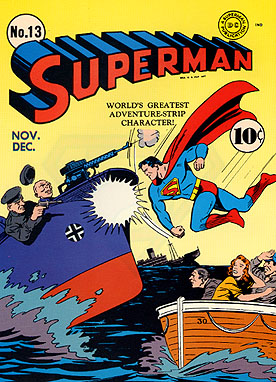
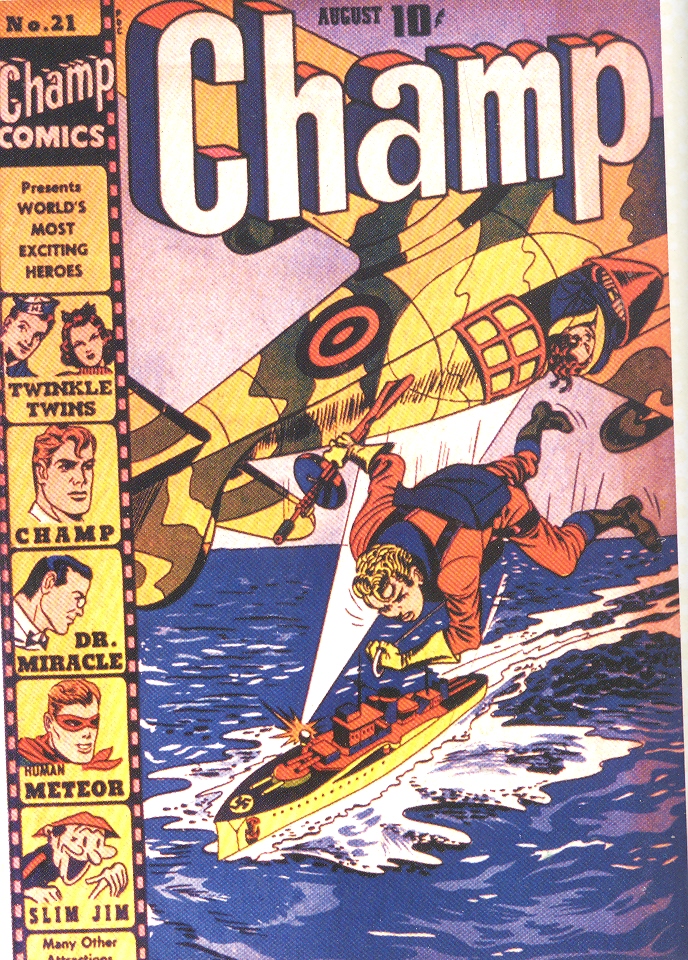
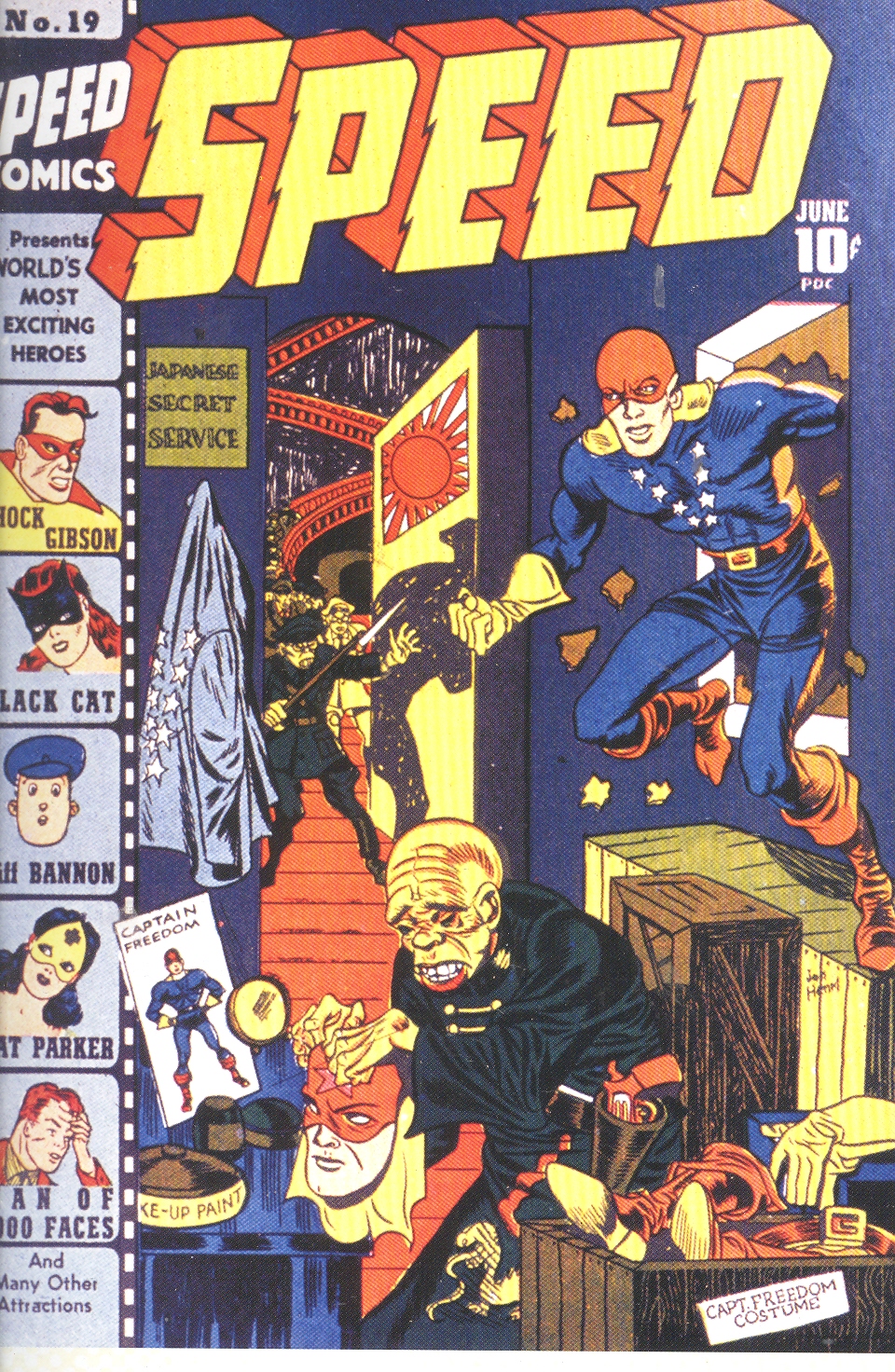
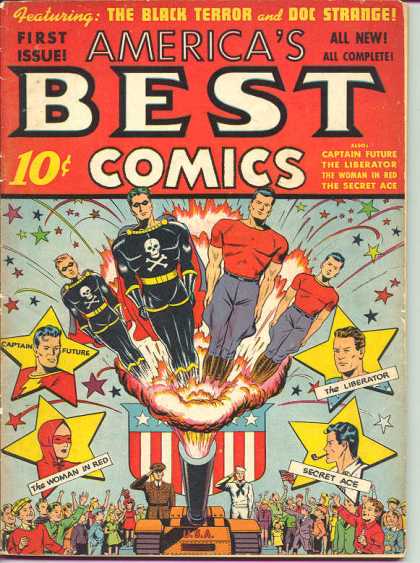
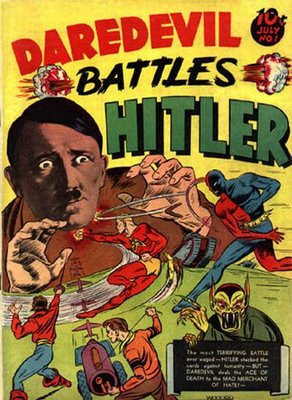
  • Captain Marvel vs Germany and Japan: American Comic Books 1941-1945.

    JF Ptak Science Books LLC  Post 684 Blog Bookstore

    Comics lightning
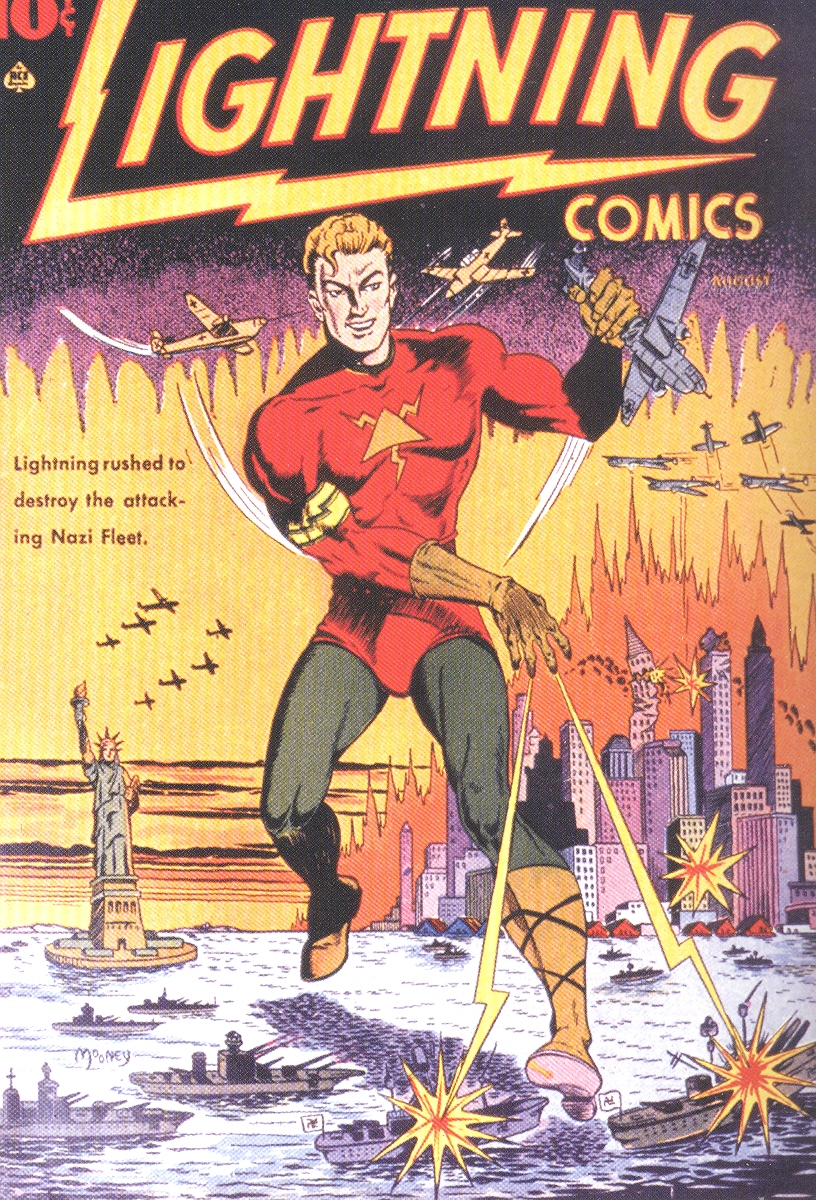
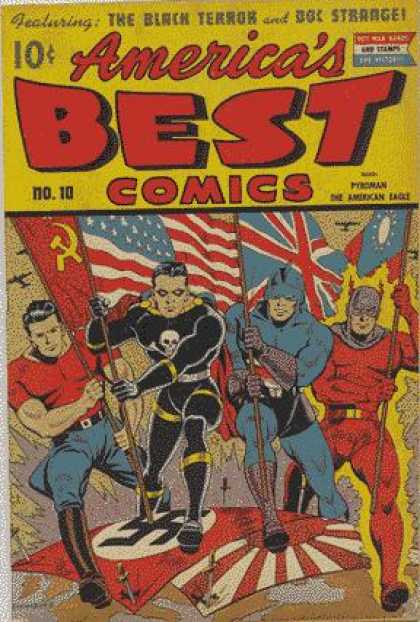
    The popular culture of WWII was–and continues to be–enormous, beyond that military interest in the Civil War, or so it seems. There were literally hundreds of World War II movies (among the Allies, here in the U.S., the U.K., Canada, The Soviet Union), tens of thousands of books, millions of articles and newspaper accounts–trillions and trillions (and perhaps an order or orders (?) of magnitude more)  of words (professionally)  spoken and written. In all of this I believe I’ve never considered the popular medium directed at children or very casual readers:  wartime comic books.  That’s why, I’m guessing, these American comic book covers registered as such a surprise with me–not only for their very graphic cover design (which seem to tell about the entire story with a single glance) but for their great numbers.  No doubt the great empowered heroes in these pages–who were single handedly defeating Japan and Germany–helped quiet many a child’s nerves back there in 1941-1945, and unsweattied many a night-time pillow.  The comics (all of which below were published during the American years of the war) have a calming effect even today.

    It was during the early part of the European War  (1939 and late 1941) that saw the introduction  of some of the great standard comic book heroes:   Batman and Robin, Wonder Woman, The Flash, Green Lantern, the Atom, Hawkman, Aquaman, Human Torch, the Sub-Mariner,  Captain America, and of course the most popular of them all at the time, Captain Marvel.  Superman, the soon-to-be crowned king, appeared just a little earlier, in 1938.  It seems that many myths were created in response to large forces pressing against a people, and I guess that these comic book heroes are no different.

    I have no idea offhand about this sort of publication appearing in the other countries at war. 

    Comics americas Best

    Comic superman

    Comics champ


    Comics speed comics 2Comics americas best

    Comics daredevil hitler

    ·Posted by :

    ·in: