JF Ptak Science Books Quick Post
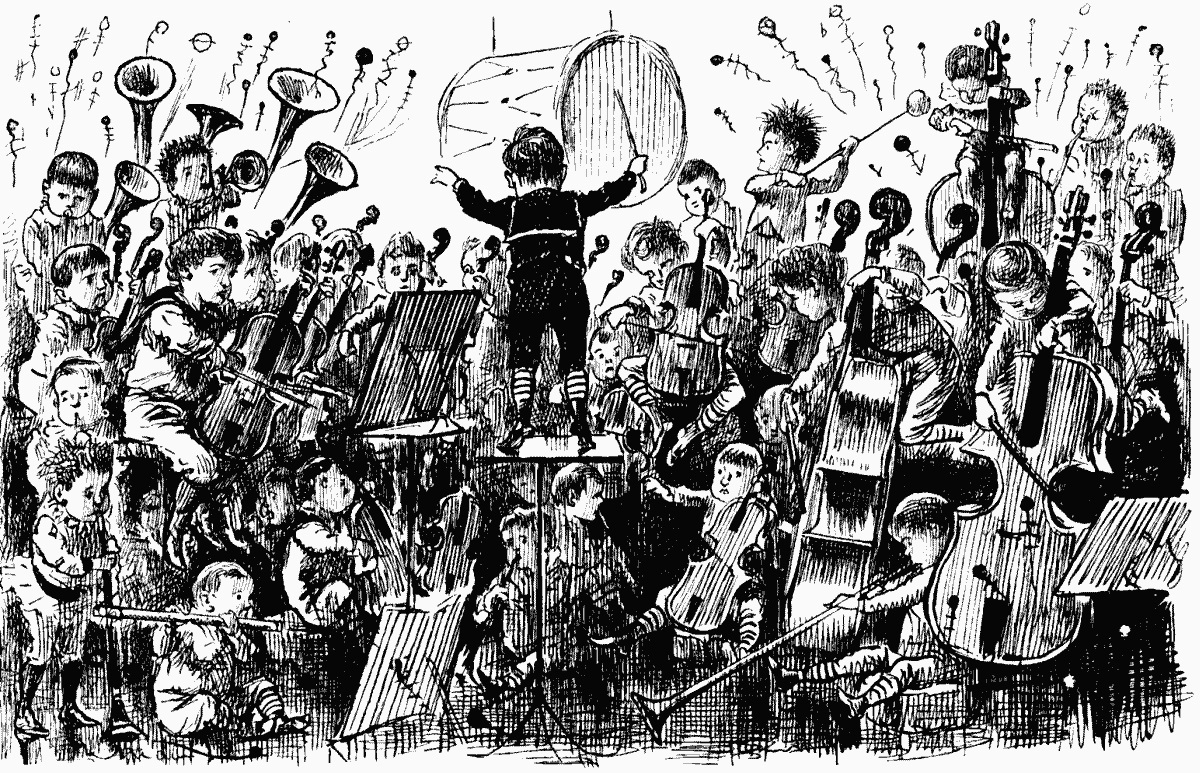
I am not sure that I have ever seen an image of an orchestra composed entirely of children, so I reprint this, found in the pages of an 1876 volume of Punch Magazine.
A Daily History of Holes, Dots, Lines, Science, History, Math, Physics, Art, the Unintentional Absurd, Architecture, Maps, Data Visualization, Blank and Missing Things, and so on. |1.6 million words, 7500 images, 4.9 million hits| Press & appearances in The Times, Le Figaro, Mensa, The Economist, The Guardian, Discovery News, Slate, Le Monde, Sci American Blogs, Le Pont, and many other places… 5000+ total posts since 2008.
Contact johnfptak at gmail dot com
JF Ptak Science Books Quick Post
I am not sure that I have ever seen an image of an orchestra composed entirely of children, so I reprint this, found in the pages of an 1876 volume of Punch Magazine.
JF Ptak Science Books Quick Post
I wish that I had been keeping track of (pre-1900) pamphlet cover designs over the 30-year period that I have been dealing professionally with books. There have been so many designs that have popped up with very unexpected flavors that I think an entire exhibition could be made of them. This idea was brought home–again–with this beautiful cover for an 1825 pamphlet:
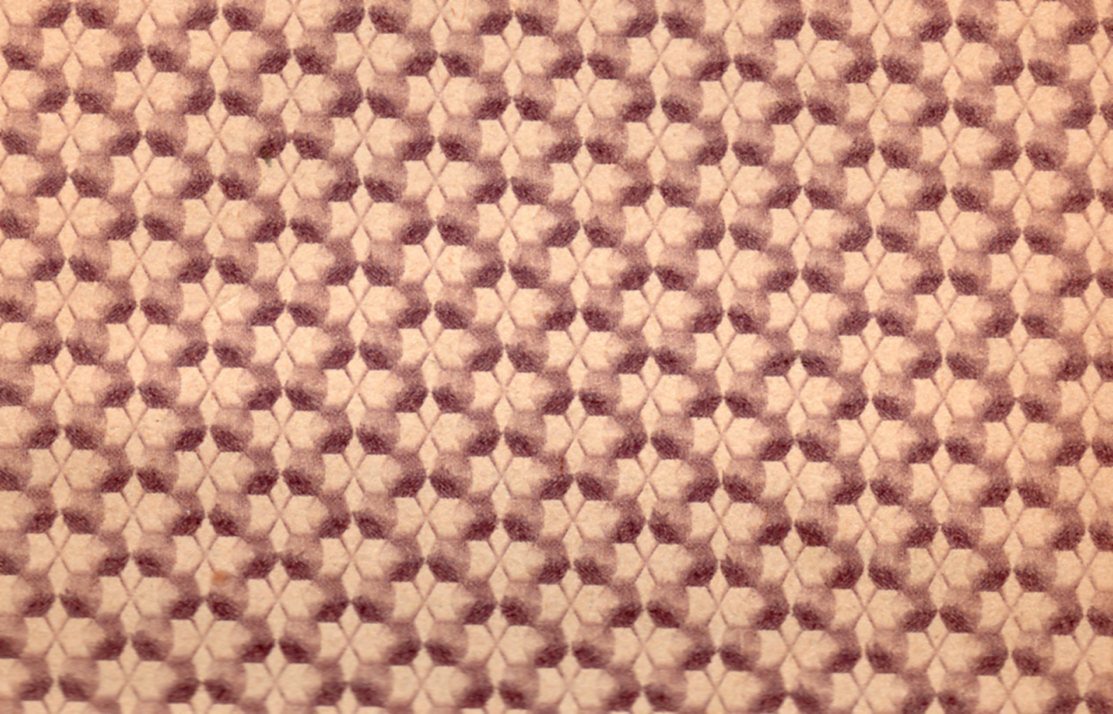
Which is a detail from:
JF Ptak Science Books Post 1878
There is, buried deep within this engraving, a small but penetrating snapshot of working life in very early 19th century England. Very working life. We’ll get to that in a moment, after introductions are made to the brilliant composer of these images.
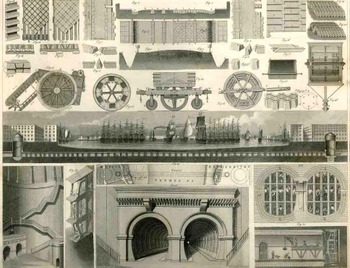 J.G. Heck wrote and compiled a fascinating and complex work entitled The Iconographic Encyclopedia of Science, Literature and Art, and was published in America for the first time in 1851 following Spencer Baird’s translation from its original German.
The key to his work is the amount of data displayed on each of the 500 engraved plates illustrating this work and the way in which it is arranged. The design and layout of the 30,000 items on these 500 plates was a work of genius, and for my money it is easily the best-presented complex means of the display of data and objects that was published in the 19th century.
Take for example this illustration in the technology section (a subdivision of the applied arts which is a sub division of the plastic arts) and, continuing in this complicated scheme, was Plate 1 from Section X Number A1 with a description found in the text on a dozen pages in Section 2 of Volume 2 on section pages 134-150 and overall page numbers 835-851 (!). The plate contains 35 figures, very finely executed and rendered (many of the other of the 500 plates have 100 or more figures), and is in general related to the construction of roads and tunnels (and further, part of the “communications” section). 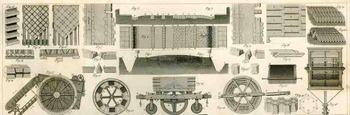
This of course would be a perfect Hypertext candidate.
The illustration itself contains an enormous amount of information. The row along the top third or so is dedicated to street construction and paving stone, showing stones in plan and profile, as well as a cross section and ground plan of a “typical” street (including sidewalks). It is interesting to note the detail of the cross section and the stonework that is placed beneath the horse and wagon section of the street. There are some other beauties here as well–details of wooden paving blocks, the plan for a Laves of Hanover road, different ways of cutting stone blocks—but we won’t deal with those right now, except to point out that there are several renderings of street cleaners and road rollers (of Shettenmann and another of Schaefer) used to border the street section from the tunnel section.
 The middle section of the engraving is of course a cross section of the Thames tunnel of the beautifully-named Isambard Kingdom Brunel (begun in 1825 and completed 1843, the tunnel 35 feet wide (11 m), 20 feet (6 m) high and 1,300 feet (396 m) long, running between Wapping and Rotherhithe at a depth of 75 feet (23 m)). The representation here is only one inch high and ten inches long but is loaded with just fabulous detail, no the least of which are the (less than) 1mm tall workmen that can still be seen in the tunnel.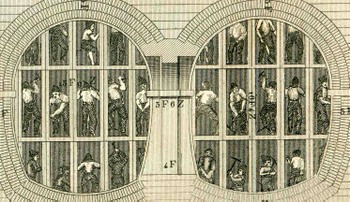
The enlarged detail shows a section of the tunnel being built according to Brunel’s new specifications: a larger, shielded tunnel being constructed around the interior construction of 12 individual tunnels (each about tall enough to allow a (short) man to stand erect.
It is unneccessary to say how difficult this work must have been. Cramped, dirty, dark, stale-aired, and dangerous, this was the very definition of a compromised working environment.
In short, the engraving is a superb example of *correct* design of great artistic ability, all accomplished while displayed heaps and gobs of interconnected, complex information.
·Posted by :
·in:
JF Ptak Science Books Post 1876
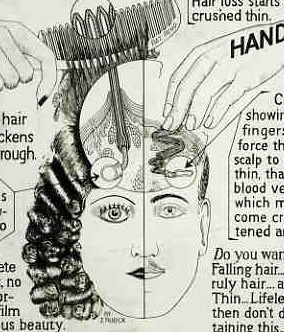
Well. This item is of course lost on me, but the new “wonder-worker comb” somehow did an anti-crushing something to the scalp and the hair root that promoted/restored and fictionalized hair health. The secret to understanding it all, evidently, is that “bad scalp” is “crushed thin”. This is brought about by “HAND pressure”, from “strong fingers that mash and force the elastic scalp to become thin and such” causing hair to be “more crowded, flattened”. For some reason the inventor didn’t speculate on whether other sorts of combs did this, or not; it looks as though he/she was targeting only those who combed their hair with their own non-plastic fingers, clearly elucidating this primal contest in a “wonder worker comb” vs. crushing/flattening comb fingers vocabulary.
The comb with the adjustable fingers “pulls, exercises, stretches, thickens and loosens the scalp as it passes through” (the hair, the scalp?). It makes the scalp “roomy inside”, allowing the extra room that the hair needs “to function”. These hair restorative miracles is the result of the simple use of the comb, providing “complete results all by itself, no wasted efforts…”.
The comb also, it seems, controls dandruff, and improves “thin, Lifeless, Dry-hair (sic)”.
That’s a lot to ask of a piece of plastic.
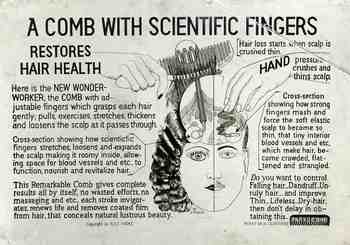
This somewhat-scary item is a photographic postcard sent to the Library of Congress as a Copyright Deposit copy–part of the process of securing protection from intellectual theft via American copyright. One is set to wonder about who–and why–this idea would be stolen. It would make an interesting story about Really Bad Ideas that were appropriated to no good end.
JF Ptak Science Books Post 1875 [Part of a long series on Atomic and Nuclear Weapons]
There was a short period in July 1945–right after the atomic bombs were detonated over Nagasaki and Hiroshima–that a pervasive, acceptable logic took hold of the minds of many at Los Alamos and Washington D.C. that the bomb might actually work to prevent war. Loosely put, the bomb was too terrible to use, too lethal, too destructive, too fantastically bad in its earliest stages of design to actually become part of the world’s military arsenal. If that feeling was widespread, it lasted abut 72 hours. Oppenheimer had it for a little while for a few days, until he realized that his expectations were unfounded and that he saw the situation in reverse.
It is interesting to set the meeting with Oppenheimer in the course of Truman’s daily day, a pretty busy day, a day filed with stuff and fluff and a meeting with Oppenheimer about the future of the arms race. Turns out that the meeting with Oppie went as scheduled, ended perfectly on time to accommodate the next Oval Room visitor, the postmaster from Joplin, Missouri. It must’ve been important to the Joplin man, and I guess to Truman, but not too many others.
The meeting between Oppenheimer and Truman did not go well. It was then that Oppenheimer famously told Truman that “I feel I have blood on my hands”, which was unacceptable to Truman, who immediately replied that that was no concern of Oppenheimer’s, and that if anyone had bloody hands, it was the president. Oppenheimer felt as though the future was in the balance, and that the American government was using/would use the bomb as a political tool against the Soviets. Actually, the employment of the bomb as a part of American foreign policy was–obviously–a new affair, and the application of it as a sort of Pax Atomica in the early years following the end of the war was a wholly new development. And applying the threat of the use of the weapon against the Soviets was a natural state, as many military figures (including, for example, General Leslie Groves) considered them as an enemy right from the start. The fight between the U.S. and the U.S.S.R. started pretty much in 1944, when (with General Groves, again) there was a spearhead movement to control all of the world’s supplies of atomic-bomb-related natural resources.
That is just a little of the background to the meeting in the Oval Office back there in October 1945. Truman had very little use for Oppenheimer then–little use for his “hand wringing”, for his high moral acceptance of question in the use of the bomb, for his second-guessing the decision. Cold must have descended in the meeting, as Truman later told David Lillenthal of Oppenheimer that he “never wanted to see that son of a bitch in this office again”. Truman would retell the story in different waysm, but with generally the same result, waxing about how he dismissed the “cry-baby scientist”.
|
||||||||||||||||||||||||||||||||||||||||
JF Ptak Science Books Post 1874 [One in a series on the History of Blank, Empty and Missing Things.]
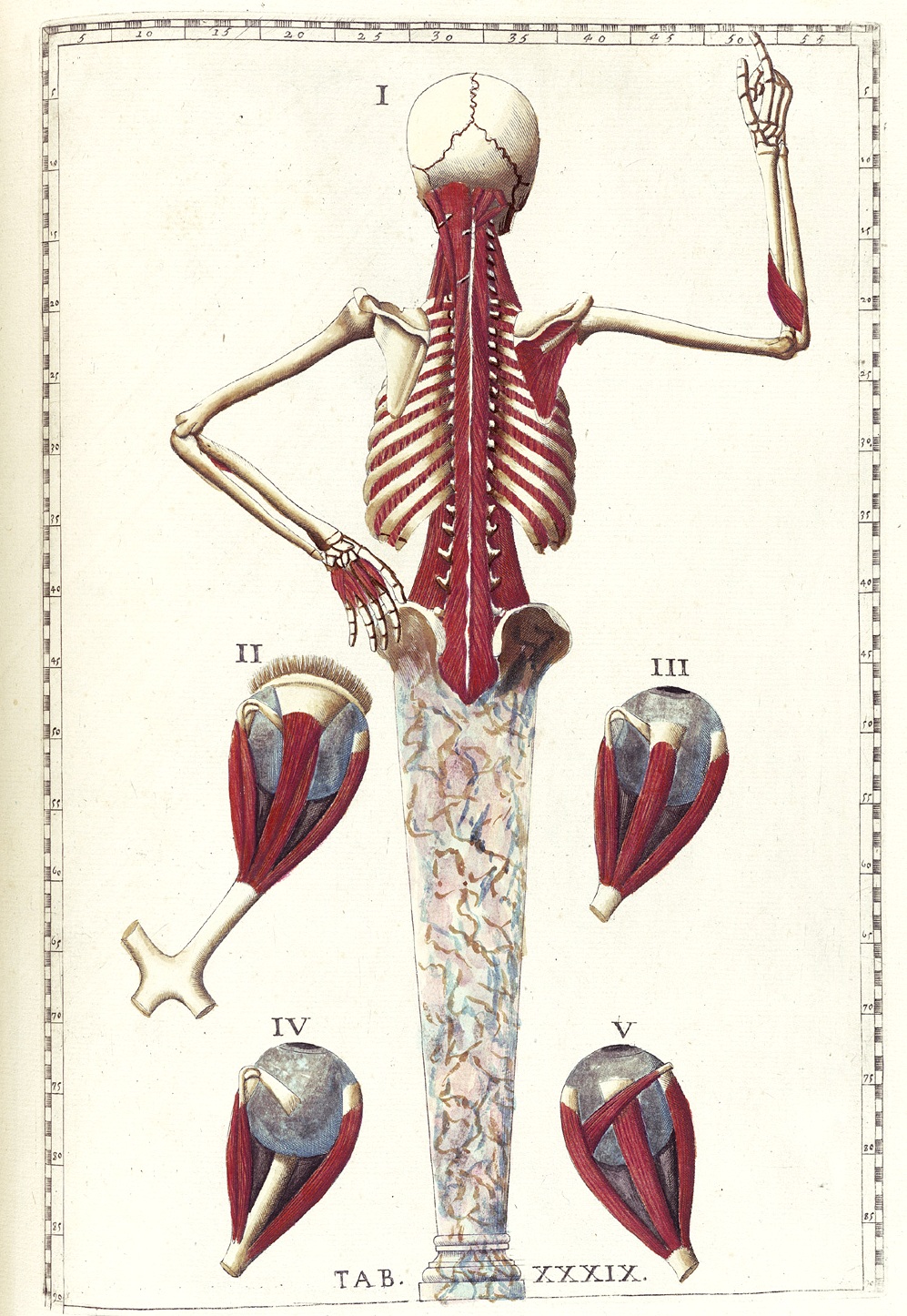
The remarkable engravings below are even more so when you consider that they were published more than two hundred years afer the death of their originator. Bartolomeo Eustachi (1500/1524-1574) was one of the founding member of a very small school of modern anatomy (another being Vesalius) who undertook very careful dissections in his study of the body, finishing (in 1552) a work of paramount importance just nine years after the publication of Vesalius’ revolutionary work–it was a work that would remain unpublished for 162 years. The threat and fear of excommunication and other reprisals at the hands of the Catholic Church prevented its publication, the full work not seeing the light of day until 1714. It would be published several times more in the 18th century, a great tribute to an anatomist whose work was still being studied more than 200 years after its completion.
One of the great missing books then belongs to Eustachi, his Romanae archetypae tabulae anatomicae novis…(with the examples of images below being published in Rome in 1783) belongs to a very small class of technical/medical books published long after they should have been and which still were found to be of great and substantial use. He was an absolutely superb anatomist, using dyes and injections for visually troublesome areas, as well as early versions of “microscopes” to observe miniscule bits. He was a fine student of his physician father, well-versed in classical education, and by 1549 he was the professor of anatomy at the Archiginnasiodella Sapienza, where he was also able to avail himself of a number of cadavers for dissection.
He worked on his anatomy for several years, readying 47 plates for publication. It would come to pass that only eight of them were published during his lifetime–those on the kidney and teeth, published as De Renum structura (the first work dedicated to that organ), and De dentibus (for the teeth), respectively.
The engravings–rather, the incised plates of the engravings–went missing after Eustachi’s death, and stayed so until (as noted above) 1714. According to faqs.org , Eustachi’s work was still prized 160+ years later for their elegance and beauty and detail because:
“… they provided some of the best descriptions of the base of the brain, the sympathetic nervous system (the nerves that control the constriction of blood vessels, among other things), the vascular system, and the structure of the larynx.”
[More images below]
among many other reasons.
I can’t help but wonder what the result of the publication of this book would have affected if it had been available in 1552. It stands to reason that if it was still being used in 1789, and still useful and respect and “current”, then it would lead me to believe that it would have had a major impact 227 years earlier.
(Source: Bartholomeo Eustachi: Tabulae anatomicae. (Rome, 1783), . Historical Anatomies on the Web. US National Library of Medicine.)
·Posted by :
·in:
JF Ptak Science Books Quick Post
This is part of a series on destroyed New York City that includes New York City: Attacked by Tentacled Flying Saucers, Giant Flying Snakes, Glaciers, and Mining Missile Space Aliens, 1929-1941 and H-Bomb Wipes out Brooklyn, among others.
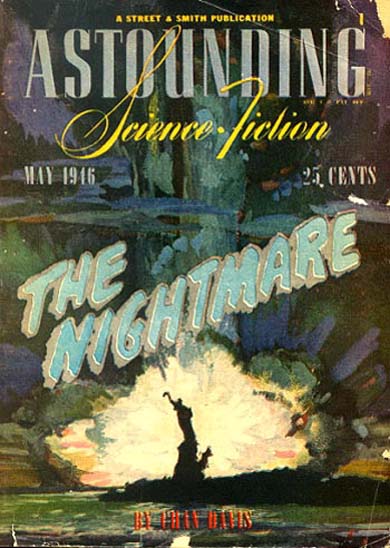
”This is a story of the immediate tomorrow – and of civilization headed down the inescapable road to destruction – down the road that we have, already, selected – and its nightmare end.”
Chandler Davis wrote this nightmare for Astounding Stories in 1946, and the artwork of the deteriorating-before-your-eyes Statue of Liberty fits this blog’s series of Disappearing New York series. Davis is a very interesting man–Ph.D. mathematics from Havard and professor of math at Toronto, a New York-born man who started his sci fi career early (age 20, with the story above) and who iimmigrated to Canada after his relsease from his HUAC-inspired prison term. Davis was probably a born Leftie, a radical, and it evidently never left him.
The cover art is by William Timmins.
·Posted by :
·in:
JF Ptak Science Books Quick Post
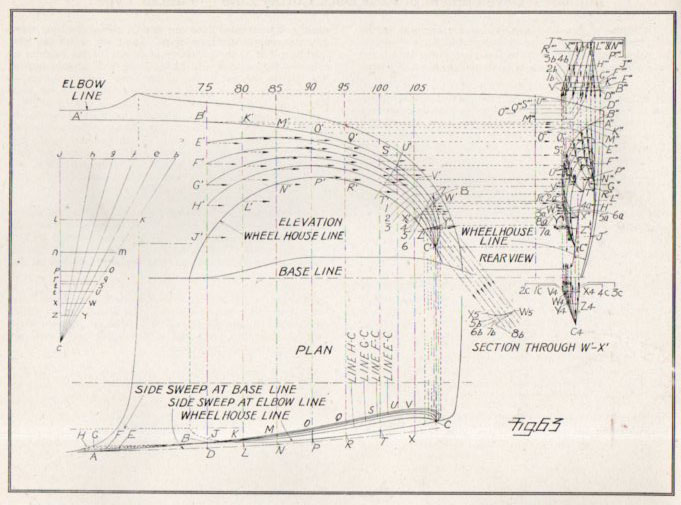
Care to have a guess on the derivation of these designs? Well, I guess the indicators give this away, but had “elevation wheel house cover” not been printed in the it might have been harder to figure out what this simple and lovely thing is.
JF Ptak Science Books Post 1873
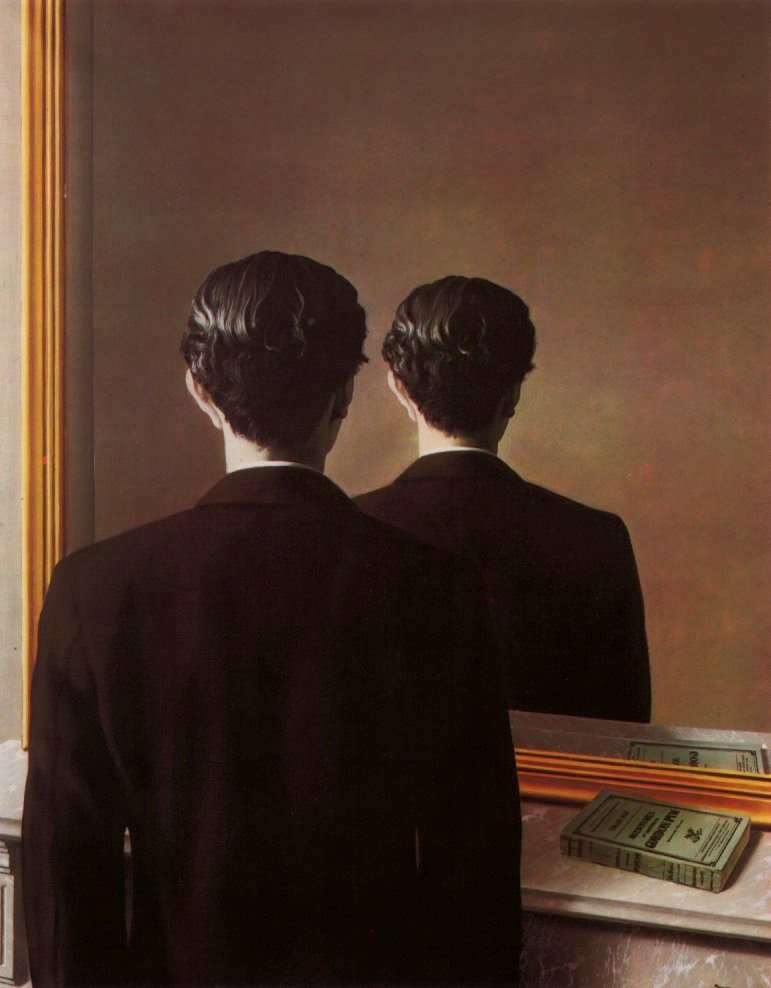
Leonardo wrote backwards and from right to left, Benjamin Button lived backwards at the hands of Scott Fitzgerald, Rene Magritte’s man in the mirror saw the back of his head, Ignatz the Mouse I am sure saw the back of his head looking around the world with the world’s most powerful telescope, rugby passes are all done backwards, paper images of vue optiques appear backwards, lightning for all intents and purposes starts backwards from the ground up, reverse mathematics are worked from theorems to axioms, the Chicago River (1900) was engineered to flow backwards for the foreseeable future, while the Mississippi River famously flowed backwards for just a bit in the New Madrid earthquake of 1812.
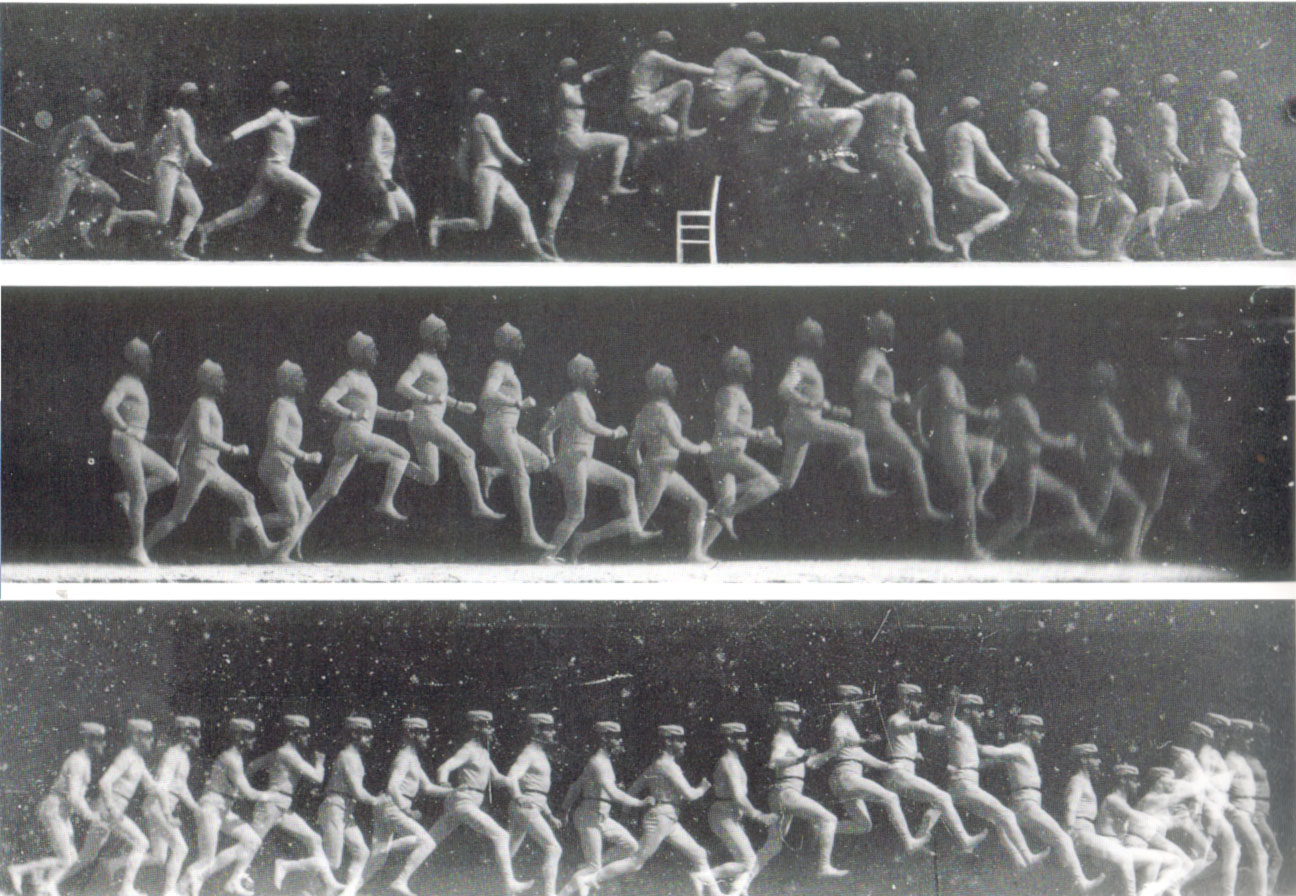
I can only imagine what audiences must have felt when they saw the first moving pictures played backwards–seeing them played forwards was a novel-enough (and revolutionary) idea, but the simple idea of reversing the direction of the film would have proved to be equally fascinating. Imagine the first time you witnessed a staged train wreck on film, back there in 18951, and imagine being able to see it played over and over again, until you were filled. I’m not so sure that there were even any still photographs of a train wreck as it occurred to this point, even with advances in film speed and lens, so seeing the even unfold in front of you at leisure must have been overwhelming. Now imagine these same folks seeing the event and watching the locomotives reconstitute themselves. It would have been an extraordinary event. Even observing the Marey sequences (above) and seeing what actually happens when a person bends over to pick up a pail of water would have revealed almost as much in new detail as when Galileo was in the middle of his earliest observations.
In a way the chance of controlling the direction telling of a story and seeing it displayed via moving images, and being able to see them backwards, may well have seemed a form of third-person time travel. This came on the heals of what is for all intents and purposes the first time travel novel in H.G. Wells’ (also in) 1895 The Time Machine (appearing earlier as “The Chronic Argonauts,” in 1888)2 and Mark Twain’s 1889 but much earlier than the first motion picture to use the idea of time travel (which was in 1921 and based on Twain’s work). Being able to show a motion picture, and then stop it at will, and then reverse the order of time to begin everything all over again–visually–must have seemed a magnificent advantage.
Notes:
1. It is interesting that this very early motion picture , made by the great scientist-brothers Lumiere, l’Arrivee d’un train en gare, was produced in the same year as the Wells book. Just two years later, the Lumiere Brothers published a catalog of their available movie strips, numbering 338 productions. In 1898, after six catalogs, there were over a thousand strips. This is remarkable, especially considering that there wasn’t a cinema industry yet. The Lumieres are an interesting pair of people (both of whom survived their invention by about a half-century), making perhaps the most important discoveries in the history of cinema, and continued to be interested in other fields throughout their lives. The cinema-industry part of their work didn’t seem to interest them all that much.
The history of moving images is complex and long. I’m not saying at all that it begins with the Lumieres, or with Edison, as the pre-1900 field is well sprinkled with different and interesting attempts at fooling our eye–Chronophotograposcopes, Counterfivoscopes, Phantasmagorias, Klondikiscopes, Vileocigraphiscope, and so on, are just a few examples of the many attempts at locating the seat of photographic motion in the brain. There are very early efforts, principally by J.A.F. Plateau (1801-1883) who rediscovered in 1829 the “persistence of vision” effect in which the eye will see a continuous stream of images if presented with a flow of static pictures at 16 frames per second over a one second period, which of course is the basis for the rest of everything that was to come. There’s much more, but I wanted to at least point out these few important bits.
2.. I’m not sure what to with Mr. Dickens, if he fits in this order with the time traveling Scrooge in A Christmas Carol (1843), or not. Perhaps he does, and if so, then he precedes Mr. Wells, though the latter’s time traveler is outfitted with a machine and a scientific basis for the belief in it. At the very least he is worth mentioning in the same moment.
JF Ptak Science Books Daily Dose series [Also part of the History of Lines series]
So, Nat’rists observe a flea
hath smaller fleas that on him prey,
And these have smaller fleas to bite ’em, and so on ad infinitum.
–Jonathan Swift, 1733
There are a lot of triangles in this fabulous photo of the construction of the Empire State Building in 1931–a lot. At least fifty–more if you use your imagination or get your pinhole specs out. It is simply an excellent photo in which I’m seeing things of a reducible nature–not in the sense of a Sierpinski triangle/sieve/gasket, obviously–but just a simple exercise along those lines (ha!), experiencing the image by recognizing different sorts of boundaries within it.
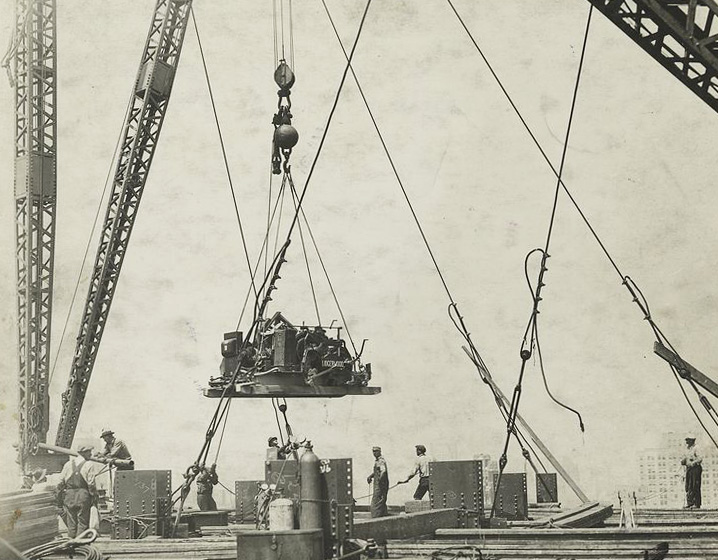
[Source: New York Public Library Digital Collections, here.]
·Posted by :
·in: