A Daily History of Holes, Dots, Lines, Science, History, Math, Physics, Art, the Unintentional Absurd, Architecture, Maps, Data Visualization, Blank and Missing Things, and so on. |1.6 million words, 7500 images, 4.9 million hits| Press & appearances in The Times, Le Figaro, Mensa, The Economist, The Guardian, Discovery News, Slate, Le Monde, Sci American Blogs, Le Pont, and many other places… 5000+ total posts since 2008.

Author: JF Ptak

  • Cold, Cramped, in a Ditch and Under Fire: France, 1918

    JF Ptak Science Books   An earlier post (#1308) expanded
    WWI photo--trench note detail047

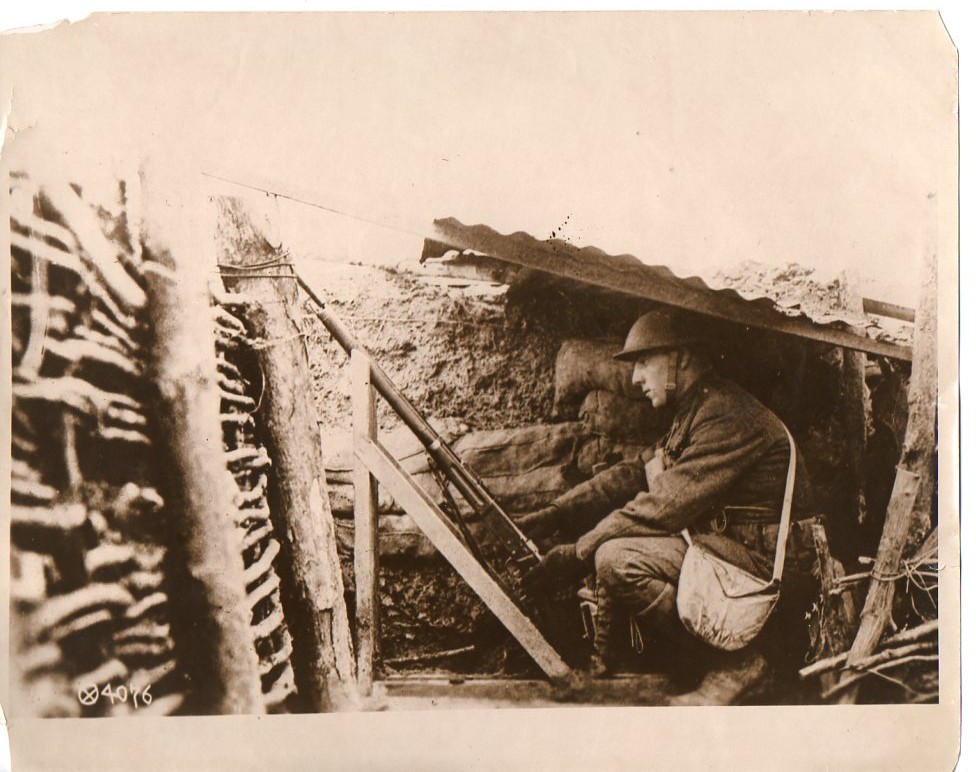
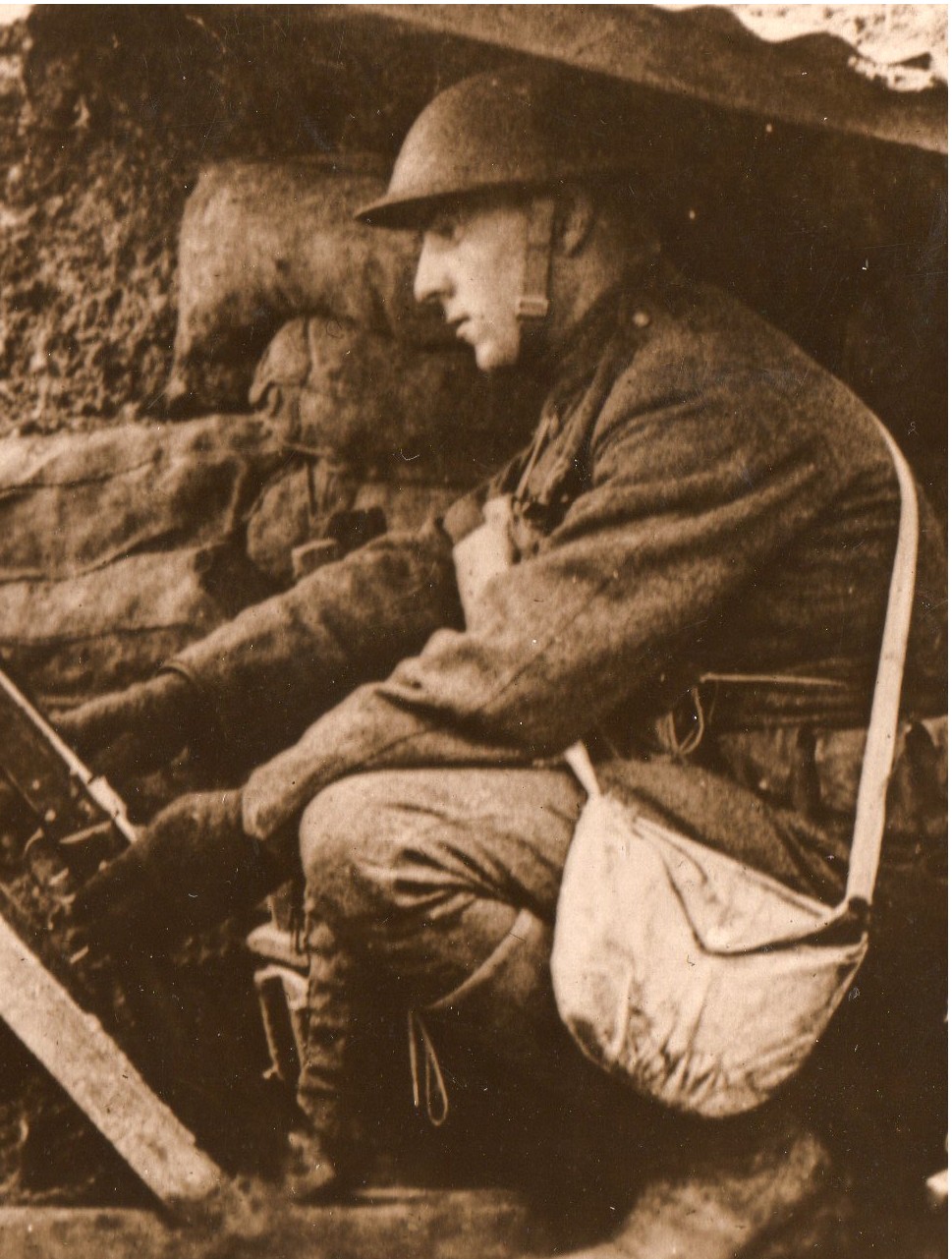
    If I was in a time machine, stepping back through a wormhole and into another segment of another reality, one of the places I’d least want to step into would be a cramped, cold, wet, dirty and dangerous place.  Like this American soldier, waiting for a German attack to begin so that he could launch a warning flare to the rest of the soldiers, hunkered down in a cold wet place in the front line along the Lorraine section in France, mid-way through 1918 and almost all-the-way-through WWI.  

    And even though this soldier looks far too clean, and his uniform far too spotless and pressed-ish, and his calf-skin gloves too calf-skinny, and his duffle too unmarred, and his helmet chinstrap too perfect for this man to actually have been fighting, the sensation of cold/bad/dangerous still gets through the whitewash.
    World War I photos--Cold in trench306

    There are of course much worse places to be, but I think if I limited my time travel to include what I would be on the other end–a U.S. soldier–one of the places at te top of te list would be a generic trench in the front line of a battle late in the fighting in WWI.  Sitting there, watchful, waiting for the advance of thousands of German troops, charging over a ruined and sulfurous landscape, waiting for the ruination to begin as it churned its way through  No Man’s Land.  Of course it could be worse–one could be going “over the top”, charging across the Desolate Place towards a line of thousands of entrenched soldiers all of whom were trying to kill. you. 
    World War I photos--Cold in trench307

    Or of course you could be in a blue coat marching in a straight line towards a series of long lines of men in red coats, everyone getting ready to get close enough to discharge an 69-calibre (or thereabouts) ball across an open plane of hundreds of feet into the ranks of the opponent.  Or being in a Marine uniform in Tarawa, in the Gilberts, in November 1943. Or being in Butternut, crossing the Emmitsburg Road on the way up Cemetery Ridge on 3 July, or being in any uniform whatsoever at Antietam.

    The places and times get worse I think once you allow yourself to be any other solider in any other uniform.  A French soldier, for example, sitting in a similar spot in the same battle along a front line as our American Doughboy, above, would’ve been worse.  A Belgian soldier virtually anywhere also would have fared worse, statistically, than just about anyone else in WWI.  Being a newly-minted soldier wearing the uniform of the Soviet Socialist Republics in the Summer of 1941 would probably have been half-a-death-sentence.  Of course the list goes on, and on. 

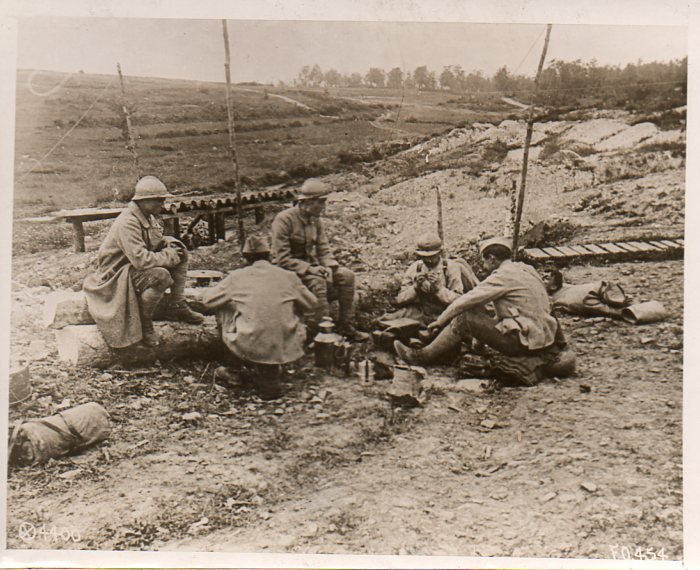
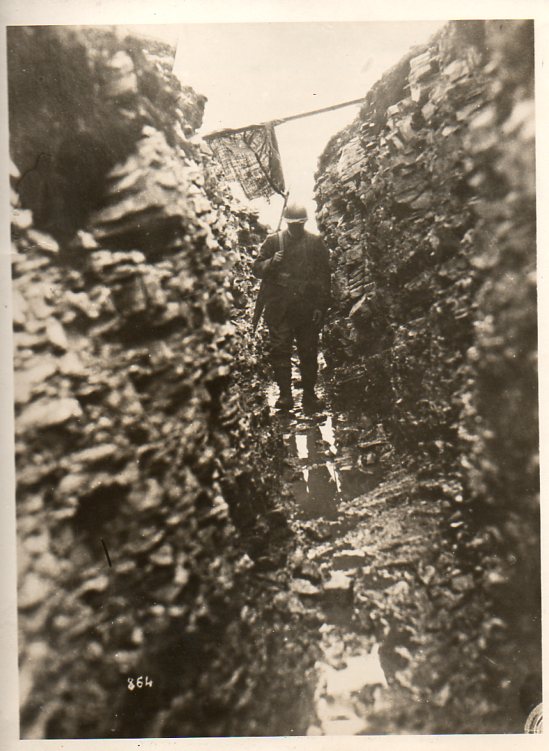
    Perhaps one of the worst inventions in the history of warfare was The Trench. Millions of men were wounded or met their ends while defending one, or attacking one, or being in-between two of them.  Hundreds of thousands of troops spent months charging back and forth between opposing lines, the ground over which they fought made uninhabitable for almost any form of life. Cold, wet, bad.
    WWI photo--trench045
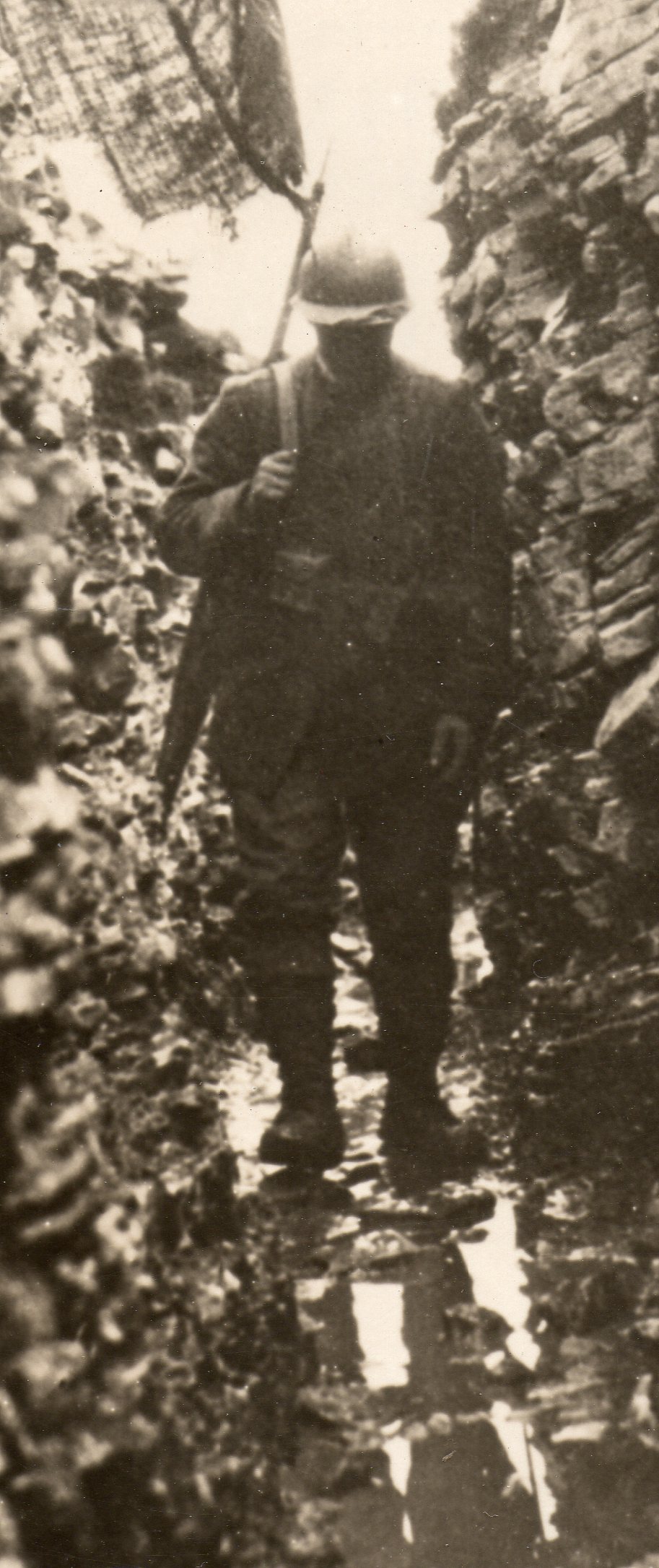
    Here’s another original photograph made by the Western Newspaper Union Photo Service, as a “British Official Photograph”  (with the “British” part penciled out and replaced by an unknown hand, “Italian”),  The photo agency supplied a caption for the image (that was supposed to have been used by the newspaper or magazine that published the picture) as follows:
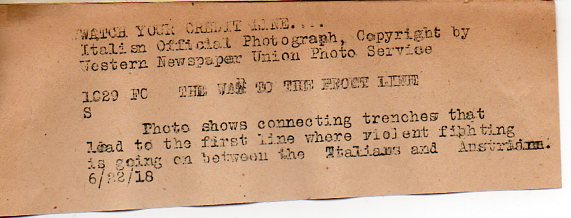
    WWI photo--trench note046

    And the detail:
    WWI photo--trench note detail047


    ·Posted by :

    ·in:

    — —

  • Who Invented Walking? The Indoor Air Show, Empire Air Day, 1938

    JF Ptak Science Books  Post 1307

    I wonder who invented walking? 

    It was certainly one of the first inventions made by our deepest, oldest human cousins, walking,.  And it was probably invented in Africa. 

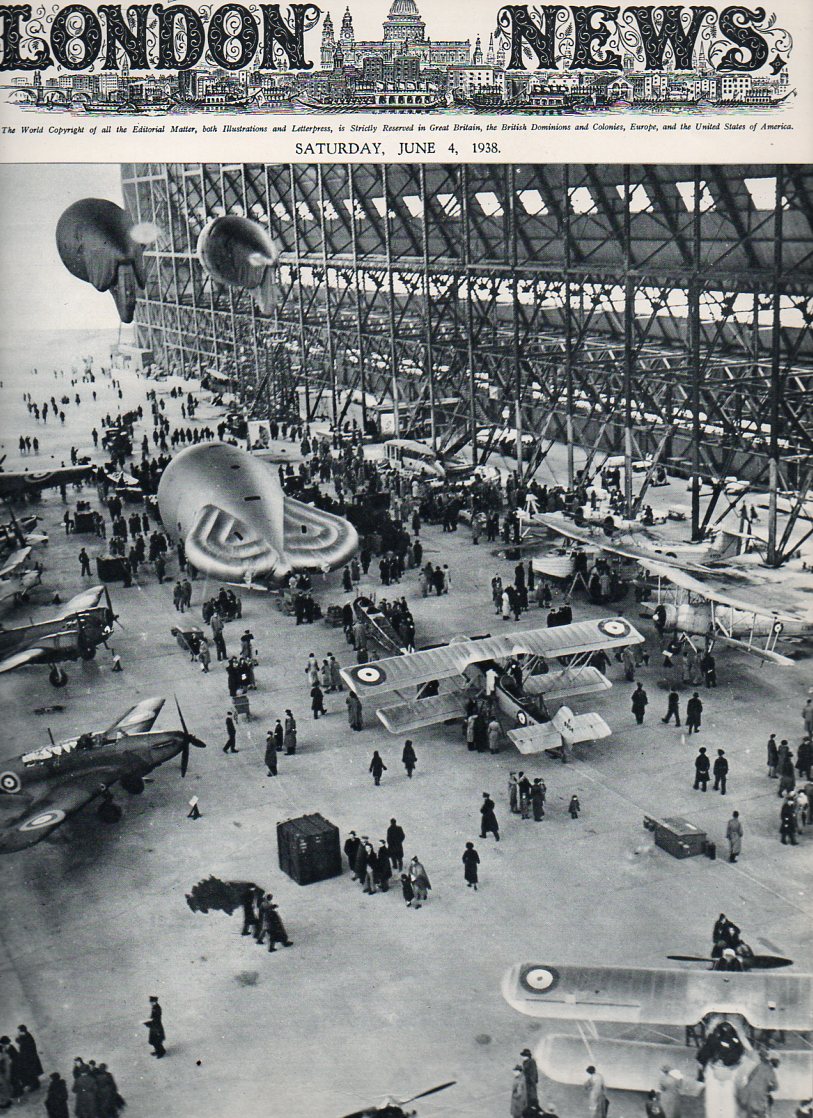
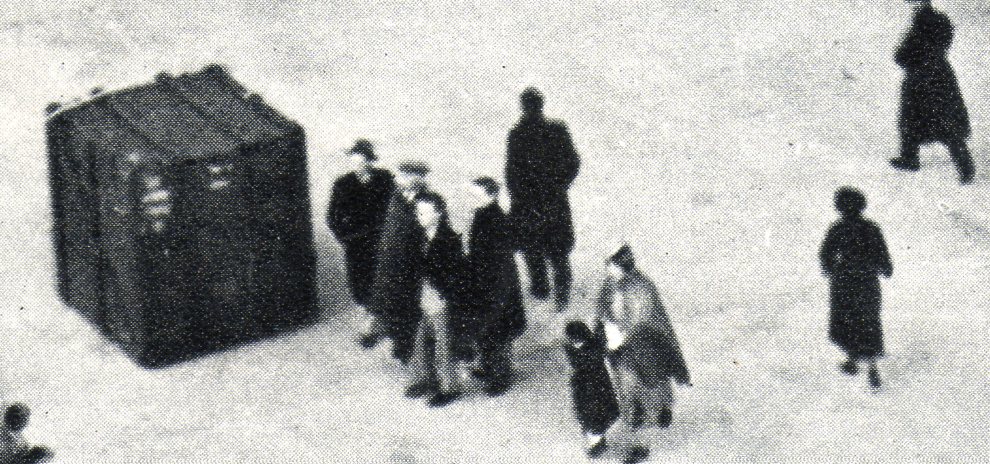
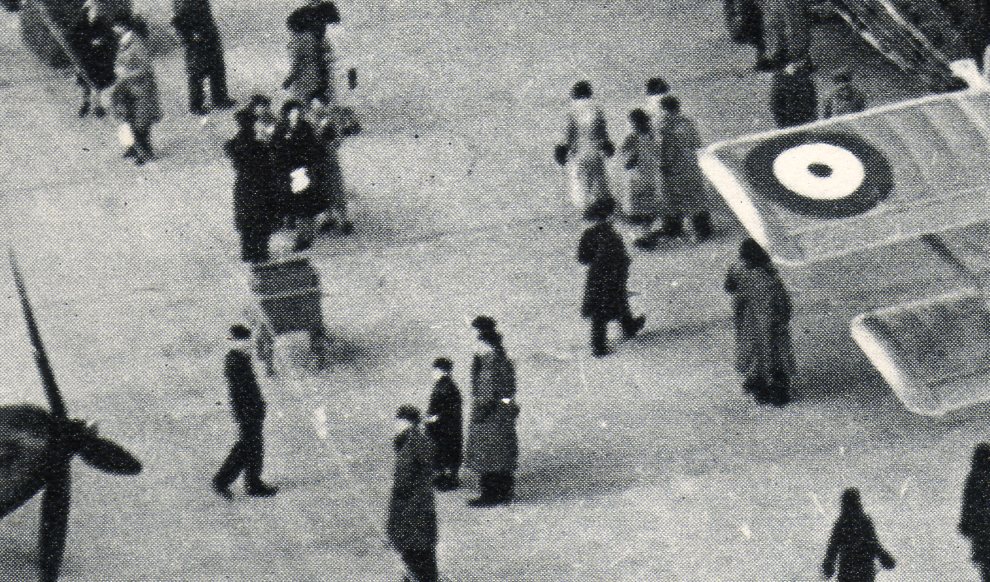
    This thought comes to mind looking at this great photo of the Empire Air Day, being celebrated in England in May 1938.  All of these folks walking around this enormous dirigible hangar (a form of flight that had left the RAF field of interest just a few years before, mostly forever) looking at the best of what was in the air.  The crowd actually looks a little thin to me–were people already getting a little used to having such magnificent things flying overhead, even just 30 years or so into the history of heavier-than-air flight?  It makes me wonder what will be remembered of the earliest days of flying 10,000 years from now.  The answer to that question may be as meaningless as the question I just asked above. 


    Air show-- cvr301

    (This image is available for purchase via our blog bookstore, here.)

    Air show-- cvr b302

    Air show-- cvr b303

    It is interesting to note the barrage balloons (three of which are shown here). The Nazis had only recently admitted that they had an air force, and of course by the middle of 1938 it was a considerable thing.  Hitler had shown his fangs of course and there was war in the air.  Wr doesn’t smell like a desert bloom.  But the Balloons were there, as were the rest of the aircraft, to show the hearts and minds at home that the RAF was a strong arm of the military establishment, and that the balloons were ready to be sent aloft to help protect London (at least) from the possibility of German/Nazi attack. 

    Here are some of the aircraft that were supposed to have been displayed: Armstrong Whitworth Whitley; Armsrong Whitworth Ensign -transport; Bristol Blenheim –  medium bomber; De Havilland Albatross; Fairey Battle – medium bombe; Gloster Gladiator – torpedo bomber; Handley Page Harrow –  bomber; Hawker Hurricane -; Shorts Empire Flying Boat; Vickers Wellesley – bomber; Vickers Wellesley – bomber; Vickers Supermarine Spitfire –  fighter Westland Lysander.


  • Needles and Threads; Sewing in Battle, 1918.

    JF Ptak Science Books   Post 1307

    World War I photos--sewing in field297

    World War I photos--sewing in field298
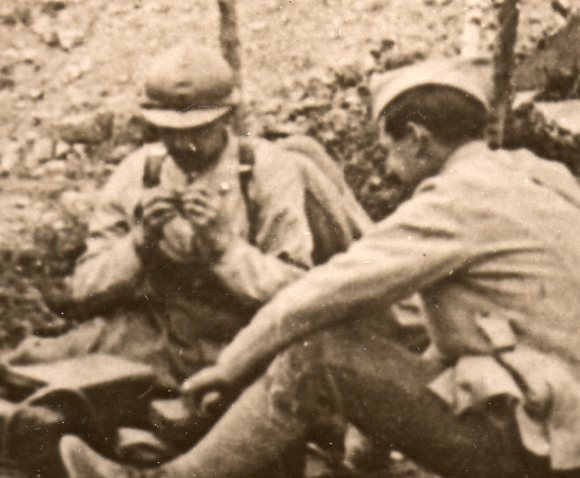
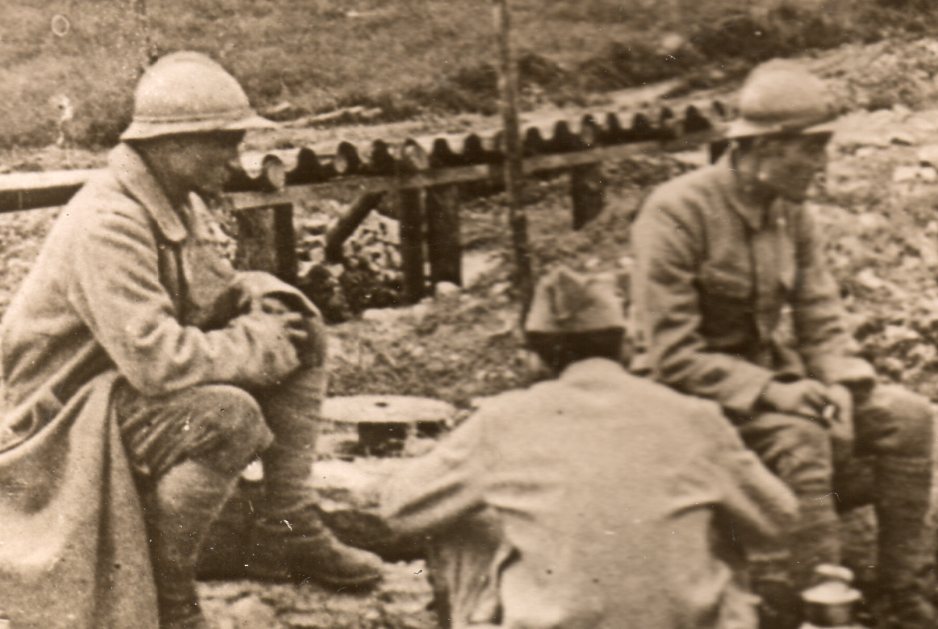
    This fantastic photograph (available for purchase from our blog blookstore) calls to mind the importance of the little things of battle–dry socks, headgear, water, food, scissors.  And of course a good coat in the winter–a good coat that can be kept closed to allow the body to stay warm, or dry.  I mentioned in a post here just yesterday that it was a small thing that may have led to the demise of Napoleon’s army in Russia in 1812–the buttons on the overcoats of the soldiers were made of tin, and as tin becomes brittle in severe cold, it is conceivable that the buttons failed and therefore allowed the jackets to blow open much more easily than normal.  Little change that has an enormous impact.  

    World War I photos--sewing in field299

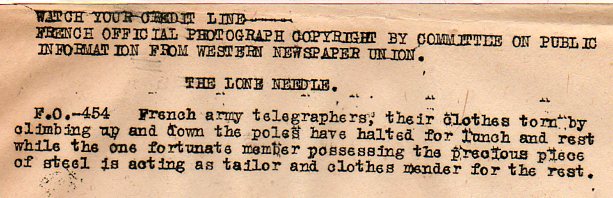
    This photograph–an official French photo published by the Western Newspaper Union in November 1918–shows a group of French telegraphic soldiers, taking a break, and mending their clothes.  The original text for the photograph (below) points out that their uniforms were torn and made shabby by continuously running themselves up an down telegraph poles.  It is important to keep yourself fit and fed and your uniform in good order, so they calmly awaited the repair of their uniforms y the one man with a needle and thread. 

    World War I photos--sewing in field txt300


    ·Posted by :

    ·in:

    —

  • Art & Artists as Wartime Magi–Making Things Disappear, 1918.

    JF Ptak Science Books  Post 1306

    Its a little difficult to think of Ellsworth Kelly, Jacques Villon, Grant Wood, Laslo Moholy-Nagy and Thomas Hart Benton as painters-for-war.  But its true, and true for many of hundreds of other artists in the 1915-1918 era. Its not as though they were in the trenches gunning down the enemy or lobbing hand grenades into the swirling gunsmoke. They were camofleurs, camouflage1 experts, artists employed as magicians, Wartime Magi, employed/drafted to make ships and such disappear. 

    Ever since it was (sort of) first noticed in 1915 that designs odd to the environment, stark geometric patterns and such, were capable of fooling the eye, people with  design capacity were pressed into service, rendering offensive and defensive instruments of war optically semi-impervious with variations of the then-five-year-old modern nonrepresentational art. That must’ve been a very odd position to wake up to every morning. 

    Of course the idea of camouflage in the animal world is probably 250 million years old–animals and insects have been blending into their environment for eons, and I’m sure too that early hominids did their fair share of walking behind brush.  But the idea of hiding great amalgamations of very heavy metal with paint is really quite modern.

    World War I photos--Camouflage291

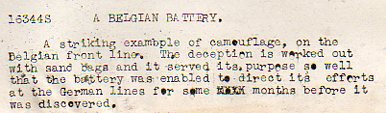
    In this photograph (available at our blog bookstore), the camouflage is more a more futuristic conception of art than the abstract and cubist approaches that were taken during the war, this looking more like assemblages of found material more than anything else.  And, according to the text that accompanied the photograph (which comes from 1918, from the Underwood & Underwood news photo service agency), the camouflage–empty sandbags thrown on a barbed wire fence) successfully concealed a gunnery emplacement for months on end. 

    World War I photos--Camouflage det292

    Notes

    1. A fine bibliography on camouflage appears here, at Leonardo Online.

    The definition of “camouflage” from the Oxford English Dictionary shows that it is a young word, in English:

    (n) The disguising of any objects used in war, such as camps, guns, ships, by means of paint, smoke-screens, shrubbery, etc., in such a way as to conceal it from the enemy; also, the disguise used in this way; freq. attrib.

    1917    Daily Mail 25 May 4/4   The act of hiding anything from your enemy is termed ‘camouflage’.
    1917    Daily Mail 16 July 5/3   The King paid a visit to what is called a camouflage factory.
    1922    C. E. Montague Disenchantment viii. 108   A French aerodrome across which the French camouflage painters had simply painted a great white high-road.

  • Forests in the Trenches: Axe Men Soldiers, 1918

    JF Ptak Science Books   Post 1305

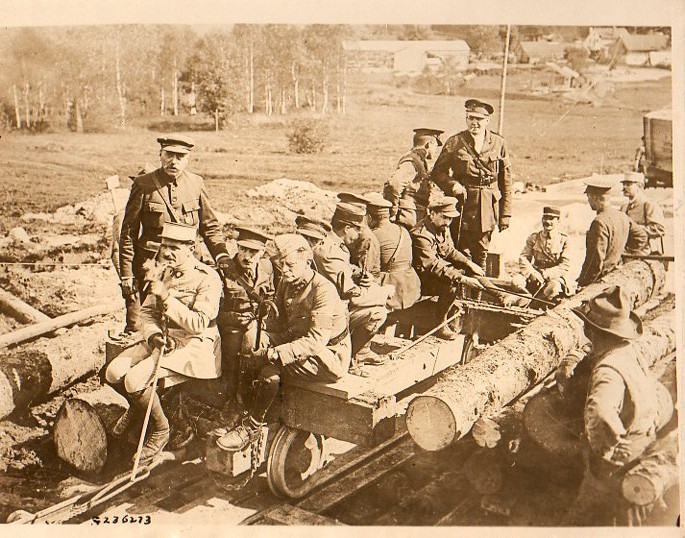
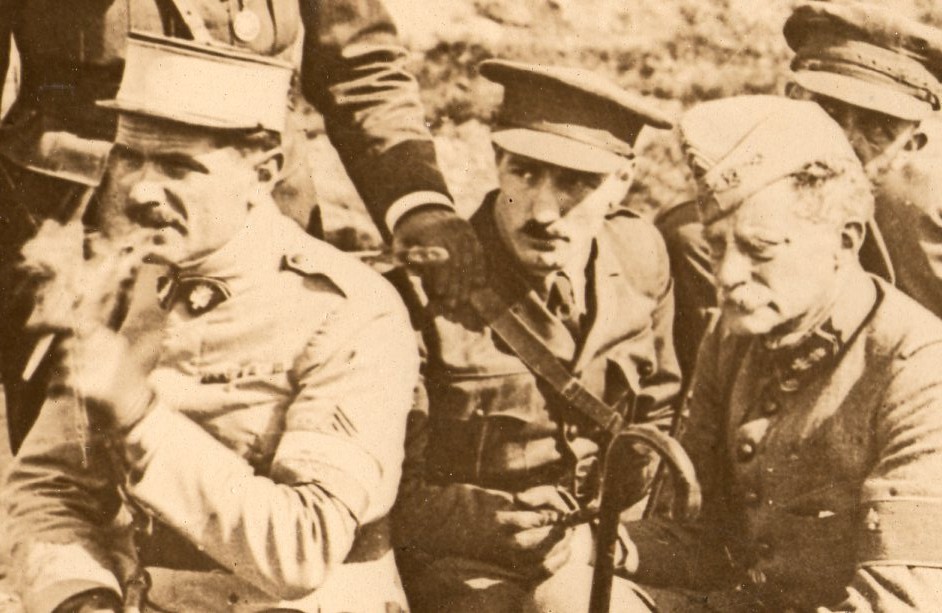
    One thing that I haven’t thought about–among many–is how the lumber for lining WWI trenches was provided.  This issue came about while looking at this World War I news photo service image (by Underwood & Underwood), an image showing a group of journalists accompanying a troop of Canadian soldier lumbermen, all riding on top of felled trees loaded onto railroad cars, the lumber headed towards the Front.  When you think about battles along the many fronts during the war, you don’t think about all of the missing trees, some large percentage of which wound up being utterly splintered during the first stages of battle.  So the lumber needed to keep the sides of the trenches intact must’ve come from somewhere, somewhere else. 

    World War I photos-=axe men295
     [The original photo is available from our blog bookstore, here.]

    World War I photos-=axe men b296
    Given that there were something on the order of 12,000-25,000 miles of trenches for the war (a figure taken from the PBS site on the Great War)–that would mean that there were many miles of trees needed to shore up the ditches.  This is just another one of those infrequently considered indicators of how massive the supporting efforts to the supporting efforts ( and etc.) of the war effort was on each side–that there was a corps necessary as a provider for the construction of the walls of trenches is staggering, especially when you consider the amount of lumber that was necesary to do the job. 

    ·Posted by :

    ·in:

    — —

  • Blank, Missing & Empty Things: German Soldiers, November 1918

    JF Ptak Science Books   Post 1305

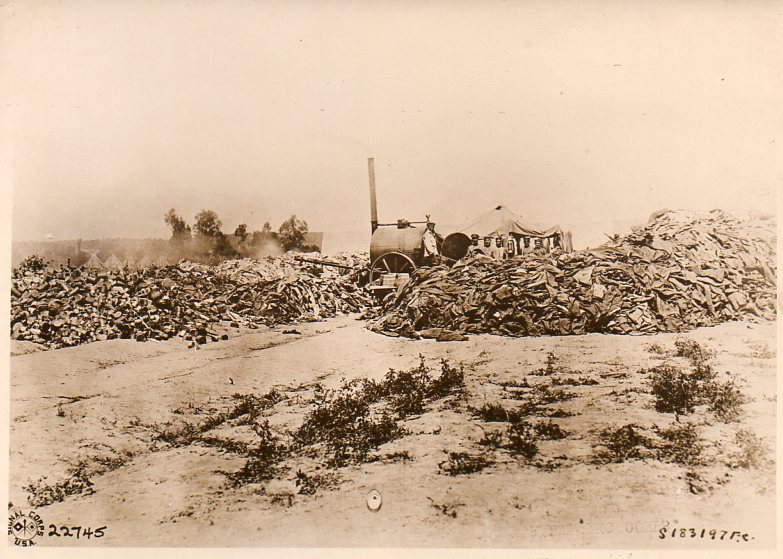
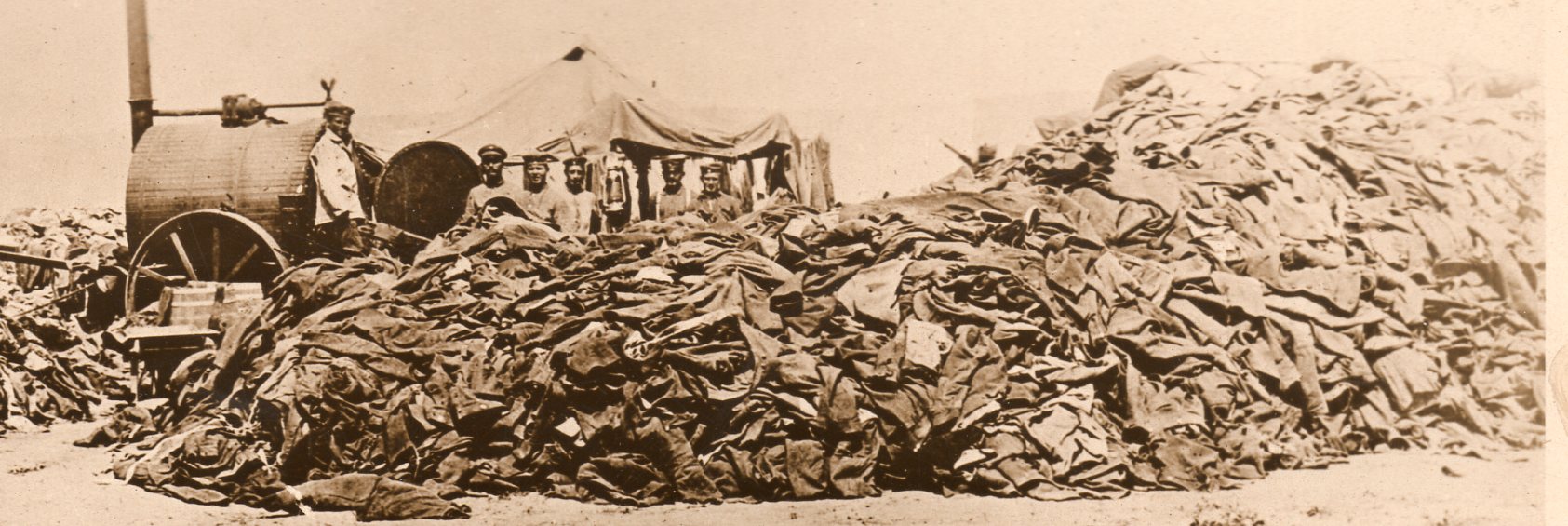
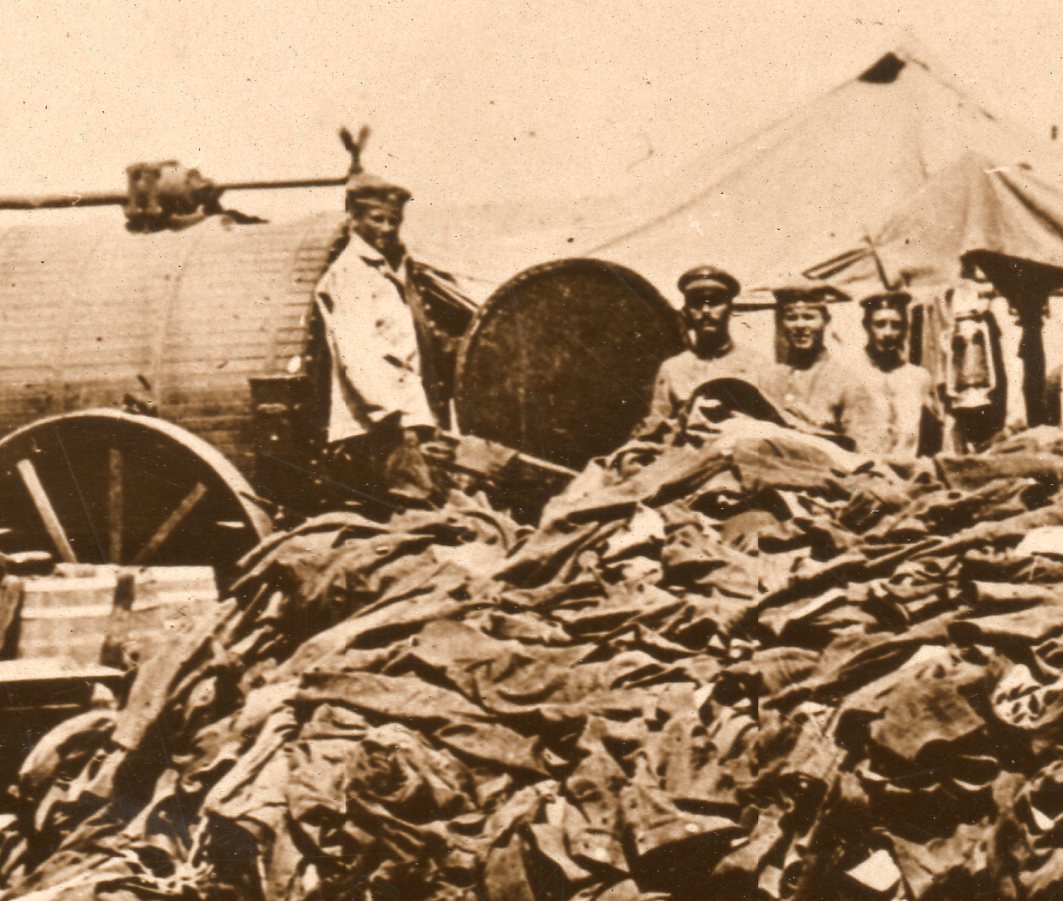
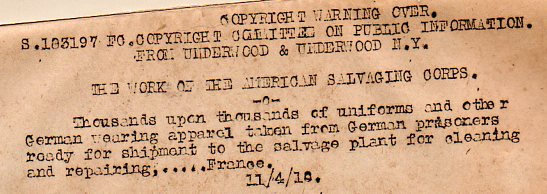
    This remarkable photograph is part of an archive of World War I Underwood & Underwood News Photo Service photographs I purchased many years ago.  It shows a pile of German soldiers’ uniforms–thousands of them–taken from German prisoners, the clothing headed for “cleaning and repair”. 

    World War I photos--empty uniforms287

    [This photo, along with mnay others, is available for purchase from our blog bookstore.]

    I didn’t know before this that the uniforms were repaired–I can imagine the cleaning part, since the prisoners must wear something, and deep into the fifth year of the war it seems hardly the case that they would be given anything at all to wear except for what they were captured in. the cleaning part sounds logical too, especially as the cleaning was being done by the prisoners themselves (pictured here).  Clean clothing makes for more sanitary conditions in mass compounds for thousands of prisoners, and lowers cost for the health maintenance for the prisoners in the short and long run.  And so far as repairing goes:  attached buttons make for closed coats; closed coats allow prisoners to have a better chance at staying healthy in the coming cold months. Just ask Napoleon about the cost of thread on the buttons of his army’s overcoats in the march towards Moscow.  (The thread that wasn’t used cost very little; the cheaper thread that was used cost everything.)

    And the detail:
    World War I photos--empty uniforms det288
    And closer still:

    World War I photos--empty uniforms detb290
    And the text that was provided by the photo service company to be used along with the photo wen (or if) it was published. 

    World War I photos--empty uniforms txt289

    The cleaning and repairing went on, the prisoners kept coming in–even for those involved, the scent of the end of the war was in the air, though I doubt that the majority felt that it was only a week away. 


  • Reverse Autopsies of Stick Women–Blank and Empty Art Anatomy, 1941

    JF Ptak Science Books   Post 1304

    Part of our Blank, Missing and Empty series.

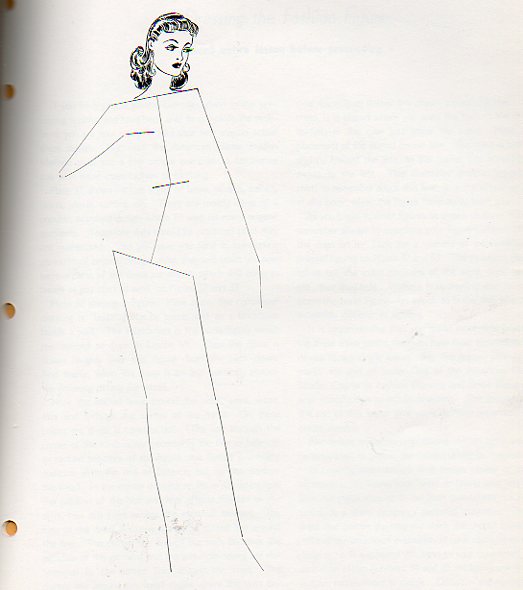
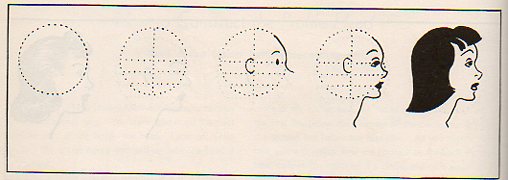
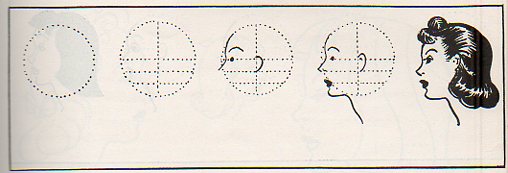
    Coming on the heels of my posts of autopsies of snowmen and donuts comes this semi-remarkable pamphlet (available for purchase here), published by  American Home Studies (of 1700 Eye Street, NW, Washington D.C.1), displaying very restricted instructions on anatomy for art students.  The drawings really work better in reverse, I think, because you really can’t get to the final product from the illustrated series in its how-to sequencing unless you already were finished.

    Blank women--anatomy art full286

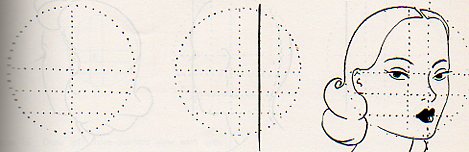
    What happens throughout this pamphlet is what we see below–draw a circle, then divide it by drawing lines over imaginary bones, pop in some eyes and lips, and then fill in the rest.  Not too very helpful.  This is especially so when we look at the image above, which the student was supposed to simply cover with clothing after having added the head.  If this was an animated figure, I think I  would find it disturbingly creepy.

    Things become clear by the time you reach the end of the pamphlet, when you are told that you can detach any page from the work and send it to the D.C. address for correction and advice, for a dollar a page.  That’s when the real education occurs. (Many others have done this–the two guys responsible for creating Superman started out selling their services in just this how-to way.)

    Blank women--anatomy art profile284
     
    Blank women--anatomy art profile283

    Blank women--anatomy art profile285


    But I guess as a sort-of artist one would need to have something else going on for themselves so far as business goes, because its painfully clear that the maker of this pamphlet had special but very limited talent. I think that the faces given to these women are drawn by someone who does not like them, given their emotional range and all:  peevish, dull, bored, haughty, disinterested and, well, dead. 

    Notes

    1.  The building at 1700 I is gone now, replaced by another building of the many nameless buildings that create the corridors of I and K streets.  1700 I is basically right across the street from Farragut Square, and only a few blocks from Lafayette, which is across the street from the White House. Nice location.


  • The Lost Memories of Things in the Way of the Horizon–Ugly Roads, 1922

    JF Ptak Science Books   Post 1303

    “There’s nothing so perfect as imperfection.”–Somebody.

    “The great unconquerables in the geography of human thoughts and ideas are the bad ones.”–Nobody.

    Bad ideas don’t so much go away as they get recycled. They can be replaced by good ideas or bad, but the ”original” bad ideas seem to linger on and on.  They are perhaps the indomitable inheritance of society, real and imagined.   

    Bad human-produced landscapes are an outgrowth of bad ideas, calamities large and small that come and go, the old replaced by something new that is good or bad or indifferent. With the landscape, the original landscape itself–apart from the idea that brought it about–is generally lost forever once it has been replaced.  There is no Bad Idea Spirit that brings it back whole again, unlike the generic Bad Idea, which can live on and on, unencumbered by history, like a Greek play or some deeper mythology.

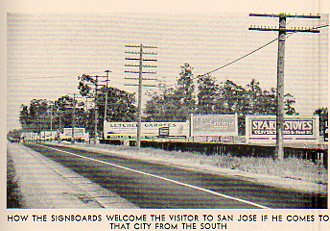
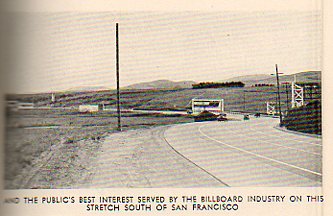
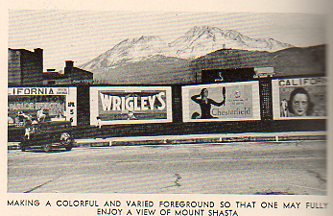
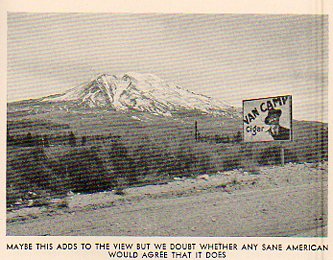
    Roadside billboards 273 Theoretically society is supposed to learn from recognized bad ideas, so as to not repeat them etc., which is one reason why we keep track of them, in the vain hope that someday someone somewhere in the history of our future will kill particular bad ideas off one by one. 

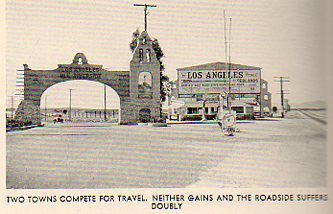
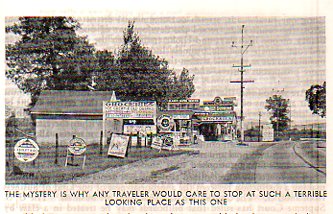
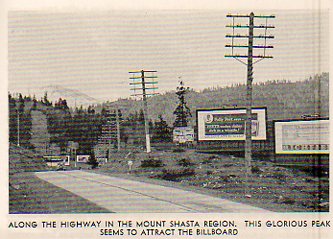
    Roadside billboards 274 In the meantime we can dwell on what we have, though with the removed bad idea landscape, it is more difficult.  That’s why it is important every now and then to familiarize ourselves with them when the opportunity arises, which is just what happened with this innocuous-sounding pamphlet, The Roadsides of California, a Survey1 (1922, and available for purchase at our blog bookstore)  Its not like it’s Pandora’s box–we can open this one and just a few, limited baddies come out, and fall limply to the floor.  But what we see is interesting, a slice of our memory of the horizon–a part of our “progress” that we’ve tried to excise–and what we can see now are the removed and forgotten things. 
    Roadside billboards 275 Roadside billboards 276

    Roadside billboards 278
    Roadside billboards 280 Roadside billboards 281 Notes

    1. This is actually an interesting pamphlet, an early attempt at removing the quickly generated ugliness that was cluttering new roads for the explosion of automobile travelers.  As quickly as cars were made in the new decade of the automobile, billboards and roadside attractions followed.  This pamphlet identified this phenomenon as a problem.


  • An Unexpected “Discovery” in Correspondence to Santa, 1871

    JF Ptak Science Books

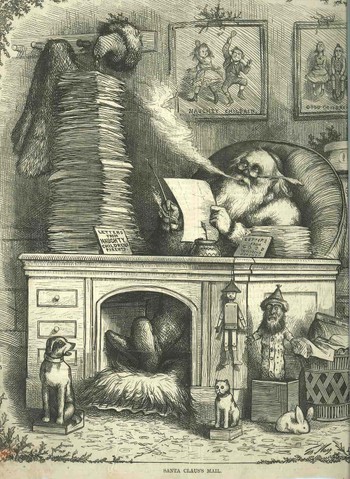
    Blogsanta121 I do love Santa. 

    And I know a little about him; but when I looked closely at this wood engraving of the man hard at work something struck me as very unusual to my Santa experience.

    The image is from 31 December 1871–coming after Christmas for some reason–and it is one of the very earliest depictions of the most universally recognized form of Santa. It was created (his image that is,  of course) by the incredibly prolific and almost-entirely socially responsible (except for Catholics and the Irish) Thomas Nast.  Nast created this standard, iconic image of Santa–plus the Republican elephant, the Democratic donkey, the Tammany tiger, and many more iconic public images. 

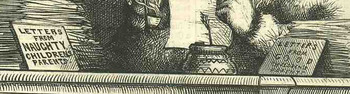
    In fairly famous and often used images I had never noticed that the letters that Santa is reading are being taken from the piles on his desk–but the letters are not written by children, but rather were sent by the parents.

    Is this end-of-the-year grading? Were the “naughty” children being ratted out by their parents?  Does Santa really need to be told all of this?  And who on earth really is deserving of a lump of coal, anyway?  I’m guessing though that this was simply a warning cartoon to children, saying to them that they’d better well be good or a letter will be going out from Mom and Dad to Santa in the afternoon mail

    This might make more make more sense if the cartoon wasn’t published five days after Christmas but appeared before the holiday. Perhaps it is perfectly placed–tis would’ve been the first issue of the weekly magazine after the holiday, so reminding children to be good after a Christmas in which they might not have received what they wanted may have been caused by their behavior.  And since part of Nast’s social power came from depicting events that were of interest to the working class and the poor and making them intelligible to the illiterate, where the cartoon/caricature could speak without words and make themselves understood, it might’ve been the case where parents would show the image of Santa to the kids and then tell them about the letter part to try and codify a different behavior in the new-coming-Christmas season. 

    Blogsanta121detail

    These questions aside, the lesson yet again for me is to look very closely when looking at complex images like this—especially when you think that you already know what you’re looking at…


  • Yes, Franklin, There IS a Santa Claus. The Franklin D. Roosevelt/Santa Claus Connection

    JF Ptak Science Books   Post 1302
      Santa claus FDR title270
    FDR may well have been among our greatest presidents–but a reader, well, he was not.  Doesn’t matter, not really. (Harry Hopkins, long an adviser to Roosevelt and who held numerous high-level positions in the Roosevelt administration, once said that he never saw FDR with a book, let alone reading one.)

    There is a presidential library for him, of course, but that doesn’t prove that the Great Man read very much.  Maybe he just didn’t need to for the job. (That has been proved true in recent times though with a different outcome at the end of the presidency.)

    Santa claus FDR sig272
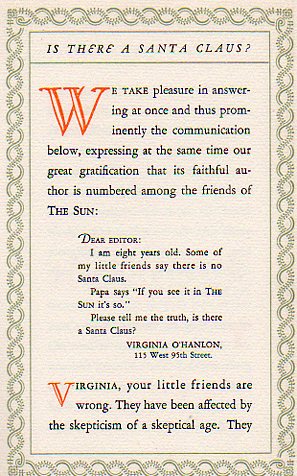
    And frankly I don’t care if Roosevelt read anything more than L’Il Abner.  But I do know for a fact that he did come into contact with a great piece of American social history in this famous story of a  girl named Virginia O’Hanlon (1889-1971) who wrote to the editor of the New York Evening Sun in 1897, asking “Is There a Santa Claus?” (Her father prompted her to write, stating that if one saw a positive response in the pages of The Sun, then it absolutely must be so.)

    Santa claus FDR 1st pg271 And of course there is a Santa Claus, and so wrote the editor. (See here for the full text of the response, and also about the man who wrote it–a nice story of a man who rose to the occasion after the assignment got batted around a bit.)

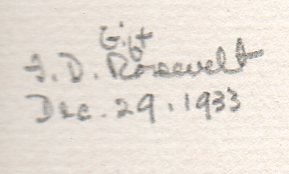
    The telling of the story in the book that I have here, an almost-fancy and semi-sumptuous little affair, was once owned by FDR.  It was no doubt sent to the new president from the publisher in December 1933.  Satisfied with the story and needing no further help with his own belief on the matter, Roosevelt sent his copy on to the good folks at the Library of Congress, and after six decades there, came to me. 

    For what is it worth, I think that FDR knew there was a Santa, and that was that.