A Daily History of Holes, Dots, Lines, Science, History, Math, Physics, Art, the Unintentional Absurd, Architecture, Maps, Data Visualization, Blank and Missing Things, and so on. |1.6 million words, 7500 images, 4.9 million hits| Press & appearances in The Times, Le Figaro, Mensa, The Economist, The Guardian, Discovery News, Slate, Le Monde, Sci American Blogs, Le Pont, and many other places… 5000+ total posts since 2008.

Author: JF Ptak

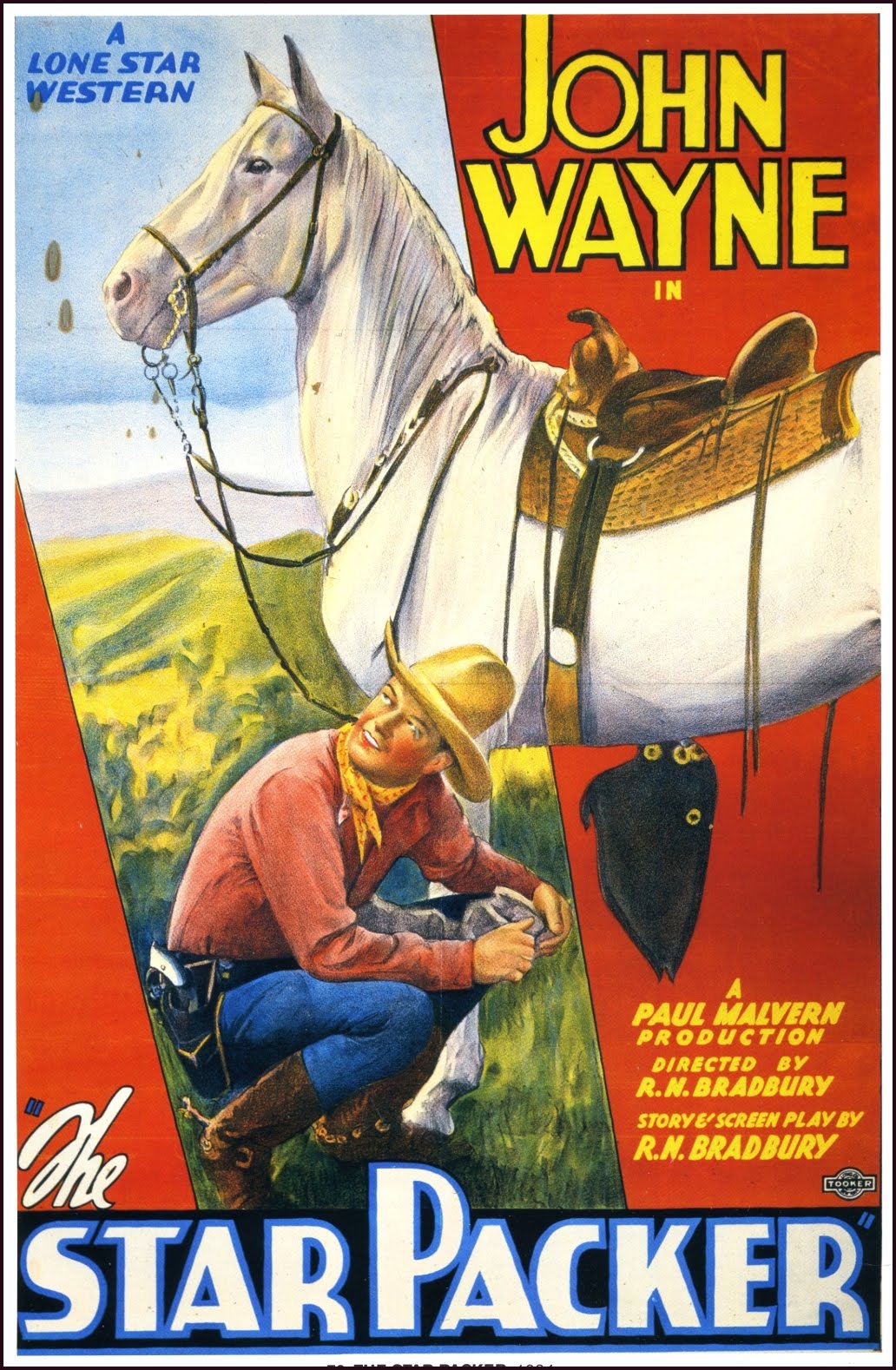
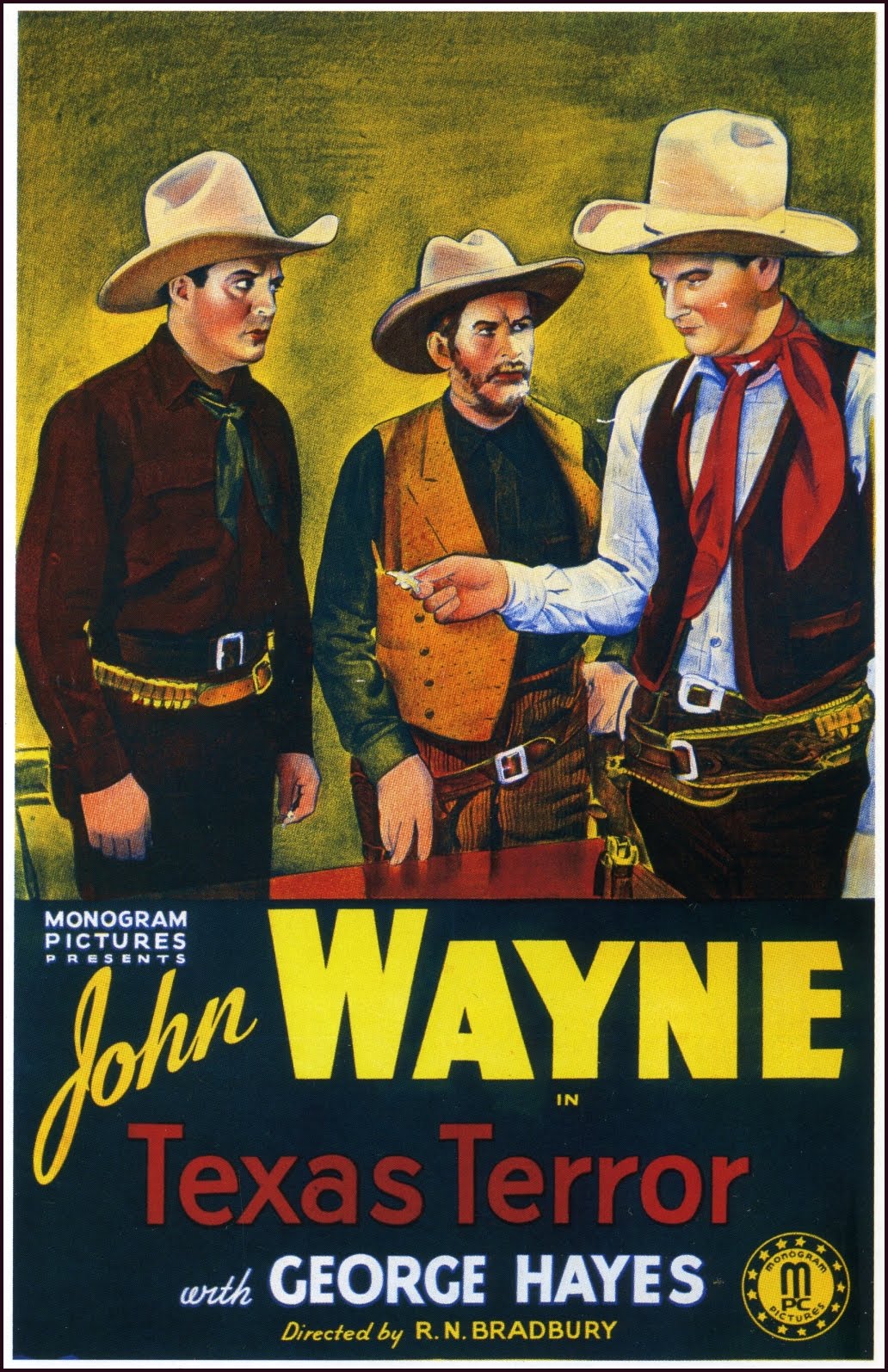
  • The Emptiness of John Wayne Movie Posters

    JF Ptak Science Books  Quick Post to the Blank, Empty & Missing Things series

    I don’t know that I’ll ever really have the cultural appreciation of why or how movie posters (like those below) were able to attract people to come and see the movie.  They look like, well, like nothing.  They’re lovely, in their own way, but to me they do little to excite the imagination of what the movie might be about, unless of course all the movies were about the same thing, and since the star of all of them was John Wayne, maybe that’s all people needed to know.

    Honestly, now–how exciting and/or revealing is this?

    Or this?

    Ditto:

    And ?:

    I guess it was all John Wayne.

    Many more below:


  • Hangman–the Game and the Not-Game

    JF Ptak Science Books  Post 1507

    “Ring around the rosy, a pocketful of posies, Ashes, ashes, we all fall down”

     In the history of killing in the United States, the segment that is most documented and recorded is the killing done by the Colonial governments and by the representatives of the United States federal and state institutions.  Since 1608 when the first person (brought to North America from Europe) was executed there have been some 20,000 executions.  The earliest part of this procedure was accomplished by crushing, breaking on the wheel, firing squad, and bludgeoning, and then occasionally by burning at the stake (the last of these unfortunates perishing in 1825 in this manner).  In the modern era, most executions were accomplished by hanging, and then the electric chair, though now almost all executions are done by lethal injection.  People are executed now mainly for committing crimes of  aggravated murder and, occasionally, for felony murder.  Earlier on, people were done in for far less: arson, burglary, criminal assault, conspiracy to commit murder, counterfeiting, desertion, espionage, robbery, theft, train robbing and witchcraft all had their day, though most of these offenses ceased being capital punishment cases long ago. 

    Hanging hung on, so to speak, for a long time, and became part of our culture, to one degree or another–so much so that it became a part of a toy and game for children:  the game “Hangman”.  In this game a player would be given x-chances to determine a hidden word; each miss of a letter would result in adding a feature to an already-drawn gallows; after adding the head, torso, arms, legs, feet, hat or whatever without resolution of the hidden word, the player would be hanged,  dead.  A weird game, and something that I’ve played many times, without really thinking about the consequences. 

    Its a little similar to the old nursery rhyme (above), which may or may not come from the plague years in England (1664/5), the words referring to the marks around the red spots appearing on the bodies of the infected; the posies being a sweet smelling bit that was supposed to ward off the disease which was believed to be brought on by breathing bad smells; and the ashes, of course, are our own at death. 

    Somehow these things enter our heads without any real connection to the real thing, and we pass it down to our kids.  Its a small bit, I think, but I don’t think we’ll be using a gallows to play our next hidden-word game. 

    This is what started this post: a 1977 Patent Office report on a 3-D gallows to be used with the word guessing game.  Drawing the figure out is bad enough; having the gallows, complete with an articulated victim, is, well, another matter entirely. 

    “A hangman game comprising: a miniature three dimensional gallows having a platform including an operable trap door and a noose pendently suspended over the trap door; component means for constructing a representation of a human figure to be suspended from said noose, said component means including separate head, torso, arm and leg components; said components carrying mutually engageable magnetic buttons for removably engaging said components to each other to construct said representation in steps starting with said head component; said head component being proportioned to be carried in said noose.”

    Here’s another, and more recent, example, though this one is digitally displayed:

    This last example from 1976 does away with the gallows but keeps the articulated condemned, while adding a rather complex electrical board for the guessing part. 

    Then there’s the real thing. 

    The next patent drawing offers a novel idea–turning the gallows into a strangulation machine.  This patent specifically attempts to prevent the neck of the convicted from being broken, the machine instead raising the person slowly, so that they suffocate under their own weight.  The thing about the old-time executioners was to do their jobs cleanly, efficiently, and without any unnecessary struggles to the condemned.  That said, it was the aim of most of them–at least for the public executions in England, the only parts of this gory history that I’ve read about–to kill the condemned by snapping the neck without ripping off the head or tearing open the neck, so that the person is basically dead as soon as he or she makes the drop.  The only thing left there in the body would be a beating heart, or so that is what the executioners aimed for. 


    Here’s another gallows changed into a strangulation contrivance of great complexity:

    This one was designed so that there would be no stairs to climb, the condemned being strangled to death by raising the roof to which the neck was attached.  Also in this way no one touches the condemned, making it a hands-off approach to an excruciating act of vengeance and punishment. 
    

    ·Posted by :

    ·in:


  • Questionable Quidity: Swimming Pool Atomic Bomb Shelter -with- Nuclear Weapons Explosion Direction Finder.

    JF Ptak Science Books   Post 1506

    Part of the long series on Atomic and Nuclear Weapons

    At first this patent sounded somewhat reasonable–assuming that you were going to build an in-ground pool, and assuming that you thought that the Soviets were going to be bombing soon, and assuming that you weren’t living in an area of the United States that would be pulverized by thousands of megatons of nuclear explosives, then it might actually make sense to build this thing.  At the very least, if you lived in Tornado Alley, the bomb shelter could be very useful in non-bomb but tornado-threatening scenarios.  Of course, you wouldn’t have to build anything so substantial (with a pool attached) to survive a tornado attack, but if Uncle was in the cement business, you might as well. 

    This next bit might not really belong in the Questionable Quidities department, as it doe shave some real utility for the survivors of nuclear holocaust.  After the explosions are done, and after the firestorms have burned themselves out because there’s nothing left to combust and, well, also because the “local” oxygen in the vicinity of the intense fires has been used up, after people have determined that they have survived, it would be important to know from which direction the blast came.  If you know the direction of the explosion, and some of the atmospheric conditions at the time of the blast and immediately following, and had some tech equipment,and medical stuff, you might be able to figure out the coming effects of the attack. What you do with that, I’m not so sure. 

    Another major conditional here is that there was only one blast. If the place that was being bombed was worthy of one warhead, it was worthy of more, usually; so the collapsable sphere might be bent in from all directions, if there were two or three blasts, which means I guess that the thing wasn’t worth installing to begin with.  ALso, if you’re in a vicinity that could require one of these buggers and you were just the recipient of, say, 200 megatons of explosions, and survived the blast, you could probably just reach for your KYAG Handbook to see how many hours you had left on the planet. 

    Then again this really wasn’t meant as a civilian app. 

    Another


  • A History of Blank, Empty and Missing Things, Part 75: Attracting Kisses and Repelling Sharks

    JF Ptak Science Books       Quick Post

    Part of a long series on Blank, Empty and Missing Things, here.

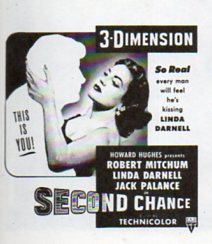
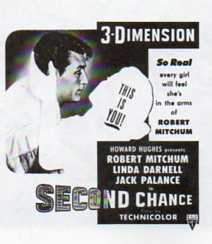
    It was necessary to just upload these images as quickly as possible, otherwise they’d’ve been lost in the gurgle and crush of other images–they’re excellent additions to one of this blogs longest series of posts (Blank, Empty and Missing Things).  The first image is a drawing from a (recent!) Patent Office report for a shark repellent suit–I guess most folks would think of chemicals or something along those lines, but this patent reached back into time’s dusty bins to retrieve this retro-Medieval inside-out Iron Maiden suit. Seems to me that there’s not a lot of room for a tank on this. 

    I particularly like the following images as they make room for both sexes to fill the arms of the filled-in person.  The 3-D experience was supposed to make you feel as though you “were there”. and maybe in 1953 (or whatever) it was the closest thing to an exterior virtual reality that there was. 

    3-d522

    And this:

      3-d523


  • German Art Between the Wars

    JF Ptak Science Books  Quick Post

    As it turns out there is a low-level significant assembly of published German art and book covers here in the Rancho Deluxe–its not a collection because that would imply too much order; it is barely an assembly.  There’s just a lot of it here, segregated, because I liked whatever it was/is.

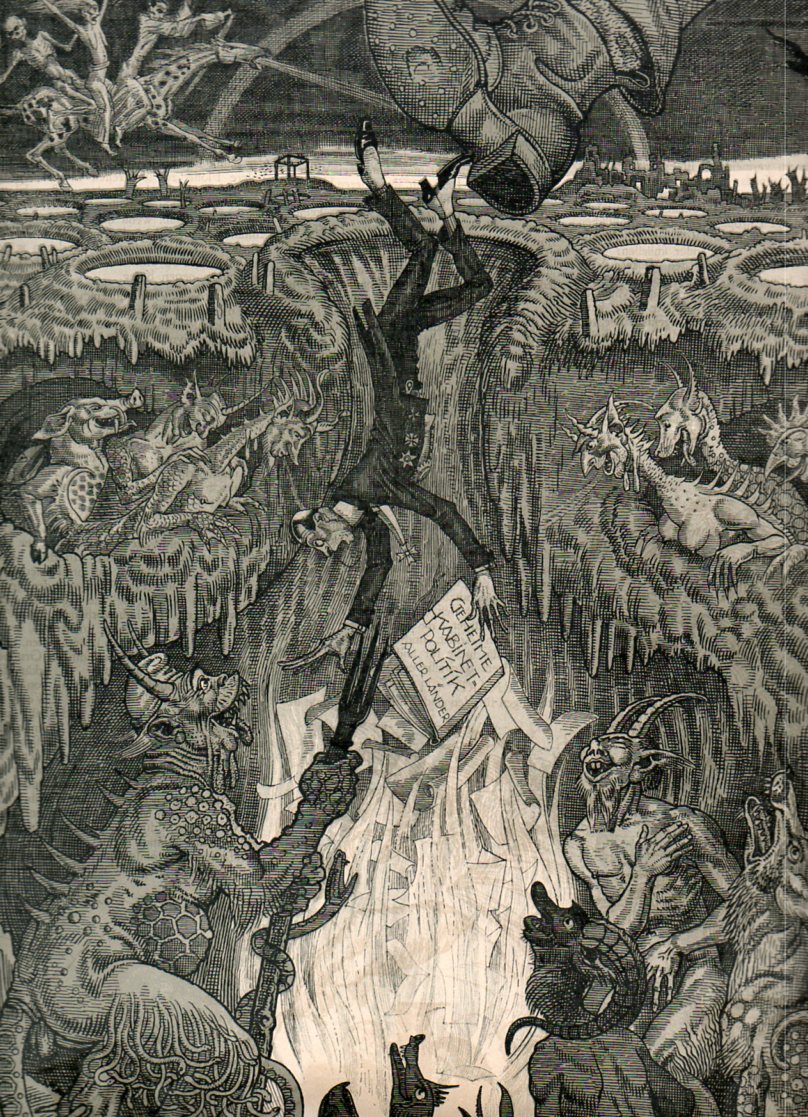
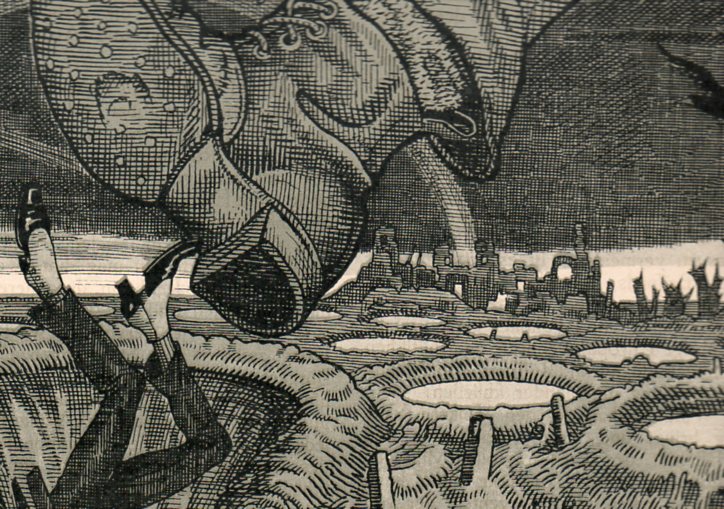
    These are some examples of a life-underground, or underground actions, that appeared in the pages of the great illustrated newspaper, the Illustrirte Zeitung.

    German between th ewaqrs526
    The first is by Willi Munch(-khe), a Jugendstil artist (1885-1961), a very expressive, and dark, interpretation of what should be done with German politicians in the ripe days following the end of WWI.  This image, published aorund 1922/23, shows a decorated and fancy spats-wearing politician being booted into the hole of hell.  The book he is carrying (Geheme Kabinet-Politik Aller Landes/Secret Political Rules of Our Country or thereabouts), seems to be broken, its pages spilling out to feed the fires of the nasty inferno, lighting and heating the way for the failing pol as the devils and monsters await his arrival, much to the controlled agreement of the monster-y spectators in the hell galleries. 

    German between th ewaqrs527

    We can guess why the man/symbol is being sent to the ring of fire–the tattered, worn, hobnailed boot with the old patched pants above, the myriad of tombstones, the water-filled bomb craters,m the completely shattered trees, the bombed out cities, and of course the witches and death riding a speckled fire-breathing horse in a dark sky, pretty much round out the picture of “why”.  Several years after the end of the war and into a problematic realm of the democratic Weimar Republic, and just freshly into the hyperinflation that wiped out whatever the middle class had managed to save (banknote denominations climbing to literally astronomical levels, reaching 1×10¹⁴), there was a lot to complain about. 

    ·Posted by :

    ·in:

    — —

  • Newton and his 351st Trinity Anniversary: a Note on Ending his Research in Alchemy.

    JF Ptak Science Books  Post 1505

    http://www.rebeccastott.co.uk/webimages/trinity.jpg

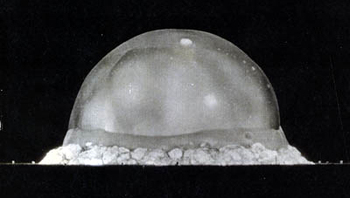
    I’ve made a number of posts on this blog regarding the anniversaries of the Trinity atomic test explosion on 16 July 1945, out there in the desert–actually in the Jornada del Muerto, the Journey of the Dead Man/Dead Man’s Walk, near Socorro,  New Mexico.  Its a bad piece of land if you wanted to cross it, especially if you went north-to-south, a hundred mile bit of an unrelenting waterless world.

    But that’s not the Trinity I want to talk about now–today’s Trinity is about as far removed from the flat piece of dry New Mexican earth as you can get, being the beautifully maintained Renaissance grasses of Trinity College at Cambridge. The call to this Trinity, today, is in observation of the 351st anniversary of the arrival of Issac Newton (1642-1727) at that college.  1660 is not an auspicious year in Newton’s history, necessarily, but it is the beginning–Newton’s enormous years would come in just a little bit, getting well underway during the Plague Years in 1665/1666, when he left the school to ride out the nasties in his native Woolsthorpe1.

    Myk favorite image of Trinity is the one above, printed not too long after Newton’s return2, and after he had set up his own alchemy lab in a lean-to shack against the wall of the school (slightly visible here in the lower right corner.). Newton’s decades-long run in the alchemy turnstile is well known, but what I’d like to know is why he gave it up.

    My feeling is that Newton believed he was missing a big something in his way of looking at and understnanding, expressing, the world.  I think that he recognized the failing of physics and math to explain the vitalism (in the alchemical sense) of the world, and that alchemy might provide it.  Thinking that this vital agent was in a way divine, in a way a product of divine interaction and participation, Newton may have used  alchemy in the hopes that this area of study .would get him closer to that cause of all spontaneous processes that would explain all of the varieties and vagaries of living stuff.  He might have viewed this creative process in the Old Testament sense of god using light at the beginning of the world, activity life in nothingness; Newton may have actually thought of this process as alchemical in nature.

    There has been much written on Newton and alchemy, and I  know almost nothing about it. Knowing the anniversary was upon us, and seeing the print of Trinity, and seeing again that little shack where Newton spent so much concentrated effort, all conspired to make me think about what led Newton to give it all up.  He stopped just as he was leaving the school for London to become director of the Mint, undertaking a big change in his life.  His superhuman insight was about done by this point, even though his Optics would come a little later on, in 1704–most of that work was already completed, with Newton waiting, perhaps, for any troubles that he felt he was going to have upon the book’s publication to fade away.  And in this case, the problematic part did fade away, into dust, with the death of his long-worn enemy, Robert Hooke, in 1703.  And its not that Newton faded away over the next few decades, he was still an exceptional powerhouse of an intellect to the very last, molding the new Scientific Revolution from his position as president of the Royal Society.  And hen there was the oversight of the Mint.

    But he pretty much gave up alchemy around 1697, and that, as they say, was that.  I wonder what it was that he found or didn’t find; whatever it was, it wasn’t among the million or so very chosen/careful/hidden/coded words in his (very) private (and not-intended-to-be-published) writings on the subject.  What was in that final dot at the end of the last recorded sentence on alchemy, I wonder?

    The other part of this print of Trinity that I so love is in the foreground, where the artist–or engraver–decided for whatever reason to include a tiny scene of two fighting/playing dogs.  Dogs and the shack, and the rest of the grandeur. 

    Notes:

    1. Newton graduated in 1665 without any particularly noted academic achievement.   Of the plague years, Newton wrote:  “All this was in the two plague years of 1665 and 1666, for in those days I was in my prime of age for invention, and minded mathematics and philosophy more than at any time since.”

    Newton returned to the school in 1667 and was made a (minor) fellow; he took his masters in 1668, and in 1669, by the appearance and promise of his great genius, Newton was named Lucasian professor, filling the seat of Isaac Barrow.  Newton was 27 years old. 

    “The more Newton’s theological and alchemical, chronological and mythological work is examined as a whole corpus, set by the side of his science, the more apparent it becomes that in his moments of grandeur he saw himself as the last of the interpreters of God’s will in actions, living on the fulfillment of times.”–F.E. Manuel, The Religion of Isaac Newton (1974).


  • Steampunk Baseball Patents, 1875-1910

    JF Ptak Science Books  Post 1504

     When I think of old-timey baseball, the images of roomy woolen uniforms, cigars-on-trains, daytime games, underpaid stars, heavy baseballs, and, um. “colorful” nicknames spring to mind. And back in there, eighty or a hundred years ago, baseball has had its minor league steampunk days, much like most other things: sporty adventures filled with outsized protective bits, simple things turned into fancy mega-geared complexities, over-the-top metal extrusions, steely encumbrances, and over-thought subtleties turned into under-thought necessaries.

    Take for example the following baseball glove from 1905.  The sport was four or five decades old at this point, yet there was a person, still, who came up with an idea for a baseball mitt so bad that it must’ve burnt the pen used to draw it.  Not only does the glove make it very difficult for the player to run, but also makes it rather difficult for anything else to happen, too.

    I’m not sure when the first batting practice cages appeared (much like I can never remember when the first pinstripes appeared, or the real year for the first players with numbers on their backs), but this one from 1909 seems rather early, and comes complete with derby-and-sports-coated pitcher:

    I do like this swinging apparatus, perhaps more for the idea of it, or the design, than anything else:

    And this is quite lovely:  a paper dispenser for home plate, so that the base could always be easily seen by all involved.  The paper was located underneath the base, and pulled across for new paper when dirty.  Why the umpire couldn’t just sweep it clean with their little umpire brushes like they do now, I don’t know:

    This series of diagrams for a night game lighting system (1904) are lovely things in themselves, particularly the second drawing (“figure 3”):

    \

    I have a sort spot for any sort of movable, paper calculator, calculating anything:  the gas mileage for a 1960 Rambler, air speed calculators for planes, effects of nuclear explosions, and of course a multi-disc baseball game schedule calculator (1909):

    This gorgeous beast was a heavy, wooden apparatus for a full-scale solitary baseball game, much like its predecessor table-top varieties, only bigger, much bigger:

    The full-scale environment above came with an automatic pitching device, seen below, a fantastic thing, and beautiful in its gear-y complexity:

    For some reason this glove reminds me of cake (1895):


    As much as I wanted this to be a full-size robo-pitcher, it wasn’t:  it is though a lovely little version of a pitching robot, a toy with what looks like real staying power:

    This is just a good idea, though it would be hard to store these things if you went to 20 or 30 games a year for a few decades:

    These are simply terrific drawings, though the glove looks very cumbersome (1895):


    Its interesting to see that in just a decade-and-a-half that the baseball glove is starting to look like something more modern:

    The proposal for bases with bells in them might’ve seemed helpful to the non-baseball-person inventor, but, well, it really wasn’t, but the idea gets a complete-and-total pass since it came a year before the Centennial:

    This is interesting to me as I can’t recall if I knew how long baseballs have been stitched in the same way, or how long the seams of the ball have been in the predictably same pattern from ballclub to ballclub–and I still don’t.  This is an 1876 proposal for a baseball ball covering, different from what we know–I don’t know much about the history of the ball itself:


  • DIY Do it Yourself Antique Baseball Games, 1883-1910

    JF Ptak Science Books    Post 1503

    Interested in some summer projects for the kids and their friends?  Try one of these–I’ve scooped them out of the U.S. Patent Office, and I think that a person could make any of the six games shown below with stuff from around the house (or thereabouts).  Some will take a little effort, but I think that everything is here–simply save the images and print them out as a template–and then away you go.  In each instance I have included the text from the original patent, describing how the game is to be played. Enjoy!

     Miniature Baseball Game, 1910

    ·Posted by :

    ·in:


  • Questionable Quidity and the Road to Achieving a Faster and More Productive Smoking-Related Disease

    JF Ptak Science Books  Quick Post

    Cigarette manufacturers–like anyone other entity in business–want their clients to consume as much product as possible.  Or buy their goods as often as possible.  With that in mind I’m a little surprised that the Big Five never adopted any of the ideas shown below, all helping the smoker to get at their next cigarette as quickly as possible. For example, in the event hat there were no ashtrays around, several people patented their notions for in-the-cigarette-pack ashtrays, so that no matter where a person was, they could always clicks their ash and stow their butts back in the pack.   Of course, I’m sure that the Makers determined almost instantly that this concern affects perhaps an immeasurable percentage of smokers; if someone wanted (read “needed”) a cig, and there was no ash tray, they can just, well, smoke their cigarette and not use an ash tray. Or go outside.  OR something.  Or perhaps the manufacturers recognized that they could actually sell the idea to some of their smokers, but then realized instantly that carrying around ciggie waste is not attractive and perhaps a stinking mess.  Or they recognized that–like Lee Iaccoca fighting seat belts because it made cars look “unsafe”–having  place to deposit cigarette waste right there with the cigarettes might send a message to the consumer that their product is messy and in the end very unattractive.  Best leave the unattractive bits in a tray somewhere else.  Or of course share the end product of smoking enjoyment with others by leaving it on the ground.

    Then of course to remind consumers how useful the process of smoking is, there were other inventions that combined the products of this act with some other highly useful enterprise, like this cigarette lighter/pencil sharpener with what might have been a whistle attachment:


    And if you found yourself needing/wanting a smoke but didn’t have a free hand, there was always the following device, which allowed the consumer to smoke their stuff through a tube:

    Speaking to the humility of smokers was this device that allowed the user to extinguish their smoking product automatically, no matter what the size of the burning member, reminding the user that if they wanted to actually stop, they could:


    Again, another extension of the art of cigarette smoking and how useful smoking implements can be–the cigarette lighter with built-in flashlight:

    Cigarette lighter with built-in extinguisher:


    Pen with built-in cigarette lighter (1977):

    And another example of a very complicated instrument for extinguishing a cigarette, sending a message with I-don’t-know-what undertones:

    These are just some of the many glorious appendages to smoking and making it easier–many more can be found at the U.S. Patent Office, like all of the examples above. 


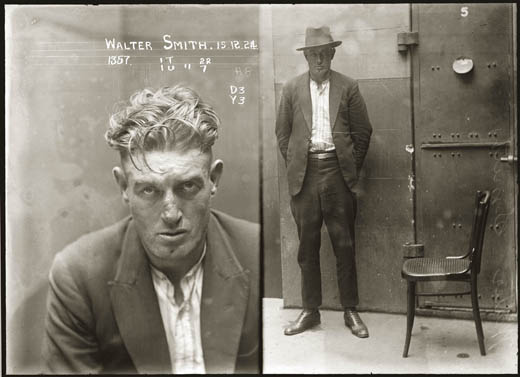
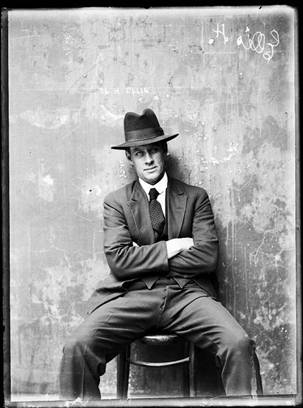
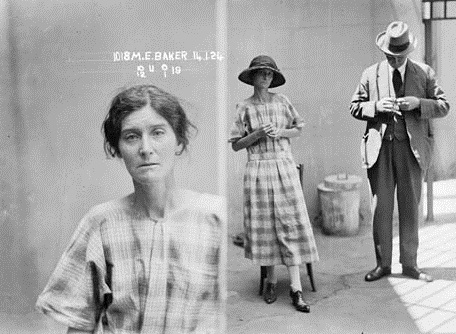
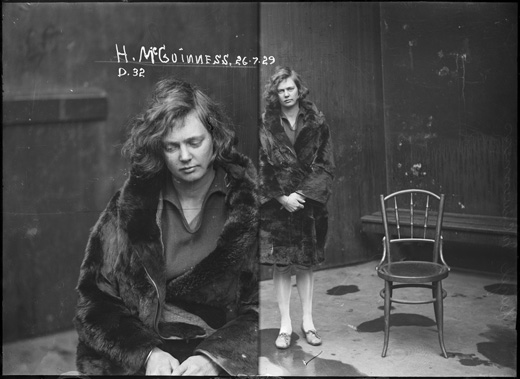
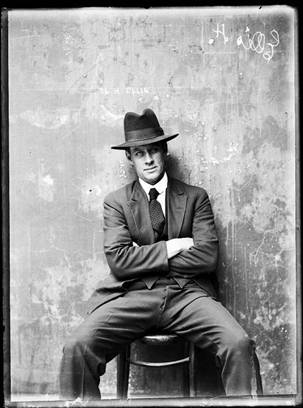
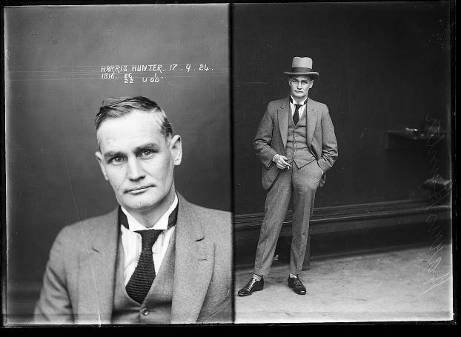
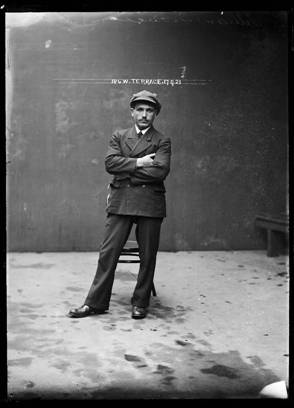
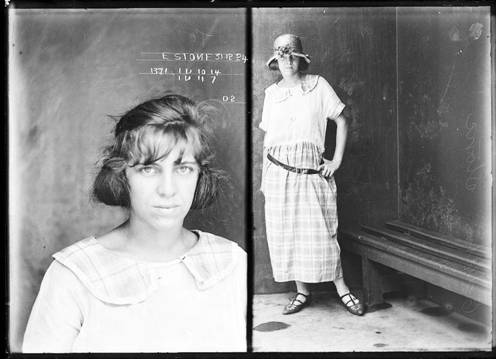
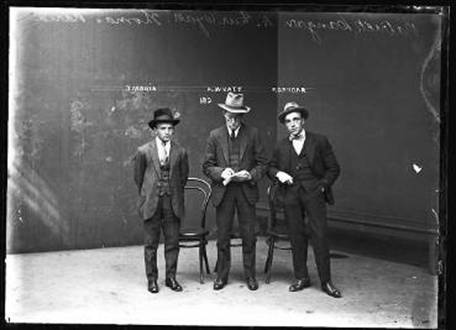
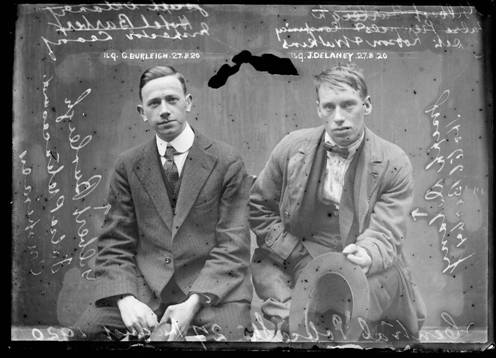
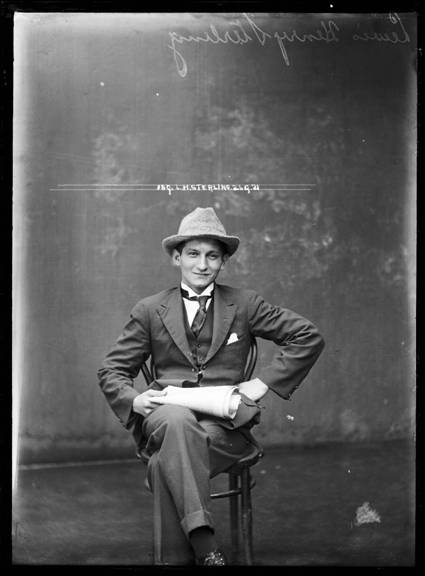
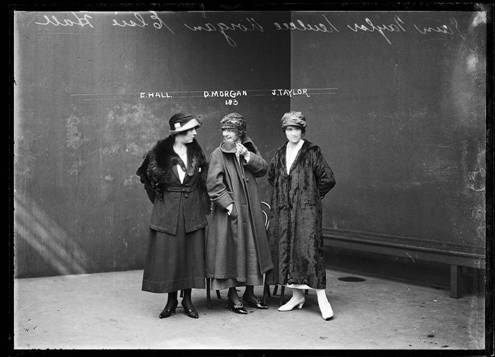
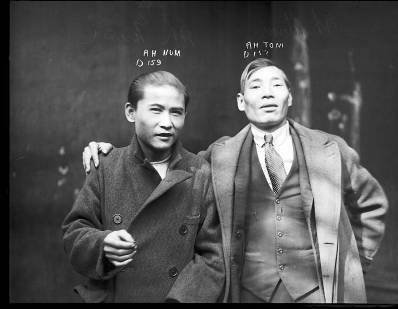
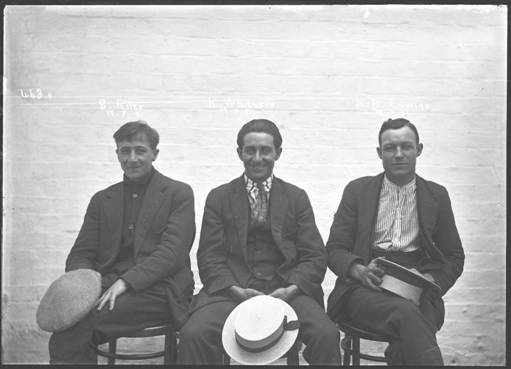
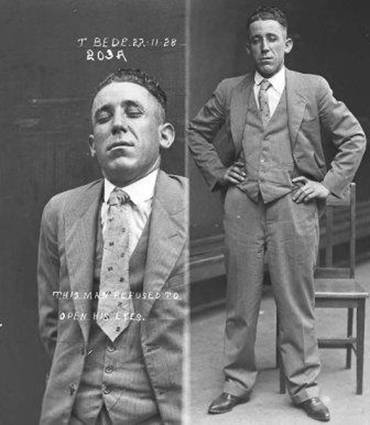
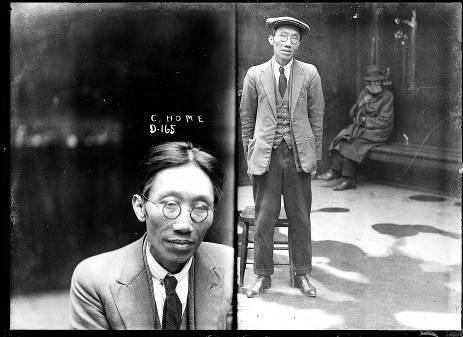
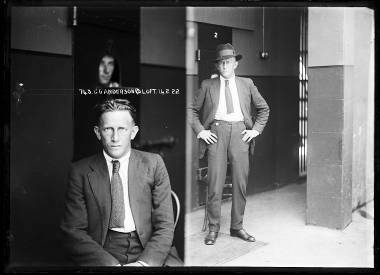
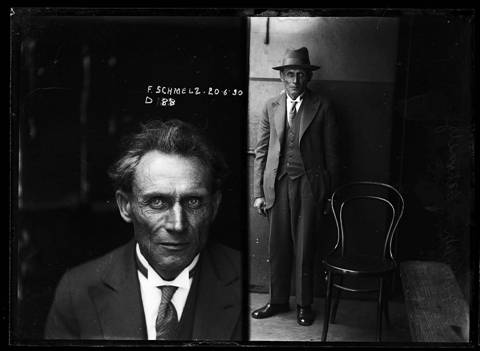
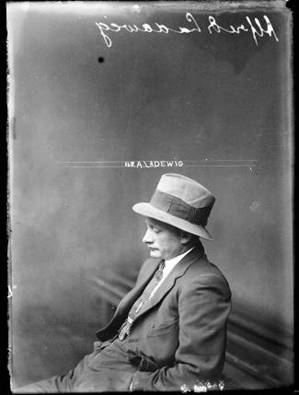
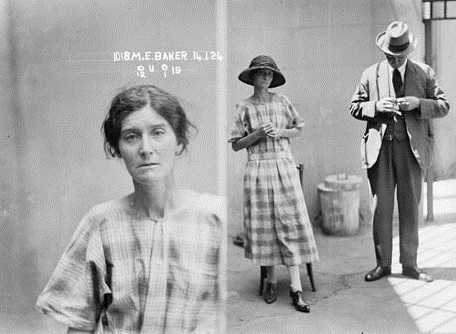
  • Picturing Naive-Disturbia: the Spectacular Loneliness of Australian Mug Shots

    JF Ptak Science Books   Quick Post

    For a thorough discussion of the series see the excellent article “Public eye, private eye: Sydney police mug shots, 1912-1930”, by Peter Doyle, in  Scan Journal (vol 2 number 3 December 2005)

      Australian mug shots

     Australian mug shots 1

    23

    11

    Aussie mug shot 2

     
    Aussie mug shot 2b

    Early-sydney-mug-shots-4

    4

     6

      Early-sydney-mug-shots-21

    10

    12

    13

    14


    Then there are photos like this, below, where the annotations become part of the art of the image:


    15


    16


    17


    18


    19


    20


    21


    22


    Early-sydney-mug-shots-11


    24

    .

    25


    26


    27