A Daily History of Holes, Dots, Lines, Science, History, Math, Physics, Art, the Unintentional Absurd, Architecture, Maps, Data Visualization, Blank and Missing Things, and so on. |1.6 million words, 7500 images, 4.9 million hits| Press & appearances in The Times, Le Figaro, Mensa, The Economist, The Guardian, Discovery News, Slate, Le Monde, Sci American Blogs, Le Pont, and many other places… 5000+ total posts since 2008.

Author: JF Ptak

  • Now *That’s* a Front-page Newspaper Map…(1863)

    JF Ptak Science Books  Quick Post

    Georgia map

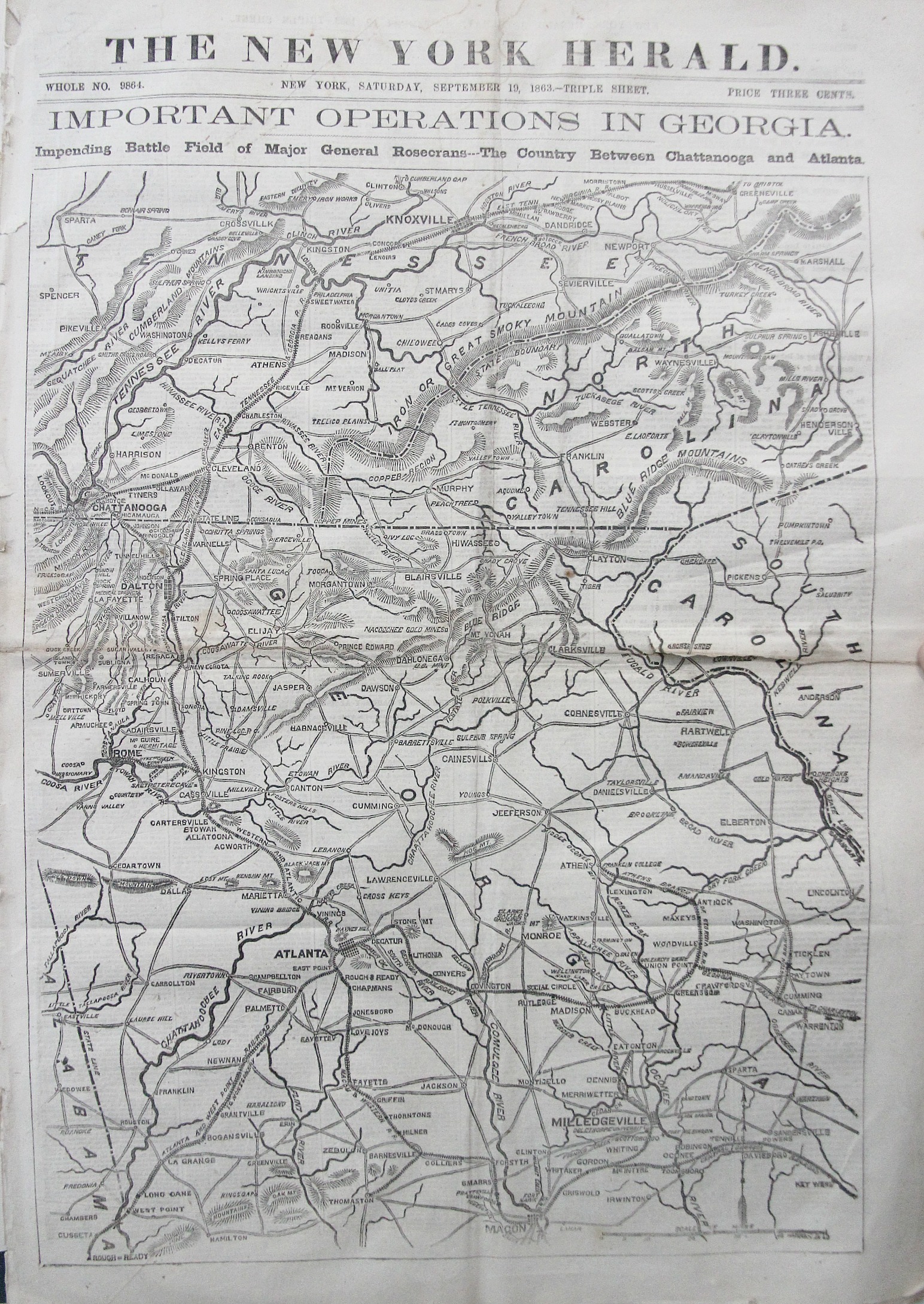
    This fine map popped out at the warehouse today–the New York Herald, September 10, 1863, with a fantastic full-page/front-page map of the theater of war in Georgia (and southern Tennessee and south-western North Carolina), back when newspapers were newspapers.  But the map centers on Georgia, and comes just a week before the second bloodiest battle of the war at Chickamauga. (The town appears right underneath the label for “Chattanooga”.)

    My own Hendersonville appears at the extreme east portion of the map in North Carolina, just north of the South Carolina line.  Most of the mountains seem to not make a very formidable entrance on this map (though Cold Mountain is seen just to the north-west of Hendersonville), and I think it is somewhat deceiving.  I’ve driven the mountains a lot in Western North Carolina and often thought of slogging around the region in the foothills, avoiding all of the mountains that I was driving through which really didn’t show up on this map.  There’s a reason that there wasn’t that much in the way of conflict in this region of WNC, northern SC, and eastern Tennessee–of course there wasn’t much worth winning, but marching through the mountains would have been a major piece of bad country to go through.  

    In any event, this was a good map for northern and central Georgia, introducing northern readers to an advancing front of the war.  


  • Mushroom over Manhattan: A-bomb Strike Images of NYC, Chicago, Seattle…1945-1958

    JF Ptak Science Books  Quick Post

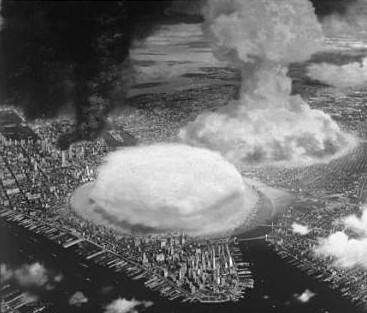
    I’ve written perhaps 100 posts for the History of Fission and Nuclear Weapons series on this blog, and in that I’ve collected a number of (pre-1960) images showing a nuclear explosion over specific, recognizable U.S. cities. Some of these came as a result of Cold War propaganda, others were used to show the effects of the bomb on a familiar profile.  I’ve not put them together in one post before, so I thought to do it now.  (The very first image of any sort of nuclear weapon published in the popular press showing its effects on a U.S. city appears in PM newspaper, 7 August 1945–as I’ve said before, I have no idea how these folks put together such a comprehensive issue in the day+ after the Hiroshima bombing, but they did).

    Here are the U.S. cities I’ve collected so far–the majority of them are New York City, mainly because it has the most recognizable features making it easier for a broad spectrum of readers to understand the destructive force of the bomb(s).

    Manhattan, Collier’s Magazine, 1948

    Atomic bomb US cities Manhattan


    Seattle, 1955:

    Civil Defense Manual front cover, circa 1955:

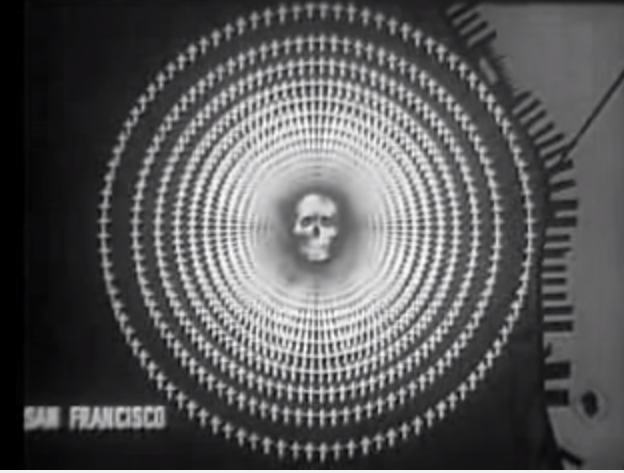
    Not a mushroom cloud, but the only thing I have for San Francisco:

    Atomic bomb cities sfMovie still from “One World or None”, 1946.   https://youtu.be/u6ORe_tHYXU
      

    ·Posted by :

    ·in:


  • On Playing Dead for a Bucket of Bread: Finding a Way to Cheat the Royal Humane Society

    JF Ptak Science Books   Post 2572
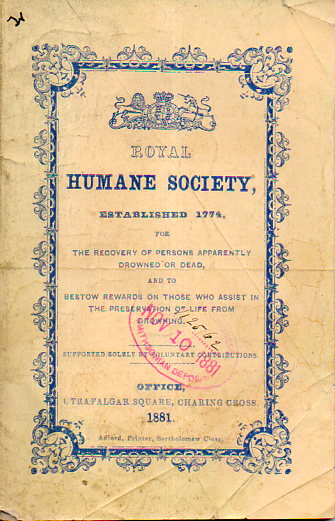
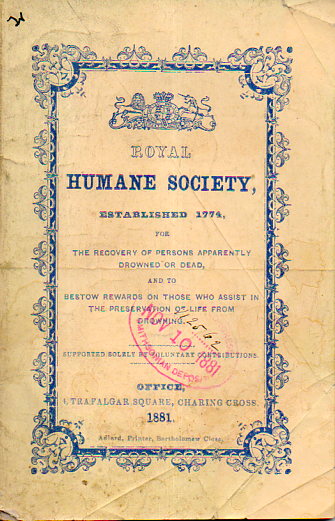
    Royl humane society310One of the great fears of humans throughout history is to be declared as being dead and treated so though alive, in a  death-like state but still breathing and functioning on scales that evaded detection.  And when you think about it a little, what is it that separates someone who you think is dead (from some sort of non-maligning adventure, not being so scarred from trauma as to be absolutely positively dead)  from the same someone who you know is dead?  This was a major issue, especially in the days of pre-stethoscopes. Of course there were physical determinants like checking for a foggy mirror under the suspected’s nose, or doing painful things to the body to make the unconscious not-dead come to life because of the searing pain (extreme tongue and nipple pulling, hot gases up the rectum, scalding the arm of a person in the no-scald/no-life venue, and that sort of thing), but the determination of death was a tricky thing.  So much so in fact that there were popular manias in the late 18th and into the 19th centuries of designing coffins that should the resumed-dead not actually be so that they could either escape or alert people topside.  (The Germans had a tidy late-19th century response to this–waiting houses/corpse halls, attached to a mortuary, where you would place the possibly dead for three days to see if it began to decay–no decay meant life, though by this time someone may have passed on due to injuries or whatever not diagnosed and left to fester for 72 hours…)

    See this related post earlier in this blog,

    • “The Worst Job of the 19th Century? Tongue-Pullers, Nipple-Pinchers & Anal Tobacco Blowers Try to Revive the Dead”, here: https://historyofideasblog.com/thesciencebookstore/2009/10/the-worst-job-of-the-19th-century-tonguepullers-nipplepinchers-anal-tobacco-blowers-try-to-revive-th.html

    The Royal Humane Society (for the humane treatment of humans), established in 1774 by doctors William Hawes (1736-1808) and Thomas Cogan (1736-1818) to prevent certain types of “premature death” and certainly premature burial, and was basically a life-saving society. Their concern was primarily with drowning victims, and their plan was to issue cash payments to those who (a) retrieved a possibly-drowned body, (b) or offered their place of business for the purposes of reviving the drowned, and then of course (c) those who attempted resuscitation  with a further prize if the techniques were successful in drawing life back into the drowned.  

    It should be remembered that swimming was not a common activity, and that very few people actually knew how to swim. Therefore falling into a river or a channel or whatever could pose a much greater risk of death then than it does today.

    The society took its business seriously, offering 

    • “to pay 2 guineas to anyone attempting a rescue in the Westminster area of London
    • to pay 4 guineas to anyone successfully bringing someone back to life
    • to pay 1 guinea to anyone – often a pub-owner – allowing a body to be treated in his house.”–History of the Royal Humane Society on the Royal Humane Society website, here: http://www.royalhumanesociety.org.uk/html/history.html

    And of course during a time when people were making a swift trade int eh sale of dead bodies, the guile of those so thanantologically-inclined stretched to meet the de(ad)man(d)s (sorry!) of the Society, which according to the Royal Humane Society site meant that people defrauded its good interests for private gain. People evidently would feign drowning, and a confederate would feign resuscitation, and the dead brought back to life, the two confidence men sharing a four guinea prize.  In short order the Society dispensed with the cash rewards and went straight-away to medals with ribbon, and thereby removing the profit from the performance of a good deed.

    This was the premature end of a potential income stream for people desperate enough to pretend to be dead for a small cash allowance.  But the Society and all of its good lived on, and evidently lives on today. My little pamphlet picture above was printed in 1881 and is filled with stories of people saved and salvaged, brought back from the edge of death.  (If anyone cares to own this little gem, you may do so and purchase it via this blog’s bookstore.)
    ·Posted by :

    ·in:


  • A Tiny Peep at the African American in the Great Depression & Dust Bowl Migration, 1935

    JF Ptak Science Books  Post 2571

    The Negro Transient

    [Source: http://newdeal.feri.org/opp/opp3513.htm]

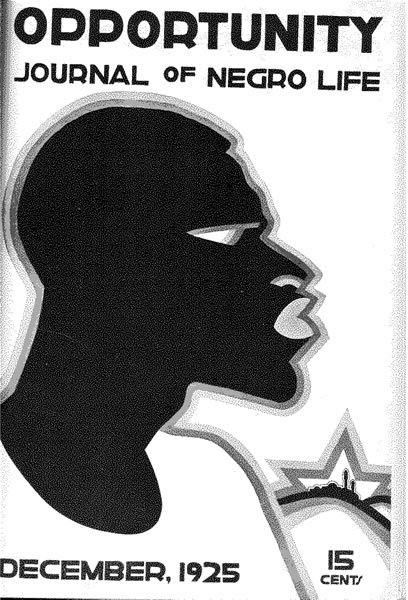
    I found this article, “The Negro Transient”, by Herbert C. Jenkins, in Opportunity, Journal of Negro Life, January 1935, while looking for support material for an F.S.A. publication on immigration of “drought sufferers” and the indigent poor.  It is an interesting account of an African-American experience of part of the Dust Bowl, with a number of interesting collections of data and stats for “travelers” in the St. Louis area in 1935.  These “travelers” of course were folks who took it hard from the Depression and from the great  and dismal drought that killed many American farms throughout the Mid-West and West, and so they hit the road looking for the opportunities that dried up and blew away at home.  The new sense of “home” would be defined as anywhere there was work or benefit, which were difficult things to find in the sixth year of the Great Depression.  

    One of the Roosevelt administration’s aid to helping this large population on the move across the country was the 1933 creation of the National Association for Travelers and Transient Service, which was an outgrowth of regional Traveler Aid societies, many of which were formed in the 19th century and focusing their attention on immigrant issues and the poor. The federal program did its level best to provide shelter, food, medical aid, education, and other services to help and even improve the state of the homeless, the poor, and the Dust Bowler–in many cases the widespread assistance to people in need was unprecedented. 

    The fascinating part of the story in Opportunity was the African American angle on population-in-motion.   The author, Herbert C. Jenkins, reports that “The November issue of the Transient, a bi-monthly publication issued by the National Association for Travelers Aid and Transient Service, states that there were 249,975 individuals under care in Federal Transient Bureaus October 15, 1934.”  And “As in every movement of nation-wide scope Negroes contribute their quota to this transient army. There are no available figures at hand to show the percentage of the number under care in various bureaus, but because of the traditional “last to be hired and first to be fired” policy which exists in industry they doubtless constitute a substantial number of these wanderers.” Jenkins proceeds to establish data that gave a peek into the African American part of the issue.

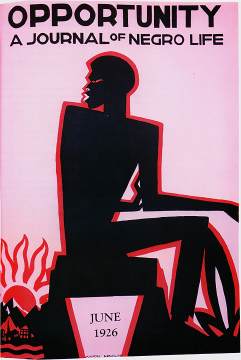
    Opportunity cover 1926 b

    http://sites.davidson.edu/littlemagazines/wp-content/uploads/2010/08/Cover1925.jpg


    Opportunity cover 1926


    ·Posted by :

    ·in:

    —

  • A Rare Report on the Strength of the Axis, 1943, by the Assistant Chief of Staff G-2

    JF Ptak Science Books 

    Strength of the German dataviz army strength309

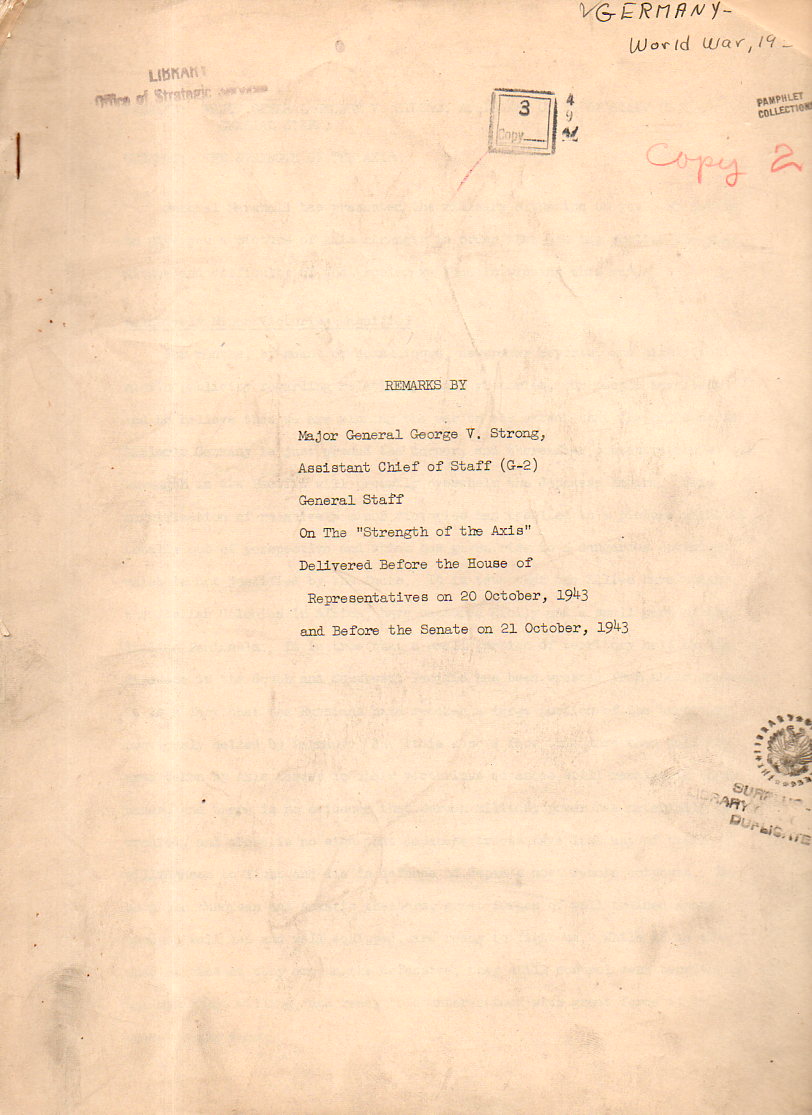
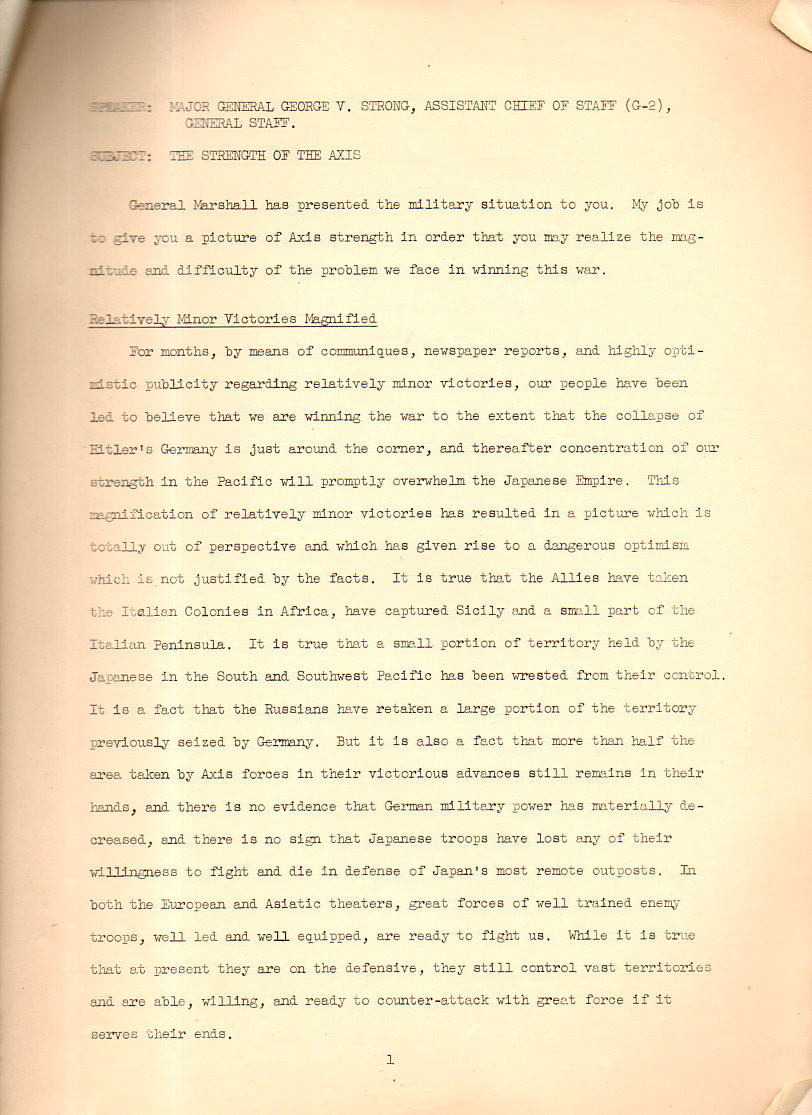
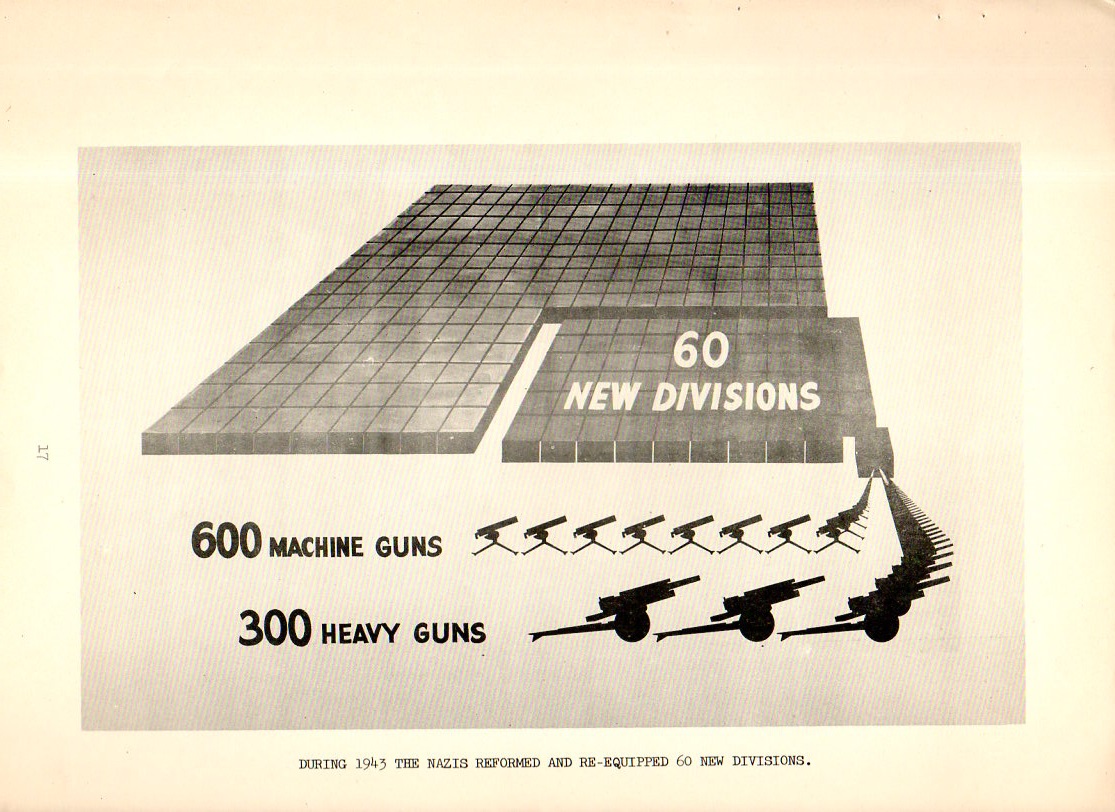
    Major General George Veazy Strong (USMA ’04), in 1943 as the Assistant Chief of Staff of the Army Intelligence Unit (G-2)–a position of enormous importance–delivered his very sober and reasonable summation on the strength of the Axis forces before the U.S. Congress (on October 20 and 21, 1943). which was printed in this report.  (It is of historical and bibliographical interested to note that this document was in the library of the Office of Strategic Services (the O.S.S., the precursor to the C.I.A.) before it was sent to the Library of Congress and deaccessioned.)

    Strong Strength Axis _1_176

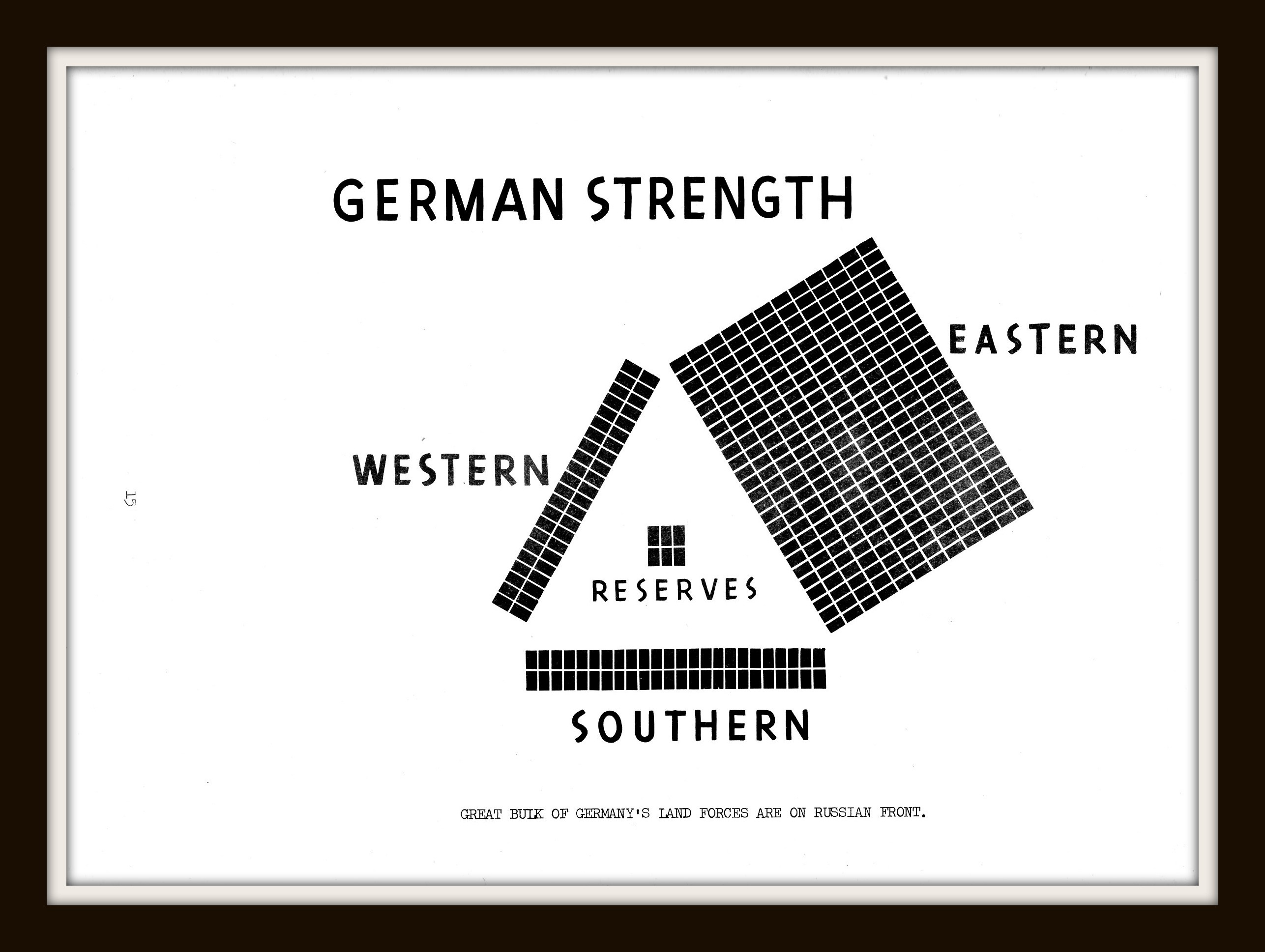
    The document is somewhat over-sized (at 12×9″) and is 13 pages of text, followed by 17 leaves of diagrams, some of which are very strong images of superior design. Strong was very highly accomplished, of very wide experience, and was an excellent thinker.  His report was concise and thorough, and must have made a mark on his listeners in the House and Senate.  

    The report seems to be rare–I cannot find mention of it popularly in the social media, and there seems also to be no trace of it in the WorldCat outside of an LP recording (at the Library of Congress), meaning that there seems to be no copies of the printed version in libraries worldwide.  

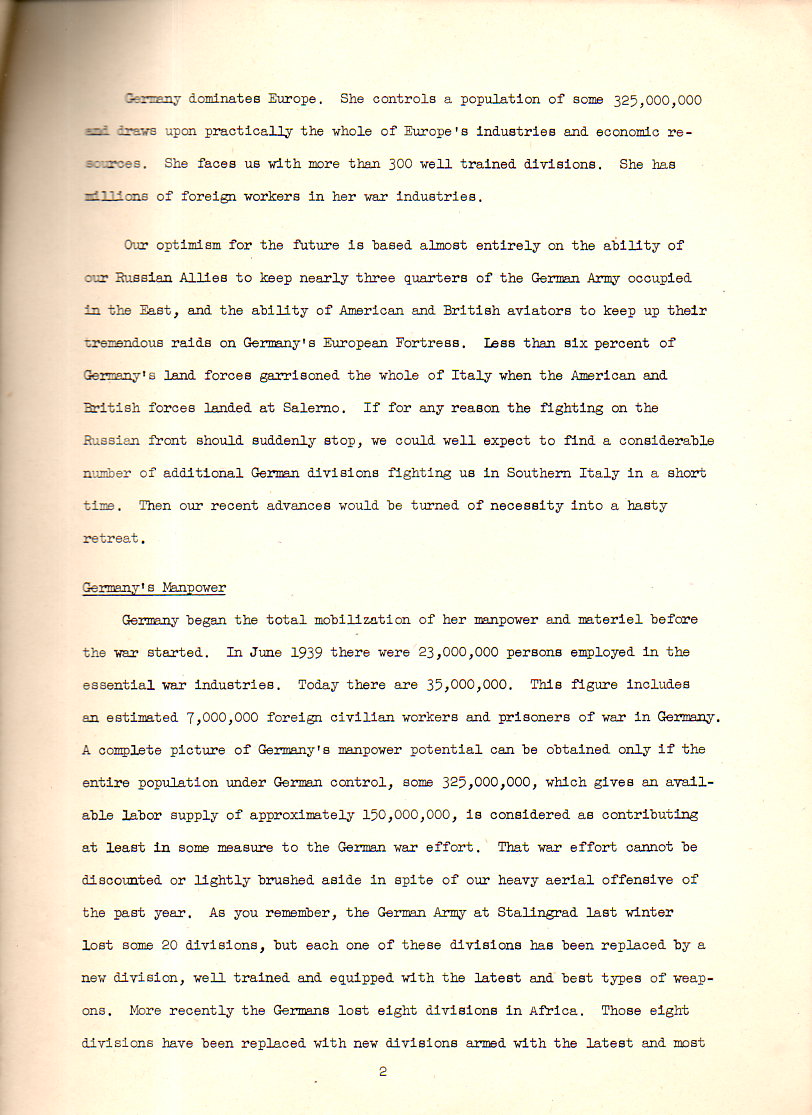
    This is an interesting read, and since it appears to be nowhere I believe I should reprint it, here, shortly.  

    • The original is available via the blog’s bookstore, here.

    Strong Strength Axis _2_177


    Strong Strength Axis _3_178

     Examples from the graphics section:

    Strong Strength Axis _6_181


  • Bumping Into the Very Early Days of Television–the “Electric Telescope” and “Seeing by Telegraphy”, 1880

    JF Ptak Science Books   Post 2570

    This short notice of work-under-way,  “Seeing by Telegraphy” by William.Edward Ayrton  (1847-1908, electrical engineer, F.R.S., and electrical infrastructure pioneer of Japan and India) and John Perry (M.E., F.R.S.), is one of those fascinating little “pop-ups” that appeared in the preeminent weekly journal Nature on May 13, 1880 (page 31).  Nature of course published quick announcements of breaking scientific research in lengthier articles, and it would also publish short notices of articles appearing in other journals, and also would have shorter notices like the one below.

    This is why it is so exciting to just browse/graze in these journals–you never really know what you might find.  This was unexpected, though had it not been for the catching title, I would have no doubt passed it by.  

    It turns out that this is a very early rumination on the possibilities of “television”, though at this time that name didn’t exist, and the people working in the area of transmitting images by wire referred to it  (for example) as “Seeing by Telegraphy” (Henry Middleton, 1880) and “Seeing by Electricity” (J.E.H. Gordon, again in an article in 1880). Earlier still (and perhaps first on the scene) is Adriano de Paivra (1847-1907), who wrote “A Telephonia, a telegraphia, e a telescopia” in 1878, introducing a fantastic and beautifully-named idea of the electric telescope, the telectroscope, or long distance vision by wire.  


    A longer article on the above appears slightly later in Science, in 1880, the full text available below.

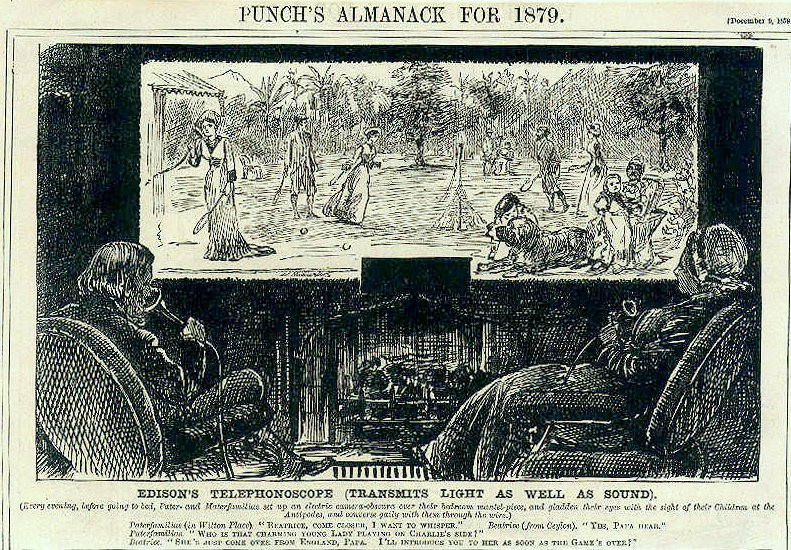
    As it turns out, I’ve read that Perry and Ayrton were influenced/energized by a cartoon of the future of communication that appeared in Punch magazine in the “Almanak” section for 1879.  This was supposed to be an invention named the “Telephonoscope”

    File:Telephonoscope.jpg


  • Living in Someone Else’s Hole

    JF Ptak Science Books  Post 2569

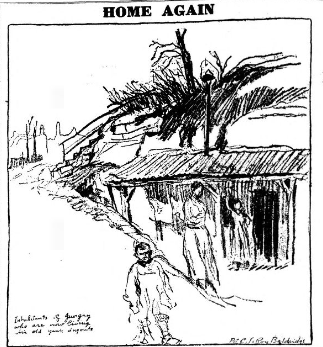
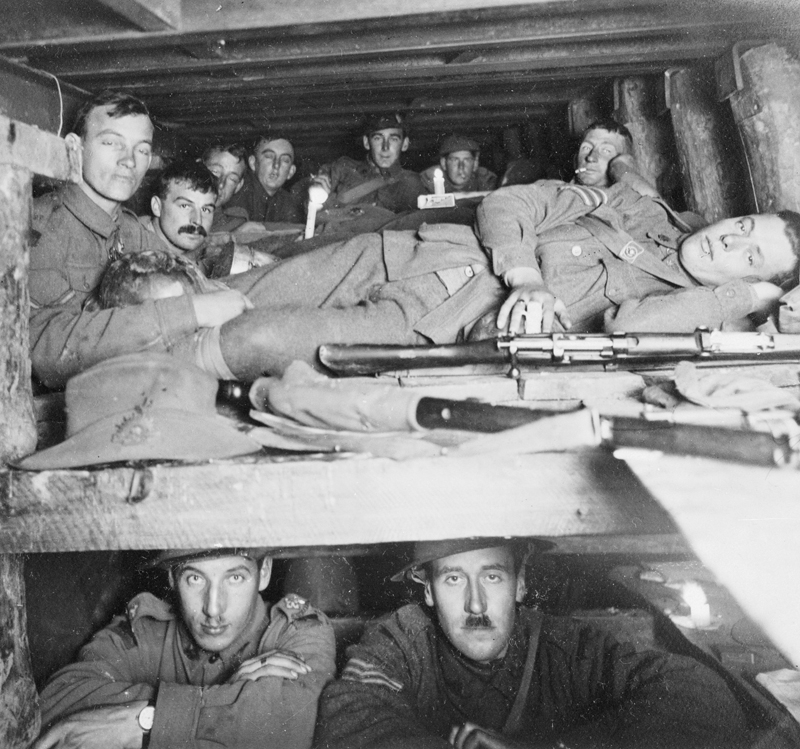
    I came across this field drawing in the September 21, 1919 issue of Stars and Stripes.  It is called “Home Again”, and depicts the conditions of the homeless in post-WWI Europe…unfortunately I cannot decipher the name of the town, though I suspect it is either Belgian or French (not too much of a leap of faith with that).  For the dozens of millions of casualties in WWI, there were also many millions of people left destitute and homeless.  This small illustration shows one case, the residents of this town forced to take shelter in the dugouts1 (see below for the OED definitions and history of the word) of an old U.S. Army trench.  

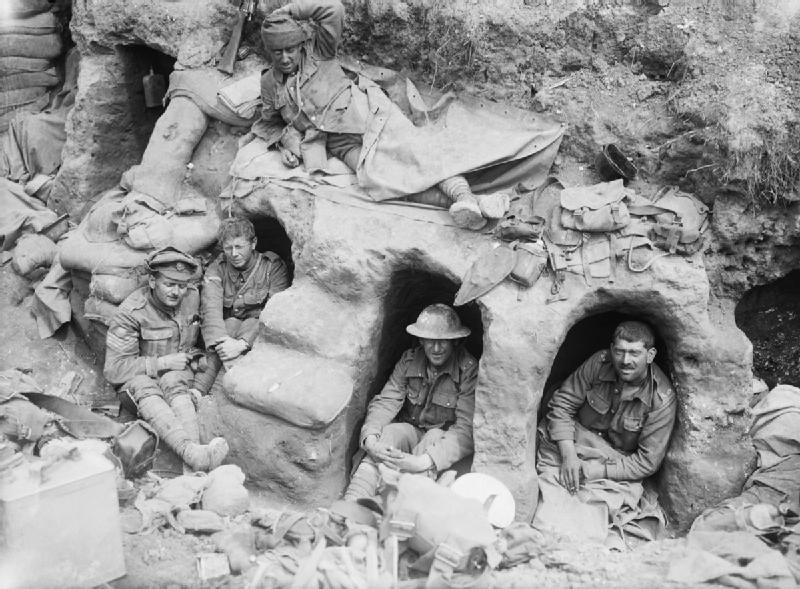
    Dugouts are more-or-less what the name implies, a shelter dug into the side of a trench to offer cover from shrapnel and the elements; these could be a hidey-hole the size of a soldier, or could be larger to house several soldiers at a time, though in general they were small, cramped affairs, meant to be sat rather than stood in. The design was also governed by the amount of trench depth that you had to work with. Sometimes the dugout would be attached to a tunnel leading deep under the trenches that would house headquarters and such and accompany man more men than the usual occupancy of, say, 1-4 soldiers. These seem to be more expansive than normal, being fully the height of a person, with more enclosure, and an awning.

    This strikes me as a particularly difficult image of the post-war situation 

    WWI Project Home Again


     The following images are found at the Imperial War Museum, here: http://www.iwm.org.uk/history/podcasts/voices-of-the-first-world-war/podcast-20-trench-life

    A simple dugout, no doubt fashioned in necessity according to what was available:

    Dugouts--crude

    Here’s an example of a more deeply dug dugout (“fifteen feet underground”):

    Dugout 15 feet below ground


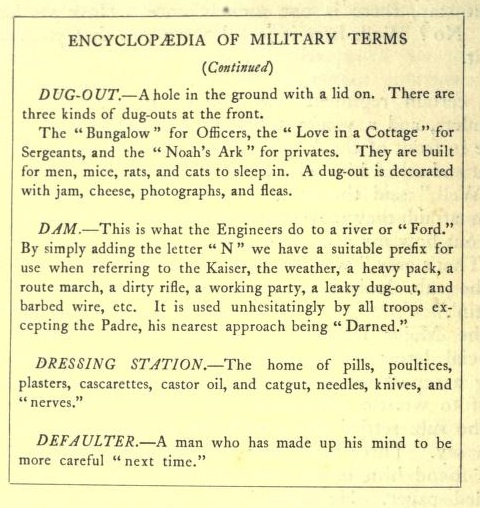
    Also, via a find by Public Domain Review, this 1916 soldier’s definition of “dugout”:

    Source:  http://publicdomainreview.org/collections/made-in-the-trenches-a-ww1-magazine-created-by-soldiers-1916/    Original source:  Made in the Trenches, composed entirely from articles & sketches contributed by soldiers, edited by Sir Frederick Treves and George Goodchild; 1916; George Allen and Unwin , London.

    Trench definitions

    ·Posted by :

    ·in:


  • Sound Landscapes of Lost Acoustics

    JF Ptak Science Books   Quick Post

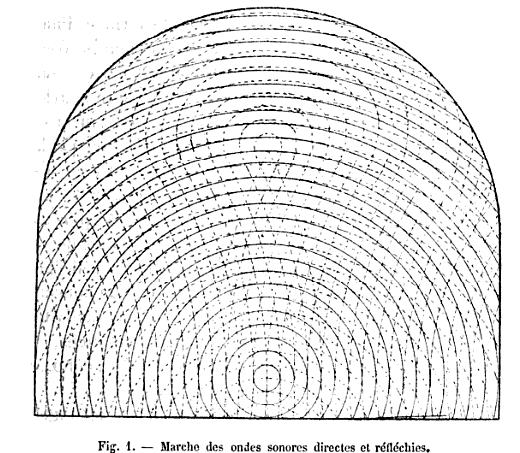
    There’s a LOT of artistic license in this title, but I like the idea of these acoustical plans as containers of what things sounded like in the halls and auditoriums that no longer exist. This is a big leap of faith given that the work that went into these images was conducted before the first truly scientific/mathematically rigorous architectural acoustics existed.  But I like tot think of them as reconstructions of sound in a particular environment. The drawings are also beautiful, inn their way.

    Image source: Theodore Lachez,  Acoustique et Optique des Salles de Reunions, printed in Paris in 1879. This is the second edition, with 116 text illustrations in the 518pp–these are almost entirely images of plans or elevations of music halls (for the study of seating and the room’s acoustics, etc.).  This edition also contains sections on the acoustics of “sales de debats parlementaires” and an examination of the “singular and curious” acoustics of the new Paris opera house. 

    The book is for sale on the blog’s bookstore; and/or you can have a look at it in full text online, here, at Google Books: https://books.google.com/books?id=MjoIAAAAIAAJ&pg=PA315&source=gbs_selected_pages&cad=3#v=onepage&q&f=false

    Acoustics


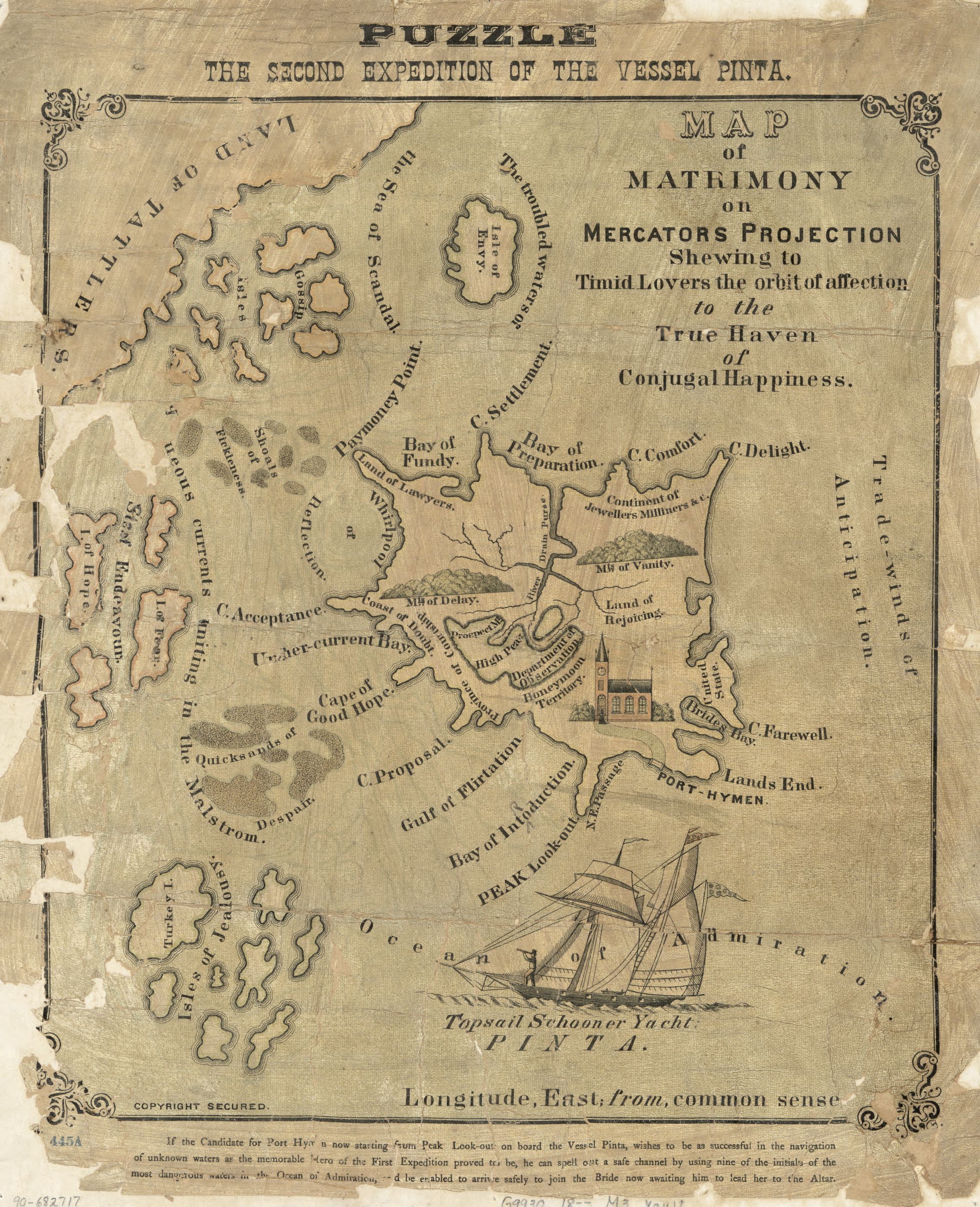
  • An A to Z-ery of Love and its Associative Bits: the Map of Matrimony, 1879

    JF Ptak Science Books   Post 2568

    Rhinoceros nunquam victus ab hoste cedit–the rhino never turns away defeated from the enemy

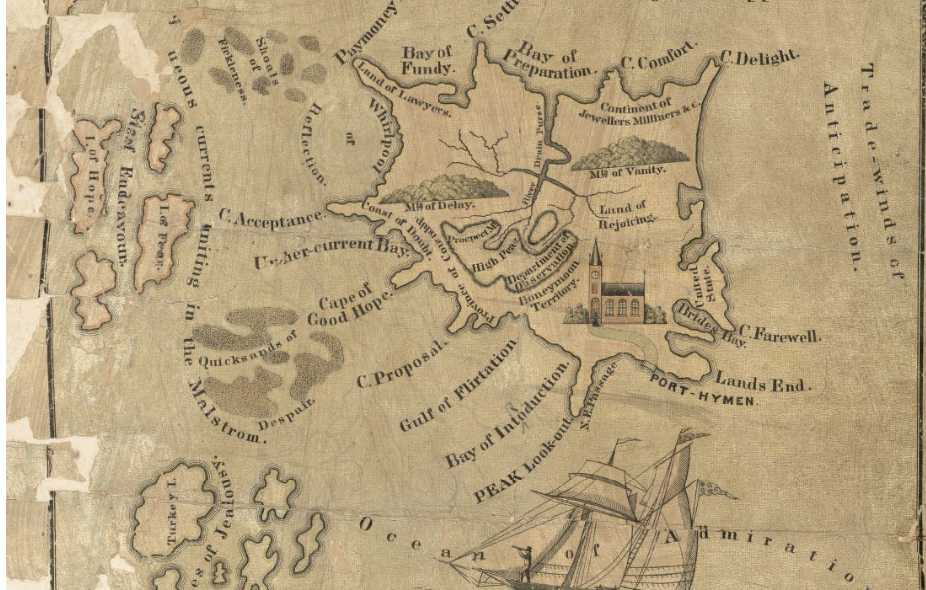
    And so we begin a look an an allegorical map1 of matrimony with an allegorical statement comparing marriage to a rhino–this is a first for me, and it may also be an original application of the epigram to (human) marriage.  I guess in the mind’s eye this looks as though it might be so, given there’s really no possibility of dealing with a charging rhino weather the Big Boy is charging in happiness or fear, anger or love–it is just going to get you.

    The map has a little more guile than this, enumerating the good points of marriage along with some of the bad–surprisingly these states nearly fill an alphabet, which is pretty unusual given that there are only about 50 states and it covers 17 letters (with nothing at all for the last four letters). 

    And so the carto-geographical indulgence of the alphabet of marriage: Acceptance, Cape of; Brides Bay; Comfort, Cape of; Delight, Cape of; Envy Point; Fickelness, Shoals of; Hope, Cape of Good; Introduction, Bay of; Jealousy, Isle of; Lawyers, Land of; Observation Point; Paymoney Point; Reflection, Whirlpool of; Scandals, Sea of; Tattlers, Land of; Undercurrent Bay; Vanity, Mount of.  


    Map of Matrimony[This is clearer when expanded. Source:  the Library of Congress http://www.loc.gov/resource/g9930.ct003856/]

    And the full version:

    Map matrimony large

    Notes

    1. Map of Matrimony on Mercators projection shewing to timid lovers the orbit of affection to the true haven of conjugal happiness. (In upper margin: Puzzle : the second expedition of the Vessel Pinta.)


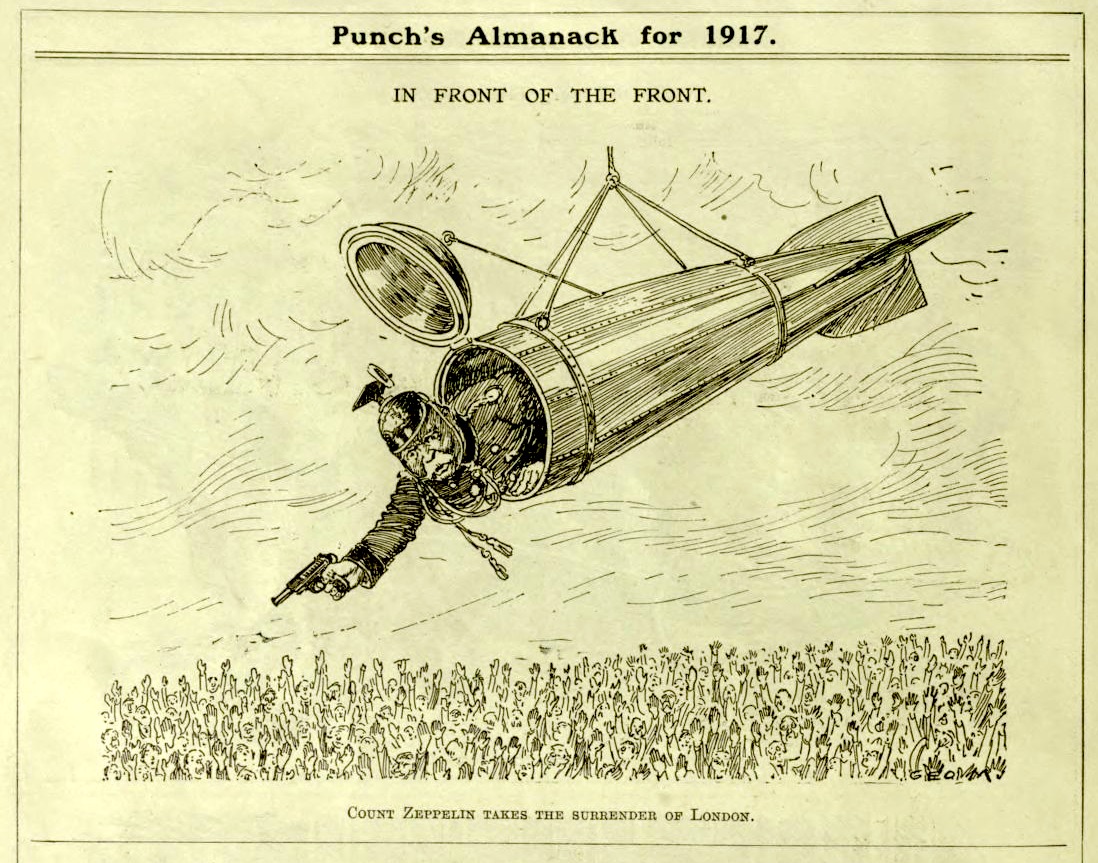
  • An Unusual Image Featuring a “Surrender” of London, 1917

    JF Ptak Science Books  Post 2567

    I came upon this image unexpectedly with the sneaking realization that I have rarely (ever?)  seen the words “London” and “Surrender” together. But there it was, in the high-end satirical and critical magazine, Punch, or the London Chiaravari, in the January 1917 “Almanack” section.  WWI was a war of stunning adjectives, and in 1917 their brutal nature grew even greater. The aerial bombing raids which commenced in 1915 extended to  London, thanks in large part to Ferdinand von Zeppelin. During the war there were 50-odd bombing raids to the U.K., causing 1900 casualties, the result of 5000 bombs dropped from airships. In 1917 the raids were more the result of airplane bombing, with 27 raids and 2700 casualties.  So compared to WWII standards the damage and casualties inflicted on the population was not great–except of course these people weren’t living in their future, and the practice of dropping bombs from the sky was only a few years old (and the Wright brothers’ flight took place only 11 years before the start of the war) the idea of being blasted by Zeppelins and airplanes must have been a furious worry. 

    That’s what gives this cartoon such a poignancy, with the great newness of this new fear, the Brits displayed a characteristic “stiff upper lip” in the face of aerial attack–in this case perpetrated by the Count himself.  Here is Zeppelin being lowered from one of his airships over a compliant and surrendering London populace–no doubt the “surrender” part being far from anyone’s mind. Zeppelin would be dead in two months, and his airship replaced by a newer adversary, but right here in January, 1917, the Count and the fear of his attacks were being deflated, somewhat, displayed in a ridiculous situation so far removed from reality that its impossible possibility is humorous.

    WWI London surrenders


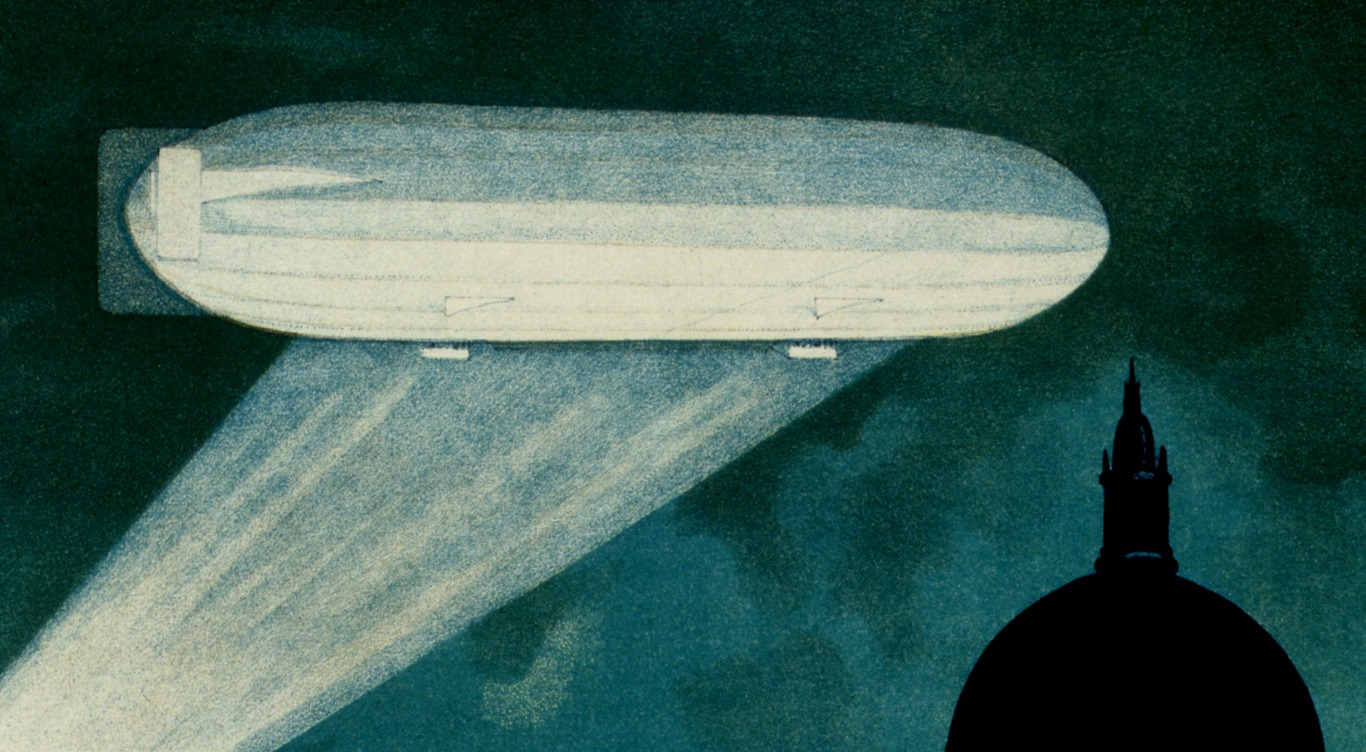
    The real thing caused a lot more damage via fear and trepidation than it did with actual casualties–unless you or your family were a casualty, and then it is a different story. But the fear was real, and it was used/displayed in a very provocative recruitment poster:

    WWI Zep raid poster detail

    [Detail]

    ·Posted by :

    ·in:

    —