A Daily History of Holes, Dots, Lines, Science, History, Math, Physics, Art, the Unintentional Absurd, Architecture, Maps, Data Visualization, Blank and Missing Things, and so on. |1.6 million words, 7500 images, 4.9 million hits| Press & appearances in The Times, Le Figaro, Mensa, The Economist, The Guardian, Discovery News, Slate, Le Monde, Sci American Blogs, Le Pont, and many other places… 5000+ total posts since 2008.

Author: JF Ptak

  • History of Lines–Naive Rivers and Trees, 1670

    JF Ptak Science Books   Quick Post in the History of LInes series.
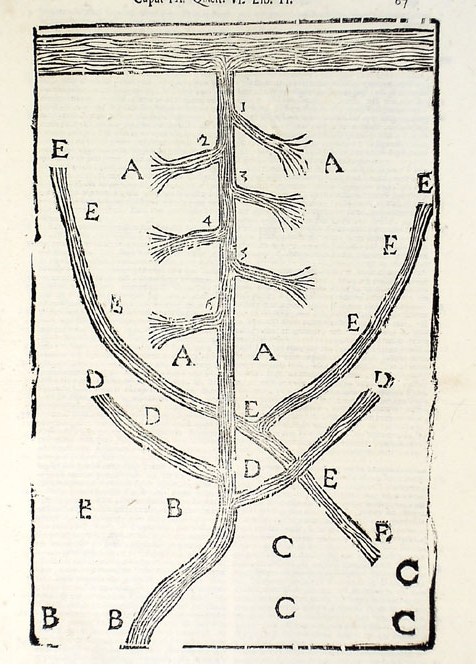
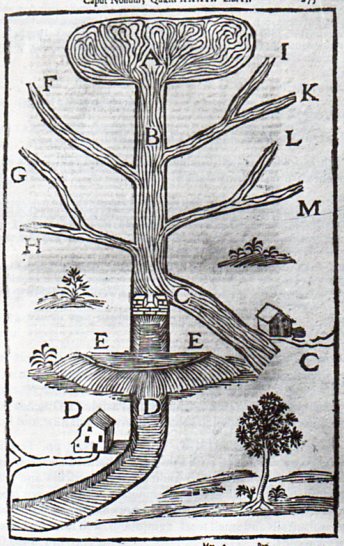
    River629 This lovely river/tree appeared as a woodcut in Franciscus Maria Pecchius’ Tractatus de Aquaeductus, which was printed in 1670-1673.  It actually is nothing of the sort, as it depicts the construction of a dam in a busy river and forms part of a four volume work on the building of aqueducts–ranging from the selection of sites, to financial considerations and of course engineering and materials studies.  Pecchius’ work was the standard of its day, and it also was the cornerstone work on the (Roman) law of such things, presenting a jurisprudence that stretched back a thousand years.

    But the way that the flow of the river is represented makes the image look very much like a tree, in a lovely, naive way.  It might seem a horrible sleight to a work of this importance, but, well, sop it goes–the images, removed from their appropriate context, take on a life of their own…

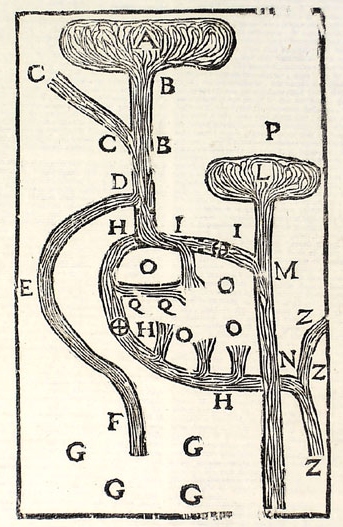
    River aquaduct 2
    River aquaduct 3


  • A Note on the Future of the Bookstore

    [The question on the future of the bookstore was put to me an hour ago–this is my reaction. It follows a post I made just yesterday on a related topic.]

    I’ve owned a specialty rare/uncommon bookstore for the history of physics and math since 1985.  From 1985-2002 it was a brick-and-mortar location that existed mostly in Georgetown, D.C., with a warehouse in Silver Spring, Maryland. At one point it may well have been among the largest/most complete stores of its kind in the U.S.  Now it is entirely online, and even with that, most of the business is very direct offers to particular institutions. My online store was inaugurated in 1999; by 2000, I noticed that in-town customers were buying things of the store online, and foot traffic in the store began to decline.  By the Spring of 2002, it was very clear that–so far as making sales were concerned–the walk-in store would not make economic sense, tomorrow.  It seemed that the future arrived very quickly.

    So it goes, as Mr. Vonnegut said.  In Georgetown in the mid-1990’s there were perhaps a dozen bookstores; after I left, in 2002, there were four, including a fine new bookshop, a Barnes and Noble, a donation shop, and nationally-regarded antiquarian shop.  The donation shop and the two new bookstores remain, and I think a paperback shop as well.  So far as I can determine, there are no walk-in antiquarian bookshops in Washington D.C.

    The bookstore as devices and stores of memory may become a memory itself.  Or perhaps–like libraries–they will survive with an old name but a new purpose. (And this not in the sense as brand names have survived, like say the Chevy Impala which underneath it all is still an automobile; not so I think for the bookstore.)  But I think they will mostly, entirely, fade away, unless they’re cobbled in with something else of associated value to give them a Dorian Gray-ish future life. Compared to what the bookstore has become since, say, 2000, it enjoyed a relatively unbroken run of success and sameness for the distribution of knowledge and as a potential storehouse of wisdom for some 440 years.  Data distribution is now entirely different, generally bypassing the old method(s) of parsing information out into society. 

    Woodblock books put scribes out of business, moveable type did in the woodblock cutters; books in general were seen as a threat to storytellers and the theater; the telegraph was seen as a curse to letter writing and a bane to prolonged thought, as was the telephone that replaced the telegraph; radio threatened everything and was replaced by television, which taught people what “threat” really looked like.  Then of course there came Pine and email, and the world wide web, and the easy/basically free access to incredible and vast sources of social interaction…and that is only the beginning of the communication “revolution”. 

    Bookstores as stores selling books seems to me to be becoming  a memory in itself–the good or bad of it is not yet the issue. The larger piece of this issue may well be how information is packaged and how it is found, with the subsequent issue of how the stuff is interpreted and analyzed as an end bit, which may well be determined by how it is found or accessed–and that may well be a major cause for concern.

    And so the bookstore might come to pass like the Parisian water carrier.  Even though this might have been the way to get the cleanest, brightest, sweetest, coldest water in all of Paris, it is hard to argue with just being able to go to a fountain or turn on a spigot. 


  • Absurd Third–Interesting Absurd, Dadaist Bits Found and Collected

    JF Ptak Science Books    Quick Posts

    These are some images that I’ve bumped into and saved for possible use in a post, but they’ve just not fit in anywhere, yet.  Many of these images were found at the fantastic Fantomatik blog.  

    Greg Segal:

    Absurd aug 3greggsegal7

    Fabulous luxury by Martin Parr:

    Absurd aug 3Martin Parr87

    Absurdist aug 3 bangbang8
    Absurdist aug 3 c
    Absurdist aug 3 d


  • The Division of Technology: Different Forms of Social Media Debate, 1893

    JF Ptak Science Books  Quick Post

    Phonograph 1893


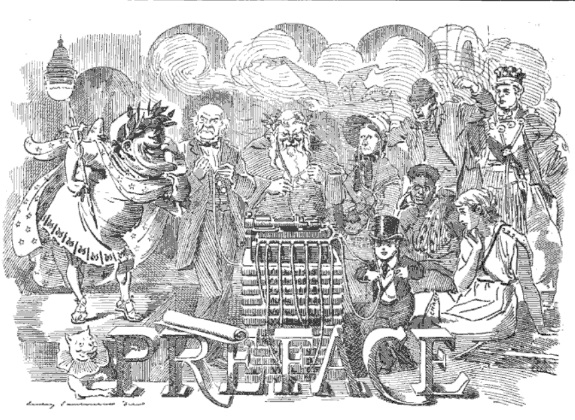
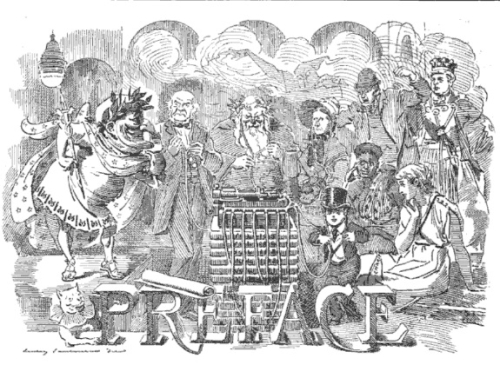
    I found this image flipping through an issue of the London Punch for 8 July 1893.  It shows a group of people gang-listening to a phonograph, with Mr. Punch holding court. The phonograph was already into its third decade (invented by Mr. Edison in 1877 with the patent granted in 1878) and was becoming massively popular, with the prices for the machine and the wax cylinders that powered the interest dramatically falling so that it was within reach of the working middle class.

    The image was used as a header illustration to the opening of the new volume for the second half of the year, and was an introduction to the table of contents for the 300-odd pages that followed, and its legend reads in part:

    “The Penny Phonograph,” pursued Mr. Oracle Punch, “is now prodigiously patronised. For the popular penny you can hear an American band, a Chevalier coster ballad, the ‘Charge of the Light Brigade,’ a comic song by ‘Little Tich,’ or a speech by the Old Man eloquent. No; for the latter I believe they charge twopence. That is fame, my Pantagruelian Premier…”

    You can sense that Mr. Punch is more than a little wincing with his faint praise.  He does take exception to the lightness of the experience, as well as the cost.  He contends in a way that we experience today that the printed media–his own magazine, a “Funograph”– is more complete and the real voice of wisdom: 

    “But in my Funograph—charge the unchangeable Threepence—you can hear the very voice of Wisdom and Wit, of Humanity and Humour, of Eloquence and Essential Truth, of Music and of Mirth!

    And while Mr. Punch might seem to be talking about the phonograph, he is addressing his own Punch: 

    “Sweet lady,” responded the Oracle, with gentle gravity, “there is guidance here for all who will listen; heavenly Charity and diabolic Anarchy, eloquent Statesmanship and adventurous Enterprise, scared Capital and clamorous Labour, fogged Finance and self-assertive Femininity; for the motley and many-voiced Utopia-hunters who fancy they see imminent salvation in Imperial Pomp or Parochial Pump, in Constitutional Clubs or County Councils, in Home Rule, Primrose Leagues, or the Living Wage, in Democracy or in Dynamite, in High Art or Mahatmas, in Science or in Spooks. Take your places, Ladies and Gentlemen! Charity first, if you please, with Father Christmas to her right, leaving room for the little New Year on her left. Listen all, and learn by the various voices of that many-cylindered, marvellous Funographic Machine…

    Advances in the technology of communication have always caused debate–the availability of the printed book was going to make obsolete storytellers and theater, the telegraph would end letter- and book-writing, the telephone would end the telegraph and letter writing and decreased the collective intelligence by shortening the time of thought in communication, the radio would end the telegraph and letter writing and the theater and perhaps books, the television would end radio and etc., vast increases in social media will end privacy and reflective time, and so on.  The advances certainly did doom the form of communication that they trumped, mostly, though what they did to the actual communications part was change it, not end it.   And although Punch wasn’t saying that the phonograph was going to do away with anything at all, he was saying that he felt it inferior.  And for you to buy his magazine.

    The last bit on the ruminations of the impact of social media on privacy and reflection is something that I do believe to be real, and this in spite of all that I know about the history of change in communications; but here I think the medium might have so much “message” that there might not be any at all, given the enormous amount of data units that can be delivered into our consciousness and the limited amount of time for perception (let alone understanding).  And  this is just the beginning, the most primitive stages of vast and pervasive communication.

    And as I write this I wonder if I’m not sounding like a sniffy somebody writing about the impact of the telephone in 1880.

  • A Store of Memory to a Memory Itself: the First Image of a Bookstore?

    JF Ptak Science Books   Quick Post on the History of Memory

    Bookstore628
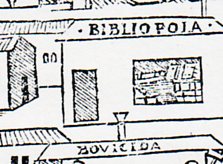
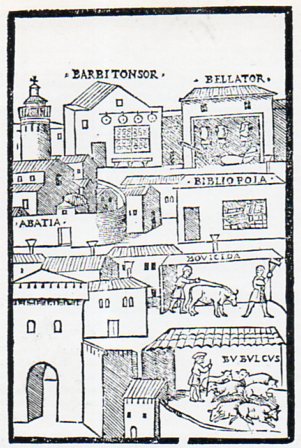
    About a hundred years after the invention of moveable type printing, there appeared–in 1562–this woodcut in Lodovico Dolce’s Dialogo nel quale si ragiona del mondo di accrescere e consertvar la memoria, showing a number of different sorts of high-Renaissance businesses/shops, including one of teh earliest images of a bookstore. 

    This sort of business has survived for 450-odd years, and longer, without momentous change for 95% of that time.  The store of memory is giving place to another memory machine, a digital one that exists mostly in the clouds and electrical aether, growing more accessible by leaps and bounds, become less and less bound to cumbersome end-user machines, growing into what must be a biological interface. 

    It is somewhat ironic that the first-ish appearance of a bookstore takes place in a book on memory/mnemonics  written by a poet. The replacement of the bookstore and of the book itself as the principal storehouse of knowledge is hardly a poetic matter, in spite of what the poet-izers in charge of this restoration might say. 

    Bookstore627

    It will be a maatter of debate regarding what the last bookstore will look like.

    I suppose the larger issue is the future of the history of memory. 


  • The Statue of Liberty as a Billboard, 1888

    JF Ptak Science Books   Post 1567

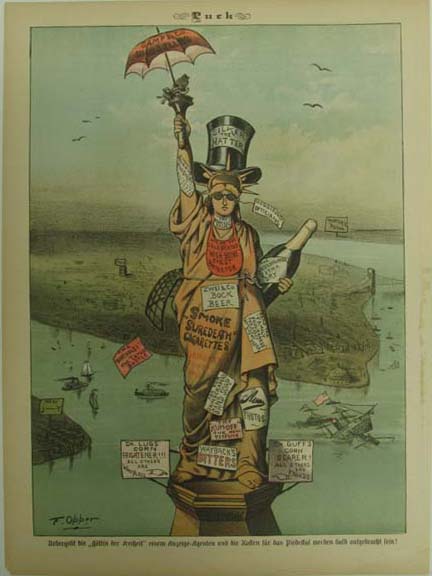
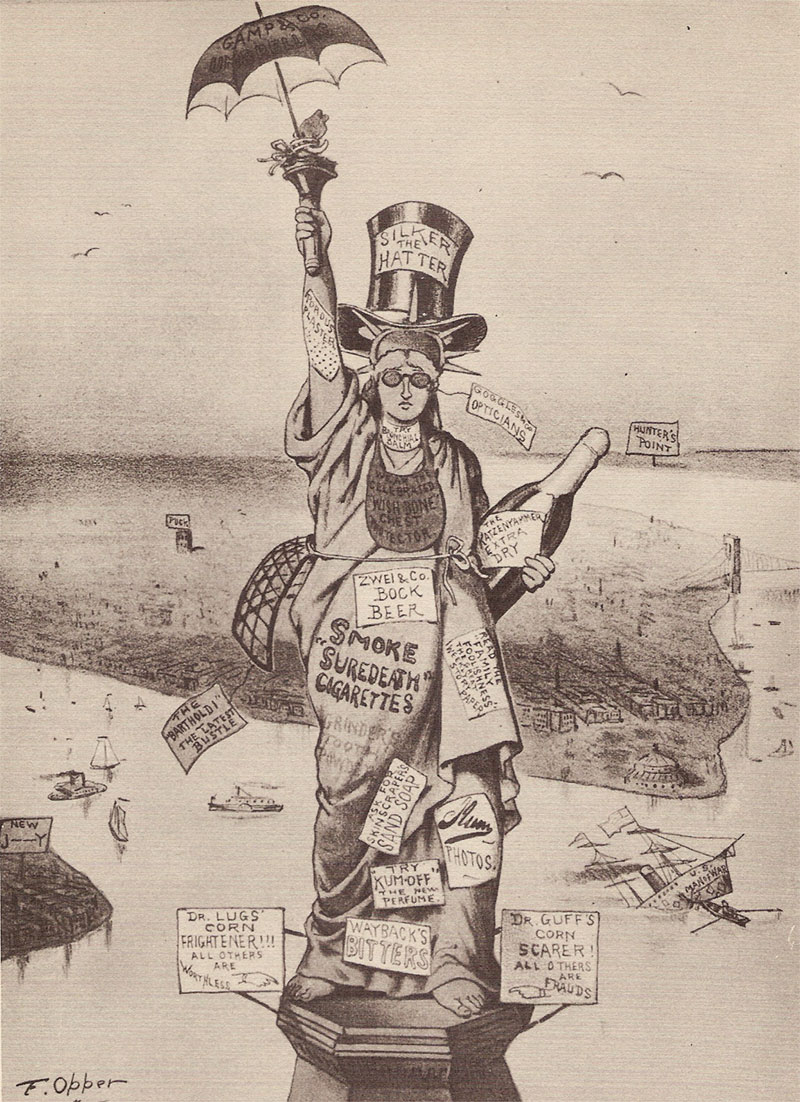
    This image of the near-future Statue of Liberty (“Liberty Enlightening the World”) appeared in the German version of Puck magazine in 1888–since the statue was officially dedicated on 28 October 1886 it didn’t take the cartoonists and social satirists very long at all to get around to using Lady Liberty/Libertas as a backdrop for their message.   And the message here was the creeping advertising age, which was just the shroud of an advancing consumerist society, because there wouldn’t be that many ads if there wasn’t so much material fighting for so many consumers. Advertising was beginning to creeping in everywhere–and here the cartoonist foresaw a near-future in which the Statue of Liberty was a pure advertising vehicle, and as it turns out, most of the stuff advertised there was junk. 

    http://www.printsoldandrare.com/wallstreet/1156ws.jpg

    Here’s another version in glorious black and white

    http://2.bp.blogspot.com/_sGYULzoQCgA/R1DsrSOectI/AAAAAAAABNA/-jpU7nyymuA/s1600-R/1885-puck-magazine-Predicti.jpg

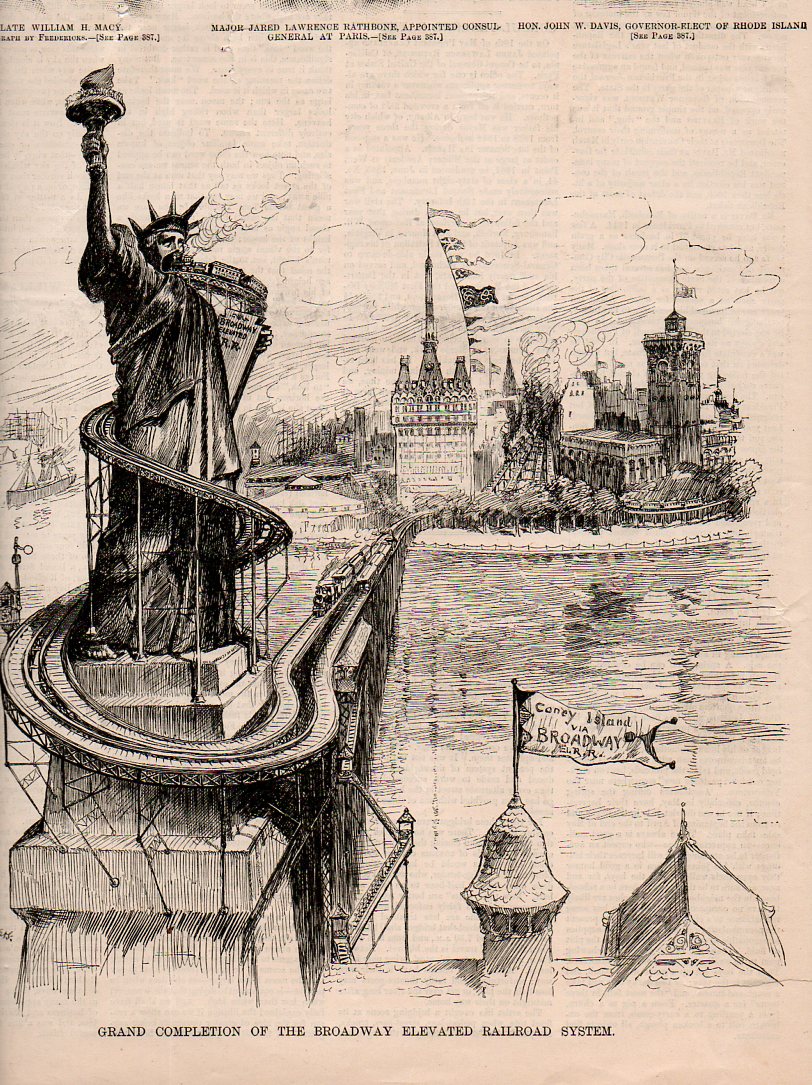
    Another intriguing image of the Statue of Liberty of the future appears below, and described in an earlier post on this blog, here.  Although not being used for advertising, she has become just another part of the landscape, swallowed up by the advancing transportation age. 

    Statue liberty407

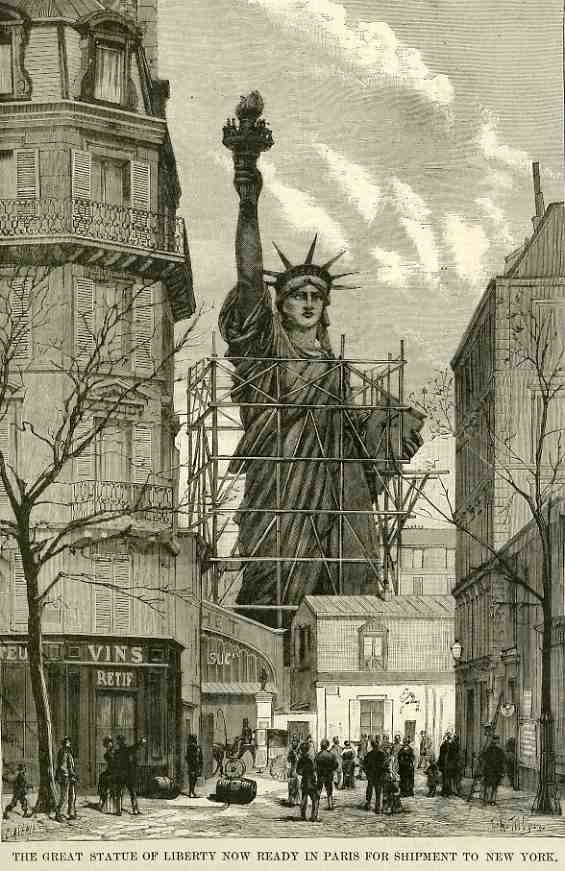
    And although it looks as though Lady Liberty is being packed away as part of a mothball fleet of iconic Americana, this image shows her in France, being constructed (for deconstruction), in 1884. 

    0 blog jan 22 statue409


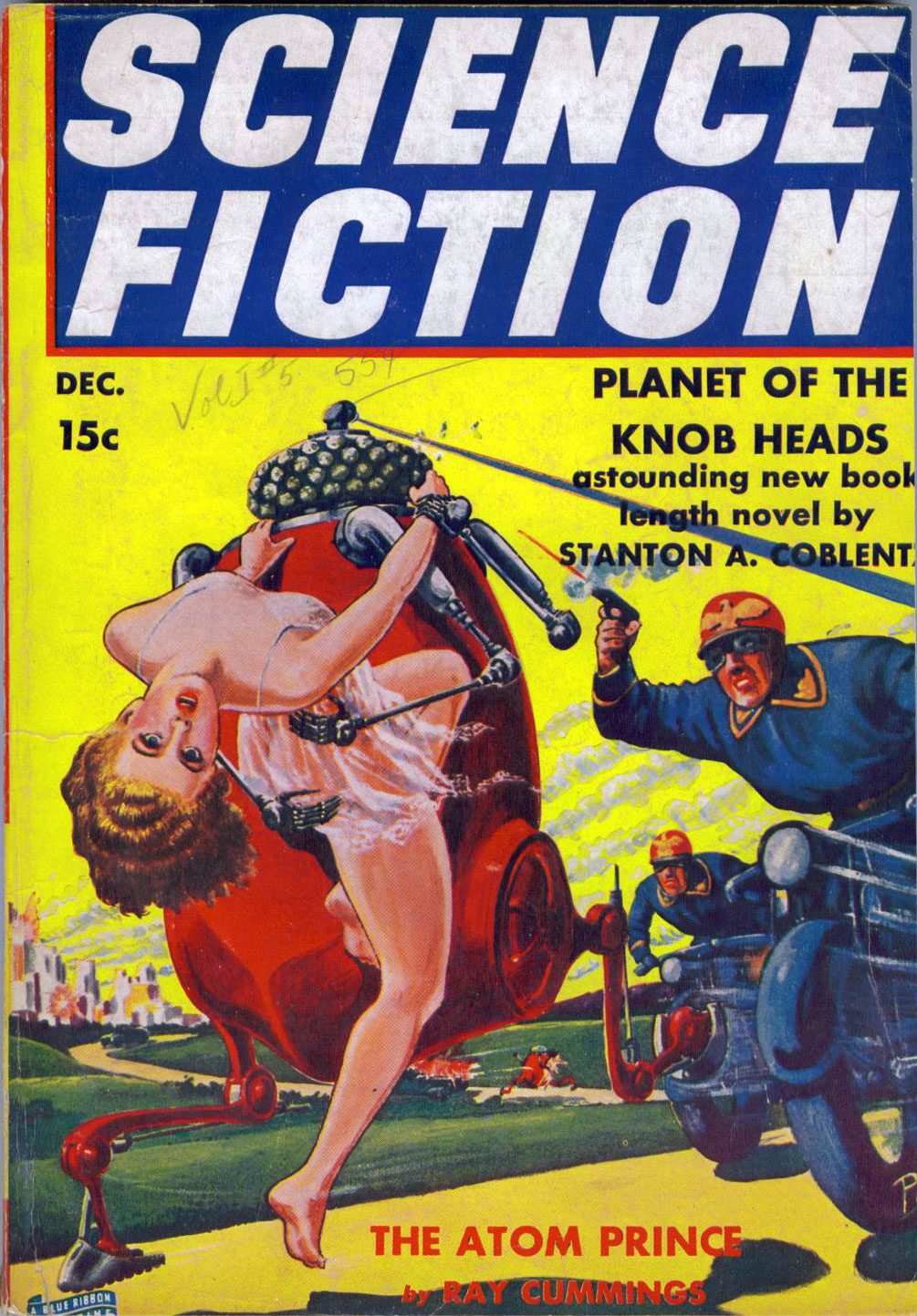
  • The Savage Distress of Women in Science (Fiction); Pulp Covers, 1930-1960

    JF Ptak Science Books   Post 1566

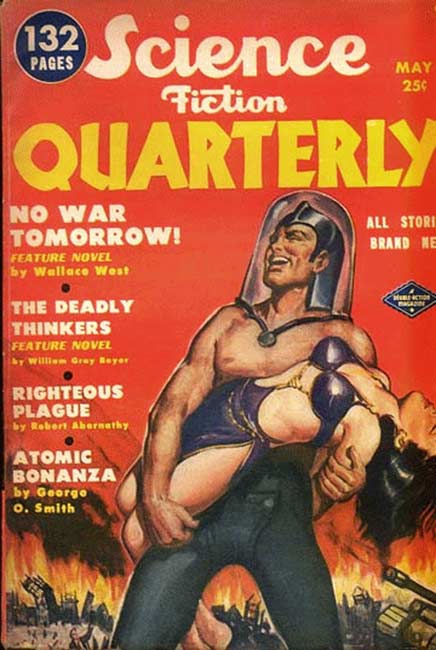
    According to most of these big, spongy pulp magazines, women were made to be rescued, and rescued not only from Enormous Situations, but also from unnameable, unknowable Enormous Things.  I guess they were slightly soft-porny, or at least the cover art was, attracting young readers by promises of  an “easily read” with excitement and voluptuous women in need of saving.  It was yet another turn on the fateful screwing of the tale of the damsel in distress, seen and heard countless times in art and story.  Only in these sci fi mags the damsel showed a lot more skin–it is extraordinary how cleavage attracted so much alien danger/romps.

    http://farm3.static.flickr.com/2671/3835444058_13c02d1279.jpg

    http://3.bp.blogspot.com/-JuUxvfWOlns/Tfx9MIjUoZI/AAAAAAAAKNs/D1M99vnx25M/s1600/sci%2Bfi%2Bcover.jpg


  • When the “Standard” Wasn’t So–Flying Upside Down, 1913

    JF Ptak Science Books   Post 1565

    Nearly everything that we have or use or see today was at one point “new”; standard practices, commonly used implements or technologies or ideas were at some point a breakthrough, wholly uncommon, completely non-standard. This thought struck me while breezing through an issue of The Illustrated London News for September, 1913, and seeing the following headline:

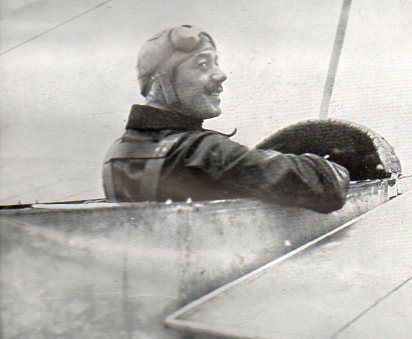
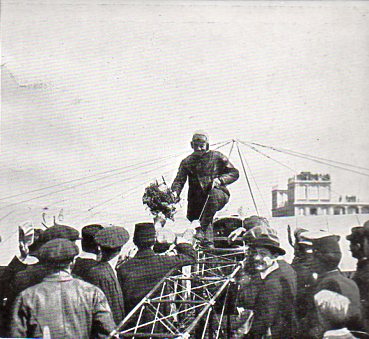
    Aeroplane upside down626

    The Wright Brothers made their powered flight in 1903, and  it is a testament to the difficulty of performing  upside-down flying that it took nearly 10 years to accomplish.  And so it happened, Adolphe Pegoud (1889-1915) accomplishing the feat 21 September 1913–he was greeted everywhere as a pioneer and a hero.  Flying upisde down, looping he loop (the distinction of “first to do this belongs to the Russian Nesterov who performed it in Kiev about a month earlier), doing the tail-slide, performing the vertical S, were all major feats, and all performed by Pegoud during this month of high activity.  But the people who seemed to take the quickest and most particular interest in these “stunts”  were the military folks, who instantly recognized the application of the maneuvers for aerial combat.  And as quickly as they saw that the maneuvers needed to learned for offensive purposes, they recognized that they must be mastered for defensive reasons, as well.  

    Aeroplane upside down625

    Aeroplane upside down624

    Aeroplane upside down623

    New York Times reported on Pegoud so:  (via The Daily Planet at the Smithsonian Air and Space):

    “Pégoud prepared a Blériot monoplane fitted with a Gnome engine and advised half a dozen friends of his plan. They did their utmost to dissuade him, but he invited them to witness the performance, and this morning at the Juvisy aerodrome he climbed into the machine and rose. At the moment of his departure he was by far the calmest person present.

    He rose to a height of 3,000 feet and then turned the nose of the machine earthward. For 200 feet it fell like a stone. It then turned inward till it was flying on its back, after which it rose perpendicularly upward. Then it completed the circle by regaining its normal flying position, having accomplished an apparent impossibility.

    The aviator came again to earth absolutely self-possessed. When he alighted from the machine his first remark was “I wished I had gone another thousand feet up. Then I could have done it twice.”

    The issue of Sciewntific American for (October, 1913)

    1913 Scientific American October 18-Pegoud;Siberian Mam
    Image Source: Pionnaire GE
    Long ago Sir Thomas Browne mused on what it was that the Sirens’ song might have been, trying to imagine and capture a source of vast imagination; it is equally complicated trying to understand how something we take so deeply for granted today was absorb when it was seen for the first time. 

  • Visionary Architecture and a Prankish Illustration, 1913

    JF Ptak Science Books   (Post 118 from June 2008, expanded)

    [I made a post on this subject at the very outset of this blog,m three years ago–I’ve returned to it this morning to expand and revise it some…]

    Dsc00013

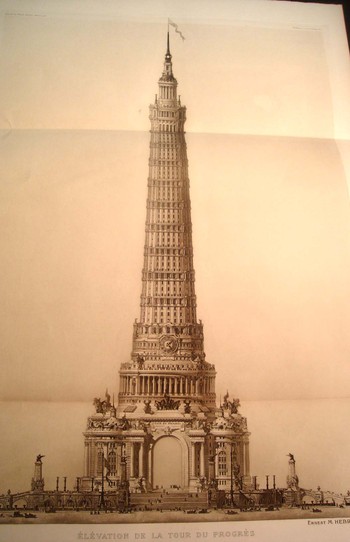
     This image has two things going for it, one obvious, the other not (and just about hidden, until you see it, then you can’t help not seeing it all of the time).  It comes from an unusual, somewhat pretty/bizarre visionary work privately printed in Paris in 1913.  The lead author, Hendrik Christian Andersen, along with Ernest M. Hebrard (and his brother, Jean Hebrard, who we saw in an earlier post), collaborated on a project (ungainly) called Creation of a World Centre of Communication1, a deeply complex, very detailed, and just plain weird offering for building a sprawling extraterritorial city dedicated to “oneness”, a thing that struggles to be heard over its own insistent shouting.  The drawings and plans were lush and lovely, with a lot of thought in their execution but actually very little into how everything might actually be pulled together into some sort of working whole.  As the first reviewers of this book demonstrated, simply because something is very big and heavy–as in the case of this huge book–it doesn’t give the work any necessary intellectual weight.2

    Dsc00012

    And so it goes.  I imagine that if the beautiful Etienne Boullee thought in terms of cities rather than in single structures, he might’ve produced just the same sort of gorgeous, unconnected thing.  After all, just because you draw a plan with a lot of buildings almost touching each other doesn’t necessarily mean you’ve drawn a visionary city. 

    This is one of 22 large images (in real life this print, a heliogravure, measures about 28 inches tall) showing different structures from an art center to a fountain of life.  This is the “Tower of Progress”—I don’t know what sort of progress as there’s really nothing to go by, except for the big 100’-tall clock, so at the very least it is a celebration of the progression of time, which needs no monument outside of the trillions and trillions of trillions (or centillions, or 10303?) of bones it has distributed around the planet over the millennia. But for Hebrard it formed the locus of the  “a fountain of overflowing knowledge to be fed by the whole world of human endeavour in art, science, religion, commerce, industry, and law; and in turn to diffuse throughout the whole of humanity as though it were one grand, divine body conceived by God, the vital requirements which would renew its strength, protect its rights, and enable it to attain greater heights through a concentration of world effort.” Whew.  The Tower is really dedicated to progress in learning, and the distribution of information, which stands at the center of this place; the authors believed that the only way that the world would survive the “present war” (WWI) would be through education–I think that the world has so far proved them wrong. 

    I figure that the tower was to be about 1,500 feet tall (scaling it by the 2mm tall figures scampering around in the image)—a giant tower perched on top of a rotunda placed on top of a table-like something, looking terrifically fake, but lustrous.

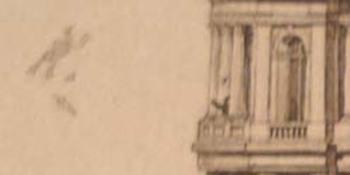
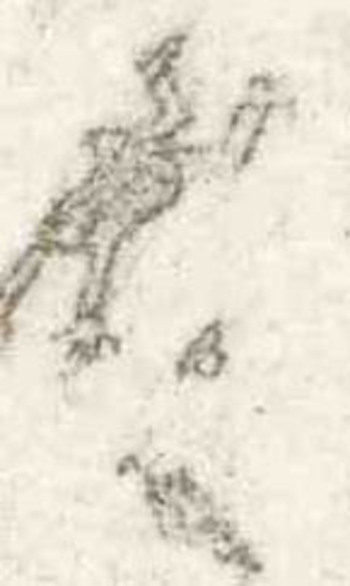
    The prize though in this portrayal of the “Tower of Progress” is a little smudge-like thing to the middle-left of the tower.  Under magnification, we see that it is a man, with a bowler and an umbrella, hurtling down, falling from somewhere way on high in the tower.  It is of course a very unexpected feature of this visionary architectural rendering, a hidden joke (perhaps?).  These sorts of additions—the work of a disgruntled/drunk/humorous engraver—pop up from time to time in the history of printing.  Perhaps the most famous intentional example of this graffiti is found in the earliest copies of the first edition of Twain’s Adventures of Tom Sawyer, where a male character is featured with
    Falling_man_super_detail a very large, very lumpy, very noticeable, erection; a proof reader spotted the embarrassment, and the plate was reworked to rid the character of the Natural Function.  I’d guess offhand that this was the case with the Hebrard heliogravure, even though there is a second figure in the tower pointing at the figure hurtling past, implying a little more thought in making this a more cohesive joke.   
    Notes: 

    1. An interesting review of this work appeared in Town Planning Review for 1914, here. 

    2. “This volume is 1 foot broad, 1 foot 6 inches long, and it weighs 10 lbs. It is obvious, then, that if it has a corresponding spiritual gravity it cannot be treated with too much deference…”–source


  • A Technical Museum of the Future, 1879–a Note on the History of Normalcy

    JF Ptak Science Books   Post 1563

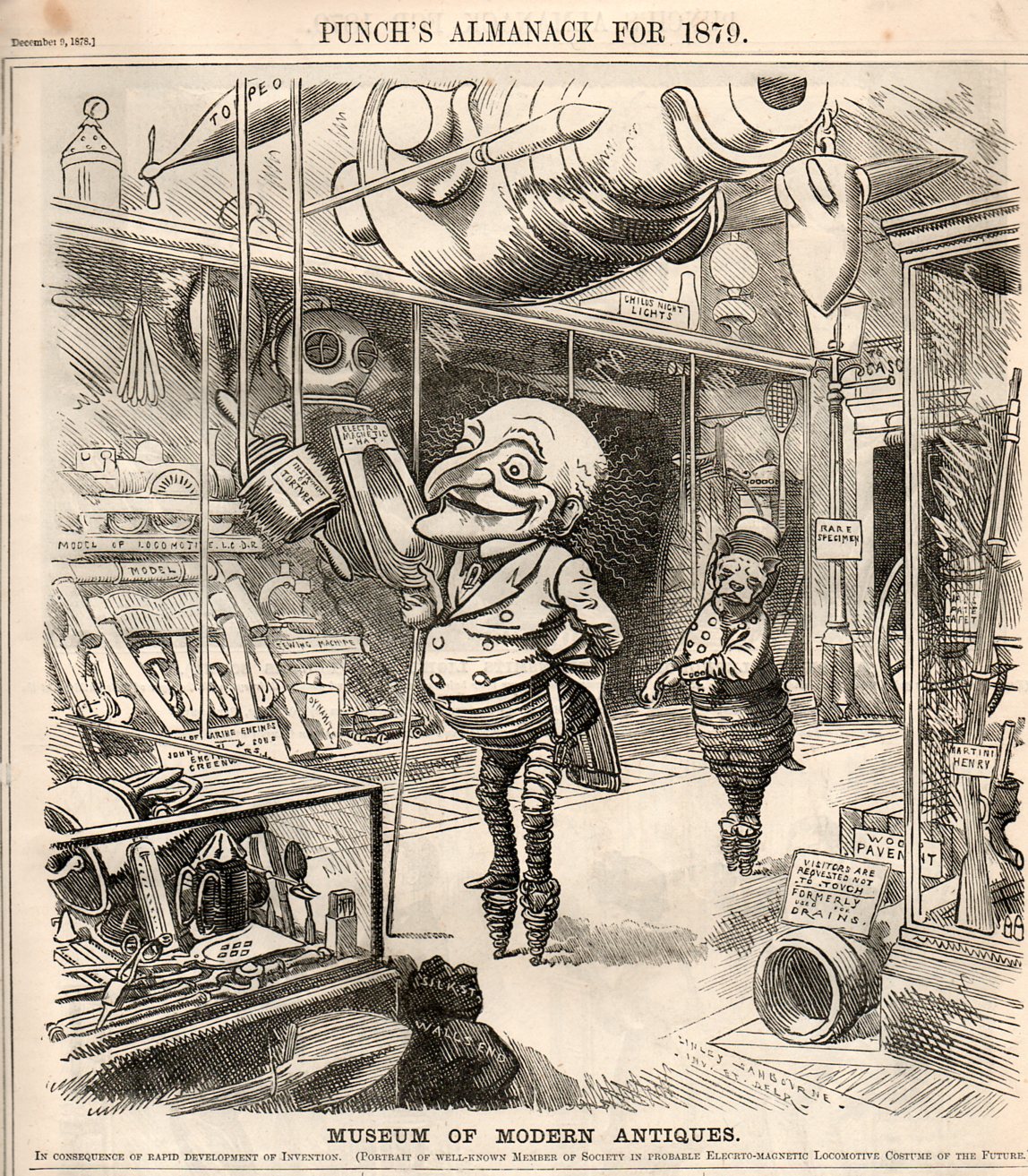
    Yesterday I wrote a blog post on Thomas Edison’s anti-gravity underwear, a satirical series of images that appeared in Punch magazine in 1879.  The leading image of the Punch almanac for that year carried forward the electrical possibilities of the day, and featured Mr. Punch himself, strolling via some odd electromagnetic transportation device through a museum in the near future of the technologies of 1879 since put to a rusty bed, surpassed by the expanding newness.

    Now I’d like to take a bit of a closer look at the future “antiquarian” bits found in that museum. 

    First, the image in whole: 

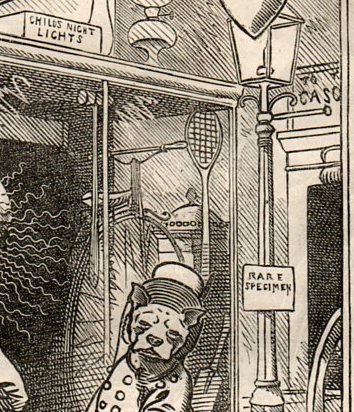
    Edison electric621Some of the modern conveniences to be left behind to the dust of the antiquarians and the curious included  “childs night lights” (which would surely have been a luxury few could have had available to them in 1879), a street lamp powered by gas (which was even then giving off the stench of death owing to the newly-arrived electric light), a tennis racket, and a rather tall bicycle.  All of these would actually be dramatically changing (except perhaps for the tennis racket)  and substantially so, within the next decade-and-a-half.

    Edison electric621 bike
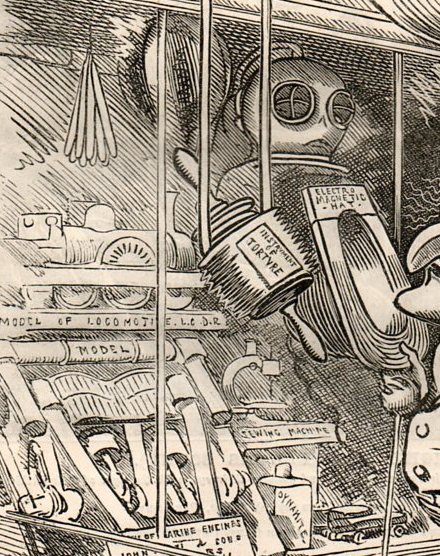
    In the background we see a curious cabinet containing a deep-sea diving suit, candles, a boxing practice ball, a patent of a steam locomotive, another model of a propulsion system for a ship, a sewing machine (already in its third decade) and a box of dynamite (still relatively new at this time, having been patented in 1867).  I am not sure what the “:instrument of torture” is.)

    Edison electric621 deep sea
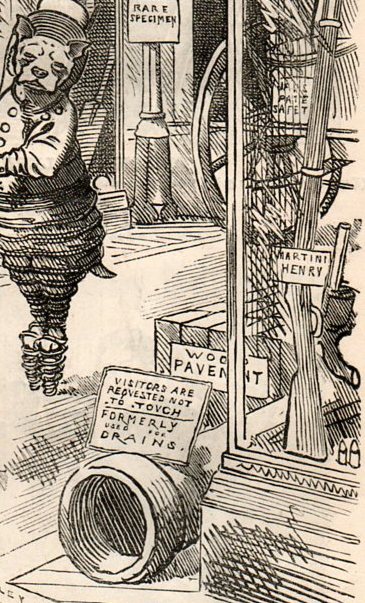
    The Henry (repeating) rifle was also still fairly new on the scene in 1879, having been around since the late 1850’s but not really produced in any numbers until after the Civil War in 1866)

    Edison electric621 guns

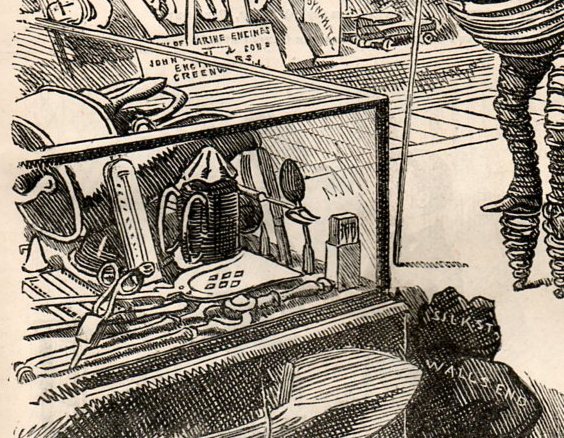
    Perhaps most disturbing to the large percentage of viewers is this last detail of the glass case int eh foreground, which displays the average, everyday stuff that made a household work–a spoon, a thermometer, lantern, fireplace buddies, and even a candle snuffer.  I imagine that people wondered–in 1879–what, exactly, would take the place of these staples?  Better yet perhaps are the objects on the floor, labelled “Silk St” and “Walls End”.  I take this bits to be chunks of coal, and the “Walls End” to be Wallsend, a coal and industrial community (grown up at the end of Hadrian’s Wall).  Maybe that is the most disturbing element of all, to think that coal would some day be replaced–we have similar feelings today, 131 years later, about just this business with coal.

    Edison electric621 household

    I guess the point of all of this is the fickle nature of change, or not-change, and how comfortable surroundings and objects can become quickly not-so in a short period of time.  This would fit nicely into this blog’s developing “History of Normalcy” series. because it really does establish the utterly transient nature of the idea of “normal”.