A Daily History of Holes, Dots, Lines, Science, History, Math, Physics, Art, the Unintentional Absurd, Architecture, Maps, Data Visualization, Blank and Missing Things, and so on. |1.6 million words, 7500 images, 4.9 million hits| Press & appearances in The Times, Le Figaro, Mensa, The Economist, The Guardian, Discovery News, Slate, Le Monde, Sci American Blogs, Le Pont, and many other places… 5000+ total posts since 2008.

Author: JF Ptak

  • The Beautiful Inscrutable: Khunrath’s Fabulous Alchemical Exploratorium, ca. 1600

    JF Ptak Science Books  Post 1846   Part of the Series on the Artistic Display of Information

    I followed a link to the lovely website Res Obscura and found this great image from the work of Heinrich Khunrath, Ampitheatrum Sapientiae Aeternae (Hamburg, 1595, or in English  “The Amphitheater of Eternal Knowledge”).  Khunrath (1560-1605) packed about as much perplexing, confusing, inscrutable and beautiful displays of not-verifiable alternative information into his very full 45 years as just about anyone. He was a  Paracelsian, John Dee-ophile, hermeticist/alchemist seeker of “eternal wisdom” via medico-magical-interpretative Christianity, a deeply physico-chemical-spiritual experimentorium, and the meaning of his work (outside of where it fits int he history of science) really pretty much escapes me–except that the illustrations are beautiful. Res Obscura has a lot to say about the interpretation of the images, as do the other links below. I have really nothing to add, as I really dont’ know enough to say what is being represented in these very complex displays. 

    One thing that does seem obvious to me: the meanings and interpretation of this work is extremely fluid.

    [Image is greatly clickable]

    http://1.bp.blogspot.com/-R1UEoMw5nTM/Tx1DNSxW4GI/AAAAAAAAA44/gbeH-3zD6Js/s1600/hermtxt1750.jpg

    [Source: http://resobscura.blogspot.com/]

    Transcription of the text surrounding the Hermaphodite (that someone refers to as the Hermaphrospehere, is available here from the Special Collections Department at the University of Wisconsin.

    And other very complex symbolist allegorical somethings:
    ..
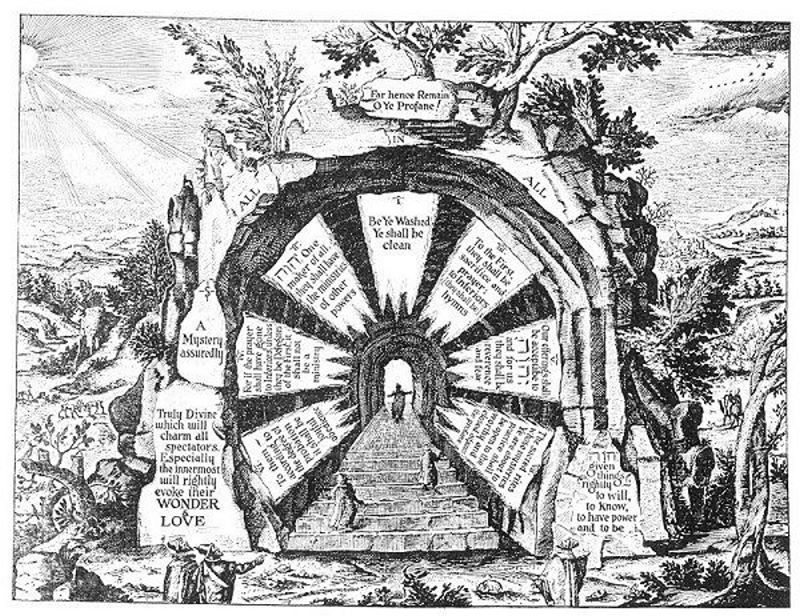
    which is an English version of the Latin of Amhitheatrum Sapientae Aeternae (from 1606) and available here along with other in-English goodness.

  • The Family Tree of Computer Development, Part II

    JF Ptak Science Books  Quick Post

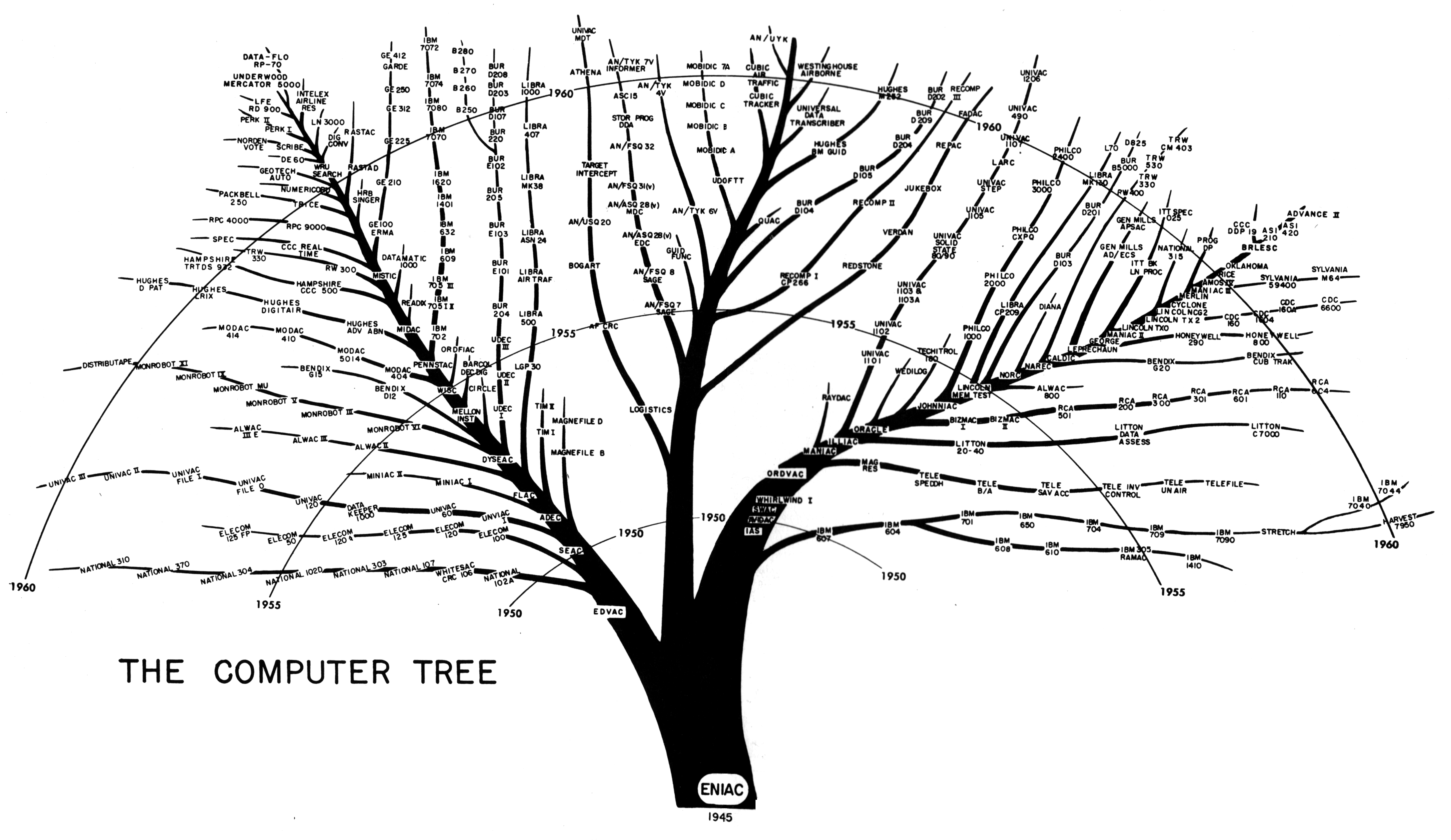
    I’ve found a supplement to an earlier computer tree that I published on this blog (here) as a part of a chronological list of (nearly every) computer manufactured from 1943 to 1990.  The new one is interesting and has its differences from its predecessor, and divides its generations of computers in terms of logic technology. It is found in a 1960 NSF pamphlet called “The Family Tree of Computer Design”, a Brief Summary of Computer Development, and I found its reference in a good book by I.B. Cohen, Howard Aiken, Portrait of a Computer Pioneer, published by MIT and available here.

    [Image source: Microsoft.]

    The earlier “Computer Tree”, from Electronic Computers Within the Ordnance Corps , by Karl Kempf. “U.S. Army Diagram”, the source of this information coming from the U.S. Army, here.

    This image is expandable.

    Computer tree

    More detailed images of the computer tree are found below:


  • Created and Estranged Alphabets of Visionary, Creative and Boring Things

     JF Ptak Science Books  Quick Post

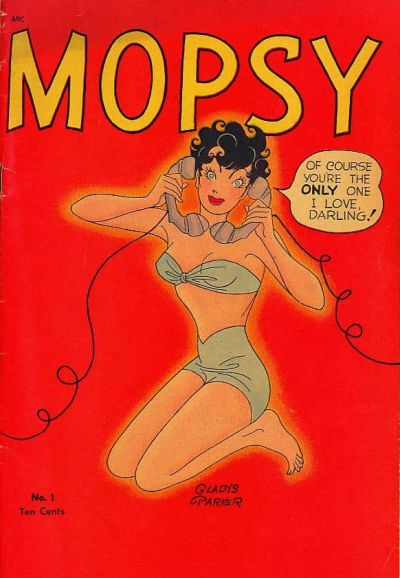
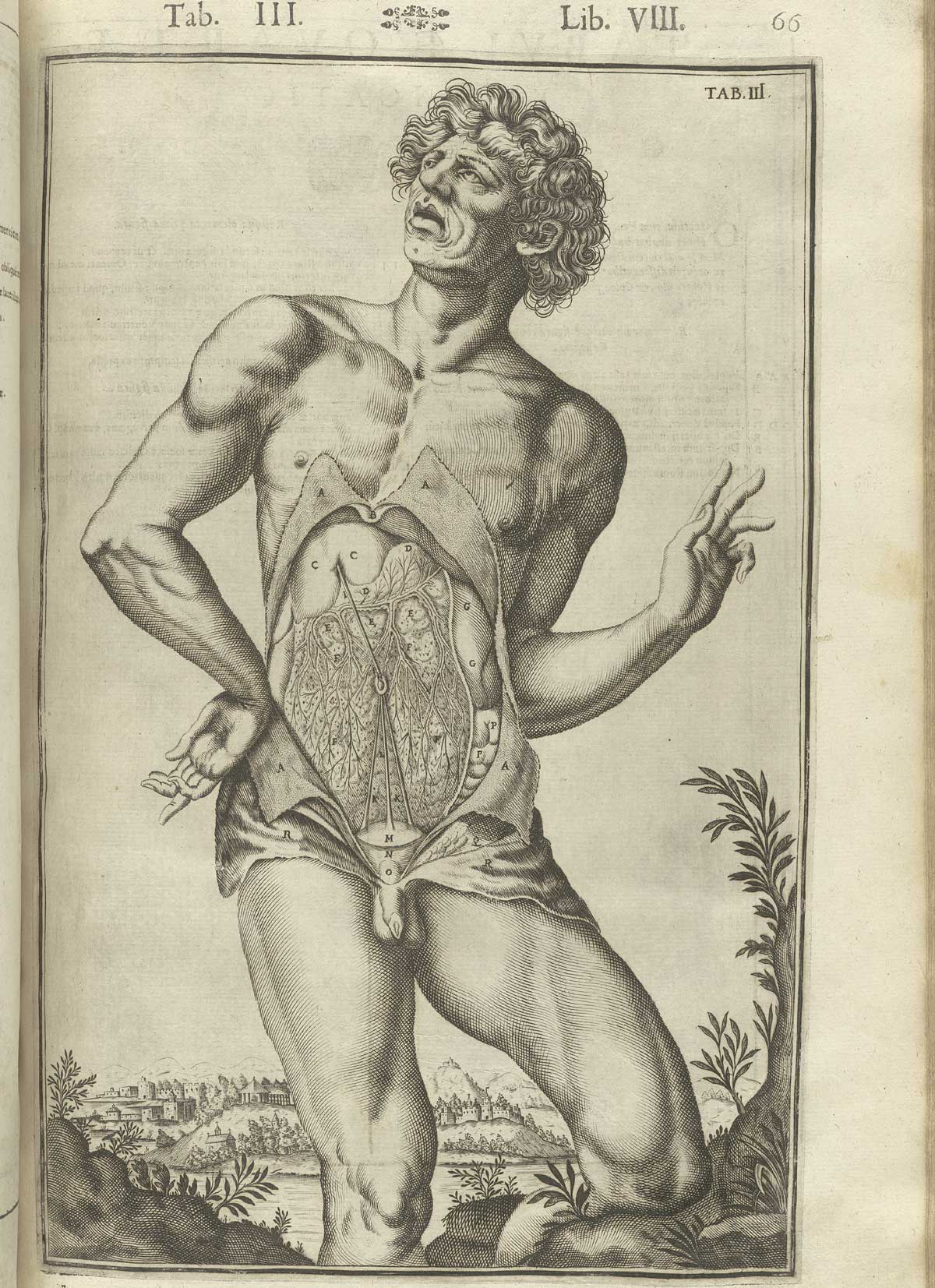
     So.  As it turns out there are at least 23 alphabets (of sorts) created or estranged on this blog (compared to the six that show up in my archive search under “alphabet”).   A few more and we might have an alphabetical post of alphabet posts.  Here they are, the ABCorama:

    An Alphabet of Australian Convict Mugshots, 1900-1920, here. 

    Alphabet of Retro-Vision Women, ca, 1940’s/1950’s, here.


    Grrlz--mopsy

    An Alphabet of Anatomical Emotions and Feelings–Installment 1, here. 

    Contempt

    Casseri_p66  dandy

    ·Posted by :

    ·in:

    —

  • H.L. Mencken and the Anarchist, 1933

    JF Ptak Science Books   Quick Post

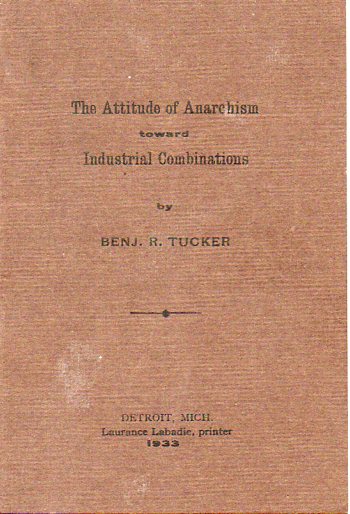
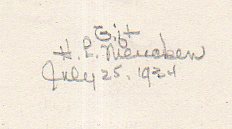
    Tucker mencken605The long-spirit anarchist (and “Unterrified Jeffersonian”) Benjamin R. Tucker (1854-1939) wrote  “The Attitude of Anarchism toward Industrial Combination” in 1926, but we see it here printed in Detroit (by Lawrence Labadie) in 1933.  It is interesting to see on the inside of this tiny pamphlet that the anarchist Tucker’s work was sent to H.L. Mencken, as a gift from the printer.  It wouldn’t stay long in Mr. Mencken’s possession, as he sent it (along with a number of other works by Tucker that I can’t lay my hands on at the moment) to the Library of Congress in July 1934 (and coming into my possession as part of a purchase of “the Pamphlet Collection” 65 years later.).  I’m  not so sure about what Mr. Mencken would have thought of most of it, only that he didn’t keep it for long, I think, despite what might seem to be his “Tory Anarchism” and general oppositionist stances. left and right, whatever they might have meant at the time.

    The full text of the pamphlet is found here, and the original found for sale at our blog bookstore, here.

    Tucker mencken607

    ·Posted by :

    ·in:


  • The First Sightings of Great Things: the Telephone, March, 1876

    JF Ptak Science Books   Post 1845

    Bell patent close
    Besides it being the Centennial year, 1876 saw a number of major games in the history of human thinking. Sometimes the announcements or earliest public appearances of these breakthroughs didn’t get all that much attention.  As one of the major means of transferring technical and applied science info to teh general public, it is interesting to see how Scientific American reacted to such innovations.  For the thick, heavy volume for 1876, amid

    Bell patent
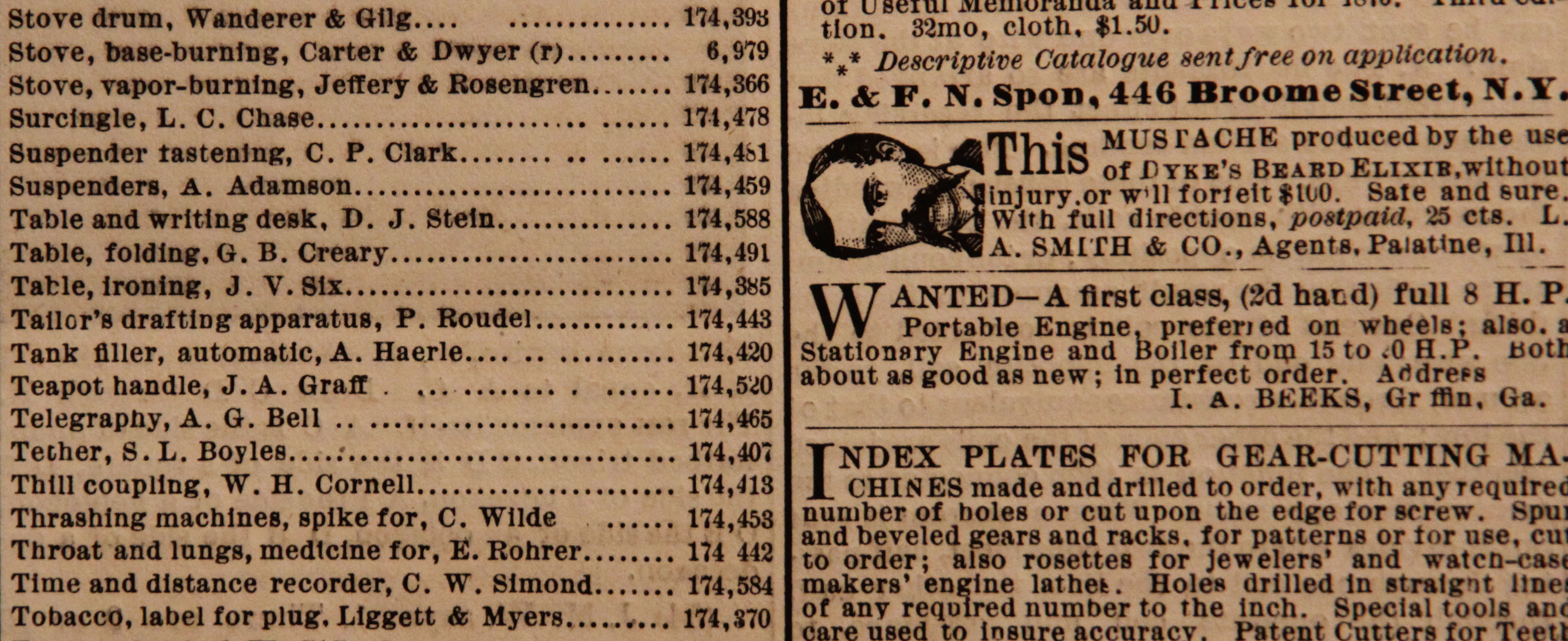
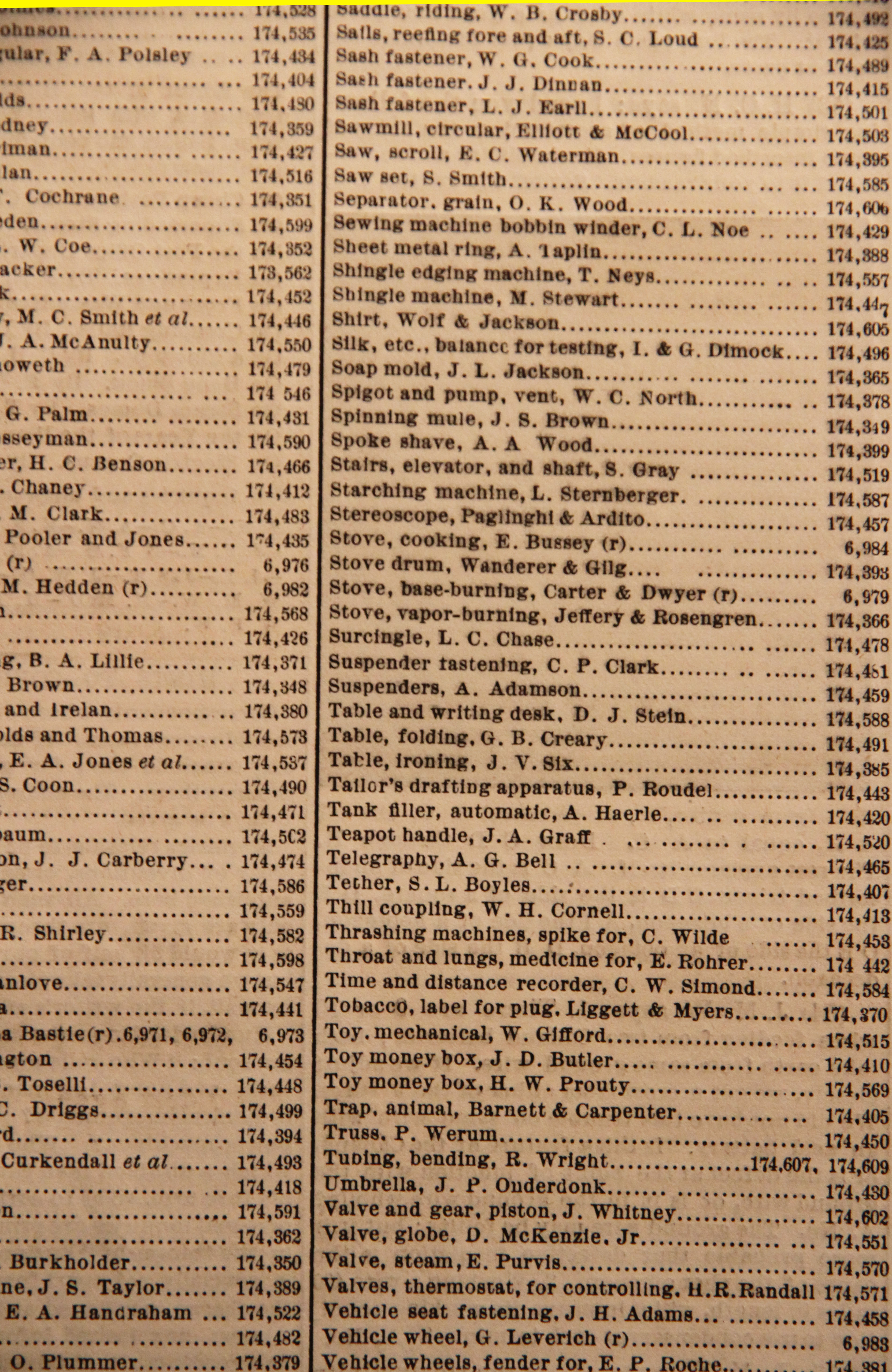
    patent announcements and articles on telegraphic fire alarms, electro-harmonic multiplex telegraphs, recording telegraphs, electro-magnetic telegraph railroad car signals, signal box telegraphs, underground telegraphs, telegraph keys and armature, acoustic telegraphs and the l;ike (though there weren’t that many reported, not really, just on the order of dozens), we find one of the most important of them all, patent # 174,465, by Alexander Graham Bell, appearing 8 April 1876.  It would be a rude resumption of being here in the future of this event to call the coverage short-sighted

     In an earlier article in the 4 March 1876 issue of SA, there appeared “The Invention of the Telephone”, by P.H. Vander Weyde, in which there is yet any mention of Mr. Bell.  There is an illustration of one of his precursors in the field, the Reuss telephone, with ample description. (This was actually Philipp Reiss, and his telephone really wouldn’t work to transmit the human voice, though did so work for music to some degree.)  Bell’s patent  would be at the Patent Office in March, and would appear as a one-line notice (among a hundred others), the patent stating it was “the method of, and apparatus for, transmitting vocal or other sounds telegraphically … by causing electrical undulations, similar in form to the vibrations of the air accompanying the said vocal or other sound”.  (The first image above is a detail; the second image a longer version, which is really only less than half of what the real-life version looks like in the tall listing.)

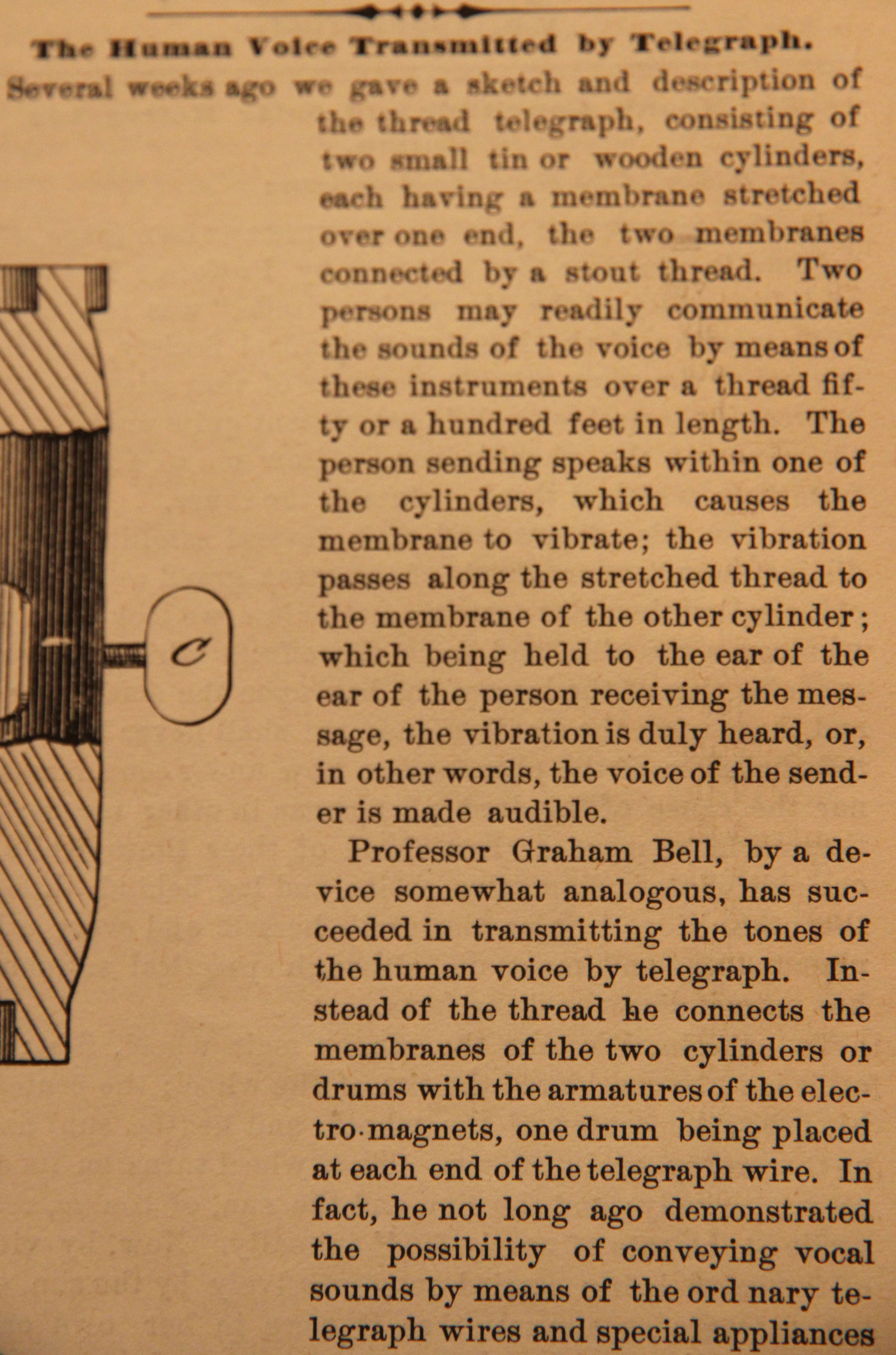
    Weeks later, Elisha Gray‘s (on 13 May) telegraphic telephone patent (175071) appears in the Scientific American, and later, on 9 September, on page 163, there is the article “The Human Voice Transmitted by Telegraph”, on the successful transmission by Graham Bell. 

    Bell human voice

    Admittedly there were a number of developments in the production of the speaking telephone at this time, though in general there seems to have been no great attention paid them in the pages of the Scientific American than pipe cutting machine improvements or improved gravel separators.  Obviously the great impact of the invention was yet to be appreciated, even in any sort of fictional way.

    The original volume of these reports is available for purchase via our blog bookstore, here.

    Some of the earliest speaking telegraph patent illsutrations follow:

    ·Posted by :

    ·in:

    —

  • Wholly Mondo Bizarro: Outsider Thinking, 1888

    JF Ptak Science Books   Post 1844

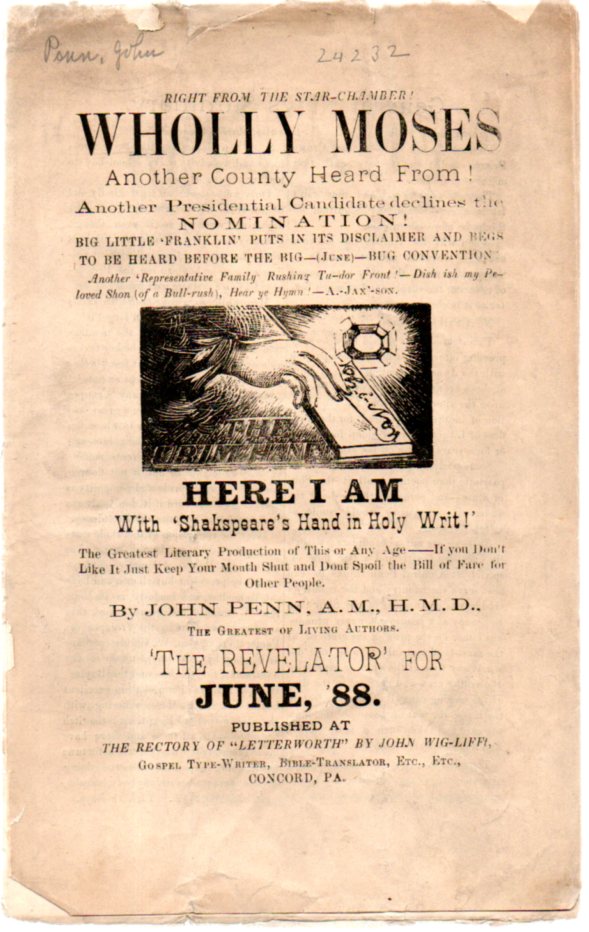
    It is difficult to lose your reader right in the very title of your text. But I do think that John Penn (“the Greatest of Living Authors” accomplishes this in his  

    Right from the Star-Chamber! Wholly Moses Another Coutnry Heard from Another Presidential Candidate declines the Nomination! Big Little Franklin Puts in its Disclaimer and Begs to be Heard Before the Big–(June)–Bug Convention... And on and on. 

    Bizarre602
    I can find nothing for Mr. Penn, who claims that this is Volume 3 Number 2 of a magazine called The Revelator (June 1888), a magazine that doesn’t seem to exist in the holdings of the massive WorldCat/OCLC.  The message of the slim and fragile pamphlet is–in the most kind appreciation possible–unclear.   There seems to be a lot of political something going on, though it is a tangled webby road. Much of the center stage seems occupied by the election of 1888, when President Cleveland was renominated in a peaceful convention, but then bested by Republican challenger Ben Harrison in the electoral college in one of those elections where most stuff seemed to be going relatively fine in the United States.  (Cleveland would come back to defeat Harrison in 1892.)  So references to something like “Big Little Franklin” might actually refer to Benjamin Franklin Jones (1826-1903) who was the chair of the RNC from 1884-188 and the force behind the failed James Blaine nomination in ’88.  Some references are obscure but solid, and some are just obscure and unsolid, and others turn the deep corner of obscure and fly into the arms of mondo bizarro.

    Perhaps it was all just theatre.  And perhaps it was the work of someone who had some money and insisted of giving a platform to his black-and-white kaleidoscope, and had the thing printed (if not published) there in Concord, Pennsylvania, in 1888 (also known here as “J.P. 6600”).

    Here’s the last page–the pamphlet is too delicate to open and scan any of the interior–perhaps this is enough:


  • A Prehistoric Rayograph–a Proto-Example of Man Ray from 1810

    JF Ptak Science Books   Post 1843

    “I have never painted a recent picture.” Man Ray, 1966

    “Unconcerned but Not Indifferent”—1976, Man Ray’s epitaph.

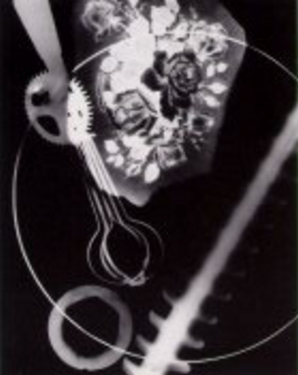
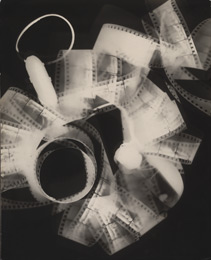
    Emmanuel Radnitzky (1890 –1976) removed the “Emm_uel”  and the “__dnitzk” from his names to become Man Ray, a South Philly-born, Brooklyn- and Manhattan-bred Parisian ex-Pat artist became (by the early 1920’s) perhaps the most influential of the Dadaist/modernist photographers. No offense to his given name, but “Man Ray” is superior.

    0 blog jan 27 man rayograph 1943 0 blog jan 27 man ray


    And Man Ray was far more than a photographer, as he worked across many different art forms, not the least of which was motion pictures.  But what comes to my mind first with his name is his self-titled “rayograph”, a photographic process which was actually a photogram, which was the direct exposure of an object placed upon a photosensitive paper.  This is also the earliest form of photography, something employed by Fox Talbot who called it “photogenic drawing”) as early as 1834.  (I wrote a little bit about this process in a post “Things That Almost Were But Weren’t”.) But Man Ray’s rayographs stand clear and distinct to me, different even from his contemporaries’ works (including Susan Derges, Max Ernst, Raoul Hausmann, Laszlo Moholy-Nagy and Alexander Rodchenko).  

    0 blog jan 27 man rayograph 2

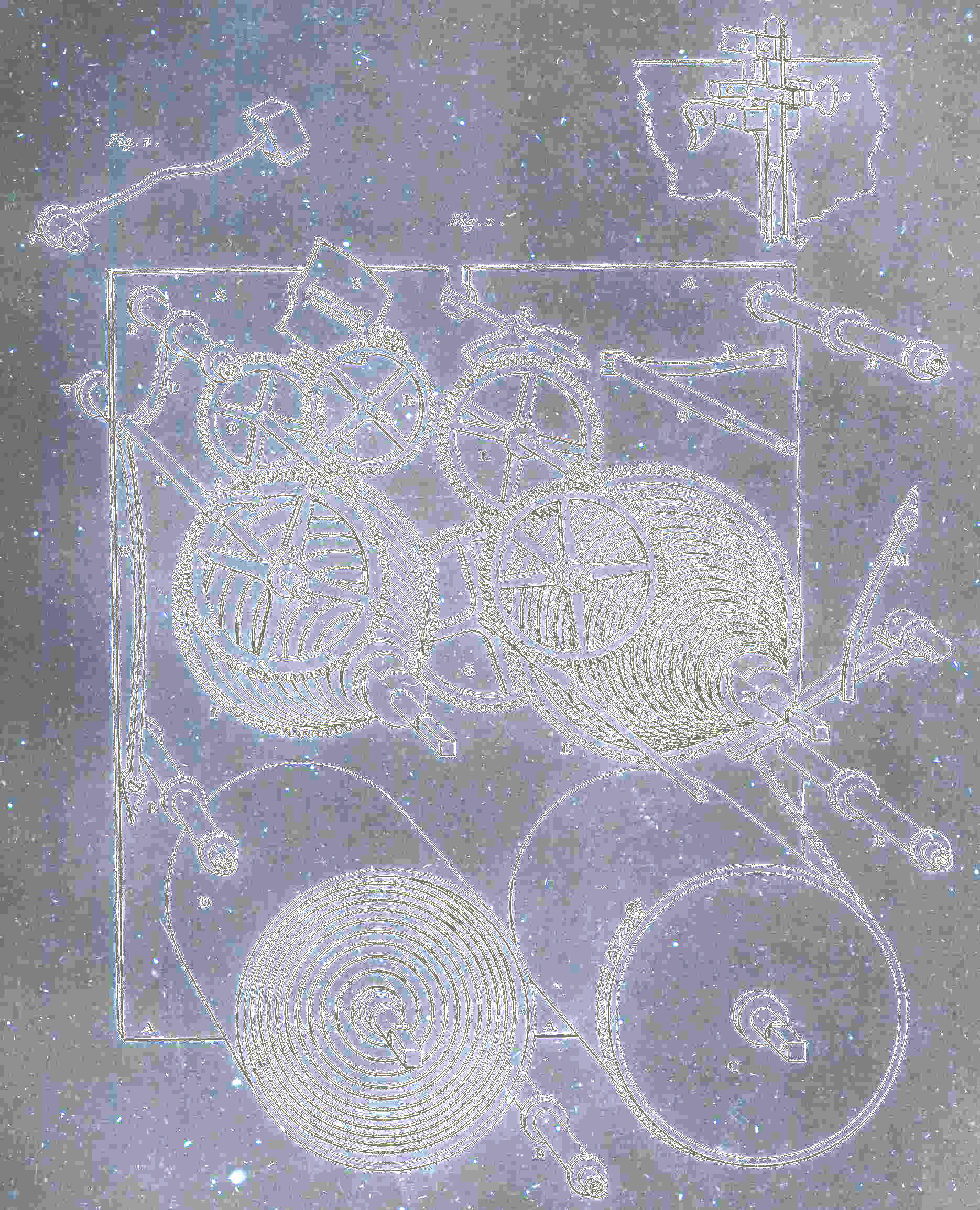
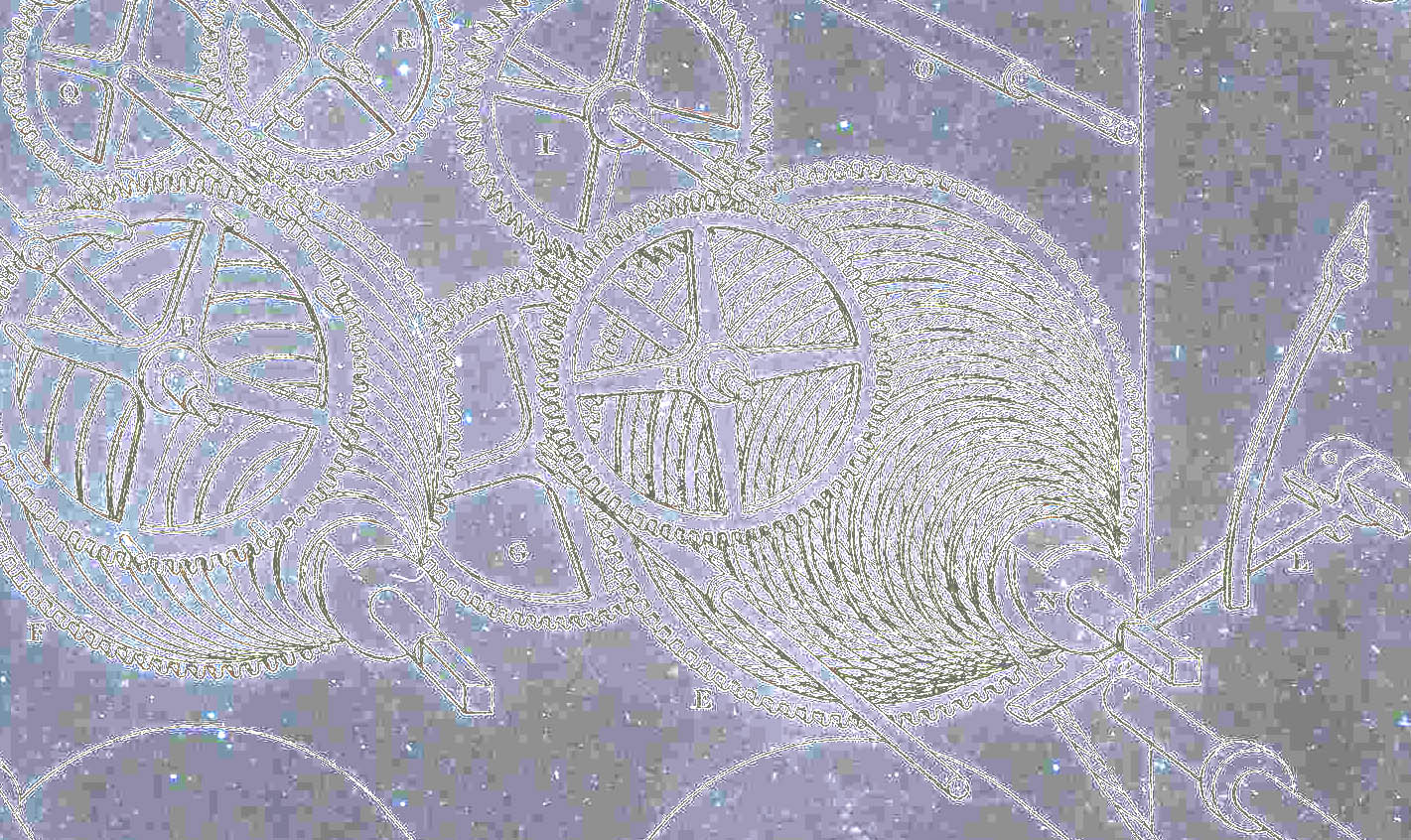
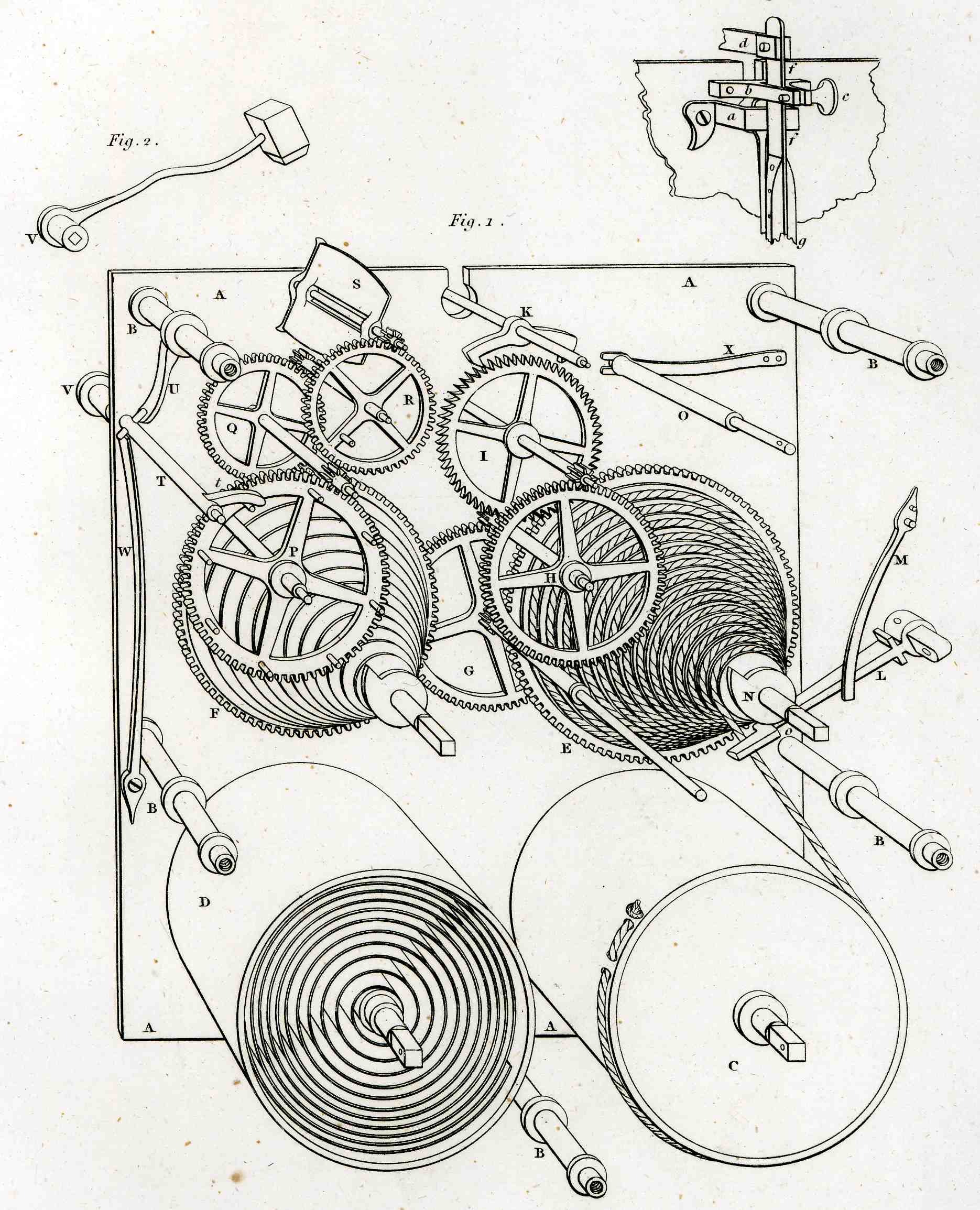
     Of course my antiquarian pretender (the image on the above right) to the rayograph isn’t one—it just had the look and feel of one, contained that shock of recognition that I had seen it before, and the palce where I would’ve seen it was with Man Ray.  All I did with this engraving—an image of clockworks published in Abraham Rhee’s Encyclopedia of 1810–was to solarize it.  So it isn’t even a rayograph, but just looks like one, though Man Ray did work quite a bit with the solarized image.  I just like it. 

    0 blog jan 27 man ray 2

    This is the engraving in its “before” (and superior) state:

    0 blog jan 27durer459  


  • Daily Dose of Dr. Odd: Blackboard Technology, 1850-1900

    JF Ptak Science Books  Quick Post

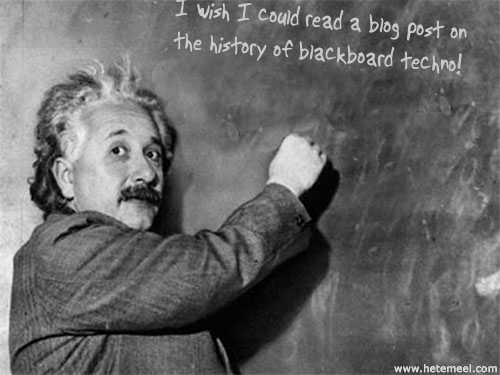
    Einstein chalkboard
    What is there not to like in a blackboard?  Doing work on a blackboard is a definite commitment, thinking done out-loud, brain squeezings that you had to stand next to and own, creativity done on the fly with plenty of room for annotations.  And so how would you accommodate an expansion of the display of thought or instruction in the 19th century?  There were evidently plenty of ways around just having a big piece of slate on a  wall, as these U.S. Patent Office application/grant drawings will show. 


  • On Paper Sculpting of Nothing

    JF Ptak Science Books  Post 1842   (Continuing a post on The Importance of Nothing in the History of Blank, Empty and Missing Things thread.)

    Bug shells black595

    There is nothing quite so attractive sometimes as nothing.  Free, unused blank, empty space that can occur on a painting or in a print or on a green or red landscape or between notes in a piece of music;  the use of nothing, of blank space as an attenuator or a simple resting spot can be a critical element.

    Images from natural history, physical and medical sciences and encyclopediae can be extremely full with a hundred or more sections and not be crowded at all, though very full–other attempts at designing information display like this are far less successful, and become just crowded amalgams that remind us of badly articulated cabinets of curiosity.  Of course these things are not made to stand on their own and were to be used in conjunction with texts, but still, they seem to be strong enough to stand on their own.

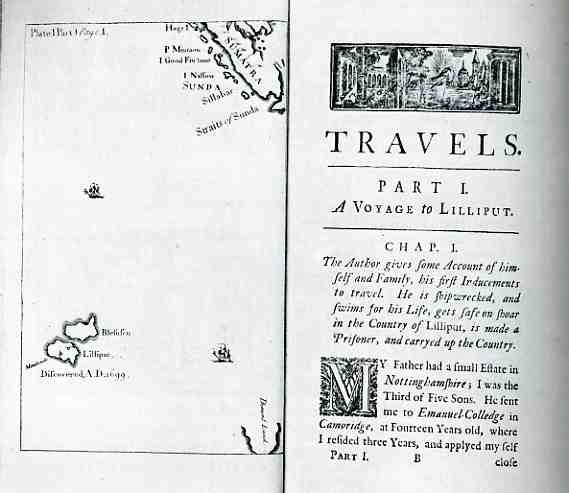
    The blank spaces seem to occur more naturally on maps, in spite of the impulses of mapmakers (or at least their engravers) to fill the blank spaces with whatever might have been on hand–found or fictional or hypothesized landforms/animals/people/waves and such.  But some came quite naturally to the blank and free spaces, even in fictional maps, like the following (from Jonathan Swift’s Gulliver’s Travels (1726, amended 1735), or Travels into Several Remote Nations of the World, in Four Parts. By Lemuel Gulliver, First a Surgeon, and then a Captain of several Ships):

    000-ebay--Nov 4--gulliver996


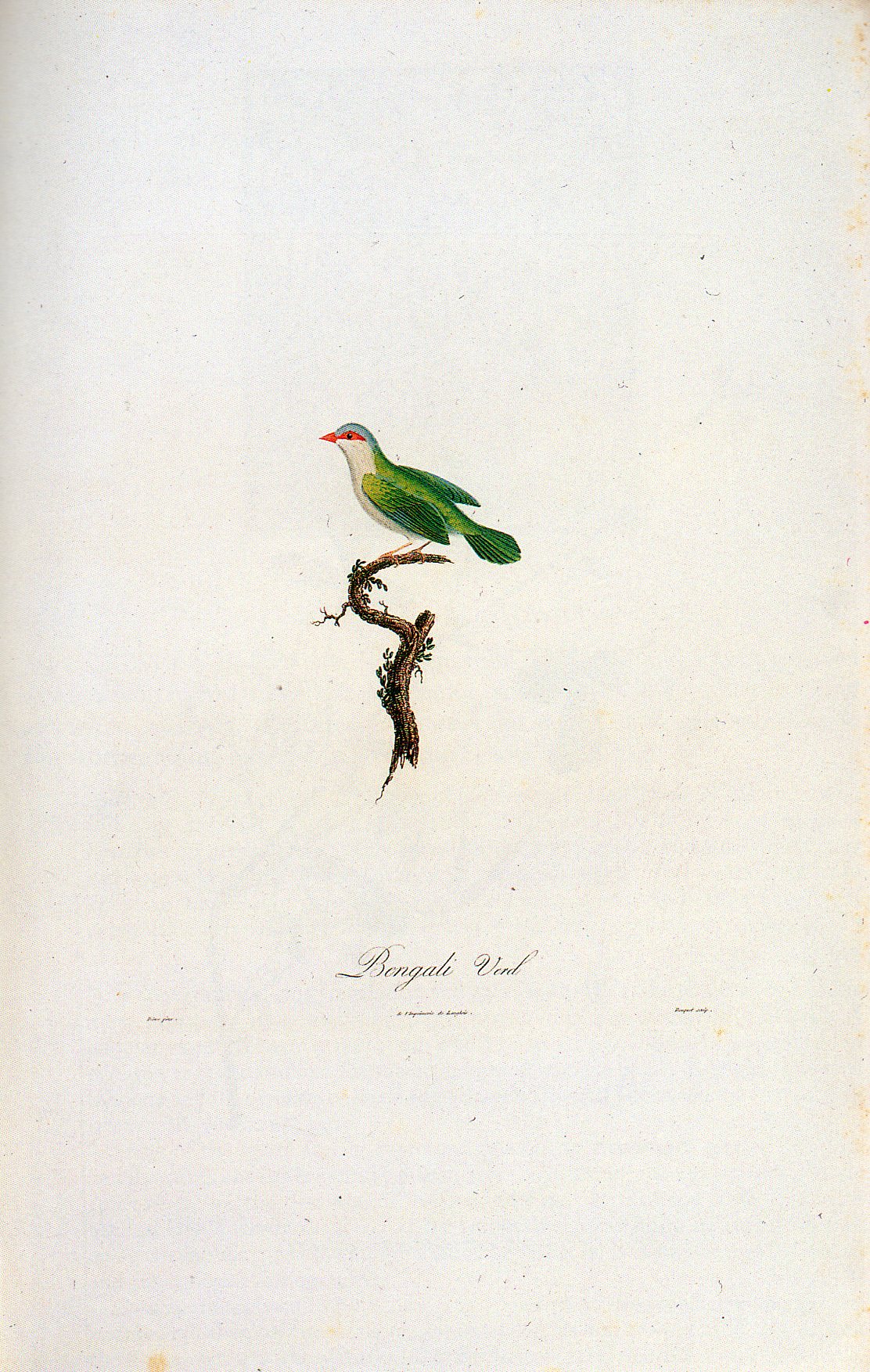
    But these originally-occurring blank spaces are not why we’re here today.  As much as they can be beautiful, as in the following, as in this example of not filling up space by Louis Jean Pierre Vielliot in his 1805 work on natural history:

    Patti--WIWFY-Cover design Bird407

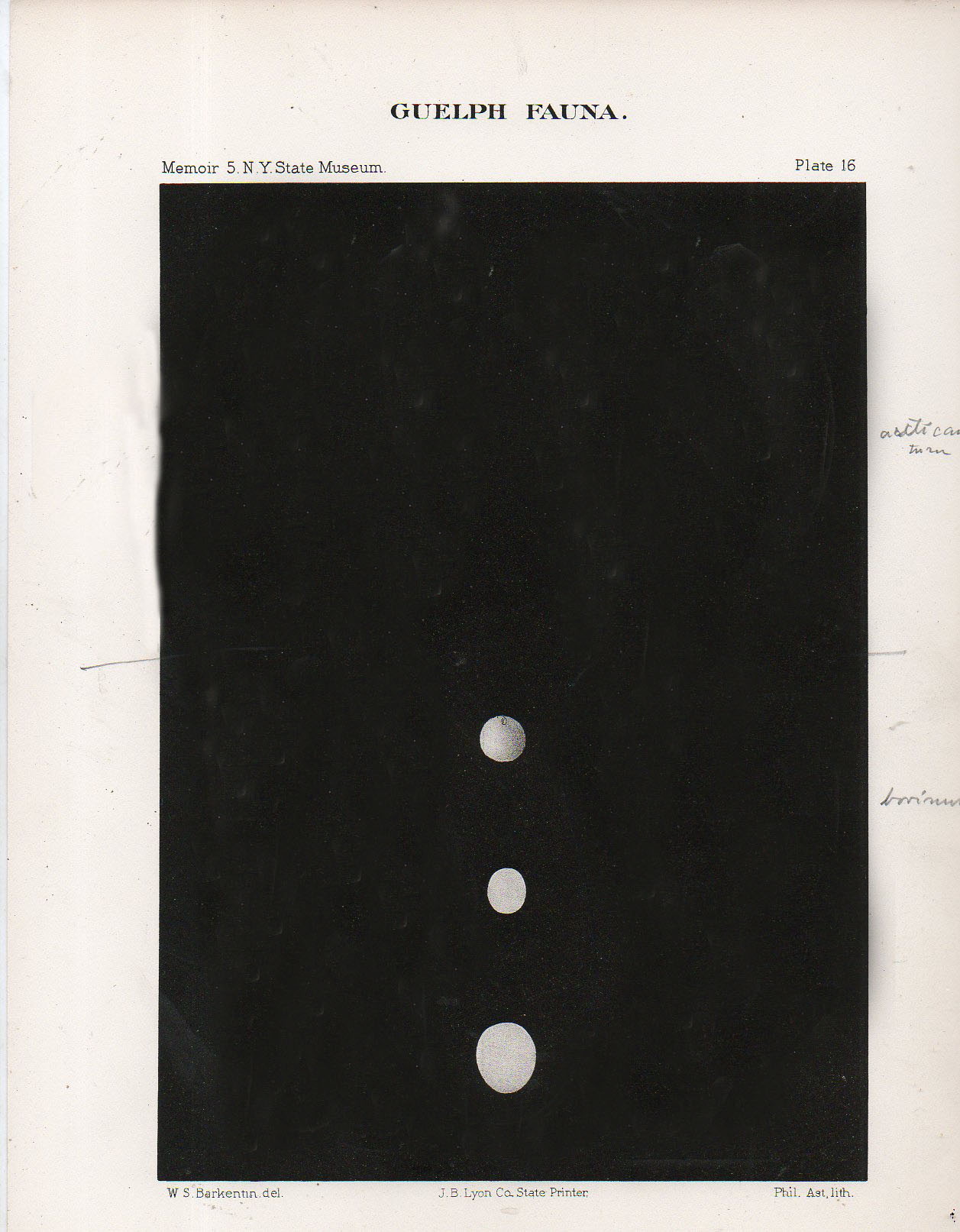
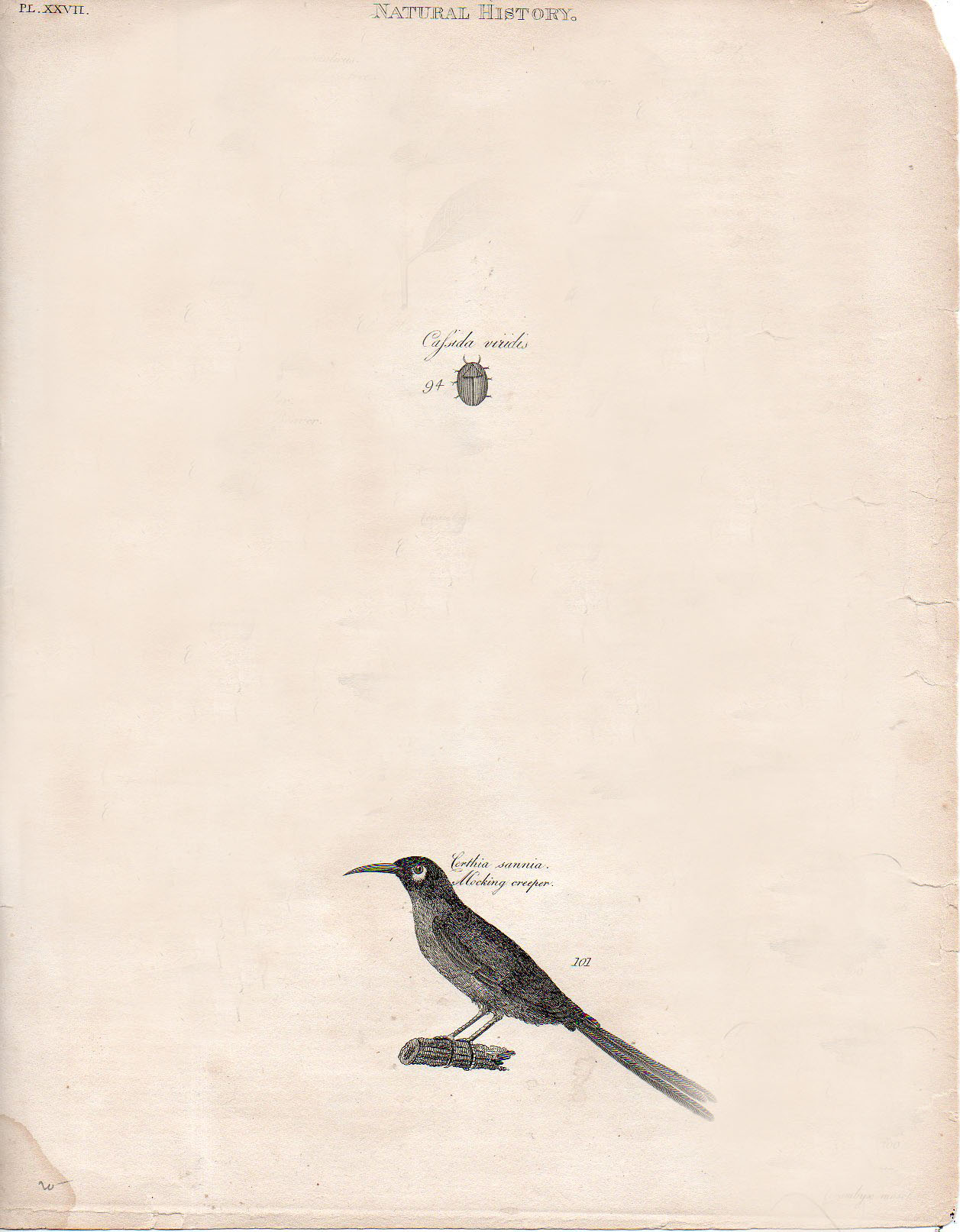
    What brings me to empty space tody is its pursuit in crowded images.  For example, the following image, a lovely and very crowded thing from the gorgeous encyclopedia by Abraham Rees, is made less crowded with some slight manipulation in photoshop, removing enough to cause the engraving to have a new and scrupulous interest in its missing bits and blank space:

    Bug593


  • Bits Towards an Alphabet of the Language of Flowers–Some Definitions of Flower Symbols

    JF Ptak Science Books   Quick Post

    photo

    I’ve put together a quick-and-dirty list of some interpretations of what the appearance of flowers may “mean”–-say in the hands of the subject of a painting, or as a gift, or a reference in a poem or piece of literature.  This in some ways reminds me of an earlier post on this blog, “An Unkindness of Ravens and a Murder of Crows”, here.

    Here’s a short list for further reading on the language of flowers:

    • Connolly, Shane. The Secret Language of Flowers, New York: Rizzoli International, 2004.
    • Edgarton, Miss S. C. The Flower Vase: Containing The Language of Flowers and Their Poetic Sentiments, Boston: Samual M. Dickinson, 1843
    • Greenaway, Kate. Language of Flowers, London: George Routledge and Sons, 1864.
    • Hale, Sarah. Flora’s Interpreter, and Fortuna Flora, Boston: Benjamin B. Mussey and Company, 1850.
    • Latour, Charlotte de.  Le langage des fleurs, 1830.
    • Lehner, Ernst. Folklore and symbolism of flowers, plants and trees, New York: Tudor Publishing Co. 1960.
    • Miller, Thomas. The Romance of Nature; or the Poetical Language of Flowers, New York: J.C. Riker, 1860
    • Powell, Claire. The Meaning of Flowers, Boulder, Colorado: Shambhala Publications, 1979.
    • Shoberl, Frderic. The Language of Flowers: With Illustrative Poetry; to which is Now First Added, the Calendar of Flowers  1830
    • Phillips, Henry. Floral Emblems, 1825.
    • Waterman, Catherine H. Flora’s lexicon: an interpretation of the language and sentiment of flowers : with an outline of botany, and a poetical introduction. 1855
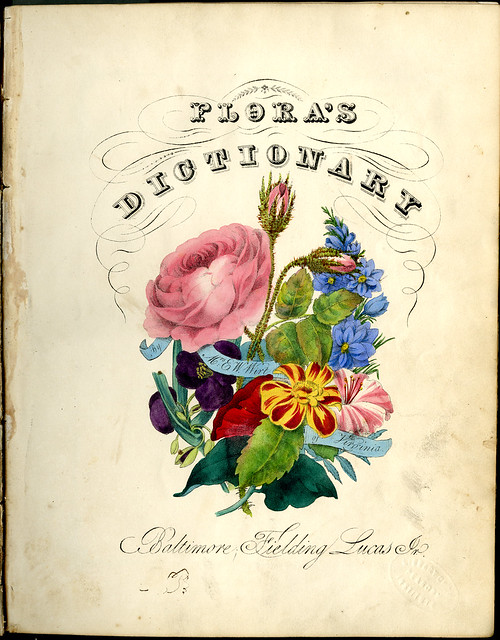
    • Wirt, E.W. Flora’s Dictionary, Baltimore, 1855.

    and an overall history

    • Beverly Smeaton, The Language of Flowers–a very interesting book where Smeaton compares the various meanings for flowers among the five early and integral 19th century flower-symbolism folks, beginning on pp 167.  A link to a free read is here.

    Some samples of the very rich descriptions of the meaning of flowers:

    Almond, flowering – Concealed love.
    Althea, Frutex – I am deeply in love.
    Amaranth – Immortality, or piety.
    Anemone – Fading hope.
    Arbor-Vitae – Unchanging friendship.
    Auricula, Scarlet – Pride. You are proud.

    ·Posted by :

    ·in:

    — —