A Daily History of Holes, Dots, Lines, Science, History, Math, Physics, Art, the Unintentional Absurd, Architecture, Maps, Data Visualization, Blank and Missing Things, and so on. |1.6 million words, 7500 images, 4.9 million hits| Press & appearances in The Times, Le Figaro, Mensa, The Economist, The Guardian, Discovery News, Slate, Le Monde, Sci American Blogs, Le Pont, and many other places… 5000+ total posts since 2008.

Author: JF Ptak

  • Infographic on the Invasions of Great Britain and Ireland (1914)

    JF Ptak Science Books  Quick Post

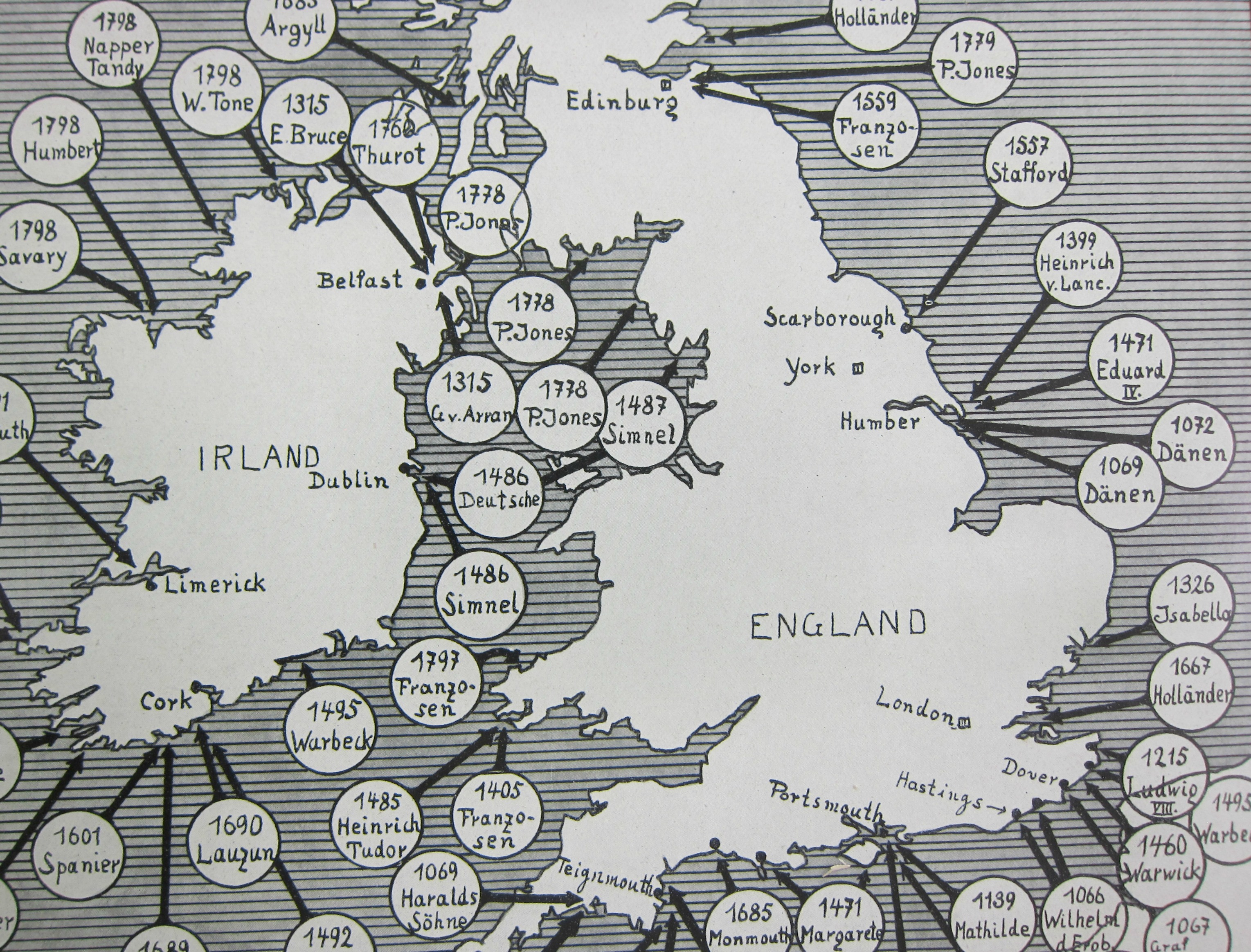
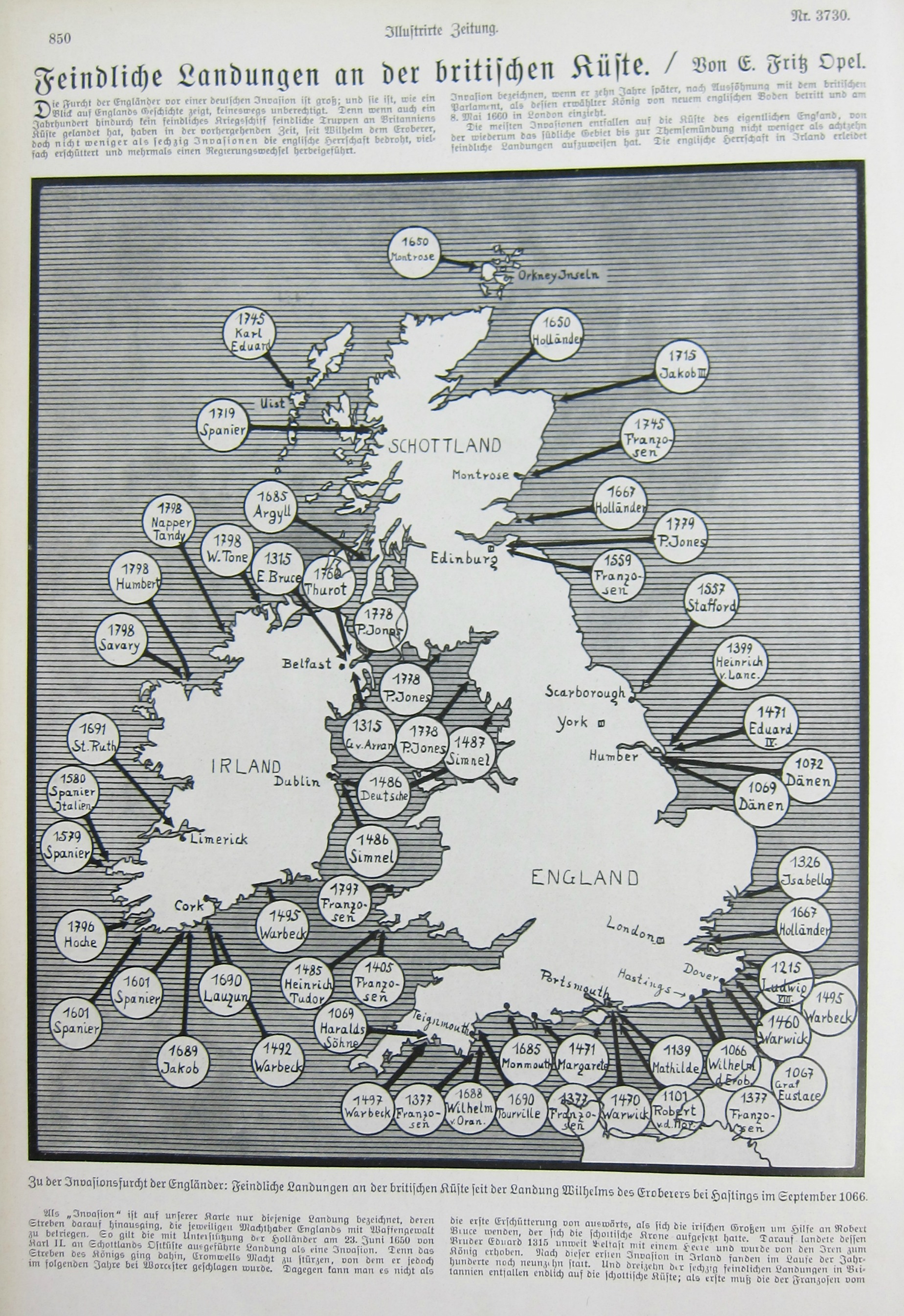
    This piece of cartographic propaganda appeared in the fifth month of the war in the Illustrirte Zeitung (Leipzig) on Christmas Eve, 1914–it was in its way a vision of hope for the popular audience that this German equivalent of Life magazine reached. Perhaps it was a comfort to read that Great Britain and Ireland had been invaded before–many times–and that it might happen yet again; perhaps it was a comfort at a time when  the realization dawning on tens of millions of people that This War would be over by Christmas, but it had really just only begun.  Not much comfort though can be had in a piece of paper. 

    A detail:

    Map Invasions England detail

     And the full image:

    Map Invasions England


  • Pistol- and Rifle-Cameras, 1884

    JF Ptak 

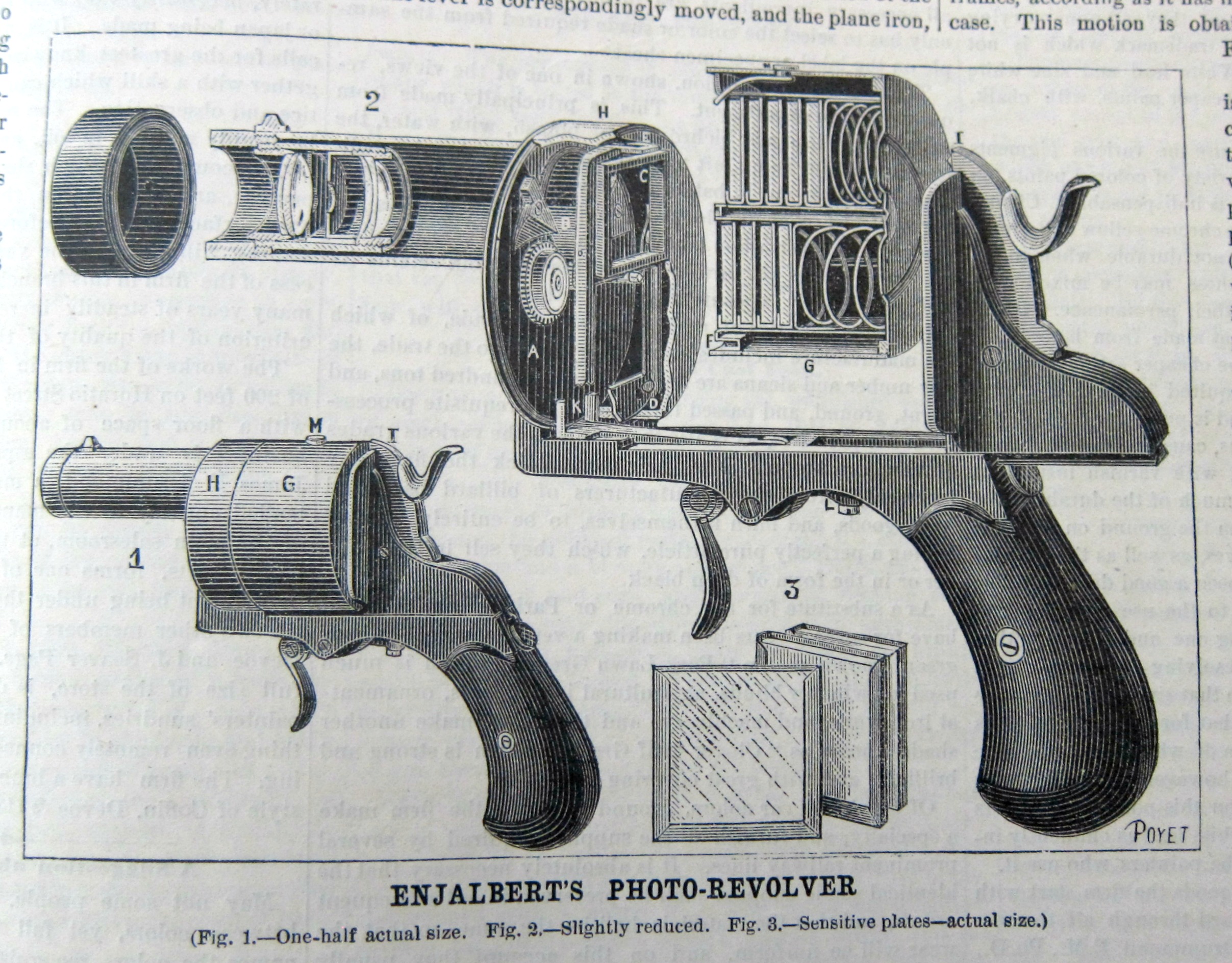
    There is an origin certainly for the reference to “shooting” fil or “shooting” a movie and such, and I think that it is fair to say that the following two illustrations of photographic innovations will explain that origin.  The first is E. Enjalbert’s “photo-revolver”, a woodcut and explanation of which appeared in Scientific American (“”A Photographic Revolver for Amateurs” ) May 17, 1884.  It really is an ingenious thing:  the lens of the camera was located in the barrel (#2) with the camera apparatus in section “H”; the photo-sensitive plates (life sized at #3), are both pushed forward and down with the action of the trigger/hammer.  It is a snappy design. On the other hand I don’t think I’d want to actually use the thing in an urban environment, as there might not be time for an explanation that “this is a ….”. 


    Inventions revolver camera

    (From the signature at bottom right of teh wood engraver this was no doubt published earlier in La Nature.)


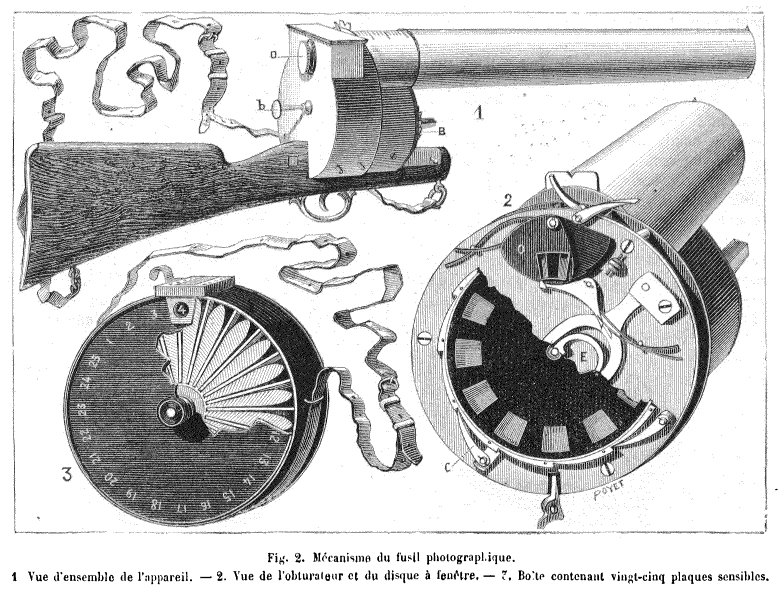
    And then there’s the great Etienne Marey’s “Fusil Photographique”, as it appeared in La Nature in 1882, which was an early and significant step in the development of cinematography, though again a highly problematic and time-invasive explanation out in public might escape the user:

    Invnetions camera rifle

    If there was any debate on the origin of the above-mentioned phrase, this might sway it.  


  • A City on a Mis-named Martian Moon, 1927.

    JF Ptak Science Books  Quick Post

    Ganymeade detail

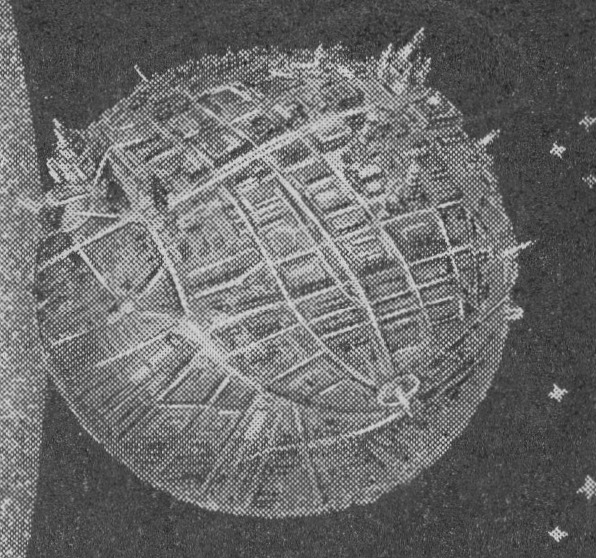
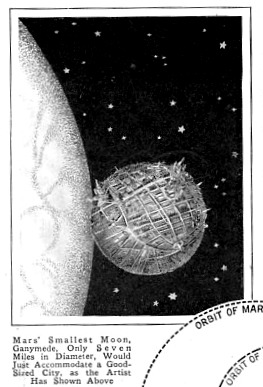
    This fine image from Popular Mechanics (January 1927) imagines the Martian moon “Ganymeade”, mentioning that it is only 7 miles around, and could hardly host a large city, which the artist imagined in this free-for-all concept piece.  I like the idea of putting the size of the moon in perspective like this–I must say that I’ve never seen one quite like this. But first, the magazine identifies the Martian moon as “Ganymede”, which is actually a Jovian moon. The moons of Mars are Phobos and Deimos (the names meaning panic/terror and terror/dread), and they are 13.8 miles and 7.8 miles, respectively. They were discovered in 1877 by Asaph Hall at the National Observatory, and there wasn’t a “Ganymede” between them–weirdly and wonderfully, though, their existence was imagined by non other than Jonathan Swift, who had his Laputan astronomers discover two moons in Gulliver’s Travels in 1726. But no  Ganymede.   As it turns out, Ganymede is the largest moon in the solar system, and is nearly the size of Mars, so maybe that is where the confusion started.  

    Anyway, this is a great image: 

    Mars city516


  • The Salvation Army as an Emigration Agent (1920)

    JF Ptak Science Books  Quick Post   History of Goodbye series

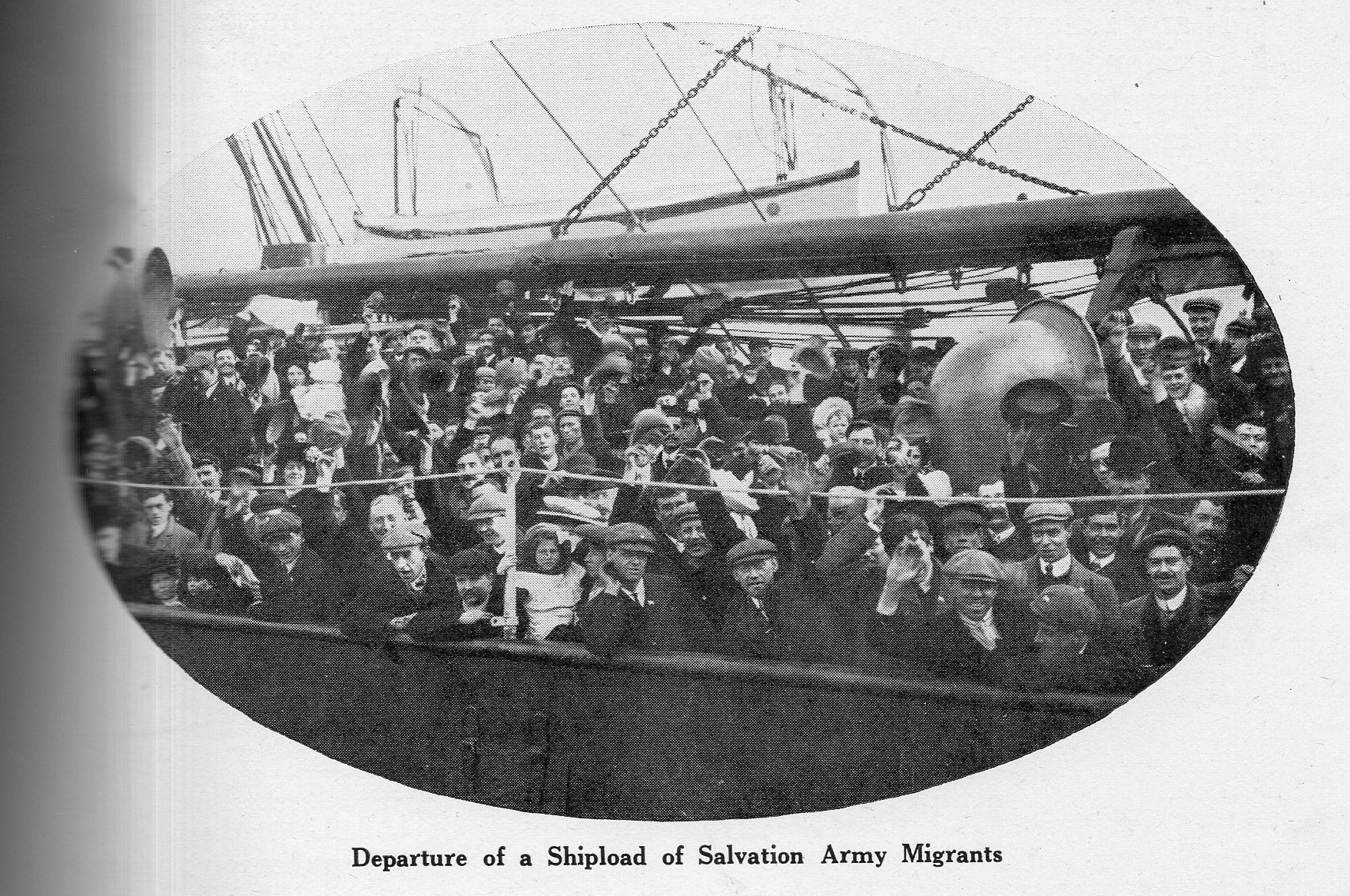
     I had no idea that the Salvation Army was responsible for sending out a quarter million immigrants into the world in just a couple of dozen years. This is a substantial travel program, and a dissemination of potential proselytizers into the far reaches of the Empire’s domain.  And as it turns out, the Salvation Army HQ in London was destroyed during the Blitz, along with the records of this great migration–very little remains of any official records regarding this long effort.

    “The Salvation Army was the United Kingdom’s largest voluntary migration society in the first half of the twentieth century, helping around 250,000 people to emigrate from the British Isles to the British Empire Dominions. Given the wide-reaching impact of this work and the considerable resources The Salvation Army dedicated to it, it is surprising how little evidence and knowledge of it there is now.”–http://www.salvationarmy.org.uk/history/blog12

    Salvation army500


    Salvation army502

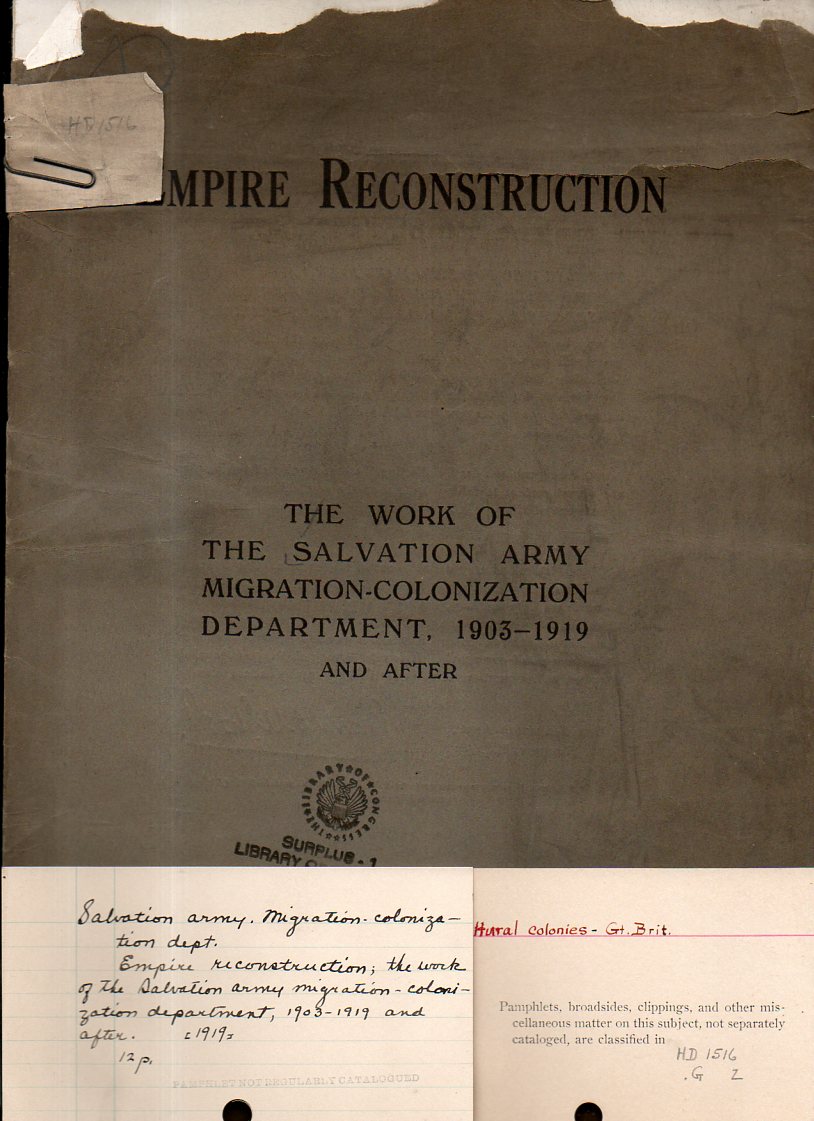
     Empire reconstruction. The work of the salvation army, migration – colonization department, 1903-1919 and after. (35x22cm, 12pp, with 12 photographs. Provenance: (Leland) Stanford (Junior) University, from prof. E(phraim).D(ouglas) Adams, then to the Library of Congress, then to me, Only one copy is located in the WorldCat/OCLC, at the Bibliotheque de documentation internationale contemporaine Nanterre).


    ·Posted by :

    ·in:


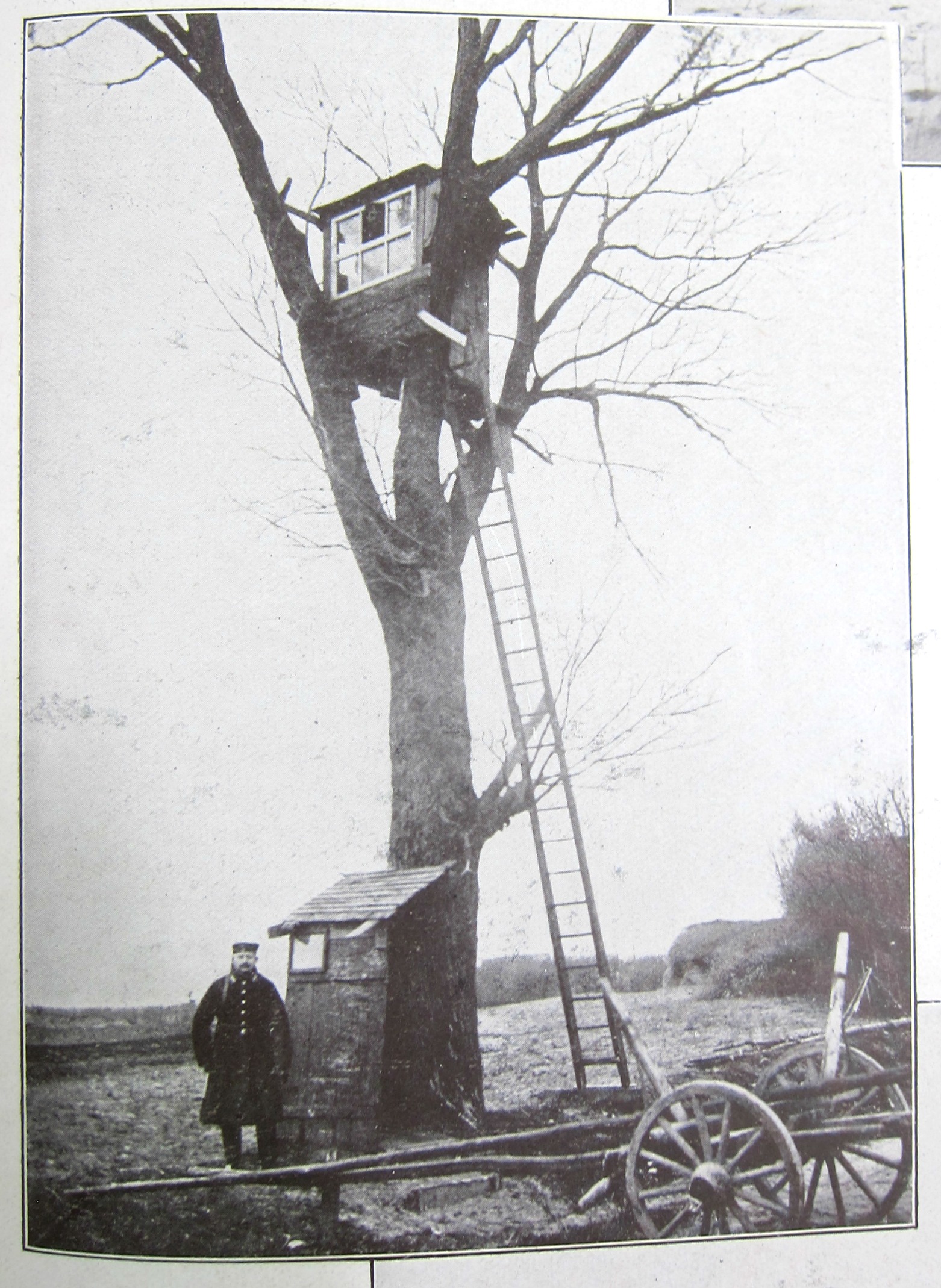
  • The History of Obviousness, Part 455(b): Guard Post in a Tree

    JF Ptak Science Books  Quick Post 

    The part about The History of Obviousness that is so wonderful is that sometimes the obviousnesses aren’t evident, or apparent, until they are established–and then of course there is no ghostly memory of their formative semi-hidden natures. Sometimes things are best hidden in plain sight, and sometimes one doesn’t realize that is is raining men-in-bowler-hats until Rene Magritte points it out.  This may be one of those cases where something is so obvious that its extreme nature just blends into the surroundings, even when there aren’t any.

    WWI Project tree house 1914

    [Source: Illustrirte Zeitung, December 31, 1914.]

    So, in the picture above, we have not only a guard/observation station built in a lonely tree, but there’s also a small lean-to at the bottom, with of course a soldier standing next to (but not inside)  it. 

    ·Posted by :

    ·in:

    —

  • On Kindness to Prostitutes (1878)

    JF Ptak Science Books   Quick Post

    Prostitution512


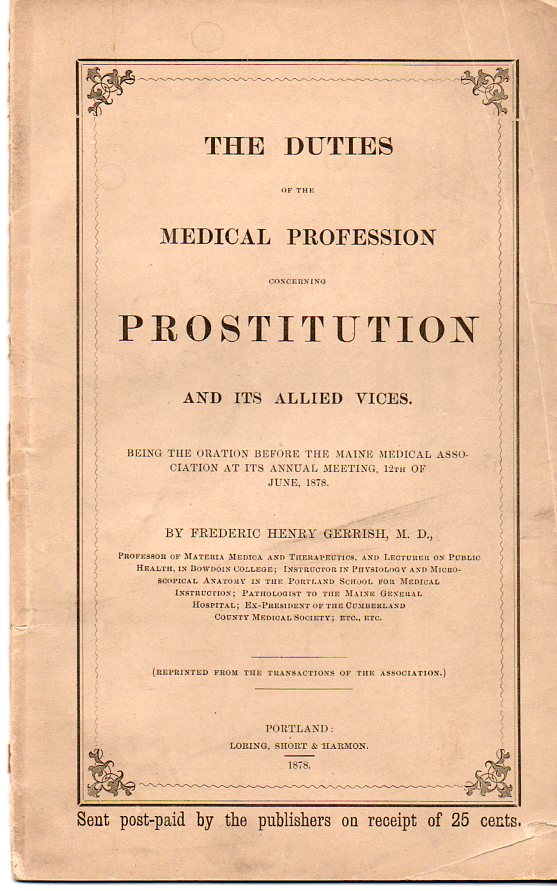
    In this pamphlet1 Dr. Gerrish writes with kindness and compassion, and conviction, on the perils of the moral/ethical/medical life of a prostitute. He believed that prostitutes should be given as great a care as any and even more so to prevent the spread of communicable disease; and that understanding and empathy be extended to them from the medical profession as a way of building their self-esteem and perhaps on this strength be able to leave the profession. He was pissed that brothel owners, Johns, and prostitutes were arraigned differently and (usually) separately, and that they should all be arraigned together, as it wasn’t just the fault of the prostitute that the law was broken. He made the case that prostitution was a fixable societal problem, and it must be addressed, in spite of what he saw was its massiveness.  He claimed that slavery wasn’t abolished –it simply went by the name of “prostitution” (“… that slavery has disappeared from European civilization. This is an error. It exists always ; but it weighs only on woman, and is called prostitution”).

    Read it in full at Hathi Trust: https://babel.hathitrust.org/cgi/pt?id=mdp.39015011655837;view=thumb;seq=6

    Notes:

    1. Frederic Henry Gerrish, The duties of the medical profession concerning prostitution and its allied vices : being the oration before the Maine Medical Association of its annual meeting, 12th of June 1878. Portland (Maine), Loring, Short & Harmon, 1878.  First edition (a second edition appeared in 1879 with the same pagination, and a third of 39pp appeared in 1886). 23×15 cm  WorldCat/OCLC–surprisingly, only three print copies of the first edition are found. 


    ·Posted by :

    ·in:


  • World War I: Prisoners at the End of December, 1914

    JF Ptak Science Books    Quick Post

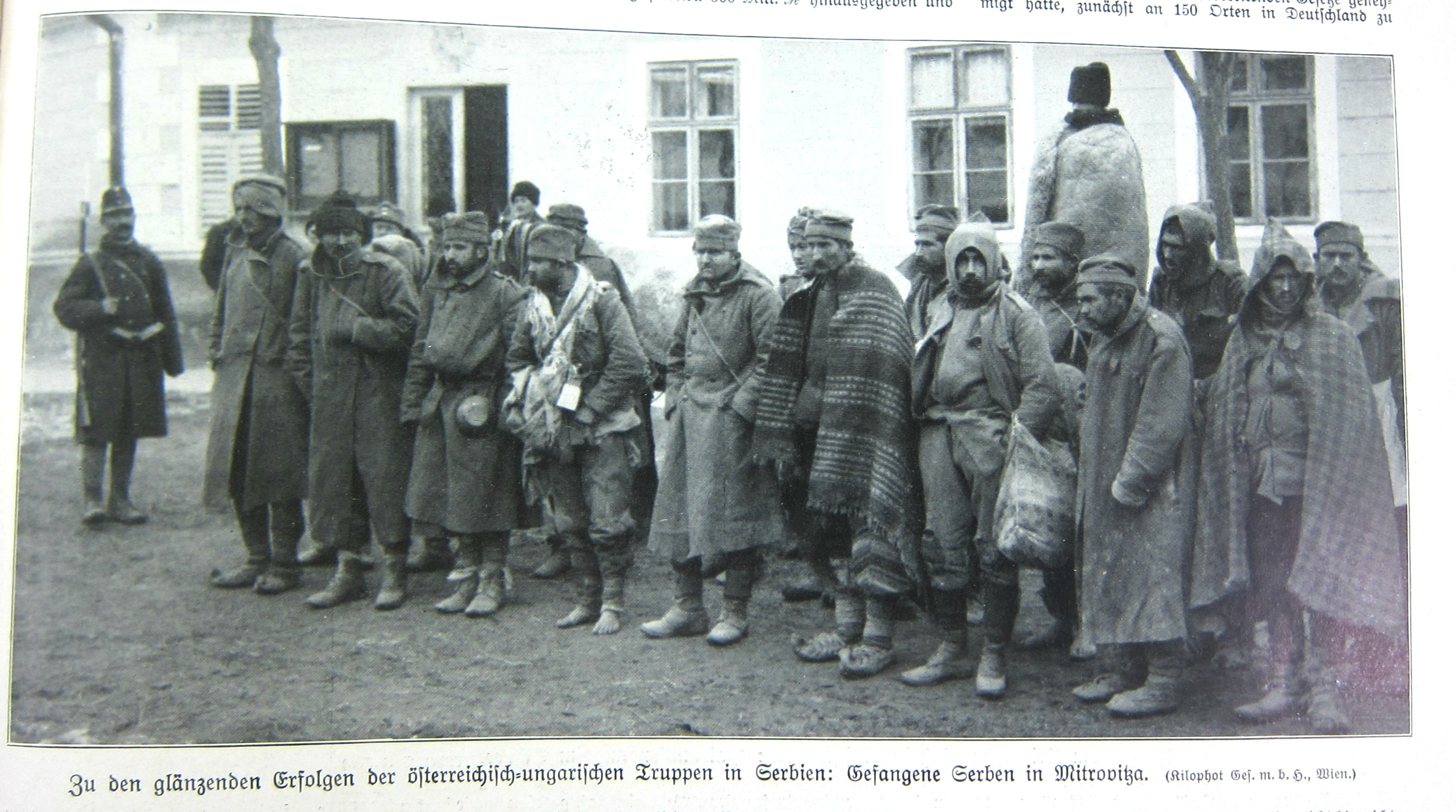
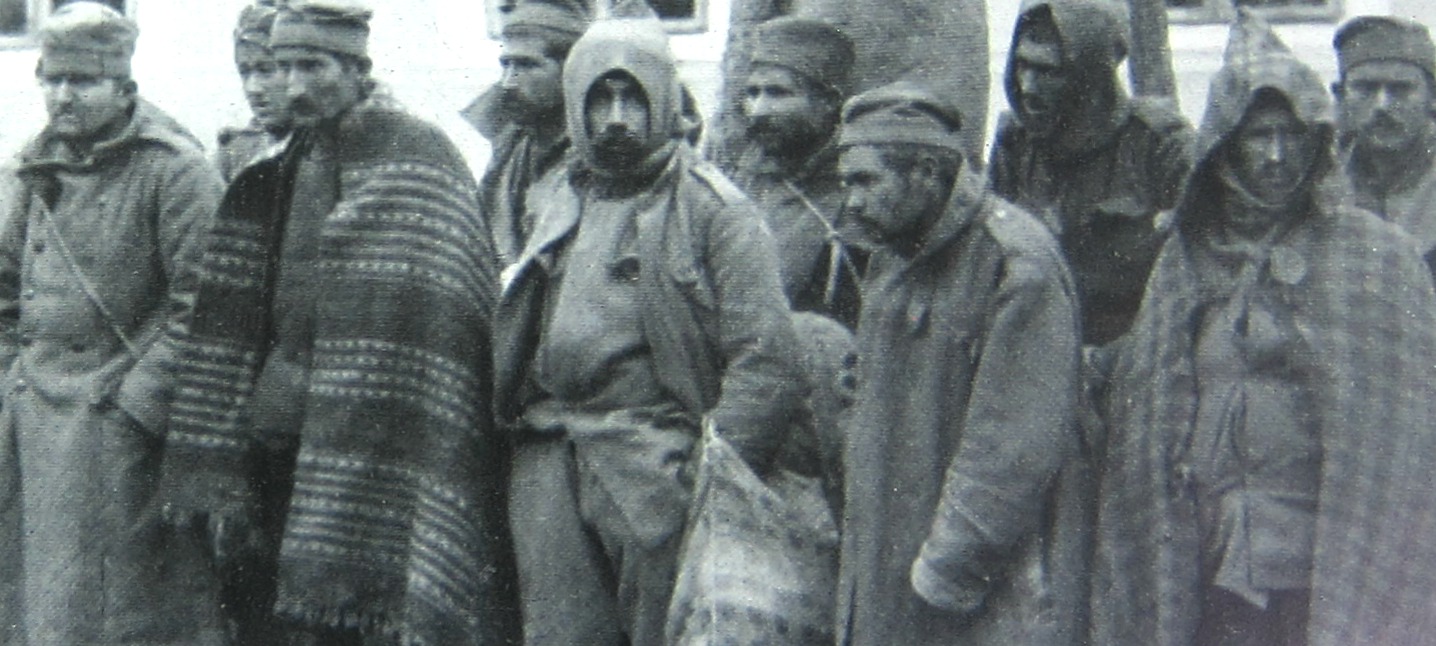
    I don’t know what the fates were of Serbian taken prisoner in WWI.  I do know that Serbian military and civilian losses were extraordinarily high as percentages. It has been shown that more than a quarter of the Serbian population (civilian and military) were lost during the war, with about the same percentage of soldiers being lost (relative to France at 17%, Germany at 15%, and Russia at 11%).  So for these ‘glassy-eyed” Serb prisoners appearing in this photo in Illustrirte Zeitung for December 4, 1914 the war was over–what happened to them over the next four years of captivity, I don’t know.  

    WWI Project 1914 Serbian prisoners


    WWI Project 1914 Serbian prisoners detail

    ·Posted by :

    ·in:


  • When There is More Text on the Cover Than in the Text–and the End Result is Nothing (1877)

    JF Ptak Science Books   Quick Post

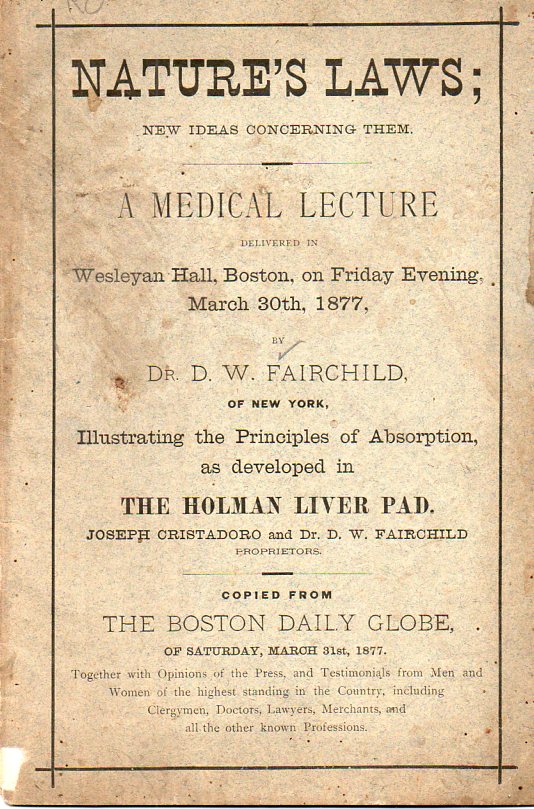
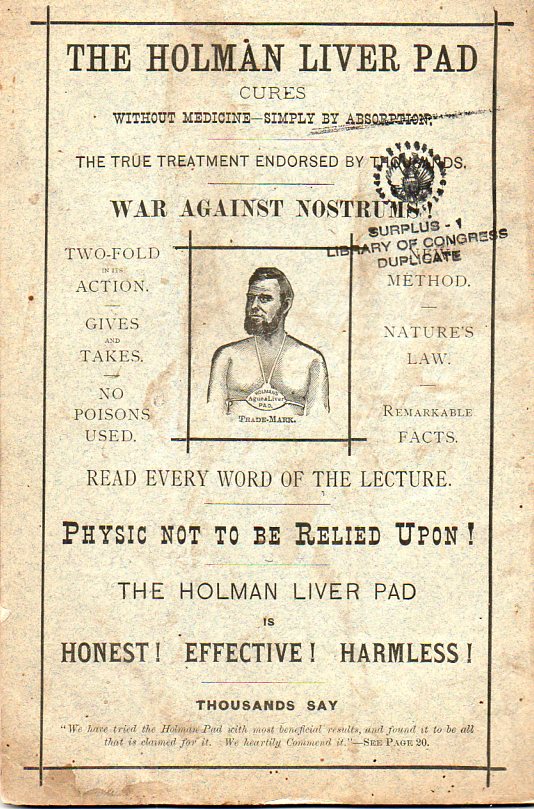
    It happens now and then that I unearth interesting bits from the pamphlet collection here that instantly create their own categorization–this in spite of already having a hundred sculpted categories. Works like this demand a deeper inspection to sustain their uncommon non-bond with other similar but not-so works. On the face of it, Fairchild’s Nature’s Laws… looks like just another quack medical remedy/cure/belief system (or suspension thereof), except that on closer inspection there is more text regarding the product on the pamphlet’s covers than in the work itself.  The thing does wind up being 36pp long, but it is most testimonial and promise–after all, you can’t say all that much abut secret ingredients for the “liver patch” that you were supposed to wear, and you couldn’t say much about the medical inventiveness and foundation behind it because there wasn’t any. So I guess you fill space with words that aren’t necessarily connected to anything and that collectively had no value, much like a year’s worth of Trumpian nothingness. Anyway, there’s a lot going on on teh covers of this pamphlet, and much like what is going on inside of it, it all adds up to chicken scratches. 

    Liver Pad508

    Liver Pad509

    D.W. Fairchild. Nature’s Laws; New Ideas Concerning Them. A Medical Lecture Delivered in Wesleyan Hall, Boston, on Friday Evening, March 30, 1877…Illustrating the Principles of Absorption, as Developed in the Holman Liver Pad…copied from the Boston Daily Globe of Saturday, March 31st, 1877. 22×14.5cm, 36pp. Printed by the Holman Liver Pad Company, 1877.  WorldCat/OCLC locates only two print copies and many others in microform.  


  • A Single-Page DSM? (1886)

    JF Ptak Science Books  Quick Post

    Statistics of the insane _1_503


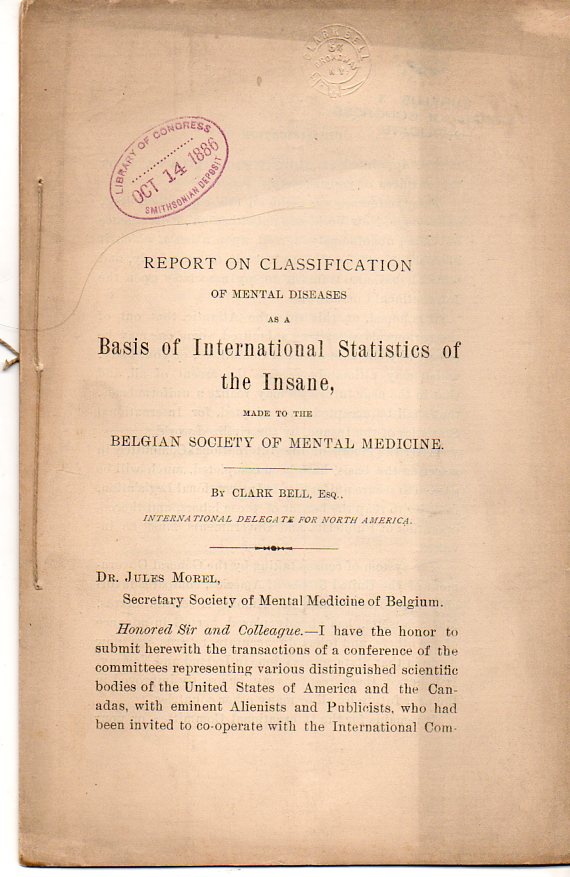
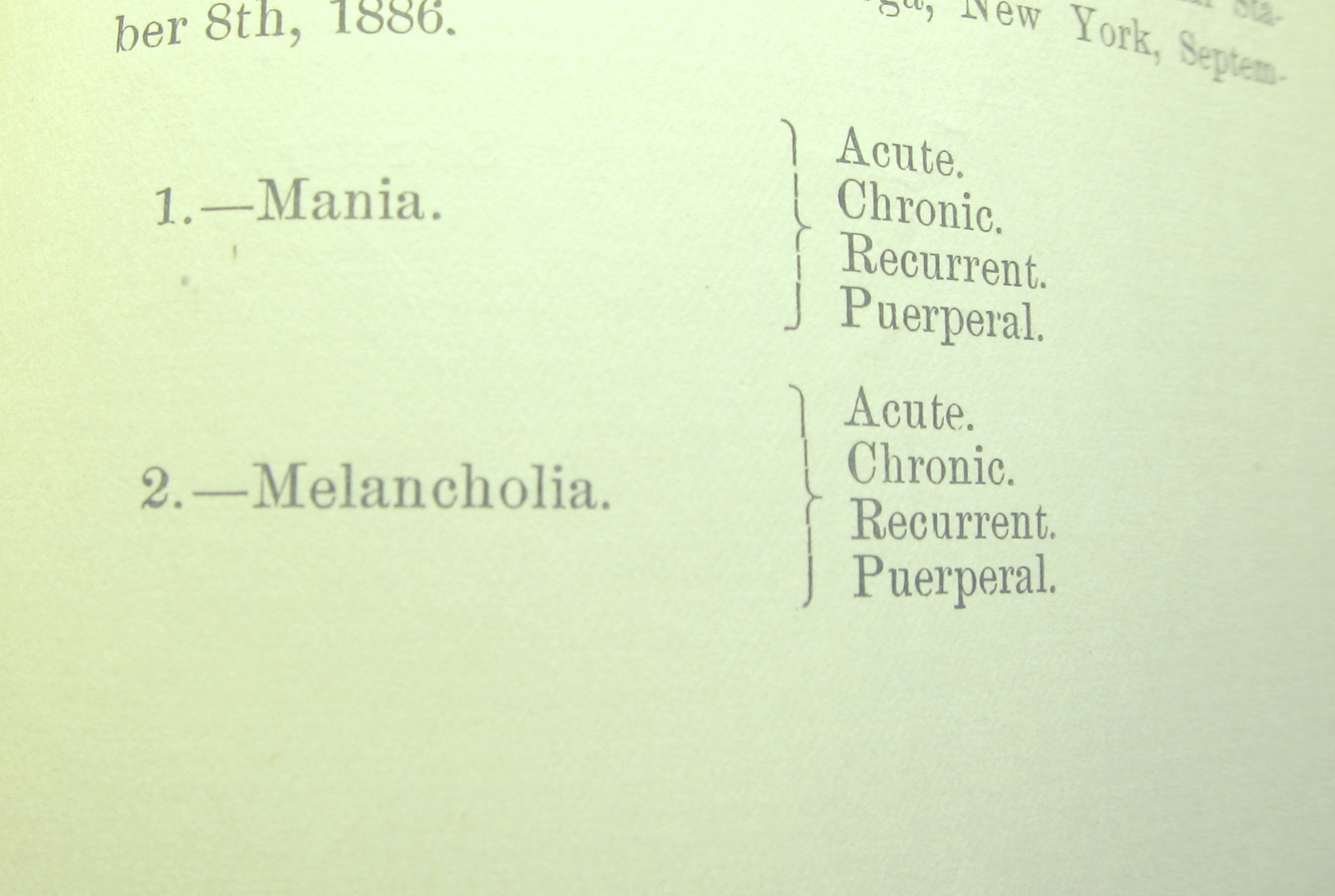
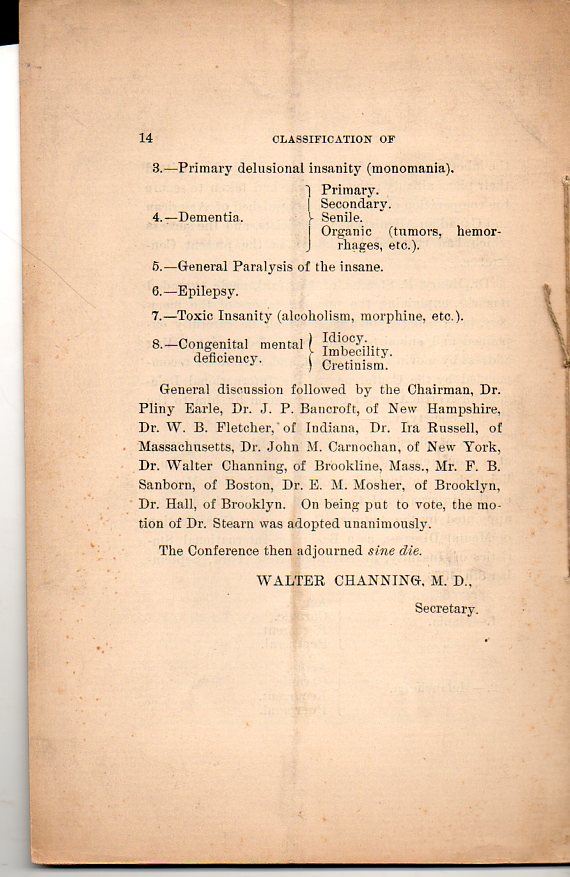
    At the end of the 19th century it was recognized that international data collected on mental illness would be highly useful. Unfortunately there was no real possibility of applying a series of great common denominators to the vast majority of  mental illnesses–the classification of mental diseases lacked general consensus and clarity for not understanding the pathology of the disease, therefore having to fall back on classification according to symptology, which is open to interpretation, and individual experience, and occasional faith, with the apparent mental conditions judged by exterior behavior and appearance. This pamphlet below is the sum of the efforts of international institutions to come up with a plan for this classification that might make disparate data more refined and so more useful to communities around the world.  It seems as though this was done with a simplicity that was also useful, as there was a common language to describe those conditions that are marked for classification.  

    Full text can be viewed of Yale’s copy, here:https://archive.org/details/39002086346195.med.yale.edu   

    Clark Bell. Report on Classification of Mental Diseases as a basis of international statistics of the insane, made to the Belgian Society of Mental Medicine. 23x15cm,  14pp. Wrappers. Provenance: Library of Congress Smithsonian Deposit (received in 1886) from Dr. Bell (with a tiny 1.5cm embossed stamp bearing his name and address at top-center front page).  I suspect that this is a separate printing of this article that appeared the Medico-Legal Journal, volume 4, 1886, as it has the same exact appearance–Bell was also the editor of that journal.  

    And the classifications, which appeared on the last two pages of the document:


    Insanity DSM


    Statistics of the insane _1_504


  • The Distance-to-Hospital Usage Law (1866)

    JF Ptak Science Books  Quick Post


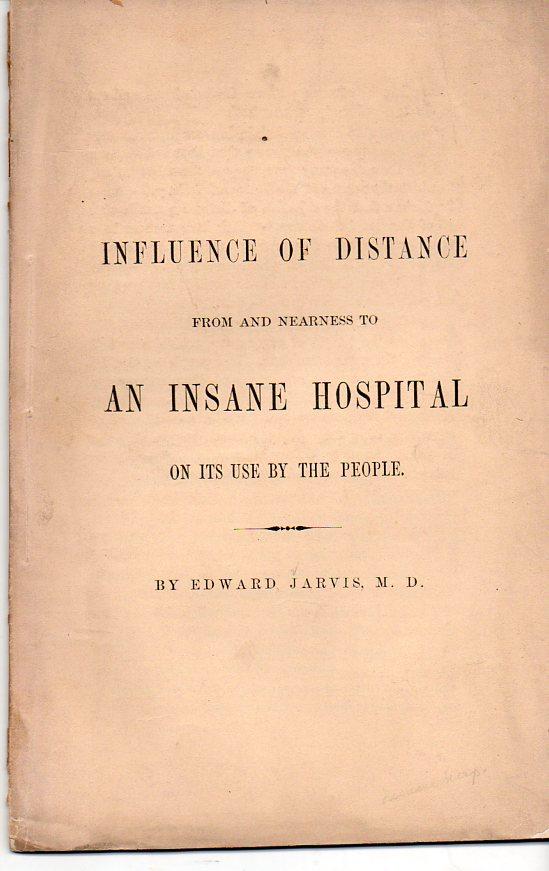
     Dr. Edward Jarvis (1803-1884) conducted a study1 in 1866 to determine how much a factor distance from an “insane hospital” was in regards to people using the facility. It sounds like an obvious-enough question with a probably-obvious answer, but these things are really never so until someone actually looks at the data and extracts an answer. And so Dr. Jarvis performed this function, answering the question once and for all that yes, indeed, the further away you are from a facility the less likely you are going to be to use it, and thus we have Jarvis’ Law.

    “Mental health researchers have long considered the importance of distance on psychiatric service use. Systemic analyses regarding the relationship between distance and the use of mental health care can be traced back to the mid nineteenth century, when Edward Jarvis identified inverse associations between home-to-hospital distance and the rates of admission to Oneida County Hospital of New York and the Kentucky Lunatic Asylum in Fayette County. He claimed that people living near psychiatric hospitals send more patients there for admission than do those living far away (Jarvis’s law).The study also revealed urban–rural differences in the prevalence of insanity, and high admission rates to psychiatric hospitals among people residing near the city center. Jarvis’s law has been identified in numerous studies since the mid-twentieth century.”–Kuon-Chiao Tseng, et al, “Travel Distance and the Use of Inpatient Care among Patients with Schizophrenia”, Adm Policy Ment Health. 2008 Sep; 35(5): 346–356, published online 2008 May 30

    Notes:

    1. Edward Jarvis, M.D.  “Influence of Distance from and Nearness to an Insane Hospital on its Use by the People.”  Published by Separately printed from the American Journal of Insanity, XXII, January 1866, pp 361-406. This publication paginated 1-46. (1866).