A Daily History of Holes, Dots, Lines, Science, History, Math, Physics, Art, the Unintentional Absurd, Architecture, Maps, Data Visualization, Blank and Missing Things, and so on. |1.6 million words, 7500 images, 4.9 million hits| Press & appearances in The Times, Le Figaro, Mensa, The Economist, The Guardian, Discovery News, Slate, Le Monde, Sci American Blogs, Le Pont, and many other places… 5000+ total posts since 2008.

Category: World War I

  • Playing the Money Card–What it Really Looked Like

    JF Ptak Science Books   Quick Post

    We’ve all heard of the saying, “playing the money card”  but until this morning I’ve never actually see it, so far as I know.  While looking for WWI aerial combat games in the patent records I stumbled across “Capture the Kaiser”, a card game created by Charles Hopkins  (which was entered into the register at the Patent Office in November 1917 and received the patent less than three weeks after the end of the War)–it was a game of pursuit/capture using 45 cards in which players used the various strengths of nations (airplanes, submarines, battleships) to secure the outcome.  It seems pretty much like a standard game of “War” with a few exceptions, one of which was the “finance card”.  It was one of the strongest cards in the deck, or so it seems, rivaling that of another interesting bit, the “fate card”.  In any event, it was interesting to see the root of power portrayed so in a card game for kids.


  • The Invasion of America (Part III)

    JF Ptak Science Books   Post 1688

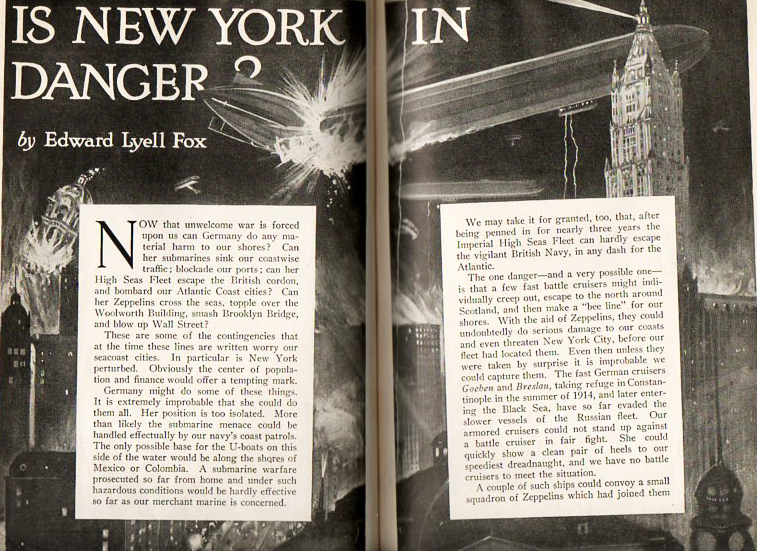
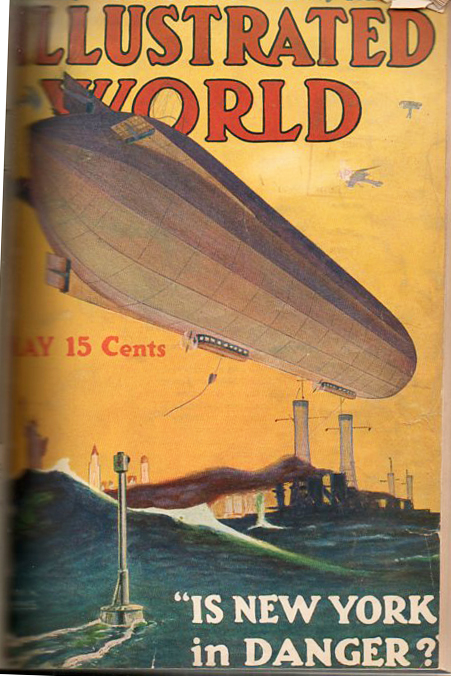
    The New York City harbor looks pretty rough in this picture, tall whitecaps with surprising little reflected in what should be pretty choppy water, meaning that light should be reflecting everywhere, a difficult collection of reflected reflections. 

    America invaded086[Image source:  May 1917 issue of the uncommon magazine, Illustrated World.]

     The submarine, battleship  and zeppelin menaces were real, at least in Europe or in the Atlantic–the aeroplanes far less so1.  But the applications of these fears directly to American shores were still very distant things, particularly when it came to an attack on New York City–except of course that the U.S. had just declared war against Germany, finally, just a few weeks before this issue was published.

    America invaded b088
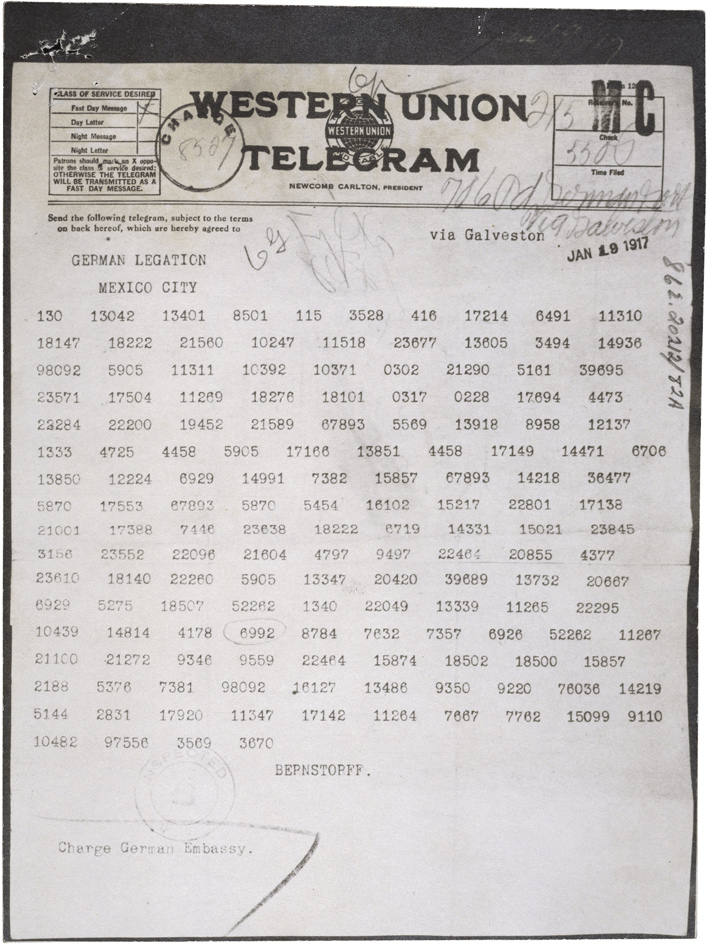
    The war began for real in Europe in August, 1914, so the fighting had been going on there in fratricidal earnestness for two and half years, costing millions and millions their lives and limbs.  America had been isolationist and non-interventionist up until this point, remaining sweatily on the sidelines, until the capture of the infamous Zimmerman telegram2, which was a coded message sent from Germany (the German Empire) to Mexico (and taken by the Brits as it was sent, the crypto-boys of Room 40 breaking the thing) suggesting that Mexico join in a war against the U.S.  It hit the American press on 1 March, and the story exploded–literally. This is what the beginning of war looks like, sometimes:

    File:Zimmermann Telegram.jpeg

    So perhaps there was some amount of yellow journalism involved here, and some inflationary propaganda as well, and some good-old profit-taking on a half-sci-fi story–on the other hand, the German Empire did just sink 800,000 gross tons of shipping during the 30 days of April (1917), so sub fears were in general real and palpable.  The issue of them sighting the Staten Island Ferry though was quite another matter. 

    The first American soldiers would arrive for fighting in June.  The whole thing would be over in 17 months, which is well less than half of the time that the U.S. spent in WWII. 

    The United States would suffer 116,000 military deaths during its part of the war–a small fraction of the overall military deaths (9 million) and a smaller part still of overall deaths including civilians (totaling 16 million).  There would be 205,000 American wounded in this conflict, a little less than 1% of all war military casualties. 

    It would be interesting to see the coverage in England of the American invasion fears.

    Notes:

    1.  This was not so much a war of bombing than it was for air-to-air combat; bombing became more of a realm of aircraft in the suppression of indigenous populations by occupying powers in the 1920’s, and then in Fascist Spain in the mid-1930’s, and then graduating as it were in WWII. 

    2..  The telegram was named for the Foreign Secretary of the German Empire, Arthur Zimmermann,, who sent the thing out on January 16, 1917.  President Wilson delivered his war address to Congress on 2 April 1917. 

    A military death pie chart for the Entente Powers [source, Wiki]:

    File:WorldWarI-MilitaryDeaths-EntentePowers-Piechart.png


  • On the Invasion of America, Part I

    JF Ptak Science Books  Post 1687

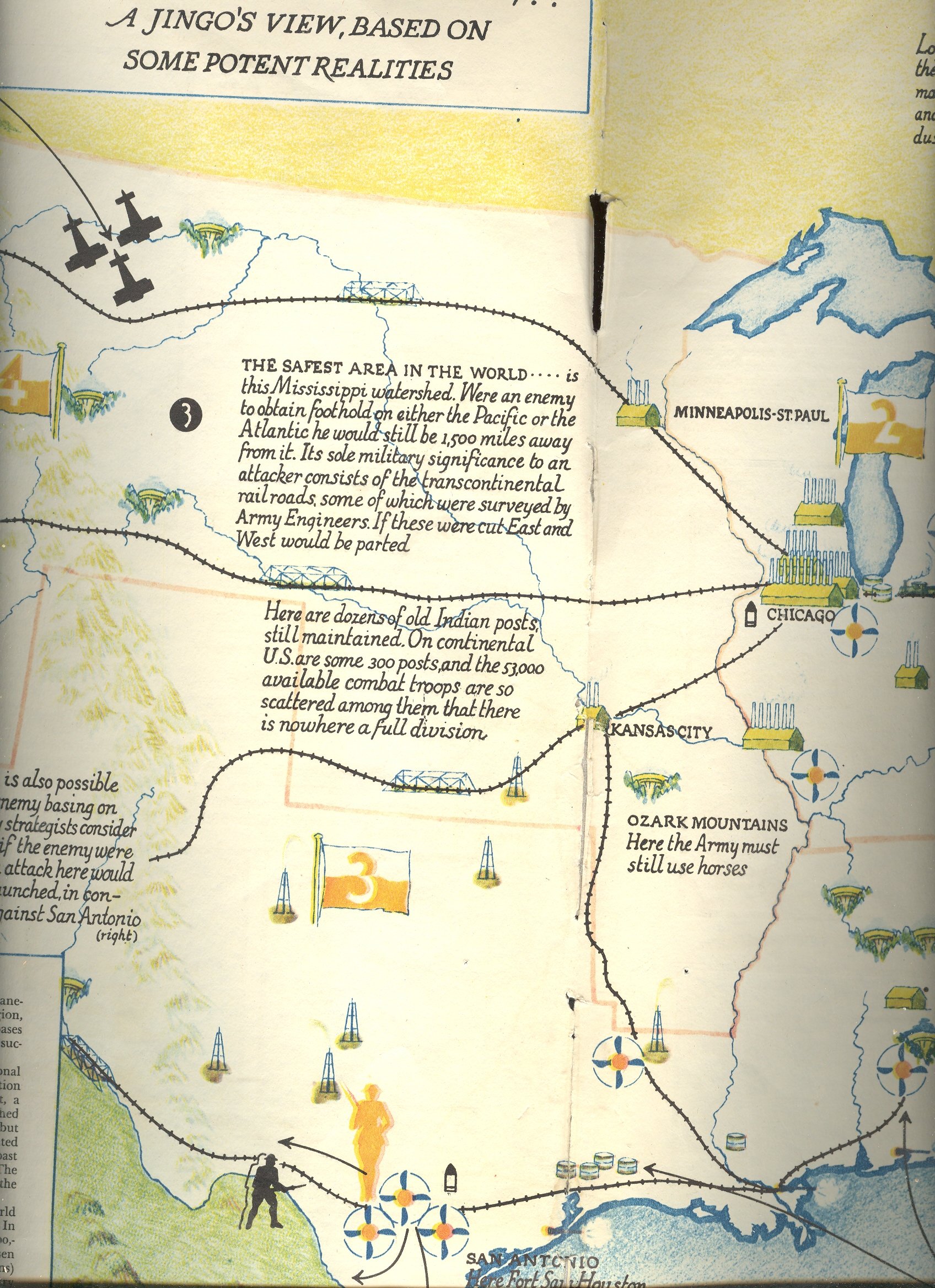
    See also: Invasion Routes to the U.S.  and this blog’s most-viewed posting (with over 500k hits) Maps of the Invasion of America, 1942 . 

    America has almost never been invaded. I should clean that statement up a bit: the United States has almost never been invaded.  America–which included North/Central/South once upon a time long in the dim past–was constantly invaded until the invasions no longer counted themselves as such, which I guess means that the “invasion” forces became  “resupply”. (Perhaps an invasion is over once you surpass a certain ratio of houses : forts.)

    “Invasion” does not include “attacks”.  A few guys getting off a Nazi sub and wandering around until they got picked up (with some (all?) being executed) does not an invasion make.  9/11 was not an invasion, though the subsequent invention of impending and pervading fear was–that’s why we have “storm centers” rather than “weather reports” on broadcast news–but even that fear business was more home-grown than anything else.

    The Japanese Army were on two small islands in the Aleutian chain (which may have been closer to Tokyo than NYC) for a bit in WWII–also does not make for an invasion, even if they were there for a long time.  Or even if they were still there.  Nor does sending hundreds or thousands of paper incendiary balloons across the Pacific an invasion make. 

    UFOs don’t count, either.  (I still find it remarkable that such a large percentage of the hundreds of thousands of “sightings” has the UFO with landing or whatever lights on it. I figured out at one point that there has been a report on one of these critters every ____ minutes since Roswell. And in all of those hundreds of thousands or reports, if you took them all and stacked them one on top of the other, they would reach perhaps the height of a grain of sand.)  The Beatles don’t count, either.   

    What also doesn’t count (but probably should) but which is not military–not really, though it may have the impact of a military force at some time in the future–are Chinese-made imports of, well, everything.   At Thanksgiving I wondered how much of a dinner could be composed of foods that were shipped from China and to no great amazement an almost-complete table of food could be set, plus napkins, flatware, plates, candles, tablecloths, tables, chairs, paper turkey decorations, carpet, flooring, wallpaper, paint for the walls and ceiling, screws for the Chinese-made door hinges, lighbulbs, tubes for the McIntosh preamps, all of the clothing worn by the guests, and so on.  The electricity is still American-made. The fact that Mott’s Apple Juice is coming from Chinese apples is a bad sniff of the future. The country of origin is usually on juice bottle necks-check it out.)  

    Certainly something that does count is the invasion by Great Britain of the United States in the War of 1812–they invaded long and deep enough to burn the White House and cause general havoc.  We won that one.  But of course the Brits were otherwise involved on the Continent.

    Perhaps this non-invaded bit explains why the most-viewed post on this blog (with at last 500,000 views, 340k alone coming from the post being carried by IO9.com) was a LIFE magazine article from 1942 on the possible invasion routes to the U.S.  Maybe the volume was driven by war-gamers, though I suspect it was made up largely of the curious who weren’t used to seeing “Invasion of” and “America” together in a military sense.

    Maps from 1942 of the never-was Nazi invasion of North America
    Maps from 1942 of the never-was Nazi invasion of North America
    Maps from 1942 of the never-was Nazi invasion of North America


    sending request

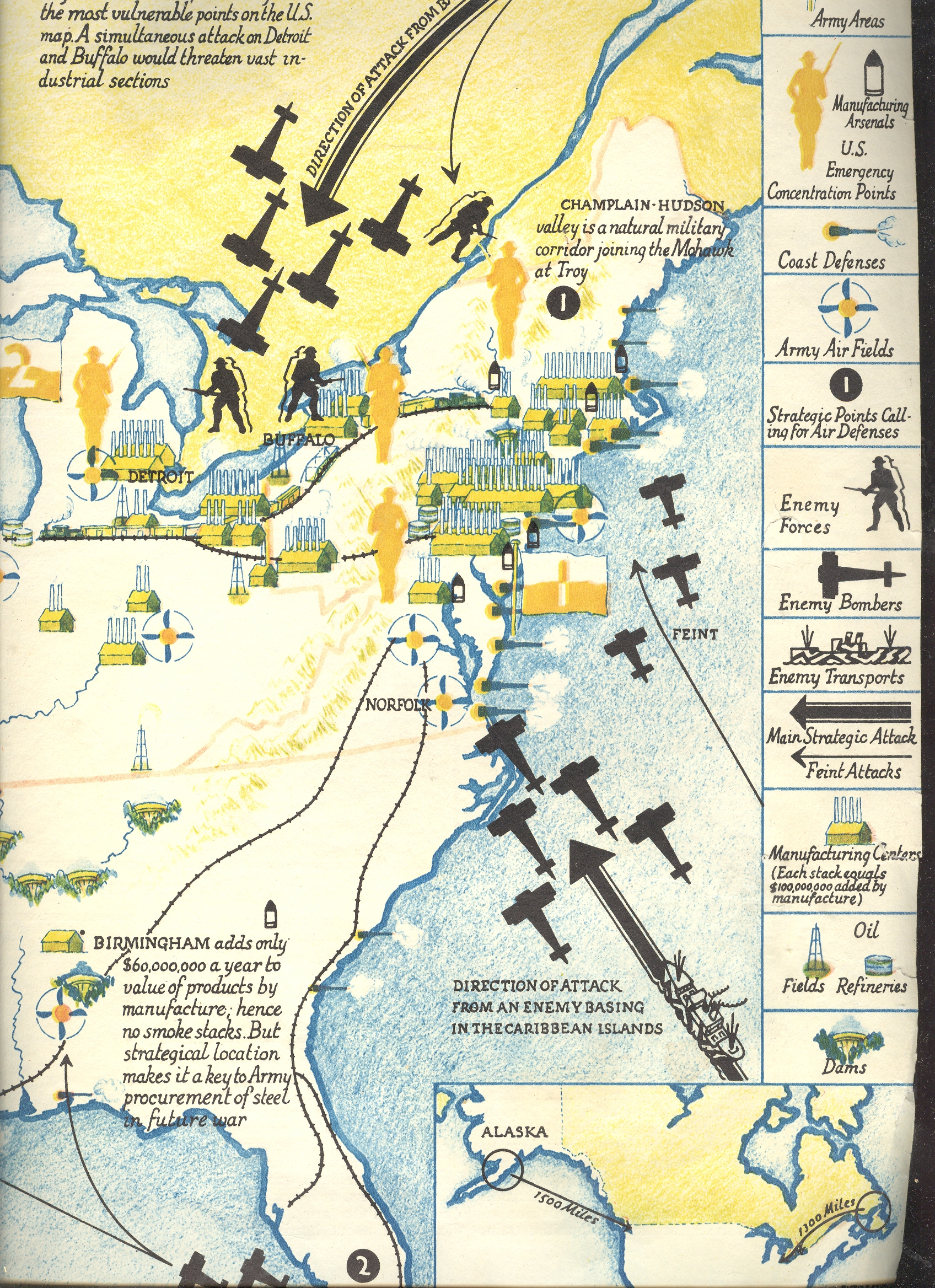
    (An another set of maps from Fortune magazine for September 1935, a predecessor to the above,  and from my post here):
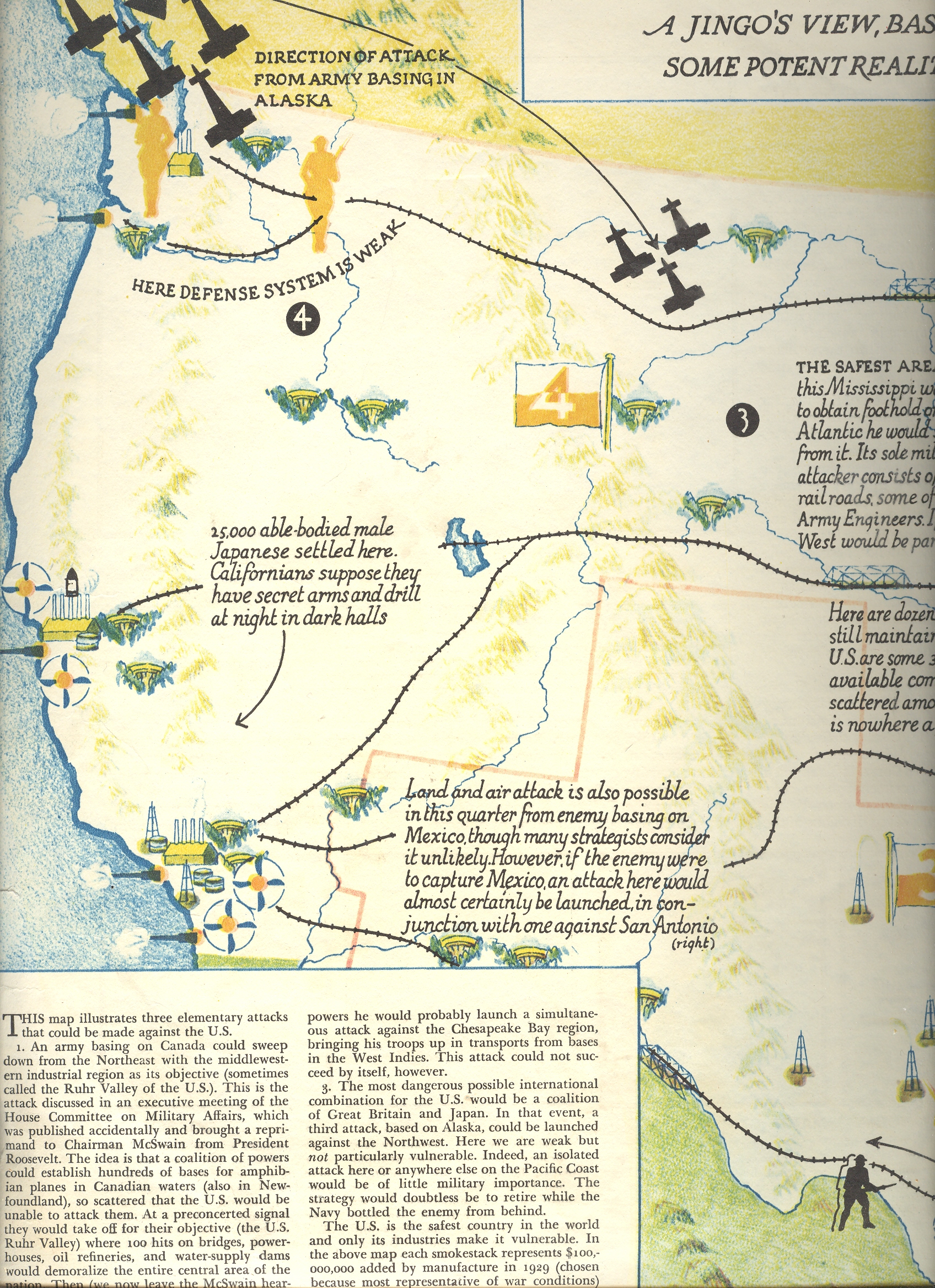
    https://historyofideasblog.com/a/6a00d83542d51e69e20120a7a3225e970b-pi

    https://historyofideasblog.com/a/6a00d83542d51e69e2012876a5a4b4970c-pi

    https://historyofideasblog.com/a/6a00d83542d51e69e2012876a5a5e4970c-pi

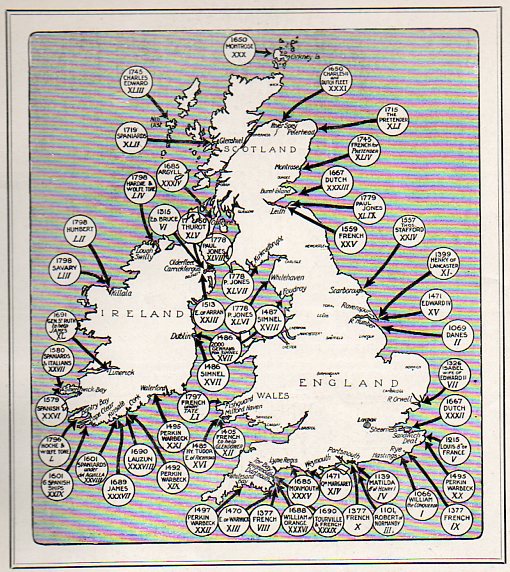
    But now for the  real stuff:  a map of the 54 invasions of Great Britain (and “the places at which foreign troops have landed on British soil since 1066 (and all that), seen in the Illustrated London News for 27 March 1909):

    Invasion--Us and England120

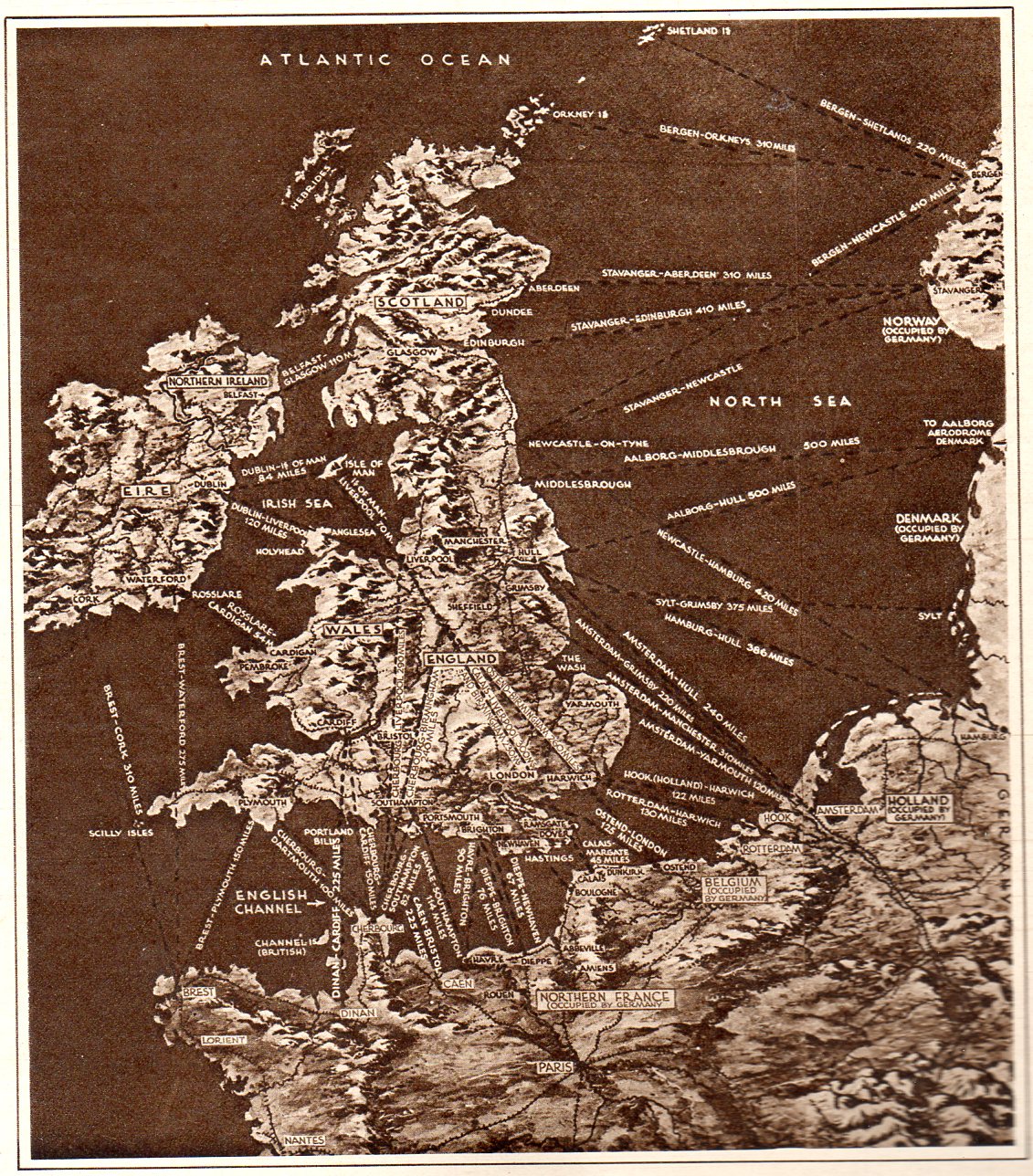
    And then this, where the WWII invasion routes were turned around: 
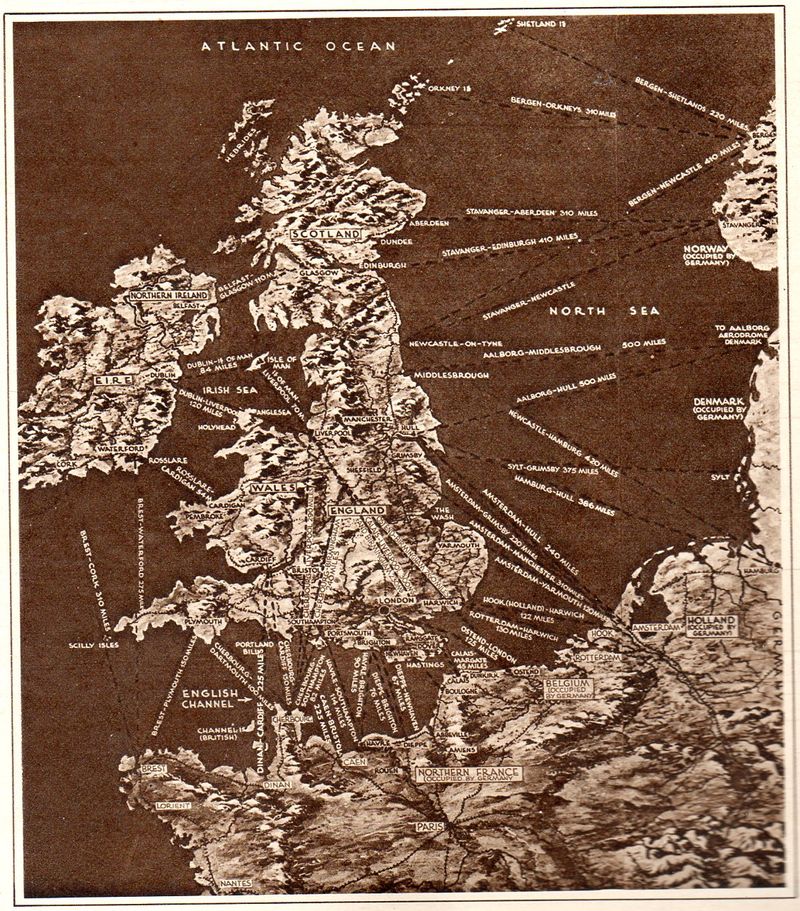
    Dunkerque124

    This map pretty well tells the story of the perilous situation of Europe and England at the beginning of June, 1940.  It appeared in the Illustrated London News on the heals of Churchill’s “Blood, Soil, Sweat and Tears” speech, and was a very frank presentation of the wearing of the war.  By this point in the war Nazi Germany had successfully invaded Belgium, France, Luxembourg and the Netherlands, sweeping across Europe in a broad westward movement, backing up British and French troops all the way to the sea at Dunkerque, where a monumental rescue operation (“Operation Dynamo”) saved them.  (There was an enormous amount of materiel left there on the beach, a devastating loss for the British Expeditionary Force, nearly crippling it.) This was a bad time for the Allies, this part of the war coined by Winston Churchill in 18 June 1940 in the House of Commons by:  “The Battle of France is over. I expect the Battle of Britain is about to begin”. There was very little good that came of these few months for the U.K and the Allies, though four things do stand out: (1) as I just mentioned, the saving of 300,000+ troops at Dunkerque; (2) the resignation of Neville Chamberlain, (3) the coming of Winston Churchill  as Prime Minister of the U.K., and (4) the first deciphering of the Enigma at Bletchley.  Other than that, the situation was dim, and these invasion routes (published at t he very time that Germany was studying such a feat in its “Operation Sea Lion“, or “Unternehmen Seelöwe”). The endgame at Dunkerque took place almost four years to the day of the invasion of Europe, when the intent (though not placement) all of these arrows were turned around for the Allied operation at the Normandy beaches on 6 June 1944..

    And so, there it is–a presentation of several maps showing invasions, real and imagined 

  • On the Invasion of America (Part II)

    JF Ptak Science Books    Post 1686  Works in the Reverse Esteem of the Gettsburg Address

    “The cheek of every American tingle with shame as he reads the silly, flat, dishwatery utterances of the man who has been pointed out to intelligent foreigners as the President of the United States”–The Chicago Times, on the Gettysburg Address, 1863.   

    We all know today what to expect when we hear something referenced as a Gettysburg Address–and we certainly know what something might be if it was referenced as not-the-Gettysburg-Address. The address as it was when Lincoln gave it didn’t even have a title, named as it was post  facto by the newspapers and periodicals covering the event (on the spot or remotely).  The speech is considered as being among the greatest ever given by an American, though at the time it its reception was very mixed—in many cases it was seen as a failure and even as an embarrassment to the solemnity of the moment and place. There were many newspapers which panned the speech (as in the case above with the Chicago Times, which at the time was considered more of a Democrat paper than anything else), while others (like the New York Times gave the speech a warm reception.   The speech’s presence in national memory was crafted over time (not unlike Mr. Leonardo), its perception formed into the polished gem that it is seen as being today. 

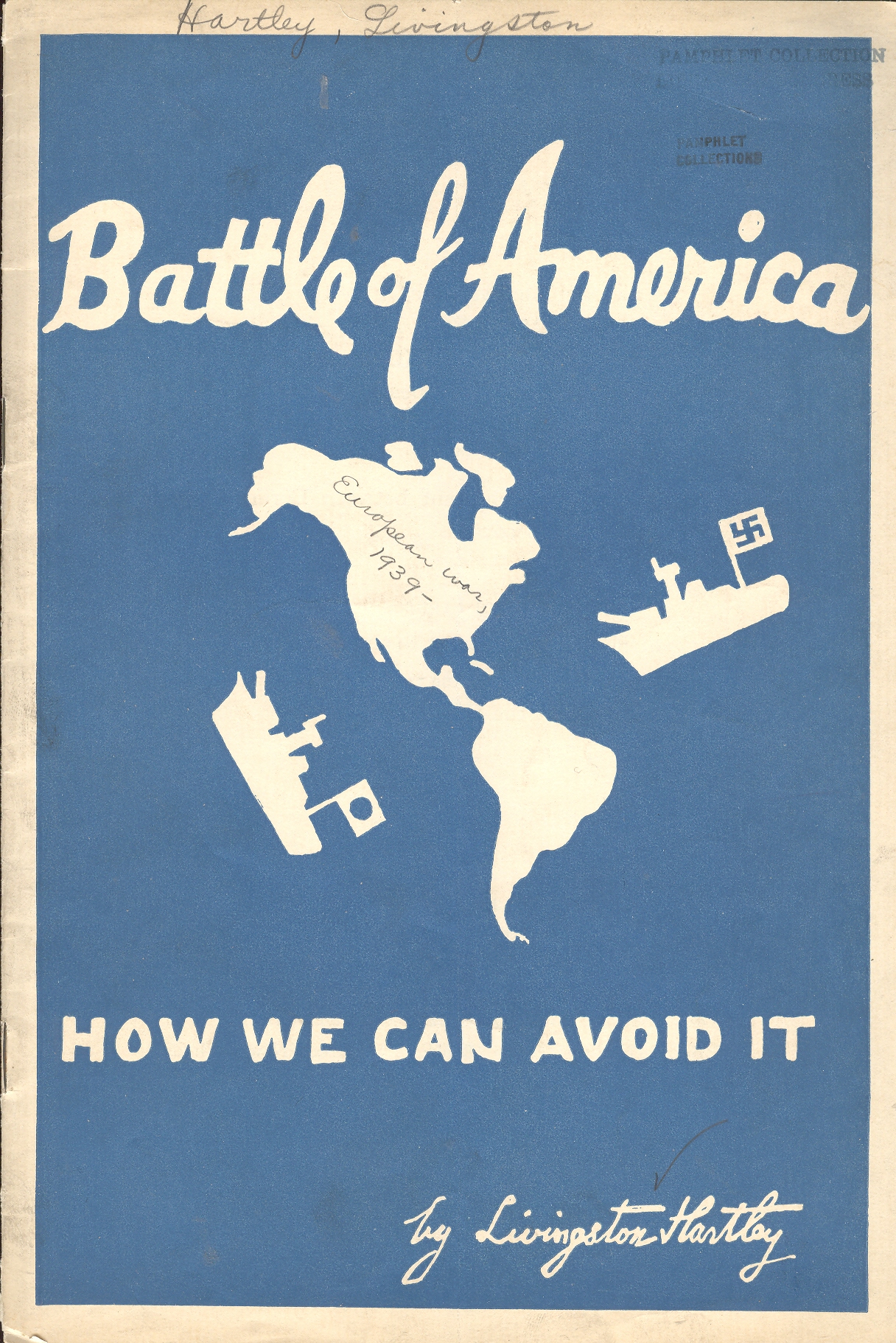
    ==Blog July 15==bsttle for amer

    The possibility of the implied actions of the titles of the pamphlet below were somewhat similar, though in reverse.  I’m not saying that some of them were always seen as quacky and the works of demented seers; their titles and possible content, though, were not seen as dismissible, and their concerns were real and a possibility. The concerns over “invasion” today depend on what invasion means.  I don’t imagine that people are seriously considering the possibility of a land or air force attacking this country, though other sorts of invasions (biological, chemical, cyber, etc.) are a possibility. 

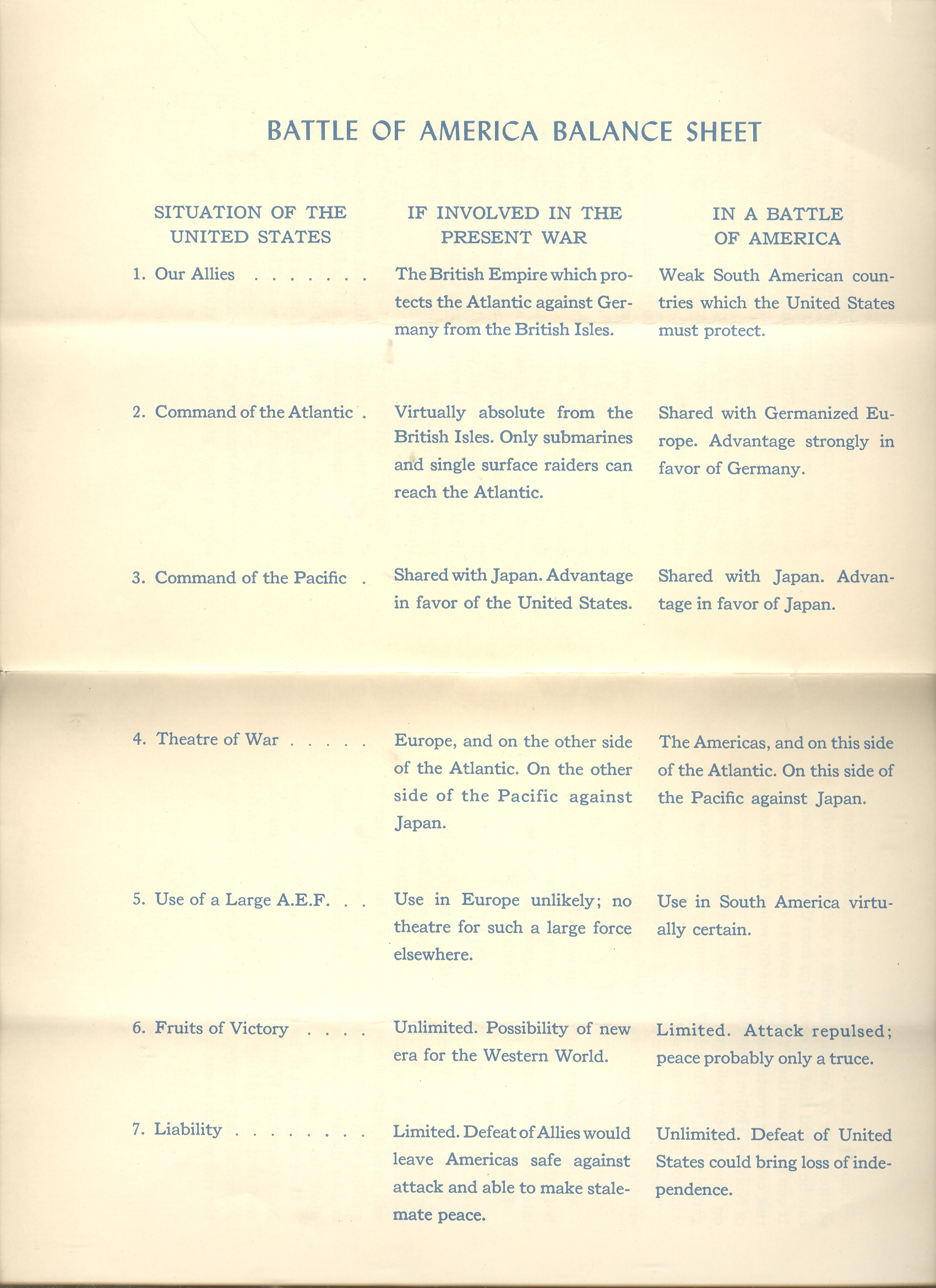
    The Battle for America/How We Can Avoid It (1939) was published by the Committee to Defend America by Aiding the Allies (and headed by William Allen White, iconic middle America newspaper editor and editorialist) which attacked isolationism and advocated strong support of the European effort.  The thinking here was that if America didn’t become involved now it would so later, with battle lines of a Nazi-illuminated truce drawn close to American borders.  So it was a pay-now-or-pay-more-later position from a man who supported the New Deal but whop didn’t support FDR.  ==Blog July 15==battle detail

    Much of this thinking looks a bit tenuous to me.  For example the position excluded the use of an American expeditionary force in Europe (“for theatre for such a large force elsewhere”), though if nothing at all were done there would be a “certain” use of the AEF in South America combating Nazism.  Also, if the U.S. backed the Allies with supplies and war materiel the “liability” to the US in the consequence of European defeat “would leave America’s fate against attack and able to make stalemate peace”.  So at the very least, doing a little bit of something would d at least allow us to make a truce with the German/Japanese alliance.   Doing nothing at all in this area would infer “unlimited” liability, and “defeat of the United States could bring loss of independence”. (“Could”?)

    The way aid ourselves in this war “(was) to aid  Britain to hold out to defeat Nazi Germany….the chance for Britain to hold out and win is a good risk for America”.

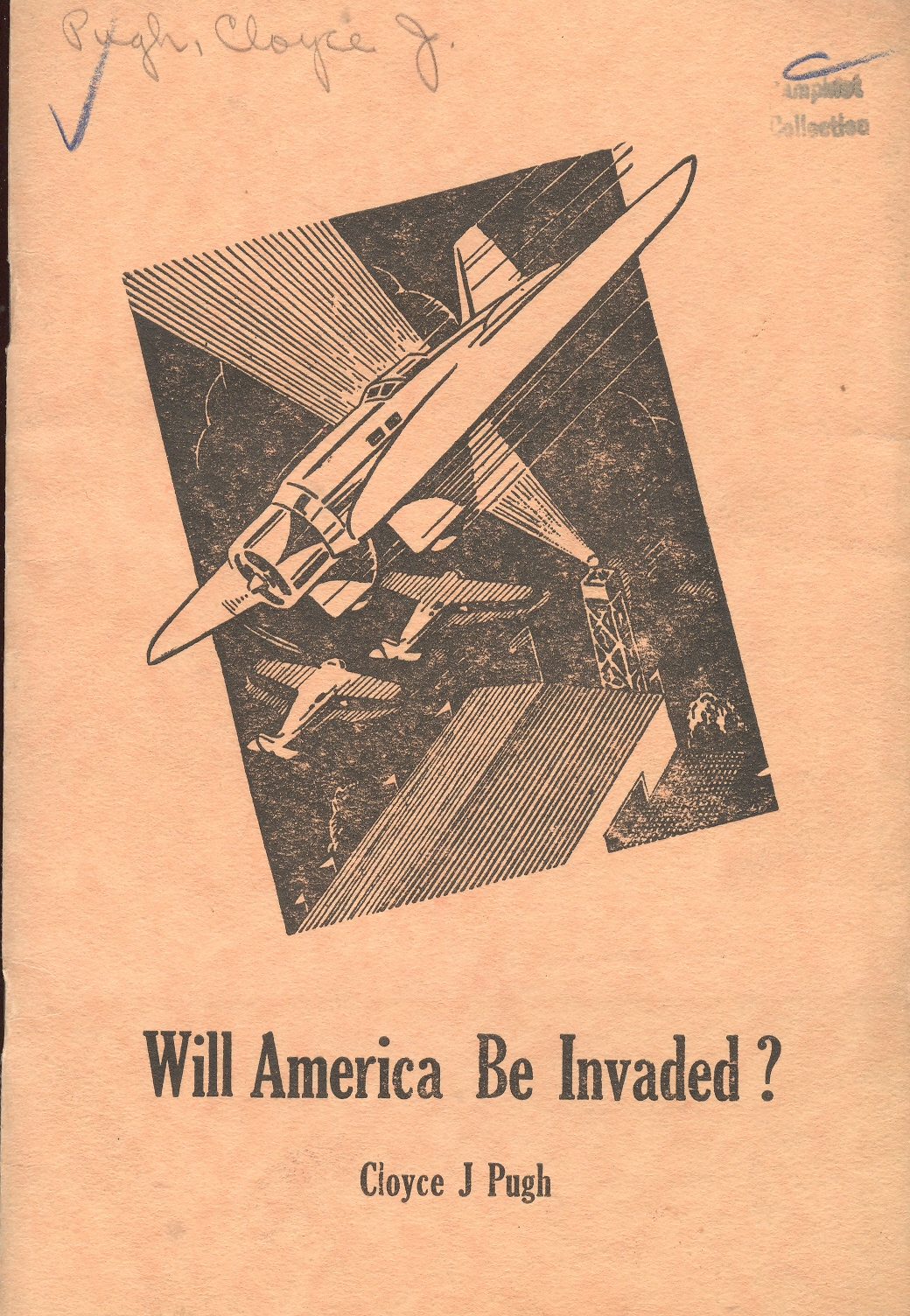
    The second pamphlet, Will America Be Invaded, was published by the Christian Fellowship Press in Akron, Ohio, in 1941, and leans mightily upon scripture to state assumptions about the coming menace to America being presaged in the Bible.  That invasion also seems to be allowed by God (according to prophesies and such) in pursuit of murky results.  The conditions which will prevail “when God permits invasion” (according to this person’s reading of the bible)) include the formation of monopolies, extensive wine and music, “unbelief in God’s judgments”, conceit, “wine and bribes in high places”, and “perverted moral stanfa5rds.  All of this—it is claimed—can be remedied through one medium:  prayer; and prayer through only one mediator, Jesus Christ, who would then take the communications to god’s ear.  

    ==Blog July 15==will america be

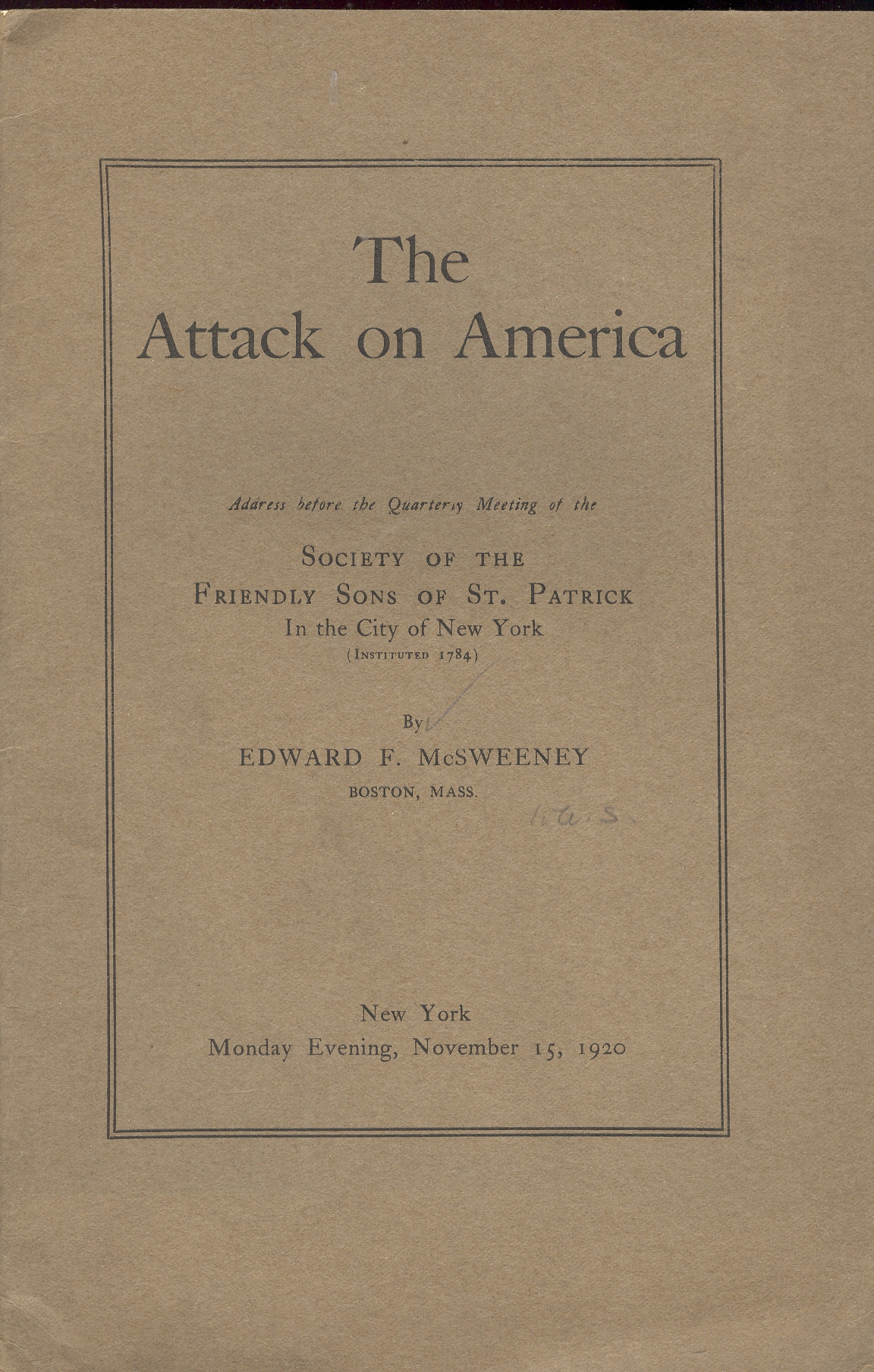
    The Attack on America, published by the Friendly Sons of St Patrick (of NYC), was a cautionary pamphlet published in 1920 warning against certain dispassionate evils of British propaganda in the United States.  Freedom or Enslavement for United States of America (sic), published in 1939 for the Mothers of United States of America (sic) advocated a freedom policy that prohibited conscription in foreign wars and would present a state of permanent neutrality. It also made some pretty vicious anti-Roosevelt attacks, finding him the Socialist root of the coming empire of American evils with a wildly power-mad and legislative-grabbing presidency.

     ==Blog July 15==attack omn amer

    Quite a grouping of pamphleteers concerned with the potential overthrow of the United States, each seeing the unfortunate possibility of national death via divergent and disparate means:  the fall of the country due to not being part of the Allies during the war and also for being in it; biblical ordination of invasion that is only combatable through prayer; British and European propaganda control of the national welfare; and of course the diabolical Socialist menace of Franklin Roosevelt and the imperial presidency as the ruination of the nation’s future.  All of this gently hidden by disturbing titles which really dont give you a hint about what wildly unexpected ways the end was approaching.  And whatever they were, they were definitely not high-order thinking.


  • Episode in Anticipation: Large Groups of POWs, 1918

    JF Ptak Science Books   Quick Post


    Wwi photo german mass prisoner det

    (21) L.1094 - Massed German prisoners, France, during World War I


  • War Rations–Iron and Bread

    JF Ptak Science Books   Quick Post

    Food german pows004
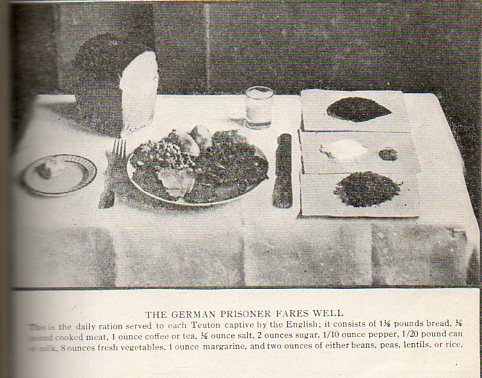
    Continuing yesterday’s post #1662 (A Short Episode in the History of Bread Photography…): my friend Jeff Donlan pointed out that if 60 million pounds of bread were served weekly to the 4,000,000 members of the German Army, then each soldier must be eating about 2 pounds of bread a day.  And that’s not eating a loaf or whatever of “Wonder Bread” (its a wonder its bread–watch that trademark!) or any other white bread where you could ball up two slices and pop them whole into your mouth.  As Jeff points out, if this was a dark or rye or Napoleon’s-solder’s-like black bread or some some thing, it would be thick and dense.  And so, two pounds of this sort of bread is a lot, especially if the average soldier was running around and weighing in at 150 pounds or so–eating two pounds of bread plus four pounds of potatoes would mean that each soldier was eating about 5% of their body weight in just those two foods per day.

    This all sounded like a lot of food to me–until I stumbled on the following article in a journal I had never encountered before.  It was in Illustrated World, a Popular Mechanics-lite sort of publication, for November 1916, in an article “From Trench and Barrack” that I found these two photographs.  I was astonished first of all to find a bread-consumption reference within 15 minutes of wondering about such a thing for the first time ever–but there it was.  A big slab of fork+-high bread in a picture made to depict the daily rations of a German POW in the hands of the British.  The prisoner was alloted 1.5 pounds of bread.  Plus a half-pound of (cooked) meat, 8 ounces of vegetables, one ounce of coffee or ta, and the other stuff as can e seen in the photo’s caption. 

    And there you have it.  If the prisoner is getting 1.5 pounds of bread, then it makes sense for the active soldier to be eating two pounds.  At least it all makes sense in 1916.

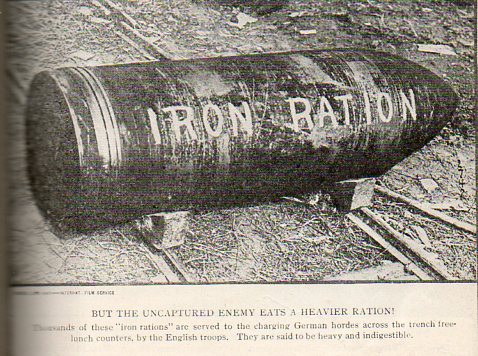
    The thrust of the article in Illustrated World though was the other sort of ration that Great Britain would be shelling out–shells.  This would be the iron ration that–after two years of a terrible and monumentally destructive war–would be the most common form of ration exchanged during the conflict.

    Food german pows005


  • An Episode in the History of Bread Photography: Monumental Bread and Infographics, 1914

    JF Ptak Science Books   Post 1662

    Infographic999
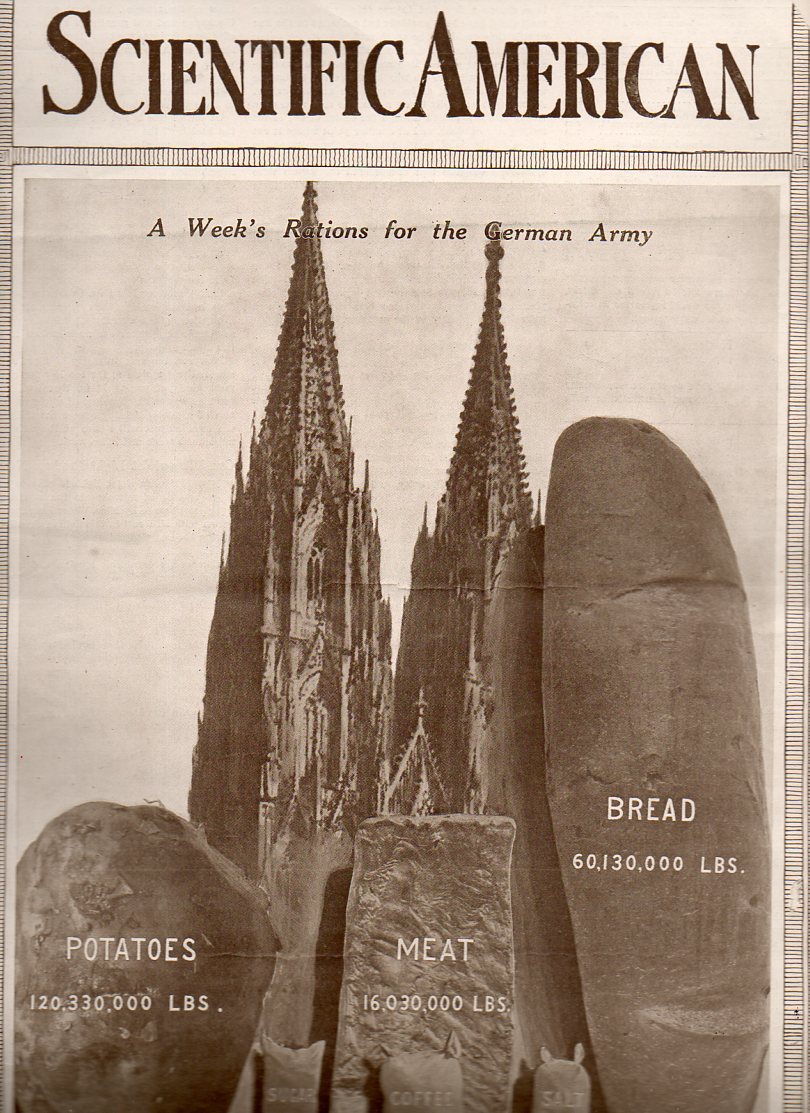
    In the history of pictures of bread, this loaf seems to be about the biggest.  The 60-million-pound loaf is meant to represent a week’s ration for teh newly-fighting German army.  The war, the Great War, WWI, was just beginning when this article hit the newsstands on 22 August 1914.  There wasn’t much yet printed in the Scientific American regarding the war, and it seems as though this was the first cover of the magazine to deal with the new world-ender.  But in the blazes of the guns of August (B Tuchman) the end of the conflict might’ve looked a little close at hand.  I doubt that many would’ve seen the 100,000,000 dead and wounded that would come as a result of the war, at this point just finishing its first month.

    I am not sure why, but the editors of SA chose to think about supply for their first stab at making a cover-comment about the war.  It does give some idea of the sheer numbers of people involved, at least on the German side.  Hoiw this is iterated by a 400-foot-tall loaf of bread, I can’t exactly say.

    (Are potatoes one tenth the density of :”meat”?  The potato sack and the meat chunk look to be about the same size, though the meat bit is less than a tenth of the weight of the potatoes.) 

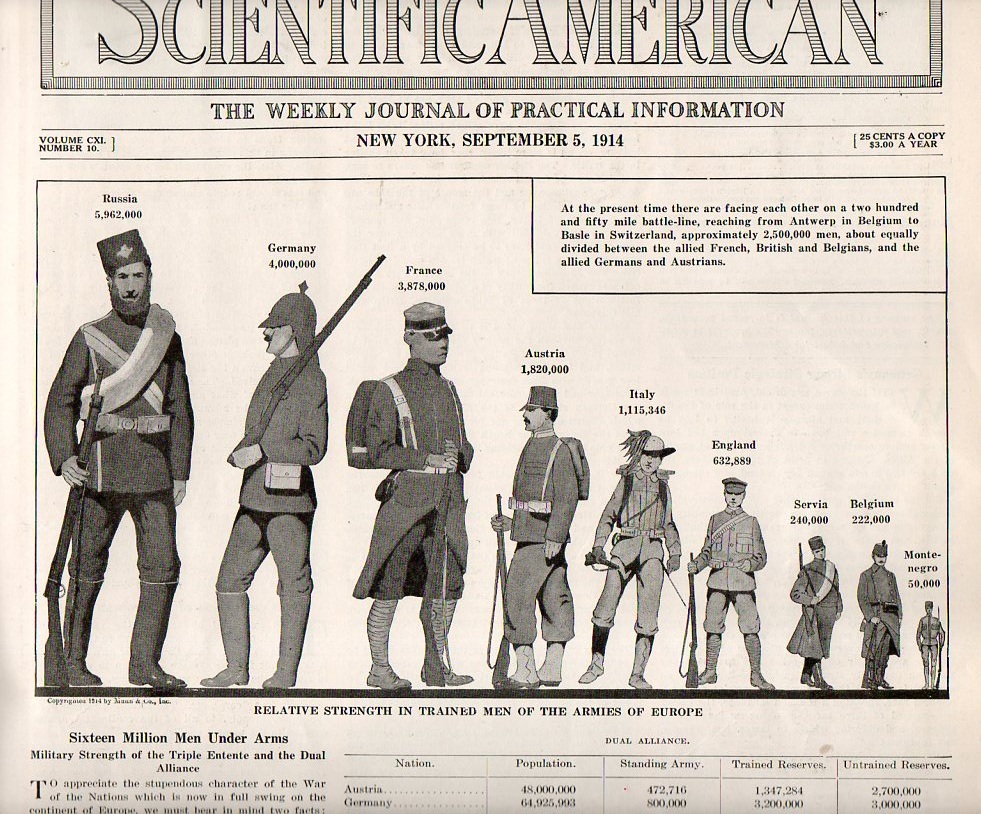
    Two issues later–5 September 1914–we see the following artistic display of quantitative data, a much more effective way of generating understanding on the differences in troop strengths among the waring countries:

    Infographic army size001


    The United States would not get involved in WWI until 1917, and so American statistics were not included in this image.  But if they were, the U.S. Army’s size would be somewhat larger than little Montenegro there at the far right.  Given the American population of 92,000,000, the army was quite small, with barely 98,000 soldiers under arms (half of whom served overseas). (Montenegro’s force of 50,000 was somehow pulled out of a population of 350,000 people–Belgium, with a population of 7 million, had an army more than double the size of that of the U.S.)  Of course this was a peacetime, hands-off army for the United States, and by the end of 1914 President Wilson expanded the standing army to 140,000; by 1918, when the newly-instituted draft1 really kicked in, more than 4,000,000 people would be in the armed services, half of whom would serve overseas. 

    Notes

    1. Beginning in 1917 all males between the ages of 21 and 30 were required to register for the draft/military service, and by September 1918 more than 23,000,000 men had done so.  This was an extraordinary leap from the Army totals for 1914.   


  • The History of Blank, Empty and Missing Things–German POWs, 1918

    JF Ptak Science Books  Post 1556

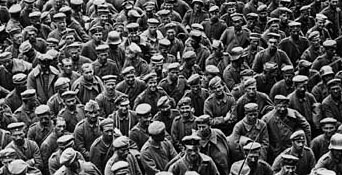
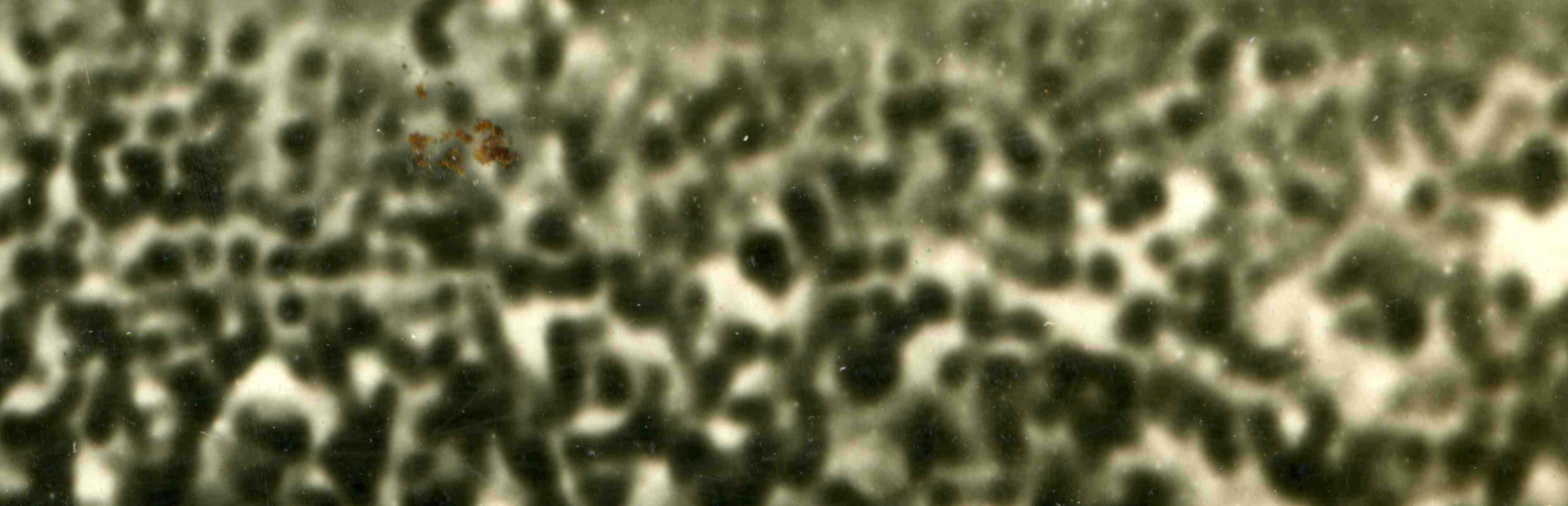
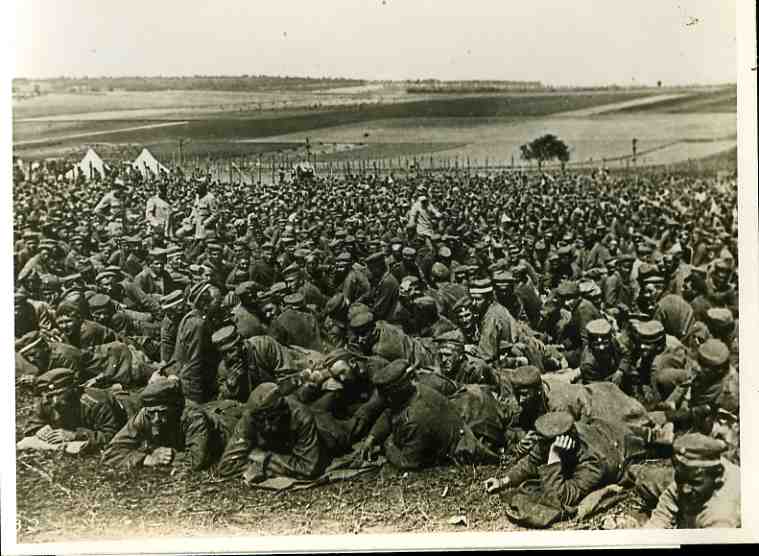
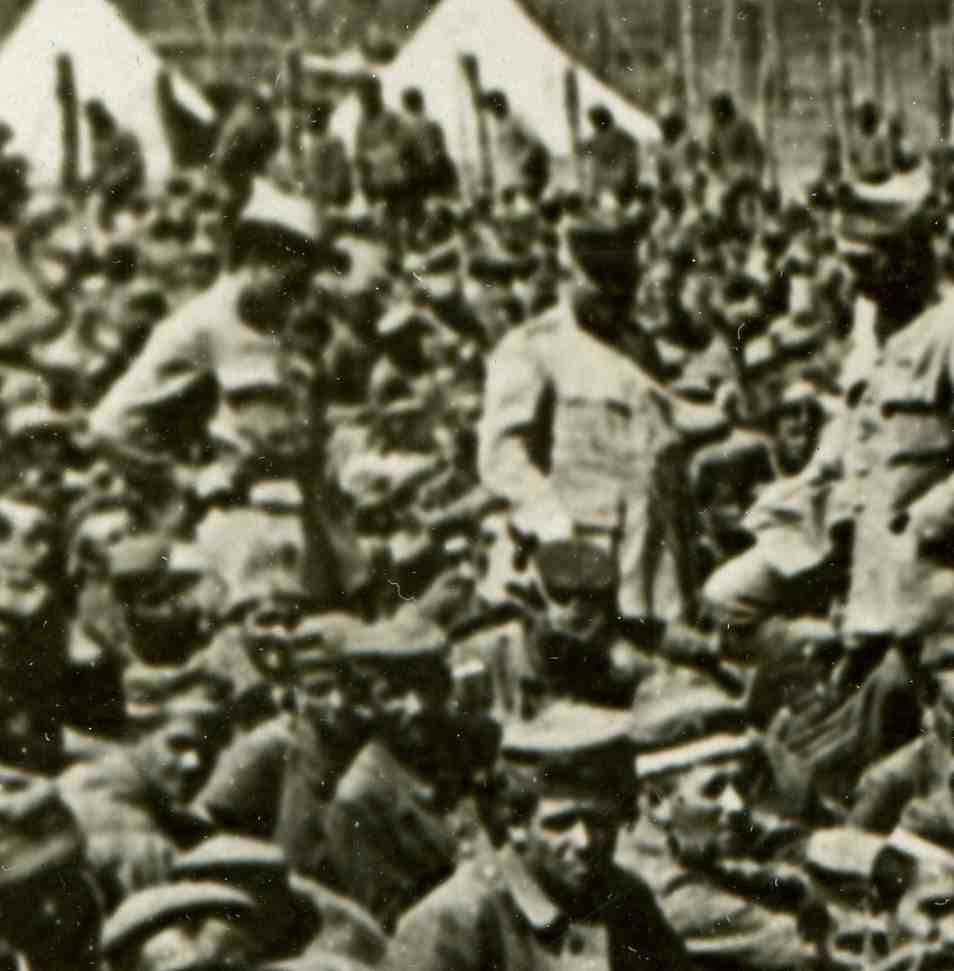
    In continuing series of posts on Blank and Empty Things is this image on fading, disappearing German prisoners of war.  The French had been pounding them in western France in the summer of 1918, and Germans were surrendering and being captured by the thousands.  This news service photograph shows one of the assembly camps with about 10,000 POWs–I made a heavy scan of the group of soldiers in the distance and was  a little taken aback to see that the men had lost their human forms,  looking like bacteria, fading into their future.  

    000-ebay--Nov 8 pows018

    000-ebay--Nov 8 pows017

    The full image is impressive, and shows just a small fraction of the men taken prisoner during 1918; and it shows even a lesser percentage of those killed.

     
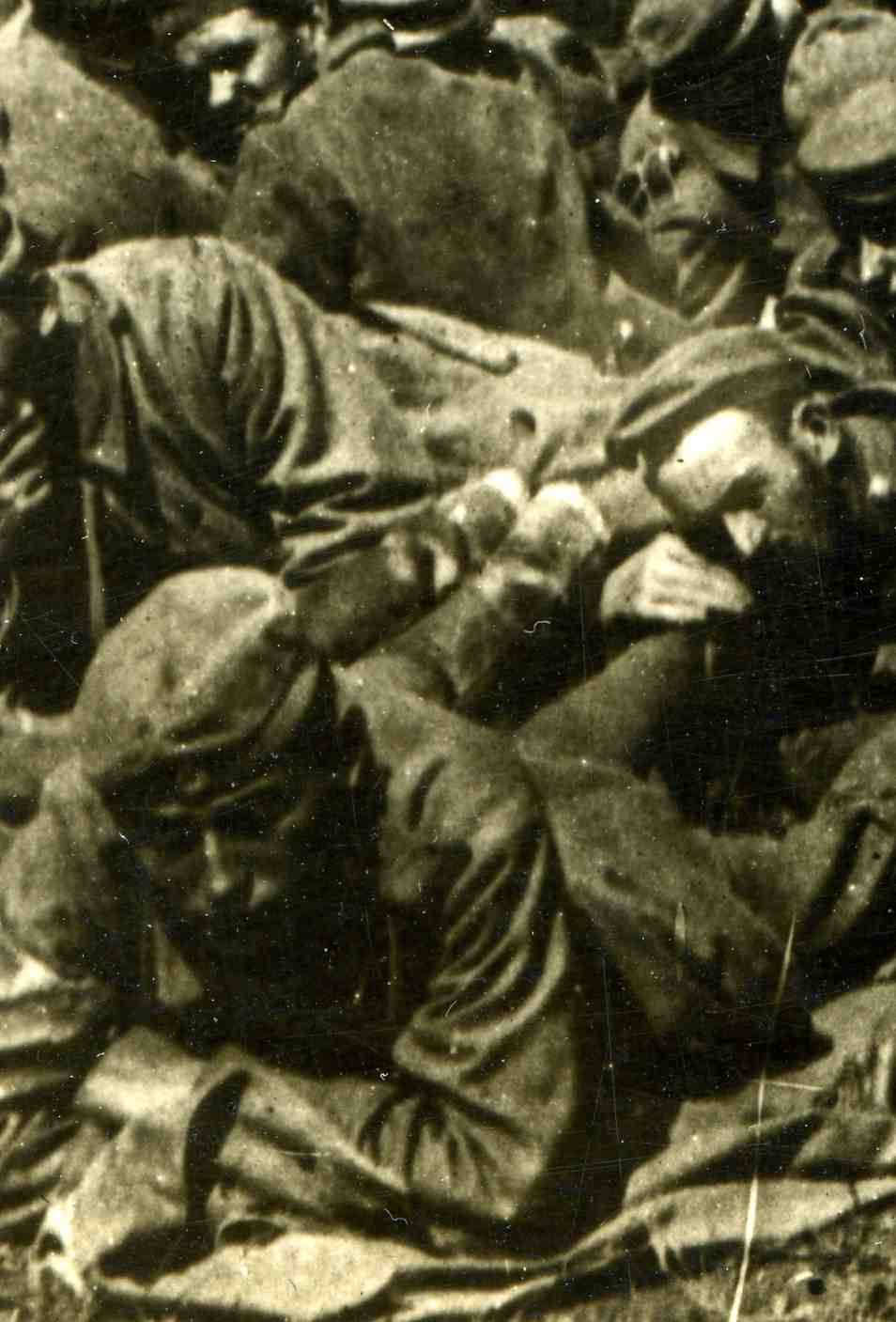
    This detail of the foreground shows the familiarity necessitated by the men being pressed so closely together–there was little free ground
    000-ebay--Nov 8 pows019.

    Also, I thought that the French soldiers in the midst of the prisoner might’ve been feeding them, but it seems as though they were just walking in their midst.


    000-ebay--Nov 8 pows022


  • Barbed Wire, Trench Warfare, and the Next Lethal Step: Electric WIres

    JF Ptak Science Books  Post 1555   [Part of the History of Lines series]

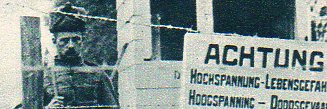
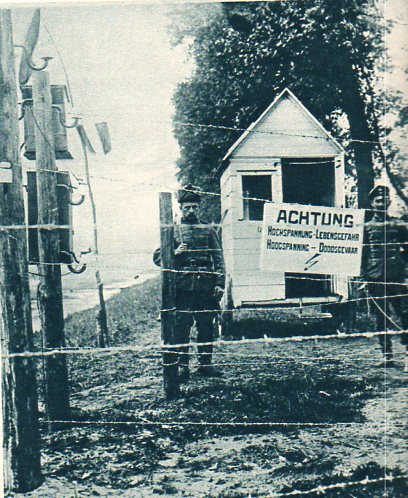
    Barbed wire was one of the most successful and horrifying defensive weapons of World War I.  In 1915 it was made more effective yet by adding high-voltage electricity to the emplacements.  In general the electrical barbed wire fence was employed as only a tiny fraction of all wire fences during the war–as the non-electrified fence was already extremely effective, very cheap to produce and very easily installed–but the possibility of finding an electrified wire somewhere along the lengthy rat’s nests of mile sand miles of this thing must’ve had some sort of weight in most soldiers’ minds. 

    The following image (and details) from The Illustrated London News for 9 October 1915:

    WWI--e---electric fenc dete extra647

    WWI--e---electric fenc dete646

    WWI--e---electric fence645

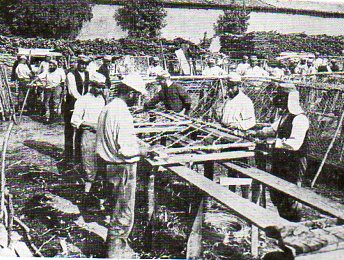
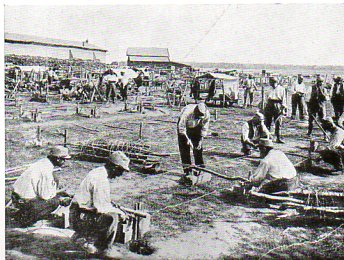
    And the places where the barbed wire was made and packaged, again from The Illustrated London News for 16 October 1915.

    WWI--e--barbed wire making648

    It looks as though the wire was stretched across 3.5 foot poles, with the barbed wire added diagonally, and then rolled up in long sections for easy transport and deployment.

    WWI--e--barbed wire making649

    ·Posted by :

    ·in:

    — — —

  • Tree Rings of Soldiers’ Uniforms, 1918

    JF Ptak Science Books   Quick Post

    WWI german uniforms500

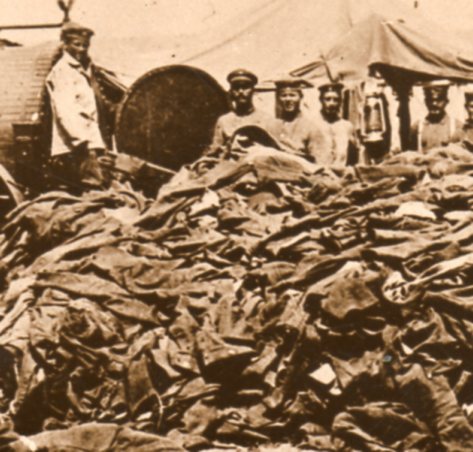
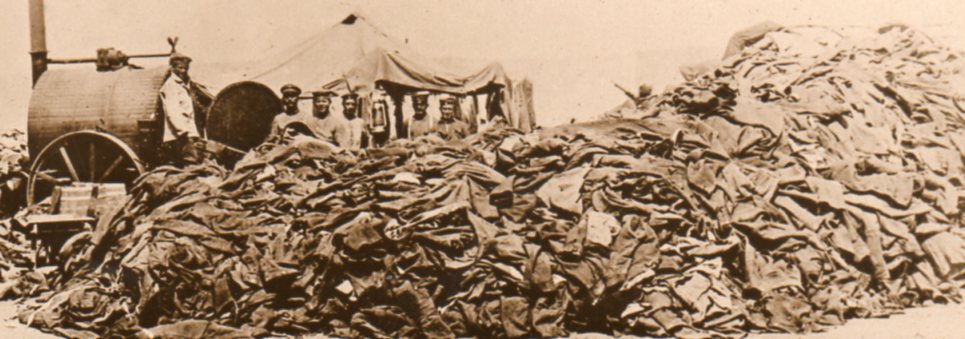
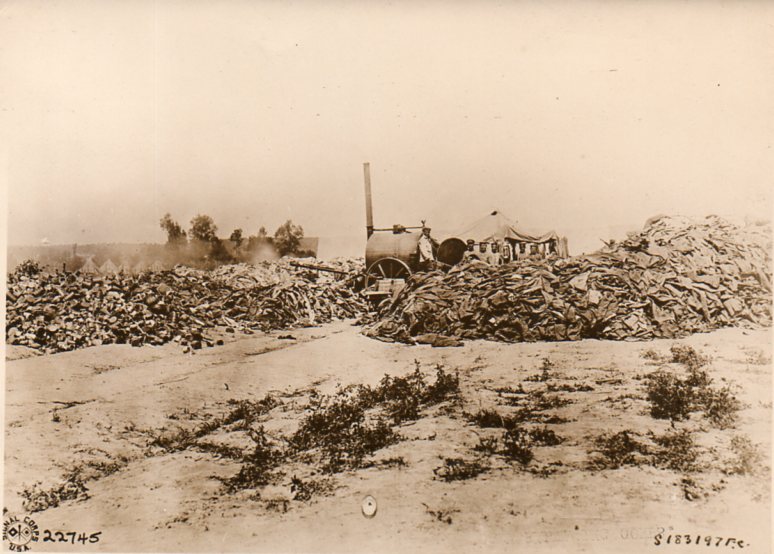
    Aside from the strong impact that this 1918 image [the original available at our blog bookstore, here] makes, the enormous mounds of clothing of captured German solders that were routinely handled as part of their processing, it struck a deeper chord to an older image still (that we’ll see below).  The photograph seems threatening to me, even though the action taking place in it wasn’t, it was mundane–the men, who I believe are German POW’s, are processing the clothing for disinfection and cleaning.  But the size of the mound reminds us of the magnitude of the numbers of the dozens of millions who were killed during WWI, as well as the millions who were taken prisoner.  What remains to be said about this image is how often that pile of clothing was replaced:  is it a monthly, or weekly, or daily pile?  My guess is that it was more daily than anything else, if for no other reason than there is an enormous oil lamp in the background of the photo, suggesting that the process went on all day and into the night.  My initial reaction is that this pile was replicated often during any given month….

    WWI german uniforms499
     
    WWI german uniforms498

    And the image it reminds me of are those made of the enormous mounds of buffalo hides, piles readied for shipment away from the Plains by rail. 

    Buffalo-Hides-lg

    I am in no way suggesting that the prisoner were skinned like the buffalo, not in any way.  But they do bear a resemblance in the way that thousands of men or buffalo could be represented in such a compact space, flattened husks of the living thing, gross representations of big numbers.