A Daily History of Holes, Dots, Lines, Science, History, Math, Physics, Art, the Unintentional Absurd, Architecture, Maps, Data Visualization, Blank and Missing Things, and so on. |1.6 million words, 7500 images, 4.9 million hits| Press & appearances in The Times, Le Figaro, Mensa, The Economist, The Guardian, Discovery News, Slate, Le Monde, Sci American Blogs, Le Pont, and many other places… 5000+ total posts since 2008.

Category: World War I

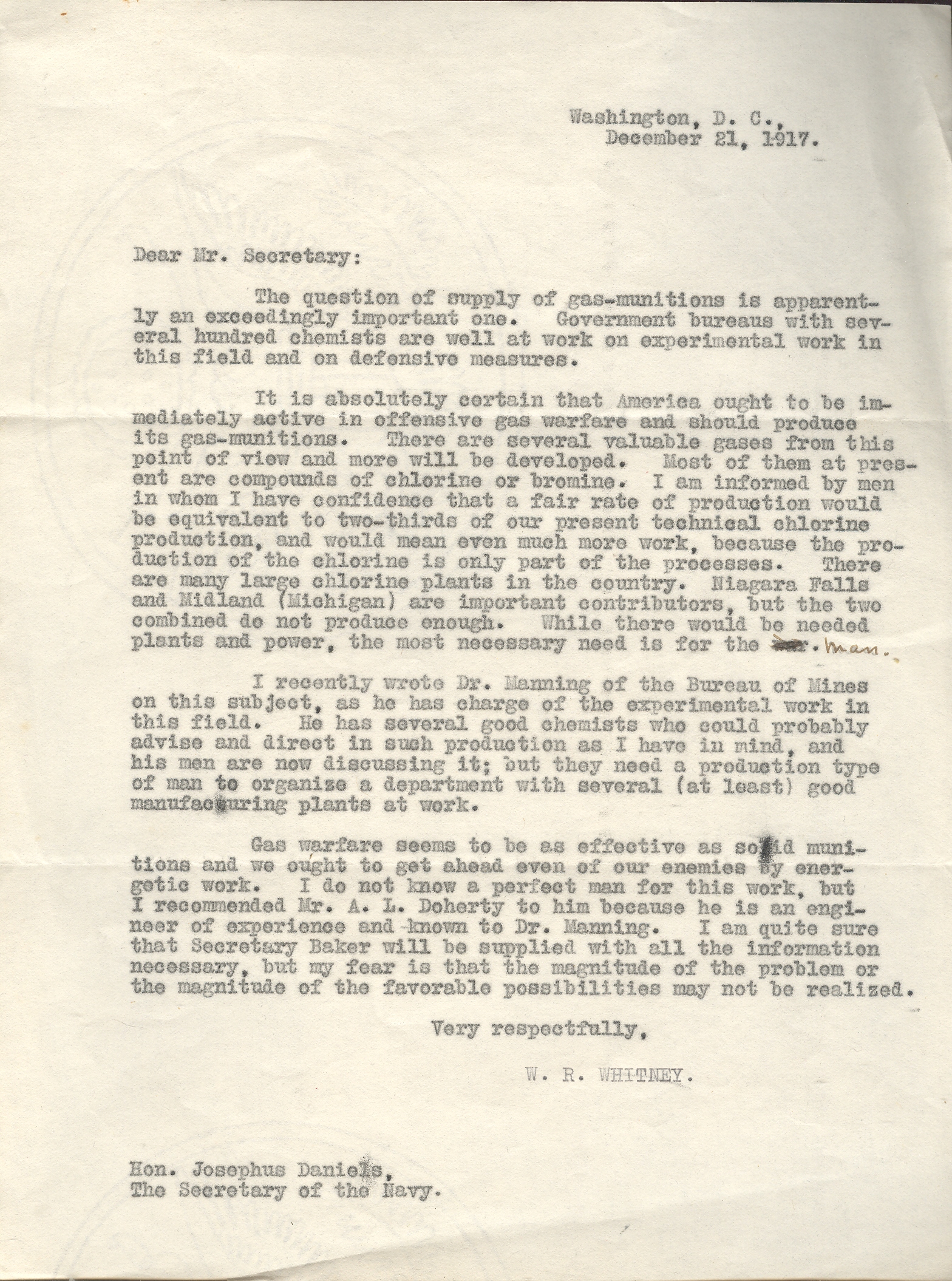
  • One-Page Letter Establishing the U.S. Poison Gas Position, 1917–addendum

    I posted in March 2010 a short note on a one-page letter written in 1917 by Willis R. Whitney (founder of G.E. Laboritoriesand much more) to Secretary of the Navy Josephus Daniels outlining a position for the government on the production and use of poison gas in warfare.  I’ve added a little more biographical information to the original, and I’m also offering my original copy of the document for sale at the blog’s bookstore.  Enjoy.

    The full post is here.

    Mar 21 gas warfare


  • Odd Person Out–Large Crowds and the Singular Person in Photographs

    JF Ptak Science Books  Post 1194

    [These images are all available for purchase from our blog bookstore, here.]

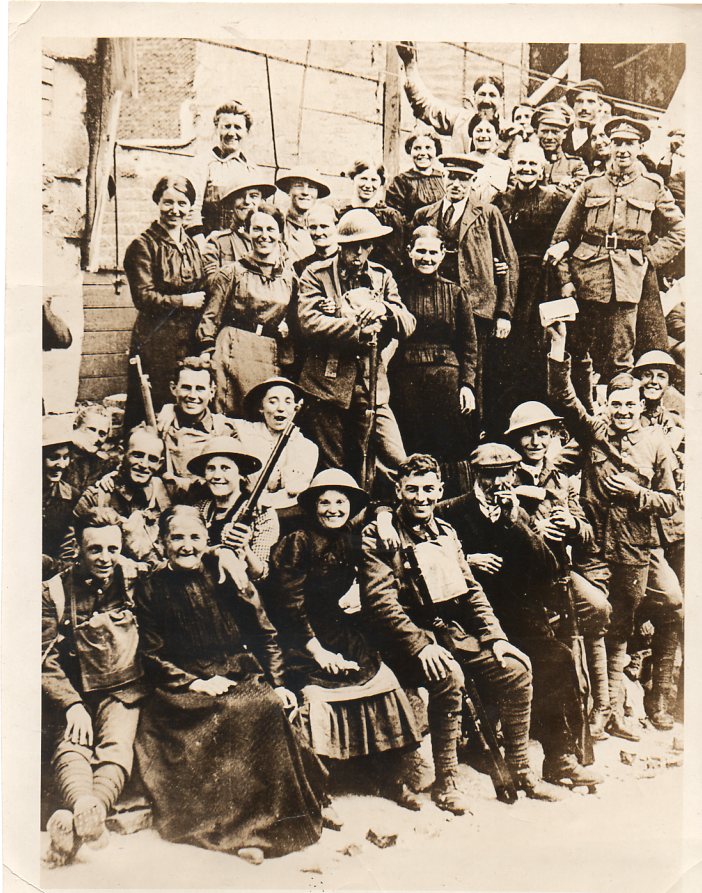
    (1) The Composition of Relief and Happiness–Minus One.  Free France, 1918.

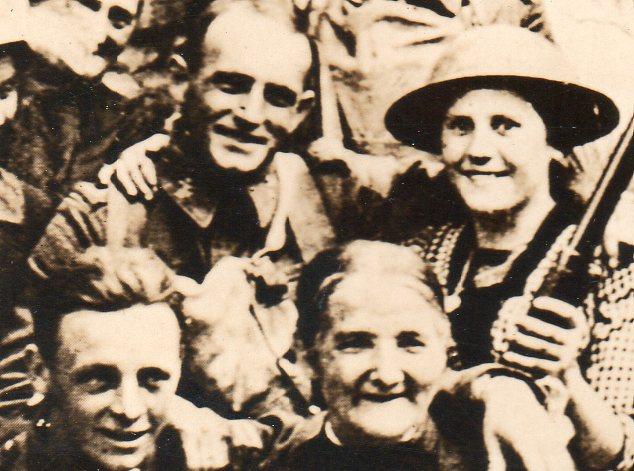
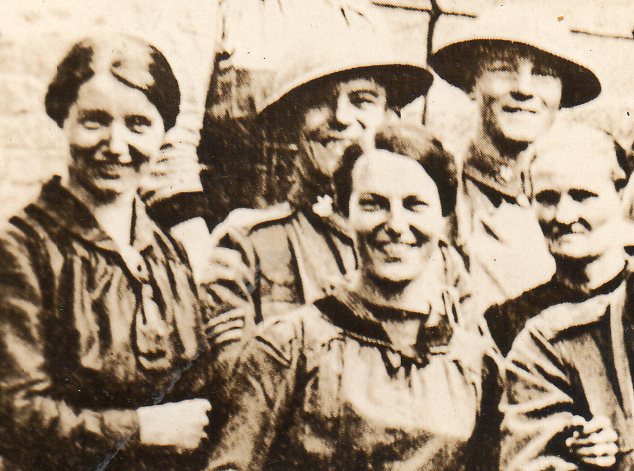
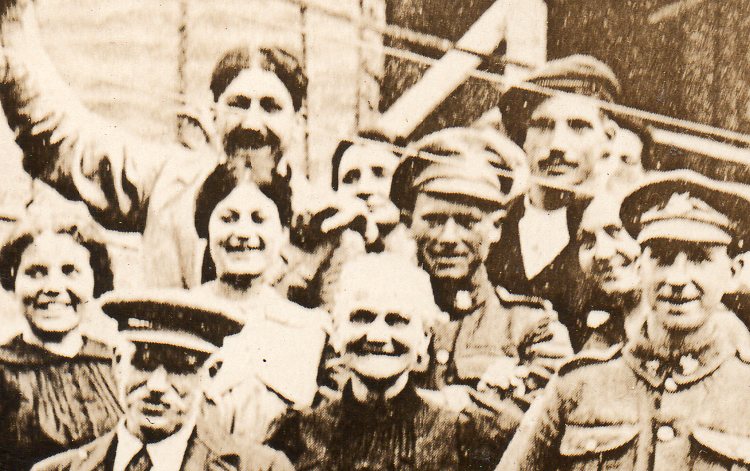
    This remarkable photograph shows the joy and relief of the townspeople of Saudemont, France (20 kilometers south-east of Arras), after just having been freed from German occupation after four years of captivity. 

    WWI--crowds--free town701
    Saudemont had evidently suffered greatly over the four years, and seemed as though the population of the entire town was going ot be removed along with the Germans–but they weren’t, and teh town was simply abandoned, found and recaptured by these Canadian forces.

    The images of overwhelming joy are (almost) everywhere:

    WWI--crowds--free town detb703

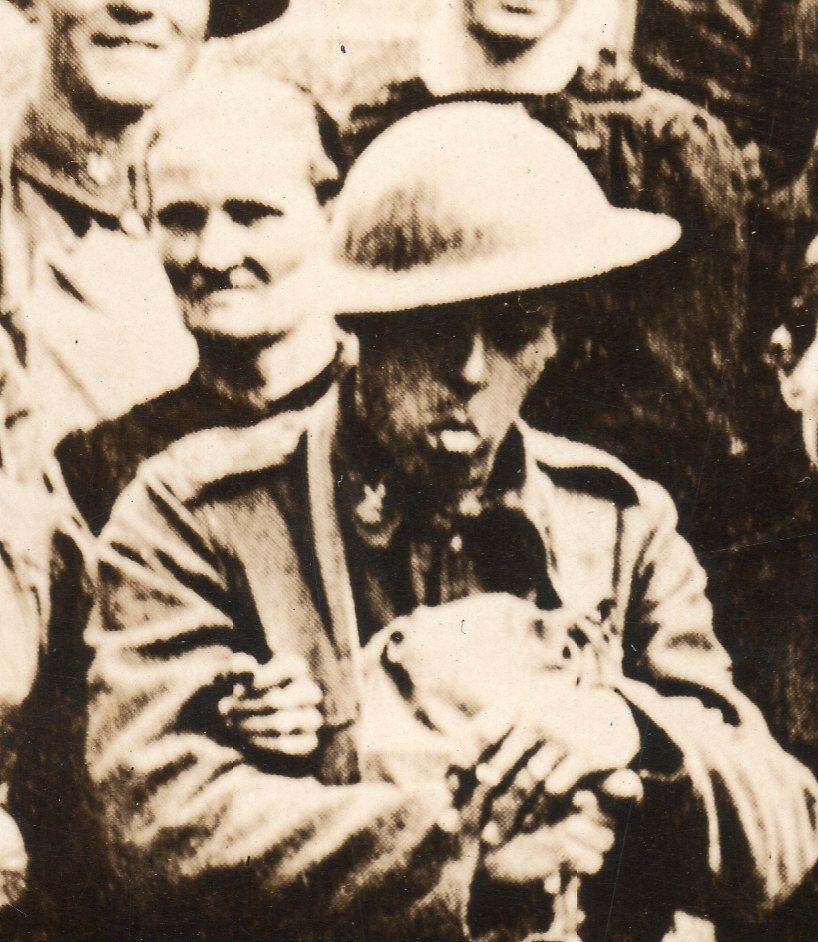
    Except of course for the man at the fulcrum of the image (and the woman behind him), who remained, well, stolid:

    WWI--crowds--free town deta702
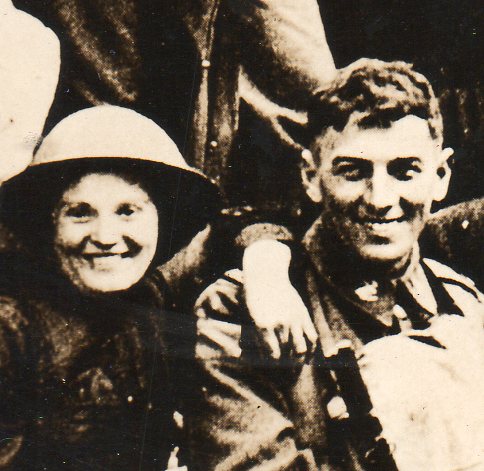
    But so far as everyone else is concerned:

    WWI--crowds--free town detc704
    WWI--crowds--free town detd705
    WWI--crowds--free town dete706
    WWI--crowds--free town detf707

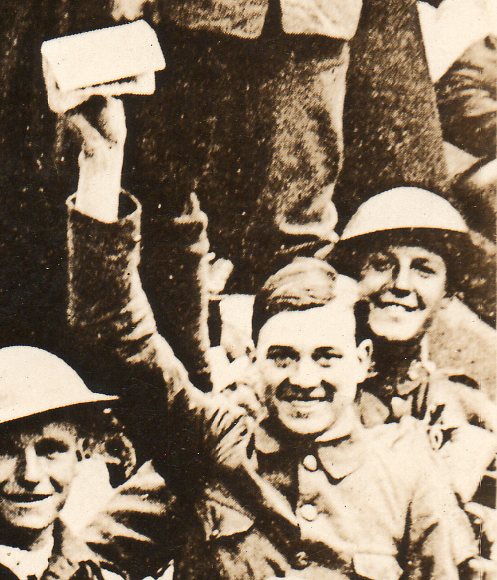
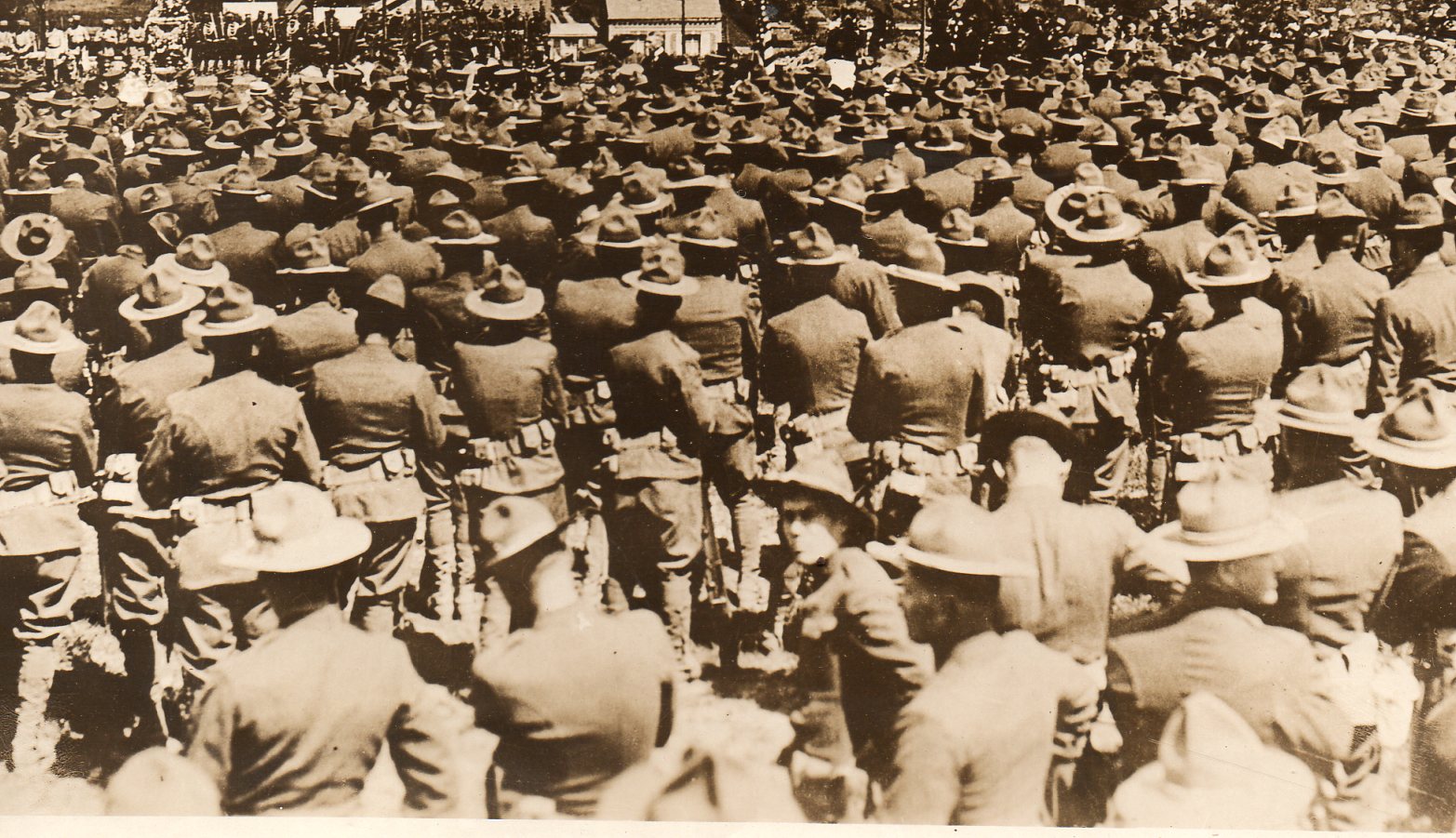
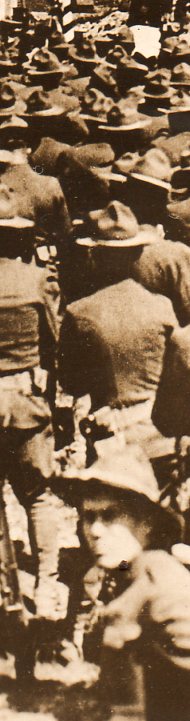
    (2) In this second photograph, taken of American troops at a ceremony at the cemetery of St. Marie, Havre, France in November 1918, the massive crowd (the largest funeral service held in France) is almost entirely focused on the proceedings–except this one serviceman in front, lathced onto the photographer.

    WWI--crowds--cemetery708
    WWI--crowds--cemeteryb709
    WWI--crowds--cemeteryc710

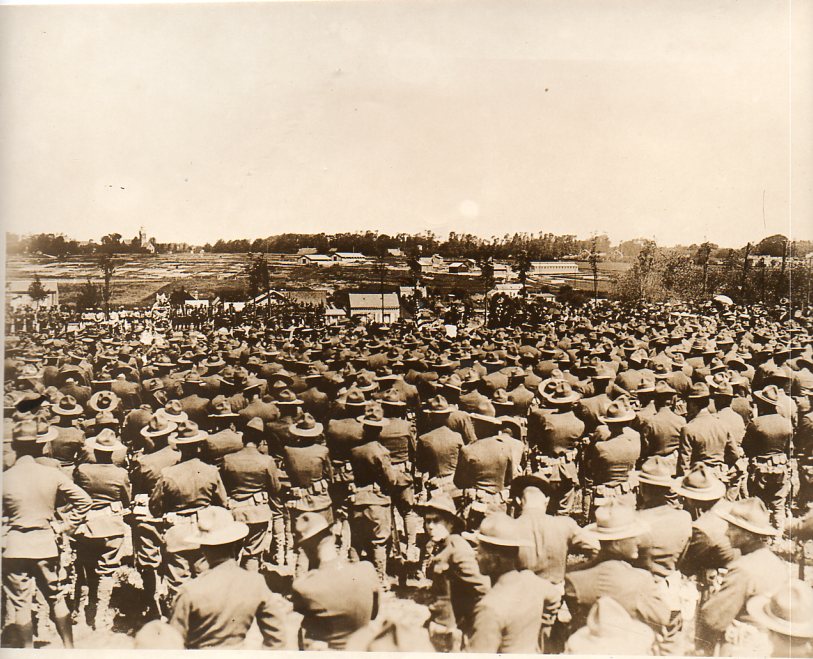
    (3)

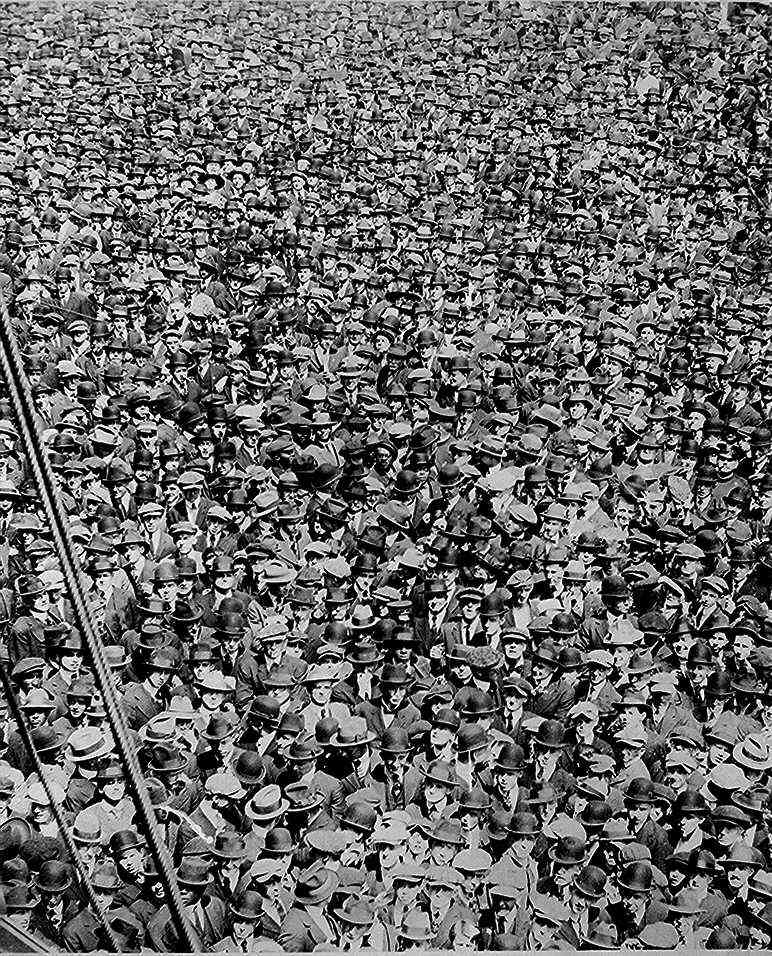
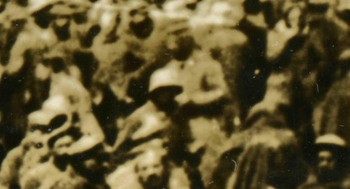
    Hatsdetail Another extraordinary image of pressed-together humans, of a human sea, a carpet of hatted men.  And believe me, every person in this image of (I’d say) approximately 5000 men has got a hat on.  There are hundreds of folks in the photo who re aware of the photographer and who are looking right at the camera, but there is only *one* person who is lifting his hat to the photographer. 

    Hats


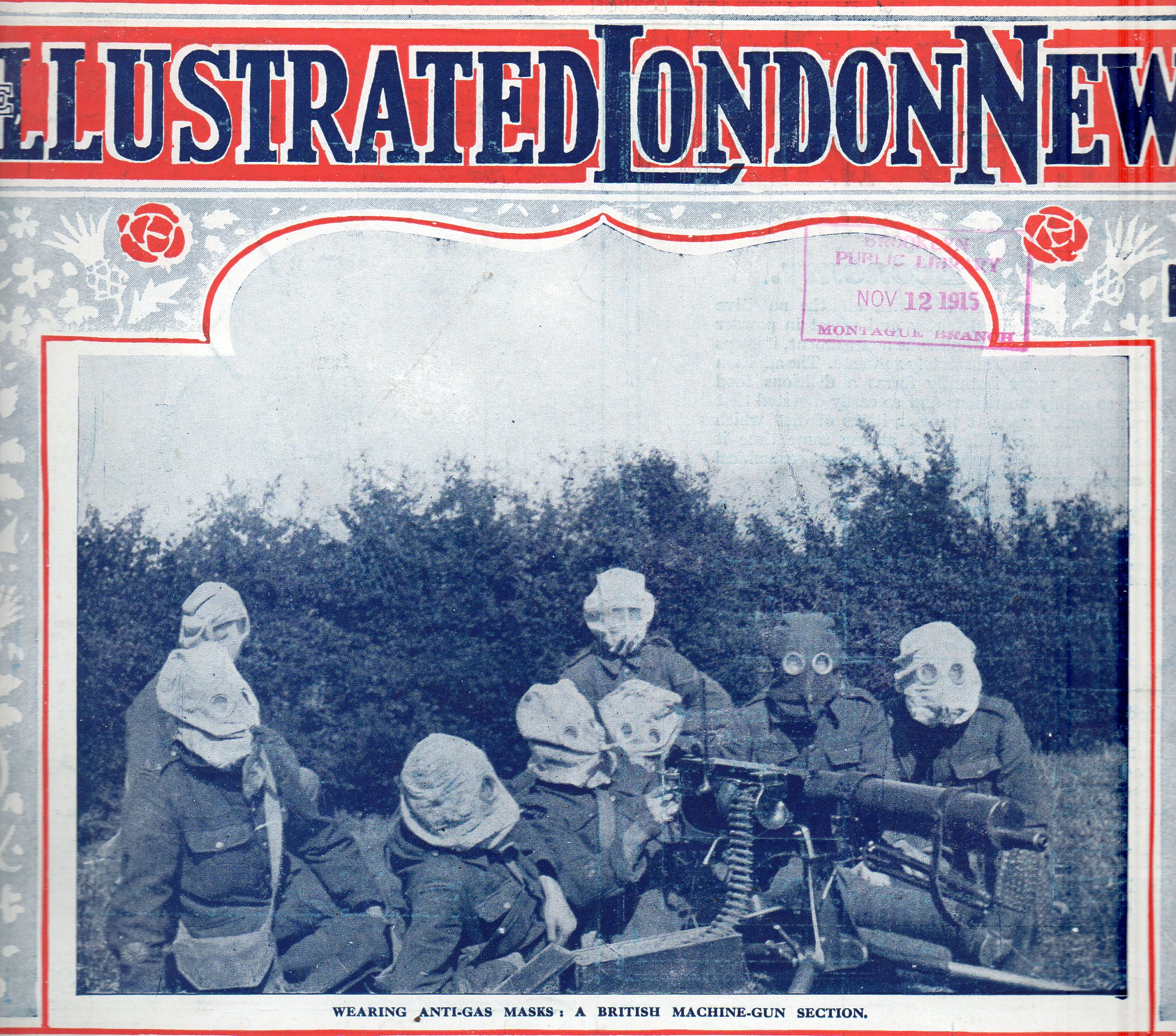
  • Gas Masks and Poison Gas, World War I, 1915

    JF Ptak Science Books   Post 1191

    In the long line of potent and horrible weapons, few are as so superbly bad as chemical and poison gas.

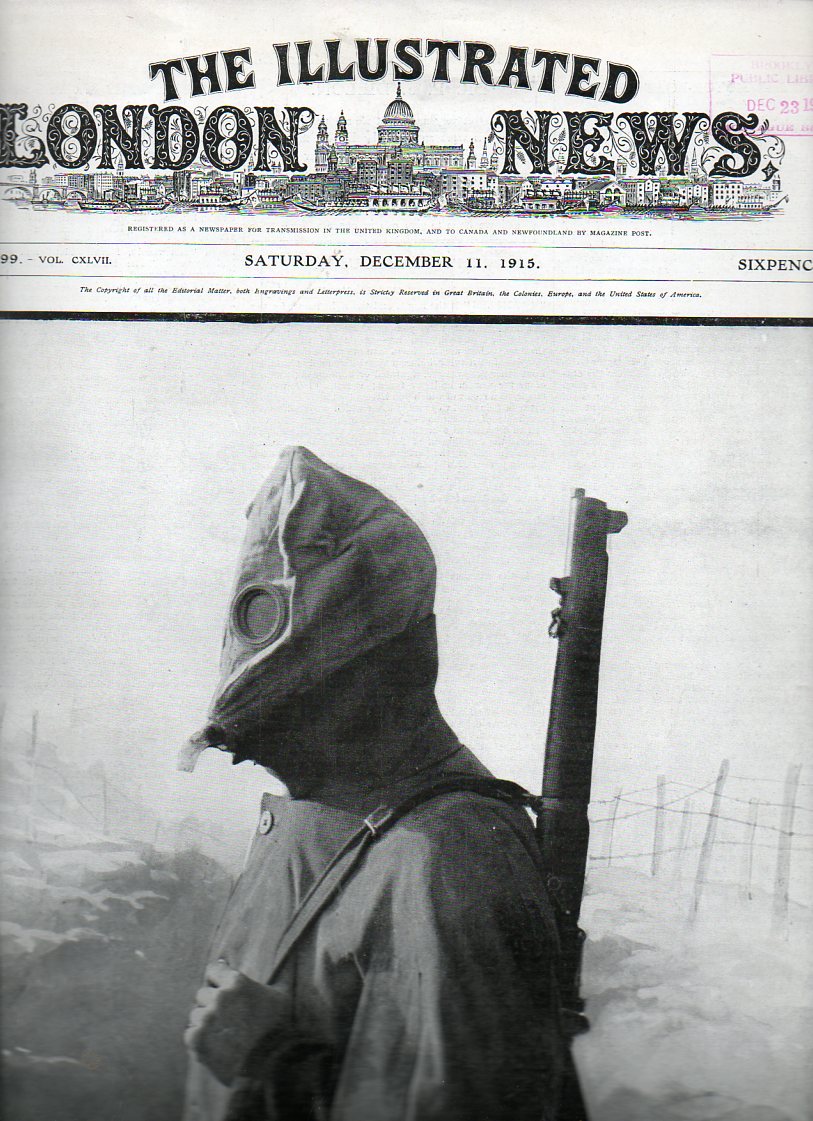
    WWI--gas mask full pg696

    [This image is available for purchase at our blog bookstore, here.]

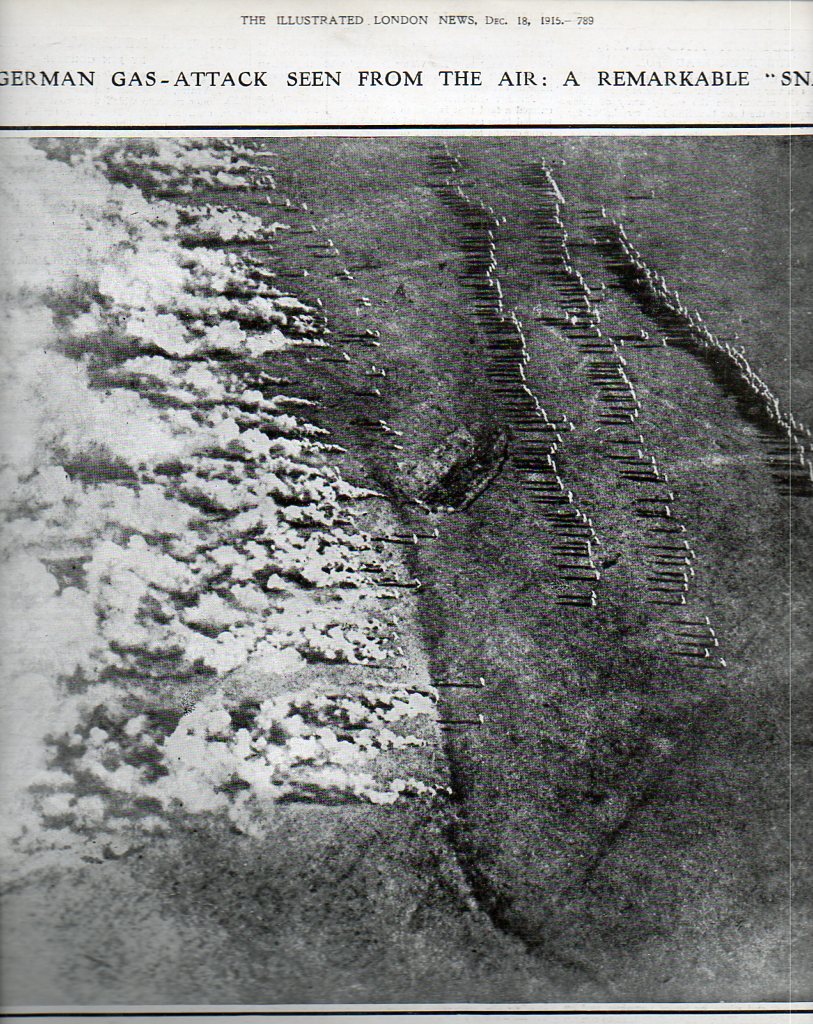
    The heading of this full-page photo from The Illustrated London News for 18 December 1915 really is quite understated—“remarkable” really doesn’t quite cover it.  First of all, photographs from moving airplanes were not common; secondly, this is one of the earliest images ever made of a poison gas attack in progress, just eight months after the initial use of German poison gas at Ypres (a first-hand account of which can be seen here http://www.firstworldwar.com/diaries/firstgasattack.htm  The experience of poison gas in warfare was still “new”–newer still for the Russians, who were at the receiving end of this unnamed  Eastern Front attack.

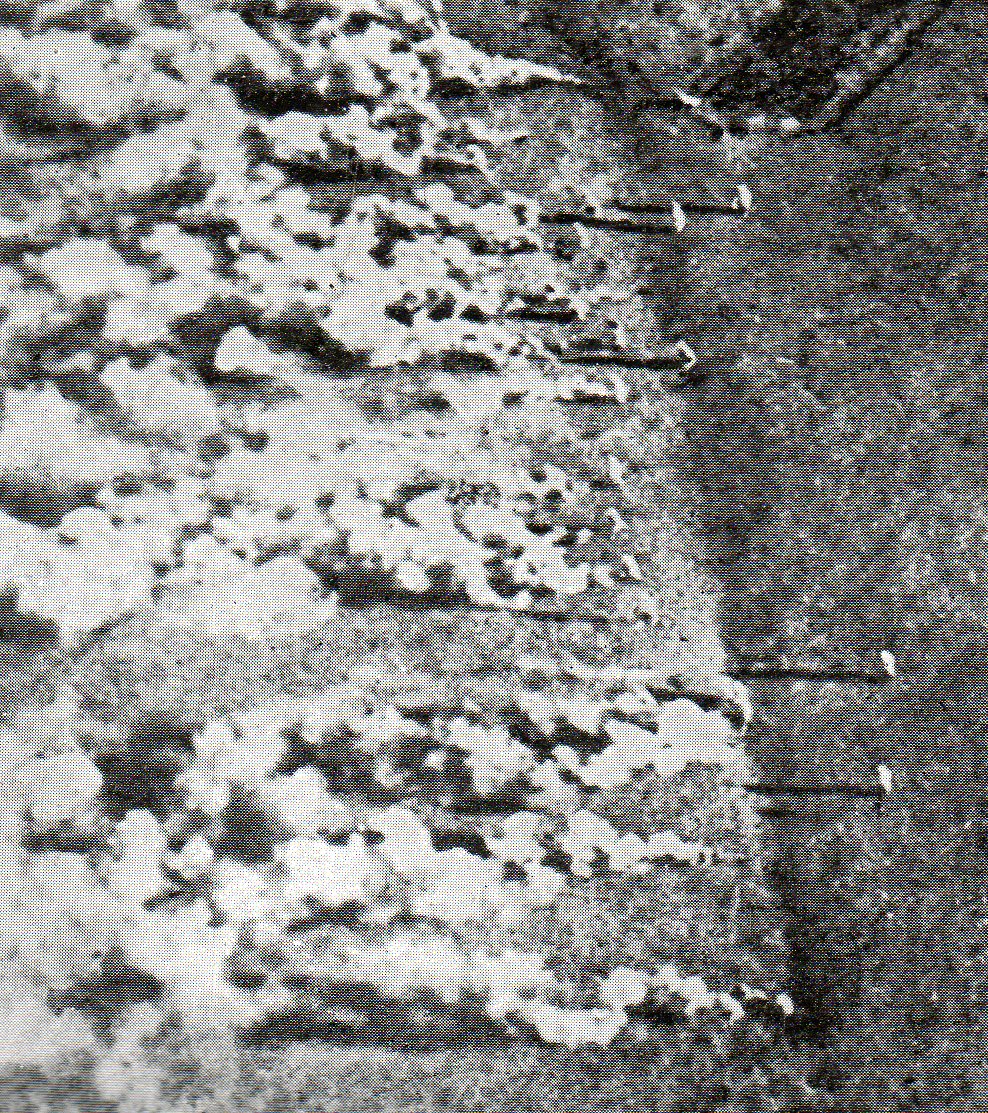
    The story on this goes as follows: during the night the German enemy forces crawled with metal and glass canisters of the poison gas to the very front of the Russian lines, or at least to the outer edges of the barbed wire perimeter.  The crawler would retreat, and then the whole of the attacking force would wait until daylight and a favorable wind condition at which time rifelmen would discharge at the canister, a direct hit mixing the contents fo the vials, producing the desired gas.  The wind would then pick up the gas and disperse it, the Germans waiting for the first leg of their attack to take effect on the poor soldiers in the trenches, and then attack once the gas had mostly cleared.

    WWI--gas attack697

    And the associated

    WWI--gas attack det b699

    And this solitary figure:

    WWI--gas attack detc700

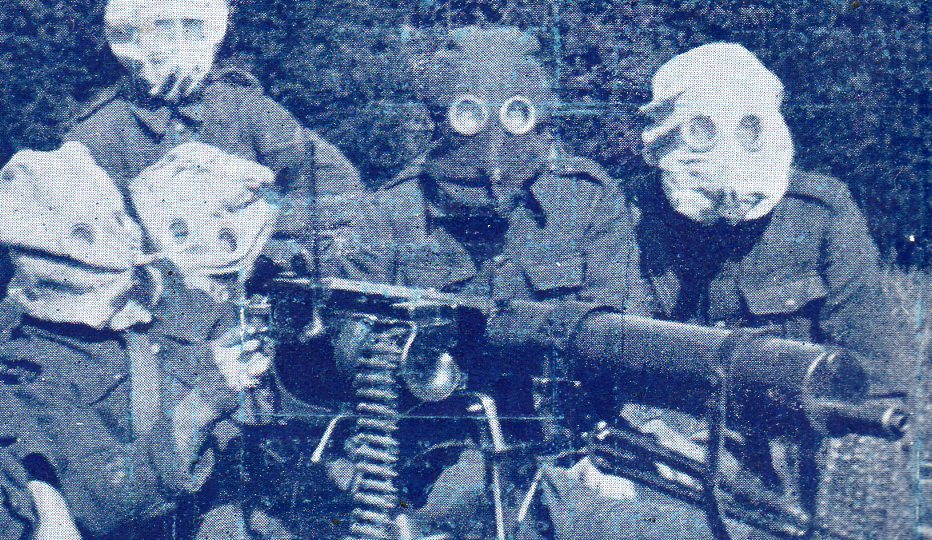
    The masks devised to deal with the attacks were soemtimes effective, sometimes not–actually, they were occasionally enhancers.  The earliest masks were creepy, unworldly, Coraline-like burlap-and-button-faced affairs–I’d hardly wnt to imagine seeing thousnads of these guys come running up to me with rifles and grenades in their hands attacking my position. 

    WWI--gas machine gun711
    WWI--gas machine gunb712


  • Women in World War I–Rare Photographs, 1918

    JF Ptak Science Books  Post 1190

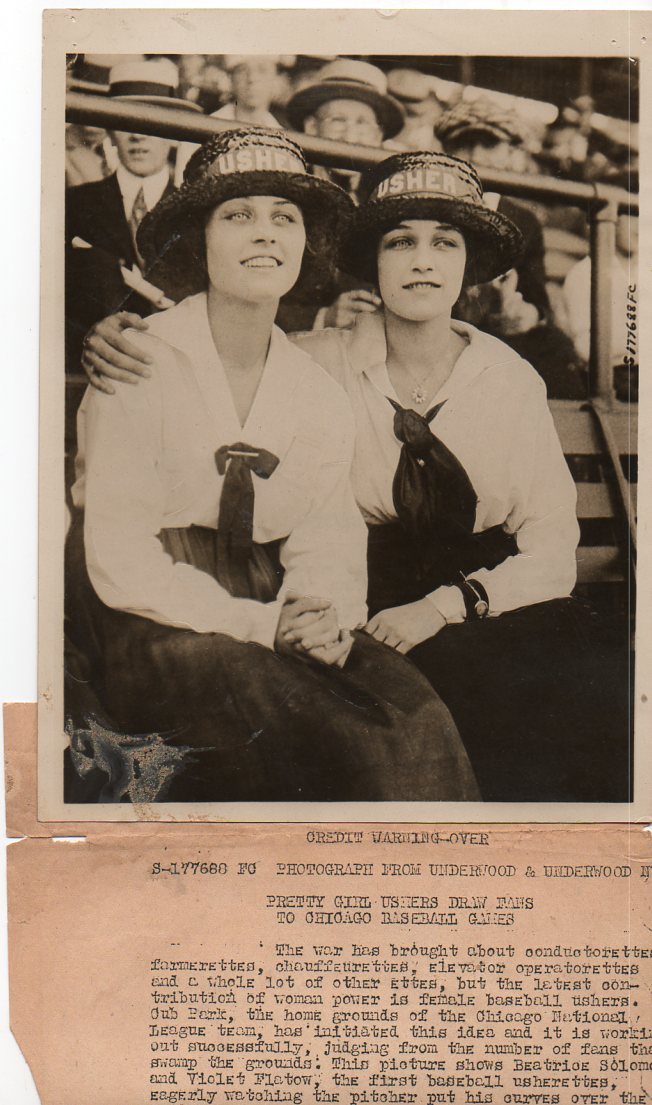
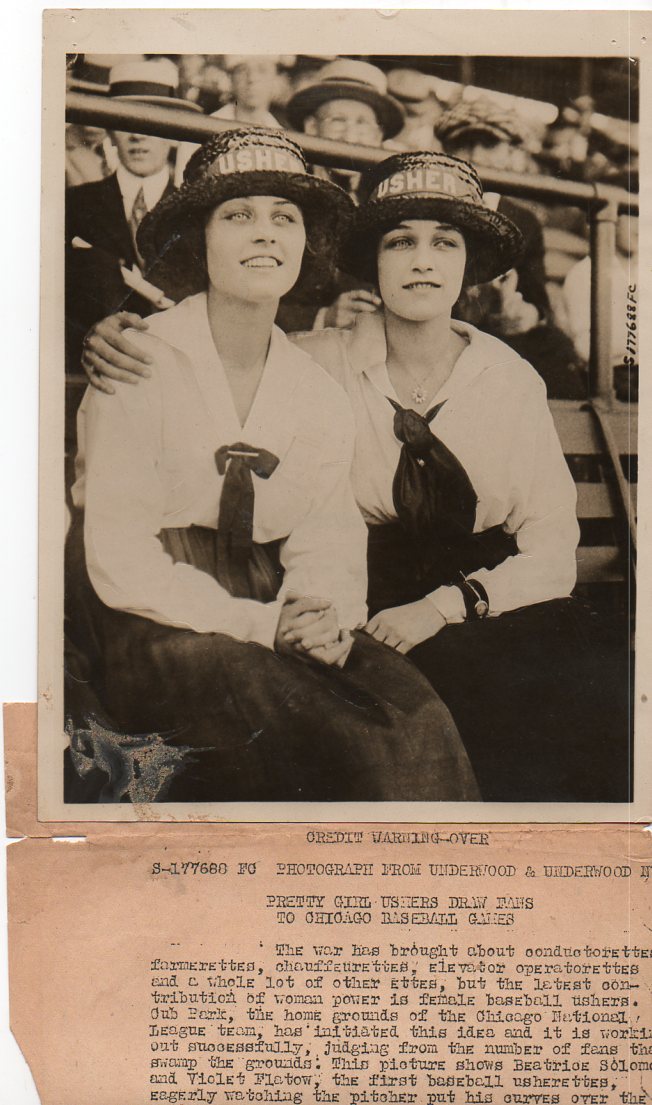
    WWI--e--women ushers684

    [All of the images below are available for purchase; see our blog bookstore for details.]

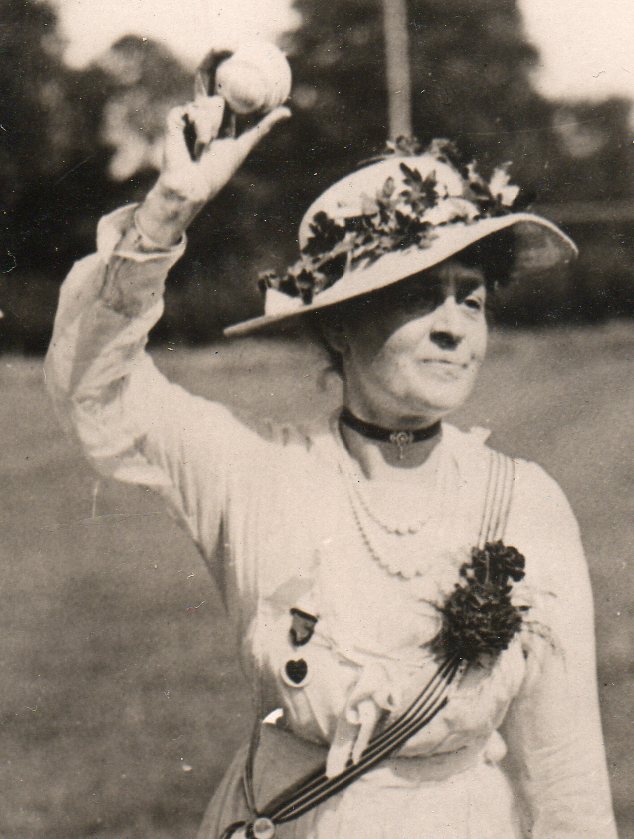
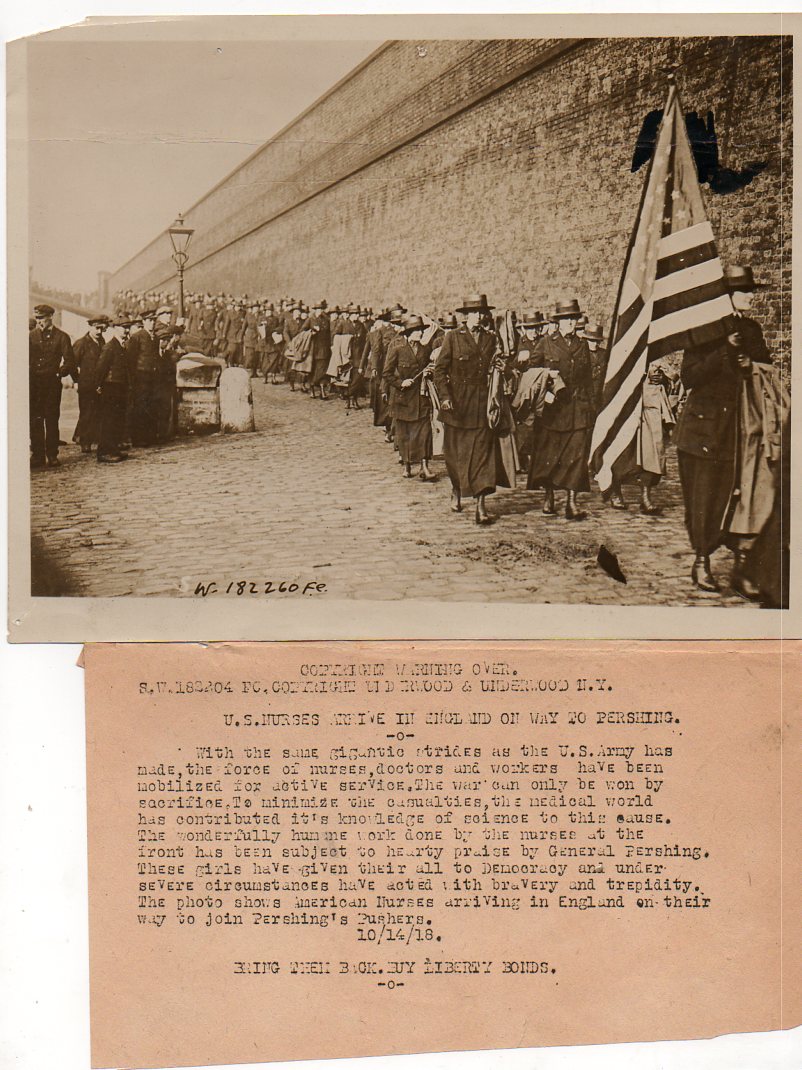
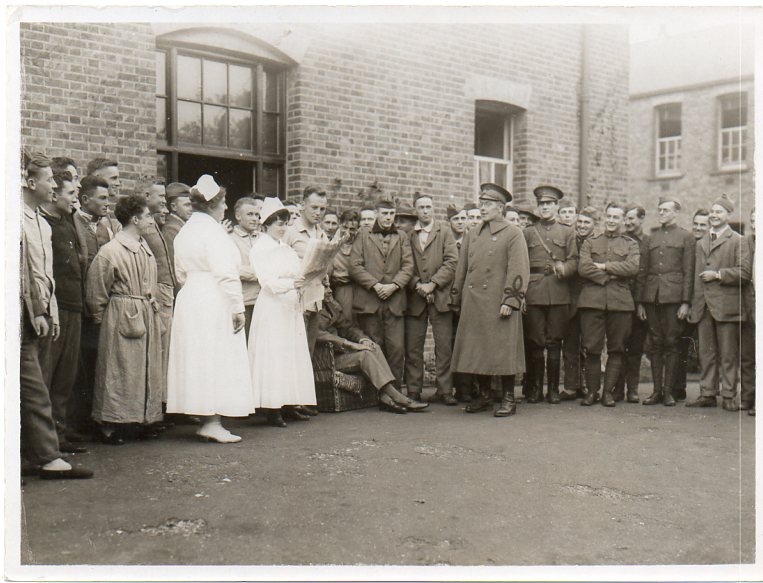
    This is another in a series of posts on images from my News Service Photographs of WWI collection.  All thousand or so of them were made in the last half of 1918 (save for a very few made in 1919) , in the last months of the grueling conflict, and were intended to be used by newspaper and magazines to illustrate stories about the war. An editor would send off a request to one of these agencies for, say, a photograph of marching American nurses, and the agency would send one back (for a fee) along with a caption.   There’s really no way for me to determine if these photos were ever published, and there is never an attribution for the photographer. 

    Most of the images have an accompanying descriptive text–this was to be used by whomever published the photograph, along with the attribution for the source of the photo. 

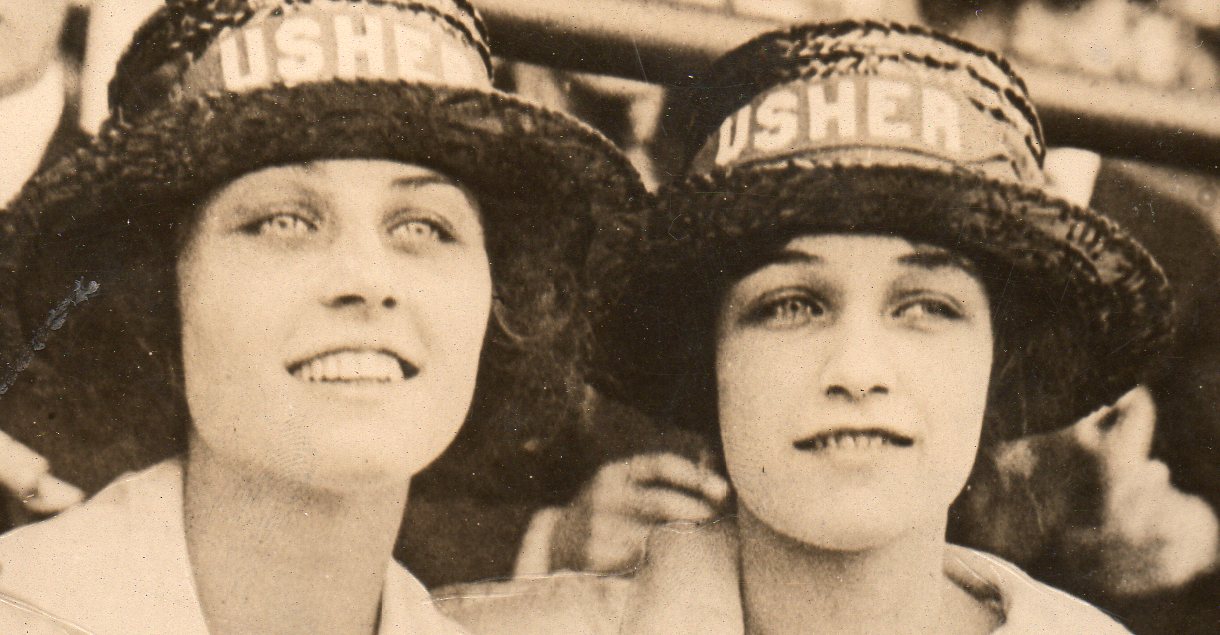
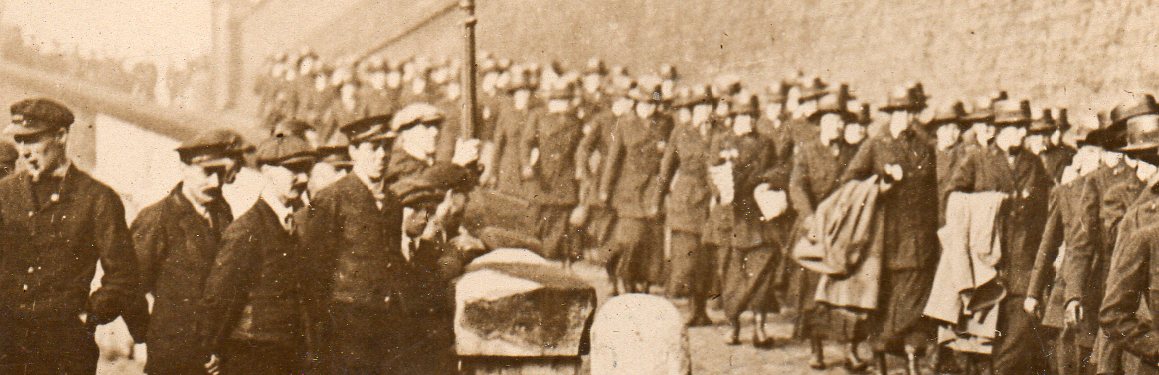
    In almost every case I supplied a detail of the image, hopefully of something that you’d want to see a detail of. 

    WWI--e--women ushers684
    WWI--e--women usher dets685

    ORIGINAL Photograph, 1918.  8×6 inches.  Very good condition.  $150

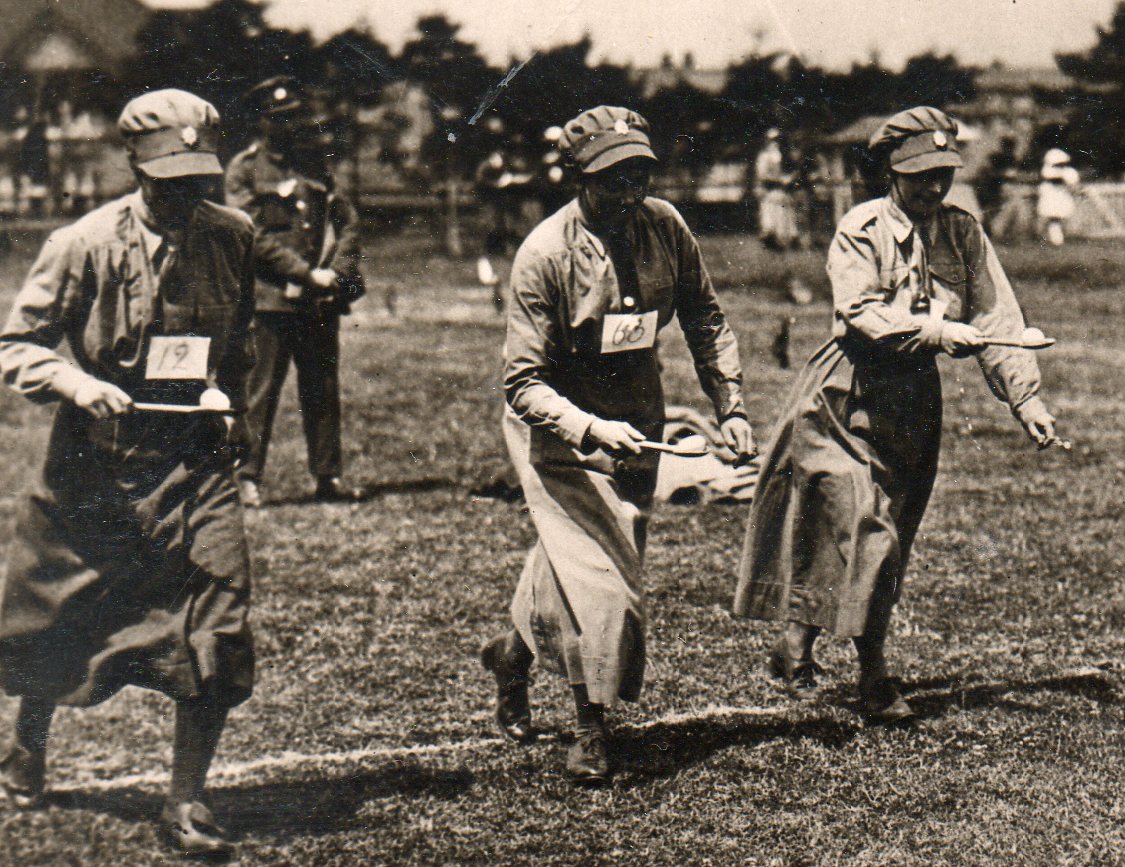
    WWI--e--women--egg race det664
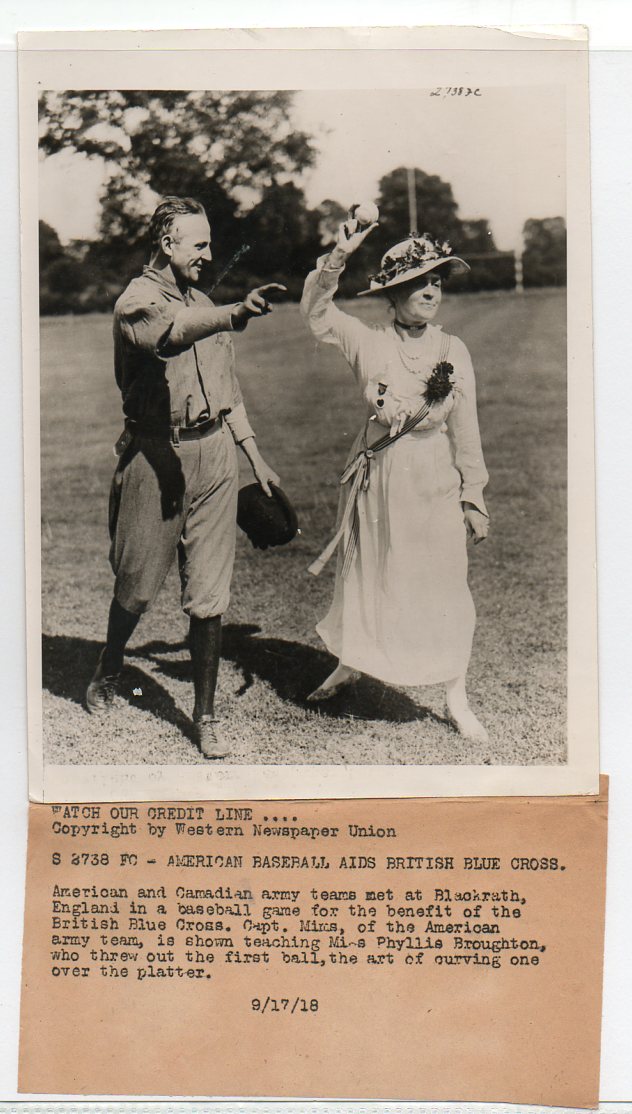
      WWI--e--women-baseball672

      WWI--e--women-baseball det673

    WWI--e--women--nurse pershing653

    WWI--e--women--nurse pershing det654

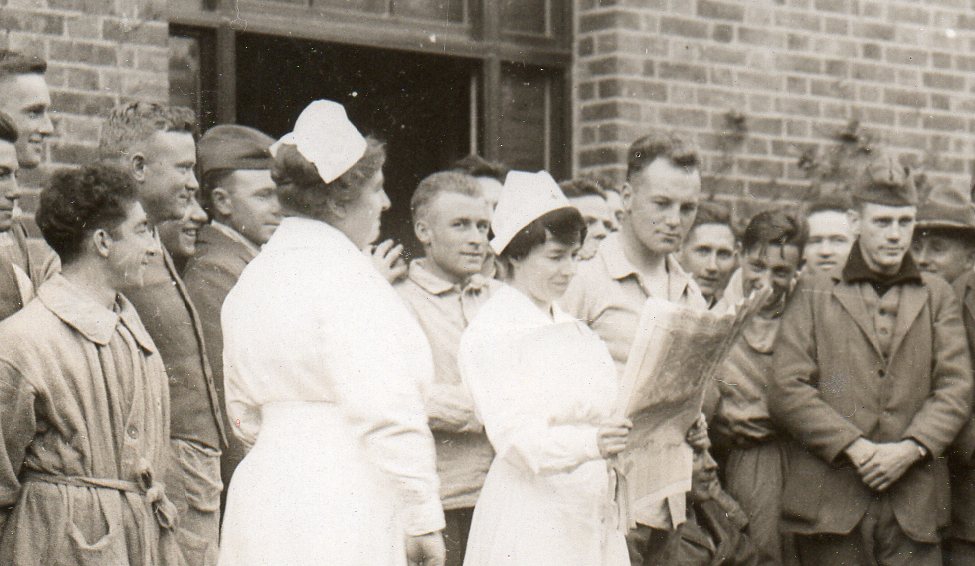
    WWI--e--women--nurse reading paper659

      WWI--e--women--nurse reading paper det660


  • Women in World War I–Vermeer of the Tars, 1918

    JF Ptak Science Books

    [This original, vintage image maybe purchased from our blog bookstore, here.]

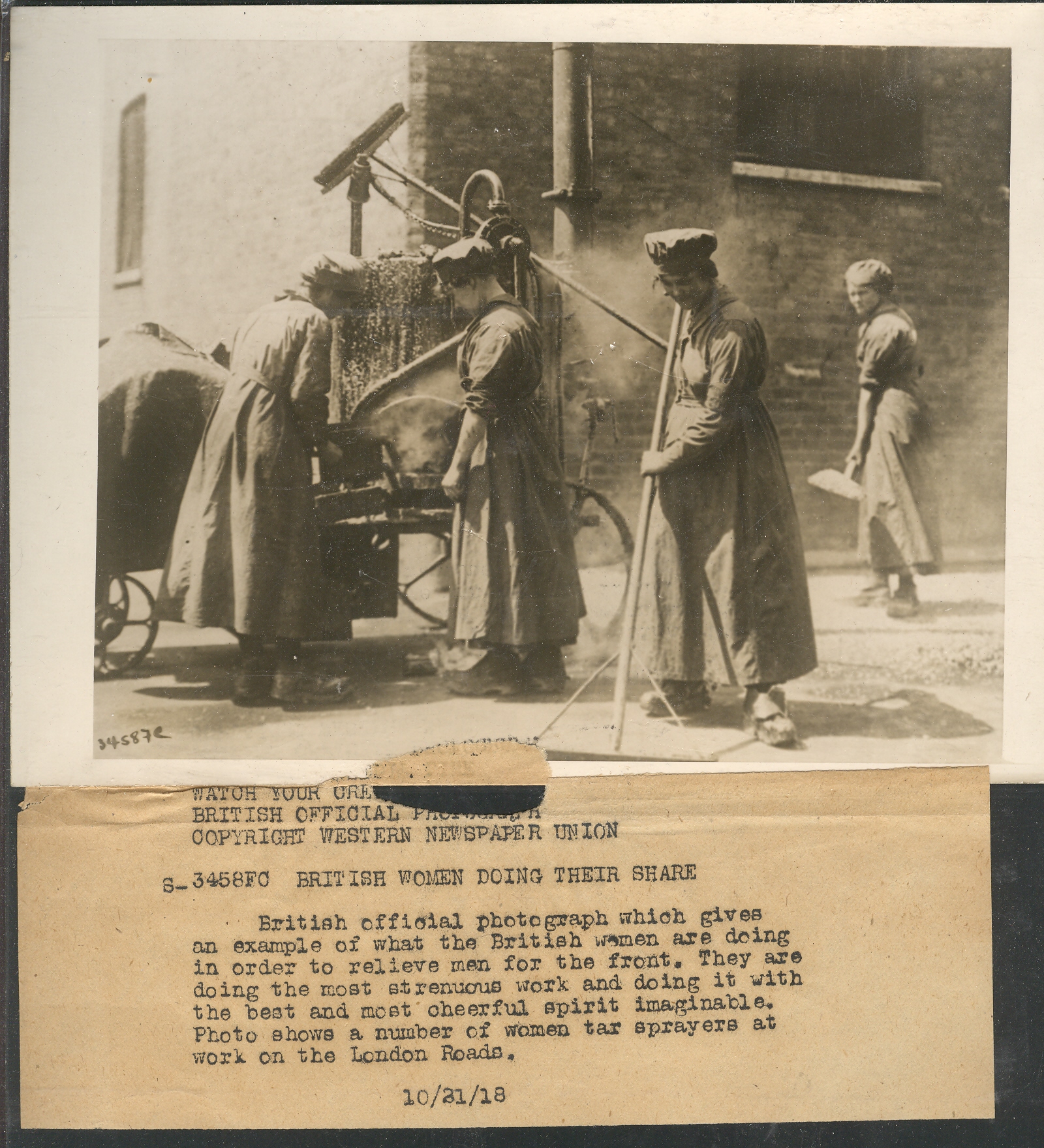
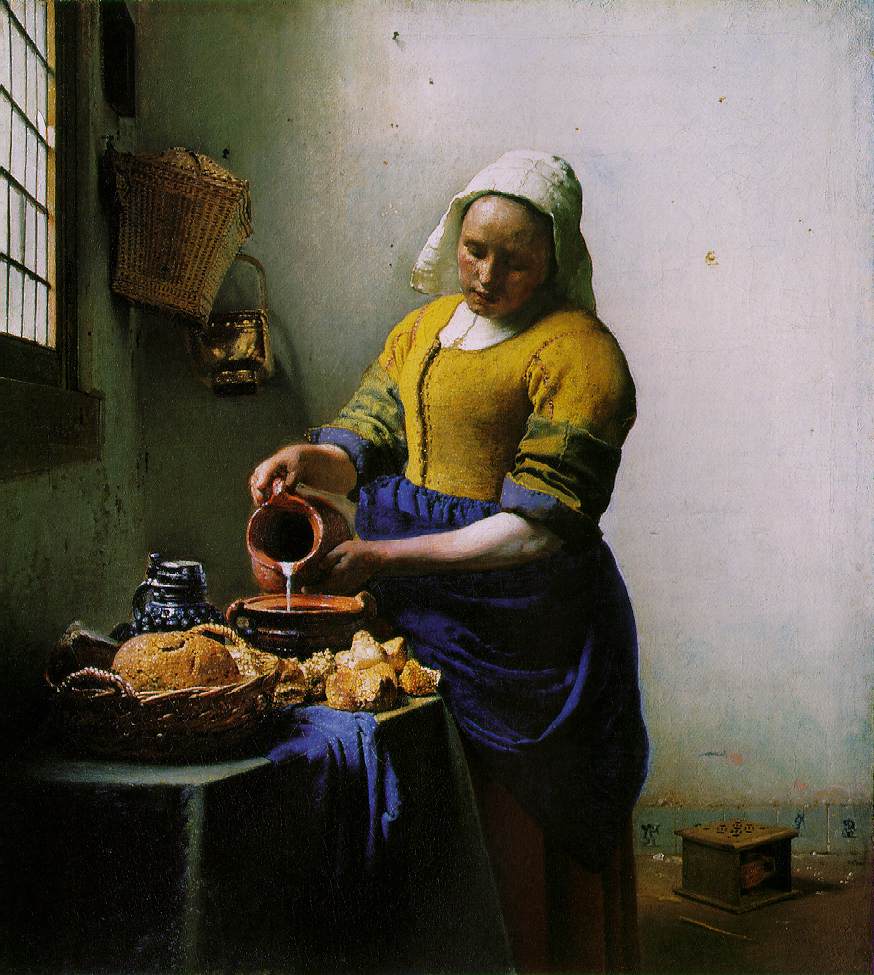
    0 ebay nov 20 WWI Vermeer In England, women were welcomed to the (paid) workforce during the years of the First World War (1914-1918)—their employment in traditionally male positions enabled those they replaced to go out to the front and die for their country.  Thus the women seen here in the News Photo Service Agency photograph (taken in 1918), working at spraying tar in the streets of London, were appreciated, and tolerated.  For women in England the War blasted away the contrivances of formally scheduled employment:  something like 12% of fall women in England were working as servants and house cleaners.   Come the War, women were offered jobs of revolutionary stature in a wide range and variety of work.  The Civil Service employment for women went from 33,000 in 1911 to 102,000 in 1921, and trade union membership rose 160% (357,000 in 1914 to 1,000,000 in 1918 (with men showing a 44% increase at the same time); for the most part, though, employers took advantage of the situation, and the women still generally earned less than half of the salary as comparable male workers did (or the men they replaced). 

    When the end of the War came, so did the appreciation for the women replacement workers—there was bitter feelings in the post-war period because of the weak British economy and a scarcity of jobs.  So the women who took the jobs of men to help the country’s war effort and free up hundreds of thousands of men for war service became an atavistic action, “taking” the jobs of men who had gone out to fight for their country. This of course cost many women their jobs, but the damage had already been deeply done to the pre-1914 British world of the sexual politics of business-being-done, though it would take World War II to really ingrain the appearance of women in the workforce into the national psyche.

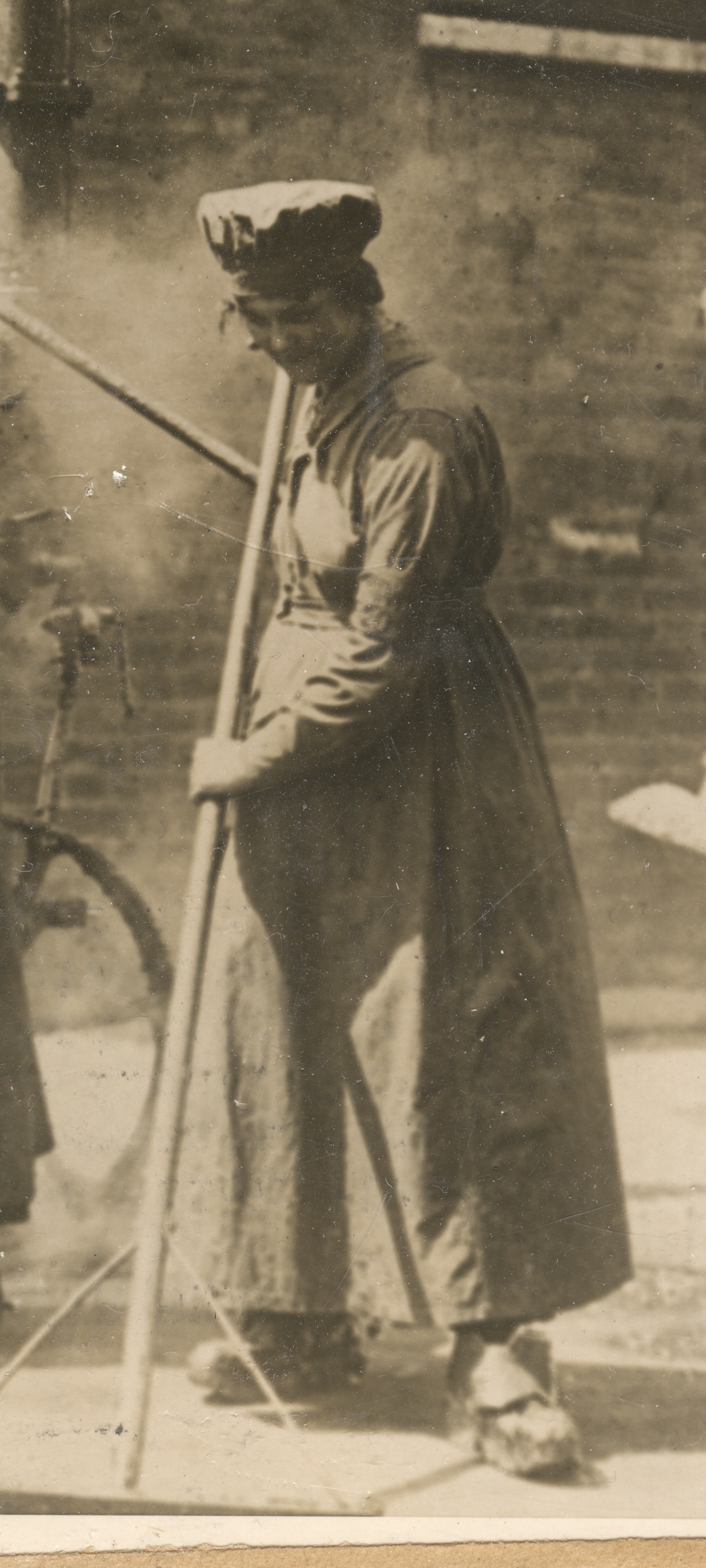
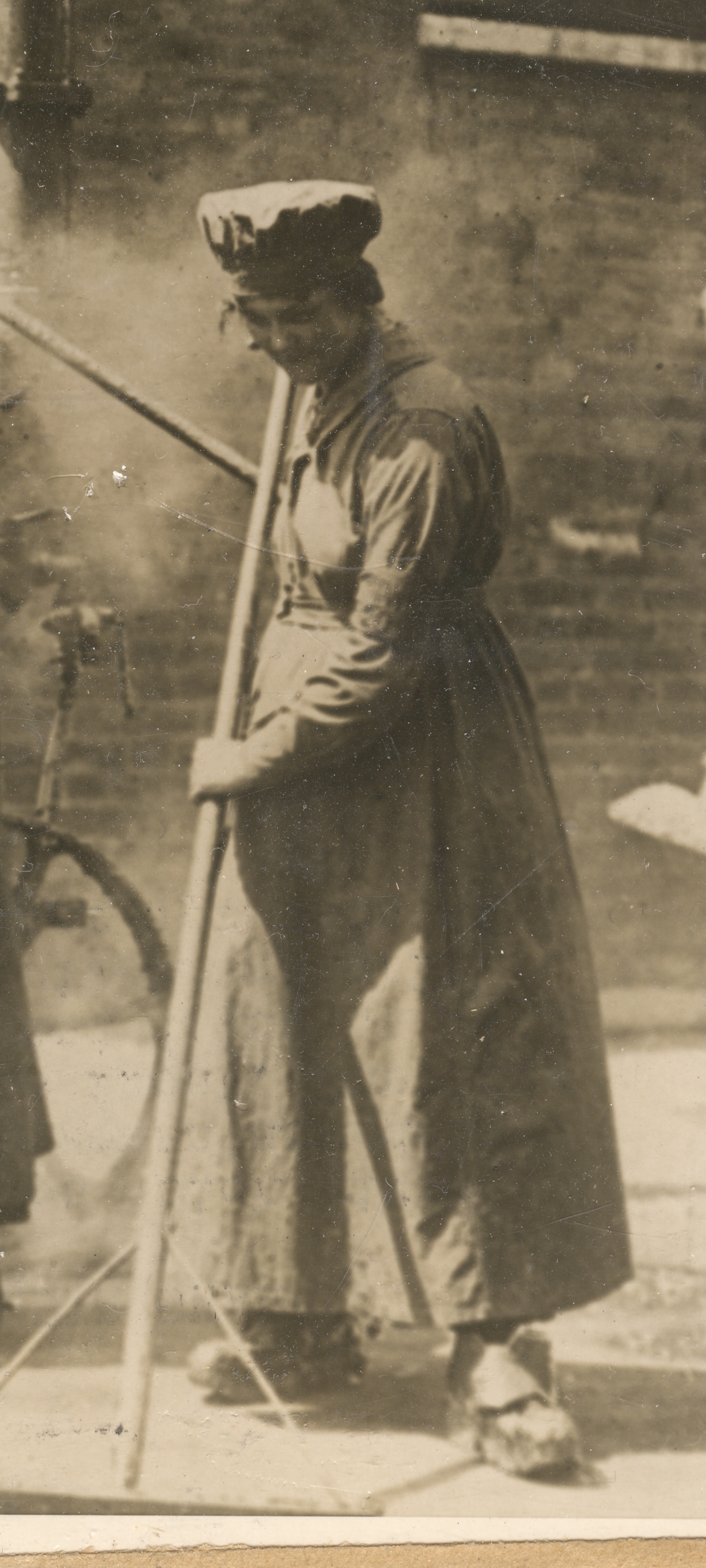
    I’ve liked this photo for a long time, seeing things differently in it over the years.  It struck me just yesterday that the woman in foreground-right–whose close-up reminds me too of a Madonna, a Mona Lisa of the Tars–looks like a Vermeer character from 400 years ago.  Or at least the position of her body does.

    0 ebay nov 20 WWI Vermeer 001 

    0 ebay nov 20 WWI Vermeer 001 0 blog nov 20 vermeer water

    ·Posted by :

    ·in:

    —

  • World War I Photographs–German Prisoners, Mass Crowd Scene, 1918

    JF Ptak Science Books


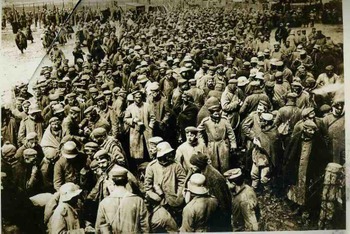
    Blogcrowdsphoto_ww1249_2 This image comes from a collection here of First World War news service photographs,  showing German prisoners being readied for transport home, and dated 20 November 1918.  This group had evidently surrendered just before the armistice was signed, and was sent directly and instantly  to a staging area for transport back to the Fatherland.  The way that many newspapers obtained the war images that they published in their papers was via a semi-centralized pool of war images.  The newspaper would request, say, a photo of German prisoners, and would contact one of these photographic agencies—in this particular case, it was the Central News Photo Service of 26-28 Beaver Street, NYC—and purchase the rights for republication, and then print it in the newspaper along with the story.  In almost every case the photo would be accompanied by a caption mimeographed onto an attached piece of cheap paper, and in this case it reads:  “Waiting to Return Home/a photo just received showing a batch of enemy troops who surrendered just before the signing of the armistice, joyously discussing the coming of peace and the opportunity of returning home to their families.”
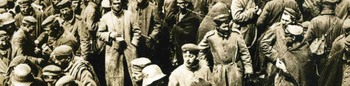
    Blogcrowdsphoto_ww1_detail_long251I seriously doubt that the copy editor could read the minds of either the photographer or the troops in the photo.  I would imagine that they were definitely joyous about going home ALIVE to their families, but when looking really closely at the picture the thing that seems to dominate the actions of the people is food.  Or cigarettes.  But mostly when looking hard at the faces in the photo, the men just look tired.
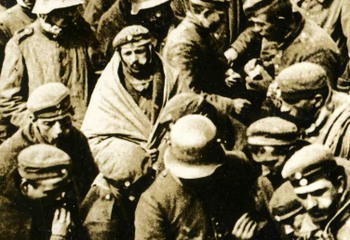
    Blogcrowdsphoto_ww1_detail_super253
    Looking very closely at these types of images has always been fascinating; look close enough, under high magnification, and the large photo becomes composed of dozens of smaller photos.  The whole is an assemblage of vignettes, each in themselves a work of art.

    Continuing in a more odd tone, I’m also reasonably convinced that after looking at hundreds of faces in a photo like this that you’ll find a picture of yourself.

    Blogww1_crowd258_2

    I did.  This section is a 3200 dpi scan of a 15×10 mm section, and I am undoubtedly and unquestionably the bald bearded man (one of the few people in the image without a hat) at center-bottom.

    ·Posted by :

    ·in:

    — —

  • Airwar over Gallipoli–New, Massive Aeroplane-delivered Bombs, 1915

    JF Ptak Science Books

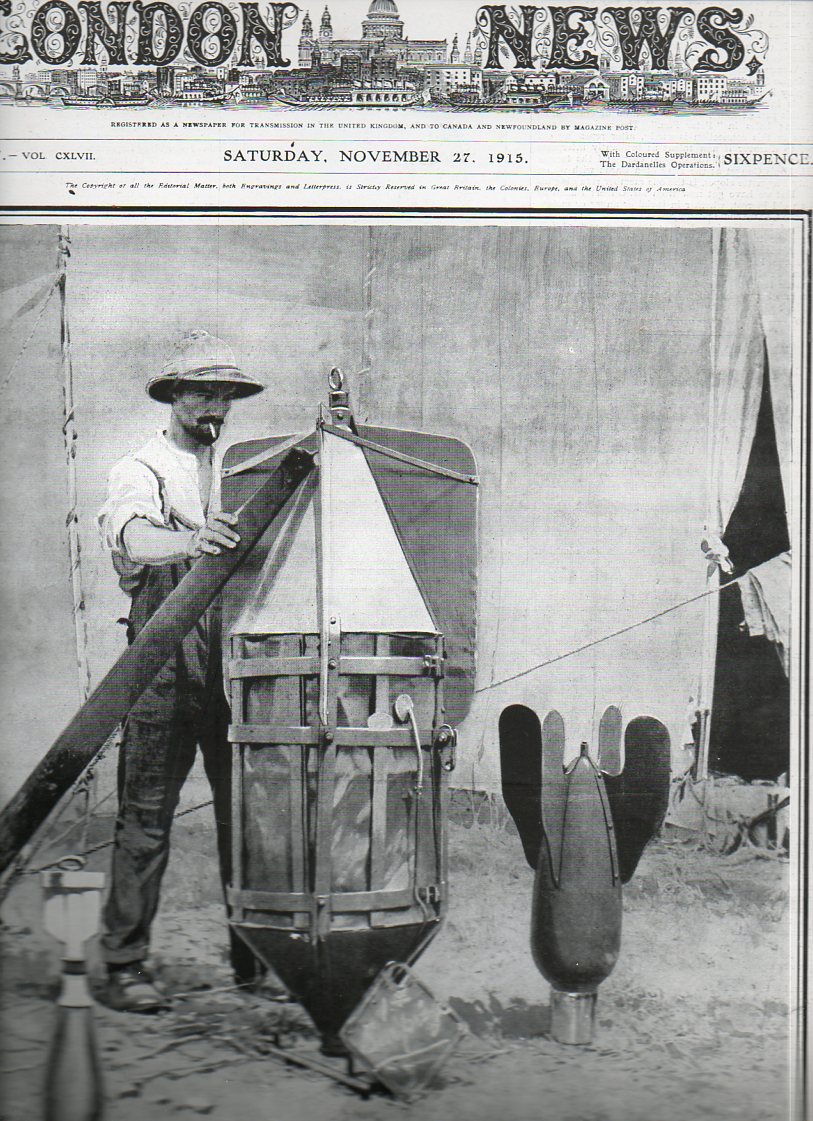
    War Images “Almost as Tall as a Man!  Great Bomb Used by the Allies Airmen at Gallipoli”, as seen on the front cover of The Illustrated London News for 27 November 1915. The campaign at Gallipoli was more than half done, more than half-way closer to the finish, which found the Allies retreating in the midst of high misery, gallant action, and broad death and destruction, with more than 390,000 soldiers from both sides being killed or wounded during the 10 months of the campaign. It was a miserable experience–hot in the summer, cold in the winter, with frostbite, rotting corpses, dysentery, bad food, poor sanitation, supply difficulty, and ultimately a costly stalemate which was supposed to have ended up in an Allied route to Russia. 
    WWI--e---aerial bomb642

    The use of bombs by airborne craft was still in its infancy at this point, the idea coming into use just a few years before the beginning of the war in 1914–the practice was quickly adapted after 1915.  (The first use of bombs dropped from airplanes is widely seen as having taken place by the Italians in 1911 and then in Mexico during the revoultion in 1912.) This image shows the development of an enormous bomb, though its details and destruction force “are left to the imagination of the reader”; I’m pretty sure that the bomb (if it was real and if it wasn’t just a piece of propaganda) would’ev been hauled aloft and dropped from a dirigible rather than an airplane. 
    See: Airwar over Gallipoli/Dardenelles   and here for a general look at aviation udring the early part of WWI.

    [We offer the weekly issue of the Illustrated London News for sale here.]

    ·Posted by :

    ·in:

    — —

  • What Victory Looks Like: the Battle of the Somme and the Thin Line Between Winning and Losing

    JF Ptak Science Books  Post 317

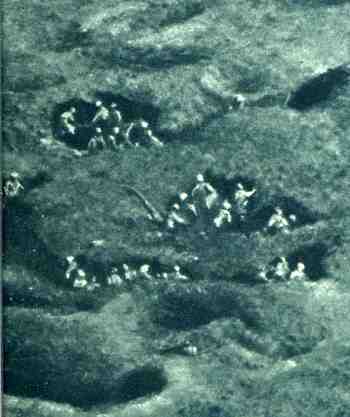
    In a play on the concept of the Powers of Ten, I had a look at a photograph depicting the French victory at the Somme; or was it a British victory?  Or German, via the lure of the others to a semi-victory?  Its hard to say who won, or if there really was a winner.  The Battle, which looks to me to be a sub-war within the war, occurred over the period of July through November 1916.  When the smoke settled, there were some 1.5 million casualties on both sides.It has long been held that the battle really was won by someone, the British, the French; but there was so little that was accomplished by the action that there probably wasn’t a winner, just losers. 
    00blogoct_14somme850_2

    And big losers, at that: Great Britain, Canada, Australia, New Zealand, Ireland, South Africa and Newfoundland lost 419,654 casualties, with 95,000 killed; the French lost 204,000 casualties and 50,000 killed.  That made a total of 623,000 casualties and 146,000 killed for the allies; Germany lost 465,000 casualties and 164,000 dead.  The advances made along the battle front went a few miles one way and then the other along a 12-mile stretch of battlefield, which four lives were traded for every inch gained along that porous front.

    The first image here (above)  is a very sharp detail from the overall picture published in The Illustrated London News for 6 January 1917, representing about 1% of the entire photo

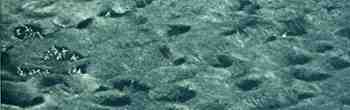
    The next image places the micro-detail in more context; this detail is itself about 5% of the main image, which is found just below this one.
    00blogoct_14somme849_2

    The overall image from which these two details are removed is below. In turn, this large image is but a small detail of the greater overview of the battlefield, making up perhaps a few percent of the field of operations. 

    I’m trying to get a feel for the enormity of the battle, but I really can’t, not even via powers of ten, manipulating the idea of orders of magnitude.

    In one last try, I hypothesize that the 1.5 million casualties could not be displayed in 10 of these large images.  .

    That wouldn’t look like victory at all. 

    Ballistics_123